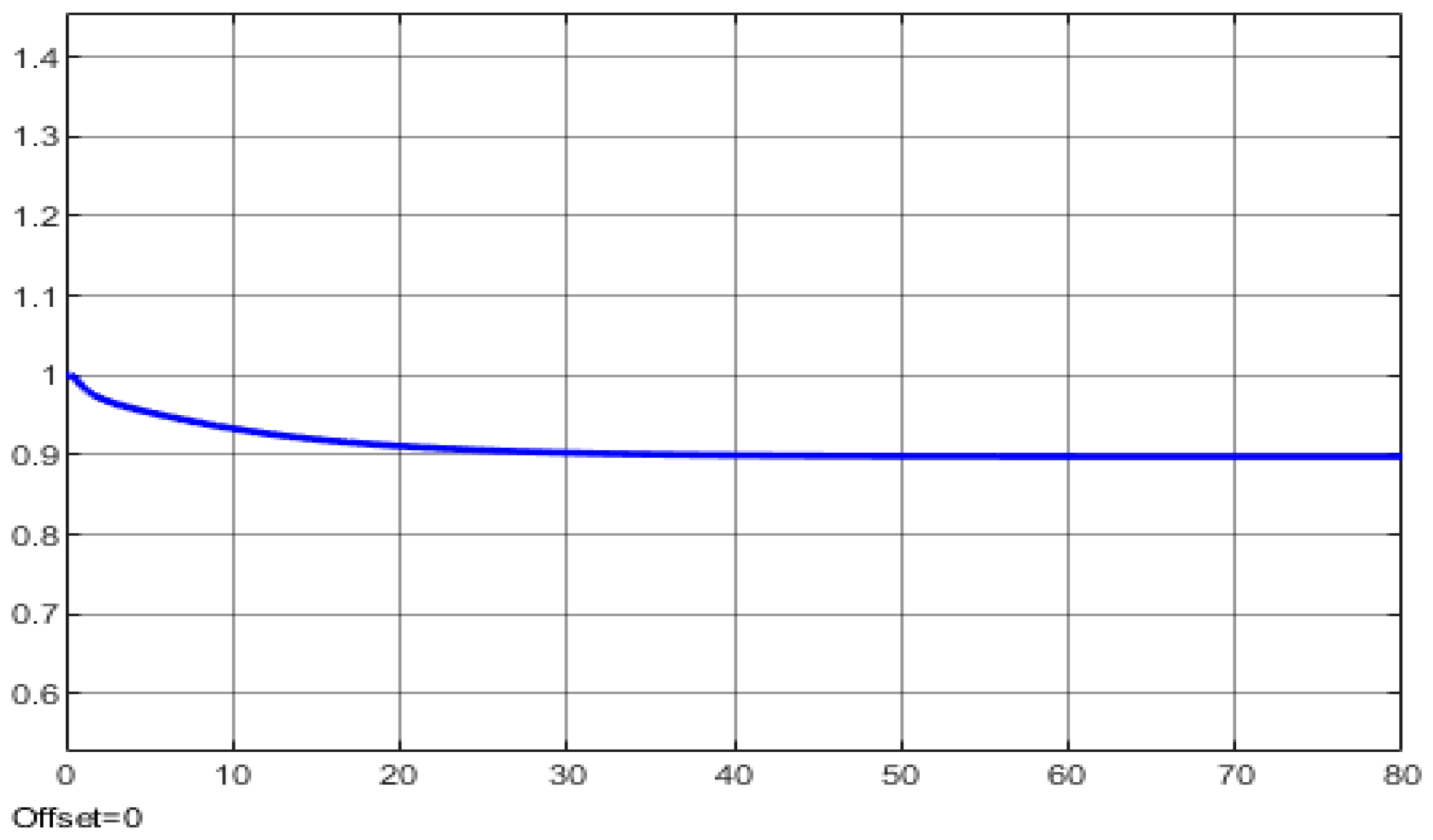
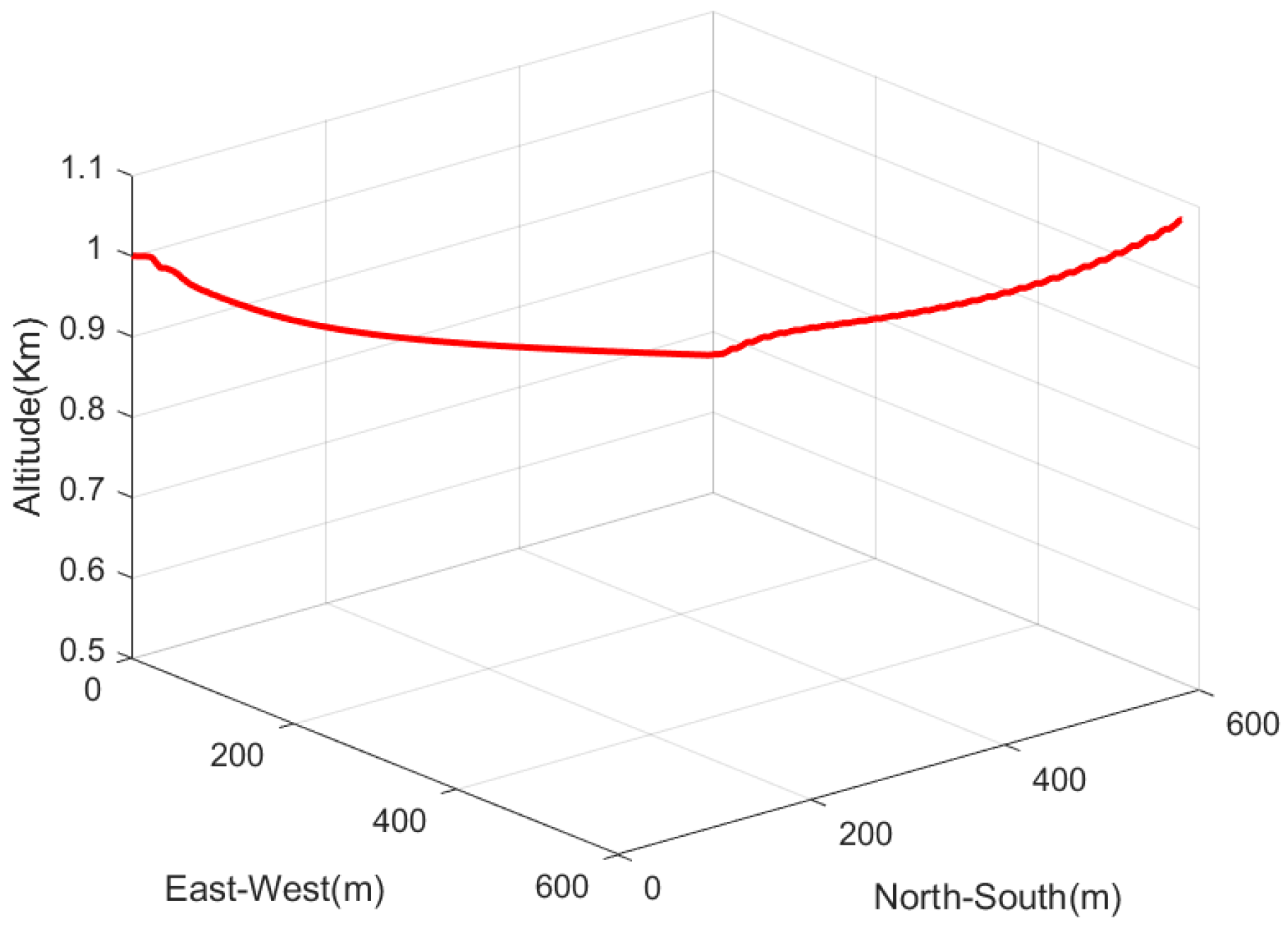
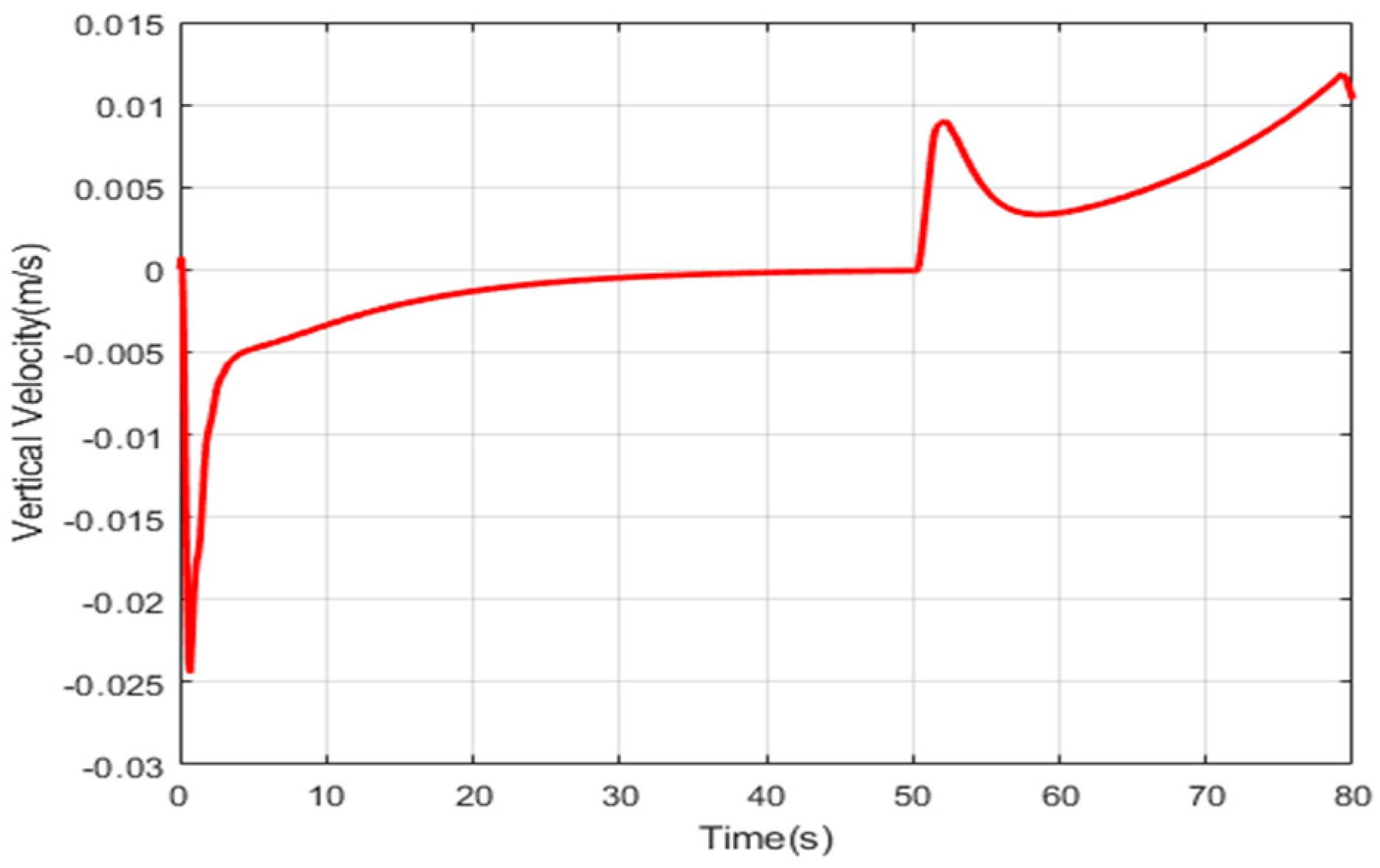
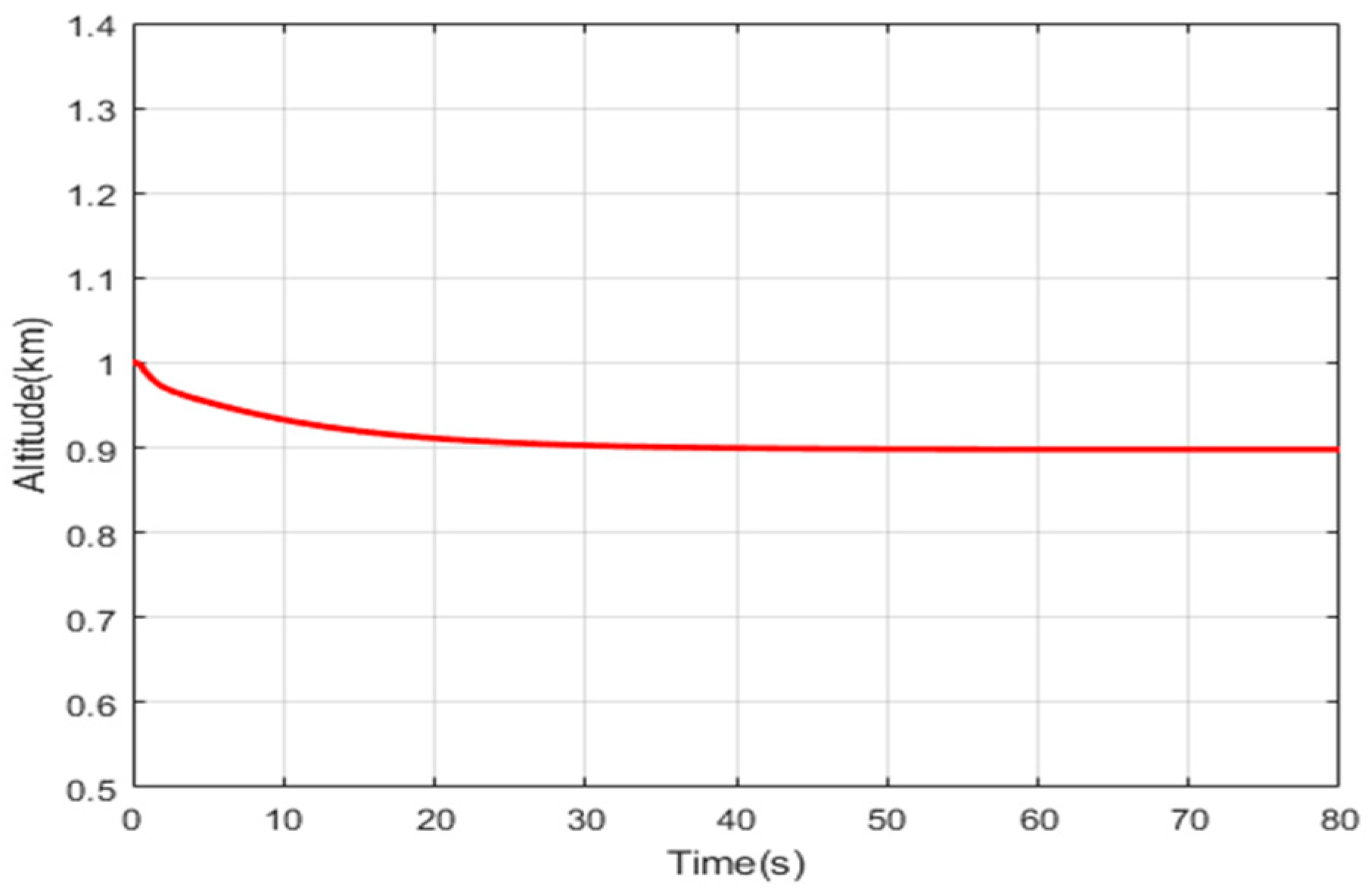
Incipient Fault Detection and Reconstruction Using an Adaptive Sliding-Mode Observer for the Actuators of Fixed-Wing Aircraft



Abstract
Share and Cite
Wang, L.; Zhao, W.; Liu, Z.; Dang, Q.; Zou, X.; Wang, K. Incipient Fault Detection and Reconstruction Using an Adaptive Sliding-Mode Observer for the Actuators of Fixed-Wing Aircraft. Aerospace 2023, 10, 422. https://doi.org/10.3390/aerospace10050422
Wang L, Zhao W, Liu Z, Dang Q, Zou X, Wang K. Incipient Fault Detection and Reconstruction Using an Adaptive Sliding-Mode Observer for the Actuators of Fixed-Wing Aircraft. Aerospace. 2023; 10(5):422. https://doi.org/10.3390/aerospace10050422
Chicago/Turabian StyleWang, Lina, Wen Zhao, Zhenbao Liu, Qingqing Dang, Xu Zou, and Kai Wang. 2023. "Incipient Fault Detection and Reconstruction Using an Adaptive Sliding-Mode Observer for the Actuators of Fixed-Wing Aircraft" Aerospace 10, no. 5: 422. https://doi.org/10.3390/aerospace10050422
APA StyleWang, L., Zhao, W., Liu, Z., Dang, Q., Zou, X., & Wang, K. (2023). Incipient Fault Detection and Reconstruction Using an Adaptive Sliding-Mode Observer for the Actuators of Fixed-Wing Aircraft. Aerospace, 10(5), 422. https://doi.org/10.3390/aerospace10050422