Review

Bioactive Nutritional Macromolecules Supporting Hair Structure, Density, and Growth: A Comprehensive Review


by
Johannes-Paul Fladerer-Grollitsch
1,2,* and
Selina Fladerer-Grollitsch
1
1
Institute of Pharmaceutical Sciences, University of Graz, Beethovenstraße 8, 8010 Graz, Austria
2
Apomedica Pharmazeutische Produkte GmbH, Roseggerkai 3, 8010 Graz, Austria
*
Author to whom correspondence should be addressed.
Cosmetics 2026, 13(2), 72; https://doi.org/10.3390/cosmetics13020072
Submission received: 5 February 2026 / Revised: 13 March 2026 / Accepted: 14 March 2026 / Published: 17 March 2026
(This article belongs to the Section Cosmetic Formulations)

Abstract

Hair loss affects over half of adults by age 70 and represents a major determinant of overall hair health, imposing significant psychosocial burden across genders. Nutritional factors play a critical role in follicle biology, yet targeted strategies remain underexplored. This comprehensive review examines five key hair-constituent macromolecules—type I collagen, elastin, keratin, ceramides, and melanin—and their physiological and clinical impacts on hair structure, density, shining, and growth. We conducted a structured literature search in PubMed and Google Scholar through January 2025, selecting in vitro studies, animal experiments, and human clinical trials that evaluated each macromolecule’s effects on follicular function and hair fiber integrity. Type I collagen enhances dermal papilla cell proliferation, upregulates Wnt/β-catenin and growth factors, and improves hair thickness and breakage resistance in randomized controlled trials. Keratin hydrolysates replenish cortical protein, reinforce disulfide cross-links, and reduce telogen shedding, with clinical studies demonstrating 30–50% decreases in hair loss and gains in tensile strength. Oral ceramide formulations restore the cuticular lipid barrier, shift follicles toward anagen, and increase hair density in double-blind trials. Although direct clinical data on melanin supplementation are lacking, ex vivo and animal models confirm its role as a UV-protective pigment, preserving keratin integrity and color fastness. Together, these macromolecules constitute a coherent framework for hair health, and clinical studies increasingly provide evidence that their combined or parallel application can meaningfully enhance hair density, strength, shine, and resilience.

1. Introduction

Hair loss (alopecia) is a highly prevalent condition affecting both men and women worldwide and represents a major clinical manifestation of impaired hair health. Androgenetic alopecia (pattern hair loss) alone occurs in roughly half of all males and females, with incidence in men rising to about 50% by age 50 and up to 80% by age 70 [1]. Women also commonly experience progressive hair thinning (female pattern hair loss), especially with increasing age—the incidence in females shows a notable rise after menopause. Beyond its prevalence, alopecia carries significant psychosocial burden. Studies confirm that hair loss can be psychologically distressing, leading to intense emotional suffering and impairments in social and work life [2]. Individuals with severe alopecia have higher rates of depression, anxiety, and social phobia compared to those without hair loss, underscoring the profound impact of hair health on quality of life for both genders [3].
The etiology of hair loss is multifactorial, involving genetic, hormonal, environmental, and systemic factors. In many cases, heredity and hormones play a central role. Androgenetic alopecia—the most common form of hair loss in men and women—has a strong genetic basis and is driven by androgens (particularly dihydrotestosterone) in susceptible hair follicles [4,5]. This condition is often described as a genetically predetermined sensitivity of scalp follicles to androgens, resulting in progressive miniaturization of hairs in characteristic patterns. Hormonal changes can further modulate hair growth; for example, the hormonal fluctuations of menopause are associated with accelerated hair thinning in women, likely due to a relative increase in androgenic activity as estrogen levels decline [1].
Aside from genetic–hormonal causes, various other triggers contribute to alopecia. Physical or emotional stress is a well-known precipitant of telogen effluvium, a diffuse shedding of hair that occurs when a large number of follicles synchronously enter the resting (telogen) phase following a stressor. For instance, severe psychological stress, illness, or childbirth can trigger telogen effluvium and lead to noticeable hair loss within months of the event [6]. Systemic diseases are another important consideration: thyroid disorders, in particular, are commonly linked to hair loss. Both hypothyroidism and hyperthyroidism can disrupt the normal hair cycle, leading to diffuse hair thinning until the thyroid imbalance is corrected [7]. Likewise, autoimmune diseases can target the hair follicles. Alopecia areata is a prototypical autoimmune hair loss disorder (estimated to affect about 2% of people over a lifetime) in which T lymphocytes attack the hair follicle, causing patchy hair loss [8]. Alopecia areata frequently co-occurs with other autoimmune conditions, such as autoimmune thyroiditis, suggesting shared pathophysiological links [9]. Finally, nutritional deficiencies are well-recognized contributors to hair problems. Inadequate levels of certain vitamins or minerals—for example, iron, zinc, biotin (vitamin B7), or other B-complex vitamins—can impair hair follicle function and structure, potentially leading to increased shedding or brittle, unhealthy hair [10]. Iron deficiency, in particular, has been implicated in chronic diffuse hair loss (telogen effluvium) in women, as iron is required for numerous enzymatic processes in the hair follicle (including DNA synthesis and energy metabolism) [11]. Similarly, low zinc levels and biotin deficiency have each been associated with hair loss syndromes, reflecting the essential role of these micronutrients in keratin production and cell proliferation [12]. Additionally, sulfur donors such as methylsulfonylmethane (MSM) are essential for supplying the sulfur required for keratin synthesis and preserving hair structure integrity [13].
Understanding the complexity of the hair follicle is fundamental to appreciating why so many factors can affect hair growth. The human hair follicle is a mini organ with a highly specialized structure and growth cycle. Each follicle cycles through growth (anagen), regression (catagen), and rest (telogen) phases in a continuous loop. The base of the follicle (hair bulb) contains the dermal papilla, a cluster of specialized mesenchymal cells that regulates hair growth, and is surrounded by the hair matrix, a population of rapidly proliferating keratinocytes intermingled with melanocytes (pigment-producing cells) [14]. These matrix cells differentiate to form the hair shaft and its pigment, while the dermal papilla provides critical inductive signals and receives the follicle’s blood supply [15]. In the active anagen phase, follicular matrix cells divide rapidly and the hair shaft elongates; in fact, under healthy conditions, about ~85% of scalp hairs are in anagen at any given time. This growth phase can last several years for scalp follicles, producing hair fibers that grow on the order of ~30–50 cm over a 4- to 6-year anagen period. The anagen phase is followed by a short catagen phase (involution) and then a telogen phase, during which the follicle is quiescent for a few months before the hair is shed and a new cycle begins [6]. Notably, hair follicle cells are among the most rapidly dividing cells in the body—human scalp hair grows approximately 300–500 μm per day, which makes the hair matrix keratinocytes some of the most proliferative cells in the human body [16]. This high mitotic activity and metabolic demand mean that the follicle is extremely sensitive to disruptions in physiology. Even a brief metabolic insult or nutrient shortage can be enough to push numerous hairs into the telogen shedding phase, illustrating why conditions like acute stress, illness, or malnutrition so often manifest as diffuse hair loss.
The biochemical makeup of hair and its growth requirements further highlight the importance of nutrients for hair health. Type I collagen is a major constituent of the dermal papilla’s extracellular matrix, where it provides mechanical support and regulates anagen-promoting signals [17]. In vitro, hydrolyzed collagen peptides have been shown to stimulate dermal papilla cell proliferation, upregulate Wnt/β-catenin and growth factors such as IGF-1 and VEGF, and inhibit apoptosis via the Bcl-2/Bax axis, thereby preserving the follicle’s regenerative capacity [18]. Clinically, daily oral supplementation with 450 mg of eggshell membrane collagen (rich in type I collagen, elastin, and hyaluronan) produced significant improvements in hair thickness and reduced breakage over 12 weeks [19]. Each hair shaft is composed chiefly of the protein keratin, which accounts for roughly 65–95% of the hair’s dry weight [20]. Keratin proteins (rich in cysteine disulfide bonds) form the structural core of hair, giving it strength and elasticity. The hair shaft also contains pigments and lipids: melanin pigment granules (produced by follicular melanocytes) are incorporated into the hair cortex and medulla, determining the hair’s color [21], and an array of structural lipids (including fatty acids and ceramides) are present in the hair cuticle and cell membranes. These lipids play a key role in maintaining the integrity of the hair fiber—they form a protective, hydrophobic coating that prevents moisture loss and keeps the cuticle layers sealed. Ceramides in particular have been identified as vital components that help reinforce the hair’s structure and integrity, essentially acting as a “glue” between cuticle cells to strengthen the hair shaft [22]. Given this composition, it is evident that proper hair growth and hair fiber quality depend on a steady supply of amino acids (for keratin synthesis), trace elements, and cofactors needed for pigment production and lipid metabolism.
Given the high prevalence of nutrient-related hair loss and the pivotal role of nutrition in hair follicle function, there is growing interest in targeted nutrient supplementation as a therapeutic strategy for combating hair loss. The rationale is that providing an optimal supply of hair-fortifying compounds may promote hair regrowth or slow hair loss, particularly in individuals who have subclinical deficiencies or increased demands on the hair follicle. The emerging evidence aligns with the biological understanding that nurturing the hair follicle’s nutritional requirements is a sensible and promising component of an integrative approach to treating hair loss [7]. This has set the stage for more research into type I collagen, leastin, keratin, ceramides, and melanin as well as into other nutraceuticals as vitamins or minerals for improving hair growth and preserving hair health in both women and men.
Because disturbances in follicular structure, hair fiber composition, and the hair growth cycle are central contributors to hair loss, understanding the biological roles of these macromolecules in maintaining hair health is essential.

2. Objective

This review seeks to define how five hair macromolecules—collagen, elastin, keratin, ceramides, and melanin—contribute to follicle biology and hair fiber integrity. Employing a structured PubMed and Google Scholar search, we (i) elucidate each compound’s biochemical and cellular mechanisms in the dermal papilla, matrix, cuticle, and cortex using in vitro and in vivo models and (ii) synthesize human clinical trial data to assess their efficacy as nutritional or topical interventions for enhancing hair density, strength, and pigmentation.

3. Materials and Methods

A comprehensive literature review was performed between January and March 2025 by two investigators independently using PubMed and Google Scholar. Search terms combined “hair” with “collagen peptides,” “elastin,” “keratin hydrolysate,” “ceramide supplementation,” and “melanin UV protection.” We included English-language studies (2010–2025) reporting in vitro/in vivo mechanisms or human trials with hair-related endpoints such as density, strength, shedding, or pigmentation. Reviews, case reports, non-hair studies, and studies with unrelated active compounds were excluded. Studies investigating multi-ingredient formulations with poorly defined composition or unspecified quantities of additional compounds (e.g., amino acids, vitamins, or biotin) were also excluded to allow clearer attribution of observed effects. For collagen-based interventions, studies using undefined collagen hydrolysates were excluded because different collagen types exhibit distinct structural and biological properties. Data on study design, intervention (compound and dose), and key outcomes were extracted to synthesize the physiological and clinical evidence for each macromolecule. In the context of the reviewed studies, hair density refers to the number of hair fibers per square centimeter of scalp (hairs/cm2). In clinical studies, this parameter is commonly assessed using digital phototrichogram techniques such as TrichoScan or dermoscopic image analysis. No generative AI was used. No review protocol is available.
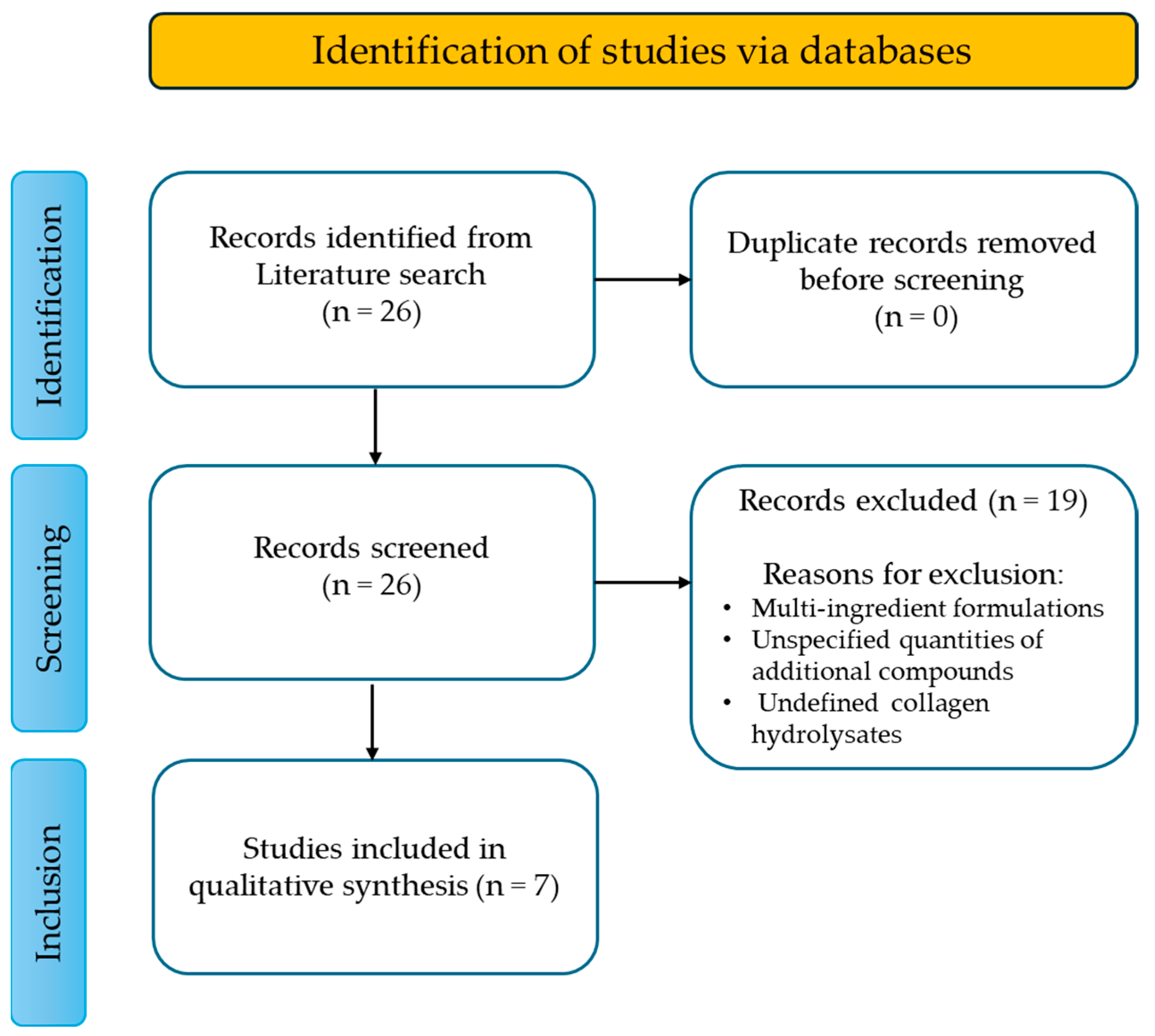
The literature search identified 26 potentially relevant publications. After applying the predefined inclusion and exclusion criteria, 7 studies were included in the final qualitative synthesis. Studies were primarily excluded due to poorly defined multi-ingredient formulations, unspecified quantities of additional compounds, or the use of undefined collagen hydrolysates (Figure 1). The review was conducted in accordance with the PRISMA reporting checklist. The review protocol was registered in the PROSPERO international prospective register of systematic reviews (registration number: 1339779).

4. Results—Physiological Role of Macromolecules in Hair Health

4.1. Hair Follicle Structure and Composition

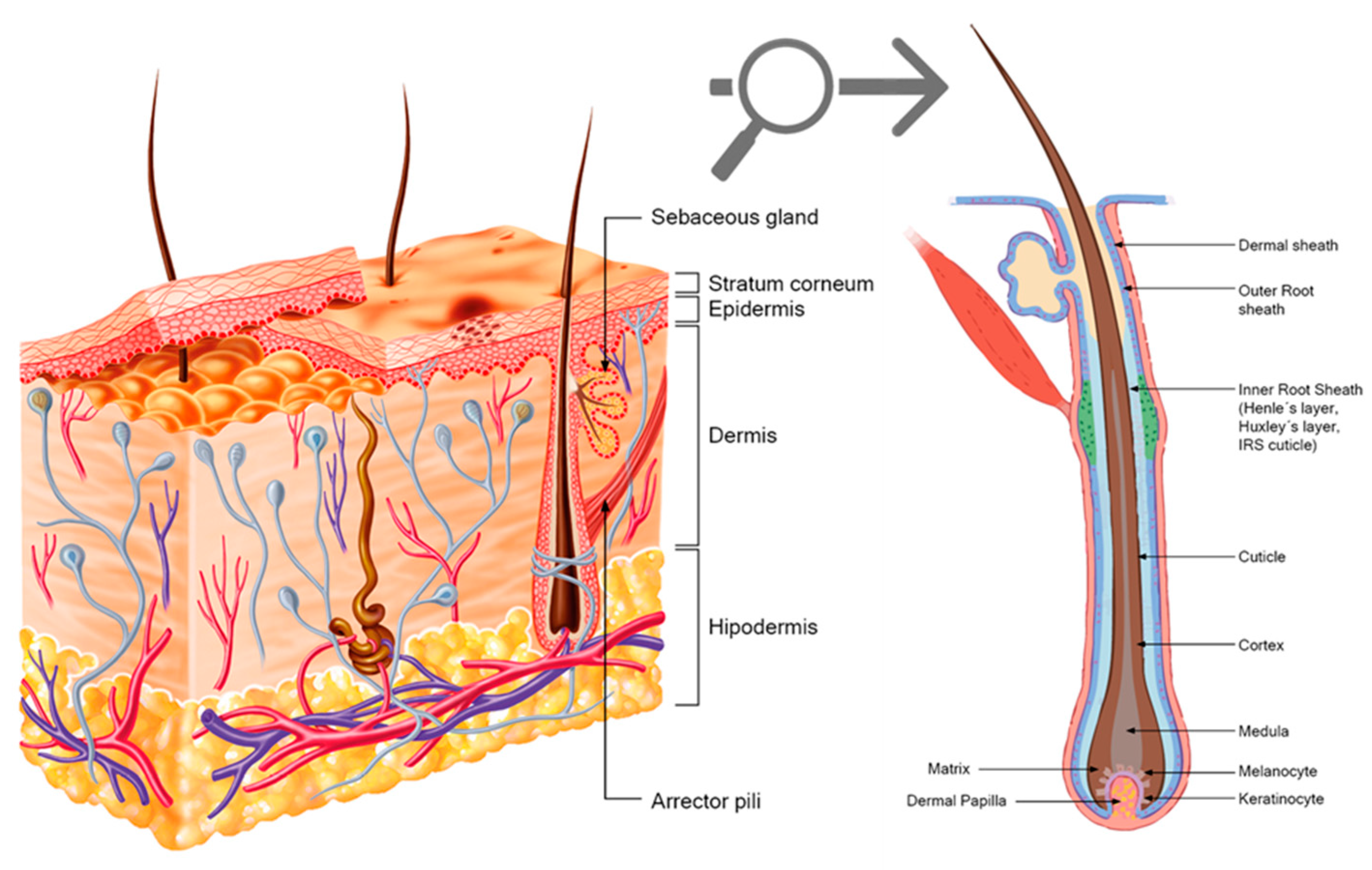
The human hair follicle is a complex mini-organ composed of distinct anatomical regions and cell layers (Figure 2). At its base is the hair bulb, which houses the dermal papilla (DP) and the hair matrix. The dermal papilla is a cluster of specialized fibroblasts (mesenchymal cells) often termed the follicle’s “command center” because it emits signals that regulate hair growth and cycling. Enveloping the DP is the highly proliferative hair matrix epithelium—sometimes called the hair “factory”—consisting of matrix keratinocytes that rapidly divide and differentiate to form the hair shaft and the inner root sheath (IRS). The number of matrix keratinocytes is a key determinant of the diameter of the resulting hair fiber (and the size of the bulb itself), linking follicle cellularity to hair thickness. Intermingled among the matrix keratinocytes are melanocytes, derived from follicular stem cells in the bulge, which synthesize pigment. These melanocytes transfer melanin (eumelanin or pheomelanin) into the neighboring matrix keratinocytes, thereby imparting color to the growing hair fiber [23].
Above the bulb, the follicle’s epithelial portion is organized as concentric layers. Transversely, the hair follicle can be viewed as a cylinder composed of eight concentric layers: the outer root sheath (ORS); the IRS (sub-divided into the companion layer and three IRS layers known as Henle’s layer, Huxley’s layer, and the IRS cuticle); and the hair shaft itself (consisting of the hair shaft cuticle, cortex, and medulla). Each layer is characterized by specific keratin proteins, reflecting their distinct functions [24]. The ORS is contiguous with the epidermis and forms the outer envelope of the follicle. The IRS encases the emerging hair fiber and aids its guidance to the surface, eventually disintegrating near the sebaceous gland. The hair shaft is the central product of the follicle—a keratinized fiber composed of terminally differentiated keratinocytes tightly compacted into the cortex and cuticle, sometimes with a medulla in larger fibers. This keratin-rich structure is noted for its remarkable tensile strength, and its integrity and properties are determined by the structural proteins and lipids produced during fiber formation [23].

4.2. Collagen Type I: Extracellular Matrix Scaffolding and Follicle Mechanotransduction

Type I Collagen the Follicular ECM: Type I collagens (and a smaller amount of type III) constitute the primary fibrous network of the dermal papilla (DP) niche and connective sheath surrounding hair follicles. These fibrillar collagens, together with elastin and hyaluronic acid, form a viscoelastic scaffold that regulates tissue compliance and mechanical signaling within the follicle microenvironment. Aging- or androgen-induced alterations in collagen cross-linking and deposition can stiffen this matrix, impairing DP–keratinocyte communication and prematurely triggering catagen entry via TGF-β1-mediated fibrotic pathways [25].
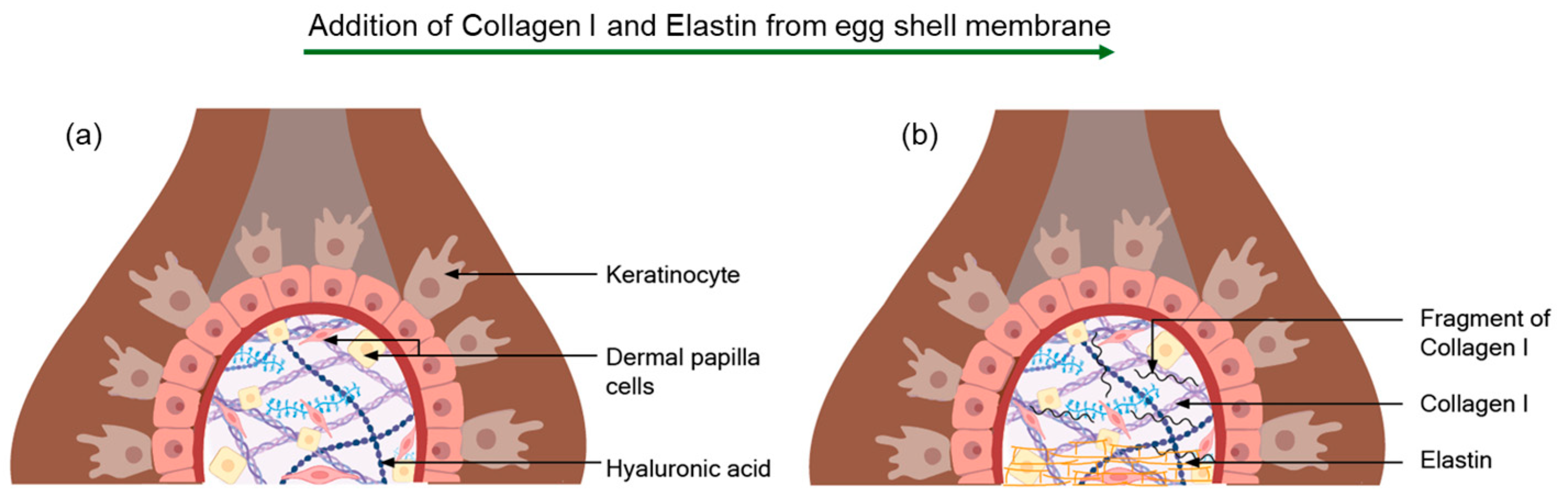
Mechanotransduction and DP Cell Activation: Mechanical cues transmitted through the collagen-rich ECM critically influence DP cell behavior. In vitro, hydrolyzed collagen peptides have been shown to enhance DP cell proliferation, upregulate Wnt/β-catenin signaling, and increase expression of anagen-maintaining growth factors (e.g., IGF-1 and VEGF) [18]. Such bioactive collagen fragments also inhibit DP cell apoptosis by modulating the Bcl-2/Bax axis, thereby preserving follicular regenerative potential (Figure 3).

4.3. Elastin: Elastic Fiber Scaffold and Follicle Mechanoregulation

Elastin in the Follicular ECM: Dermal papilla (DP) fibroblasts secrete tropoelastin, which is enzymatically cross-linked by lysyl oxidase into insoluble elastin fibers. Together with fibrillin microfibrils, collagen, and hyaluronic acid, these fibers form a flexible, spring-like network that encases the DP niche and outer connective sheath [26].
This “elastic basket” is especially dense at the isthmus and beneath the DP, anchoring the follicle yet permitting the cyclical length changes of anagen–telogen transitions. Aging or androgen-driven elastin fragmentation, and aberrant depositions of elastin-like bodies (Arao–Perkins bodies) at the DP base disrupt this network, stiffen the niche, and contribute to follicle miniaturization in androgenetic alopecia [27] (Figure 3).
Mechanotransduction and DP Cell Responses: Elastin fibers transmit mechanical cues to DP cells via the 67 kDa elastin-binding protein receptor, triggering rapid Ca2+ influx and MAPK/ERK pathway activation. Elastin-derived matrikines (e.g., VGVAPG) engage this receptor to promote DP-like fibroblast proliferation, upregulate pro-anagen factors (IGF-1 and VEGF), and inhibit apoptosis through Bcl-2/Bax modulation—thereby preserving follicular regenerative potential and linking matrix elasticity directly to hair-cycling signals [28].

4.4. Keratin: Structural Foundation and Signaling in Hair Follicles

Keratin in Hair Structure: Keratins are the predominant structural proteins in hair. The hair shaft is composed primarily of hard keratin proteins (along with keratin-associated proteins), which assemble into intermediate filaments that form the cortex and cuticle of the fiber [29]. Human hair keratins are rich in the amino acid cystine; numerous cystine residues form disulfide bonds that cross-link adjacent keratin chains, endowing the hair with significant mechanical strength and elasticity. In fact, the high cystine content of hair keratin is directly responsible for hair’s tensile strength and resilience [29]. Consistent with this, specific hair keratin genes are essential for maintaining fiber integrity. For example, the acidic type I hair keratin K31 (also known as keratin 31) is a major keratin of the hair cortex; it has been shown to be critical for hair’s tensile properties. In a biochemical study, recombinant human K31 applied to damaged hair fibers effectively integrated into the hair shaft structure—this treatment increased fiber diameter by up to ~49% and nearly doubled the force required to break the hair, while also improving smoothness [30]. Such findings underscore that keratin content and quality within the cortex/cuticle directly determine hair strength, thickness, and texture.
Follicular Keratin Expression: Each region of the follicle expresses a characteristic set of keratin proteins to fulfil its role. The matrix keratinocytes synthesize the hard keratins that will form the hair shaft’s cortex and cuticle, whereas the IRS and ORS express their own keratins (often softer epithelial keratins) that provide structural support to the sheath layers [23]. Proper expression and assembly of hair keratins in the matrix are indispensable for constructing a robust hair fiber. Disruption of specific keratins can lead to hair shaft defects; clinically, mutations in certain hair keratin genes result in fragile or dystrophic hair, reflecting the proteins’ crucial structural role (e.g., mutations in K31 and other hair keratins are implicated in monilethrix and related hair shaft disorders) [30].
Keratin’s Bioactive Role in Follicle Signaling: Beyond serving as a passive structural material, emerging evidence indicates that keratin (or keratin fragments) can actively influence cellular behavior in the follicle. An intriguing recent study demonstrated that exogenous keratin can trigger de novo hair follicle regenerative events. In a 2022 report, researchers injected purified keratin into mouse skin and observed accelerated hair regrowth; mechanistic analysis showed that extracellular keratin prompted the condensation of dermal papilla cells and the emergence of new “hair germ” cells from the outer root sheath. These keratin-induced hair germs were marked by P-cadherin expression—a signature of follicular progenitors—suggesting that keratin created a microenvironment conducive to initiating a new anagen (growth) phase. Notably, the source of bioactive keratin in vivo was traced to apoptotic keratinocytes in the regressing follicle: as hair follicles undergo catagen, dying ORS cells release keratins, which appear to act as signaling cues for DP aggregation and subsequent hair germ formation. Indeed, when the released keratins were immunodepleted or gene-silenced, the dermal papilla cells failed to condense properly and hair germ induction was impaired. These findings suggest a novel physiological role of keratin fragments in hair follicle cycling and wound healing—functioning almost like a growth factor to stimulate the follicular regenerative niche [31].
Impact on Hair Properties: In summary, keratins provide the structural scaffold of the hair shaft—their abundance and cross-linking dictate hair fiber strength, stiffness, and elasticity. Sufficient and well-organized cortical keratin yields thicker, stronger hair fibers, whereas damaged or deficient keratin (as in over-processed or diseased hair) results in weaker, brittle strands. Moreover, keratin’s involvement in follicular signaling implies it may also influence hair growth dynamics (by modulating matrix keratinocyte proliferation or hair cycle re-entry via DP interaction). Thus, keratin is central both as a building material for the hair’s architecture and as a potential bioactive molecule in maintaining healthy hair growth [29].

4.5. Ceramides: Lipid Barrier and Hair Fiber Cohesion

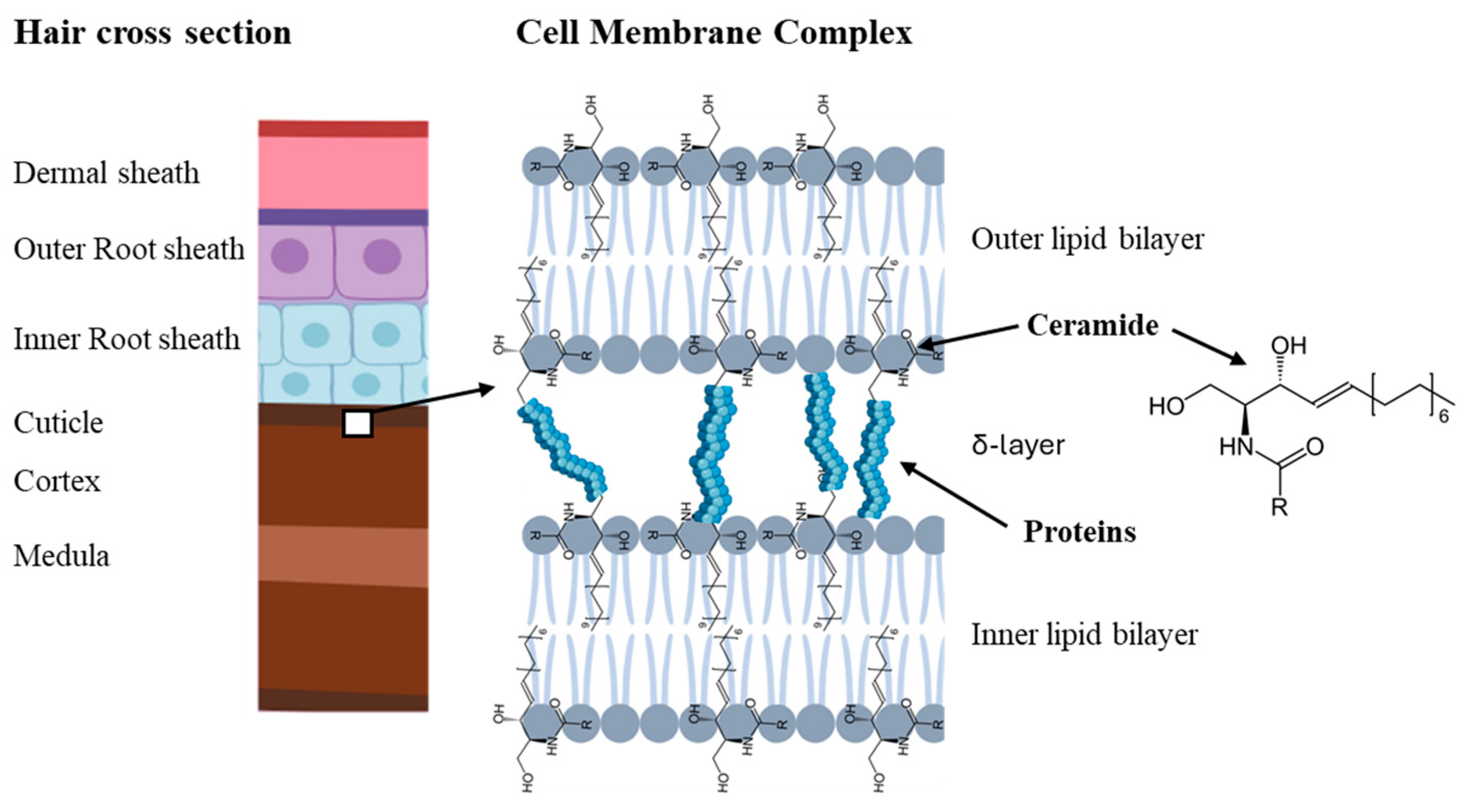
Ceramides, a class of sphingolipids, are another crucial component in hair biology, primarily associated with the hair’s structural lipids. Although lipids make up a smaller fraction of hair (roughly 1–9% of the fiber, versus >90% protein), they play an outsized role in maintaining hair integrity [32]. Endogenous hair lipids include free fatty acids, cholesterol, and various ceramides (and glycosylceramides), as well as a unique 18-methyl eicosanoic acid (18-MEA) that covalently coats the hair’s surface. These lipids form the cell membrane complex (CMC) that binds the cuticle and cortical cells together. In the CMC, ceramides are organized into lipid bilayers sandwiched by a thin “δ-layer” interface; this structure cements adjacent cells (analogous to mortar between bricks) and contributes to hair’s mechanical cohesion [33] (Figure 4). It has been demonstrated that such intrinsic hair lipids are fundamental to protecting hair from damage and preserving healthy hair structure. In particular, ceramides confer a hydrophobic barrier within the cuticle layers and at the cortex periphery, which is vital for preventing excessive water loss, controlling water absorption, and safeguarding the fiber’s internal structure [32].
Barrier Function and Moisture Retention: The ceramide-rich lipid layers in the cuticle act as a seal for the hair shaft, locking in moisture and repelling external irritants. This lipid barrier is essential for maintaining hair’s hydration and suppleness: it prevents the escape of internal moisture and blocks excessive entry of water or chemicals that could swell and damage the fiber [34,35]. By preserving optimal moisture levels, ceramides help keep hair flexible rather than brittle. Notably, hair with an intact lipid layer exhibits better elasticity, shine, and tensile strength than lipid-depleted hair. Shine is enhanced because a smooth, lipid-coated cuticle surface reflects light more uniformly. Elasticity and strength are improved because ceramides reduce porosity and friction between fibers, thereby lowering the likelihood of breakage [36].
Ceramides in Hair Aging and Damage: A loss or degradation of hair ceramides is associated with weakened hair structure and dryness. Aging is known to diminish the lipid content of hair—studies show that as people age (beyond ~30 years), there is a decline in de novo ceramide (e.g., dihydroceramide) synthesis in the hair follicle and fiber, along with a reduction in 18-MEA and other key lipids [37]. Consequently, grey or white hairs (which have reduced melanin and lipid content) exhibit lower moisture retention and increased rigidity compared to pigmented hairs. In one analysis, white hairs were found to have significantly less internal lipid (especially fewer ceramides and fatty acids) and contained less bound water, making them more porous and prone to dryness; such hairs also showed reduced resistance to mechanical stress like brushing [38]. Environmental and chemical damage can similarly strip away ceramides and other lipids: for example, prolonged UV radiation has been reported to decrease the ceramide and cholesterol content of hair by up to ~50%, leading to “dry, weak, brittle, and stiff” fibers [39]. Chemical treatments like bleaching aggressively remove the 18-MEA layer and other lipids from the cuticle, rendering the hair hydrophilic, rough, and prone to breakage [40]. These observations highlight that ceramides are indispensable for maintaining the cuticle’s integrity and the hair’s moisture balance; when they are depleted, hair loses its natural luster, strength, and smoothness.
Biological Activity of Ceramides in the Follicle: Beyond their structural role in the hair shaft, ceramides may also influence cellular processes in the hair follicle itself. Ceramides are bioactive lipids known to participate in cell signaling (particularly in skin barrier regulation and apoptosis), and recent evidence suggests they can affect hair growth pathways. It was previously noted that topical ceramide analogs improved hair growth in mouse models. In a controlled in vitro study using human dermal papilla cells (hDPCs), researchers found that adding synthetic ceramides significantly stimulated DPC proliferation and activity [41]. Ceramide treatment upregulated proteins associated with cell survival and cycling (e.g., Bcl-2 and cyclin D1) and markedly increased the expression of growth factors in the dermal papilla culture. Importantly, ceramides activated key hair-growth signaling pathways in these cells, notably Wnt/β-catenin and BMP signaling, which are critical for anagen initiation and follicle development. The treated DPCs showed signs of a pro-growth phenotype, suggesting that ceramides might help create a more inductive dermal papilla microenvironment. The authors concluded that ceramides can promote hair growth at least in part by enhancing dermal papilla cell function. This aligns with the idea that a healthy lipid milieu is not only vital for the hair fiber’s physical properties but also potentially for optimal follicular signaling.
In summary, ceramides fortify the hair’s structural cohesion and barrier function. They help ensure the cuticle remains intact and the cortex is protected from desiccation and external insults. By doing so, ceramides contribute substantially to hair’s strength, thickness (indirectly by preventing lipid-related fiber collapse), glossiness, and ability to retain moisture. Furthermore, they may act as supportive factors for hair growth by nurturing the dermal papilla—underscoring their multifaceted role in maintaining hair health.

4.6. Melanin: Pigmentation, Photoprotection, and Hair Fiber Durability

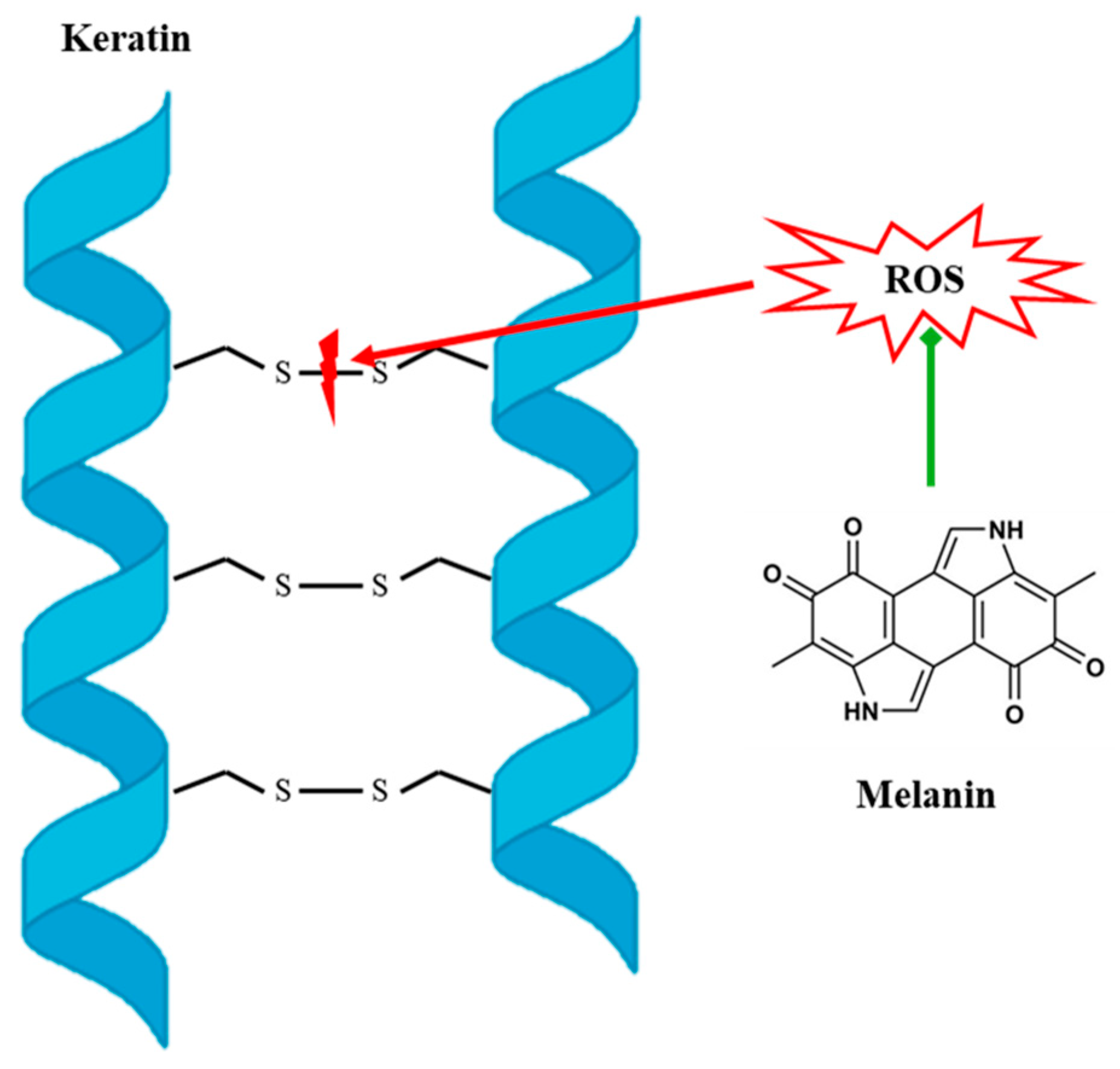
Melanin synthesis occurs in follicular melanocytes of the hair bulb, where eumelanin and pheomelanin are packaged into melanosomes and transferred to cortical keratinocytes, embedding pigment granules within the hair shaft [37]. Eumelanin functions as an intrinsic UV filter and antioxidant—absorbing UVA/UVB radiation and quenching reactive oxygen species—to preserve disulfide cross-links in keratin and prevent photodegradation of the fiber [42] (Figure 5). With the onset of greying, new hairs lack melanin and exhibit a significant reduction in internal lipids (e.g., ceramides and 18-MEA) and bound water, leading to increased porosity, brittleness, and reduced elasticity compared to pigmented hair [43]. Cosmetically, high melanin content correlates with superior color fastness, greater luster, and improved tensile properties, whereas melanin-deficient fibers are prone to rapid color fading and dull, brittle texture. Nevertheless, clinical trials of high quality are missing. Beyond its cosmetic function, melanin may also contribute to maintaining hair follicle integrity. Reduced melanocyte activity and melanin depletion are associated with increased oxidative stress within the follicle and structural weakening of the hair fiber, processes that may indirectly contribute to hair thinning and age-related hair loss.

4.7. Clinical Trials

Several human clinical trials have investigated the effects of oral supplementation with hair-related macromolecules on parameters such as hair density, hair growth rate, tensile strength, and hair shedding. As summarized in Table 1, supplementation with type I collagen, elastin, keratin hydrolysates, and wheat-derived ceramides has been clinically demonstrated to improve hair density, tensile strength, and barrier function in randomized, placebo-controlled studies. It should be noted, however, that some clinical trials investigated multi-ingredient formulations in which the macromolecule of interest was combined with additional nutrients. In certain studies, these additional components consisted mainly of vitamins or minerals acting as general metabolic cofactors, whereas in others, compounds such as amino acids or biotin were included that may more directly influence hair growth or keratin synthesis. Consequently, the observed effects cannot always be attributed solely to the investigated macromolecule and should therefore be interpreted with caution.

5. Discussion

The physiological effectiveness of orally administered structural macromolecules depends on their digestion, absorption, and systemic distribution. During gastrointestinal digestion, large proteins such as collagen or keratin are hydrolyzed into smaller peptides and amino acids that can be absorbed through the intestinal epithelium. These circulating peptides may serve as substrates for tissue protein synthesis or act as bioactive signaling molecules influencing cellular pathways. However, direct evidence demonstrating selective accumulation of these peptides in hair follicles remains limited. The present review therefore focuses primarily on the physiological effects and clinical outcomes reported for oral supplementation rather than on the detailed metabolic fate of these macromolecules.
Based on the available experimental and clinical evidence, type I collagen and elastin emerge as important structural components supporting hair follicle function. Type I collagen and elastin are abundant in the extracellular matrix (ECM) of the hair follicle dermal papilla and surrounding dermis [50]. The dermal papilla—a connective tissue nub at the base of each hair follicle—uses its collagen- and elastin-rich ECM as a scaffold to support the follicle’s structure and as a signaling reservoir for hair growth factors. A healthy matrix in the papilla helps maintain hair fiber production by anchoring dermal papilla cells and facilitating epithelial–mesenchymal interactions that govern the hair growth cycle. Conversely, age-related collagen depletion or fibrosis in the scalp can constrict the dermal papilla, potentially shortening the anagen (growth) phase and producing thinner, weaker hairs. Introducing exogenous collagen type I and elastin (e.g., via hydrolyzed collagen peptides from fish or eggshell membrane) may counteract these changes. Collagen peptides can be absorbed and delivered to skin and follicle tissues, where they act as substrates for new collagen synthesis and as bioactive signals. Notably, studies have shown that low-molecular-weight collagen peptides stimulate human dermal papilla cells to proliferate and secrete growth factors (EGF, FGF-7, VEGF, etc.), and activate Wnt/β-catenin signaling—a key pathway for hair follicle development. Additionally, elastin fibers engage the 67 kDa elastin-binding protein receptor to convert mechanical cues into Ca2+ and MAPK/ERK signals via matrikines like VGVAPG, driving DP fibroblast proliferation, pro-anagen factor release (IGF-1 and VEGF), and anti-apoptotic Bcl-2/Bax modulation to sustain follicular regeneration. In vivo, oral collagen peptide supplementation has promoted hair growth in animal models, accompanied by upregulation of follicular β-catenin and dermal papilla markers, and even increased expression of keratin genes in the hair shaft [50]. Most importantly, there is clinical evidence for collagen- and elastin-based interventions although most clinical studies have investigated collagen-containing formulations in which elastin is present as a structural component rather than as an isolated intervention: A 12-week placebo-controlled study of 450 mg eggshell membrane containing type I collagen and elastin showed a significant impact on hair thickness, reduction in hair breakage, and improvement in hair growth at 4, 8, and 12 weeks compared to the control [19]. These clinical outcomes corroborate mechanistic data, underscoring collagen’s role in reinforcing the follicular ECM and sustaining anagen phase longevity. Thus, type I collagen and elastin support the foundation of hair production: by fortifying the dermal papilla’s ECM and enhancing signaling, it creates optimal conditions for keratin deposition, pigment (melanin) transfer, and lipid provision in growing fibers.
Nevertheless, hair fiber strength and resilience arise from the interplay of several key components. Keratin proteins are the primary structural material of hair, forming coiled-coil filaments with abundant disulfide bonds that endow the fiber with tensile strength and elasticity [51]. In a 90-day, placebo-controlled trial, keratin supplementation reduced hair loss by about 34% and increased the anagen/telogen ratio by 9.2% compared to placebo. It also improved hair tensile strength by 5.9% (p < 0.001) and enhanced hair shine by roughly 47%, with 23 of 24 participants reporting visible improvements versus only one-third in the placebo group [47].
Ceramides and other lipids (which constitute ~1% of hair by weight) reside in the cell membrane complex of cuticle cells, acting as a “hair barrier” that glues cuticle layers together [52]. These integral lipids (fatty acids, cholesterol, ceramides, etc.) impart hydrophobicity and moisture retention, reducing friction and enhancing the cuticle’s cohesion [53]. In a randomized, placebo-controlled trial, ceramide supplementation markedly reduced the percentage of hairs in the telogen phase and boosted anagen hairs within eight weeks, resulting in less shedding. By twelve weeks, treated subjects showed faster hair growth, stronger hair with improved breakage resistance, higher hair density and volume, and lower scalp sebum levels versus placebo [49].
Melanin pigments embedded in the cortex not only determine hair color but also protect the hair’s proteins from UV-induced damage. Eumelanin (brown-black) absorbs and dissipates ultraviolet and visible light, thereby neutralizing free radicals and shielding keratin structures from photodamage. Indeed, under UV exposure, melanin granules are preferentially degraded (photobleached) before the protein backbone is harmed; experiments show UVA mainly breaks down melanin (causing color loss) while UVB more strongly attacks hair proteins. Consequently, lightly pigmented hair (with less melanin) suffers more UV damage to strength and color, underscoring melanin’s role as a natural photoprotective agent in hair [42]. At present, direct clinical trials investigating melanin supplementation for hair-related outcomes are lacking. The conclusions regarding melanin’s contribution to hair integrity therefore primarily derive from experimental and mechanistic studies examining photoprotection and oxidative stress in hair fibers.
In synergy, these five components—collagen type I and elastin as a follicular scaffold, keratin as the structural core, ceramides as cuticular sealants, and melanin as a UV shield—could collectively promote hair strength, density, growth, and resilience. The major mechanisms by which the investigated macromolecules contribute to hair follicle function and hair fiber stability are summarized in Figure 6.

6. Conclusions

In summary, the five hair-constituent macromolecules—type I collagen, elastin, keratin, ceramides, and melanin—operate synergistically to maintain follicle function and hair fiber integrity. Collagen peptides and elastin reinforce the dermal papilla extracellular matrix and sustain anagen signaling, keratin hydrolysates rebuild the cortical scaffold and reduce shedding, ceramides restore the cuticular lipid barrier to promote anagen and moisture retention, and melanin provides essential photoprotection and pigment stability. Clinical trials have validated the efficacy of type I collagen, elastin, keratin, and ceramide supplementation in enhancing hair thickness, strength, and density, while preclinical models underscore melanin’s role in preserving hair quality under UV stress. Together, these data support a multi-targeted approach using these macromolecules to improve hair health and counteract nutrient-related alopecia.

7. Limitations

This review has several limitations. The available literature on hair-related macromolecules is heterogeneous with respect to study populations, investigated compounds, and outcome measures. Some clinical studies involve relatively small sample sizes or short intervention periods, which may limit the generalizability of the findings. Furthermore, nutritional interventions often differ in formulation and dosage, complicating direct comparison across studies. Despite these limitations, the reviewed evidence provides a consistent mechanistic framework supporting the role of structural macromolecules in maintaining hair follicle and hair fiber integrity.

Author Contributions

The conceptualization of the study was carried out by J.-P.F.-G. Both authors, J.-P.F.-G. and S.F.-G., performed the investigation and contributed equally to writing the original draft as well as to reviewing and editing the manuscript. All authors have read and agreed to the published version of the manuscript.

Funding

The authors received no external funding.

Institutional Review Board Statement

Not applicable.

Informed Consent Statement

Not applicable.

Data Availability Statement

The raw data supporting the conclusions of this article will be made available by the authors on request.

Acknowledgments

Open Access Funding by the University of Graz. The authors acknowledge the financial support by the University of Graz.

Conflicts of Interest

Johannes-Paul Fladerer-Grollitsch is affiliated with Apomedica Pharmazeutische Produkte GmbH. The company had no role in the design of the review, the selection or interpretation of the literature, or the preparation of the manuscript. This affiliation is disclosed solely for the purpose of transparency. All authors declare that the research was conducted in the absence of any commercial or financial relationships that could be construed as a potential conflict of interest.

Abbreviations

The following abbreviations are used in this manuscript:
IRSInner root sheath
ORSOuter root sheath
ECMExtracellular matrix
DPDermal papilla
ROSReactive oxygen species

References

  1. Ho, C.H.; Sood, T.; Zito, P.M. Androgenetic Alopecia; StatPearls: Treasure Island, FL, USA, 2025. [Google Scholar]
  2. Hunt, N.; McHALE, S. Reported experiences of persons with alopecia areata. J. Loss Trauma 2004, 10, 33–50. [Google Scholar] [CrossRef]
  3. Koo, J.Y.; Shellow, W.V.; Hallman, C.P.; Edwards, J.E. Alopecia areata and increased prevalence of psychiatric disorders. Int. J. Dermatol. 1994, 33, 849–850. [Google Scholar] [CrossRef]
  4. Chan, L.; Cook, D.K. Female pattern hair loss. Aust. J. Gen. Pract. 2018, 47, 459–464. [Google Scholar] [CrossRef] [PubMed]
  5. Tanaka, Y.; Aso, T.; Ono, J.; Hosoi, R.; Kaneko, T. Androgenetic Alopecia Treatment in Asian Men. J. Clin. Aesthet. Dermatol. 2018, 11, 32–35. [Google Scholar] [PubMed]
  6. Hughes, E.C.; Syed, H.A.; Saleh, D. Telogen Effluvium; StatPearls: Treasure Island, FL, USA, 2025. [Google Scholar]
  7. Cohen, B.; Cadesky, A.; Jaggi, S. Dermatologic manifestations of thyroid disease: A literature review. Front. Endocrinol. 2023, 14, 1167890. [Google Scholar] [CrossRef]
  8. Chanprapaph, K.; Mahasaksiri, T.; Kositkuljorn, C.; Leerunyakul, K.; Suchonwanit, P. Prevalence and Risk Factors Associated with the Occurrence of Autoimmune Diseases in Patients with Alopecia Areata. J. Inflamm. Res. 2021, 14, 4881–4891. [Google Scholar] [CrossRef]
  9. Simakou, T.; Butcher, J.P.; Reid, S.; Henriquez, F.L. Alopecia areata: A multifactorial autoimmune condition. J. Autoimmun. 2019, 98, 74–85. [Google Scholar] [CrossRef]
  10. Almohanna, H.M.; Ahmed, A.A.; Tsatalis, J.P.; Tosti, A. The Role of Vitamins and Minerals in Hair Loss: A Review. Dermatol. Ther. 2019, 9, 51–70. [Google Scholar] [CrossRef]
  11. Elston, D.M. Commentary: Iron deficiency and hair loss: Problems with measurement of iron. J. Am. Acad. Dermatol. 2010, 63, 1077–1082. [Google Scholar] [CrossRef]
  12. Park, H.; Kim, C.W.; Kim, S.S.; Park, C.W. The therapeutic effect and the changed serum zinc level after zinc supplementation in alopecia areata patients who had a low serum zinc level. Ann. Dermatol. 2009, 21, 142–146. [Google Scholar] [CrossRef]
  13. Shanmugam, S.; Baskaran, R.; Nagayya-Sriraman, S.; Yong, C.-S.; Choi, H.-G.; Woo, J.-S.; Yoo, B.-K. The Effect of Methylsulfonylmethane on Hair Growth Promotion of Magnesium Ascorbyl Phosphate for the Treatment of Alopecia. Biomol. Ther. 2009, 17, 241–248. [Google Scholar] [CrossRef]
  14. Todd, H. Hair Anatomy; Drugs & Diseases; Medscape: New York, NY, USA, 2025. [Google Scholar]
  15. Matsuzaki, T.; Yoshizato, K. Role of hair papilla cells on induction and regeneration processes of hair follicles. Wound Repair Regen. 1998, 6, 524–530. [Google Scholar] [CrossRef]
  16. Lemasters, J.J.; Ramshesh, V.K.; Lovelace, G.L.; Lim, J.; Wright, G.D.; Harland, D.; Dawson, T.L. Compartmentation of Mitochondrial and Oxidative Metabolism in Growing Hair Follicles: A Ring of Fire. J. Investig. Dermatol. 2017, 137, 1434–1444. [Google Scholar] [CrossRef]
  17. Messenger, A.G.; Elliott, K.; Temple, A.; Randall, V.A. Expression of basement membrane proteins and interstitial collagens in dermal papillae of human hair follicles. J. Investig. Dermatol. 1991, 96, 93–97. [Google Scholar] [CrossRef]
  18. Hwang, S.B.; Park, H.J.; Lee, B.-H. Hair-Growth-Promoting Effects of the Fish Collagen Peptide in Human Dermal Papilla Cells and C57BL/6 Mice Modulating Wnt/β-Catenin and BMP Signaling Pathways. Int. J. Mol. Sci. 2022, 23, 11904. [Google Scholar] [CrossRef]
  19. Kalman, D.S.; Hewlings, S. The effect of oral hydrolyzed eggshell membrane on the appearance of hair, skin, and nails in healthy middle-aged adults: A randomized double-blind placebo-controlled clinical trial. J. Cosmet. Dermatol. 2020, 19, 1463–1472. [Google Scholar] [CrossRef]
  20. Yang, F.-C.; Zhang, Y.; Rheinstädter, M.C. The structure of people’s hair. PeerJ 2014, 2, e619. [Google Scholar] [CrossRef]
  21. Nishimura, E.K. Melanocyte stem cells: A melanocyte reservoir in hair follicles for hair and skin pigmentation. Pigment Cell Melanoma Res. 2011, 24, 401–410. [Google Scholar] [CrossRef]
  22. Peters, F.; Vorhagen, S.; Brodesser, S.; Jakobshagen, K.; Brüning, J.C.; Niessen, C.M.; Krönke, M. Ceramide synthase 4 regulates stem cell homeostasis and hair follicle cycling. J. Investig. Dermatol. 2015, 135, 1501–1509. [Google Scholar] [CrossRef] [PubMed]
  23. Cuevas-Diaz Duran, R.; Martinez-Ledesma, E.; Garcia-Garcia, M.; Bajo Gauzin, D.; Sarro-Ramírez, A.; Gonzalez-Carrillo, C.; Rodríguez-Sardin, D.; Fuentes, A.; Cardenas-Lopez, A. The Biology and Genomics of Human Hair Follicles: A Focus on Androgenetic Alopecia. Int. J. Mol. Sci. 2024, 25, 2542. [Google Scholar] [CrossRef] [PubMed]
  24. Langbein, L.; Schweizer, J. Keratins of the human hair follicle. Int. Rev. Cytol. 2005, 243, 1–78. [Google Scholar] [CrossRef]
  25. Sadgrove, N.; Batra, S.; Barreto, D.; Rapaport, J. An Updated Etiology of Hair Loss and the New Cosmeceutical Paradigm in Therapy: Clearing ‘the Big Eight Strikes’. Cosmetics 2023, 10, 106. [Google Scholar] [CrossRef]
  26. Huang, J.; Heng, S.; Zhang, W.; Liu, Y.; Xia, T.; Ji, C.; Zhang, L.-J. Dermal extracellular matrix molecules in skin development, homeostasis, wound regeneration and diseases. Semin. Cell Dev. Biol. 2022, 128, 137–144. [Google Scholar] [CrossRef]
  27. Rushton, D.H.; Westgate, G.E.; van Neste, D.J. Following historical “tracks” of hair follicle miniaturisation in patterned hair loss: Are elastin bodies the forgotten aetiology? Exp. Dermatol. 2022, 31, 102–109. [Google Scholar] [CrossRef]
  28. Tajima, S.; Wachi, H.; Uemura, Y.; Okamoto, K. Modulation by elastin peptide VGVAPG of cell proliferation and elastin expression in human skin fibroblasts. Arch. Dermatol. Res. 1997, 289, 489–492. [Google Scholar] [CrossRef]
  29. Uyama, M. Recent Progress in Hair Science and Trichology. J. Oleo Sci. 2024, 73, 825–837. [Google Scholar] [CrossRef]
  30. Basit, A.; Asghar, F.; Sadaf, S.; Akhtar, M.W. Health improvement of human hair and their reshaping using recombinant keratin K31. Biotechnol. Rep. 2018, 20, e00288. [Google Scholar] [CrossRef]
  31. An, S.Y.; Kim, H.-S.; Kim, S.Y.; Van, S.Y.; Kim, H.J.; Lee, J.-H.; Han, S.W.; Kwon, I.K.; Lee, C.-K.; Do, S.H.; et al. Keratin-mediated hair growth and its underlying biological mechanism. Commun. Biol. 2022, 5, 1270. [Google Scholar] [CrossRef] [PubMed]
  32. Coderch, L.; Alonso, C.; García, M.T.; Pérez, L.; Martí, M. Hair Lipid Structure: Effect of Surfactants. Cosmetics 2023, 10, 107. [Google Scholar] [CrossRef]
  33. Robbins, C. The cell membrane complex: Three related but different cellular cohesion components of mammalian hair fibers. Int. J. Cosmet. Sci. 2010, 32, 235. [Google Scholar] [CrossRef]
  34. McMullen, R.L.; Laura, D.; Chen, S.; Koelmel, D.; Zhang, G.; Gillece, T. Determination of physicochemical properties of delipidized hair. J. Cosmet. Sci. 2013, 64, 355–370. [Google Scholar]
  35. Robbins, C.R. Chemical Composition of Different Hair Types. In Chemical and Physical Behavior of Human Hair; Springer: Berlin/Heidelberg, Germany, 2012; pp. 105–176. [Google Scholar] [CrossRef]
  36. Marsh, J.M.; Whitaker, S.; Felts, T.; Shearouse, W.; Vatter, M.; Määttä, A.; Thompson, M.; Hawkins, T.J. Role of Internal Lipids in Hair Health. J. Cosmet. Sci. 2018, 69, 347–356. [Google Scholar]
  37. Coderch, L.; Di Lorenzo, R.; Mussone, M.; Alonso, C.; Martí, M. The Role of Lipids in the Process of Hair Ageing. Cosmetics 2022, 9, 124. [Google Scholar] [CrossRef]
  38. Takahashi, T.; Mamada, A.; Breakspear, S.; Itou, T.; Tanji, N. Age-dependent changes in damage processes of hair cuticle. J. Cosmet. Dermatol. 2015, 14, 2–8. [Google Scholar] [CrossRef]
  39. Habe, T.; Tanji, N.; Inoue, S.; Okamoto, M.; Tokunaga, S.; Tanamachi, H. ToF-SIMS characterization of the lipid layer on the hair surface. I: The damage caused by chemical treatments and UV radiation. Surf. Interface Anal. 2011, 43, 410–412. [Google Scholar] [CrossRef]
  40. Joo, K.-M.; Kim, A.-R.; Kim, S.-N.; Kim, B.-M.; Lee, H.K.; Bae, S.; Lee, J.-H.; Lim, K.-M. Metabolomic analysis of amino acids and lipids in human hair altered by dyeing, perming and bleaching. Exp. Dermatol. 2016, 25, 729–731. [Google Scholar] [CrossRef]
  41. Oh, J.H.; Jeong, K.H.; Kim, J.E.; Kang, H. Synthesized Ceramide Induces Growth of Dermal Papilla Cells with Potential Contribution to Hair Growth. Ann. Dermatol. 2019, 31, 164–174. [Google Scholar] [CrossRef] [PubMed]
  42. Sebetić, K.; Sjerobabski Masnec, I.; Cavka, V.; Biljan, D.; Krolo, I. UV damage of the hair. Coll. Antropol. 2008, 32, 163–165. [Google Scholar] [PubMed]
  43. Kaplan, P.D.; Polefka, T.; Grove, G.; Daly, S.; Jumbelic, L.; Harper, D.; Nori, M.; Evans, T.; Ramaprasad, R.; Bianchini, R. Grey hair: Clinical investigation into changes in hair fibres with loss of pigmentation in a photoprotected population. Int. J. Cosmet. Sci. 2011, 33, 171–182. [Google Scholar] [CrossRef]
  44. Aguirre, A.; Gil-Quintana, E.; Fenaux, M.; Erdozain, S.; Sarria, I. Beneficial Effects of Oral Supplementation with Ovoderm on Human Skin Physiology: Two Pilot Studies. J. Diet. Suppl. 2017, 14, 706–714. [Google Scholar] [CrossRef] [PubMed]
  45. Ruff, K.J.; Dockery, N.; Aydogan, C.; Back, M. OvoluxTM Brand Eggshell Membrane Reduces the Clinical Signs of Aging by Improving Skin, Hair & Fingernail Appearance, Texture, and Biomechanical Properties: A Single Center, Randomized, Double Blind, Placebo Controlled Clinical Trial. J. Cosmet. Dermatol. Sci. Appl. 2024, 14, 306–322. [Google Scholar] [CrossRef]
  46. Warma, S.; Warma, H.; Merja, A.; Patel, N.; Patel, M. Revitalizing skin, hair, nails, and muscles: Unlocking beauty and wellness with vegan collagen. J. Cosmet. Dermatol. 2024, 23, 3740–3756. [Google Scholar] [CrossRef]
  47. Beer, C.; Wood, S.; Veghte, R.H. A clinical trial to investigate the effect of Cynatine HNS on hair and nail parameters. Sci. World J. 2014, 2014, 641723. [Google Scholar] [CrossRef]
  48. Nobile, V.; Tursi, F.; Cestone, E.; Sergheraert, R.; Duperray, J. The Effects of the Oral Supplementation with a Natural Keratin Hydrolysate (Kera-Diet®) on Hair and Nails: Randomized, Placebo and Benchmark-Controlled Clinical Trial on Healthy Females. Trichology Cosmetol.–Open J. 2021, 4, 7–16. [Google Scholar] [CrossRef]
  49. Dudonné, S.; Kern, C.; Garcia, C. Efficacy of a wheat polar lipid complex in reducing hair loss and improving hair growth in healthy women: A randomized, double-blind, placebo-controlled clinical study. Int. J. Cosmet. Sci. 2024, 46, 284–296. [Google Scholar] [CrossRef]
  50. Kim, Y.; Lee, J.O.; Lee, J.M.; Lee, M.-H.; Kim, H.-M.; Chung, H.-C.; Kim, D.-U.; Lee, J.-H.; Kim, B.J. Low Molecular Weight Collagen Peptide (LMWCP) Promotes Hair Growth by Activating the Wnt/GSK-3β/β-Catenin Signaling Pathway. J. Microbiol. Biotechnol. 2024, 34, 17–28. [Google Scholar] [CrossRef] [PubMed]
  51. Ji, J.H.; Park, T.-S.; Lee, H.-J.; Kim, Y.-D.; Pi, L.-Q.; Jin, X.-H.; Lee, W.-S. The ethnic differences of the damage of hair and integral hair lipid after ultra violet radiation. Ann. Dermatol. 2013, 25, 54–60. [Google Scholar] [CrossRef]
  52. Orwin, D.F. The cytology and cytochemistry of the wool follicle. Int. Rev. Cytol. 1979, 60, 331–374. [Google Scholar] [CrossRef] [PubMed]
  53. Lee, W.-S.; Oh, T.H.; Chun, S.H.; Jeon, S.Y.; Lee, E.Y.; Lee, S.; Park, W.-S.; Hwang, S. Integral lipid in human hair follicle. J. Investig. Dermatol. Symp. Proc. 2005, 10, 234–237. [Google Scholar] [CrossRef] [PubMed]
Figure 1. PRISMA flow diagram of the study selection process.
Cosmetics 13 00072 g001
Figure 2. The hair as a mini organ.
Cosmetics 13 00072 g002
Figure 3. Schematic view of dermal papilla and surrounding cells before (a) and after (b) treatment with type I collagen and elastin from eggshell membrane. By signaling molecules and fragments of type I collagen, the number of DP cells is increased and the matrix is stiffened. Elastin improves the elasticity.
Cosmetics 13 00072 g003
Figure 4. Schematic overview. Structure of the cell membrane complex.
Cosmetics 13 00072 g004
Figure 5. Schematic representation of keratin proteins cross-linked by disulfide bonds within the hair fiber and the protective role of melanin against UV-induced oxidative damage affecting keratin structure.
Cosmetics 13 00072 g005
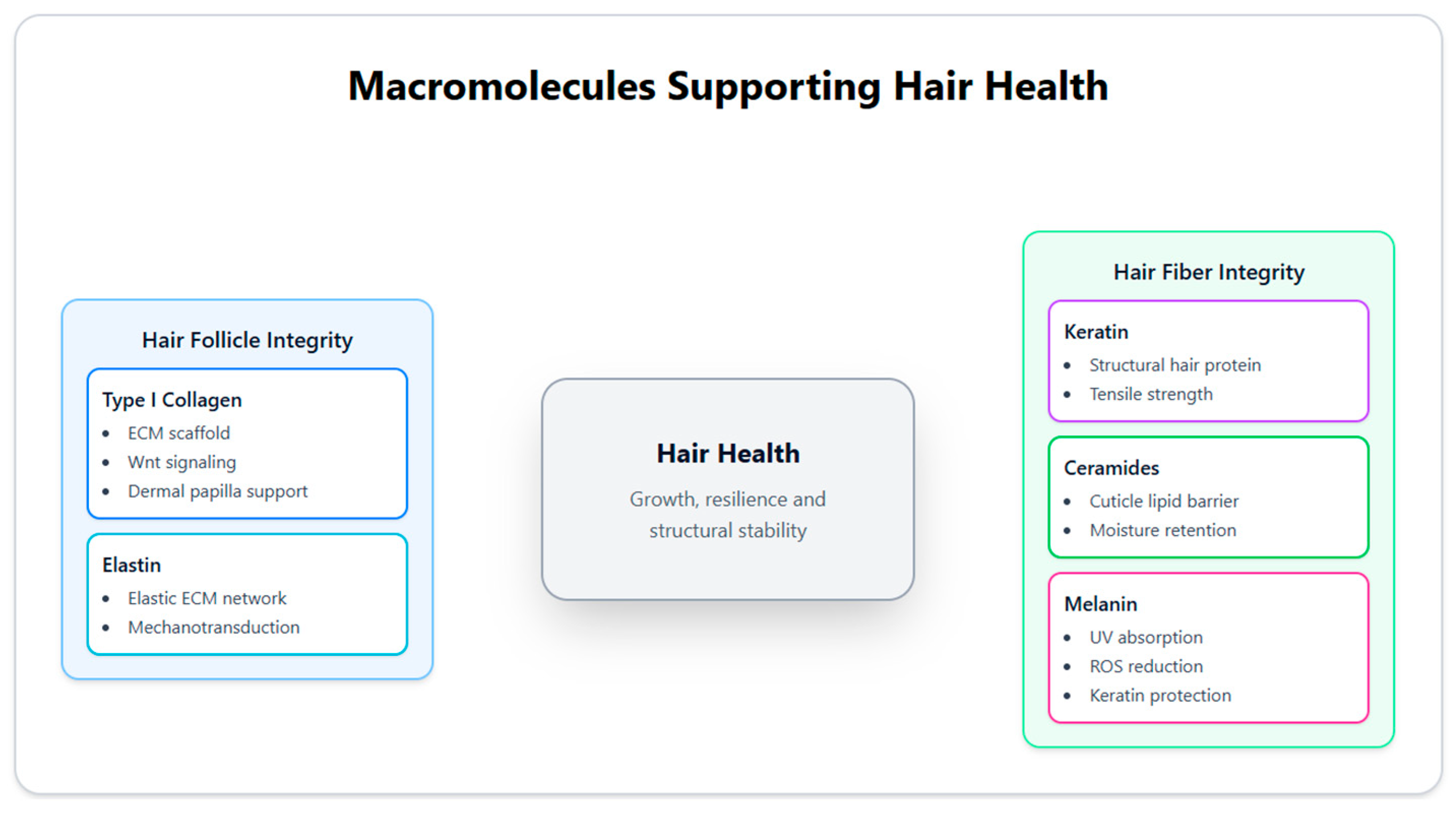
Figure 6. Overview of the mechanisms by which key macromolecules contribute to hair health. Collagen type I and elastin support hair follicle integrity by maintaining the extracellular matrix and mechanotransduction within the dermal papilla. Keratin, ceramides, and melanin contribute to hair fiber integrity through structural stabilization of the hair shaft, maintenance of the cuticular lipid barrier, and protection against UV-induced oxidative damage. Together, these mechanisms contribute to overall hair health, including growth, resilience, and structural stability.
Cosmetics 13 00072 g006
Table 1. Summary of human clinical trials evaluating the effects of collagen, keratin, and ceramides on hair health outcomes.
Compound Study Design & PopulationDurationDosageHair Endpoints & ResultsReference
Type I Collagen and Elastin (Eggshell Membrane)A pilot study in 25 healthy adults (86% female, open-label)—one 50-day self-assessment and one 5-week instrumental test5–7 weeks300 mg/day (oral)67% of participants reported improved hair condition (appearance and strength) after 50 days of supplementation.Aguirre et al. 2017 [44]
Type I Collagen and Elastin (Eggshell Membrane)Randomized placebo-controlled trial (double-blind) in 88 healthy middle-aged adults (71.59% female, mean age ~45).12 weeks450 mg/day (oral)Increased hair thickness, reduced hair breakage, and improved hair growth as early as 4 weeks. By 12 weeks, TrichoScan measurements showed greater hair thickness and growth, and a reduction in hair shedding/breakage in the collagen group.Kalman et al. 2020 [19]
Type I Collagen and Elastin (Eggshell Membrane)Randomized placebo-controlled trial (double-blind) in 63 healthy adults (68.3% female, age 35–66).12 weeks300 mg/day (oral)No significant difference in objective hair thickness vs. placebo, but participants noted better hair texture and overall hair health. By week 12, hair texture and overall hair quality (self-assessed) were ~23% improved vs. placebo. Within the supplement group, hair texture improved +28% from baseline. Hair thickness showed a modest within-group gain (+11% at 12 weeks) but was not significantly above placebo.Ruff et al. 2024 [45]
Type I and III CollagenRandomization, comparative trial (single-blinded) in 66 healthy adults (40.9% female, age 30–50)).60 days2.5, 5 or 10 g/dayAfter 60 days, hair growth rate increased by ~39–50% across doses (2.5–10 g; p < 0.01). Hair density (+19.6%; p < 0.0001) and thickness (+20.5%; p < 0.0001) improved at 10 g. No adverse events were reported.Warma et al. 2024 [46]
KeratinRandomized placebo-controlled trial (double-blind) in 50 women with telogen hair loss and brittle nails.90 days500 mg/day (oral) + vitamins/minerals~34% reduction in hair loss vs. placebo at Day 90. The anagen/telogen hair ratio increased significantly (+9.2% in both anagen and telogen counts) in the keratin group, indicating a higher proportion of hairs in the growth phase vs. placebo. Hair tensile strength increased (+5.9% vs. baseline; p < 0.001 vs. placebo) and hair luster/brightness improved (~47% greater improvement than placebo by Day 90). Nearly all subjects on keratin saw improvements in hair appearance (23 of 24) compared to one-third of placebo.Beer et al. 2014 [47]
KeratinRandomized placebo-controlled trial (double-blind) in 60 women with telogen hair loss.90 days1000 mg/dayAfter 3 months, keratin hydrolysate (1000 mg/day) significantly increased hair density and the proportion of hairs in the anagen phase vs. placebo. Acute telogen effluvium was no longer detectable by pull test after 45 days.Nobile et al. 2021 [48]
Wheat Ceramide LipidsRandomized placebo-controlled trial (double-blind) in 66 women with acute diffuse hair shedding (≥15% telogen hairs).12 weeks30 mg/day (oral)Supplementation significantly decreased telogen hair percentage and increased anagen hair percentage versus placebo—a beneficial shift evident by 8 weeks. Correspondingly, hair shedding was reduced in the ceramide group. By 12 weeks, hair growth rate improved and hair breakage resistance increased (elongation at break improved) compared to placebo. Clinical assessments showed higher hair density and volume in the treated group. Oily scalps also saw a reduction in sebum levels. Overall, the wheat lipid supplement significantly reduced hair loss and promoted new hair growth in women experiencing excessive shedding.Dudonné et al. 2024 [49]
Disclaimer/Publisher’s Note: The statements, opinions and data contained in all publications are solely those of the individual author(s) and contributor(s) and not of MDPI and/or the editor(s). MDPI and/or the editor(s) disclaim responsibility for any injury to people or property resulting from any ideas, methods, instructions or products referred to in the content.