3. Characteristics of Selected Substances Found in Dragon Fruit and Dragon’s Blood
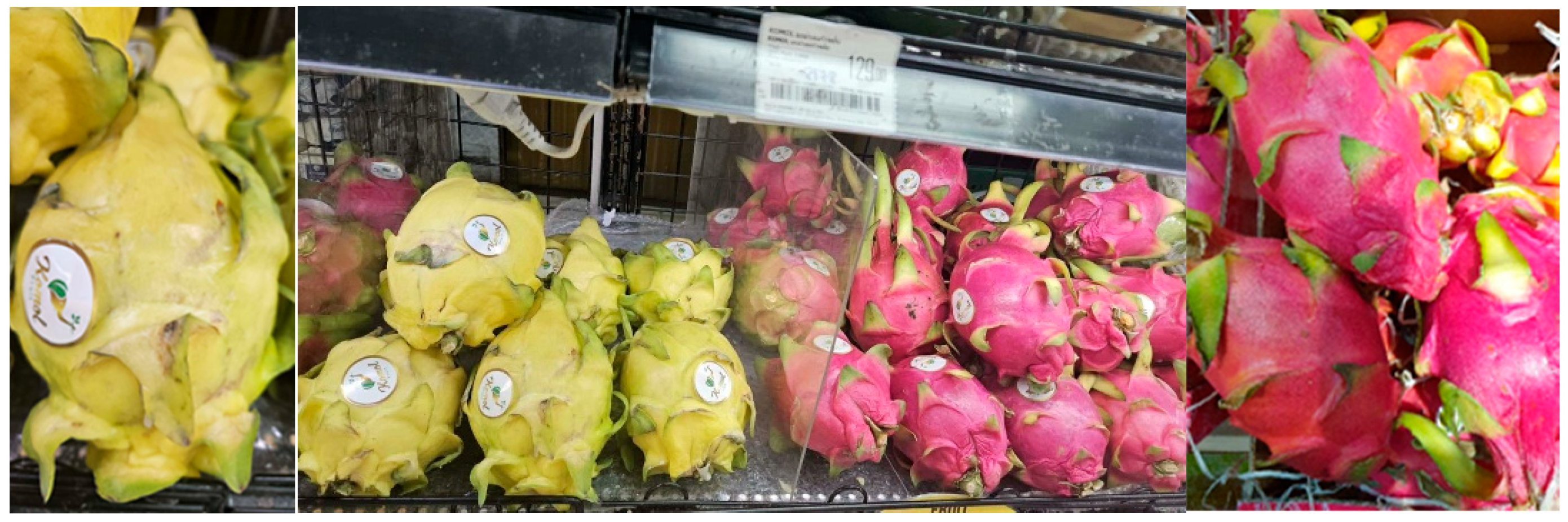
Dragon fruit is valued not only for its sensory qualities, but also for its rich phytochemical profile: betalains (betacyanins, betaxanthins), flavonoids, carotenoids, and polysaccharides, which give it antioxidant, anti-inflammatory, and skin-conditioning properties. The composition and levels of these compounds depend, among other things, on the species/variety and degree of ripeness of the fruit, which translates into its nutritional and cosmetic potential [
11,
12,
23].
Preliminary studies have shown that the rind of dragon fruit contains stronger antioxidant activity than the fruit pulp, suggesting that it could serve as a valuable natural antioxidant source [
24]. Antioxidant capacity was evaluated using the DPPH free-radical scavenging method. In this assay, the presence of antioxidant compounds is indicated by the reduction in the deep purple DPPH solution. When DPPH accepts hydrogen atoms from antioxidants, it is converted into 1,1-diphenyl-2-picrylhydrazine, which appears yellow or pale yellow. The dragon fruit rind extract (DFRE) exhibited an IC
50 value of 164.36 ± 10.83 µg/mL, while kaempferol—used as a reference antioxidant—showed a much lower IC
50 of 83.57 ± 1.28 µg/mL. These results indicate that DFRE has weaker DPPH-scavenging activity compared with kaempferol. This difference is expected because kaempferol is a pure flavonoid with strong antioxidant properties, whereas DFRE contains a mixture of various compounds, not all of which contribute to antioxidant activity. The presence of phenolic and flavonoid constituents in dragon fruit rind supports its antioxidant potential. The study also demonstrated that DPPH scavenging activity increased as the concentration of DFRE increased, showing a clear dose-dependent effect. This trend is associated with the higher availability of hydroxyl (-OH) groups at greater extract concentrations, which enhances the extract’s ability to neutralize free radicals.
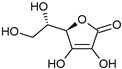
Pitaya stands out for its high
vitamin C content (essential for collagen synthesis and antioxidant protection) and the presence of group B vitamins (B1, B2, B3) that support energy metabolism and epidermal barrier function. Its ability to combine with other antioxidants makes red pitaya extracts useful in formulations with brightening, anti-inflammatory, and anti-aging properties [
13,
25]. The vitamin C content of dragon fruit averages 3.4–6.0 mg/100 g of fresh weight, making it an important but not predominant source of antioxidant activity compared to betalains [
12,
14,
26,
27]. Vitamin C plays a key role in many metabolic processes that affect skin condition. Its most important biological and dermatological properties include stimulation of collagen biosynthesis, where it acts as a cofactor for hydroxylating enzymes (lysyl and prolyl hydroxylases) that convert proline and lysine into hydroxylated amino acids, which is essential for the stabilization of the collagen triple helix and its proper cross-linking in the extracellular matrix. Vitamin C deficiency leads to weakening of the collagen structure, causing skin sagging and increased susceptibility to wrinkles [
13,
14,
17,
25,
28,
29]. In addition, vitamin C regulates melanogenesis by inhibiting the activity of tyrosinase, a key enzyme in melanin biosynthesis, which reduces pigment overproduction and helps lighten existing discolouration (sun, acne, hormonal). As a powerful antioxidant, it neutralizes free radicals, protecting skin cells from oxidative stress, works synergistically with other antioxidants (vitamin E, glutathione), and reduces DNA damage caused by UV radiation and environmental pollution, which delays the skin aging process [
26,
27,
28,
29]. By supporting collagen synthesis and anti-inflammatory action, vitamin C accelerates the healing of skin damage and minor wounds, positively affecting the reconstruction of the epidermis and the hydrolipid barrier. In the biosynthesis of type III collagen, vitamin C acts as a cofactor for hydroxylating enzymes—prolyl hydroxylase and lysyl hydroxylase—which catalyse the incorporation of hydroxyl groups into proline and lysine residues in the procollagen chain. The hydroxylation of these amino acids enables the formation of hydrogen bonds between the three α chains, stabilizing the triple helix structure. Properly cross-linked type III collagen gives mechanical strength to blood vessel walls and prevents their excessive permeability, which reduces the risk of erythema, telangiectasia, and small subcutaneous hemorrhages [
13,
14,
25,
27]. Other vital vitamins are water-soluble compounds that play a key role in the metabolic processes of skin cells. Vitamins B1 (thiamine), B2 (riboflavin) and B3 (niacin) are particularly important for skin condition and appearance, as they have anti-inflammatory, antioxidant and regenerative properties and support energy processes. Their deficiency can result in epidermal dysfunction, seborrhea, acne, and skin hypersensitivity [
30,
31].
Thiamine (C
12H
17N
4OS
+) is vitamin B1 consisting of a pyrimidine and thiazole ring connected by a methylene bridge. It is hydrophilic and susceptible to degradation under the influence of high temperature, UV radiation, and an alkaline environment. In the body, it occurs mainly in its active form—thiamine pyrophosphate (TPP), which acts as a coenzyme in carbohydrate and energy metabolism. In cosmetology, thiamine has antioxidant properties, protecting skin cells from oxidative stress and aging caused by free radicals. It improves skin microcirculation, which affects its oxygenation and tone, and has a soothing effect, reducing the symptoms of irritation and inflammation, making it helpful for sensitive and atopic skin. It also participates in the energy metabolism of cells, which promotes skin reconstruction and renewal. Only trace amounts of thiamine are present in pitaya pulp, at levels of 0.012–0.04 mg/100 g of fresh weight [
28,
31].
Riboflavin (C
17H
20N
4O
6), known as vitamin B2, is a yellow–orange chemical compound consisting of isoalloxazine combined with ribitol. It is stable in an acidic environment but sensitive to light, undergoing photodegradation. In the body, it is converted into active forms—FMN (flavin mononucleotide) and FAD (flavin adenine dinucleotide), which participate in redox reactions. In cosmetology, riboflavin supports cellular metabolism by participating in the metabolism of amino acids and lipids, which affects the proper functioning of skin cells. It has a sebostatic effect, reducing seborrhea, which makes it useful in preparations for oily and acne-prone skin. It strengthens the epidermal barrier, improving skin structure, hydration, and elasticity. It also supports skin regeneration and microdamage healing processes. It is also used as a yellow dye in cosmetics. Riboflavin is found in pitaya in amounts of 0.026–0.05 mg/100 g of fresh weight [
28,
30,
32].
Niacin (C
6H
5NO
2), which is vitamin B3, is a mixture of nicotinic acid and niacinamide (an amide form of the acid). It is a compound containing a pyridine ring. In the body, it acts as a precursor to the coenzymes NAD
+ and NADP
+, which are key to redox reactions and energy metabolism. In cosmetology, the dominant form is niacinamide (nicotinamide), which is characterized by high chemical stability and good skin tolerance. The vitamin B3 content in dragon fruit is approximately 0.16 mg/100 g of fresh weight. Scientific studies confirm that niacinamide regulates the expression of genes related to the skin’s barrier function by activating PPAR (Peroxisome proliferator-activated receptors), which leads to increased ceramide synthesis and strengthening of the integrity of the stratum corneum. In addition to lowering ROS levels, niacinamide also suppresses the secretion of pro-inflammatory cytokines through its regulatory effects on PARP [
33]. Studies on macrophages have shown that niacinamide inhibits SIRT, which in turn increases PARP-1 activity. PARP-1 activation is associated with COX-2 inhibition and enhanced expression of BCL6, both of which contribute to anti-inflammatory effects. COX-2 inhibition by niacinamide also leads to reduced production of PGE2, a major COX-2-dependent prostaglandin released by activated macrophages. At the same time, niacinamide can directly inhibit PARP, resulting in decreased NOS expression and reduced nitric oxide synthesis [
34,
35]. PARP inhibition also lowers PGE2 secretion and myeloperoxidase activity, further strengthening its anti-inflammatory profile. Although the precise interactions between niacinamide and PARP require further investigation, current evidence clearly supports its broad, multimodal anti-inflammatory action. Mechanistically, niacinamide reduces the production of pro-inflammatory cytokines (such as TNF-α, PGE2, IL-1, IL-6, and IL-8) by modulating NFκB-dependent transcription, while simultaneously increasing anti-inflammatory mediators like IL-10 and MRC-1. A clinical study involving 40 participants demonstrated that two weeks of treatment with a 5% niacinamide emulsion lowered IL-1aRA/IL-1a skin biomarkers. Notably, the reduction in cytokine levels appears to be dose-dependent [
36]. Niacinamide also decreases MHC class II expression by reducing interferon-γ levels, as shown in both fibroblast cultures and in vivo studies. By lowering inflammatory mediators, niacinamide prevents keratinocyte senescence and reduces the secretion of SASP factors. Since senescent cells remain metabolically active and release numerous cytokines, chemokines, and proteases, limiting SASP is highly beneficial. Bierman et al. further demonstrated that niacinamide reduces SASP-related cytokine production by preventing keratinocyte senescence.
Clinical studies have shown that a preparation containing 4% niacinamide reduces inflammatory symptoms in rosacea [
31,
37]. Niacinamide also affects sebum production by inhibiting sebocyte differentiation and lipogenesis through its interaction with mTOR (Mechanistic target of rapamycin)-dependent pathways. The use of 2% niacinamide for 4 weeks during clinical trials reduces sebum secretion by 35–60%, making it a valuable ingredient in the care of oily skin. Its depigmenting effect is based on inhibiting melanosome transfer by reducing the expression of serine protease receptor proteins on the surface of keratinocytes. In comparative studies, 4% niacinamide proved to be as effective in reducing hyperpigmentation as 4% hydroquinone, with a better safety profile [
38]. In the context of anti-aging, niacinamide increases the synthesis of extracellular matrix proteins, including collagen types I, III, and IV, and stimulates fibroblast activity by increasing NAD+ levels and activating sirtuin-1 deacetylase. In a 12-week clinical study, a cream containing 5% niacinamide reduced the appearance of fine lines by 21% and improved skin elasticity by 18% [
37,
38,
39].
Niacinamide in vivo has a synergistic effect with retinoids, peptides, and vitamin C. The combination of 0.025% retinol with 4% niacinamide produces better results in reducing wrinkles while reducing the irritation typical of retinoids. Thanks to these properties, niacinamide is widely used in various cosmetic formulations for problematic, discoloured, sensitive, and mature skin [
38,
39].
Carotenoids are among the most important compounds in the tetraterpene group, formed from eight isoprene units. Among them,
β-carotene, a plant pigment commonly found in nature, stands out. It is called provitamin A because it can be converted into active vitamin A (retinol) by the enzyme dioxygenase. One molecule of
β-carotene produces two molecules of vitamin A, and this process is supported by vitamin E. Retinol and its derivatives play a key role in maintaining healthy skin, but not all forms of vitamin A are beneficial—synthetic retinoids, in particular, when used in excess or improperly, can cause irritation and side effects such as dryness, flaking, or skin sensitivity [
14,
25,
27,
40]. Dragon fruit contains
β-carotene, a natural red-orange pigment that is soluble in fats. This compound acts as a powerful antioxidant, effectively neutralizing free radicals, which translates into its anti-aging properties.
β-Carotene also has a protective effect on the skin, shielding it from the harmful effects of ultraviolet radiation. It is particularly useful in preventing inflammatory reactions that can occur with excessive accumulation of photosensitizing porphyrins in the body. Carotenoids also have soothing properties for sunburn, accelerating the regeneration and healing of damaged skin. The
β-carotene content in dragon fruit is an average of 14 μg/100 g of fresh weight, which indicates its presence in marginal amounts and a secondary role [
17,
26,
28].
β-Carotene regulates the proper keratinization of the epidermis, stimulates skin cell regeneration, and accelerates their growth. It also strengthens the skin’s natural protective barrier against harmful external factors and accelerates the healing process of various types of skin damage. For this reason, vitamin A is widely used in cosmetology and dermatology [
27,
28]. Synthetic derivatives of vitamin A are also used in the cosmetics industry and dermatological medicine, including retinoic acid, which is formed by the oxidation of a hydroxyl group to an aldehyde or carboxyl group. This compound has found particular application as an active ingredient with keratolytic properties in antibacterial therapies and anti-aging preparations. Although it is more stable than natural vitamin A, it still requires protection with antioxidants such as tocopherol (vitamin E). However, it should be remembered that vitamin A is a compound that is very sensitive to atmospheric factors, especially light and oxygen. It oxidizes quickly, losing its biological properties, and therefore requires the use of appropriate stabilizing antioxidants [
25,
27,
28].
Betacyanins are a group of red–purple pigments from the betalain family, mainly present in red varieties of dragon fruit (
Hylocereus polyrhizus). The dominant compound is betanin, which has the highest antioxidant activity in this group of pigments. Betacyanins are found in large quantities, approximately 28 mg/100 g of fresh weight in the pulp and 9–13 mg/100 g of fresh weight in the skin, making them the dominant carrier of the fruit’s colour and antioxidant activity [
6,
11,
41].
Betacyanins are distinguished by a characteristic chromophore system with a 1,7-diazaheptamethinium core, which forms an extensive system of conjugated double bonds capable of effectively transferring and stabilizing electrons. This allows these pigments to easily capture free radicals and neutralize reactive oxygen species, forming stable products with reduced reactivity. This mechanism makes the potential antioxidant activity of betacyanins superior in in vitro tests to that of ascorbic acid, whose antioxidant properties result mainly from the presence of enediol group. In practice, this means that betacyanins more effectively protect membrane lipids, proteins, and DNA from oxidative damage, reducing oxidative stress and supporting cell protection [
11,
42,
43,
44]. Betacyanins act as a natural antioxidant for delicate ingredients in cosmetic preparations, while protecting them from degradation. In the epidermis, they effectively inhibit pro-inflammatory cytokines (IL-6, IL-1β, COX-2/Cyclooxygenase-2/), which translates into a reduction in inflammation and skin irritation. These pigments also have a protective effect on the cardiovascular system and hepatoprotective properties [
45,
46,
47,
48].
Betacyanins also support the skin’s barrier function—as powerful antioxidants, they protect collagen and elastin from the destructive effects of reactive oxygen species, effectively inhibiting premature skin aging. Due to their anti-inflammatory properties, they are particularly valued in cosmetics for sensitive skin prone to redness [
17,
25,
41,
42]. The main challenge in using betacyanins is their sensitivity to high pH (>7), temperatures above 25 °C, and UV light. In the cosmetics industry, this problem is solved by microencapsulation with maltodextrin and gum arabic or encapsulation in alginate gels, which significantly increases the stability of the pigments. The most commonly used substance is betanin, which has been recognized as a safe food ingredient (E 162) and displays excellent tolerance in cosmetic applications as shown in in vitro tests [
6,
37,
43]. The combination of betacyanins with other antioxidants is commonly used in anti-aging cosmetics. These pigments work synergistically to neutralize free radicals, providing comprehensive protection against oxidative stress and premature skin aging [
17,
39,
42,
46].
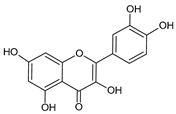
Dragon fruit (
Hylocereus spp.) contains numerous
flavonoids (quercetin, isorhamnetin, kaempferol) and specific flavonoid compounds (2-O-glucoside of phloretin and 3-O-galactopyranoside of myricetin). The concentration of these compounds is significantly higher in the fruits skin than in the pulp. The total phenolic content in dragon fruit is 25–55 mg GAE/100 g fresh weight (GAE—Gallic Acid Equivalents), and the flavonoid content is 15–35 mg CE/100 g fresh weight (CE—Chemical Equivalent), thanks to which they play a supporting role to betalains and vitamin C [
3,
5,
11,
41].
Flavonoids improve blood circulation and have an antioxidant effect by inhibiting enzymes that catalyse the formation of free radicals and by protecting vitamin C. Their antioxidant activity results from their reducing potential, which allows them to act as reducing agents, e.g., hydrogen donors for free radicals and singlet oxygen quenchers. They also have the potential to chelate metals in in vitro assays [
10,
25,
27,
42,
43,
49]. Quercetin inactivates the enzyme hyaluronidase, thus preventing the loss of skin elasticity and ensuring the tightness of blood vessels. It has anti-inflammatory, analgesic, and anti-edema properties. The mechanism of action of quercetin involves blocking histidine decarboxylase, an enzyme necessary for the formation of histamine in the body [
16,
17,
48,
50]. It reduces oxidative stress and fights free radicals twenty times more effectively than vitamin C, thanks to its numerous hydroxyl groups, which enable it to capture free radicals. However, flavonoids are poorly absorbed by the human body, which limits their antioxidant value in humans [
22,
29,
37,
39].
The flesh and skin of pitaya contain large amounts of
polysaccharides. Pitaya extracts contain on average ~1.1% polysaccharides by weight of the raw material, which are mainly responsible for its moisturizing and prebiotic properties [
6,
51]. Polysaccharides are long chains of smaller sugar molecules that the body uses as a source of energy and building material. In cosmetics, they are particularly valued for their skin care properties [
13,
26,
52]. These natural compounds from pitaya have an occlusive effect. They help the skin retain water and make it more elastic and smooth. In addition, they have prebiotic properties, which means that they support the development of bacterial microflora on our skin, helping to maintain its natural balance [
25,
43,
53]. In terms of antimicrobial properties, dragon fruit has demonstrated inhibitory effects against certain bacteria and fungi in various in vitro studies [
54]. This suggests a potential role in preventing microbial infections and supporting a healthy microbiome. The presence of natural compounds like oligosaccharides and phytochemicals contributes to these antimicrobial properties. Rich in essential vitamins such as vitamin C, B vitamins, and minerals like iron and magnesium, dragon fruit contributes to immune support, iron absorption, and overall well-being. In vivo experiments demonstrated that treating mice for 15 days with various concentrations of aqueous red dragon fruit peel extract, either alone or in combination with the antibiotic cefamandole (Cm), produced a significant inhibitory effect on
Pseudomonas aeruginosa. The strongest response was observed in the sixth group, which received 100 mg/mL of the extract together with Cm. This combination was more effective than all other treatments, reducing the bacterial count dramatically (
p ≤ 0.001) from 120 × 10
6 to 5 × 10
6 cells/mL over the course of the study. The enhanced antibacterial activity is attributed to the synergistic interaction between the red dragon fruit peel extract and the Cm antibiotic, as well as the extract’s natural wound-healing properties. The fourth group, which received only the 100 mg/mL extract, also showed a significant improvement (
p < 0.001) compared with the other groups, with noticeable skin recovery in the mice after nine days.
In addition, pitaya polysaccharides have antioxidant properties—they can protect the skin from the harmful effects of free radicals, which accelerate the aging process. They also support the skin’s natural protective barrier, making them an increasingly popular ingredient in modern cosmetics, especially those designed to combat skin aging [
22,
37]. The structures of pitaya bioactive compounds are included in
Table 1.
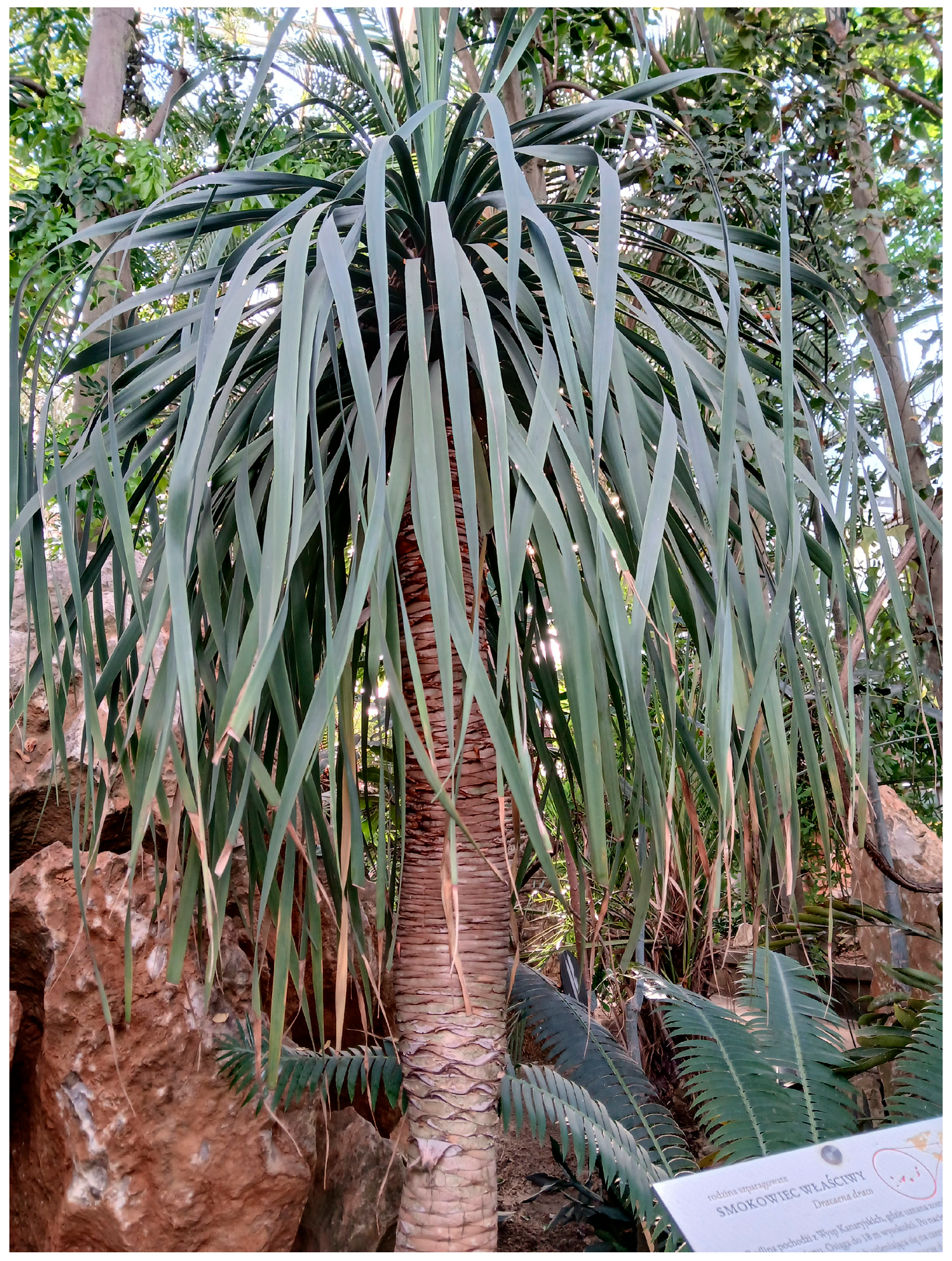
Dragon’s blood is a rich source of
phenolic compounds, which play a key role in biological activity, exhibiting strong antioxidant, anti-inflammatory, and protective properties. The main components include flavans, homoisoflavans, and characteristic flavylium-type phenolic pigments, responsible for the intense red colour of the resin. The main pigments are dracorhodin, nordracorhodin, dracorubin, and dracoflavylium, of which the latter is considered the most important and a marker for the
Dracaena draco species. The presence of these pigments makes the phenolic fraction the dominant part of dragon’s blood composition—this is confirmed, among other things, by the antioxidant activity of the methanol extract, for which an IC
50 value of approximately 25.5 μg/mL was obtained [
3,
5,
10,
38]. Dracoflavylium gives the resin of dragon’s blood its recognizable, intense red colour. This unique dye usually occurs in cationic form, forming salts, often as chloride, which ensures its stability in the acidic environment of natural resin. The dracoflavylium molecule is characterized by strong coupling of aromatic systems, thanks to which it absorbs light in the range of approximately 520–540 nm, creating a characteristic red tone [
27,
38,
47]. From a chromatography perspective, dracoflavylium exhibits specific absorption properties that allow for its precise identification and quantitative analysis in dragon blood samples. These characteristic spectral properties make it an excellent chemical marker for assessing the quality and authenticity of the resin [
16,
49,
50]. In cosmetics, dracoflavylium is widely used as a natural dye, enabling the use of dragon’s blood in lipsticks, blushes, and other colouring skin care products. Thanks to its ionic form, it retains its colour stability in cosmetic products, eliminating the need to add synthetic dyes [
22,
48,
55]. In addition to its colouring properties, dracoflavylium also exhibits antioxidant activity. Its phenolic structure promotes the neutralization of free radicals, which contributes to the protection of skin cells against oxidative stress and aging processes [
27,
33,
38,
42]. Studies on dragon’s blood also indicate its antibacterial properties and ability to prevent the formation of bacterial biofilms. The antimicrobial properties of the n-hexane extract of dragon’s blood resin were evaluated against
Staphylococcus aureus ATCC 25923,
Escherichia coli ATCC 25922, and
Candida albicans ATCC 10231 in in vitro assays [
56]. Gentamicin and amoxicillin served as positive controls for antibacterial testing, while nystatin was used as the positive control for antifungal activity. The results showed that the 15% n-hexane dragon’s blood resin extract exhibited the strongest activity, producing inhibition zones of 21.3 mm against
E. coli and 13.2 mm against
S. aureus. A similar pattern was observed in the antifungal assay, where the 15% extract produced the largest inhibition zone against
C. albicans (15.6 mm). Dragon’s blood resin contains bioactive compounds such as dracorhodin and dracorubin, which are believed to play a key role in its antimicrobial effects.
This may further support the dual function of dracoflavylium as a colouring and skin care ingredient [
38,
47]. Dracoflavylium is an excellent example of a natural cosmetic ingredient that combines aesthetic properties with bioactivity. Its natural origin and multifunctionality make it suitable for use in modern colouring and skin care cosmetics, while supporting skin health [
22,
38].
The flavans found in dragon blood belong to a broad group of flavonoids commonly found in the plant world. They play a key protective role by neutralizing free radicals responsible for cell damage and accelerating skin aging processes. Some of these compounds also exhibit antibacterial and anti-inflammatory properties [
25,
27,
42,
50]. A particularly interesting group are homo-isoflavones, e.g., compounds similar in structure to flavonoids but containing an additional carbon atom in their structure. They are rarely found in plants, but occur in relatively high concentrations in dragon’s blood. Scientific studies indicate their anti-inflammatory effect and ability to support the healing and regeneration of skin tissues [
38,
47,
48,
49].
The phenolic compounds present in dragon’s blood are widely used in cosmetology and medicine due to their antioxidant properties, which protect skin cells from damage caused by free radicals. They also have antibacterial properties, support wound healing processes, and can reduce inflammation. These properties make dragon’s blood a valuable ingredient in cosmetics with regenerative, anti-aging, and protective effects [
22,
38]. The antioxidant capacity of the samples of dragon’s blood extract was assessed using the DPPH radical-scavenging assay [
57]. Ascorbic acid served as the positive control to verify proper assay performance. The reaction mixture consisted of 500 µL of the test extract combined with 125 µL of a DPPH solution prepared in ethanol. Test samples were evaluated at concentrations of 10, 50, 100, 500, and 1000 µg/mL, while the DPPH concentration in the final mixture was maintained at 1 mM. Each mixture was placed in an Eppendorf tube and incubated at 37 °C for 30 min, after which the absorbance was recorded at 517 nm. Radical-scavenging activity was calculated relative to an ethanol-treated control.
The percentage inhibition of DPPH radicals by the dragon’s blood extract was determined using the following formula:
where A_control represents the absorbance of the DPPH solution alone and A_sample represents the absorbance of the extract mixed with DPPH.
Dragon’s blood extract demonstrated strong antioxidant properties, showing 73–80% inhibition in the DPPH assay. Both formulations containing the extract also exhibited high radical-scavenging activity, with inhibition values of 74% (Formulation 1 with 0.5% dragon’s blood extract) and 80% (Formulation 2 with 1.0% dragon’s blood extract) at 1 mg/mL. Across all tested concentrations, Formulation 2 consistently produced higher inhibition than Formulation 1. However, ascorbic acid displayed greater antioxidant activity than both the extract and its formulations at lower concentrations. Overall, the findings indicate that dragon’s blood extract is a promising ingredient for anti-aging cosmetic formulations. Its notable antioxidant activity may help protect skin from oxidative stress caused by free radicals. Additionally, the extract appears to support improvements in skin elasticity and collagen synthesis-key factors in maintaining youthful skin. Although further studies are needed to fully validate these benefits, current evidence suggests that dragon’s blood extract has strong potential as an effective anti-aging component.
Among the bioactive components of dragon’s blood are also
steroidal saponins, consisting of an aglycone, e.g., a non-sugar part with a steroidal structure, and one or more sugar units, most often glucose, rhamnose, or arabinose, which usually attach at the C-3 position of the steroidal ring. The two most important compounds representing this group detected in
Dracaena draco are icogenin and dioscin. Steroidal saponins are present in the resin in lower amounts than phenols and constitute a complementary fraction, giving the resin cytotoxic and antimicrobial properties [
10,
38,
58].
Icogenin contains a steroid aglycone with a spirostane skeleton, combining a steroid with one of the sugars typical of saponins derived from lily plants, also containing a characteristic hydroxyl group and a highly saturated ring system. Dioscin, on the other hand, is a saponin containing diosgenin as an aglycone with attached sugar residues, and its full structure is 3-O-[α-L-rhamnopyranosyl-(1→4)-[α-L-rhamnopyranosyl-(1→2)]-β-D-glucopyranosyl]diosgenin. The steroid structure of these compounds gives them the ability to penetrate biological membranes and affect their stability and functions [
27,
38,
42,
49]. In vitro studies have shown that steroid saponins from
Dracaena draco resin have cytotoxic effects [
59], which indicates their ability to destroy or inhibit the growth of cancer cells. Their mechanisms of action include increasing cell membrane permeability, activating apoptosis as programmed cell death, damaging mitochondrial membranes, and affecting signalling pathways associated with cell division. Dioscin, in particular, exhibits anticancer activity against liver, colon, lung, and stomach cancer cells, and may also have anti-inflammatory, antibacterial, and antifungal effects [
16,
38,
47,
50]. Due to their specific structure and biological activity, steroid saponins are an interesting bioactive ingredient in cosmetology and pharmacology. In cosmetic preparations, they can function as ingredients with antibacterial and antiseptic activity. The presence of these compounds in dragon’s blood may therefore explain the widespread interest in this raw material in dermocosmetic and therapeutic products, highlighting its value as a natural source of bioactive substances with multidirectional effects [
22,
33].
Chalcones and dihydrochalcones are important components of dragon’s blood from
Dracaena draco, which are distinguished by their simple chemical structure and high biological efficacy. Chalcones consist of two aromatic rings connected by a three-carbon unsaturated bridge, while dihydrochalcones have a saturated bridge chain, which makes them more chemically stable [
3,
10,
32]. Various types of these compounds can be found in dragon’s blood, including trihydroxy dihydrochalcone and loureyrin A and B. These natural substances have been thoroughly tested using modern analytical techniques, which have confirmed their unique structure and properties. Chalcones and dihydrochalcones isolated from resin occur in amounts of mg/g of extract, which makes them a co-dominant fraction within phenolic compounds [
27,
32,
42,
47,
60]. Chalcones and dihydrochalcones are widely used in cosmetics due to their valuable properties. They act as powerful antioxidants, neutralizing free radicals and protecting the skin from oxidative stress, which accelerates the aging process. They also have anti-inflammatory properties—some of them, such as loureirins A and B, can inhibit substances that cause inflammation, which is particularly beneficial for sensitive skin [
16,
32,
49,
50,
60]. Due to their chemical stability, these compounds can effectively penetrate the epidermis and act topically. They support antibacterial and antiseptic activity, which makes them useful in skin healing and soothing products [
22,
33]. Chalcones and dihydrochalcones from dragon’s blood have great potential as ingredients in modern cosmetics, from protective and regenerative preparations to anti-aging products. They are particularly useful in the formulation of cosmetics for mature, sensitive, or externally exposed skin [
32].
Terpenoids, which, like sterols, belong to the group of isoprenoid compounds, are another important group of components of dragon’s blood from
Dracaena draco [
61,
62]. Studies using advanced analytical techniques have revealed the presence of about 20 different volatile terpenoids, among which monoterpenes dominate [
61,
62]. The most important monoterpenoids include α-pinene, β-pinene, limonene, p-cymene, and γ-elemene. These natural compounds are responsible for the characteristic aroma of dragon’s blood and have antiseptic properties. Due to their volatility, they have a rather supportive effect in cosmetics and are often used in aromatherapy [
27,
42,
49].
In addition to volatile terpenoids, dragon’s blood also contains free sterols and triterpenoids, such as sitosterol, stigmasterol, lupeol, and betulin. These compounds have a more stable structure and exhibit stronger biological activity [
16,
39,
47,
50,
60]. Due to their cholesterol-like structure, sterols fit perfectly into the lipid barrier of the skin. They support its natural protective function, have a soothing effect, and help prevent excessive moisture loss. Sitosterol and stigmasterol also have anti-inflammatory and antiseptic properties [
22,
33,
39].
Triterpenoids, especially lupeol and betulin, have documented anti-aging effects. They can inhibit collagen-degrading enzymes and modulate inflammatory reactions in the skin, making them valuable ingredients in anti-aging cosmetics [
19,
39,
49,
62].
Because of the presence of these compounds, dragon’s blood can have potential in cosmetics as an ingredient in regenerating and soothing products that alleviate skin irritation. It also works well in antioxidant cosmetics that protect against aging and in preparations that strengthen the skin’s lipid barrier, improve hydration, and protect against water loss [
22,
27,
39]. While volatile monoterpenoids mainly serve as flavorings and antiseptics, sterols and triterpenoids can be active components of dermocosmetics with protective and regenerative properties [
39,
42,
50]. Seyedi et al. produced the nanofibrous scaffold using the electrospinning technique, composed of polyvinyl alcohol (PVA), alginate (Alg), and dragon’s blood extract [
63]. The resulting material was examined for its structural and chemical characteristics. The analysis confirmed the successful incorporation of dragon’s blood into the scaffold, which displayed uniform, smooth, and unbranched fibers with diameters of approximately 300–400 nm. Mechanical testing showed that the scaffold possessed strength and elasticity comparable to human skin. To assess its wound-healing potential, several parameters were evaluated, including water contact angle, drug-release behavior, water vapor permeability, blood compatibility, blood-clotting ability, and antibacterial activity. In vivo experiments using a burn wound model demonstrated that scaffolds containing 20% dragon’s blood achieved excellent healing outcomes, with 80.3% wound closure after 21 days. This enhanced healing was associated with increased collagen deposition, improved re-epithelialization, and effective remodeling of the damaged tissue. Overall, the PVA/Alg/ dragon’s blood nanofibrous scaffold shows strong potential as an effective wound dressing for burn injuries, offering both structural support and bioactive properties that promote tissue regeneration.
The structures of dragon’s blood bioactive compounds are shown in
Table 2.
5. Contemporary Cosmetic Forms Obtained with Use of Dragon Fruit and Dragon’s Blood
Hylocereus spp. are a source of bioactive ingredients used in the cosmetics industry in three basic forms. The dominant application forms are water, ethanol and glycerin extracts, obtained by maceration or thermal extraction. These preparations are characterized by a high content of polysaccharides with documented humectant properties and compounds with antioxidant activity, including ascorbic acid and betacyanins [
64]. Their mechanism of action includes the neutralization of reactive oxygen species and the stimulation of regenerative processes in skin structures. The extracts are used in cosmetic formulations intended for the treatment of dehydration, devitalization, and loss of the barrier function of the epidermis. Liquid preparations mainly use aqueous extracts from the fruit pulp, which have anti-inflammatory properties and regulate the acid–base balance of the skin. These formulations are mild, which makes them suitable for use on reactive and irritated skin.
The second category consists of lipids obtained from seeds through oil extraction or mechanical cold pressing. This fraction has a significant content of unsaturated fatty acids, especially linoleic and oleic acids, as well as tocopherols with vitamin E activity. Its therapeutic effect is based on the reconstruction of the lipid layer of the epidermal barrier, reduction in transepidermal water loss, and reduction in inflammatory processes. Oil preparations are used in the treatment of skin aging and hypersensitivity. The next cosmetic form—powdered, obtained by freeze-drying or conventional drying with micronization, is characterized by the presence of dietary fiber, minerals, and phenolic compounds. The mechanism of action includes detoxification through the adsorption of impurities and the supply of microelements necessary for the metabolic processes of skin cells.
Described “dragon” plants are not a single botanical group, and their skin-relevant bioactivities differ depending on their chemistry. Comparing dragon fruit (Hylocereus spp.), and dragon’s blood tree (Croton lechleri), it is observed that extract of each of these produces non-identical dominant compounds which translates into different properties, like moisturizing, collagen stimulation, and tyrosinase inhibition. Dragon fruit contains betalains, flavonoids, polysaccharides, vitamin C. It means that their skin-relevant bioactivities, such as moisturizing (due to polysaccharides), collagen stimulation (antioxidant-driven), tyrosinase inhibition, and antioxidant activity (betalains) are moderate. The main compounds in dragon’s blood (Croton lechleri) are proanthocyanidins, and phenolic resins. Such chemical composition is related to strong collagen stimulation properties due to proanthocyanidins, which promotes fibroblast migration and wound healing. Moreover it has potentially very strong antioxidant activity connected with presence of phenolic rests. Other properties of skin-relevant bioactivities are at moderate level.
Generally, extraction method is one of the strongest determinants of both yield and cosmetic efficacy of bioactive compounds from “dragon” plants. Depending on the extraction method used, different compounds can be obtained in the final result [
65]. For example, betacyanins are heat-sensitive and overheating during extraction leads to their degradation, lowering the antioxidant potency. Main different extraction methods, their effects on yield and cosmetic efficacy are listed in
Table 4.
Extract from the peels of pitaya (
Hylocereus undatus) were obtained using supercritical carbon dioxide extraction and then analyzed by gas chromatography–mass spectrometry (GC-MS). Their cytotoxic and antioxidant properties were also evaluated. In the extract from
H. undatus the predominant compounds were β-amyrin (23.39%), γ-sitosterol (19.32%), octadecane (9.25%), heptacosane (5.52%), campesterol (5.27%), nonacosane (5.02%), and hexadecyl trichloroacetate (5.21%). In in vitro assays the extract demonstrated notable cytotoxic effects against PC3, Bcap-37, and MGC-803 cancer cell lines, with IC
50 values ranging from 0.61 to 0.73 mg/mL. The biological activities of their major constituents were also examined. Additionally, the extract showed moderate free-radical scavenging activity, with IC
50 values of 0.91 mg/mL [
64].
The resin from
Dracaena draco trees is a source of highly bioactive secondary metabolites with a wide range of pharmacological and cosmetic effects. Alcohol or water extracts contain a complex of phenolic compounds, flavonoids—including specific dracoflavylium, saponins, and tannins [
66]. Main different extraction methods [
61], their effects on yield and cosmetic efficacy are listed in
Table 5. The mechanism of action includes inhibition of oxidative processes, stimulation of epithelial cell proliferation, and antimicrobial activity [
38]. These preparations are used in the treatment of
acne vulgaris, telangiectasia, and skin aging processes.
The main cosmetic form is powdered resin. It has anti-inflammatory, astringent, and colouring properties due to the presence of dracoflavylium. It can be used in skin inflammations and to even out skin tone. On the other hand, toning water preparations have antiseptic, anti-inflammatory, and regenerative properties. This makes them particularly suitable for the treatment of seborrhea, acne, and during convalescence after dermatological and cosmetological procedures [
21].
6. Cosmetics Containing Ingredients Derived from Dragon Fruit (Hylocereus undatus) and Dragon Tree (Dracaena draco)
In the foundation of one of the leading cosmetic companies, dragon fruit extract acts as an ingredient that supports the skin care properties of the formula. Its position at number 21 in the INCI (International Nomenclature of Cosmetic Ingredients) list (Hylocereus Undatus Fruit Extract) indicates a relatively low concentration, but even in small amounts it can exhibit biological activity. The extract contains natural antioxidants and moisturizing compounds that help protect the skin against oxidative stress and strengthen the hydrolipid barrier. In the foundation formula, it is responsible for additional moisturizing, soothing, and protective effects, complementing the role of ingredients such as the probiotic complex and chia seed extract. The presence of this extract emphasizes the skincare nature of the cosmetic, combining the function of makeup with protection and improvement in the skin condition.
In the one of the hair conditioners, pitaya fruit extract ranks fourth in the INCI list (Hylocereus Undatus Fruit Extract), which indicates its high concentration and possible significance for the product’s effectiveness. The presence of this extract so high up in the list proves that it is a key active ingredient in the formula. Pitaya extract provides compounds with moisturizing, nourishing, and antioxidant properties, rich in vitamins, minerals, and polysaccharides. In the context of hair care, it helps maintain an adequate level of moisture, improves hair fiber elasticity, and, due to the presence of antioxidants, protects against oxidative stress caused by environmental factors. As a result of using the conditioner, the hair becomes soft, smooth, and shiny, which is consistent with the manufacturer’s claims regarding its revitalizing and strengthening properties. The high position of the extract in the composition distinguishes this conditioner from many standard hair care products, where plant ingredients often serve as marketing additives in small amounts. In this case, probably the pitaya is the key active ingredient responsible for the product’s conditioning properties.
In a smoothing body scrub produced by a Polish cosmetics company, pitaya fruit extract is listed in 31st place in the INCI composition, which indicates its relatively low concentration. It is therefore not one of the main active ingredients, but acts as an additive supporting the action of the entire formula. In combination with grapefruit extract and other acids (including glycolic, malic, tartaric, and citric acids), it additionally supports the exfoliation of dead skin cells and improves the appearance of the skin. Despite its low position in the composition, Hylocereus undatus extract emphasizes the natural character of the scrub and plays a functional role. In the context of the entire formula, pitaya possibly supports the smoothing, brightening, and protective effects, complementing the role of key exfoliating and nourishing substances.
In some aloe mist for the face, body, and hair pitaya fruit extract is listed eighth in the INCI, which means it is near the end of the list of ingredients. This means that its concentration in the product is relatively low, especially when compared to the dominant ingredient, aloe vera juice (97%). Nevertheless, even in small amounts, dragon fruit extract can possibly act as a supporting ingredient, complementing the action of the main active substance. In the mist formula, dragon fruit extract works synergistically with aloe vera, enhancing the moisturizing, soothing, and regenerating effect. The addition of pitaya also strengthens the revitalizing properties of the product, giving it an extra dimension of care and attractiveness resulting from the use of an exotic plant ingredient. In summary, despite its low position in the INCI composition, Hylocereus undatus Fruit Extract has functional and marketing significance. It emphasizes the natural character of the mist and potentially supports moisturizing, refreshing, and protective properties, making the product more comprehensive.
In one of the face masks, pitaya fruit extract is listed further down the INCI list, which indicates its moderate or low concentration in the formula. It is not the dominant ingredient, but plays a complementary role, supporting the cosmetic’s skincare properties, as it was indicated by manufacturer. Dragon fruit extract, in combination with other active ingredients present in the mask, such as allantoin, betaine, and hyaluronic acid, enhances the potent effect of intense moisturization, nourishment, and improvement in skin elasticity. Although its percentage is lower than that of the base substances, the presence of Hylocereus undatus in the formula emphasizes the natural character of the product and gives it additional marketing value. This ingredient supports the refreshing, brightening, and detoxifying effects declared by the manufacturer, making the mask more comprehensive in its action.
In the creamy shower gel with a fruity note, pitaya fruit extract is listed 14th in the INCI list, which places it in the middle section of the ingredients list. Its concentration is moderate, lower than the base substances responsible for cleansing and foaming properties, but higher than that of functional or fragrance ingredients. This position indicates that the extract potentially serves as an active additive supporting the product’s skincare effects. Pitaya extract brings moisturizing, refreshing, and antioxidant properties to the formula. It helps protect the skin from dryness and oxidative stress, which is especially important in cleansing cosmetics that may disrupt the hydro-lipid barrier. Combined with macadamia nut oil, panthenol, and a vitamin complex, pitaya extract enhances the smoothing effect, improves elasticity, and nourishes the skin. Its presence in the formulation highlights the natural and caring character of the shower gel, making it more than just a cleansing agent. The extract serves both as a biologically active component and as a marketing element, enhancing the product’s appeal through the use of an exotic plant raw material.
In the composition of one of the creams, the extract from Dracaena draco appears later in the INCI list, suggesting its supporting role relative to the main active plant ingredients. Due to the lack of clear information from the manufacturer, it cannot be determined whether the extract used comes from the resin, leaves, or other parts of the plant. However, it is known that the species Dracaena draco is traditionally associated with bioactive compounds with regenerative, anti-inflammatory, and protective potential. Moreover, dragon’s blood is applicated in modern cosmetics as a natural red pigment. It is incorporated especially in natural, organic, and clean-label cosmetics where synthetic dyes are avoided, e.g., to provide natural red tint in lip balms and lip oils. In the context of this cosmetic, this extract likely serves to enhance the product’s regenerative and protective effects. Due to the niche and exclusive nature of this ingredient, its presence emphasizes the uniqueness of the formula.
In contrast, in the anti-wrinkle cream, which also contains Dracaena draco extract, where is listed 10th in the INCI list, suggesting a moderate but noticeable role in the formulation of the cosmetic. The product’s formula has been developed with the care of mature skin in mind—the manufacturer emphasizes its anti-wrinkle, oxidative stress-protective effects, and intensive hydration, resulting, among other things, from the presence of hyaluronic acid and resveratrol.
The addition of extract from Dracaena draco can enhance the antioxidant and regenerative effects of the preparation, supporting the skin’s repair processes. The presence of this ingredient, combined with Pichia ferment and plant extracts, highlights the cream’s nature as a product that combines traditional skincare with a modern formulation.
In another cream—a brightening one with SPF 15+—Dracaena draco extract ranks 22nd in the INCI list, indicating its supplementary role relative to the main active ingredients, such as shea butter, vitamin E, colloidal gold, and musk rose seed oil. The manufacturer emphasizes that the cream’s formula acts as an antioxidant, protecting the skin from oxidative stress, giving it a healthy glow thanks to the gold particles, and supporting protection against premature skin aging. In this context, Dracaena draco extract may enhance the protective effect of the product through the presence of bioactive compounds with potential antioxidant and regenerative properties. Although it appears further down the INCI list, its presence adds character to the formula and highlights its innovativeness, combining skincare with properties that support the skin’s defence against external factors. Among the nine analysed cosmetics with “dragon” ingredients, they never ranked higher than sixth in the INCI list, and in a few cases, they occupied one of the last positions.
7. Comparison of the Cosmetic Potential of Dragon Fruit and Dragon Tree
From a chemical perspective, the polysaccharides present in the extract function as natural humectants, supporting the skin’s ability to retain water and contributing to the restoration of the hydrolipidic layer. The presence of vitamin C and phenolic compounds determines strong antioxidant properties, enabling the neutralization of free radicals and protecting skin cells from oxidative stress. Additionally, pigments from the betacyanin group exhibit not only pigmentary effects but also anti-inflammatory and regenerative activities [
26]. In both in vivo and in vitro studies, the extract from
Hylocereus undatus demonstrated the ability to modulate the skin microbiome, increasing the proportion of beneficial commensal bacteria (
S. epidermidis,
S. hominis) while simultaneously reducing the colonization of skin pathogens such as
S. aureus or
Cutibacterium acnes. Importantly, with regular use, an increase in skin microbiological diversity by 22% was observed, particularly in individuals over 45 years of age. This resulted in a reduction in TEWL (transepidermal water loss) by 13%, a decrease in redness by 35%, a brightening of the complexion (an increase in the ITA index) by 11%, and a significant improvement in the overall appearance of the skin [
26].
A particularly notable result confirming the rejuvenating properties of the extract was the reduction in wrinkles. Their number decreased by an average of 11%, their length by 10%, and their volume by as much as 13%. These effects were statistically significant (
p < 0.05) and noticeable after just 28 days of using a cosmetic containing 1% extract. Improvements were also observed in firmness, elasticity, and overall skin tension. These results indicate the extract’s genuine anti-aging potential and its ability to influence structural skin features associated with the aging process [
26].
The cosmetological potential of pitaya extract therefore includes moisturizing, soothing, anti-aging, prebiotic, and brightening effects. This raw material is used in preparations intended for dry, dehydrated, sensitive, tired, and mature skin. It can be effectively utilized in formulations such as creams, tonics, serums, masks, and products supporting the skin microbiome. It is also worth emphasizing that this extract is obtained in accordance with the principles of sustainable development, which further enhances its value in the context of “clean beauty” and “eco-formulation” trends [
26]. Dragon fruit (
Hylocereus undatus) is a modern, mild, and effective ingredient with proven biological activity. Its broad spectrum of action and high safety profile make it an attractive component of contemporary cosmetic products, including both dermocosmetics and daily skincare formulations.
Dragon’s blood from
Dracaena draco is distinguished by strong antioxidant, regenerative, and antibacterial properties due to the presence of active flavonoids, steroidal saponins, triterpenoids, and the unique pigment dracoflavylium. It exhibits notable therapeutic and protective effects, particularly effective in the care of oily, acne-prone, mature skin, and skin with hyperpigmentation. It supports regeneration processes, has antibacterial and anti-inflammatory effects, and may also positively influence skin tone. The main limitation of dragon’s blood is its very limited availability due to the protected status of
Dracaena draco, which makes its use specialized and niche, unlike the widely available dragon fruit. Both raw materials exhibit complementary properties—dragon fruit as a moisturizing and protective ingredient, and dragon’s blood as a active regenerative and therapeutic component [
26,
38].
Availability
Dragon fruit (
Hylocereus spp.) has become an increasingly valuable crop with the potential to combat climate change and reduce rural poverty. Its resilience to harsh environmental conditions—such as prolonged drought and high temperatures—allows it to thrive in arid and semi-arid landscapes. Because it requires minimal water and inputs, it fits well into sustainable farming systems, particularly in regions where resources are limited [
67]. In contrast, the availability of dragon’s blood is severely limited, and several
Dracaena species are currently threatened. Because the natural supply is scarce and the process by which the resin forms is not yet fully understood, harvesting is tightly restricted. To ensure sustainable use, it is essential to expand the cultivation of
Dracaena species and gain a comprehensive understanding of the mechanisms behind resin production, which would enable the development of effective induction methods [
68].
Safety
Scientific evaluations of the safety of Dracaena draco (dragon’s blood) resin generally examine its cytotoxicity, potential for irritation, allergenic properties, and antioxidant effects. Although the resin has a long history of traditional use for wound care and skin protection, modern cosmetic safety standards require formalized testing. In vitro research typically indicates that Dracaena draco extracts show low cytotoxicity toward keratinocytes and fibroblasts when applied at concentrations suitable for topical products. Extracts prepared with ethanol or methanol may demonstrate a higher likelihood of causing irritation compared with aqueous or cosmetic-grade purified extracts. Proper purification processes significantly reduce this risk. There are no widespread reports of allergic reactions; however, the resin contains phenolic compounds that could act as sensitizers in individuals prone to allergies. For this reason, patch testing is advisable when developing new formulations [
69].
On the other hand, scientific studies evaluating safety of dragons fruit for topical use generally report a favourable profile. Extracts from the fruit pulp and peel show low cytotoxicity toward human keratinocytes and fibroblasts at concentrations typically used in cosmetic formulations. In vitro assays indicate that dragon fruit possesses strong antioxidant and anti-inflammatory activity, which may support skin-protective effects without inducing cellular damage. Irritation studies suggest that aqueous and hydroalcoholic extracts have minimal irritant potential, although highly concentrated or unrefined extracts may cause mild redness in sensitive skin. No significant allergenic reactions have been documented in the literature, and the fruit is not considered a common sensitizer. However, as with many botanical ingredients, the presence of phenolic compounds and natural pigments means that patch testing is advisable when developing new formulations. Overall, available research supports the conclusion that dragon fruit extracts are safe for use in cosmetic products when properly standardized and incorporated at appropriate concentrations [
70].
Regulatory constrains
In the European Union, the use of Dracaena draco resin—commonly known as dragon’s blood—is not prohibited in cosmetic products, but it is regulated under the general safety framework of the Cosmetics Regulation (EC) No 1223/2009. Any cosmetic formulation containing this ingredient must undergo a full Cosmetic Product Safety Assessment before it can be marketed. The resin is typically listed under the INCI names Dracaena Draco Extract or Resina Draconis, and its composition requires careful evaluation, particularly because it contains phenolic compounds that may act as potential sensitizers. Manufacturers are also responsible for ensuring that impurities such as heavy metals or residual solvents are kept within acceptable limits. Importantly, if dragon’s blood is incorporated into a product with claims related to wound healing or other therapeutic effects, the product may no longer be classified as a cosmetic. Instead, it could fall under medical device or medicinal product regulations, which impose significantly stricter requirements [
71,
72].
In the EU, dragon fruit extracts may be used freely in cosmetic formulations as long as they comply with the overarching safety provisions of Regulation (EC) No 1223/2009. Manufacturers must ensure that the ingredient is safe at the intended concentration and that the final product undergoes a full Cosmetic Product Safety Assessment (CPSR). As with other botanicals, regulators expect data on potential impurities, microbial contamination, and the presence of sensitizing compounds such as phenolics or natural pigments. Claims must remain within the cosmetic scope; any suggestion of therapeutic effects—such as wound healing, anti-inflammatory action, or treatment of skin disorders—may trigger reclassification as a medicinal product [
73,
74].
Strength of evidence
The current evidence base for
Dracaena draco in cosmetics is moderate but incomplete. The resin shows clear potential—especially as an antioxidant, soothing, and protective ingredient—but lacks the clinical and standardized toxicological data required for strong regulatory confidence. The current body of evidence supporting the use of dragon fruit in cosmetic formulations is encouraging, yet still developing. Much of what is known comes from in vitro studies, phytochemical analyses, and a growing number of formulation-focused investigations. Together, these sources suggest meaningful potential for cosmetic use, although the overall evidence base remains moderate [
75,
76].