
Anti-Aging Evaluation of Cosmetics on a Tri-Layered Chitosan Membrane: An Alternative to Animal Testing



Abstract
1. Introduction
1.1. Overview of the Three Anti-Aging FCPs: Claimed Benefits and Galenic Forms
1.1.1. Anti-Aging Vitamin C Face Oil (VitCOil)
1.1.2. Anti-Aging Face Oil Serum (OilSerum)
1.1.3. Anti-Aging Eye Contour Cream (EyeCr)
1.2. Estimation of the Concentrations of FCPs to Be Studied
2. Materials and Methods
2.1. Solution Preparation
2.1.1. Preparation of the Stock Solution
2.1.2. Preparation of FCPs’ Liquid Solution
2.1.3. Preparation of FCPs’ Semisolid Solution
2.2. Concentration Estimation of the Finished Cosmetic Products in the Stock Solution
2.2.1. Concentration Calculations for Liquid FCPs
2.2.2. Concentration Calculations for Semisolid or Solid FCPs
2.3. Membrane Characterization and Preparation
2.3.1. Characterization of the Different Membranes
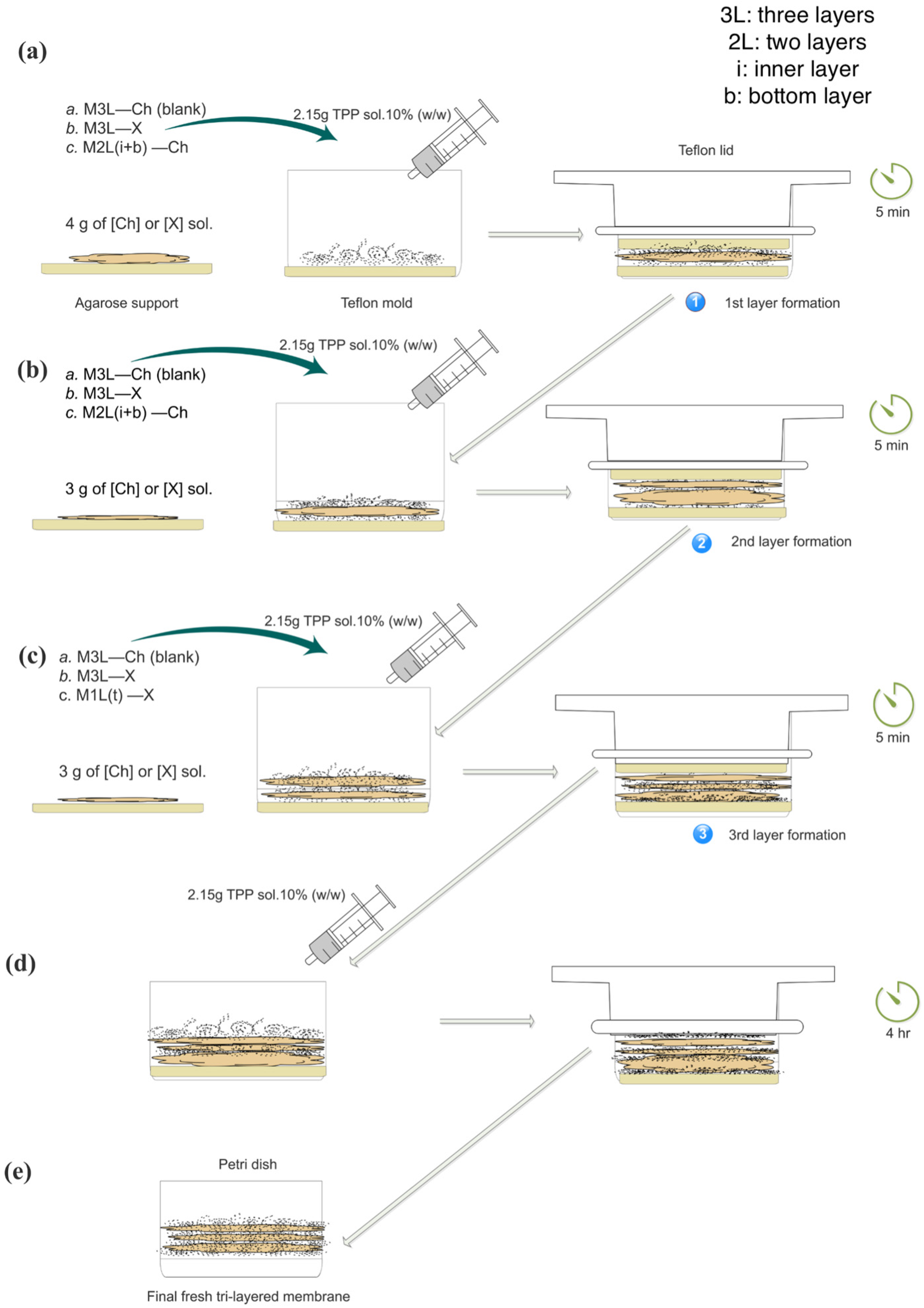
2.3.2. Membrane Preparation
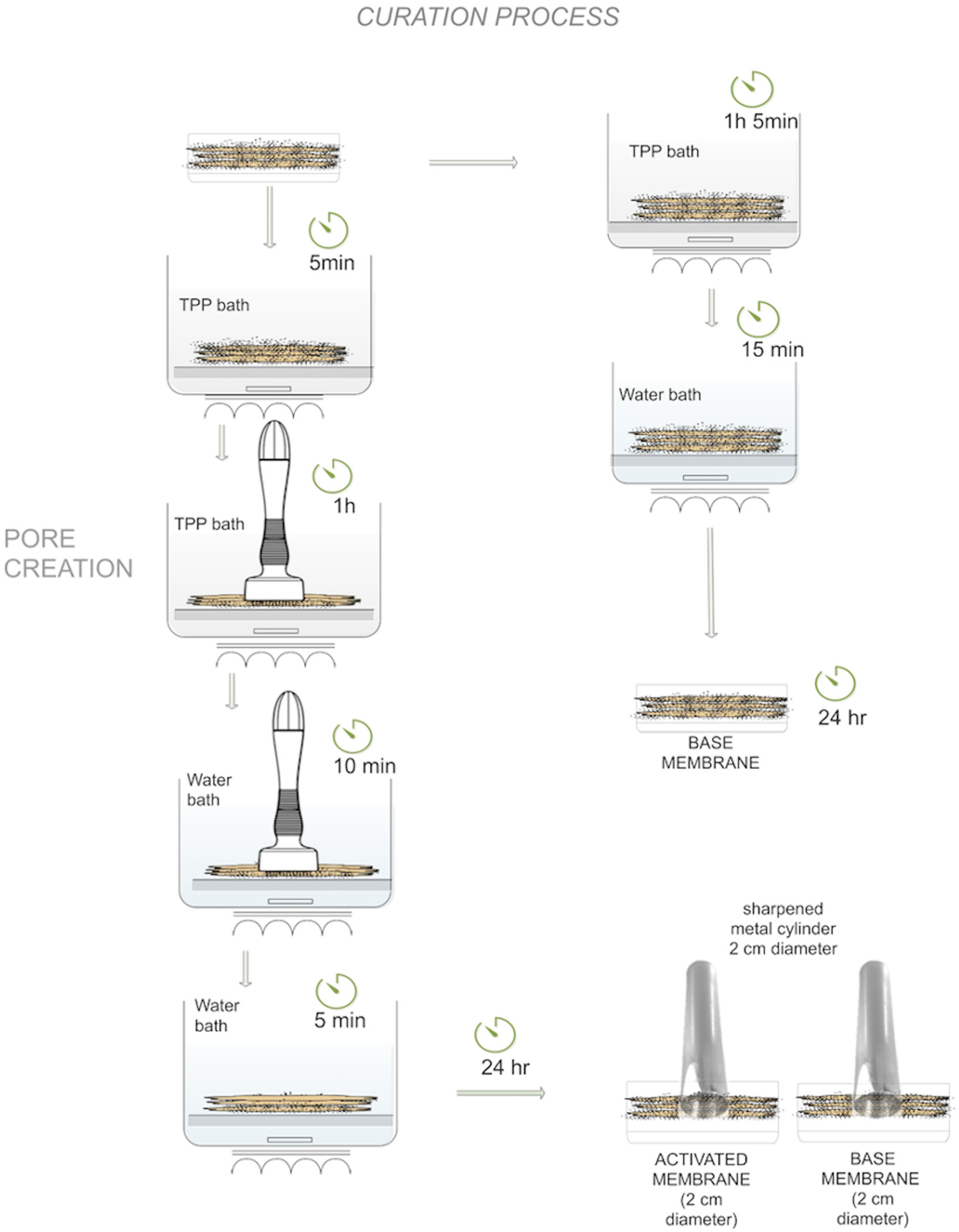
2.3.3. Base Membrane Curing Process
2.3.4. Activated Membrane Curing Process
2.4. Concentration of Finished Cosmetic Product and Chitosan
2.5. Instrumental Tests
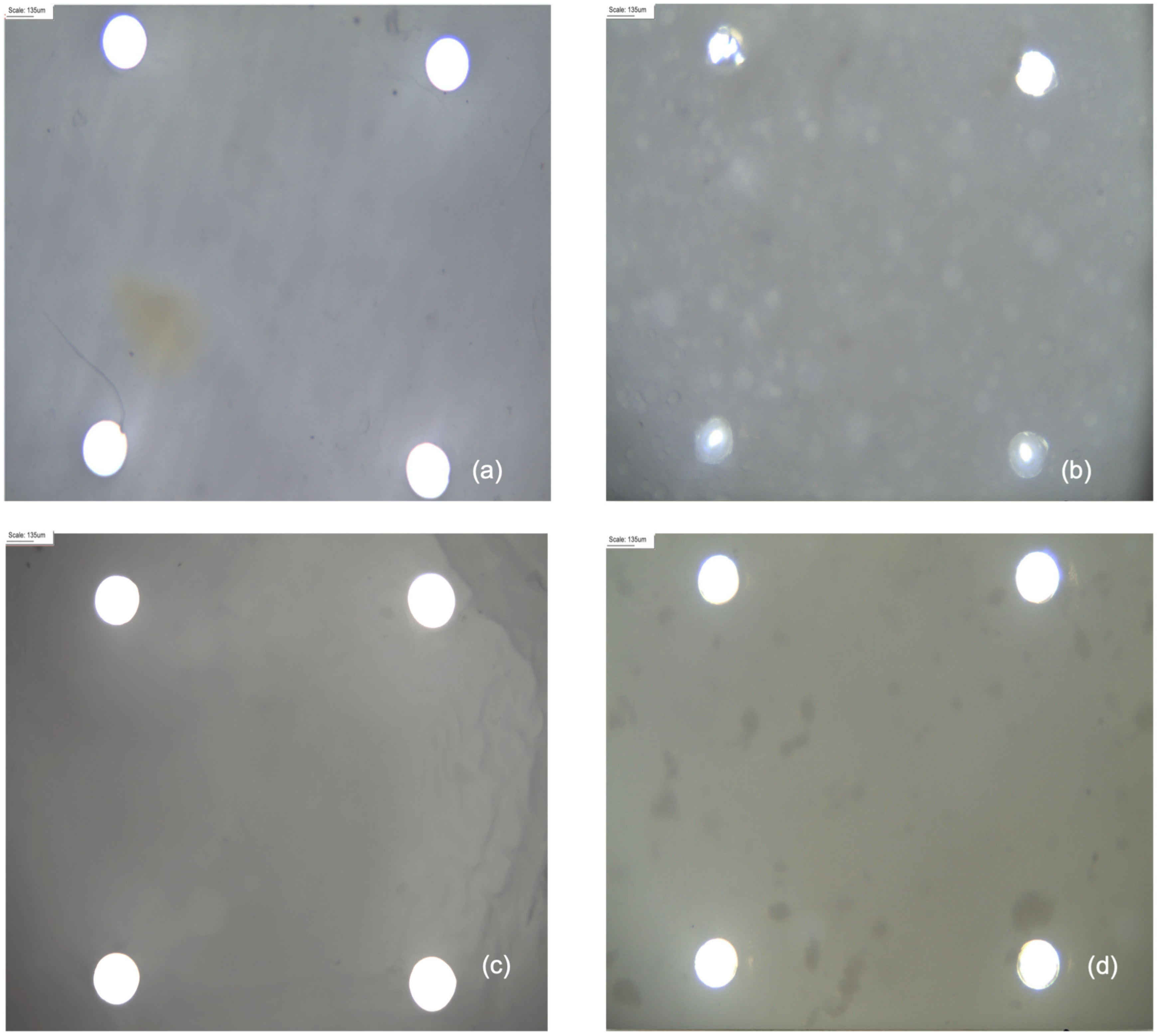
2.5.1. Pore Area Calculation
2.5.2. Permeation Tests
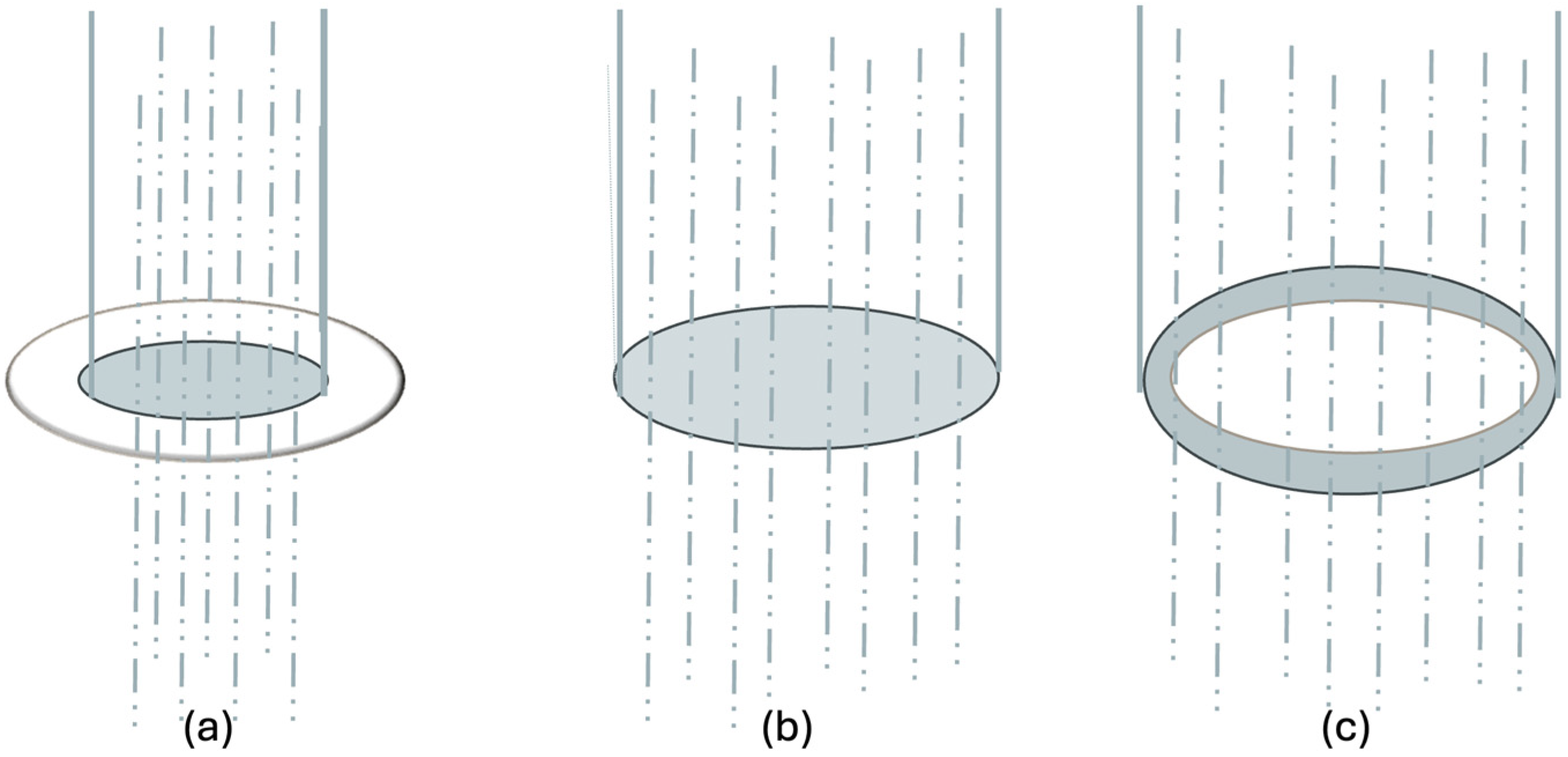
2.5.3. Effective Pore Area
2.5.4. Rheology Tests
2.5.5. Hydration
2.5.6. Swelling Tests
2.5.7. Moisture Retention Tests
2.6. Data Handling and Variability Reporting
3. Results and Discussion
3.1. Pore Area Quantification
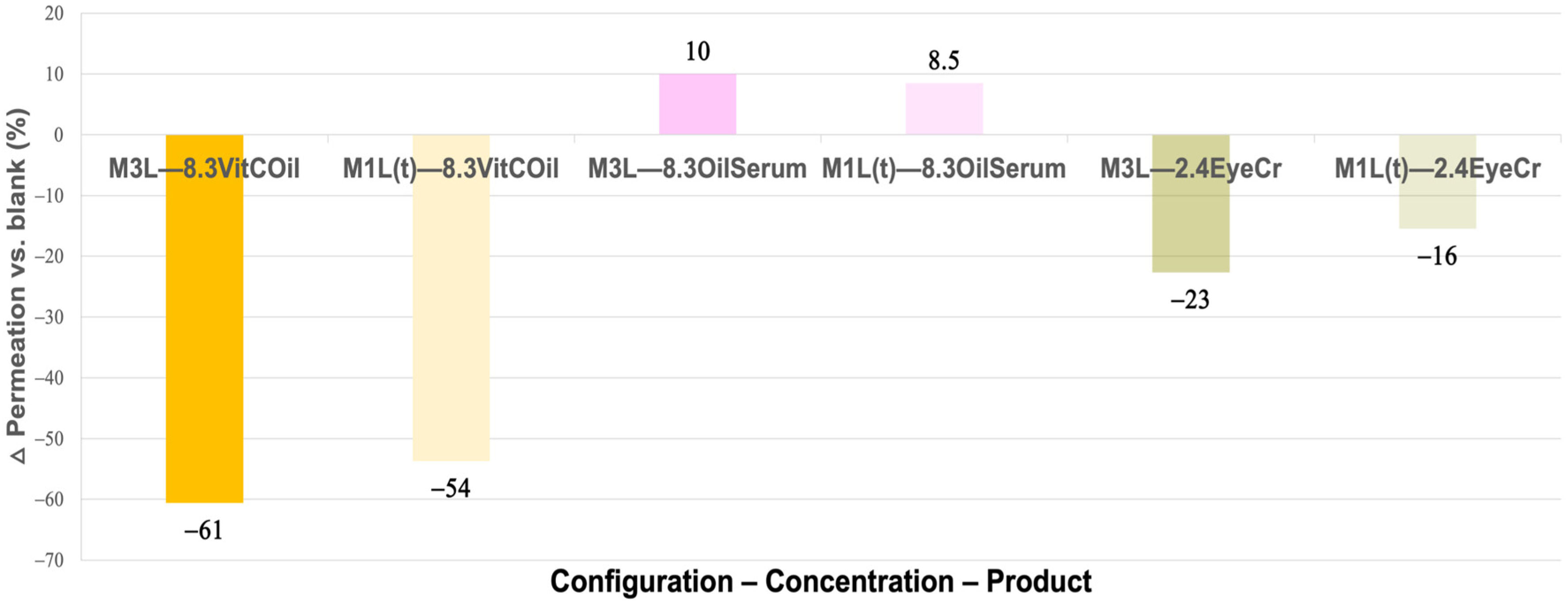
3.2. Permeation
3.3. Effective Pore Area
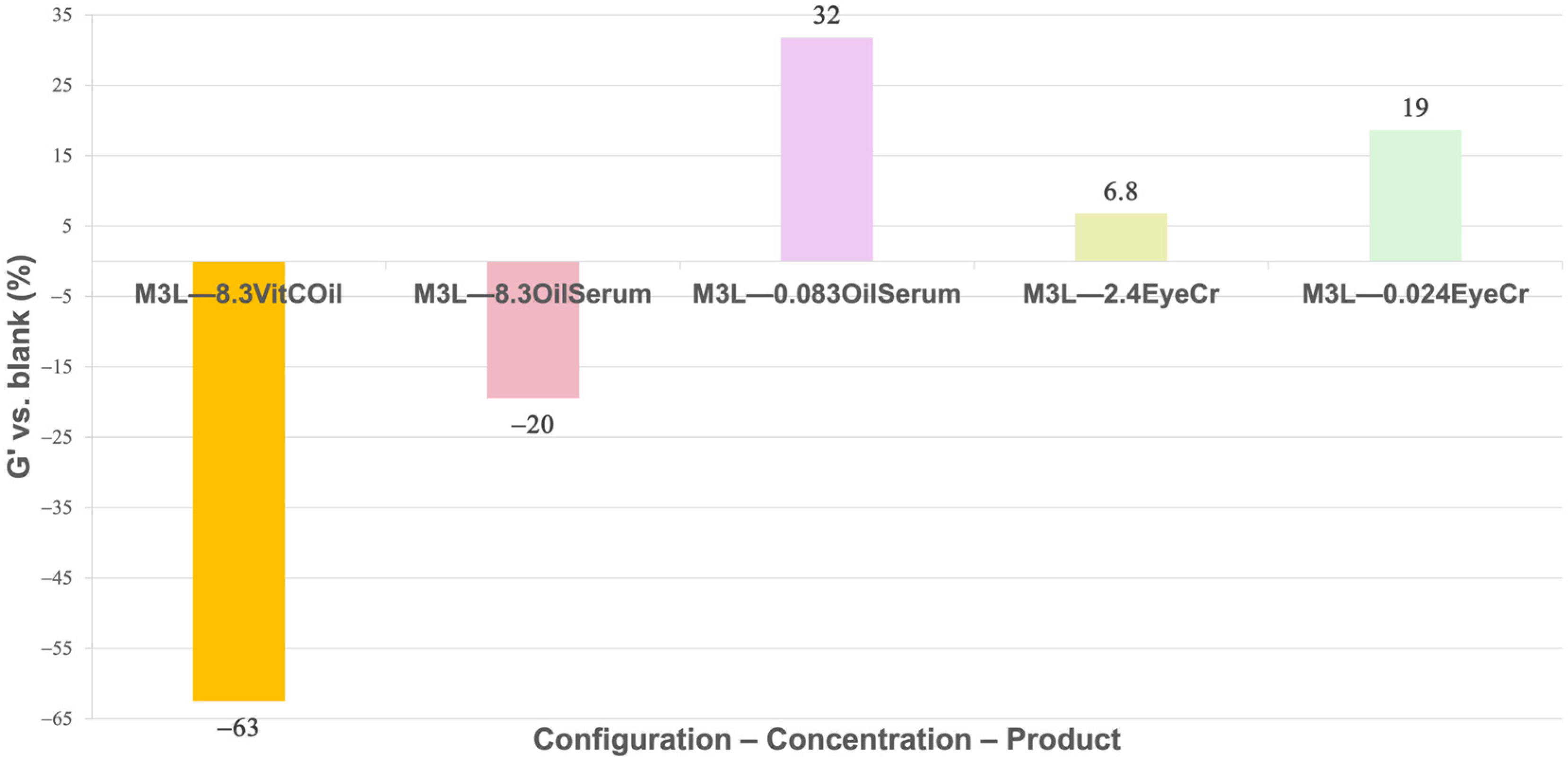
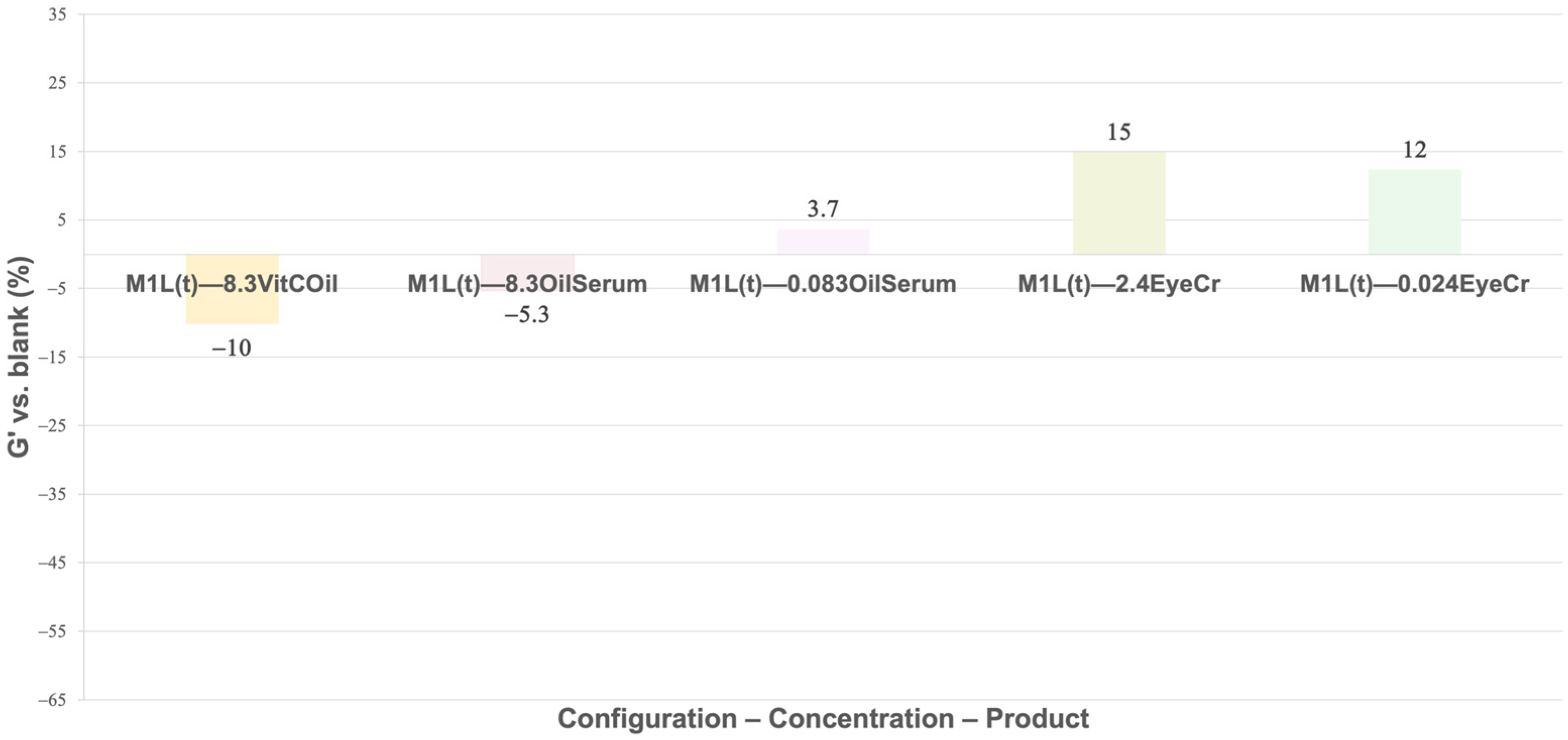
3.4. Rheology Tests
3.5. Swelling Tests
3.6. Moisture Retention Tests
4. Conclusions
Global Anti-Aging Performance
Supplementary Materials
Author Contributions
Funding
Institutional Review Board Statement
Data Availability Statement
Conflicts of Interest
Abbreviations
| NAMs | New Approach Methodologies |
| Ch | Chitosan |
| GAGs | Glycosaminoglycans |
| DDA | Degree of deacetylation |
| FCPs | Finished cosmetic products |
| VitCOil | Anti-aging vitamin C face oil |
| OilSerum | Anti-aging face oil serum |
| EyeCr | Anti-aging eye contour cream |
| OECD | Organization for Economic Co-operation and Development |
| AcOH | Acetic Acid |
| NaOH | Sodium Hydroxide |
| TPP | Sodium tripolyphosphate |
| EEOO | Electroendosmosis |
| PBS | Phosphate-buffered saline tablets |
| O/W | Oil-in-water |
| SD | Standard deviation |
| G’ | Storage modulus |
| WHO | World Health Organization |
| EPA | Effective pore area |
| RPA | Real pore area |
| TEWL | Transepidermal water loss |
| SI | Swelling Index |
| MR | Moisture Retention |
References
- Gupta, M.A.; Gilchrest, B.A. Psychosocial Aspects of Aging Skin. Dermatol. Clin. 2005, 23, 643–648. [Google Scholar] [CrossRef]
- Mohiuddin, A.K. Skin Aging & Modern Age Anti-Aging Strategies. Int. J. Clin. Dermatol. Res. 2019, 7, 209–240. [Google Scholar] [CrossRef]
- Humphrey, S.; Manson Brown, S.J.; Cross, S.; Mehta, R. Defining Skin Quality: Clinical Relevance, Terminology, and Assessment. Dermatol. Surg. 2021, 47, 982–983. [Google Scholar] [CrossRef]
- Yang, L.J.; Knoll, J.; Kundu, R.V. Consumer Attitudes toward Aging Skin during the COVID-19 Pandemic. Int. J. Women’s Dermatol. 2023, 9, e095. [Google Scholar] [CrossRef]
- Statista Most Common Skin Concerns Among Us Skincare Shoppers by Generation. Available online: https://www.statista.com/statistics/1334325/most-common-skin-concerns-among-us-skin-care-shoppers-by-generation/ (accessed on 1 November 2025).
- European Commission. Ban on Animal Testing. Available online: https://single-market-economy.ec.europa.eu/sectors/cosmetics/ban-animal-testing_en (accessed on 1 November 2025).
- Silva, R.J.; Tamburic, S. A State-of-the-Art Review on the Alternatives to Animal Testing for the Safety Assessment of Cosmetics. Cosmetics 2022, 9, 90. [Google Scholar] [CrossRef]
- Suhail, S.; Sardashti, N.; Jaiswal, D.; Rudraiah, S.; Misra, M.; Kumbar, S.G. Engineered Skin Tissue Equivalents for Product Evaluation and Therapeutic Applications. Biotechnol. J. 2019, 14, 1900022. [Google Scholar] [CrossRef] [PubMed]
- Risueño, I.; Valencia, L.; Jorcano, J.L.; Velasco, D. Skin-on-a-Chip Models: General Overview and Future Perspectives. APL Bioeng. 2021, 5, 030901. [Google Scholar] [CrossRef]
- Shahabeddin, L.; Berthod, F.; Odile Damour, C.C. Characterization of Skin Reconstructed on a Chitosan-Cross-Linked Collagen-Glycosaminoglycan Matrix. Skin. Pharmacol. 1997, 3, 107–114. [Google Scholar] [CrossRef] [PubMed]
- Indrani, D.J.; Lukitowati, F.; Yulizar, Y. Preparation of Chitosan/Collagen Blend Membranes for Wound Dressing: A Study on FTIR Spectroscopy and Mechanical Properties. IOP Conf. Ser. Mater. Sci. Eng. 2017, 202, 012020. [Google Scholar] [CrossRef]
- Ramasamy, P.; Shanmugam, A. Characterization and Wound Healing Property of Collagen-Chitosan Film from Sepia Kobiensis (Hoyle, 1885). Int. J. Biol. Macromol. 2015, 74, 93–102. [Google Scholar] [CrossRef]
- Liu, H.; Yin, Y.; Yao, K. Construction of Chitosan-Gelatin-Hyaluronic Acid Artificial Skin in Vitro. J. Biomater. Appl. 2007, 21, 413–430. [Google Scholar] [CrossRef] [PubMed]
- Nevena, K.; Lazic, V.; Petrovic, L.; Gvozdenovic, J.; Pejic, D. Properties of Chitosan-Laminated Collagen Film. Food Technol. Biotechnol. 2012, 50, 483–489. [Google Scholar]
- Mao, J.; Zhao, L.; De Yao, K.; Shang, Q.; Yang, G.; Cao, Y. Study of Novel Chitosan-Gelatin Artificial Skin in Vitro. J. Biomed. Mater. Res. A 2003, 64, 301–308. [Google Scholar] [CrossRef]
- Campos, M.G.N.; Mei, L.H.I.; Santos, A.R. Sorbitol-Plasticized and Neutralized Chitosan Membranes as Skin Substitutes. Mater. Res. 2015, 18, 781–790. [Google Scholar] [CrossRef]
- Hu, Z.; Hong, P.; Liao, M.; Kong, S.; Huang, N.; Ou, C.; Li, S. Preparation and Characterization of Chitosan-Agarose Composite Films. Materials 2016, 9, 816. [Google Scholar] [CrossRef]
- Ismarul, I.N.; Ishak, Y.; Ismail, Z.; Shalihuddin, W.M.M. Characterization of Collagen/Chitosan Films for Skin Regenerating Scaffold. Med. J. Malays. 2004, 59, 57–58. [Google Scholar] [PubMed]
- Lu, T.; Li, Y.; Chen, T. Techniques for Fabrication and Construction of Three-Dimensional Scaffolds for Tissue Engineering. Int. J. Nanomed. 2013, 8, 337–350. [Google Scholar] [CrossRef] [PubMed]
- Galán-Navea, L.; Guerle-Cavero, R.; Balfagón-Costa, A.; Artalejo-Ortega, B. Creation of Chemically Tri-Layered Collagen Crosslinked Membranes and Their Comparison with Ionically Tri-Layered Chitosan Crosslinked Membranes to Study Human Skin Properties. Int. J. Mol. Sci. 2023, 24, 13443. [Google Scholar] [CrossRef]
- Parenteau-Bareil, R.; Gauvin, R.; Berthod, F. Collagen-Based Biomaterials for Tissue Engineering Applications. Materials 2010, 3, 1863–1887. [Google Scholar] [CrossRef]
- Smirnova, N.V.; Kolbe, K.A.; Dresvyanina, E.N.; Grebennikov, S.F.; Dobrovolskaya, I.P.; Yudin, V.E.; Luxbacher, T.; Morgantie, P. Effect of Chitin Nanofibrils on Biocompatibility and Bioactivity of the Chitosan-Based Composite. Materials 2019, 12, 1874. [Google Scholar] [CrossRef] [PubMed]
- Bian, S.; Hu, X.; Zhu, H.; Du, W.; Wang, C.; Wang, L.; Hao, L.; Xiang, Y.; Meng, F.; Hu, C.; et al. 3D Bioprinting of Artificial Skin Substitute with Improved Mechanical Property and Regulated Cell Behavior through Integrating Patterned Nanofibrous Films. ACS Nano 2024, 18, 18503–18521. [Google Scholar] [CrossRef] [PubMed]
- Liu, J.; Zhou, Z.; Zhang, M.; Song, F.; Feng, C.; Liu, H. Simple and Robust 3D Bioprinting of Full-Thickness Human Skin Tissue. Bioengineered 2022, 13, 10087–10097. [Google Scholar] [CrossRef] [PubMed]
- Phang, S.J.; Basak, S.; The, H.X.; Packirisamy, G.; Fauzi, M.B.; Kuppusamy, U.R.; Neo, Y.P.; Looi, M.L. Advancements in Extracellular Matrix-Based Biomaterials and Biofabrication of 3D Organotypic Skin Models. ACS Biomater. 2022, 8, 3220–3241. [Google Scholar]
- Perez-Valle, A.; del Amo, C.; Andia, I. Overview of Current Advances in Extrusion Bioprinting for Skin Applications. Int. J. Mol. Sci. 2020, 21, 6679. [Google Scholar] [CrossRef]
- Struszczyk, M.H. Chitin and Chitosan. Part I. Properties and Production. Polimery 2002, 5, 316–325. [Google Scholar] [CrossRef]
- Croisier, F.; Jérôme, C. Chitosan-Based Biomaterials for Tissue Engineering. Eur. Polym. J. 2013, 49, 780–792. [Google Scholar] [CrossRef]
- Domalik-Pyzik, P.; Chłopek, J.; Pielichowska, K. Chitosan-Based Hydrogels: Preparation, Properties, and Applications BT–Cellulose-Based Superabsorbent Hydrogels; Mondal, Md.I.H., Ed.; Springer International Publishing: Cham, Switzerland, 2019; pp. 1665–1693. ISBN 978-3-319-77830-3. [Google Scholar]
- Sheikholeslam, M.; Wright, M.E.E.; Jeschke, M.G.; Amini-Nik, S. Biomaterials for Skin Substitutes. Adv. Healthc. Mater. 2018, 7, 1700897. [Google Scholar] [CrossRef]
- Ahmed, S.; Ahmad, M. Chitosan Based Dressings for Wound Care. Immunochem. Immunopathol. 2015, 1, 1–6. [Google Scholar] [CrossRef]
- Ahmadi, F.; Oveisi, Z.; Samani, M.; Amoozgar, Z. Chitosan Based Hydrogels: Characteristics and Pharmaceutical Applications. Res. Pharm. Sci. 2015, 10, 1–16. [Google Scholar]
- Chaudhari, A.A.; Vig, K.; Baganizi, D.R.; Sahu, R.; Dixit, S.; Dennis, V.; Singh, S.R.; Pillai, S.R. Future Prospects for Scaffolding Methods and Biomaterials in Skin Tissue Engineering: A Review. Int. J. Mol. Sci. 2016, 17, 1974. [Google Scholar] [CrossRef]
- Ma, L.; Gao, C.; Mao, Z.; Zhou, J.; Shen, J.; Hu, X.; Han, C. Collagen/Chitosan Porous Scaffolds with Improved Biostability for Skin Tissue Engineering. Biomaterials 2003, 24, 4833–4841. [Google Scholar] [CrossRef]
- Dash, M.; Chiellini, F.; Ottenbrite, R.M.; Chiellini, E. Chitosan—A Versatile Semi-Synthetic Polymer in Biomedical Applications. Prog. Polym. Sci. 2011, 36, 981–1014. [Google Scholar] [CrossRef]
- Sousa, M.P.; Cleymand, F.; Mano, J.F. Elastic Chitosan/Chondroitin Sulfate Multilayer Membranes. Biomed. Mater. 2016, 11, 035008. [Google Scholar] [CrossRef] [PubMed]
- Ma, J.; Wang, H.; He, B.; Chen, J. A Preliminary in Vitro Study on the Fabrication and Tissue Engineering Applications of a Novel Chitosan Bilayer Material as a Scaffold of Human Neofetal Dermal Fibroblasts. Biomaterials 2001, 22, 331–336. [Google Scholar] [CrossRef] [PubMed]
- Huq, T.; Khan, A.; Brown, D.; Dhayagude, N.; He, Z.; Ni, Y. Sources, Production and Commercial Applications of Fungal Chitosan: A Review. J. Bioresour. Bioprod. 2022, 7, 85–98. [Google Scholar] [CrossRef]
- Guerle-Cavero, R.; Lleal-Fontàs, B.; Balfagón-Costa, A. Creation of Ionically Crosslinked Tri-Layered Chitosan Membranes to Simulate Different Human Skin Properties. Materials 2021, 14, 1807. [Google Scholar] [CrossRef]
- Pensalfini, M.; Rotach, M.; Hopf, R.; Bielicki, A.; Santoprete, R.; Mazza, E. How Cosmetic Tightening Products Modulate the Biomechanics and Morphology of Human Skin. Acta Biomater. 2020, 115, 299–316. [Google Scholar] [CrossRef] [PubMed]
- European Commission. Glossary and Acronyms Related to Cosmetics Legislation. Available online: https://ec.europa.eu/docsroom/documents/13021/attachments/1/translations/en/renditions/pdf (accessed on 1 November 2025).
- OECD. Skin Absorption: In Vivo Method. In OECD 427 Guideline for the Testing of Chemicals; OECD: Paris, France, 2004. [Google Scholar]
- OECD. Skin Absorption: In Vitro Method. In OECD 428 Guideline for the Testing of Chemicals; OECD: Paris, France, 2004. [Google Scholar]
- Hewitt, N.J.; Grégoire, S.; Cubberley, R.; Duplan, H.; Eilstein, J.; Ellison, C.; Lester, C.; Fabian, E.; Fernandez, J.; Géniès, C.; et al. Measurement of the Penetration of 56 Cosmetic Relevant Chemicals into and through Human Skin Using a Standardized Protocol. J. Appl. Toxicol. 2020, 40, 403–415. [Google Scholar] [CrossRef]
- Guerle-Cavero, R.; Balfagón-Costa, A. Study of Elastin, Hydrolyzed Collagen and Collagen-like Products in a Tri-Layered Chitosan Membrane to Test Anti-Aging Skin Properties. Int. J. Mol. Sci. 2023, 24, 11016. [Google Scholar] [CrossRef]
- Scientific Committee on Consumer Safety. Basic Criteria for the In Vitro Assessment of Dermal Absorption of Cosmetic Ingredients; Scientific Committee on Consumer Safety: Luxembourg, 2010; Volume SCCS/1358. [Google Scholar]
- Ivanova, Z.; Aleksiev, T.; Dobrev, H.; Atanasov, N. Use of a Novel Indentometer to Evaluate Skin Stiffness in Healthy and Diseased Human Skin. Skin. Res. Technol. 2023, 29, e13384. [Google Scholar] [CrossRef]
- Koch, V.; Wilke, J. Reliability of a New Indentometer Device for Measuring Myofascial Tissue Stiffness. J. Clin. Med. 2022, 11, 5194. [Google Scholar] [CrossRef] [PubMed]
- Microcaya IDM. El Indentometer IDM 800 IDM 2–Información General Sobre La Medición; Microcaya IDM: Bilbao, Spain, 2019; pp. 1–7. [Google Scholar]
- Kalra, A.; Lowe, A. An Overview of Factors Affecting the Skins Youngs Modulus. J. Aging Sci. 2016, 4, 1000156. [Google Scholar] [CrossRef]
- Hussain, S.H.; Limthongkul, B.; Humphreys, T.R. The Biomechanical Properties of the Skin. Dermatol. Surg. 2013, 39, 193–203. [Google Scholar] [CrossRef] [PubMed]
- Gosline, J.; Lillie, M.; Carrington, E.; Guerette, P.; Ortlepp, C.; Savage, K. Elastic Proteins: Biological Roles and Mechanical Properties. Philos. Trans. R. Soc. B Biol. Sci. 2002, 357, 121–132. [Google Scholar] [CrossRef]
- Bouwstra, J.A.; De Graaff, A.; Gooris, G.S.; Nijsse, J.; Wiechers, J.W.; Van Aelst, A.C. Water Distribution and Related Morphology in Human Stratum Corneum at Different Hydration Levels. J. Investig. Dermatol. 2003, 120, 750–758. [Google Scholar] [CrossRef]
- Norlén, L.; Emilson, A.; Forslind, B. Stratum Corneum Swelling. Biophysical and Computer Assisted Quantitative Assessments. Arch. Dermatol. Res. 1997, 289, 506–513. [Google Scholar] [CrossRef]
- Firooz, A.; Sadr, B.; Babakoohi, S.; Sarraf-Yazdy, M.; Fanian, F.; Kazerouni-Timsar, A.; Nassiri-Kashani, M.; Naghizadeh, M.M.; Dowlati, Y. Variation of Biophysical Parameters of the Skin with Age, Gender, and Body Region. Sci. World J. 2011, 2012, 386936. [Google Scholar] [CrossRef]
- Verdier-Sévrain, S.; Bonté, F. Skin Hydration: A Review on Its Molecular Mechanisms. J. Cosmet. Dermatol. 2007, 6, 75–82. [Google Scholar] [CrossRef]
- Draelos, Z.D. The Science behind Skin Care: Moisturizers. J. Cosmet. Dermatol. 2018, 17, 138–144. [Google Scholar] [CrossRef]
- Balfagón-Costa, A.; Guerle-Cavero, R.; Monteagudo-Quintás, A.; Marimón-Margarit, N. Cuantificación de La Capacidad Hidratante de Las Cremas. Clasificación de Las Cremas Hidratantes. Not. Cosmética Perfum. 2012, 326, 5–13. [Google Scholar]
- Flament, F.; Francois, G.; Qiu, H.; Ye, C.; Hanaya, T.; Batisse, D.; Cointereau-Chardon, S.; Seixas, M.D.G.; Dal Belo, S.E.; Bazin, R. Facial Skin Pores: A Multiethnic Study. Clin. Cosmet. Investig. Dermatol. 2015, 8, 85–93. [Google Scholar] [CrossRef]
- Miyamoto, K.; Dissanayake, B.; Omotezako, T.; Takemura, M.; Tsuji, G.; Furue, M. Daily Fluctuation of Facial Pore Area, Roughness and Redness among Young Japanese Women; Beneficial Effects of Galactomyces Ferment Filtrate Containing Antioxidative Skin Care Formula. J. Clin. Med. 2021, 10, 2502. [Google Scholar] [CrossRef]
- Dong, J.; Lanoue, J.; Goldenberg, G. Enlarged Facial Pores: An Update on Treatments. Cutis 2016, 98, 33–36. [Google Scholar]
- Hameed, A.; Akhtar, N.; Khan, H.M.S.; Asrar, M. Skin Sebum and Skin Elasticity: Major Influencing Factors for Facial Pores. J. Cosmet. Dermatol. 2019, 18, 1968–1974. [Google Scholar] [CrossRef]
- Lee, S.J.; Seok, J.; Jeong, S.Y.; Park, K.Y.; Li, K.; Seo, S.J. Facial Pores: Definition, Causes, and Treatment Options. Dermatol. Surg. 2016, 42, 277–285. [Google Scholar] [CrossRef]
- Sugiyama-Nakagiri, Y.; Sugata, K.; Hachiya, A.; Osanai, O.; Ohuchi, A.; Kitahara, T. Ethnic Differences in the Structural Properties of Facial Skin. J. Dermatol. Sci. 2009, 53, 135–139. [Google Scholar] [CrossRef] [PubMed]
- Joodaki, H.; Panzer, M.B. Skin Mechanical Properties and Modeling: A Review. Proc. Inst. Mech. Eng. Part H 2018, 232, 323–343. [Google Scholar] [CrossRef] [PubMed]
- Zhang, X.; Kinnick, R.R.; Pittelkow, M.R.; Greenleaf, J.F. Skin Viscoelasticity with Surface Wave Method. In Proceedings of the IEEE Ultrasonics Symposium, Beijing, China, 2–5 November 2008; IEEE: Piscataway, NJ, USA, 2008; pp. 651–653. [Google Scholar]
- Moon, S.; Kim, D.H.; Shin, J.U. In Vitro Models Mimicking Immune Response in the Skin. Yonsei Med. J. 2021, 62, 969–980. [Google Scholar] [CrossRef] [PubMed]
- Elango, J.; Zamora-Ledezma, C.; Maté-Sánchez de Val, J.E. Natural vs. Synthetic Polymers: How Do They Communicate with Cells for Skin Regeneration—A Review. J. Compos. Sci. 2023, 7, 385. [Google Scholar] [CrossRef]
- Hofmann, E.; Schwarz, A.; Fink, J.; Kamolz, L.P.; Kotzbeck, P. Modelling the Complexity of Human Skin In Vitro. Biomedicines 2023, 11, 794. [Google Scholar] [CrossRef]
- Parvini, C.H.; Cartagena-Rivera, A.X.; Solares, S.D. Viscoelastic Parameterization of Human Skin Cells Characterize Material Behavior at Multiple Timescales. Commun. Biol. 2022, 5, 17. [Google Scholar] [CrossRef]
- Dunn, M.G.; Silver, F.H. Viscoelastic Behavior of Human Connective Tissues: Relative Contribution of Viscous and Elastic Components. Connect. Tissue Res. 1983, 12, 59–70. [Google Scholar] [CrossRef]
- Tonge, T.K.; Atlan, L.S.; Voo, L.M.; Nguyen, T.D. Full-Field Bulge Test for Planar Anisotropic Tissues: Part I-Experimental Methods Applied to Human Skin Tissue. Acta Biomater. 2013, 9, 5913–5925. [Google Scholar] [CrossRef] [PubMed]
- Bader, D.L.; Bowker, P. Mechanical Characteristics of Skin and Underlying Tissues in Vivo. Biomaterials 1983, 4, 305–308. [Google Scholar] [CrossRef] [PubMed]
- Sanders, R. Torsional Elasticity of Human Skin in Vivo. Pflugers Arch. 1973, 342, 255–260. [Google Scholar] [CrossRef] [PubMed]
- Biesiekierski, A.; Munir, K.; Li, Y.; Wen, C. Material Selection for Medical Devices; Elsevier: Amsterdam, The Netherlands, 2021; ISBN 9780081029657. [Google Scholar]
- Janine, S.; Everett, M.S.S. Skin Viscoelasticity: Physiologic Mechanisms, Measurement Issues, and Application to Nursing Science. Biol. Res. Nurs. 2013, 4, 338–346. [Google Scholar] [CrossRef]
- Monteiro Rodrigues, L.; Fluhr, J.W. EEMCO Guidance for the in Vivo Assessment of Biomechanical Properties of the Human Skin and Its Annexes: Revisiting Instrumentation and Test Modes. Skin Pharmacol. Physiol. 2020, 33, 44–60. [Google Scholar] [CrossRef]
- Microcaya IDM. Manual de Usuario Para La Sonda Cutometer® MPA 580; Microcaya IDM: Bilbao, Spain, 2020; pp. 1–56. [Google Scholar]
- Ryu, H.S.; Joo, Y.H.; Kim, S.O.; Park, K.C.; Youn, S.W. Influence of Age and Regional Differences on Skin Elasticity as Measured by the Cutometer®. Skin Res. Technol. 2008, 14, 354–358. [Google Scholar] [CrossRef]
- Vieira, M.G.A.; Da Silva, M.A.; Dos Santos, L.O.; Beppu, M.M. Natural-Based Plasticizers and Biopolymer Films: A Review. Eur. Polym. J. 2011, 47, 254–263. [Google Scholar] [CrossRef]
- Iqbal, D.N.; Munir, A.; Abbas, M.; Nazir, A.; Ali, Z.; Alshawwa, S.Z.; Iqbal, M.; Ahmad, N. Polymeric Membranes of Chitosan/Aloe Vera Gel Fabrication With Enhanced Swelling and Antimicrobial Properties for Biomedical Applications. Dose-Response 2023, 21, 15593258231169387. [Google Scholar] [CrossRef]
- Popov, S.; Paderin, N.; Chistiakova, E.; Sokolova, A.; Konyshev, I.V.; Belozerov, V.S.; Byvalov, A.A. Swelling, Protein Adsorption, and Biocompatibility of Pectin–Chitosan Hydrogels. Gels 2024, 10, 472. [Google Scholar] [CrossRef] [PubMed]
- Meshram, S.M.M.; Gonugunta, P.; Taheri, P.; Jourdin, L.; Pande, S. Preparation of Biodegradable Membrane Utilizing Chitosan and Polyvinyl Alcohol, and Assessment of Its Performance after Coating with Graphene Conductive Ink. Front. Membr. Sci. Technol. 2025, 4, 1552368. [Google Scholar] [CrossRef]
- Abd-elnaeem, S.G.; Hafez, A.I.; El-khatib, K.M.; Abdallah, H.; Fouad, M.K.; Abadir, E.F. Innovative Sulfonated Chitosan Membranes: Bridging the Gap in Fuel Cell Technology. Mater. Renew. Sustain. Energy 2025, 14, 52. [Google Scholar] [CrossRef]



| ID M3L | ID M1L(t) | [Ch] (%) | [X] (%) |
|---|---|---|---|
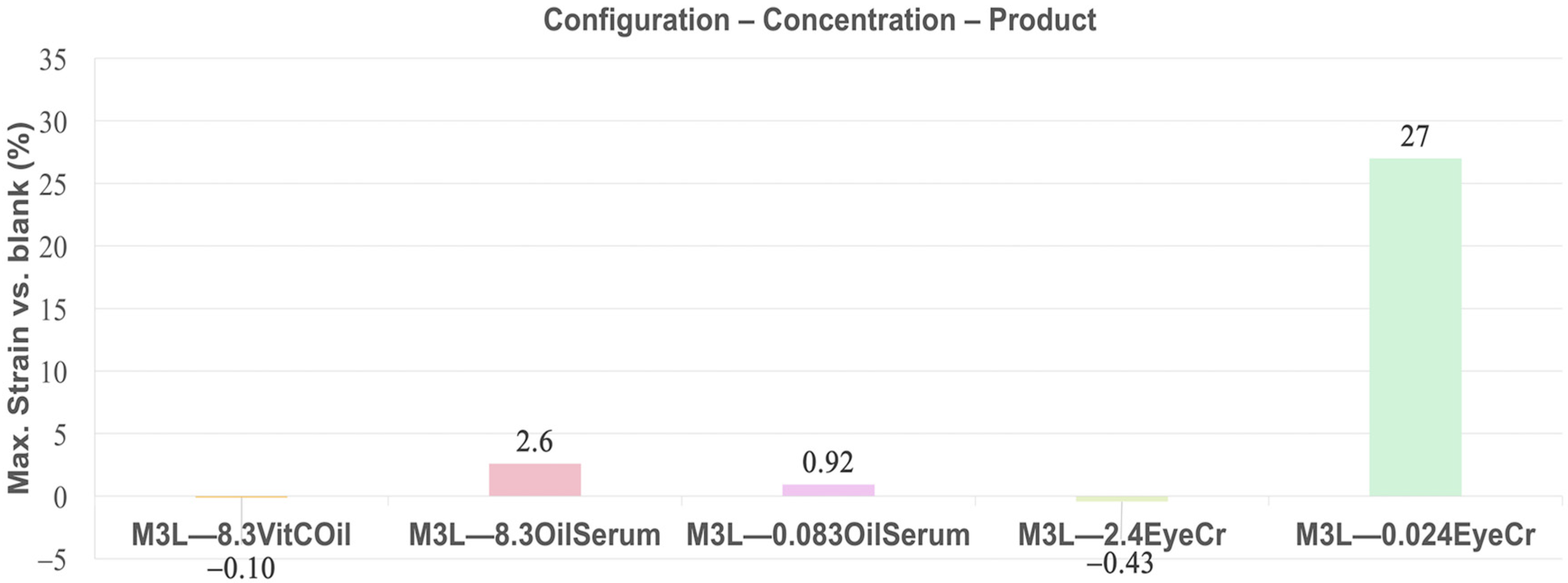
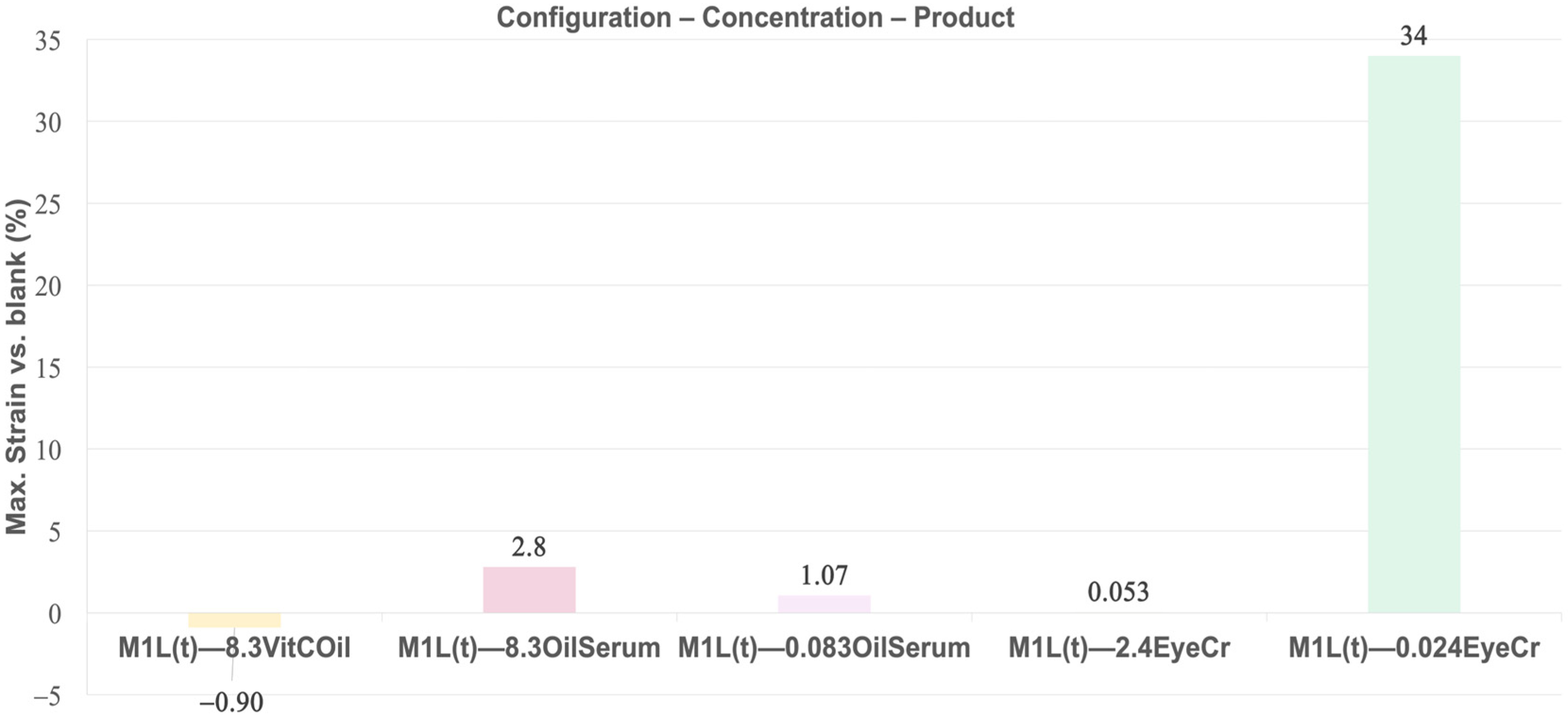
| M3L—Ch (blank) | — | 2.6 | — |
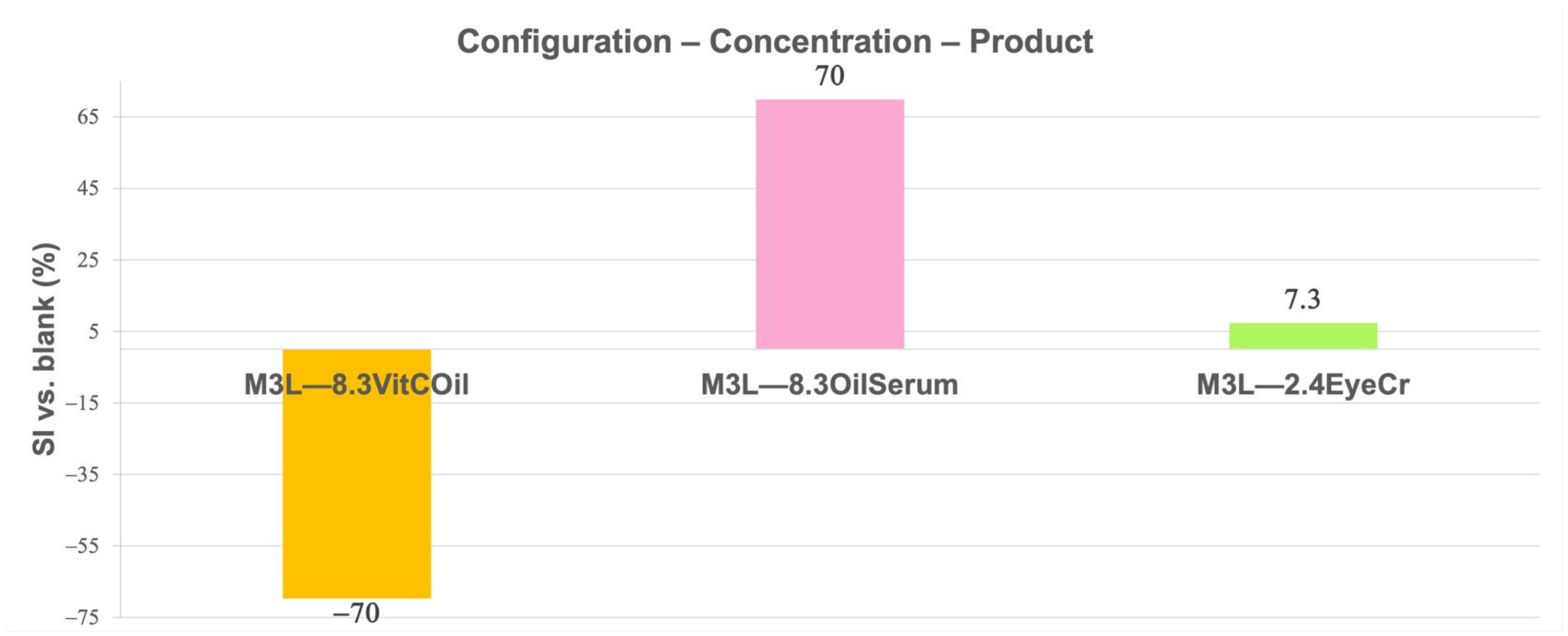
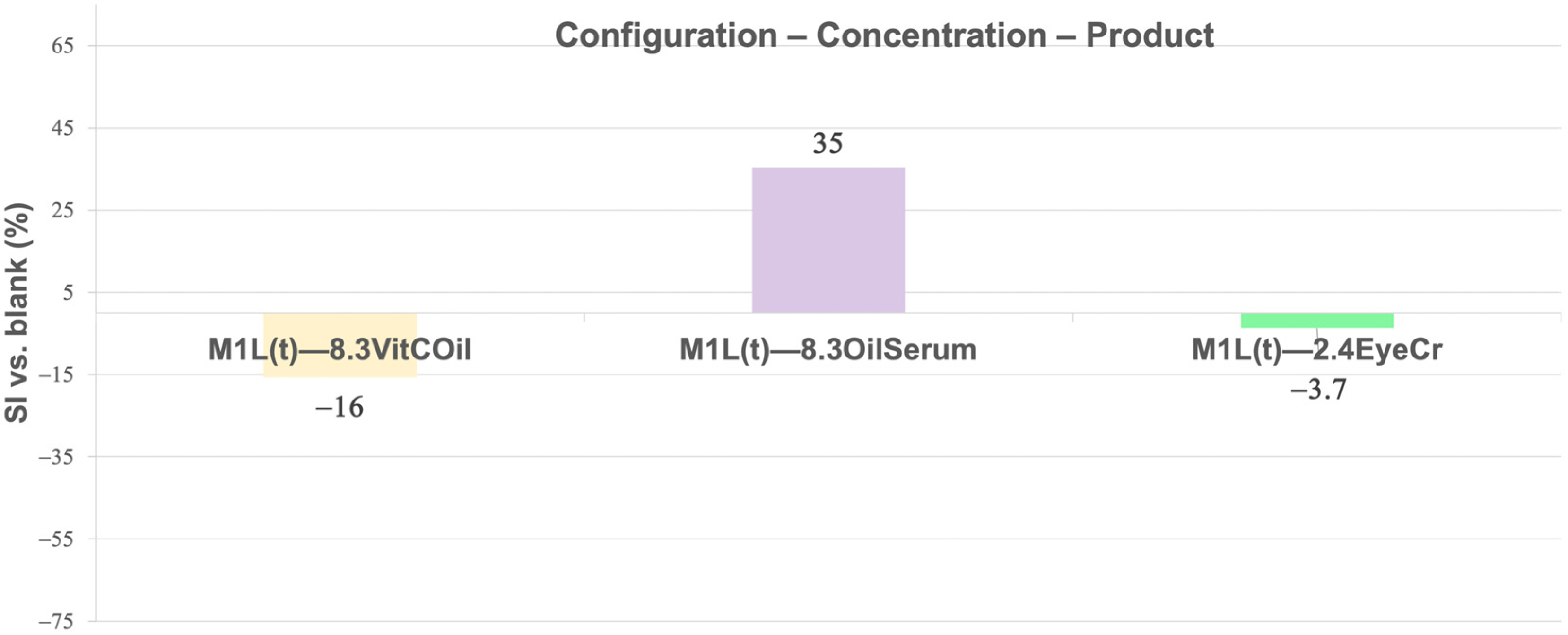
| M3L—8.3VitCOil | M1L(t)—8.3VitCOil | 2.4 | 8.3 |
| M3L—8.3OilSerum | M1L(t)—8.3OilSerum | 2.4 | 8.3 |
| M3L—0.083OilSerum | M1L(t)—0.083OilSerum | 2.6 | 0.083 |
| M3L—2.4EyeCr | M1L(t)—2.4EyeCr | 2.5 | 2.4 |
| M3L—0.024EyeCr | M1L(t)—0.024EyeCr | 2.6 | 0.024 |
| ID MXL | Pore Area ± SD × 102 (µm2) | EPA × 102 (µm2) | Δ Pore Area vs. Blank (%) | EPA vs. RPA (%) |
|---|---|---|---|---|
| M3L—Ch (blank) | 379 ± 6 | − | − | − |
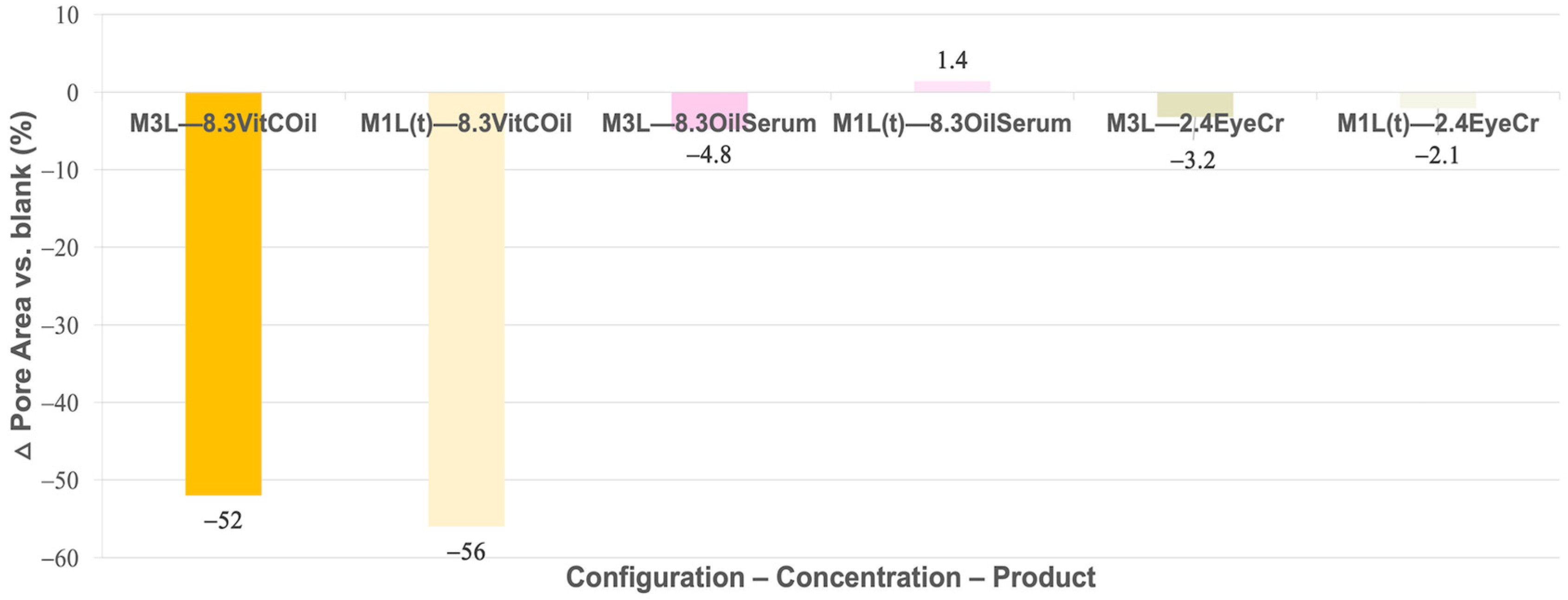
| M3L—8.3VitCOil | 181 ± 3 | 150 | −52 | −17 |
| M1L(t)—8.3VitCOil | 166 ± 5 | 176 | −56 | 6 |
| M3L—8.3OilSerum | 360 ± 60 | 420 | −4.8 | 16 |
| M1L(t)—8.3OilSerum | 380 ± 30 | 410 | 1.4 | 7 |
| M3L—2.4EyeCr | 370 ± 40 | 320 | −3.2 | −13 |
| M1L(t)—2.4EyeCr | 370 ± 30 | 340 | −2.1 | −8 |
| ID MXL | Firmness vs. Blank (%) | Firmness (%)—Clinical Result | Elasticity vs. Blank (%) | Elasticity (%)—Clinical Result (7–28 Days) |
|---|---|---|---|---|
| M3L—0.083OilSerum | 32 | 29 (day 0) | n.a. | − |
| M1L(t)—0.083OilSerum | 3.7 | 29 (day 0) | n.a. | − |
| M3L—0.024EyeCr | 19 | 3.1–41 (7–28 days) | 27 | 9.4−25 |
| M1L(t)—0.024EyeCr | 12 | 3.1−41 (7–28 days) | 34 | 9.4−25 |
Disclaimer/Publisher’s Note: The statements, opinions and data contained in all publications are solely those of the individual author(s) and contributor(s) and not of MDPI and/or the editor(s). MDPI and/or the editor(s) disclaim responsibility for any injury to people or property resulting from any ideas, methods, instructions or products referred to in the content. |
© 2025 by the authors. Licensee MDPI, Basel, Switzerland. This article is an open access article distributed under the terms and conditions of the Creative Commons Attribution (CC BY) license (https://creativecommons.org/licenses/by/4.0/).
Share and Cite
Guerle-Cavero, R.; Balfagón-Costa, A. Anti-Aging Evaluation of Cosmetics on a Tri-Layered Chitosan Membrane: An Alternative to Animal Testing. Cosmetics 2025, 12, 277. https://doi.org/10.3390/cosmetics12060277
Guerle-Cavero R, Balfagón-Costa A. Anti-Aging Evaluation of Cosmetics on a Tri-Layered Chitosan Membrane: An Alternative to Animal Testing. Cosmetics. 2025; 12(6):277. https://doi.org/10.3390/cosmetics12060277
Chicago/Turabian StyleGuerle-Cavero, Rocío, and Albert Balfagón-Costa. 2025. "Anti-Aging Evaluation of Cosmetics on a Tri-Layered Chitosan Membrane: An Alternative to Animal Testing" Cosmetics 12, no. 6: 277. https://doi.org/10.3390/cosmetics12060277
APA StyleGuerle-Cavero, R., & Balfagón-Costa, A. (2025). Anti-Aging Evaluation of Cosmetics on a Tri-Layered Chitosan Membrane: An Alternative to Animal Testing. Cosmetics, 12(6), 277. https://doi.org/10.3390/cosmetics12060277