Article

Hemp Seed Protein-Based Emulsion Films Containing Propolis Flavonoids: Enhanced Physicochemical Properties and Preservation of Chilled Pork


1
School of Pharmacy, Nanjing University of Chinese Medicine, 138 Xianlin Road, Nanjing 210023, China
2
Jiangsu Key Laboratory of Medicinal Substance and Utilization of Fresh Chinese Medicine, Nanjing University of Chinese Medicine, 138 Xianlin Road, Nanjing 210023, China
*
Author to whom correspondence should be addressed.
Coatings 2026, 16(4), 489; https://doi.org/10.3390/coatings16040489

Submission received: 31 March 2026 / Revised: 14 April 2026 / Accepted: 16 April 2026 / Published: 17 April 2026
(This article belongs to the Special Issue Biopolymer-Derived Edible and Biodegradable Films and Coatings)

Highlights

What are the main findings?
  • The addition of propolis flavonoids enhanced the physicochemical properties of the films.
  • Flavonoid incorporation resulted in a more compact and uniform film structure.
What are the implications of the main findings?
  • The improvement in film properties was correlated with the flavonoid addition level.
  • Flavonoid-enhanced films effectively extended the shelf life of chilled pork.

Abstract

Hydrophilic colloids are ideal materials for preparing edible films; however, their intrinsic hydrophilicity leads to poor hydrophobicity in the resulting films. Emulsion-based films can significantly improve the hydrophobicity of films made from hydrophilic colloids, but this approach tends to disrupt intermolecular interactions within the film matrix. Phenolic compounds can compensate for this drawback by promoting crosslinking among film-forming polymers. In this study, hemp seed protein was used as the film-forming matrix, and rose essential oil was incorporated to prepare emulsion-based films. Different amounts of propolis flavonoids were added to investigate their effects on the physicochemical properties of the films. The results show that the addition of propolis flavonoids significantly reduced film whiteness (9%–45%), thickness (6%–37%), light transmittance (9%–60%), water vapor transmission rate (34%–65%), and peroxide value (25%–76%) of oil, while increasing tensile strength (15%–149%), elongation at break (24%–95%), Young’s modulus (26%–140%), surface hydrophobicity, thermal stability, and antioxidant and antimicrobial activities. Furthermore, pork wrapped with flavonoid-containing films exhibited inhibition of microbial growth, lipid oxidation, protein degradation, and maintained firmness. Therefore, propolis flavonoids represent a potential active ingredient for improving the physicochemical properties and preservative performance of emulsion-based films.

1. Introduction

As the need for more sustainable food packaging continues to grow, there has been a marked shift away from petroleum-based plastics toward biodegradable alternatives [1]. Among such alternatives, edible packaging materials derived from food ingredients have emerged as a particularly active area of research [2]. These materials can be safely consumed by humans without any health risk, are fabricated from biocompatible, nontoxic, and non-polluting food components, and raise no concerns regarding food contamination [3]. Consequently, they now represent a major focus in the field of food packaging research.
Currently, most edible packaging materials are based on natural proteins and polysaccharides. For instance, marine polysaccharides, as a primary source of bioplastics, offer a promising substitute for conventional plastic packaging owing to their biodegradability, renewability, and bioactive properties [4]. In addition, plant-derived proteins such as soy protein, zein, and peanut protein can also be used to produce edible and biodegradable films [5,6]. Protein-based films exhibit better oxygen barrier properties but poorer mechanical properties than polysaccharide-based ones. Conversely, polysaccharide-based films offer superior oil barrier and excellent transparency, yet show poorer water vapor barrier properties compared to protein-based films [7]. However, the inherent hydrophilicity of proteins and polysaccharides imposes a key limitation on the hydrophobicity of the resulting materials, which hinders their practical application. A common strategy to overcome this issue is to incorporate lipids, taking advantage of their hydrophobic nature to improve the water resistance of the final films.
Composite films combining hydrocolloids (proteins and polysaccharides) with lipids can be fabricated either by layer-by-layer assembly or by emulsion technologies [8]. Films produced via layer-by-layer assembly, however, often suffer from disadvantages such as cracked, patchy, or non-uniform surfaces [9]. As a result, emulsion-based edible films (EBEF) have attracted increasing research interest. This interest also stems from the fact that EBEF can be easily prepared by solution casting followed by drying. Protein-based films are particularly advantageous in this regard, because proteins naturally possess emulsifying properties, enabling them to form stable film-forming solutions with lipids without the need for added surfactants.
The choice of lipid is critically important in the preparation of emulsion-based films. Commonly used lipids include beeswax, vegetable oils, and others. Previous studies have compared the effects of different lipids on film properties and have identified essential oils as an ideal lipid type [10]. Essential oils not only improve the hydrophobicity of films, but also serve as functional components that enhance antimicrobial and antioxidant activities. However, incorporating lipids into a hydrophilic polymer matrix can disrupt the structural integrity of the film, ultimately compromising certain properties, such as tensile strength [11]. In our previous study, we found that this drawback could be alleviated by adding phenolic compounds to chitosan/zein-based emulsion films [12]. Among the tested phenolic compounds, propolis flavonoids exhibited the most pronounced beneficial effect compared with tea polyphenols or proanthocyanidins, as propolis flavonoids are more likely to enhance the emulsifying properties of biopolymers. In recent years, propolis extracts or flavonoids have also been widely used in food packaging materials to extend the shelf life of food products [13,14,15]. Nevertheless, whether propolis flavonoids can similarly improve the properties of protein-based emulsion films remains insufficiently investigated.
Hemp seed is an important resource recognized as both a food and a medicinal material, with a long history of consumption in China [16]. In recent years, owing to its high protein content, hemp seed protein has attracted considerable research attention. Studies have investigated various physicochemical properties and bioactivities of hemp seed protein, with most focusing on its solubility [17], gelation [18], and emulsifying properties [19]. Previous studies have also found that hemp seed protein exhibits better film-forming performance than soy protein, which is attributed to its higher content of free sulfhydryl groups [20]. However, systematic research on its application in emulsion-based films remains limited.
Accordingly, the primary purpose of this study was to evaluate the effects of adding different amounts of propolis flavonoids on the properties of hemp seed protein-based emulsion films, using films without flavonoids as the control. To achieve this, hemp seed protein was used as the film-forming matrix, and rose essential oil was employed to prepare emulsion-based films. Rose essential oil not only possesses a pleasant flavor but has also been shown in previous studies to be easily emulsified by plant proteins, and its antioxidant activity is superior to that of oregano, thyme, and grapefruit essential oils [21]. The effects of varying amounts of propolis flavonoids on the physicochemical properties of the films were investigated. The flavonoid-incorporated films were then applied to food preservation, and their preservative performance was evaluated to provide a reference for potential food-related applications.

2. Materials and Methods

2.1. Materials and Chemicals

Propolis (flavonoids content > 12%) was supplied by Anhui Sanjian Health Industry Co., Ltd. (Anhui, China) The hemp seed was purchased from Yunnan Industrial Hemp Co., Ltd. (Kunming, China). 2,2-diphenyl-1-picrylhydrazyl (DPPH) and 2,2′-azino-bis(3-ethylbenzothiazoline-6-sulfonic acid) (ABTS) radicals, plate count agar and rose petal essential oil (95%) were purchased from Shanghai Yuanye Biotechnology Co., Ltd. (Shanghai, China). Bacterial strains of Escherichia coli O157:H7 and Staphylococcus aureus ATCC 29213 were obtained from China Center for the Conservation and Management of Common Microbial Strains (Beijing, China). Glycerol was obtained from Macklin Biochemical Co., Ltd. (Shanghai, China). Pork from the hind leg was purchased from a local supermarket in Nanjing, China. All other reagents were purchased from Sinopharm Chemical Reagent Co., Ltd. (Shanghai, China).

2.2. Extraction of Propolis Flavonoids

An accurately weighed 1 g of propolis sample was placed in a 100 mL beaker. Extraction was performed using 80% ethanol as the solvent under the following conditions: temperature of 50 °C, ultrasonic power (KH3200DE, Kunshan Hechuang Ultrasonic Instrument Co., Ltd., Suzhou, China) of 180 W, and duration of 15 min. The mixture was then centrifuged (Beckman, Allegra 64R, Indianapolis, IN, USA) at 5000× g for 20 min, and the supernatant was collected and concentrated by rotary evaporation (RE-52, Shanghai Yarong Biochemical Instrument Factory, Shanghai, China) at 50 °C. The resulting concentrate was freeze-dried (LABCONCO, Kansas City, MO, USA) to obtain the propolis flavonoids. The total flavonoid content was determined to be 72.09% according to the method described in a previous study [22].

2.3. Preparation of Hemp Protein Isolate

The seeds were pulverized using a coffee grinder (Breville, BCG 300, New South Wales, Australia), and the resulting powder was sieved through a 100-mesh sieve (aperture size of 150 μm) to obtain particles for subsequent protein extraction. Hemp seed protein isolate (HPI) was prepared via isoelectric precipitation following a previously described method with minor modifications [23]. Briefly, the hemp seed powder was defatted twice with n-hexane at a solid-to-solvent ratio of 1:5 (w/v). The defatted powder was then mixed with distilled water at a ratio of 1:20 (w/v), and the pH was adjusted to 9.0 using 1 mol·L−1 NaOH. After stirring for 1 h, the pH was adjusted to 4.3 using 1 mol·L−1 HCl, and the mixture was centrifuged at 6000× g for 30 min to collect the precipitate. The resulting pellet was redissolved in distilled water, neutralized, and finally lyophilized to obtain HPI.

2.4. Preparation of Films

In total, 5 g of HPI was placed in a 100 mL beaker and dissolved in 80 g of distilled water. The pH was adjusted to 9.0 using 1 mol·L−1 NaOH, and the solution was heated at 90 °C for 30 min, then cooled to room temperature. Subsequently, 2 g of glycerol was added. Rose essential oil (2 g) was dissolved in 20 mL of ethanol, and the mixture was stirred at 4 °C for 20 min. A propolis extract (with a total flavonoid content of 72.09%, w/w, as determined in Section 2.2) was then added to the ethanol-based solution at levels of 0.6, 1.2, 1.8, and 2.4 wt% relative to the mass of HPI (5 g), corresponding to absolute extract masses of 0.03, 0.06, 0.09, and 0.12 g, respectively. The mixture was stirred for an additional 30 min. To prepare the coarse emulsion, the ethanol phase containing essential oil and propolis flavones was combined with the HPI dispersion using a benchtop homogenizer (FM200, FLUKO, Shanghai, China) operated at 10,000 rpm for 2 min. The resulting coarse emulsion was further processed with a high-pressure homogenizer (ATS, Suzhou, China) at 50 MPa for three passes. The fine emulsion was degassed under vacuum (KEWEI, China) for 30 min. Films were prepared by casting 60 g of each emulsion onto leveled polytetrafluoroethylene plates (42 × 42 cm) and dried at 30 °C and 43% relative humidity in a ventilated chamber (KBF720, Binder, Tuttlingen, Germany) for 18 h. The films incorporated with different concentrations of the propolis extract were designated as HEP0, HEP0.6, HEP1.2, HEP1.8, and HEP2.4, respectively, where the numbers indicate the propolis extract concentration in wt% relative to the mass of HPI (5 g).

2.5. Appearance, Whiteness Index, Thickness and Transparency of Films

The visual characteristics of films were recorded using a digital imaging system (Huawei Mate 80, Huawei, Shenzhen, China). Color parameters, including L (lightness), a* (redness-greenness), and b* (yellowness–blueness), were determined using a Hunter-Lab colorimeter (Reston, VA, USA). The whiteness index of the films was calculated according to Equation (1). Film thickness (y) was measured using a micrometer with an accuracy of 1 μm. Transparency was assessed according to a previously reported method [7] using a microplate spectrophotometer (Spark 10M, Tecan, Männedorf, Switzerland), with the transmittance recorded at 600 nm (T600). The corresponding values were then calculated using Equation (2).
W h i t e n e s s   i n d e x = 100 ( 100 L ) 2 + a * 2 + b * 2 ,
T r a n s p a r e n c y = T 600 y ,

2.6. Water Vapor Permeability (WVP) of Films and Assessment of Oxygen Barrier Performance via Peroxide Value (PV) Measurement

The WVP of the films was measured using the gravimetric method described in ASTM E96/E96M, and was calculated according to previous study [24]. The films were placed in well-sealed permeation cells containing silica gel and maintained in a ventilated chamber at 25 °C and 75% relative humidity. Oxygen barrier performance of the films was indirectly evaluated by measuring the peroxide value (PV) of oil placed in permeation cups sealed with the films, according to a method previously described in the literature [25,26].

2.7. Contact Angle of Films

Contact angle measurements were performed using a goniometer (OCA15EC, Stuttgart, Germany). A 10 μL droplet of deionized water was deposited onto the film surface, and an image was captured after 5 s. The reported contact angle is the water contact angle, defined as the angle formed between the baseline and the tangent line at the droplet boundary.

2.8. Mechanical Properties of Films

Tensile strength (TS), elongation at break (EB) and Young’s modulus (YM) of the films were evaluated using a Rapid TA texture analyzer (Tengba Instruments, Shanghai, China) according to previous study [7]. The initial grip separation and crosshead speed were set at 50 mm and 1 mm/s, respectively. TS was calculated by dividing the maximum force at break by the initial cross-sectional area of the film. EB was determined as the ratio of the elongation at break to the original length, multiplied by 100.

2.9. Acquiring Fourier Transform Infrared Spectroscopy (FTIR) of Films

ATR (Attenuated total Reflectance)-FTIR spectra were collected using an FTIR-7600 spectrometer (Lambda Scientific, South Australia, Australia). Each spectrum was recorded over the range of 500–4000 cm−1 with a resolution of 4 cm−1, and a total of 32 scans were co-added.

2.10. Thermal Decomposition Behavior of Films

Thermogravimetric (TG) analysis was carried out on a Q500 thermal analyzer (TA Instruments, New Castle, DE, USA). Samples of approximately 7 mg were placed in ceramic pans and heated from 30 to 600 °C at a heating rate of 10 °C·min−1. Nitrogen was used as the purge gas at a flow rate of 60 mL·min−1.

2.11. Morphological Analysis of Films

The surface morphology of the films was examined using a scanning electron microscope (SEM) system (Regulus8100, Hitachi, Tokyo, Japan). Prior to imaging, the films were sputter-coated with a thin layer of gold–palladium. To observe the cross-sectional microstructure, the films were fractured after immersion in liquid nitrogen and then imaged under the same SEM. The SEM images were acquired at an accelerating voltage of 10 kV and at 1000× or 3000× magnifications.

2.12. Antioxidant and Antibacterial Activities of Films

The functional properties of the films were evaluated using a series of antioxidant and antibacterial assays. Antioxidant capacity was assessed using two complementary methods based on previously described protocols [7]. For ABTS radical scavenging activity, film samples (1 mg) were incubated with 5 mL of 7 mmol·L−1 ABTS solution in phosphate buffer (pH 7.4) at room temperature in the dark for 15 min, and the absorbance was measured at 734 nm. DPPH radical scavenging activity was determined by mixing film samples (1 mg) with 5 mL of 0.1 mmol·L−1 DPPH solution in methanol, incubating under the same conditions, and recording the absorbance at 517 nm.
Antibacterial activity was tested against Gram-negative Escherichia coli and Gram-positive Staphylococcus aureus according to a previously reported method [27]. Briefly, film segments (0.5 mg) were aseptically added to 2 mL of Luria–Bertani (LB) broth inoculated with approximately 106 CFU·mL−1 of bacterial suspension. The mixture was incubated at 37 °C for 0–48 h with shaking at 150 rpm. Bacterial growth inhibition was evaluated by measuring the turbidity of the culture at 600 nm using a spectrophotometer. Two types of controls were included: (i) a negative control (bacterial culture without any film) to assess normal bacterial growth, and (ii) a blank control (sterile film segments in LB broth without bacteria) to subtract any background absorbance contributed by the films themselves. The OD600 values of the sample cultures were measured against the blank control, and the antibacterial activity was determined by comparing the bacterial growth in the presence of films with that in the negative control.

2.13. Evaluation of Film Performance in Chilled Pork Preservation

The packaging test was performed following the previous method with slight modifications [12]. Chilled pork hind leg was cut into uniform pieces (5 g), each covered with a single layer of the test film (8 × 8 cm), and stored at 4 °C for 5 days. Pork without any film covering and those covered with commercial polyethylene (PE) film were used as controls. The PE film was a food-grade cling wrap (thickness: 0.012 mm). All measurements (total viable count, TBARS, TVB-N, and firmness) were performed only at the end of the 5-day storage period (day 5). The total viable count was determined according to previous study [12]. At the end of the storage period, each sample was removed from the film and homogenized with sterile saline. The diluted homogenate was spread onto plate count agar plates and incubated at 37 °C for 48 h, after which the total number of viable bacterial colonies was recorded. The results were expressed as log colony-forming units per gram (log CFU/g) of pork. The thiobarbituric acid reactive substances (TBARS) value was measured according to previous study [10]. Each sample was homogenized with trichloroacetic acid solution, and the resulting filtrate was mixed with 2-thiobarbituric acid and incubated for 1 h. Following incubation, the supernatant was collected by centrifugation, and its absorbance was measured at 530 nm using a spectrophotometer. The determination of total volatile basic nitrogen (TVB-N) was performed following a previously described method [28]. Samples were homogenized in deionized water, and the TVB-N content in the filtrate was quantified using a K9840 automatic Kjeldahl nitrogen analyzer (Shandong Haineng Scientific Instrument Corporation, Linyi, China). Firmness of the samples was evaluated using a texture analyzer. Each sample was compressed to 50% of its original height using a stainless-steel cylindrical probe (5 mm diameter) at a crosshead speed of 1 mm/s. Firmness was determined from the peak force recorded during compression.

2.14. Statistical Analysis

All experiments were conducted at least in triplicate, and the results are expressed as mean ± standard deviation (SD). One-way analysis of variance (ANOVA) was performed using SPSS-26, and Duncan’s multiple range test was used to determine significant differences among treatment means. Statistical significance was set at p < 0.05.

3. Results and Discussion

3.1. Appearance, Whiteness Index, Thickness and Transparency of Films

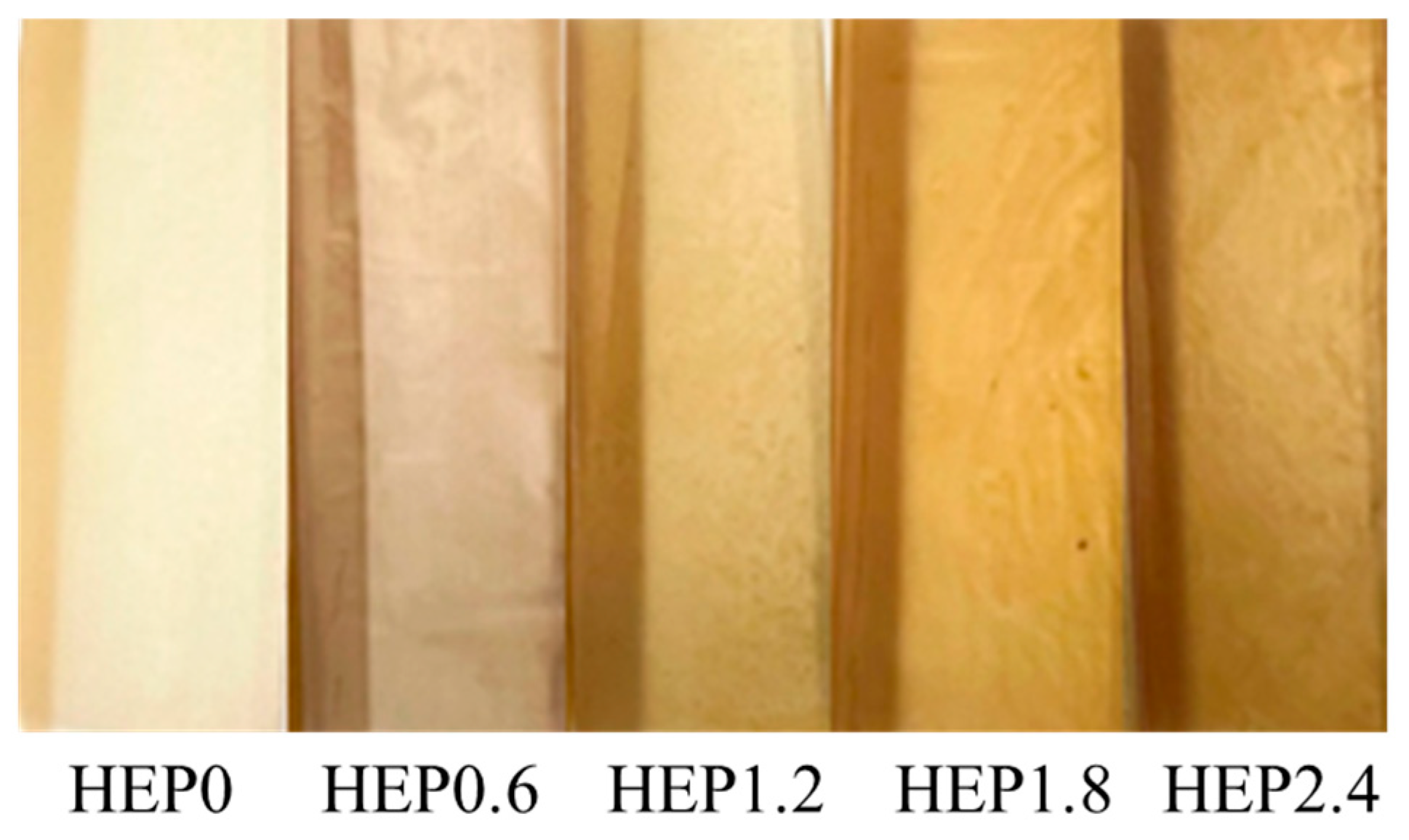
As shown in Figure 1, compared with the films without propolis flavonoids, the addition of propolis flavonoids resulted in a brownish appearance, and the color deepened with increasing flavonoid content. This phenomenon is primarily attributed to the inherent brown color of propolis flavonoids. Consistent with previous studies on edible films, the appearance of the films was influenced by the incorporated pigments [29], polyphenols [21], and predominantly exhibited the color of the added chromatic components.
As shown in Table 1, the measured whiteness index was consistent with the visual appearance of the films, further confirming that the inherent color of propolis flavonoids imparted a brown hue to the films and consequently reduced their whiteness index. In addition, the incorporation of propolis flavonoids also decreased the film thickness, and a significant reduction was observed particularly when the flavonoid content exceeded 1.2%. This finding contrasts with previous studies, which reported that film thickness generally increases with the incorporation of solid content due to the increased total mass of non-solvent in the film-forming suspension [30]. The reduction in thickness observed in this study can be attributed to the possibility that the flavonoids promoted intermolecular interactions within the film matrix, resulting in a more compact structure. This is consistent with previous findings on chitosan/zein films, where the addition of propolis extract also led to a decrease in film thickness [12]. Moreover, given that the films in this study contained essential oils, the flavonoids may have influenced the distribution of oils within the film matrix, thereby affecting thickness. Previous studies on soy protein films have similarly shown that polyphenols can lead to a more uniform distribution of essential oils, which in turn reduces film thickness [21]. Furthermore, it is worth noting that the addition of propolis flavonoids significantly reduced the light transmittance of the films. Theoretically, a decrease in film thickness would be expected to increase transmittance, which is inconsistent with the results obtained. A possible explanation is that the intrinsic color of propolis flavonoids strongly scatters and absorbs light. Previous studies have also reported that the addition of polyphenols reduces the light transmittance of films [12]. In addition, propolis flavonoids may have induced the formation of a denser film structure, thereby hindering light transmission. This is in line with earlier findings that polyphenol incorporation results in a more compact film structure and consequently lower light transmittance [31].

3.2. Water Vapor Permeability (WVP) of Films and Assessment of Oxygen Barrier Performance via Peroxide Value (PV) Measurement

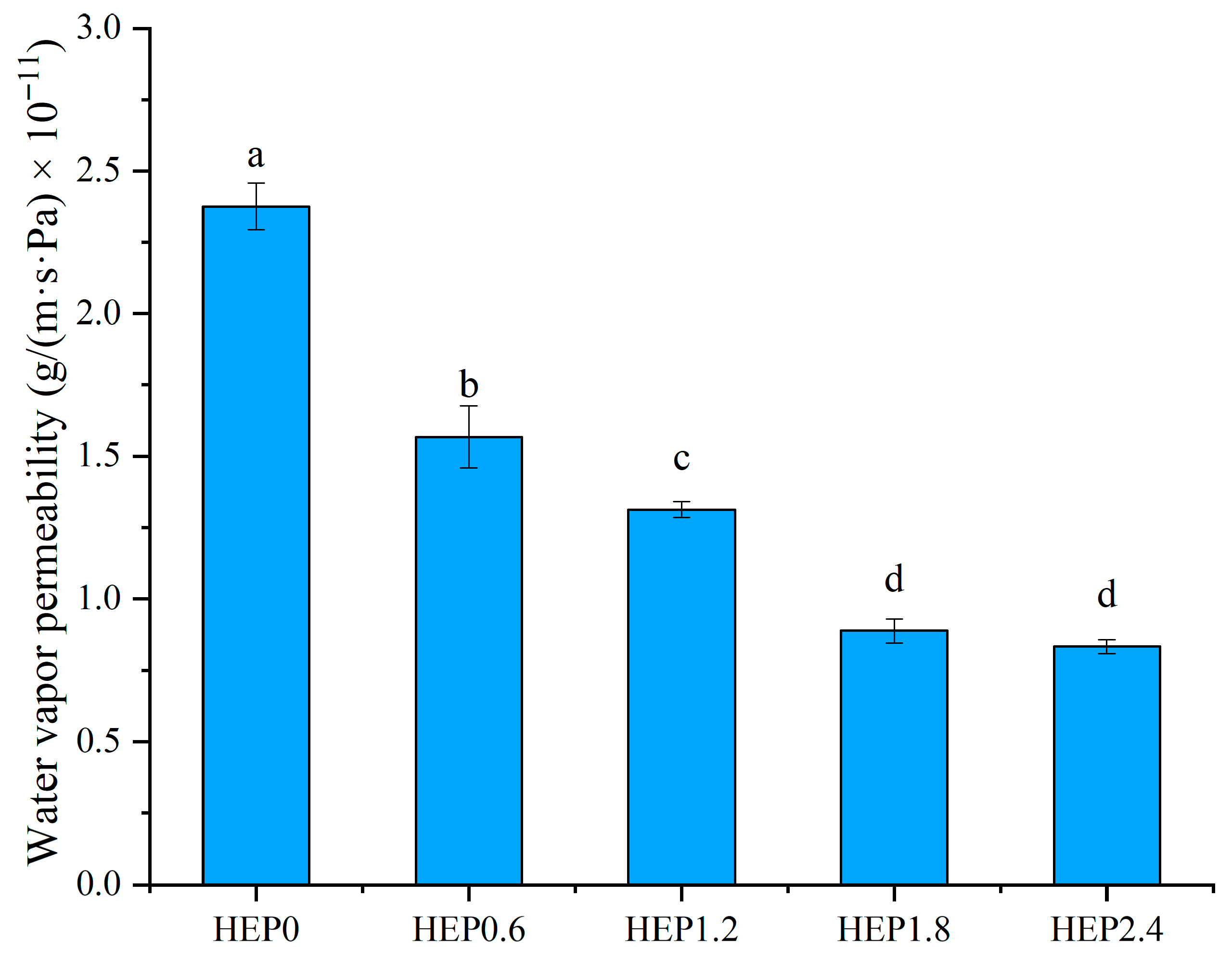
As shown in Figure 2, the addition of propolis flavonoids significantly reduced the WVP of the films. This is likely because the flavonoids enhanced intermolecular interactions within the film matrix, leading to a more compact structure and thus lowering the passage of water molecules. Previous studies have similarly reported that adding crosslinking agents to films results in a denser structure and a reduction in MVP [31,32]. In addition, the decrease in MVP may also be related to the inherent hydrophobic nature of propolis flavonoids. Earlier work has shown that incorporating hydrophobic substances into films can reduce MVP [33]. It is worth noting, however, that when the flavonoid content was increased to 2.4%, no further significant decrease in MVP was observed. This could be attributed to the fact that this particular sample had the smallest thickness, which shortened the diffusion path for water molecules within the film.
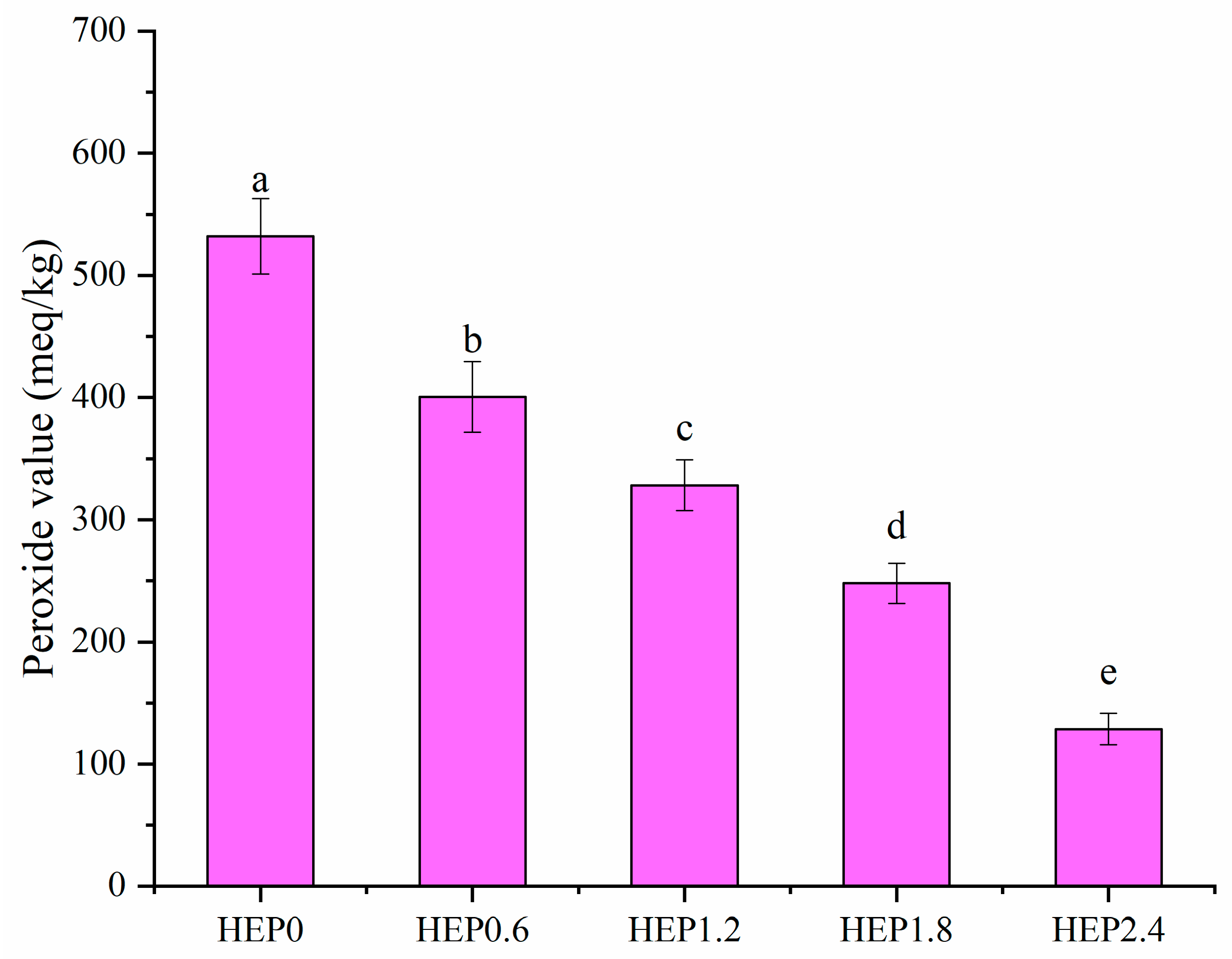
As shown in Figure 3, the addition of propolis flavonoids significantly reduced the peroxide value (PV) of the oil, and the extent of reduction was positively correlated with the flavonoid content. Since PV serves as an indirect indicator of oxygen barrier performance, these results suggest that the films containing propolis flavonoids exhibit improved protective effects against lipid oxidation. This is likely due to the strong antioxidant activity of propolis flavonoids [34]. Previous studies have similarly shown that incorporating polyphenols with antioxidant properties into films can markedly lower oxygen permeability [21], which is consistent with the indirect evidence from our PV measurements. In addition, the reduction in PV may also be related to the microstructure of the films. The addition of propolis flavonoids may enhance intermolecular interactions within the film matrix, resulting in a more compact structure, which in turn impedes oxygen permeation. This is consistent with earlier findings that greater molecular interaction between components in the films leads to a close-knit, compact network, ultimately enhancing the oxidative stability of the packaged oil [35].

3.3. Contact Angle of Films

As shown in Figure 4, the addition of propolis flavonoids significantly increased the contact angle of the films, indicating that propolis flavonoids enhance surface hydrophobicity. Moreover, this effect became more pronounced with increasing flavonoid content. This observation also helps explain the reduction in water vapor transmission rate following flavonoid incorporation. Previous studies have similarly shown that higher surface hydrophobicity of films correlates with lower water vapor transmission rates [7]. The improvement in surface hydrophobicity induced by flavonoids may be attributed to several factors. First, flavonoids themselves are hydrophobic in nature. Second, their addition promotes the formation of a denser film surface structure, thereby reducing the surface affinity for water. Supporting this, prior research has shown that the incorporation of polyphenols can lower the surface adsorption energy, leading to increased surface hydrophobicity [12]. Furthermore, enhanced surface hydrophobicity may also be associated with the more uniform distribution of essential oils within the film matrix facilitated by flavonoid addition. Consistent with this, previous studies have reported that a more homogeneous distribution of lipids within films contributes to improved surface hydrophobicity [21].

3.4. Mechanical Properties of Films

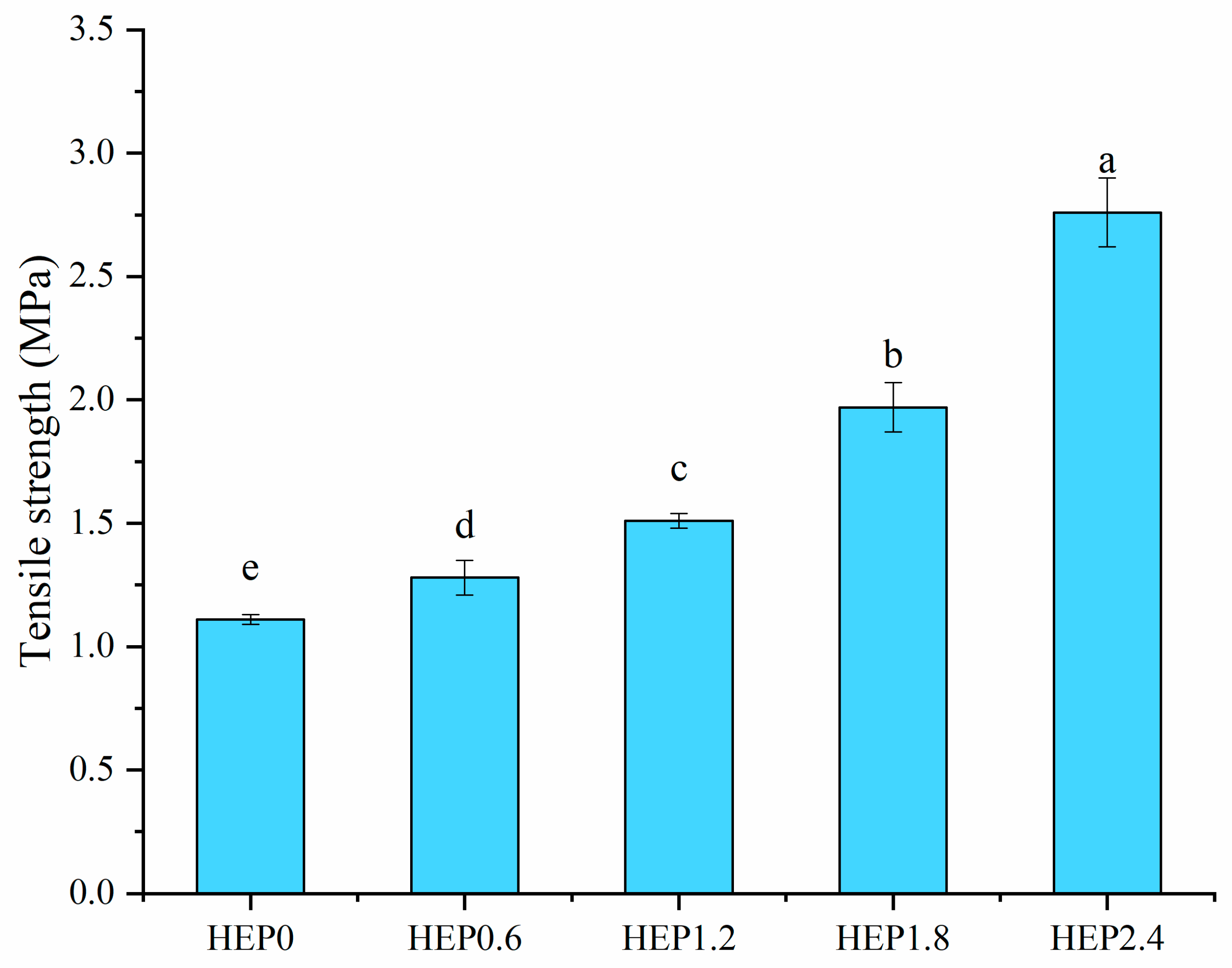
As shown in Figure 5, the addition of propolis flavonoids significantly increased the tensile strength (TS) of the films, and TS tended to increase with increasing flavonoid concentration. This effect may be attributed to the ability of flavonoids to promote protein–protein interactions, thereby enhancing intermolecular interactions and consequently improving TS. Previous studies on protein-based films have similarly demonstrated that the incorporation of proanthocyanidins and tannic acid can enhance TS by promoting protein crosslinking [33,36]. In addition, similar findings have been reported in films based on soy protein isolate, gelatin, chitosan, whey protein, alginate, xanthan gum, and starch, where the addition of phenolic compounds led to the formation of a more rigid network and higher TS [37]. Furthermore, flavonoid addition may improve TS by increasing the uniformity and encapsulation efficiency of essential oil distribution within the film matrix, resulting in a more homogeneous distribution and fewer localized oil domains, thereby reducing potential fracture points [38].
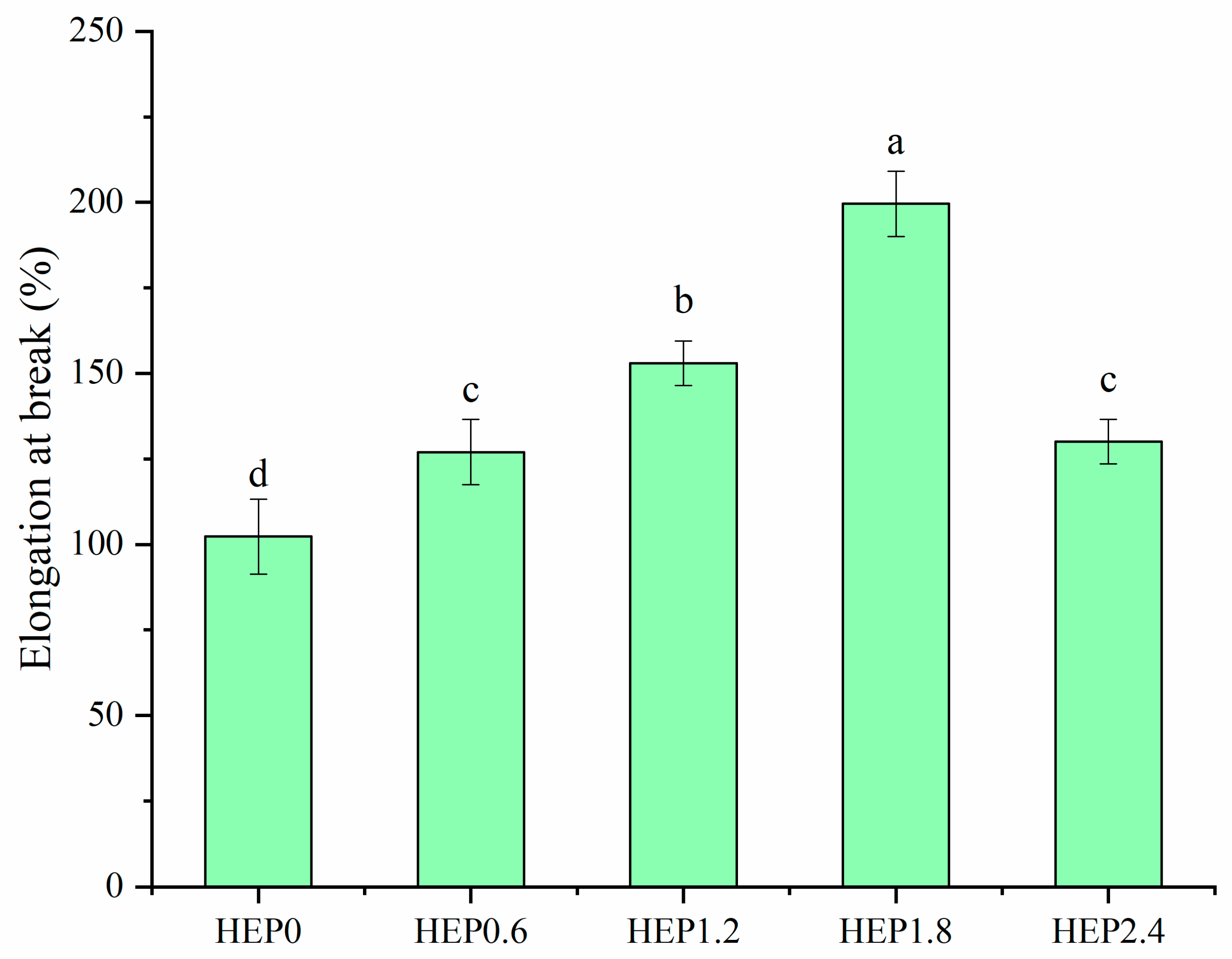
As shown in Figure 6, the addition of propolis flavonoids significantly increased the elongation at break (EB) of the films, which may be attributed to improved uniformity of essential oil distribution within the film matrix and enhanced encapsulation efficiency. The more homogeneous dispersion and higher content of essential oils in the polymer matrix allow the oils to function effectively as plasticizers, imparting greater flexibility to the polymer chains. Previous studies on soy protein isolate films have similarly shown that a more uniform distribution of essential oils correlates with better film extensibility [21]. Notably, however, when the flavonoid addition reached 2.4%, the EB of the films decreased significantly. This may be due to excessively strong intermolecular interactions induced by the flavonoids, resulting in overly dense internal structure that restricts the mobility of polymer chains and consequently reduces extensibility. Previous studies have also indicated that films with higher tensile strength often exhibit lower EB [11].
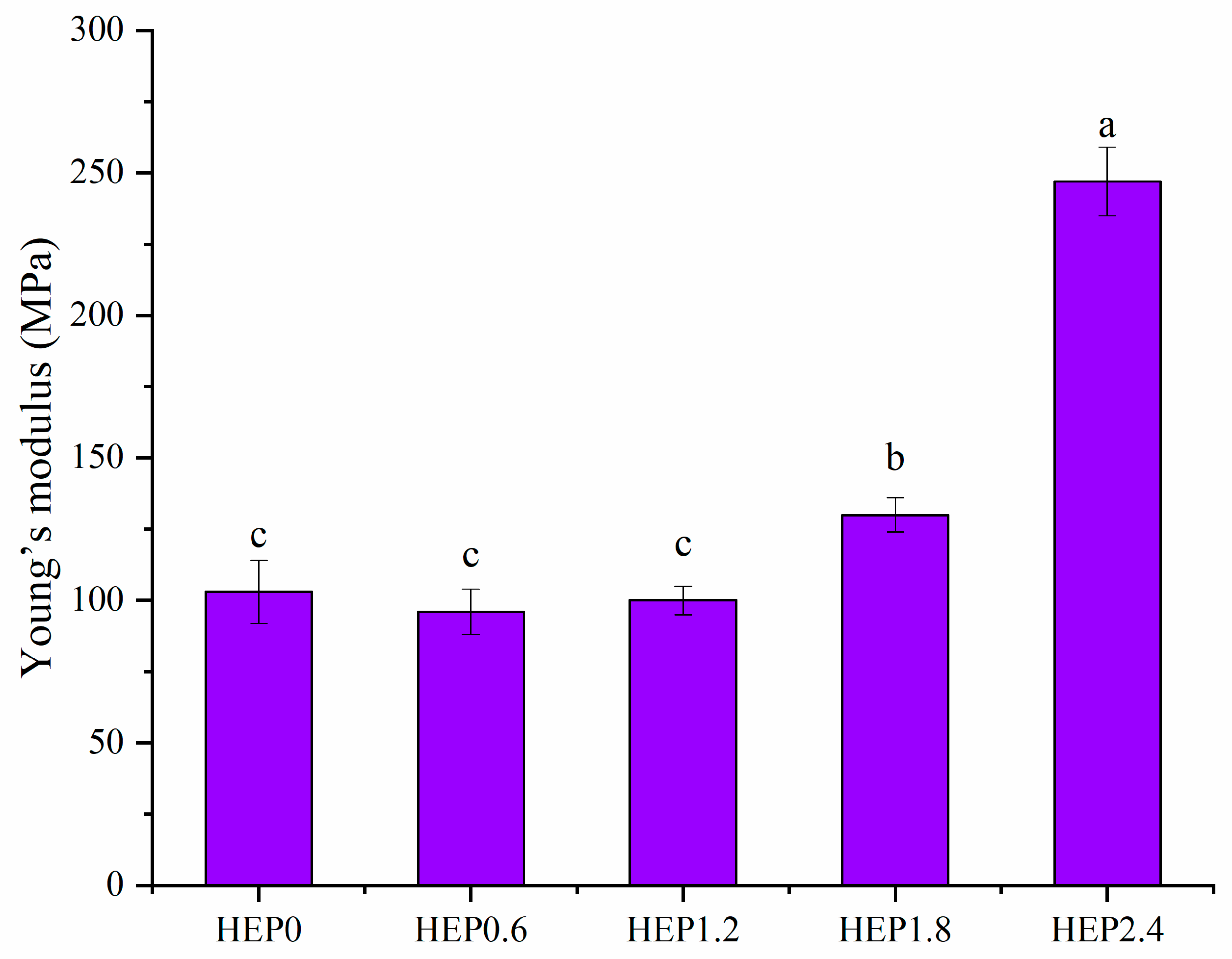
As shown in Figure 7, when the propolis flavonoid content reached 1.8 wt%, the Young’s modulus (YM) of the films increased markedly, indicating that the addition of propolis flavonoids enhanced the film’s resistance to plastic deformation. This improvement can be explained by the flavonoid-induced reinforcement of the polymer network, which kept the structural elements intact and allowed them to continue resisting yielding. Consistent with these findings, previous studies have also reported that the incorporation of phenolic compounds can significantly raise the Young’s modulus of films [12].

3.5. FTIR of Films

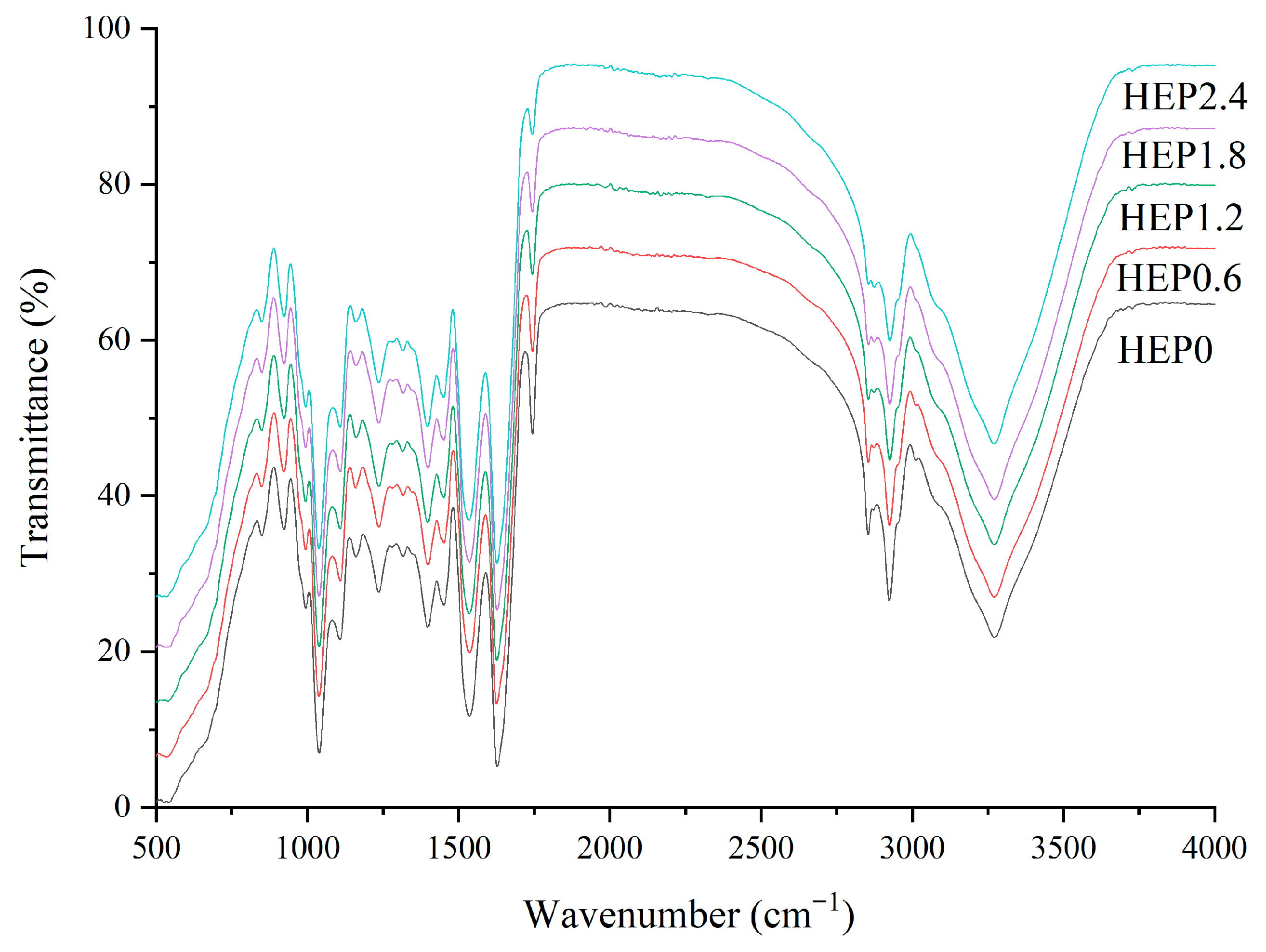
The absorption band at 3250 cm−1, attributed to N-H and O-H stretching vibrations, was used to investigate hydrogen bonding interactions [39]. As shown in Figure 8, the incorporation of propolis flavonoids led to increase in the intensity of the band at 3250 cm−1. This increase indicates enhanced hydrogen bonding interactions, because hydrogen bonding polarizes these bonds and increases their infrared absorption intensity [7]. The phenolic hydroxyl groups of flavonoids can serve as hydrogen donors or acceptors to form hydrogen bonds with the amide groups of hemp seed protein, thereby strengthening the protein network [39]. Consistent with previous studies [12], the addition of polyphenols promotes hydrogen bonding interactions between polymers within the film, which also explains the observed improvement in tensile strength upon propolis flavonoid incorporation. Meanwhile, the vibration at around 1750 cm−1 is typically attributed to C=O stretching in free fatty acids (COOH) and esters (R-COO-R) derived from essential oils [10]. In Figure 8, the addition of propolis flavonoids reduced the intensity of this band in a concentration-dependent manner. This reduction may be attributed to enhanced intermolecular interactions within the film induced by flavonoid incorporation, which resulted in a more compact film structure. A more compact structure could limit the mobility and surface exposure of essential oil components, thereby reducing their detectable infrared signal.

3.6. Thermal Decomposition Behavior of Films

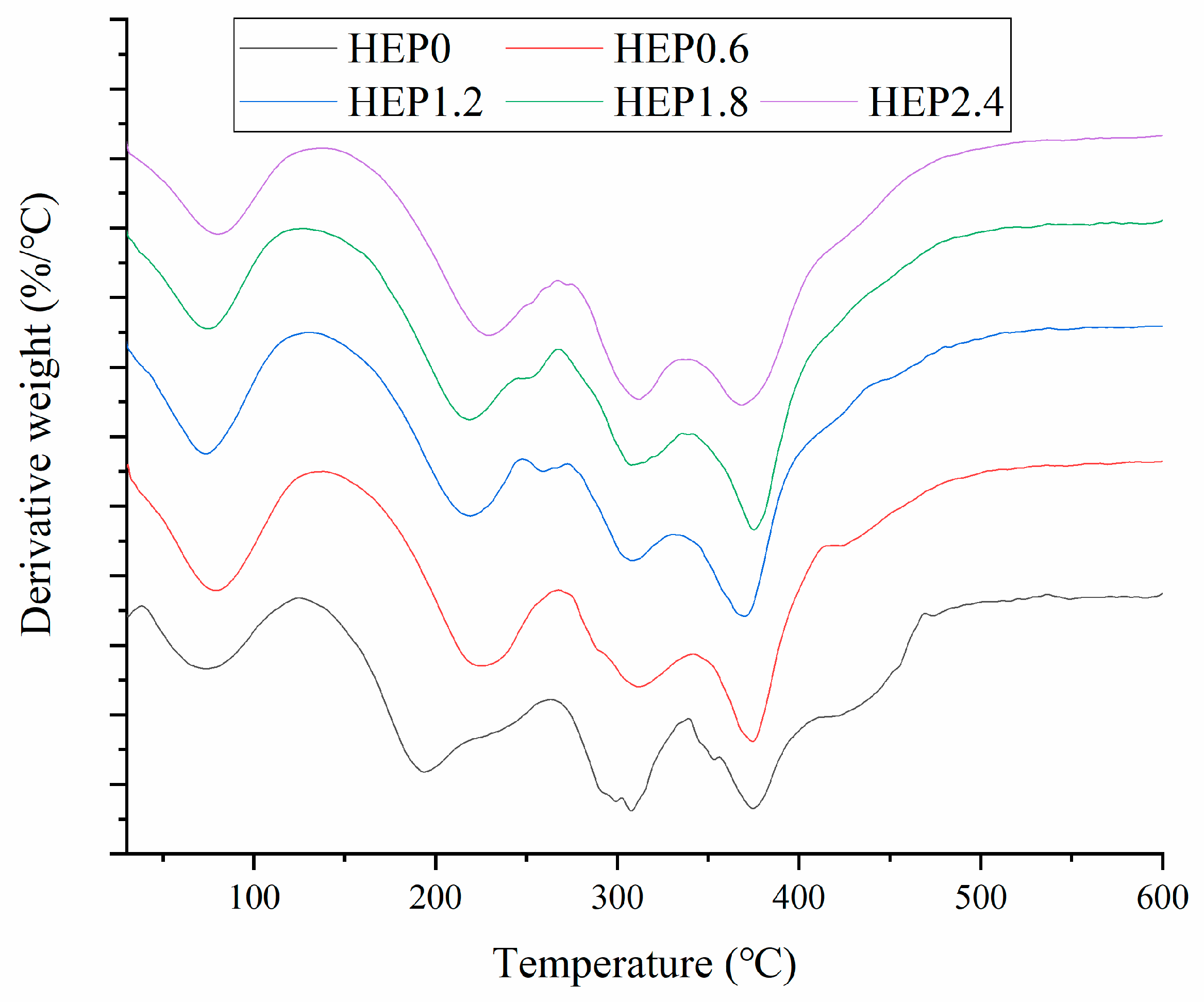
The thermogravimetric analysis revealed three main temperature regions associated with weight loss from the primary film components. The range of 30–100 °C corresponds to the evaporation of moisture in the film [12], while weight loss between 100 and 250 °C is attributed to the degradation of essential oils and glycerol [40]. The region from 250 to 350 °C reflects the decomposition of polymers [41]. As shown in Figure 9, the incorporation of propolis flavonoids led to a decrease in the peak temperature, peak height, and peak area within the range of 100–250 °C, indicating that the flavonoids suppressed the volatilization of essential oils from the film. This effect was particularly pronounced in samples with flavonoid content exceeding 1.2%. These results suggest that the addition of propolis flavonoids enhances the thermal stability of the film, likely by promoting intermolecular interactions within the matrix, which is consistent with the observations from FTIR spectroscopy. Previous studies have also reported that the incorporation of polyphenols can improve the thermal stability of films, an effect that can be attributed to the strengthened molecular interactions [12].

3.7. Morphology of Films

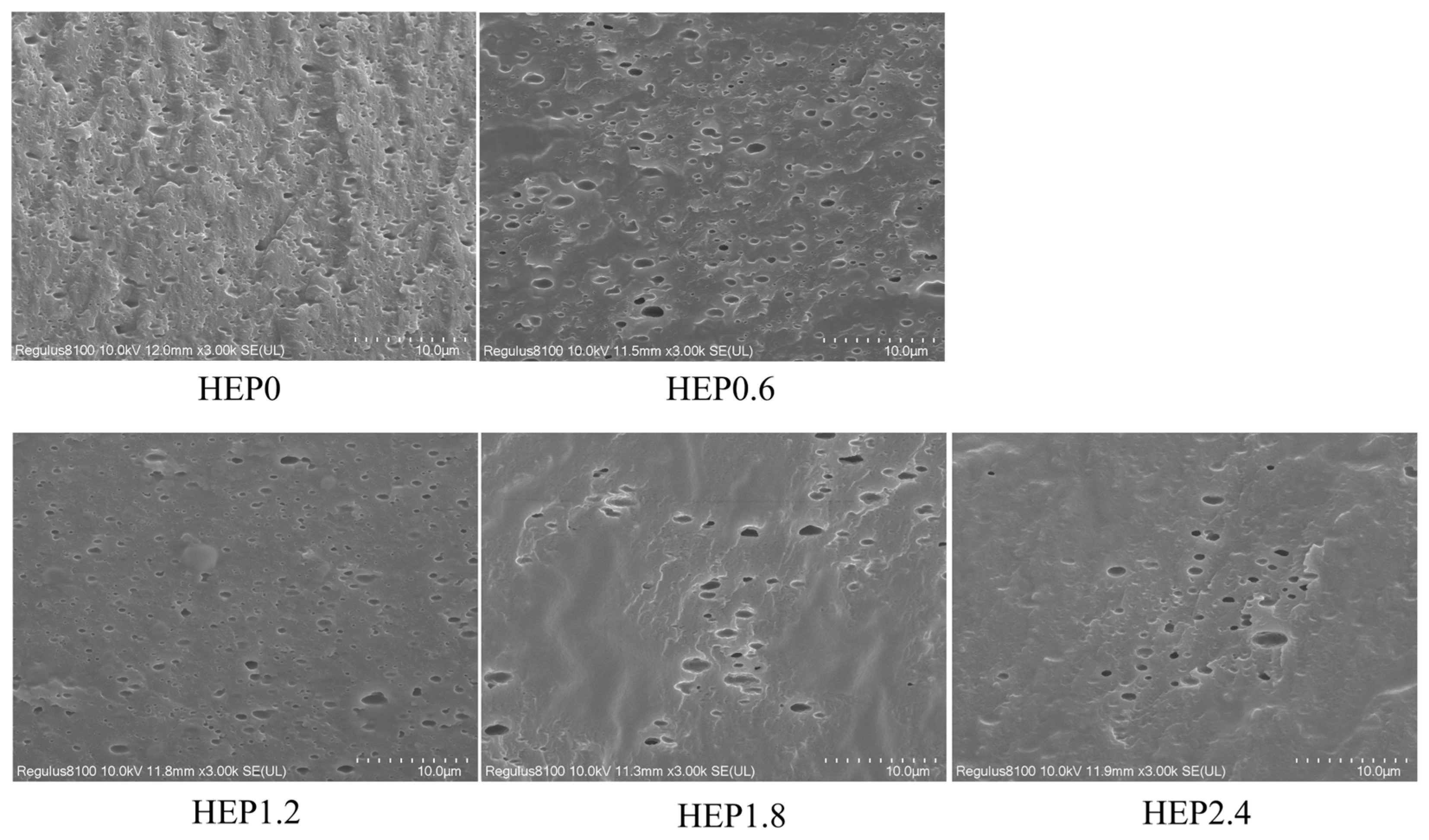
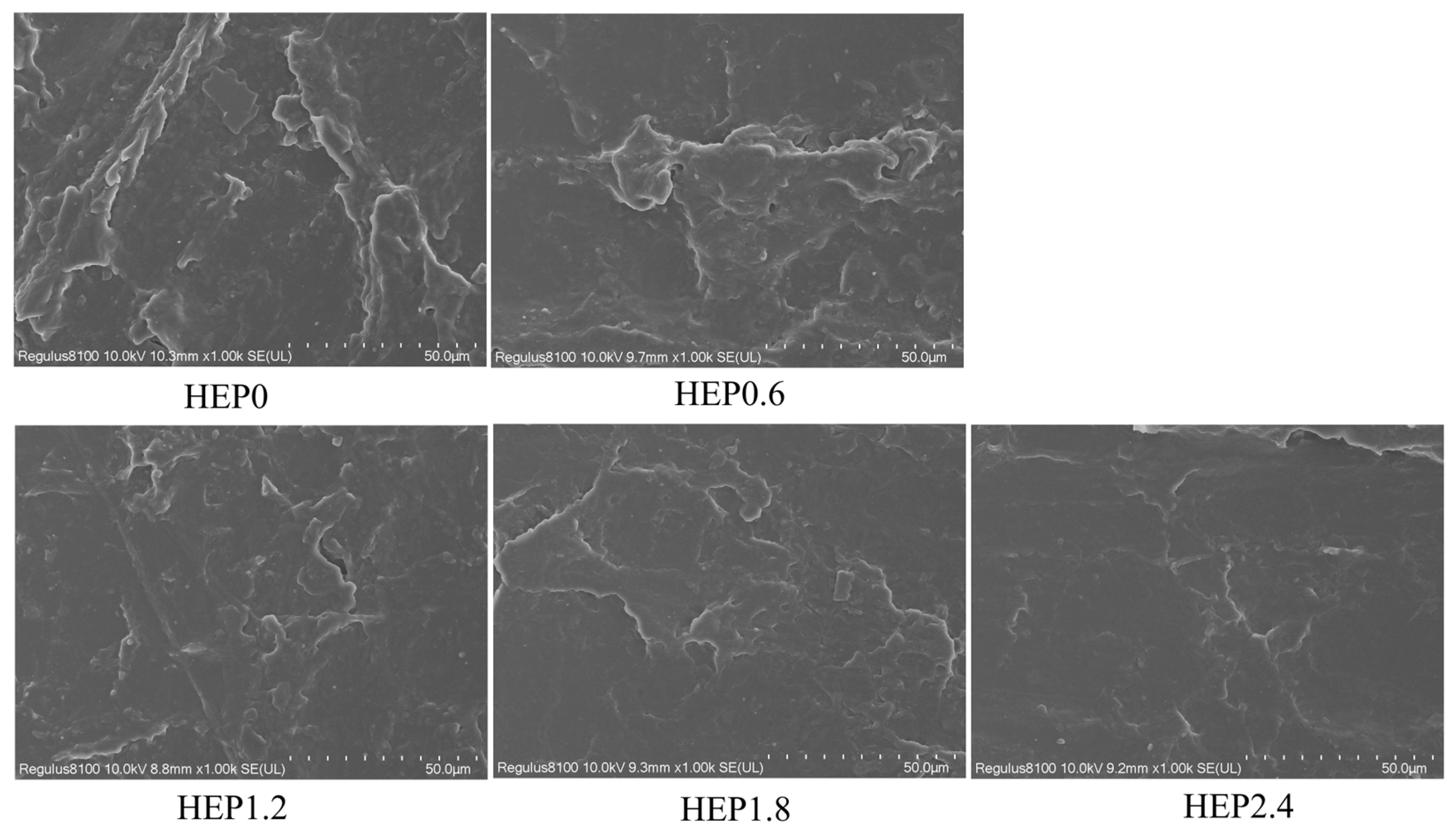
As shown in Figure 10, the surface of HEP0 exhibits an irregular structure, with noticeable layering and discontinuity among the polymers. Such layering and discontinuity may enhance the surface wettability of the film, which explains its relatively low contact angle. This irregular morphology may be associated with the presence of essential oils in the film, as the surface irregularities are attributed to the migration of oil droplets toward the film surface and the subsequent volatilization of the essential oils [7]. Previous studies on films containing essential oils have also reported heterogeneous surface structures [38,42]. In contrast, the addition of propolis flavonoids ameliorated this heterogeneity. After flavonoid incorporation, the film surface became markedly more uniform and intact. This improvement is likely attributed to enhanced intermolecular interactions within the film induced by the flavonoids, which also helps explain the observed improvements in tensile strength and barrier properties.
As shown in Figure 11, the cross-section of HEP0 exhibits a multilayered and porous structure, which explains its poor barrier properties. This morphology is consistent with the cross-sectional structure reported in previous studies on soy protein-based films containing essential oils [21]. Notably, the incorporation of propolis flavonoids significantly improved the layered structure of the film cross-section, likely due to enhanced intermolecular interactions within the film. Moreover, the addition of propolis flavonoids also reduced the porosity of the film, particularly when the flavonoid concentration exceeded 1.2%, resulting in a denser internal structure. This observation is consistent with the FTIR results, which indicated that the addition of propolis flavonoids increased the ability of the film matrix to immobilize essential oils, thereby reducing the formation of voids. Such a compact structure also accounts for the improved tensile strength and barrier properties observed upon flavonoid incorporation.

3.8. Antioxidant and Antibacterial Activities of Films

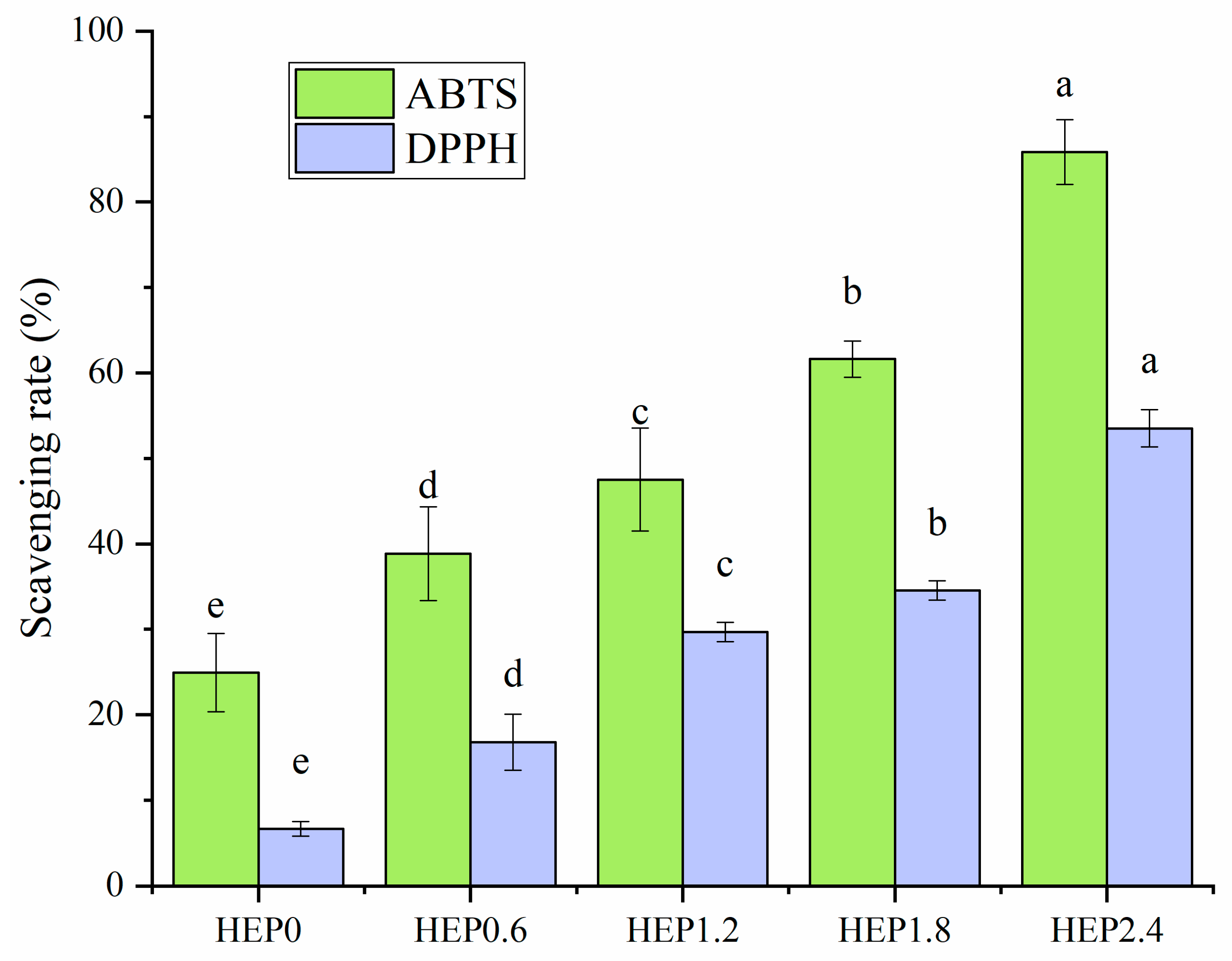
As shown in Figure 12, HEP0 exhibited free radical scavenging activity, which is primarily attributable to the presence of rose essential oil components. Antioxidant constituents such as eugenol have been identified in rose essential oil in previous studies [43]. Moreover, the antioxidant capacity of the film was significantly enhanced upon the incorporation of propolis flavonoids, with the activity increasing in a concentration-dependent manner. This improvement can be attributed to the strong antioxidant properties of propolis flavonoids. Previous research on propolis flavonoids has identified key flavonoid components, such as chrysin, galangin, naringenin, quercetin, kaempferol, and apigenin, that contribute to their potent antioxidant activity [34].
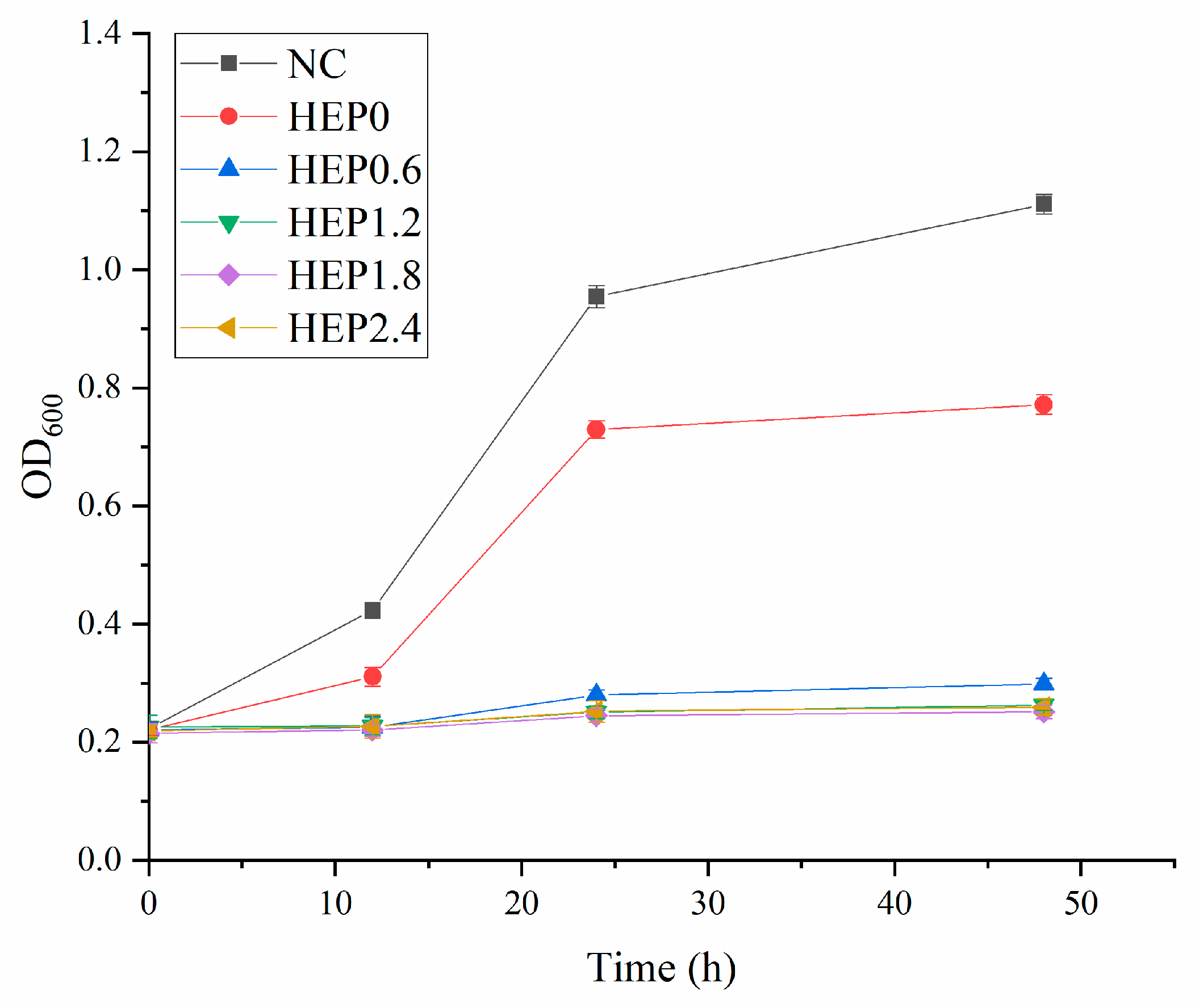
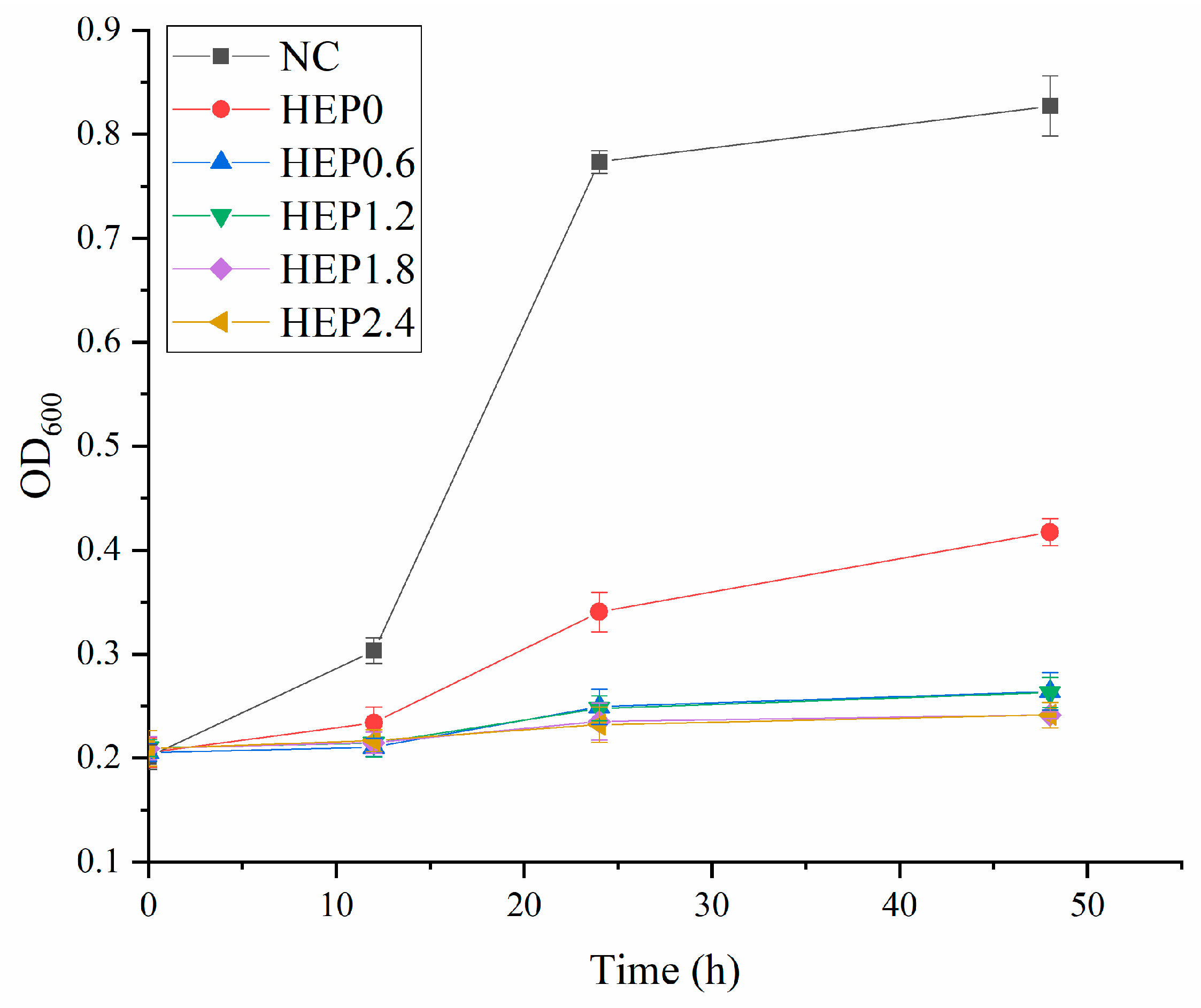
As shown in Figure 13 and Figure 14, HEP0 exhibited antimicrobial activity, which can also be primarily attributed to its rose essential oil content. Previous studies have identified various antimicrobial components in rose essential oil, including linalool, phenethyl alcohol, β-citronellol, geraniol, and eugenol [43]. Furthermore, the antimicrobial activity of the film was significantly enhanced by the incorporation of propolis flavonoids, owing to their strong antimicrobial properties. Previous research on propolis flavonoids has demonstrated that compounds such as pinobanksin, pinocembrin, and pinostrobin can inhibit the growth of foodborne pathogens including Staphylococcus aureus and Salmonella typhimurium [44]. Notably, all films containing propolis flavonoids exhibited potent antimicrobial activity, even at the lowest concentration tested.

3.9. Application of Films on Chilled Pork

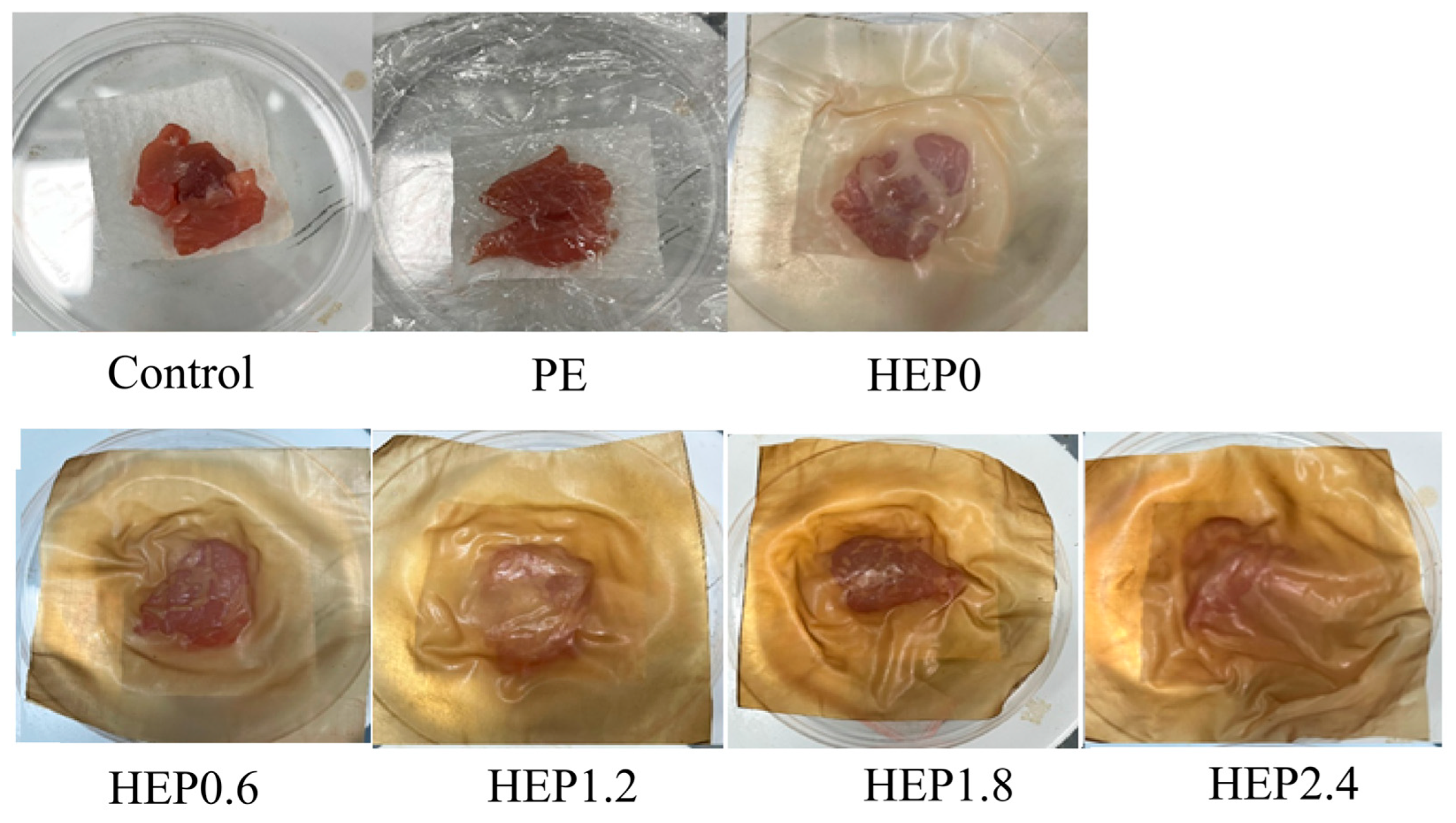
As shown in Figure 15, when pork was wrapped with PE film or HEP0, the meat beneath the film could be clearly observed. In contrast, when the pork was covered with films incorporated with propolis flavonoids, the inherent color and reduced light transmittance of these films obscured the view of the wrapped pork, particularly when the flavonoid concentration exceeded 1.8%. Therefore, although the addition of flavonoids enhances the antimicrobial and antioxidant properties of the film, its potential impact on consumer visibility of the packaged food should be taken into consideration in practical applications.
As shown in Table 2, both the control group and the pork covered with PE film exhibited high viable bacterial counts, elevated TBARS and TVB-N values, and reduced firmness. The increase in viable bacterial counts was primarily attributed to the growth of both exogenous and endogenous microorganisms during storage. The rise in TBARS was due to lipid oxidation [45], while the increase in TVB-N indicated the formation of nitrogenous compounds resulting from the degradation of proteins and nucleic acids, driven by the activity of proteolytic bacteria and endogenous enzymes [46]. The decrease in firmness was also associated with protein degradation. In contrast, pork wrapped with essential oil-containing films showed lower viable bacterial counts, TBARS, and TVB-N values, along with greater firmness. These results highlight the potential of essential oils in active packaging applications, particularly for food preservation [47]. Notably, the incorporation of propolis flavonoids led to further reductions in viable bacterial counts, TBARS, and TVB-N, as well as an increase in firmness. This improvement is attributed to the enhanced barrier properties, antioxidant capacity, and antimicrobial activity imparted by the flavonoids. However, it is worth noting that these beneficial effects did not continue to improve with increasing flavonoid concentration. As shown in Table 2, no significant differences were observed between the 1.8% and 2.4% flavonoid groups for total viable counts, TBARS, TVB-N, or firmness. Therefore, based on microbial inhibition, lipid oxidation, protein degradation, and texture maintenance, an addition level of 1.8% is considered sufficient for extending the shelf life of pork. Higher concentrations did not yield further improvements.

4. Conclusions

In this study, emulsion-based films were prepared using hemp seed protein and essential oil, with varying amounts of propolis flavonoids (0, 0.6, 1.2, 1.8, and 2.4% relative to HPI) incorporated to improve film properties. The results demonstrate that the addition of propolis flavonoids significantly improved water vapor barrier properties, mechanical properties, surface hydrophobicity, thermal stability, as well as antioxidant and antimicrobial activities. These improvements were attributed to enhanced intermolecular interactions promoted by the flavonoids, which led to a more compact and uniform film structure, as confirmed by FTIR and SEM analyses.
Among the tested formulations, the film containing 1.8% propolis flavonoids (HEP1.8) was identified as the optimal choice. This concentration effectively inhibited microbial growth, lipid oxidation, and protein degradation in chilled pork, while maintaining firmness. It also provided the best overall balance of mechanical strength (tensile strength and Young’s modulus), water vapor barrier performance, and surface hydrophobicity. Further increasing the flavonoid content to 2.4% did not yield additional functional benefits; instead, it significantly reduced film transparency and negatively affected elongation at break, without further improving preservation efficacy. Additionally, antimicrobial activity was already observable at 0.6%, and higher concentrations would increase production costs without commensurate gains. Therefore, propolis flavonoids, particularly at an addition level of 1.8%, represent a promising active ingredient for improving the physicochemical properties and preservative performance of hemp seed protein-based emulsion films for food packaging applications.
Several limitations of this study should also be acknowledged. Specifically, the propolis extract used in this work was only characterized in terms of total flavonoid content, without detailed compositional analysis of individual flavonoids. Moreover, the safety of the propolis flavonoids for food contact applications and their potential migration into food were not evaluated. Additionally, the oxygen barrier performance of the films was assessed indirectly via peroxide value (PV) measurement of oil sealed by the films. PV reflects lipid oxidation, which is influenced by multiple factors including antioxidant activity, oil composition, and reaction kinetics, rather than solely oxygen diffusion through the film. Therefore, our results provide indirect evidence of protective effects against lipid oxidation rather than a direct measurement of oxygen permeability. Future studies should employ direct oxygen transmission rate measurements to quantitatively evaluate the true oxygen barrier properties of these films, while also addressing the aforementioned aspects to further validate their suitability for real food packaging scenarios.

Author Contributions

Data curation, Y.C.; writing—original draft preparation, Y.Y.; writing—review and editing, Y.T.; supervision, X.L.; project administration, funding acquisition, F.X. All authors have read and agreed to the published version of the manuscript.

Funding

This work was supported by the first-class discipline “leading program” scientific research project of NJUCM (ZYXYL2024-012) and the Special Project for Talent Development on the Scientific Research Platform of Nanjing University of Chinese Medicine.

Institutional Review Board Statement

Not applicable.

Informed Consent Statement

Not applicable.

Data Availability Statement

The raw data supporting the conclusions of this article will be made available by the authors on request.

Acknowledgments

The authors extend their gratitude to Jiaqi Guo (from Scientific Compass www.shiyanjia.com, accessed on 4 January 2026) for providing invaluable assistance with the FTIR, SEM and TG analysis.

Conflicts of Interest

The authors declare no conflicts of interest.

Abbreviations

The following abbreviations are used in this manuscript:
HEP0-12Films prepared from hemp seed protein isolate containing essential oils and different flavonoid contents of propolis
WVPWater vapor permeability
TSTensile strength
EBElongation at break
FTIRFourier transform infrared spectroscopy
SEMScanning electron microscope
PEPolyethylene
TBARSThiobarbituric acid reactive substances
TVB-NVolatile basic nitrogen

References

  1. Muñoz, F.L.; Gaiardo, R.B.; Bahú, J.O.; Ribeiro, V.S.; Carvalho, R.M.; Sato, A.Y.; Almeida, M.G.; Cozzolino, G.F.C.; Carvalho, L.F.; Yoshida, C.M.P.; et al. Biodegradable food packaging: Carbon footprint reduction, technical and market challenges. Sustain. Futures 2026, 11, 101748. [Google Scholar] [CrossRef]
  2. Kumar, S.; Sharma, S.; Katiyar, V. Intelligent & edible biopolymer-based packaging technologies for postharvest shelf-life enhancement of litchi (Litchi chinensis) fruit: A comprehensive review. Sustain. Food Technol. 2026, 4, 1262–1289. [Google Scholar] [CrossRef]
  3. Nouri, M.; Razavi, S.H.; Afraei, M.; Shafiepour, M.; Maleki Jahan, F. Recent trend in the shelf life extension of meat and meat products using edible packaging enriched with antimicrobial peptides (AMPs). Food Control 2026, 181, 111768. [Google Scholar] [CrossRef]
  4. Pu, H.; Liu, M.; Qiang, T.; Wang, P.; Ma, F.; Gan, J.; Chen, H. Marine polysaccharide-based edible film as degradable alternative to plastic packaging: Preparations, applications and recent advances. Bioresour. Technol. 2026, 444, 134000. [Google Scholar] [CrossRef] [PubMed]
  5. Chen, H.; Wang, J.; Cheng, Y.; Wang, C.; Liu, H.; Bian, H.; Pan, Y.; Sun, J.; Han, W. Application of Protein-Based Films and Coatings for Food Packaging: A Review. Polymers 2019, 11, 2039. [Google Scholar] [CrossRef] [PubMed]
  6. Mihalca, V.; Kerezsi, A.D.; Weber, A.; Gruber-Traub, C.; Schmucker, J.; Vodnar, D.C.; Dulf, F.V.; Socaci, S.A.; Fărcaș, A.; Mureșan, C.I.; et al. Protein-Based Films and Coatings for Food Industry Applications. Polymers 2021, 13, 769. [Google Scholar] [CrossRef]
  7. Xue, F.; Gu, Y.; Wang, Y.; Li, C.; Adhikari, B. Encapsulation of essential oil in emulsion based edible films prepared by soy protein isolate-gum acacia conjugates. Food Hydrocoll. 2019, 96, 178–189. [Google Scholar] [CrossRef]
  8. Galus, S.; Kadzińska, J. Food applications of emulsion-based edible films and coatings. Trends Food Sci. Technol. 2015, 45, 273–283. [Google Scholar] [CrossRef]
  9. Debeaufort, F.; Quezada-Gallo, J.-A.; Delporte, B.; Voilley, A. Lipid hydrophobicity and physical state effects on the properties of bilayer edible films. J. Membr. Sci. 2000, 180, 47–55. [Google Scholar] [CrossRef]
  10. Ukwatta, R.H.; Yuan, R.; Ma, Y.; Xiong, X.; Hu, Y.; Li, C.; Xue, F. Effect of lipid addition on the physiochemical, structural, and photoactive antibacterial properties of cornstarch-chlorophyllin composite film. Food Res. Int. 2025, 202, 115699. [Google Scholar] [CrossRef]
  11. Fabra, M.J.; Talens, P.; Chiralt, A. Tensile properties and water vapor permeability of sodium caseinate films containing oleic acid–beeswax mixtures. J. Food Eng. 2008, 85, 393–400. [Google Scholar] [CrossRef]
  12. Xue, F.; Zhao, M.; Liu, X.; Chu, R.; Qiao, Z.; Li, C.; Adhikari, B. Physicochemical properties of chitosan/zein/essential oil emulsion-based active films functionalized by polyphenols. Future Foods 2021, 3, 100033. [Google Scholar] [CrossRef]
  13. Delgado-Lozano, A.; Ledesma-Prado, P.A.; Leyva-Porras, C.; Loya-Hernández, L.P.; Romo-Sáenz, C.I.; Arzate-Quintana, C.; Román-Aguirre, M.; Favila-Pérez, M.A.; Castillo-González, A.R.; Quiñonez-Flores, C.M. Shrimp-Derived Chitosan for the Formulation of Active Films with Mexican Propolis: Physicochemical and Functional Evaluation of the Biomaterial. Coatings 2026, 16, 124. [Google Scholar] [CrossRef]
  14. Paula, V.B.; Dias, L.G.; Estevinho, L.M. Microbiological and Physicochemical Evaluation of Hydroxypropyl Methylcellulose (HPMC) and Propolis Film Coatings for Cheese Preservation. Molecules 2024, 29, 1941. [Google Scholar] [CrossRef] [PubMed]
  15. Ampomah, G.A.; Bordoh, P.K.; Mumuni, E.; Anankware, J.P.; Agbolegbe, R.K.; Amedor, E.N.; Boateng Frimpong, E. Efficacy of propolis extract on postharvest and nutritional quality of Cavendish banana. Appl. Food Res. 2026, 6, 101957. [Google Scholar] [CrossRef]
  16. Cui, Y.; Sun, Y.; Li, Y.; Ni, W.; Dong, Z.; Zhao, D.; Liu, M.; Wang, W.; Wang, S. Hemp seed protein: A promising meat protein substitute with high nutritional value, high safety, and high meat like aroma characteristics. Food Chem. 2026, 513, 149020. [Google Scholar] [CrossRef]
  17. Moon, S.-H.; Cho, S.-J. Binding mechanism and structural characteristics of alloyed protein complex for enhanced solubility of hemp seed protein isolate. Food Chem. 2025, 464, 141416. [Google Scholar] [CrossRef]
  18. Ding, T.; Fan, B.; Xu, X.; Chen, C.; Lu, C.; Liu, J.; Wang, F.; Sun, J. Alkali-induced Dendrobium officinale polysaccharide-hemp seed protein gels: Insight into structure, molecular interaction mechanisms, and potential as dysphagia food. Carbohydr. Polym. 2025, 368, 124153. [Google Scholar] [CrossRef]
  19. Ma, S.; Ye, A.; Singh, H.; Acevedo-Fani, A. Emulsifying properties of hemp and whey protein complexes achieved by microparticulation. Food Hydrocoll. 2026, 171, 111833. [Google Scholar] [CrossRef]
  20. Yin, S.-W.; Tang, C.-H.; Wen, Q.-B.; Yang, X.-Q. Properties of Cast Films from Hemp (Cannabis sativa L.) and Soy Protein Isolates. A Comparative Study. J. Agric. Food Chem. 2007, 55, 7399–7404. [Google Scholar] [CrossRef]
  21. Xue, F.; Li, C.; Adhikari, B. Physicochemical properties of active films of rose essential oil produced using soy protein isolate-polyphenol conjugates for cherry tomato preservation. Food Chem. 2024, 452, 139614. [Google Scholar] [CrossRef] [PubMed]
  22. Popova, M.P.; Bankova, V.S.; Bogdanov, S.; Tsvetkova, I.; Naydenski, C.; Marcazzan, G.L.; Sabatini, A.-G. Chemical characteristics of poplar type propolis of different geographic origin. Apidologie 2007, 38, 306–311. [Google Scholar] [CrossRef]
  23. Fang, B.; Chang, L.; Ohm, J.-B.; Chen, B.; Rao, J. Structural, functional properties, and volatile profile of hemp protein isolate as affected by extraction method: Alkaline extraction–isoelectric precipitation vs salt extraction. Food Chem. 2023, 405, 135001. [Google Scholar] [CrossRef] [PubMed]
  24. Abdillah, A.A.; Putri, P.H.; Nandasari, N.; Anggraeni, A.P.; Saputra, E.; Pujiastuti, D.Y.; Mubarak, A.S.; Alamsjah, M.A. Characterization of edible films developed from kappa-carrageenan reinforced with pedada flour (Sonneratia caseolaris): A potential packaging application for fish fillets. Appl. Food Res. 2026, 6, 101954. [Google Scholar] [CrossRef]
  25. Kurt, A.; Kahyaoglu, T. Characterization of a new biodegradable edible film made from salep glucomannan. Carbohydr. Polym. 2014, 104, 50–58. [Google Scholar] [CrossRef]
  26. Zhang, K.; Wang, W.; Zhao, K.; Ma, Y.; Cheng, S.; Zhou, J.; Wu, Z. Producing a novel edible film from mushrooms (L. edodes and F. velutipes) byproducts with a two-stage treatment namely grinding and bleaching. J. Food Eng. 2020, 275, 109862. [Google Scholar] [CrossRef]
  27. Li, B.; Kennedy, J.F.; Peng, J.L.; Yie, X.; Xie, B.J. Preparation and performance evaluation of glucomannan–chitosan–nisin ternary antimicrobial blend film. Carbohydr. Polym. 2006, 65, 488–494. [Google Scholar] [CrossRef]
  28. Xiao, Y.; Li, P.; Zhou, Y.; Ma, F.; Chen, C. Effect of inoculating Lactobacillus pentosus R3 on N-nitrosamines and bacterial communities in dry fermented sausages. Food Control 2018, 87, 126–134. [Google Scholar] [CrossRef]
  29. Hopkins, E.J.; Chang, C.; Lam, R.S.H.; Nickerson, M.T. Effects of flaxseed oil concentration on the performance of a soy protein isolate-based emulsion-type film. Food Res. Int. 2015, 67, 418–425. [Google Scholar] [CrossRef]
  30. Fakhouri, F.M.; Martelli, S.M.; Caon, T.; Velasco, J.I.; Buontempo, R.C.; Bilck, A.P.; Innocentini Mei, L.H. The effect of fatty acids on the physicochemical properties of edible films composed of gelatin and gluten proteins. LWT 2018, 87, 293–300. [Google Scholar] [CrossRef]
  31. Lin, H.-C.; Wang, B.-J.; Weng, Y.-M. Development and characterization of sodium caseinate edible films cross-linked with genipin. LWT 2020, 118, 108813. [Google Scholar] [CrossRef]
  32. Li, C.; Wang, L.; Xue, F. Effects of Conjugation between Proteins and Polysaccharides on the Physical Properties of Emulsion-Based Edible Films. J. Am. Oil Chem. Soc. 2019, 96, 1249–1263. [Google Scholar] [CrossRef]
  33. Liu, X.; Xie, Y.; Li, C.; Xue, F. Comparative studies on physicochemical properties of gluten- and glutenin-based films functionalized by polyphenols. Cereal Chem. 2022, 99, 640–651. [Google Scholar] [CrossRef]
  34. Zhu, M.; Bao, J.; Liang, P.; Zhang, C.; Li, S.; Hu, F. Extraction of flavonoids and phenolic acids from poplar-type propolis: Optimization of maceration process, evaluation of antioxidant and antimicrobial activities. LWT 2025, 233, 118481. [Google Scholar] [CrossRef]
  35. Zhou, W.; He, Y.; Liu, F.; Liao, L.; Huang, X.; Li, R.; Zou, Y.; Zhou, L.; Zou, L.; Liu, Y.; et al. Carboxymethyl chitosan-pullulan edible films enriched with galangal essential oil: Characterization and application in mango preservation. Carbohydr. Polym. 2021, 256, 117579. [Google Scholar] [CrossRef]
  36. Kayserilioǧlu, B.Ş.; Bakir, U.; Yilmaz, L.; Akkaş, N. Drying Temperature and Relative Humidity Effects on Wheat Gluten Film Properties. J. Agric. Food Chem. 2003, 51, 964–968. [Google Scholar] [CrossRef]
  37. Garavand, F.; Rouhi, M.; Razavi, S.H.; Cacciotti, I.; Mohammadi, R. Improving the integrity of natural biopolymer films used in food packaging by crosslinking approach: A review. Int. J. Biol. Macromol. 2017, 104, 687–707. [Google Scholar] [CrossRef]
  38. Acevedo-Fani, A.; Salvia-Trujillo, L.; Rojas-Graü, M.A.; Martín-Belloso, O. Edible films from essential-oil-loaded nanoemulsions: Physicochemical characterization and antimicrobial properties. Food Hydrocoll. 2015, 47, 168–177. [Google Scholar] [CrossRef]
  39. Dou, L.; Li, B.; Zhang, K.; Chu, X.; Hou, H. Physical properties and antioxidant activity of gelatin-sodium alginate edible films with tea polyphenols. Int. J. Biol. Macromol. 2018, 118, 1377–1383. [Google Scholar] [CrossRef]
  40. Leceta, I.; Guerrero, P.; Ibarburu, I.; Dueñas, M.T.; de la Caba, K. Characterization and antimicrobial analysis of chitosan-based films. J. Food Eng. 2013, 116, 889–899. [Google Scholar] [CrossRef]
  41. Wang, K.; Wu, K.; Xiao, M.; Kuang, Y.; Corke, H.; Ni, X.; Jiang, F. Structural characterization and properties of konjac glucomannan and zein blend films. Int. J. Biol. Macromol. 2017, 105, 1096–1104. [Google Scholar] [CrossRef]
  42. Norajit, K.; Kim, K.M.; Ryu, G.H. Comparative studies on the characterization and antioxidant properties of biodegradable alginate films containing ginseng extract. J. Food Eng. 2010, 98, 377–384. [Google Scholar] [CrossRef]
  43. Yi, F.; Sun, J.; Bao, X.; Ma, B.; Sun, M. Influence of molecular distillation on antioxidant and antimicrobial activities of rose essential oils. LWT 2019, 102, 310–316. [Google Scholar] [CrossRef]
  44. Nefzi, N.; Mkadmini, K.; Jemaa, M.B.; Hammmami, M.; Selmi, S.; Ksouri, R.; Ksouri, W.M. Optimized ultrasound extraction of flavonoids from Tunisian propolis for maximum bactericidal effect: A predictive approach to foodborne pathogen inactivation. Biocatal. Agric. Biotechnol. 2026, 73, 104014. [Google Scholar] [CrossRef]
  45. Gharibzahedi, S.M.T.; Mohammadnabi, S. Effect of novel bioactive edible coatings based on jujube gum and nettle oil-loaded nanoemulsions on the shelf-life of Beluga sturgeon fillets. Int. J. Biol. Macromol. 2017, 95, 769–777. [Google Scholar] [CrossRef]
  46. Volpe, M.G.; Siano, F.; Paolucci, M.; Sacco, A.; Sorrentino, A.; Malinconico, M.; Varricchio, E. Active edible coating effectiveness in shelf-life enhancement of trout (Oncorhynchusmykiss) fillets. LWT—Food Sci. Technol. 2015, 60, 615–622. [Google Scholar] [CrossRef]
  47. Li, F.; Pang, M.; Liu, K.; Lv, S.; Guo, Q.; Cui, P.; Lei, W.; Liu, W.; Zhou, X.; Xu, T.; et al. Active packaging based on nanocellulose-stabilized essential oil pickering emulsions: A review on enhanced properties and food preservation applications. Trends Food Sci. Technol. 2026, 168, 105465. [Google Scholar] [CrossRef]
Figure 1. Effect of propolis flavonoid addition on digital photographs of the prepared films. The brownish color intensified with increasing propolis flavonoid concentration (0, 0.6, 1.2, 1.8, and 2.4 wt% relative to HPI). HEP0 is the control film without flavonoids.
Coatings 16 00489 g001
Figure 2. Effect of propolis flavonoid addition on water vapor permeability (WVP) of films. Sample codes are the same as in Figure 1. Results with different letters in same pattern are significantly different (p < 0.05).
Coatings 16 00489 g002
Figure 3. Effect of propolis flavonoid addition on Peroxide value (PV) of films. Sample codes are the same as in Figure 1. Results with different letters in same pattern are significantly different (p < 0.05).
Coatings 16 00489 g003
Figure 4. Effect of propolis flavonoid addition on contact angle of films. Sample codes are the same as in Figure 1.
Coatings 16 00489 g004
Figure 5. Effect of propolis flavonoid addition on tensile strength (TS) of films. Sample codes are the same as in Figure 1. Results with different letters in same pattern are significantly different (p < 0.05).
Coatings 16 00489 g005
Figure 6. Effect of propolis flavonoid addition on elongation at break (EB) of films. Sample codes are the same as in Figure 1. Results with different letters in same pattern are significantly different (p < 0.05).
Coatings 16 00489 g006
Figure 7. Effect of propolis flavonoid addition on Young’s modulus (YM) of films. Sample codes are the same as in Figure 1. Results with different letters in same pattern are significantly different (p < 0.05).
Coatings 16 00489 g007
Figure 8. Effect of propolis flavonoid addition on Fourier transform infrared spectrum of films. Sample codes are the same as in Figure 1.
Coatings 16 00489 g008
Figure 9. Effect of propolis flavonoid addition on thermal decomposition behavior of films. Sample codes are the same as in Figure 1.
Coatings 16 00489 g009
Figure 10. Effect of propolis flavonoid addition on surface structure of films (accelerating voltage: 10 kV; magnification: 1000×; scale bar: 50 μm). Sample codes are the same as in Figure 1.
Coatings 16 00489 g010
Figure 11. Effect of propolis flavonoid addition on cross-sectional images of films (accelerating voltage: 10 kV; magnification: 3000×; scale bar: 10 μm). Sample codes are the same as in Figure 1.
Coatings 16 00489 g011
Figure 12. Effect of propolis flavonoid addition on antioxidant properties of films. Sample codes are the same as in Figure 1. Results with different letters in same pattern are significantly different (p < 0.05).
Coatings 16 00489 g012
Figure 13. Effect of propolis flavonoid addition on antimicrobial properties (Escherichia coli) of films. Sample codes are the same as in Figure 1. NC: Negative control.
Coatings 16 00489 g013
Figure 14. Effect of propolis flavonoid addition on antimicrobial properties (Staphylococcus aureus) of films. Sample codes are the same as in Figure 1. NC: Negative control.
Coatings 16 00489 g014
Figure 15. Effect of propolis flavonoid addition on appearance of films over the pork surface. PE: Commercial polyethylene film. Sample codes are the same as in Figure 1.
Coatings 16 00489 g015
Table 1. Effect of propolis flavonoid addition on whiteness index, thickness and transparency of films.
SampleWhiteness IndexThickness (mm)Transparency (%/mm)
HEP075.71 ± 1.21 a0.170 ± 0.006 a9.80 ± 0.22 a
HEP0.668.96 ± 1.50 b0.159 ± 0.011 a8.92 ± 0.17 b
HEP1.253.67 ± 1.52 c0.143 ± 0.003 b5.62 ± 0.15 c
HEP1.847.19 ± 1,94 d0.130 ± 0.008 c4.99 ± 0.10 d
HEP2.441.53 ± 1.44 e0.107 ± 0.004 d3.91 ± 0.11 e
Sample codes are the same as in Figure 1. Results with different letters within a column are significantly different (p < 0.05).
Table 2. Total plate counts, TBARS, TVB-N and firmness values of pork coated with films.
SampleTotal Plate Counts (log cfu/g)TBARS (mg Malondialdehyde/kg)TVB-N (mg/100 g)Firmness (N)
Control9.8 ± 0.2 a2.01 ± 0.15 a70.24 ± 3.98 a3.07 ± 0.12 f
PE9.6 ± 0.3 a1.45 ± 0.11 b67.38 ± 5.99 a3.69 ± 0.09 e
HEP08.1 ± 0.5 b1.01 ± 0.12 c59.12 ± 4.09 b4.81 ± 0.14 d
HEP0.65.4 ± 0.5 c0.67 ± 0.07 d40.87 ± 5.38 c5.38 ± 0.10 c
HEP1.24.2 ± 0.2 d0.49 ± 0.06 e30.66 ± 2.29 d6.04 ± 0.07 b
HEP1.84.0 ± 0.4 d0.32 ± 0.05 f28.01 ± 3.11 de7.12 ± 0.09 a
HEP2.43.6 ± 0.5 d0.23 ± 0.09 f25.97 ± 2.73 e7.17 ± 0.08 a
PE: Commercial polyethylene film. Sample codes are the same as in Figure 1. Results with different letters within a column are significantly different (p < 0.05).
Disclaimer/Publisher’s Note: The statements, opinions and data contained in all publications are solely those of the individual author(s) and contributor(s) and not of MDPI and/or the editor(s). MDPI and/or the editor(s) disclaim responsibility for any injury to people or property resulting from any ideas, methods, instructions or products referred to in the content.