Article

Migration Patterns and Sedimentary Evolution of Deepwater Channels in the Niger Delta Basin

1
School of Geosciences and Technology, Southwest Petroleum University, Chengdu 610500, China
2
Key Laboratory of Natural Gas Geology of Sichuan Province, Southwest Petroleum University, Chengdu 610500, China
3
CNOOC International Limited, Beijing 100028, China
*
Author to whom correspondence should be addressed.
J. Mar. Sci. Eng. 2025, 13(11), 2135; https://doi.org/10.3390/jmse13112135
Submission received: 10 October 2025 / Revised: 5 November 2025 / Accepted: 6 November 2025 / Published: 12 November 2025
(This article belongs to the Special Issue Advances in Sedimentology and Coastal and Marine Geology, 3rd Edition)

Abstract

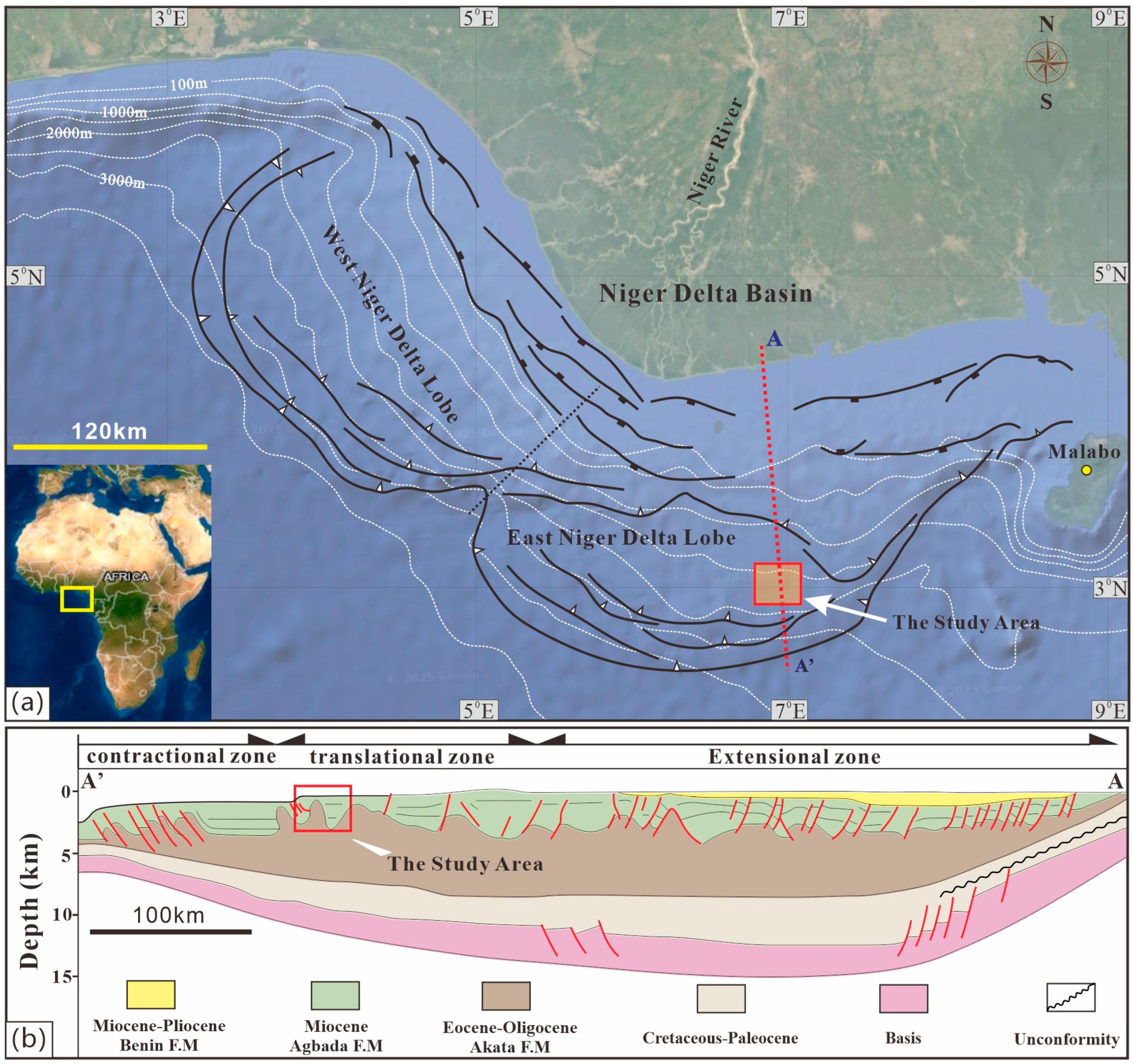
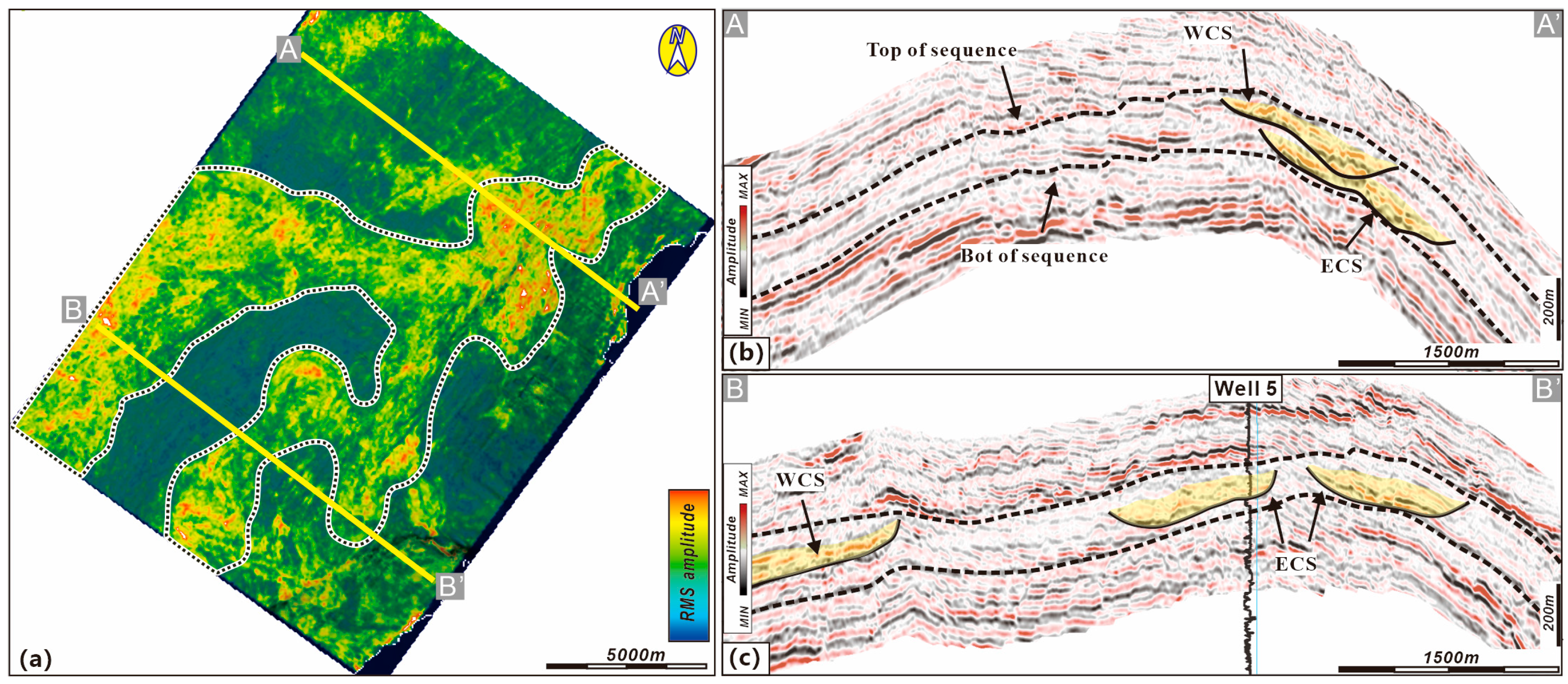
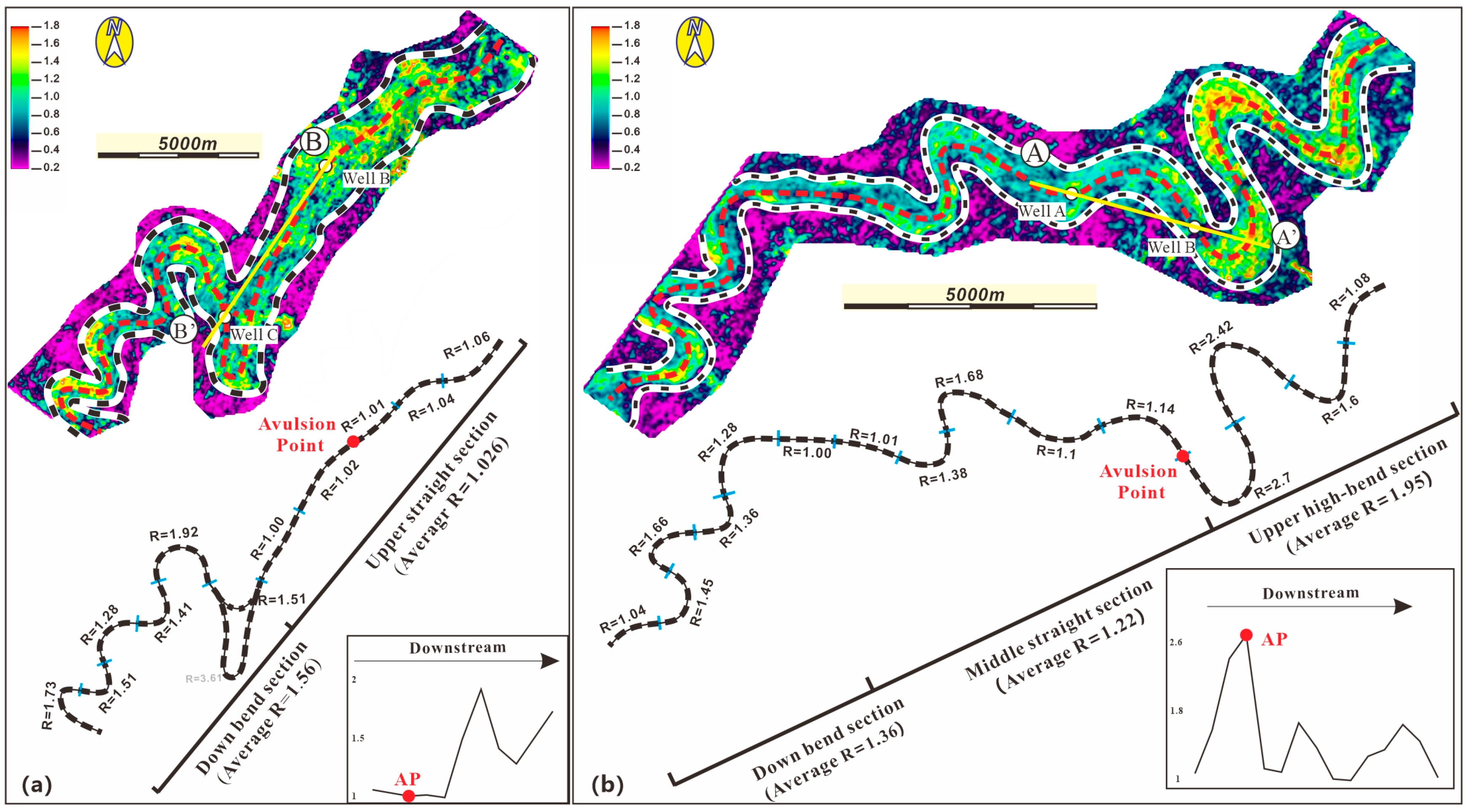
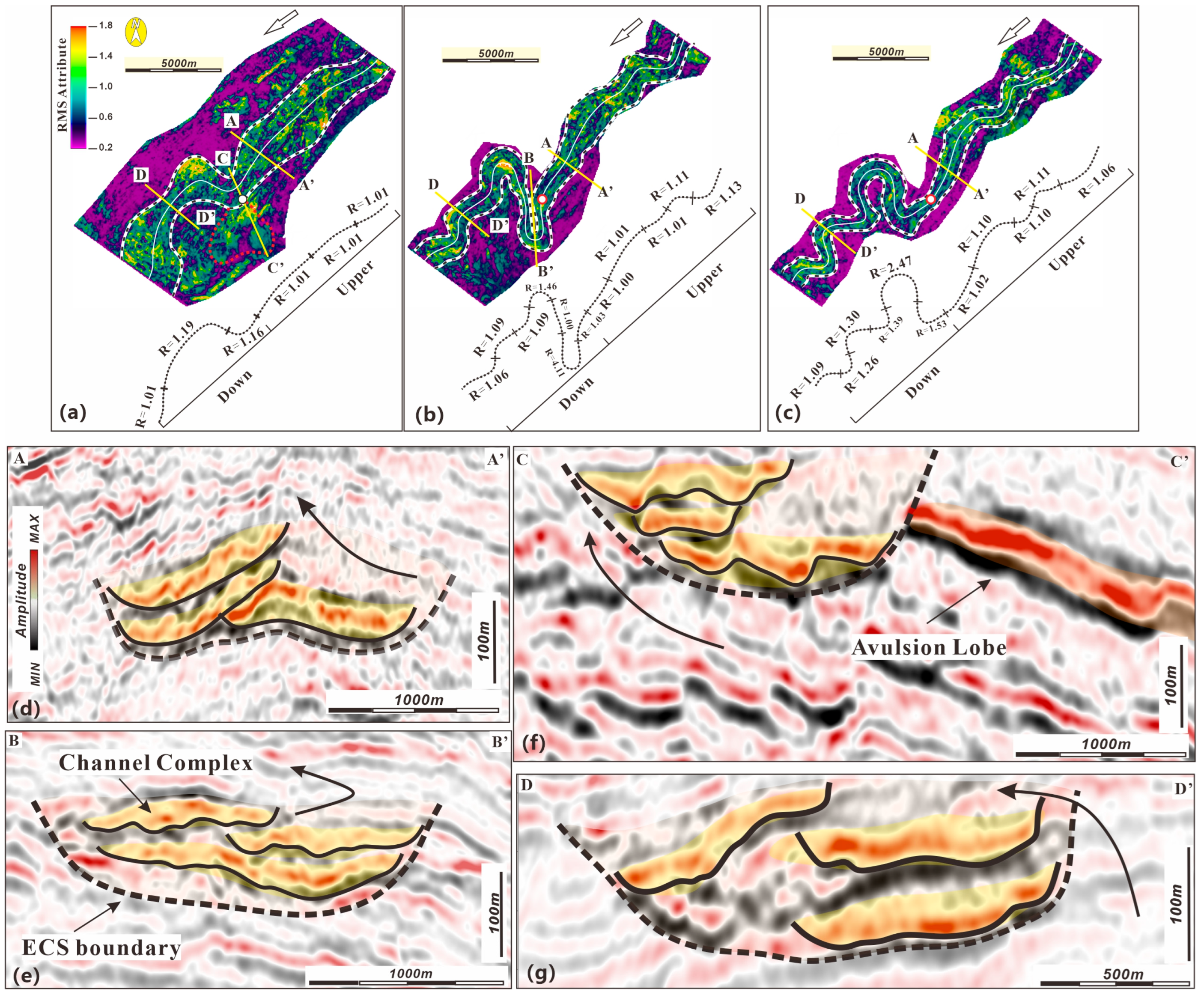
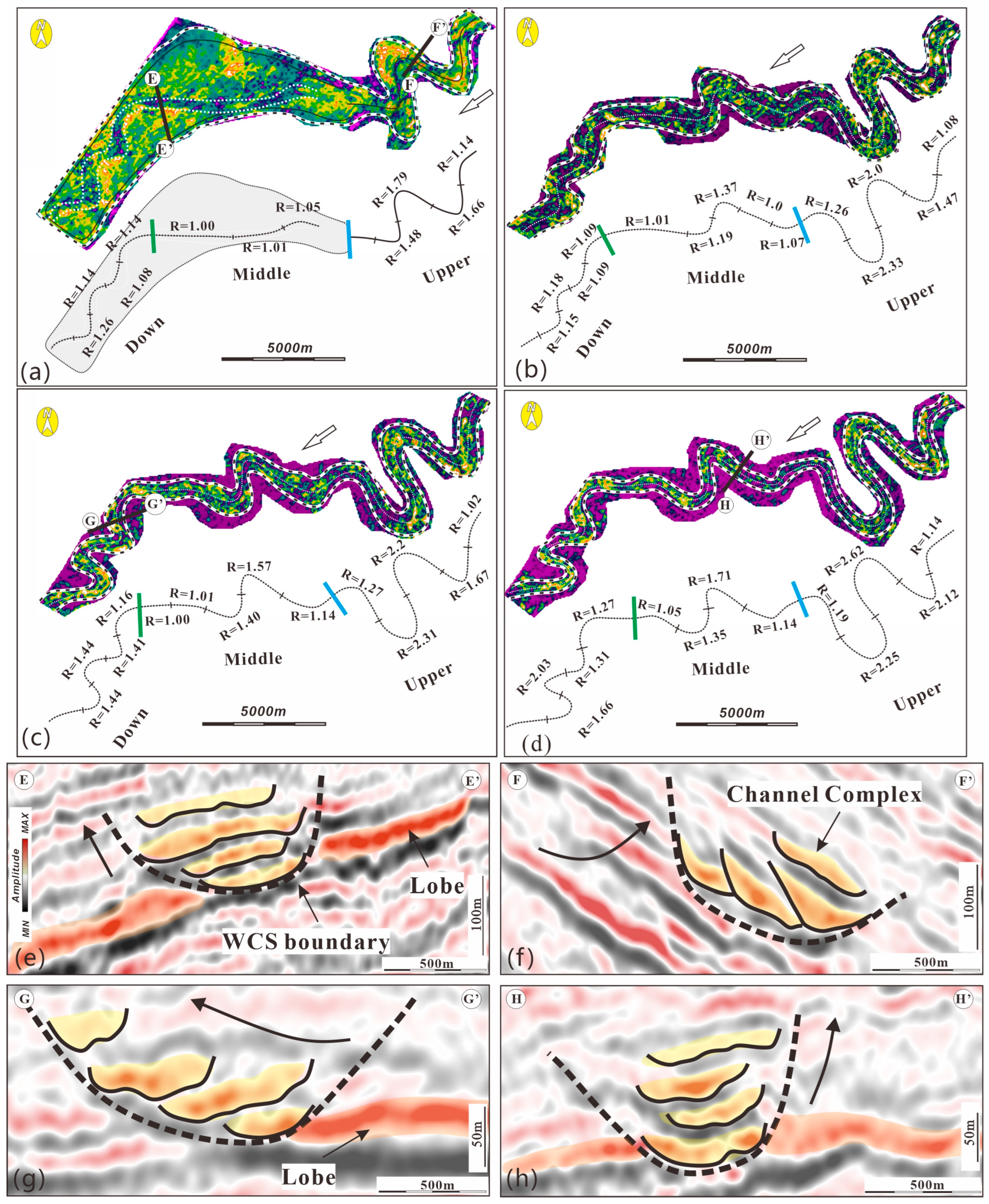
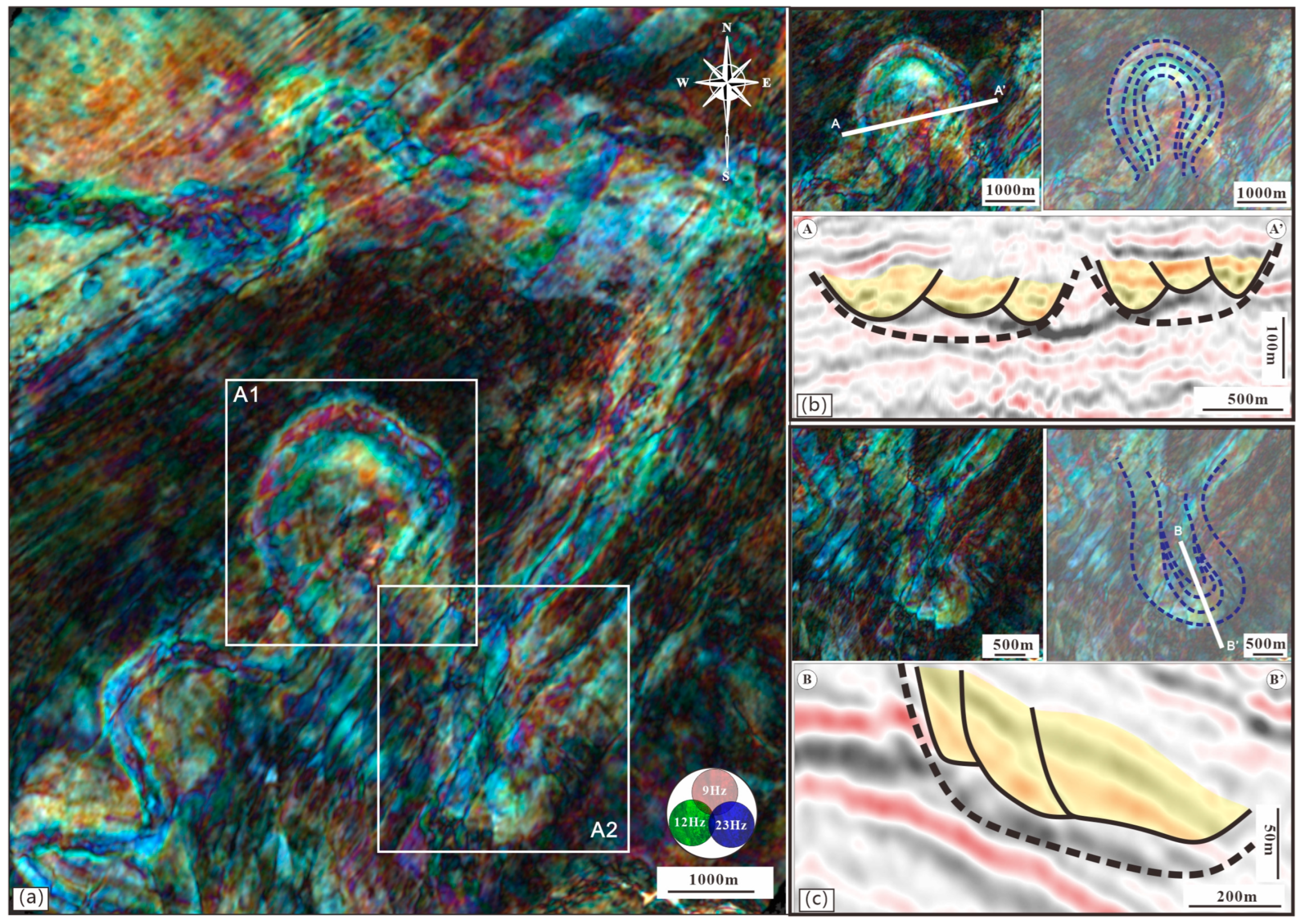
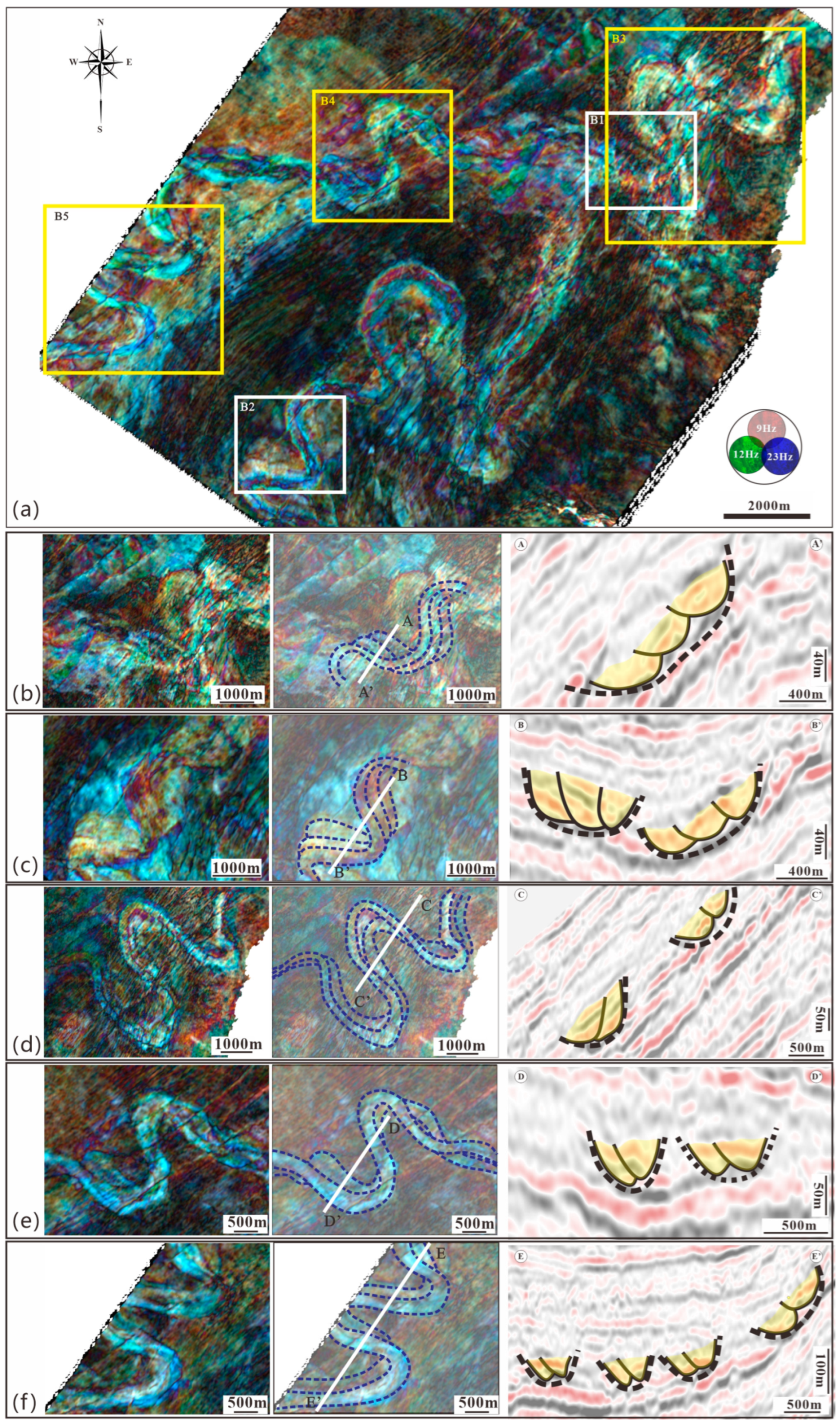
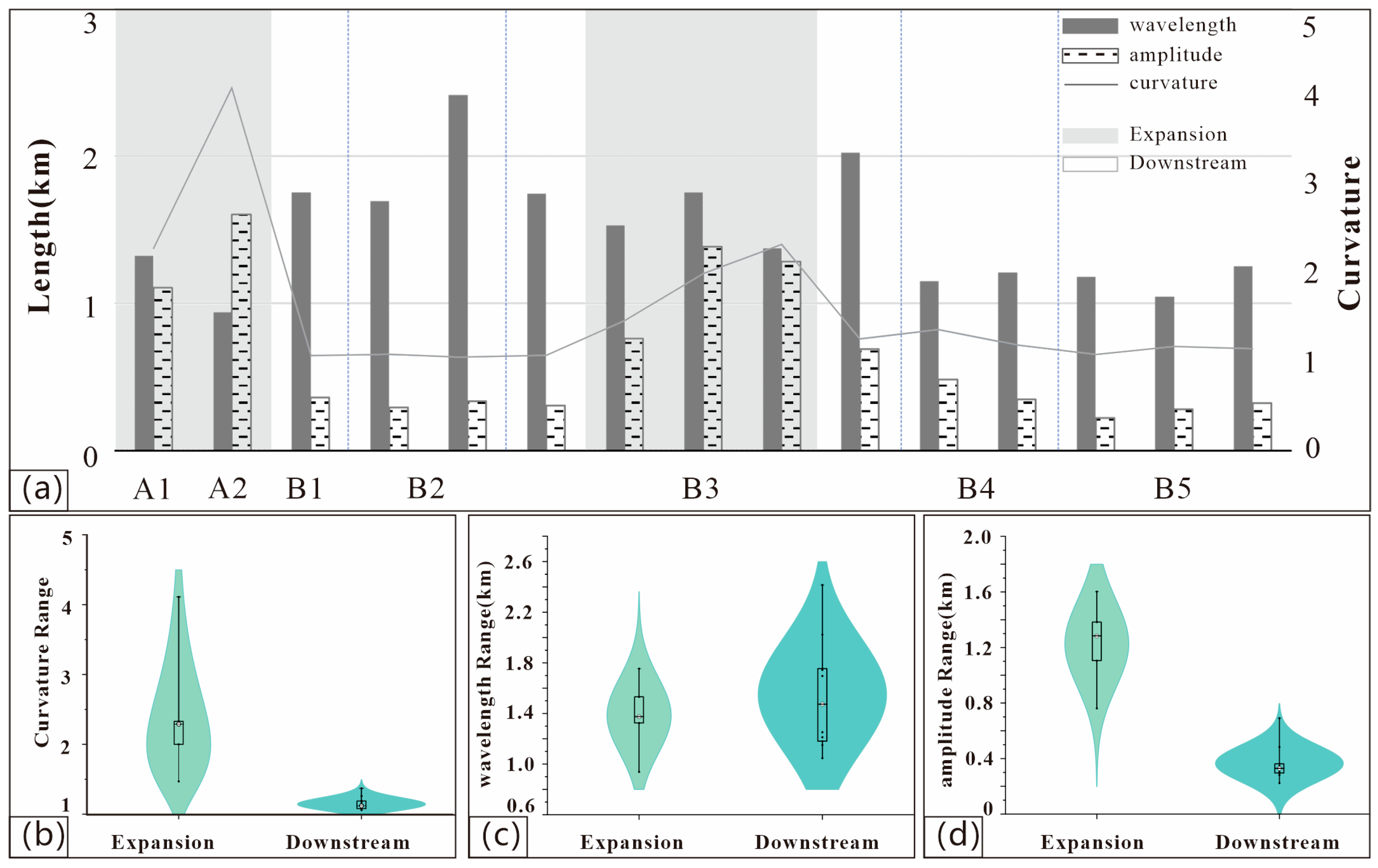
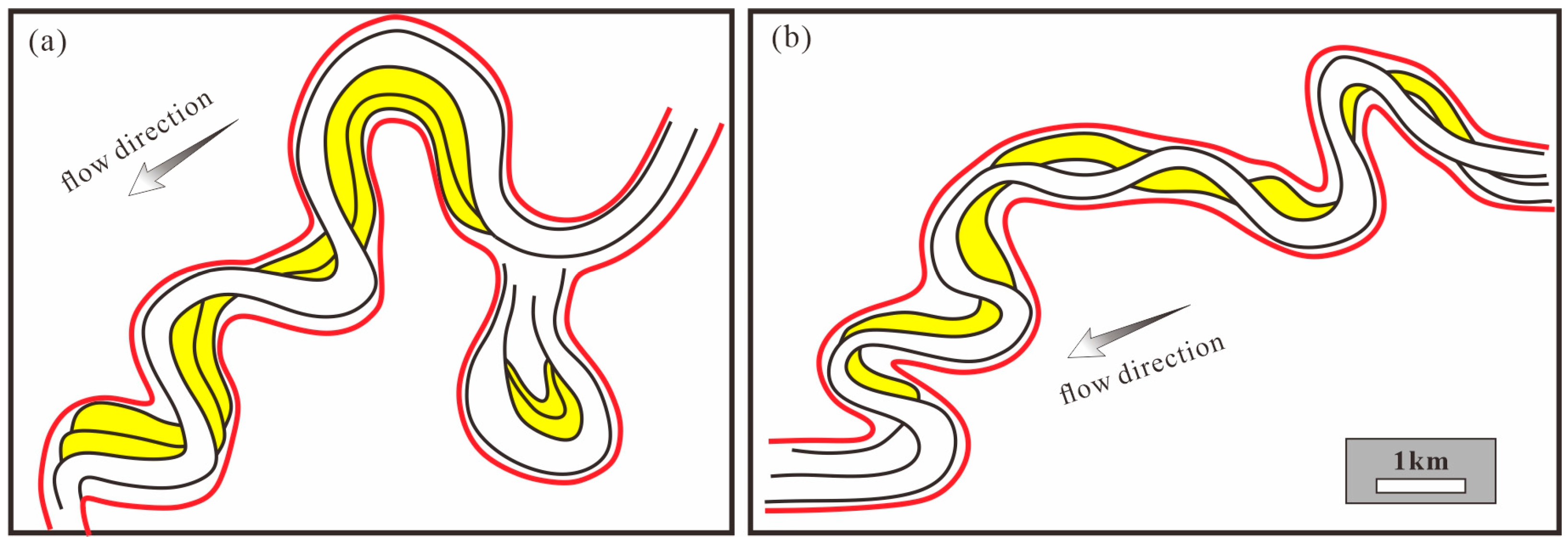
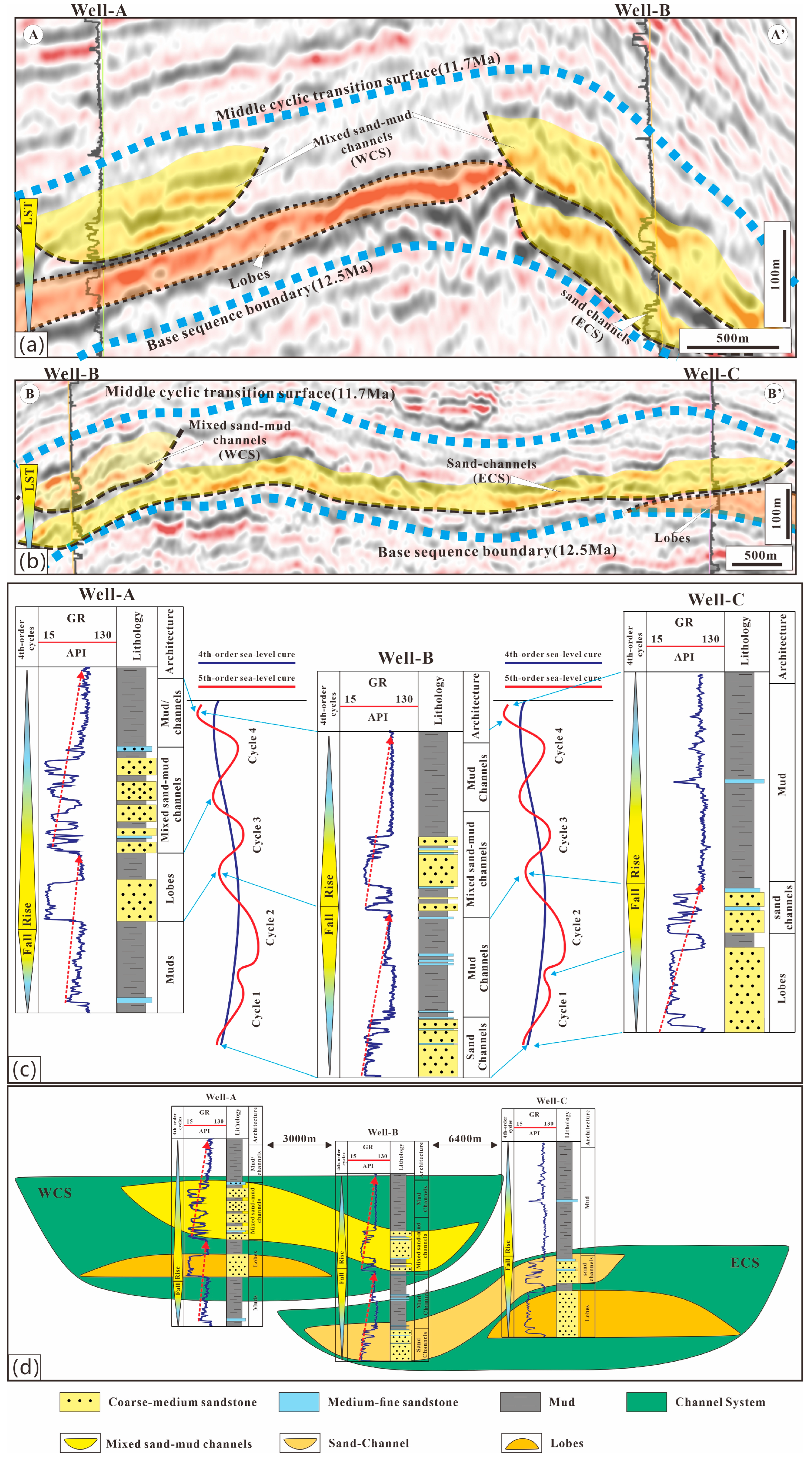
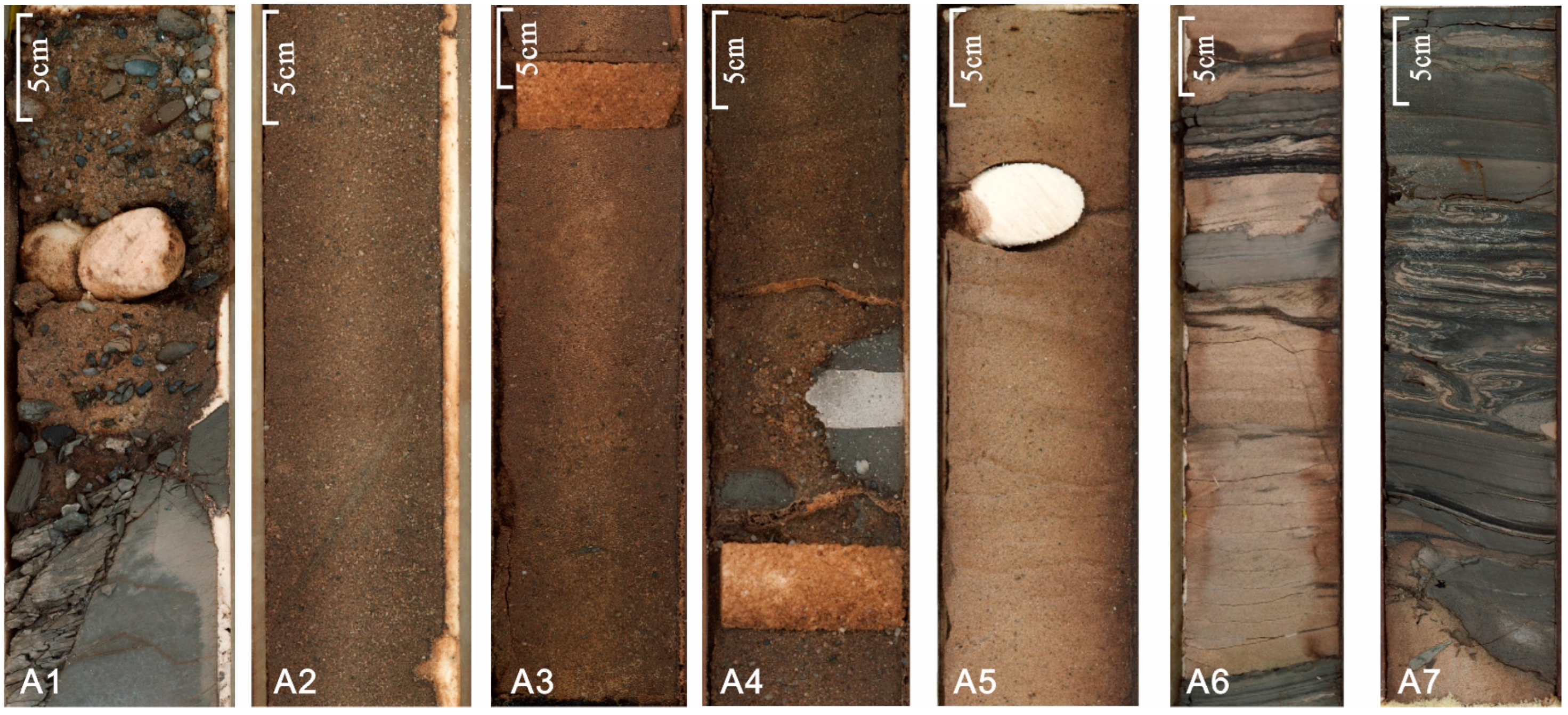
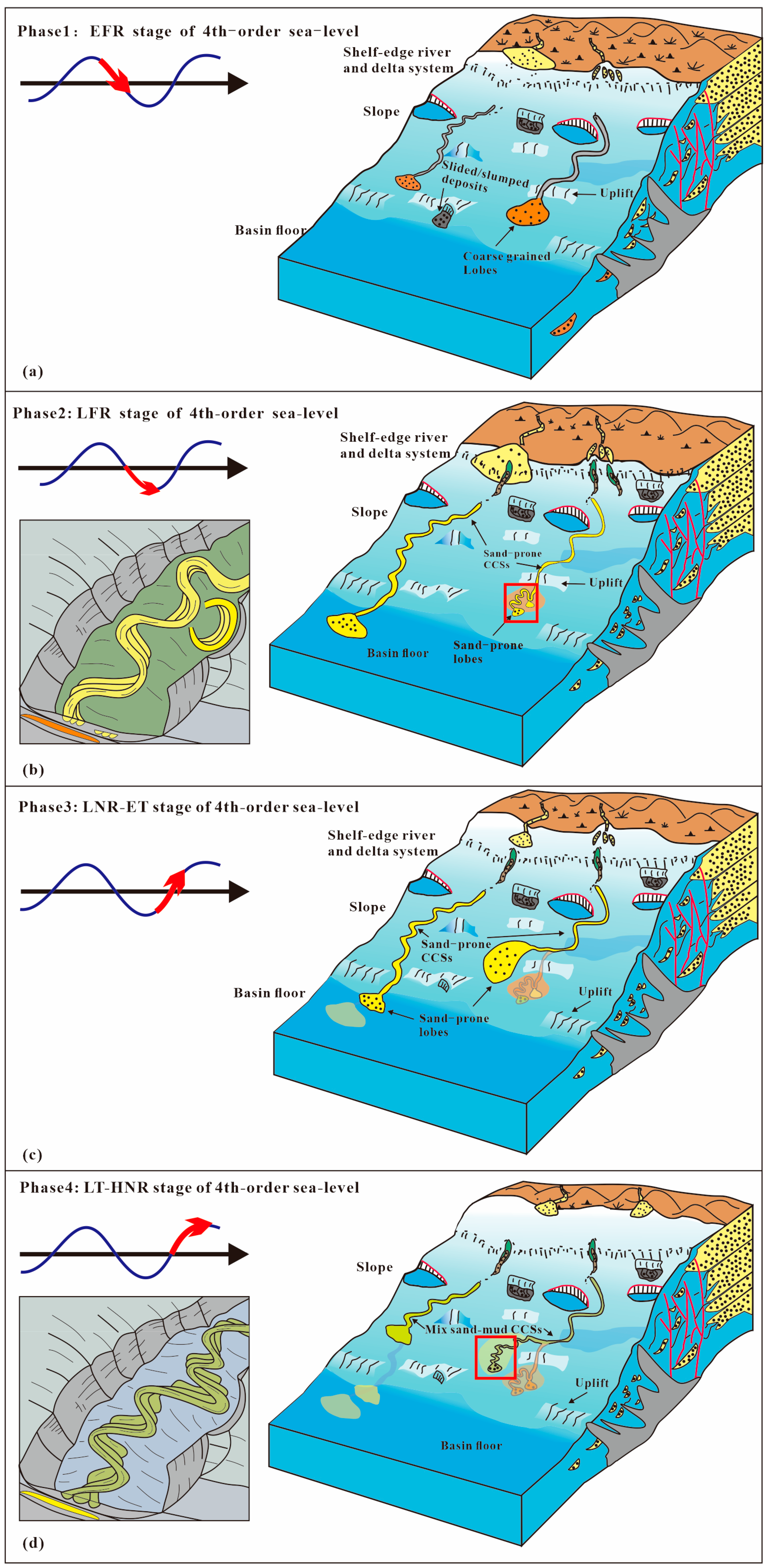
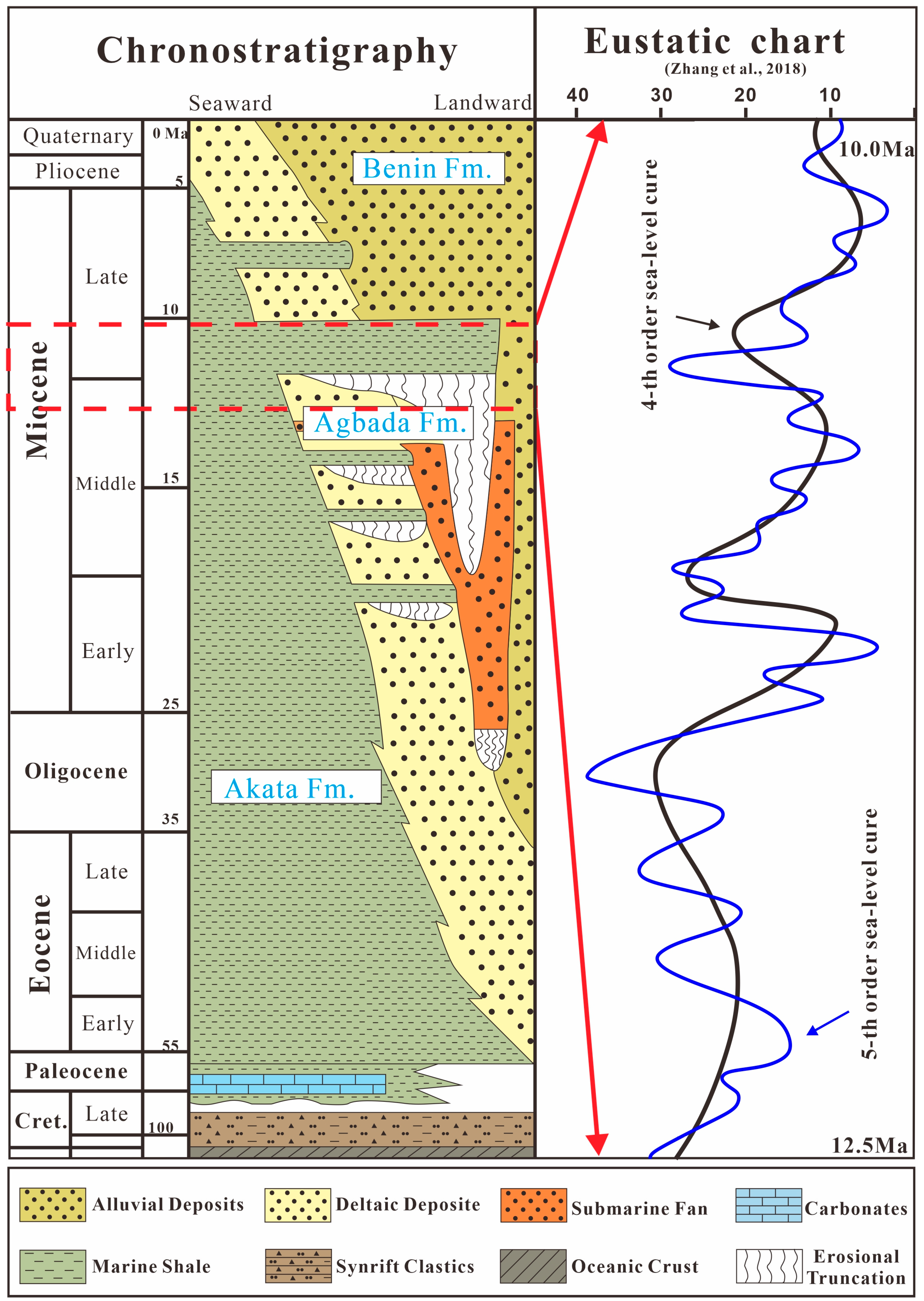
The internal architecture of deep-water channels is highly complex. Previous research has primarily emphasized the sedimentary processes governing channel migration, yet the linkage between sediment-source mechanisms and migration patterns—particularly their vertical evolution—remains insufficiently understood. Drawing on 3D seismic data, well logs, and core analyses, this study delineates the channel architecture within the deep-water succession of the Niger Delta Basin. Furthermore, by correlating high-frequency sea-level fluctuations with the formation timing of structural units, we explore how sea-level changes influence the spatial distribution and evolutionary dynamics of submarine fan systems. This study investigated the bottom-up evolution of two channel-lobe systems—the East Channel System (ECS) and West Channel System (WCS) within the stratigraphic succession, identifying two principal channel migration styles: expansive migration and downstream migration. In the ECS, migration was primarily characterized by a combination of downstream and expansive patterns. In contrast, the WCS displayed intermittent downstream migration, accompanied by some irregular migration. Correlation of sea-level variation curves with corresponding core photographs indicates that the ECS developed during a fourth-order sea-level. Its lower lobe and upper channel intervals each correspond to two complete five-stage sea-level cycles. In this system, debris flows and high-density turbidity currents produced stronger lateral erosion and channel migration, giving rise to the expansive migration style. Conversely, the WCS formed during a four-stage sea-level rise, with its lobe and channel sections likewise corresponding to two complete five-stage sea-level cycles. Here, sedimentation dominated by high- and low-density turbidity currents promoted enhanced erosion and migration along the flow direction, resulting in the predominance of downstream migration patterns. The ECS and WCS together constitute a complete three-tiered stratigraphic sequence representing two lobe–channel systems. This configuration deviates to some extent from the conventional understanding of the spatial distribution of debris flows, lobate channels, main channels, and deep-sea mud deposits. Consequently, during intervals of frequent sea-level fluctuation, deep-water sedimentary components within the continental slope region can partially record the signals of fourth- and even fifth-order sea-level variations, facilitated by a stable tectonic framework and favorable sediment preservation conditions. These findings offer valuable insights for reconstructing regional sedimentary processes and interpreting sea-level evolution.
Keywords: Niger Delta; deepwater channel; sedimentary evolution; migration pattern; sea-level change Niger Delta; deepwater channel; sedimentary evolution; migration pattern; sea-level change