1. Introduction
Railway transport occupies a fundamental position in modern industry. The development of railways and advances in metallurgical technology are creating new challenges for the structure of rail transit lines. These challenges relate to high speed, high loading, safety, and long-term durability [
1]. Its utilization is significant, and therefore, it is necessary to ensure the functionality and reliability of the transportation industry. Rails are a stressed element that requires proper attention both during their production and subsequently during their renovation due to damage. Rails can be damaged, for example, due to the thermal effects on the rail from blocked brakes or the failure of the traction control system to prevent wheel slippage. Considerably important on the wheel-rail damage are also vibrations [
2,
3]. Recent studies emphasize the growing role of advanced monitoring, inspection, and quality assurance techniques in railway welding and rail renovation. Data-driven process monitoring and improved metallurgical control are increasingly used to enhance weld reliability and service performance. The present work contributes to this context by providing an engineering-oriented evaluation of weld deposit quality in high-carbon railway rails.
Damage, such as fatigue from wear and rolling contact, etc., often develops and accumulates on contact surfaces during the lifetime of rail components, which are commonly the main reasons for preventive maintenance in modern railway infrastructure. Early detection of defects, such as crack formation, can be achieved by destructive or non-destructive testing methods. One method may be visual testing of welded joints [
4,
5,
6].
The precision and automation offered by CNC machining are crucial for the successful welding of rails. Before welding, CNC machines can be used to prepare the rail ends, ensuring a precise and clean surface for a strong joint. After welding, CNC-based milling and grinding are essential for removing excess material and achieving the required dimensional accuracy and surface finish. This integration of CNC technology throughout the rail welding process guarantees the high-quality and reliability demanded for modern rail infrastructure, where safety and performance are paramount.
An important trend currently is the constant improvement of product quality to achieve higher customer satisfaction, as well as more efficient processes leading to cost reduction [
7]. Renovation technologies, which belong to the ways of extending the life of stressed parts, can be used to minimize costs. With the rapid development of high-speed and heavy trains, rail defects are becoming increasingly common. Increasing the surface resistance of the rail and prolonging its life is crucial [
8,
9].
Continuing to increase railway productivity and capacity is one of the main challenges facing railway companies. To achieve this goal, it is necessary to improve the wheel and rail system. If we look at the factors that currently limit capacity and productivity, we can see that:
The maintenance intervals and lifespan of railway components are being shortened due to increasing demands, such as higher axle loads, train speeds, and traffic intensity;
The availability of railway tracks is becoming more challenging, which requires components with low maintenance requirements;
Fatigue damage from rolling contact is increasing throughout Europe, which increases safety risks and reduces availability [
10].
Improving the properties of materials, such as wear resistance and fatigue of rolling contact fatigue in rail steel, can lead to longer use of rails, less damage, and fewer repairs, and the ability to support high-speed trains and carry heavier loads [
11]. However, attention must also be paid to minimizing the occurrence of defects in all welded joints that can affect the quality of the weld. To ensure quality, to detect the occurrence of defects and their consequences, the PFMEA method can be applied, due to which individual measures can be subsequently applied [
12]. This study builds upon experimental investigations previously reported in [
13]. The author of the referenced Master’s thesis is also a co-author of the present article, and the work was conducted within the same research team. The experimental data are here systematically re-analyzed, extended, and interpreted in a broader engineering context relevant to rail renovation technologies.
2. Weldability of High Carbon Steels for Rail Production
Weldability is defined as the ability of materials to allow the formation of a welded joint with the desired properties under given welding conditions. It is therefore evident that weldability depends both on the chemical composition and metallurgy of steel production, as well as on the welding technology used. When evaluating weldability, it is necessary to consider the relationship between the base material, the welding technology used, and the design of the joint [
14].
Weldability is related to three main aspects:
Operative weldability—examines the conditions for the realization of welded joints by fusion, pressure, or other means—realization of the welded joint;
Metallurgical weldability—related to physico-chemical changes resulting from the welding itself;
Overall weldability—examines the properties of the entire structure to verify the susceptibility to cracking of the welded joint.
Rails are made of Mn-C steels with a carbon content ranging from 0.4 to 0.8 wt.% and manganese content from 0.8 to 1.7 wt.%. Steels with higher carbon content always require preheating. It is well known that welding high-manganese steel is difficult because carbide precipitation at the boundaries of austenitic grains in the HAZ of the weld joint deteriorates mechanical properties, particularly toughness and strength [
15,
16,
17].
The chemical compositions and mechanical properties of the materials used for rails are provided in the tables below (
Table 1 and
Table 2). Additionally, ARA diagrams were used to supplement information about the basic materials of rails.
To assess the weldability, the carbon equivalent Ce was calculated. The calculation of the main indicators of weldability follows the formulas for calculating the carbon equivalent and the parameter for the susceptibility of the steel to cold cracks, PCM. From the weldability point of view, it can be stated that the higher the value of the carbon equivalent, the more difficult it is to weld the material.
The carbon equivalent (CE) for high-carbon steels used in rail manufacturing is 0.89 wt.% for UIC 900A steel and 1.03 wt.% for UIC 1100 steel [
19].
In the context of heat treatment, the width of the individual heat-affected zones (HAZ) varies depending on the welding method and is also dependent on the welding parameters. The widths of HAZ for different welding technologies are shown in the table below (
Table 3).
Technologies Used in Rail Welding
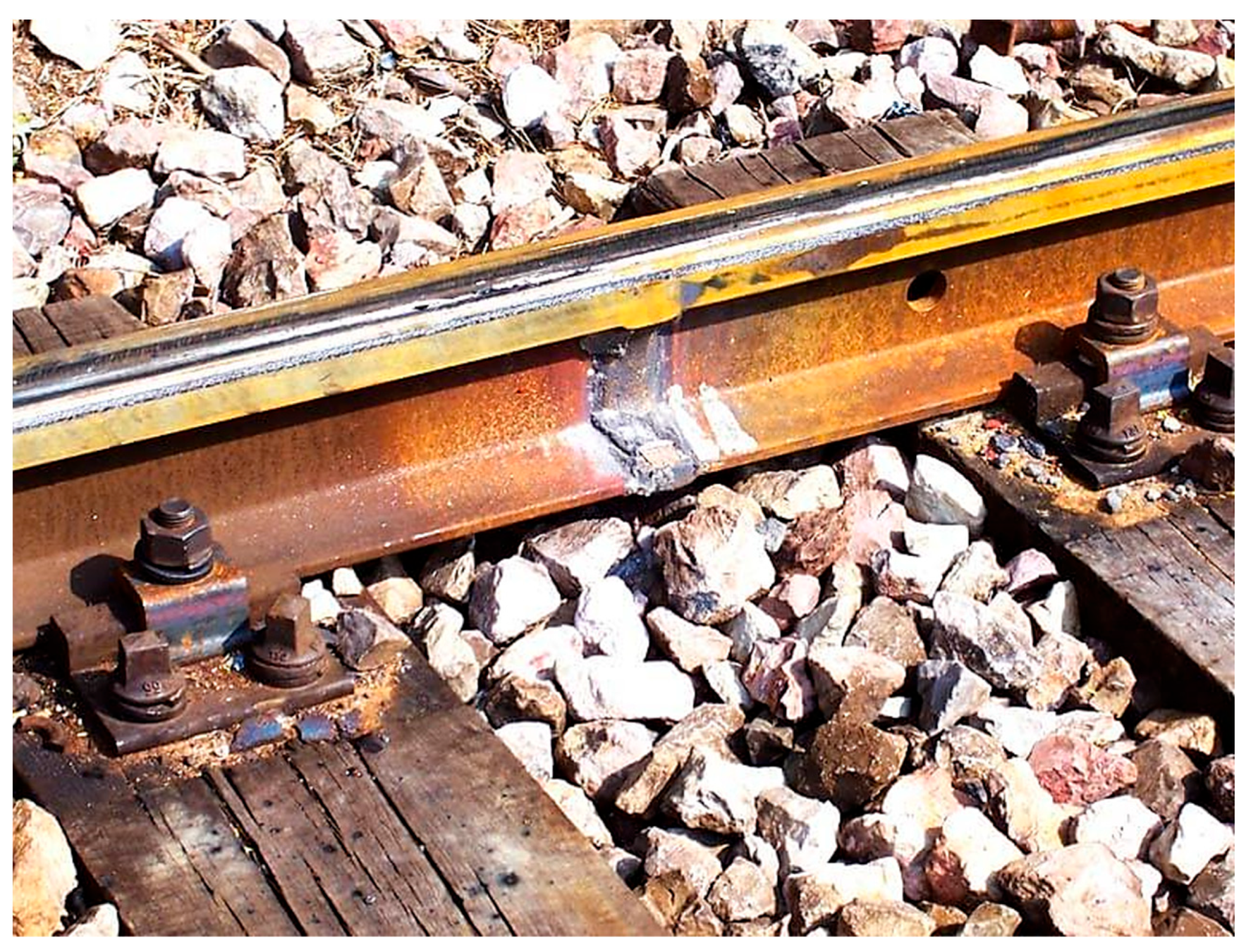
Coated electrode MMAW (111) technology by ESAB using OK 74.78 electrodes and OK 83.28 electrodes (ESAB, Vamberk, Czech Republic) in the surface layer. The figure (
Figure 1) shows the welding of a rail using the ESAB method with OK 74.78 electrodes.
3. Performance of Test Weldings and Metallographic Tests
The following technologies were used for test coatings:
Types of rails on which test coatings were made:
Type UIC 1100;
Type UIC 900A;
Type UIC HSH.
The chemical composition of the rail types used, and the chemical composition of the additive materials proposed for testing, are shown in the tables below (
Table 4 and
Table 5). All test coatings were carried out without preheating.
4. Hardness Evaluation and Metallographic Assessment of Coatings
Samples were prepared for macrostructural analysis and metallographic examination at selected locations after welding. The objective of this study was to measure the HV30 hardness evaluation from the fusion boundary towards the base material and then towards the weld. When assessing the hardness evaluation, the same character sides are always compared among the individual samples.
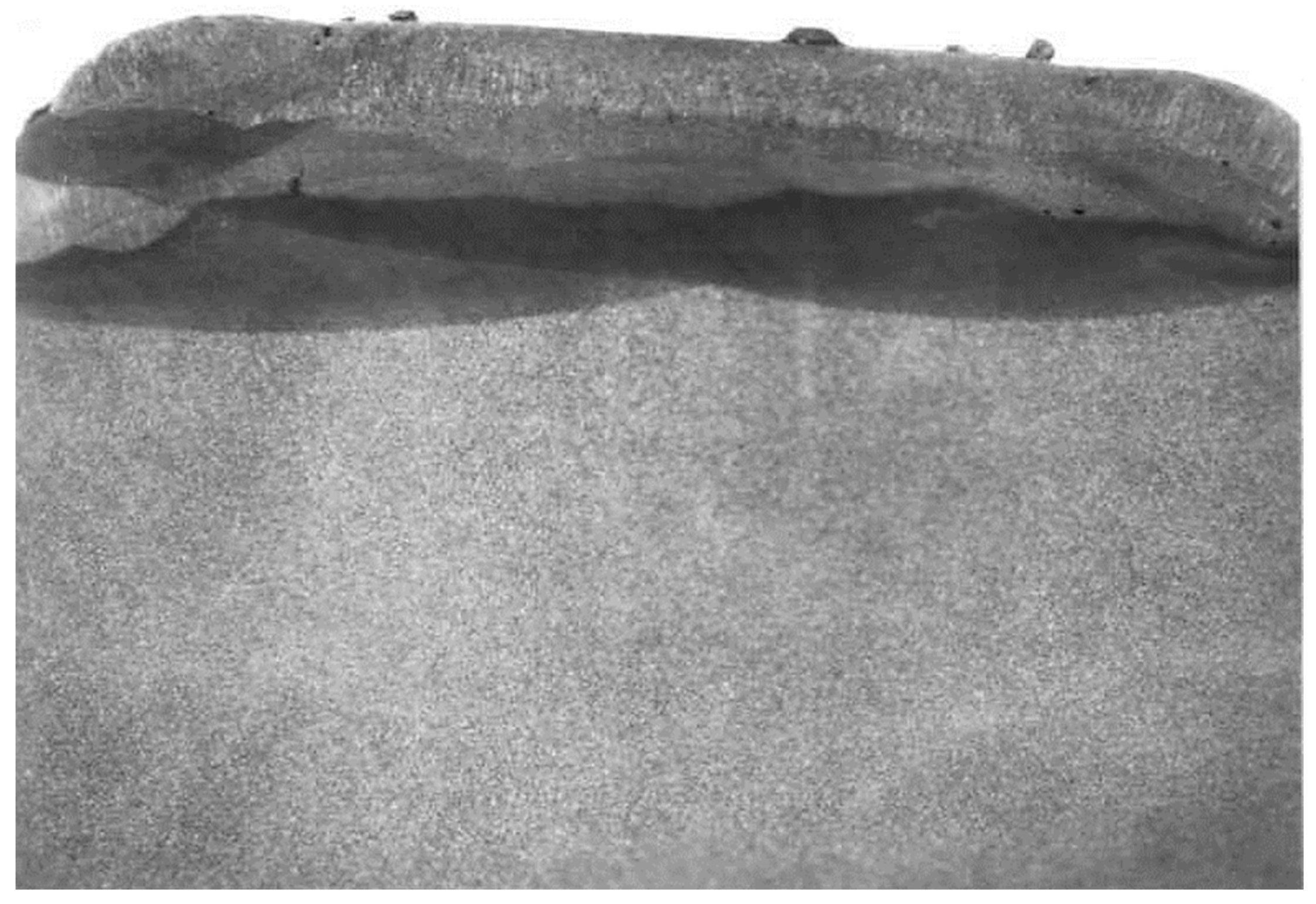
Metallographic samples were ground and polished. The rail samples for metallographic analysis were prepared by etching the cross-sections with a 10% aqueous solution of HNO3. Macrostructural images were documented at a magnification of 1.7:1 [
22].
After evaluating the macro-etchings, several samples were selected for grinding, which were subsequently observed in terms of microstructure. At a magnification of 500 times, the structure appearances were evaluated [
18].
4.1. Coatings Made on Rail Type UIC 1100
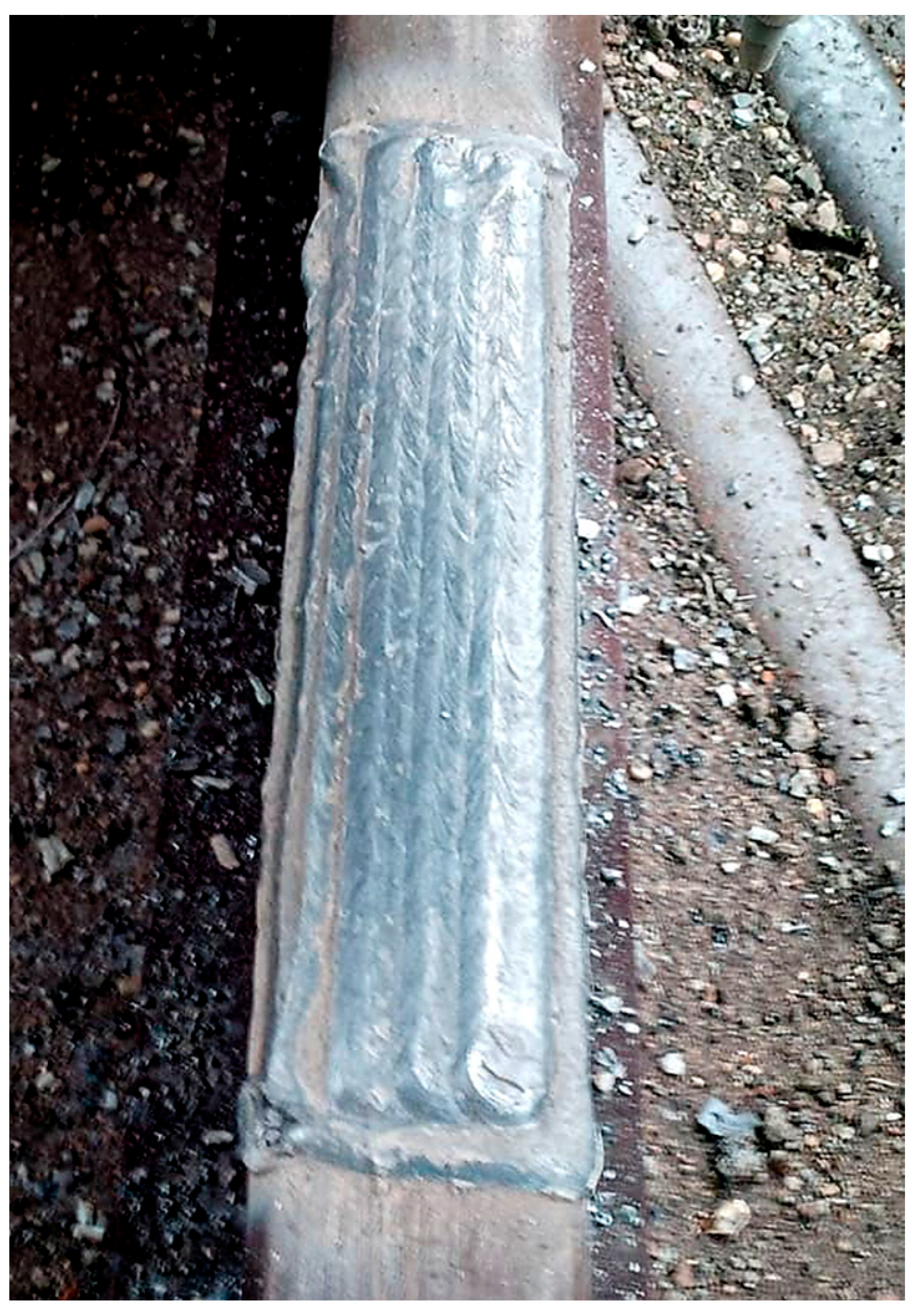
Both types of welds, namely two-layer and three-layer, were performed using the automatic welding method with wire ESAB A 234 and with tundish ESAB OK 10.71 in the first layer, and with the filling electrode ESAB OK Tubrodur 15.43 in the subsequent layers (
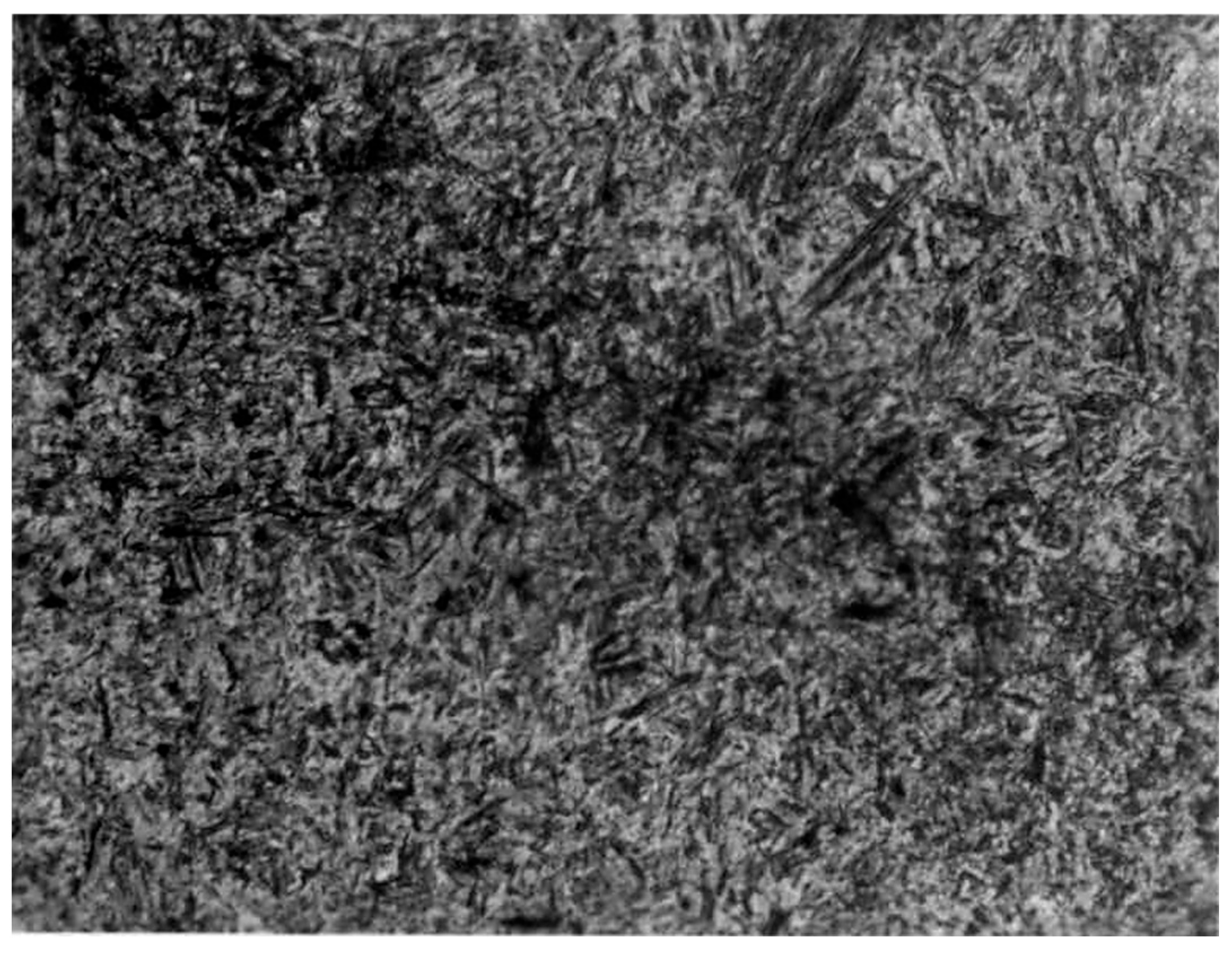
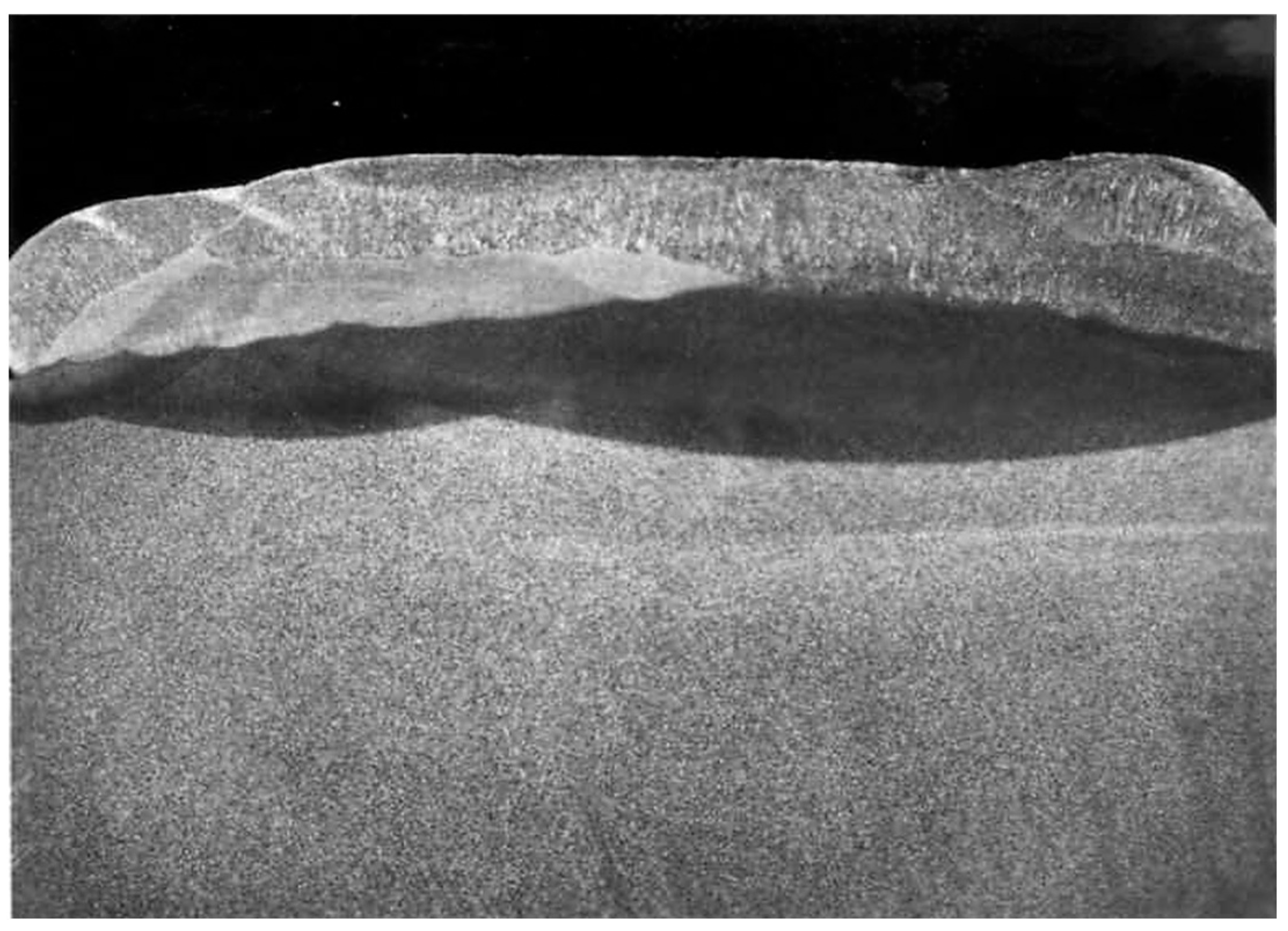
Figure 3). Sample 432.8 achieved hardness values up to 500 HV30, and analysis confirmed the occurrence of martensite (
Figure 4). Therefore, the weld structure is unsatisfactory.
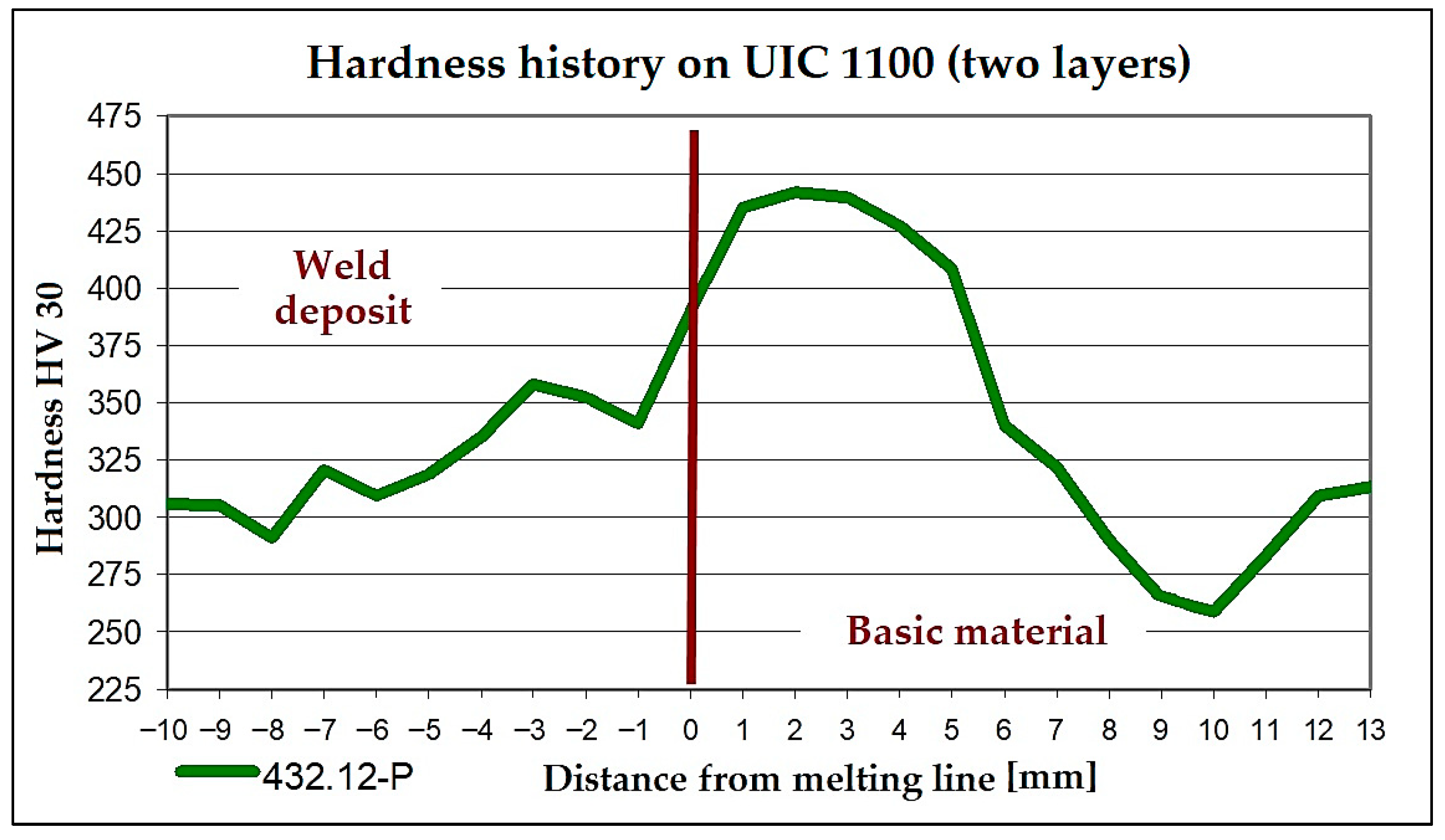
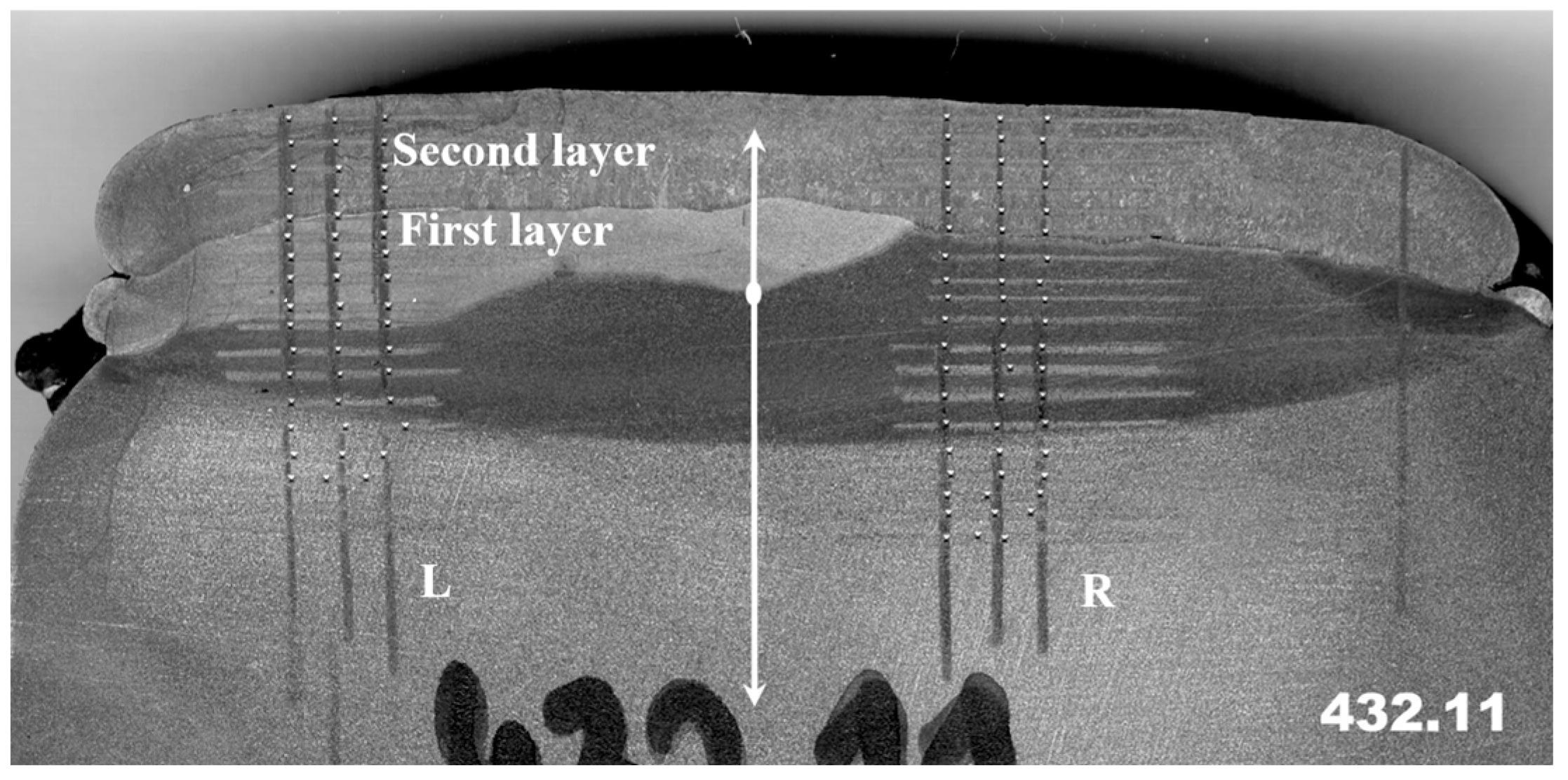
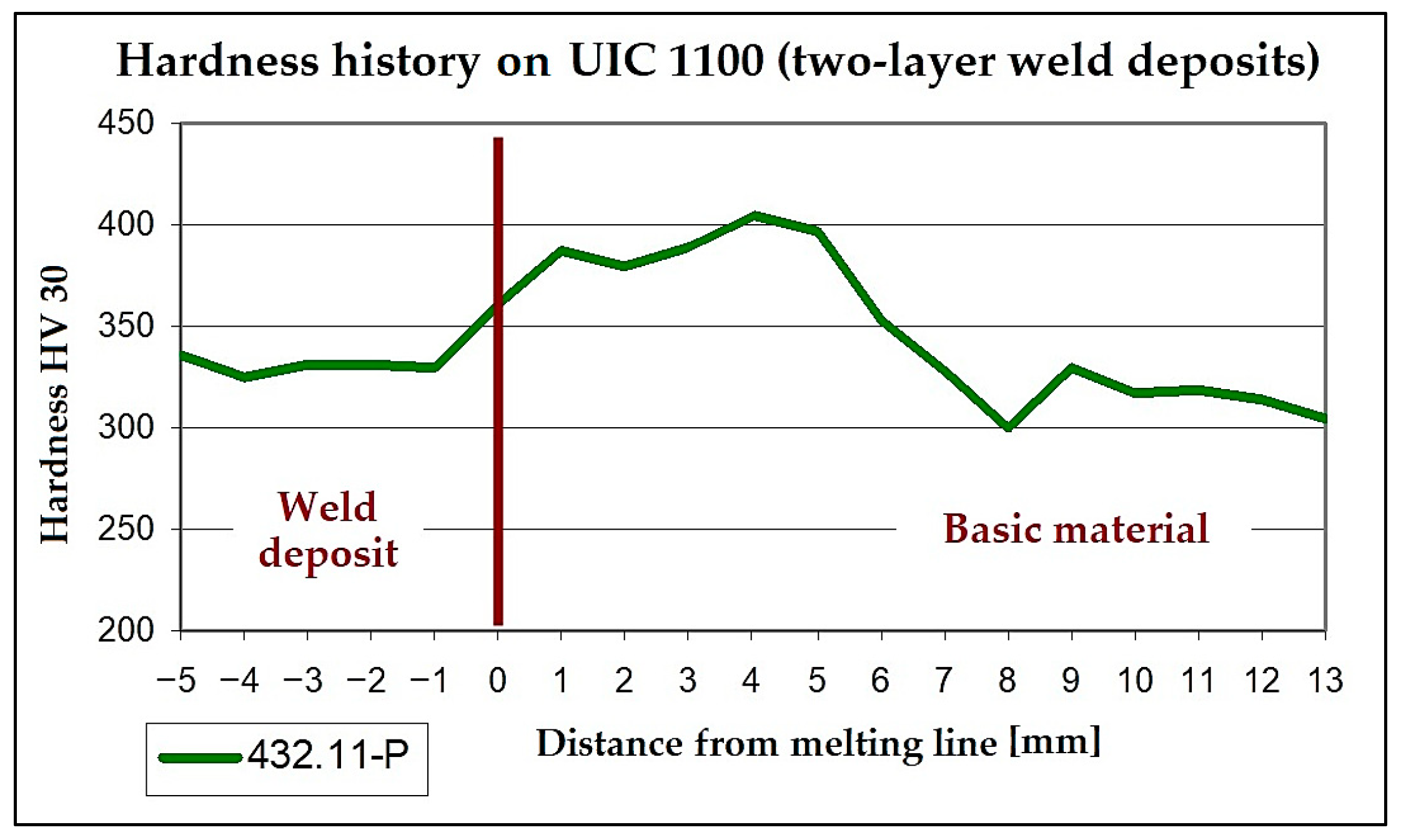
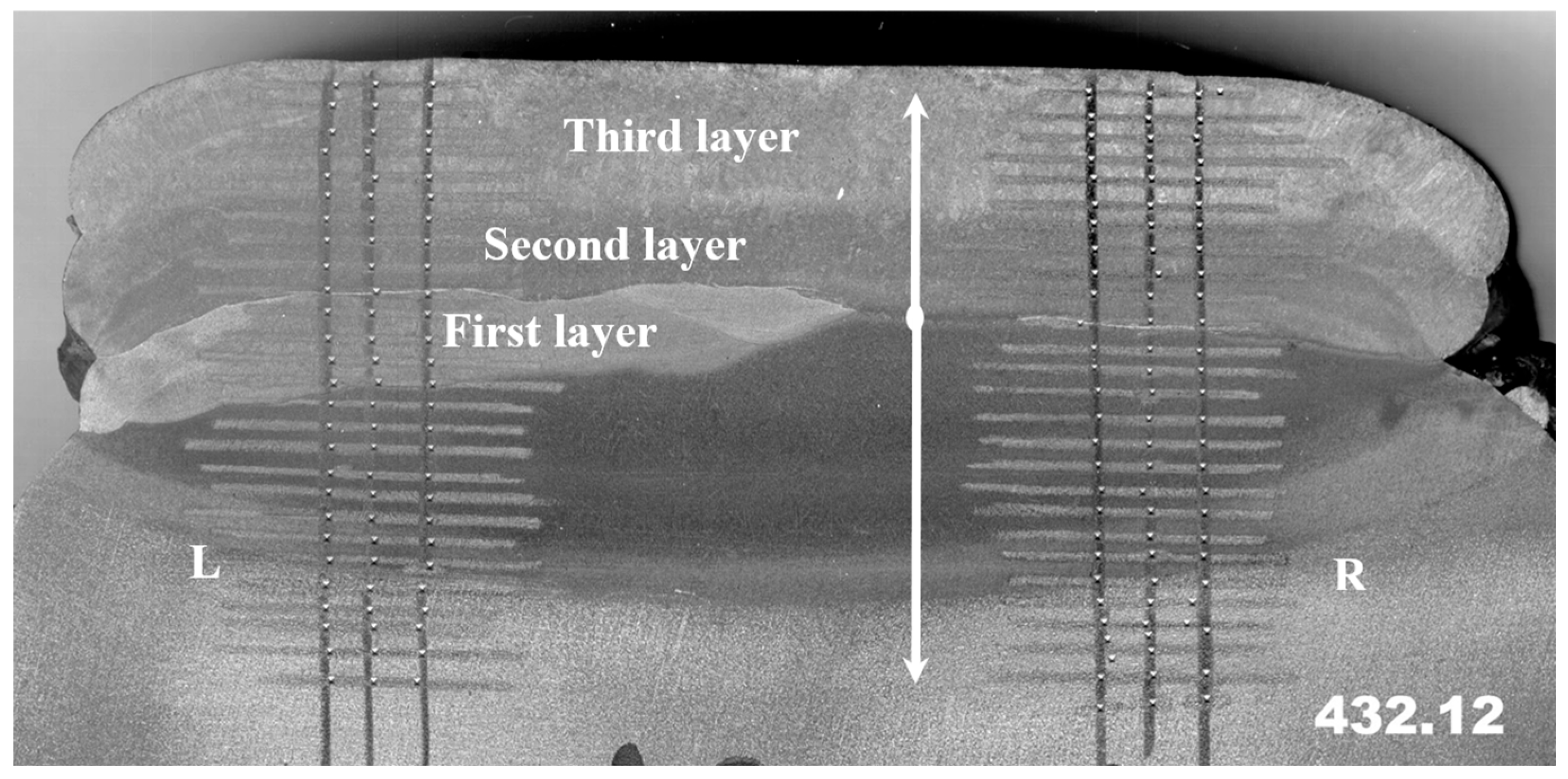
In further samples 432.11 (
Figure 5 and
Figure 6) and 432.12 (
Figure 7 and
Figure 8), where the welds were also made by Submerged Arc Welding (SAW–121) using wire ESAB A 106 as the filler metal together with flux OK 10.71 and further layers filled with electrode ESAB OK Tubrodur 15.43, the welds are unsatisfactory as low HV30 values are present in the weld area, as well as in the HAZ. Due to such low hardness, the welds may experience squeezing when the rail is loaded in operation [
13].
Welding by submerged arc welding process using wire ESAB A 106 and flux ESAB OK 10.71, followed by OK Tubrodur 15.43 in further layers, was performed on sample 434.1—a two-layer weld. In contrast to the previous samples, the welding parameters are higher, particularly regarding voltage, current, and heat input.
The next samples under evaluation are labelled as 434.3 and 434.4, where, in contrast to the previous samples, the first layer was deposited using the ESAB OK 10.61 flux. It was found that there was a significant increase in hardness of over 450 HV30 beyond the fusion line into the base material.
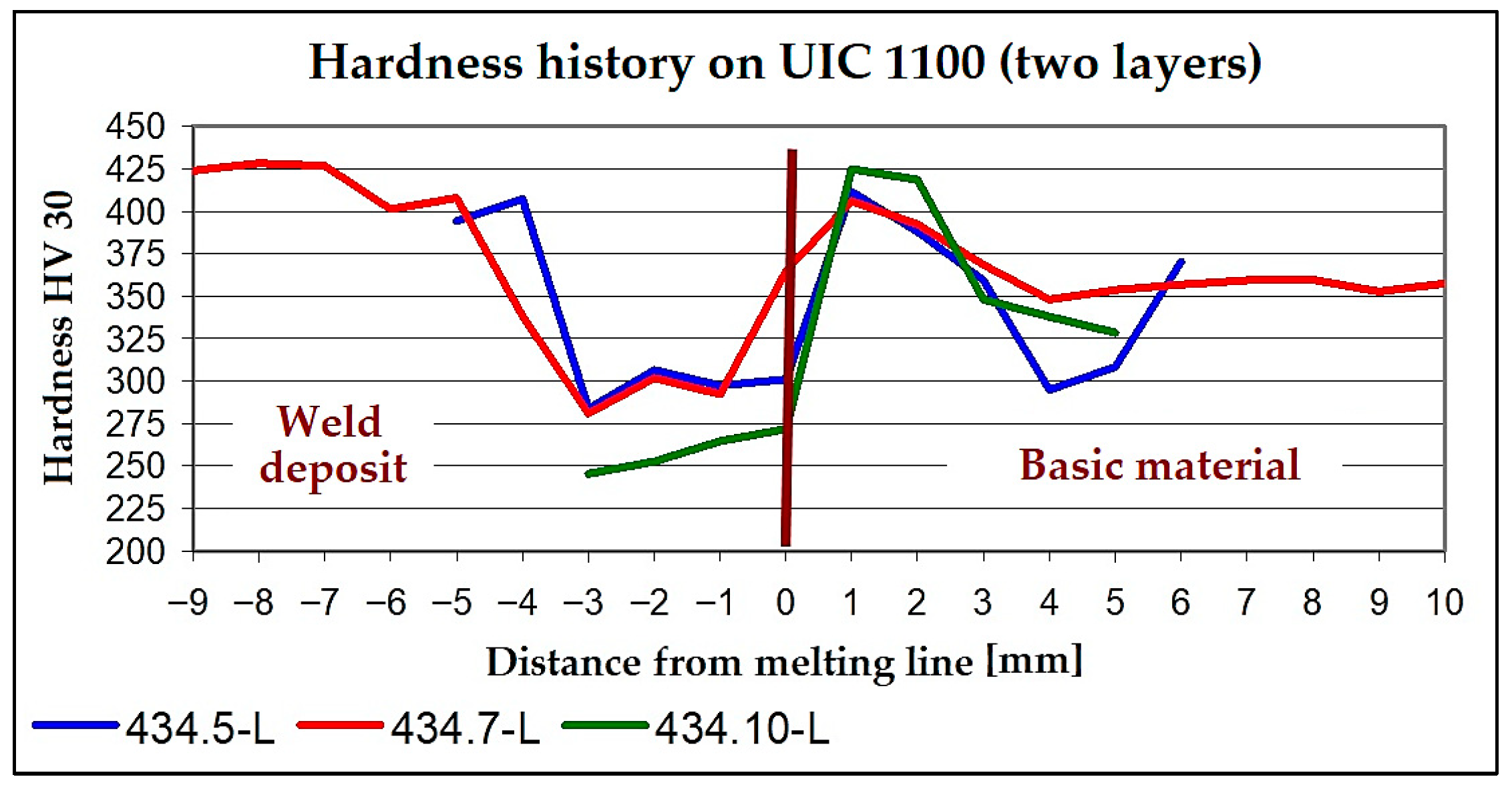
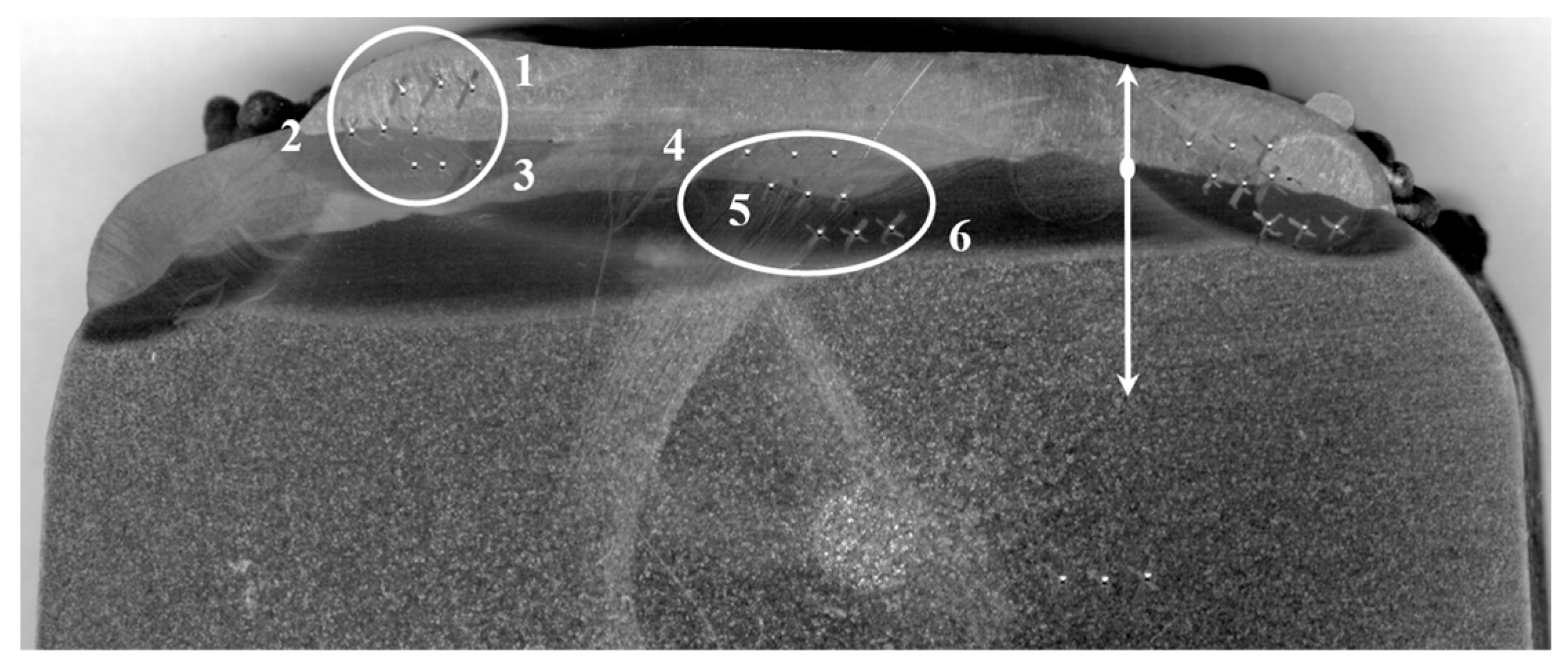
Further two-layer weld overlays, representing samples 434.5 and 434.7, were deposited using the OE-Ni38 wire with the OP 121 TT flux (
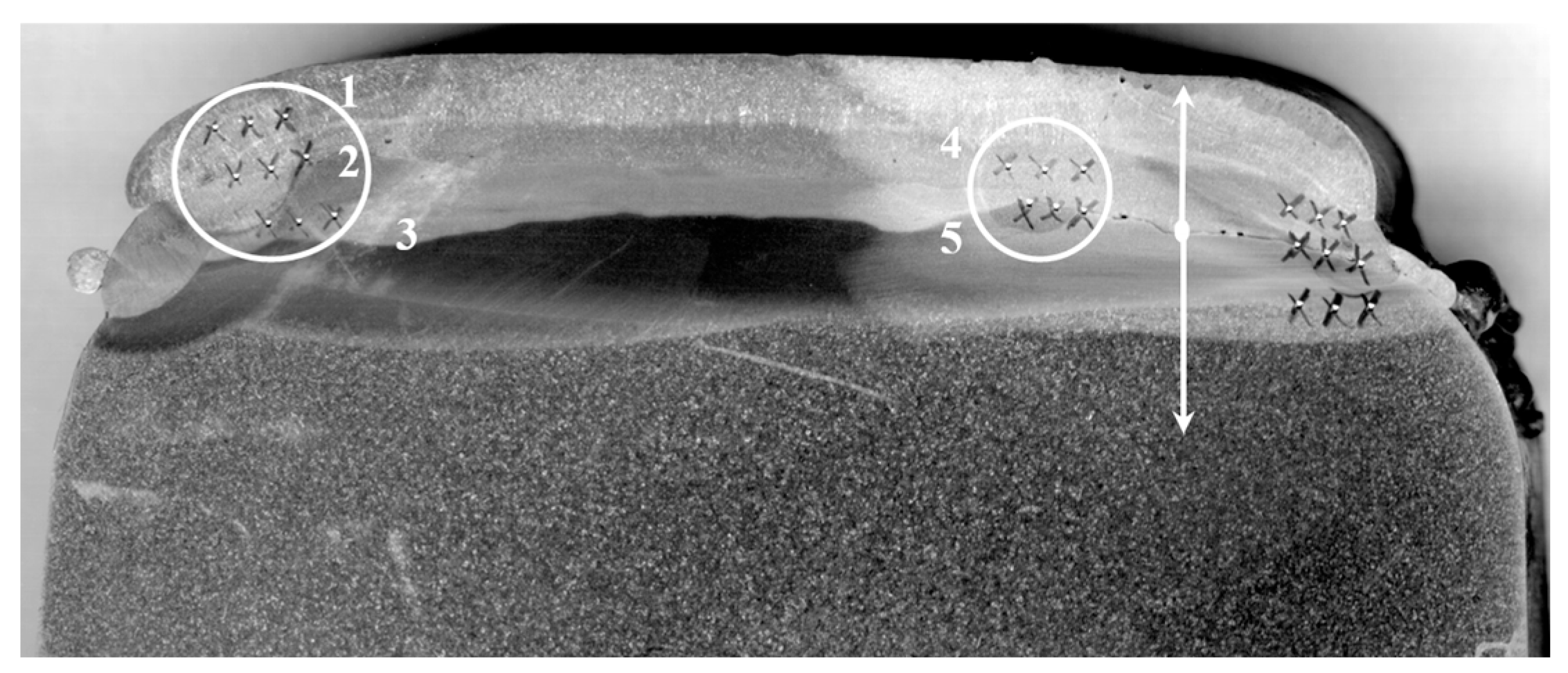
Figure 9), and the subsequent layer was filled with the ESAB OK Tubrodur 15.43 electrode. Higher hardness in the weld overlay was measured up to 425 HV30 (
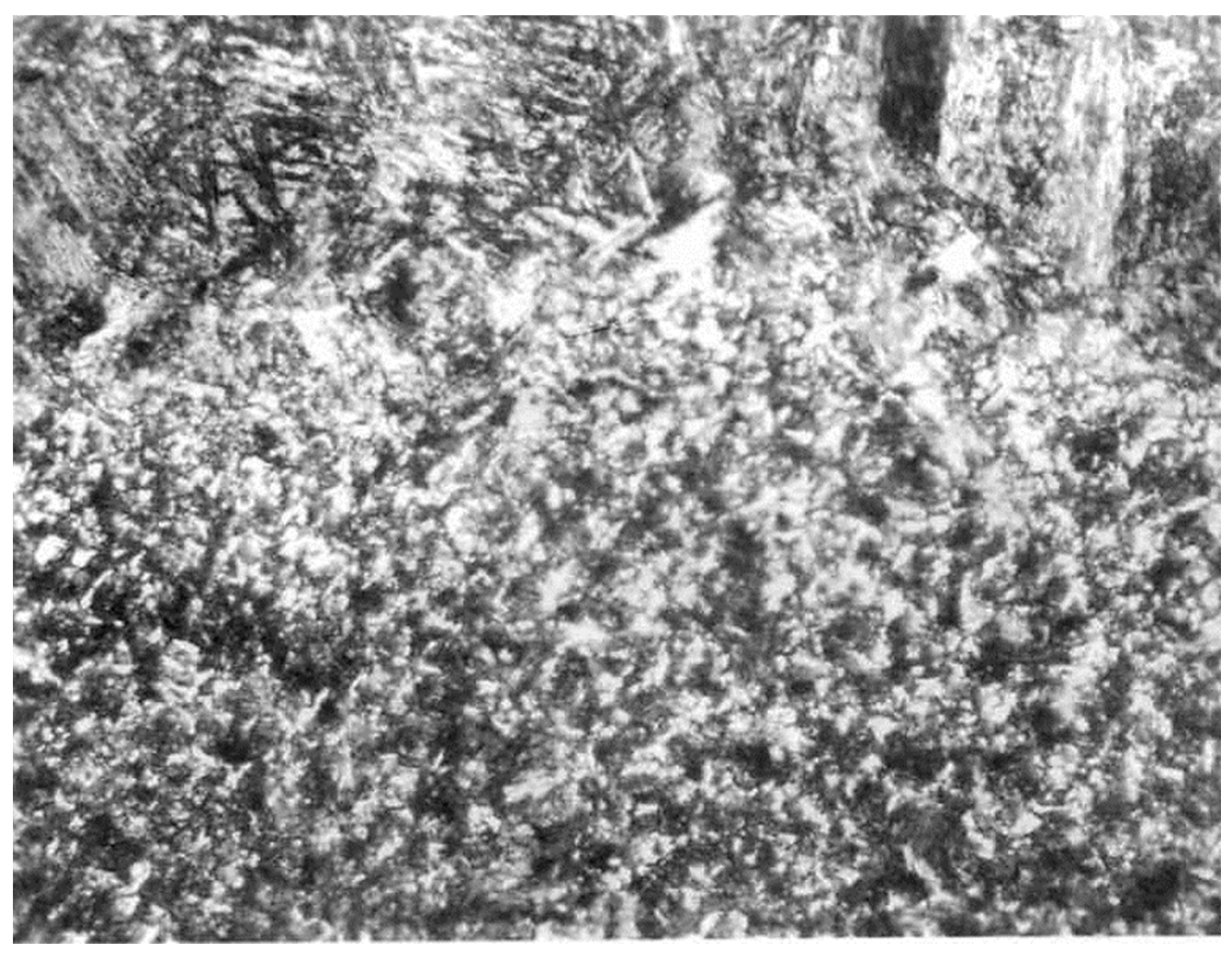
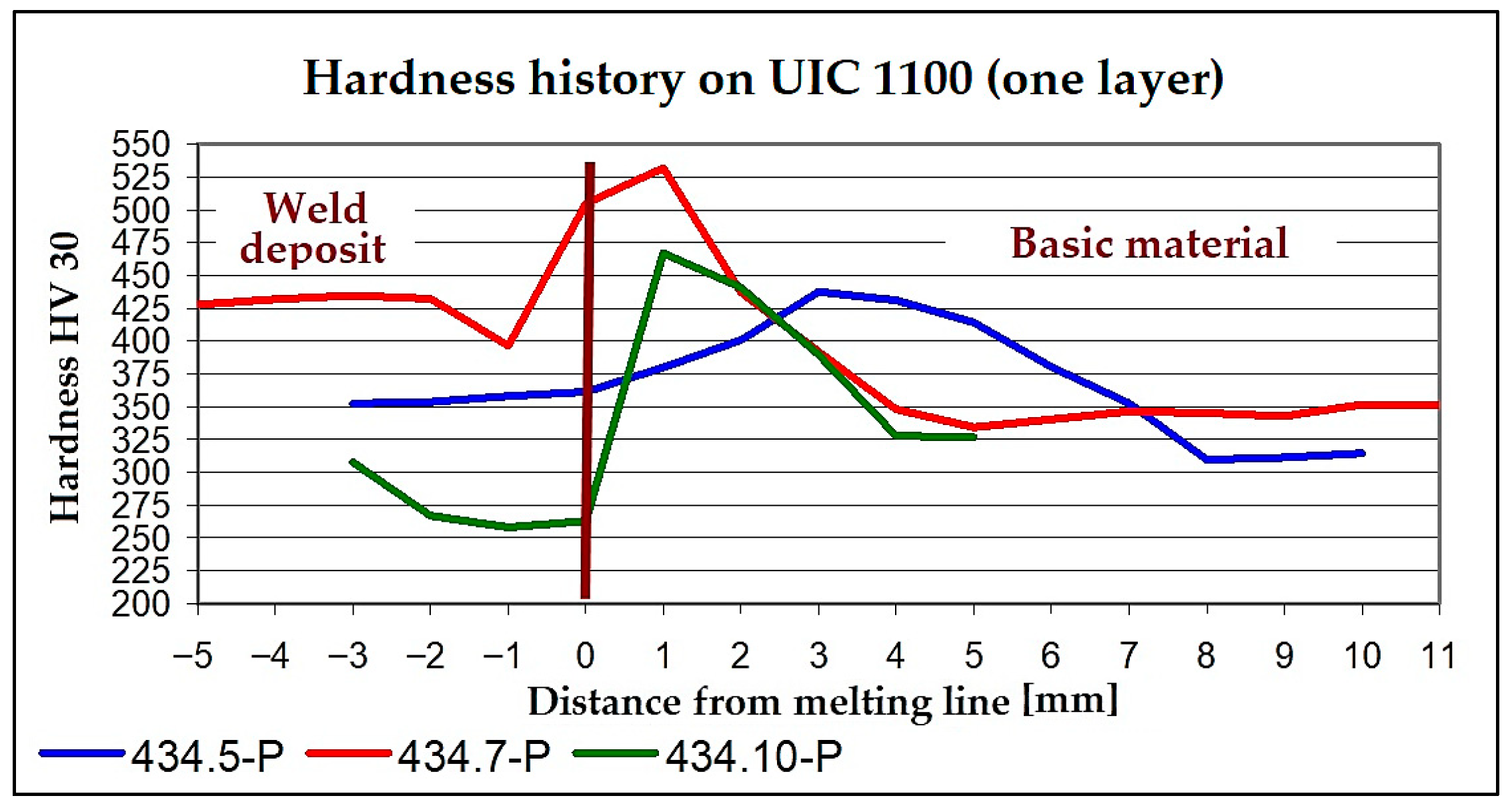
Figure 10). On the right side of sample 434.7, where only one layer of weld exists, hardness was measured up to 532 HV30 (
Figure 11), which is characteristic of martensite. However, a martensitic structure is undesirable [
13].
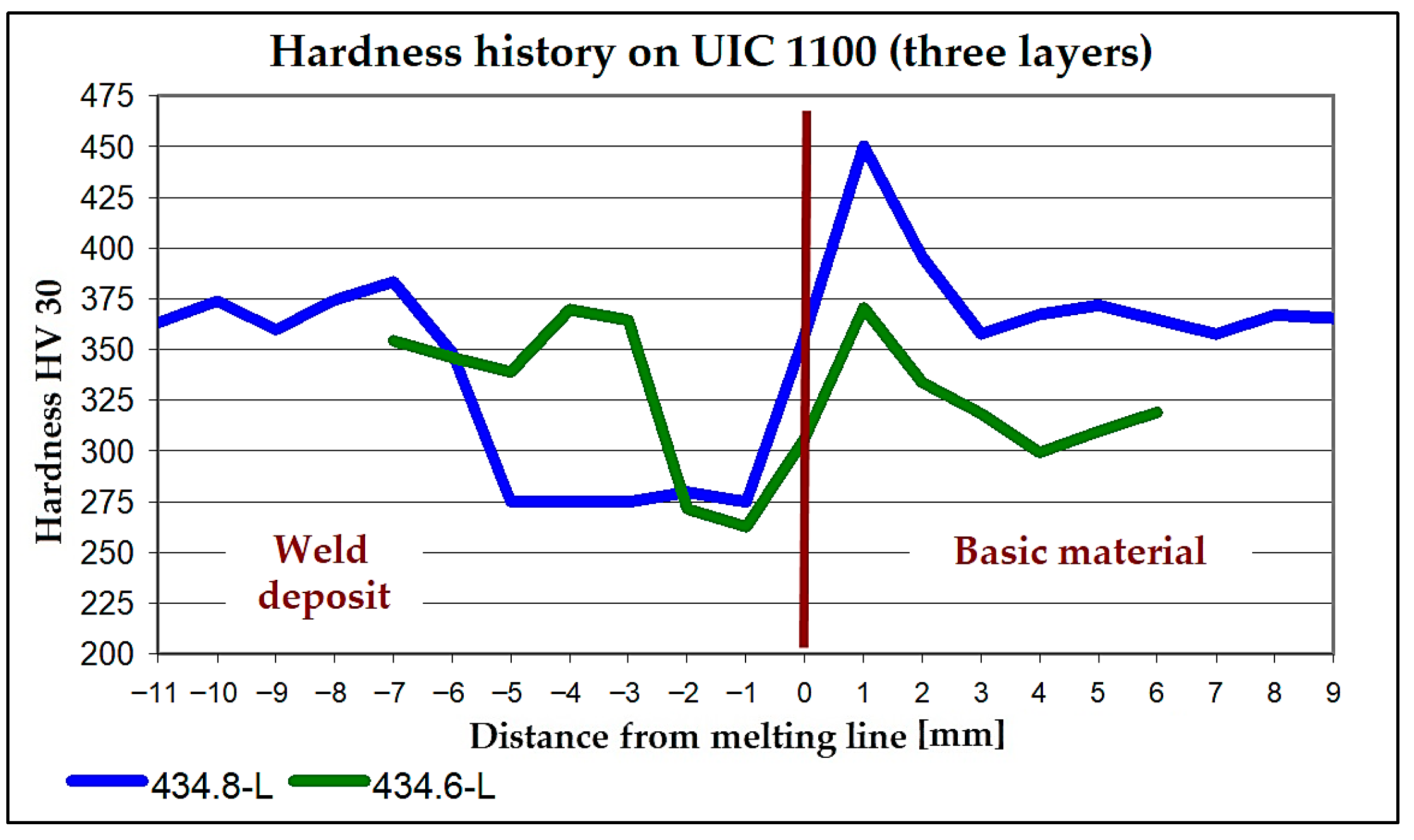
In the case of triple-layer welds performed on samples 434.6 and 434.8 (
Figure 12) using the same materials as in samples 434.5 and 434.7, a higher hardness was recorded in the weld compared to the base material. In the first layer, sample 434.6 experienced a slight decrease in hardness down to 263 HV30 just before the melting limit, which could cause squeezing of the weld under operational loads [
13].
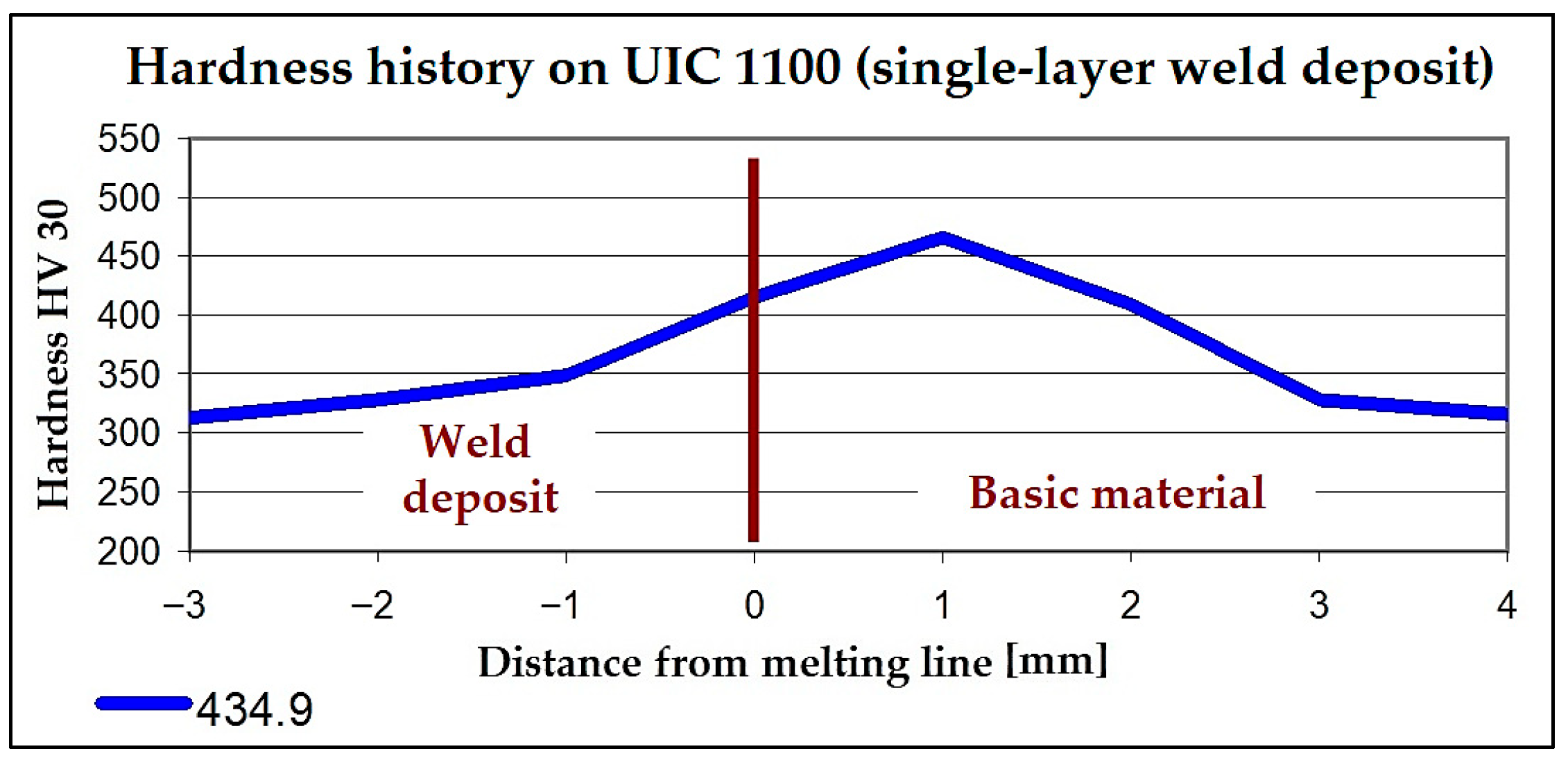
The single-layer weld performed on the UIC 1100 rail, represented by sample 434.9 (
Figure 13), was found to be completely unsatisfactory due to high hardness values of up to 466 HV30.
4.2. Coatings Made on Rail Type UIC 900A
Two samples were evaluated here. Sample 432.3 (
Figure 14), welded with two layers, and sample 432.4 (
Figure 15), welded with three layers. Filler materials were used for welding with an automatic welding machine, wire ESAB A234 together with flux ESAB OK 10.71 for the first layer and filled electrode OK Tubrodur 15.43 for the subsequent layers [
18].
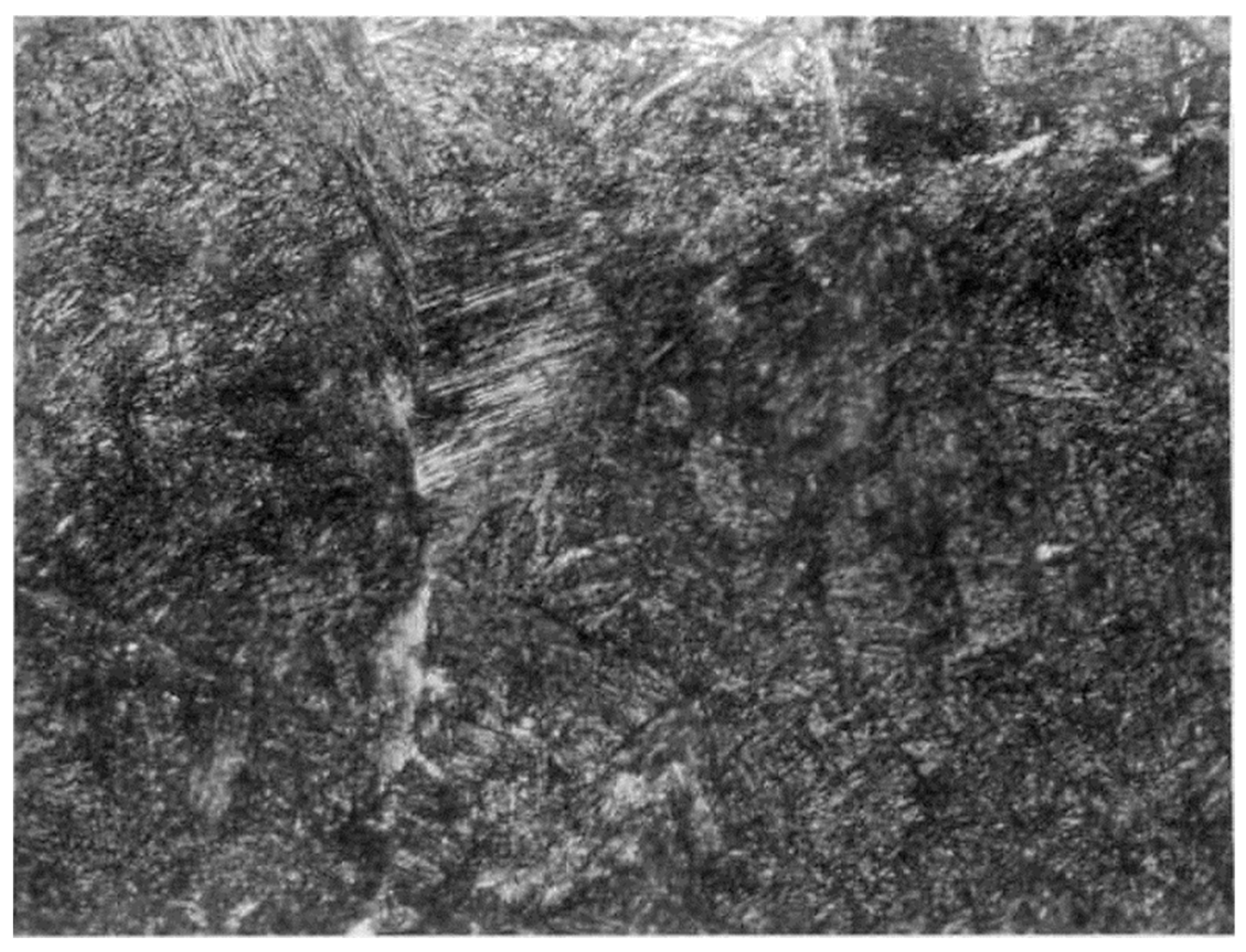
The two-layer weld on sample 432.3 exhibited tempered martensite and bainite (
Figure 16). In operation, there is a risk of delamination of the weld.
The three-layer weld had a more favourable evaluation (
Table 6). The effect of butterfly interpass annealing was once again applied, resulting in a more favourable weld structure. The microstructure revealed tempered bainite (
Figure 17) [
13,
18].
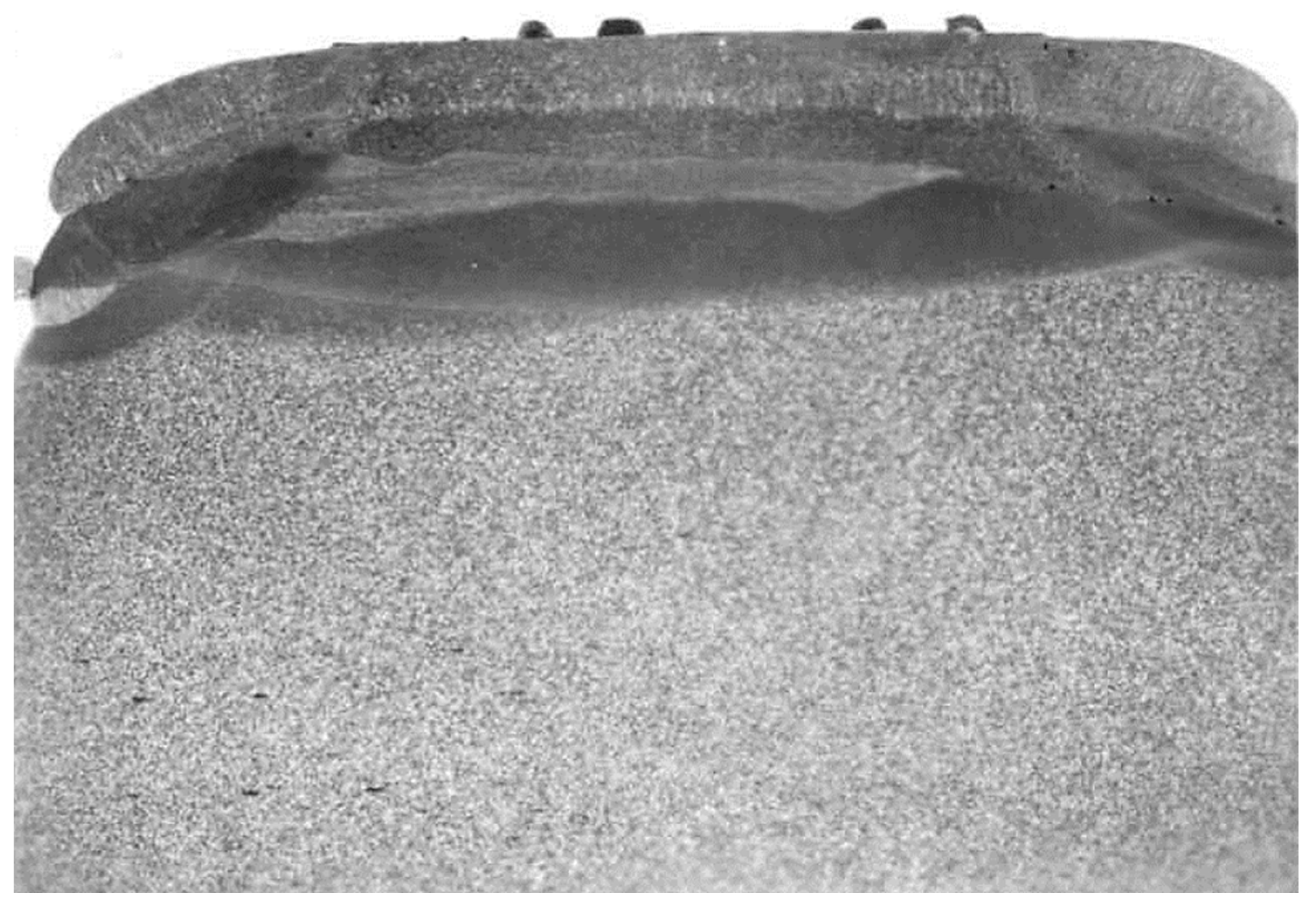
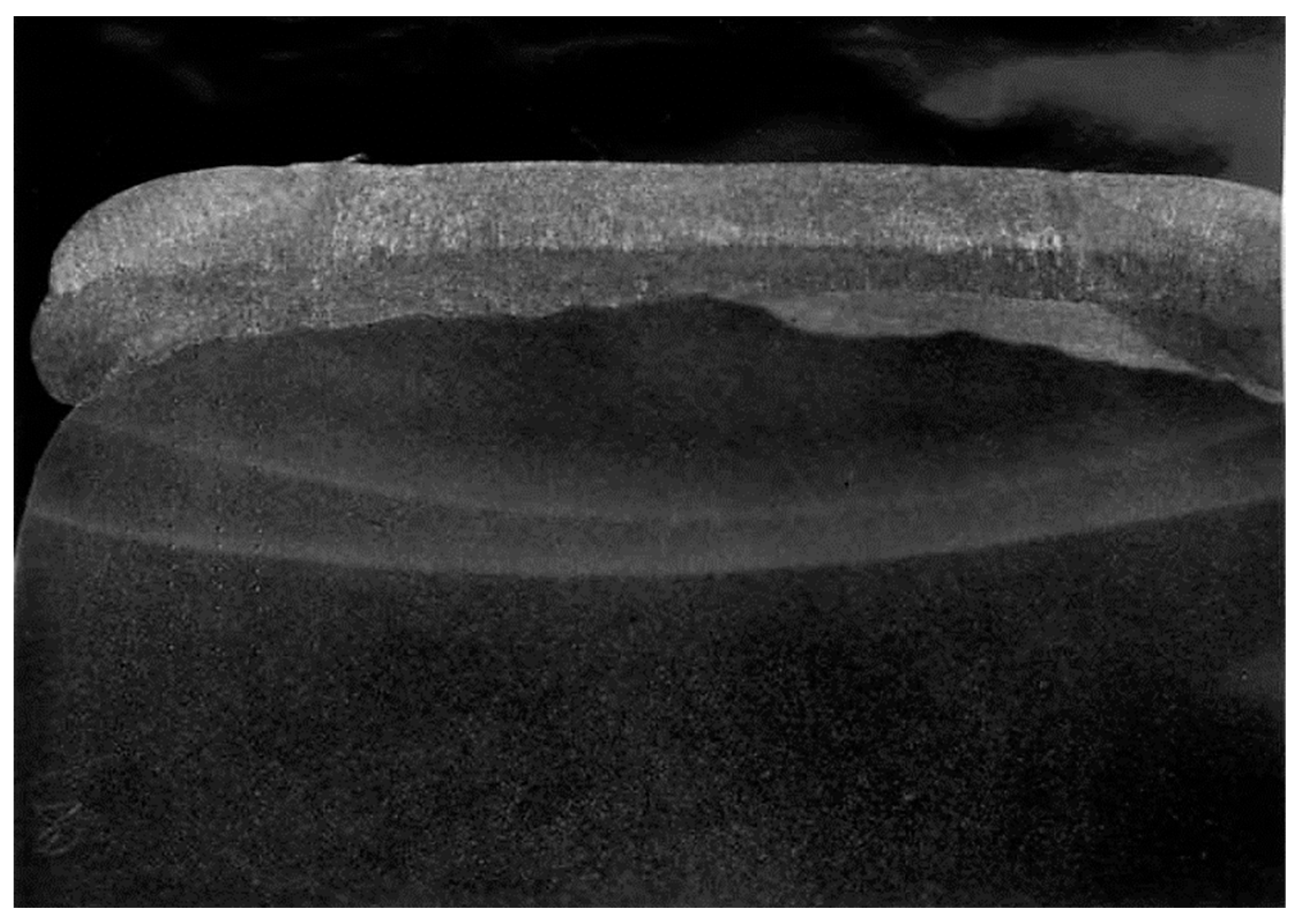
The macrostructure of the weld on this type of rail is shown in the image below (
Figure 18).
4.3. Coatings Made on Rail Type UIC HSH
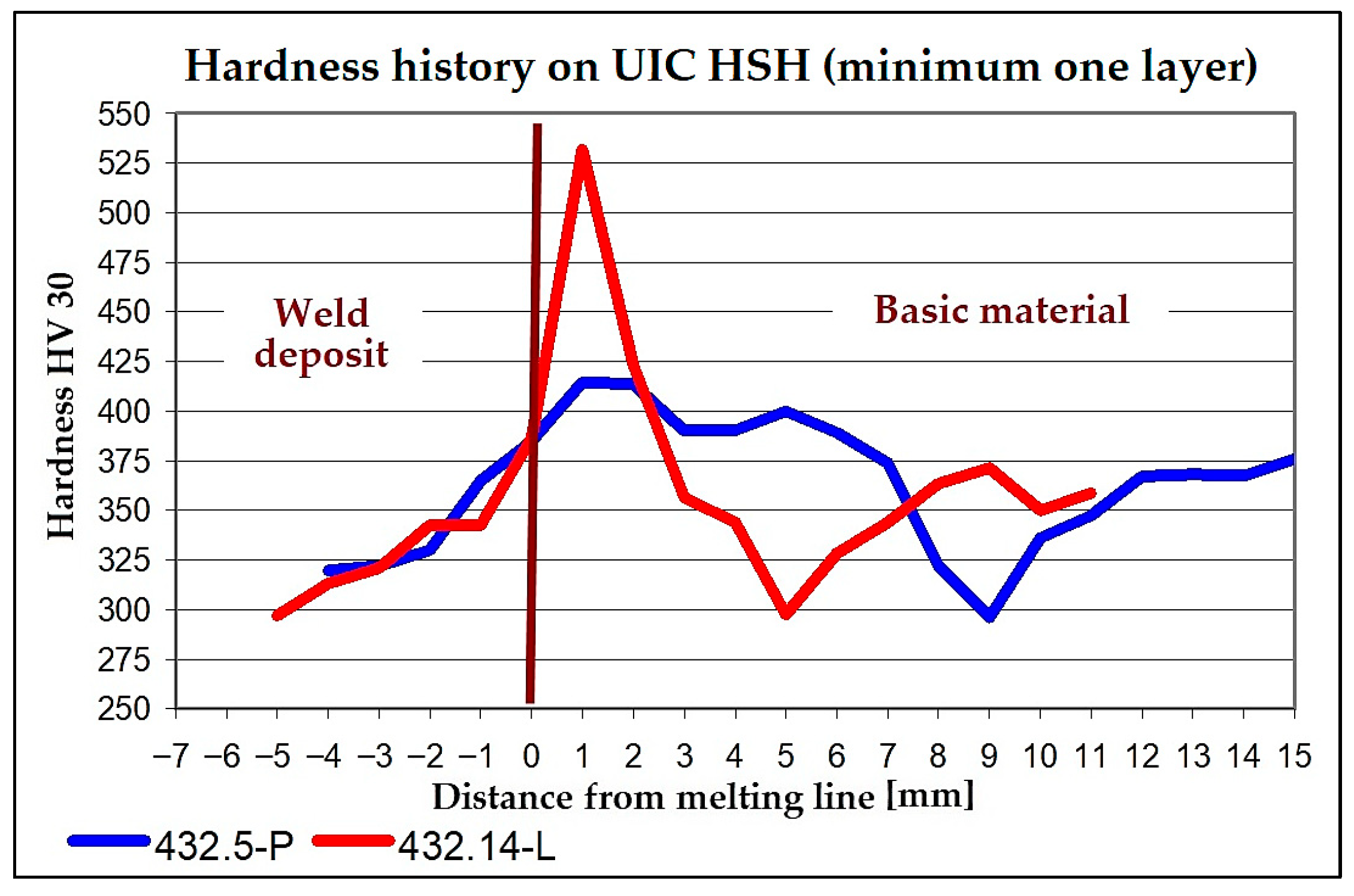
Double-layered welds were made on specimens 432.5 and 432.14 (
Figure 19). The use of additional materials was the same for the three-layer and single-layer welds on the HSH-type rail, i.e., wire ESAB A 234 with flux ESAB OK 10.71 and additional layers of filled electrode OK Tubrodur 15.43.
Sample 432.5 showed favourable hardness values in both the coating and TOO relative to the base material. The minimum hardness value measured was 310 HV30. Sample 432.14 experienced undesirably higher hardness values, as high as 532 HV30, but this was recorded on the right side of the sample, where one layer of the coating is made.
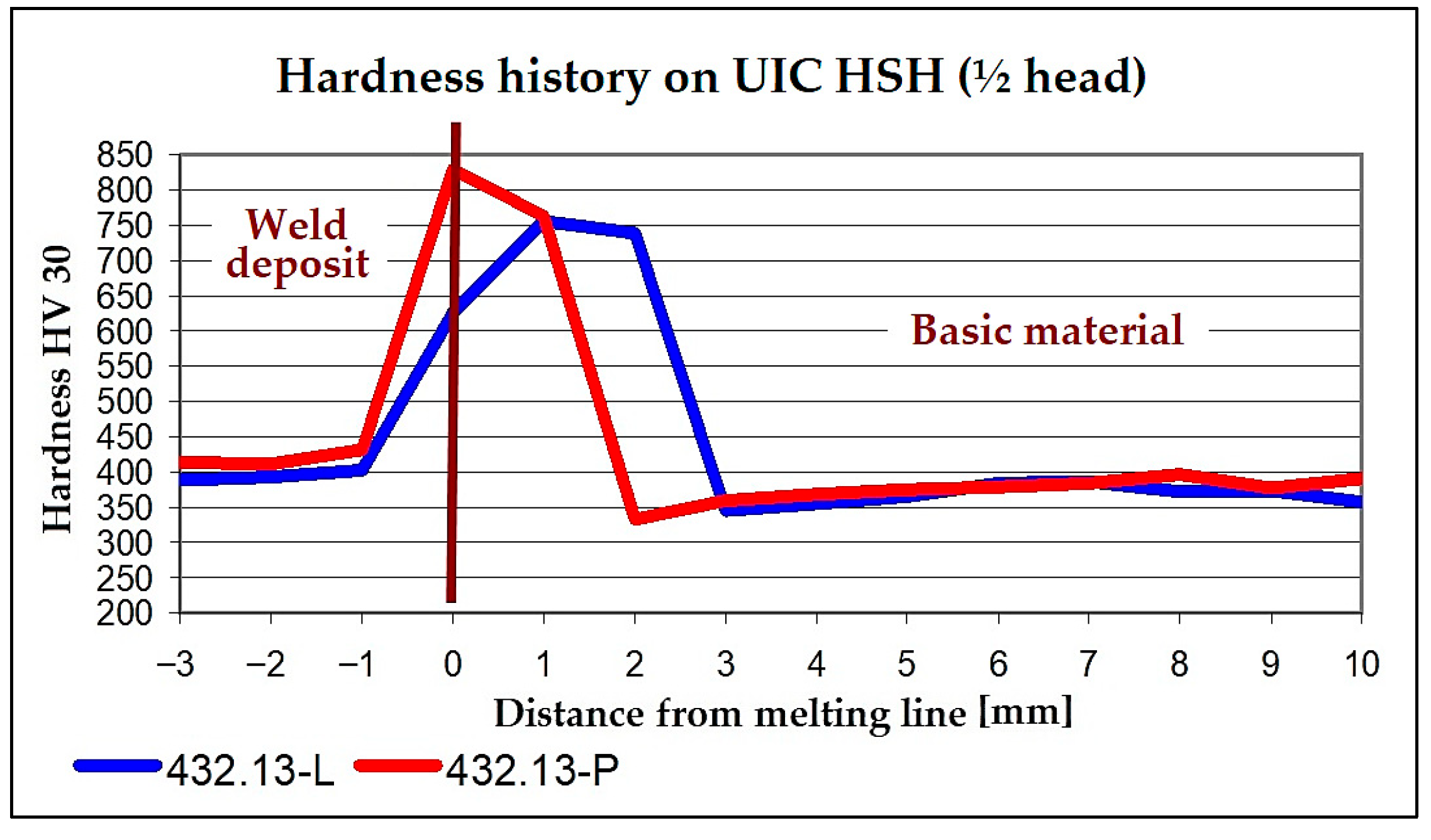
The single-layer coating was carried out on UIC HSH-type rails on the sample marked 432.13. The coating was carried out only up to half of the rail surface. The hardness evaluation is shown in the figure (
Figure 20) [
13].
The graphs show that the highest hardness at the fusion limit was measured on both sides of the sample, up to 830 HV30 on the left side of the sample. A value of 750 HV30 was then measured at TOO at a distance of 1 mm. Such high hardness values are characteristic of a martensitic structure.
The figure (
Figure 21) shows the macrostructure of the coating on sample 432.6.
5. Conclusions
This study analyzed the weldability of high-carbon railway rail steels using different welding technologies and filler materials. Based on the experimental results, the following conclusions can be drawn: 1. The quality of weld deposits strongly depends on the combination of filler material, welding technology, and the number of deposited layers. Multi-layer welds generally provided more favourable hardness distributions than single-layer deposits. 2. Excessive hardness values and martensitic microstructures were identified as major metallurgical risks, particularly near the fusion boundary and in the heat-affected zone. 3. For UIC 900A and UIC HSH rail steels, submerged arc welding without preheating using appropriate filler materials resulted in bainitic or tempered microstructures with acceptable hardness levels. 4. The results indicate a potential for extending rail service life; however, quantitative life extension was not evaluated within the scope of this study. Future work should address residual stresses, rolling contact fatigue, and in situ monitoring of thermal cycles.
The samples used for the tests, i.e., rail types UIC 1100, UIC 900A, UIC HSH, show the recommendation to weld the rail type UIC 900A using the SAW (121) technology without preheating for two-layer welds, with the first layer of the weld being over the entire upper surface of the rail, using the additional material of wire ESAB A 234 and flux ESAB OK 10.71 for the first layer, and for the next layer, the filled electrode OK Tubrodur 15.43. The same results can be found for UIC 1100 type rails, but using OE-Ni wire and OP 121 TT flux for the first layer, and for the next layer, the OK Tubrodur 15.43 filled electrode. However, the welds on the UIC 1100 type rail with additional materials ESAB A 106 with flux ESAB OK 10.61 or other welding parameters are not satisfactory.
On UIC HSH type rails, SAW (121) technology without preheating can be recommended for two-layered coating, provided that the first layer of coating is again over the entire top surface of the rail. The most suitable additional material, according to the tests carried out, is wire ESAB A 234 in combination with flux ESAB OK 10.71 for the first layer and filled electrode ESAB OK Tubrodur 15.43 for the second layer.
In conclusion, it can be determined that the welding of these high-carbon steels can achieve repeatable welds with a consequent increase in the service life of the rails during their refurbishment by using suitable additive materials, welding technologies, and the correct welding procedure.
The service life of the rails was extended by avoiding the replacement of the entire rail; instead, only the worn section was restored through welding, which also improves overall cost-effectiveness.
In the future, some progressive repair methods using numerical control, such as robotic welding or additive manufacturing, could be used in combination with CNC machining before and after finishing the repair procedure. Using these methods can bring overall better quality of the repaired surface of rails, extended service life, and by extension, better quality and safety of travelling with less costs of service.
Author Contributions
Conceptualization, M.B., M.G. and I.H.; methodology, M.B., M.G. and I.H.; validation, M.B., L.K. and I.H.; formal analysis, M.B.; investigation, M.B. and M.G.; resources, M.B., O.S. and P.S.; data curation, M.B. and M.G.; writing—original draft preparation, M.B.; writing—review and editing, J.K., P.M. and I.H.; visualization, M.B.; supervision, I.H.; project administration, M.B.; funding acquisition, L.K. and I.H. All authors have read and agreed to the published version of the manuscript.
Funding
This study has been conducted in connection with the project “Centre of Advanced Nuclear Technologies II (CANUT II), Repair Technologies”, registration number TN02000012, financed by the Technology Agency of the Czech Republic (TACR), project “National Competence Centre for Mechatronics and Smart Technologies for Mechanical Engineering 2 (MESTEC 2)”, registration number TN02000010, financed by the Technology Agency of the Czech Republic (TACR) and the project “Research and Development of Technologies for Engineering and Production Management”, registration number SP2025/015, financed in 2025 at VSB—Technical University of Ostrava.
Institutional Review Board Statement
Not applicable.
Informed Consent Statement
Not applicable.
Data Availability Statement
The data presented in this study are available in the article.
Acknowledgments
The authors would like to thank all members of the author team for their professional collaboration and valuable discussions during the preparation of this article. The authors also gratefully acknowledge the provision of materials and supporting documents that significantly contributed to the development and finalization of the manuscript.
Conflicts of Interest
The authors declare no conflicts of interest.
References
- Yang, B.; Wang, S.; Li, J.; Ding, X.; Xiao, Q.; Xiao, S. Study on Fatigue Crack Growth in Rail Steel at Numerical and Experimental Approaches. Materials 2023, 16, 2981. [Google Scholar] [CrossRef] [PubMed]
- Fletcher, D.I.; Sanusi, S.H. The Potential for Suppressing Rail Defect Growth Through Tailoring Rail Thermo-Mechanical Proper-ties. Wear 2016, 366, 401–406. [Google Scholar] [CrossRef][Green Version]
- Mazilu, T.; Dumitriu, M.; Răcănel, I.-R. Parametric Study of the Influence of Nonlinear Elastic Characteristics of Rail Pads on Wheel–Rail Vibrations. Materials 2023, 16, 1531. [Google Scholar] [CrossRef] [PubMed]
- Lai, Q.; Abrahams, R.; Yan, W.Y.; Qiu, C.; Mutton, P.; Paradowska, A.; Soodi, M.; Wu, X.H. Influences of Depositing Materials, Processing Parameters and Heating Conditions on Material Characteristics of Laser-Cladded Hypereutectoid Rails. J. Mater. Process. Technol. 2019, 263, 1–20. [Google Scholar] [CrossRef]
- Wroblewski, P.; Niekurzak, M.; Kachel, S. Experimental Studies of Welded Joints in Structures Subject to High Impact Vibrations Using Destructive and Non-Destructive Methods. Materials 2023, 16, 1886. [Google Scholar] [CrossRef] [PubMed]
- Sofer, M.; Kucera, P.; Mazancova, E.; Krejci, L. Acoustic Emission and Fractographic Analysis of Seamless Steel Pressure Cylinders with Artificial Flaws Under Hydrostatic Burst Testing. J. Nondestruct. Eval. 2019, 38, 84. [Google Scholar] [CrossRef]
- Buckova, M.; Krugerova, M.; Kozieł, M.; Stverkova, H. Risk classification in international trade using methods of cluster analysis. Forum Sci. Oeconomia 2023, 11, 91–112. [Google Scholar] [CrossRef]
- Oo, H.Z.; Muangjunburee, P. Microstructure and Wear Behavior of Repair Weld on the Flash-Butt Welded Rail. Indones. J. Sci. Technol. 2026, 11, 189–204. [Google Scholar] [CrossRef]
- Liu, J.; Chen, S.; Mu, Y.; Ou, J.; Chen, Y.; He, C.; Chen, J.; Schen, M. Effect of Flash Butt Welding on the Rolling Contact Fatigue of a U75V Quenched Rail. Wear 2025, 578–579, 206225. [Google Scholar] [CrossRef]
- Hiensch, M.; Larsson, P.O.; Nilsson, O.; Levy, D.; Kapoor, A.; Franklin, F.; Nielsen, J.; Ringsberg, J.W.; Josefson, B.L. Two-Material Rail Development: Field Test Results Regarding Rolling Contact Fatigue and Squeal Noise Behaviour. Wear 2005, 258, 964–972. [Google Scholar] [CrossRef]
- Srisungsitthisunti, P.; Kaewprachum, B.; Yang, Z.G.; Gao, G.H. Real-Time Quality Monitoring of Laser Cladding Process on Rail Steel by an Infrared Camera. Metals 2022, 12, 825. [Google Scholar] [CrossRef]
- Automotive Industry Action Group (AIAG); Verband der Automobilindustrie (VDA). Analysis of the Possibilities of the Occurrence of Defects and Their Consequences: FMEA Handbook: Design FMEA, Process FMEA, and Supplementary FMEA for Monitoring and System Response; Czech Society for Quality: Prague, Czech Republic; AIAG: Southfield, MI, USA, 2019. [Google Scholar]
- Gree, M. Appreciation Quality Weld Deposit Effected on Different Types Rails. Master’s Thesis, VSB–Technical University of Ostrava, Faculty of Mechanical Engineering, Department of Mechanical Technology, Ostrava, Czech Republic, 2006. [Google Scholar]
- Hlavaty, I.; Krejci, L.; Bucko, M.; Tichy, M.; Frysak, M.; Palan, M. Technology of Resurfacing Mn-Steels Used to Manufacture Rails. MM Sci. J. 2023, 6381–6384. [Google Scholar] [CrossRef]
- Zhang, F.; Lv, B.; Hu, B.; Li, Y. Flash Butt Welding of High Manganese Steel Crossing and Carbon Steel Rail. Mater. Sci. Eng. A 2007, 454–455, 288–292. [Google Scholar] [CrossRef]
- Guo, Y.; Li, Z.; Yao, C.; Zhang, K.; Lu, F.; Feng, K.; Huang, J.; Wang, M.; Wu, Y. Microstructure Evolution of Fe-Based Nanostructured Bainite Coating by Laser Cladding. Mater. Des. 2014, 63, 100–108. [Google Scholar] [CrossRef]
- Schmidova, E.; Hlavaty, I.; Hanus, P. The Weldability of the Steel with High Manganese. Teh. Vjesn. Tech. Gaz. 2016, 23, 749–752. [Google Scholar] [CrossRef][Green Version]
- Foldyna, V.; Hlavaty, I.; Petros, K.; Polach, J.; Kübel, Z.; Hrotik, M. Method of Welding Material on to Rails. European Patent EP 0866741 B1, 2 May 2002. [Google Scholar]
- Hlavaty, I.; Kozak, J.; Krejci, L.; Samardzic, I.; Tuominen, J. The Effect of Tungsten Carbide Particles Content in a Weld Deposit on its Abrasion Resistance. Teh. Vjesn. Tech. Gaz. 2017, 24, 1345–1349. [Google Scholar] [CrossRef][Green Version]
- Kumar, M.D.B.; Kumar, K.S.; Babu, N.; Kumar, K.G.; Arivazhagan, N.; Manikandan, M. Investigation of Arc Welding Techniques for the Fusion of Thick Armour Steel in Military Armoured Vehicle Application: Mechanical, Microstructural, and Ballistic Properties at Sub-zero Condition. Arch. Civ. Mech. Eng. 2025, 25, 158. [Google Scholar] [CrossRef]
- Tan, J.; Cao, S.; Zhang, X.-P. A Comprehensive Characterization of Improved Microstructure and Enhanced Mechanical Properties of Butt Joints of Rail U71Mn Steel Welded by a Novel Flash-friction Hybrid Welding Process. Mater. Charact. 2025, 227, 115304. [Google Scholar] [CrossRef]
- Bauri, L.F.; Alves, L.H.D.; Pereira, H.B.; Tschiptschin, A.P.; Goldenstein, H. The Role of Welding Parameters on the Control of the Microstructure and Mechanical Properties of Rails Welded Using FBW. J. Mater. Res. Technol. 2020, 9, 8058–8073. [Google Scholar] [CrossRef]
| Disclaimer/Publisher’s Note: The statements, opinions and data contained in all publications are solely those of the individual author(s) and contributor(s) and not of MDPI and/or the editor(s). MDPI and/or the editor(s) disclaim responsibility for any injury to people or property resulting from any ideas, methods, instructions or products referred to in the content. |





 ,
,