1. Introduction
Occlusal contact does not always comply with the parameters referred to the Class I classification; in these cases, it is possible to find one or more signs of dental malocclusion: crossbite, deep or open bite, or a Class II or Class III skeletal/dental relationship. Occlusal bite ramps are widely used in orthodontic therapy to temporarily disarticulate the dental arches, facilitating specific tooth movements and preventing bracket detachment. Material selection is critical, as mechanical properties such as surface hardness influence durability, wear resistance, and interaction with opposing enamel. To allow and facilitate the resolution of the occlusive alteration, in some of these cases, a clinical procedure of disarticulation of the jaws may be indicated, implemented through the creation of actual guided contacts or orthodontic occlusal lifts. The application of specific artificial surfaces, anteriorly or posteriorly on a dental arch, determines the creation of a temporary therapeutic occlusion through which a new occlusal plane will be created with which the antagonist arch will come into contact during maxillary intercuspation [
1,
2].
Therapeutic occlusion is therefore defined as a temporary clinical practice that intends to create an occlusion that allows us to obtain targeted therapeutic advantages, both orthodontic and gnathological, through the creation of occlusal elevations, or lifts, which would allow unimpeded tooth movement, retaining specific groups of teeth out of occlusion and preventing complete closure of the jaws [
2,
3,
4,
5,
6].
Although several terms are used in the literature to describe this clinical condition (bite ramps, bite lifts, bite turbos, bite raisers, bite build-ups, bite blocks, bite pillows, bite builders, bite openers, bite jumps, bite planes, bite plates, speed or bite bumps, occlusal lifts, occlusal pad, disarticulators, deprogrammers, etc.), the term ‘occlusal bite ramps’ will be used throughout the present manuscript for expository coherence [
7,
8].
The creation of bite ramps, for orthodontic purposes, determines the temporary release of the dental arches and increases the vertical dimension. Because of this, the formation of a free space, useful for the realization of those tooth movements, which would otherwise be prevented by the constraint offered by dental intercuspation, occurs. This involves a decrease not only in the orthodontic forces used to generate these movements, but also in the overall time necessary to carry out the treatment itself, or part of it. Furthermore, among the other advantageous aspects offered by bite ramps, not only the simplicity, speed, and cost-effectiveness of the clinical implementation procedure are widely described, but also the great versatility of use, due to their complementarity with most of the fixed orthodontic techniques [
5].
Thus, bite lifting is a technique used to release the occlusion, avoid the collision of the upper teeth with the lower ones, or obtain a greater transversal benefit of the arches. It is often used in lingual, vestibular, and even orthodontic treatments with aligners. Very frequently, the lifting or temporary opening of the bite is a desired and clinically sought condition by the orthodontist, precisely in the case of deep bite and/or crossbite treatment. Bite lifting technique is also used in the very early stages of treatment, to allow the correct positioning of the bracket and/or to prevent accidental detachment, often caused by the appearance of a pre-contact [
9].
One of the most frequently described methods for performing bite ramps consists of adding light-curing composite resin or orthodontic cement on the occlusal surfaces of molars or the lingual surfaces of anterior teeth. This procedure is hygienic, easy to perform, and minimizes bulk interference with the tongue and consequently has a low impact on speech compared to a conventional removable bite [
6,
10].
Most recently, this method has been proposed as an effective alternative to the classic treatments for anterior open bite in adults [
4].
In physiological conditions, the stomatognathic system is responsible for carrying out masticatory, phonetic, and swallowing functions, which involve mechanical stresses on the occlusal surfaces of the dental elements. Suffice it to say that, over the course of twenty-four hours, approximately two thousand involuntary contacts in maximum intercuspation can be quantified, caused by swallowing, alarm reactions, physical efforts, and parafunctions. The strength of these contacts varies depending on the subject, in a range of 30–80 kg/cm
2, depending on the dental element involved [
11].
The hardest natural material in the human body is certainly represented by dental enamel with a Vickers hardness (HV) value of 274.8 ± 18.1. Thanks to its excellent wear resistance properties, the enamel helps to grind food, protecting the underlying dentin (HV values 65.6 ± 3.9), which, being more elastic, has the role of absorbing chewing forces. From this, it can be deduced that the ideal material as a replacement for enamel should have a hardness and wear value like or slightly lower than those of dental enamel. To date, we do not have an ideal substitute material in terms of hardness. The hardness values of composite resins are generally reported to be approximately 2–3 times lower than those of enamel (HV 86.3–124.2), whereas glass ionomer cements exhibit even lower hardness values, typically ranging from HV 34 to 56, corresponding to approximately 8–15 times lower hardness than enamel [
12,
13,
14].
But the type of bite ramp (e.g., on a molar or incisor, unilateral or bilateral), the expected duration of treatment, and the expected occlusal forces greatly influence the choice of material. The selected materials for this study were chosen to represent those most frequently used in orthodontic clinical practice in the realization of bite ramps. For this reason, both light-curing resin composites and resin-modified glass ionomer cements were included, as these represent the most adopted material classes for occlusal restorations due to their ease of handling, adhesive properties, and clinical versatility. The inclusion of materials with different chemical compositions and polymerization mechanisms allows for a clinically relevant comparison of their mechanical behavior, particularly in terms of surface hardness, which is considered one of the factors potentially influencing wear behavior and interaction with opposing enamel during orthodontic treatment.
Despite the widespread clinical use of orthodontic occlusal ramps, comparative evidence regarding the physical, mechanical, and biological behavior of the materials used for their fabrication remains limited. Integrated investigations involving different categories of orthodontic restorative materials are still scarce in the current literature.
Therefore, the aim of the present physical–mechanical characterization study was to comparatively evaluate the mechanical, morphological, and biological properties of five commercially available orthodontic materials and one experimental resin composite used for fixed occlusal bite ramps. Vickers microhardness analysis was performed to assess resistance to surface deformation and behavior under occlusal loading, while SEM analysis was used to investigate surface morphology and filler distribution. In addition, cytocompatibility was evaluated according to ISO 7405 and ISO 10993 standards using human dental pulp stem cells (DPSCs) and monocyte/macrophage cell lines in vitro. The purpose of this integrated characterization was to provide clinically relevant information supporting material selection for orthodontic bite ramps according to both mechanical performance and biological safety [
15].
2. Materials and Methods
From the review of the scientific literature performed on the main qualified search engines, such as ResearchGate, PubMed, Medline, Google Scholar, and Cochrane, 21 articles were selected, of which 14 were original scientific research works, 4 reviews, and 3 case reports.
Only articles in English and French were considered, without using temporal inclusion criteria, given the scarcity of publications regarding the topic discussed, and selecting the MeSH databases by inserting the following terms as keywords: bite turbo, bite ramp, bite block, bite plane, Vickers hardness, elastic module, wear, orthodontic adhesive, and dental occlusion.
From these articles, 5 different materials indicated most frequently in the literature as suitable for the creation of fixed posterior bite ramps: three light-curing composite resins (Harmonize, Leone F3172-01, and Transbond™ XT), two resin-modified glass ionomer cements (RMGICs: Band and Build LC and Ultra Band-Lok), and one experimental resin composite (RK-F10 [
16], currently under study), were extrapolated and identified for physical mechanical characterization testing; their production specifications, chemical composition, indications for use and polymerization techniques are reported in
Table 1.
Therefore, the materials investigated in the present study were selected to reflect those most used in clinical orthodontic practice for the realization of fixed posterior occlusal bite ramps. In particular, the selection aimed to include products routinely adopted for occlusal build-ups during orthodontic treatment, either according to manufacturers’ indications or through well-established clinical use. The materials chosen to represent different classes of light-curing dental materials currently employed for this purpose include resin-based composites and resin-modified glass ionomer cements, which differ in chemical composition, polymerization mechanisms, and expected mechanical behavior under occlusal loading. This approach allowed a clinically relevant comparison of materials with heterogeneous structural and functional characteristics. In addition, an experimental resin composite under development was included as a reference material to explore potential improvements in mechanical performance and biocompatibility in comparison with commercially available products.
2.1. Sample Preparation Protocol
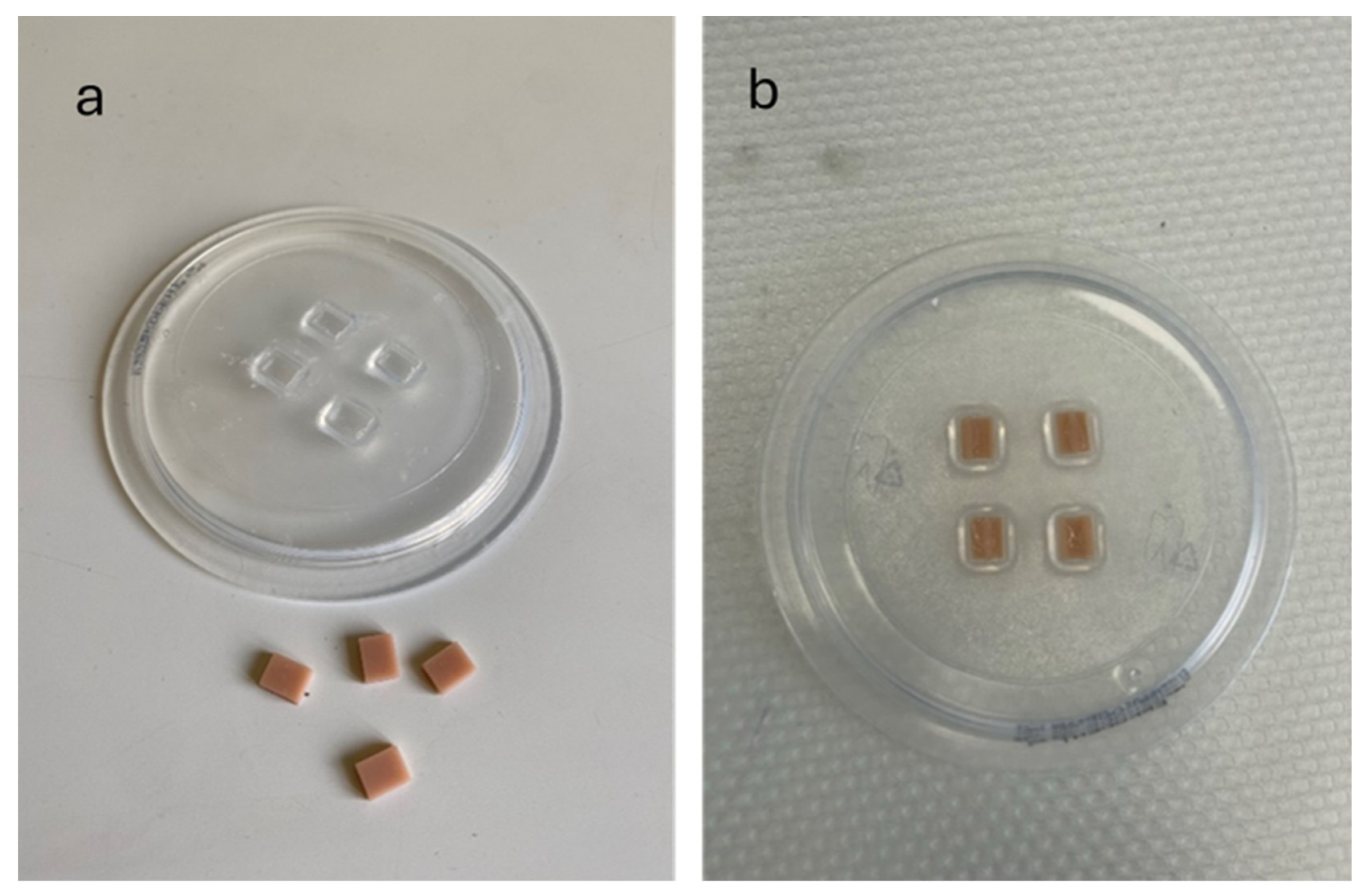
A total of 12 samples were realized, each reproducing the shape of a right parallelepiped of dimensions 10 mm × 4 mm × 8 mm (l × d × h), using a silicone mold (
Figure 1a).
The mold was built according to the following procedure:
- -
With a DIGITALWAX 020D 3D printer (E302132, DWS s.r.l. Zanè, Vicenza, Italy), 4 high precision resin specimens were developed (PRECISA RD097-102019, DWS s.r.l. Thiene, Vicenza, Italy), each of known shape (parallelepiped) and dimensions (10 mm × 8 mm × 4 mm) (
Figure 1b);
- -
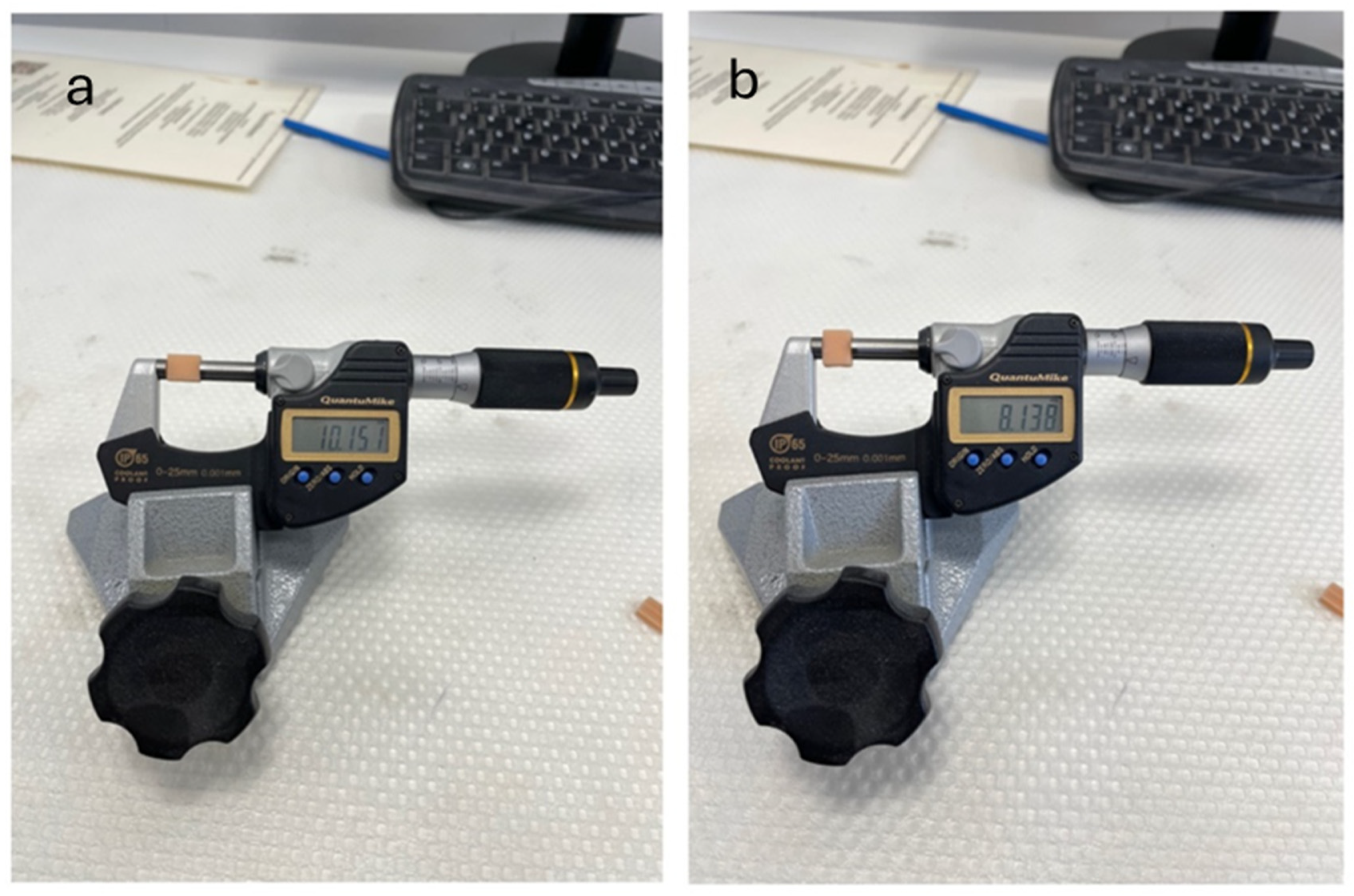
Each of the 4 specimens was carefully measured with a micrometer (QuantuMike IP65 digital micrometer, Mitutoyo Italiana s.r.l, Lainate, Milano, Italy) to ascertain dimensional homogeneity (
Figure 2a,b);
- -
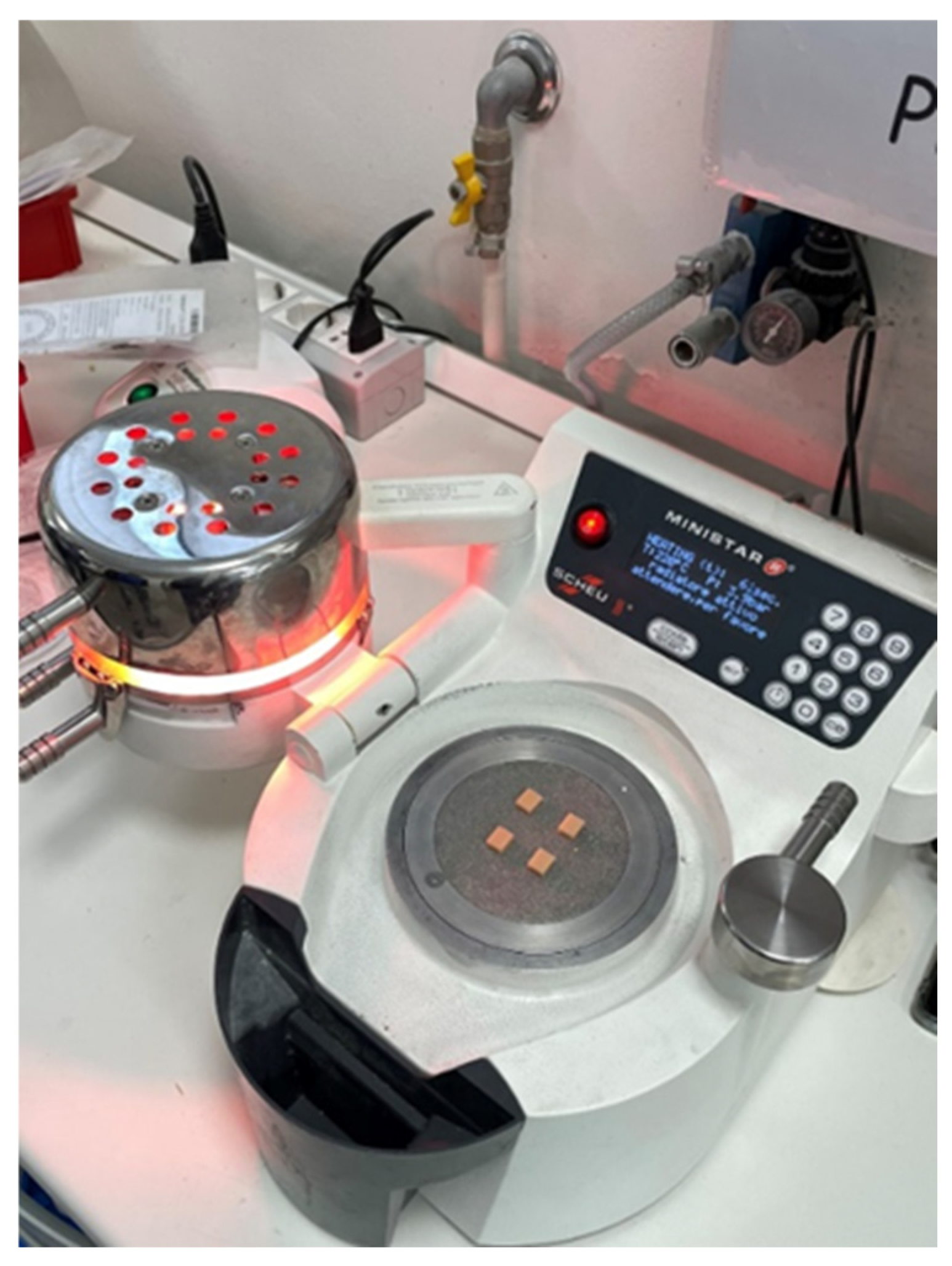
The 4 high-precision resin specimens were then used as models for the creation, through the vacuum thermoplastic printing technique and by means of a MINISTAR S thermoforming machine (SN20382, SCHEU-DENTAL GmbH, Iserlohn, Germany), of 4 negative wells included inside the mold in soft elastic material, ethyl vinyl acetate (EVA) (Erkoflex, Erkodent Erich Kopp GmbH, Pfalzgrafenweiler, Germany), in its most central portion (
Figure 3);
- -
The silicone mold obtained was extracted from the thermoforming machine and stored at room temperature in a protected environment before the subsequent phase of making the samples of the study materials.
Each of the 12 samples (n = 2) was made individually, always by the same operator, through a manual compaction method with the aid of a Heidemann spatula and a shutter, each time using only one of the 6 varied materials under examination.
Each material was placed in two increments inside the well until it was filled, taking care to avoid the formation of bubbles and dehiscences.
Subsequently, the surface layer was covered and pressed by a 1 mm thick glass plate and cured using a light curing unit (LCU) PowerCure Bluephase (1428014631, Ivoclar Vivadent AG, Liechtenstein, Austria), the power density of which was measured using a polymerization radiometer (CT Serial No. 129540, Model 100, Demetron Research Corp., Danbury, CT, USA) always respecting, for each material, the wavelength intensity and times reported by each manufacturer (
Table 1).
The materials were activated by light by applying LCU to the top and bottom surfaces, with the light tip placed in contact with the glass plate at 1.0 mm from the samples.
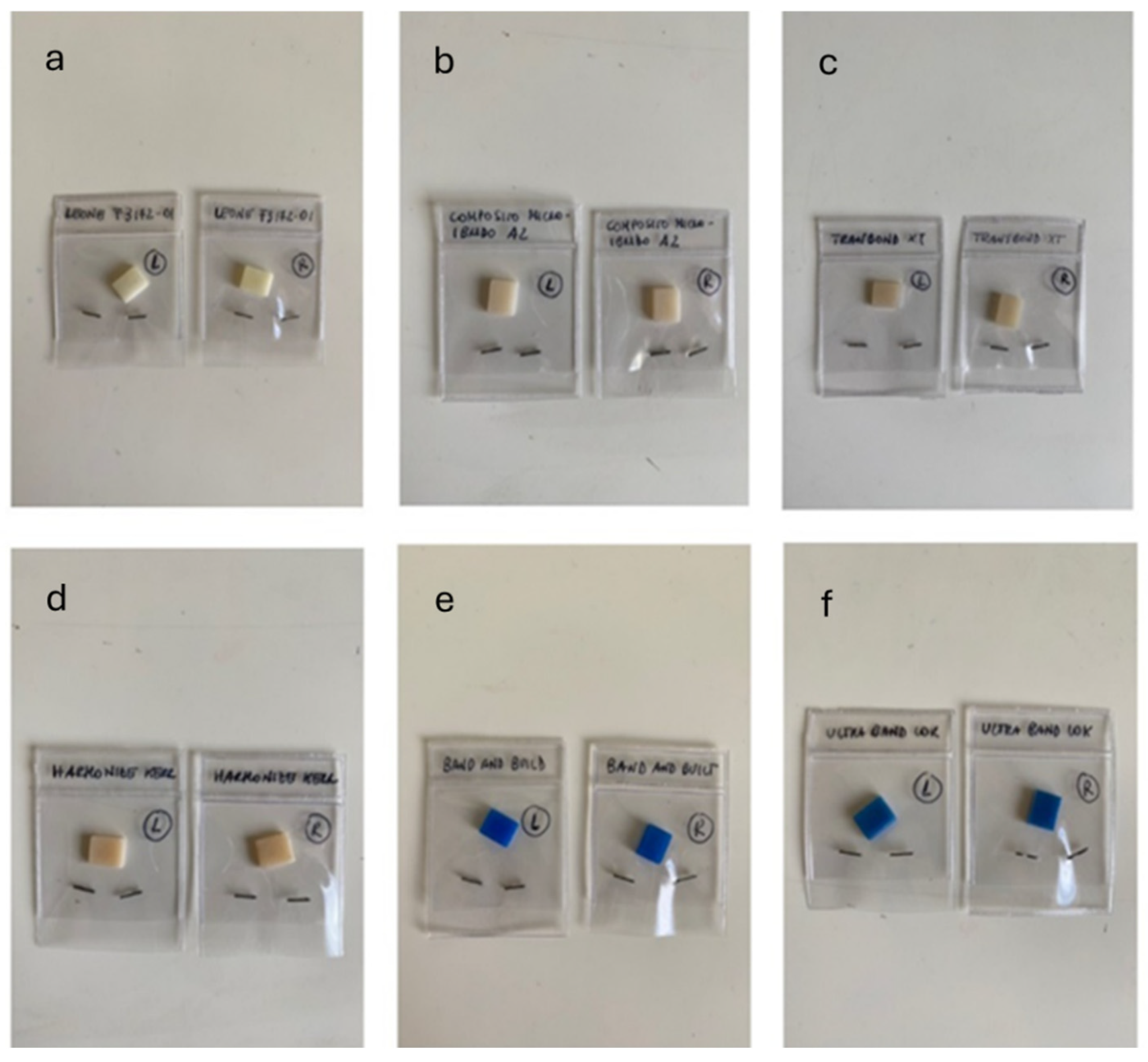
Any excess material was removed from each sample, and to replicate conditions as close as possible to clinical situations, the surface finishing and polishing procedures (L) were performed on half of the samples, while the other half of the samples were left completely raw (R) [
17].
Each sample was then inserted into an intraoral radiograph holder made of transparent and antistatic plastic (Radiography Holder 3 × 4 cm, Dentalcomm s.r.l, Prato, Italy) to be cataloged using an indelible black marker (
Figure 4).
2.2. Vickers Microhardness Analysis
The hardness of the materials in the exam was tested using a Leica VMHT device (Leica Microsystems GmbH, Wetzlar, Germany) with a standard Vickers pyramidal indenter (a diamond square-based pyramid with a face angle of 136°). According to ASTM E384-16 standard [
18], Vickers microhardness measurements were conducted with the following parameters: a load of 500 g and a dwell time of 20 s. Ten indentations were performed, and the relative diagonal lengths were measured and successively averaged.
Data normality was assessed using the Shapiro–Wilk test, while homogeneity of variances across groups was evaluated by Levene’s test. Comparisons among materials were carried out using one-way analysis of variance (ANOVA). When statistically significant differences were detected, pairwise comparisons were performed using Tukey’s honestly significant difference (HSD) post hoc test. Statistical significance was set at p < 0.05, 0.01, and 0.001. All analyses were conducted using the built-in statistical function of OriginPro ver. 9.3.226 (Origin Lab).
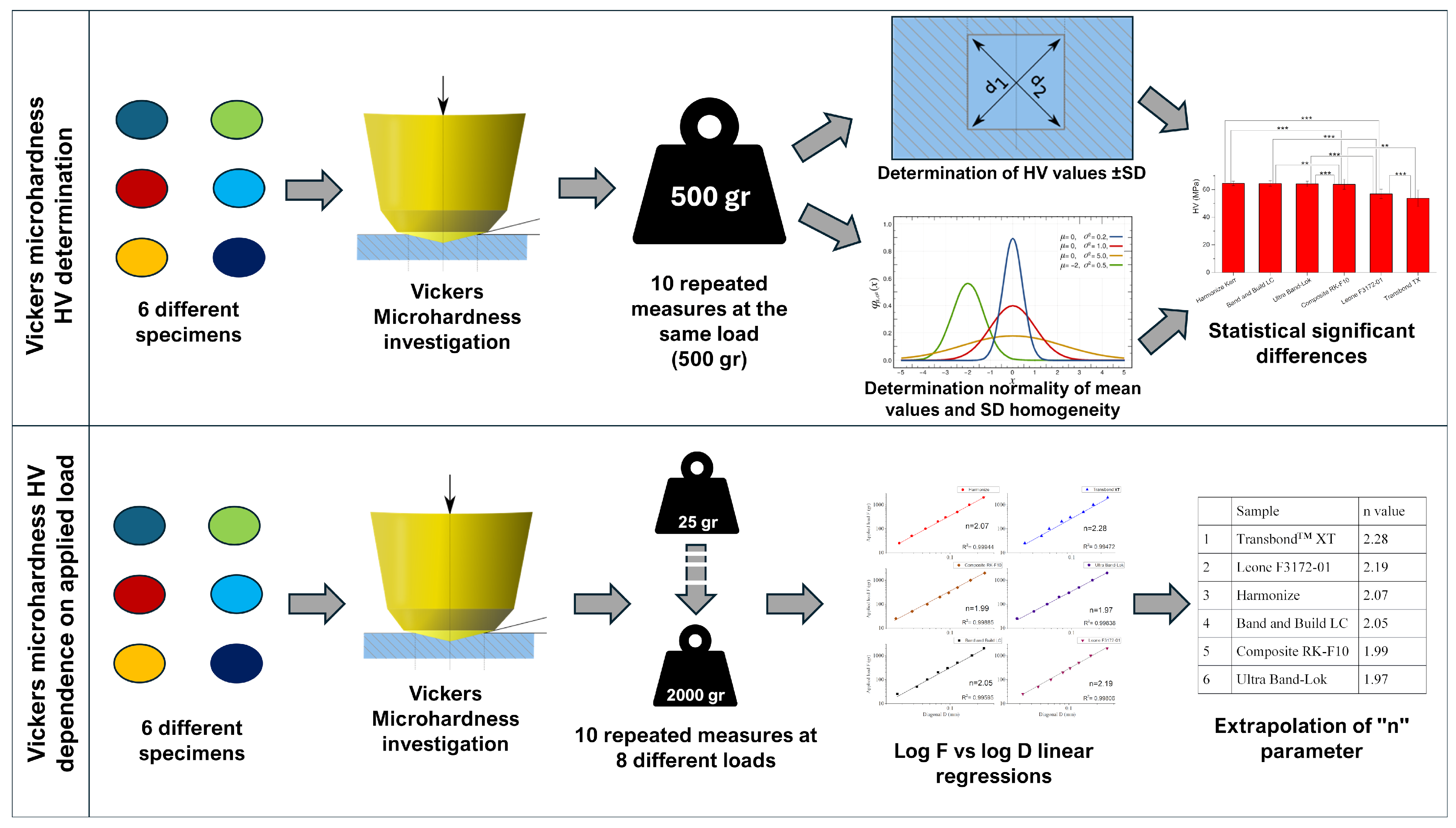
To determine the dependence of the HV of the investigated specimens on the applied load, additional measurements were conducted at various weights. To this aim, a series of weights of 25, 50, 100, 200, 300, 500, and 1000 g was used. For each load, 10 different indentations were conducted, and the diagonals of each indentation were measured. The obtained diagonal values were successively averaged to determine the HV mean values and the relative standard deviation. Schematic illustration of experimental procedures and workflow of microhardness investigation is represented in
Figure 5.
2.3. Scanning Electron Microscopy (SEM) Analysis
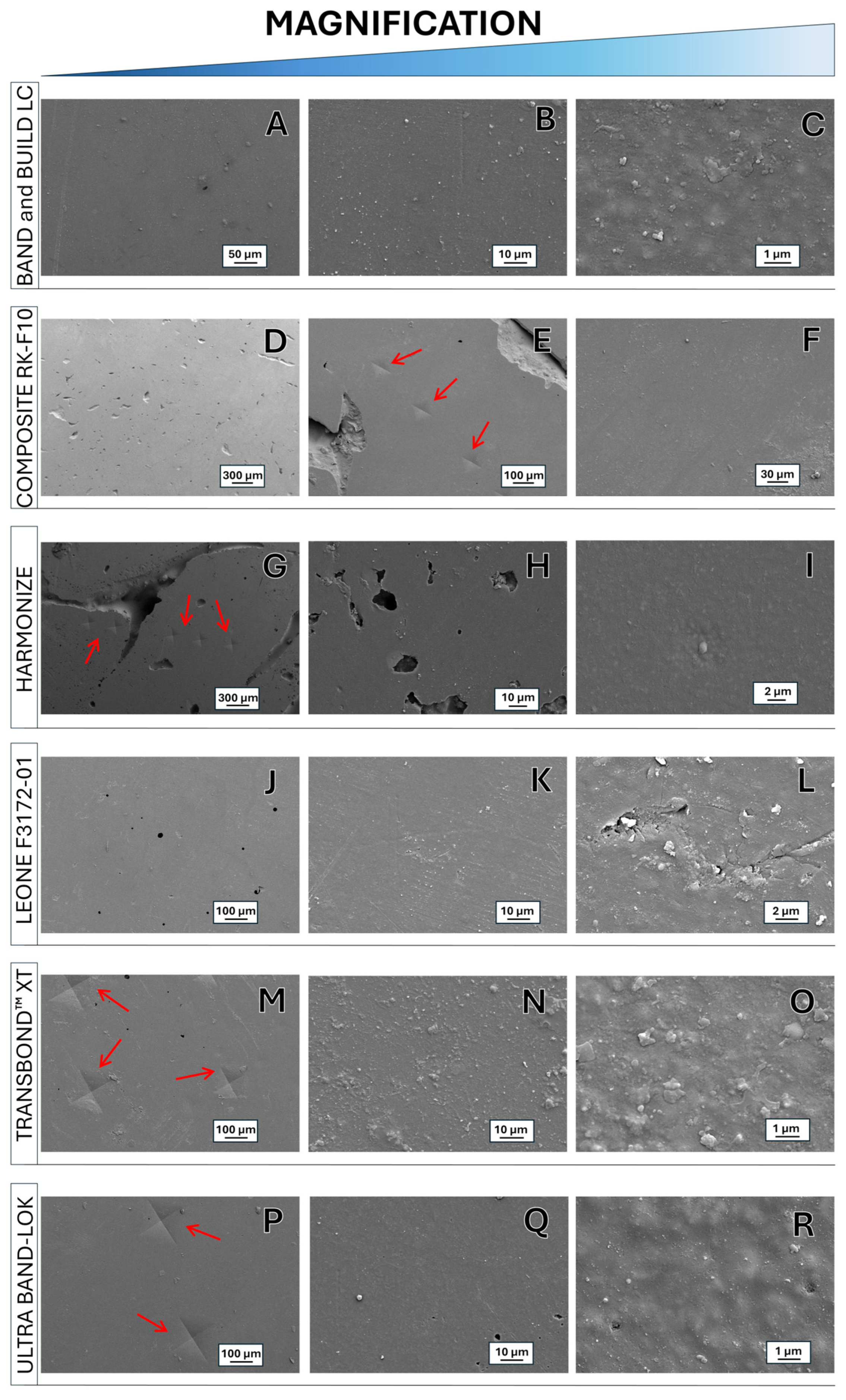
Micrographs of the dental resin’s surface were acquired using a Zeiss SEM model Sigma 300 (Carl Zeiss, Oberkochen, Germany). All micrographs were taken at different magnifications within the 30×–10,000× range.
Semi-Quantitative (SEM) Analysis
Semi-quantitative analysis was carried out by means of ImageJ ver. 1.54p software (ImageJ.net) in order to estimate relative roughness (RMS), particle distribution, and apparent porosity. For the semi-quantitative analysis of SEM micrographs, each image panel was calibrated using the corresponding scale bar provided for panels A–R. Prior to analysis, non-informative regions, including scale bars, labels, and graphical annotations, were excluded from the regions of interest. Image contrast was normalized. Particle distribution was evaluated by measuring the equivalent circular diameter of segmented particles and calculating the corresponding particle area fraction. Apparent porosity/defect fraction was estimated as the percentage of the analyzed surface occupied by dark segmented regions. In addition, a relative roughness (RMS) parameter was calculated from gray-level intensity fluctuations within the selected regions of interest and used as an image-based indicator of surface texture. All quantitative values should therefore be considered semi-quantitative 2D estimates derived from SEM contrast.
2.4. Cell Lines and Eluates Preparation
Human dental pulp cells (DPSCs) were obtained from Lonza (Catalog #: PT-5025, Milan, Italy) and cultured with DPSC Dental Pulp Stem Cell BulletKit® Medium (catalog no. PT-3005, Lonza Group Ltd, Basel, Switzerland) at 5% CO2 at 37 °C. Monocyte/macrophage peripheral blood cell line (SC; passage n. 5CRL-985) were obtained from the American Type Culture Collection (ATCC, Milan, Italy) and were cultured in Iscove’s Modified Dulbecco’s Medium (IMDM) with fetal bovine serum (10%), 1% penicillin/streptomycin solution, 4 mM L-glutamine, 0.05 mM 2-mercaptoethanol, 0.1 mM hypoxanthine and 0.016 mM thymidine (90%). Cells were divided when the culture reached 90–95% maturity.
For cell culture studies, the specimens were prepared according to the instructions reported in the sample preparation protocol paragraph. Then, samples were removed from the molds and incubated for 24 h at 37 °C in culture medium (DPSCs growth medium or SCs growth medium) in accordance with ISO 10993-5:2009 [
19]. In accordance with ISO 7405:2025(en) [
20], the ratio between the surface area of a specimen and the volume of the eluent was maintained at 0.33 mL/cm
2. After the incubation period, the extracts were centrifuged for 5 min at a speed of 460 rcf (Frontier 5718R, OHAUS, Milan, Italy), and the obtained supernatant was used for further experiments.
2.5. Cytotoxicity Analysis
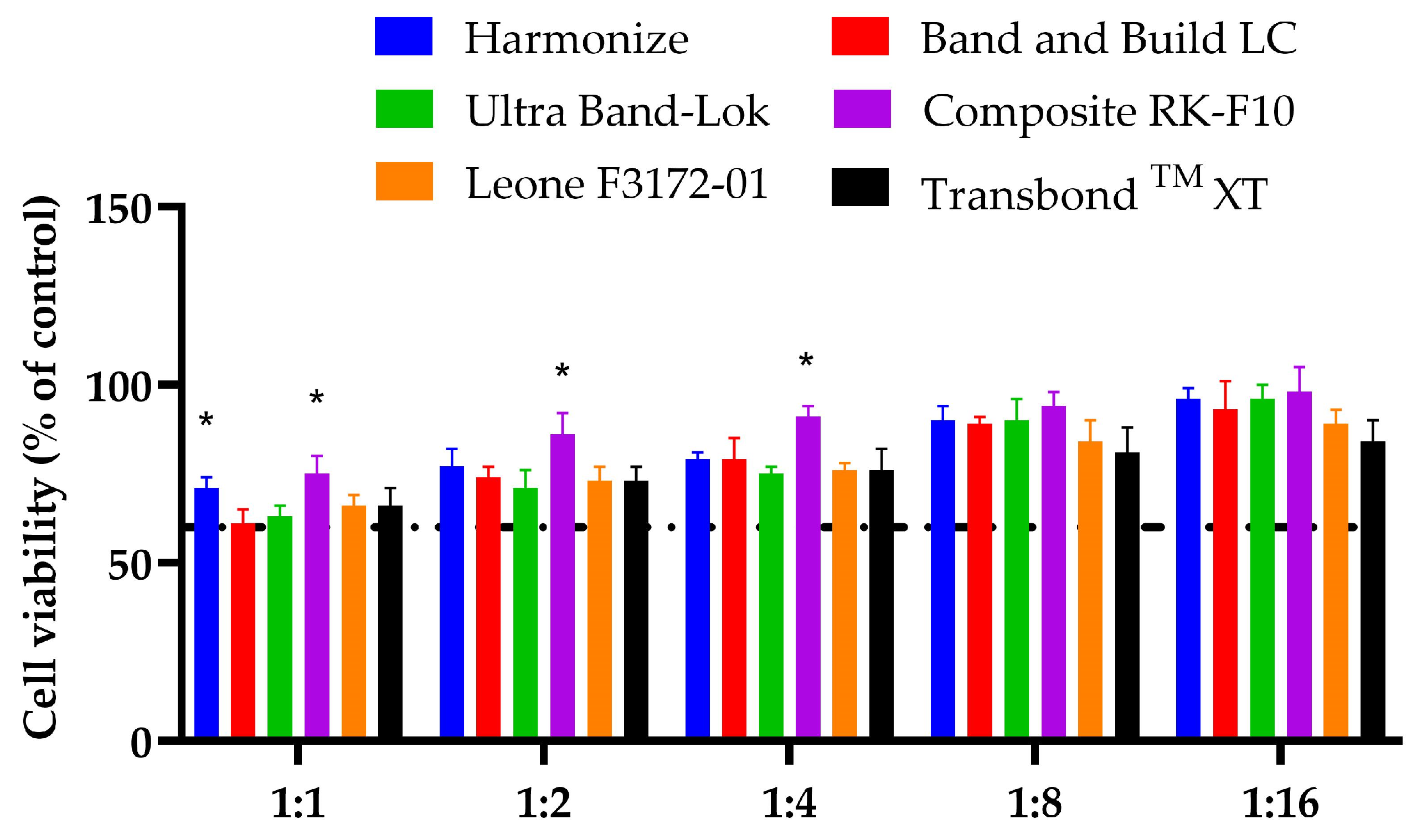
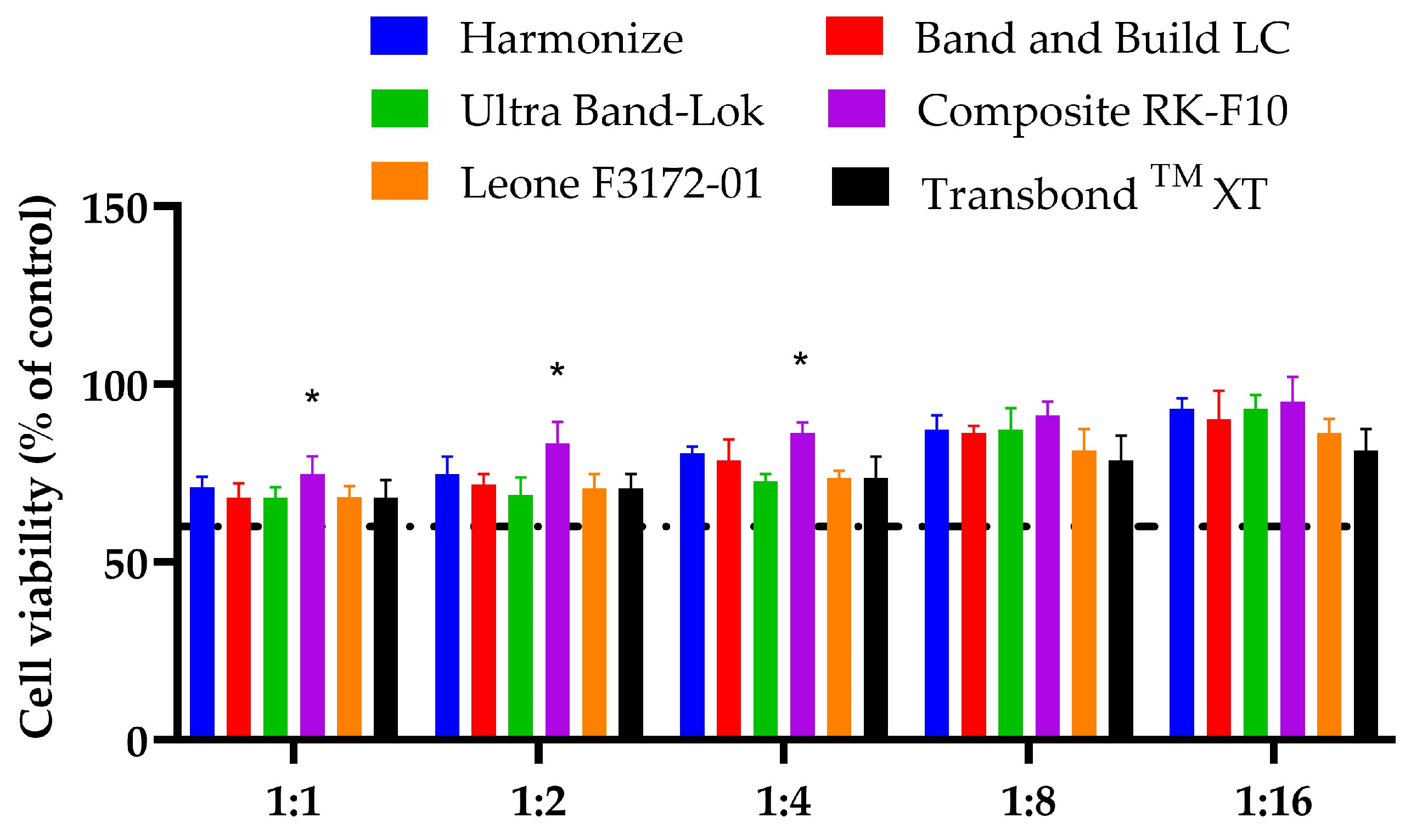
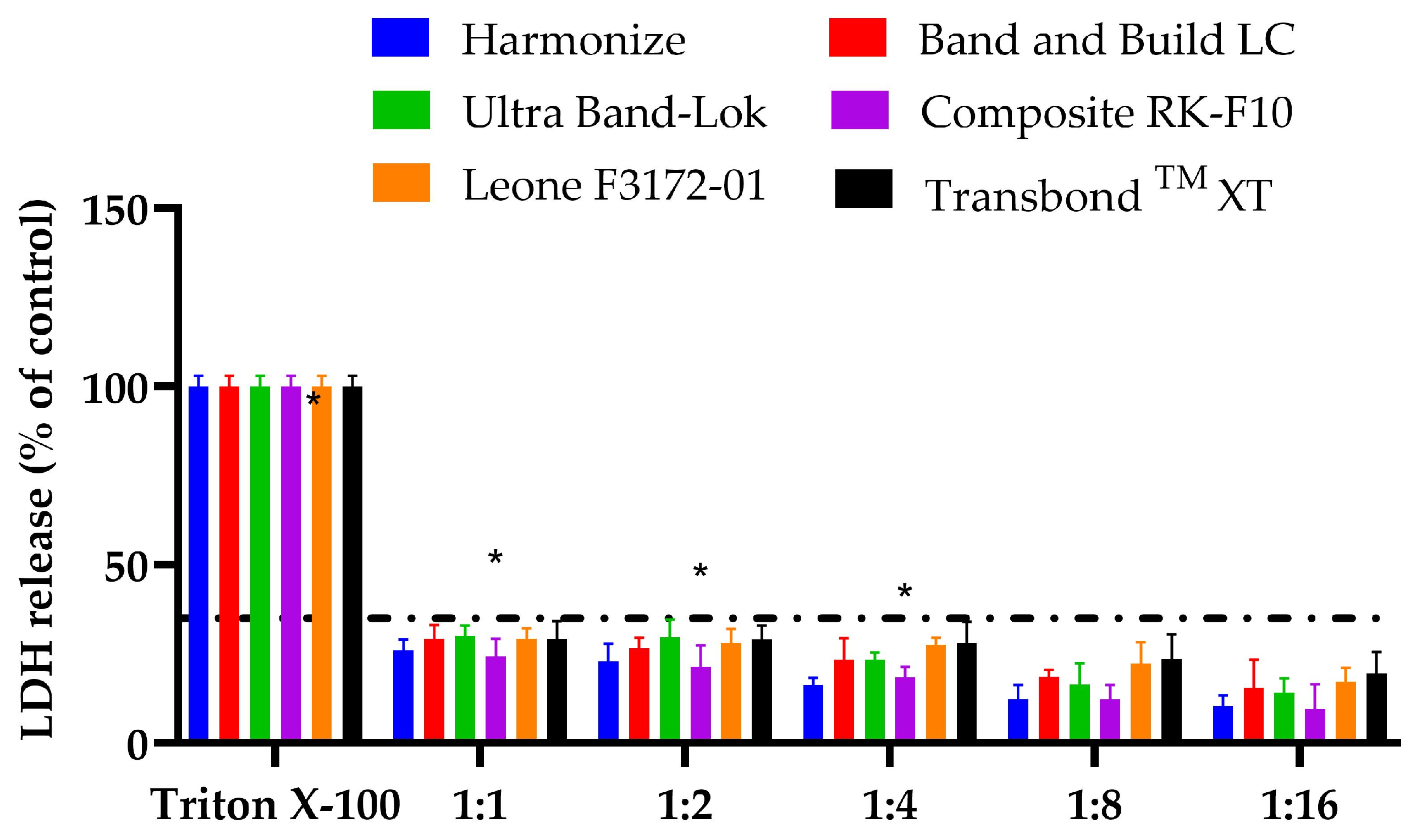
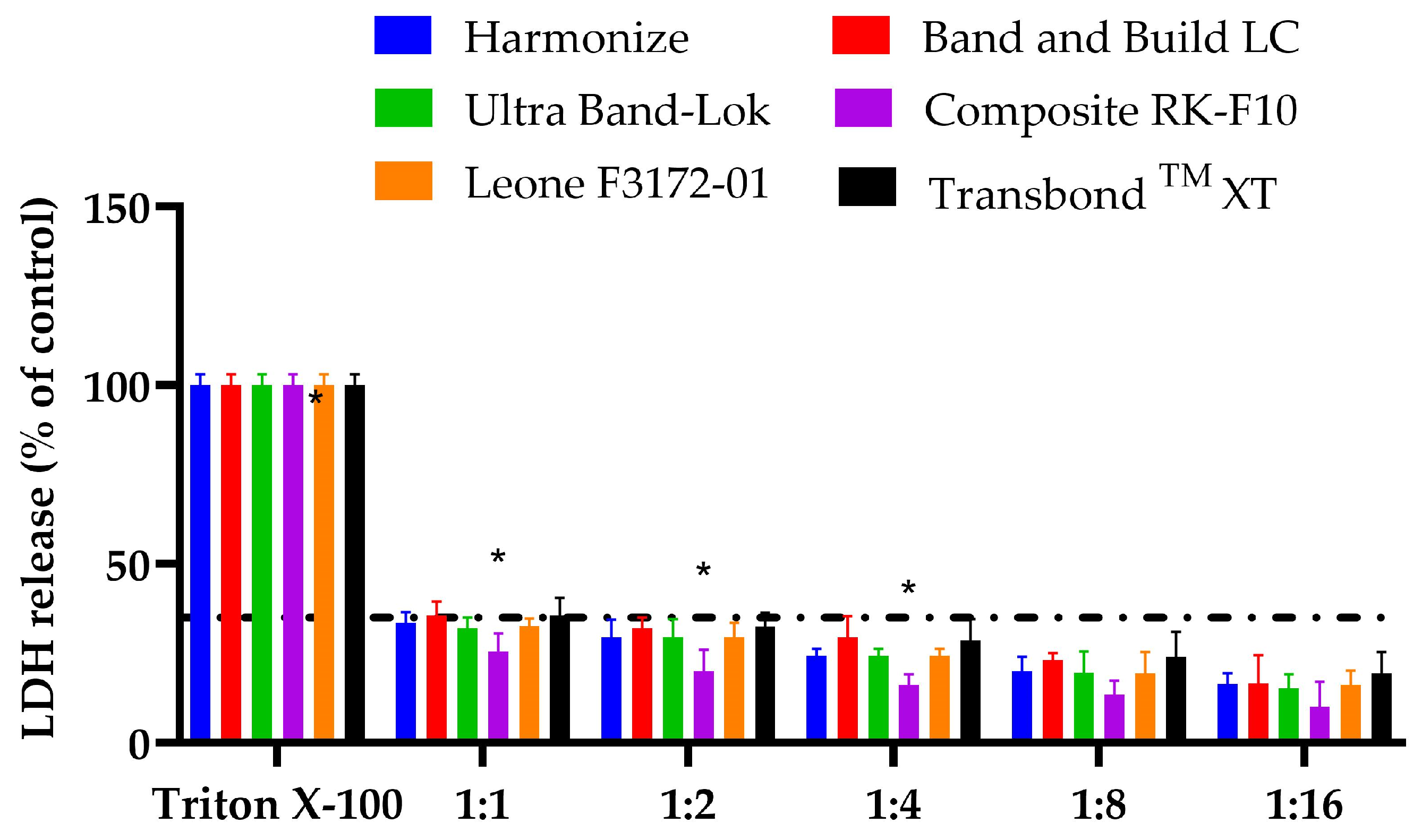
The cytotoxicity of the materials was evaluated in accordance with ISO 7405 and ISO 10993 by measuring the effects of the material extracts on (i) cell metabolism and (ii) cell membrane integrity. According to ISO requirements, extracts were prepared using cell culture medium as the extraction vehicle and tested at serial dilutions to assess dose-dependent biological responses. Light-curing resin-modified glass ionomer cements (RMGICs), formulated as reported by Ohlsson et al. [
21], were used as the positive control material. For cell metabolism analysis, the impact on cell viability was determined using a CCK-8 colorimetric assay kit (Sigma-Aldrich, Milan, Italy) according to the manufacturer’s instructions. SCs and DPSCs were cultured in SC growth medium and DPSC growth medium and seeded in 96-well plates at a density of 8 × 10
3/well. After 24 h of incubation, cells were exposed to serial dilutions of the material extracts (1:1 to 1:16) prepared in complete culture medium. Cells were then cultured for an additional 24 h at 37 °C in a humidified atmosphere containing 5% CO
2, and cell viability was determined photometrically at 540 nm using a microplate reader (Cytation 3, ASHI, Milan, Italy), as previously described by Tammaro et al. [
16]. Experiments were performed in six technical replicates and repeated four times (n = 24).
Cell membrane damage was evaluated by measuring lactate dehydrogenase (LDH) release using a commercial assay kit (Sigma-Aldrich), following the manufacturer’s instructions. Cells were cultured and exposed to material extracts under the same conditions used for the CCK-8 assay. Absorbance was measured at 450 nm, with 650 nm used as the reference wavelength, using a microplate spectrophotometer. The experiments were carried out in six technical replicates and repeated four times (n = 24). According to ISO 10993-5 criteria, materials inducing a reduction in cell viability greater than 30% or a corresponding increase in LDH release were considered cytotoxic.
2.6. Statistical Analysis
Statistical analysis was performed using two-way analysis of variance (ANOVA) with Tukey’s post hoc test to evaluate differences in cell viability and LHD release among the tested orthodontic materials at each dilution level (1:1, 1:2, 1:4, 1:8, and 1:16). The difference was considered statistically significant when p < 0.05. GraphPad Prism version 6.01 statistical software package (GraphPad, San Diego, CA, USA) was used to analyze all data. Results were expressed as mean ± standard deviation (SD).
4. Discussion
Bite ramps are devices commonly used in fixed orthodontics and have numerous applications in orthodontic treatment. These devices can be placed at the level of both anterior and posterior teeth, on either the upper or lower arch, through direct bonding to the dental surface. Bite ramps represent a valuable therapeutic aid during orthodontic therapy, as they enable specific dental movements, such as leveling the occlusal plane, correcting posterior crossbite, managing deep bite, and posterior disclusion to facilitate anterior tooth movements.
The rationale behind the use of bite ramps lies in their ability to temporarily alter occlusal relationships, thereby affecting the neuromuscular system. These ramps modify the occlusal contact between the arches, influencing mandibular position, muscle activity, and occlusal force distribution. Additionally, the presence of bite ramps can facilitate posterior disclusion by reducing occlusal interferences and improving masticatory function during orthodontic treatment.
Several studies have evaluated the effectiveness of bite ramps in promoting the correction of malocclusions and improving the functionality of the stomatognathic system. However, controversies remain regarding the long-term effects of these devices. Specifically, concerns have been raised about the possible appearance of side effects such as changes in muscle activity, modifications in mandibular position, and the onset of painful symptoms in the temporomandibular joints (TMJ). Nevertheless, robust long-term clinical data are scarce, mainly due to methodological and ethical limitations that restrict prolonged in vivo evaluations. The selection of material for bite ramps in orthodontics must be carefully considered based on various clinical factors, including the position of the tooth on which the ramp will be applied (incisor, canine, or molar), the expected duration of the treatment, the type of support (unilateral or bilateral), and the expected occlusal forces. Ramps on molars, particularly in cases of deep bite or temporomandibular joint dysfunction, require rigid and resistant materials, while ramps on incisors or bilateral ramps require a greater balance between hardness and comfort, avoiding excessive invasiveness or bulkiness.
An important aspect highlighted in this study is the different behavior in terms of surface hardness between resin composites and resin-modified glass ionomer cements (RMGICs). Composite resins typically consist of a highly cross-linked polymer matrix (e.g., Bis-GMA, TEGDMA) filled with inorganic particles in high concentration, providing superior hardness and resistance to deformation. Their high degree of monomer conversion and dense filler packing allow for greater resistance to indentation and wear. Conversely, RMGICs exhibit a hybrid structure resulting from the combination of acid-base reaction and light-induced polymerization. They often contain lower filler content and a more porous matrix, resulting in generally lower hardness. However, modern RMGICs, such as Band and Build LC and Ultra Band-Lok, are formulated with reinforcing resins (e.g., Bis-GMA, HEMA), enabling them to achieve hardness values comparable to those of composite resins. This highlights the variability in mechanical performance within material categories and underscores the need for material-specific evaluation.
The aim of this study was to characterize the surface mechanical properties of five commercially available orthodontic materials and one experimental composite resin, focusing on Vickers microhardness as an indicator of resistance to localized plastic deformation. Since surface hardness is closely related to resistance against scratching and abrasion, it may be considered an important material property that reflects resistance to indentation and may also contribute to understanding surface mechanical behavior under controlled laboratory conditions. However, hardness alone does not allow prediction of wear behavior or clinical performance, which depend on multiple mechanical and biological factors, not assessed in this stud but, HV values may provide information on resistance to localized plastic deformation under indentation loading; however, no direct inference regarding wear behavior or long-term clinical performance can be made.
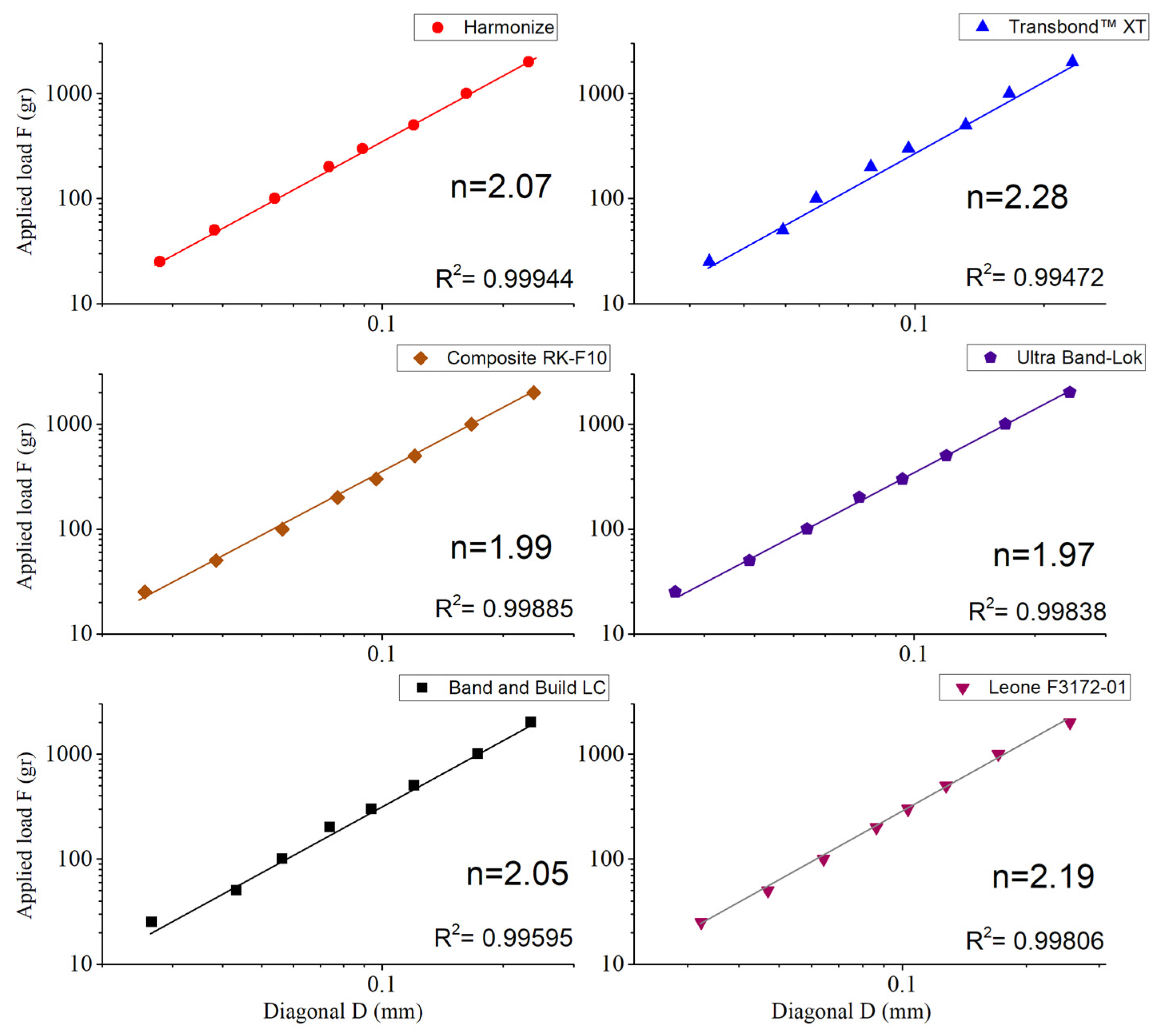
Among the available methods for measuring microhardness, the Vickers method was chosen, as the dependence of hardness value on the applied load is minimal, as confirmed by the study of the logarithmic trend of F as a function of D and linear regression, as shown in
Table 3.
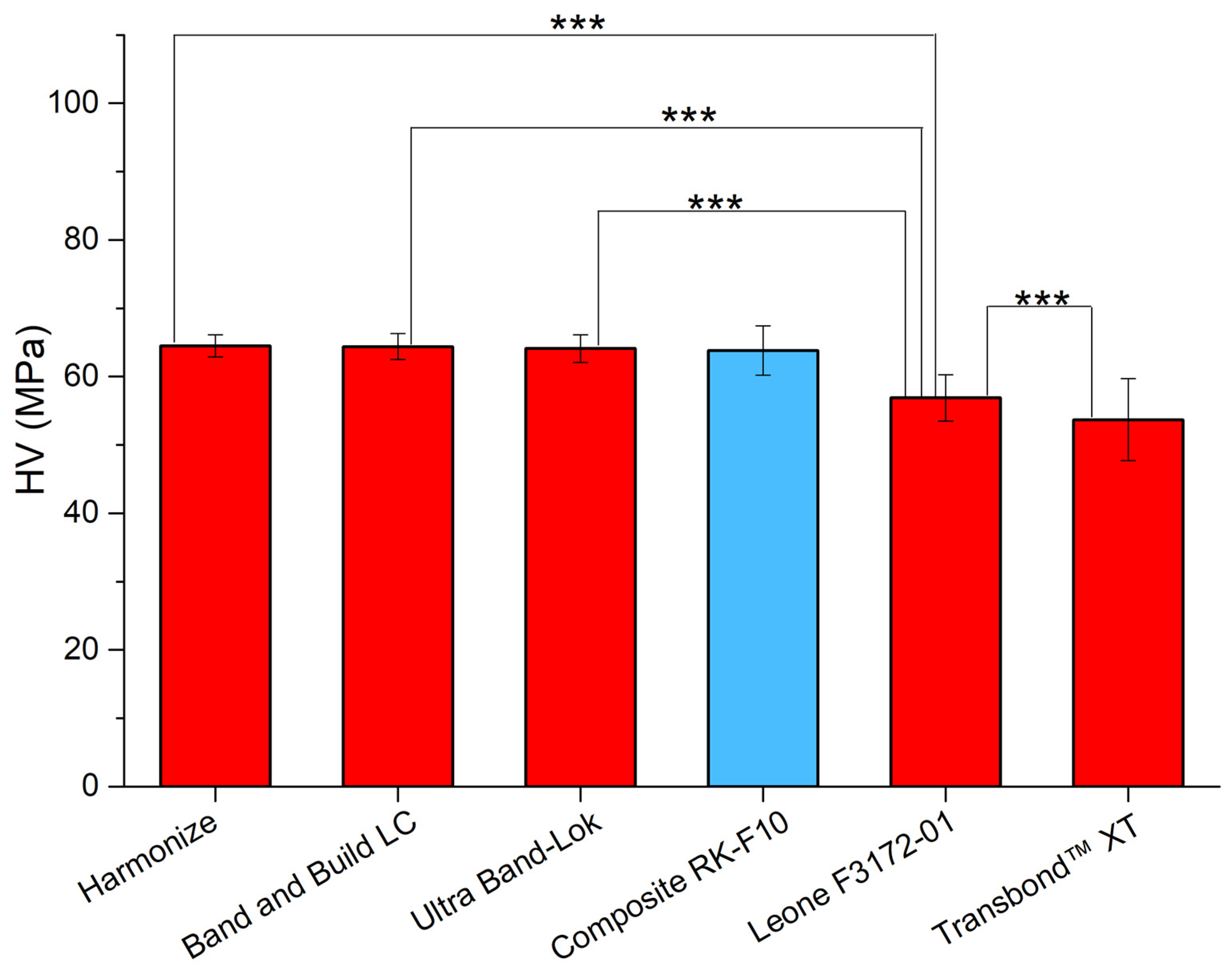
The Vickers surface hardness of five different materials commonly used for bite ramps—Harmonize, Band and Build LC, Ultra Band-Lok, Leone F3172-01, Transbond™ XT—and an experimental one—Composite RK-F10—was measured. Significant differences in Vickers hardness were observed among the materials, indicating that chemical composition, filler content, and matrix structure significantly influence resistance to indentation.
The results of this study show a clear trend: materials with lower imprint depth (D) exhibit greater surface hardness. This is consistent with the inverse physical relationship between hardness and the depth of the imprint left by the indenter.
The materials Harmonize (HV = 64.5 ± 1.6), Band and Build LC (HV = 64.4 ± 1.9), and Ultra Band-Lok (HV = 64.1 ± 2.0) exhibited significantly higher hardness compared to Transbond™ XT (HV = 53.7 ± 6.0), with a shallower imprint depth indicating greater resistance to indentation under laboratory conditions. This reflects higher resistance to indentation under Vickers loading; however, no conclusions can be drawn regarding clinical abrasion resistance or wear behavior. Their Vickers hardness values (HV ≈ 64) are like those reported in the literature for microhybrid or nanofilled composites used in orthodontic and restorative fields. Previous studies have shown that photopolymerizable resin-based composite materials exhibited HV values between 50 and 80, depending on composition and monomer conversion degree [
29,
30,
31,
32,
33,
34].
Leone F3172-01 showed an intermediate hardness of 56.9 HV, but a relatively higher imprint depth, suggesting a composite structure or composition favoring elasticity rather than pure resistance to penetration.
Transbond™ XT showed the lowest hardness and the greatest imprint depth, indicating a more compliant surface response under loading conditions. From a material comparison perspective, these differences reflect variations in polymer matrix composition and filler content rather than clinically predictive wear behavior.
However, this feature may become advantageous in contexts where it is necessary to limit the abrasive impact of the resin on the opposing tooth.
The mechanical properties of human enamel and dentin differ markedly between deciduous (primary) and permanent teeth. According to values reported in the literature, permanent enamel exhibits a Vickers hardness generally ranging from 330 to 567 HV, depending on the measurement location and applied load, with higher values observed on occlusal surfaces and lower values in cervical or proximal regions. In contrast, deciduous enamel is less mineralized and shows lower hardness, with values around 469 HV under a 0.1 N load [
15,
34]. Dentin, in contrast, is much softer, with classical microhardness values around 50–60 HV [
35] and deciduous dentin exhibiting lower hardness and storage modulus compared to permanent dentin [
36]. These differences in hardness reflect the varying degree of mineralization and composition of the tissues, with important clinical implications, as deciduous enamel and dentin are more susceptible to wear, erosion, and caries than their permanent counterparts.
Materials for orthodontic bite ramps exhibited hardness values lower than enamel but, in some cases, comparable to dentin. Leone F3172-01 (56.9 HV) and Transbond™ XT (53.7 HV) showed values closer to primary dentin and somewhat softer than primary enamel, making them mechanically compatible with deciduous teeth. Harder materials, such as the experimental resin Composite RK-F10, Harmonize, Band and Build LC, and Ultra Band-Lok (>60 HV), are still softer than permanent enamel but exceed the hardness of dentin.
Although these comparisons do not allow us to directly predict the clinical behavior of the materials, as the oral environment is characterized by complex mechanical, chemical, and biological conditions not reproduced in this study, they nevertheless provide an important reference for interpreting the physical–mechanical properties of the materials examined. Comparison with the hardness values of both permanent and deciduous enamel and dentin allows us to contextualize the behavior of the tested materials in relation to natural dental tissues, contributing to a better understanding of the potential tribological and biomechanical interactions at the material-tooth interface. Furthermore, the data may be useful for guiding the future development of materials with mechanical properties more compatible with different clinical and functional conditions. Compared with other studies in the literature, our results confirm that materials for occlusal bite ramps, with a high filler concentration and efficient monomer conversion, tend to exhibit superior surface hardness. It is important to emphasize that hardness is only one factor to consider when selecting the ideal material; adhesion, workability, biocompatibility, and ease of removal also play a critical role in clinical practice.
Based on the hardness results obtained in this physical–mechanical characterization study, Harmonize showed the highest Vickers hardness values (HV > 64) among the tested materials. Within the limitations of this in vitro investigation, hardness may be considered a relevant parameter for comparing the relative resistance to localized surface deformation. Materials with HV > 64 (Harmonize, Band, and Build LC and Ultra Band-Lok) exhibited higher indentation resistance under standardized testing conditions. These findings may suggest differences in resistance to indentation under higher occlusal loading conditions. However, no direct conclusions regarding clinical wear behavior, fatigue resistance, or long-term intraoral performance can be drawn from the present in vitro data.
Composite RK-F10 showed intermediate hardness values and may therefore warrant further investigation for applications requiring a balance between mechanical resistance and handling properties. The experimental material we tested contains LDH-F (fluoride intercalated layered double hydroxide), which, due to its fluoride content, has anti-caries properties [
37,
38]. However, in terms of abrasion resistance, the material did not exhibit behavior comparable to that in clinical use. In the future, we plan to use further components with antibacterial properties that, when added to traditional resin monomers, could be used in occlusal therapy while maintaining mechanical properties and providing caries prevention.
Future developments in materials for orthodontic bite ramp realization could also benefit from the clinical use of multifunctional methacrylate-based resin composites that combine optimized filler content for mechanical resistance with antimicrobial additives. A recent study has shown that incorporating antibacterial agents into resin matrices can significantly reduce microbial adhesion and biofilm formation without compromising their mechanical properties [
39]. These optimized materials could be particularly advantageous in orthodontic applications, where prolonged intraoral exposure and plaque accumulation can increase the risk of enamel demineralization and inflammation of the surrounding soft tissue.
An original aspect of the present study lies in the combined evaluation of surface morphology, Vickers microhardness, and cytocompatibility of different materials specifically used for orthodontic occlusal ramps. Unlike previous studies, mainly focused on restorative composites or orthodontic adhesives alone, the present investigation compared resin composites, resin-modified glass ionomer cements, and an experimental fluoride-containing composite.
Furthermore, the comparison between the hardness values of the tested materials and those reported in the literature for permanent and deciduous enamel and dentin provides additional information useful for better contextualizing the mechanical behavior of these materials in orthodontic applications. Although these comparisons do not allow direct prediction of clinical behavior, they may contribute to a better understanding of the potential biomechanical interactions occurring at the material–tooth interface.
From a materials science perspective, the differences observed among the investigated materials are likely related to variations in resin matrix composition, filler content, filler distribution, and polymer network structure. In general, resin composites showed higher hardness values than resin-modified glass ionomer cements, although modern RMGIC formulations exhibited comparable mechanical behavior.
The experimental fluoride-containing composite showed hardness values within the range of the tested materials. However, these findings are limited to laboratory conditions and should be interpreted cautiously until additional investigations evaluating long-term stability and functional behavior are performed.
SEM analysis provided complementary qualitative information regarding surface morphology, filler distribution, and microstructural irregularities, supporting the interpretation of the microhardness results and highlighting differences in surface homogeneity among the investigated materials.
In addition, cytocompatibility tests demonstrated acceptable short-term cellular responses according to ISO 10993-5 recommendations. Nevertheless, these results remain limited to short-term in vitro conditions and do not reproduce the prolonged biological and mechanical challenges occurring in the oral environment.
Although the number of independently prepared specimens per material was limited to two, the microhardness analysis was reinforced by performing multiple indentations under standardized conditions. Specifically, ten independent indentations were conducted for each material at the reference load of 500 g, and additional load-dependence measurements were performed using applied loads of 25, 50, 100, 200, 300, 500, and 1000 g, with ten indentations for each load. This experimental design allowed the assessment of intra-material surface hardness variability and load-dependent hardness behavior. However, the limited number of independently prepared specimens remains a methodological limitation of the study. Therefore, the present results should be interpreted as preliminary comparative physico-mechanical data, and future investigations should include a larger number of independently prepared specimens per material to strengthen the statistical power and better evaluate inter-specimen variability.
Finally, it is worth stressing that surface hardness is commonly considered an important parameter associated with resistance to indentation, scratching, and potential material degradation under occlusal loading; it should not be interpreted as a direct measure of wear resistance or tribological performance. In the present study, no specific wear, abrasion, friction, chewing simulation, or antagonist enamel-wear tests were performed. Therefore, the considerations regarding possible abrasion resistance, clinical wear behavior, and interaction with opposing enamel must be regarded as indirect interpretations based on Vickers microhardness values and SEM morphological observations. Dedicated tribological investigations (two-body and three-body wear tests), friction coefficient measurements, post-wear surface roughness evaluation, and quantitative analysis of antagonist enamel wear will be necessary to confirm whether the differences observed in microhardness translate into clinically relevant differences in wear performance.
Although Vickers microhardness represents a useful quantitative parameter for evaluating resistance to localized surface deformation, hardness alone cannot be considered sufficient to predict wear resistance, fatigue behavior, or long-term clinical performance. Moreover, the in vitro design of the present study represents an intrinsic limitation, since it cannot fully reproduce the complex biological, chemical, and functional conditions of the oral cavity.
Therefore, further studies integrating wear simulation, fatigue analysis, aging protocols, prolonged cytocompatibility evaluation, and in vivo investigations will be necessary to better clarify the long-term clinical relevance and functional behavior of these materials when used for orthodontic fixed bite ramps.




 ,
,