Article

3D Dental Model Measurement System with Measurement Templates: Toward Variable Application
1
Nihon Visual Science, Inc., 6-26-2 Shinjuku, Shinjuku-ku, Tokyo 160-0022, Japan
2
Department of Orthodontics, School of Dentistry, Showa Medical University, Tokyo 145-8515, Japan
*
Author to whom correspondence should be addressed.
Appl. Sci. 2026, 16(9), 4267; https://doi.org/10.3390/app16094267
Submission received: 27 February 2026 / Revised: 22 April 2026 / Accepted: 23 April 2026 / Published: 27 April 2026
(This article belongs to the Special Issue Advanced Orthodontics and Dental Imaging Techniques)

Abstract

Accurate, standardized dental model measurements remain labor-intensive and difficult to scale in orthodontics. This technical development study aimed to develop and preliminarily evaluate a semiautomated three-dimensional (3D) dental cast measurement system using standardized measurement templates (patent pending). The workflow integrates robotic handling of models, X-ray CT acquisition of volumetric data, optional intraoral-scan polygonal data (e.g., STL), template generation from 3D data, and orthodontist-guided landmark placement, after which dedicated software retrieves 3D coordinates and performs automated measurements and visualization. The system was demonstrated on four standard models scanned by X-ray CT. It produced automated aggregation of measurements and 3D visual outputs, and enabled calculation of conventional indices as well as template-based metrics such as palatal volume and cusp height variation. This semiautomated approach combines mechanical efficiency with expert oversight, providing a standardized alternative to manual measurement and a foundation for broader applications in orthodontic, prosthodontic, and forensic contexts.

1. Introduction

Malocclusions are three-dimensional conditions, and their diagnosis requires an accurate understanding of dental arch form, tooth position, and occlusal relationships. For that reason, dental cast measurements remain an important part of orthodontic diagnosis, treatment planning, and treatment assessment [1]. Plaster models continue to be used routinely because they provide stable, inexpensive, and clinically familiar records of occlusion.
These records are valuable not only for individual patient care but also for secondary use in research and epidemiology. When measurements are standardized across cases, dental models can support the description of malocclusion patterns, comparison among populations, evaluation of treatment needs, and broader quality improvement in oral healthcare. Realizing this value, however, depends on measurement methods that are reproducible, scalable, and easy to archive and reuse.
Conventional measurement of plaster models is still largely manual, typically using calipers and examiner-defined landmarks. This approach is time-consuming and dependent on operator experience, and variation in landmark interpretation can reduce reproducibility and make retrospective verification difficult [1]. In addition, physical models require storage space and are not well suited to long-term sharing or repeated analysis.
Another important limitation of manual workflows is that they mainly provide linear distances, angles, and projected areas. Volumetric descriptors and other spatial relationships that require full three-dimensional processing are difficult to obtain consistently. As a result, the information extracted from dental models is often narrower than the information potentially contained in the models themselves.
Digital dentistry has expanded rapidly in recent years. Scoping reviews have described growing use of digital models in diagnosis, treatment planning, and follow-up [2], and recent studies of intraoral scanners have reported clinically acceptable accuracy for many linear measurements while also highlighting remaining concerns regarding complete-arch trueness, precision, and scanner-dependent differences [3,4,5].
Despite this progress, current digital workflows still have practical gaps. Many systems depend on repeated point-by-point interaction on a 3D model, whereas highly automated approaches often require expert correction but do not clearly preserve the examiner’s landmarking intent. Consequently, workflows that combine expert judgment, traceable landmark placement, and automated three-dimensional computation remain insufficiently supported.
To address these issues, we developed a semiautomated measurement system that combines 3D data from volumetric CT or intraoral-scan-derived polygonal data with a measurement template. In the CT-based workflow, dental models are mounted on dedicated holders and incorporated into an automated scanning pipeline, including mechanical transfer to and from the scanner. This design allows image acquisition itself to be handled as part of a scalable measurement process rather than as a separate manual bottleneck.
The system extends our previously reported measurement-template framework for two-dimensional cephalometric analysis [6] to full 3D dental model measurement. By design, repetitive and speed-critical steps, such as specimen handling, CT loading and unloading, image acquisition, and computational processing, are assigned to machines and software, whereas precision-dependent decisions, particularly landmark identification, remain under trained expert control. This division of labor supports both efficiency and interpretability, and the system also incorporates visual outputs, including plots and color-coded displays, to facilitate intuitive review of results.
In this study, we describe the system architecture and measurement workflow, present representative measurement results, and discuss its usefulness in terms of accuracy, reproducibility, and operational efficiency. The specific aim was to develop and implement a reproducible 3D measurement platform that enables not only conventional orthodontic indices but also template-based metrics such as palatal volume and variation in cusp height.

2. Materials and Methods

2.1. Dental Model Scanning and Measurement System

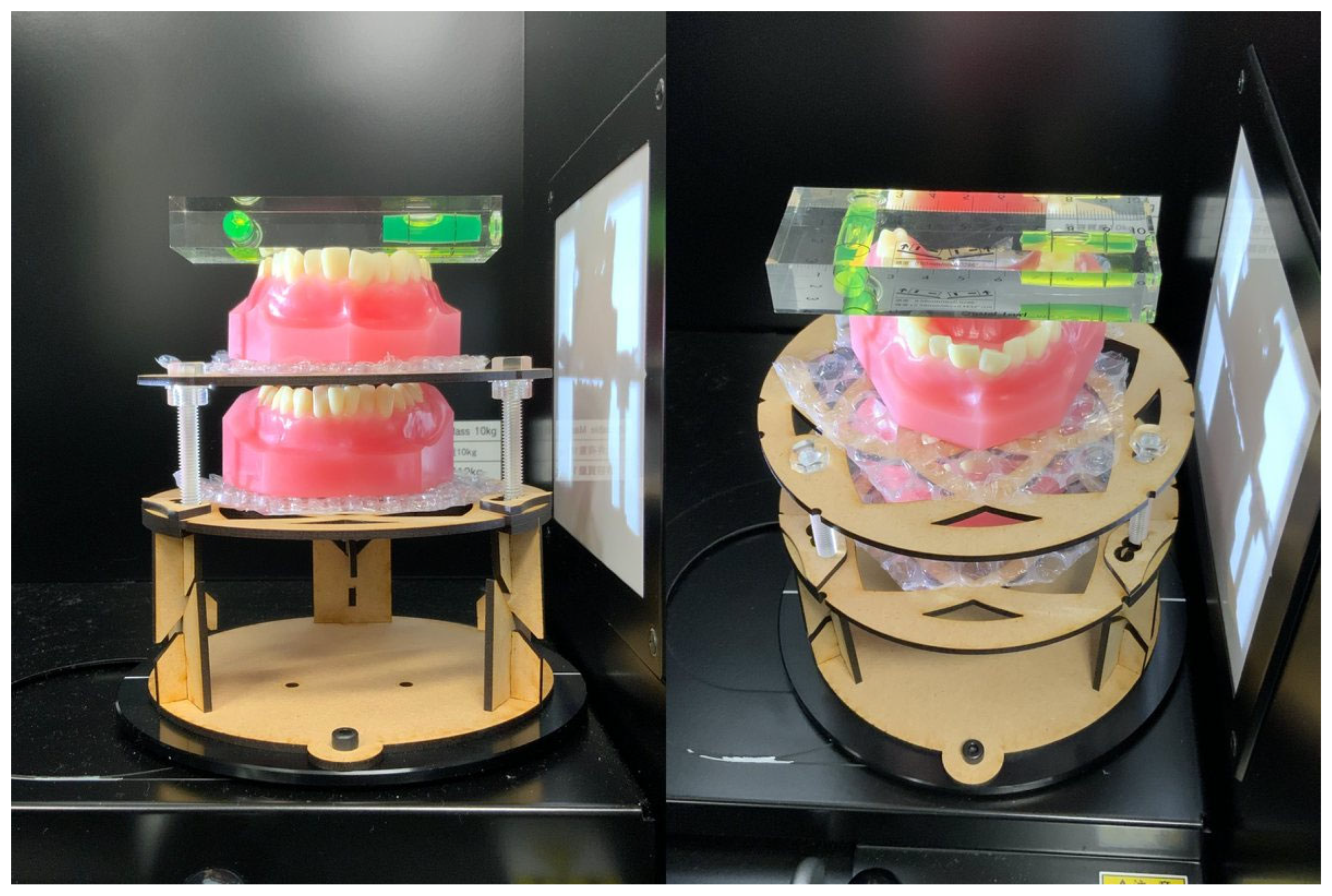
In this study, a highly automated and practical measurement system was constructed. To facilitate CT scanning, a dedicated specimen holder was designed and fabricated (Figure 1).
The holder was made from materials with high X-ray transmittance—medium-density fiberboard and polycarbonate resin—which minimize interference with CT. It had a two-tiered structure that allows simultaneous scanning of both maxillary and mandibular dental plaster models.
Although the dental models are mounted in a parallel orientation, more precise horizontal alignment is required during measurement. Therefore, when placing the model on the specimen holder, a spirit level is placed on the occlusal plane (Figure 1), and cushioning material is inserted beneath the model base to finely adjust the cusp level. For this adjustment, both the maxillary and mandibular models are positioned with their teeth facing upward (Figure 1). This setup ensures uniform scanning conditions, allowing complete 3D data acquisition of both jaws in a single CT image.
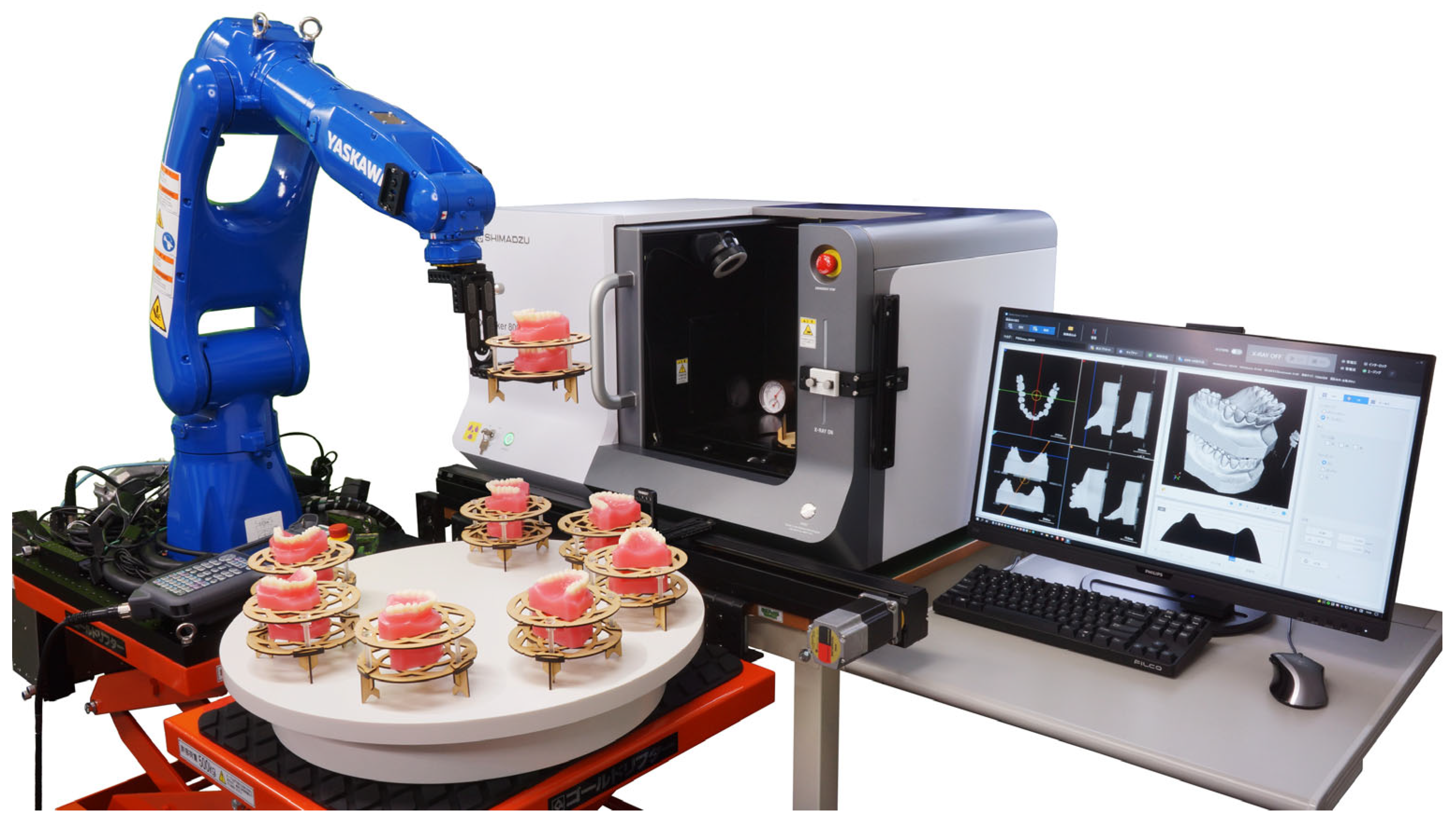
By preparing multiple specimen holders in advance, consecutive scans of multiple sets of models become possible. The specimen holders awaiting scanning are placed on a rotating table, from which they are picked up and transported by a robotic arm (Motoman GP-7, Yaskawa Electric Corporation, 2-1 KurosakiShiroishi, Yahatanishi-ku, Kitakyushu Fukuoka, Japan). The robot automatically loads and unloads the specimens into and out of the X-ray CT scanner. This system allows continuous feeding of the models via the rotating table (Figure 2).
An integrated automation system was also developed to control the robotic arm, open and close the CT scanner door, operate the rotating table, and automate software processing via robotic process automation. Each device can be controlled easily through Python scripts running on a Windows PC. The software components run on Windows 10 and were implemented in Python 3.12; volume processing and visualization use ExFact VR 2.2, and plotting uses Matplotlib (3.10.0). This system allows automatic, continuous scanning of a full set of upper and lower dental models in approximately 6 min. This development enables high-throughput scanning of dental models, significantly improving the efficiency of large-scale data collection.
In this study, the XSeeker 8000 X-ray CT scanner (Shimadzu Corporation, 1, Nishinokyo Kuwabara-cho, Nakagyo-ku, Kyoto 604-8511, Japan) was employed. It operates at a tube voltage of 160 keV, allowing artifact-free imaging even of hard dental plaster models. The scan field of view is φ100 mm × H 80 mm, with a resolution of 1024 × 1024 × 800 voxels and a voxel size of 0.1 mm. This offers sufficient resolution and precision for orthodontic model measurements in dental applications.
As example data, four resin-based standard models were scanned: SHOFU Ortho Model Class II DIV.1 (CL1C, CL21, CL3, and NEXT), manufactured by SHOFU Inc., Japan. These Class II models were selected to verify system feasibility and workflow performance rather than to draw clinical conclusions. This study is a technical development/proof-of-concept using standard models and does not involve clinical samples. Although these models were made of resin rather than plaster, the material difference did not affect the measurement process employed in this study.
CBCT-based 3D analyses are increasingly used to evaluate orthodontic and maxillofacial treatment changes, and recent reviews discuss integration with AI, augmented reality, and virtual reality for diagnostics, surgical planning, and education [7].

2.1.1. Workflow

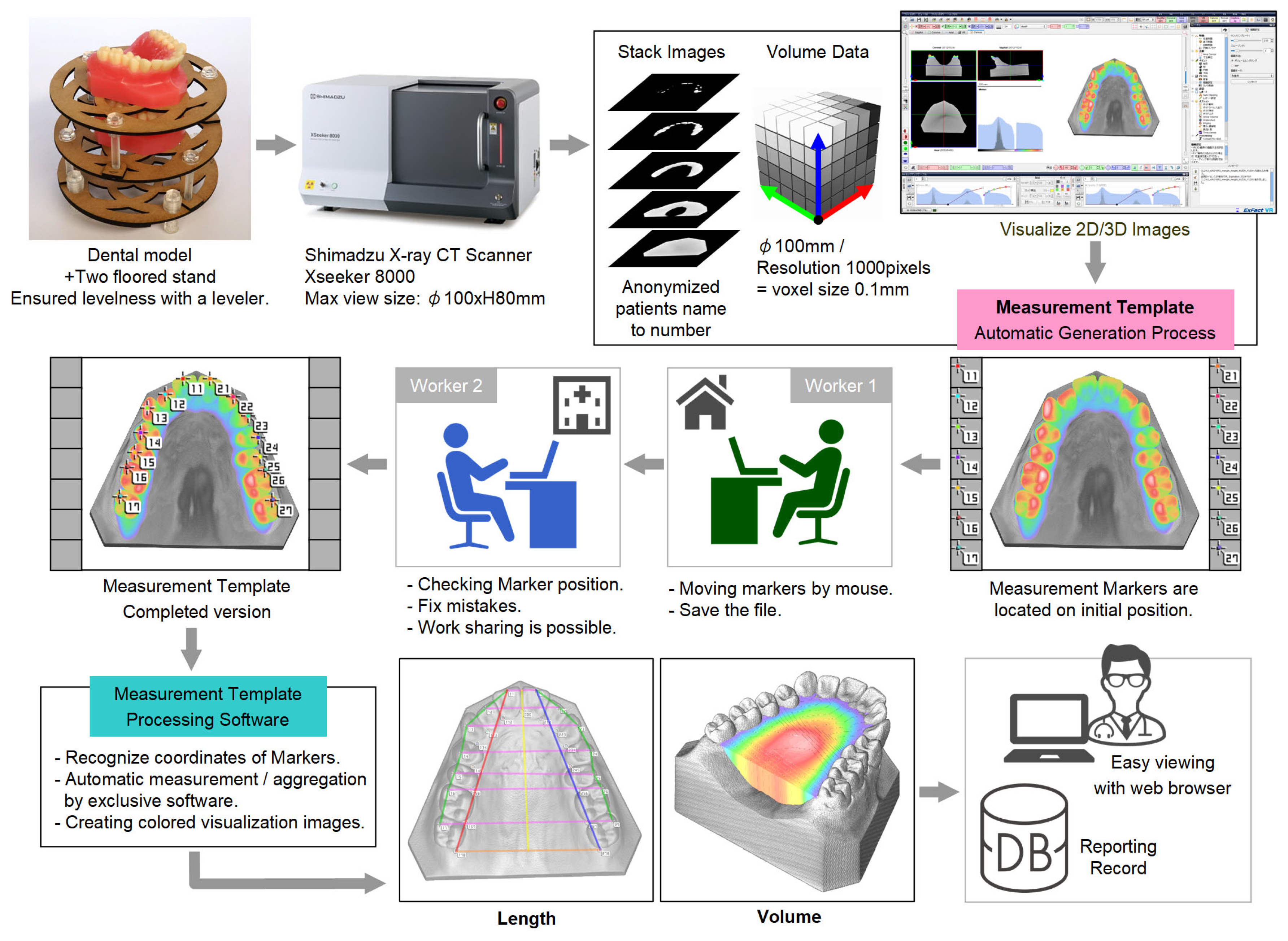
This system is designed under the assumption that imaging and measurement are conducted by a party different from the one responsible for instructing the measurements. The specific workflow is illustrated in Figure 3. The robot component is omitted from the diagram.
The process proceeds in the order indicated by the arrows. Human operators intervene where necessary, and essential information is transmitted through the measurement templates to enable the actual measurement process.
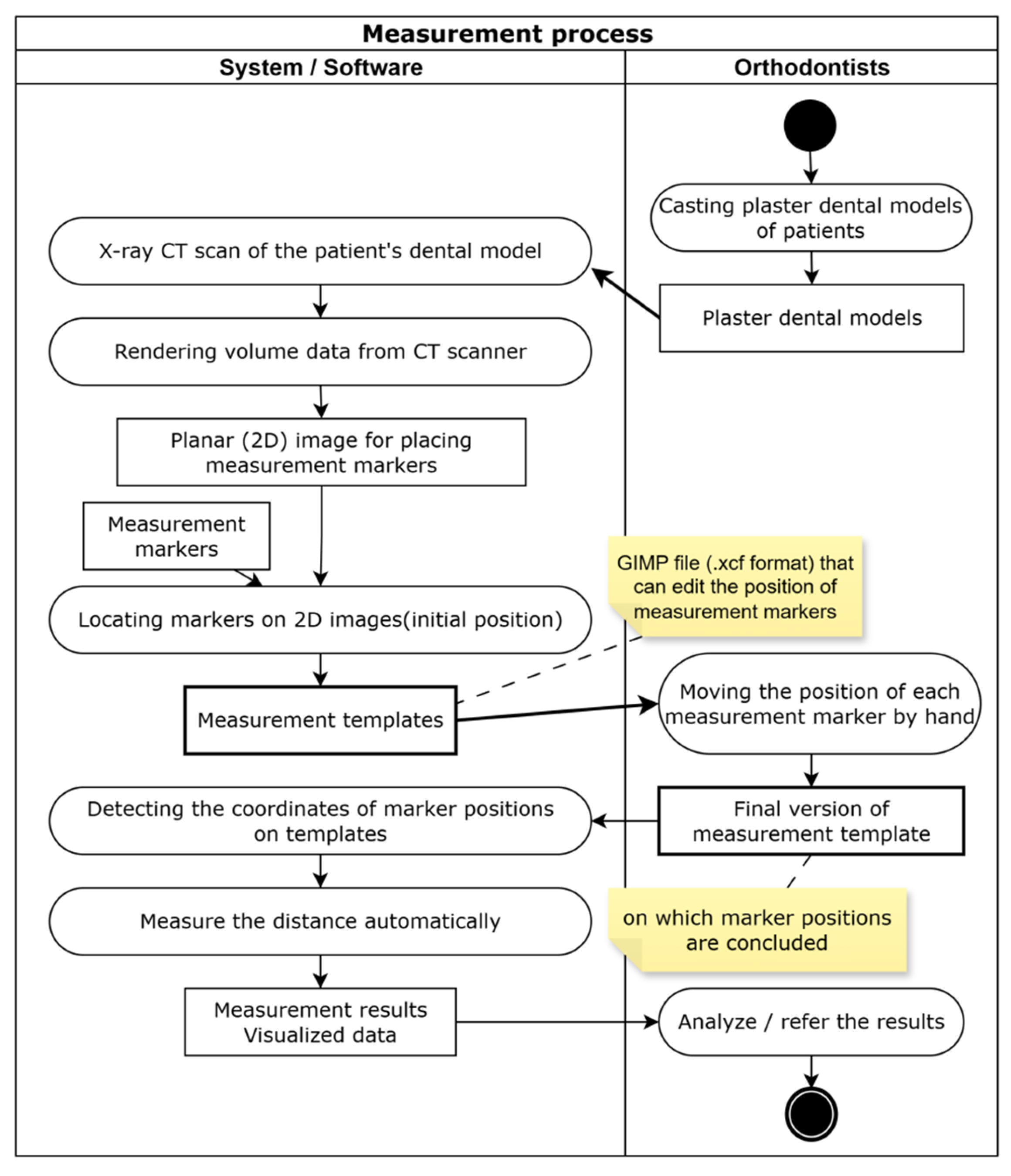
Figure 4 presents a flowchart of the entire system. Tasks requiring professional expertise, namely those that can only be performed by orthodontic specialists, are clearly distinguished from tasks handled by the system or software. These tasks are logically organized and classified from an engineering standpoint. The workflow is designed to allow both parties to collaborate efficiently while exchanging data. The system was developed by carefully considering the components and tools required to enable automation and produce informative outputs.
Although the physical dental models are exchanged once for imaging, they are returned immediately after scanning. Therefore, the digital measurement templates are the only items exchanged throughout the actual measurement process. Because the template is compact and self-contained, this structure is well suited to division of labor and remote collaboration, including workflows between private clinics and universities or other research institutions.

2.1.2. Validation and Quality Control

To reduce ambiguity in landmark placement and to keep the workflow reproducible, each template is checked for completeness before measurement. Missing markers, duplicated labels, or obviously inconsistent positions are flagged and corrected on the template by the orthodontist before computation proceeds.
After automated measurement, the output plots and 3D overlays are reviewed against the saved template; any implausible distances or plane fits trigger a re-check of the underlying landmark positions and a repeat of the calculation. This verification loop clarifies how expert judgment is validated while the computational steps remain deterministic.

2.2. Measurement Templates

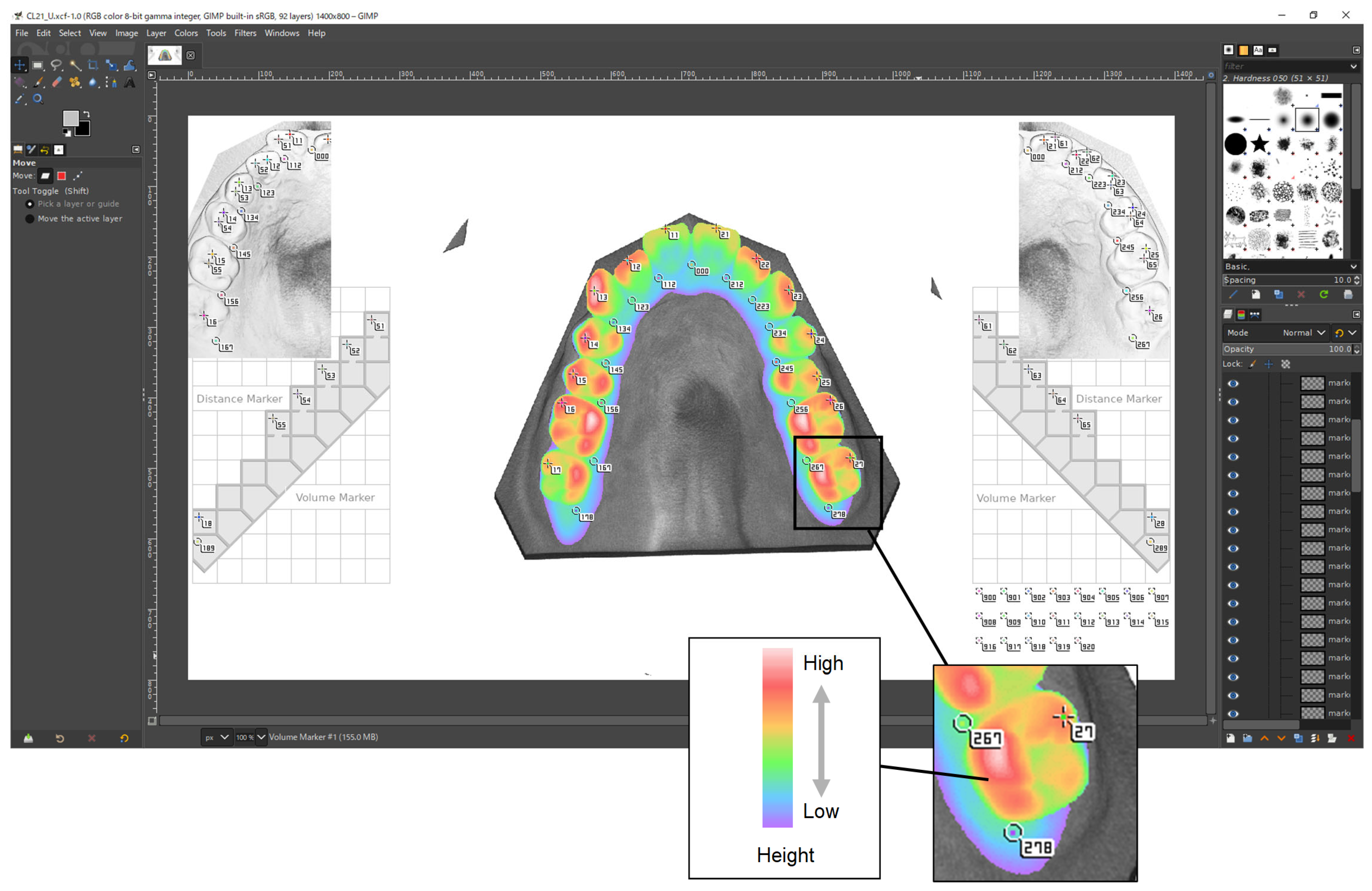
A measurement template is a layered image file that is composed of a planar image and multiple movable measurement markers superimposed on it. As shown in Figure 5, this template serves as the core foundation of the current system. This proprietary software technology was developed by the author and has been applied for patent protection [8]. Beyond being a file format, the measurement template functions as an integrated front-end: it provides the input interface for expert judgments, encodes the processing instructions for downstream measurement, serves as the transmission medium between roles, offers visual references for annotation, and preserves the annotation history for data accumulation.
Using the measurement template, the party responsible for specifying the measurements, namely the orthodontist who receives the template, can easily and intuitively indicate cusp positions and incisal edges by mouse operation. This is done by referring to a 2D occlusal-view image of the dental arch and using markers distinguished according to the dental notation system. After the measurement instructions are entered, the template is sent to the party responsible for performing the measurements, where the computational processes are carried out accordingly.

2.2.1. Components of the Measurement Template

The components of the measurement template developed for this system are described in detail below:
Target Image for Measurement (placed in the bottom layer)
  • A planar occlusal-view image is generated based on the acquired 3D image data and positioned at the center of the measurement template. Multiple rendered images, including those with color coding based on height or with/without shading, are overlaid and can be switched freely for reference. An example of a color-coded image based on height is presented in Figure 5.
Measurement Markers
  • Each anatomical landmark is associated with a measurement marker, which can be fine-tuned manually by left-dragging with the mouse.
  • Each marker is labeled with a flag that shows a two-digit number based on the FDI notation system [9].
  • Additional markers with three-digit numbers, not defined in the FDI system, are provided for placement between teeth (details are provided later).
  • Each measurement marker is color-coded to improve visibility and facilitate user interaction.
Legend
  • Reference images of a standard dental arch form and example marker placements are displayed on the left and right sides of the template.
The measurement template is saved in .xcf format, which can be opened and edited using the free paint software GIMP (https://www.gimp.org/ accessed on 22 April 2026). Because GIMP is available on platforms such as Windows and macOS, templates can be edited and saved across systems. The file is lightweight, allowing easy sharing over the internet and efficient task distribution.

2.2.2. Acquisition of 2D and 3D Coordinate Information

In our previous study involving 2D cephalometric image measurements [6], only 2D X–Y coordinates on the overlaid image were obtained. In the present study, by applying the measurement template to dental models, the system is enhanced to recognize 3D information, thereby enabling more advanced measurements.
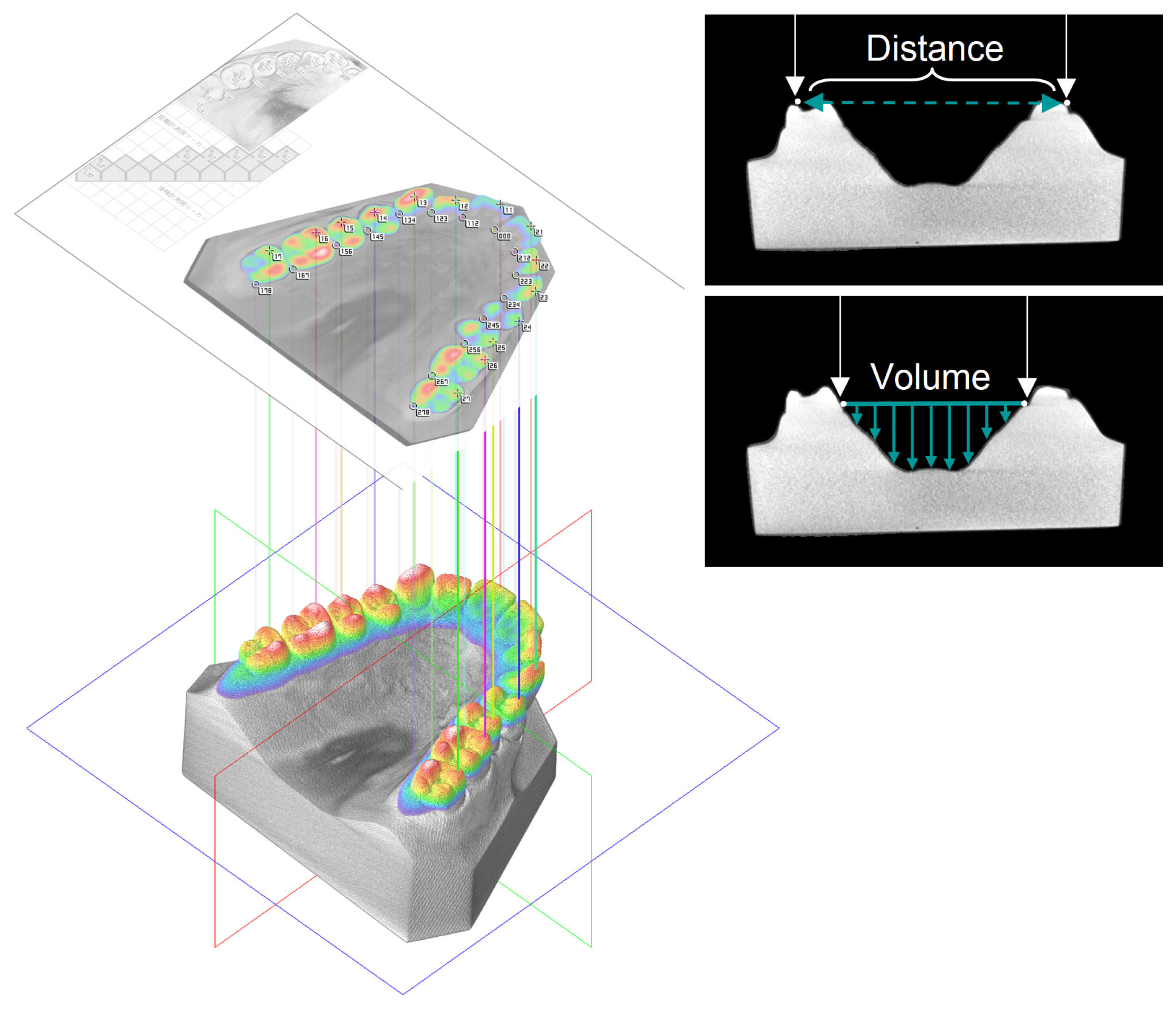
First, as described earlier, an orthodontist places the measurement markers on anatomical landmarks using the measurement template and saves the file in .xcf format. Then, to retrieve 3D coordinates, dedicated software references both the .xcf file and the volumetric imaging data.
The rendered image pasted on the measurement template is a parallel projection from above of the volume data obtained by CT. Since the rendering area is aligned with the scan field, the corresponding XY coordinates can be extracted from the volume data based on the marker positions. Once the XY coordinates are determined, the software scans the volume data along the Z-axis (depth direction) and identifies the Z-coordinate of the first voxel encountered that represents material (i.e., plaster) based on the CT value (Figure 6). The CT-value range used for segmentation was determined by approximating the intensity distribution with a normal distribution, rather than by an arbitrary threshold.
The right part illustrates the 3D coordinate (depth information) detection.
Using the resulting 3D coordinates, the system performs measurements such as calculations of spatial distances and volume. Outputs are saved as CSV files, visualization images, and plot images; these outputs can be compiled into report-style tables for overview and comparative evaluation.
A preliminary validation protocol is being planned, but formal validation of measurement accuracy and reliability is outside the scope of this study and will be addressed separately.

2.3. Application of Dental Model Measurement

2.3.1. Distance Measurement

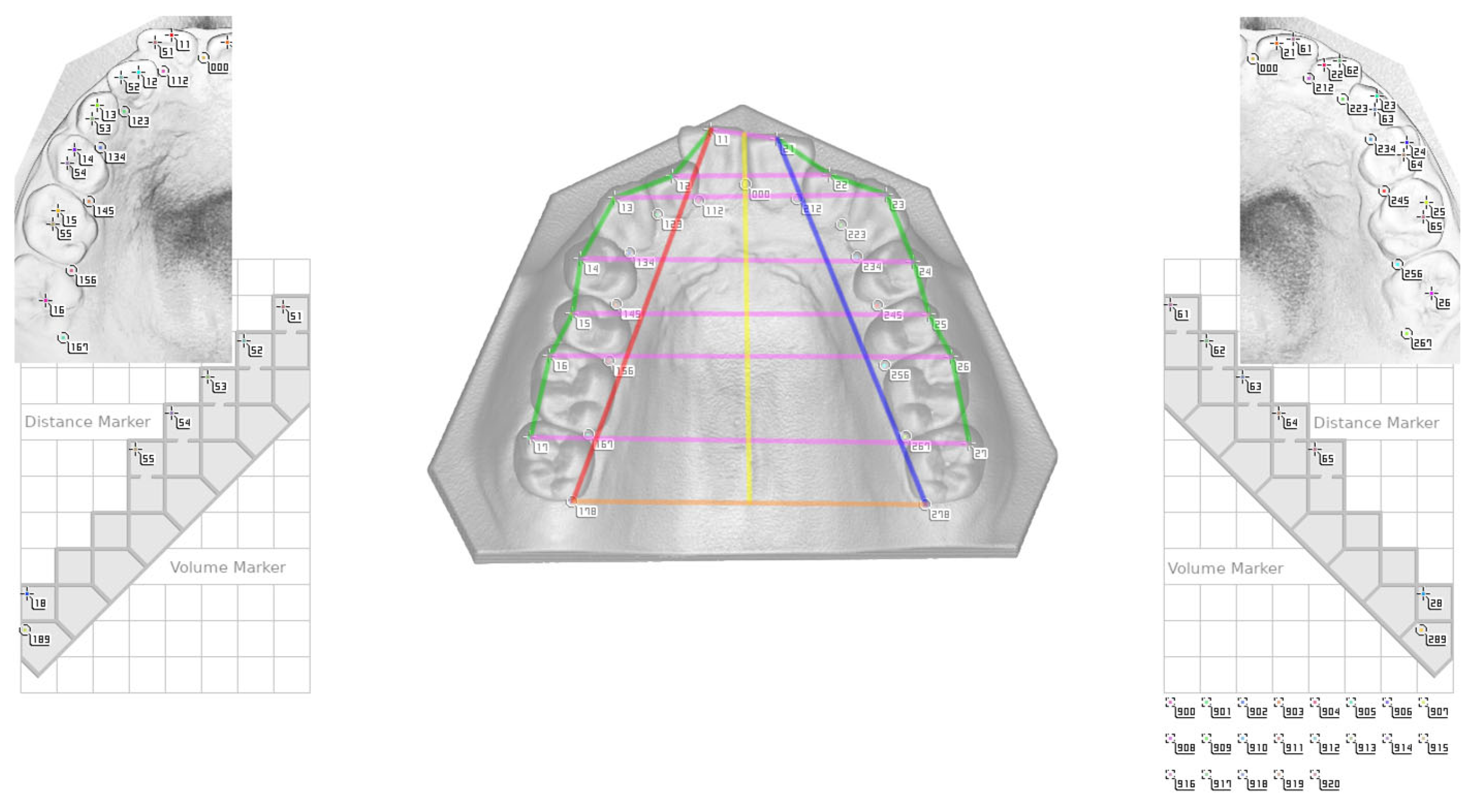
Distances between pairs of points are calculated based on the obtained 3D coordinates. Figure 7 shows a visualized image of the measurement items. The main measurement items are as follows:
  • Intercanine width (the distance between the cusp tips of the canines or the primary canines)
  • Intercusp width between the lingual cusp tips of the first premolars (or the first primary molars)
  • Intercusp width between the lingual cusp tips of the second premolars (or the second primary molars)
  • Intercusp width between the mesiolingual cusp tips of the first molars
  • Arch length: From the distal end of the first molars to the central incisors
  • Arch width: The distance between the distal contact points of the last molars

2.3.2. Measurement of the Palatal Volume

This system enables calculation of the palatal volume and maxillary depth. Measurement is limited to the maxilla because a corresponding palatal impression cannot be obtained in the mandible owing to the presence of the tongue. The following procedure is used for both volume and depth measurements.
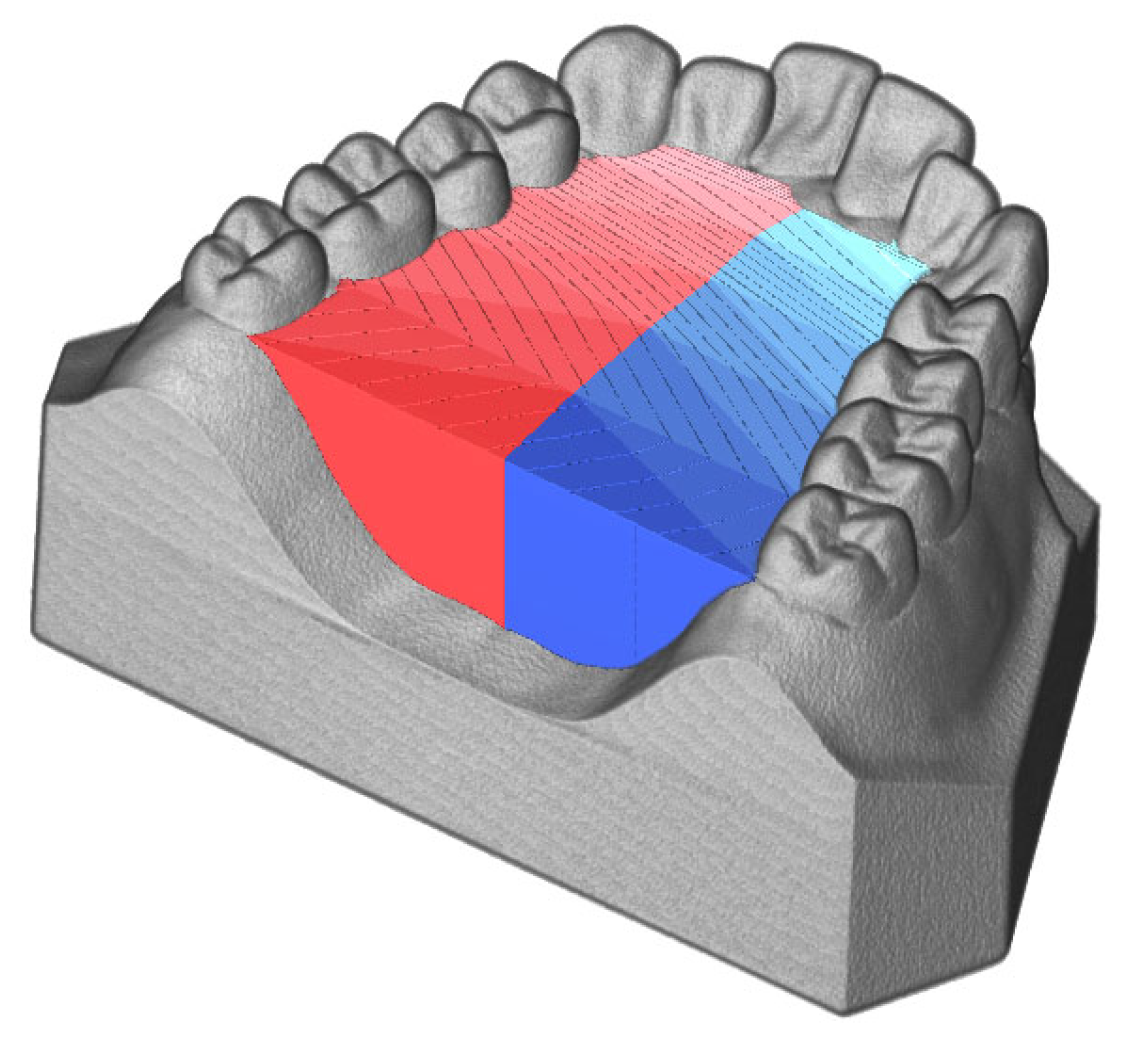
In the measurement template, markers with three-digit numbers are placed at the interdental papillae as landmarks. Line segments are then generated in 3D space between the corresponding interdental regions on the left and right sides, and surfaces are formed between adjacent segments to construct a virtual lid over the palate. This lid is divided into triangles connecting the midpoints and endpoints of the segments, resulting in a complex, undulating surface.
The volume data are then scanned from each voxel that constitutes the lid surface in the negative Z-axis direction (i.e., in the depth direction) down to the maxillary surface. The closed space between the lid and the maxillary surface is filled and extracted as the palatal space. The volume is defined as the voxel count constituting this palatal space.
By connecting the midpoints of each interdental region, a midline divides the palatal space into left and right regions. In the anterior–posterior direction, the palatal space is also divided into segments, each defined as the region between interdental points corresponding to the same tooth type. Because the palate is represented as a set of segmented blocks, these regions can be compared and their quantitative and morphological characteristics analyzed. Figure 8 illustrates this by dividing the left and right regions into red and blue and applying a gradient to the anterior–posterior segments.
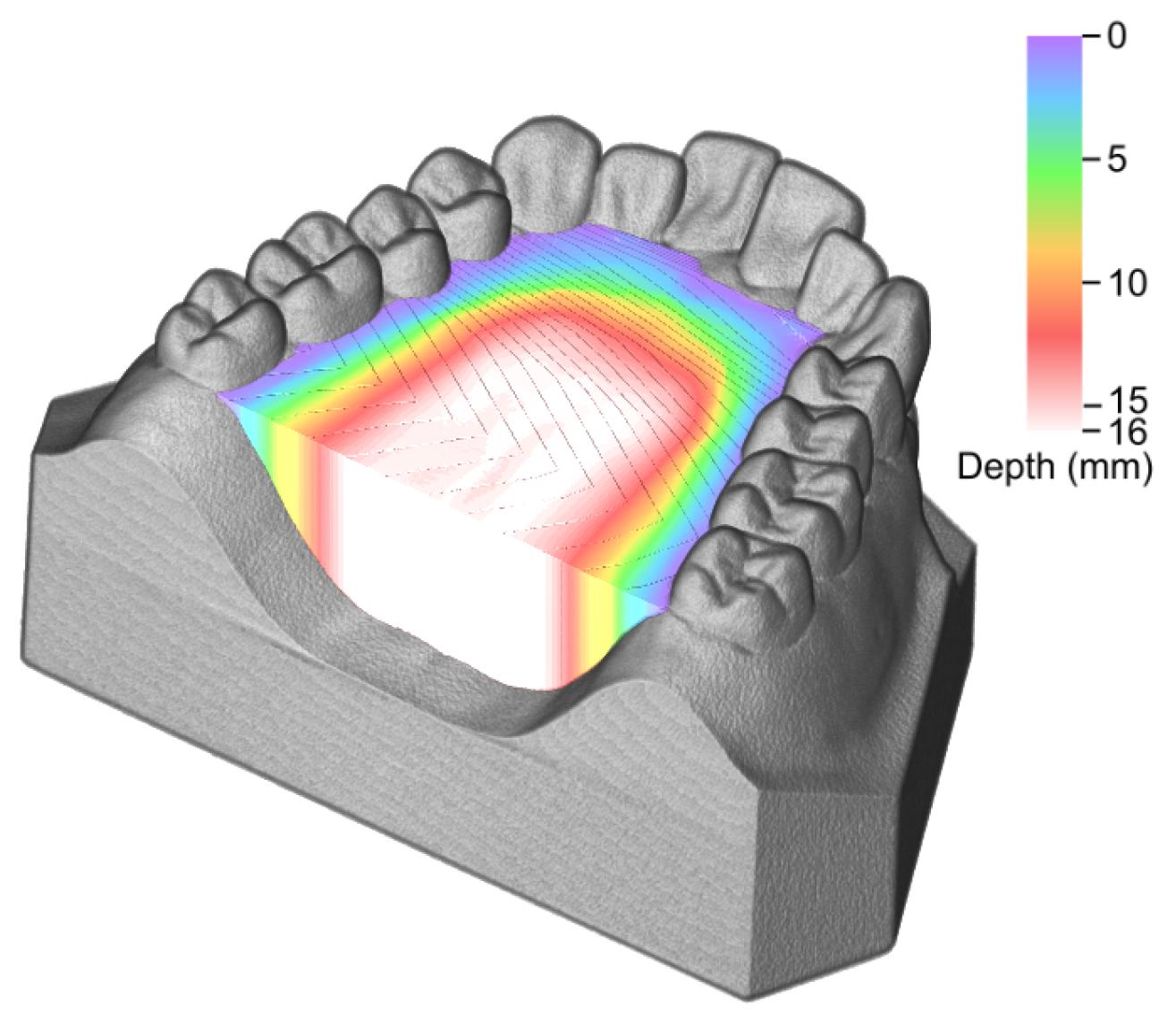
For depth measurement, the system scans from each voxel on the lid surface downward along the negative Z-axis (i.e., in the depth direction) until it reaches the palatal surface. The voxels traversed during this scan are counted and converted into a distance. Figure 9 presents a color map that visualizes the measured depth.
Visualizing palatal depth in this manner and conducting comparative assessments across a population allowed us to identify distinct individual characteristics and variations. This is illustrated in the analysis of the four examined cases.
Palatal morphology quantified from CBCT or IOS has been studied across skeletal patterns and forensic contexts, and palatal rugae have been evaluated as stable landmarks for 3D superimposition of digital models [10,11,12,13].

2.3.3. Definition of the Approximate Plane

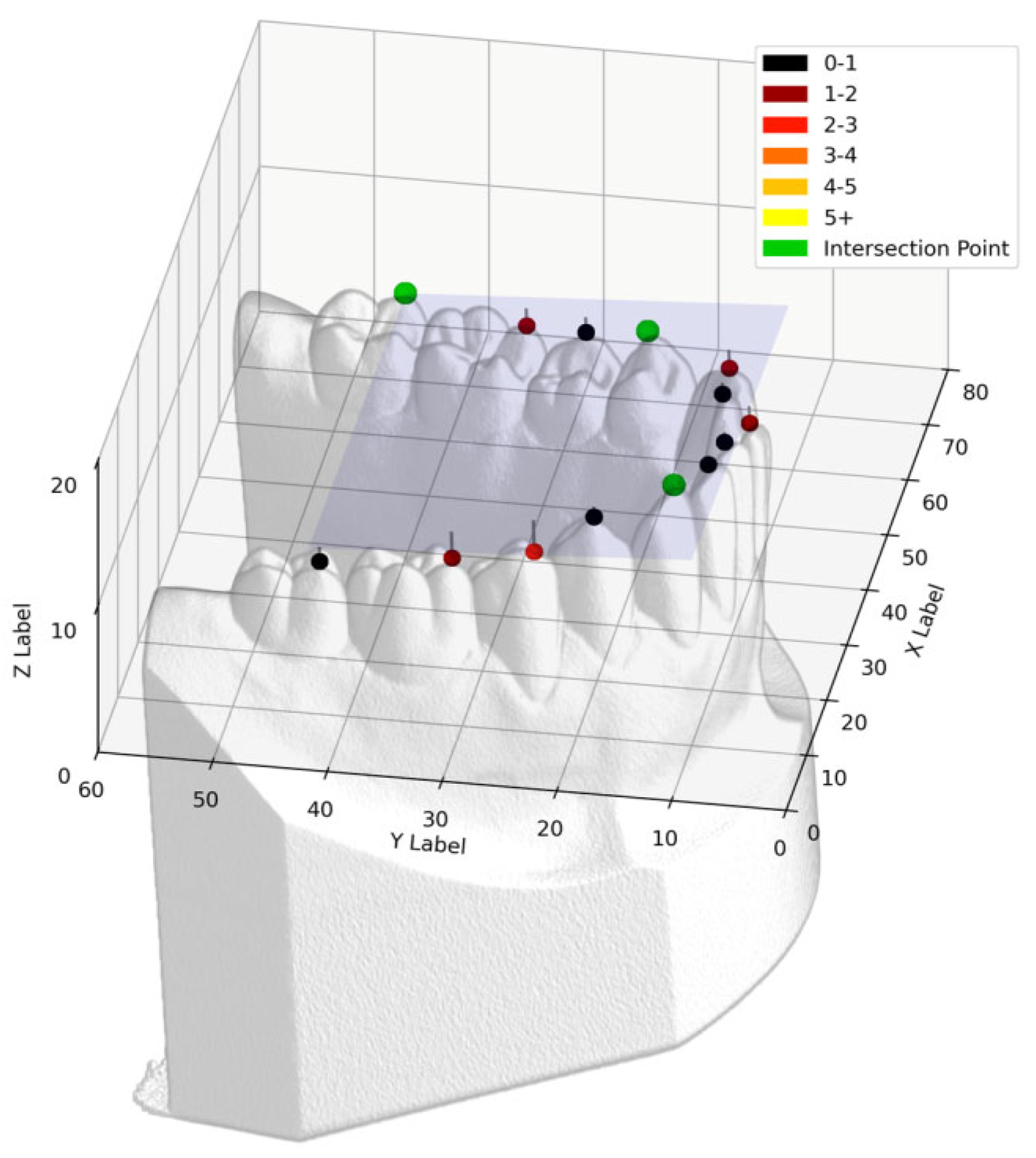
In this study, an approximate plane was defined using the 3D coordinates of all cusps and incisal edges collected via the measurement template (Figure 10). The calculation method is as follows:
7.
From the entire set of points, all possible combinations of three points are enumerated, and the plane passing through each trio is calculated.
8.
If no other point lies above the given plane, the plane is retained as a candidate.
9.
If any point is detected above the plane, the candidate is discarded, and the process returns to step 1.
10.
For each remaining candidate plane, the sum of the distances from all points to the plane is calculated. The plane with the smallest total distance is then selected as the final approximate plane.
This constraint assumes that all feature points lie on or below the plane; by avoiding statistical approximation (e.g., least-squares fitting), computational complexity is reduced.
Consequently, representative planes—each passing through three characteristic points extracted from among the cusps and incisal edges—are defined for both the maxillary and mandibular arches.
Unlike simple least-squares surface fitting, this method imposes a constraint that all measurement points must lie on or below the candidate plane. Among such constrained candidates, the one minimizing the cumulative error is selected; this is the defining feature of our approach.
Notably, the approximate plane differs from the occlusal plane. Although the occlusal plane may have varied definitions or interpretations, in this study, the approximate plane is uniquely and objectively determined from measured data using universally recognized anatomical landmarks in dentistry.

2.3.4. Evaluation of Height Information

By calculating the shortest distance from each cusp coordinate to the approximate plane, the dental arch height relative to that plane can be quantitatively evaluated. Owing to the definition of the approximate plane, all such distances are guaranteed to be non-negative values.
  • The mean distance and standard deviation reflect the degree of variation in the tooth height.
  • The maximum distance indicates how far the highest cusp deviates from the approximate plane.
Through this approach, digital measurement applications in dentistry enable advanced analyses that were not feasible using conventional analog methods.

3. Results

Results are presented for four resin-based standard models (SHOFU Ortho Model Class II DIV.1: CL1C, CL21, CL3, and NEXT). For each model, the system computed 15 summary parameters (6 linear arch distances, palatal volume, maxillary depth, 4 palatal-depth quartiles, and tooth-height statistics: mean, standard deviation, and maximum), in addition to per-tooth interdental distances and tooth-height values used in the plots. The quantitative values underlying the graphs (e.g., interdental widths, arch length, palatal volume, mean tooth height, and standard deviation) are not listed here but can be provided upon request. Direct comparison with manufacturer-provided values, manual measurements, or previously reported datasets has not yet been performed; such comparative evaluation is planned. Visual representations of representative samples are shown in the following figures.
This study focuses on the development of the measurement methodology; therefore, the Results section presents representative outputs to demonstrate feasibility rather than to derive clinical insights from the output itself. Nevertheless, obtaining measurements of indices that were previously unavailable with conventional methods is an important outcome of the proposed system.
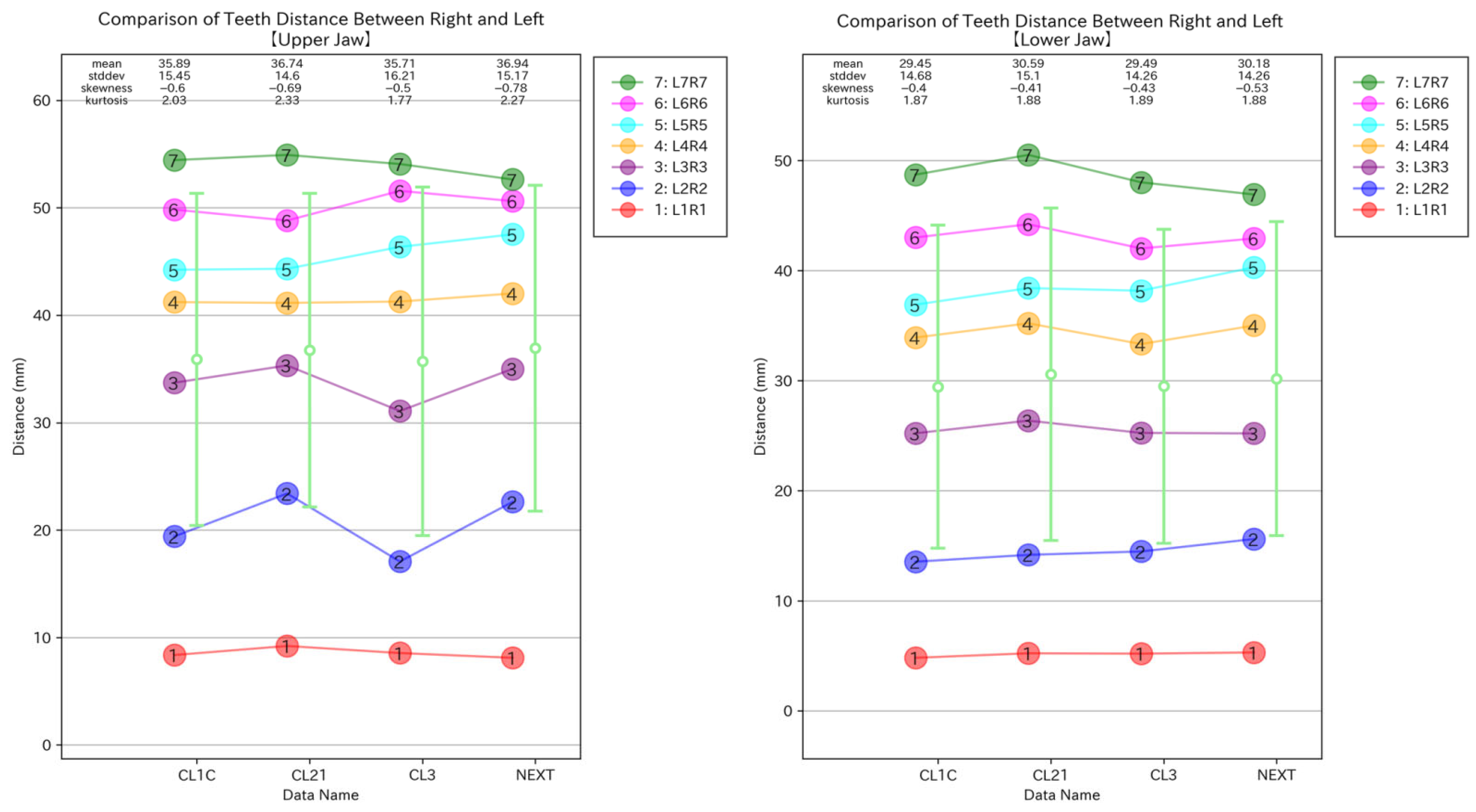
Figure 11 shows the distribution of interdental distances.
  • Definition: These graphs represent the distances between the cusps or incisal edges of bilaterally corresponding teeth. Statistical values are shown at the top.
  • Horizontal axis: This axis represents individual patient identifiers.
  • Vertical axis: This axis indicates the distance. The numerical labels represent tooth types; teeth with shorter interdental distances are plotted lower, whereas those with longer distances are plotted higher. Consequently, the anterior teeth typically appear near the bottom, whereas the posterior teeth appear near the top.
  • Color: Different tooth types are color-coded.
  • Lines connecting data points: Each tooth type is connected across samples (patients) using lines to show trends across individuals.
  • Error bars: The central dot of each vertical line indicates the average distance across all tooth types. The length of the bar represents the standard deviation; longer bars indicate greater variability.
  • Interpretation points: Trends across samples can be discerned by following the horizontal lines. Gaps in lines indicate missing teeth, allowing quick visual identification of such cases.
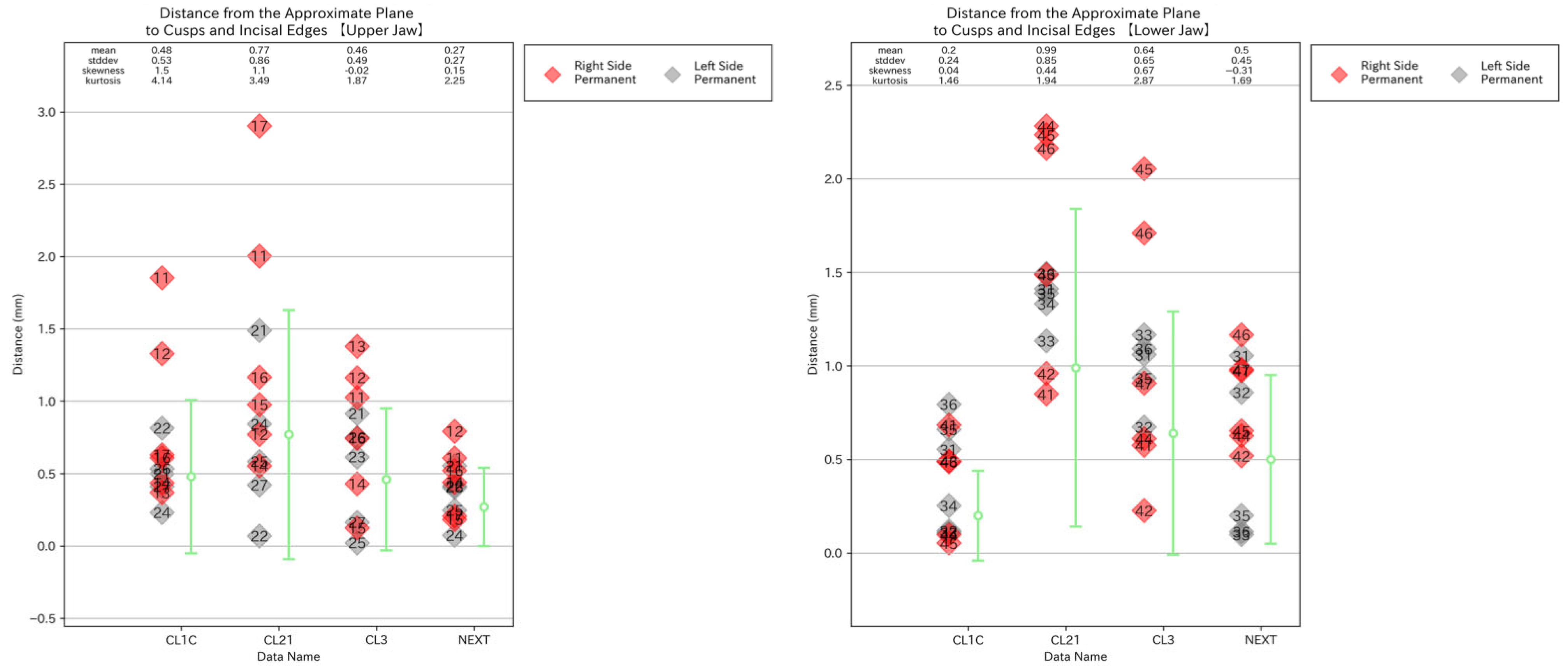
Figure 12 shows plots of tooth height for each dental model.
  • Definition: The shortest distance to the approximate plane was calculated for each measurement point (cusp or incisal edge). The resulting values represent the relative “tooth height” of each tooth with respect to the approximate plane. Hereafter, these values are referred to as “tooth height.” For each sample, the heights of all teeth were plotted using the same method as for the intertooth distances.
  • Conditions: The graphs are separated into upper and lower jaws.
  • Horizontal axis: Each sample number (patient identification number).
  • Vertical axis: Tooth height. The closer the distance to the approximate plane, the lower the plotted position; the farther the distance, the higher the plotted position. Points located exactly on the approximate plane (distance = 0) are omitted and not plotted.
  • Plot colors, values, and shapes: Colors distinguish between tooth types. The numbers indicate the FDI tooth notation for each tooth. Circles and diamonds are used for deciduous and permanent teeth, respectively (in the example, no deciduous teeth are present).
  • Error bars: The circle at the midpoint of the vertical bar indicates the mean distance of all teeth. The length of the bar denotes the standard deviation; the longer the bar, the greater the variation.
  • Interpretation points: The dispersion of the points visualizes the degree of variation in distances from the approximate plane.
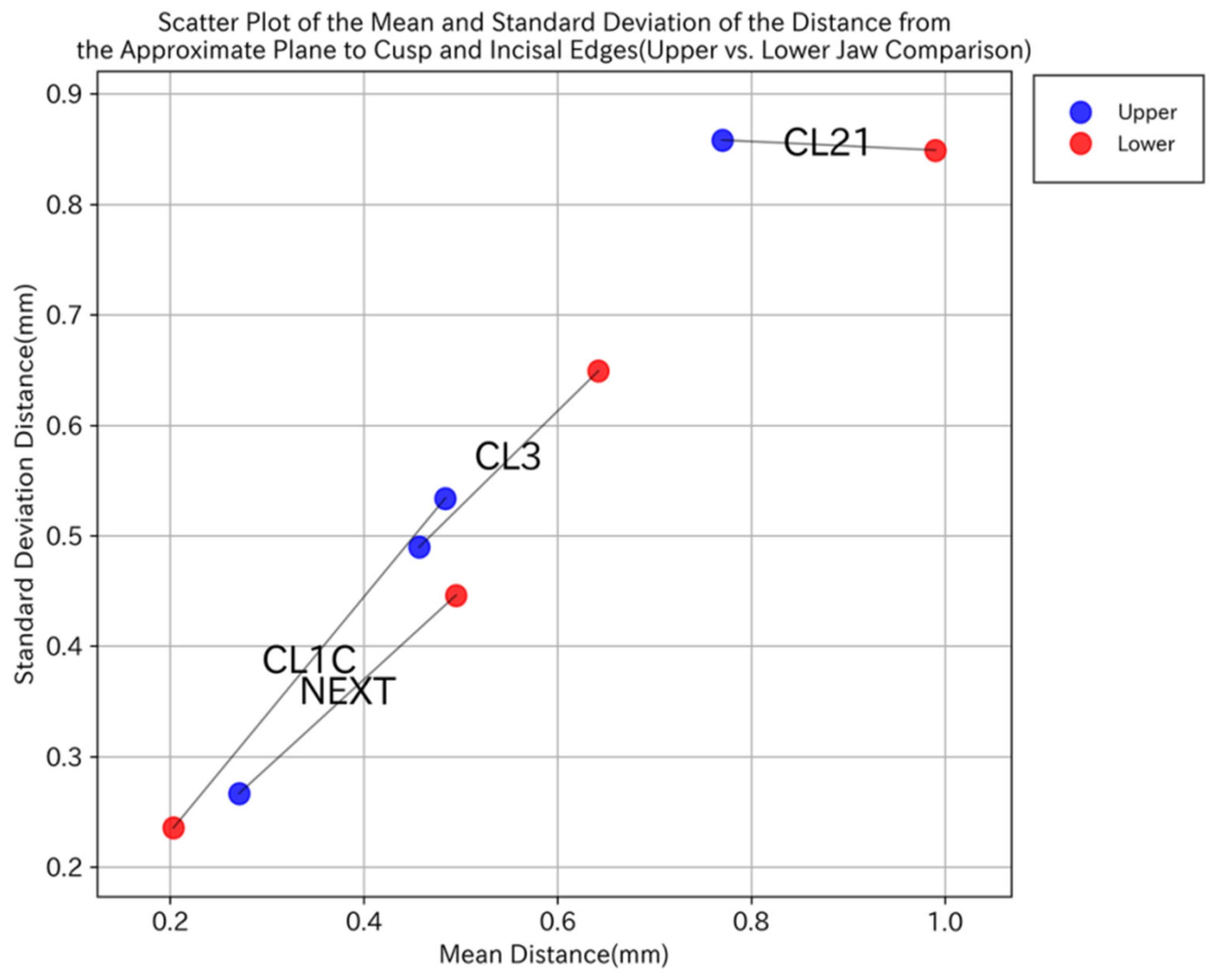
Figure 13 shows a scatter plot summarizing tooth-height statistics for each dental model.
  • Definition: For each sample, two statistical indicators derived from the tooth-height data were plotted in a scatter plot.
  • Horizontal axis: The mean value of the “tooth height”—that is, whether the gap between the dentition and the approximate plane is small ← or large →.
  • Vertical axis: Standard deviation of the “tooth height”—that is, whether the “tooth height” is uniform ↓ or varied ↑.
  • Color: Upper jaw in blue (U), lower jaw in red (L).
  • Connecting lines: These indicate the correspondence between the upper and lower jaws for the same sample.
  • Interpretation point: Visual inspection suggests a positive trend between the variation in tooth height and the mean tooth height.
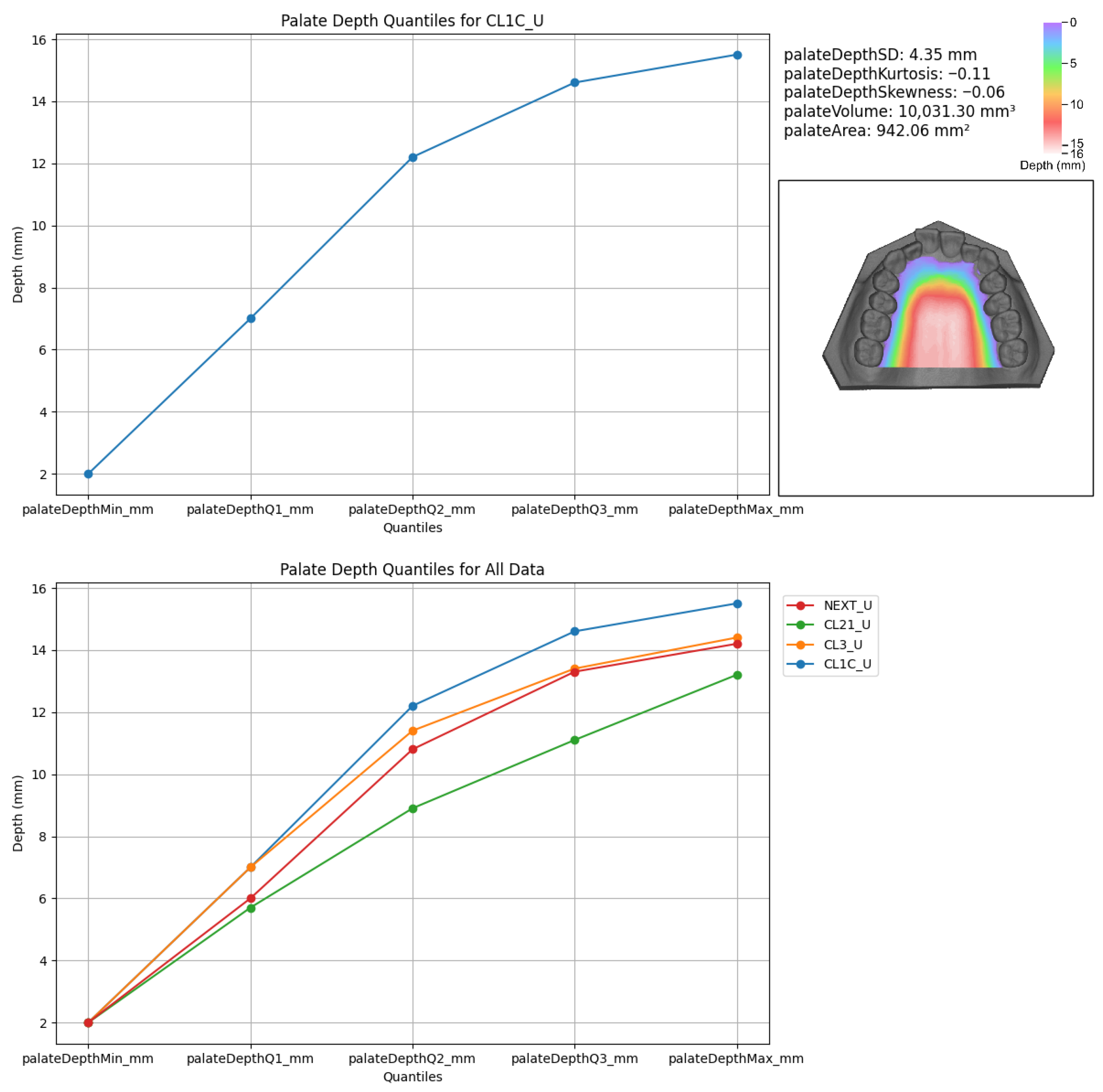
Figure 14 shows plots of palatal-depth quartiles for each dental model.
  • Definition: The quartiles of the palatal-depth distribution for each sample are shown in either individual or combined charts. Here, palatal depth refers to the shortest distance from each voxel forming the palatal vault to the palatal plane.
  • Horizontal axis: This indicates the boundaries of each quartile.
  • Vertical axis: This axis refers to the depth of each region of the palate.
  • Color: When multiple samples are shown together, each line is color-coded according to the sample.
  • Other statistical values: In the individual sample charts, statistical values other than the quartiles related to the palatal-depth distribution are displayed in the margin. An image visualizing the palatal depth and a corresponding depth scale bar are also presented.
  • Interpretation points: A straight line indicates small variability in depth, whereas a curved line indicates larger variability. The degree of variation in depth may be a quantitative indicator of whether the palate is relatively flat or vaulted.

4. Discussion

This study first outlined conventional caliper-based measurement methods and their limitations. The approach proposed here offers several advantages:
  • Measurements are based on 3D data obtained through X-ray CT or IOS-derived polygonal data (e.g., STL).
  • Errors caused by individual operators or inconsistent measurement techniques are eliminated.
  • Landmark positions indicated by orthodontists are directly used for measurement, enabling simple and intuitive operation.
  • All information related to the measurement, including the clinical meaning and rationale of each landmark and the resulting values, is preserved as a digital record that can be stored and shared.
  • Dedicated software is crucial in handling the pre- and post-processing of data.
  • Even when the number of cases grows from tens to hundreds, human work is limited to judgment input, while computational processing scales linearly with case count and runs stably.
  • This addresses requirements that are difficult to satisfy with an intraoral scanner alone or with interactive point-by-point clicking on 3D data, providing a clearer separation between expert judgment and automated processing.
  • Results can be reviewed, and tasks can be divided among multiple users, making the process suitable for educational purposes.
  • The work can be conducted completely on a computer without requiring the physical model.
  • Unique measurements and quantification are possible, such as the palatal volume and approximate planes, thanks to the availability of full 3D data.
  • Measurement results can be automatically aggregated and extended to various applications.
  • Various data outputs and statistical analyses can be generated.
  • From a clinical perspective, the system offers practical benefits:
  • Scanning and measurement can be separated in time and location, which shortens turnaround for treatment planning and follow-up comparisons without transporting physical models.
  • The saved templates and landmark rationale also support consistent re-measurement and communication across visits.
  • The standardized indices and 3D visualizations can complement routine records by highlighting subtle arch form changes or asymmetries and by supporting interdisciplinary collaboration (orthodontics, prosthodontics, and forensic applications).
These points enhance the clinical usefulness beyond methodological efficiency.
Computer-aided measurement workflows have also been applied to specialized craniofacial cases, such as unilateral cleft lip and palate models, using dedicated digital analysis pipelines [14].

4.1. Limitations

This study is a proof of concept based on standard models and did not include clinical samples. Formal validation of measurement accuracy and reproducibility has not yet been conducted. The workflow depends on CT/IOS data quality and on expert manual landmark placement, which may introduce variability. Computational cost may increase for large datasets, especially during volumetric processing and template-based measurements.
In the field of dental measurement, numerous studies have pursued fully automated approaches utilizing artificial intelligence (AI), including automated tooth landmark localization, CBCT landmark detection, and tooth segmentation on digital models [15,16,17]. Studies comparing AI-generated and conventional digital models further inform measurement reliability [18]. Public datasets and community challenges are accelerating development of automated landmarking and segmentation [19]. In contrast, the present system was not designed for complete automation, primarily because current AI technologies have yet to achieve flawless performance in measuring dental arch landmark coordinates. In clinical orthodontic practice, many patients exhibit dentitions with atypical morphology, where tooth notation cannot be reliably determined without the expertise of a specialist. Moreover, both in clinical and research contexts, accurate measurements must be verified and determined by experienced orthodontists. Since AI-generated landmark placements must ultimately be inspected and corrected manually, they may, in some instances, increase rather than reduce the overall workload. In light of these considerations, this system deliberately adopts the concept of semiautomated measurement as a pragmatic solution. Nevertheless, as noted above, a future prospect lies in training AI models on the dataset accumulated through the operation of this system.

4.2. Future Outlook

Leveraging the diverse numerical data and visualizations uniquely enabled by this system may support broader applications in both research and clinical settings. The next steps planned include validation on clinical model cohorts, including accuracy and reproducibility testing against manufacturer-provided or manual measurements, and pilot implementation within educational workflows and clinical protocols. Future developments include automating the placement of measurement markers using deep-learning techniques and further streamlining compatibility and workflow for optical impressions such as STL-format data acquired through IOS, which are already supported and becoming increasingly widespread. Systematic reviews indicate ongoing progress in automated multimodal registration between CBCT and intraoral scans, supporting more seamless integration of volumetric and surface data [20]. Recent work has also demonstrated automated palatal landmark detection on 3D maxillary casts, which could support marker placement in palatal analyses [21].
Moreover, the integrated workflow, beginning with robotic transport and incorporating both the measurement template and 3D imaging, is applicable not only to dental models but also to inspection and measurement in industrial products and related fields. In such contexts, the system can support image-based measurement and inspection and the annotation of defect regions within images as preprocessing for AI training. The associated patent application was filed with these broader applications in mind, including potential uses beyond dentistry. Related research in industrial CT and robotic CT systems underscores the relevance of this workflow for non-dental domains, including robotic CT systems and CT modeling algorithms [22,23].

5. Conclusions

In this study, we developed a 3D measurement system that integrates X-ray CT data with a measurement-template framework and can also accept IOS-derived polygonal data (e.g., STL) as input. This system contributes to the accurate and efficient measurement of dental arches. In particular, palatal volume measurement, made possible by 3D imaging, represents a novel metric that holds promise for future research applications. The system is also well suited to the analysis of numerous dental models. Looking ahead, we plan to expand the application of this system beyond dental models to various fields.

6. Patents

Author Contributions

Conceptualization, T.K.; Methodology, T.K.; Software, T.K.; Software, O.N.; Validation, M.A.; Investigation, M.A.; Writing—Original Draft Preparation, K.H.; Project Administration, K.H.; Funding Acquisition, T.K.; Supervision U.A.; Supervision, H.S. All authors have read and agreed to the published version of the manuscript.

Funding

This research received no external funding.

Institutional Review Board Statement

Not applicable.

Informed Consent Statement

Not applicable.

Data Availability Statement

The data can be obtained by contacting info@nvs.co.jp.

Conflicts of Interest

Author Koga Harumichi, Masugi Ayano and Ogawa Nobuhiro was employed by the company Nihon Visual Science, inc. Taki Katsuhiko is the representative of Nihon Visual Science, inc. Nihon Visual Science, Inc. plans to make a profit from the system developed in this study. Taki Katsuhiko, Koga Harumichi, Masugi Ayano, Haga Shugo and Umehara Akito are inventors of the following patents related to this research. OPD: JP.2023147866.A https://www.j-platpat.inpit.go.jp/c1801/PU/JP-2024-041065/11/ja accessed on 22 April 2026. The remaining authors declare that the research was conducted in the absence of any commercial or financial relationships that could be construed as a potential conflict of interest.

References

  1. Grünheid, T.; Patel, N.; De Felippe, N.L.; Wey, A.; Gaillard, P.R.; Larson, B.E. Accuracy, reproducibility, and time efficiency of dental measurements using different technologies. Am. J. Orthod. Dentofac. Orthop. 2014, 145, 157–164. [Google Scholar] [CrossRef] [PubMed]
  2. Lam, W.Y.H.; Ling, Z.; Mao, K.; Park, J.-M.; Zandinejad, A.; Carreiro, A.d.F.P.; Mangano, F.G.; Platt, J.A.; Schwendicke, F. Digital Dentistry in Clinical Practice: A Scoping Review of Current Capabilities and Future Directions. Int. Dent. J. 2026, 76, 109296. [Google Scholar] [CrossRef] [PubMed]
  3. Eggmann, F.; Blatz, M.B. Recent Advances in Intraoral Scanners. J. Dent. Res. 2024, 103, 1349–1357. [Google Scholar] [CrossRef] [PubMed]
  4. Pesce, P.; Nicolini, P.; Caponio, V.C.A.; Zecca, P.A.; Canullo, L.; Isola, G.; Baldi, D.; De Angelis, N.; Menini, M. Accuracy of Full-Arch Intraoral Scans Versus Conventional Impression: A Systematic Review with a Meta-Analysis and a Proposal to Standardise the Analysis of the Accuracy. J. Clin. Med. 2025, 14, 71. [Google Scholar] [CrossRef]
  5. Vag, J.; Stevens, C.D.; Badahman, M.H.; Ludlow, M.; Sharp, M.; Brenes, C.; Mennito, A.; Renne, W. Trueness and precision of complete arch dentate digital models produced by intraoral and desktop scanners: An ex-vivo study. J. Dent. 2023, 139, 104764. [Google Scholar] [CrossRef]
  6. Koga, H.; Taki, K.; Masugi, A. Efficient measurement method: Development of a system using measurement templates for an orthodontic measurement project. Software 2023, 2, 276–291. [Google Scholar] [CrossRef]
  7. Meto, A.; Halilaj, G. The Integration of Cone Beam Computed Tomography, Artificial Intelligence, Augmented Reality, and Virtual Reality in Dental Diagnostics, Surgical Planning, and Education: A Narrative Review. Appl. Sci. 2025, 15, 6308. [Google Scholar] [CrossRef]
  8. J-PlatPat. JP Patent JP2013192856A. Japan Patent 5,582,584, 2013. Available online: https://www.j-platpat.inpit.go.jp/c1801/PU/JP-5582584/15/ja (accessed on 16 March 2026).
  9. ISO 3950:2016; Dentistry-Designation System for Teeth and Areas of the Oral Cavity. International Organization for Standardization: Geneva, Switzerland, 2016.
  10. Huang, X.; Huang, W.; Pei, T.; Zhao, Y.; Wang, Y.; Gu, Y.; Bai, X. Evaluation of three-dimensional reconstructed palatal morphology in skeletal class III subjects with different vertical patterns using cone beam computed tomography. Head Face Med. 2024, 20, 8. [Google Scholar] [CrossRef]
  11. Farronato, M.; Begnoni, G.; De Boodt, L.; Thevissen, P.; Willems, G.; de Llano-Pérula, M.C. Are palatal rugae reliable markers for 3D superimposition and forensic human identification after palatal expansion? A systematic review. Forensic Sci. Int. 2023, 351, 111814. [Google Scholar] [CrossRef]
  12. Yang, Q.; Cai, M.; Hao, S.; Chu, H.; Wang, Y.; Hu, M.; Yang, H.; Wang, Z. Accuracy and reliability of a three-dimensional superimposition method for maxillary jaws and dentition. BMC Oral Health 2025, 25, 1281. [Google Scholar] [CrossRef]
  13. Mordente, C.M.; Dores, L.S.; Oliveira, D.D.; Palomo, J.M.; Souki, B.Q.; Soares, R.V. Third Palatal Rugae as Stable Landmarks for Intraoral Models’ Superimposition in Extraction Cases: A Retrospective Cohort Study. Orthod. Craniofac. Res. 2026, 29, 326–335. [Google Scholar] [CrossRef]
  14. Bühling, S.; Thedens, C.; Eßing, K.; Eslami, S.; Sayahpour, B.; Plein, N.; Sader, R.; Kopp, S. Innovative Approach to Computer-Aided Measurement of Unilateral Cleft Lip and Palate Models Using OnyxCeph3. Appl. Sci. 2025, 15, 3278. [Google Scholar] [CrossRef]
  15. Kwon, N.; Ko, D.-Y.; Park, J.-A.; Kim, J.-H.; Pandis, N.; Lee, S.-J. Evaluation of automated tooth landmark localization on digital models. Angle Orthod. 2026, 96, 141–149. [Google Scholar] [CrossRef] [PubMed]
  16. Jiang, Y.; Jiang, C.; Shi, B.; Wu, Y.; Xing, S.; Liang, H.; Huang, J.; Huang, X.; Huang, L.; Lin, L. Automatic identification of hard and soft tissue landmarks in cone-beam computed tomography via deep learning with diversity datasets: Methodological study. BMC Oral Health 2025, 25, 505. [Google Scholar] [CrossRef]
  17. Xu, M.; Li, X.; Wang, L.; Yu, J.; Li, D.; Chi, X.; Wei, F. Accuracy and time efficiency of deep learning-based three-dimensional crown segmentation on intraoral scanning: A systematic review and meta-analysis. J. Dent. 2025, 159, 105842. [Google Scholar] [CrossRef] [PubMed]
  18. Pasciuti, E.; Guiducci, D.; Guidorizzi, F.; Terenzio, T.; Ceraulo, S.; Pepe, F.; Ranieri, L.; Cremonini, F.; Lombardo, L. Comparison Between Measurements Taken on AI-Generated and Conventional Digital Models: A Retrospective Study. Appl. Sci. 2025, 15, 8347. [Google Scholar] [CrossRef]
  19. Wang, S.; Lei, C.; Liang, Y.; Sun, J.; Xie, X.; Wang, Y.; Zuo, F.; Bai, Y.; Li, S.; Liu, Y.-J. A 3D dental model dataset with pre/post-orthodontic treatment for automatic tooth alignment. Sci. Data 2024, 11, 1277. [Google Scholar] [CrossRef]
  20. Zheng, Q.; Wu, Y.; Chen, J.; Wang, X.; Zhou, M.; Li, H.; Lin, J.; Zhang, W.; Chen, X. Automatic multimodal registration of cone-beam computed tomography and intraoral scans: A systematic review and meta-analysis. Clin. Oral Investig. 2025, 29, 97. [Google Scholar] [CrossRef]
  21. Giri, J.; Jose, G.V.; Kurian, N.C.; Brook, A.; Palmer, L.; Hughes, T. Development of a Deep Learning Model to Automatically Identify Palatal Landmarks on Three-Dimensional Maxillary Dental Casts. Int. J. Dent. 2026, 2026, 9409391. [Google Scholar] [CrossRef]
  22. Herl, G.; Wittl, S.; Jung, A.; Handke, N.; Weiss, A.; Eberhorn, M.; Oeckl, S.; Zabler, S. RoboCT: The State and Current Challenges of Industrial Twin Robotic CT Systems. Sensors 2025, 25, 3076. [Google Scholar] [CrossRef]
  23. Nagai, Y. Modeling Algorithms for Empowering Automated Manufacturing with Industrial X-Ray Computed Tomography. Int. J. Autom. Technol. 2024, 18, 659–669. [Google Scholar] [CrossRef]
Figure 1. Dedicated specimen holder for CT acquisition of maxillary and mandibular dental casts. The two-tier holder is designed to position both jaws reproducibly during scanning.
Applsci 16 04267 g001
Figure 2. Automated CT scanning system for sequential handling of dental models. A rotating staging table and robotic arm are integrated with the scanner to support continuous acquisition.
Applsci 16 04267 g002
Figure 3. Schematic overview of the proposed workflow linking image acquisition, template-based landmark annotation, and measurement processing.
Applsci 16 04267 g003
Figure 4. Flowchart of the complete measurement procedure, distinguishing specialist-dependent steps from automated computational processing.
Applsci 16 04267 g004
Figure 5. Example of the measurement template used for landmark annotation on an occlusal-view image of the dental arch.
Applsci 16 04267 g005
Figure 6. Correspondence between landmark markers placed on the measurement template and the associated three-dimensional coordinates in the image volume.
Applsci 16 04267 g006
Figure 7. Representative linear measurement items defined from the extracted three-dimensional dental landmarks.
Applsci 16 04267 g007
Figure 8. Conceptual representation of palatal-volume definition and regional subdivision for quantitative analysis. Red indicates the right side of the patient’s palate, while blue indicates the left side.
Applsci 16 04267 g008
Figure 9. Example of palatal-depth visualization derived from the three-dimensional model.
Applsci 16 04267 g009
Figure 10. Approximate plane determined from cusp and incisal-edge coordinates. The depth direction is shown with vertical magnification to improve visibility.
Applsci 16 04267 g010
Figure 11. Sample-wise plots of interdental distances derived from bilaterally corresponding teeth across the dental models.
Applsci 16 04267 g011
Figure 12. Sample-wise plots of tooth height relative to the approximate plane for the maxillary and mandibular arches.
Applsci 16 04267 g012
Figure 13. Scatter plot summarizing the mean and dispersion of tooth height for each dental model.
Applsci 16 04267 g013
Figure 14. Quartile plots summarizing the distribution of palatal depth for each dental model.
Applsci 16 04267 g014
Disclaimer/Publisher’s Note: The statements, opinions and data contained in all publications are solely those of the individual author(s) and contributor(s) and not of MDPI and/or the editor(s). MDPI and/or the editor(s) disclaim responsibility for any injury to people or property resulting from any ideas, methods, instructions or products referred to in the content.