Interfacial Evaluation of Wind Blade Carbon Spar-Cap Depending on Elimination Method of Intermediate Medium


Abstract
1. Introduction
2. Experimental Section
2.1. Material and Sample Preparation
2.2. Methodologies
2.2.1. Surface Energy Measurement of CFRP
2.2.2. Single-Lap Shear Test for CFRP
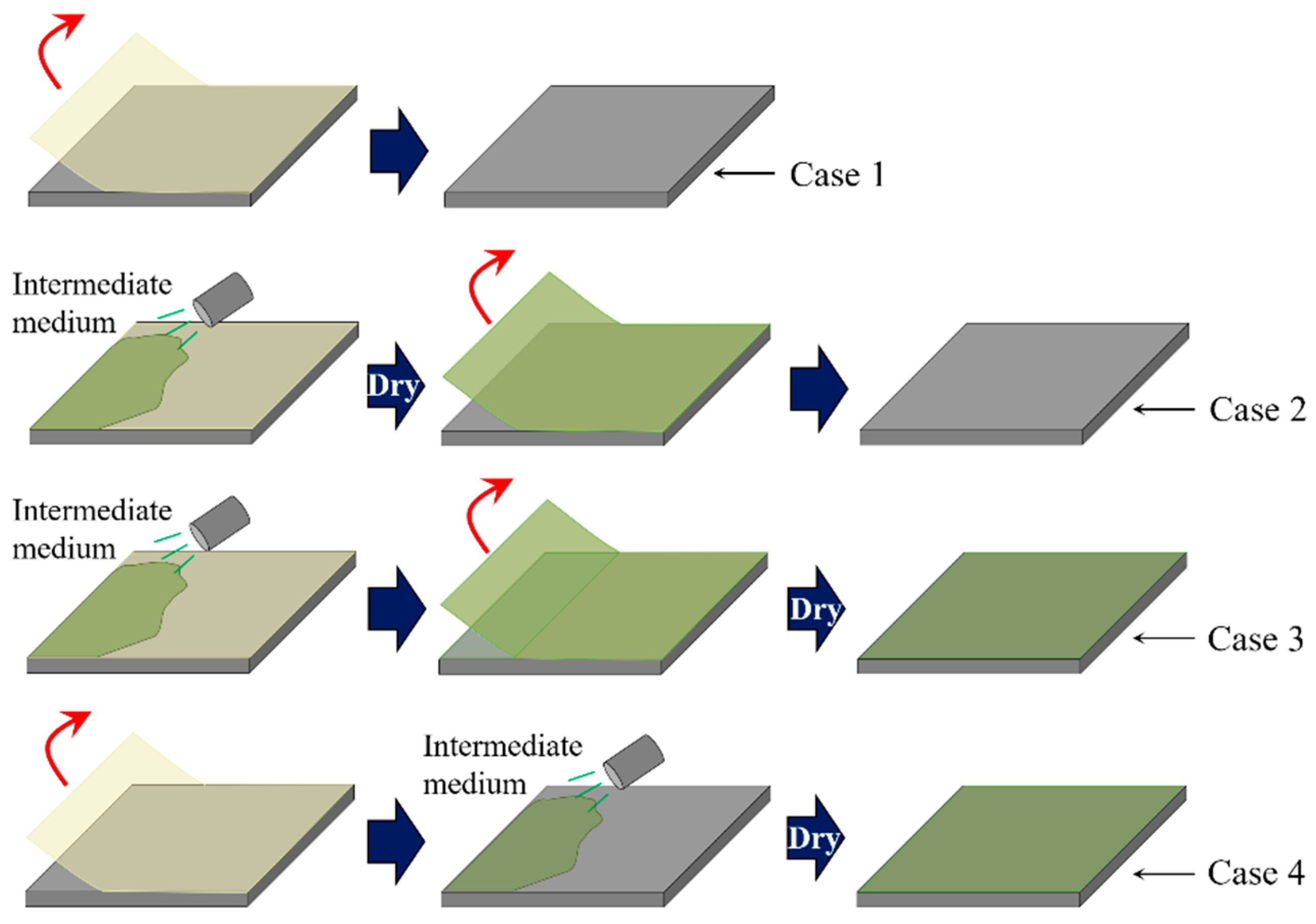
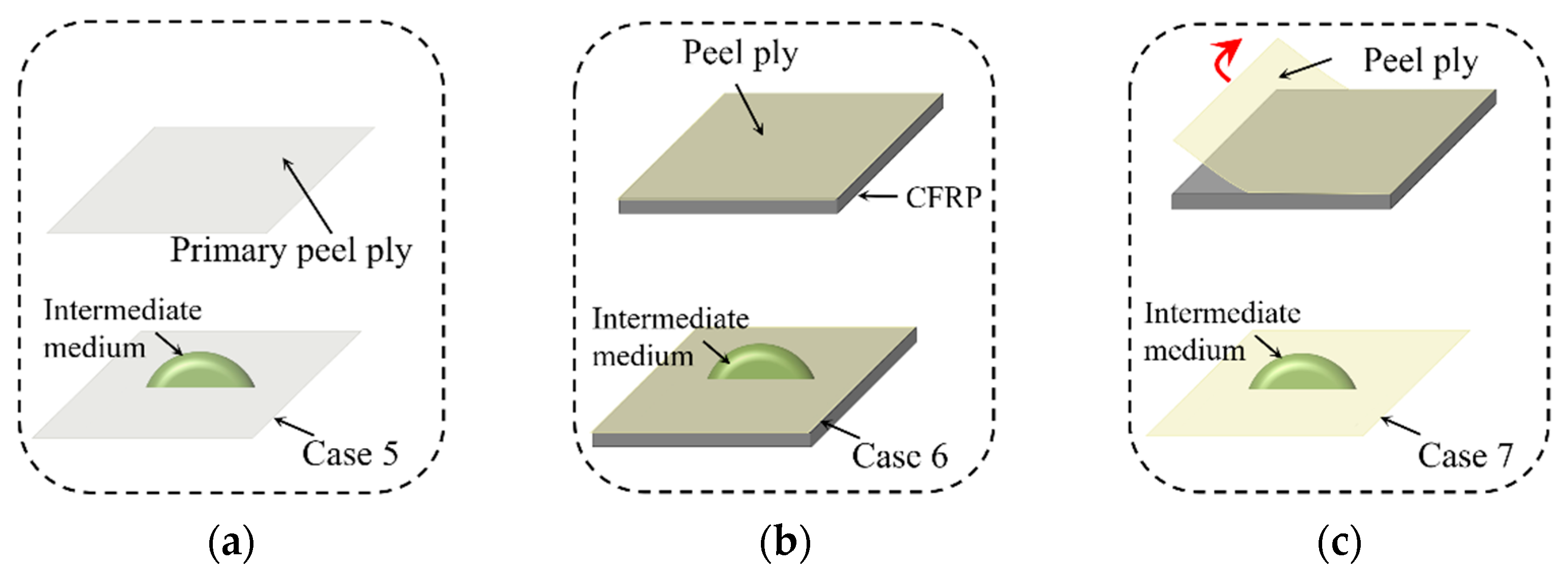
2.2.3. Observation of Peel Ply and Spreading Test Using Intermediate Medium
3. Results and Discussion
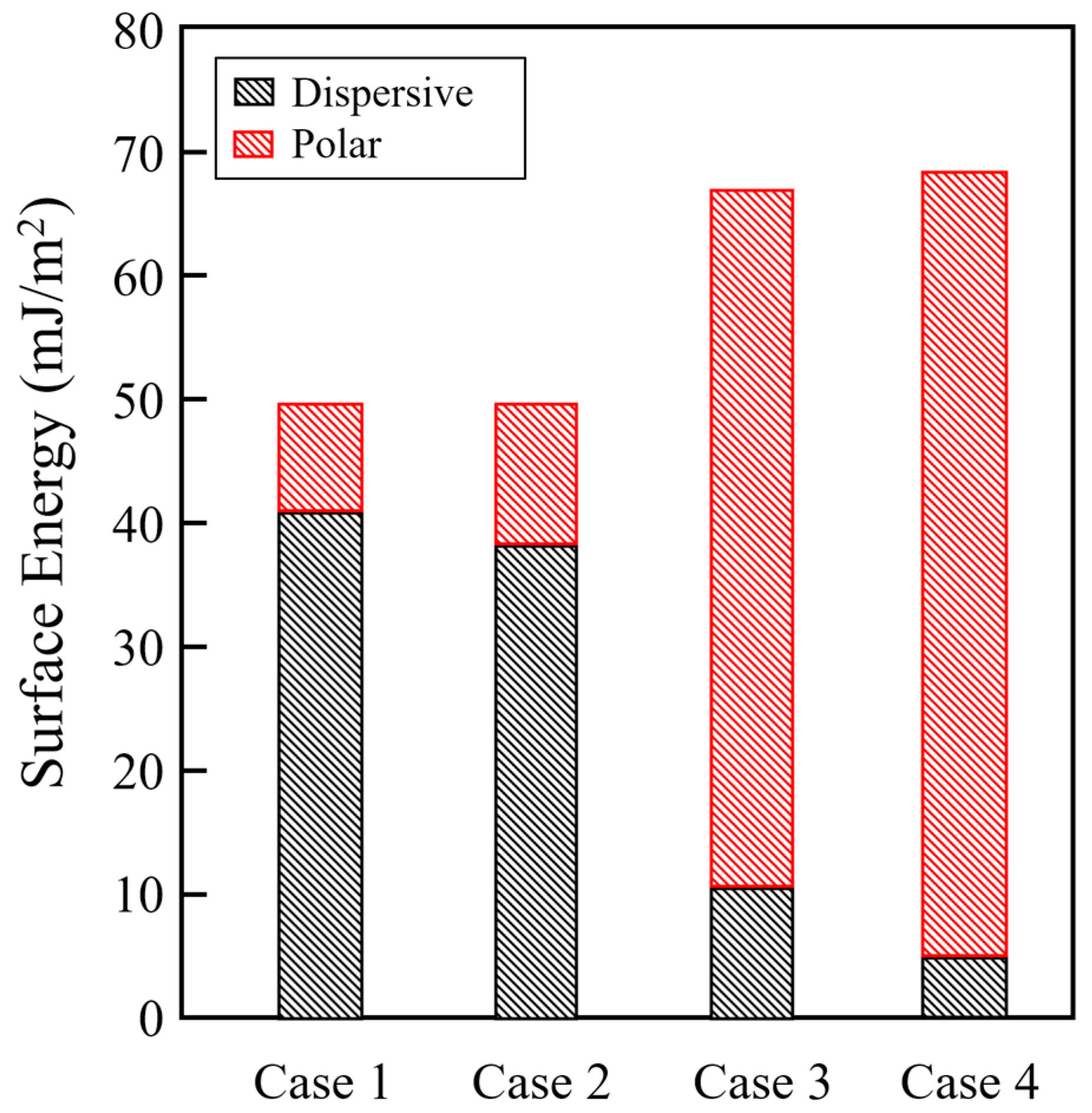
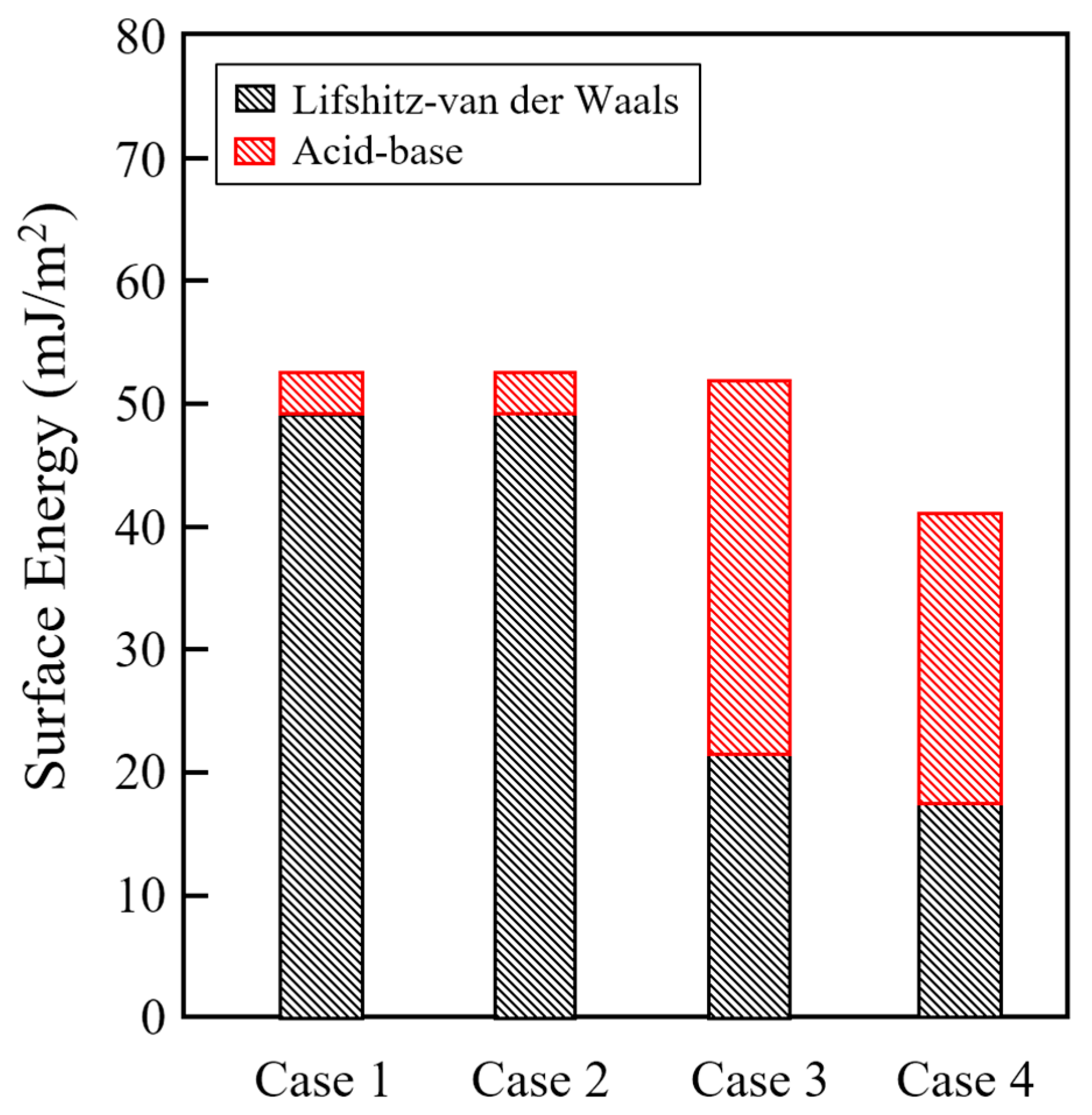
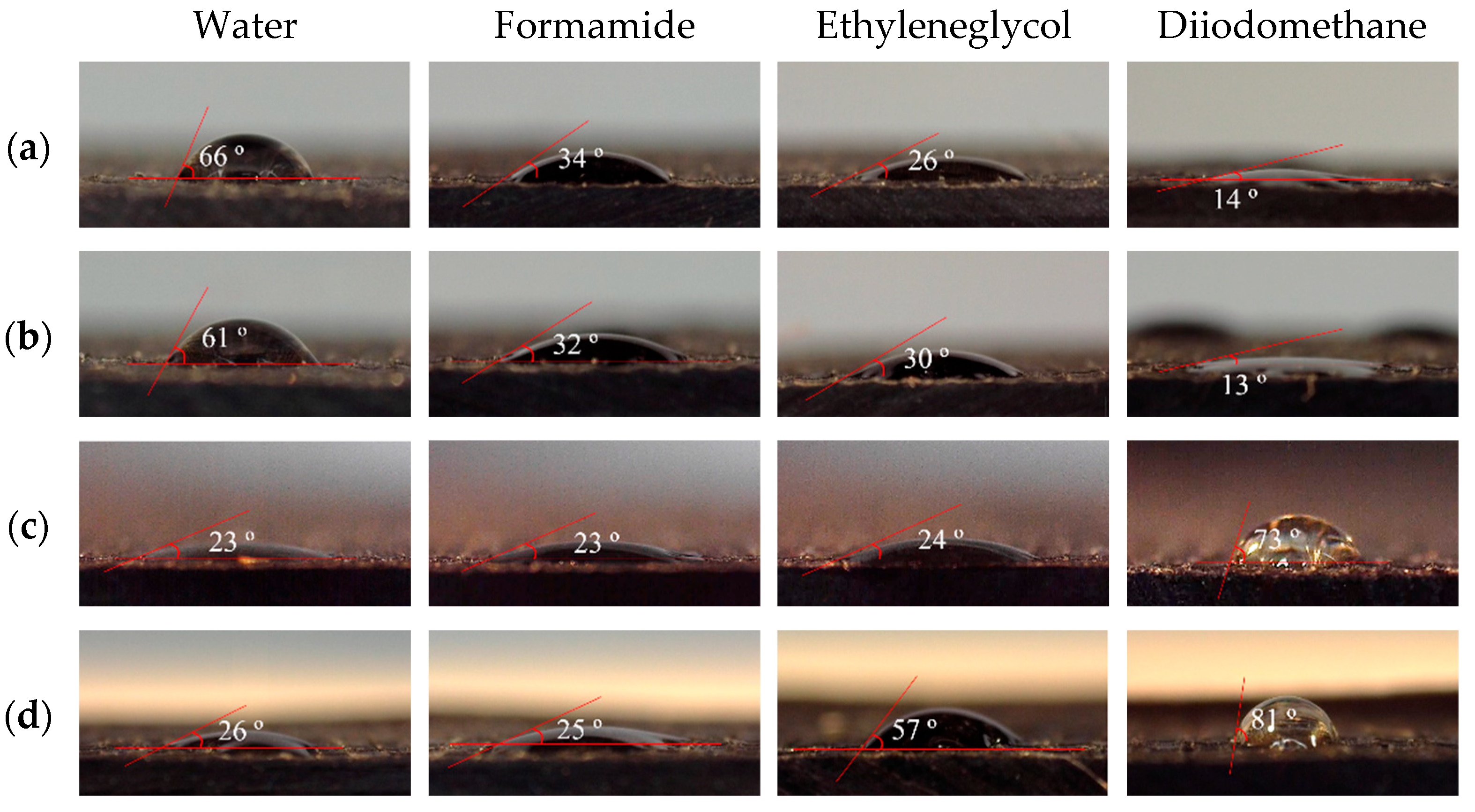
3.1. The Analysis of the Static Contact Angle and Surface Energy for the CFRP
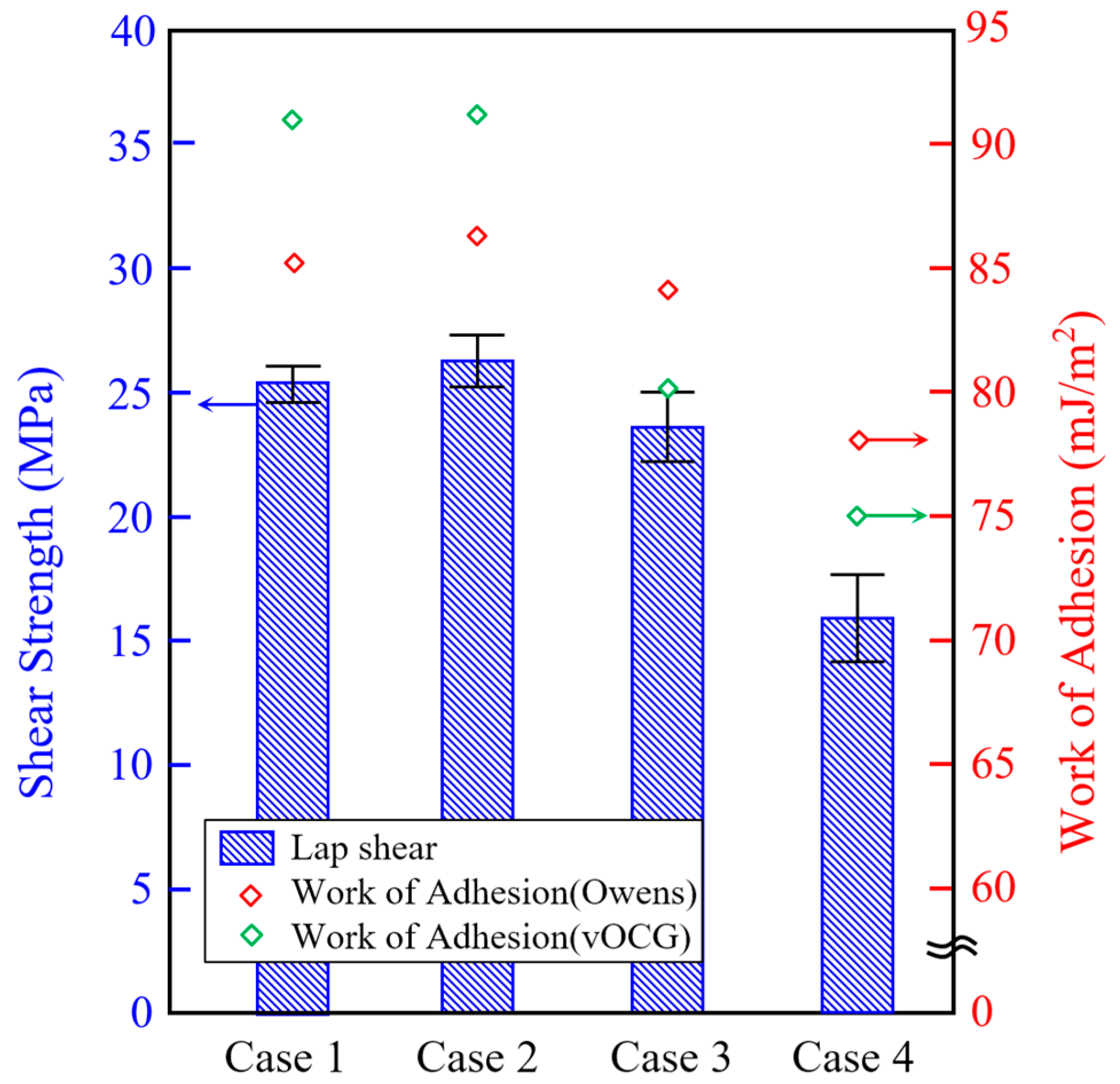
3.2. Work of Adhesion and Lap Shear Test for the CFRP
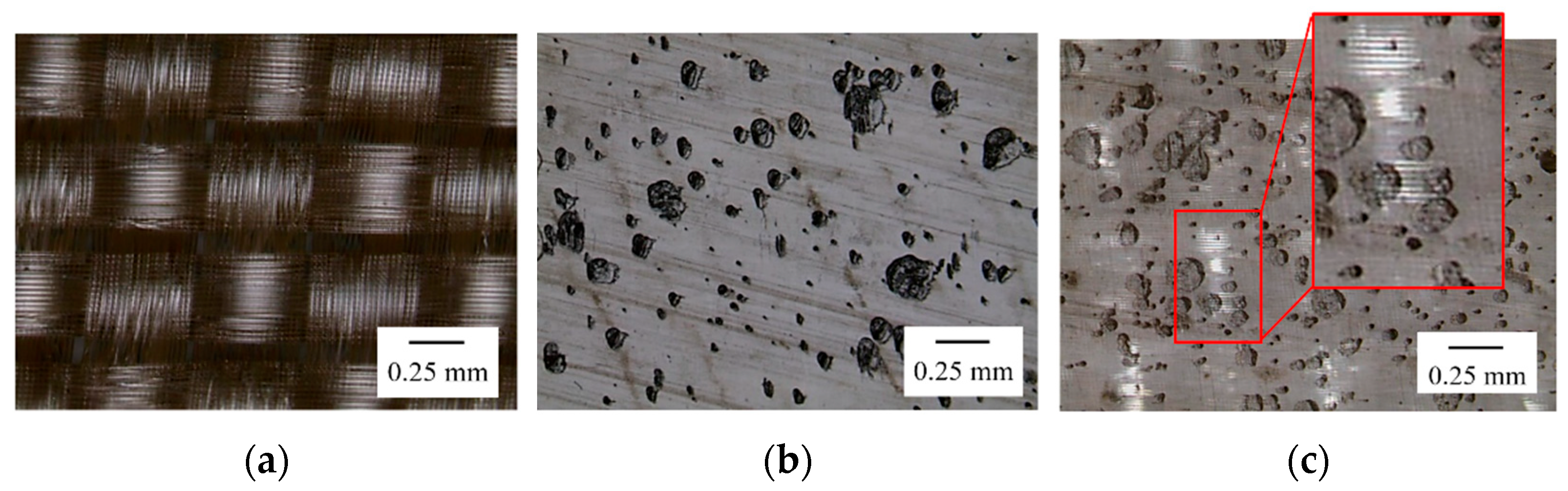
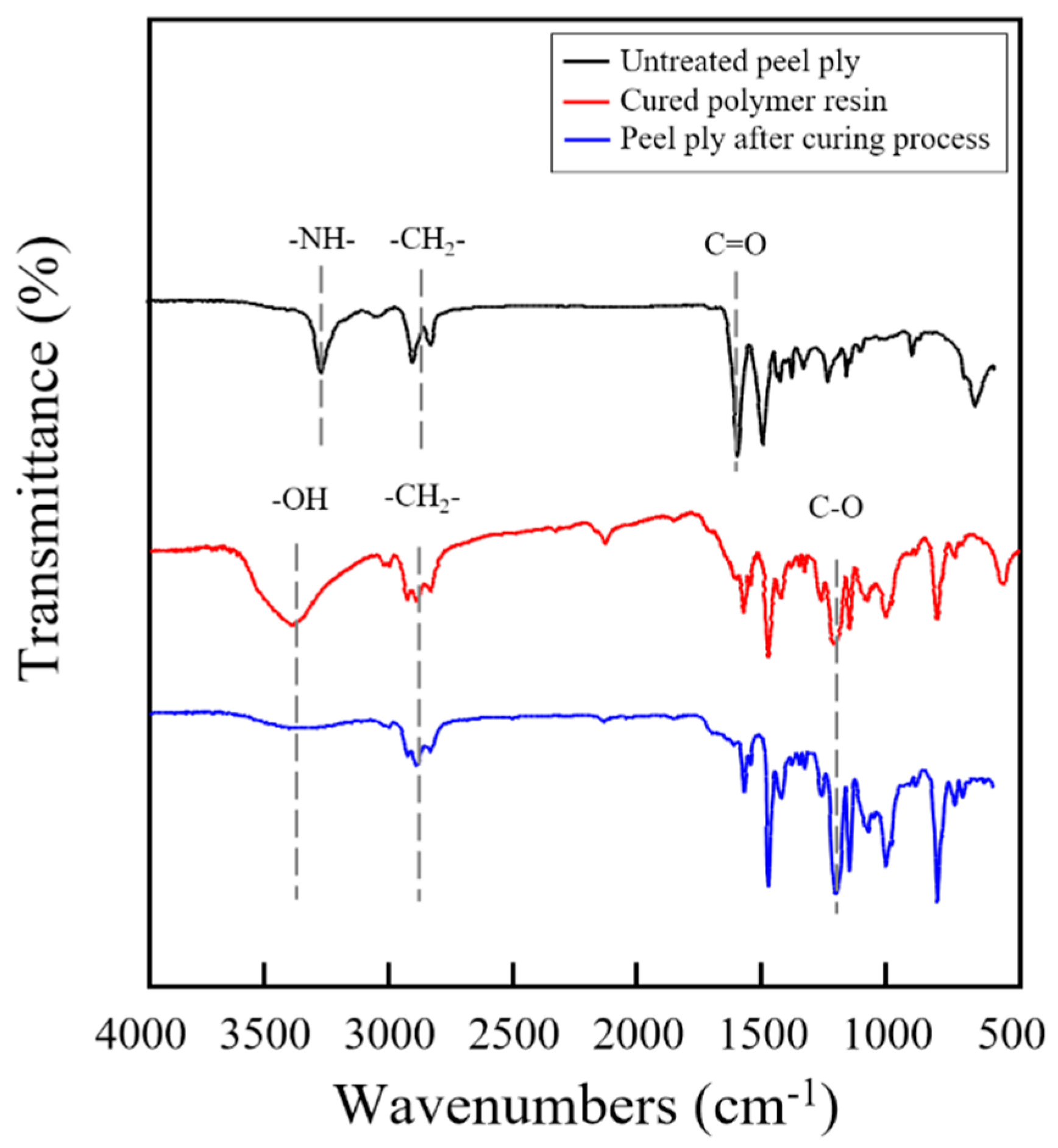
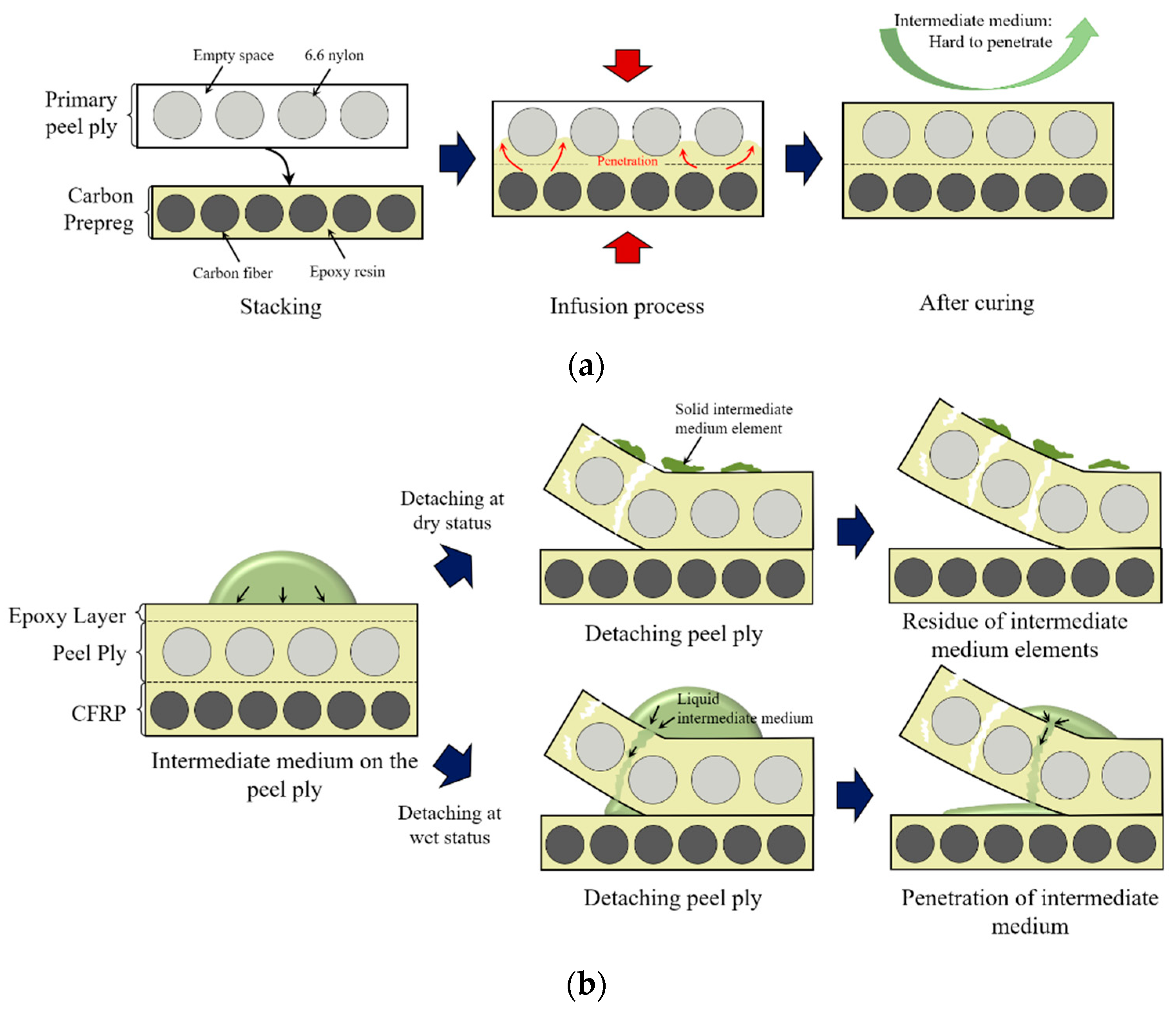
3.3. Observation of Surface and Analysis of Chemical Composition for Peel Ply
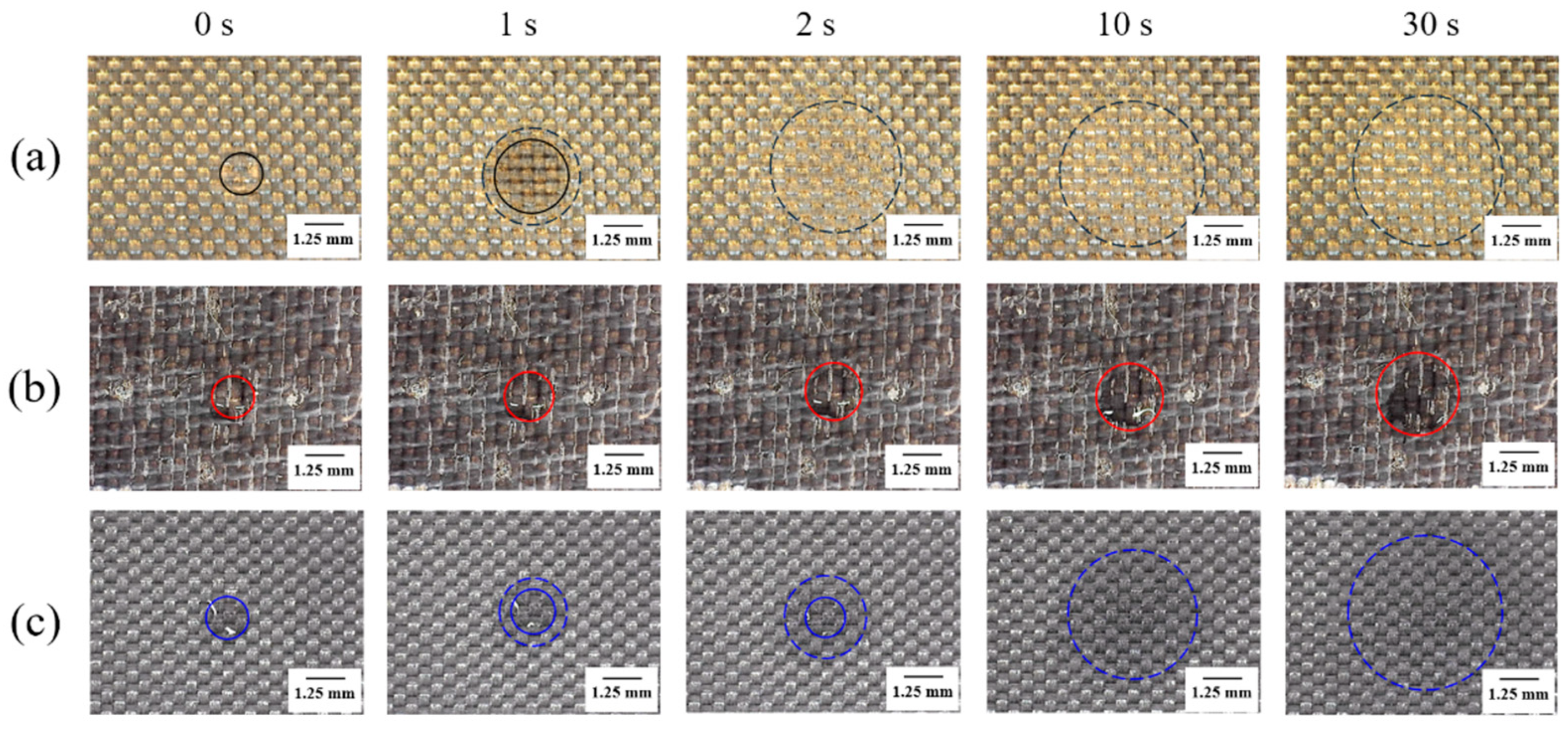
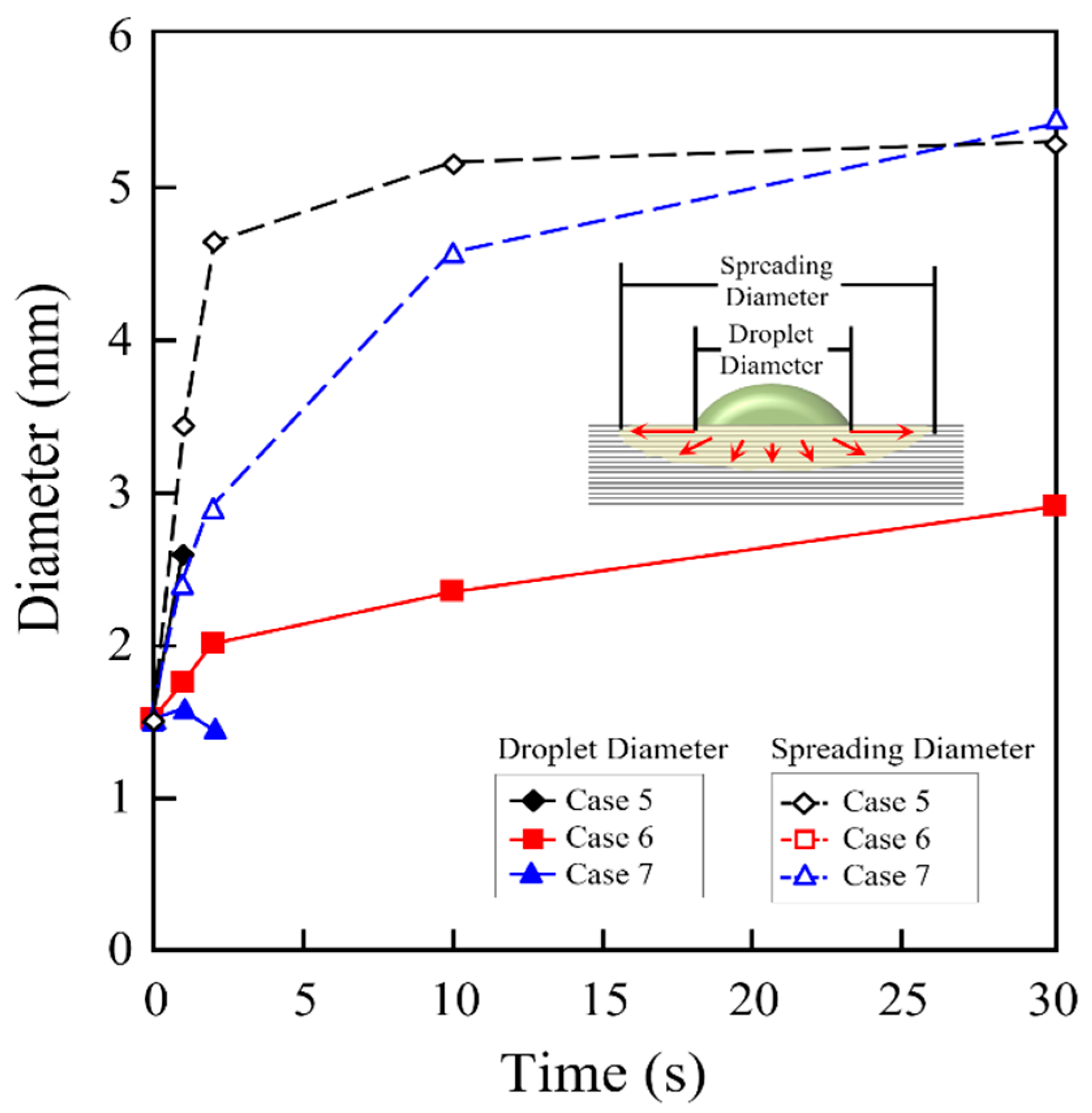
3.4. The Intermediate-Medium Droplet Penetration Test for the Peel Ply
4. Conclusions
Author Contributions
Funding
Institutional Review Board Statement
Informed Consent Statement
Data Availability Statement
Conflicts of Interest
References
- Ennis, B.L.; Das, S.; Norris, R.E. Economic competitiveness of pultruded fiber composites for wind turbine applications. Compos. Part B Eng. 2023, 265, 110960. [Google Scholar] [CrossRef]
- Chen, C.-H.; Su, N.-J. Global Trends and Characteristics of Offshore Wind Farm Research over the Past Three Decades: A Bibliometric Analysis. J. Mar. Sci. Eng. 2022, 10, 1339. [Google Scholar] [CrossRef]
- Mishnaevsky, L.; Branner, K.; Petersen, H.N.; Beauson, J.; McGugan, M.; Sørensen, B.F. Materials for Wind Turbine Blades: An Overview. Materials 2017, 10, 1285. [Google Scholar] [CrossRef] [PubMed]
- Rosemeier, M.; Bätge, M. A concept study of a carbon spar cap design for a 80m wind turbine blade. J. Phys. Conf. Ser. 2014, 524, 012039. [Google Scholar] [CrossRef]
- Rafiee, R.; Hashemi-Taheri, M.R. Failure analysis of a composite wind turbine blade at the adhesive joint of the trailing edge. Eng. Fail. Anal. 2021, 121, 105148. [Google Scholar] [CrossRef]
- Li, J.; Wang, J.; Zhang, L.; Huang, X. Study on the Effect of Different Delamination Defects on Buckling Behavior of Spar Cap in Wind Turbine Blade. Adv. Mater. Sci. Eng. 2020, 2020, 6979636. [Google Scholar] [CrossRef]
- Mishnaevsky, L., Jr. Root Causes and Mechanisms of Failure of Wind Turbine Blades: Overview. Materials 2022, 15, 2959. [Google Scholar] [CrossRef]
- Palmieri, F.L.; Hudson, T.B.; Smith, A.J.; Cano, R.J.; Kang, J.H.; Lin, Y.; Abbott, L.J.; Clifford, B.; Barnett, I.J.; Connell, J.W. Latent cure epoxy resins for reliable joints in secondary-bonded composite structures. Compos. Part B Eng. 2022, 231, 109603. [Google Scholar] [CrossRef]
- Basri, A.B.A.; Chae, D.W.; Lee, H.G. Investigation of the dynamic characteristics of a carbon-fiber-reinforced epoxy with adhesive-jointed structure. Compos. Struct. 2020, 247, 112499. [Google Scholar] [CrossRef]
- Sunil Kumar, H.S.; Anand, R.B. A Case Study on Damage Detection of Wind turbine Composite Blade. FME Trans. 2019, 47, 135–141. [Google Scholar] [CrossRef]
- Dachev, D.; Kazilas, M.; Alfano, G.; Omairey, S. Towards Reliable Adhesive Bonding: A Comprehensive Review of Mechanisms, Defects, and Design Considerations. Materials 2025, 18, 2724. [Google Scholar] [CrossRef] [PubMed]
- Zhang, L.; Yang, Y.; Yang, X.; Wei, X. Grease-like coupling agent based on metal ionization method for low-frequency ultrasonic NDT. Results Phys. 2019, 12, 1770–1776. [Google Scholar] [CrossRef]
- Gledhill, R.A.; Kinloch, A.J. Environmental Failure of Structural Adhesive Joints. J. Adhes. 1974, 6, 315–330. [Google Scholar] [CrossRef]
- Kraft, A.; Brune, K.; Tornow, C.; Mühlhofer, G.; Mayer, B.; Valeske, B. Nondestructive testing of contaminated CFRP surfaces with the BonNDTinspect® system. Appl. Adhes. Sci. 2017, 5, 14. [Google Scholar] [CrossRef]
- Ames, D.P.; Chelli, S.J. Surface contamination effects on film adhesion on metals and organic polymers. Surf. Coat. Technol. 2004, 187, 199–207. [Google Scholar] [CrossRef]
- Hoffmann, M.; Tserpes, K.; Moutsompegka, E.; Schlag, M.; Brune, K. Determination of adhesion strength of pre-bond contaminated composite-to-metal bonded joints by centrifuge tests. Compos. Part B Eng. 2018, 147, 114–121. [Google Scholar] [CrossRef]
- Borges, C.; Marques, E.; Carbas, R.; Ueffing, C.; Weißgraeber, P.; Silva, L. Review on the effect of moisture and contamination on the interfacial properties of adhesive joints. J. Mech. Eng. Sci. 2020, 235, 527–549. [Google Scholar] [CrossRef]
- Gaviolli, E.; Vieira, E.O.; da Silva, F.D.; Valandro, L.F.; dos Santos, S.S.; van de Sande, F.H.; Bacchi, A.; Pereira, G.K.R.; de Carvalho, R.V. Influence of different contaminants and cleansing agents on bond strength and in situ degree of conversion of composite-adhesive interface. Int. J. Adhes. Adhes. 2021, 110, 102932. [Google Scholar] [CrossRef]
- Mandolfino, C.; Moroni, F.; Pizzorni, M. Ablation treatment of CFRP via nanosecond pulsed Ytterbium-doped fiber laser: Effects of process parameters on surface morphology and shear strength of adhesive bonded joints. J. Adv. Join. Process. 2024, 10, 100270. [Google Scholar] [CrossRef]
- Siciliani, V.; Pelaccia, R.; Castagnetti, D.; Raimondi, L.; Donati, L.; Orazi, L.; Alfano, M. Enhancing the shear strength of adhesive bonded compression-molded CFRP laminates using selective UV picosecond laser treatment. Int. J. Adv. Manuf. Technol. 2025, 141, 5697–5708. [Google Scholar] [CrossRef]
- Kanerva, M.; Saarela, O. The peel ply surface treatment for adhesive bonding of composites: A review. Int. J. Adhes. Adhes. 2013, 43, 60–69. [Google Scholar] [CrossRef]
- Kuppusamy, R.; Zade, A.; Babu, B. Evaluation of Peel Ply Effectiveness in Controlling Mould Release Agent Contamination of Epoxy/Carbon Fibre Composite Laminate Surfaces. Arch. Metall. Mater. 2024, 69, 1593–1600. [Google Scholar] [CrossRef]
- Buchmann, C.; Langer, S.; Filsinger, J.; Drechsler, K. Analysis of the removal of peel ply from CFRP surfaces. Compos. Part B Eng. 2016, 89, 352–361. [Google Scholar] [CrossRef]
- Kwon, D.J.; Kim, J.H.; Park, J.M. Comparison on Accuracy of Static and Dynamic Contact Angle Methods for Evaluating Interfacial Properties of Composites. J. Adhes. Interface 2022, 23, 87–93. [Google Scholar] [CrossRef]
- Jirkovec, R.; Erben, J.; Sajdl, P.; Chaloupek, J.; Chvojka, J. The effect of material and process parameters on the surface energy of polycaprolactone fibre layers. Mater. Des. 2021, 205, 109748. [Google Scholar] [CrossRef]
- Chen, Q.; Du, B.; Zhang, X.; Zhong, H.; Ning, C.; Bai, H.; Li, Q.; Pan, R.; Zhou, B.; Hu, H. Parametric Investigation into the Shear Strength of Adhesively Bonded Single-Lap Joints. Materials 2022, 15, 8013. [Google Scholar] [CrossRef] [PubMed]
- Rohart, V.; Lebel, L.L.; Dube, M. Effects of environmental conditions on the lap shear strength of resistance-welded carbon fibre/thermoplastic composite joints. Compos. Part B Eng. 2020, 198, 108239. [Google Scholar] [CrossRef]
- Shin, P.S.; Baek, Y.M.; Kim, J.H.; Park, H.S.; Kwon, D.J.; Lee, J.H.; Kim, M.Y.; DeVries, K.L.; Park, J.M. Interfacial and wetting properties between glass fiber and epoxy resins with different pot lifes. Colloid Surf. A Physicochem. Eng. Asp. 2018, 544, 68–77. [Google Scholar] [CrossRef]
- Carré, A. Polar interactions at liquid/polymer interfaces. J. Adhes. Sci. Technol. 2007, 21, 961–981. [Google Scholar] [CrossRef]
- Formentín, P.; Marsal, L.F. Hydrophobic/Oleophilic Structures Based on MacroPorous Silicon: Effect of Topography and Fluoroalkyl Silane Functionalization on Wettability. Nanomaterials 2021, 11, 670. [Google Scholar] [CrossRef]
- Schrader, M.E. Young-Dupre Revisited. Langmuir 1995, 11, 3585–3589. [Google Scholar] [CrossRef]
- Rudawska, A.; Jacniacka, E. Analysis for determining surface free energy uncertainty by the Owen–Wendt method. Int. J. Adhes. Adhes. 2009, 29, 451–457. [Google Scholar] [CrossRef]
- Owens, D.K.; Wendt, R.C. Estimation of the surface free energy of polymers. J. Appl. Polym. Sci. 1969, 13, 1741–1747. [Google Scholar] [CrossRef]
- Yang, S.B.; Woo, M.J.; Lee, D.; Kim, J.-H.; Nam, S.Y.; Kwon, D.-J. Mechanical and Anti-Icing Properties of Polyurethane/Carbon Fiber-Reinforced Polymer Composites with Carbonized Coffee Grounds. Materials 2025, 18, 4533. [Google Scholar] [CrossRef] [PubMed]
- Bind, S.; Singh, J.; Sharma, H. Effect of brine composition on the surface energy of calcite and adhesion of oil: Implications for the wettability of limestone rocks. J. Mol. Liq. 2025, 437, 128606. [Google Scholar] [CrossRef]
- ASTM D3164-03; Standard Test Method for Strength Properties of Adhesively Bonded Plastic Lap-Shear Sandwich Joints in Shear by Tension Loading. ASTM International: West Conshohocken, PA, USA, 2017.
- ASTM D1002-10(2019); Standard Test Method for Apparent Shear Strength of Single-Lap-Joint Adhesively Bonded Metal Specimens by Tension Loading (Metal-to-Metal). ASTM International: West Conshohocken, PA, USA, 2019.
- Redmann, A.; Damodaran, V.; Tischer, F.; Prabhakar, P.; Osswald, T.A. Evaluation of Single-Lap and Block Shear Test Methods in Adhesively Bonded Composite Joints. J. Compos. Sci. 2021, 5, 27. [Google Scholar] [CrossRef]
- Shin, P.S.; Kwon, D.J.; Kim, J.H.; Lee, S.I.; DeVries, K.L.; Park, J.M. Interfacial properties and water resistance of epoxy and CNT-epoxy adhesives on GFRP composites. Compos. Sci. Technol. 2017, 142, 98–106. [Google Scholar] [CrossRef]
- Żenkiewicz, M. Comparative study on the surface free energy of a solid calculated by different methods. Polym. Test. 2007, 26, 14–19. [Google Scholar] [CrossRef]
- Lee, S.I.; Shin, P.S.; Park, J.W.; Joo, W.D. A study on the evaluation of adhesive performance for improving wind blade manufacturing reliability. J. Wind Energy 2021, 12, 37–42. [Google Scholar] [CrossRef]
- Ahmed, H.B.; Helal, M.H.; Abdo, M.H.; Fekry, M.M.; Abdelhamid, A.E. Disarmament of micropollutants from wastewater using nylon waste/chitosan blended with algal biomass as recoverable membrane. Polym. Test. 2021, 104, 107381. [Google Scholar] [CrossRef]
- Huang, J.; Nie, X. A simple and novel method to design flexible and transparent epoxy resin with tunable mechanical properties. Polym. Int. 2016, 65, 835–840. [Google Scholar] [CrossRef]
- Tracy, J.; Yin, Y.; Yang, J.; Osborne, J.C.; Blohowiak, K.Y.; Dauskardt, R. Environmentally assisted crack growth in adhesively bonded composite joints. Compos. Part A Appl. Sci. Manuf. 2017, 102, 368–377. [Google Scholar] [CrossRef]





| Condition | ||||
|---|---|---|---|---|
| Case 1 | 41.3 | 8.4 | 49.6 | 85.6 |
| Case 2 | 38.2 | 11.3 | 49.5 | 86.3 |
| Case 3 | 8.9 | 60.1 | 69.0 | 84.0 |
| Case 4 | 5.0 | 63.4 | 68.3 | 77.6 |
| Epoxy adhesive [39] | 26.1 | 11.9 | 38.0 |
| Condition | ||||||
|---|---|---|---|---|---|---|
| Case 1 | 49.3 | 3.9 | 0.4 | 9.1 | 53.2 | 90.7 |
| Case 2 | 49.5 | 3.4 | 0.2 | 14.1 | 52.9 | 91.2 |
| Case 3 | 21.2 | 30.5 | 4.0 | 57.8 | 51.7 | 81.4 |
| Case 4 | 17.0 | 26.3 | 2.5 | 69.8 | 43.3 | 74.9 |
| Epoxy adhesive [39] | 32.6 | 6.8 | 1.1 | 10.3 | 39.4 |
Disclaimer/Publisher’s Note: The statements, opinions and data contained in all publications are solely those of the individual author(s) and contributor(s) and not of MDPI and/or the editor(s). MDPI and/or the editor(s) disclaim responsibility for any injury to people or property resulting from any ideas, methods, instructions or products referred to in the content. |
© 2025 by the authors. Licensee MDPI, Basel, Switzerland. This article is an open access article distributed under the terms and conditions of the Creative Commons Attribution (CC BY) license (https://creativecommons.org/licenses/by/4.0/).
Share and Cite
Park, J.-W.; Park, H.-S.; Shin, P.-S.; Kang, K.-W.; Lee, S.-I. Interfacial Evaluation of Wind Blade Carbon Spar-Cap Depending on Elimination Method of Intermediate Medium. Appl. Sci. 2025, 15, 13281. https://doi.org/10.3390/app152413281
Park J-W, Park H-S, Shin P-S, Kang K-W, Lee S-I. Interfacial Evaluation of Wind Blade Carbon Spar-Cap Depending on Elimination Method of Intermediate Medium. Applied Sciences. 2025; 15(24):13281. https://doi.org/10.3390/app152413281
Chicago/Turabian StylePark, Jeong-Wan, Ha-Seung Park, Pyeong-Su Shin, Ki-Weon Kang, and Sang-Il Lee. 2025. "Interfacial Evaluation of Wind Blade Carbon Spar-Cap Depending on Elimination Method of Intermediate Medium" Applied Sciences 15, no. 24: 13281. https://doi.org/10.3390/app152413281
APA StylePark, J.-W., Park, H.-S., Shin, P.-S., Kang, K.-W., & Lee, S.-I. (2025). Interfacial Evaluation of Wind Blade Carbon Spar-Cap Depending on Elimination Method of Intermediate Medium. Applied Sciences, 15(24), 13281. https://doi.org/10.3390/app152413281