Article

Acoustic Fabrication of Collagen–Fibronectin Composite Gels Accelerates Microtissue Formation


1
Department of Pharmacology and Physiology, University of Rochester, Rochester, NY 14642, USA
2
Department of Biomedical Engineering, University of Rochester, Rochester, NY 14627, USA
*
Author to whom correspondence should be addressed.
Appl. Sci. 2020, 10(8), 2907; https://doi.org/10.3390/app10082907
Submission received: 17 March 2020 / Revised: 13 April 2020 / Accepted: 21 April 2020 / Published: 23 April 2020
(This article belongs to the Special Issue Application of Extracellular Matrix in Regenerative Medicine)

Abstract

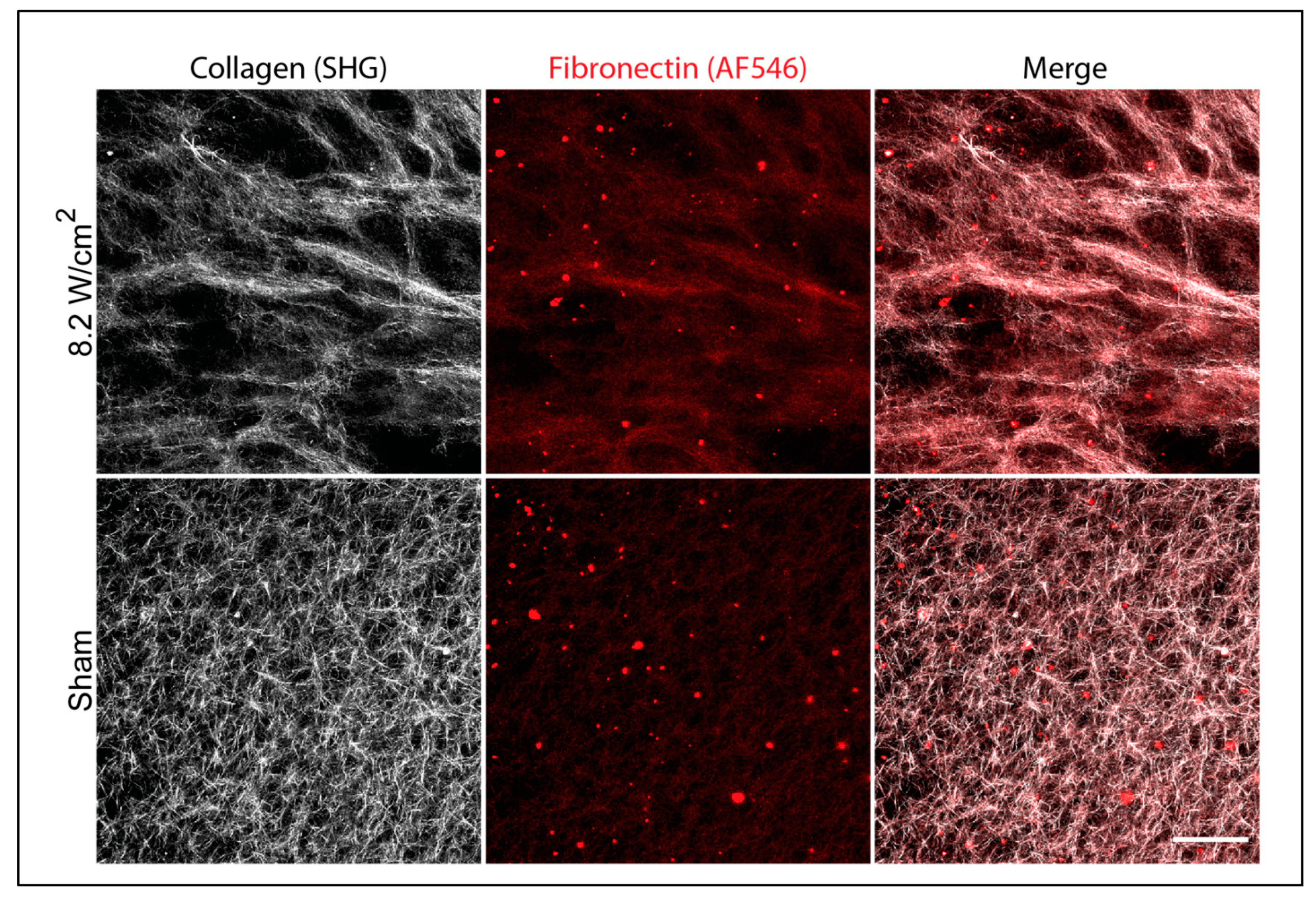
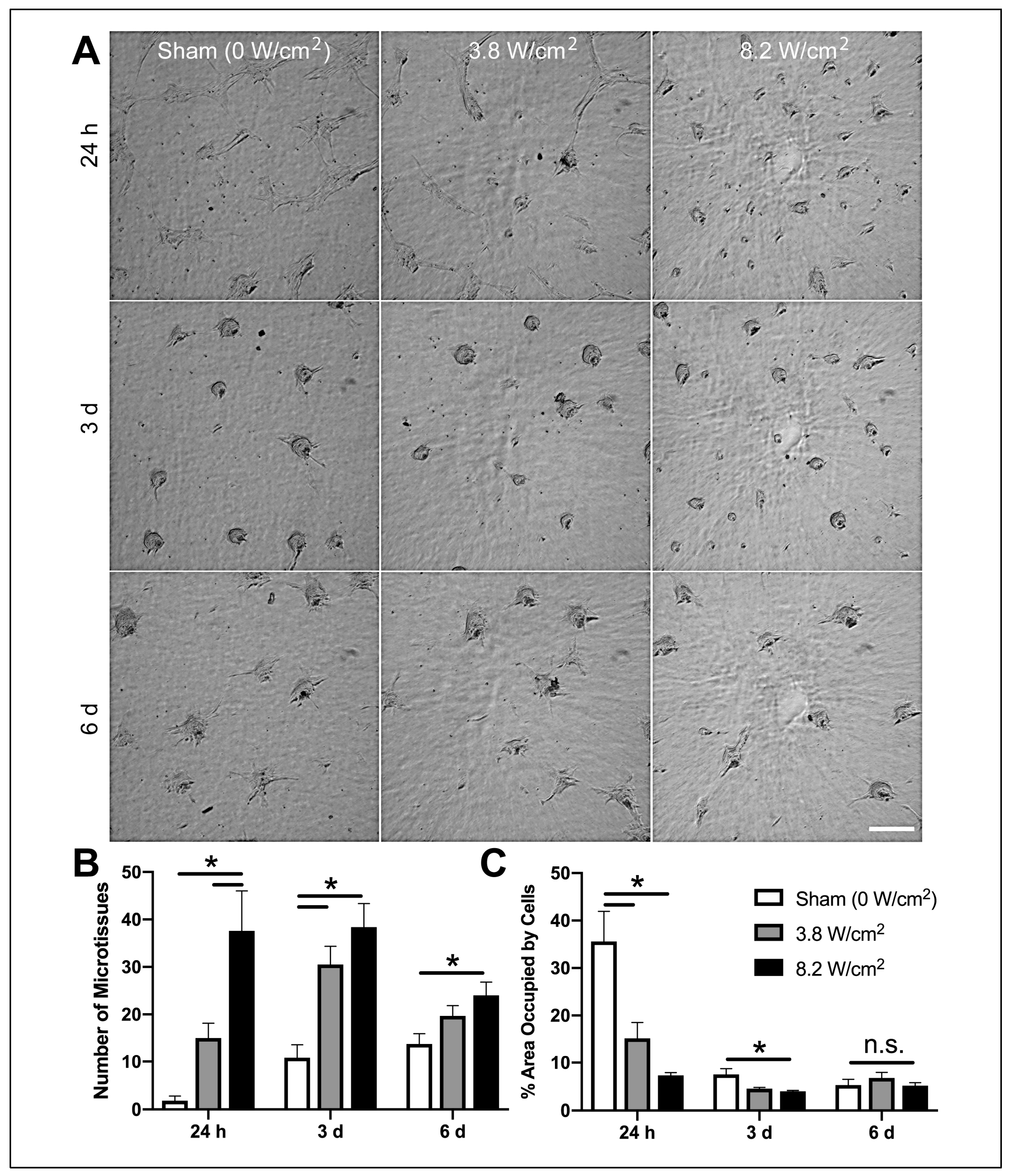
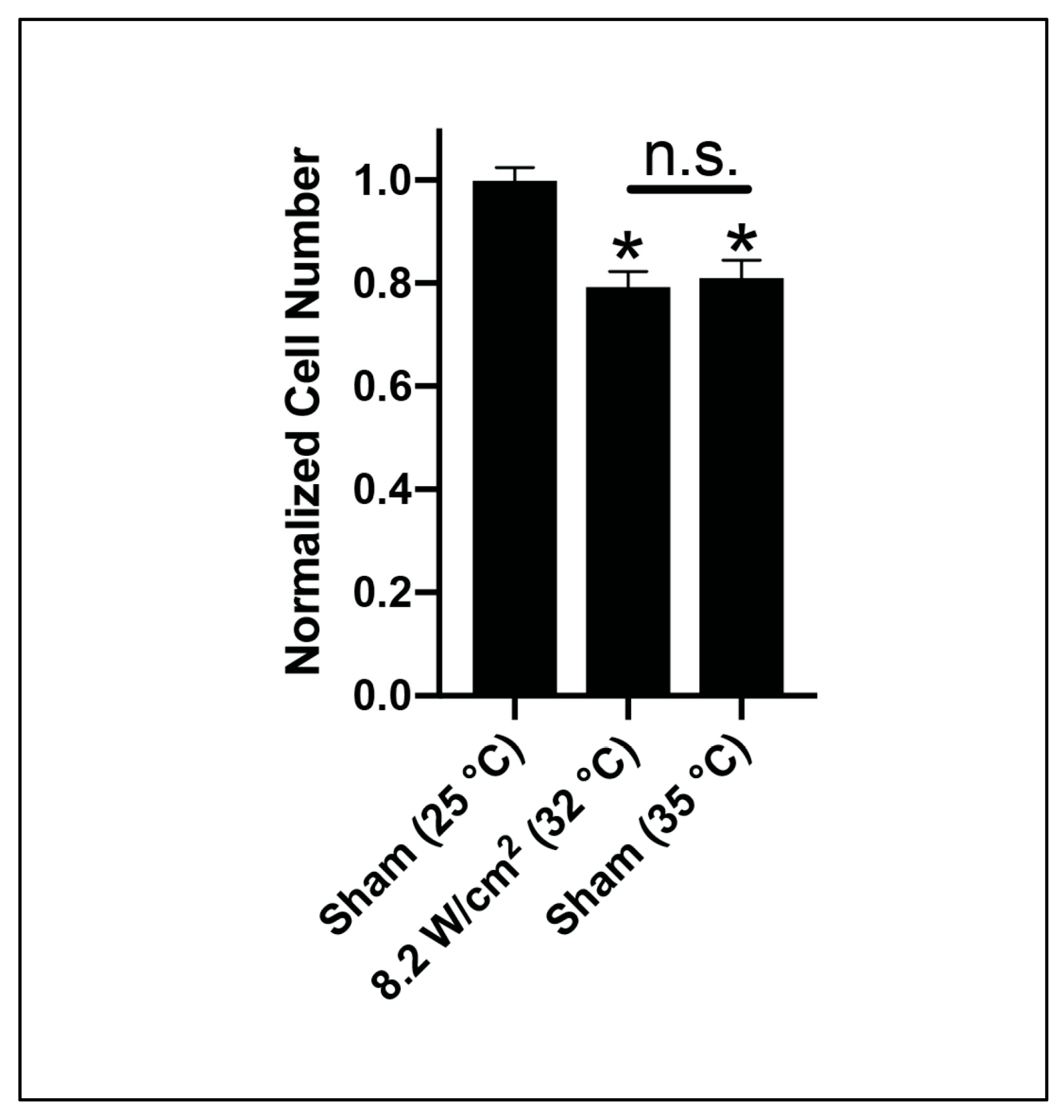
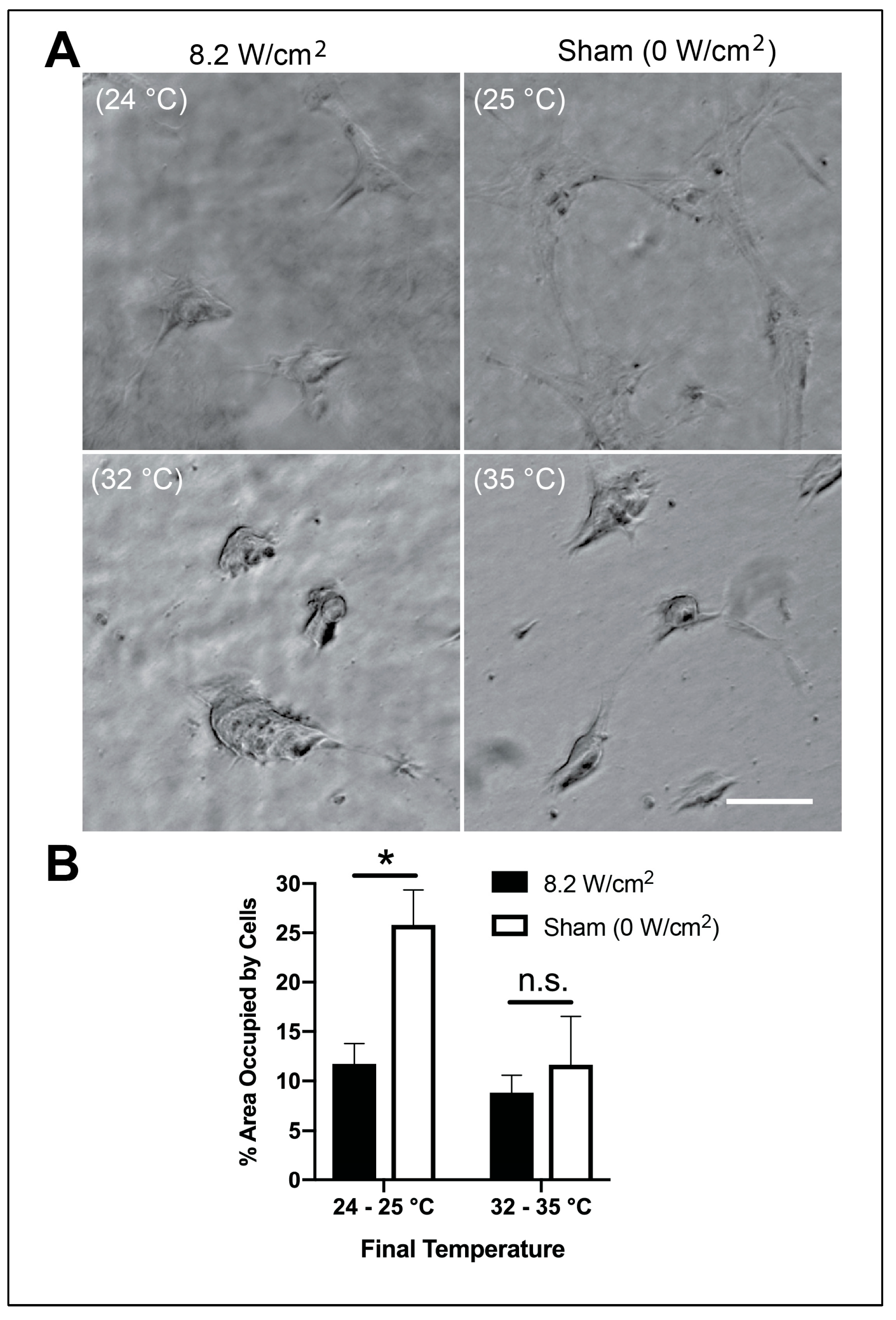
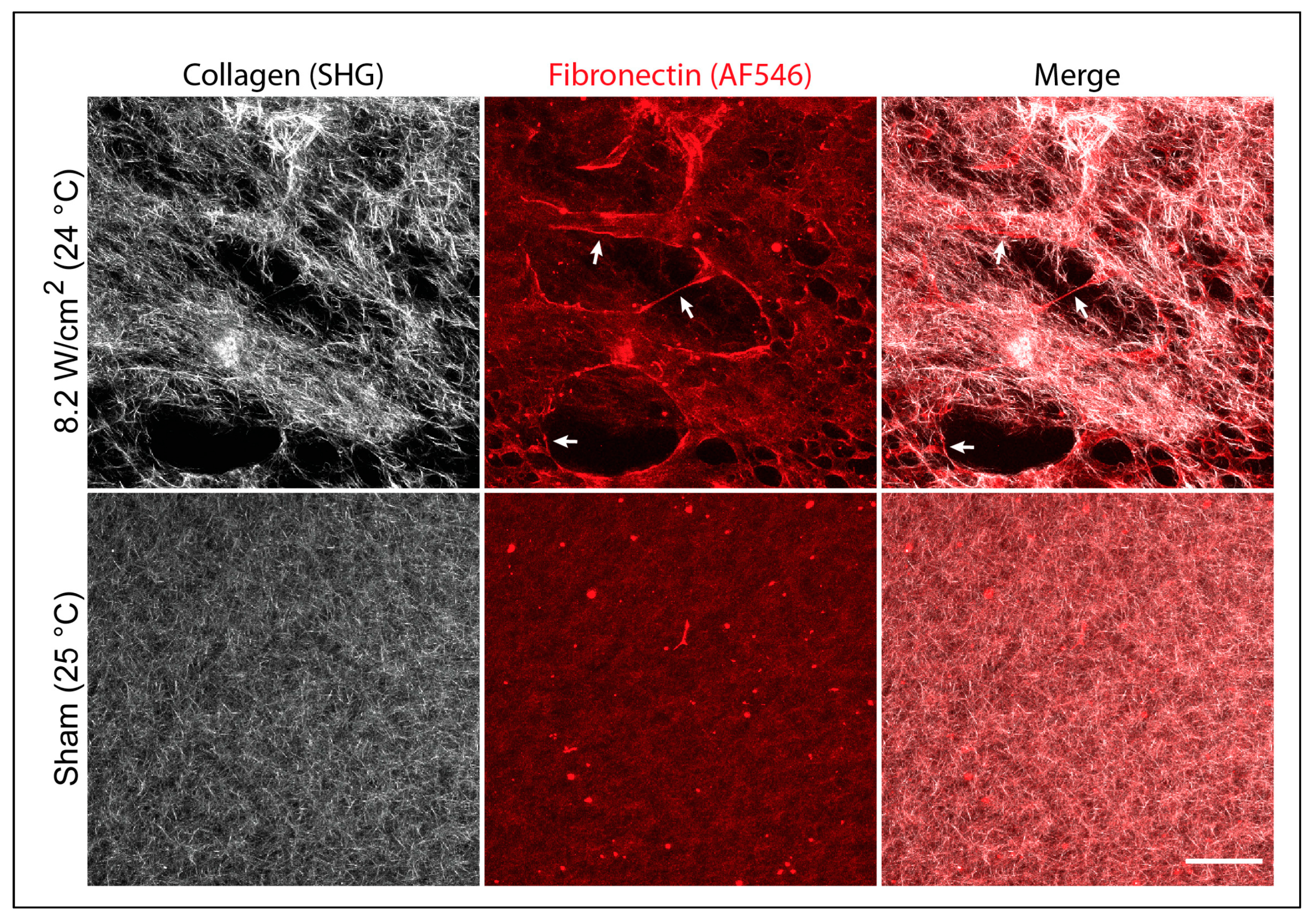
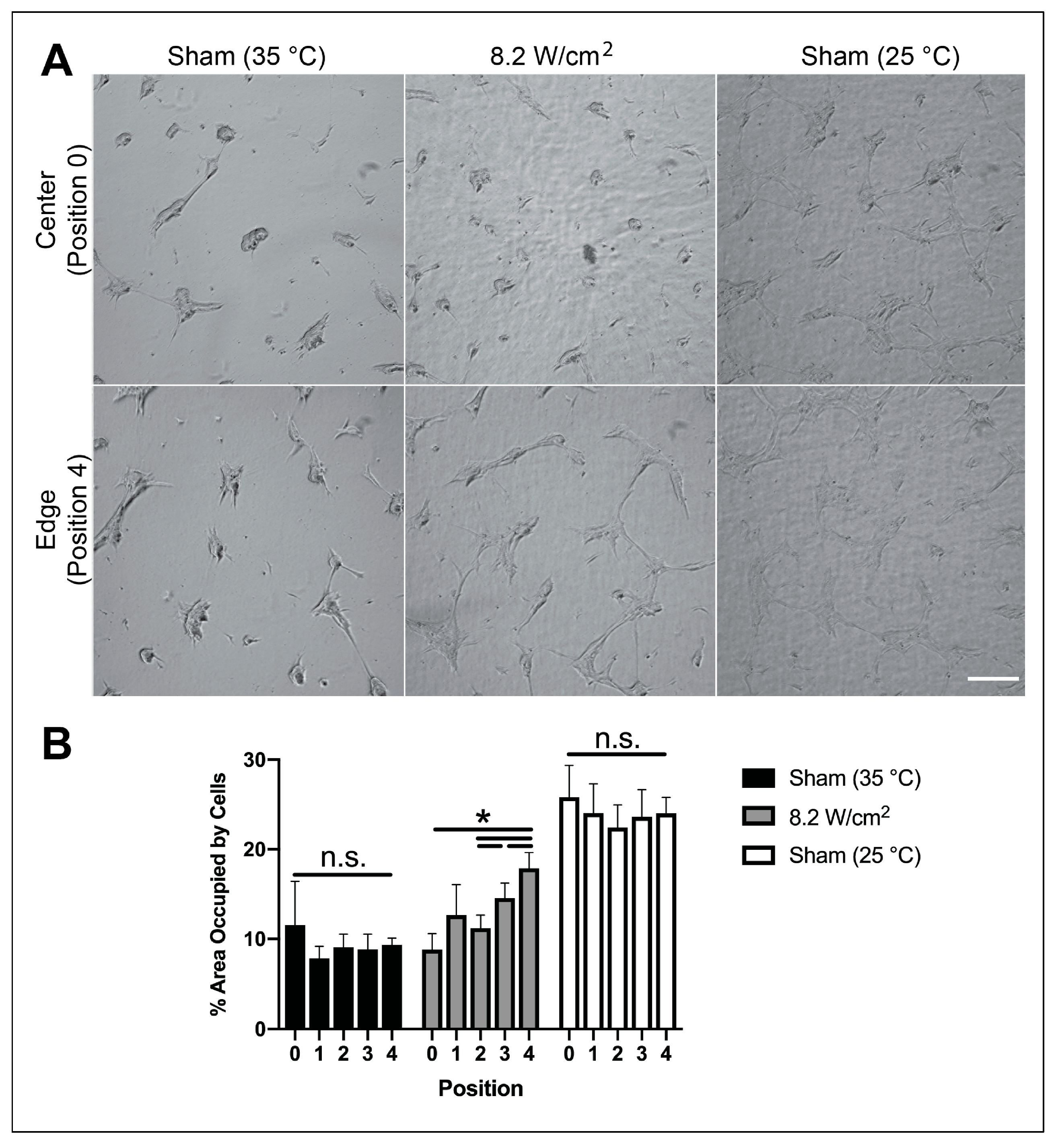
Ultrasound can influence biological systems through several distinct acoustic mechanisms that can be manipulated by varying reaction conditions and acoustic exposure parameters. We recently reported a new ultrasound-based fabrication technology that exploits the ability of ultrasound to generate localized mechanical forces and thermal effects to control collagen fiber microstructure non-invasively. Exposing solutions of type I collagen to ultrasound during the period of microfibril assembly produced changes in collagen fiber structure and alignment, and increased the biological activity of the resultant collagen hydrogels. In the extracellular matrix, interactions between fibronectin and collagen fibrils influence the biological activity of both proteins. Thus, in the present study, we examined how addition of fibronectin to collagen solutions prior to ultrasound exposure affects protein organization and the biological activity of the composite hydrogels. Results indicate that ultrasound can alter the distribution of fibronectin within 3D hydrogels via thermal and non-thermal mechanisms to produce composite hydrogels that support accelerated microtissue formation. The use of acoustic energy to drive changes in protein conformation to functionalize biomaterials has much potential as a unique, non-invasive technology for tissue engineering and regenerative medicine.
Keywords: ultrasound; collagen; fibronectin; hydrogel; tissue engineering; acoustics; biofabrication ultrasound; collagen; fibronectin; hydrogel; tissue engineering; acoustics; biofabrication