Reproductive Technologies Used in Male Neo-Tropical Hystricomorphic Rodents


1
Department of Food Production (DFP), Faculty of Food and Agriculture (FFA), University of the West Indies (UWI), St. Augustine Campus, St. Augustine 999183, Trinidad and Tobago
2
Department of Basic Veterinary Sciences (DBVS), School of Veterinary Medicine (SVM), Faculty of Medical Sciences (FMS), University of the West Indies (UWI), St. Augustine Campus, St. Augustine 999183, Trinidad and Tobago
*
Author to whom correspondence should be addressed.
Animals 2022, 12(1), 34; https://doi.org/10.3390/ani12010034
Submission received: 26 October 2021
/
Revised: 19 December 2021
/
Accepted: 19 December 2021
/
Published: 24 December 2021
(This article belongs to the Special Issue Biotechnologies for the Advancement of Wildlife Conservation)
Simple Summary
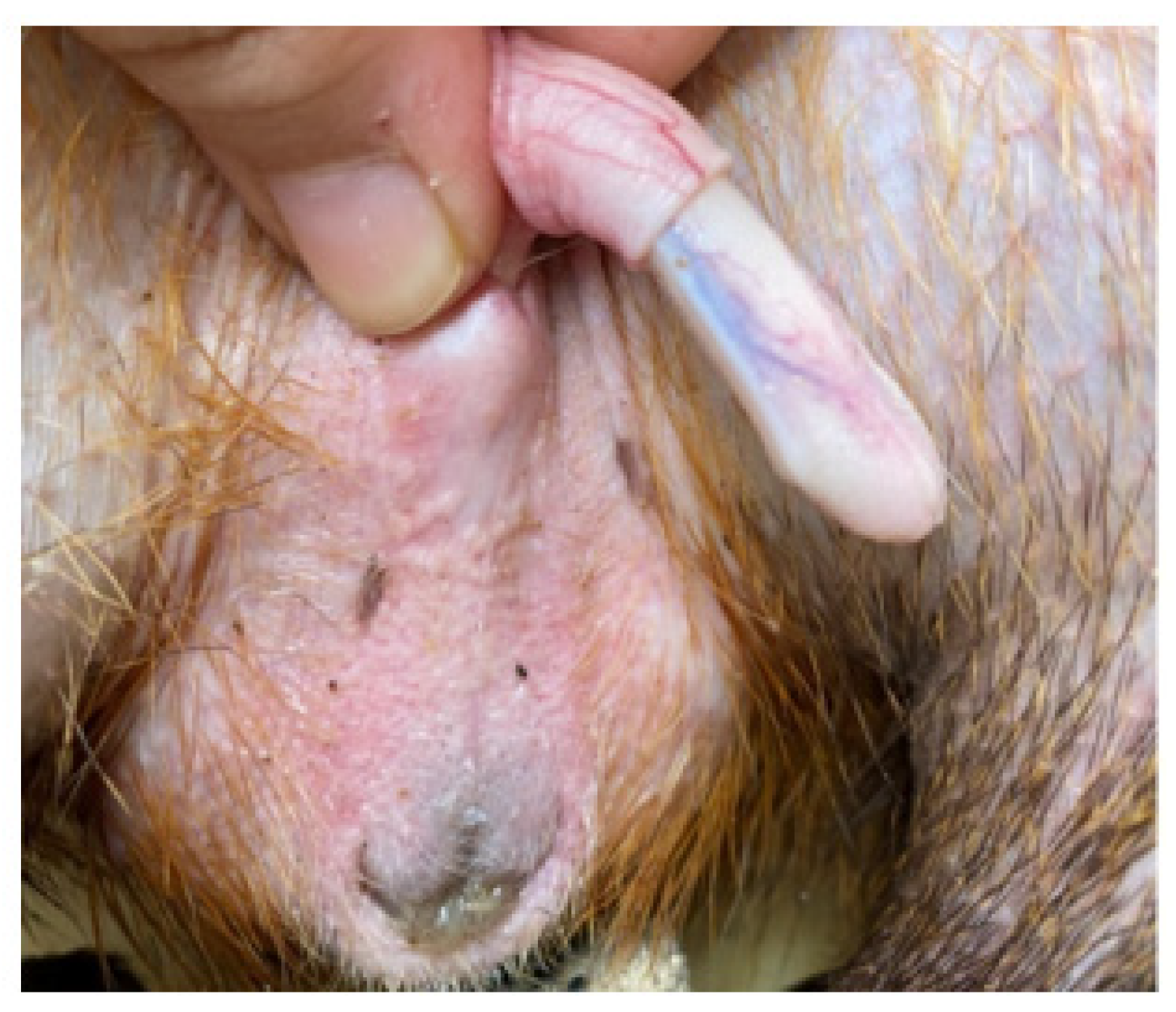
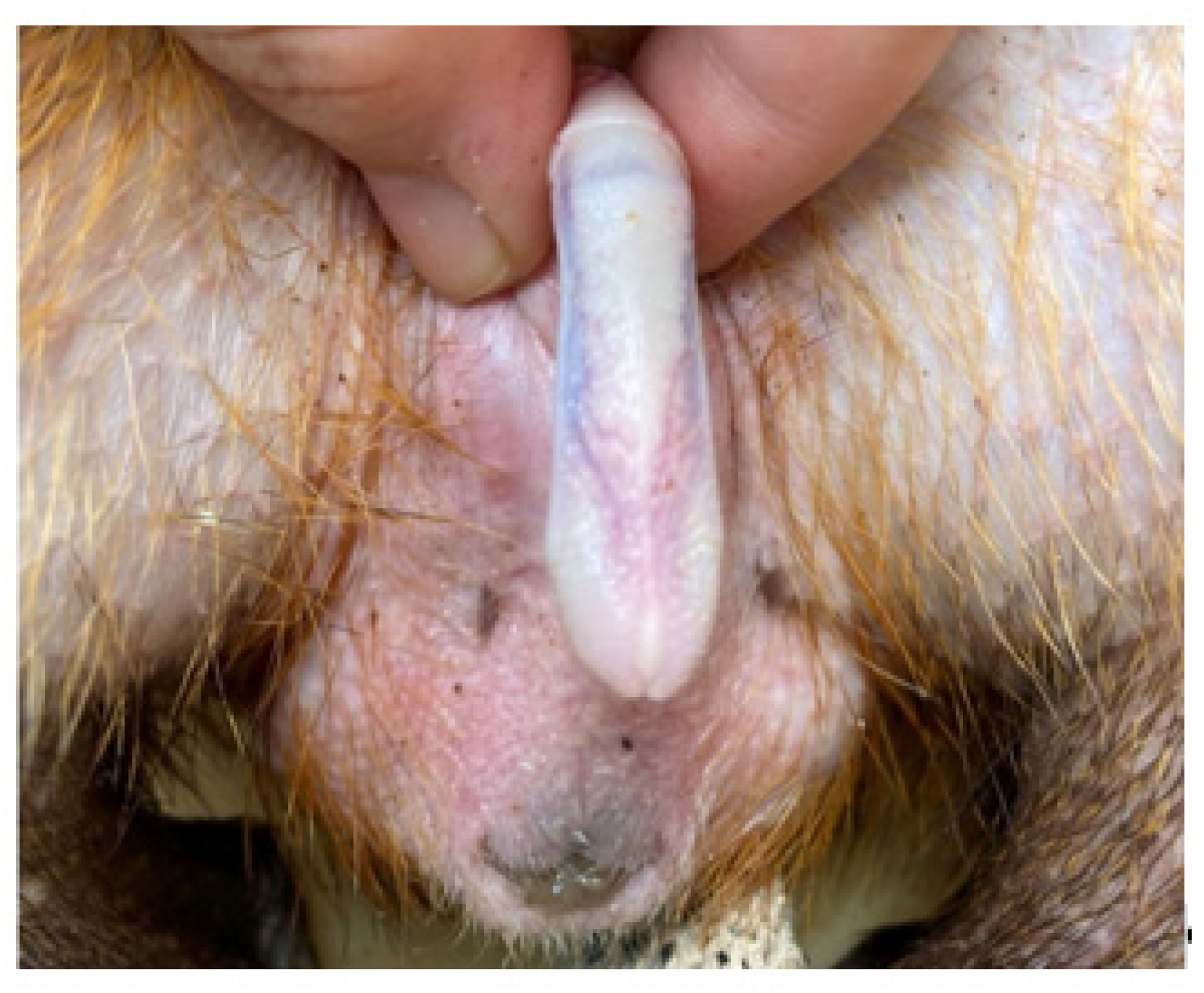
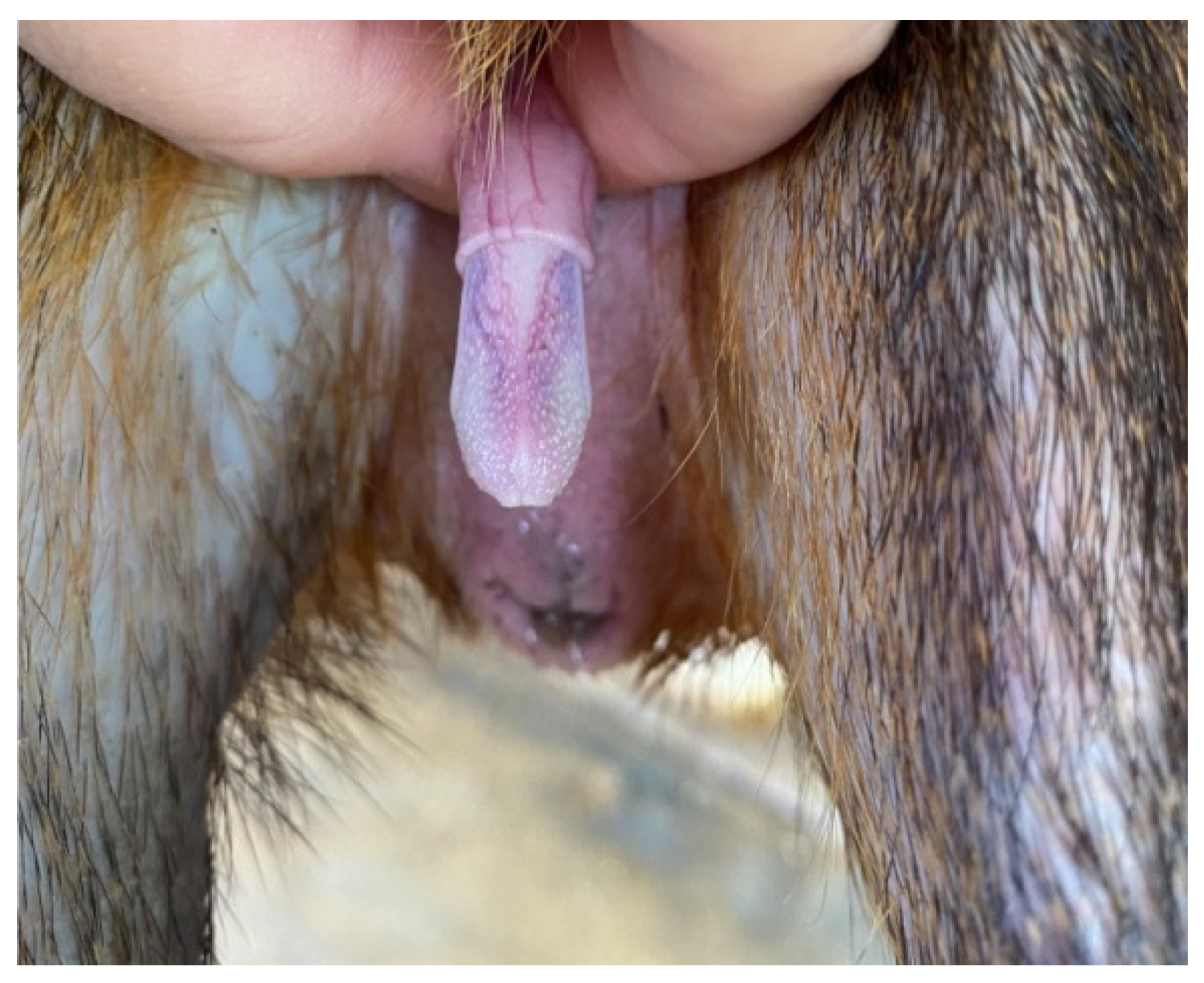
This paper is a literature review on the reproductive technologies used in male Neo-tropical hystricomorphic rodents. It is the first of two literature reviews to be completed in order to aid future experiments on the estrus synchronization and artificial insemination of the agouti (Dasyprocta leporina). To improve efficient reproduction, reproductive technologies are commonly used in domesticated animals; therefore, it is wise to explore the feasibility of their application on Neo-tropical rodents, an alternative meat source with the potential to aid in conservation and wildlife farming. However, there must first be a proper understanding of their reproductive anatomy, before reproductive technologies can be utilized. The penis of the agouti and the paca (Cuniculus paca), for example, were found to be covered in penile spines with two keratinized spines and two lateral penile cartilages on either side of the glans penis, unlike the capybara (Hydrochoerus hydrochaeris). Different methods can be used to collect semen from these animals and, based on the performed review, it has been shown that coconut water powder (ACP-123) is a good diluent for both the agouti and the paca, giving higher spermatozoa parameters compared with those obtained via electro ejaculation.
Abstract
This review, which is the first of two, focuses on the male reproductive anatomy and reproductive technologies used in Neo-tropical hystricomorphic rodents with the potential for domestication, which are the agouti (Dasyprocta leporina), the capybara (Hydrochoerus hydrochaeris) and the paca (Cuniculus paca). We consider over seventy references spanning from 1965 to 2020, with the majority of work being done in the past twenty years. Knowledge of the reproductive tract and reproductive technologies is critical to the conservation and preservation of these species. Although all three animals had similarities in their anatomy, such as no overt scrotums and testes located intra-abdominally in the inguinal region, some had unique features—for example, the agouti and the paca had penile spines, and two lateral penile cartilages. High spermatogenic efficiency was noted in the agouti and the paca, making them good candidates for increasing their reproductive performance in conservation programs. A review of the literature has shown that there is increasing work taking place on the reproductive technologies used in these animals; however, a lot of work is still lacking, as, to the author’s knowledge, standard protocols and artificial insemination procedures are yet to be established.