Systematic Review

Supply Chain Complexity and Resilience Management Strategies in Megaprojects: A Literature Review

School of Built Environment and Design, Western Sydney University, Kingswood, NSW 2747, Australia
*
Author to whom correspondence should be addressed.
Buildings 2026, 16(9), 1745; https://doi.org/10.3390/buildings16091745
Submission received: 25 February 2026 / Revised: 1 April 2026 / Accepted: 13 April 2026 / Published: 28 April 2026
(This article belongs to the Special Issue Sustainable and Digital Construction Supply Chains)

Abstract

Megaprojects involve complex, multi-tier supply chains characterised by high interdependence, diverse stakeholders, and significant uncertainty. Despite their strategic and economic importance, many megaprojects continue to experience persistent cost overruns and schedule delays, suggesting that performance challenges stem largely from difficulties in managing supply chain complexity rather than technical issues alone. This study adopts a systematic literature review of peer-reviewed publications from 2015 to 2025, sourced from Scopus and Web of Science. Using PRISMA-guided screening and eligibility procedures, 94 relevant articles were analysed to examine the drivers of supply chain complexity, their performance implications, and resilience strategies applicable to megaproject contexts. The review identifies various supply chain complexity drivers that intensify coordination challenges, reduce supply chain visibility, and increase disruption risks, contributing to inefficiencies, delays, and cost escalation. Proactive and reactive resilience strategies, such as multi-sourcing, collaboration, flexibility, redundancy, and contingency planning, are found to strengthen adaptive capacity and recovery. The study concludes that integrating complexity management with resilience-oriented practices provides a critical pathway for improving megaproject supply chain performance and offers a conceptual foundation for future empirical validation.

1. Introduction

Megaprojects are large-scale, high-risk ventures that typically cost more than USD 1 billion and are widely recognised for their critical role in driving economic growth, technological innovation and the creation of iconic infrastructure globally [1,2,3]. This study focuses on infrastructure megaprojects, such as transportation, energy, and urban development projects, because they involve highly fragmented, globally distributed supply chains. These characteristics make them suitable contexts for examining supply chain complexity and resilience strategies [2,4].
Despite their strategic importance, megaprojects are persistently associated with poor performance outcomes. Evidence suggests that around 90% of megaprojects experience cost overruns and schedule delays as the most common issues, which have remained the same over the decade [1,3]. These recurring failures are attributed to a combination of factors, including knowledge gaps [5,6], unrealistic cost estimates, management pressure to accelerate delivery [7], increased project complexity and uncertainty [4,8,9], and failure to integrate and coordinate an extensive, complex supply chain network [8].
Supply chain complexity has emerged as a critical challenge affecting supply chain performance in the current situation [9,10,11]. In megaprojects, supply chain complexity (SCC) is inherent and multidimensional due to the involvement of multiple interconnected suppliers and stakeholders, complex processes and interdependencies [12,13] and complex multi-level relationships [14]. These interdependencies create vulnerability, in which even minor disruptions, whether external (e.g., natural disasters) or internal (e.g., failure to integrate all functions), can adversely affect all levels of the supply chain [15,16].
A KPMG [17] report suggests that nearly half (47%) of businesses globally are vulnerable to supply chain disruptions. This scenario puts megaprojects at risk of shortages of essential materials and services, ultimately affecting their performance, emphasising the importance of managing disruptions for organisations that prioritise resilience in supply chain management [18]. Surveys indicate that more than 80% of companies are concerned about the resilience of their supply chains in response to increasingly frequent and severe supply chain disruption events [16,19].
The resilience of the supply chain has therefore emerged as a critical concept due to rising disruptions, uncertainty, and the complexity of processes and interdependencies in megaprojects [20]. Resilience is commonly defined as a system’s ability to absorb disruptions, adapt to changing circumstances and restore normal operations following disruptions [21]. This conceptualisation provides only limited insights into the underlying mechanisms of resilience. This perspective does not offer a complete measurement or practical guidelines for improving resilience in real-world scenarios [22]. This limitation is concerning, given the dynamic and complex nature of supply chain complexity in megaprojects.
Complexity in megaproject supply chains arises from internal factors (e.g., product variety), external factors (e.g., technological innovation and regulatory change), and interfacial factors (e.g., supplier diversity and forecasting errors) [23]. Many of these complexity drivers are interconnected and can influence one another, impacting the performance of the megaproject. Despite widespread agreement on specific aspects of supply chain complexity, such as its multidimensional nature and its impact on performance [24], identifying and addressing the real causes of complexity remains challenging [25].
Existing research tends to focus on reducing complexity at the project level rather than addressing it across broader supply chain levels [26]. Moreover, supply chain complexity and resilience are often considered separately, leaving a gap in the understanding of how different types of supply chain complexity influence the effectiveness of dynamic capabilities in building resilience during supply chain disruptions [27,28]. This gap is further intensified by the lack of robust metrics and assessment tools to measure both complexity and resilience in megaproject supply chains, limiting the ability to evaluate and implement resilience strategies [29,30].
In response, scholars are increasingly emphasising integration [31], collaboration [32] and a network perspective [33] to improve supply chain resilience and megaproject performance. Yet, most organisations are still struggling to operationalise these concepts due to the absence of clear definitions, dimensions, and integration succession plans [34]. In response to these limitations, this literature review examines the dynamics of supply chain complexity and its impact on resilience in megaprojects. The study aims to identify and synthesise the sources of supply chain complexity, clarify the multidimensional nature of resilience, and develop management strategies that integrate complexity and resilience at the supply chain level. The scope of the review is to analyse the drivers of supply chain complexity, resilience capabilities, and current assessment approaches. This research aims to provide both theoretical and practical insights to help managers manage supply chain complexity, enhance resilience, and ultimately improve the performance of megaprojects. This study aims to address the following questions.
  • What are the factors contributing to supply chain complexity in megaprojects?
  • How does supply chain complexity affect megaproject performance?
  • What are the resilience strategies to manage supply chain complexity in megaprojects?
The study addresses persistent underperformance in megaprojects by shifting the focus from isolated technical challenges to the systematic management of complex, multi-level supply chains. By synthesising the fragmented literature on supply chain complexity, resilience strategies and megaproject performance, the research provides a holistic understanding of how supply chain complexity drivers interact to influence project outcomes. The proposed multi-level conceptual framework links supply chain complexity drivers with resilience capabilities and megaproject performance outcomes, offering a structured approach for both analysis and practice. The findings provide practical guidance for project managers to proactively manage complex supply networks, enhance resilience capabilities, and improve performance in a highly uncertain megaproject environment.

2. Overview of Megaproject, SCC and Management Strategies

2.1. Megaprojects—Definition, Issues and Challenges

Megaprojects differ from traditional projects by their high degree of interdependence, diverse stakeholder involvement, and high levels of uncertainty arising from unclear or contested project objectives and delivery methods [35]. However, despite this consensus on core characteristics, there is no unified definition of megaprojects. Early studies focus on scale-related attributes, such as enormous capital investment, extended construction duration, advanced technological demands, and input from multiple disciplines [36]. Later definitions adopt more qualitative perspectives. For example, Grün [37] describes megaprojects as giant, singular (unique, innovative), goal-oriented (technical, financial, and time), and complex (number of participants, activities, and milestones required to achieve the project goal). Similarly, Ruuska and Teigland [38] highlight the scale and societal relevance of their scale, defining megaprojects as complex, giant, and essential initiatives.
Flyvbjerg [1] further advances this perspective by describing megaprojects as large-scale, requiring huge investments, taking many years to construct, involving several stakeholders, impacting millions of people, and being crucial to the future of cities, states, and individual livelihoods. In contrast, the institutional definition, such as that of the United States Federal Highway Administration, defines megaprojects as major infrastructure projects that cost over one billion dollars, attract significant public attention, and have substantial direct or indirect impacts on the community [39]. In general, the literature suggests that megaprojects are not only large-scale investments but also complex and strategically significant ventures that are essential for the future.
From the economic standpoint, global expenditure on megaprojects is estimated at USD $6–9 trillion annually, representing approximately 8% of global GDP [1]. Despite their economic significance, empirical evidence consistently shows that approximately 90% (nine out of ten) megaprojects suffer cost overruns and delays as the most common issues, which have remained the same over the decade [1,3]. These persistent performance failures have been widely attributed to multiple, interrelated factors, including lack of knowledge [5,6], pressure to accelerate construction schedules, unrealistic cost estimates, and excessive management pressure [7], increasing project complexity and uncertainty [4,40,41], and failure to effectively integrate and coordinate an extensive and complex supply chain network [8].
Considering all of these attributes, megaproject underperformance cannot be adequately explained by their scale or technical challenges, but rather by greater systemic difficulties in managing complexity, especially in complex, interdependent supply chains. Therefore, developing management strategies that address supply chain complexity and integration are essential to enhance supply chain resilience and improve the performance of megaprojects.

2.2. Supply Chain Complexity in Megaprojects

Complexity is inherent in the megaproject supply chain due to the involvement of a complex, diverse network of business entities [3] and intricate processes and interdependencies [13]. The complex supply chain structures of megaprojects with international suppliers and partnerships involving diverse cultures and multiple countries increase supply chain complexity and risk [42]. The increased complexity in the supply chain reduces operational efficiency [43], impacts resilience [11,44] and complicates decision-making [25]. However, defining complexity is challenging because most studies recognise it as a multi-faceted, multidimensional phenomenon influenced by various sources [25]. As a result, the definition of supply chain complexity varies across the literature, reflecting differing theoretical lenses, empirical contexts, and levels of analysis.

2.3. Supply Chain Complexity Classification

The literature conceptualises supply chain complexity as an inherent characteristic of large-scale interconnected systems involving multiple actors and processes [25]. Serdarasan [45] categorised this complexity into static, dynamic, and decision-making dimensions. Static complexity is related to the connectivity and structure of the subsystems involved in the supply chain. Dynamic complexity arises from the operational behaviour of the system and its environment. In comparison, decision-making complexity comprises both static and dynamic aspects, highlighting how interdependencies and uncertainty complicate managerial judgement.
An alternative but related classification distinguishes between structural and dynamic supply chain complexity, as described in the literature. Structural complexity arises from tangible attributes such as the number of suppliers, customers, product variety, and geographic dispersion [12,24,46]. Dynamic complexity, by contrast, arises from interactions between actors within networks, such as delivery complexity and evolving supplier relationships [43,47]. Bozarth, Warsing, Flynn and Flynn [43] refine this view further, differentiating between detail complexity, defined by the number of components, processes and relationships, and dynamic complexity, defined as the unpredictability of system responses when interconnectedness amplifies disturbance over time.
Collectively, these perspectives demonstrate that supply chain complexity is a multidimensional construct encompassing structural configurations, dynamic interactions and decision-making challenges. Therefore, understanding how structural, dynamic, and decision-making complexities interact is essential for improving decision quality and enhancing resilience and operational performance in construction megaproject supply chains [48,49].

2.4. Supply Chain Complexity Factors

Supply chain complexity is shaped by multiple, interrelated drivers rather than isolated variables. Studies highlight several structural drivers, such as the number of suppliers [50] and the degree of differentiation among them [12], suggesting that complexity increases not merely with scale but with heterogeneity across the supply base. These structural elements are further compounded by operational factors, including delivery lead times, supplier reliability, and the extent of global sourcing [51].
To provide analytical clarity, scholars have attempted to classify the sources of supply chain complexity into internal, external and interfacial factors. Internal drivers arise from within the firms and include factors such as product variety and process configurations. External drivers originate from broader institutional and environmental context, including government regulations, laws and legal requirements. Interfacial drivers, by contrast, emerge from the interaction of internal and external factors, for example, the number of suppliers [23,52].
Additional drivers of supply chain complexity include uncertainty (e.g., late delivery), technological intricacy (e.g., the degree of standardisation and integration between operations), and organisational systems (e.g., the number of departments within the organisation) [53]. Differentiation of suppliers, including geographical locations and technical capabilities [12], global sourcing complexity due to cultural, political and legal differences across countries [51] and network size and dispersion [45]. Furthermore, dynamic changes and uncertainties within the supply network, such as demand fluctuations and variable lead times, exacerbate complexity, particularly in highly interconnected, globalised supply chains [54].
However, many of the supply chain complexity drivers are interconnected and can influence one another, contributing to cost overruns, schedule delays, and failure to achieve anticipated benefits [4,40,41]. As a result, identifying and understanding the drivers of supply chain complexity is essential for enhancing megaproject performance, as complex network systems involving numerous national and international suppliers, global sourcing, advanced technology, and complex processes compound supply chain complexity.

2.5. Supply Chain Resilience Management Strategies

According to Ali, et al. [55], supply chain resilience management encompasses proactive, concurrent, and reactive strategies, each corresponding to different disruption phases. Proactive strategies operate in the pre-disruption phase to anticipate disruptions through knowledge management, visibility, security and robustness. During disruptions, concurrent strategies emphasised dynamic response capabilities, focusing on agility, flexibility, collaboration and redundancy to maintain continuity. Reactive strategies, applied post-disruption, enhance organisational learning and recovery through contingency planning, market position, knowledge management and building social capital.
Empirical studies identify multiple resilience strategies across these categories. Proactive measures include supplier selection based on financial reliability and stability [56], capability development through logistics and technological improvement [15,57], building security and trust-based relationships [58,59], fostering coopetition, and developing flexible contractual agreements [60], and creating a risk management culture within the organisation [61]. Reactive approaches involve redundancy through multiple suppliers and safety stock [62,63], contingency planning, and demand management [64], as well as maintaining agility, flexibility and visibility to accelerate recovery [63,65].
These strategies, influenced by contextual factors such as information sharing, trust, interorganizational collaboration, and comparative dynamics, play a crucial role in a company’s ability to develop and apply resilience strategies [61]. Accordingly, in the context of megaprojects, where supply chains are highly fragmented, globally dispersed, and characterised by high uncertainty and stakeholder diversity, the careful selection and integration of proactive, concurrent, and reactive strategies is essential. Effective resilience management strategies are therefore crucial for mitigating supply chain disruptions and enhancing overall megaproject performance.

3. Methodology

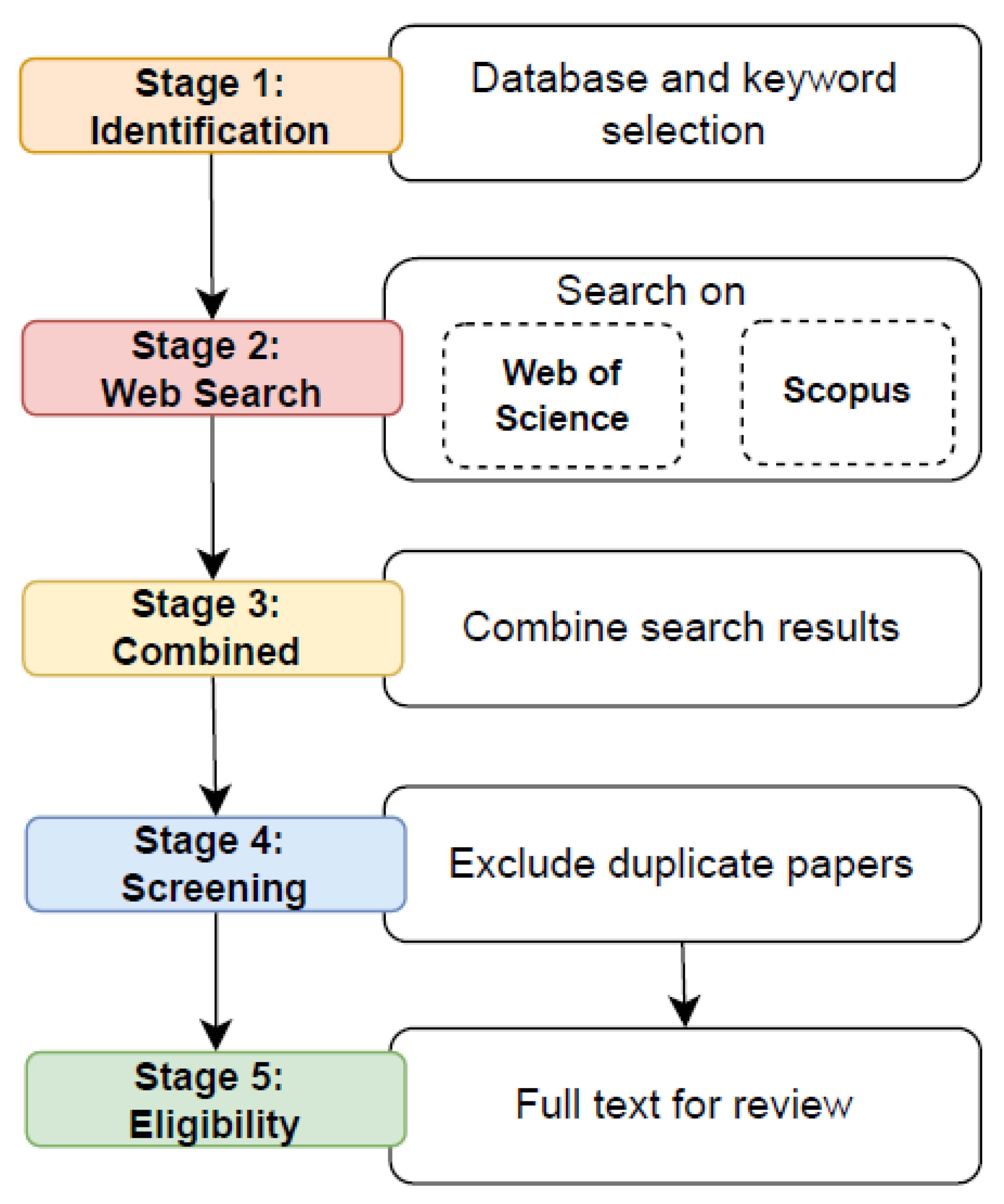
The methodology in this literature review adopts a systematic approach to identify and retrieve relevant publications from reputable online citation databases, focusing on peer-reviewed journals and other credible academic sources. The overall framework for the literature search process is illustrated in the Figure 1, providing a clear visualisation of the methodological steps used to identify relevant articles. The objective of this study is to review existing research on supply chain complexity and resilience enhancement, with a focus on identifying supply chain complexity factors that affect resilience in megaprojects.

3.1. Stage 1: Keyword Search Identification

In stage 1, relevant keywords related to megaproject, supply chain complexity and resilience were selected to accurately identify studies aligned with the research objectives. The study used Boolean logic: AND, OR, (“_”) for accurate research. The keywords and abstract source code for:
  • Key factors contributing to supply chain complexity in megaprojects:
ScopusTITLE-ABS-KEY ((“supply chain”
AND “complexity” AND (“drivers” OR “factors” OR “determinants”)
AND (megaproject* OR “mega project*” OR “large-scale project*”))
Web of ScienceTS ((“supply chain” AND “complexity” AND (factors OR drivers OR determinants) AND (megaproject* OR “mega project*” OR “large scale project*”))
  • Supply Chain Complexity Affects Megaproject Performance:
ScopusTITLE-ABS-KEY (“supply chain”
AND “complexity”
AND (“performance” OR “project performance” OR “project outcomes” OR “delivery outcomes” OR efficiency OR effectiveness OR cost OR schedule OR risk)
AND (megaproject* OR “mega project*” OR “large-scale project*”))
Web of ScienceTS (“supply chain” AND complexity AND (performance OR “project performance” OR outcomes OR efficiency OR effectiveness OR cost OR schedule OR risk) AND (megaproject* OR “mega project*” OR “large scale project*”))
  • Resilience Strategies to Manage Supply Chain Complexity in Megaprojects:
ScopusTITLE-ABS-KEY ((“supply chain” OR supply-chain)
AND complexity
AND (resilience OR resilient OR “resilience strategies” OR “adaptive capacity” OR mitigation OR flexibility OR agility OR robustness)
AND (megaproject* OR “mega project*” OR “large-scale project*”))
Web of ScienceTS (“supply chain” AND complexity AND (resilience OR resilient OR “resilience strategies” OR agility OR flexibility OR robustness OR mitigation) AND (megaproject* OR “mega project*” OR “large scale project*”))
  • For a Comprehensive Search (combined search):
ScopusTITLE-ABS-KEY (“supply chain complexity” OR “complex supply chain*” OR complexity) AND (“megaproject*” OR “mega project*” OR “large scale project*”) AND (factor* OR driver* OR determinant* OR cause* OR performance OR outcome OR resilience OR “resilience strategy*” OR manage* OR mitigate* OR framework*)
Web of ScienceTS ((“supply chain” OR supply-chain) AND complexity AND (megaproject* OR “mega project*” OR “large-scale project*”) AND (drivers OR determinants) AND (performance OR outcomes OR resilience))
The keyword search strategy focused on four main themes: megaprojects, supply chain complexity, resilience and project performance. These themes were selected based on the main ideas of the research objectives. Limiting the search to a few themes may help keep the literature review focused and manageable. This approach also helps identify studies directly relevant to the research problem and reduces the number of irrelevant results. Organising the search around key concepts also improves the transparency and repeatability of the review process [10,66].

3.2. Stage 2: Web Search

The primary databases used for the study included Scopus and Web of Science. The criteria for selecting articles followed a multi-stage screening process.
  • Articles published between 2015 and 2025 were selected based on availability and cover a wide range of disciplines relevant to the research scope, including Engineering, Business Management, Building Construction, and Energy. This multidisciplinary approach was adopted to capture the diverse perspectives that influence supply chain complexity and resilience within the megaproject context.
    The review was limited to the last 10 years (2015–2025) to capture the most recent trends and practices in supply chain complexity and resilience in construction megaprojects. Earlier studies, while valuable, primarily focus on traditional supply chain approaches and do not fully address emerging complexities, global sourcing and resilience strategies [55]. This targeted span ensures the framework reflects contemporary challenges and industry-relevant practices.
  • The study includes only full-text articles published in English to ensure accessibility and consistency in analysis.
  • The selected articles were derived from peer-reviewed publications, ensuring the academic credibility and quality of the reviewed sources.
  • The abstracts, keywords, and citations of the identified studies were downloaded and organised using EndNote 21, a reference management software, which facilitated systematic storage, categorisation, and citation tracking throughout the review process.
  • Articles were further screened to ensure they aligned with the theme of megaproject supply chain complexity and resilience.

3.3. Stage 3: Data Combined

Data combination, screening and eligibility assessment were conducted using Covidence, a web-based platform designed to support literature review by structuring key stages of the review process, including title and abstract screening, full-text review, data extraction and quality evaluation [67]. Covidence was chosen to manage the literature review process due to its efficiency, standardisation, and collaborative capabilities. The platform allows multiple reviewers to screen titles, abstracts, and full text independently, track conflicts, and apply consistent eligibility criteria. It also supports duplicate removal, structured data extraction, and integration with reference management tools, facilitating the accurate combination of study data [68,69].
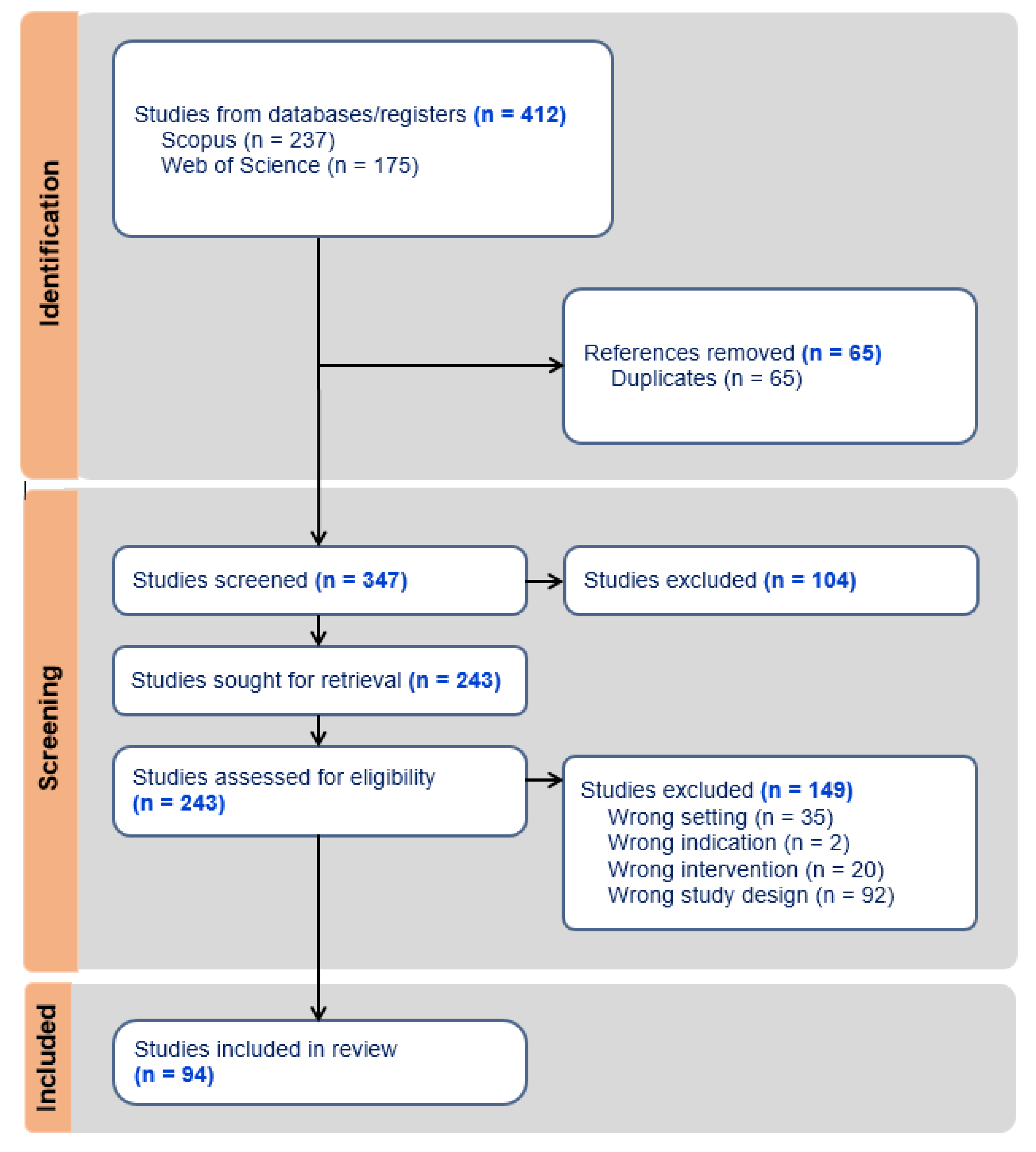
Users can access this tool through https://app.covidence.org/sign_in (accessed on 9 December 2025). However, it requires institutional users to create an account. Following database searches, all retrieved references were imported into Covidence. A total of 412 data records from Scopus (n = 237) and Web of Science (n = 175) were imported into Covidence. Covidence automatically deleted duplicates (n = 65), which saves time and effort. Therefore, the article for review is reduced to 347.

3.4. Stage 4: Data Screening

After importing references and deleting duplicate files, “Title and abstract screening” and “full-text review” were conducted within the platform. The purpose of this study is to clarify the concept of supply chain complexity and resilience strategies from a megaproject perspective. To address these objectives, only studies that engaged with at least one of these thematic areas were considered eligible during the “title and abstract screening” stage. Therefore, the total number of articles for full-text review was reduced to 347.
Following title and abstract screening, “full-text review” was concluded against predefined inclusion and exclusion criteria, commonly structured using the PICOS (Population, Intervention, Comparator/Context, Outcome, and Study Characteristics) framework. Any exclusions were justified by selecting a standardised reason. All “full-text” decisions and exclusion reasons are automatically recorded and incorporated into the PRISMA (Preferred Reporting Items for Systematic Review and Meta-analysis) flow diagram (Figure 2), enabling accurate reporting and strengthening the methodological rigour of the review process (number of excluded articles: n = 149).

3.5. Stage 5: Eligibility

The selected articles (n = 94) were exported in RIS format and imported into EndNote for citation management. This export preserved bibliographic metadata, enabling accurate tracking of included studies and reducing the risk of transcription errors.
The final number of included studies is relatively limited. However, the limited studies are not a consequence of an unnecessarily restrictive approach, but rather reflect the conceptual fragmentation and limited integration in the existing literature.
As demonstrated in the screening process, a substantial number of studies were screened but excluded due to a lack of contextual relevance, an inadequate study design, a single-dimensional perspective, or an explicit linkage between supply chain complexity and resilience in the megaproject context. Therefore, the application of strict inclusion was necessary to ensure conceptual clarity and methodological rigour, thereby justifying the study. Table 1 summarises the classification of irrelevant and excluded studies, highlighting that a substantial number were removed due to a lack of contextual relevance and conceptual integration. Most studies focus on project management, single dimensions, or technical methods, underscoring the fragmented nature of the literature and the need for an integrated megaproject supply chain perspective.

3.6. Descriptive Analysis

The included articles were analysed using a descriptive approach. Descriptive analysis was performed to identify trends in the discussion of complexity in megaproject supply chain and resilience strategies, including publication year and journal distribution. This analysis helped identify patterns and gaps in the literature. Using Microsoft Excel, the number of articles was calculated and visualised in line charts to represent the distribution and trend across the selected studies.
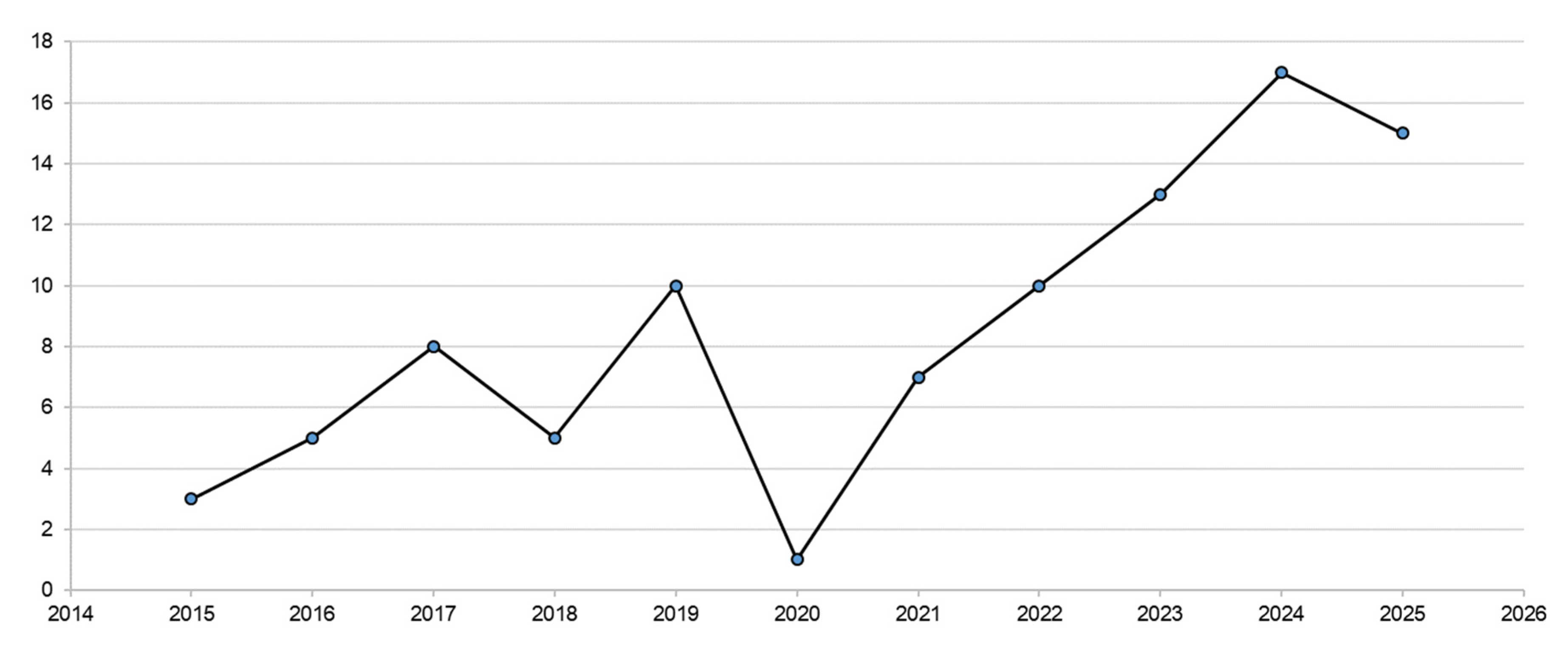
Figure 3 illustrates research trends on megaproject supply chain complexity, resilience strategies, and their impact on megaproject performance. The objective is to identify publication patterns and gaps in the literature to guide further research.
A noticeable decline in the number of articles appears in 2020. This pattern may be associated with several factors. The global disruption caused by COVID-19 may have affected research activities such as data collection, fieldwork and collaboration, particularly in construction and megaproject contexts. Additionally, some journals may have probably placed greater emphasis on pandemic-related research during this period. Furthermore, delays in publication and database indexing processes could have contributed to the lower number of recorded articles for that year [70,71].
To ensure transparency and reproducibility, the checklist developed for this study is provided as Supplementary Materials (Table S1, PRISMA Checklist).

4. Discussion of Results

4.1. Factors Contributing to Supply Chain Complexity in Megaprojects

The complexity of the supply chain is inherent to megaprojects due to the involvement of a complex, diverse network of business entities [3] and intricate processes and interdependencies [13]. Supply chain complexity in megaprojects arises from multiple interrelated factors, including the involvement of numerous and diverse stakeholders such as clients, consultants, suppliers, local communities, and government bodies, which create complex social networks and communication challenges [72].
Bozarth, Warsing, Flynn and Flynn [43] conceptualised Supply chain complexity (SCC) as comprising detail (variety and numerousness) and dynamic (uncertainty and unpredictability) dimensions across upstream, internal and downstream domains. Further, Aitken, et al. [73] classified SCC drivers as internal, external and environmental, distinguishing between complexity arising from operational variety (detail) and uncertainty or unpredictability (dynamic). Moreover, recent supply chain research conceptualises complexity as a multi-level construct encompassing upstream, internal and downstream segments of the supply network, with each level contributing distinct yet interdependent risk and coordination challenges [11].
However, much of the literature remains descriptive, with limited integration of how detail and dynamic complexities interact across supply chain domains. The present study addresses these gaps by adopting a four-dimensional SCC framework: upstream, internal, downstream, and external SCC drivers to represent the systematic features of supply chain complexity in megaprojects.
This categorisation draws on established SCC literature, such as Bozarth, Warsing, Flynn and Flynn [43], which splits complexity into upstream (supplier-side details such as number of tiers and geography), internal (manufacturing/operational processes), and downstream (customer-base factors). Kavilal, et al. [74] and Ateş, Suurmond, Luzzini and Krause [11] extend it by adding an external dimension for uncontrollable environmental drivers (e.g., geopolitical shifts, market volatility), recognising that megaprojects amplify these through their global scale and temporality. The criteria emphasise structural (detail complexity from nodes/relations) and dynamic (uncertainty from externalities) aspects, adapted to the inter-organisational sprawl of megaprojects [14].
Table 2 summarises the key complexity drivers at each supply chain level, along with concise descriptions of their operational implications in the megaproject context.

4.1.1. Upstream Supply Chain Complexity Drivers

Upstream supply chain complexity (USCC) in megaprojects is a multidimensional construct encompassing both detailed and dynamic complexity arising from the structure of the supplier network [43]. Three key structural drivers of USCC are (1) horizontal complexity (number of suppliers), (2) vertical complexity (number of supplier tiers), and (3) spatial complexity (geographical dispersion of suppliers) [77]. These complexity dimensions introduce information and knowledge asymmetries, coordination challenges [46], and extended lead times, increasing the risk of delays and disruption [24]. Eventually, understanding USCC in megaprojects requires a holistic approach that incorporates both structural and dynamic factors, such as supplier volatility, regulatory shifts, and technological interdependencies, which must be considered to manage USCC effectively.

4.1.2. Internal Supply Chain Complexity Drivers

Drivers of internal supply chain complexity are (1) part complexity (variety and number of components), (2) product complexity (number and variety of project delivery methods), (3) process complexity (diversity and non-standardisation of operational processes), and (4) product lifecycle complexity [74,92]. In large-scale project environments, such as megaprojects, these four drivers, acting collectively and independently, shape the overall operational complexity [93].

4.1.3. Downstream Supply Chain Complexity Drivers

Downstream supply chain complexity (DSCC) drivers in megaprojects, often referred to as delivery and operational base complexity, reflect the level of detail and dynamic complexity [43]. The primary drivers of DSCC include (1) the diversity of products, (2) the volume of orders, and (3) demand variability. These dimensions contribute independently to downstream coordination challenges [79].

4.1.4. External Supply Chain Complexity Drivers

External Supply Chain Complexity (ESCC) originates from factors beyond organisational control and outside the immediate boundaries of its supply chain [11]. The notable complexities include (1) market uncertainty and (2) technological uncertainty. Market uncertainty arises from geopolitical instability, regulatory change, and economic volatility, and it introduces uncertainty. In contrast, technological complexity arising from the emergence of new technologies and processes reshapes the supply chain’s structure and capabilities [74].

4.1.5. Relationships Between Supply Chain Complexity (Upstream, Internal, Downstream and External)

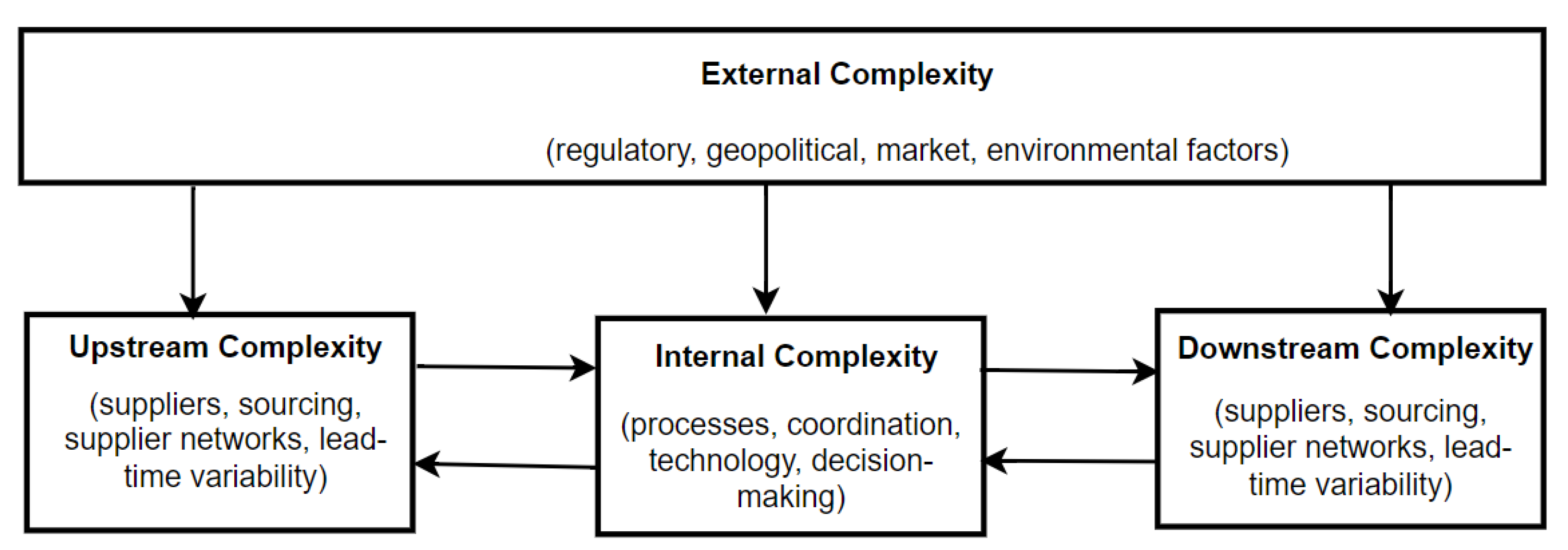
Upstream, internal, downstream and external supply chain complexities are interrelated dimensions that collectively shape supply chain functioning in megaprojects. Upstream complexity, which relates to supplier networks and sourcing variability, affects input reliability and risk exposure and has been shown to impact operational performance [11]. Internal complexity reflects interdependencies within the organisation (e.g., processes, coordination), mediating how upstream uncertainties influence outcomes. Downstream complexities emerge from demand variability and delivery coordination, influencing how outputs must be configured and delivered [11]. External complexity, including geopolitical and market volatility, affects all stages of the supply chain and can amplify systemic interdependencies [94]. These interactions underscore the systematic, not isolated, nature of supply chain complexity.
Figure 4 illustrates how upstream, internal, downstream, and external supply complexities are interconnected in the megaproject supply chain. Upstream complexity affects internal operations, which shape downstream outcomes, while external factors influence all levels. This highlights the systematic prorogation of disruptions and the need for integrated resilience strategies.
Collectively, USCC, ISCC, DSCC and ESCC demonstrate that megaproject supply chain complexity is multidimensional, dynamic and systematic. Therefore, understanding the interactions among upstream, internal, downstream, and external complexity drivers is essential to enhance coordination, adaptability, and resilience in the face of supply chain disruptions.

4.2. Effect of Supply Chain Complexity on Megaproject Performance

Megaprojects involve multi-tier supply networks with diverse stakeholders, global sourcing, and a high level of technical and organisational interdependence, generating upstream, internal, and downstream complexity [23,45]. While complexity can enable innovation and flexibility, studies consistently show that it poses significant risks to project performance, particularly through cost overruns, schedule delays, and coordination challenges [2,95,96]. Systematic and dynamic complexities, driven by uncertain interaction and fragmented governance structures, further intensified management challenges and increase the likelihood of underperformance [4].
However, the performance measurement of megaprojects varies widely. Traditional frameworks emphasise the iron triangle (time, cost, quality). In contrast, expanded frameworks incorporate organisational flexibility, stakeholder value, and partner satisfaction [97]. This heterogeneity contributes to inconsistent findings on the impact of supply chain complexity. Overall, complexity in megaproject supply chains is unavoidable, but its performance consequences are highly variable. Effective governance design, stakeholder engagement strategies, and strong supply chain management capabilities can transform complexity from a source of risk into a manageable condition.
The classification of complexity type is derived from synthesising different literature. The categorisation was guided by the source of complexity, the nature of interaction among project elements, and the level of complexity that emerges within the project system. Structural complexity reflects the scale and interdependencies of supply chain actors; operational complexity relates to process coordination and workflow dependencies; organisational complexity arises from stakeholder diversity and governance structure; technical complexity captures engineering sophistication and technological uncertainty; while environmental complexity reflects external regulatory and geopolitical conditions. This multidimensional classification aligns with contemporary studies that conceptualise projects across structural, organisational, technological and environmental dimensions, enabling a systematic understanding of complexity drivers in the construction of infrastructure projects [43,98,99].
Table 3 presents a structured overview of the impact of supply chain complexity on megaproject performance, outlining key complexity types, their underlying drivers, and their associated performance impacts. The table highlights how different sources of complexity influence cost, schedule, coordination, and overall project outcomes.

4.3. Resilience Strategies to Manage Supply Chain Complexity in Megaprojects

The growing frequency and intensity of disruptions highlight the need for resilient supply chains in megaprojects, which are characterised by high interdependence and process complexity [13]. Supply chain resilience mitigates the likelihood or impact of disruptions while enabling rapid recovery and operational stability. Beyond reactive responses, resilient supply chains serve as strategic capabilities, ensuring operational continuity and long-term project success amid uncertainties, interdependencies, and the risks inherent to megaproject environments.
Ponomarov and Holcomb [15] identify three phases of supply chain resilience: (1) readiness, (2) response and (3) recovery, while Hohenstein, et al. [100] add a fourth phase, (4) growth, which focuses on improving performance beyond recovery. Similarly, Ali and Arisha [55] identified three strategies for supply chain resilience depending on resilient phase including proactive strategy (pre-disruption phase), concurrent strategy (during-disruption phase), and reactive strategy (post-disruption phase). Readiness prepares for disruptions through forecasting and evaluation, while response minimises impacts and supports recovery. Recovery restores or improves performance, and growth strengthens capabilities by learning from disruption [101]. These phases collectively enable the supply chain to absorb disruptions, maintain continuity, and evolve strategically in complex and uncertain environments.
Supply chain resilience strategies are broadly classified into proactive and reactive approaches [102]. Proactive strategies prepare the supply chain for disruptions by selecting suppliers, building social capital and trust, fostering a risk-aware culture, and optimising the network [103], production, and process design to enhance flexibility and robustness [18,104]. Reactive strategies focus on responding to and recovering from disruptions, emphasising logistics capabilities, contingency planning, agility, redundancy, visibility, collaboration, and rapid adaptation to maintain continuity and performance [103,105].
This classification of resilience types is grounded in established literature that distinguishes resilience capabilities by the preparedness, response, and recovery phases of disruption management, rather than applying it mechanically. The approach aligns with prior studies that conceptualise resilience strategies across proactive and reactive dimensions in supply chain management [55,83,106]. Therefore, the categorisation follows a conceptually grounded, theory-driven approach, ensuring that resilience strategies are systematically linked to different disruption management stages in megaproject supply chains.
Table 4 summarises key supply chain resilience strategies for megaprojects, categorising strategy types, specific practices, descriptions, scope, and effectiveness. The table highlights how proactive and reactive resilience strategies enhance the complex supply chain’s ability to anticipate, absorb, and recover from disruptions.
The study adopts multiple typologies of supply chain complexity (SCC) and resilience as complementary analytical lenses rather than overlapping constructs. Specifically, the SCC typologies serve distinct analytical purposes. The structural perspective (internal, external, and interfacial) identifies the location and boundaries where complexity is embedded within organisational and relational interfaces. In contrast, the flow-oriented perspective (upstream, internal, downstream and external) explains the direction and propagation of complexity across different stages of the supply chain in megaprojects. This distinction enables a more rigorous understanding of both the origin and transmission mechanism of complexity, as supported in prior research [12,83].
Similarly, resilience is conceptualised through capability-based (proactive, concurrent and reactive) and temporal (readiness, response, recovery and growth) perspectives. The capability-based typology explains the nature of the responses deployed. In contrast, the temporal typology captures the sequencing of these responses across the disruption lifecycle. This dual perspective aligns with the literature, which treats resilience both as a set of organisational capabilities and as a dynamic process unfolding over time [15,61].
Eliminating either typology would risk oversimplifying the phenomenon and limiting the explanatory power of the study. Instead, integration enables a more comprehensive, mechanism-based explanation, in which complexity drivers are understood in terms of both their structural positioning and propagation, and resilience is interpreted in terms of both capability deployment and temporal evolution.

4.4. Integration of Supply Chain Complexity Management and Resilience Strategies

The result presented in Figure 4 demonstrates that supply chain complexity (SCC) in megaprojects operates as an interconnected system where disruptions propagate across upstream, internal, downstream, and external dimensions. Upstream complexities, such as multi-tier global sourcing, create uncertainties that cascade into internal operations, affecting coordination and scheduling and ultimately influencing downstream performance. External factors further intensify these interactions by exerting system-wide pressures. This aligns with recent studies that highlight how complexity amplifies the propagation of disruption in interconnected supply networks [143,144].
Table 4 demonstrates that resilience strategies are not generic but are activated through a capability-alignment mechanism. For instance, redundancy and visibility mitigate upstream risks, while flexibility and integration address internal interdependencies. Agility and collaboration respond to downstream uncertainties, and adaptability supports responses to external disruptions. These findings are consistent with recent research emphasising dynamic resilience capabilities such as anticipation, response, and adaptation in complex supply chains [145,146].
Thus, aligning resilience capabilities with SCC drivers transforms disruption into a manageable condition, enhancing megaproject performance in terms of time, cost and system robustness.

5. Multi-Level Conceptual Framework

The conceptual framework is the foundational justification for conducting a study. The conceptual framework accomplishes three key objectives: (1) outlines the current state of knowledge, typically through a literature review, (2) identifies gaps in understanding a phenomenon or problem, and (3) explains the methodological basis of the research [147].
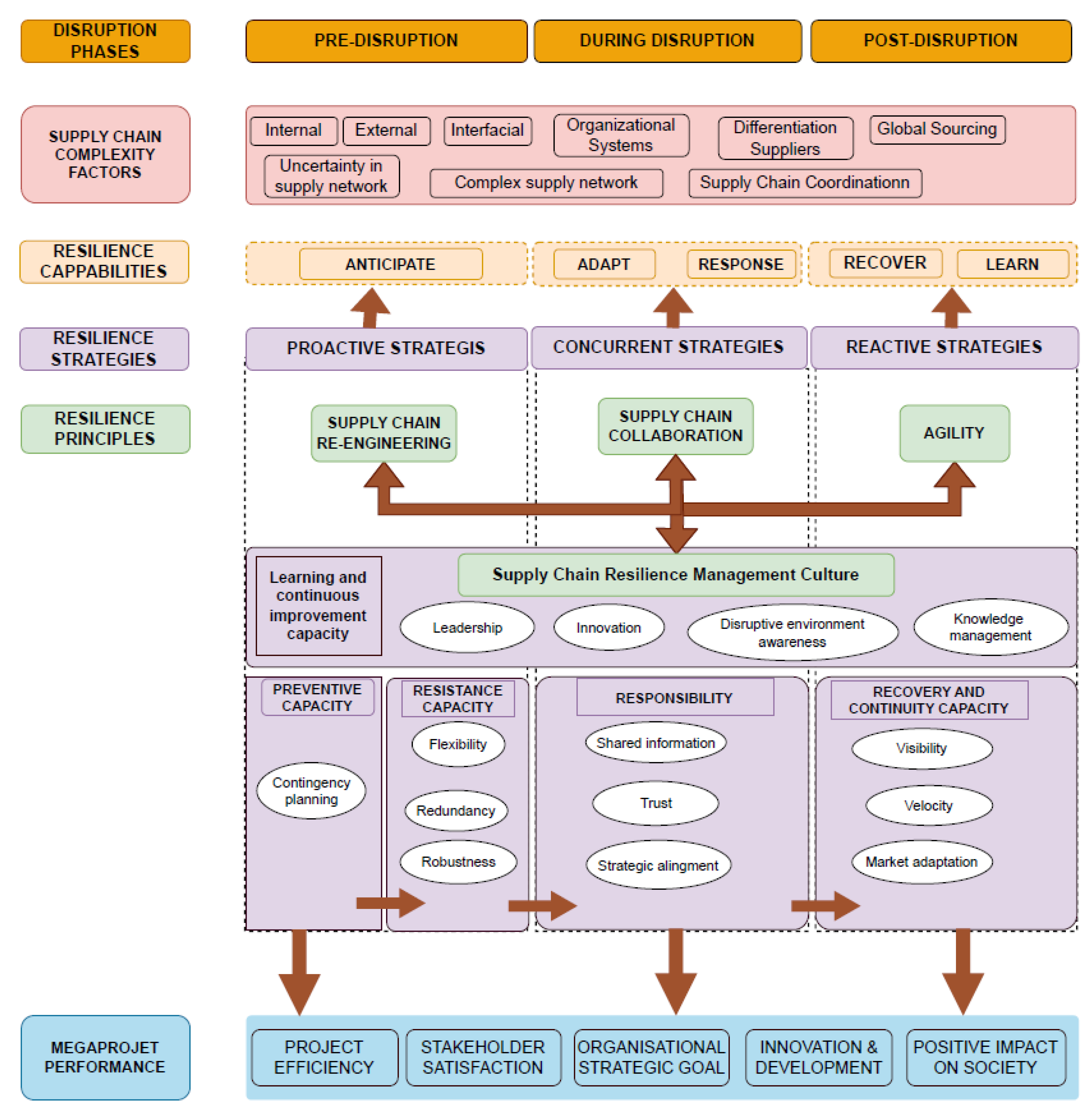
The proposed conceptual framework (Figure 5) is developed based on a comprehensive review of existing literature rather than quantitative meta-analysis.
Table 5 shows how each study informs the framework’s components, addressing disruption phases, supply chain complexity factors, and resilience capabilities and strategies.
The framework integrates supply chain complexity factors, resilience capabilities, strategies, and megaproject performance, providing a structured lens to understand how complex supply networks influence megaproject outcomes. Complexity in the supply chain arises from multi-tier suppliers, technological interdependencies, global sourcing, and stakeholder diversity, which create coordination, information, and operational challenges [11,24]. These factors often reduce performance, leading to delays, cost overruns, and inefficiencies. Resilience capabilities, including flexibility, visibility, and collaboration, help absorb, adapt, and recover from disruptions. Strategies such as supplier integration, material contingency, and real-time information sharing operationalise these capabilities. At the same time, resilience principles guide alignment with project objectives. Performance is measured across multiple dimensions, including time, cost, quality, innovation and stakeholder values.
The proposed framework is developed as a direct response to limitations identified in the literature review. The review indicates that supply chain complexity (SCC) drivers are frequently examined as isolated factors, with limited explanation of how they interact or propagate across disruption phases [12,83]. Similarly, resilience is commonly conceptualised through capabilities (anticipate, adapt, respond, recover, learn), strategies (proactive, concurrent, reactive), and principles (e.g., flexibility, redundancy, visibility), yet these elements are typically treated in a fragmented manner without clear integration [15,61].
Addressing this gap, the framework systematically links SCC drivers to phase-specific resilience capabilities, demonstrating how different forms of complexity condition distinct responses across pre-, during-, and post-disruption stages. These capabilities are further operationalised through corresponding strategies and supported by underlying resilience principles, reflecting their interdependent roles. In addition, the inclusion of a resilience management culture is grounded in evidence, emphasising leadership, learning, and knowledge integration as critical enablers of sustained resilience [15,61].
Accordingly, the framework does not introduce new constructs. However, it provides an overall relationship between the different components, enabling a more coherent and explanatory understanding of how SCC drivers shape resilience processes and, ultimately, megaproject performance outcomes.
Despite the conceptual value, the framework has several limitations. The framework is primarily derived from systematic literature review synthesis rather than longitudinal field validation. As a result, the link between complexity, strategies and multi-level performance is speculative. Conceptually, it treats complexity as a single, uniform construct and assumes strategies are universally transferable, ignoring sectoral, geographical and regulatory differences. The multidimensional performance metrics, including cost, schedule, quality, and stakeholder values, are recognised but not explicitly quantified.
The relationships depicted in the framework are derived from recurring patterns identified in the systematic review and represent causal linkages rather than arbitrary associations. The connections between supply chain complexity (SCC) drivers, resilience capabilities, and resilience strategies are strongly supported in the literature, which consistently shows that different forms of complexity trigger corresponding resilience responses. Similarly, the operationalisation of resilience capabilities through strategies and underlying principles is well established. In contrast, relationships involving resilience management culture and feedback mechanisms are theoretically synthesised and remain partially hypothesised due to limited direct empirical validation. Furthermore, linkages to performance outcomes and cross-phase integration are moderately supported, reflecting their recognition in prior studies but limited systematic examination.
The proposed conceptual framework explains the relationships among the phases of supply chain disruption, supply chain complexity factors, resilience capabilities, and management strategies to enhance the performance of megaprojects. This study mainly focuses on establishing the theoretical foundation and conceptual relationships among these constructs based on the literature review. Incorporating a detailed use-case scenario would further enhance the practical understanding and applicability of the framework. However, empirical validation and practical application of the framework are planned for subsequent phases of this research.

6. Conclusions

Megaprojects are characterised by inherently complex, multi-tier supply chains, involving diverse stakeholders, dynamic uncertainty, and high interdependence. Complexity across upstream, internal, downstream, and external originated from multi-tier networks, process interdependence, demand variability, regulatory and technological change. These complexities create coordination challenges, reduce visibility, and increase risk, often leading to cost overruns and delays. Integrating proactive, reactive, and hybrid resilience strategies, such as multi-sourcing, flexible procurement, and collaborative planning, enhances adaptive capacity and recovery.
To address the research questions, the study identifies key factors contributing to supply chain complexity in megaprojects, including supplier diversity, global sourcing, technological heterogeneity, and inter-organisational dependencies. The analysis demonstrates that such complexities negatively affect megaproject performance by increasing the risks of cost overruns, schedule delays, and coordination challenges. Importantly, the study highlights proactive, reactive, and hybrid resilience strategies, such as multi-sourcing, geographic diversification, collaboration mechanisms, and adaptive backup plans, that mitigate these effects and enhance overall project outcomes. By linking supply complexity factors, their performance impacts, and corresponding resilience strategies, the study provides theoretical insights for effectively managing complex megaproject supply chains.
The proposed multi-level conceptual framework synthesises the relationships between supply chain complexity, resilience strategies, and megaproject performance, offering both theoretical contributions and practical guidance. As this study is based on a systematic literature review, future research should empirically validate the proposed relationships through quantitative or case-based studies. In addition, future research may explore broader management perspectives, such as programme-level coordination approaches, to better understand how interdependencies and complexity across large-scale projects can be effectively managed in practice.

Supplementary Materials

The following supporting information can be downloaded at: https://www.mdpi.com/article/10.3390/buildings16091745/s1, Table S1: PRISMA 2020 Checklist [150].

Author Contributions

Conceptualisation, C.N.G., A.A. and R.O.-K.; methodology, C.N.G.; software, C.N.G.; validation, A.A. and R.O.-K.; formal analysis, C.N.G.; investigation, C.N.G.; resources, C.N.G.; data curation, C.N.G.; writing—original draft preparation, C.N.G.; writing—review and editing, C.N.G.; visualisation, C.N.G.; supervision, A.A. and R.O.-K.; project administration, C.N.G. All authors have read and agreed to the published version of the manuscript.

Funding

This research received no external funding.

Data Availability Statement

The study is based on a synthesis of published literature and conceptual framework development; no publicly archived datasets were generated.

Acknowledgments

During the preparation of this manuscript/study, the author used Grammarly for the purpose of improving the quality of writing, ensuring it is clear, concise, and effective. The author has reviewed and edited the output and takes full responsibility for the content of this publication.

Conflicts of Interest

The authors declare no conflicts of interest.

Abbreviations

The following abbreviations are used in this manuscript:
DSCCDownstream supply chain complexity factor
ESCCExternal supply chain complexity factor
ISCCInternal supply chain complexity factor
ITInformation Technology
PICOPopulation, Intervention, Comparator/Context, Outcome, and Study Characteristics
PRISMAPreferred Reporting Items for Systematic Review and Meta-analysis
SCSupply Chain
SCCSupply chain complexity
SMESmall-Medium Enterprises
USCCUpstream supply chain complexity factor

References

  1. Flyvbjerg, B. What you Should Know about Megaprojects and Why: An Overview. Proj. Manag. J. 2014, 45, 6–19. [Google Scholar] [CrossRef]
  2. Mohseni, M.; Tabassi, A.; Kamal, E.; Bryde, D.; Michaelides, R. Complexity factors in mega projects: A literature review. Eur. Proc. Multidiscip. Sci. 2019, 2, 54–67. [Google Scholar] [CrossRef]
  3. Flyvbjerg, B. Introduction: The Iron Law of Megaproject Management. In The Oxford Handbook of Megaproject Management; Oxford Academic: Oxford, UK, 2017; pp. 1–18. [Google Scholar]
  4. Denicol, J.; Davies, A.; Krystallis, I. What Are the Causes and Cures of Poor Megaproject Performance? A Systematic Literature Review and Research Agenda. Proj. Manag. J. 2020, 51, 328–345. [Google Scholar] [CrossRef]
  5. Flyvbjerg, B. Curbing Optimism Bias and Strategic Misrepresentation in Planning: Reference Class Forecasting in Practice. Eur. Plan. Stud. 2008, 16, 3–21. [Google Scholar] [CrossRef]
  6. Flyvbjerg, B. Cost Overruns and Demand Shortfalls in Urban Rail and Other Infrastructure. Transp. Plan. Technol. 2007, 30, 9–30. [Google Scholar] [CrossRef]
  7. Merrow, E.W. Industrial Megaprojects: Concepts, Strategies, and Practices for Success; John Wiley & Sons, Incorporated: Hoboken, NJ, USA, 2011. [Google Scholar]
  8. Denicol, J. Managing megaproject supply chains: Life after Heathrow Terminal 5. In Successful Construction Supply Chain Management: Concepts and Case Studies; Wiley: Hoboken, NJ, USA, 2020; pp. 211–235. [Google Scholar]
  9. Gerschberger, M.; Fawcet, S.E.; Fawcett, A.M.; Gerschberger, M. Why supply chain complexity prevails: Mapping the complexity capability development process. Int. J. Logist. Manag. 2024, 35, 112–135. [Google Scholar] [CrossRef]
  10. Fawcett, S.E.; Magnan, G.M.; Ogden, J. Achieving World-Class Supply Chain collaboration: Managing the Transformation; Institute for Supply Management: Tempe, AZ, USA, 2007. [Google Scholar]
  11. Ateş, A.M.; Suurmond, R.; Luzzini, D.; Krause, D. Order from chaos: A meta-analysis of supply chain complexity and firm performance. J. Supply Chain Manag. 2022, 58, 3–30. [Google Scholar] [CrossRef]
  12. Choi, T.Y.; Krause, D.R. The supply base and its complexity: Implications for transaction costs, risks, responsiveness, and innovation. J. Oper. Manag. 2006, 24, 637–652. [Google Scholar] [CrossRef]
  13. Brockmann, C. Advanced Construction Management: The Complexity of Megaprojects; Wiley Blackwell: Hoboken, NJ, USA, 2020. [Google Scholar]
  14. Stefano, G.; Denicol, J.; Broyd, T.; Davies, A. What are the strategies to manage megaproject supply chains? A systematic literature review and research agenda. Int. J. Proj. Manag. 2023, 41, 102457. [Google Scholar] [CrossRef]
  15. Ponomarov, S.Y.; Holcomb, M.C. Understanding the concept of supply chain resilience. Int. J. Logist. Manag. 2009, 20, 124–143. [Google Scholar] [CrossRef]
  16. Katsaliaki, K.; Galetsi, P.; Kumar, S. Supply chain disruptions and resilience: A major review and future research agenda. Ann. Oper. Res. 2022, 319, 965–1002. [Google Scholar] [CrossRef]
  17. KPMG. Supply Chain Must Be Future Ready. Available online: https://assets.kpmg.com/content/dam/kpmgsites/au/pdf/2023/future-of-supply-chain-2023.pdf (accessed on 12 December 2025).
  18. Ivanov, D. Introduction to Supply Chain Resilience: Management, Modelling, Technology; Springer: Cham, Switzerland, 2021. [Google Scholar]
  19. Wright, J. Taking a broader view of supply chain resilience. Supply Chain Manag. Rev. 2013, 17, 26–31. [Google Scholar]
  20. Hosseini Shekarabi, S.A.; Kiani Mavi, R.; Romero Macau, F. Supply chain resilience: A critical review of risk mitigation, robust optimisation, and technological solutions and future research directions. Glob. J. Flex. Syst. Manag. 2025, 26, 681–735. [Google Scholar] [CrossRef]
  21. Vugrin, E.D.; Warren, D.E.; Ehlen, M.A.; Camphouse, R.C. A framework for assessing the resilience of infrastructure and economic systems. In Sustainable and Resilient Critical Infrastructure Systems: Simulation, Modeling, and Intelligent Engineering; Springer: Berlin/Heidelberg, Germany, 2010; pp. 77–116. [Google Scholar]
  22. Hong, L.J.; Li, J.; Wu, X.; Yi, S. Future Research of Supply chain Resilience: Network Perspectives and Incorporation of More Stakeholders. Fundam. Res. 2025, 5, 486–495. [Google Scholar] [CrossRef] [PubMed]
  23. Piya, S.; Shamsuzzoha, A.; Khadem, M. An approach for analysing supply chain complexity drivers through interpretive structural modelling. Int. J. Logist. Res. Appl. 2020, 23, 311–336. [Google Scholar] [CrossRef]
  24. Bode, C.; Wagner, S.M. Structural drivers of upstream supply chain complexity and the frequency of supply chain disruptions. J. Oper. Manag. 2015, 36, 215–228. [Google Scholar] [CrossRef]
  25. Manuj, I.; Sahin, F. A model of supply chain and supply chain decision-making complexity. Int. J. Phys. Distrib. Logist. Manag. 2011, 41, 511–549. [Google Scholar] [CrossRef]
  26. Pettit, T.J.; Croxton, K.L.; Fiksel, J. Ensuring Supply Chain Resilience: Development and Implementation of an Assessment Tool. J. Bus. Logist. 2013, 34, 46–76. [Google Scholar] [CrossRef]
  27. Birkie, S.E.; Trucco, P. Do not expect others do what you should! Supply chain complexity and mitigation of the ripple effect of disruptions. Int. J. Logist. Manag. 2020, 31, 123–144. [Google Scholar] [CrossRef]
  28. Birkie, S.E.; Trucco, P.; Campos, P.F. Effectiveness of resilience capabilities in mitigating disruptions: Leveraging on supply chain structural complexity. Supply Chain Manag. Int. J. 2017, 22, 506–521. [Google Scholar] [CrossRef]
  29. Kamalahmadi, M.; Parast, M.M. A review of the literature on the principles of enterprise and supply chain resilience: Major findings and directions for future research. Int. J. Prod. Econ. 2016, 171, 116–133. [Google Scholar] [CrossRef]
  30. Ming, L.Y.; Omain, S.Z.B.; Kowang, T.O. Supply chain resilience: A review and research direction. Int. J. Acad. Res. Bus. Soc. Sci. 2021, 11, 2591–2603. [Google Scholar] [CrossRef] [PubMed]
  31. Chen, L.; Zhao, X.; Tang, O.; Price, L.; Zhang, S.; Zhu, W. Supply chain collaboration for sustainability: A literature review and future research agenda. Int. J. Prod. Econ. 2017, 194, 73–87. [Google Scholar] [CrossRef]
  32. Wiengarten, F.; Humphreys, P.; Gimenez, C.; McIvor, R. Risk, risk management practices, and the success of supply chain integration. Int. J. Prod. Econ. 2016, 171, 361–370. [Google Scholar] [CrossRef]
  33. Shi, Q.; Chen, X.; Xiao, C.; Han, Y. Network Perspective in Megaproject Management: A Systematic Review. J. Constr. Eng. Manag. 2022, 148, 03122002. [Google Scholar] [CrossRef]
  34. Porter, M. Supply chain integration: Does organizational culture matter? Oper. Supply Chain Manag. Int. J. 2019, 12, 49–59. [Google Scholar] [CrossRef]
  35. Williams, T.M. Managing and Modelling Complex Projects; Springer: Dordrecht, The Netherlands, 2013. [Google Scholar]
  36. Hassan, T.M.; Mccaffer, R.; Thorpe, T. Emerging clients’ needs for Large Scale Engineering projects. Eng. Constr. Archit. Manag. 1999, 6, 21–29. [Google Scholar] [CrossRef]
  37. Grün, O. Taming Giant Projects: Management of Multi-Organization Enterprises; Springer Science & Business Media: Berlin/Heidelberg, Germany, 2004. [Google Scholar]
  38. Ruuska, I.; Teigland, R. Ensuring project success through collective competence and creative conflict in public–private partnerships—A case study of Bygga Villa, a Swedish triple helix e-government initiative. Int. J. Proj. Manag. 2009, 27, 323–334. [Google Scholar] [CrossRef]
  39. Caldas, C.; Gupta, A. Critical factors impacting the performance of mega-projects. Eng. Constr. Archit. Manag. 2017, 24, 920–934. [Google Scholar] [CrossRef]
  40. Priemus, H.; Bosch-Rekveldt, M.; Giezen, M. Dealing with complexity, uncertainties and risk of mega-projects: Redundancy, resilience and adaptivity. In International Handbook on Mega-Projects; Edward Elgar Publishing: Cheltenham, UK, 2013; pp. 83–110. [Google Scholar]
  41. Chapman, R.J. A framework for examining the dimensions and characteristics of complexity inherent within rail megaprojects. Int. J. Proj. Manag. 2016, 34, 937–956. [Google Scholar] [CrossRef]
  42. Kardes, I.; Ozturk, A.; Cavusgil, S.T.; Cavusgil, E. Managing global megaprojects: Complexity and risk management. Int. Bus. Rev. 2013, 22, 905–917. [Google Scholar] [CrossRef]
  43. Bozarth, C.C.; Warsing, D.P.; Flynn, B.B.; Flynn, E.J. The impact of supply chain complexity on manufacturing plant performance. J. Oper. Manag. 2009, 27, 78–93. [Google Scholar] [CrossRef]
  44. Wiedmer, R.; Rogers, Z.S.; Polyviou, M.; Mena, C.; Chae, S. The Dark and Bright Sides of Complexity: A Dual Perspective on Supply Network Resilience. J. Bus. Logist. 2021, 42, 336–359. [Google Scholar] [CrossRef]
  45. Serdarasan, S. A review of supply chain complexity drivers. Comput. Ind. Eng. 2013, 66, 533–540. [Google Scholar] [CrossRef]
  46. Lu, G.; Shang, G. Impact of supply base structural complexity on financial performance: Roles of visible and not-so-visible characteristics. J. Oper. Manag. 2017, 53–56, 23–44. [Google Scholar] [CrossRef]
  47. Campos, P.F.; Trucco, P.; Huatuco, L.H. Managing structural and dynamic complexity in supply chains: Insights from four case studies. Prod. Plan. Control 2019, 30, 611–623. [Google Scholar] [CrossRef]
  48. Lin, Y.H.; Wang, Y.; Lee, L.H.; Chew, E.P. Consistency matters: Revisiting the structural complexity for supply chain networks. Phys. A Stat. Mech. Its Appl. 2021, 572, 125862. [Google Scholar] [CrossRef]
  49. Serdarasan, S.; Tanyas, M. Dealing with Complexity in the Supply Chain: The Effect of Supply Chain Management Initiatives. 2012. Available online: https://ssrn.com/abstract=2056331 (accessed on 6 December 2025).
  50. Goffin, K.; Lemke, F.; Szwejczewski, M. An exploratory study of ‘close’ supplier–manufacturer relationships. J. Oper. Manag. 2006, 24, 189–209. [Google Scholar] [CrossRef]
  51. Cho, J.; Kang, J. Benefits and challenges of global sourcing: Perceptions of US apparel retail firms. Int. Mark. Rev. 2001, 18, 542–561. [Google Scholar] [CrossRef]
  52. Piya, S.; Shamsuzzoha, A.; Khadem, M.; Al-Kindi, M. Supply chain complexity drivers and solution methods. Int. J. Supply Chain Manag. 2017, 6, 43–50. [Google Scholar]
  53. Milgate, M. Antecedents of delivery performance: An international exploratory study of supply chain complexity. Ir. Mark. Rev. 2000, 13, 42–54. [Google Scholar]
  54. Ateş, M.A.; Memiş, H. Embracing supply base complexity: The contingency role of strategic purchasing. Int. J. Oper. Prod. Manag. 2021, 41, 830–859. [Google Scholar] [CrossRef]
  55. Ali, A.; Mahfouz, A.; Arisha, A. Analysing supply chain resilience: Integrating the constructs in a concept mapping framework via a systematic literature review. Supply Chain Manag. Int. J. 2017, 22, 16–39. [Google Scholar] [CrossRef]
  56. Mascaritolo, J.; Holcomb, M.C. Moving towards a resilient supply chain. J. Transp. Manag. 2008, 19, 7. [Google Scholar] [CrossRef]
  57. Ponomarov, S.Y. Antecedents and Consequences of Supply Chain Resilience: A Dynamic Capabilities Perspective. Doctoral Dissertation, University of Tennessee, Knoxville, TN, USA, 2012. [Google Scholar]
  58. Rice, J.B.; Caniato, F. Building a secure and resilient supply network. Supply Chain. Manag. Rev. 2003, 7, 22–30. [Google Scholar]
  59. Johnson, N.; Elliott, D.; Drake, P. Exploring the role of social capital in facilitating supply chain resilience. Supply Chain Manag. Int. J. 2013, 18, 324–336. [Google Scholar] [CrossRef]
  60. Tang, C.S. Robust strategies for mitigating supply chain disruptions. Int. J. Logist. Res. Appl. 2006, 9, 33–45. [Google Scholar] [CrossRef]
  61. Christopher, M.; Peck, H. Building the Resilient Supply Chain. Int. J. Logist. Manag. 2004, 15, 1–14. [Google Scholar] [CrossRef]
  62. Peck, H. Drivers of supply chain vulnerability: An integrated framework. Int. J. Phys. Distrib. Logist. Manag. 2005, 35, 210–232. [Google Scholar] [CrossRef]
  63. Carvalho, H.; Duarte, S.; Cruz Machado, V. Lean, agile, resilient and green: Divergencies and synergies. Int. J. Lean Six Sigma 2011, 2, 151–179. [Google Scholar] [CrossRef]
  64. Urciuoli, L.; Mohanty, S.; Hintsa, J.; Gerine Boekesteijn, E. The resilience of energy supply chains: A multiple case study approach on oil and gas supply chains to Europe. Supply Chain Manag. Int. J. 2014, 19, 46–63. [Google Scholar] [CrossRef]
  65. Brandon-Jones, E.; Squire, B.; Autry, C.W.; Petersen, K.J. A Contingent Resource-Based Perspective of Supply Chain Resilience and Robustness. J. Supply Chain Manag. 2014, 50, 55–73. [Google Scholar] [CrossRef]
  66. Hart, C. Doing a Literature Review: Releasing the Research Imagination; Sage: London, UK, 2018. [Google Scholar]
  67. Hupe, M. Covidence. J. Electron. Resour. Med. Libr. 2025, 22, 139–147. [Google Scholar] [CrossRef]
  68. Babineau, J. Product review: Covidence (systematic review software). J. Can. Health Libr. Assoc./J. L’association Bibliothèques Santé Can. 2014, 35, 68–71. [Google Scholar] [CrossRef]
  69. Kellermeyer, L.; Harnke, B.; Knight, S. Covidence and rayyan. J. Med. Libr. Assoc. JMLA 2018, 106, 580. [Google Scholar] [CrossRef]
  70. Aviv-Reuven, S.; Rosenfeld, A. Publication patterns’ changes due to the COVID-19 pandemic: A longitudinal and short-term scientometric analysis. Scientometrics 2021, 126, 6761–6784. [Google Scholar] [CrossRef]
  71. Whitaker, M.; Rodrigues, S.; Cooke, G.; Virlon, B.; Donnelly, C.A.; Ward, H.; Elliott, P.; Chadeau-Hyam, M. How COVID-19 affected academic publishing: A 3-year study of 17 million research papers. Int. J. Epidemiol. 2025, 54, dyaf058. [Google Scholar] [CrossRef] [PubMed]
  72. Kadan, R.; Wium, J. Fuzzy synthesis analysis of social network risk factors in supply chains of African megaprojects. Built Environ. Proj. Asset Manag. 2024, 15, 125–148. [Google Scholar] [CrossRef]
  73. Aitken, J.; Bozarth, C.; Garn, W. To eliminate or absorb supply chain complexity: A conceptual model and case study. Supply Chain Manag. 2016, 21, 759–774. [Google Scholar] [CrossRef]
  74. Kavilal, E.G.; Prasanna Venkatesan, S.; Harsh Kumar, K.D. An integrated fuzzy approach for prioritizing supply chain complexity drivers of an Indian mining equipment manufacturer. Resour. Policy 2017, 51, 204–218. [Google Scholar] [CrossRef]
  75. Ivanov, D. Predicting the impacts of epidemic outbreaks on global supply chains: A simulation-based analysis on the coronavirus outbreak (COVID-19/SARS-CoV-2) case. Transp. Res. Part E Logist. Transp. Rev. 2020, 136, 101922. [Google Scholar] [CrossRef]
  76. Dolgui, A.; Ivanov, D.; Sokolov, B. Reconfigurable supply chain: The X-network. Int. J. Prod. Res. 2020, 58, 4138–4163. [Google Scholar] [CrossRef]
  77. Sharma, A.; Pathak, S.; Borah, S.B.; Adhikary, A. Is it too complex? The curious case of supply network complexity and focal firm innovation. J. Oper. Manag. 2020, 66, 839–865. [Google Scholar] [CrossRef]
  78. Scholten, K.; Stevenson, M.; van Donk, D.P. Dealing with the unpredictable: Supply chain resilience. Int. J. Oper. Prod. Manag. 2020, 40, 1–10. [Google Scholar] [CrossRef]
  79. Chand, P.; Kumar, A.; Thakkar, J.; Ghosh, K.K. Direct and mediation effect of supply chain complexity drivers on supply chain performance: An empirical evidence of organizational complexity theory. Int. J. Oper. Prod. Manag. 2022, 42, 797–825. [Google Scholar] [CrossRef]
  80. Ivanov, D.; Dolgui, A. Viability of intertwined supply networks: Extending the supply chain resilience angles towards survivability. A position paper motivated by COVID-19 outbreak. Int. J. Prod. Res. 2020, 58, 2904–2915. [Google Scholar] [CrossRef]
  81. Dubey, R.; Gunasekaran, A.; Childe, S.J.; Papadopoulos, T.; Luo, Z.; Roubaud, D. Upstream supply chain visibility and complexity effect on focal company’s sustainable performance: Indian manufacturers’ perspective. Ann. Oper. Res. 2020, 290, 343–367. [Google Scholar] [CrossRef]
  82. Gao, G.Y.; Xie, E.; Zhou, K.Z. How does technological diversity in supplier network drive buyer innovation? Relational process and contingencies. J. Oper. Manag. 2015, 36, 165–177. [Google Scholar] [CrossRef]
  83. Heckmann, I.; Comes, T.; Nickel, S. A critical review on supply chain risk—Definition, measure and modeling. Omega 2015, 52, 119–132. [Google Scholar] [CrossRef]
  84. Rossetti, C.L.; Warsing, D.P.; Flynn, B.B.; Bozarth, C.C. Complex and lean or lean and complex? The role of supply chain complexity in lean production. Oper. Manag. Res. 2023, 16, 1382–1412. [Google Scholar] [CrossRef]
  85. Gray, J.V.; Handley, S.M. Managing contract manufacturer quality in the presence of performance ambiguity. J. Oper. Manag. 2015, 38, 41–55. [Google Scholar] [CrossRef]
  86. Wieland, A. Dancing the Supply Chain: Toward Transformative Supply Chain Management. J. Supply Chain Manag. 2021, 57, 58–73. [Google Scholar] [CrossRef]
  87. Sharma, A.; Kumar, V.; Borah, S.B.; Adhikary, A. Complexity in a multinational enterprise’s global supply chain and its international business performance: A bane or a boon? J. Int. Bus. Stud. 2022, 53, 850–878. [Google Scholar] [CrossRef]
  88. López, C.; Morales-Contreras, M.F.; Langella, I.M.; Alonso-Monge, J. Modeling supply chain disruptions due to geopolitical Reasons: A systematic literature review. Transp. Res. Part E Logist. Transp. Rev. 2025, 202, 104290. [Google Scholar] [CrossRef]
  89. Ghag, N.; Sonar, H.; Sawant, R.; Bankapalli, K. Examining industry 5.0 and supply chain performance: An empirical study for managing supply chain complexity. Prod. Manuf. Res. 2025, 13, 2501181. [Google Scholar] [CrossRef]
  90. El-Beheiry, M.; Taha, R.; Ismail, T.; Adel, Y. A novel study of the impact of supply chain complexity on the bullwhip effect. J. Transp. Supply Chain. Manag. 2024, 18, a1077. [Google Scholar] [CrossRef]
  91. Seif, M.; Jafari, H. Unpacking the role of analytics for supply chain resilience and performance: The complex influence of supply chain integration. Prod. Plan. Control 2025, 37, 272–289. [Google Scholar] [CrossRef]
  92. Menezes, M.B.C.; Ruiz-Hernández, D.; Chen, Y.-T. On the validity and practical relevance of a measure for structural complexity. Int. J. Prod. Econ. 2021, 240, 108243. [Google Scholar] [CrossRef]
  93. Vickery, S.K.; Koufteros, X.; Dröge, C.; Calantone, R. Product modularity, process modularity, and new product introduction performance: Does complexity matter? Prod. Oper. Manag. 2016, 25, 751–770. [Google Scholar] [CrossRef]
  94. Fernández Campos, P.; Huaccho Huatuco, L.; Trucco, P. Framing the interplay mechanisms between structural and dynamic complexity in supply chains. Prod. Plan. Control 2024, 35, 599–617. [Google Scholar] [CrossRef]
  95. Radujković, M.; Mišić, S. Identification of key supply chain elements for megaprojects success. In International Research Network on Organizing by Projects (IRNOP) 2017; UTS ePRESS: Sydney, NSW, Australia, 2017. [Google Scholar][Green Version]
  96. Sabbar, M.; Naimi, S. An integrated lean-digital framework for optimizing civil-engineering supply chains: Mixed-methods evidence from multi-project case analyses. Int. J. Comput. Exp. Sci. Eng. 2025, 11. [Google Scholar] [CrossRef]
  97. Nyarirangwe, M.; Babatunde, O.K. Megaproject complexity attributes and competences: Lessons from IT and construction projects. Int. J. Inf. Syst. Proj. Manag. 2019, 7, 77–99. [Google Scholar] [CrossRef]
  98. Nikolić, M.; Cerić, A. Classification of key elements of construction project complexity from the contractor perspective. Buildings 2022, 12, 696. [Google Scholar] [CrossRef]
  99. Lafhaj, Z.; Rebai, S.; AlBalkhy, W.; Hamdi, O.; Mossman, A.; Alves Da Costa, A. Complexity in construction projects: A literature review. Buildings 2024, 14, 680. [Google Scholar] [CrossRef]
  100. Hohenstein, N.-O.; Feisel, E.; Hartmann, E.; Giunipero, L. Research on the phenomenon of supply chain resilience: A systematic review and paths for further investigation. Int. J. Phys. Distrib. Logist. Manag. 2015, 45, 90–117. [Google Scholar] [CrossRef]
  101. Ke, Y.; Lu, L.; Luo, X. Identification and formation mechanism of key elements of supply chain resilience: Exploration based on grounded theory and verification of SEM. PLoS ONE 2023, 18, e0293741. [Google Scholar] [CrossRef]
  102. El-naggar, F.; Ali, M.A. Supply Chain Resilience: A Literature Review and Gap Analysis. In Advanced Technologies and the Management of Disruptive Supply Chains: The Post-COVID Era; Qudrat-Ullah, H., Ali, S.I., Eds.; Springer Nature: Cham, Switzerland, 2023; pp. 55–79. [Google Scholar]
  103. Chowdhury, M.M.H.; Quaddus, M. Supply chain resilience: Conceptualization and scale development using dynamic capability theory. Int. J. Prod. Econ. 2017, 188, 185–204. [Google Scholar] [CrossRef]
  104. Ho, W.R.; Maghazei, O.; Netland, T.H. Understanding manufacturing repurposing: A multiple-case study of ad hoc healthcare product production during COVID-19. Oper. Manag. Res. 2022, 15, 1257–1269. [Google Scholar] [CrossRef]
  105. Tukamuhabwa, B.R.; Stevenson, M.; Busby, J.; Zorzini, M. Supply chain resilience: Definition, review and theoretical foundations for further study. Int. J. Prod. Res. 2015, 53, 5592–5623. [Google Scholar] [CrossRef]
  106. Ivanov, D.; Dolgui, A.; Sokolov, B. The impact of digital technology and Industry 4.0 on the ripple effect and supply chain risk analytics. Int. J. Prod. Res. 2019, 57, 829–846. [Google Scholar] [CrossRef]
  107. Dixit, V.; Verma, P.; Tiwari, M.K. Assessment of pre and post-disaster supply chain resilience based on network structural parameters with CVaR as a risk measure. Int. J. Prod. Econ. 2020, 227, 107655. [Google Scholar] [CrossRef]
  108. Yang, Y.; Peng, C. A prediction-based supply chain recovery strategy under disruption risks. Int. J. Prod. Res. 2023, 61, 7670–7684. [Google Scholar] [CrossRef]
  109. Yang, Y.; Peng, C.; Cao, E.-Z.; Zou, W. Building resilience in supply chains: A knowledge graph-based risk management framework. IEEE Trans. Comput. Soc. Syst. 2023, 11, 3873–3881. [Google Scholar] [CrossRef]
  110. Chen, J.; Wang, H.; Zhong, R.Y. A supply chain disruption recovery strategy considering product change under COVID-19. J. Manuf. Syst. 2021, 60, 920–927. [Google Scholar] [CrossRef]
  111. Schwartz, J.D.; Wang, W.; Rivera, D.E. Simulation-based optimization of process control policies for inventory management in supply chains. Automatica 2006, 42, 1311–1320. [Google Scholar] [CrossRef]
  112. Chen, J.; Wang, H.; Fu, Y. A multi-stage supply chain disruption mitigation strategy considering product life cycle during COVID-19. Environ. Sci. Pollut. Res. 2022, 1–15. [Google Scholar] [CrossRef]
  113. Paul, S.K.; Chowdhury, P. A production recovery plan in manufacturing supply chains for a high-demand item during COVID-19. Int. J. Phys. Distrib. Logist. Manag. 2021, 51, 104–125. [Google Scholar] [CrossRef]
  114. Gholami-Zanjani, S.M.; Klibi, W.; Jabalameli, M.S.; Pishvaee, M.S. The design of resilient food supply chain networks prone to epidemic disruptions. Int. J. Prod. Econ. 2021, 233, 108001. [Google Scholar] [CrossRef]
  115. Aldrighetti, R.; Battini, D.; Ivanov, D. Efficient resilience portfolio design in the supply chain with consideration of preparedness and recovery investments. Omega 2023, 117, 102841. [Google Scholar] [CrossRef]
  116. Sawik, T. Selection of resilient supply portfolio under disruption risks. Omega 2013, 41, 259–269. [Google Scholar] [CrossRef]
  117. Parkouhi, S.V.; Ghadikolaei, A.S. A resilience approach for supplier selection: Using Fuzzy Analytic Network Process and grey VIKOR techniques. J. Clean. Prod. 2017, 161, 431–451. [Google Scholar] [CrossRef]
  118. Pereira, C.R.; Christopher, M.; Da Silva, A.L. Achieving supply chain resilience: The role of procurement. Supply Chain Manag. Int. J. 2014, 19, 626–642. [Google Scholar] [CrossRef]
  119. Rajesh, R. A novel advanced grey incidence analysis for investigating the level of resilience in supply chains. Ann. Oper. Res. 2022, 308, 441–490. [Google Scholar] [CrossRef]
  120. Siva Kumar, P.; Anbanandam, R. Theory building on supply chain resilience: A SAP–LAP analysis. Glob. J. Flex. Syst. Manag. 2020, 21, 113–133. [Google Scholar] [CrossRef]
  121. Tucker, E.L.; Daskin, M.S.; Sweet, B.V.; Hopp, W.J. Incentivizing resilient supply chain design to prevent drug shortages: Policy analysis using two-and multi-stage stochastic programs. IISE Trans. 2020, 52, 394–412. [Google Scholar] [CrossRef]
  122. Paul, S.K.; Moktadir, M.A.; Sallam, K.; Choi, T.-M.; Chakrabortty, R.K. A recovery planning model for online business operations under the COVID-19 outbreak. Int. J. Prod. Res. 2023, 61, 2613–2635. [Google Scholar] [CrossRef]
  123. Sawik, T. Stochastic optimization of supply chain resilience under ripple effect: A COVID-19 pandemic related study. Omega 2022, 109, 102596. [Google Scholar] [CrossRef]
  124. Alamdari, A.M.; Jabarzadeh, Y.; Samson, D.; Sanoubar, N. Supply chain risk factors in green construction of residential mega projects—Interactions and categorization. Eng. Constr. Archit. Manag. 2023, 30, 568–597. [Google Scholar] [CrossRef]
  125. Rezapour, S.; Farahani, R.Z.; Pourakbar, M. Resilient supply chain network design under competition: A case study. Eur. J. Oper. Res. 2017, 259, 1017–1035. [Google Scholar] [CrossRef]
  126. Li, Y.; Zobel, C.W. Exploring supply chain network resilience in the presence of the ripple effect. Int. J. Prod. Econ. 2020, 228, 107693. [Google Scholar] [CrossRef]
  127. Rajesh, R. A fuzzy approach to analyzing the level of resilience in manufacturing supply chains. Sustain. Prod. Consum. 2019, 18, 224–236. [Google Scholar] [CrossRef]
  128. Namdar, J.; Torabi, S.A.; Sahebjamnia, N.; Nilkanth Pradhan, N. Business continuity-inspired resilient supply chain network design. Int. J. Prod. Res. 2021, 59, 1331–1367. [Google Scholar] [CrossRef]
  129. Sabouhi, F.; Jabalameli, M.S.; Jabbarzadeh, A. An optimization approach for sustainable and resilient supply chain design with regional considerations. Comput. Ind. Eng. 2021, 159, 107510. [Google Scholar] [CrossRef]
  130. Rezaei, A.; Aghsami, A.; Rabbani, M. Supplier selection and order allocation model with disruption and environmental risks in centralized supply chain. Int. J. Syst. Assur. Eng. Manag. 2021, 12, 1036–1072. [Google Scholar] [CrossRef]
  131. Chen, H.Y.; Das, A.; Ivanov, D. Building resilience and managing post-disruption supply chain recovery: Lessons from the information and communication technology industry. Int. J. Inf. Manag. 2019, 49, 330–342. [Google Scholar] [CrossRef]
  132. Zhao, K.; Zuo, Z.; Blackhurst, J.V. Modelling supply chain adaptation for disruptions: An empirically grounded complex adaptive systems approach. J. Oper. Manag. 2019, 65, 190–212. [Google Scholar] [CrossRef]
  133. Machado, S.M.; Paiva, E.L.; da Silva, E.M. Counterfeiting: Addressing mitigation and resilience in supply chains. Int. J. Phys. Distrib. Logist. Manag. 2018, 48, 139–163. [Google Scholar] [CrossRef]
  134. Schmitt, T.G.; Kumar, S.; Stecke, K.E.; Glover, F.W.; Ehlen, M.A. Mitigating disruptions in a multi-echelon supply chain using adaptive ordering. Omega 2017, 68, 185–198. [Google Scholar] [CrossRef]
  135. Saghafian, S.; Van Oyen, M.P. The value of flexible backup suppliers and disruption risk information: Newsvendor analysis with recourse. IIE Trans. 2012, 44, 834–867. [Google Scholar] [CrossRef]
  136. Vanpoucke, E.; Ellis, S.C. Building supply-side resilience—A behavioural view. Int. J. Oper. Prod. Manag. 2019, 40, 11–33. [Google Scholar] [CrossRef]
  137. Sabouhi, F.; Pishvaee, M.S.; Jabalameli, M.S. Resilient supply chain design under operational and disruption risks considering quantity discount: A case study of pharmaceutical supply chain. Comput. Ind. Eng. 2018, 126, 657–672. [Google Scholar] [CrossRef]
  138. Ivanov, D.; Keskin, B.B. Post-pandemic adaptation and development of supply chain viability theory. Omega 2023, 116, 102806. [Google Scholar] [CrossRef]
  139. Thomas, A.; Pham, D.T.; Francis, M.; Fisher, R. Creating resilient and sustainable manufacturing businesses—A conceptual fitness model. Int. J. Prod. Res. 2015, 53, 3934–3946. [Google Scholar] [CrossRef]
  140. Vecchi, V.; Cusumano, N.; Boyer, E.J. Medical Supply Acquisition in Italy and the United States in the Era of COVID-19: The Case for Strategic Procurement and Public–Private Partnerships. Am. Rev. Public Adm. 2020, 50, 642–649. [Google Scholar] [CrossRef]
  141. Ivanov, D. A blessing in disguise’ or ‘as if it wasn’t hard enough already’: Reciprocal and aggravate vulnerabilities in the supply chain. Int. J. Prod. Res. 2020, 58, 3252–3262. [Google Scholar] [CrossRef]
  142. Kaviani, M.A.; Tavana, M.; Kowsari, F.; Rezapour, R. Supply chain resilience: A benchmarking model for vulnerability and capability assessment in the automotive industry. Benchmarking 2020, 27, 1929–1949. [Google Scholar] [CrossRef]
  143. Ivanov, D. Viable supply chain model: Integrating agility, resilience and sustainability perspectives-lessons from and thinking beyond the COVID-19 pandemic. Ann. Oper. Res. 2022, 319, 1411–1431. [Google Scholar] [CrossRef]
  144. Dolgui, A.; Ivanov, D.; Sokolov, B. Ripple effect in the supply chain: An analysis and recent literature. Int. J. Prod. Res. 2018, 56, 414–430. [Google Scholar] [CrossRef]
  145. Belhadi, A.; Kamble, S.; Jabbour, C.J.C.; Gunasekaran, A.; Ndubisi, N.O.; Venkatesh, M. Manufacturing and service supply chain resilience to the COVID-19 outbreak: Lessons learned from the automobile and airline industries. Technol. Forecast. Soc. Change 2021, 163, 120447. [Google Scholar] [CrossRef] [PubMed]
  146. Ivanov, D.; Dolgui, A. A digital supply chain twin for managing the disruption risks and resilience in the era of Industry 4.0. Prod. Plan. Control 2021, 32, 775–788. [Google Scholar] [CrossRef]
  147. Varpio, L.; Paradis, E.; Uijtdehaage, S.; Young, M. The distinctions between theory, theoretical framework, and conceptual framework. Acad. Med. 2020, 95, 989–994. [Google Scholar] [CrossRef]
  148. Stone, J.; Rahimifard, S. Resilience in agri-food supply chains: A critical analysis of the literature and synthesis of a novel framework. Supply Chain Manag. Int. J. 2018, 23, 207–238. [Google Scholar] [CrossRef]
  149. Zavala-Alcívar, A.; Verdecho, M.-J.; Alfaro-Saiz, J.-J. A Conceptual Framework to Manage Resilience and Increase Sustainability in the Supply Chain. Sustainability 2020, 12, 6300. [Google Scholar] [CrossRef]
  150. Page, M.J.; McKenzie, J.E.; Bossuyt, P.M.; Boutron, I.; Hoffmann, T.C.; Mulrow, C.D.; Shamseer, L.; Tetzlaff, J.M.; Akl, E.A.; Brennan, S.E.; et al. The PRISMA 2020 statement: An updated guideline for reporting systematic reviews. BMJ 2021, 372, n71. [Google Scholar] [CrossRef] [PubMed]
Figure 1. Framework for Literature Search Process.
Buildings 16 01745 g001
Figure 2. PRISMA Research Flow Diagram.
Buildings 16 01745 g002
Figure 3. Research Trend on megaproject supply chain complexity, resilience and megaproject performance.
Buildings 16 01745 g003
Figure 4. Interrelationships among upstream, internal, downstream and external supply chain complexity.
Buildings 16 01745 g004
Figure 5. A conceptual Framework for Supply Chain resilience. Developed by authors based on [55,61,148].
Buildings 16 01745 g005
Table 1. Exclusion criteria used to select the final studies for review.
CategoryTypeDescription
General project management (no supply chain focus)IrrelevantStudies focused on project governance, delivery, and performance without supply chain considerations
Single-dimension focusIrrelevantStudies addressing only risk, performance, sustainability, or trust without integration of SCC and resilience
Methodological/optimisation-focusedIrrelevantStudies dominated by modelling, simulation, and optimisation without contextual integration
Technology-centric (no SCC–resilience linkage)IrrelevantStudies focusing on BIM, AI, Industry 4.0, and digitalisation without linking complexity and resilience
General supply chain (non-megaproject)IrrelevantStudies not situated within megaproject or construction-specific contexts
Conceptual/theoretical onlyIrrelevantStudies lacking empirical grounding or practical applicability
Sector-irrelevant (non-construction industries)ExcludedStudies from manufacturing, retail, healthcare, etc., not aligned with megaproject supply chains
SMEs/small-scale contextExcludedStudies focusing on SMEs lacking megaproject complexity
Table 2. Supply chain complexity drivers in megaprojects.
Complexity LevelComplexity DriverDescriptionKey References
Upstream (Supply and Design) Complexity driversNumber of suppliers and supplier tierExtensive multi-level supplier networks[11,24,75]
Supplier heterogeneityDiverse international suppliers with varying technical standards, cultural practices and capabilities[11,24]
Multi-tier supply networkLimited visibility across upstream and downstream tiers in megaprojects [24,76]
Geographical dispersionGlobal sourcing of specialised materials and equipment in megaprojects[24,77]
Supplier reliability The consistency of suppliers in meeting quality, cost and delivery requirements[11,24]
Regulatory differencesDiverse legal and trade systems [78]
Lead time variabilityUncertainty in delivery times[79]
Information irregularity Fragmented information systems among contractors and suppliers[80,81]
Technological diversityDifference in digital and engineering capability among suppliers[11,79,82]
Internal (Project-Organisation) Complexity driversProduct varietyCustom-designed components and specialised materials[75,79]
Process interdependenceInterlined construction, logistic and installation processes[24,75]
Organisational structureFragmented departments, roles and responsibilities across organisations[81]
Decision-making complexityMultiple stakeholders with conflicting goals and priorities[78,83]
Technology changesFrequent adoption of new construction technologies and digital tools[84,85]
Customisation Customised designs and components[11,85]
Changes in scheduleFrequency and unpredictability of schedule changes [11,79]
Downstream (Delivery and Operation) Complexity driversDemand variabilityFluctuation of materials and resource requirements across project phases[75,79]
Market uncertaintyUnpredictable changes in stakeholder expectations and public demand[75,86]
Distribution channel diversityMultiple logistics providers and delivery routes[11,75]
Several levels of expectationPressure to meet time, cost and quality targets simultaneously[78,81]
Information distortionForecasting errors and communication delays[75]
Demand unpredictabilityUncertain future project phases and scope changes[75,84]
External/Environmental Complexity drivers Regulatory complexityChanging environmental, safety and procurement regulations[79,87]
Geopolitical disruptionsTrade restrictions and political instability[88]
Technological change rateRapid evolution of construction and digital technologies[89]
Market uncertaintiesCompetitive pressure[90]
Climate/natural disastersExtreme weather events and natural hazards[91]
Table 3. Impact of supply chain complexity on Megaproject performance.
Complexity TypeComplexity DriverImpact on Megaproject PerformanceSources
Structural
Complexity (Network, size and interdependencies)
Number of suppliers and supplier tierIncreased coordination and monitoring challenges; Potential delays and cost overruns[11,24,75]
Multi-tier supply networkReduced visibility across supply chain tiers; Increased uncertainty[24,76]
Geographical dispersionIncrease logistical complexity; Transportation delays; Higher costs[24,77]
Distribution channel diversityIncreased logistics complexity; Coordination challenges[11,75]
Process interdependenceAmplified disruption effects; Cascading process failures[24,75]
Operational
Complexity (Process, product and flow variability)
Supplier reliabilityUnstable performance increases disruption risk; Affects schedule and quality.[11,24]
Product varietyComplexity in procurement; Coordination challenges; Potential quality risks[23,75,79]
CustomisationIncreased engineering and coordination complexity[11,85]
Demand variabilityInfluences construction planning; Schedule instability[75,79]
Information distortionIncreased risk of errors; Inefficient planning[75]
Organisational Complexity (stakeholders, governance and decision structures)Supplier heterogeneityDifficulties in coordination and integration [11,24]
Organisational structureFragmented governance; Decision-making delays[81]
Decision-making complexityDelayed approvals; Misaligned project objectives[78,83]
Several levels of expectationConflicting demands; Schedule pressure; Risk of inefficiency[78,81]
Technological
Complexity (Digital systems)
Information irregularityReduced transparency; Communication delays[80,81]
Technology changesIntegration and resource reallocation challenges; Schedule delays[84,85]
Technological diversityDifficulty integrating supplier capabilities; Risk of incompatibility[11,79,82]
Technological change rateLong-term planning uncertainty; Adaptation challenges[89]
Environmental
Complexity (External uncertainty)
Regulatory differencesProject delays; Compliance costs; Potential penalties[78]
Regulatory complexityDisruption of schedule; Increased project costs[23,77,79]
Market uncertaintyScope changes; Schedule and cost volatility[75,86]
Market uncertaintiesResource allocation challenges; Competitive pressures[90]
Geopolitical disruptionsDisruption of international sourcing; Cost escalation[88]
Climate/natural disastersConstruction and logistics delays; Increased risk[91]
Temporal Complexity (Uncertainty and dynamics)Lead time variabilityProcurement delays; Schedule instability[73]
Changes in scheduleAffects timelines and resource reallocation[11,79]
Demand unpredictabilityUnstable procurement and scheduling; Risk of delays[75,84]
Table 4. Supply chain resilience strategies.
Strategy TypeResilience StrategiesDescriptionScopeEffectiveness to Enhance PerformanceReferences
Proactive
(Preparedness)
Backup suppliers or multiple sourcingEngaging multiple suppliers for critical construction materialsUpstream/External
  • Maintains supply continuity despite global multi-tier supply chain disruptions
[107,108]
Multi-sourcing (procure from multiple suppliers concurrently)Procuring critical materials or services from several suppliers simultaneouslyUpstream/External
  • Reduces dependency on a single supplier
  • Distributes risk
[109]
Safety stock/strategic reservesPre-staging inventory at construction sites or storage hubsUpstream/Internal
  • Buffers against material shortages and unexpected procurement delays
[110,111,112]
Planned capacity increaseExpanding supplier, on-site, or contractor capacity for peak construction phasesInternal/Upstream
  • Absorbs demand surges
  • Reduces schedule delay
[113,114]
Facility protection/protected suppliersSecuring key subcontractors, critical suppliers, and construction facilitiesUpstream/Internal
  • Reduces vulnerability to supplier failures or site disruptions
[115,116]
Strong supplier relationship and collaborationCollaborating with reliable suppliers and contractorsUpstream/Internal
  • Ensures continuous material and service supply
  • Supports project milestones
[26,117,118]
Strategic sourcing/flexibility in sourcingPlanning alternative procurement routes and flexible sourcing agreementsUpstream/Internal
  • Enables quick supplier substitution during disruptions
[119,120]
Supply continuity compliance provisionsContractual penalties for supplier non-performanceUpstream
  • Encourages reliability
  • Reduces supply-side disruption risk
[121]
Reactive (Recovery)Capacity recovery Mobilising additional crews, subcontractors, or site resources to make up for delaysInternal/Upstream
  • Accelerates recovery of the project schedule after disruptions
[115,122]
RMI (Rapid Material/Resource Injection)/virtual RMIQuick Material/Resource available across sites, using digital tools to reallocate resourcesInternal/Upstream
  • Addresses sudden supply shortages
  • Maintains continuity in multi-site megaprojects
[123,124]
Product change/alternative productionUsing substitute materials, alternative modules, or construction methodsInternal/Downstream
  • Maintains progress when original resources are delayed
  • Meets project specifications
[108,110]
Emergency stock/safety stock at suppliers, DCs, retailersReserve materials pre-positioned at multiple construction sites or distribution centresUpstream/Internal
  • Enables immediate response to shortages
  • Reduces interruption
[125,126]
Contracting with backup/alternative suppliersPre-arranged secondary vendors for specialised equipment or labourUpstream/External
  • Provides redundancy for critical components
  • Ensures project continuity
[127,128,129]
Geographic diversification and segregationSourcing from multiple regions or countries to reduce localised risksUpstream/External
  • Reduces the impact of regional disruptions (natural disasters, political instability)
[130,131]
Flexible sourcing and order fulfilmentAdjusting material flows dynamically between sites, subcontractors, or phases.Internal/Downstream
  • Ensures critical path activities continue
  • Mitigates schedule delays
[132,133]
Dynamic order-up-to policies/recourse optionsAdjusting procurement dynamically based on demand, project phase, or disruptionsInternal/Upstream
  • Smooths material supply
  • Reduces schedule and cost risks
[134,135]
Risk-based supplier ranking/discontinuationIdentifying and deprioritising unreliable suppliers or subcontractorsUpstream/External
  • Prevents cascading delays
  • Improves overall reliability
[131,136]
Emergency planning and quantity discountsFast procurement under urgent circumstances, possibly at a higher costInternal/Upstream
  • Supports rapid recovery
[126,137]
Integrated (Hybrid)Multi-sourcing/product change/delayed deliveryCombines proactive inventory management and reactive recovery measuresUpstream/Internal, Downstream
  • Enhances overall resilience
  • Reduces cost and schedule impact
[112,138]
Collaboration with suppliers/PPPsJoint planning with subcontractors, government agencies, and stakeholdersUpstream/Internal/Downstream
  • Aligns mitigation and recovery
  • Improves coordination among project stakeholders.
[139,140]
Contingent/multiple sourcingPre-arranged secondary suppliers ready to activate when neededUpstream/External/Downstream
  • Bridges proactive and reactive strategies
  • Ensures rapid response
[141,142]
Table 5. Literature review findings for the conceptual framework.
Reference Key FindingsFramework ComponentsFramework Contribution
[55]Identifies key resilience constructs such as flexibility, redundancy, visibility and collaborationResilience dimensionsProvides fundamental constructs for designing resilience mechanisms within a framework
[61]Emphasises identifying vulnerabilities, risk assessment and building responsive, adaptive strategiesRisk mitigation and adaptive strategiesGuides the inclusion of proactive and reactive strategies to strengthen supply chain resilience
[148]Highlights stakeholder interdependencies, dynamic disruptions and integration of resilience into operational processesNetwork integration and stakeholder collaborationSupports designing coordination mechanisms and network-level integration to manage complexity and interdependencies
[149]Integrates resilience and sustainability; provides monitoring strategiesIntegration of resilience and sustainabilityInforms the design of the framework to balance resilience and sustainability, ensuring long-term performance
Disclaimer/Publisher’s Note: The statements, opinions and data contained in all publications are solely those of the individual author(s) and contributor(s) and not of MDPI and/or the editor(s). MDPI and/or the editor(s) disclaim responsibility for any injury to people or property resulting from any ideas, methods, instructions or products referred to in the content.