Article

Mechanical Performance Analysis of Grouted Mortise–Tenon Joints in Prefabricated Subway Stations


1
School of Civil Engineering, Chongqing University, Chongqing 400045, China
2
Chongqing Transportation Construction Management Co., Ltd., Chongqing 400045, China
*
Author to whom correspondence should be addressed.
Buildings 2026, 16(9), 1646; https://doi.org/10.3390/buildings16091646

Submission received: 9 March 2026 / Revised: 2 April 2026 / Accepted: 18 April 2026 / Published: 22 April 2026
(This article belongs to the Section Building Structures)

Abstract

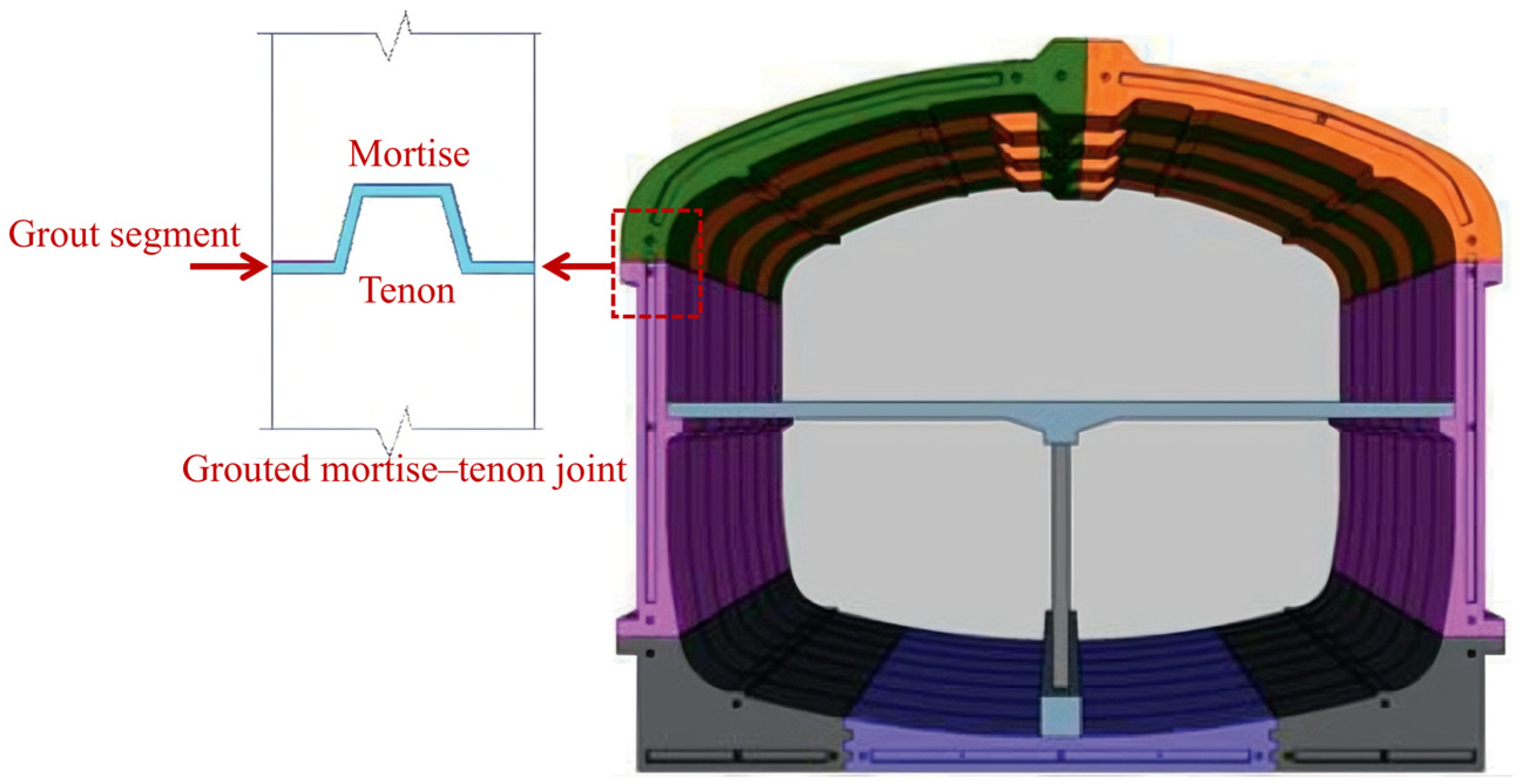
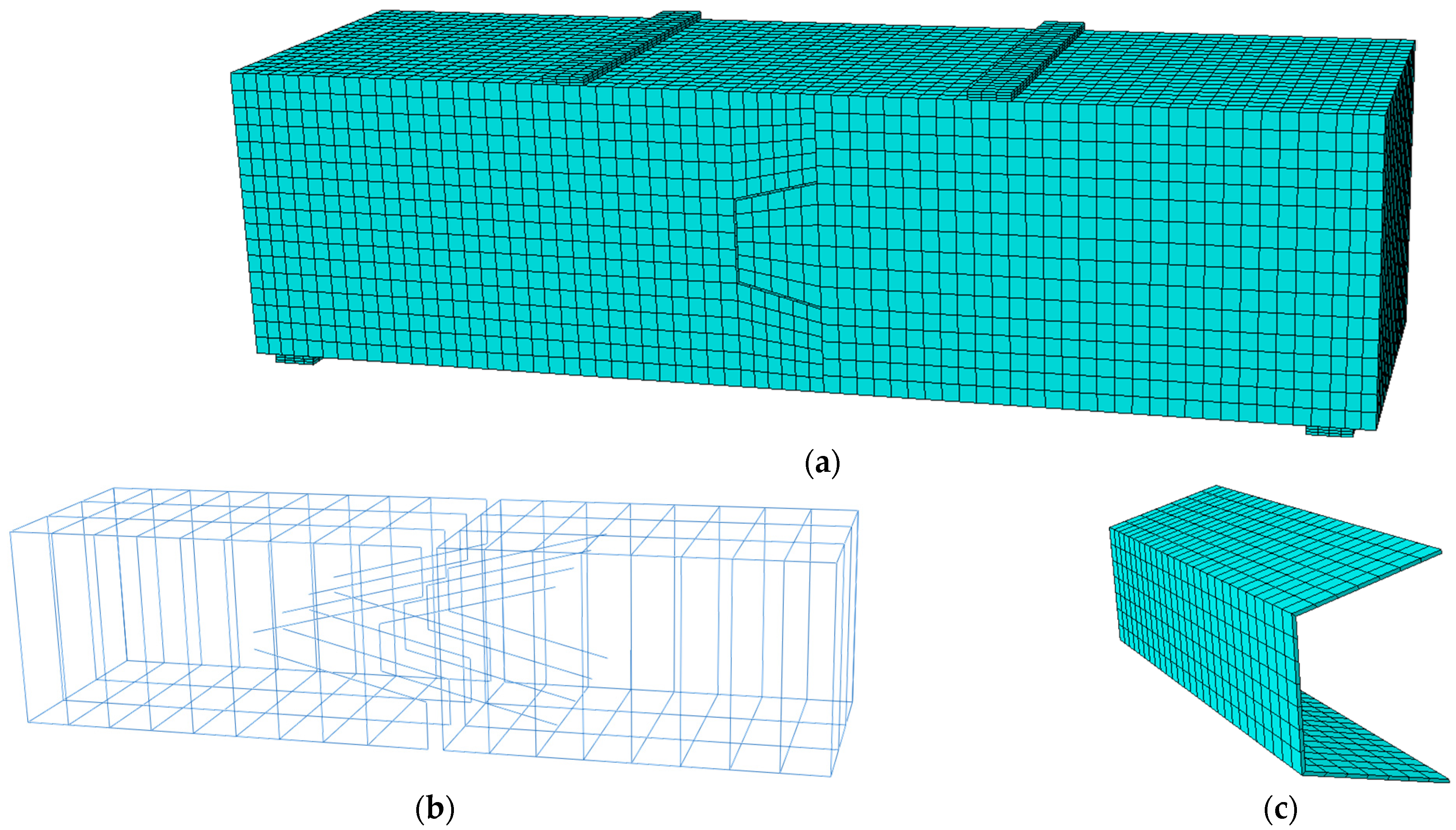
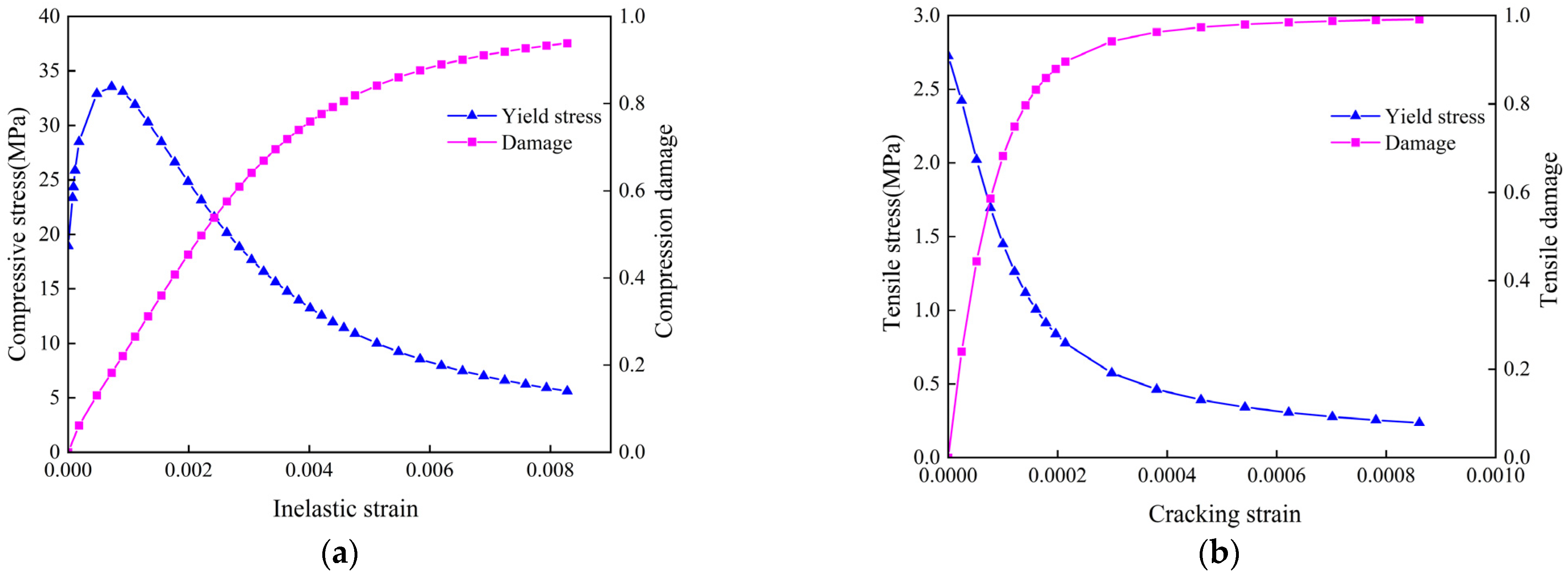
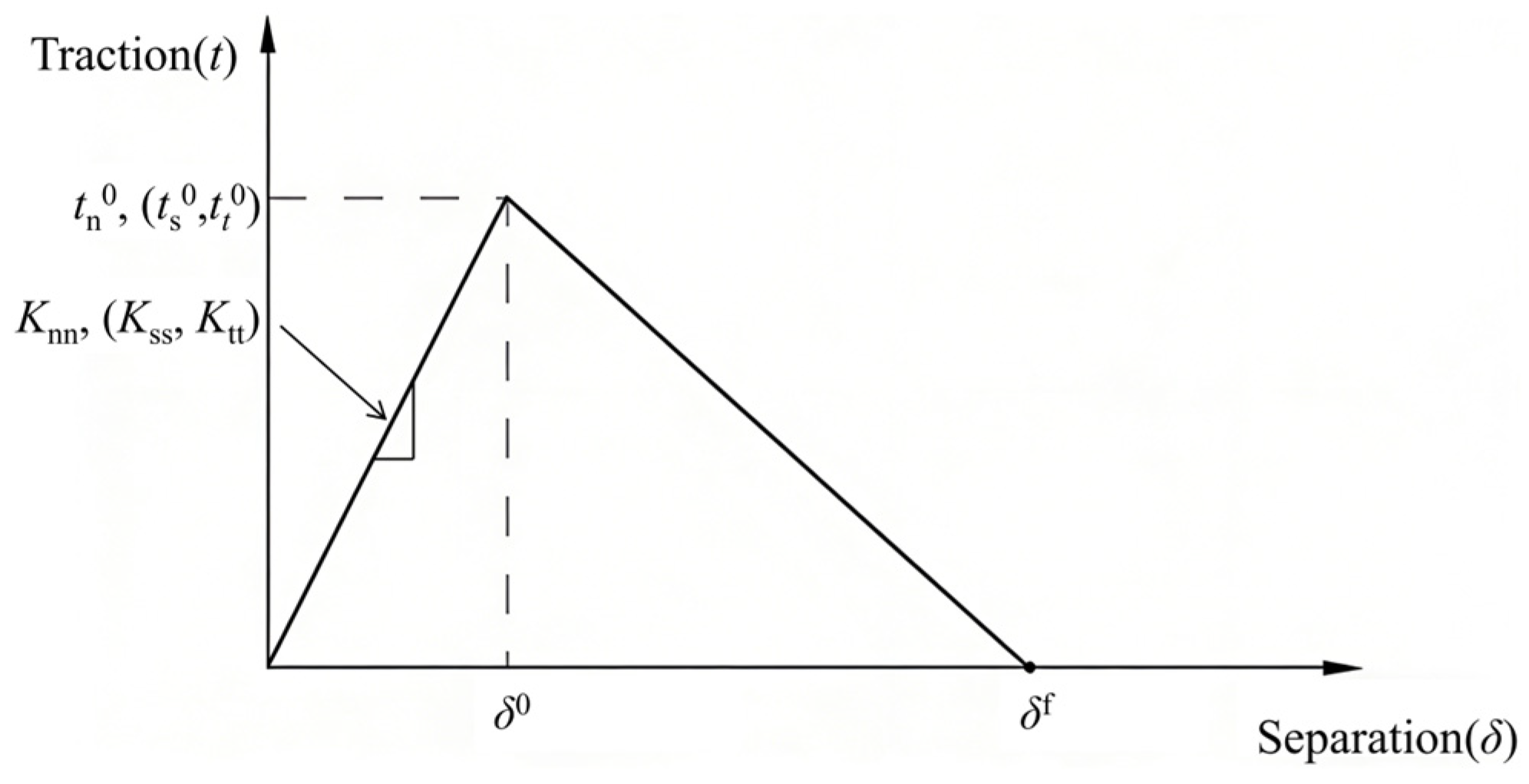
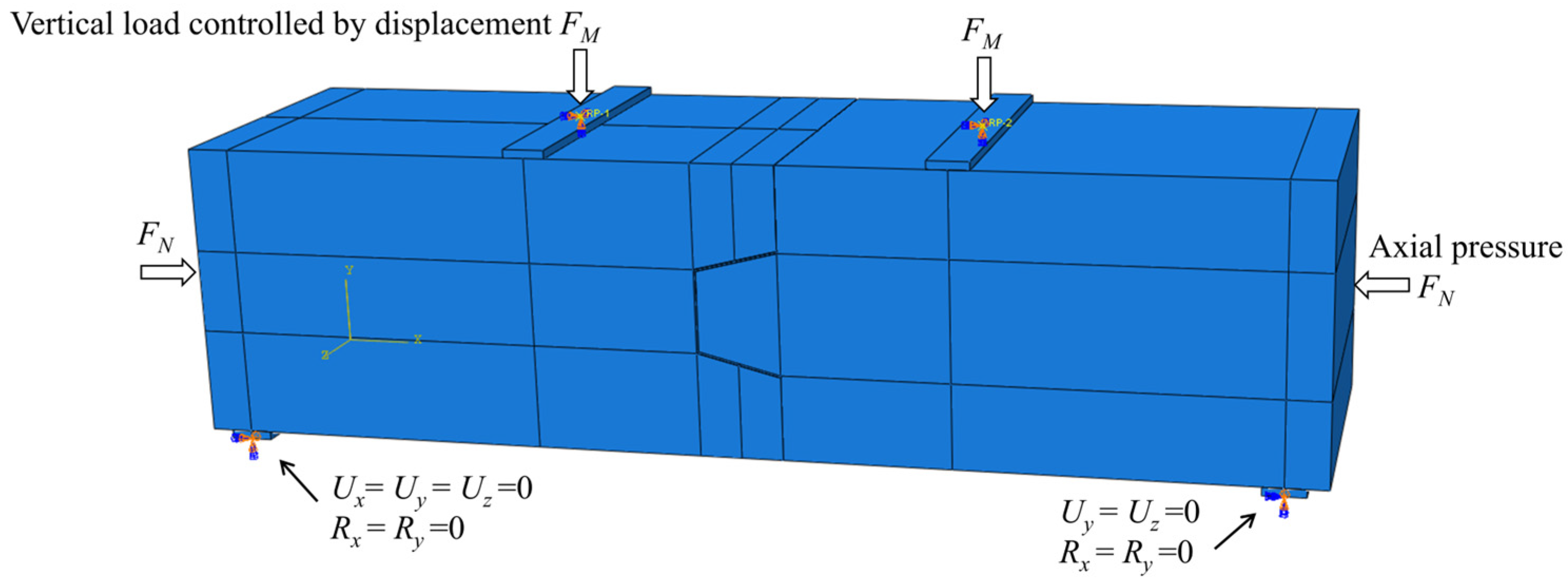
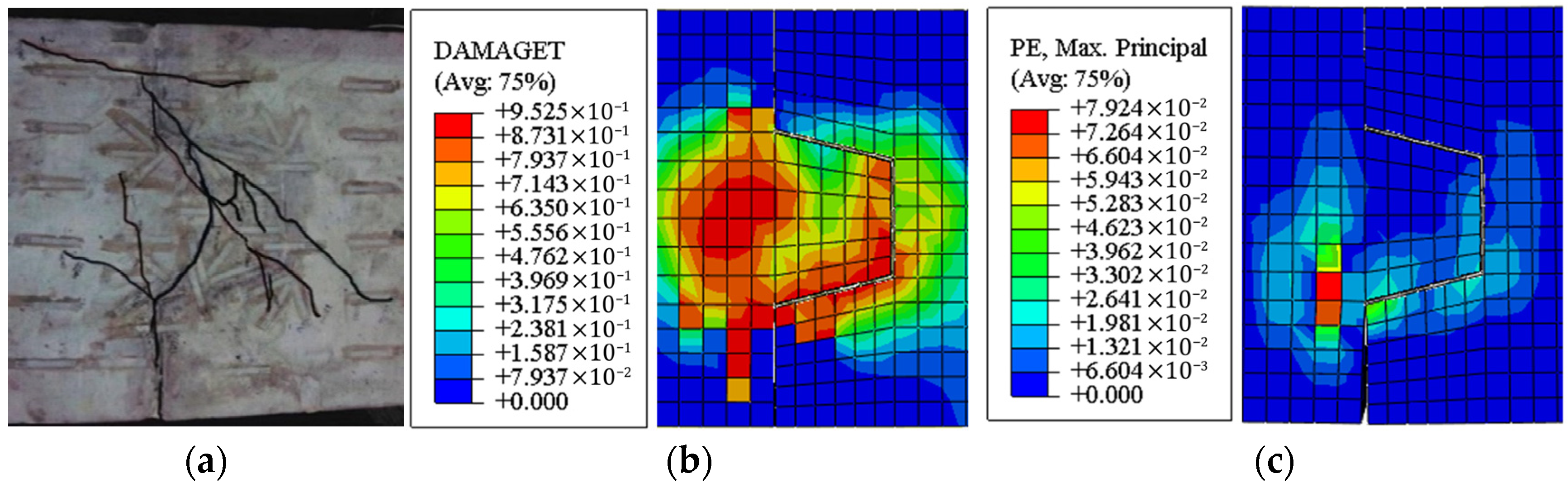
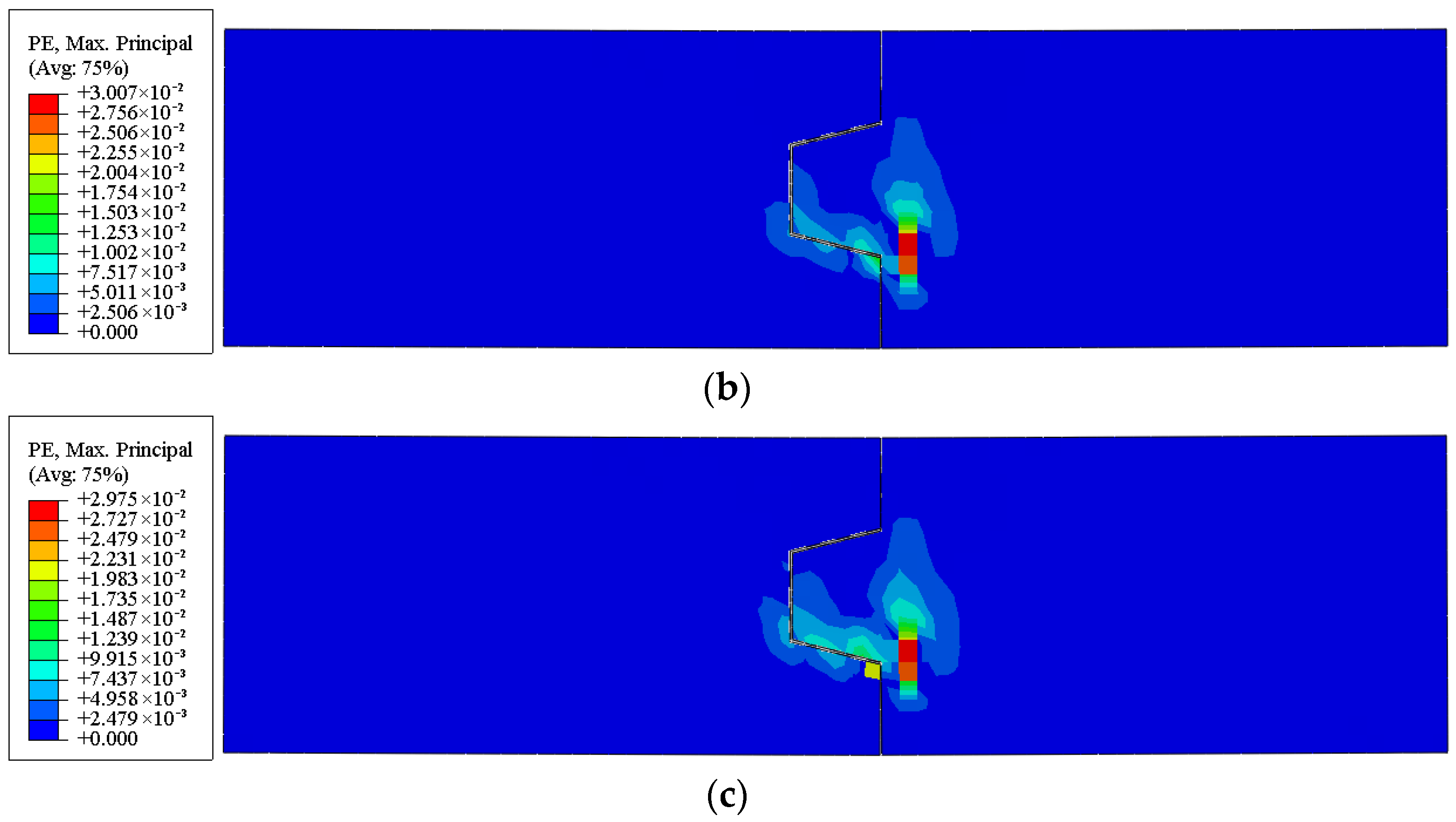
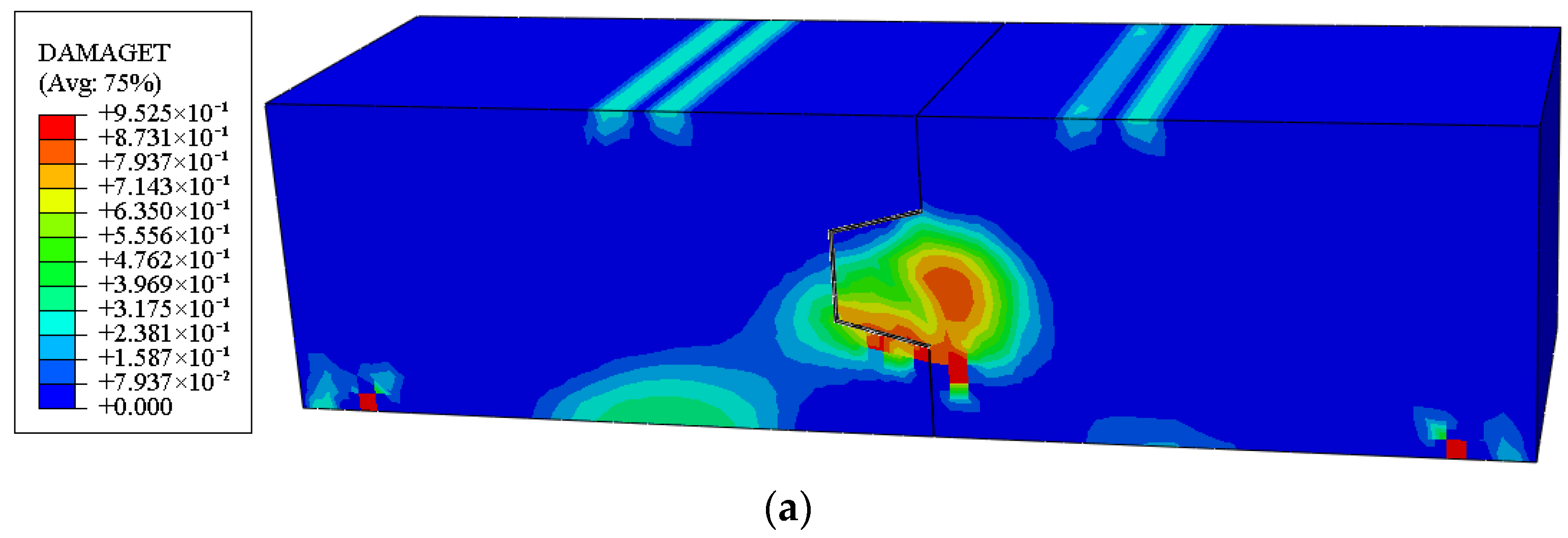
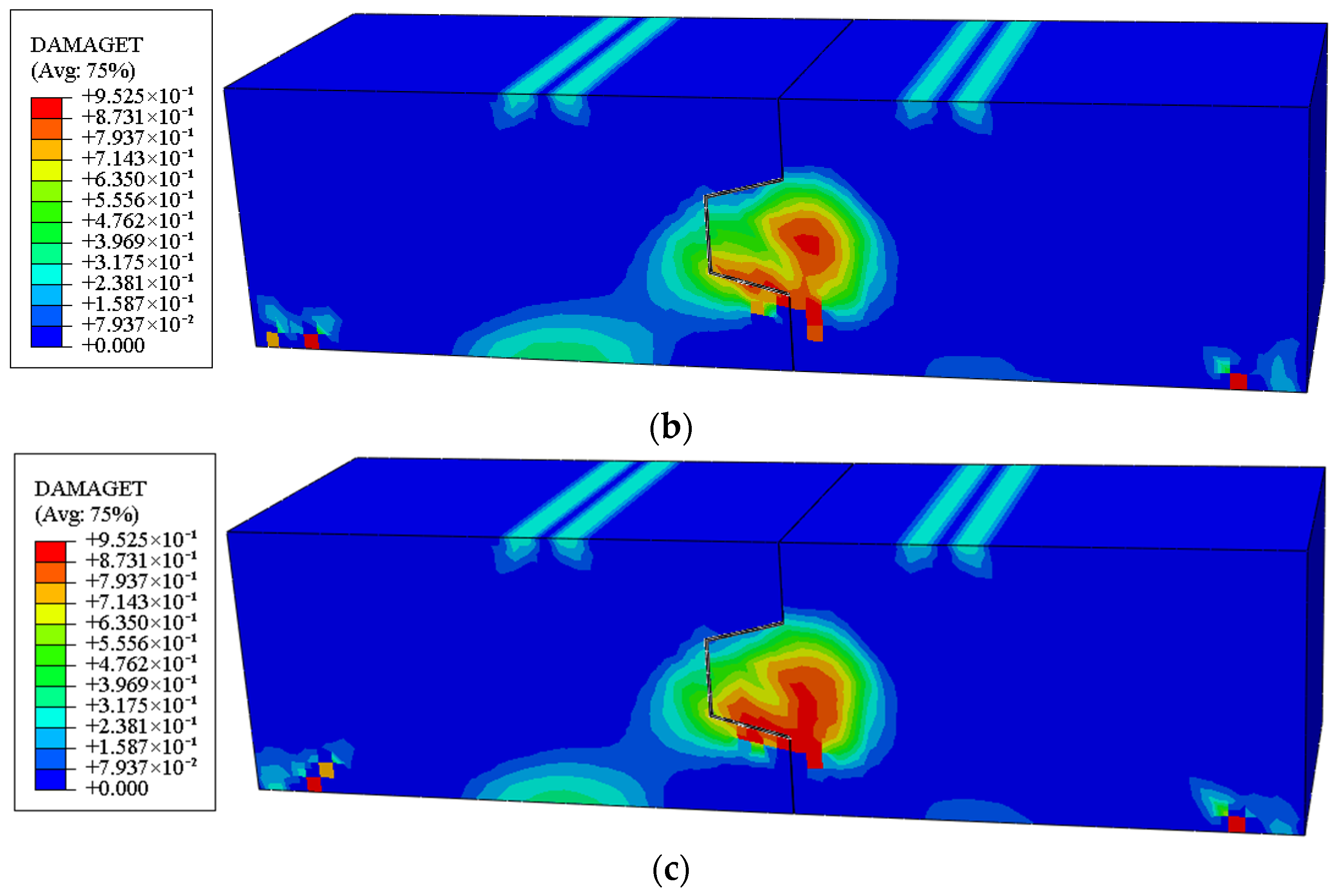
The mechanical performance of joints in prefabricated subway stations is a key factor governing the overall structural stability. This study investigates the grouted mortise–tenon joint (GMTJ), which is widely used in prefabricated subway station structures. A refined finite element model was established by incorporating material nonlinearity and a cohesive–friction hybrid constitutive model for the grout–concrete interface, and the accuracy of the model was validated against experimental results. Using the prototype GMTJ from an engineering project as the baseline, parametric analyses were conducted considering three concrete strength grades (CSGs) and three longitudinal reinforcement ratios (LRRs). The results show that increasing the CSG improves the joint’s flexural capacity and delays crack propagation. Although a higher LRR enhances the overall deformation resistance, an excessively high LRR intensifies stress concentration in the tenon region due to the absence of reinforcement in this area. Therefore, merely increasing the LRR cannot effectively improve joint durability, and local reinforcement of critical components such as the tenon is recommended in practical engineering. These findings provide meaningful references and insights for the structural design of prefabricated subway station joints.
Keywords: prefabricated subway stations; grouted mortise–tenon joint; numerical simulation; mechanical performance; damage characteristics prefabricated subway stations; grouted mortise–tenon joint; numerical simulation; mechanical performance; damage characteristics