


Abstract
To further improve the mechanical properties of shotcrete in coal mine roadways, end-hooked steel fibers and chopped basalt fibers were selected. Based on the optimal mix ratios identified in existing research, steel–basalt hybrid fiber shotcrete (SBFC) specimens were prepared. Dynamic impact tests under different impact loads and various hybrid fiber contents were conducted using an SHPB. The microstructure was characterized using SEM and XRD. The results show that the dynamic compressive stress–strain curve of steel–basalt hybrid fiber shotcrete can be classified as elastic deformation stage, plastic yield stage, and post-peak failure stage. The incorporation of hybrid fibers reduces the elastic deformation and plastic yield stage, and the post-peak failure stage under active confining pressure shows elastic aftereffect characteristics. The dynamic compressive strength, dynamic elastic modulus, and deformation modulus increase with the increase in impact pressure and fiber content. When there is no confining pressure, the maximum dynamic compressive strength, dynamic elastic modulus, and modulus of deformation of SBFC4 reached 53.1 ± 2.2 MPa, 4.51 ± 0.3 GPa, and 2.55 ± 0.1 GPa, respectively, representing increases of 37.20%, 264.01%, and 59.37% compared with the control group. The dynamic compressive strength increases with the average strain rate, demonstrating a favorable strain rate effect. The energy–time history curves can be roughly divided into initial, growth, and stable stages. Under the same impact load conditions, as the fiber content gradually increases, the incident energy, dissipated energy, and energy utilization rate of the specimens all show a gradual upward trend. SEM and XRD results show that steel fibers and basalt fibers maintain good bonding with the cement matrix, contribute to the formation of gel and crystalline products within the specimens, effectively delay the initiation and propagation of cracks, and thereby improve the mechanical properties of the concrete specimens.
1. Introduction
In recent years, many countries have accelerated the construction of railway projects, mining projects, and tunnel projects. Among them, major projects represented by China’s Qinghai–Tibet Railway, Xinjiang High-Speed Railway, and Xinjiang Suo’ersu Tunnel have been completed one after another, resulting in the continuous implementation of large-scale development policies worldwide and the rapid advancement of tunnel construction technologies [1,2]. Compared with traditional cast-in-place concrete, shotcrete has been widely applied in fields such as tunnel engineering, mine roadway engineering, and underground engineering due to its advantages, including high early strength, excellent impermeability, and strong flexibility [3,4]. However, in most tunnel projects, shotcrete is inevitably exposed to adverse effects such as external loads and environmental erosion, which can lead to issues like spalling, cracking, and water leakage in the structures, seriously threatening the safe operation of tunnels [5,6]. To address this problem, incorporating fiber materials into shotcrete has become an important approach. However, excessive addition of fiber content may also cause a decline in the workability of shotcrete. To determine the appropriate range of fiber content, scholars both domestically and internationally have conducted extensive research.
Many scholars have conducted extensive exploratory research on the issues associated with shotcrete structures. They found that incorporating an appropriate amount of high-performance fibers into the shotcrete matrix not only significantly improves its mechanical and durability properties but also effectively inhibits the initiation and propagation of surface cracks [7,8]. Basalt fiber, an environmentally friendly fiber with abundant global production, exhibits excellent compatibility with cementitious matrices, while the addition of steel fibers can substantially enhance the mechanical performance of shotcrete. Previous studies have examined the role of fibers in concrete performance. Jiao Huazhe et al. [9] demonstrated that basalt fiber incorporation markedly enhances the compressive, flexural, and splitting tensile strength of shotcrete. Similarly, Li et al. [10] reported that adding 0.1 vol% alkali-resistant basalt fibers notably improved splitting tensile and flexural strength, although the increase in compressive strength was less pronounced. Regarding steel fibers, Ahmad et al. [11] observed a reduction in shotcrete workability but found that at 1.5 vol%, the failure mode transitioned from brittle to ductile. Further, Abbas et al. [12] differentiated the mechanisms, suggesting short fibers restrain micro-cracks before cracking, while long fibers provide post-cracking ductility via crack-bridging. Yang et al. [13] and Li et al. [14] conducted various mechanical performance tests on steel fiber-reinforced concrete with different types of steel fibers, demonstrating that deformed steel fibers can develop greater bonding strength with concrete. Mohammadi et al. [15] and Nili et al. [16], using small-volume drop hammer tests, found that fibers could significantly increase the number of impact cycles and enhance the impact resistance of concrete. Currently, fiber-reinforced concrete is evolving toward multi-component blending, i.e., incorporating two or more types of fibers, aiming to improve the mechanical properties of concrete at different scales [17]. In recent years, basalt fibers have also been increasingly widely adopted due to their outstanding advantages, such as environmental friendliness and cost-effectiveness [18].
Although a single fiber type may improve certain aspects of concrete performance, it often struggles to achieve synergistic enhancement across multiple properties. For instance, while steel fibers offer significant reinforcement, they are prone to corrosion, and their high density can adversely affect the workability of the concrete. Basalt fibers, despite their environmental benefits and corrosion resistance, are susceptible to degradation in alkaline environments and typically require surface coating for protection [19]. Against this backdrop, the hybrid fiber reinforcement strategy has garnered increasing attention from researchers. By rationally combining two or more types of fibers, it is anticipated that a synergistic effect can be realized, enhancing mechanical performance while improving the durability and workability of the concrete [20]. Currently, research on the application of steel–basalt hybrid fibers in shotcrete is still in its early stages. Key scientific issues, including the influence mechanism of hybrid fibers on the dynamic mechanical properties of shotcrete, the fiber–matrix interfacial bonding characteristics, and the long-term performance of hybrid fiber-reinforced shotcrete under practical engineering conditions, have yet to be systematically addressed. Soe et al. [21] performed compression, tensile, and bullet-penetration tests on cement-based materials reinforced with two hybrid ratios of PVA/steel fibers, finding improvements in both quasi-static mechanical properties and impact resistance. Dvorkin et al. [22] found that the crack resistance of concrete was effectively improved by adding 0.06% basalt fiber and 0.8% steel fiber to the concrete. Khan et al. [23], from the perspective of durability, conducted durability research on steel–basalt fiber-reinforced concrete and found that when 0.35% steel fiber and 0.45% basalt fiber were mixed, the durability was significantly enhanced. However, most studies on steel–basalt hybrid fiber-reinforced shotcrete have focused on static mechanical properties and crack resistance under low-strain-rate conditions. Research on steel–basalt hybrid fiber-reinforced shotcrete under high strain rates, such as impact loading, is still lacking, and studies on the dynamic mechanical properties of shotcrete under complex stress states are even rarer. Therefore, it is necessary to investigate the dynamic mechanical properties of steel–basalt hybrid fiber-reinforced shotcrete under triaxial stress conditions.
Based on this, this paper takes steel–basalt hybrid fiber shotcrete as the research object, and studies the dynamic mechanical properties of steel–basalt hybrid fiber shotcrete. In this paper, the steel fiber content is set to 0.4% and 0.8%, and the basalt fiber content is 0.1% and 0.3%. Under the combined content, the Hopkinson bar impact test is carried out under the three impact pressures of 0.20 MPa, 0.30 MPa, and 0.35 MPa, and the fixed impact pressure, and the active confining pressure is 0.5 MPa, 1.0 MPa, and 1.5 MPa. The dynamic mechanical properties are studied to provide an experimental basis for the practical application of subsequent materials.
2. Experimental Design
2.1. Test Materials and Specimen Preparation
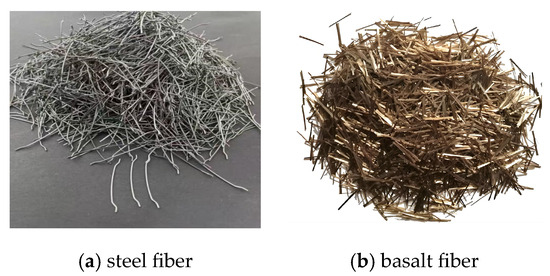
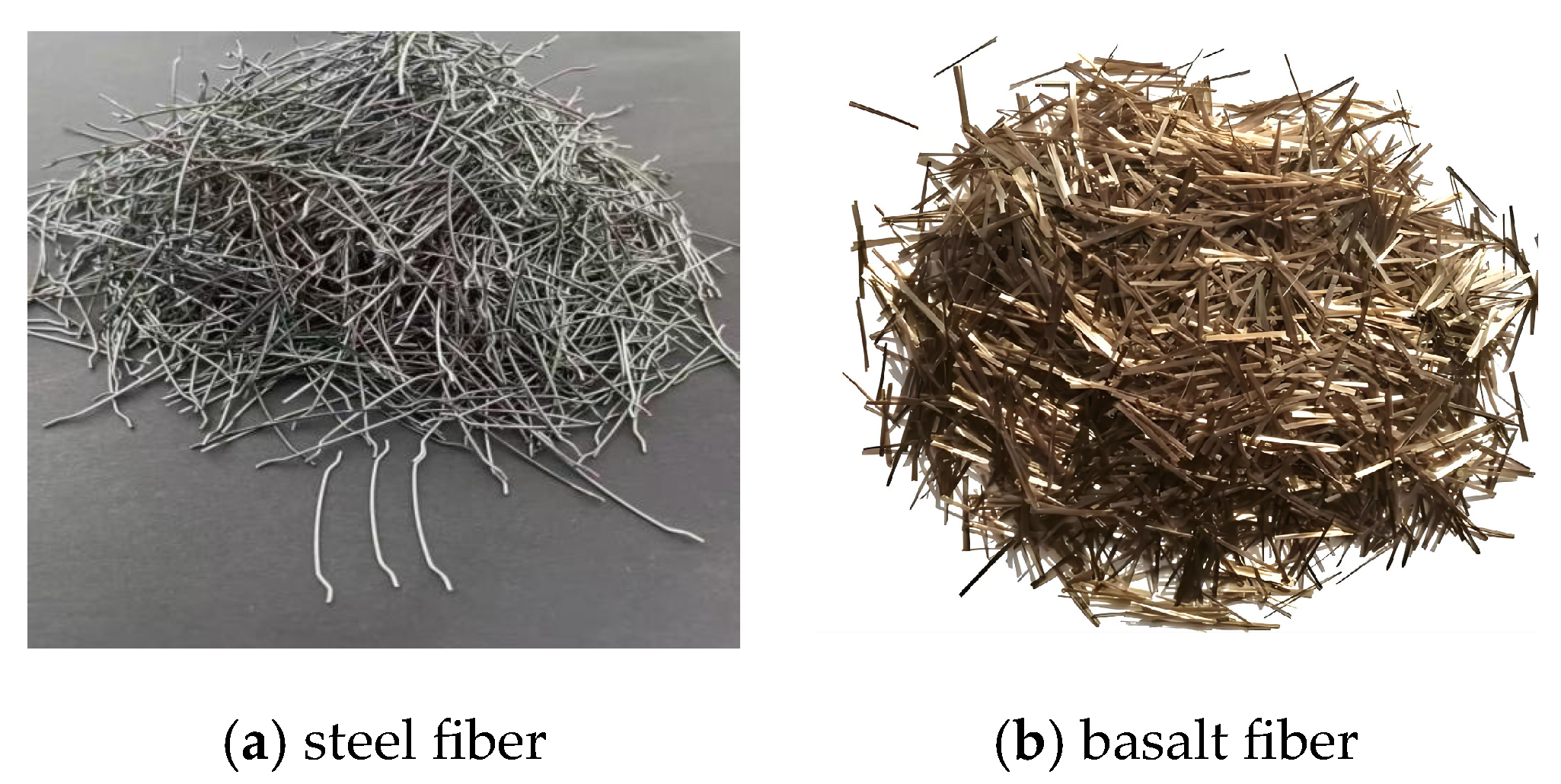
In this experiment, the cement used for preparing the specimens was P·O 42.5 ordinary Portland cement (Huainan Shunyue Cement Co., Ltd., Huainan, China), and S105-grade slag powder was selected as the supplementary material. The fine aggregate adopted was sieving-free river sand (medium size), characterized by an average particle size of 0.25~0.35 mm and a fineness modulus between 1.6~2.2. For the coarse aggregate, crushed stones with nominal maximum sizes of 10 mm and 20 mm were mixed in equal masses. A high-performance polycarboxylate superplasticizer (water reduction rate: 28%) was incorporated as the water reducer. End-hooked steel fibers were employed, and chopped basalt fibers (Hebei XiSui Engineering Rubber Co., Ltd., Baoding, China) were used as the basalt fiber reinforcement. Images and performance indicators of the fibers are shown in Figure 1 and Table 1, respectively.
Figure 1.
Appearance of fiber materials.
Table 1.
Fiber performance indicators.
During the experimental preparation phase, the moisture content of the sand was tested using the drying method, resulting in a measured moisture content of 2.56%. Based on this, the benchmark mix ratio for the concrete in this experiment was determined, as seen in Table 2. According to existing research findings, the study selected basalt fiber volume fractions of 0.10% and 0.3%, and steel fiber volume fractions of 0.4% and 0.8%. The added basalt and steel fibers volumetrically replaced the coarse aggregate. The naming conventions for the specimens are detailed in Table 3.
Table 2.
Baseline concrete mix proportions.
Table 3.
Fiber content proportions for each concrete group.
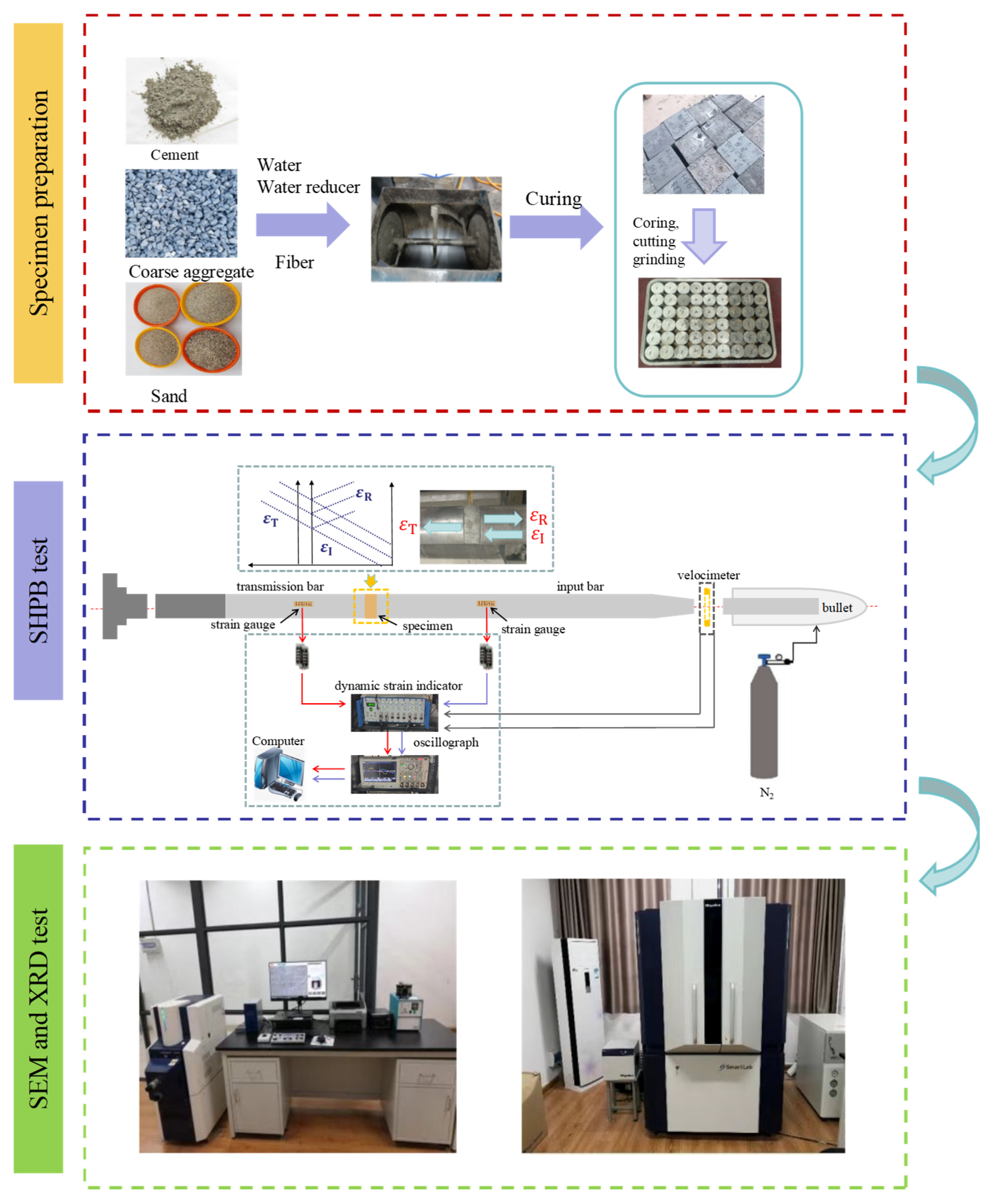
For different fiber mixing ratios, concrete specimens with dimensions of 100 mm × 100 mm × 100 mm (length × width × height) were prepared and cured for 28 days. Subsequently, the cured specimens were subjected to coring, cutting, and polishing to fabricate disk-shaped samples measuring Ø50 mm × 25 mm for dynamic compression testing. Three parallel specimens were set for each experimental group, and a total of 54 concrete disk specimens were prepared.
2.2. Test Setup and Loading
2.2.1. SHPB Test
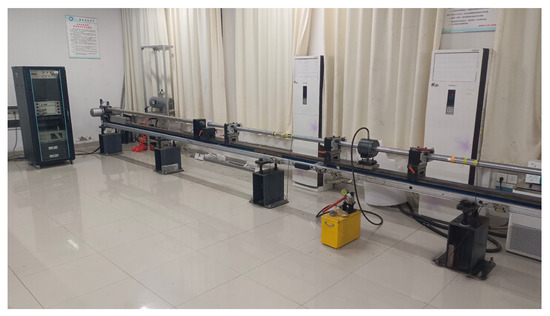
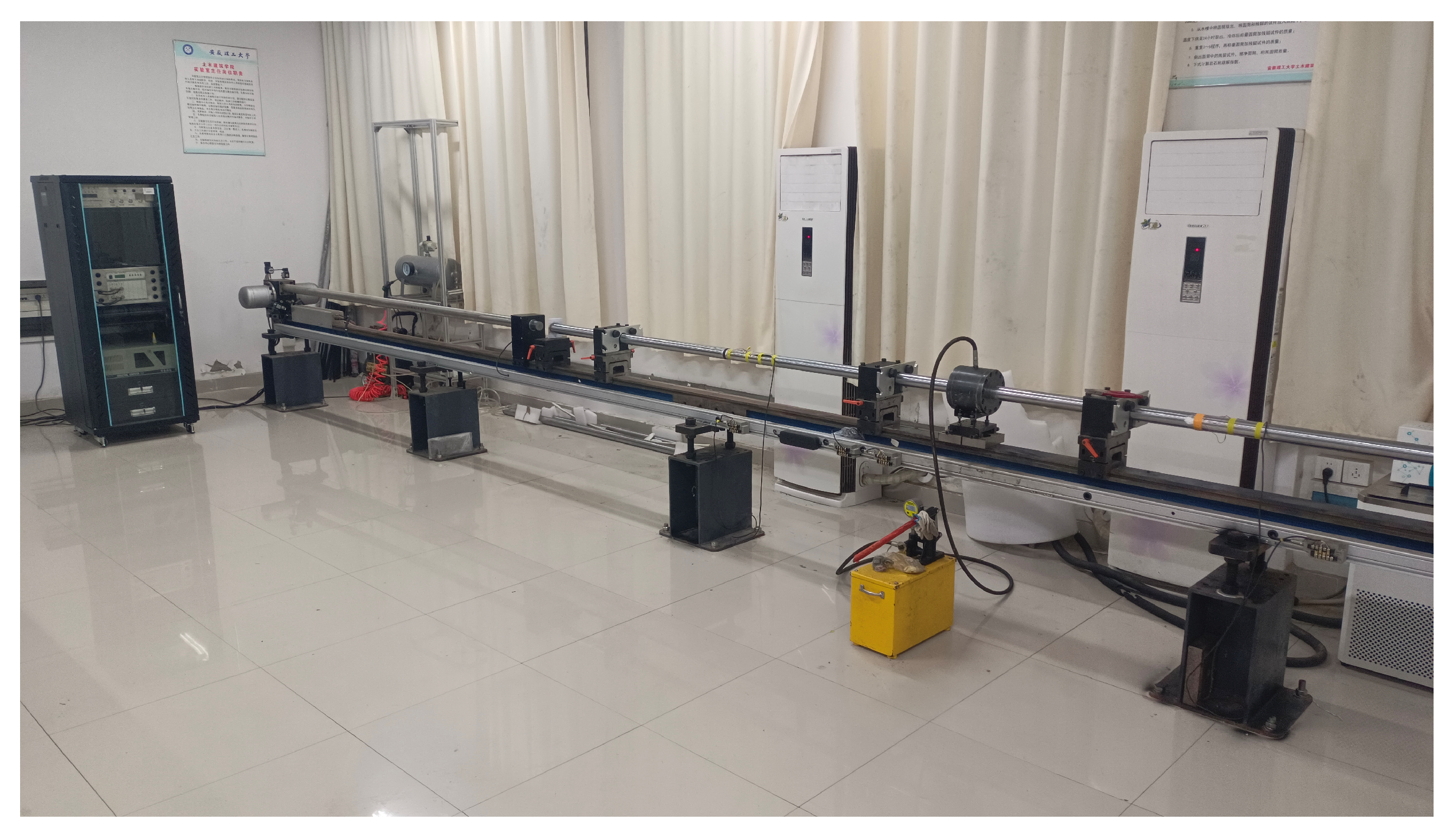
This experiment employed an SHPB with a diameter of 50 mm. The test setup primarily consists of a pressurization system, an intelligent control system, a data acquisition system, and an ultra-dynamic strain gauge. The incident, transmission, and absorption bar—three high-strength pressure bars—were made of the same alloy steel material. Their lengths are 800 mm, 2500 mm, and 2000 mm, respectively, with a uniform diameter of 50 mm and a density of 7.88 g/cm3.
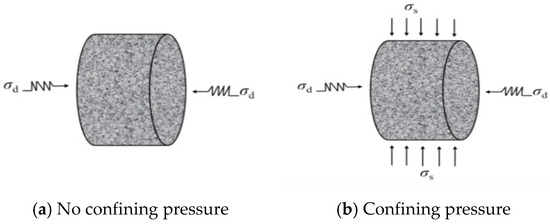
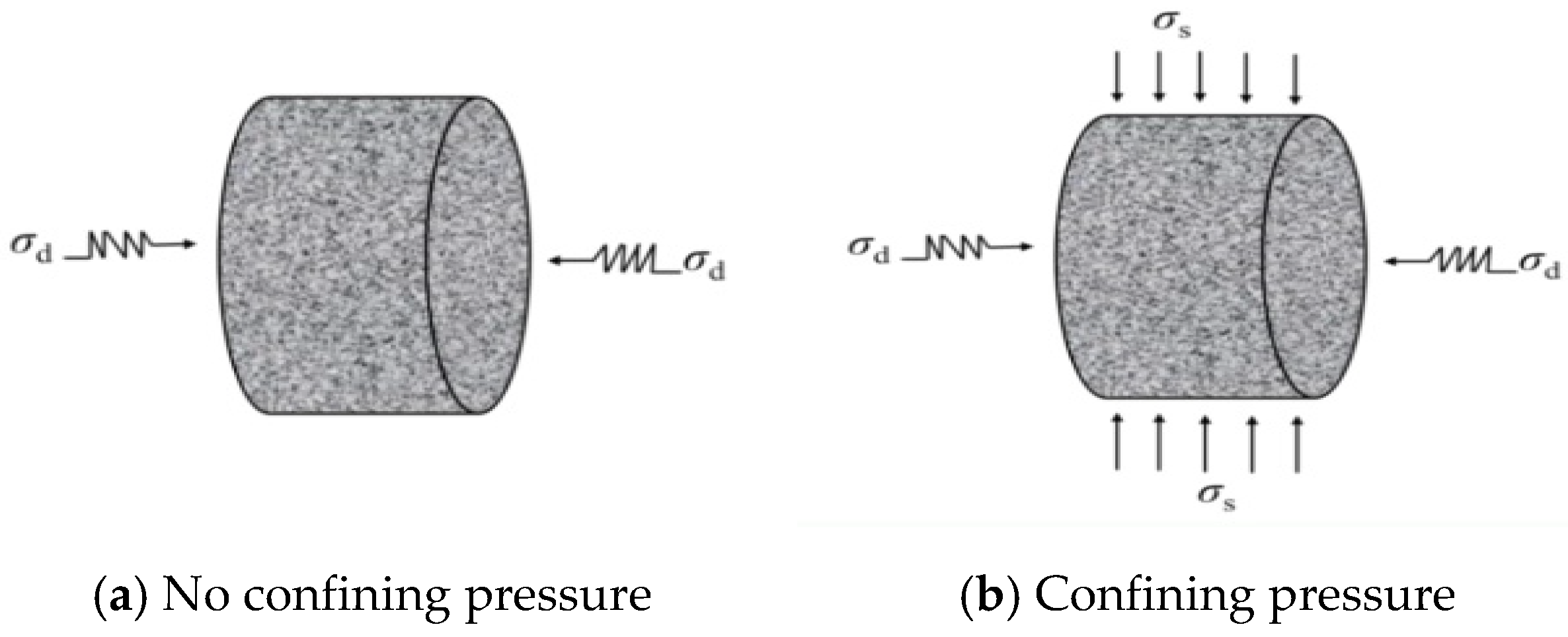
The dynamic compression tests of steel–basalt hybrid fiber shotcrete under three impact pressures of 0.20 MPa, 0.30 MPa, and 0.35 MPa were carried out, and the dynamic compression tests under a fixed impact pressure of 0.30 MPa and active confining pressure of 0.5 MPa, 1.0 MPa, and 1.5 MPa were applied to study the dynamic mechanical properties of the material under no confining pressure and confining pressure. Before the impact test, the upper and lower ends of the specimen were polished, each specimen was placed on a granite precision surface plate, and a dial indicator with an accuracy of 0.001 mm was used to measure the height variations at various points on the end surface, ensuring that the maximum deviation was controlled within 0.05 mm, thereby verifying that both ends were parallel and met the flatness requirements. Check whether all kinds of electronic components and the impact operating system are normal, and adjust the impact pressure to 0.30 MPa for the test. During the experiment, the striker bar was launched by the pressurization system, generating an incident pulse that was applied to the test specimen. The velocity of the striker bar was measured using a laser beam velocimetry system. A 1 mm-thick rubber pulse shaper was inserted between the striker bar and the incident bar to facilitate dynamic force equilibrium conditions during the testing process, which helped shape the loading pulse into a gradual ramp-up and filter out high-frequency responses with significant variability. The incident, reflected, and transmitted waves were recorded by an oscilloscope (sampling rate: 25 MHz) through strain gauges and an amplifier. The strain gauge model is BF350-3AA, with a resistance of 210 Ω, a gauge factor of 2.08 ± 1%, and a grid size of 5 mm × 3 mm. It is particularly emphasized that a thin layer of high-vacuum grease was applied at the specimen–bar interfaces to minimize frictional effects. The SHPB test equipment is shown in Figure 2. The schematic diagram of the loading conditions of the sample is shown in Figure 3.
Figure 2.
SHPB device.
Figure 3.
Sample loading state diagram.
According to the one-dimensional stress wave propagation theory, the signal wave data collected by the strain gauges can be substituted into the “three-wave method” formula for processing to get the dynamic stress , dynamic strain , and strain rate of the SBFC specimens. Among these, the “three-wave method” formula for dynamic compression is shown in Equation (1) [24].
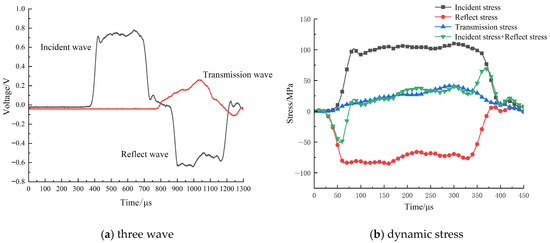
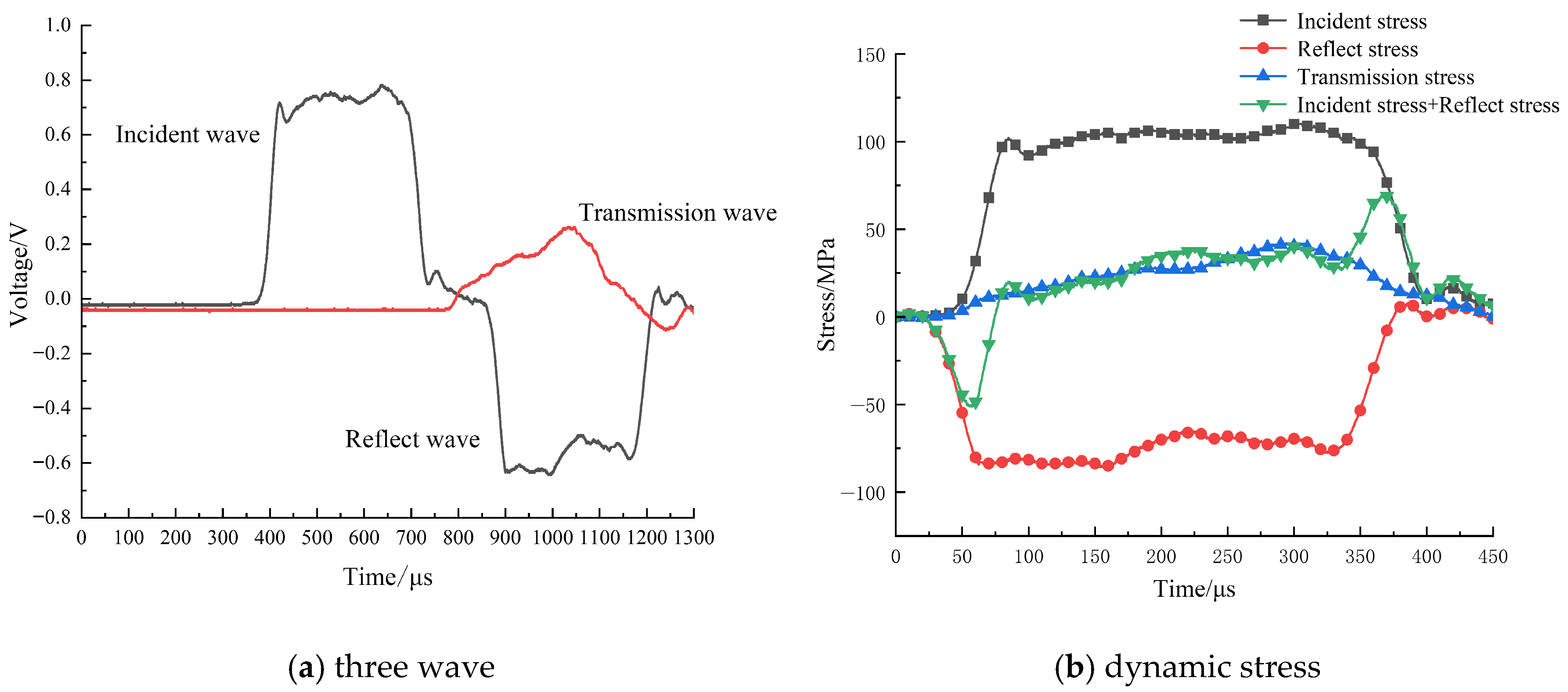
In the above equations, , and represent the elastic moduli (N/mm2), wave speeds (m/s), and cross-sectional areas (mm2) of the striker bar, incident bar, and transmission bar, respectively; , , and correspond to the electrical signals of the incident, reflected, and transmitted waves measured on the incident and transmission bars at the respective times, the electrical signal waveform is shown in Figure 4a, with representing the stress wave duration (μs). Additionally, , and refer to the initial cross-sectional area (mm2), thickness (mm), and diameter (mm) of the disk specimen.
Figure 4.
Dynamic stress equilibrium diagram.
To confirm the reliability of the experimental data, a typical dynamic stress balance curve derived from the test is presented in Figure 4b. As illustrated in this figure, the combined stress of the incident and reflected waves closely aligns with the transmitted wave stress during dynamic impact compression, which confirms that the test satisfies the condition of stress uniformity.
2.2.2. SEM Test
Dry sample blocks with a size of approximately 2–3 mm were selected and placed in the FlexSEM1000 field emission scanning electron microscope (HITACHI, Tokyo, Japan). The accelerating voltage was set at 10 kV to observe the microstructure of the samples.
2.2.3. XRD Test
The dried sample blocks were ground into powder, evenly spread in a glass groove, and then placed in an XRD-Smartlab SE diffractometer (Rigaku Smartlab, Tokyo, Japan) for testing and analysis. The 2θ range was set between 5° and 80°, with a scanning step of 5 (°)/min.
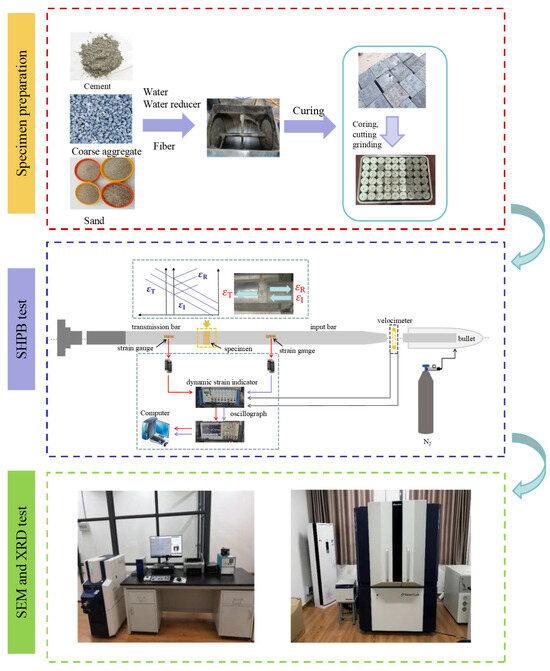
The overall diagram of the experimental design is shown in Figure 5.
Figure 5.
Diagram of the experimental design.
3. Test Results and Analysis
3.1. Statistical Analysis of Dynamic Mechanical Performance Results
Based on the incident wave, reflected wave, and transmitted wave obtained from the experiments, the dynamic compressive strength, strain rate, elastic modulus, and deformation modulus of the steel–basalt hybrid fiber-reinforced shotcrete were calculated using Equation (1). In addition, the mean values of parallel specimens were taken as the dynamic mechanical property data for analysis. The statistical results are shown in Table 4.
Table 4.
Dynamic test results statistical analysis of steel–basalt hybrid fiber shotcrete.
3.2. Dynamic Stress–Strain Curves
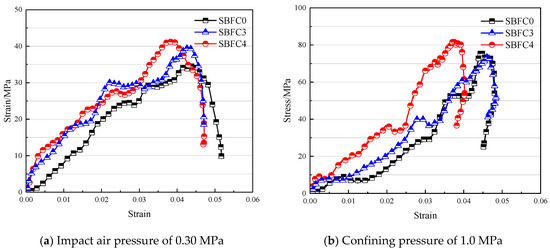
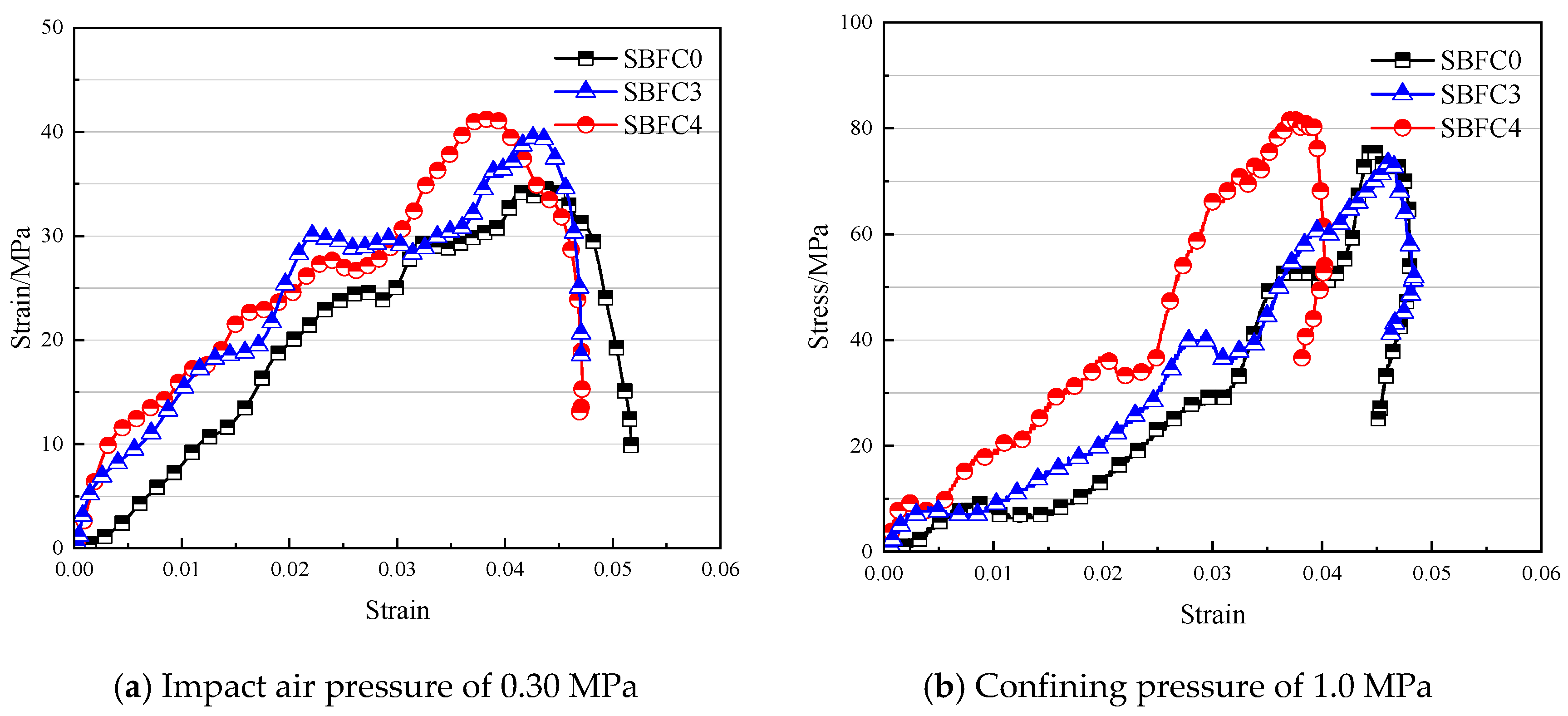
The typical dynamic compressive stress–strain curves of steel–basalt hybrid fiber shotcrete under uniaxial impact and confining pressure are seen in Figure 6, which can be obtained from Figure 6a, the dynamic compressive stress–strain curves of the SBFC0, SBFC3, and SBFC4 specimens can be classified as three stages: the elastic deformation stage, the plastic yielding stage, and the post-peak failure stage. Elastic deformation stage: After the specimen is subjected to load, the stress increases linearly with strain. After the incorporation of hybrid fibers into the shotcrete, a clear increase in the slope of the elastic stage can be observed, indicating that the hybrid fibers effectively mitigate crack propagation within the specimen at the moment of loading. Plastic yielding stage: Cracks in the specimen continuously develop, and fibers within the cracks begin to bear stress to prevent specimen failure. As the load increases, cracks in the specimen expand progressively until the dynamic peak stress is reached. It is evident that the plastic deformation stage curve of the SBFC0 group is relatively flat, while those of the SBFC3 and SBFC4 groups are steeper. This is primarily due to the fact that the SBFC0 group has more internal pores initially, resulting in greater overall deformation under impact. In contrast, the addition of hybrid steel–basalt fibers enhances the bonding capacity between the fibers and the cementitious matrix, requiring more energy for failure under similar conditions and simultaneously improving the toughness of the specimens. Post-peak failure stage: After reaching the peak stress, internal cracks in the concrete specimen propagate and interconnect. The stress decreases rapidly with increasing strain, the curve enters a declining phase, and the specimen is completely destroyed. Furthermore, the figure also reveals that the peak strain of the specimens gradually shifts to the left as the fiber content increases. The underlying reason is that the control group SBFC0, composed of plain concrete, is dominated by delayed microcrack propagation and viscous effects under high strain rates, requiring greater strain to trigger failure. In contrast, hybrid fiber-reinforced shotcrete, due to the fiber confinement effect and enhanced dynamic stiffness, suppresses localized strain, allowing peak stress to be reached at smaller strains. However, after the confining pressure is applied, as displayed in Figure 6b, after the dynamic strain of the specimen reaches the peak dynamic strain, the dynamic strain decreases slightly, the dynamic stress decreases rapidly, and the post-peak failure stage curve shows obvious elastic aftereffect characteristics. The main reason is that the applied active confining pressure limits the radial deformation of the specimen, and the confining pressure load helps the original crack to close within a certain range, preventing the further development of the internal cracks of the specimen, so that the bearing capacity of the specimen to resist deformation is enhanced, and the damage degree of the specimen is gradually reduced. In addition, the elastic aftereffect upon unloading is interpreted as a consequence of the reversible dissociation/re-association of physical crosslinks within the gel network and the viscoelastic relaxation at the fiber–matrix interface.
Figure 6.
Dynamic stress–strain curves of steel–basalt hybrid fiber shotcrete with different fiber contents.
3.3. Dynamic Compressive Strength
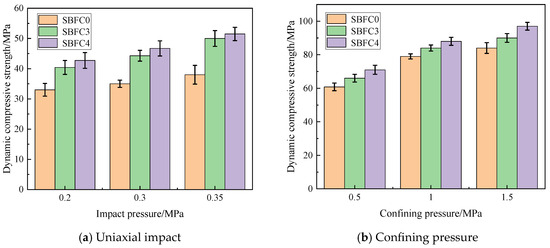
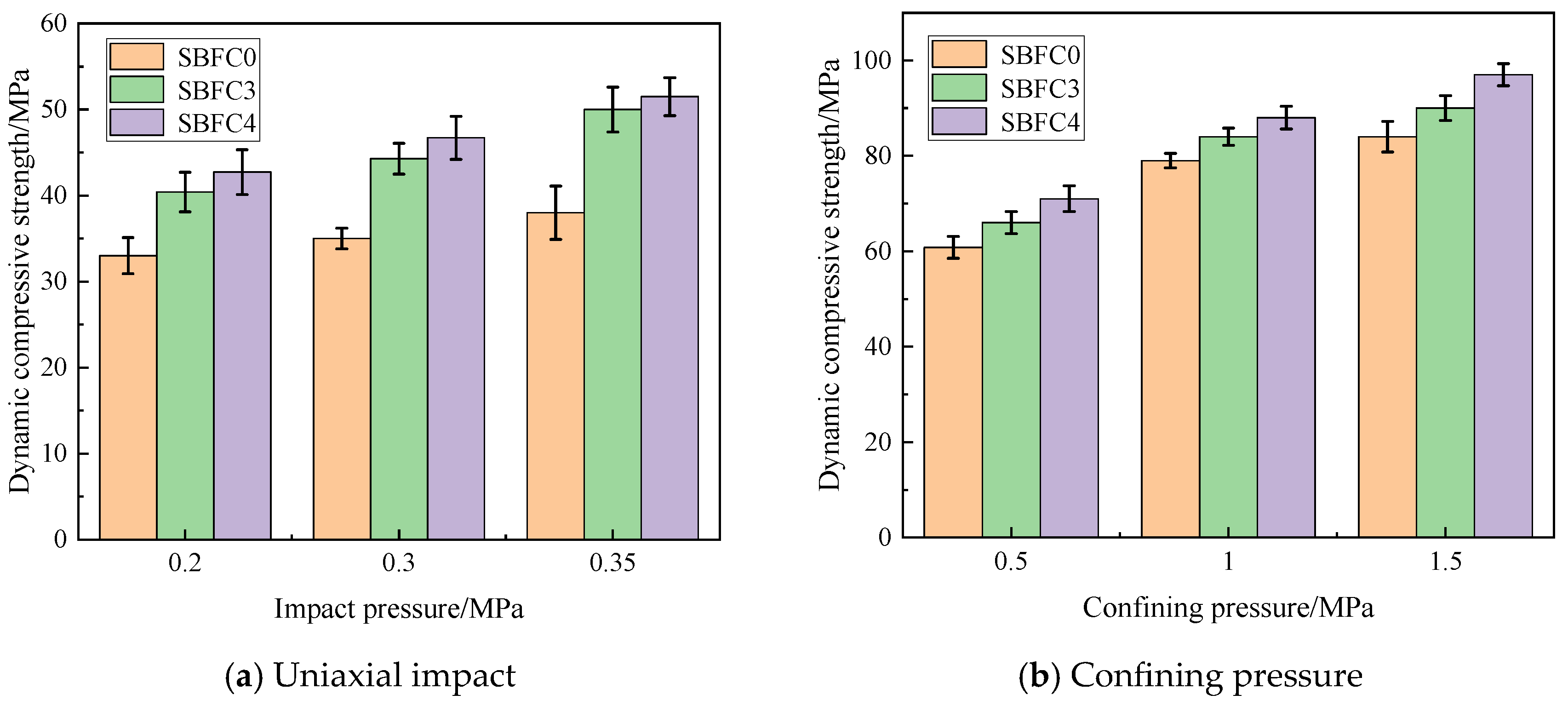
The statistical parameters of the average dynamic compressive strength of steel–basalt hybrid fiber-reinforced shotcrete under uniaxial impact and confining pressure are presented in Table 5. Based on the data in Table 5, the variation trends of the dynamic compressive strength of steel–basalt hybrid fiber-reinforced shotcrete are plotted in Figure 7. As can be observed from Table 5 and Figure 7a, under uniaxial impact loading, the dynamic compressive strength of steel–basalt hybrid fiber-reinforced shotcrete increases with increasing fiber content. The optimal enhancement is achieved at a steel fiber content of 0.8% and a basalt fiber content of 0.3% (specimen group SBFC4), yielding the maximum strength under the given impact pressure. Under uniaxial impact, the specimens in the SBFC3 and SBFC4 groups exhibit the highest average increases in dynamic compressive strength. At an impact pressure of 0.35 MPa, the average dynamic compressive strengths of the SBFC4 and SBFC3 groups are 53.1 MPa and 49.2 MPa, respectively, representing increases of 37.2% and 27.1% compared to the SBFC0 group. This indicates that the hybrid fiber combination of 0.8% steel fiber and 0.3% basalt fiber yields a more significant improvement in dynamic compressive strength than the combination of 0.4% steel fiber and 0.1% basalt fiber. This is because basalt fibers, as organic polymer synthetic fibers, exhibit strong agglomeration among themselves, whereas steel fibers, made from alloy, show no such agglomeration. After thorough mixing, steel fibers can be uniformly dispersed within the specimen. The complementary advantages of the two fiber types allow the hybrid fibers to form a three-dimensional network support structure when uniformly dispersed in the specimen. This structure effectively inhibits crack propagation during specimen failure, as the hybrid fibers bear the primary stress instead of the cracked portions of the specimen. Consequently, this mechanism enhances the specimen’s strength and further improves the dynamic compressive performance of the fiber-reinforced shotcrete.
Table 5.
Statistical parameters of dynamic compressive strength of steel–basalt hybrid fiber-reinforced shotcrete.
Figure 7.
Variation trend of dynamic compressive strength of fiber-reinforced shotcrete under different fiber contents and impact pressures.
As can be seen from Figure 7b, under confining pressure, the dynamic compressive strength of steel–basalt hybrid fiber-reinforced shotcrete increases with increasing fiber content. With the increase in confining pressure, the dynamic compressive strength of the concrete also continuously improves. Under the lateral restraint of confining pressure, the transverse direction of the concrete specimen is subjected to a certain constraint effect, which, to some extent, eliminates the transverse tensile stress generated inside the concrete during the impact process. The radial deformation of the concrete specimen is also restricted, thereby inhibiting the development of microcracks and microfissures within the concrete. Meanwhile, this improvement is also primarily attributed to the efficient stress transfer enabled by the well-integrated fiber–matrix interface and the strain-rate-dependent network orientation of the gel matrix. Overall, the dynamic compressive strength of the concrete specimens is significantly enhanced.
3.4. Variation Characteristics of Average Strain Rate
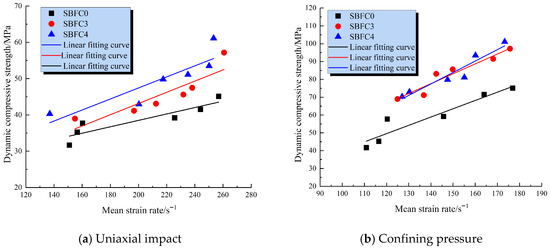
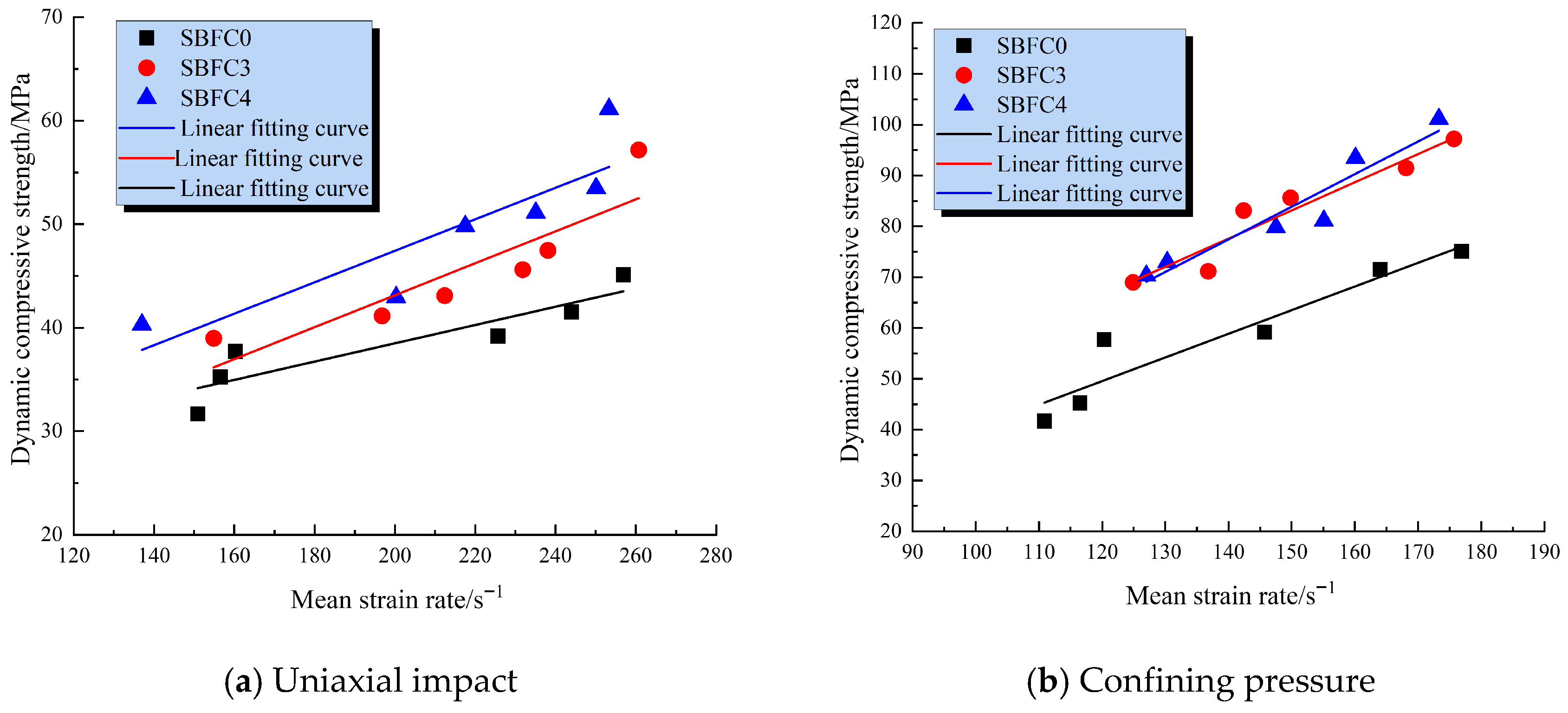
The relationship curves between the dynamic compressive strength of steel–basalt hybrid fiber-reinforced shotcrete and the average strain rate under uniaxial impact and confining pressure are shown in Figure 8a,b. As can be seen from Figure 8, the dynamic compressive strength of steel–basalt hybrid fiber-reinforced shotcrete exhibits a significant strain rate effect, showing a linear increasing trend with increasing strain rate. Under uniaxial impact, the dynamic compressive strength of the shotcrete increases continuously with increasing hybrid fiber content.
Figure 8.
The curve shows the variation in dynamic compressive strength with average strain rate.
Linear fitting was performed on the data in Figure 8 using a functional formula . The fitted curves are shown in Figure 8, and the specific function formulas along with the fitting parameters are presented in Table 6. It should be noted that the fitting coefficients in this study are applicable only to the present experiments. Here, represents the strain rate sensitivity factor of the dynamic compressive strength for SBFC0, SBFC3, and SBFC4. The larger the value of , the stronger the strain rate sensitivity of the dynamic compressive strength, and the more pronounced the strain rate effect. As shown in Table 6, whether under uniaxial impact alone or under confining pressure, the strain rate sensitivity factors of the dynamic compressive strength for fiber-reinforced shotcrete with hybrid fiber incorporation are all greater than that of SBFC0. This indicates that the incorporation of hybrid fibers can enhance the strain rate effect of the dynamic compressive strength of concrete. The main reason is that with the addition of hybrid fibers, internal defects such as cracks and pores in the concrete are reduced, and the compactness of the internal structure continuously increases. Consequently, when subjected to impact loading, the strength increases rapidly, exhibiting high strain rate sensitivity.
Table 6.
Fitted equations between the average strain rate and dynamic compressive strength.
3.5. Dynamic Elastic Modulus and Deformation Modulus
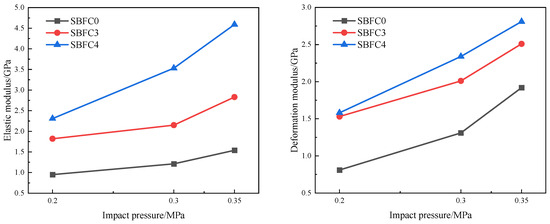
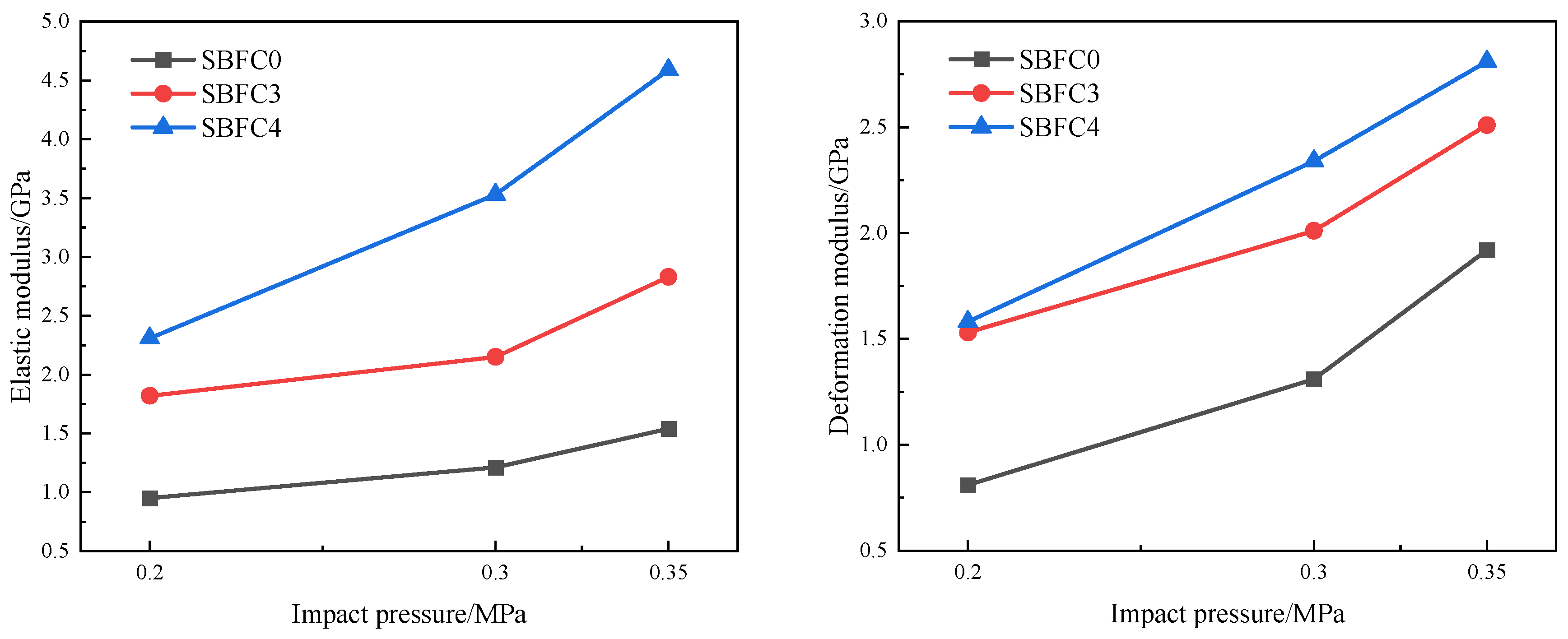
The elastic modulus and deformation modulus reflect the ability of fiber-reinforced shotcrete to resist deformation under impact loading. Higher elastic and deformation moduli indicate better impact resistance of the fiber-reinforced shotcrete. When no confining pressure is applied, the variation curves of the elastic modulus and deformation modulus of steel–basalt hybrid fiber-reinforced shotcrete with impact pressure are expressed in Figure 9. It can be found from the figure that both the elastic modulus and deformation modulus increase with higher impact pressure and greater hybrid fiber content, with the rate of increase gradually rising. The optimal mixture, SBFC4, achieves the highest values for both the deformation modulus and elastic modulus. Consequently, the combined incorporation of fibers leads to a marked improvement in the concrete’s performance under dynamic loading. This improvement is primarily due to the basalt fibers delaying crack initiation through micro-crack bridging, while the steel fibers form a three-dimensional confinement network due to their high elastic modulus. The synergistic effect of the two types of fibers inhibits the propagation of main cracks, thereby progressively enhancing the specimen’s ability to resist impact-induced deformation.
Figure 9.
The variation curves of elastic modulus and deformation modulus with impact pressure.
3.6. Failure Modes
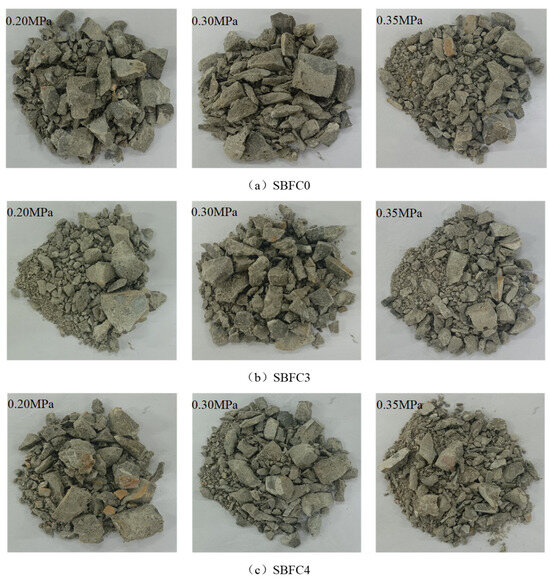
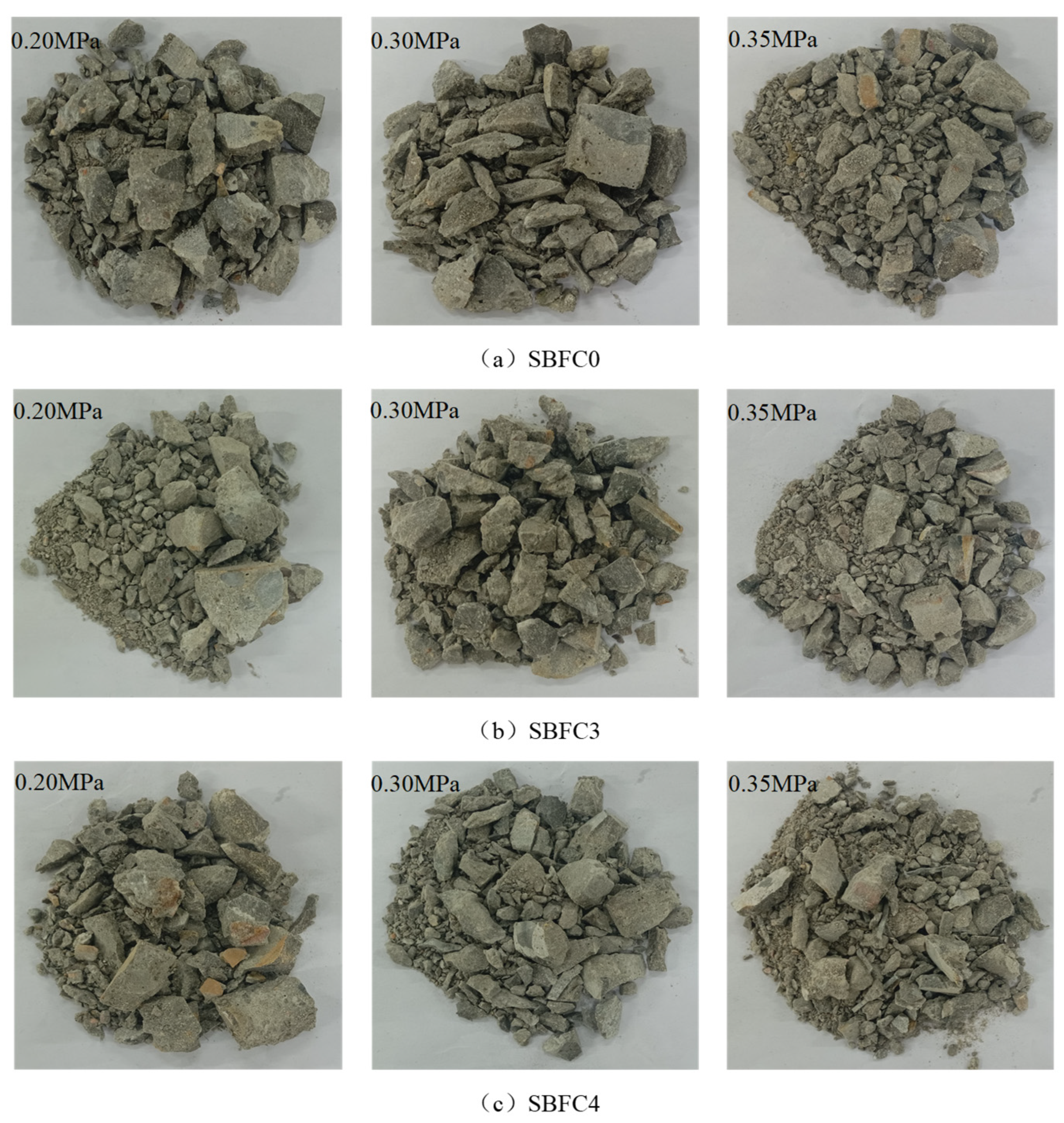
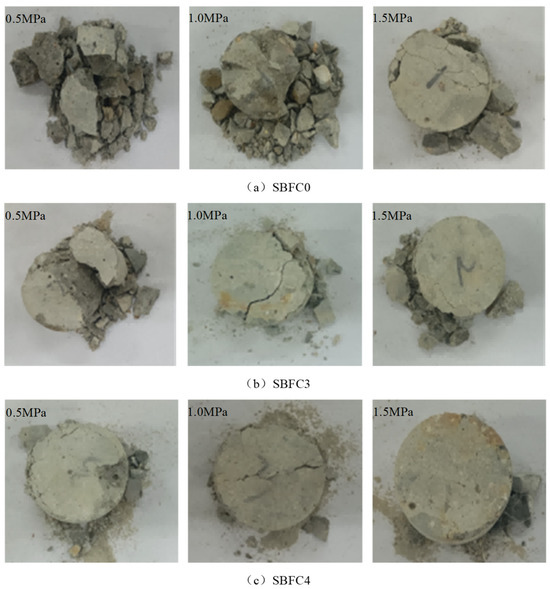
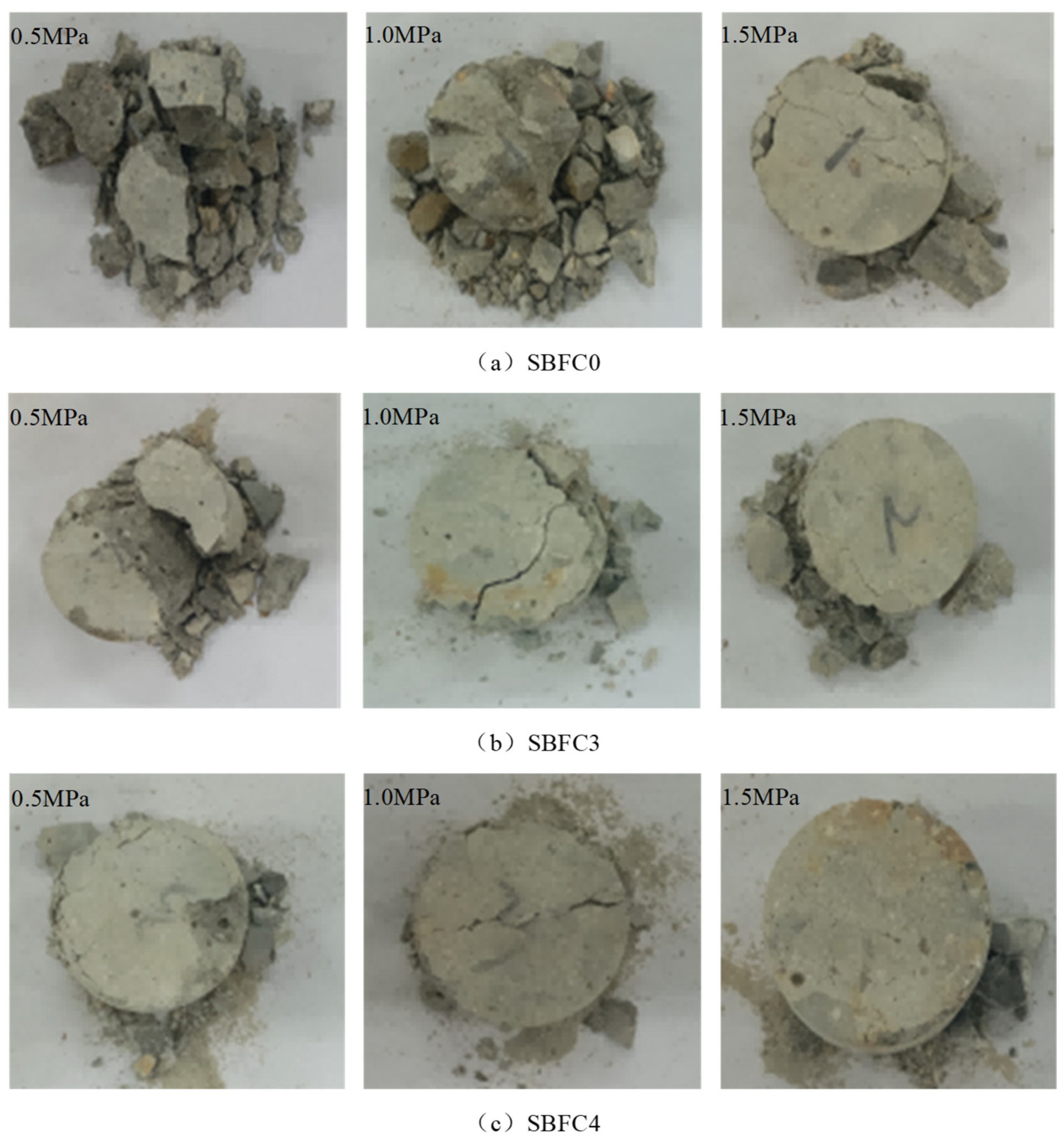
The macroscopic dynamic damage and failure characteristics of steel–basalt hybrid fiber shotcrete specimens under uniaxial impact and confining pressure are seen in Figure 10 and Figure 11. It can be found that the dynamic compression failure modes of the SBFC0, SBFC3, and SBFC4 groups all intensify with increasing impact pressure in Figure 10. Under the same impact pressure, the damage degree of the SBFC0 and SBFC3 groups is less than that of the SBFC4 group, which aligns with the fact that the strength and damage energy of the test groups are greater than those of the groups without hybrid fibers. Under impact loading, the damage morphology of the SBFC0 group specimens is relatively dispersed, with predominantly fragmented particles and powder. In contrast, after incorporating fibers into the specimens, under the same impact pressure, the structural integrity of the specimens is significantly better than that of the SBFC0 group. This is because the SBFC0 group specimens rely solely on the bonding strength of the cementitious material to resist impact. When hybrid steel–basalt fibers are added to the specimens, in addition to the inherent cohesive strength of the cementitious material, the fibers embedded within it also bear a significant portion of the impact load. Moreover, the incorporation of hybrid steel–basalt fibers transforms the originally brittle failure of the specimens into ductile failure, as shown in the SBFC4 group in Figure 11. In the damaged specimens, the crisscrossing hybrid steel–basalt fibers are either fractured or pulled out, which consumes and absorbs impact energy, thereby limiting crack propagation and enhancing the overall integrity and impact resistance of the specimens. For the dynamic compression failure of the specimen under confining pressure, the higher the fiber content, the greater the active confining pressure applied, the lower the degree of fragmentation of the specimen, and the better the integrity. Through the dynamic failure mode of the specimens in Figure 11, it can be found that the damage morphology of the specimens in the SBFC0 group is mostly granular, and the block and powder are less. The damage morphology of SBFC3 and SBFC4 specimens was mostly large-sized blocks, accompanied by a small amount of particles and almost no powder. The reason is as follows: the applied confining pressure load will limit the increase in the number of defects, such as pores and micro-cracks in the specimen. The increase in confining pressure weakens the damage degree of the specimen, limits the lateral deformation of the specimen and the viscous effect, and other factors, which will inhibit the initiation and expansion of rock micro-cracks, resulting in the gradual reduction in the damage degree of the rock until no macroscopic damage occurs. At the same time, the specimens mixed with hybrid steel–basalt fiber show significant anti-damage ability in dynamic failure. Through the bridging effect of fiber and cementitious material and the synergistic effect between fibers, the fiber can effectively inhibit the crack propagation and improve the ductility of the material, so that the specimens can still maintain high structural integrity after impact load, and the failure mode changes from brittle failure to ductile failure.
Figure 10.
Dynamic failure mode of steel–basalt hybrid fiber shotcrete under uniaxial impact.
Figure 11.
Dynamic failure mode of steel–basalt hybrid fiber shotcrete under active confining pressure.
4. Law of Energy Dissipation
The failure process of steel–basalt hybrid fiber-reinforced shotcrete inevitably involves energy dissipation, and the deformation of the specimens is also a result of energy transformation. Throughout this process, all energy conversions are irreversible. Based on stress wave propagation principles and energy conversion rules, the incident energy QI, reflected energy QR, and transmitted energy QT of the steel–basalt hybrid fiber-reinforced shotcrete specimens can be calculated using the following equations [24]:
Additionally, when the specimen undergoes failure, the dissipated energy and energy dissipation efficiency are as follows:
4.1. Statistical Analysis of Dynamic Energy Results
Based on the incident wave, reflected wave, and transmitted wave obtained from the experiments, the dynamic incident energy, reflected energy, transmitted energy, and dissipated energy of the steel–basalt hybrid fiber-reinforced shotcrete were calculated using Equations (2) and (3). In addition, the mean values of parallel specimens were taken as the dynamic energy data for analysis. The statistical results are shown in Table 7.
Table 7.
Dynamic energy statistical analysis of steel–basalt hybrid fiber shotcrete.
4.2. Energy Time History Curve and Energy Parameters
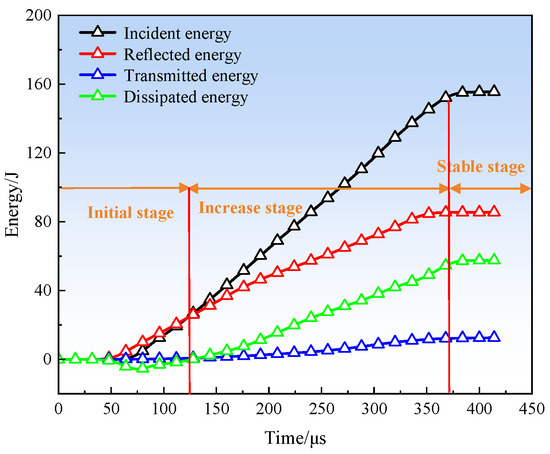
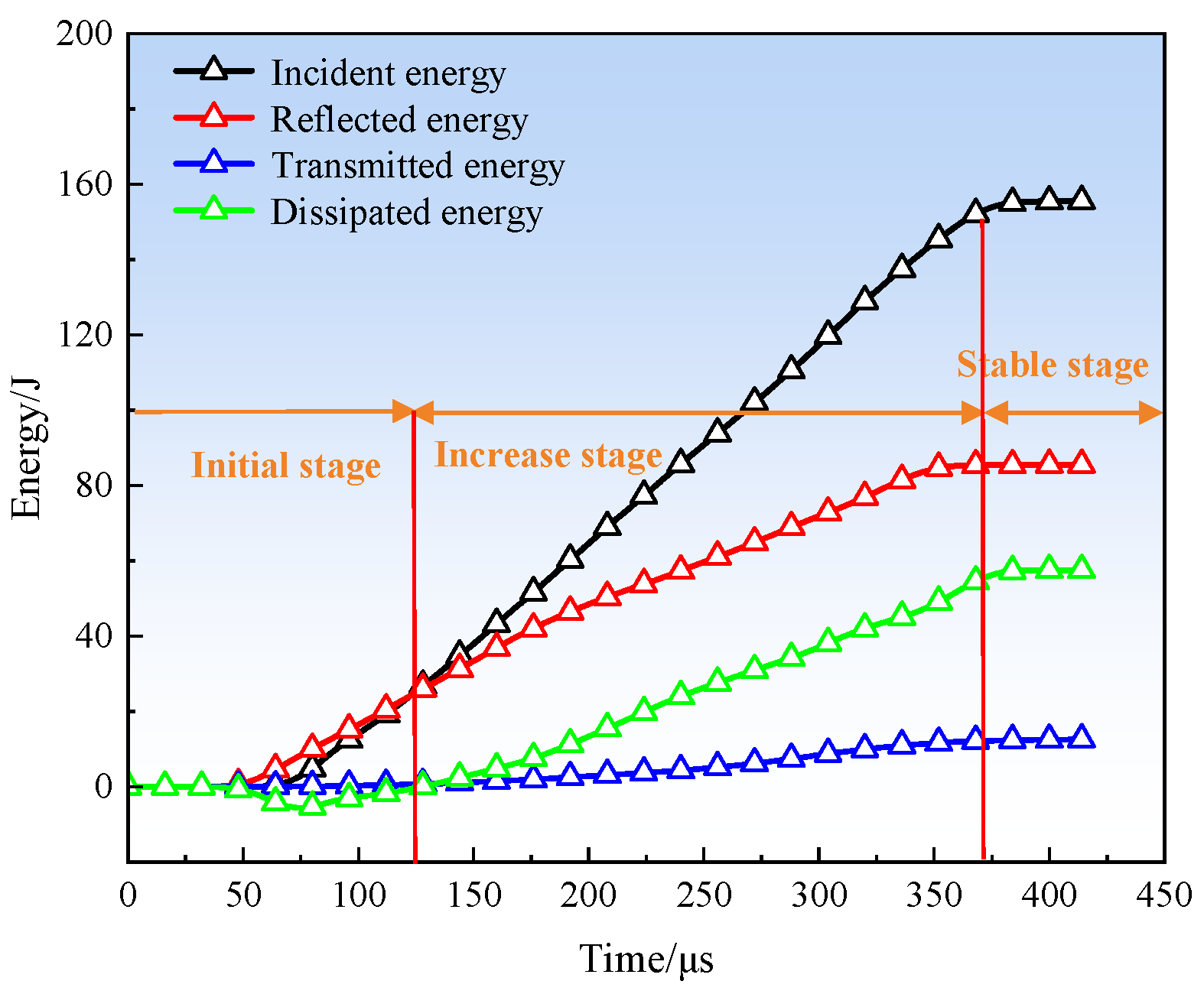
Figure 12 is the typical energy time history curve of steel–basalt hybrid fiber shotcrete under impact load without confining pressure. Figure 12 shows the typical energy–time curves of steel–basalt hybrid fiber-reinforced shotcrete under impact loading. It can be observed from Figure 10 that the reflected energy, incident energy, and dissipated energy all increase over time until they stabilize at a certain point, with the incident energy being the highest and the transmitted energy the lowest. The transmitted energy remains very small throughout the impact process due to the low wave impedance of the prepared steel–basalt hybrid fiber-reinforced shotcrete specimens. The combined dissipated and transmitted energy accounts for only a small proportion of the incident energy. When the incident wave reaches the interface between the specimen and the incident bar, most of the energy is reflected back along the incident bar, with only a small portion penetrating the specimen to reach the transmission bar. During the dynamic compression process, the energy–time curves of the steel–basalt hybrid fiber-reinforced shotcrete specimens can generally be divided into three stages: the initial stage, the growth stage, and the stabilization stage. In the initial stage, the order of energy magnitudes is incident energy > dissipated energy > reflected energy > transmitted energy. This trend is closely related to the pronounced plastic characteristics of the specimen during compression. In the compaction stage, most of the energy is consumed in compressing coarse aggregates and hybrid fibers, with little energy reflected. However, as the SBFC gradually becomes denser internally, the energy–time curve enters the growth and stabilization stages. During these stages, the reflected energy gradually exceeds the dissipated energy until both stabilize, indicating the onset of instability and failure in the specimen.
Figure 12.
Energy–time curve of a typical SBFC.
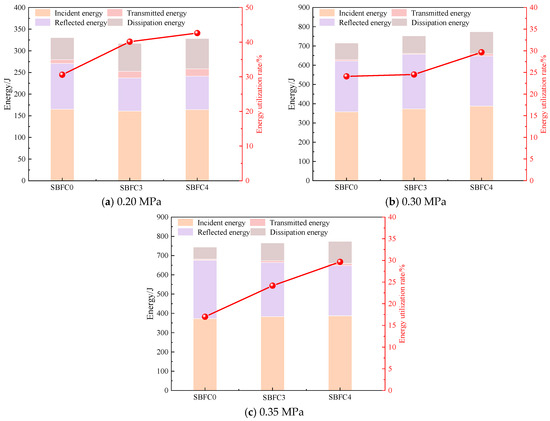
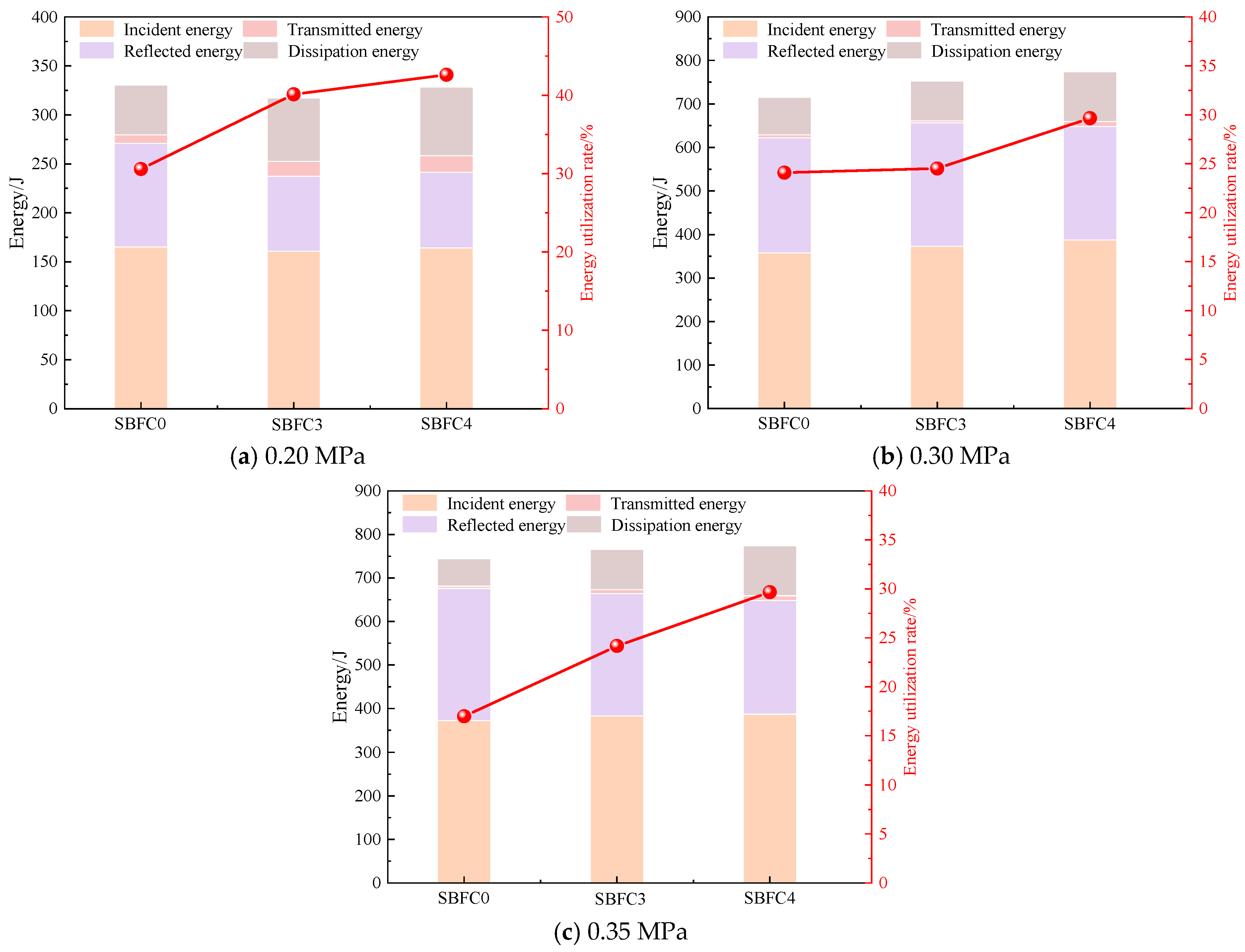
Figure 13 presents the relationship between fiber content and various energy parameters—incident, reflected, transmitted, and dissipated energy, as well as energy utilization efficiency—in steel–basalt hybrid fiber-reinforced concrete under impact. As fiber content rises, the incident and dissipated energy, along with the energy utilization efficiency, consistently rise under constant impact conditions. The dynamic failure process of concrete specimens under impact loading is inherently an energy-dissipation process, where energy is dissipated as heat, fracture energy for newly formed free surfaces, and kinetic energy of dispersed fragments. Due to the increase in hybrid fiber content, the outward expansion of mineral particles within the concrete specimens under high-strain-rate loading encounters certain resistance. This resistance, in turn, promotes the propagation and closure of microcracks, preventing the dispersion of fragments outward. Consequently, higher external stress is required to resist structural failure, causing an increase in the total strain energy input externally. As microcracks within the fiber-reinforced concrete propagate, more energy is consumed to overcome the external load, resulting in an increase in the dissipated energy of the fiber-reinforced concrete.
Figure 13.
Variation in dynamic energy and energy utilization efficiency with fiber content in steel–basalt hybrid fiber-reinforced shotcrete.
5. Microstructure
5.1. SEM
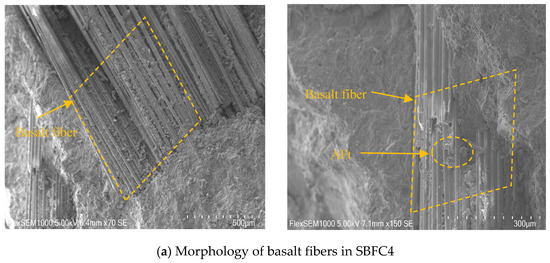
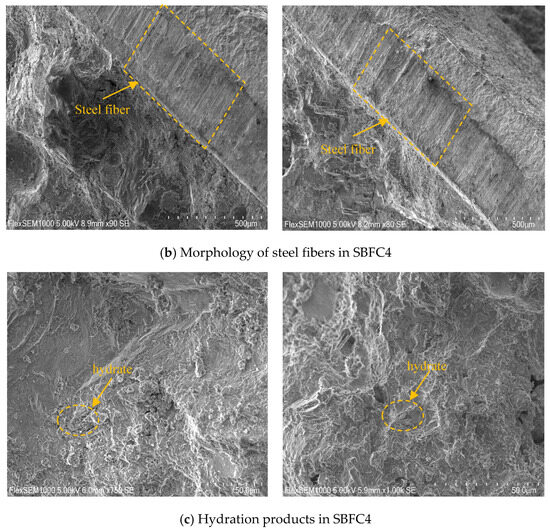
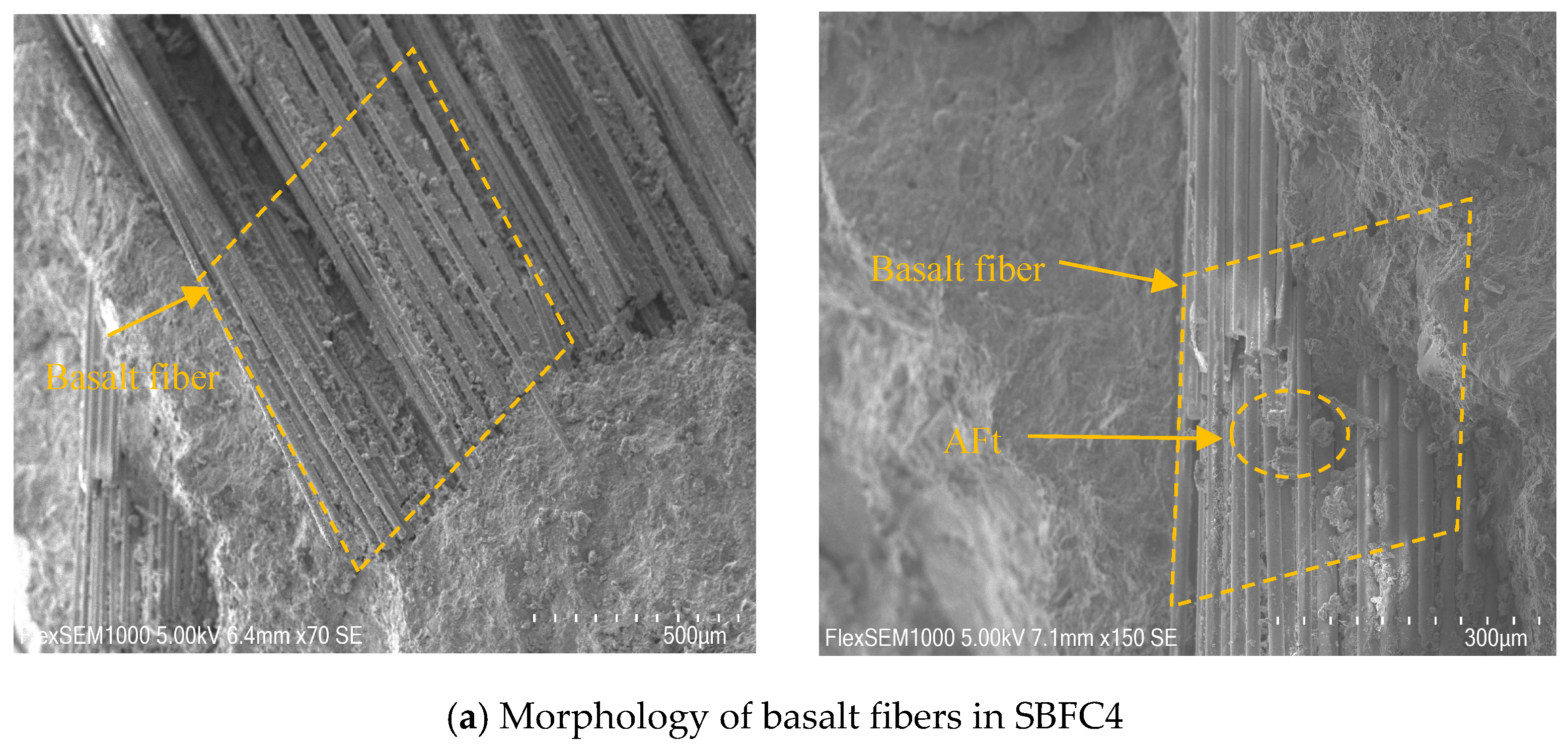
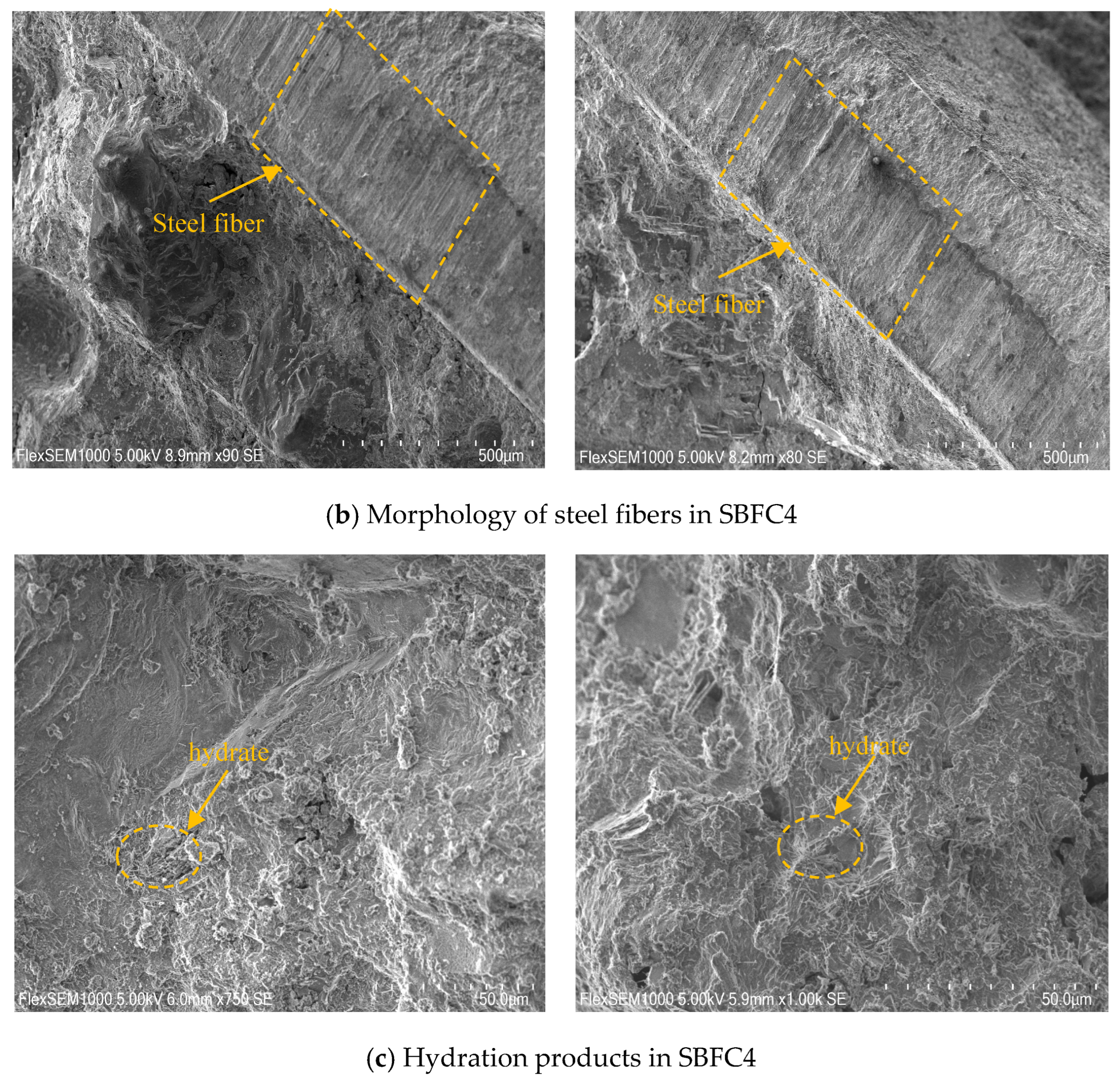
Specimens from the optimal hybrid fiber content group (SBFC4 group) were selected for sampling to further analyze the toughening and crack-resistance mechanisms of fibers in recycled concrete under impact loading. From Figure 14a, it can be found that hydration products are present on the surface of the basalt fibers. These hydration products exhibit adhesion between the fiber surface and the cement matrix, indicating strong bonding strength and static friction between the basalt fibers and the cement matrix. During crack propagation, the basalt fibers act as bridges with the cement matrix, hindering crack extension and expansion, thereby enhancing the overall integrity of the recycled concrete specimens. Meanwhile, although minor microcracks and pores exist between the basalt fibers and the cement paste matrix, no fiber pull-out phenomenon occurs. The fibers predominantly fail through fracture, maintaining a good connection with the cement matrix. This aligns with the initial rationale for selecting basalt fibers. Specifically, the elastic modulus of basalt fibers is similar to that of concrete, and the fibers exhibit strong adhesion to the cement matrix. Thus, the incorporation of basalt fibers can maintain high bonding strength without significantly altering the concrete structure, effectively suppressing the initiation and propagation of cracks. It can be seen that there is no significant gap between the steel fibers and the concrete specimen, indicating that the steel fibers experience minimal “pulling” forces during the failure process in Figure 14b. When cracks propagate in the specimen, the steel fibers within the cracks bear the primary stress, effectively delaying the initiation and expansion of cracks in the specimen. From Figure 14c, it is evident that a substantial amount of hydration synthesis products is generated inside the specimen. These products appear as fine fibrous, needle-shaped, or rod-like structures, with lengths of several micrometers, forming a three-dimensional network. This structure effectively improves the porous and loose internal structure of the steel–basalt hybrid fiber-reinforced concrete, enhancing the compactness of the specimen. Thus, it can be concluded that the hybrid combination of two types of fibers in fiber-reinforced shotcrete exerts a synergistic effect, inhibiting the initiation and propagation of cracks in recycled concrete to varying degrees. This validates the macroscopic improvement in shotcrete performance through hybrid fiber incorporation.
Figure 14.
SEM images of the fracture region of steel–basalt hybrid fiber-reinforced shotcrete.
5.2. XRD
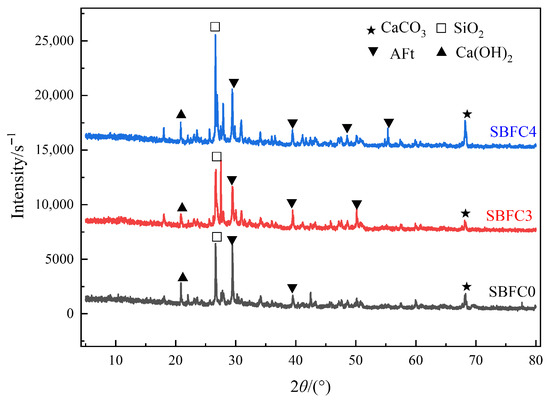
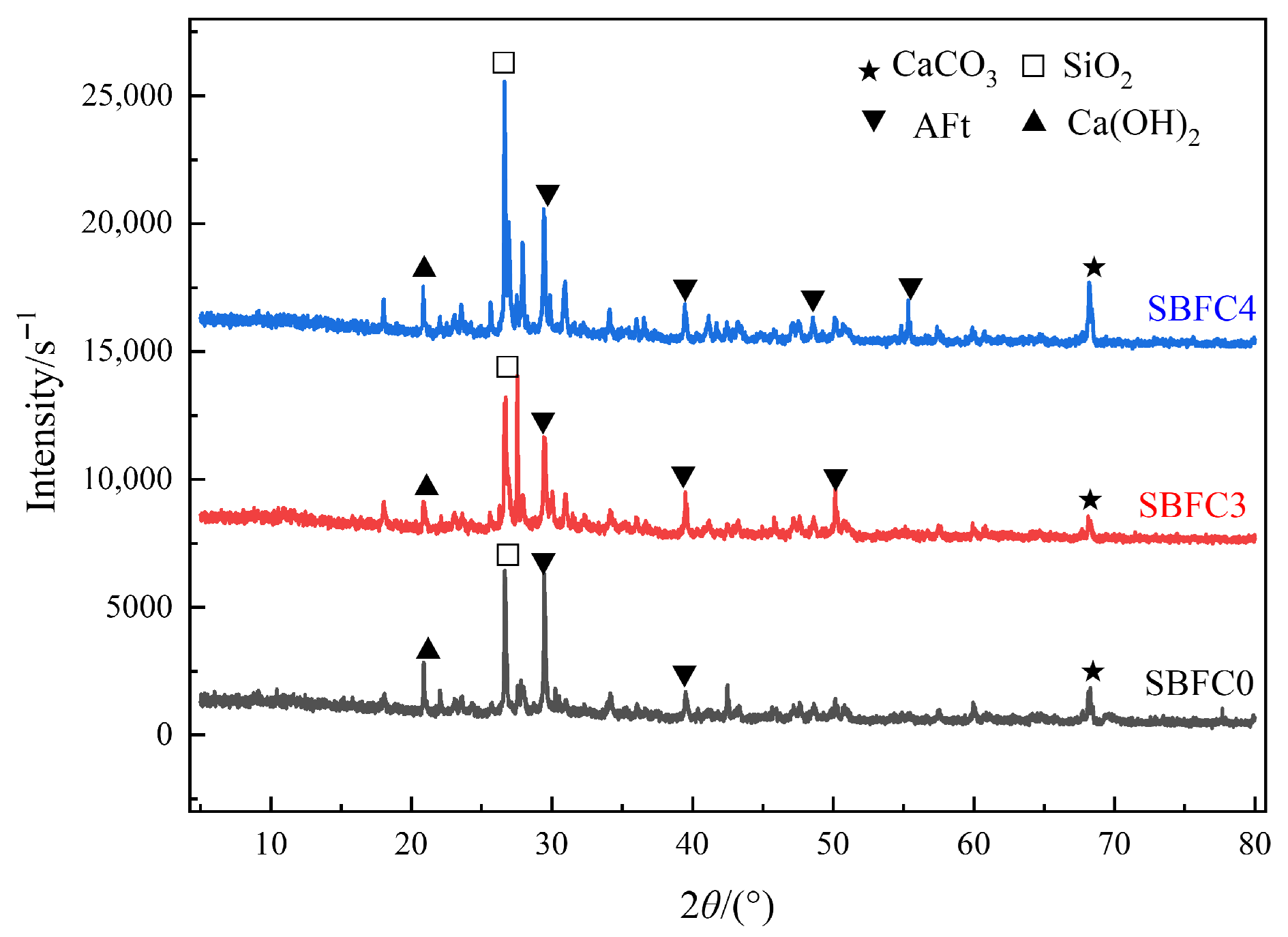
The XRD diffraction patterns of SBFC specimens with different fiber contents are displayed in Figure 15. As seen in Figure 15, early hydration of the SBFC specimens produces AFt gel, CaCO3 crystals, SiO2, Ca(OH)2, and other compounds. As the hybrid fiber content increases, the amount of AFt gel generated within the specimens gradually rises. Additionally, it can be obtained from the figure that the diffraction peak intensities of SiO2 and Ca(OH)2 in the XRD patterns of SBFC3 and SBFC4 are significantly higher than those in the XRD pattern of SBFC0. Higher diffraction peak intensities indicate a greater amount of generated products [25], which is an important reason why the dynamic compressive strengths of SBFC3 and SBFC4 are markedly greater than that of SBFC0. The enhanced mechanical strength is attributed to the hybrid fibers promoting the formation of gel and crystalline products, which constitute a key strengthening mechanism.
Figure 15.
XRD diffraction patterns of SBFC specimens.
6. Conclusions
(1) The dynamic compressive stress–strain behavior of steel–basalt hybrid fiber-reinforced concrete displays a three-stage behavior (elastic deformation, plastic yielding, post-peak failure), with the incorporation of hybrid fibers notably shortening the duration of the first two stages. The application of active confining pressure makes the post-peak failure stage show elastic aftereffect characteristics.
(2) Regardless of whether the confining pressure is applied, all key dynamic properties (compressive strength, elastic modulus, deformation modulus) of the steel–basalt hybrid fiber concrete exhibit positive correlations with both impact pressure and fiber content. In parallel, compressive strength rises with the average strain rate, confirming a strain-rate hardening effect. Conversely, while failure morphology intensifies under higher impact pressure, it is effectively mitigated by increasing the hybrid fiber content.
(3) The energy–time curves of steel–basalt hybrid fiber-reinforced concrete can generally be classified as three stages: initial, growth, and stabilization. Under the same impact loading conditions, as the fiber content gradually increases, the incident energy, dissipated energy, and energy utilization efficiency all show a gradual upward trend.
(4) SEM and XRD results indicate that both steel fibers and basalt fibers maintain good bonding with the cement matrix. They also promote the formation of gel and crystalline products within the specimens, effectively delaying the initiation and propagation of cracks, and this enhances the mechanical properties of the concrete specimens.
Although this study reveals the macroscopic mechanical properties and reinforcement mechanisms of steel–basalt hybrid fiber shotcrete, certain limitations remain. First, regarding fiber dispersion, as noted in the paper, basalt fibers tend to aggregate at high dosages, which may compromise the synergistic reinforcement effect between the fibers and the matrix. Second, this study does not address the long-term durability of steel fibers or basalt fibers in the alkaline environment of shotcrete. In practical engineering applications, fibers may undergo performance degradation due to the strong alkaline medium generated during cement hydration, which could affect the long-term service performance of the structure. Therefore, future research could focus on optimizing fiber dispersion techniques, exploring fiber surface modification methods to enhance alkali resistance, and systematically evaluating the durability evolution of steel–basalt hybrid fiber shotcrete under complex environmental conditions through long-term exposure tests and microstructural analysis.
Author Contributions
All the authors contributed to this paper. R.Z.: writing—original draft preparation; software; investigation; project administration. Y.J.: writing—original draft preparation; data analysis. Y.W.: writing—review and editing. All authors have read and agreed to the published version of the manuscript.
Funding
This study was financially supported by the Anhui Province University natural science research key project (2024AH051179) and the Bengbu University scientific research project (2024YYX61QD). Their financial support is gratefully appreciated.
Data Availability Statement
The dataset is available on request from the authors.
Conflicts of Interest
The authors declare no conflicts of interest.
References
- Jin, B.; Liu, Y.; Yang, C.; Tan, Z.; Zhang, J. Construction Technique of Long-Span Shallow-Buried TunnelConsidering the Optimal Sequence of Pilot-Tunnel Excavation. Adv. Mater. Sci. Eng. 2015, 2015, 491689. [Google Scholar] [CrossRef] [Scilit]
- Zhao, C.-Y.; Yue, R.-H.; Lin, Y.-L.; Huang, C.-J.; Jiang, X. Investigation on Deformation Behavior of the Crossing Section of Two Municipal Road Tunnels during Construction. Appl. Sci. 2022, 12, 12274. [Google Scholar] [CrossRef] [Scilit]
- Pan, Y.; Wang, Z.; Cao, C.; Zhang, Y.; Zhou, F. Numerical simulation of the river-crossing tunnel seepage risk during the construction process. Environ. Earth Sci. 2025, 84, 602. [Google Scholar] [CrossRef] [Scilit]
- Gao, D.; Diao, Y.; Zhang, S.; Ma, B.; Tang, J.; Zhu, H.; Gu, Z. Effects of steel fiber on the impact performance of ultra-high performance concrete using steel ball aggregates. Constr. Build. Mater. 2025, 458, 139570. [Google Scholar] [CrossRef] [Scilit]
- Zhao, Y.; Liu, Y.; Liu, Q.; Guo, W.; Yang, L.; Ge, D. Icephobicity studies of superhydrophobic coatings on concrete via spray method. Mater. Lett. 2018, 233, 263–266. [Google Scholar] [CrossRef] [Scilit]
- Ginouse, N.; Jolin, M. Mechanisms of placement in sprayed concrete. Tunn. Undergr. Space Technol. 2016, 58, 177–185. [Google Scholar] [CrossRef] [Scilit]
- Ha, S.; Na, S.; Lee, H. Bond characteristics of sprayed FRP composites bonded to concrete substrate considering various concrete surface conditions. Compos. Struct. 2013, 100, 270–279. [Google Scholar] [CrossRef] [Scilit]
- Li, S.; Jones, B.; Thorpe, R.; Davis, M. An investigation into the thermal conductivity of hydrating sprayed concrete. Constr. Build. Mater. 2016, 124, 363–372. [Google Scholar] [CrossRef] [Scilit]
- Jiao, H.Z.; Han, Z.Y.; Chen, X.M.; Liu, Z.; Chen, F.; Peter, H. Infuence mechanism of basalt fibre on the toughness and microstrueture of spray concrete. Acta Mater. Compos. Sin. 2019, 36, 1926–1934. [Google Scholar]
- Li, M.; Gong, F.; Wu, Z.S. Study on mechanical properties of alkali-resistant basalt fiber reinforeed concrete. Constr. Build. Mater. 2020, 245, 118424. [Google Scholar] [CrossRef] [Scilit]
- Ahmad, J.; Zhou, Z.G. Mechanical perfomance of waste marble based self compacting concrete reinforced with steel fiber (part I). J. Build. Eng. 2023, 78, 107574. [Google Scholar] [CrossRef] [Scilit]
- Abbas, S.; Soliman, A.M.; Nehdi, M.I. Exploring mechanical and durability properties of ultra-high performance concrete incorporating various steel fiber lengths and dosages. Constr. Build. Mater. 2015, 75, 429–441. [Google Scholar] [CrossRef] [Scilit]
- Yang, Q.; Ru, N.; He, X.; Peng, Y. Mechanical Behavior of Refined SCC with High Admixture of Hybrid Micro- and Ordinary Steel Fibers. Sustainability 2022, 14, 5637. [Google Scholar] [CrossRef] [Scilit]
- Li, P.; Feng, J.; Gu, J.; Duan, S. Coupled Effects of High Temperature and Steel Fiber Content on Energy Absorption Properties of Concrete. Materials 2024, 17, 3440. [Google Scholar] [CrossRef] [Scilit] [PubMed]
- Mohammadi, Y.; Carkon-Azad, R.; Singh, S.P.; Kaushik, S. Impact resistance of steel fibrous concrete containing fibres of mixed aspect ratio. Constr. Build. Mater. 2009, 23, 183–189. [Google Scholar] [CrossRef] [Scilit]
- Nili, M.; Afroughsabet, V. Combined effect of silica fumeand steel fibers on the impact resistance and mechanical properties of concrete. Int. J. Impact Eng. 2010, 37, 879–886. [Google Scholar] [CrossRef] [Scilit]
- Ren, R.; Xu, X.; Li, D.; Fan, L.; Liu, Q.; Liu, X. Experimental Study on the Bond-Slip Behavior of Steel-Steel Fiber Recycled Aggregate Concrete. Buildings 2022, 12, 823. [Google Scholar] [CrossRef] [Scilit]
- Mishra, R.K.; Behera, B.K.; Chandan, V.; Nazari, S.; Muller, M. Modeling and Simulation of Mechanical Performance in Textile Structural Concrete Composites Reinforced with Basalt Fibers. Polymers 2022, 14, 4108. [Google Scholar] [CrossRef] [Scilit]
- Sainulabdeen, R.M.; Sathyan, D. Green innovations in SCC: LCA and cost-benefit analysis of steel-basalt and steel-sisal hybrid fiber reinforcements. Case Stud. Constr. Mater. 2025, 23, e05566. [Google Scholar] [CrossRef] [Scilit]
- Xing, L.-L.; Mei, K.-H.; Guo, Y.-P.; Yang, Z.-H.; Sun, S.-J. Flexural performances of steel-basalt fiber composite bars-reinforced ultra-high performance concrete-normal concrete layered beams: Experimental, theoretical and numerical investigation. Constr. Build. Mater. 2025, 487, 142086. [Google Scholar] [CrossRef] [Scilit]
- Soe, K.T.; Zhang, Y.X.; Zhang, L.C. Material properties of hybrid fibre-reinforced engineered cementitiousa newcomposite. Constr. Build. Mater. 2013, 43, 399–407. [Google Scholar] [CrossRef] [Scilit]
- Dvorkin, L.; Bordiuzhenko, O.; Tekle, B.H.; Ribakov, Y. A Method for the Design of Concrete with Combined Steel and Basalt Fiber. Appl. Sci. 2021, 11, 8850. [Google Scholar] [CrossRef] [Scilit]
- Khan, M.; Cao, M.; Xie, C.; Ali, M. Effectiveness of hybrid steel-basalt fiber reinforced concrete under compression. Case Stud. Constr. Mater. 2022, 16, e00941. [Google Scholar] [CrossRef] [Scilit]
- Ping, Q.; Zhang, B. Multi-scale study on dynamic damage characteristics and energy dissipation of deep rock under thermal-hydro-mechanical coupling. Sci. Rep. 2026, 16, 4056. [Google Scholar] [CrossRef] [Scilit]
- Ma, Q.; Zhang, B. Study on the performance mechanism of alumina-alkali activator synergistic solidified lunar soil simulant. Case Stud. Constr. Mater. 2024, 21, e03680. [Google Scholar] [CrossRef] [Scilit]

Disclaimer/Publisher’s Note: The statements, opinions and data contained in all publications are solely those of the individual author(s) and contributor(s) and not of MDPI and/or the editor(s). MDPI and/or the editor(s) disclaim responsibility for any injury to people or property resulting from any ideas, methods, instructions or products referred to in the content. |
© 2026 by the authors. Licensee MDPI, Basel, Switzerland. This article is an open access article distributed under the terms and conditions of the Creative Commons Attribution (CC BY) license.