Article

Waste Valorisation: Copper Slag as a Sustainable Replacement of Natural Aggregates for Concrete

by
María José Pérez
1,
Marcos Díaz González
2,*,
Andrés G. César
3 and
Mauricio Pradena-Miquel
4,*
1
Departamento de Ingeniería Civil, Facultad de Ingeniería, Universidad de Concepción, Casilla 160-C Correo3, Concepción 4030000, Chile
2
Department of Construction Sciences, Metropolitan Technological University, Dieciocho 161, Santiago de Chile 8330383, Chile
3
Escola Politécnica, Departamento de Engenharia de Transportes, Universidade de São Paulo, Cidade Universitária, São Paulo 05508-010, SP, Brazil
4
Facultad de Ingeniería, Universidad San Sebastián, Lientur 1457, Concepción 4080871, Chile
*
Authors to whom correspondence should be addressed.
Buildings 2026, 16(8), 1549; https://doi.org/10.3390/buildings16081549
Submission received: 16 February 2026 / Revised: 19 March 2026 / Accepted: 30 March 2026 / Published: 15 April 2026
(This article belongs to the Section Building Materials, and Repair & Renovation)

Abstract

The copper industry generates approximately 24.6 million tons of copper slag (CS) annually, equivalent to about 2.2 tons of CS per ton of copper produced, creating a major waste management challenge. Meanwhile, concrete is one of the most widely used construction materials worldwide, with nearly 11 billion tons produced each year. This high demand requires large volumes of natural aggregates, leading to environmental impacts associated with their processing and transportation. This study evaluates mortar and concrete mixtures incorporating CS to assess the feasibility of valorising this industrial waste as an alternative aggregate in cementitious materials. The experimental programme included in this study tests to determine the workability and mechanical properties for different aggregate replacement ratios. The results show that replacing 40% of the fine aggregate with CS improves mortar performance, increasing compressive and flexural strength by at least 13.9% compared with reference mixtures. For concrete, up to 100% aggregate replacement was feasible, achieving compressive strength gains of up to 11.9%. Given that aggregates represent about 70–80% of the concrete volume, the incorporation of CS offers a promising strategy for large-scale waste valorisation and natural resource conservation.

1. Introduction

Nowadays, the generation of harmful emissions into the environment produces consequences that have a worldwide impact. In this context, strategies aimed at reducing environmental pressures have gained increasing attention, particularly those focused on improving waste management and promoting the reuse of industrial by-products.
The term waste valorisation refers to industrial processing activities aimed at reusing, recycling or composting waste into useful products or energy sources. It usually takes the form of activities such as processing residues or by-products into raw materials, using discarded products as energy sources, incorporating waste into manufacturing processes, or adding waste materials to finished products. In this regard, waste valorisation represents a strategic approach to reduce pressure on natural resources by converting residues and by-products into valuable materials [1].
In the construction industry, waste valorisation strategies have focused on evaluating the feasibility of incorporating industrial residues as raw materials in construction materials such as concrete. For instance, that is the case for concrete mixtures with tyre rubber, natural fibre or plastic wastes incorporated [2,3,4].
A particular material is copper slag (CS), which is obtained as a residue from copper production. Estimates indicate that 2.2 tons of CS are generated for every ton of copper produced. This means that approximately 24.6 million tons of slag are generated by the global copper industry [5]. This accumulation of slag represents an environmental challenge due to the large volumes generated and the limited number of large-scale reuse applications. The problem is expected to intensify in the coming years, as global copper production is projected to increase by approximately 11% annually [6]. For example, in Chile, one of the world’s largest copper producers, it is expected that the annual copper production will increase from 5.5 to 7.06 million tons by 2029, which means that CS production will also continue to increase throughout the years [7]. As the accumulation of CS negatively affects the environment, different recycling alternatives for CS waste have been explored [8,9,10,11].
However, concrete is one of the most widely used construction materials worldwide, with an annual production exceeding 11 billion tons [12]. This massive production requires a large amount of natural aggregates, which represent approximately 70–80% of the concrete volume and correspond to a demand of about 10 million m3 per year [13,14]. The high demand for natural aggregates generates environmental impacts that are associated with extraction activities such as loss of vegetation and fauna, reduced air quality due to emissions of particulate matter, loss of fertile and valuable soil, deterioration of the quality of life of people living near the extraction sites, and potential risks of groundwater contamination [13,15]. The extraction activities can also produce morphological alterations in the shape of the riverbed, the bottom of the river and the riverbanks, which can have repercussions upstream through erosion, generating a considerable increase in the velocity and shear stress of the flow [16].
Given this scenario, the development of sustainable alternatives to partially replace natural aggregates has become an important research focus. In this regard, studies indicate that the physical and chemical properties of CS make it a potential component of cementitious mixes [17,18,19]. According to Al-Jabri et al. [20], CS has mechanical and chemical characteristics that allow it to be used in concrete mixes as a partial replacement of aggregates. Indeed, CS not only has good soundness characteristics, good abrasion resistance and good stability [17], but a favourable pozzolanic composition containing calcium oxide (CaO), aluminium sulfide (Al2O3), sodium silicate (SiO3) and iron oxide (Fe2O3). Furthermore, 95% of the oxides present in its composition consist of metal oxides. As metals are more stable in oxide and silicate form, the material produced from CS has a lower probability of corrosion [17]. The above suggests that the physical and chemical characteristics of CS allow their use as a partial replacement of aggregates in concrete mixes without compromising their quality [10,17,20,21].
In fact, Al-Jabri et al. [20] and Sahu et al. [10] replaced fine aggregates with CS in concrete mixtures, obtaining optimal strength results at replacement levels of up to 40%. In addition, Thomas et al. [22] reported the same optimal replacement percentage when considering concrete durability. Furthermore, the same optimal value was found for mortar mixtures by Al-Jabri et al. [20] and Pradena-Miquel et al. [21] in terms of strength and durability.
Lori et al. [23] reported that, compared to the control mix (with 0% CS), specimens with 60% coarse aggregate substitution by CS increased compressive strength, flexural strength and splitting tensile strength by 31%, 19% and 18%, respectively. Filipović et al. [24] also report the influence of the mechanical properties of samples with CS. In this case, replacing more than half of the river coarse aggregate with CS in a concrete mix increases the compressive strength by 12.4%. Choudhary et al. [25] indicated that replacing up to 40% of the 20 mm coarse aggregate with CS results in concrete specimens with a marginal reduction in mechanical properties compared to the control specimens.
In the construction industry, the effective valorisation of industrial residues requires practical possibilities for their application. In concrete production, this depends not only on the availability of the residue but also on the structural performance of the resulting mixture. Therefore, it is essential to verify that the incorporation of the residues does not negatively affect the mechanical properties of the concrete. When properties such as compressive and flexural strength show adequate performance, the potential for practical application increases, thereby enhancing the valorisation potential of the residue.
In addition, concrete is a geo-dependent material, meaning that its performance is strongly influenced by the physical and chemical properties of locally available materials [26]. This fact means that for the effective waste valorisation of CS as an aggregate alternative for local mortars and concretes, it is essential to first evaluate the mechanical properties of concrete mixes at various levels of aggregate replacement.
The objective of the present study is to evaluate the mortar and concrete mixtures that incorporate CS to assess the feasibility of valorising this industrial waste as an alternative aggregate in cementitious materials. The study is structured in two experimental phases: first, an evaluation of mortar mixtures focusing on consistency, compressive strength, and flexural strength and second, an assessment of the potential of copper slag as a partial and total replacement of the coarse aggregates in concrete mixtures. The results of the experimental phases are discussed to define the waste valorisation potential and the applications of mortars and concretes with CS.

2. Materials and Methods

2.1. Method

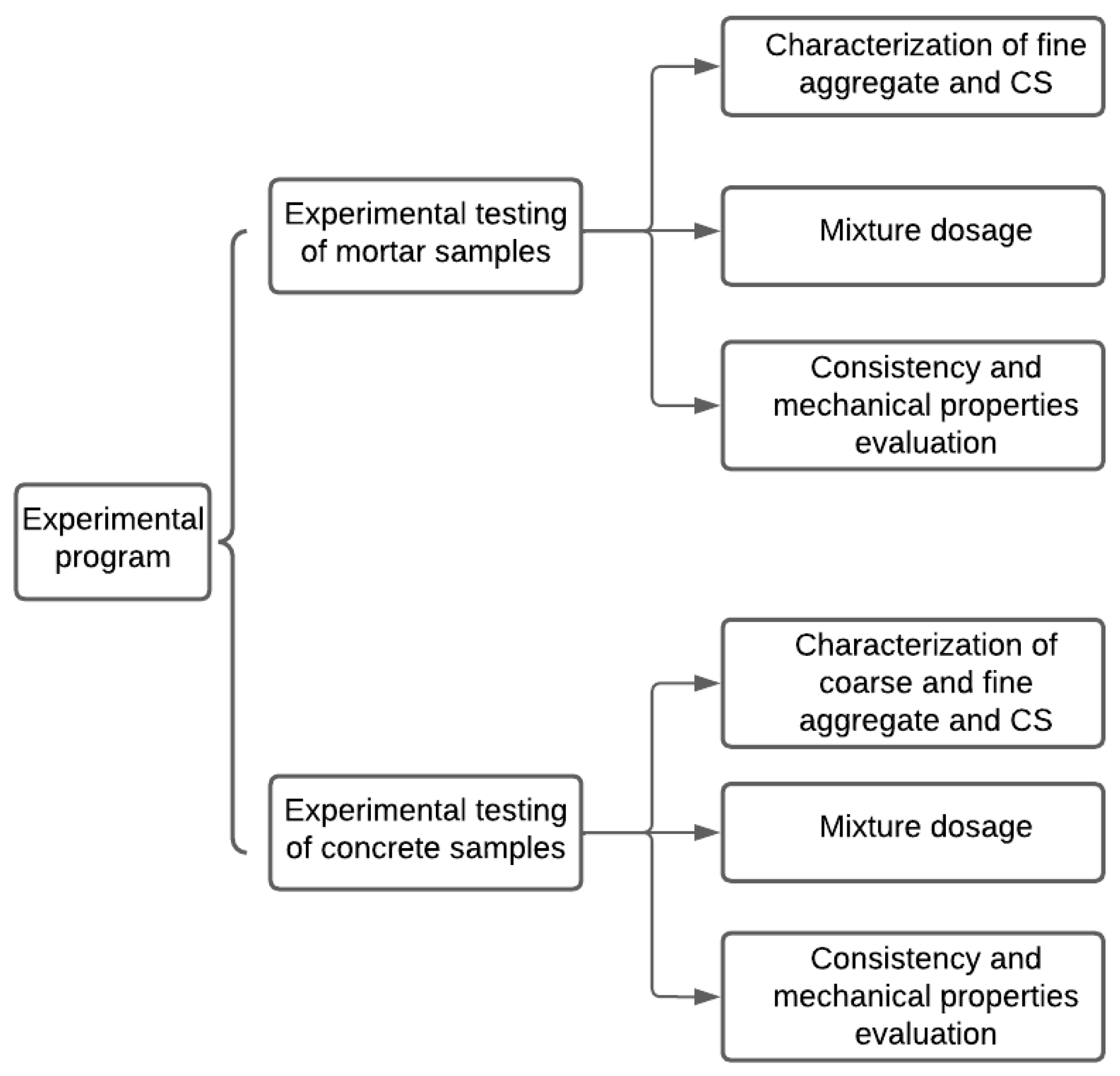
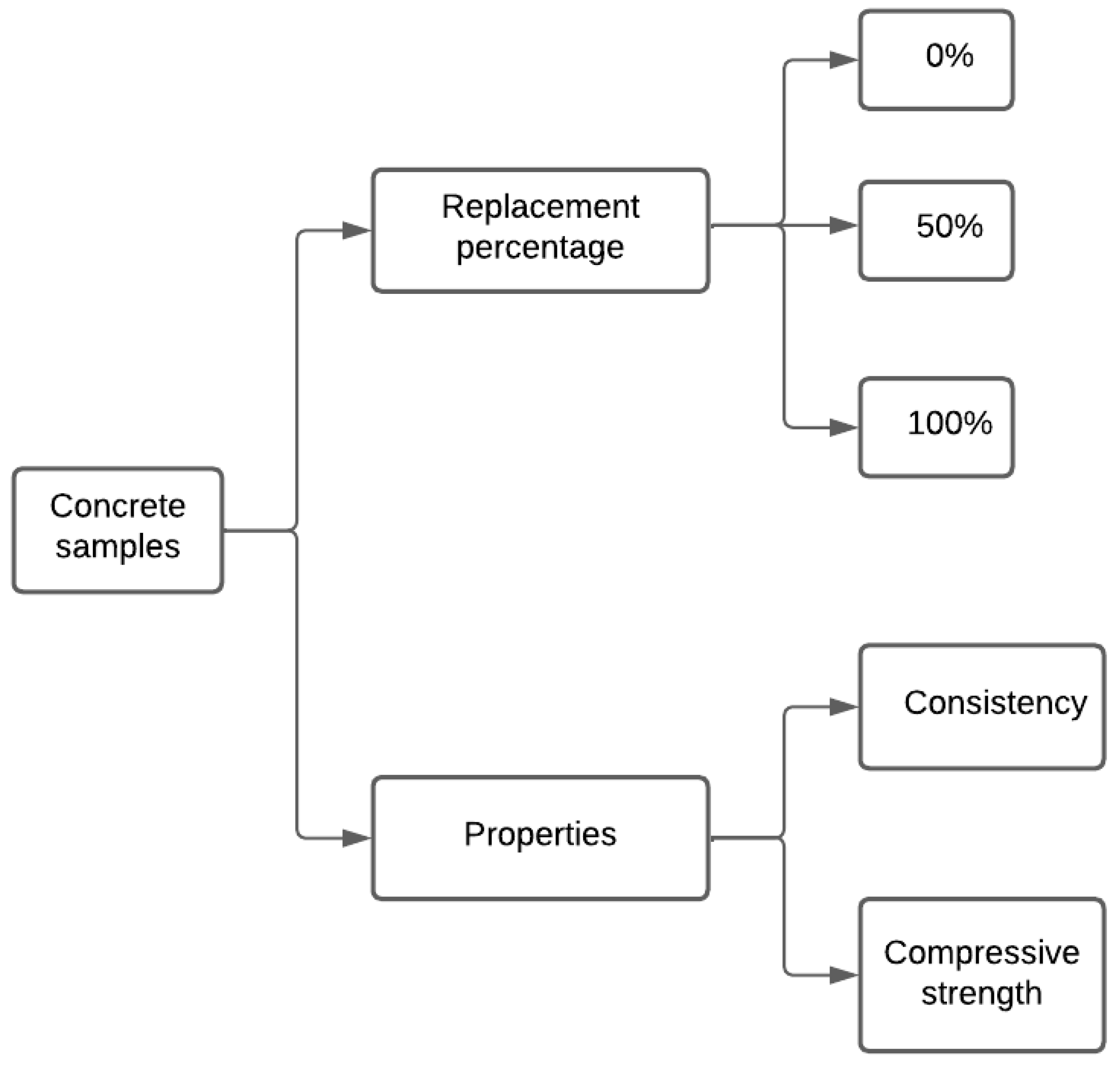
The experimental programme evaluates the partial replacement of aggregates in mortar and concrete using CS. The methodology is structured in two sequential stages. Initially, the mortar mixtures are analysed to obtain a preliminary assessment of the influence of CS incorporation. Based on these results, the replacement ratios are refined for the second stage, which evaluates the concrete mixtures. This sequential approach allows the experimental ranges to be defined according to the outcomes of the previous tests, increasing the efficiency and relevance of the experimental program. Accordingly, the study is framed as a fundamental first phase, focusing on the mechanical response of the mixes as initial indicators of performance. The results of each stage are contrasted with those reported in the literature. The experimental program is summarised in Figure 1. The advanced microstructural analyses are therefore beyond the scope of the present work and are recommended for future research.
Based on Figure 1, the first stage of the study is the experimental evaluation of mortar with a fine aggregate replacement. For this, the properties of the materials are characterised, and the mortar mixes are designed for different compressive strengths.
The characterisation of aggregates and CS was carried out by testing according to the NCh 1239 standard [27] based on ASTM C128 [28] and their granulometry according to NCh165 [29] based on ASTM C136 [30]. Moreover, these materials must comply with the requirements that are given by the NCh163 standard [31] based on ASTM C 33 [32]. In addition, the mixtures are designed according to the fundamentals proposed by Manual del Mortero [33]. Finally, the consistency properties were evaluated according to NCh2257/3 [34], based on the ISO 1920-2 [35], and the compressive and flexural strength were evaluated according to NCh158 [36], which is a partial adaptation of the ASTM C109/C109M [37].
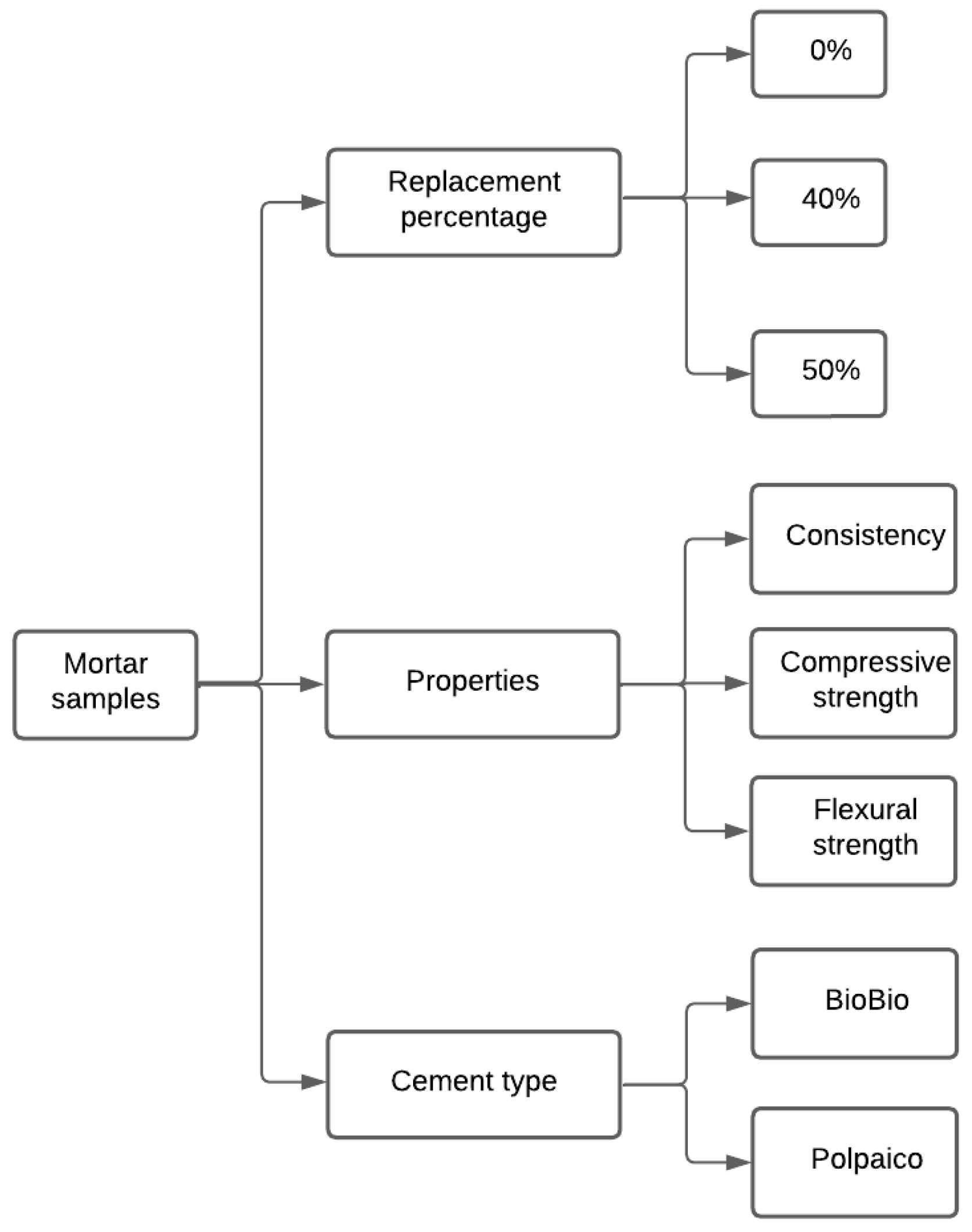
Figure 2 presents the scheme of the variables to be analysed. In total, 12 mortar mixes were prepared, and the responses of the samples were tested with three different CS percentages (0%, 40% and 50%), three design compressive strengths (6 MPa, 16 MPa and 25 MPa) and made with two different Chilean cements (by Cementos Bio Bio and Cementos Polpaico, Región de Bio Bio, Chile). For all cases, the target consistency of the samples was in the range of 40–70 mm, which corresponds to the consistency of plastic.
The second stage evaluates the concrete samples with a partial replacement of 19 mm coarse aggregate. Then, in this case, the characterisation of the fine and coarse aggregates was made according to the NCh165 [29] and NCh1239 [27] Chilean standards, based on ASTM C136 [30] and ASTM C128 [28], respectively. The percentage distribution of the materials present in the mix is designed according to ACI 211.1 [38]. Furthermore, in their preparation, the consistency of all samples was evaluated by means of the Abrams cone slump method according to ASTM C143/C143M [39]. Due to the limited resources of materials, particularly CS, it was decided to evaluate the most used mechanical property to characterise the material [40,41]. Therefore, for the case of the concrete samples, only the compressive strength at 28 days was evaluated according to ASTM C94/C94M [42]. Figure 3 presents, in a schematic way, the process of evaluation that has been described.

2.2. Materials

In the research, Bio Bio and Polpaico cements were used, which are produced by different suppliers. These cements are the most widely used in the Chilean construction industry and, according to NCh 148 [43] and ASTM C340 [44], both are classified as standard grade pozzolanic Portland cement (max. 30% pozzolanic).
CS is generated during the copper refining process through the pyrometallurgical processes of sulphide minerals, which, prior to smelting, have been concentrated through flotation. Despite being a waste product, it plays an important role in copper production, allowing a lower melting point (1200 °C) [45].
The CS has a real dry density of 4112 kg/m3 and a water absorption of 0.2%. The chemical characterisation of the CS by energy dispersive X-Ray spectroscopy (EDS) is presented in Table 1, where the only toxic element is arsenic, which is contained in 0.15% of the sample. In this regard, prior analysis of the presence of arsenic in mortar samples with 40% CS substitution showed values between 0.01 and 0.04 mg/L per specimen, which are within the limits of 5 mg/L established by the Chilean law [46,47]. This limit is in accordance with what has been established in other research focusing on the use of CS [48,49,50].
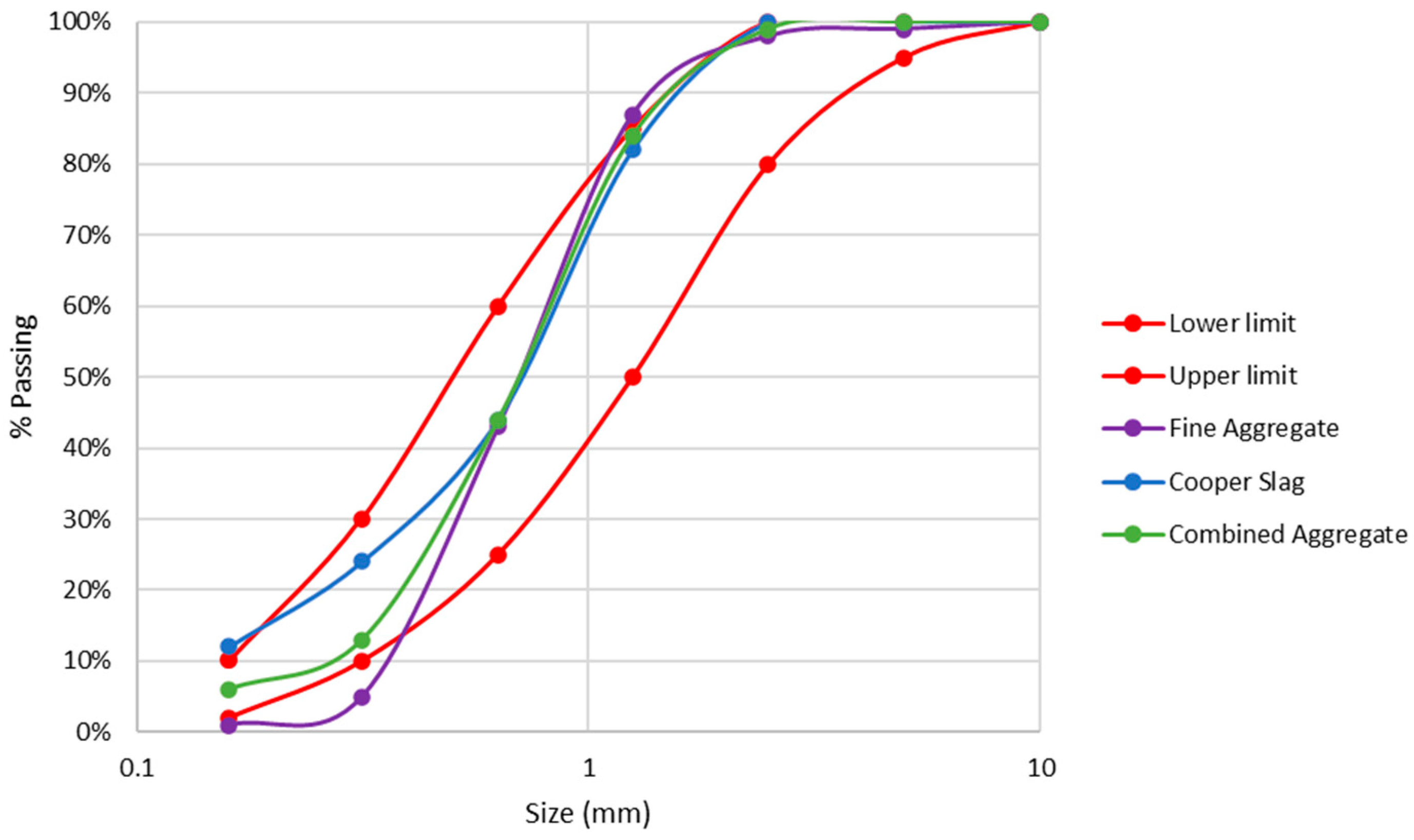
The CS, as fine aggregate, has a maximum size of 5 mm, as can be seen in the granulometry graph in Figure 4. It is also possible to observe that the granulometry of CS complies with the lower and upper limits of the NCh163 standard [31]. In addition, the approximate granulometry of the fine aggregate (Bio Bio sand) and the combined fine aggregate with a replacement of 40% by CS is also presented in Figure 4. In Figure 4, the compliance with the limit band given by the NCh163 [31] is observed, as is how the CS improves the aggregate distribution in comparison with the sand distribution.
Bio Bio sand has a real dry density of 2668 kg/m3 and a water absorption of 2.3%. Table 2 presents the complete characterisation of the fine and coarse aggregates.
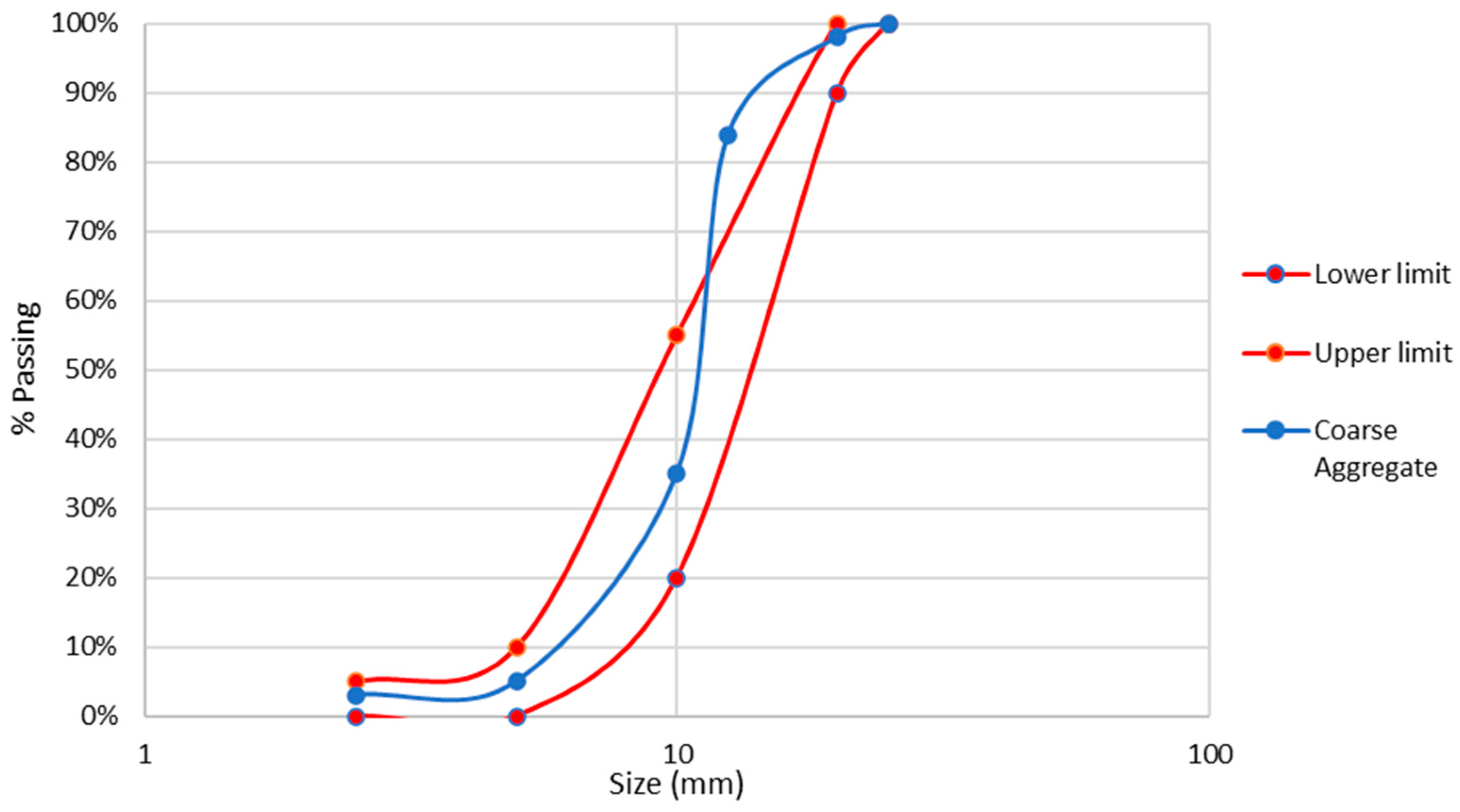
For the concrete samples, a 19 mm coarse aggregate with a real dry density of 2680 kg/m3 and a water absorption of 1.2% was used. Table 2 shows the characterisation of the coarse aggregate properties, and Figure 5 presents the granulometry of the coarse aggregate and the standard lower and upper limits.
It is observed that the coarse aggregate presents a value higher than that required by the NCh163 standard for the 12 mm sieve [31]. However, the aggregate is acceptable for use because there are cases in which it has shown satisfactory behaviour in concrete mixes. As the present study focuses on assessing the response of the concrete mixes with CS as an alternative aggregate replacement, the particle size of the CS used as a coarse aggregate replacement resembles that presented in Figure 5.
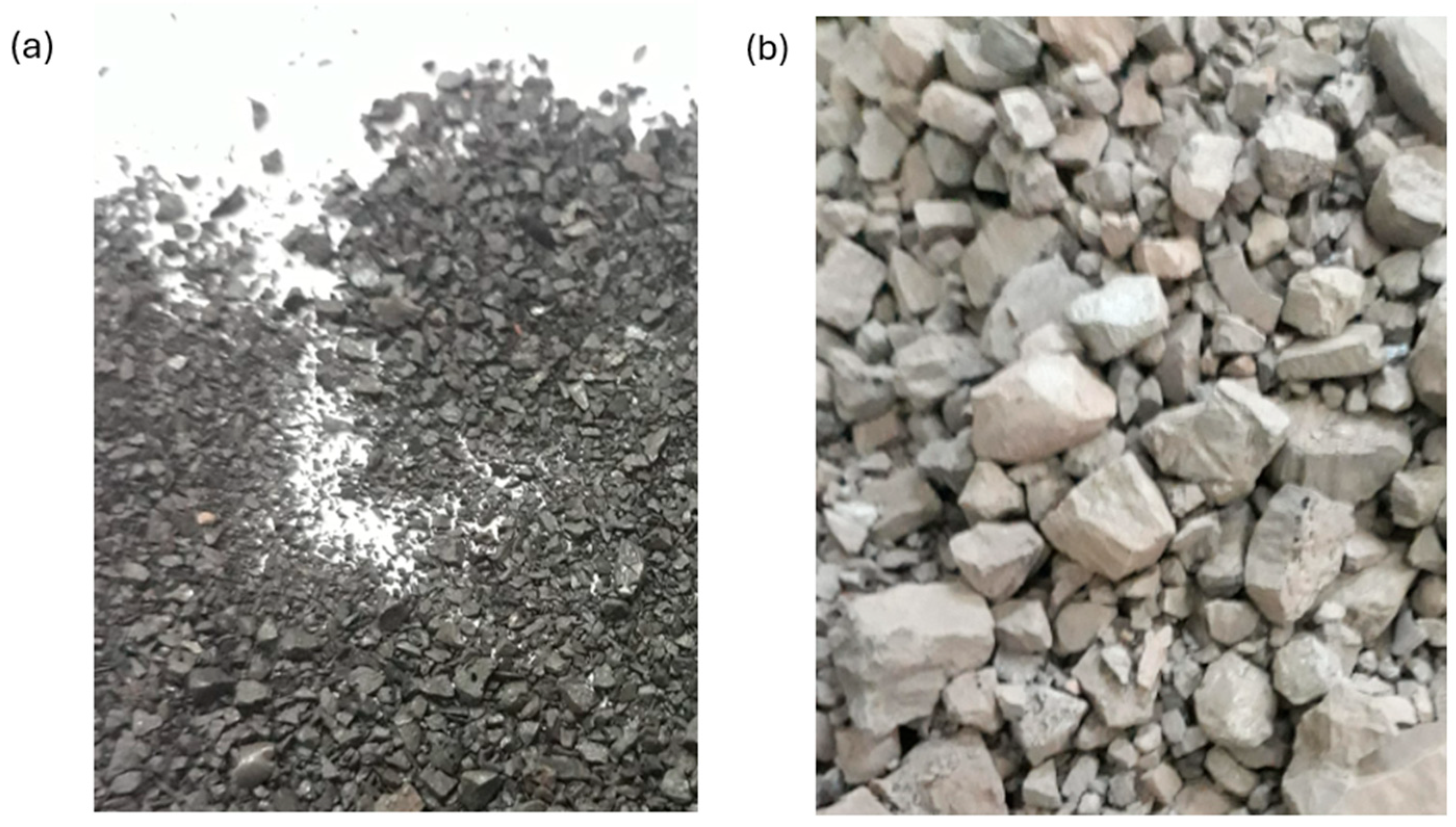
In the case of CS as a replacement for fine aggregate, the material had to be crushed to have a particle size similar to that of the fine aggregate. In contrast, when CS was evaluated as a replacement for coarse aggregate, its particle size was comparable to that of natural coarse aggregates. Therefore, the CS particles only required a sieving process prior to use. Figure 6 shows the CS particles used as a replacement for fine and coarse aggregate.

2.3. Mix Design

For the cases of mortar samples, the target strengths at 28 days are 6 MPa, 16 MPa and 25 MPa. For all cases, the consistency should be that of plastic, which means a docility between 40 and 70 mm [33] is required. The Bio Bio and Polpaico mortar mix designs are shown in Table 3.
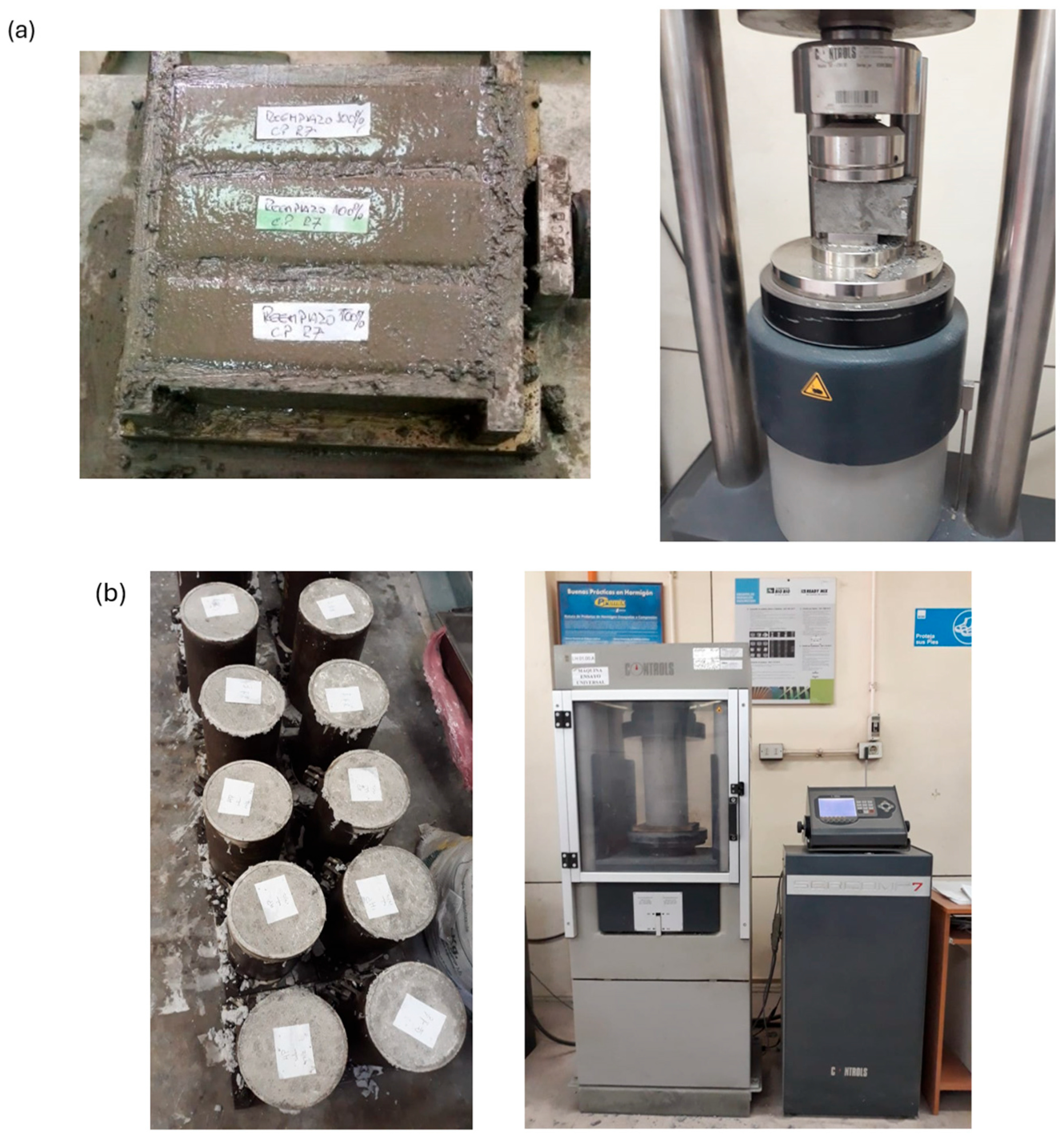
For the evaluation of the concrete mix samples, coarse aggregate was replaced in proportions of 50% and 100%. Based on the results of the evaluation of the mortar samples, only Bio Bio cement was used for the preparation of the concrete mixes. The concrete dosage was developed according to the ACI 211.1 methodology [38] in accordance with the strength and workability requirements. The workability of the mix was in the range of a 25 mm to 75 mm slump by means of the Abrams cone according to the NCh1019 standard [53] based on ASTM C 143 [39]. The design compressive strengths were 250 kg/cm2, and the strength tests were performed at 28 days in accordance with NCh170 [54] and ASTM C39 [55]. Table 4 presents the concrete mix design of the samples, and Figure 7 presents the mortar and concrete samples used in the research.

3. Results

3.1. Mortar Samples

3.1.1. Fresh State Behaviour

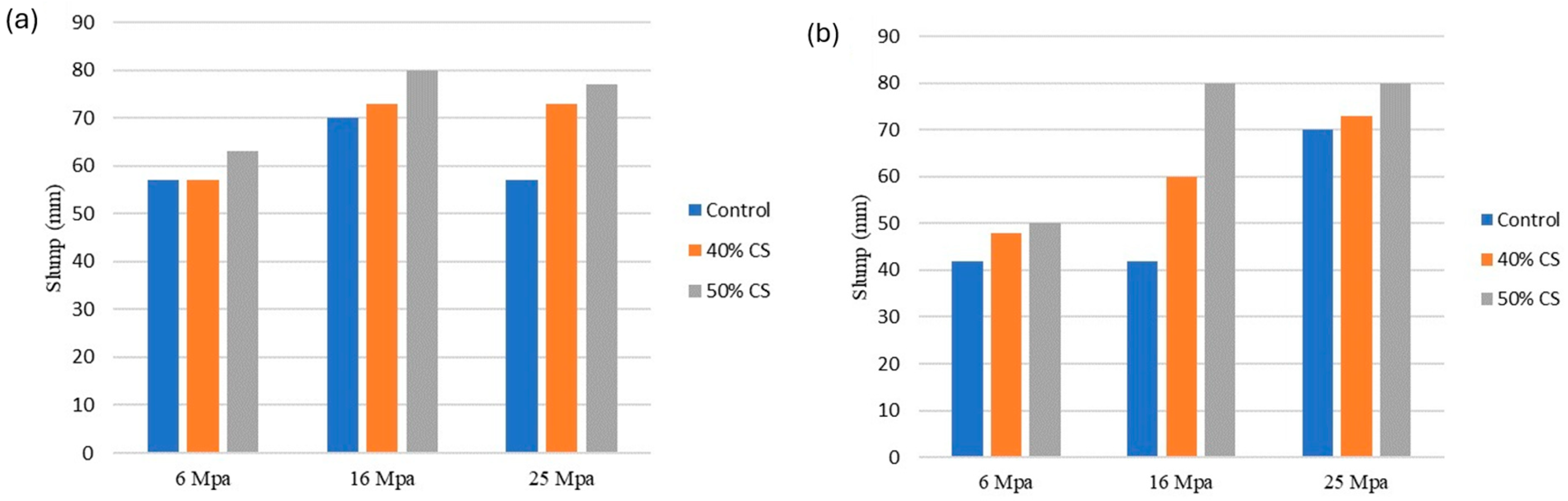
As illustrated in Figure 8, increasing the CS replacement percentage leads to an increase in mixture workability. This is because the water absorption of CS (0.20%) is significantly lower than that of natural aggregates (2.3%), which means that there is more free water in the cementitious matrix and an increasing workability. However, these changes in the consistency of the mixes are within the design range (between 40 and 70 mm).

3.1.2. Flexural Strength

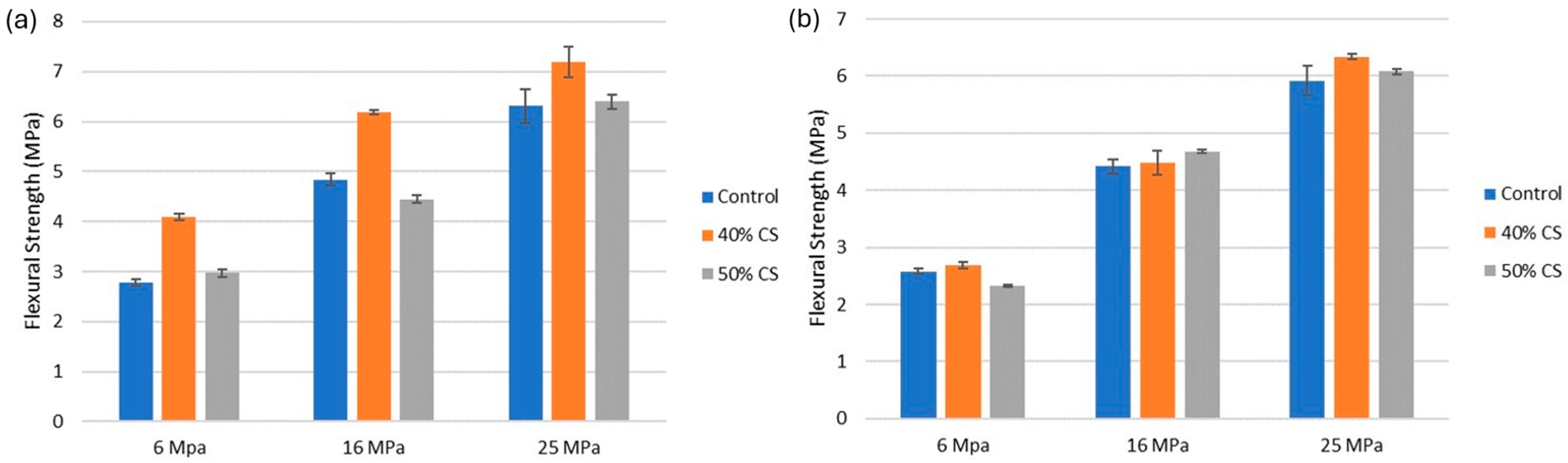
The results of the flexural strength at 28 days are shown in Figure 9, where there is an increase in the strength in the specimens with a 40% replacement for the Bio Bio and Polpaico mortar specimens. However, in the specimens with a 50% replacement, the strength is mostly maintained. Moreover, the Bio Bio samples present the highest strength.

3.1.3. Compressive Strength

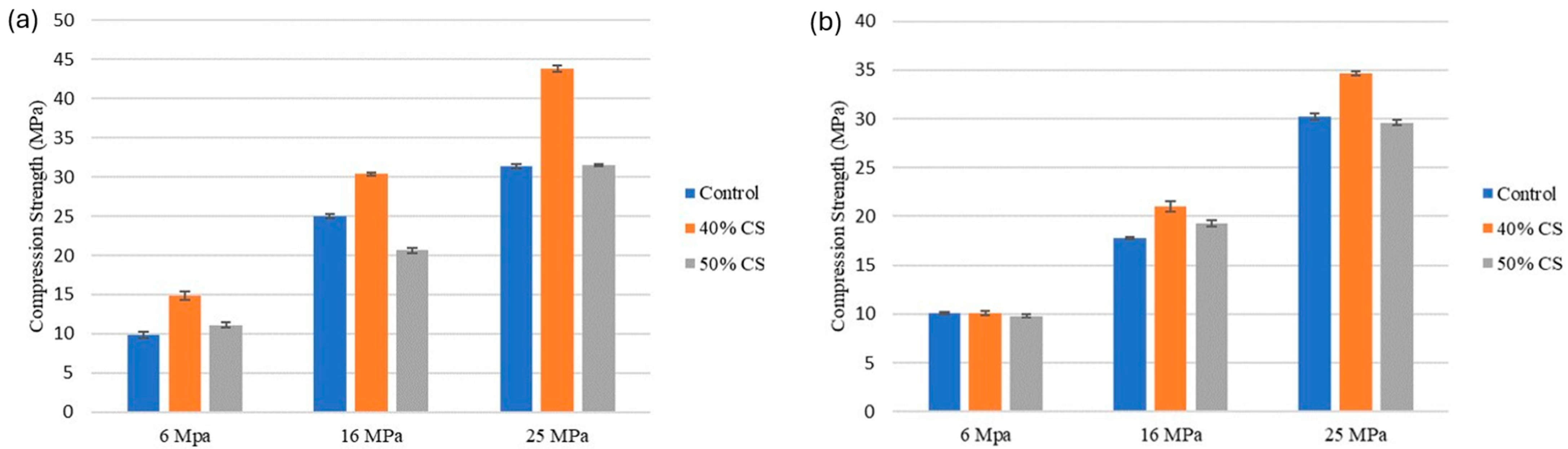
The values of the compressive strength of the Bio Bio and Polpaico mortar samples at 28 days are shown in Figure 10.
It can be observed that in both cases of the cements used, the compressive strength increases with a 40% CS substitution compared to the control samples. In the case of the samples with a 50% CS substitution, the results indicate that the compressive strength remains the same or is slightly lower than that of the control samples. However, in all cases, the samples with 50% CS exceed the design strength.
Based on the experimental results and the supporting literature, it can be concluded that the strengths of the mortar and concrete mixes with a 40–50% replacement of fine aggregate with CS are comparable to or better than those of mortars and concretes with natural fine aggregate. This indicates that approximately 40–50% of the fine aggregate in the mixtures can be successfully replaced for various applications. This is reinforced by the stable behaviour of CS in the cementitious matrix [10,48,50].

3.2. Concrete Samples

The coarse aggregate replacement was explored based on the results of stage 1. For this reason, samples with a 19 mm gravel replacement of 50% CS and 100% CS were developed, and the workability and compressive strength were registered.

3.2.1. Fresh State Behaviour

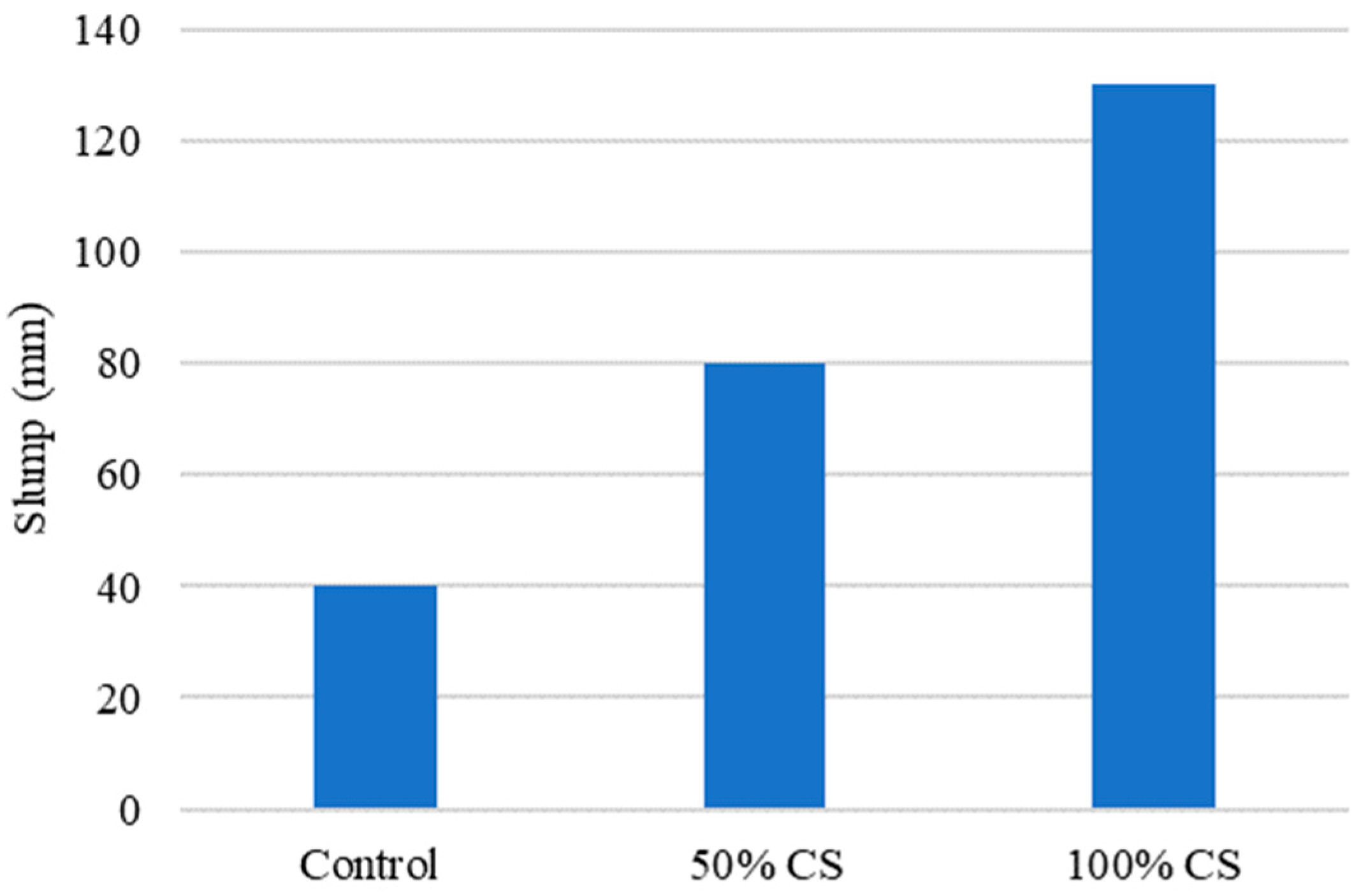
Figure 11 shows the consistency behaviour of the samples.
The control (0%) and the 50% CS samples met the design workability. However, the samples with 100% CS showed a significant decrease in slump. The consistency variation is associated with the presence of CS residue in the mix. For 100% CS samples, the increased workability can be leveraged to reduce mixing water, thereby achieving higher strength with lower water consumption.

3.2.2. Compressive Strength

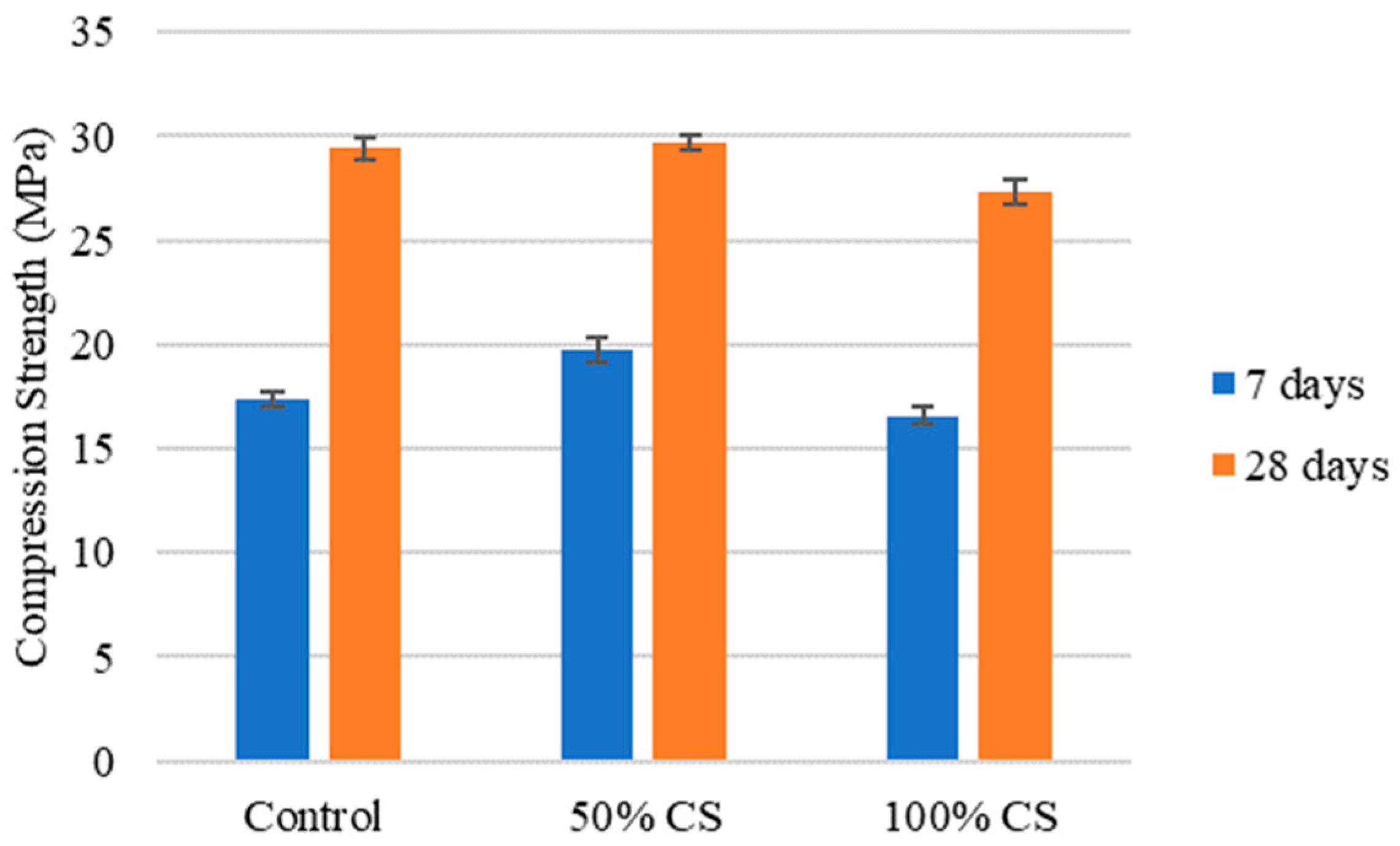
Figure 12 presents the compressive strength behaviour of the samples with 0% (control), 50% and 100% replacement of fine aggregate by CS.
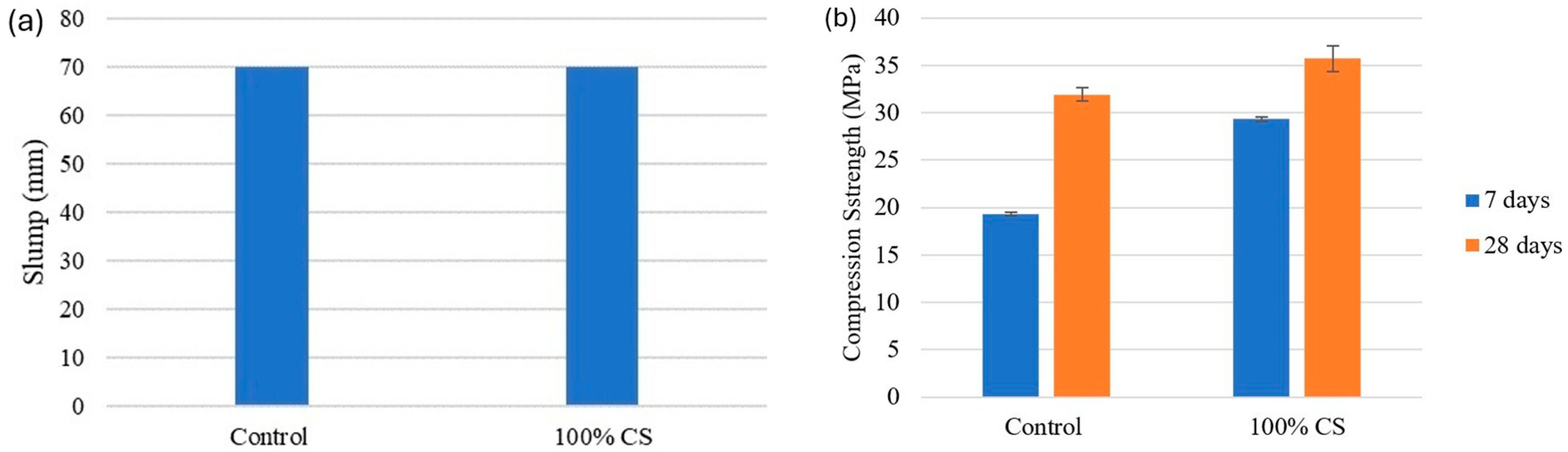
The results in Figure 12 indicate that there is an increase in compressive strength in the case of 50% substitution with CS and a decrease in strength in the case of 100% substitution with CS. Based on the results obtained in the samples with a 100% replacement of coarse aggregate by CS, an additional case was developed. In this case, the consistency of the 100% CS samples was made to be similar to the control samples by reducing the amount of water that was mixed in. This reduction was 5% of the total water (Figure 13a).
The compressive strength of the samples was evaluated (Figure 13b), showing that the reduction in water in the sample with 100% replacement allowed it to resemble the workability of the standard case and to contribute to the increase in the compressive strength.

4. Discussion

In relation to the experimental phase with mortar samples, three mortar cases according to the compressive strength design at 28 days (6 MP, 16 MPa and 25 MPa) were selected to evaluate the feasibility of using CS as a replacement for natural aggregates.
The results obtained in the mortar experimental phase indicate that the incorporation of CS as a partial replacement of fine aggregates does not negatively affect the mechanical performance of the mixtures. For the evaluated cases, the replacement ratios of 40% and 50% produced mechanical responses comparable to or higher than those of the control mixtures. In particular, increases in flexural strength were observed in several cases, suggesting that CS can effectively substitute natural aggregates without compromising the structural performance of the material.
In comparison with the control sample (0% CS), the case of mortar mixes with a 40% replacement of aggregate and Bio Bio cement recorded increases in flexural strength of 47.1%, 27.7% and 14.0% for strengths of 6 MPa, 16 MPa and 25 MPa, respectively. In the case of the samples made with Polpaico cement at an equal percentage of fine aggregate replacement, the flexural strength increased by 3.8%, 1.4% and 2.7% at 6 MPa, 16 MPa and 25 MPa strengths.
Regarding the compressive strength evaluations, it is observed that the mortar samples with 40% replaced aggregate and Bio Bio cement increased their value by 50.8%, 21.4% and 39.6 for the design strengths of 6 MPa, 16 MPa and 25 MPa, respectively. The same condition for the samples made with Polpaico cement, which recorded increases of 0.6%, 17.9% and 14.7%.
The improvement observed may be associated with the physical characteristics of the copper slag particles. The pozzolanic effect of CS serves as an additional cementitious component that interacts during the hydration process [11].
The results of the tests that were performed for the mortar samples with a 50% replacement of fine aggregate also present variations in the mechanical strength in relation to the control sample. However, in this case, the increases in strength do not exceed 13%; therefore, the increases obtained are lower than those recorded in the samples with 40% CS. There are even cases where the flexural and compressive strength is lower than that obtained in the control sample (with 0% CS). This was observed in the samples with Bio Bio cement, and 16 MPa design strength, where decreases of 8.1% for flexural strength and 17.6% for compressive strength were recorded. Similarly, the samples with the Polpaico cement and the 6 MPa design strength showed decreases of 10.1% for flexural strength and 2.7% for compressive strength. The strength decrease can be attributed to the lower absorption capacity of the CS in comparison with the natural aggregate. This fact increases the presence of free water in the mixture, resulting in the formation of internal voids that influence the final quality of the samples [11,20]. However, despite this behaviour, all the samples that were evaluated satisfied the design strength
Corresponding to the second stage of evaluation, the results of the concrete samples with 50% coarse aggregate replaced by CS presented satisfactory results showing a slight increase of 1.0% compared to the control sample (0% CS). However, the samples with 100% CS showed results 7.1% lower than those obtained in the control samples. In this case, advantage can be taken of the fact that the absorption capacity of the CS (0.20%) is lower than that of the aggregates (1.2%). Therefore, it is possible to reduce the water ratio in the mix without significantly affecting the consistency of the mix in the fresh state. Considering this, the strength of the case of 100% CS can be increased to 11.9% higher than the control samples.
From the perspective of waste valorisation, the results obtained are particularly relevant. If the incorporation of CS had significantly reduced the mechanical strength of the mixtures compared with the control specimens, the practical possibilities for the reuse of this industrial residue would be considerably limited. This is because the mechanical performance of the concrete is directly related to its widespread use in numerous structural and non-structural applications in the construction industry. The results obtained indicate that the incorporation of CS does not produce detrimental effects on the mechanical properties evaluated and, in some cases, even leads to improvements in compressive and flexural strength.
This approach enables the creation of cementitious mixes based on the full valorisation of an abundant waste byproduct from the copper mining industry, without compromising the fundamental properties of the material (consistency, compressive strength, and flexural strength). Furthermore, the reduction in water consumption during mixed production contributes to the conservation of a limited natural resource. In fact, with the growing need for a more efficient use of construction materials, it was possible to reduce water usage by up to 5% in the mix design, equivalent to 9.5 L per cubic metre of concrete.
These findings expand the potential range of applications for the cementitious materials incorporating CS. In fact, the design strengths considered in this study correspond to common mortar applications such as masonry (6 MPa of compressive strength), stucco mortar (16 MPa of compressive strength) and ferrocement (25 MPa of compressive strength) [33,56,57]. Additionally, the concrete samples with CS met and exceeded a design strength of 25 MPa, which is a required strength in various applications such as columns, walls, and other structural elements [54]. Therefore, there are real opportunities to massively expand the use of CS waste in recurrent applications in the construction industry.
As cementitious mixtures are geo-dependent materials, i.e., their performance is strongly influenced by the characteristics of the constituent materials, it is essential to evaluate the influence of CS on the behaviour of the mixtures. Although the absence of microstructural analyses limits the depth of material characterisation, the results obtained in this study indicate that the incorporation of CS as a partial aggregate replacement can achieve consistency and strength levels that are compatible with certain construction applications. In addition, CS presents characteristics that facilitate its practical implementation, since its particle size is generally similar to that of coarse aggregates, allowing it to function as a replacement material with minimal processing. In most cases, only a sieving process is required, avoiding additional grinding stages and therefore reducing the energy consumption and production costs.
From a broader sustainability perspective, the incorporation of CS in cementitious materials represents a promising strategy for the large-scale valorisation of this industrial residue. Considering that, worldwide, approximately 2.2 tons of copper slag are generated for every ton of copper produced and that aggregates represent about 70–80% of the volume of concrete [5,14], even partial replacement could lead to significant reductions in the demand for natural aggregates. Consequently, the use of CS as an alternative aggregate could contribute simultaneously to reducing the environmental impacts associated with aggregate extraction and to promoting the circular use of industrial by-products in construction materials. This is particularly relevant in countries with strong copper industries such as Chile, Peru, the United States, Indonesia, and Australia [58,59].

5. Conclusions

The present work evaluated the behaviour of the concrete mixes with CS as an alternative aggregate. For this purpose, the consistency and mechanical properties of the mortar and concrete samples with different percentages of aggregate replacement were analysed. The main conclusions are as follows:
  • The results indicate that replacing 40% of the fine aggregate with CS increases the flexural and compressive strength of mortar samples. Compared to the control sample (with 0% CS), the samples designed with strengths of 6 MPa showed the highest increases, with 47.1% for flexural strength and 50.8% for compressive strength. The mixes with design strengths of 16 MPa and 25 MPa show increases of at least 13.9%. The increase is related to the pozzolanic ability of the CS material.
    At a 50% replacement, a slight strength reduction occurs in some cases, probably due to the lower absorption of CS (0.20%) compared to natural aggregates (2.3% for fine and 1.20% for coarse), which increases free water in the mix. Although all the samples met the design requirements, replacing up to 40% of fine aggregate is recommended to ensure optimal performance.
  • The mechanical strength is a key property for the widespread use of concrete in construction. The compressive strength is essential for the structural elements, while the flexural strength is critical in applications such as pavements. The results show that incorporating CS does not negatively affect these properties, supporting the feasibility of its use without compromising the structural performance required in practical applications.
  • Replacing 50% of the coarse aggregate with CS slightly increases its compressive strength (1.0%), while a full replacement leads to a 7.1% reduction. However, the low absorption of CS decreases the water demand, which, in some cases, contributed to compressive strength improvements of up to 11.9%.
  • The results obtained in this study indicate that it is possible to valorise CS as a total aggregate replacement for concrete samples. This is relevant because CS is an abundant waste obtained from the copper industry. The incorporation of this residue in the production of a massively demanded material such as concrete represents a promising strategy to reduce the environmental impacts associated with waste disposal while simultaneously decreasing the demand for natural aggregates.
Additional benefits may also arise from the use of CS, including potential reductions in energy consumption and production costs. Since CS particles are generally similar in size to conventional coarse aggregates, the material can be incorporated into concrete mixtures after a simple sieving process, without requiring energy-intensive grinding operations.
Finally, although the results obtained in this study demonstrate the potential of CS as an alternative aggregate in terms of mechanical performance, it is important to note that the fundamental mechanical properties of the concrete mixes were first assessed to determine the viability of the material. If these results had not been satisfactory, further investigation would not have been justified, as the residue would present limited potential for valorisation. However, the positive performance observed, even at high replacement ratios, highlights its significant potential for incorporation in concrete production. Therefore, further research is recommended to evaluate the additional properties, such as microstructural analysis, durability, long-term performance, and behaviour under different environmental conditions, in order to confirm the feasibility of large-scale applications and to better understand the performance of concrete when incorporating CS as an aggregate.

Author Contributions

Conceptualisation, M.P.-M.; methodology, M.D.G. and M.P.-M.; formal analysis, M.J.P., M.D.G., A.G.C. and M.P.-M.; investigation, M.J.P., and M.P.-M.; writing—original draft preparation, M.J.P. and M.P.-M.; writing—review and editing, A.G.C. and M.P.-M.; supervision, M.P.-M. All authors have read and agreed to the published version of the manuscript.

Funding

This research received no external funding.

Data Availability Statement

The original contributions presented in this study are included in the article. Further inquiries can be directed to the corresponding authors.

Conflicts of Interest

The authors declare no conflicts of interest.

Abbreviation

The following abbreviation is used in this manuscript:
CSCopper slag

References

  1. Pinheiro, M.N.C.; Symochko, L. Biosustainability and Waste Valorization—Advancing the Circular Bioeconomy Paradigm. Sustainability 2025, 17, 7063. [Google Scholar] [CrossRef]
  2. Fuentealba, C.; Cesar, A.; Ramírez, F.; Pradena-Miquel, M. Natural Fibers as a Sustainable Alternative for Reducing Concrete Microcracking. In Proceedings of the International Multidisciplinary Scientific GeoConference, SGEM, Vienna, Austria, 28–30 November 2023. [Google Scholar]
  3. García, E.; Pradena, M.; Schwarz, A.; César, A.; Urbano, B.; Medina, C. Environmental Evaluation of Applications of Concrete with Recycled Material from Tyres. Proc. Inst. Civ. Eng.—Eng. Sustain. 2024, 177, 3–18. [Google Scholar] [CrossRef]
  4. Marzouk, O.Y.; Dheilly, R.M.; Queneudec, M. Valorization of Post-Consumer Waste Plastic in Cementitious Concrete Composites. Waste Manag. 2007, 27, 310–318. [Google Scholar] [CrossRef]
  5. Goel, A.; Ismailov, A.; Moghaddam, E.M.; He, C.; Konttinen, J. Evaluation of Low-Cost Oxygen Carriers for Biomass Chemical Looping Gasification. Chem. Eng. J. 2023, 469, 143948. [Google Scholar] [CrossRef]
  6. Gabasiane, T.S.; Danha, G.; Mamvura, T.A.; Mashifana, T.; Dzinomwa, G. Characterization of Copper Slag for Beneficiation of Iron and Copper. Heliyon 2021, 7, e06757. [Google Scholar] [CrossRef]
  7. Comisión Chilena del Cobre. Producción de Cobre de Mina Mundial y Chile; COCHILCO, Ministerio de Minería: Santiago, Chile, 2018.
  8. Phiri, T.C.; Singh, P.; Nikoloski, A.N. The Potential for Copper Slag Waste as a Resource for a Circular Economy: A Review–Part II. Miner. Eng. 2021, 172, 107150. [Google Scholar] [CrossRef]
  9. Klaffenbach, E.; Montenegro, V.; Guo, M.; Blanpain, B. Sustainable and Comprehensive Utilization of Copper Slag: A Review and Critical Analysis. J. Sustain. Metall. 2023, 9, 468–496. [Google Scholar] [CrossRef]
  10. Sahu, A.; Kumar, S.; Srivastava, A.K.L.; Pratap, B. Performance of Recycled Aggregate Concrete Using Copper Slag as Fine Aggregate. J. Build. Eng. 2024, 82, 108364. [Google Scholar] [CrossRef]
  11. Abdalla, T.A.; Alahmari, T.S. Mechanical Strength and Microstructure Properties of Concrete Incorporating Copper Slag as Fine Aggregate: A State-of-the-Art Review. Adv. Civ. Eng. 2024, 2024, 4389616. [Google Scholar] [CrossRef]
  12. Soriano, L.; Tashima, M.M.; Reig, L.; Payá, J.; Borrachero, M.V.; Monzó, J.M.; Pitarch, Á.M. Reusing Ceramic Waste as a Precursor in Alkali-Activated Cements: A Review. Buildings 2023, 13, 3022. [Google Scholar] [CrossRef]
  13. Uribe, P. Explotación y Venta de Áridos en la Comuna de Puerto Montt. Doctoral Dissertation, Universidad Austral de Chile, Valdivia, Chile, 2011. [Google Scholar]
  14. Gonilho Pereira, C.; Castro-Gomes, J.; Pereira de Oliveira, L. Influence of Natural Coarse Aggregate Size, Mineralogy and Water Content on the Permeability of Structural Concrete. Constr. Build. Mater. 2009, 23, 602–608. [Google Scholar] [CrossRef]
  15. Sua-iam, G.; Makul, N. Potential Future Direction of the Sustainable Production of Precast Concrete with Recycled Concrete Aggregate: A Critical Review. Eng. Sci. 2024, 28, 1075. [Google Scholar] [CrossRef]
  16. García, C.; Pérez, P. Alteraciones Geomorfológicas Recientes En Los Sistemas Fluviales Mediterráneos de La Península Ibérica. Síntomas y Problemas de Incisión En Los Cauces. Rev. de Geogr. Norte Gd. 2014, 59, 25–44. [Google Scholar] [CrossRef]
  17. Gorai, B.; Jana, R.K.; Premchand. Characteristics and Utilization of Copper Slag—A Review. Resour. Conserv. Recycl. 2003, 39, 299–313. [Google Scholar] [CrossRef]
  18. Wang, R.; Shi, Q.; Li, Y.; Cao, Z.; Si, Z. A Critical Review on the Use of Copper Slag (CS) as a Substitute Constituent in Concrete. Constr. Build. Mater. 2021, 292, 123371. [Google Scholar] [CrossRef]
  19. Casagrande, C.A.; Roque, J.S.; Jochem, L.F.; Correa, J.N.; Medeiros, A. Copper Slag in Cementitious Composites: A Systematic Review. J. Build. Eng. 2023, 78, 107725. [Google Scholar] [CrossRef]
  20. Al-Jabri, K.S.; Al-Saidy, H.; Ramzi, T. Effect of Copper Slag as a Fine Aggregate on the Properties of Cement Mortars and Concrete. Constr. Build. Mater. 2011, 25, 933–938. [Google Scholar] [CrossRef]
  21. Pradena-Miquel, M.; Cendoya-Hernández, P.; Borkowsky-Opazo, A. Factibilidad Técnica Del Uso de Escorias de Cobre Como Reemplazo de Arena En Morteros de Pega de Muros de Albañileria. Rev. Tecnol. en Marcha 2019, 32, 100–111. [Google Scholar] [CrossRef]
  22. Thomas, J.; Thaickavil, N.; Abraham, M.P. Copper or Ferrous Slag as Substitutes for Fine Aggregates in Concrete. Adv. Concr. Constr. 2018, 6, 545–560. [Google Scholar]
  23. Lori, A.R.; Hassani, A.; Sedghi, R. Investigating the Mechanical and Hydraulic Characteristics of Pervious Concrete Containing Copper Slag as Coarse Aggregate. Constr. Build. Mater. 2019, 197, 130–142. [Google Scholar] [CrossRef]
  24. Filipović, S.; Đokić, O.; Radević, A.; Zakić, D. Copper Slag of Pyroxene Composition as a Partial Replacement of Natural Aggregate for Concrete Production. Minerals 2021, 11, 439. [Google Scholar] [CrossRef]
  25. Choudhary, S.; Kishore, P.R.; Pachaiappan, S. Sustainable Utilization of Waste Slag Aggregates as Replacement of Coarse Aggregates in Concrete. Mater. Today Proc. 2022, 59, 240–247. [Google Scholar] [CrossRef]
  26. Mansilla, C.; Pradena, M.; Fuentealba, C.; César, A. Evaluation of Mechanical Properties of Concrete Reinforced with Eucalyptus Globulus Bark Fibres. Sustainability 2020, 12, 10026. [Google Scholar] [CrossRef]
  27. NCh 1239; Áridos para Morteros y Hormigones—Determinación de las Densidades Real y Neta y de la Absorción de Agua de las Arenas. Instituto Nacional de Normalización: Santiago, Chile, 2009.
  28. ASTM C128; Standard Test Method for Relative Density (Specific Gravity) and Absorption of Fine Aggregate. ASTM International: West Conshohocken, PA, USA, 2015.
  29. NCh 165; Áridos Para Morteros y Hormigones—Tamizado y Determinación de la Granulometría. Instituto Nacional de Normalización: Santiago, Chile, 2009.
  30. ASTM C136; Standard Test Method for Sieve Analysis of Fine and Coarse Aggregates. ASTM International: West Conshohocken, PA, USA, 2015.
  31. NCh 163; Áridos para Morteros y Hormigones—Requisitos Generales. Instituto Nacional de Normalización: Santiago, Chile, 2013.
  32. ASTM C33; Standard Specification for Concrete Aggregates. ASTM International: West Conshohocken, PA, USA, 2018.
  33. Egaña, J.; Zabaleta, H. Manual del Mortero; Instituto del Cemento y del Hormigón de Chile: Providencia, Chile, 1989. [Google Scholar]
  34. NCh 2257/3; Morteros—Determinación de la Consistencia—Parte 3: Método del Asentamiento del Cono. Instituto Nacional de Normalización: Santiago, Chile, 1996.
  35. ISO 1920-2; Testing of Concrete—Part 2: Properties of Fresh Concrete. International Organization for Standardization: Geneva, Switzerland, 2016.
  36. NCh 158 Of.1967; Cementos—Ensayo de Flexión y Compresión de Morteros de Cemento. Instituto Nacional de Normalización: Santiago, Chile, 1967.
  37. ASTM C109/C109M; Standard Test Method for Compressive Strength of Hydraulic Cement Mortars. ASTM International: West Conshohocken, PA, USA, 2016.
  38. ACI 211.1-91; Standard Practice for Selecting Proportions for Normal, Heavyweight and Mass Concrete. American Concrete Institute: Farmington Hills, MI, USA, 1991.
  39. ASTM C143/C143M; Standard Test Method for Slump of Hydraulic-Cement Concrete. ASTM International: West Conshohocken, PA, USA, 2012.
  40. Ni, H.G.; Wang, J.Z. Prediction of Compressive Strength of Concrete by Neural Networks. Cem. Concr. Res. 2000, 30, 1245–1250. [Google Scholar] [CrossRef]
  41. Vu, C.C.; Plé, O.; Weiss, J.; Amitrano, D. Revisiting the Concept of Characteristic Compressive Strength of Concrete. Constr. Build. Mater. 2020, 263, 120126. [Google Scholar] [CrossRef]
  42. ASTM C94/C94M; Standard Specification for Ready-Mixed Concrete. ASTM International: West Conshohocken, PA, USA, 2023.
  43. NCh 148; Terminología, Clasificación y Especificaciones Generales. Instituto Nacional de Normalización: Santiago, Chile, 1968.
  44. ASTM C340; Specification for Portland-Pozzolan Cement. ASTM International: West Conshohocken, PA, USA, 1967.
  45. Oyarzún Kneer, I.A. Influencia de las Escorias de Cobre en la Fabricación de Hormigón. Doctoral Dissertation, Universidad Austral de Chile, Valdivia, Chile, 2013. [Google Scholar]
  46. Pérez, M.J. Análisis de la Utilización de Escoria de Fundición de Cobre Como Alternativa Sustentable de Reemplazo Parcial de Árido Fino en Hormigones. Bachelor’s Thesis, Universidad de Concepción, Concepción, Chile, 2021. [Google Scholar]
  47. Ministerio de Salud de Chile. Decreto Supremo 148 de 2004. Aprueba Reglamento Sanitario Sobre Manejo de Residuos Peligrosos; Ministerio de Salud de Chile: Santiago, Chile, 2004. [Google Scholar]
  48. Pérez, Y. Utilización de Escoria de Cobre de Codelco Ventanas Como Agregado Pétreo para Tratamientos Superficiales Asfálticos Simples en la Región de Valparaíso. Bachelor’s Thesis, Memoria Ingeniero Civil, Universidad Técnica Federico Santa María, Valparaíso, Chile, 2017. [Google Scholar]
  49. Al-Jabri, K.S.; Taha, R.A.; Al-Hashmi, A.; Al-Harthy, A.S. Effect of Copper Slag and Cement By-Pass Dust Addition on Mechanical Properties of Concrete. Constr. Build. Mater. 2006, 20, 322–331. [Google Scholar] [CrossRef]
  50. Shi, C.; Meyer, C.; Behnood, A. Utilization of Copper Slag in Cement and Concrete. Resour. Conserv. Recycl. 2008, 52, 1115–1120. [Google Scholar] [CrossRef]
  51. NCh 1116; Áridos para Morteros y Hormigones—Determinación de La Densidad Aparente. Instituto Nacional de Normalización: Santiago, Chile, 2005.
  52. ASTM C29; Standard Test Method for Bulk Density (“Unit Weight”) and Voids in Aggregate. ASTM International: West Conshohocken, PA, USA, 2017.
  53. NCh 1019; Construcción—Hormigón—Determinación de la Docilidad—Método del Asentamiento del Cono de Abrams. Instituto Nacional de Normalización: Santiago, Chile, 2009.
  54. NCh 170; Hormigón—Requisitos Generales. Instituto Nacional de Normalización: Santiago, Chile, 2016.
  55. ASTM C39/C39M-01; Standard Test Method for Compressive Strength of Cylindrical Concrete Specimens. ASTM International: West Conshohocken, PA, USA, 2012.
  56. Válek, J.; Skružná, O.; Kozlovcev, P.; Frankeová, D.; Mácová, P.; Viani, A.; Kumpová, I. Composition and Technology of the 17th Century Stucco Decorations at Červená Lhota Castle in Southern Bohemia. Int. J. Archit. Herit. 2020, 14, 1042–1057. [Google Scholar] [CrossRef]
  57. Arifujjaman, E.M.; Paul, E.I.K.; Raihan, E.A. In-Situ Load Test of Two Storied Ferrocement Experimental House at HBRI Campus. Int. J. Eng. Res. Technol. 2021, 10, 57–79. [Google Scholar]
  58. Poque González, A.B.; Masip Macia, Y. Energy Justice, Critical Minerals, and the Geopolitical Metabolism of the Global Energy Transition: Insights from Copper Extraction in Chile and Peru. Sustainability 2026, 18, 1032. [Google Scholar] [CrossRef]
  59. Akhter, R.; Palli, S.R.; Walanjuwani, M.; Jones, E.C. Mapping the Supply Chain of Lithium-Ion Battery Metals from Mine to Primary Processing by Country and Corporation. Commodities 2026, 5, 2. [Google Scholar] [CrossRef]
Figure 1. The methodological sequence of the experimental programme.
Buildings 16 01549 g001
Figure 2. The cases studied for the first stage: mortar samples.
Buildings 16 01549 g002
Figure 3. The cases that were studied for the second stage: concrete samples.
Buildings 16 01549 g003
Figure 4. The granulometry of fine aggregate, copper slag and fine aggregate–CS combination.
Buildings 16 01549 g004
Figure 5. The granulometry of the coarse aggregate.
Buildings 16 01549 g005
Figure 6. The copper slag: (a) for fine aggregate replacement and (b) for coarse aggregate replacement.
Buildings 16 01549 g006
Figure 7. The test samples: (a) the mortar samples and the compression strength test, and (b) the concrete samples and the compression strength test.
Buildings 16 01549 g007
Figure 8. The consistency of the fresh mortar samples with CS incorporated at a 0%, a 40% and a 50% replacement: (a) Bio Bio and (b) Polpaico.
Buildings 16 01549 g008
Figure 9. The flexural strength of the mortar samples at 7 and 28 days: (a) Bio Bio and (b) Polpaico.
Buildings 16 01549 g009
Figure 10. The compressive strength of the mortar samples at 28 days: (a) Bio Bio and (b) Polpaico.
Buildings 16 01549 g010
Figure 11. The consistency of the fresh concrete samples with a 0%, a 50% and a 100% replacement of fine aggregate by CS.
Buildings 16 01549 g011
Figure 12. The compression strength of the concrete samples with a 50% and a 100% replacement of fine aggregate by CS.
Buildings 16 01549 g012
Figure 13. The concrete samples with a 0% and a 100% replacement of fine aggregate by CS: (a) the consistency evaluation, and (b) the compression strength.
Buildings 16 01549 g013
Table 1. The chemical characterisation of CS.
ElementPercent (%)Mass (g)
Fe44.12.205
Cu0.690.0345
As0.150.0075
SbNFNF
BiNFNF
Al1.230.0615
Ca1.260.063
In28.31.415
NF: None found.
Table 2. The characterisation of the fine and coarse aggregates.
Physical PropertiesFine AggregateCoarse AggregateStandard
Loose bulk density (kg/m3)1530.01520.5NCh1116:2008/ASTM C29 [51,52]
Bulk density consolidated (kg/m3)1613.41610.4NCh1116:2008/ASTM C29 [51,52]
Density saturated-surface-dry2729.02696.2NCh1239:2009/ASTM C128 [27,28]
Relative density dry (kg/m3)2668.02680.2Ch1239:2009/ASTM C128 [27,28]
Absorption (%)2.30%1.20%Ch1239:2009/ASTM C128 [27,28]
Fineness Modulus2.68%6.70%NCh165:2009/ASTM C136 [29,30]
Table 3. Bio Bio and Polpaico mortar mix design.
MaterialWaterAirCementSandCS
[L/m3][L/m3][kg/m3][kg/m3][kg/m3]
Bio Bio cement
6 MPa Control324.5630.00393.951443.72-
6 MPa 40%319.9430.00388.83850.57892.21
6 MPa 50%318.8530.00387.62705.551110.13
16 MPa Control321.9730.00525.321331.61-
16 MPa 40%318.230.00519.70293.00820.07
16 MPa 50%317.3330.00518.40647.921019.46
25 MPa Control319.5330.00647.271226.00-
25 MPa 40%316.5630.00641.78853.66752.11
25 MPa 50%315.930.00640.55593.64934.04
Polpaico cement
6 MPa Control324.4230.00393.801437.89-
6 MPa 40%319.8530.00388.72847.00888.46
6 MPa 50%318.7730.00387.53702.551105.41
16 MPa Control321.7930.00525.051323.78-
16 MPa 40%318.0830.00519.52776.99815.03
16 MPa 50%317.2230.00518.24643.901013.12
25 MPa Control319.330.00646.861216.28-
25 MPa 40%316.4130.00641.50850.14745.86
25 MPa 50%315.7630.00640.30588.64926.18
Table 4. The concrete mix design.
MaterialWaterAirCementSandCoarse AggregateCS
[L/m3][L/m3][kg/m3][kg/m3][kg/m3][kg/m3]
Control190.0020.00427.70719.8995.00-
40%190.0020.00427.70719.8497.70497.50
50%190.0020.00427.70719.8-995.00
Disclaimer/Publisher’s Note: The statements, opinions and data contained in all publications are solely those of the individual author(s) and contributor(s) and not of MDPI and/or the editor(s). MDPI and/or the editor(s) disclaim responsibility for any injury to people or property resulting from any ideas, methods, instructions or products referred to in the content.