1. Introduction
Ultra-high performance concrete (UHPC) is a revolutionary cement-based composite material that has emerged in recent years. Owing to its high compressive strength, low permeability, and excellent durability, it has become an ideal material for long-span bridges, super high-rise buildings, marine engineering, and special protective structures [
1,
2,
3]. The superior performance of UHPC primarily stems from its low porosity and high compactness. By optimizing the composition of cementitious materials and aggregate gradation to reduce weak interfacial transition zones [
4,
5,
6,
7,
8] and incorporating various types of fibers to enhance toughness [
9,
10], its overall performance is significantly improved. However, the high cost of UHPC limits its large-scale application, making cost reduction a major research focus.
In conventional UHPC design, the cement content is generally two to three times that of ordinary concrete, and cement together with silica fume accounts for approximately 20% of the total UHPC cost [
11,
12,
13]. Therefore, reducing the amount of cementitious materials is an effective approach to lowering UHPC costs. Reference [
14] reported the use of supplementary cementitious materials such as fly ash, blast furnace slag, glass powder, rice husk ash, and limestone powder to partially replace cement and silica fume, resulting in reductions in normalized UHPC cost by 56%, 4.9%, 61%, 55%, and 52%, respectively. Replacing steel fibers is another rapid and effective strategy for reducing UHPC costs. In classical UHPC mixtures, the steel fiber content is typically 2% by volume, accounting for about 40% of the total cost [
11]. Steel fibers significantly enhance ductility, tensile strength, and energy absorption capacity, thereby improving the flexural performance of UHPC [
15]. However, issues such as corrosion, high cost, and increased self-weight have prompted researchers to explore alternatives. Fibers such as polypropylene, polyvinyl alcohol (PVA), and basalt fibers have been reported for use in UHPC [
15,
16,
17,
18,
19,
20,
21], but their corresponding performance generally remains inferior to that of conventional steel-fiber-reinforced UHPC. Incorporating coarse aggregates (CA) into UHPC is another cost-reduction strategy. The addition of CA reduces the content of cementitious materials and superplasticizer, thereby controlling overall cost [
22]. The reported cost reduction in CA-containing UHPC ranges from approximately 8.6% to 54% [
12,
22,
23,
24].
Polyacrylonitrile (PAN) fiber is a synthetic fiber characterized by high tensile modulus, strong chemical resistance, excellent thermal stability, and low density. It can reduce the initiation and propagation of cracks under freeze–thaw cycles and improve concrete durability [
25,
26]. Compared with conventional steel fibers, PAN fibers have lower density, better corrosion resistance, and lower cost. In particular, under corrosive environments such as chloride exposure, high humidity, and salt-freezing conditions, PAN fibers do not suffer from the rusting problems that may occur with steel fibers. Therefore, PAN fibers show promising application prospects in low-cost UHPC designed for long-term service environments. Manuel et al. [
27] investigated the effects of PAN fibers on mortar properties and found that PAN fibers mitigated microcrack propagation within the mortar matrix, enhanced durability, and significantly reduced drying shrinkage. Similar findings were reported by Wang et al. [
28], who further observed that PAN fibers significantly improved the strength, compressive toughness, and abrasion resistance of mortar, particularly at early ages. Zhou et al. [
29] compared polypropylene (PP), polyvinyl alcohol (PVA), and polyacrylonitrile (PAN) fibers in concrete and reported that shrinkage resistance and crack resistance ranked as PVA > PAN > PP, while impermeability ranked as PAN > PVA > PP. They also found that the improvement in impermeability due to PAN fibers was mainly attributed to reductions in porosity, the proportion of large capillary pores, and hardened air content. The enhancement of compressive and flexural strength by PAN fibers depends on matrix strength and fiber dosage, whereas excessive fiber content may adversely affect these strengths. Duan et al. [
25,
30,
31] demonstrated that PAN fibers significantly improve freeze–thaw and salt-freeze resistance of concrete, recommending a PAN dosage of 1.5–1.8 kg/m
3.
Coarse aggregates can reduce UHPC costs without significantly compromising mechanical properties. References [
32,
33,
34] investigated the workability and mechanical properties of CA-containing UHPC and reported that although the addition of CA significantly affects workability, it does not reduce compressive strength and may even enhance it within an appropriate dosage range. In addition, the elastic modulus increases markedly. The incorporation of CA reduces the post-peak flexural performance of UHPC; however, the overall performance remains satisfactory. Flexural strength primarily depends on the bridging effect and dispersion of steel fibers. The addition of CA also influences fatigue performance, including tensile and compressive fatigue, due to the introduction of weaker interfacial transition zones and interference with fiber distribution, as confirmed by Li et al. [
35,
36]. Notably, CA incorporation can mitigate autogenous shrinkage, enhance high-temperature performance, and improve abrasion and impact resistance [
35,
37,
38,
39], thereby facilitating broader engineering applications.
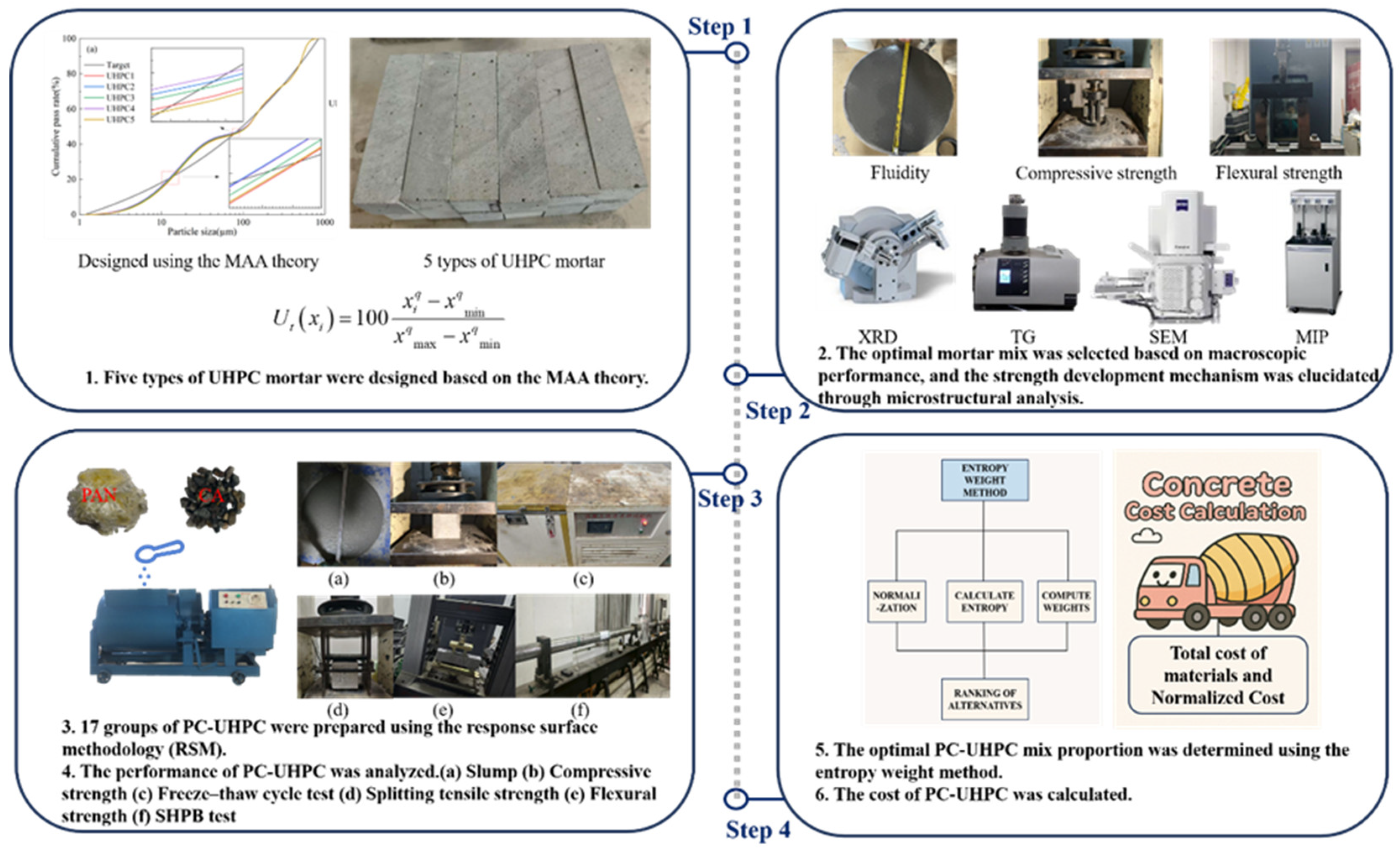
In summary, PAN fibers and CA can reduce the cost of UHPC while maintaining its favorable mechanical performance and durability. Compared with steel-fiber-reinforced UHPC, this type of UHPC can satisfy a wider range of application scenarios and therefore shows broad prospects. However, the existing studies still have the following limitations: (1) PAN fibers have so far been mainly used to enhance and toughen ordinary cement concrete, and reports on their application in UHPC remain scarce; (2) most existing studies reduce the cost of UHPC by regulating a single variable, focusing primarily on the influence of one material parameter on cost, while insufficient attention has been paid to the synergistic relationship between material performance and cost under the combined effects of multiple factors; (3) current research has mainly focused on introducing a single low-cost material into the UHPC system, but most of these studies remain at the level of material substitution or single-factor modification, lacking a systematic analysis of the relationships among mechanical properties, durability, and economic cost. In particular, during the mix design process, a multi-objective optimization framework that simultaneously considers multiple performance indicators and cost constraints has not yet been fully established. Based on this, the present study first designed UHPC mortar using particle packing theory and analyzed its strength formation mechanism. Subsequently, Polyacrylonitrile fiber-CA UHPC was prepared through response surface methodology, and its workability, mechanical properties, and durability were systematically evaluated. Then, entropy weight theory was employed for multi-objective optimization to determine the optimal PCUHPC mixture proportion in terms of workability, mechanical performance, durability, and cost. Finally, the price of the optimal mixture was compared with that of currently mainstream UHPC. The UHPC developed in this study exhibits a clear cost advantage while maintaining good mechanical performance and durability, providing an economically feasible new material solution for expanding the application of UHPC in a wider range of engineering scenarios. The experimental design workflow is illustrated in
Figure 1.
2. Materials and Methods
2.1. Materials
The chemical compositions and technical properties of PO 52.5 Portland cement (Zhongsha Cement Co., Ltd.; Shannxi, China), Grade I fly ash (Sunward Building Materials Co., Ltd., Shannxi, China), and silica fume (Silicon Materials Co., Ltd., Shannxi, China) are presented in
Table 1. All performance indicators of the cement complied with the relevant requirements of GB 175-2007 [
40], those of the silica fume complied with GB/T 27690-2011 [
41], and those of the fly ash complied with the requirements of GB/T 1596-2017 [
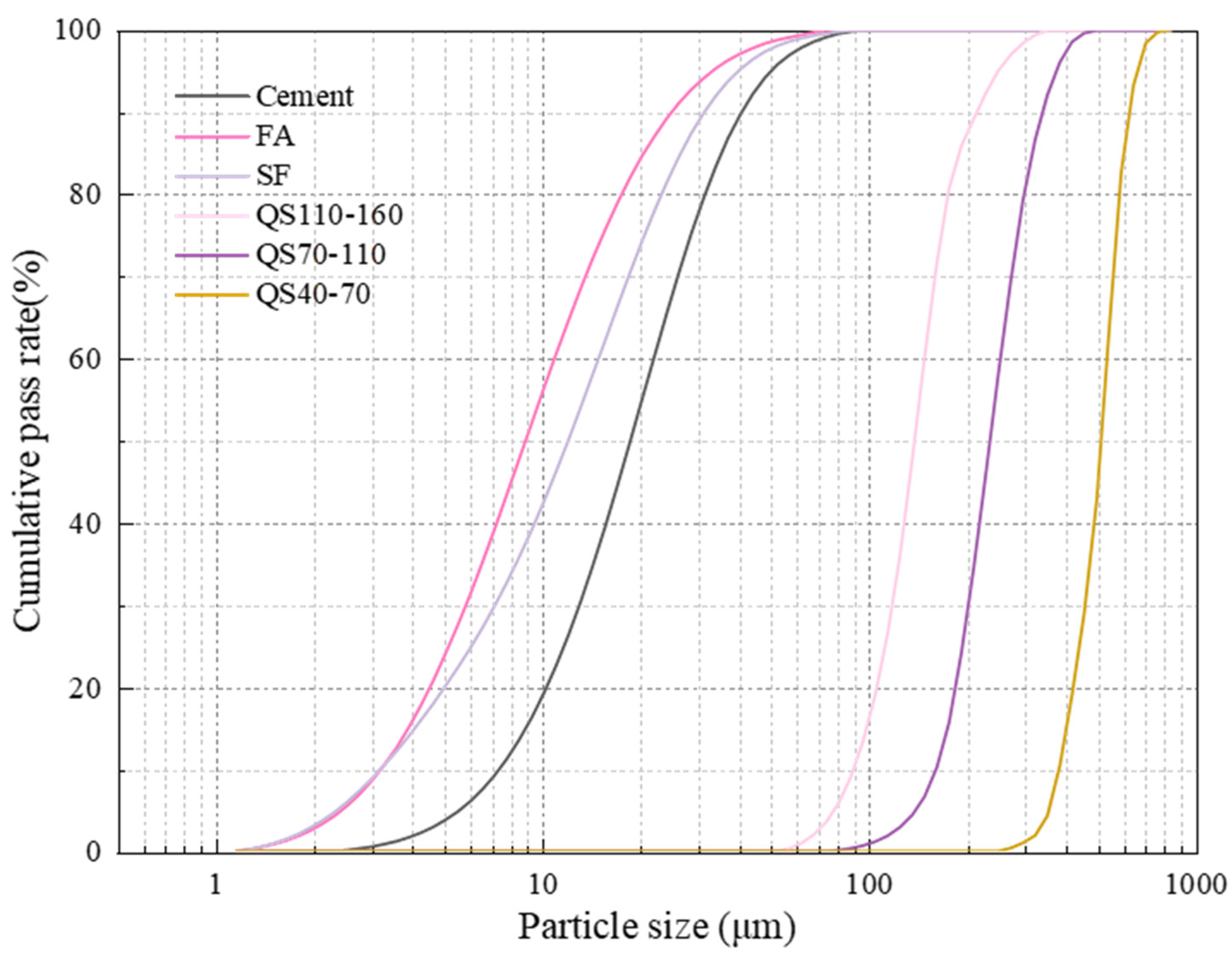
42]. The technical specifications of quartz sand with particle sizes of 40–70 mesh, 70–110 mesh, and 110–160 mesh used in this study are shown in
Table 2. All performance indicators of the quartz sand complied with the relevant provisions for aggregates used in UHPC preparation specified in GB/T 31387-2015 [
43]. Their particle size distribution is illustrated in
Figure 2. Their particle size distribution is illustrated in
Figure 2.
Limestone coarse aggregate (CA) (Guangshan Stone Processing Factory Co., Ltd.; Laiyang, Shannxi, China) with a particle size of 5–10 mm was used in this study, and its technical properties are presented in
Table 3. The technical properties of the limestone coarse aggregates used complied with the requirements of GB/T 14685-2022 [
44]. The properties of the PAN fibers (Yuanwang Group, Shandong, China) are listed in
Table 4. Their performance should comply with the requirements of GB/T 21120-2018 [
45], and the basic fiber specifications may refer to GB/T 16602-2008 [
46].
The properties of the PAN fibers are listed in
Table 4. The polycarboxylate superplasticizer (Xingzhenghe Chemical Co., Ltd.; Liaoning, China) exhibited a water-reducing efficiency greater than 30%, and its detailed technical specifications are provided in
Table 5. All performance indicators of the superplasticizer complied with the relevant provisions for superplasticizers used in UHPC preparation specified in GB/T 31387-2015.
2.2. Test Methods for UHPC Mortar Properties
The preparation procedure of UHPC mortar was as follows: ① Before formal mixing, the inner wall and blades of the planetary mortar mixer (Jitong technology, Shen Zhen, China) were pre-wetted to reduce fluctuations in the water-to-binder ratio caused by water adsorption on the equipment surface during mixing. ② Cement, silica fume, fly ash, and quartz sand were then accurately weighed according to the designed mix proportion. After weighing, these components were sequentially added into the mixer and dry-mixed for 1 min to ensure thorough blending of the cementitious materials and fine aggregate. ③ After dry mixing, the pre-prepared superplasticizer solution was mixed uniformly with 90% of the total mixing water and then slowly poured into the mixer. The mixture was stirred at low speed for 3 min to avoid local agglomeration or lump formation caused by adding the liquid all at once. Subsequently, the remaining 10% of the mixed liquid was added into the mixer, followed by low-speed mixing for 30 s to further regulate the flow state of the paste and promote the uniform dispersion of incompletely wetted particles. The mixer was then switched to high speed for 5 min until the paste reached a uniform, dense, and highly workable state. ④ Once the mixture surface appeared uniformly glossy, free of visible dry powder and agglomerates, and exhibited stable flowability, it was immediately cast into molds. During casting, the freshly mixed UHPC mortar was poured continuously or in layers into pre-cleaned molds and compacted on a vibrating table to avoid void defects. Finally, the specimen surface was leveled with a scraper to ensure a dense and smooth finish and then covered with plastic film or protected by other moisture-retaining measures to prevent early moisture loss.
The flowability test was conducted in accordance with GB/T 2419-2005 [
47] Test Method for Fluidity of Cement Mortar. Compressive strength and flexural strength were measured following GB/T 17671-2021 [
48] Method of Testing Cements-Determination of Strength (ISO Method), with loading rates of 2.4 kN/s and 50 N/s for compressive and flexural tests, respectively.
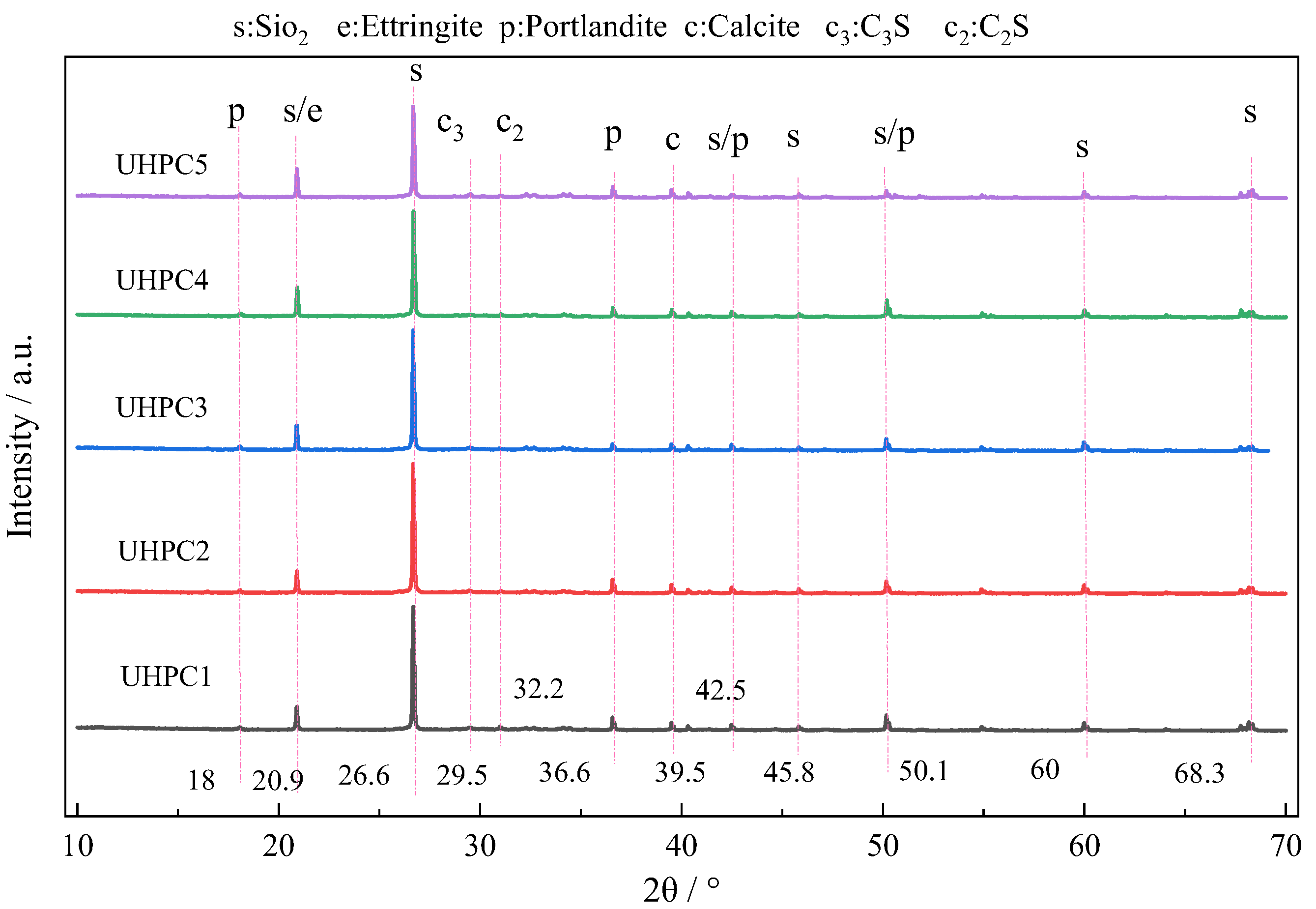
X-ray diffraction (XRD) analysis was performed using a Bruker D8 Advance diffractometer (Bruker, Karlsruhe, Germany). The operating voltage and current were 40 kV and 35 mA, respectively. The scanning range was 5–60°, with a step size of 0.02 °and a scanning speed of 0.3 s per step.
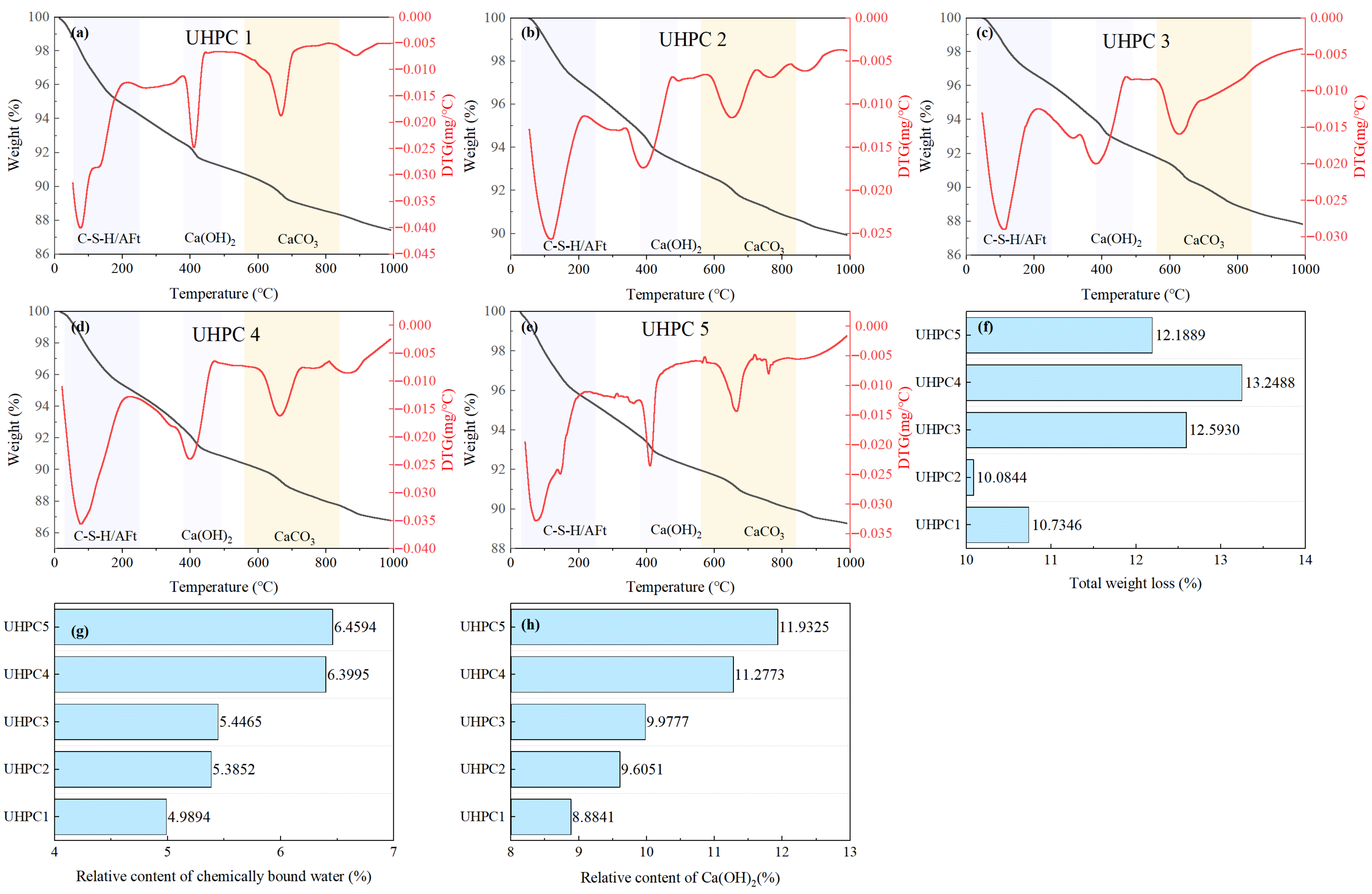
Thermogravimetric-differential scanning calorimetry (TG-DSC) tests were carried out using an STA449F3 synchronous thermal analyzer (Netzsch, Selb, Germany) to determine the Ca(OH)
2 content and chemically bound water content of hardened composite cementitious samples. The calculation methods are provided in Equations (1) and (2). Tests were conducted under a nitrogen (N
2) atmosphere over a temperature range of 30–800 °C at a heating rate of 10 °C/min, with both purge and protective gas flow rates set at 20 mL/min. Prior to testing, all samples were ground, passed through a 200-mesh sieve, and dried in a vacuum oven at 50 °C for 24 h.
where
represents the chemically bound water content (%);
represents the calcium hydroxide content (%);
,
,
denote the mass losses (%) in the three corresponding stages;
,
,
are the relative molecular masses of the respective chemical compounds.
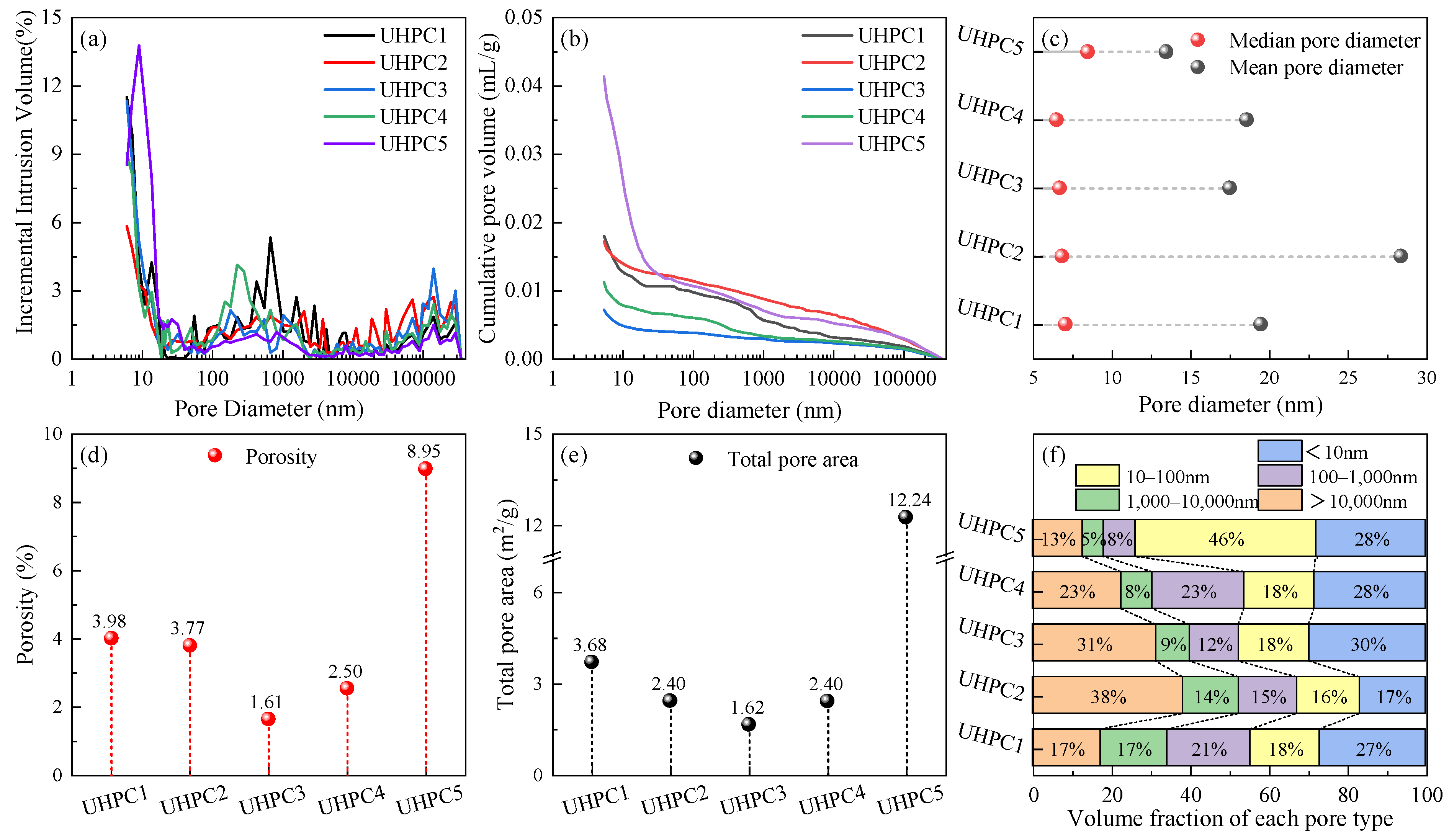
The porosity and pore size distribution of the specimens were determined using a Micromeritics Autopore V 9505 high-performance automatic mercury intrusion porosimeter (Micromeritics Instrument Corporation, GA, USA). For each measurement, approximately 1 g of sample was placed into a dilatometer. Prior to mercury intrusion, the chamber was evacuated to remove air from the pores, and mercury was then injected under an absolute pressure of 60,000 psia.
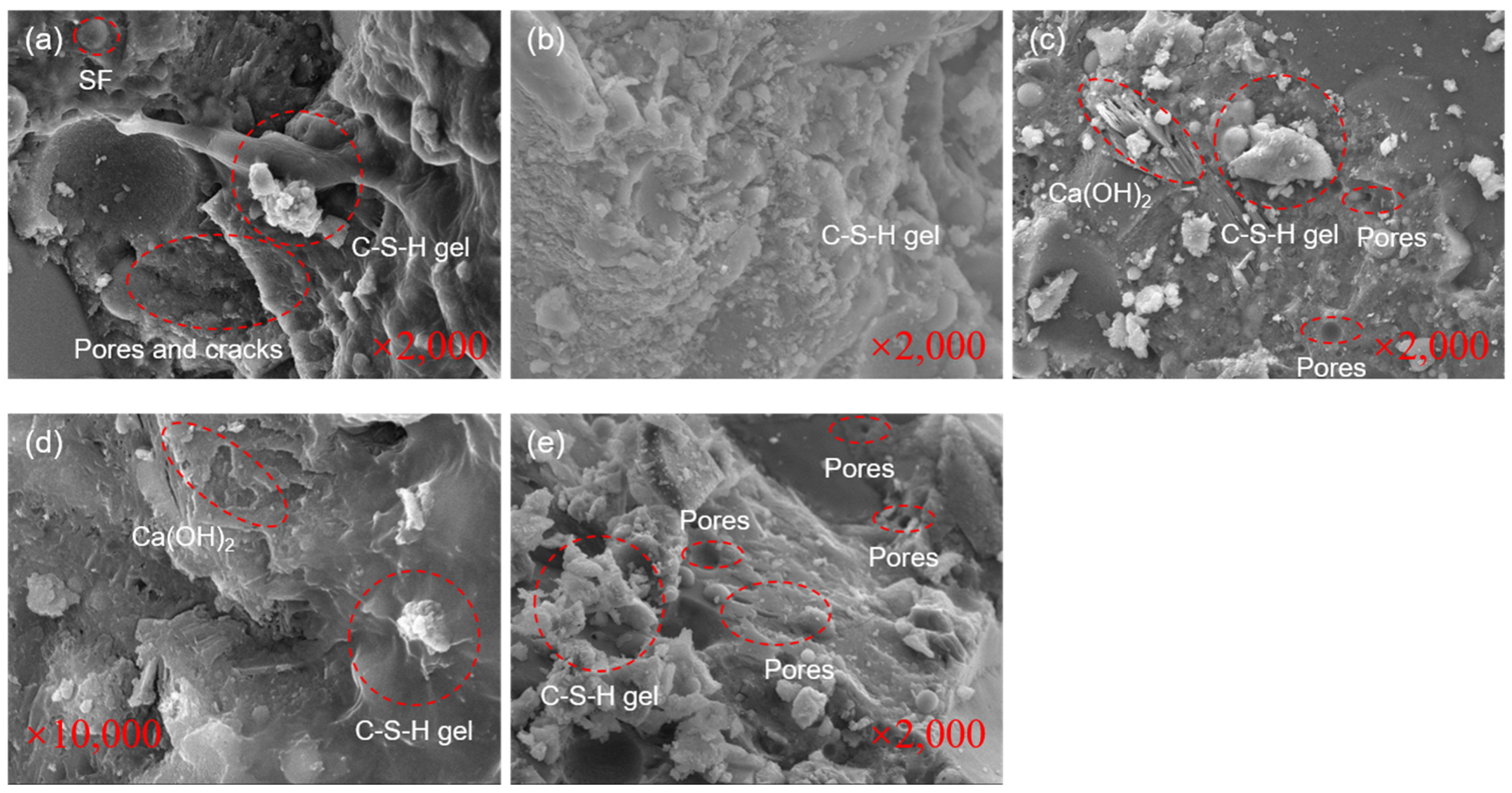
Scanning electron microscopy (SEM) analysis was conducted using a Zeiss Gemini 300 microscope (Carl Zeiss, Oberkochen, Germany) operating in secondary electron mode under high vacuum with an accelerating voltage of 2 kV. The SEM samples were dried at 55 °C for 12 h prior to testing. Multiple regions were examined to ensure that the observed microstructures were representative of the samples.
A detailed illustration of the experimental images of UHPC mortar has been provided in
Figure 1.
2.3. Test Methods for PCUHPC Properties
In this study, following the method proposed by Wang [
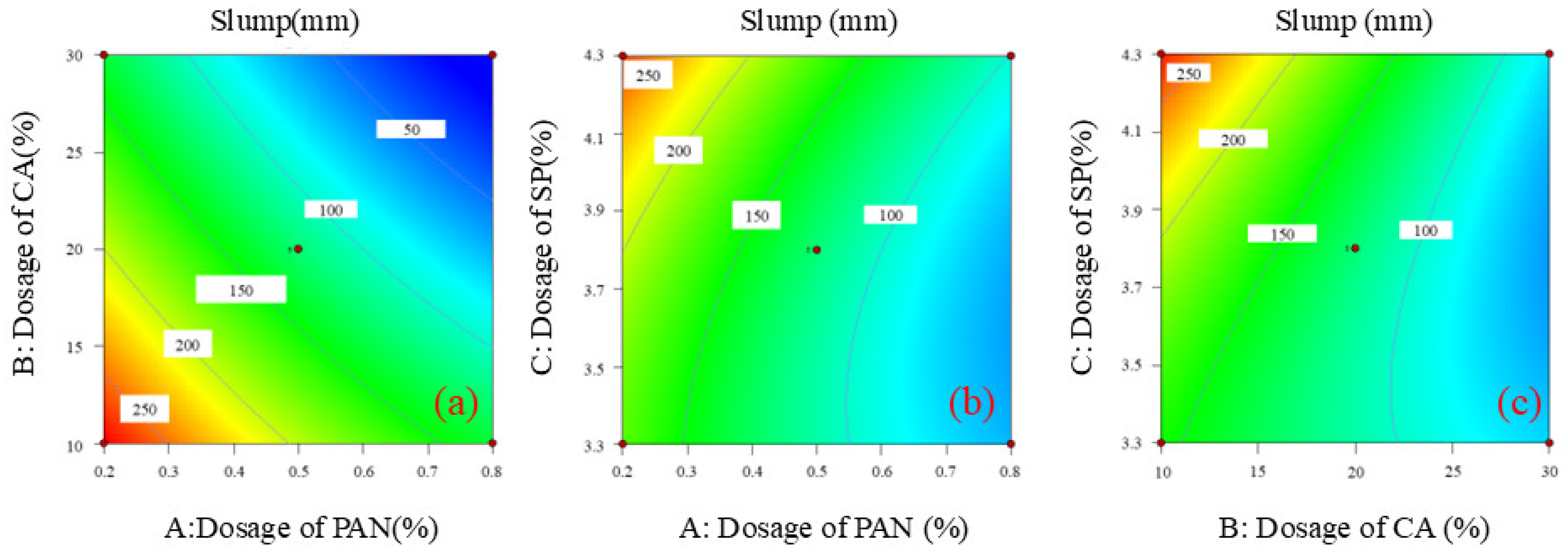
49], coarse aggregates were incorporated by replacing UHPC mortar with an equal volume proportion. The slump test was conducted in accordance with GB/T 50080-2016 [
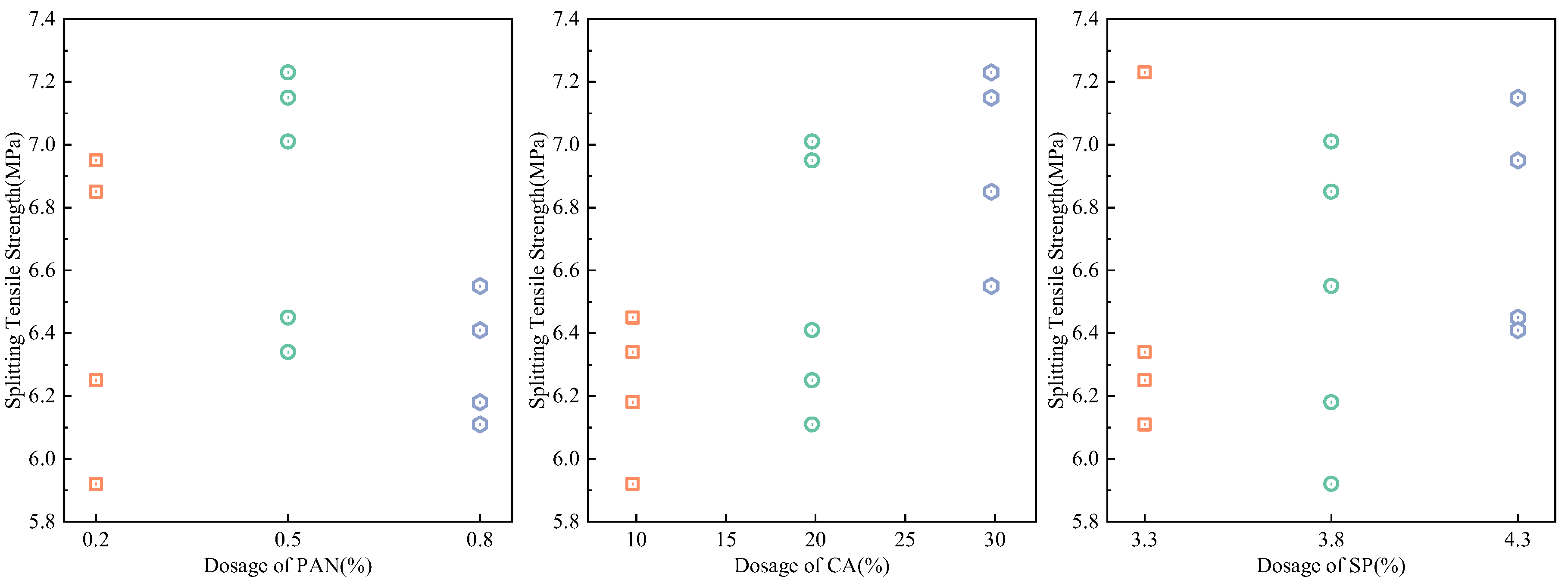
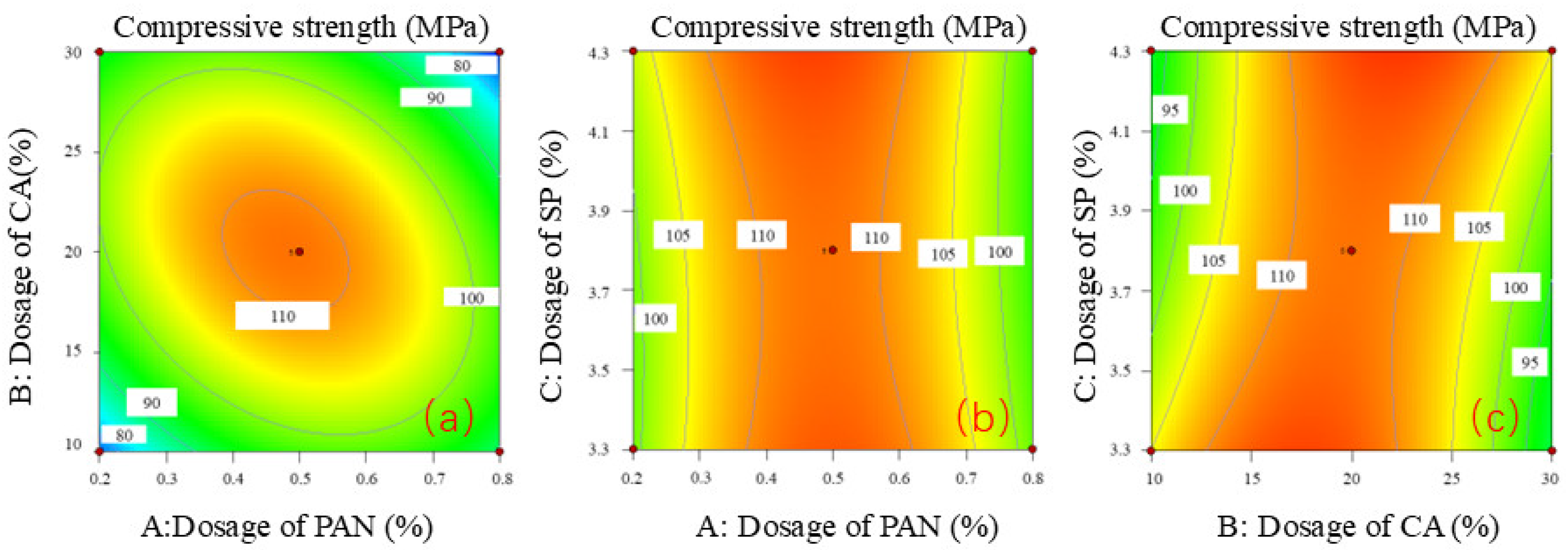
50] to evaluate the workability of each concrete mixture. The compressive strength, flexural strength, and splitting tensile strength tests were carried out according to JTG 3420-2020 [
51].
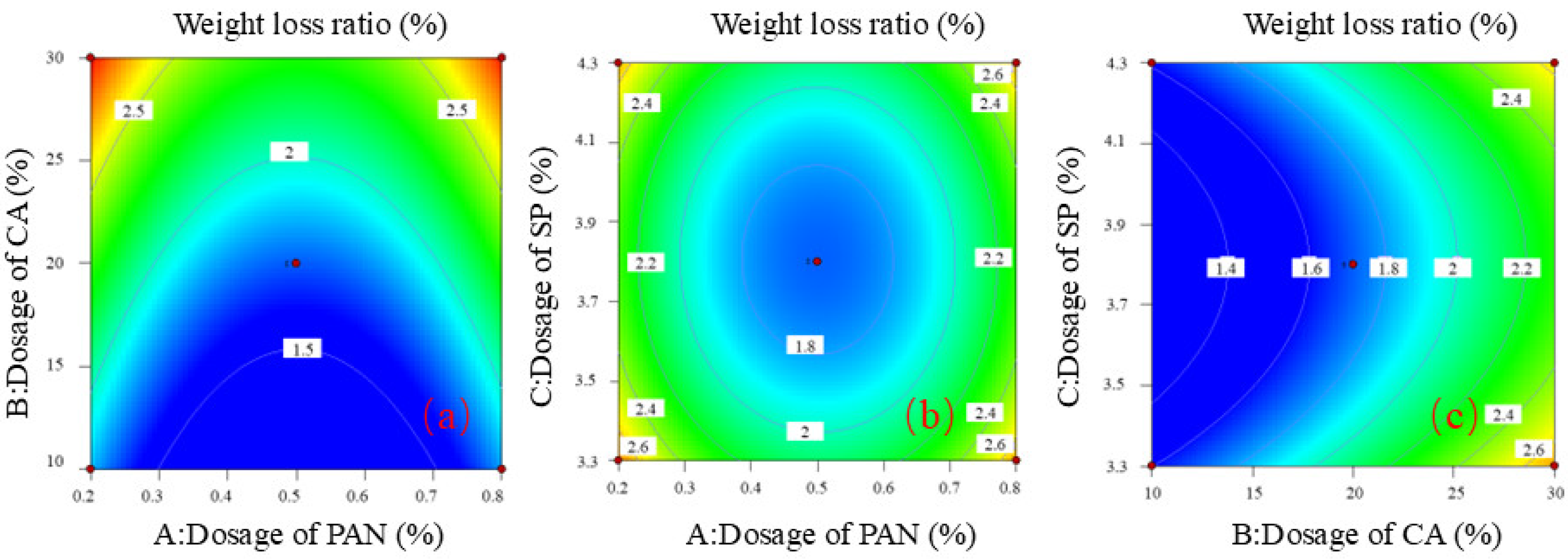
Freeze–thaw resistance was evaluated using the rapid freezing method specified in GB/T 50082-2009 [
52], with 300 freeze–thaw cycles applied within a temperature range of −18 °C to 5 °C. The freeze–thaw resistance of UHPC was evaluated based on the mass loss rate of the specimens before and after freeze–thaw cycling.
The impact test was performed based on the method provided by Chi [
53]. A split Hopkinson pressure bar (SHPB) apparatus was used to investigate the dynamic impact performance of the concrete. The specimen dimensions were 50 mm in diameter and 25 mm in height. The test was conducted under an air pressure of 0.26 MPa, corresponding to an approximate strain rate of 150 s
−1. According to the one-dimensional stress wave theory, the instantaneous strain rate of the specimen can be calculated from the incident, reflected, and transmitted wave signals. Under the condition of dynamic stress equilibrium at both ends of the specimen, the strain rate can be expressed by Equation (3) [
54]. It should be noted that the strain rate of the specimen is usually not strictly constant, which is related to the characteristics of the testing apparatus used.
where
is the strain rate;
is the wave velocity in the pressure bar, in m/s;
is the specimen thickness, in m;
is the reflected tensile wave.
A detailed explanation of all the experimental images for the above PCUHPC tests has been provided in
Figure 1.
5. Conclusions
This study addresses the high cost of UHPC, which limits its engineering application, by developing a low-cost PCUHPC suitable for practical use through a two-stage design approach. The main conclusions are as follows:
① Mix proportions derived solely from dense particle packing theory do not necessarily correspond to optimal workability and mechanical performance of UHPC. Therefore, further concrete-scale mix design based on an optimized mortar matrix is required to achieve coordinated multi-performance optimization.
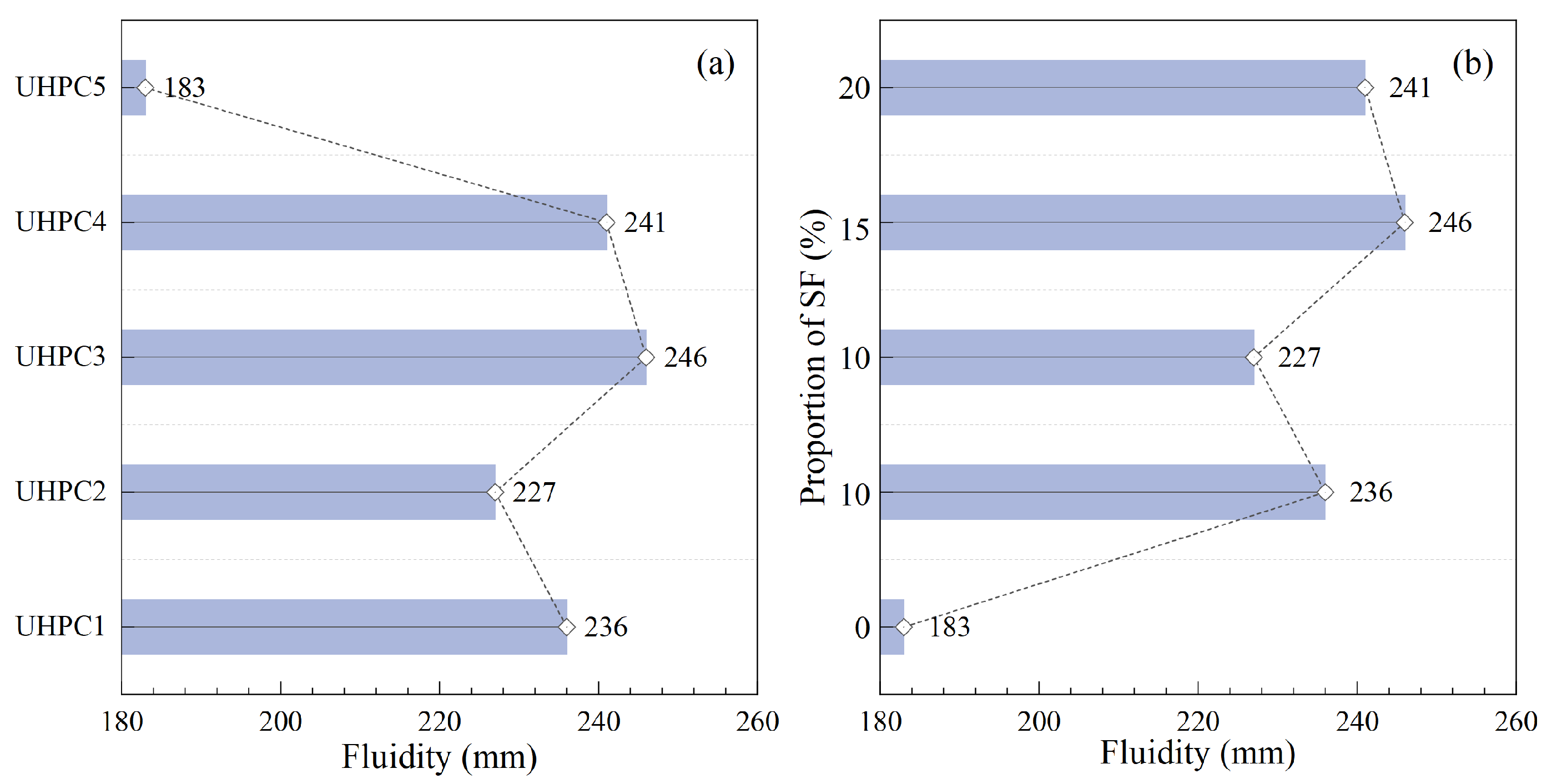
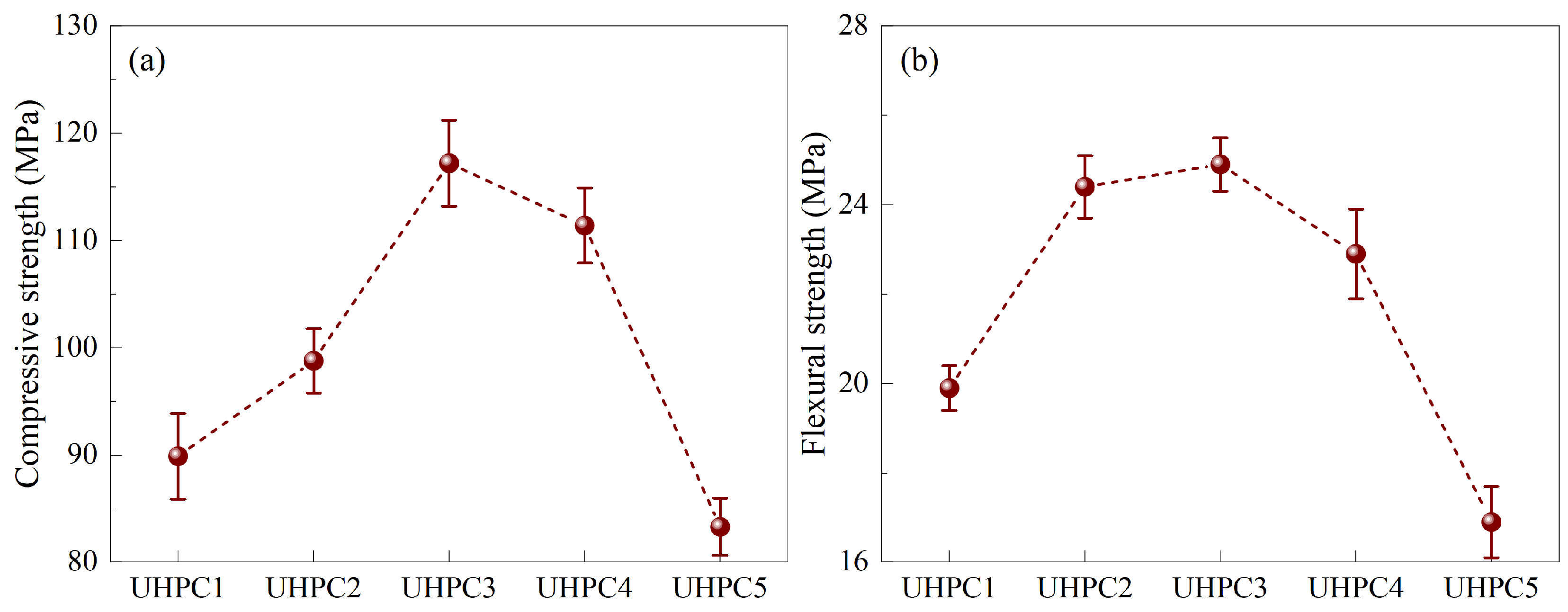
② In this study, the mortar containing 15% silica fume and 61.4% cement exhibited the best flowability, compressive strength, and flexural strength. The incorporation of silica fume reduced the porosity of the matrix, promoted the formation of C-S-H gel, and improved the structural integrity of the interfacial transition zone.
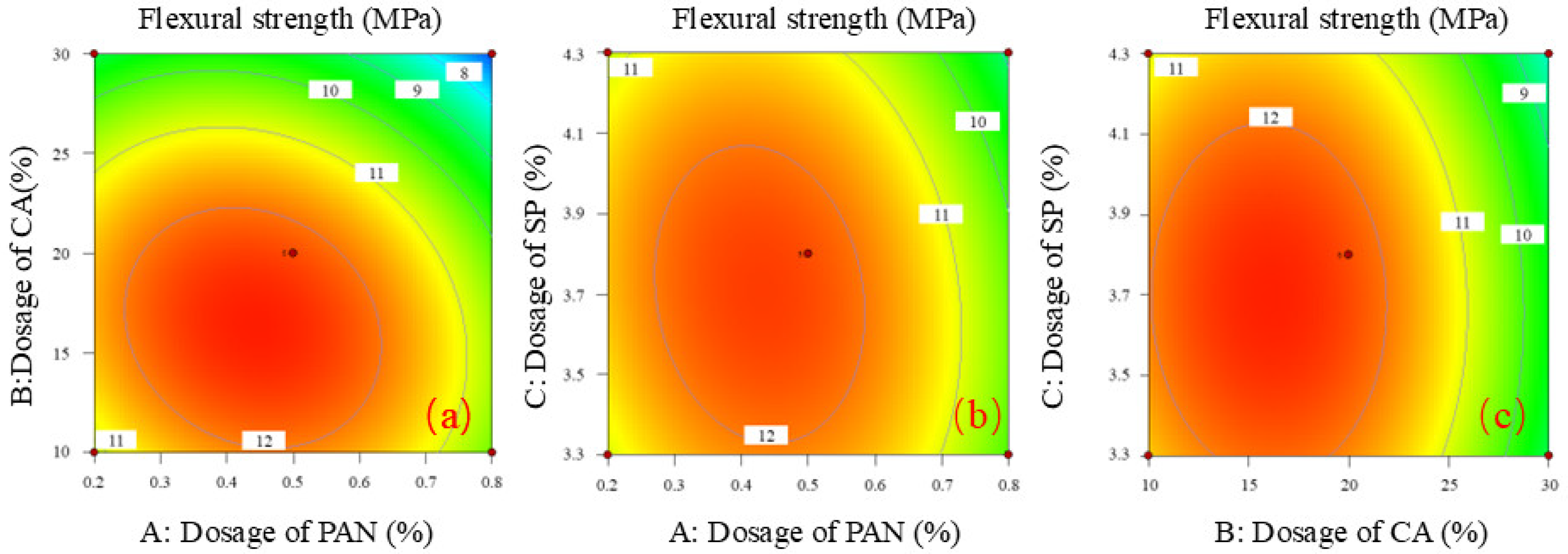
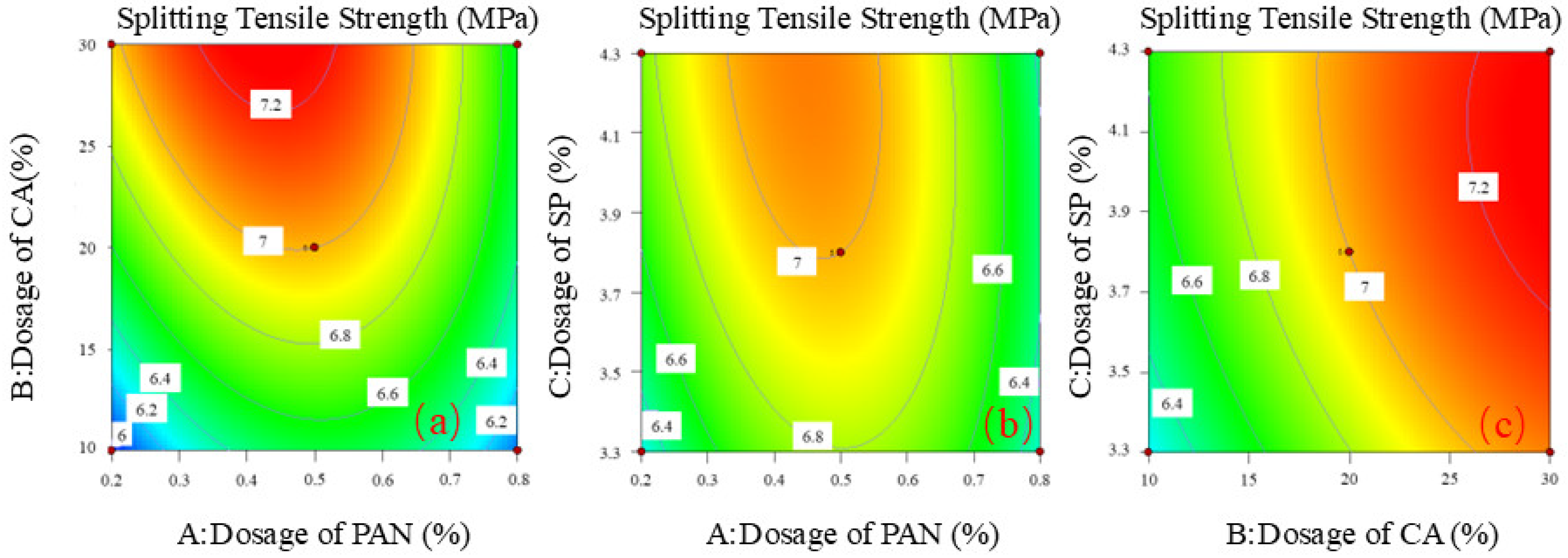
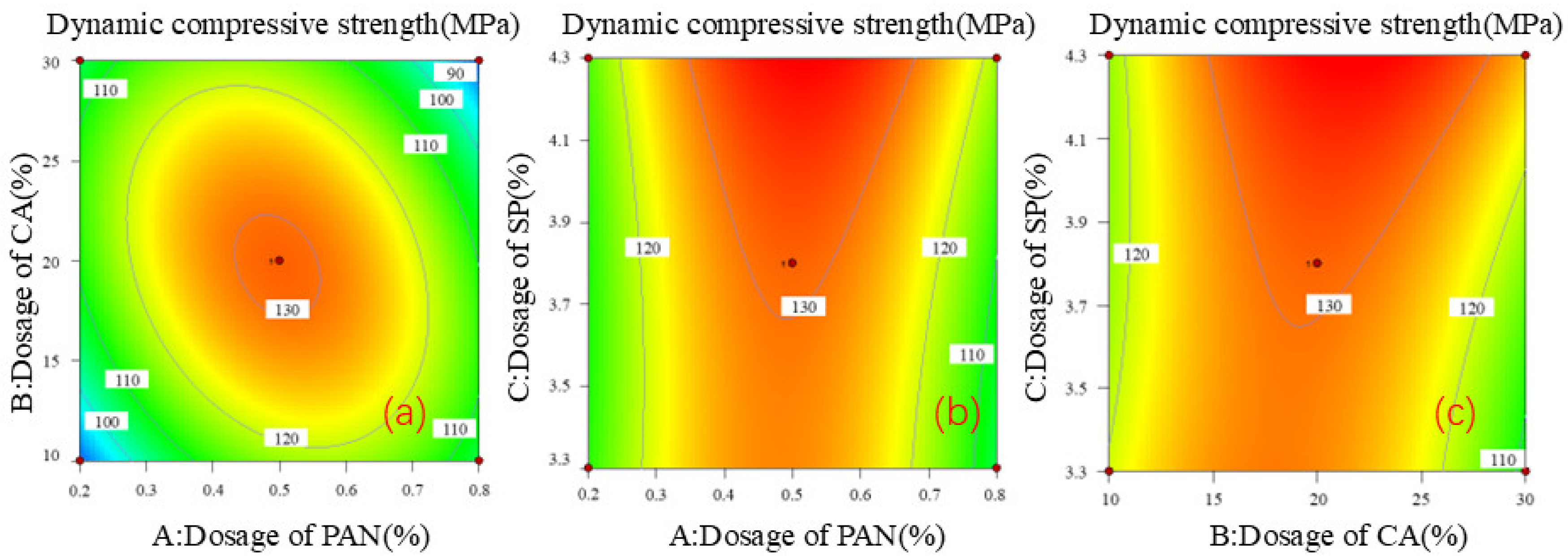
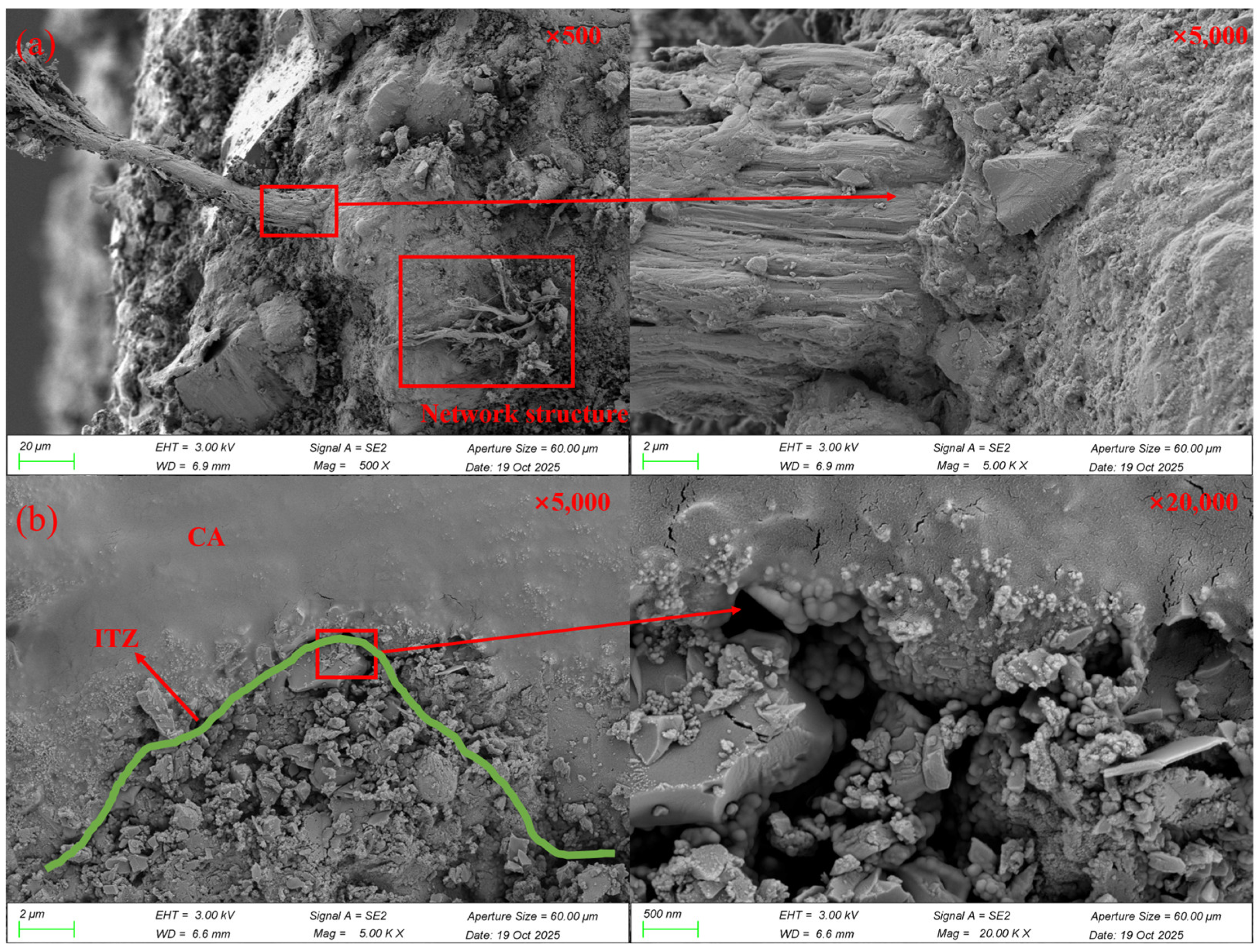
③ When the PAN fiber content was 0.5%, the coarse aggregate content was 20%, and the superplasticizer dosage was 3.8%, the prepared PCUHPC exhibited the best overall performance. At around 0.5%, PAN fibers effectively bridged microcracks, mitigated damage propagation under freeze–thaw cycles, and significantly improved tensile strength, impact resistance, and durability. A CA content of approximately 20% enabled the formation of a stable skeletal structure, enhancing compressive and splitting tensile strength, while also demonstrating a synergistic strengthening effect in systems with low fiber content.
④ Excessive PAN fiber content or an overly high CA dosage can introduce interfacial defects and fiber agglomeration, thereby weakening the overall performance. The incorporation of coarse aggregates has a noticeably adverse effect on the freeze–thaw resistance of PCUHPC. Meanwhile, a superplasticizer dosage of around 3.8% significantly improves paste dispersion and fiber distribution uniformity, alleviating the workability deterioration caused by high PAN and CA contents; however, excessive usage may result in bleeding, segregation, and localized defects.
⑤ The unit cost of PCUHPC was reduced by 81.7% compared with conventional UHPC and by 14.6% compared with the matrix, while the normalized cost decreased by 75.4% relative to conventional UHPC and by 8.3% relative to the matrix.