1. Introduction
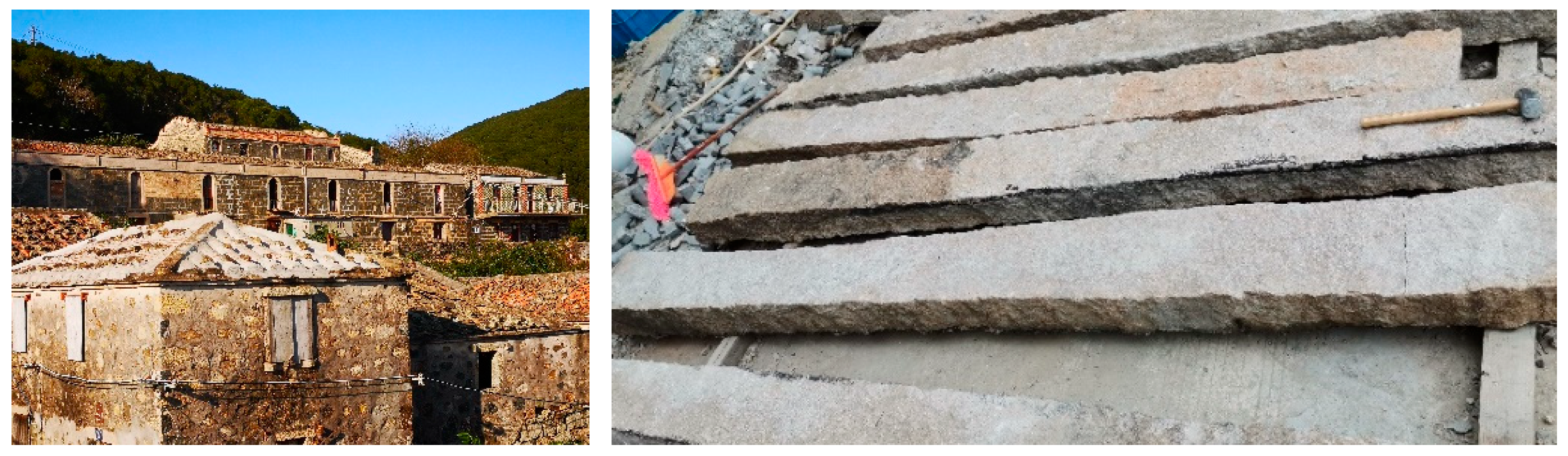
Stone structure buildings, as a distinctive typology of human settlements, serve as a concentrated manifestation and vivid epitome of regional culture and history. Perpetuated through both tangible and intangible forms, these structures constitute valuable architectural heritage endowed with profound historical significance and rich cultural connotations [
1,
2,
3] (see
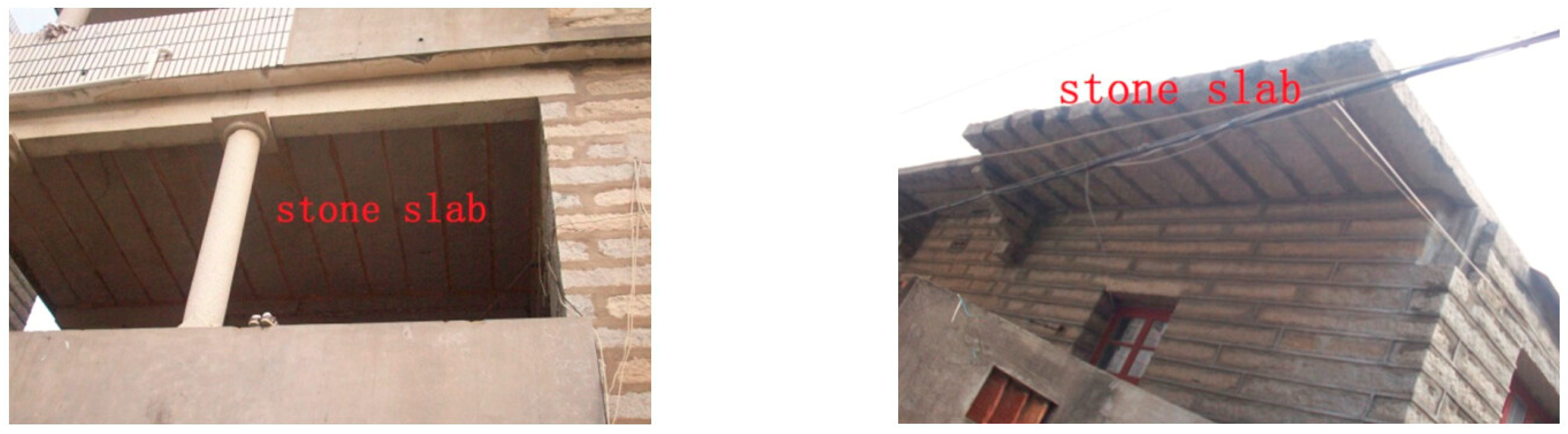
Figure 1). In China, a substantial proportion of extant stone structure buildings utilize stone beams as horizontal load-bearing elements [
4], as illustrated in
Figure 2. Under bending moments, stone beams are prone to brittle failure owing to their inferior tensile strength and high sensitivity to defects [
5,
6,
7,
8,
9]. Consequently, the absence of timely and effective strengthening measures poses a severe threat to the safety of occupants’ lives and property [
10,
11].
To realize the livable objectives of “high-quality housing, communities, neighborhoods, and urban areas,” China has proactively proposed the concept of urban renewal [
12]. The core of this initiative lies in reconfiguring spatial resources within built-up areas through maintenance, renovation, demolition, and other interventions. This process aims to mitigate “urban diseases,” such as functional obsolescence and deteriorating infrastructure in old urban districts, while simultaneously preserving historical and cultural heritage.
Current research on the strengthening of stone beams primarily focuses on enhancing flexural deformation capacity, mitigating brittle failure modes, and improving flexural bearing capacity [
12,
13,
14,
15,
16,
17,
18,
19,
20,
21,
22,
23,
24,
25,
26]. Diverse strengthening techniques have been developed based on varying reinforcement materials and construction methodologies. These methods predominantly include Externally Bonded (EB) Fiber-Reinforced Polymer (FRP) Laminates [
13,
14,
15], Near Surface Mounted (NSM) reinforcement [
16,
17,
18,
19], prestressing techniques [
7,
20,
21,
22,
23,
24,
25], external steel angles [
10,
26,
27], and reinforced mortar [
28].
The EB FRP laminate technology involves bonding high-strength, lightweight composite materials—such as Carbon Fiber-Reinforced Polymer (CFRP) or Glass Fiber-Reinforced Polymer (GFRP)—to the tensile and shear zones of flexural members using organic adhesives (e.g., epoxy resin). This process enhances the flexural and shear bearing capacity of the members while improving their overall stiffness. As reported in Refs. [
13,
14], researchers in China have conducted experimental studies on curved stone beams strengthened with EB CFRP to address the practical requirements for strengthening stone beams in Chinese historical buildings. The test results demonstrate that the strengthened beams exhibit the following characteristics: (1) a transition towards partial ductile failure modes; (2) a significant improvement in ultimate bearing capacity and flexural deformation capability; and (3) the ability to maintain a certain level of load-bearing capacity after reaching the ultimate load due to the sustained action of the CFRP layer. This characteristic, often referred to as residual capacity, helps prevent sudden collapse and thereby avoids potential catastrophic consequences. Subsequently, Fayala et al. [
15] conducted an in-depth investigation into the strengthening efficacy of EB GFRP on eight 1024 mm long stone beams, utilizing monotonic loading tests combined with finite element (FE) analysis. The results indicate that, compared to unstrengthened beams, those strengthened with GFRP achieve significant enhancements in both bearing capacity and ductility.
Building upon the EB strengthening technology, the NSM strengthening method has been developed. This technique involves cutting grooves on the surface of the structural member, placing steel or FRP bars into these grooves, and subsequently filling them with a suitable bonding material—typically epoxy mortar or cement paste—for fixation. Compared to traditional EB methods, the NSM technique offers several distinct advantages, including reduced on-site installation work, enhanced durability due to the protective cover, a lower risk of peeling from the substrate, greater ease in applying prestress, and minimal impact on the structural appearance [
29]. Liu et al. [
16] experimentally investigated the flexural performance of three granite beams strengthened with CFRP bars using the NSM technique. Their results indicated that embedding CFRP bars in the bottom tensile zone significantly improves the flexural bearing capacity and ductility of stone beams. While the bearing capacity of the strengthened beams increases with the CFRP reinforcement ratio, an excessively high ratio alters the failure mode from flexural to shear failure. Zhang et al. [
17,
18] noted that although the NSM method minimally affects the appearance of stone beams, its on-site implementation presents significant challenges. To address these issues, they proposed an improved NSM method utilizing prefabricated CFRP-reinforced composite panels and evaluated the flexural performance through four-point bending tests. The procedure comprises the following steps: (1) fabricating thin stone slabs using material identical to the original beam; (2) cutting grooves in these slabs and embedding CFRP bars to form strengthening panels; and (3) bonding the prefabricated panels to the tensile surface of the beam to enhance its flexural capacity. Experimental results demonstrated that the crack resistance load increased by 30–40%, and no debonding was observed at the panel–beam interface during loading. Subsequently, Ye et al. [
19] proposed a strengthening technology combining prefabricated stone slabs and CFRP strips to improve flexural performance while preserving the original aesthetic of the exposed stone. Experiments revealed that this technology significantly enhanced the bearing capacity and deformation capacity of the stone beams, with flexural strength increasing in correlation with the polymer reinforcement ratio.
Prestressing technology has been widely utilized in the strengthening of reinforced concrete beams [
30,
31] and steel–concrete composite beams [
32]. In recent years, scholars have extended the application of this technology to the field of stone beam strengthening, primarily employing materials such as steel strands and CFRP bars to apply prestress. Sebastian et al. [
24] conducted experimental studies on segmental stone beams strengthened with a single prestressed steel strand and found that the application of prestress effectively delays interface cracking at the mid-span mortar joint until approximately 40% of the peak load. Pedreschi [
20] achieved prestress fixation by drilling holes in the stone beam, inserting steel strands, and securing them directly with nuts. This method significantly improved the flexural performance of the stone beam by approximately 50%. Ye et al. [
7,
21,
22] and Miao et al. [
25] integrated the aforementioned NSM method with prestressing technology to conduct in-depth investigations into the flexural performance of stone beams strengthened with prestressed CFRP bars. The experimental results demonstrate that: (1) the application of prestressed CFRP bars alters the failure mode of the stone beam from brittle fracture to ductile failure, thereby greatly enhancing its ultimate bearing capacity [
7,
21,
22,
25]; and (2) compared to beams strengthened with non-prestressed CFRP bars, prestressed beams exhibit a higher cracking load and reduced maximum crack width [
22,
25]. Building on these findings, Miao et al. [
23] substituted steel strands for CFRP bars in similar experiments and observed consistent trends.
The external angle steel strengthening method involves the longitudinal attachment of angle steel sections to the four corners of a stone beam. Cardani et al. [
26] and Xie et al. [
10] experimentally evaluated the flexural performance of stone beams strengthened using external angle steel combined with Polyethylene Terephthalate (PET) belts. In this configuration, PET strips are tensioned and wrapped around the stone beam to securely integrate the steel angles with the stone substrate. Building on this research, Chen [
27] further investigated the method by substituting the PET strips with steel strips welded to the angle steel. Collectively, these results indicate that the external angle steel strengthening method effectively mitigates the brittle failure characteristics of stone beams and significantly enhances both their flexural capacity and deformation capability.
The steel mesh mortar strengthening technology, originally utilized for reinforced concrete members, has been adapted by Guo et al. [
28] for the strengthening of wide stone slabs. The implementation of this technology comprises three primary stages: first, drilling holes on the bottom surface of the stone slab and anchoring U-shaped connectors within these holes using epoxy resin; second, securely fixing the steel mesh to these connectors; and finally, applying a layer of cement mortar over the steel mesh to form a reinforced mortar layer. Test results indicate that the bond strength between the reinforced mortar layer and the stone substrate is exceptionally high. The ductility of the strengthened stone slabs is significantly improved compared to the unstrengthened state, exhibiting an increase ranging from 7 to 18 times. Furthermore, compared to the unstrengthened specimens, the cracking and ultimate flexural moment capacities of the strengthened stone slabs are increased by more than 30%, respectively.
Although scholars have investigated various stone beam strengthening technologies, these methods exhibit distinct limitations. The EB FRP technology requires a smooth substrate surface; furthermore, exposed FRP demonstrates poor fire resistance and is susceptible to aging caused by ultraviolet radiation. Prestressing and external angle steel strengthening technologies are often difficult to implement in practical engineering, as the layout and configuration of existing structures frequently fail to provide the necessary space for construction. Additionally, NSM and steel mesh mortar strengthening technologies are typically invasive methods; they involve complex construction processes and induce secondary damage to the original stone beams, which is particularly detrimental to already fragile structures. The durability and long-term safety of stone beams strengthened using such methods remain uncertain [
33]. To address the deficiencies of existing methods, the authors propose a non-destructive strengthening technology utilizing High-Strength Steel Strand (HSS) sheets or CFRP meshes combined with polymer mortar, alongside relevant experimental research [
34]. Given the limitations of test samples, the discreteness of stone constitutive relations, and the dimensional variability of the stone beams (attributable to the quarrying techniques of earlier eras), this study conducts a systematic investigation into the influence of different reinforcement materials, reinforcement ratios (
ρ), and reinforcement layer thicknesses (
as) on the flexural performance and comprehensive benefits of strengthened stone beams. This is achieved through FE parametric analysis based on full-scale prototype tests.
2. Test Overview
The stone beam specimens utilized in this study were obtained from a 40-year-old stone structure house in Pingtan County, Fujian Province, China, as shown in
Figure 3. Herein, five representative stone beam specimens drawn from the authors’ previous experimental studies are briefly described: specimens S, C2, C3, G600, and G1200. Each specimen has a clear span (
l) of 2400 mm, with widths (
b) ranging from 235 mm to 282 mm and heights prior to strengthening (
h) ranging from 112 mm to 137 mm. The reinforcement layer thickness (
as) is 10 mm; a detailed description is provided in Ref. [
34]. The specimen types S, C, and G represent unstrengthened stone beams, specimens strengthened with CFRP meshes + polymer mortar, and specimens strengthened with HSS sheets + polymer mortar, respectively (see
Figure 4). Specifically, C2 and C3 denote specimens strengthened with 2 and 3 layers of CFRP mesh, respectively, while G600 and G1200 denote specimens strengthened with a single layer of G600-type and G1200-type HSS sheets, respectively. The reinforcement ratio (
ρ), which indicates the strengthening effect of the reinforcement material on the stone beam, is defined in Equation (1), with
ρ values ranging from 0.94 to 2.71.
where
and
(=
b ×
h) are the cross-sectional areas of the reinforcement material and unreinforced stone beam, respectively,
denotes the compressive strength of the stone, and
represents the tensile strength of the reinforcement material.
The material properties of the constituent materials used in the experiment are as follows: the stone has a compressive strength of 151.92 MPa, a tensile strength of 15.0 MPa, and an elastic modulus of 39.78 GPa; the polymer mortar exhibits a compressive strength of 64.10 MPa, a tensile strength of 7.85 MPa, and an elastic modulus of 30 GPa; the FRP possesses a tensile strength of 4405 MPa and an elastic modulus of 285 GPa; and the HSS demonstrates a tensile strength of 3124 MPa and an elastic modulus of 193 GPa.
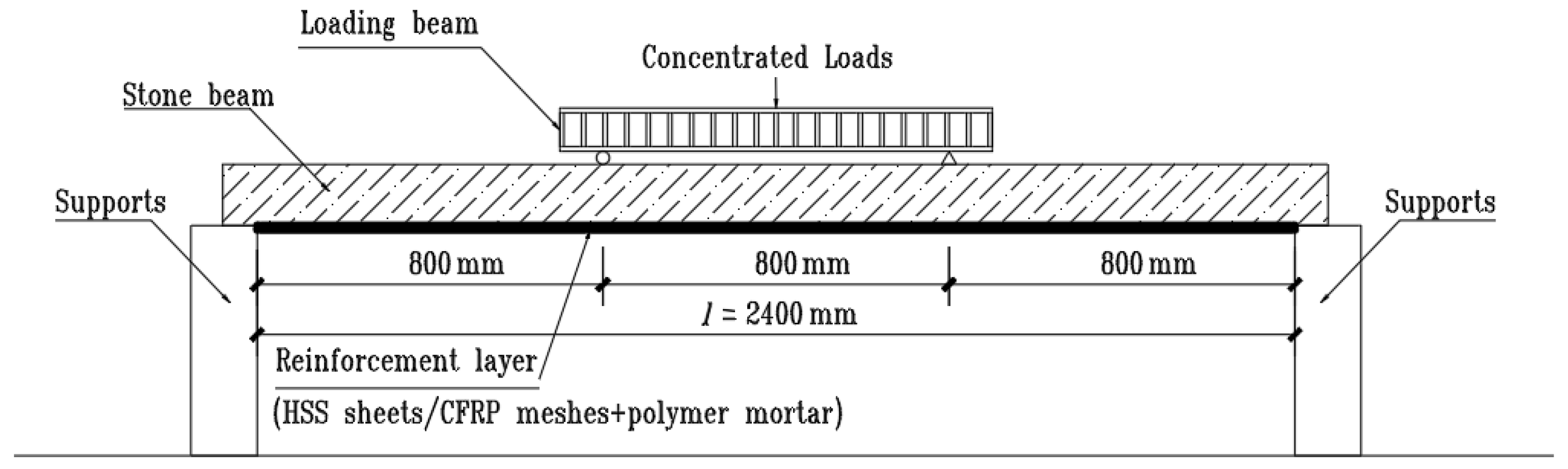
Figure 4 presents a schematic diagram of the test loading setup. The specimens were subjected to four-point bending using a hydraulic servo-controlled actuator. To mitigate localized compressive failure at the loading points, steel plates were installed beneath the rollers of the distribution beam, which were positioned at the trisection points of the clear span (
l) of the stone beam. To simulate the actual interfacial contact conditions of stone beams in masonry structures, the specimens were positioned directly on rigid block supports at both ends [
34]. During the loading process, a monotonic step loading protocol was adopted, and loading was applied by gradually increasing displacement until the stone beam specimen failed.
3. Establishment of FE Model
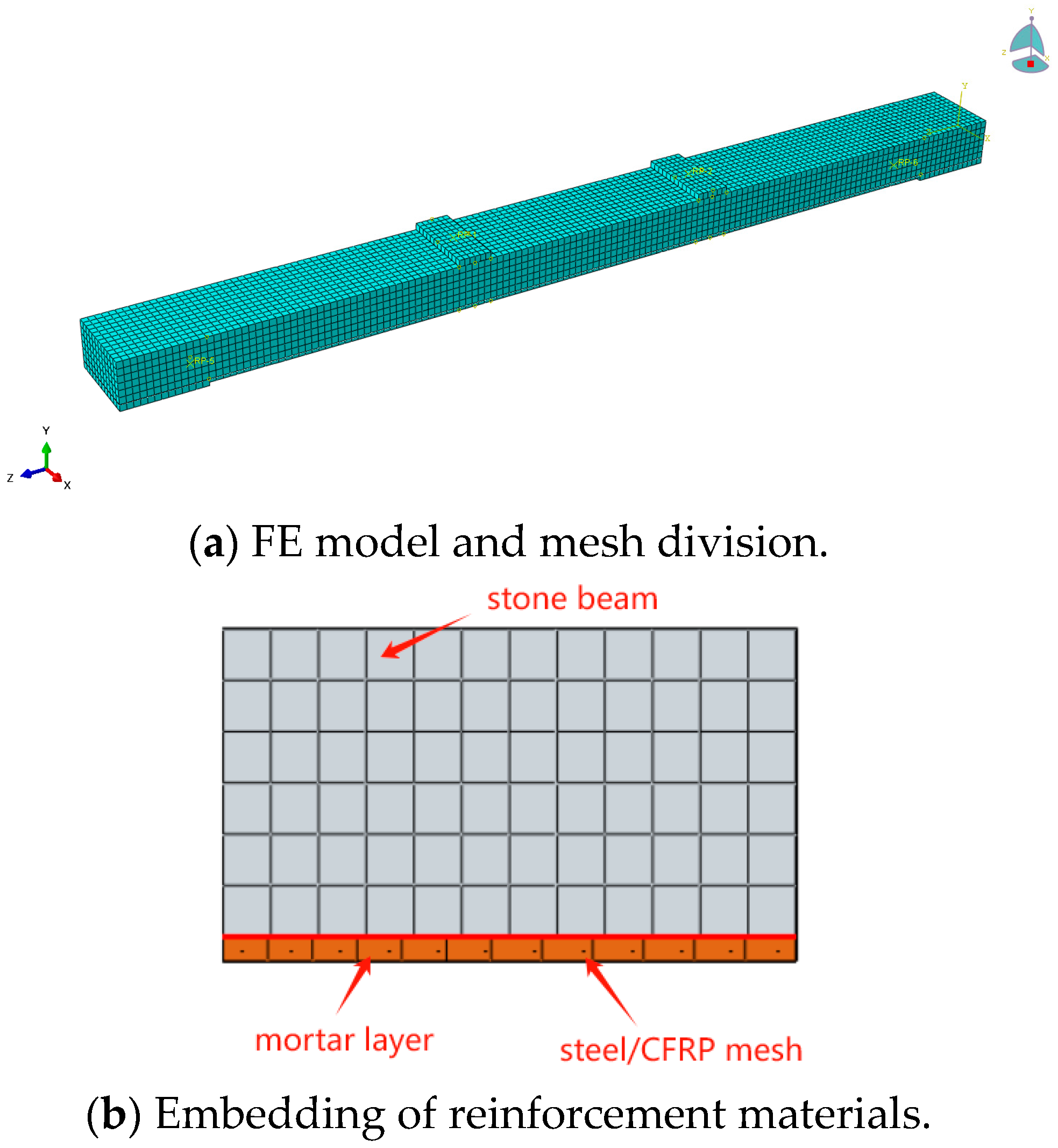
The geometry of the FE model for the nondestructively strengthened stone beam is illustrated in
Figure 5a. To enhance computational efficiency, both the original stone beam and the polymer mortar are simplified as rectangular sections. Given the satisfactory interfacial bonding performance observed between the HSS sheets/CFRP meshes and the polymer mortar during the experiment, the interaction between them is modeled using the “Embedded Region” function in ABAQUS 2024 software. Specifically, the HSS sheets/CFRP meshes are embedded within the polymer mortar (see
Figure 5b), thereby neglecting relative slip between the interfaces.
3.1. Selection of Model Elements and Mesh Division
In the FE model developed in this study, both the stone beam and the polymer mortar are simulated using linear reduced-integration solid elements (C3D8R). Meanwhile, to ensure effective force transfer, both the HSS sheets and the CFRP meshes are modeled using linear truss elements (T3D2).
To improve the computational convergence of the FE model and accurately capture the mechanical responses of stone beams during the cracking process, the mesh for the stone beams was generated with a uniform spacing of 20 mm in all directions. For the polymer mortar layer, the mesh was seeded based on its thickness along the height direction, while the meshing rules in the other directions remained consistent with those of the stone beams (see
Figure 5a).
3.2. Boundary Conditions and Load Application
To accurately simulate the boundary conditions of the four-point bending test, both ends of the FE model were defined as simple supports. One end was modeled as a pinned/hinged support, while the other was a roller support that permitted horizontal movement. Concurrently, the top surface of the loading block at each loading position was coupled to a reference point, to which a displacement-controlled load was applied incrementally.
3.3. Material Constitutive Relations
Given that the failure modes of stone and polymer mortar are similar to those of plain concrete—both exhibiting good compressive performance, poor tensile performance, and a susceptibility to cracking [
35]—the Concrete Damage Plasticity (CDP) model built into ABAQUS 2024 software was adopted in this study to simulate the plastic behavior of these materials. The values for the relevant plasticity parameters are as follows:
Stone material: Dilation angle = 45°, eccentricity = 0.1, fb0/fc0 = 1.16, K = 0.6667, viscosity parameter = 0.0003.
Polymer mortar: Dilation angle = 15°, eccentricity = 0.1, fb0/fc0 = 1.16, K = 0.6667, viscosity parameter = 0.0005.
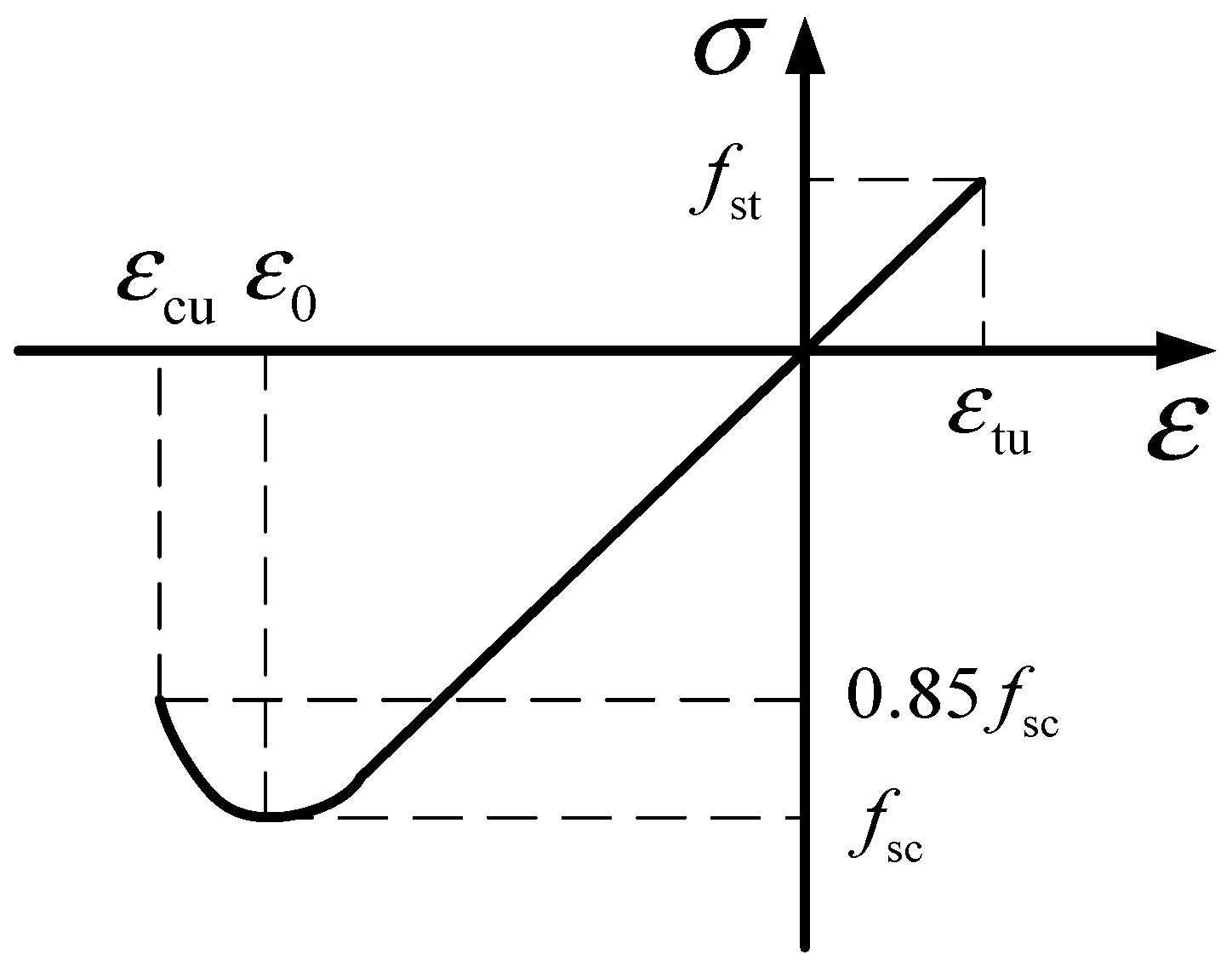
The stress–strain constitutive relations for stone, based on the CDP model, are detailed in Equations (2)–(5) [
35], and their corresponding curves are illustrated in
Figure 6. The peak compressive strain (
ε0) of the stone, calculated from the material properties in
Section 2, is 3819 με (i.e., 151.92 MPa/39.78 GPa × 10
3). As the ultimate compressive strain (
εcu) could not be measured during the test, a conservative value of 4000 με was adopted for
εcu based on relevant engineering experience [
36].
Stone compressive stress–strain relationship model:
Stone tensile stress–strain relationship model:
After failure:
where
σc and
σt represent the uniaxial compressive stress and uniaxial tensile stress of the stone respectively;
Es represents the elastic modulus of the stone, taking a value of 39.78 GPa (see
Section 2 for details);
εc and
εt are the compressive strain and tensile strain of the stone respectively;
fsc and
fst are the uniaxial peak compressive strength and uniaxial peak tensile strength of the stone, taking values of 151.92 MPa and 15.0 MPa, respectively (see
Section 2 for details);
ζ is the stone compressive stress coefficient, and
ζ =
εc/
ε0.
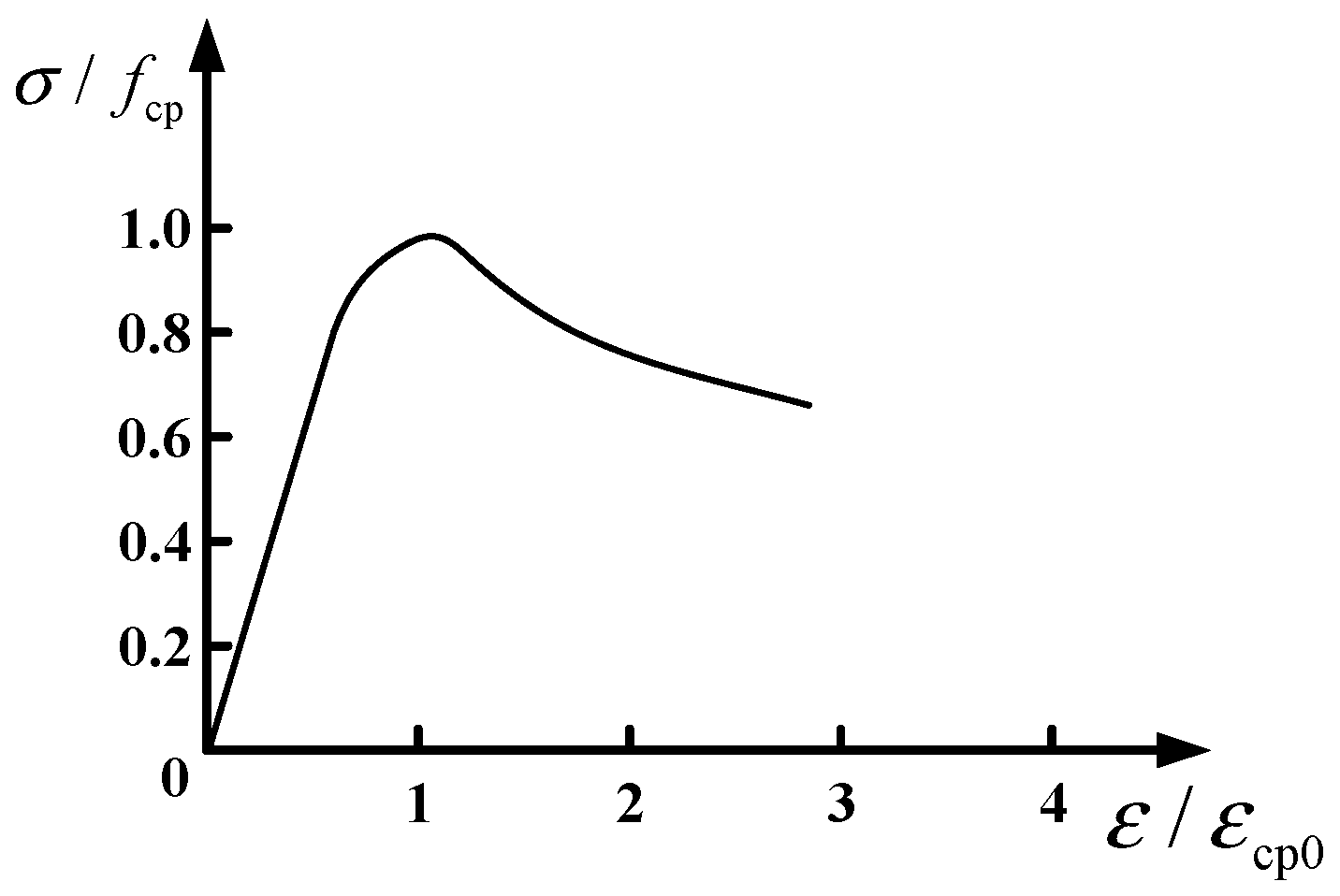
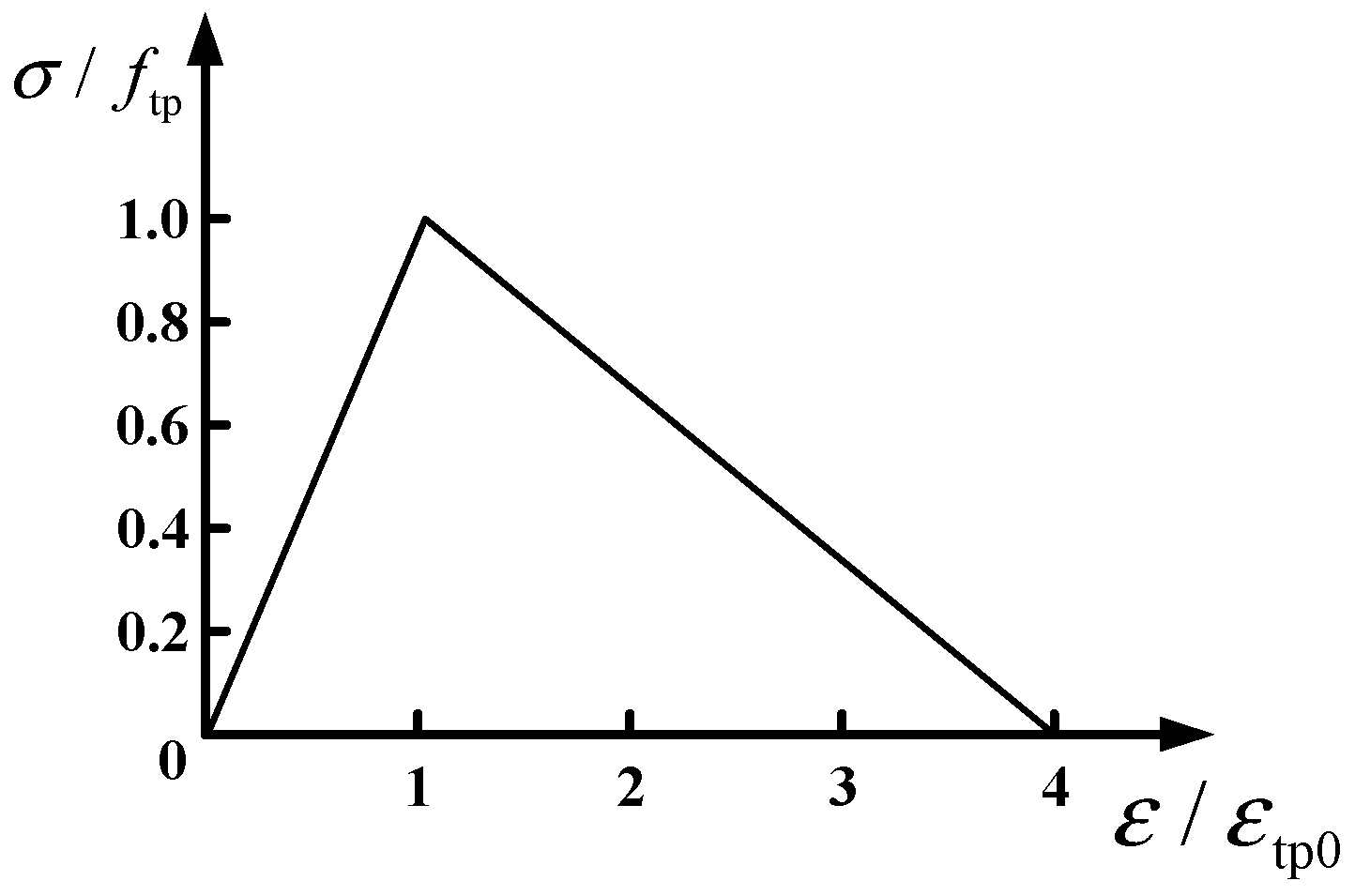
The stress–strain constitutive relations for polymer mortar, based on the CDP model, are detailed in Equations (6) and (7) [
37]. Its compressive and tensile stress–strain curves are shown in
Figure 7 and
Figure 8, respectively.
Uniaxial compressive stress–strain relationship of polymer mortar:
Uniaxial tensile stress–strain relationship of polymer mortar:
where
σcc and
σct are used to represent the uniaxial compressive stress and uniaxial tensile stress of the polymer mortar respectively;
Ep represents the initial elastic modulus of the polymer mortar,
Ep =
Ec0/0.8;
Ec0 represents the elastic modulus of the polymer mortar, taking a value of 30 GPa (see
Section 2 for specific details);
εcc and
εct are the compressive strain and tensile strain of the polymer mortar respectively;
εcp0 and
εtp0 are the peak compressive strain and peak tensile strain of the polymer mortar,
εcp0 = 2 ×
fp/
Ep,
fp = 0.9 ×
fcu,
fp and
fcu are the axial compressive strength and the cube compressive strength of the polymer mortar respectively. The value of
εcp0 is 3077 με (i.e., 2 × 0.9 × 64.1 MPa/(30 GPa/0.8) × 10
3), and the value of
εtp0 is 209 με (i.e., 7.85 MPa/(30 GPa/0.8) × 10
3);
εtpu is the uniaxial tensile ultimate strain of the polymer mortar, and
εtpu = 4 ×
εtp0 [
38].
Tests have confirmed a strong bonding performance between the stone beam and the polymer mortar. Based on this finding, the Tie constraint in the ABAQUS 2024 software was selected to simulate the interaction between the stone beam and the reinforcement mortar layer.
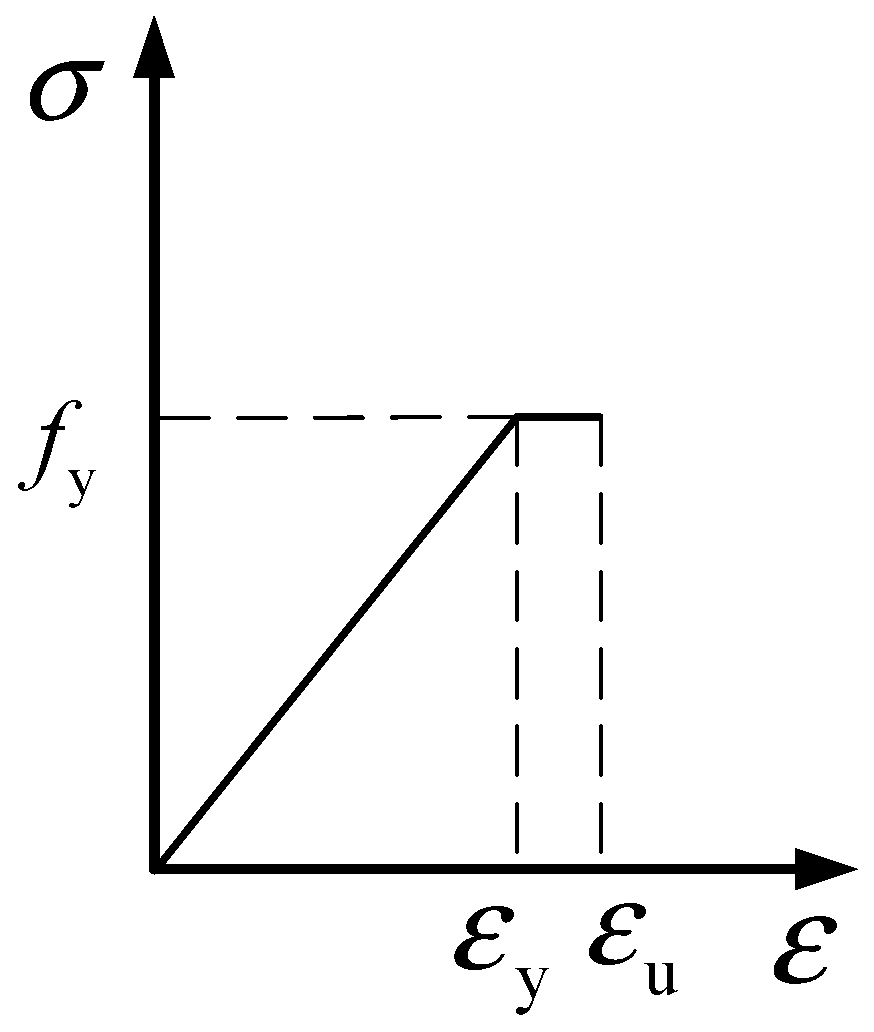
The stress–strain relationship curve of the HSS is shown in
Figure 9, and its performance parameters are provided by the manufacturer: the yield strength is 3124 MPa; the elastic modulus is 193 GPa, and the elongation is 3%;
εy is the strain corresponding to the yield of the HSS, taking a value of 16,187 με (i.e., 3124 MPa /193 GPa × 10
3);
εu is the ultimate tensile strain of the HSS, taking a value of 16,673 με (i.e., 16,187 με × 1.03).
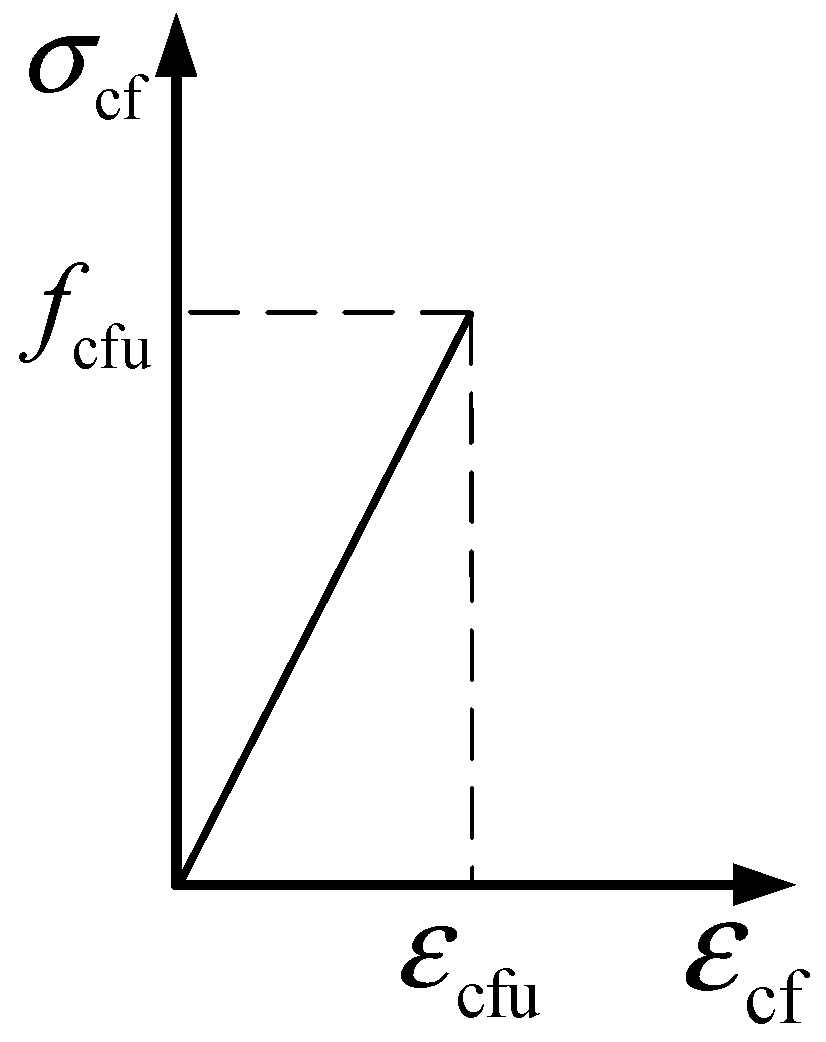
The stress–strain relationship curve of carbon fiber is shown in
Figure 10, and its performance parameters are also provided by the manufacturer. Among them, the ultimate strength
fcfu is 4405 MPa; the elastic modulus is 285 GPa; the strain
εcfu corresponding to the ultimate strength is 15,456 με (i.e., 4405 MPa/285 GPa × 10
3).
3.4. Termination Conditions for FE Analysis
In the FE parametric analysis, the specimen is considered to have reached its ultimate limit state when any of the following criteria are met:
(1) The CFRP meshes or HSS sheets reach their tensile strength;
(2) The compressive zone of the stone beam reaches its compressive strength;
(3) The mid-span deflection of the specimen reaches 1/200 of its calculated span (l) (=12 mm).
5. FE Parametric Analysis
To facilitate subsequent analysis and comparison, a benchmark model, designated 0-S, was developed. Given the variability in the cross-sectional dimensions of the tested stone beams, the benchmark dimensions were adopted as the rounded average values of the plain stone beam specimens from
Section 2. The resulting cross-sectional dimensions for the 0-S specimen are width
b = 260 mm and height prior to strengthening
h = 130 mm, while the clear span (
l) remains consistent with the test specimens at 2400 mm.
Based on this unstrengthened benchmark model (0-S), a FE parametric analysis was conducted to investigate the effects of three parameters—reinforcement material, reinforcement ratio (ρ), and reinforcement layer thickness (as)—on the flexural performance and comprehensive benefits of the strengthened stone beams.
Referring to the parameter values and results from the experimental study, four reinforcement types were selected for analysis: (1) pure polymer mortar; (2) CFRP meshes + polymer mortar; (3) HSS sheets + polymer mortar; and (4) a combined system of CFRP meshes, HSS sheets, and polymer mortar. The reinforcement ratio (
ρ) and reinforcement layer thickness (
as) were set to
ρ = 0.5%, 1.0%, 1.5%, 2.0% and
as = 10 mm, 15 mm, 20 mm, respectively. Corresponding FE models were established accordingly, with the complete set of parameters detailed in
Table 1.
In
Table 1, the FE model specimens are named using the format “
as-X
ρ”. The components of this naming convention are as follows:
as: Reinforcement layer thickness.
X: Strengthening type, where “S” denotes the unstrengthened model, “PM” denotes polymer mortar only, “C” denotes CFRP meshes + polymer mortar, “G” denotes HSS sheets + polymer mortar, and “CG” denotes the combined system (CFRP meshes placed over HSS sheets).
ρ: Reinforcement ratio of the model specimen.
5.1. Analysis of Influences on Flexural Performance
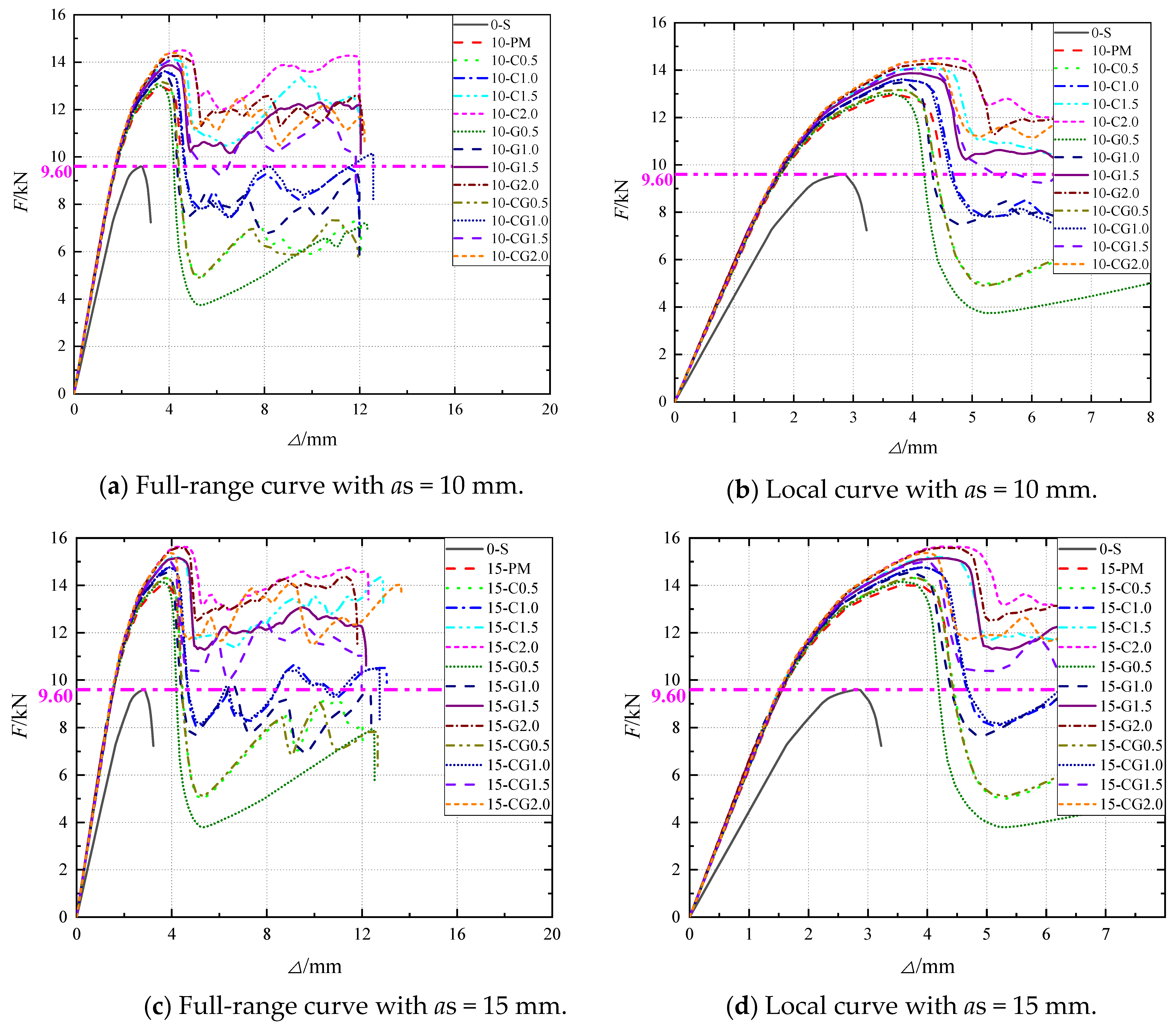
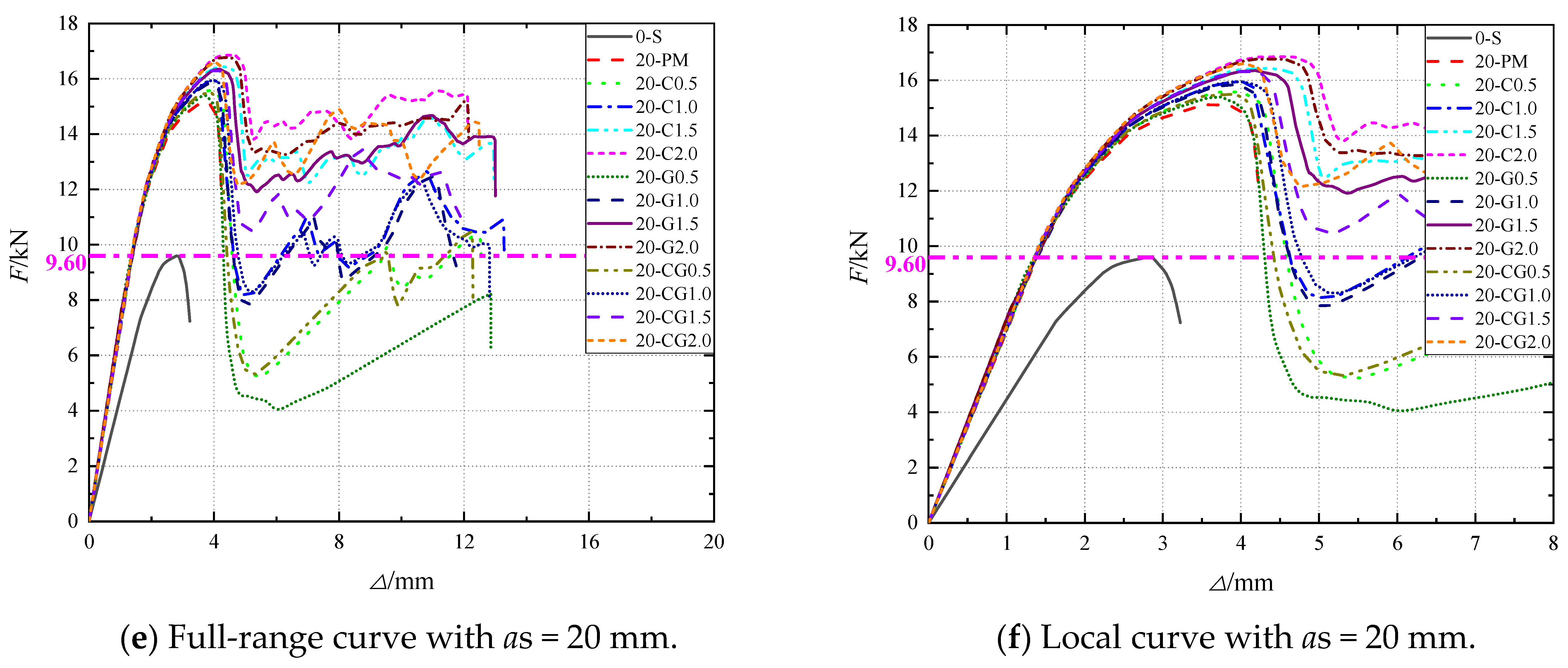
Table 1 lists the calculated values of key flexural performance indicators for each model specimen, with their corresponding load-central deflection curves compared in
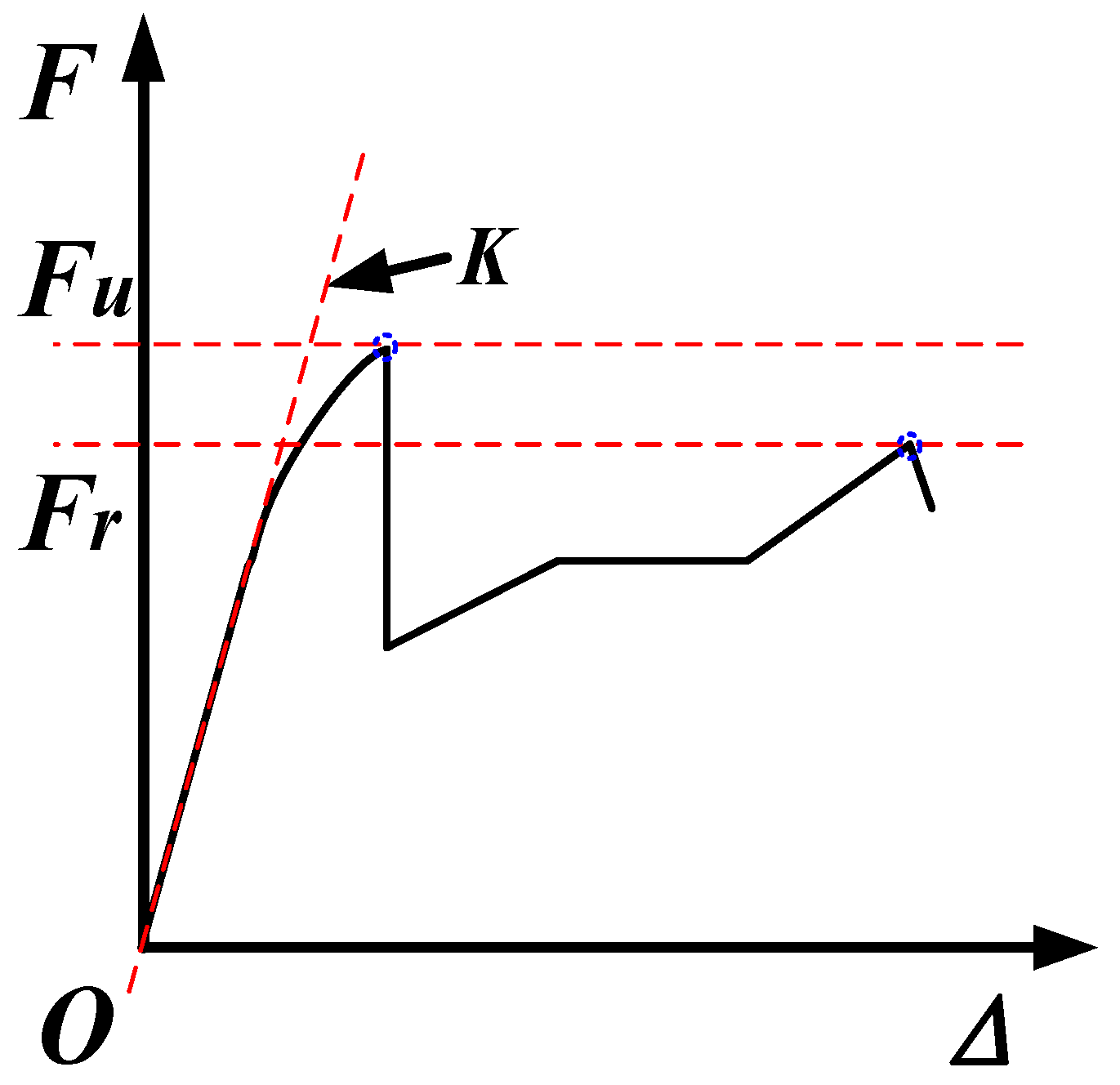
Figure 13. The symbols are defined as follows:
K: Initial linear elastic stiffness;
Fu: Peak load at the moment the stone beam cracks;
Fr: Residual load of the specimen after cracking but prior to failure.
The values for
K,
Fu, and
Fr are determined using the method illustrated in
Figure 14. To quantify the improvement from strengthening, the indicators
RK and
RFu represent the percentage change in stiffness and peak load, respectively, for the strengthened specimens compared to the benchmark model (0-S). They are calculated as:
RK = (
Kas-Xρ −
K0-s)/
K0-s × 100%,
RFu = (
Fu, as-Xρ −
Fu, 0-s)/
Fu, 0-s × 100%.
Since the benchmark model (0-S) and the specimens reinforced only with polymer mortar (10-PM, 15-PM, 20-PM) experienced an instantaneous global failure immediately after cracking, they exhibited no residual load (Fr = 0). Therefore, the RFr indicator is defined differently for these cases. In this study, RFr is used to represent the proportion of residual bearing capacity post-cracking and is calculated as: RFr = Fr, as-Xρ/Fu, as-Xρ × 100%.
To intuitively analyze the effects of the three parameters—reinforcement material, reinforcement ratio (
ρ), and reinforcement layer thickness (
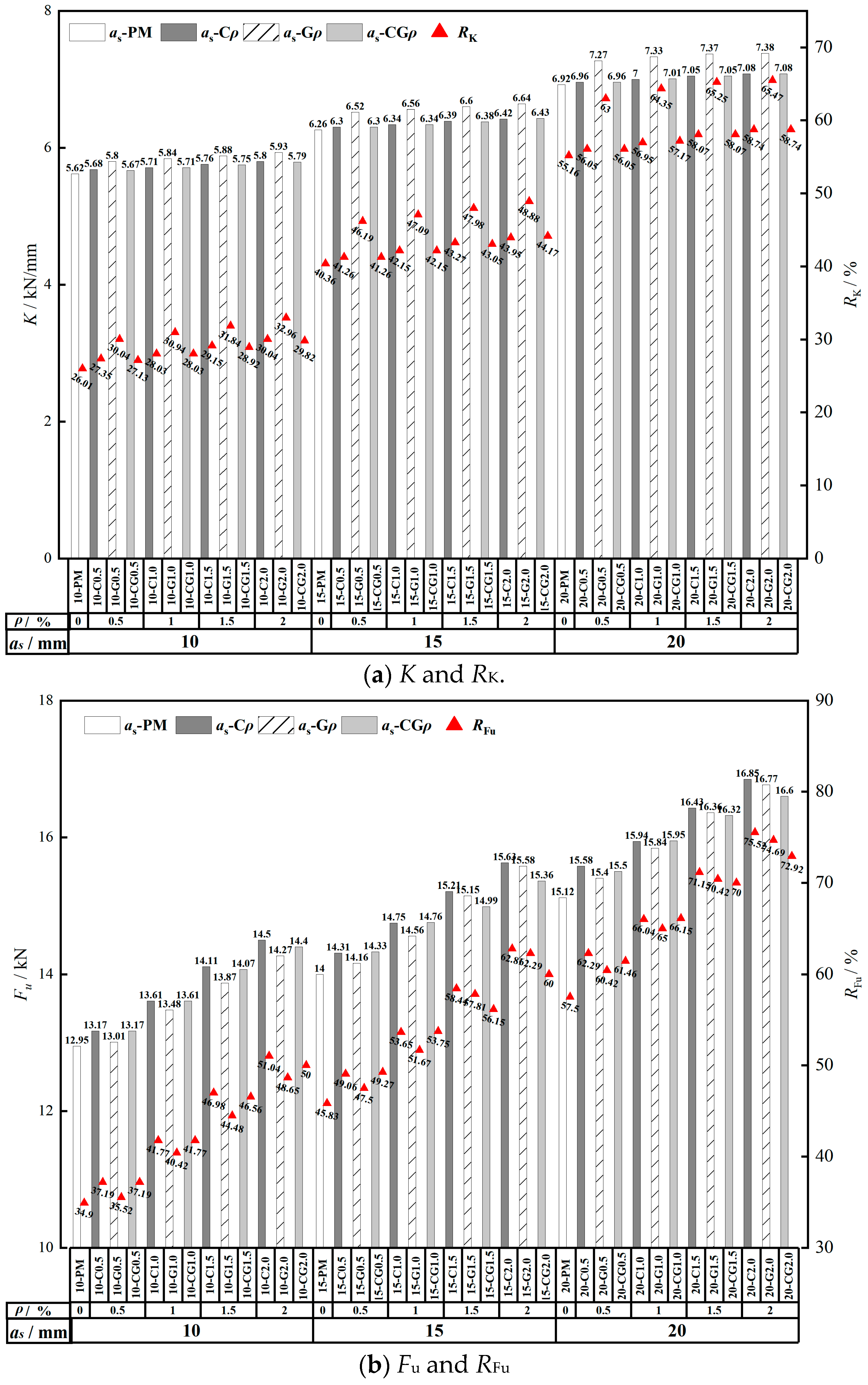
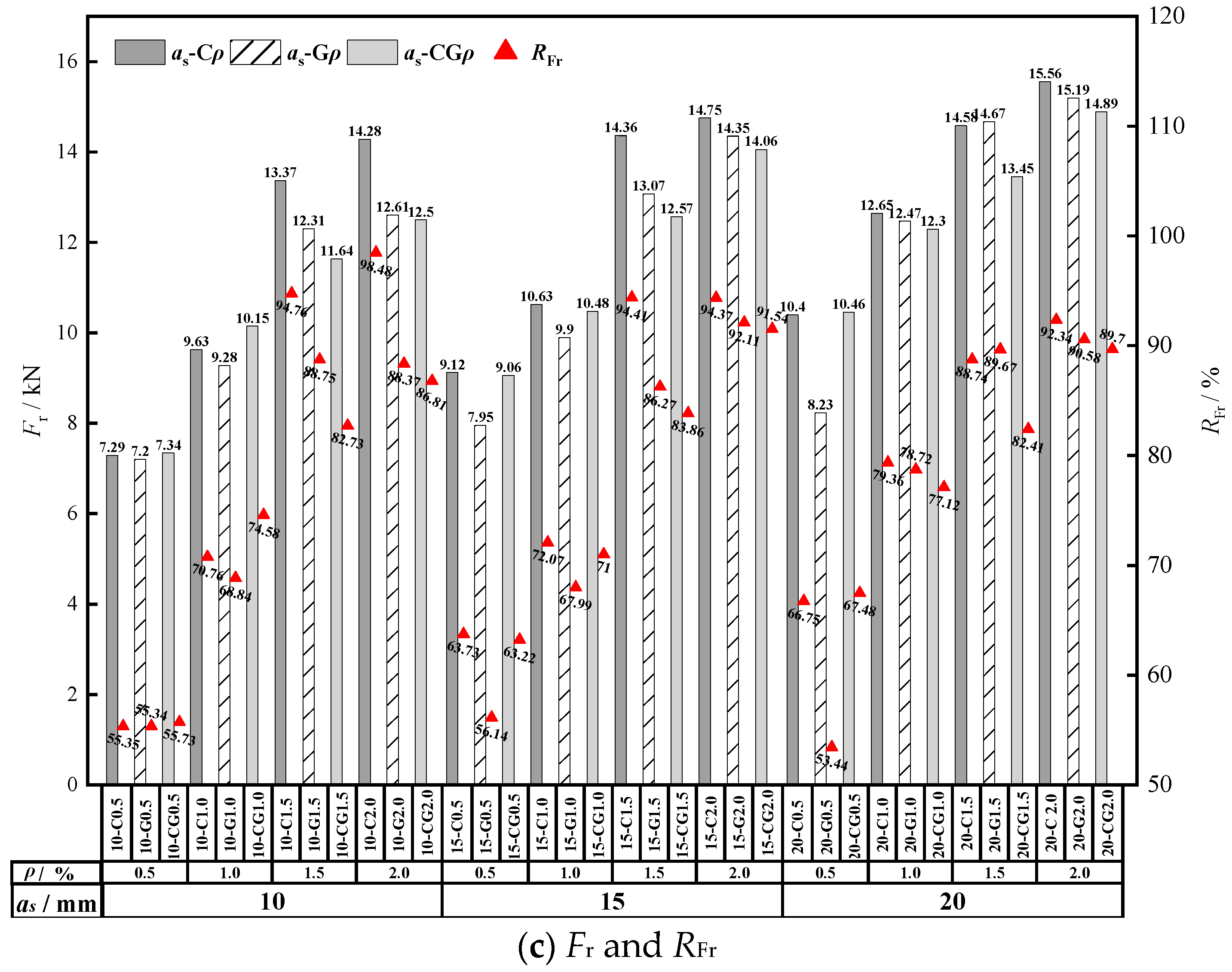
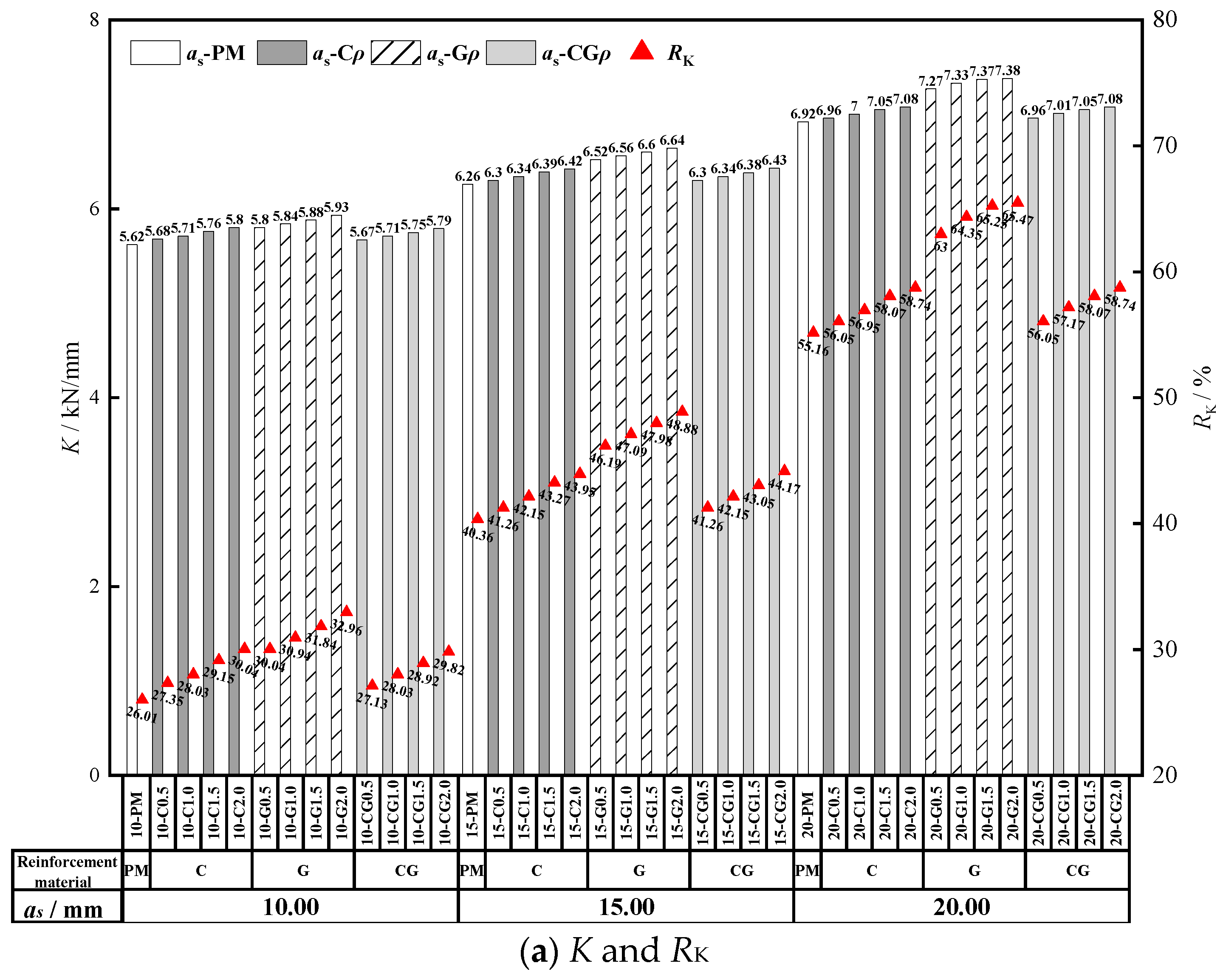
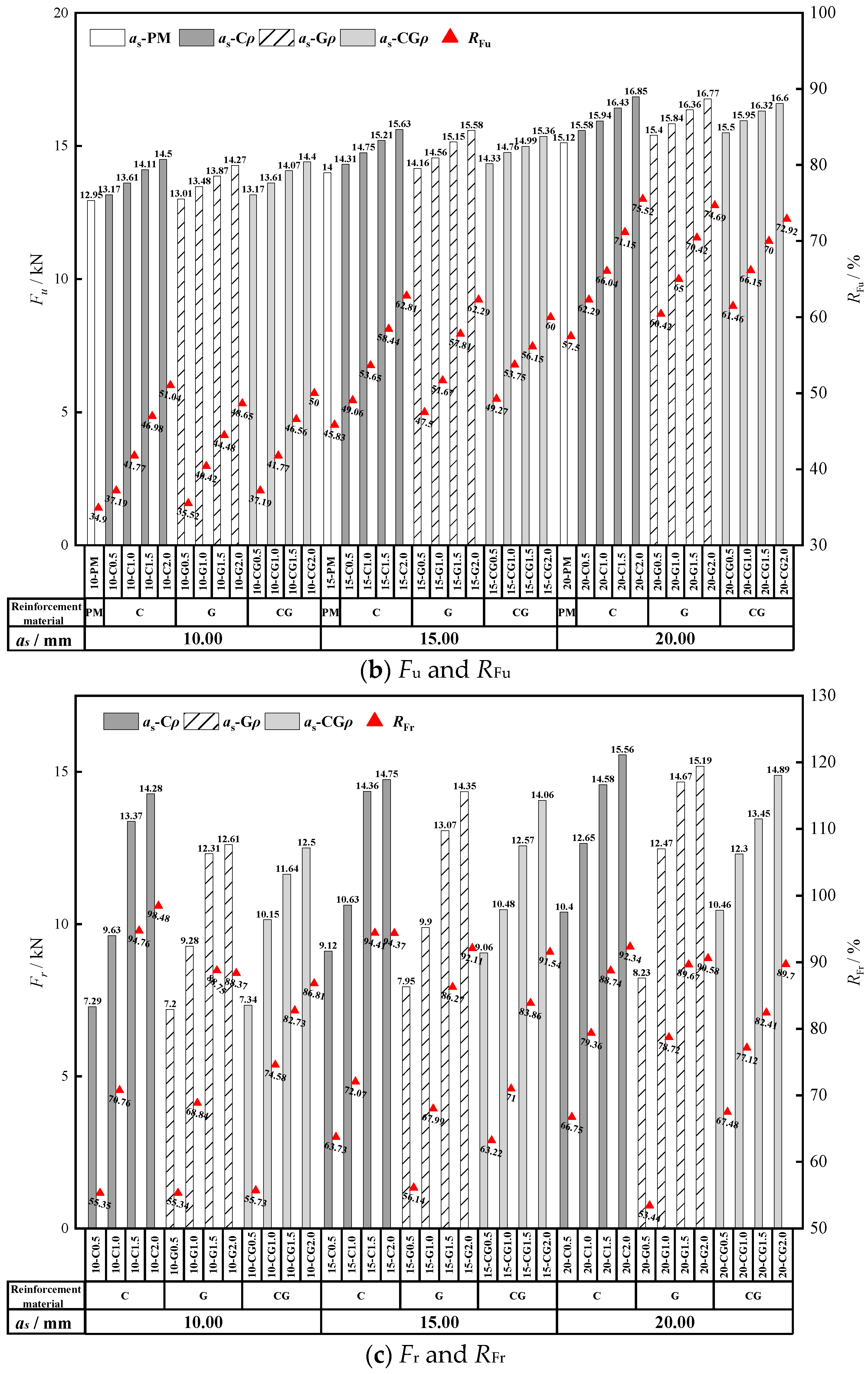
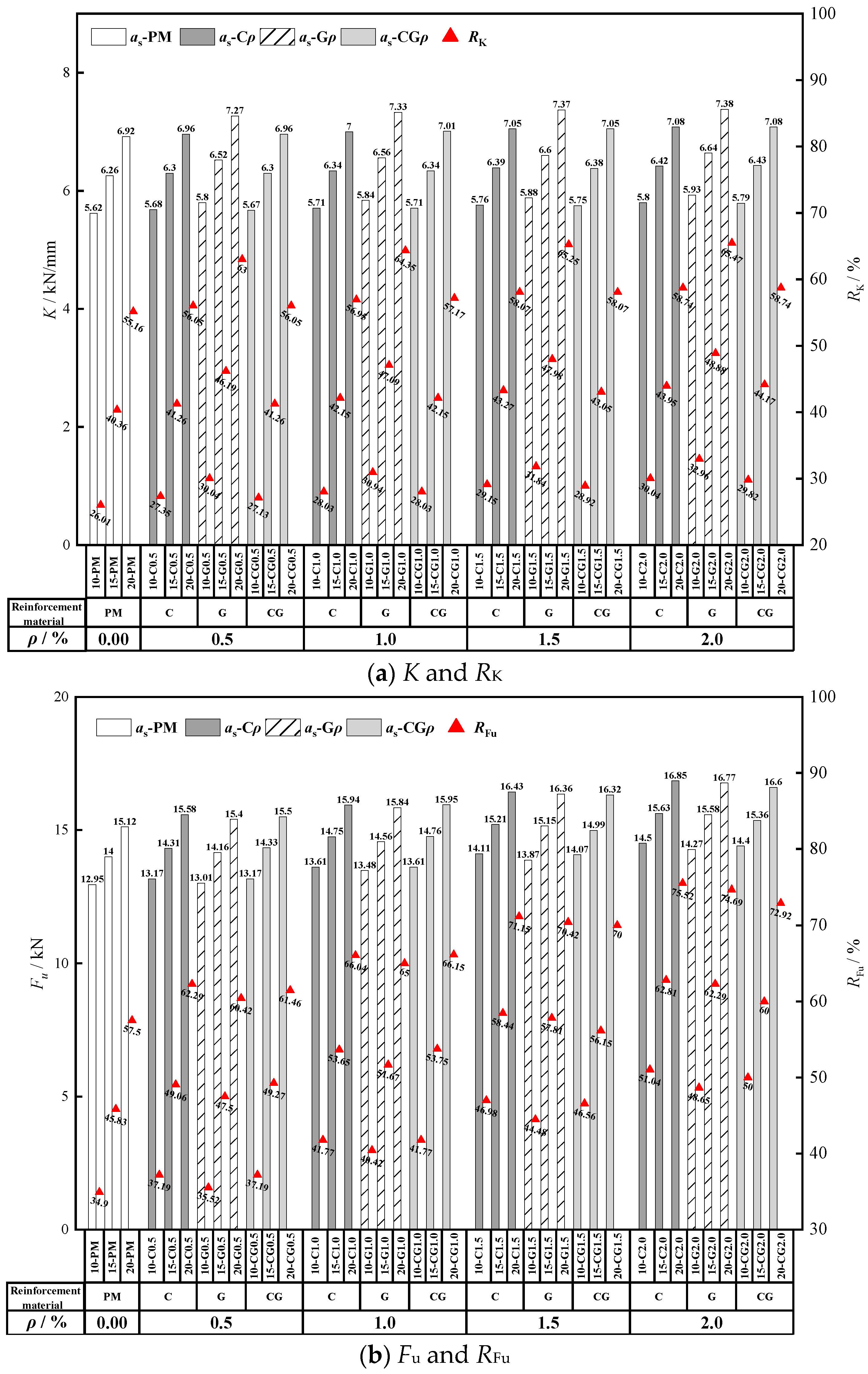
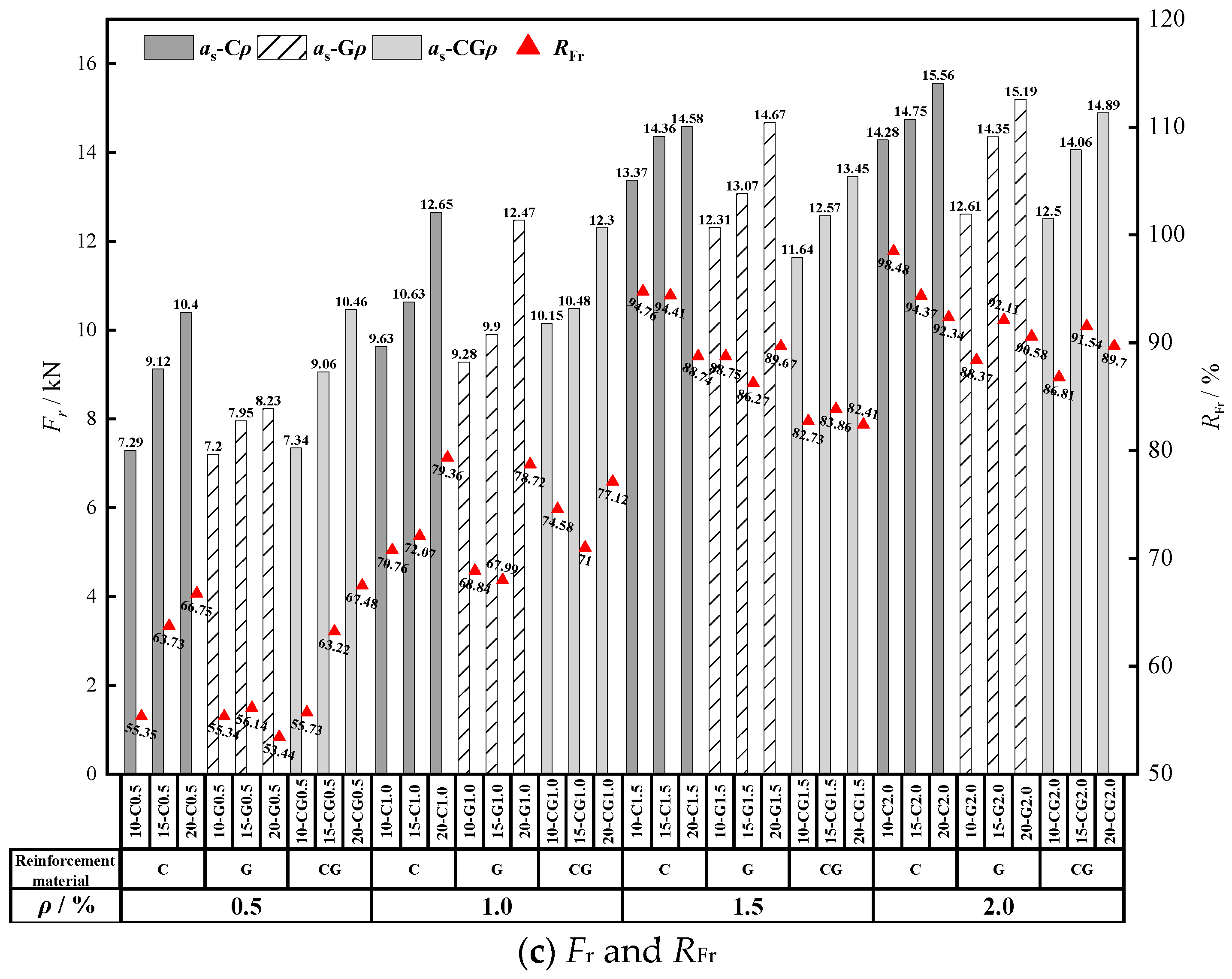
as)—on the flexural performance indicators of the model specimens, a series of comparative bar charts (
Figure 15,
Figure 16 and
Figure 17) was plotted based on the data in
Table 1.
5.1.1. Influence of Reinforcement Material
This section analyzes the influence of different reinforcement materials on the flexural performance of the stone beam model specimens, given a constant reinforcement ratio (ρ) and reinforcement layer thickness (as).
As shown in
Figure 15, for a given reinforcement ratio (
ρ) and reinforcement layer thickness (
as), the
K of the G-series specimens (strengthened with “HSS sheets + polymer mortar”) is higher than that of the C-series specimens (“CFRP meshes + polymer mortar”) and the CG-series specimens (“CFRP meshes + HSS sheets + polymer mortar”). However, the
Fu and
Fr of the C-series specimens are consistently greater than those of the G-series and CG-series specimens.
Figure 15.
Comparison of performance indicators of each model specimen under the same reinforcement ratio (ρ) and reinforcement layer thickness (as).
Figure 15.
Comparison of performance indicators of each model specimen under the same reinforcement ratio (ρ) and reinforcement layer thickness (as).
5.1.2. Influence of Reinforcement Ratio (ρ)
This section mainly analyzes the influence of different reinforcement ratios (ρ) on the flexural performance of stone beam model specimens under the same reinforcement material and the same reinforcement layer thickness (as).
Figure 16.
Comparison of performance indicators of each model specimen under the same reinforcement material and reinforcement layer thickness (as).
Figure 16.
Comparison of performance indicators of each model specimen under the same reinforcement material and reinforcement layer thickness (as).
As shown in
Figure 16, for a given reinforcement material and reinforcement layer thickness (
as), the
K,
Fu, and
Fr of the model specimens gradually increase as the reinforcement ratio (
ρ) increases. A comparison of the indicators
RK,
RFu, and
RFr reveals that the peak load and the proportion of residual bearing capacity are more sensitive to the reinforcement ratio than the initial linear elastic stiffness. Taking the specimens with a 20 mm reinforcement layer, which are strengthened with polymer mortar or CFRP meshes + polymer mortar (i.e., the 20-PM and 20-C
ρ series), for every 0.5% increase in the reinforcement ratio, the average increase in peak load reaches 4.51%, the average increase in the proportion of residual bearing capacity is 11.59%, while the increase in initial linear elastic stiffness is less than 1%.
5.1.3. Influence of Reinforcement Layer Thickness (as)
This section analyzes the influence of different reinforcement layer thicknesses (as) on the flexural performance of the stone beam model specimens, given a constant reinforcement material and reinforcement ratio (ρ).
Figure 17.
Comparison of performance indicators of each model specimen under the same reinforcement material and reinforcement ratio (ρ).
Figure 17.
Comparison of performance indicators of each model specimen under the same reinforcement material and reinforcement ratio (ρ).
As shown in
Figure 17, for a given reinforcement material and reinforcement ratio (
ρ), the
K,
Fu, and
Fr of the model specimens gradually increase as the reinforcement layer thickness (
as) increases. However, an analysis of the
RFr indicator reveals a more complex trend: while the absolute
Fr increases with thickness, the proportion of residual bearing capacity (
RFr) may actually decrease. For example, considering the
as-C2.0 specimen series (strengthened with CFRP meshes + polymer mortar at a 2.0% reinforcement ratio), the
Fr increases with the reinforcement layer thickness (
as), but the proportion of residual bearing capacity decreases. On average, for every 5 mm increase in thickness, the residual load increases by 4.39%, while the proportion of residual bearing capacity decreases by 3.16%.
5.2. Analysis of Strengthening Benefits
Considering the economic costs of stone beam strengthening, this paper further evaluates the comprehensive benefits of different strengthening methods to assist structural engineers in making informed decisions for practical projects.
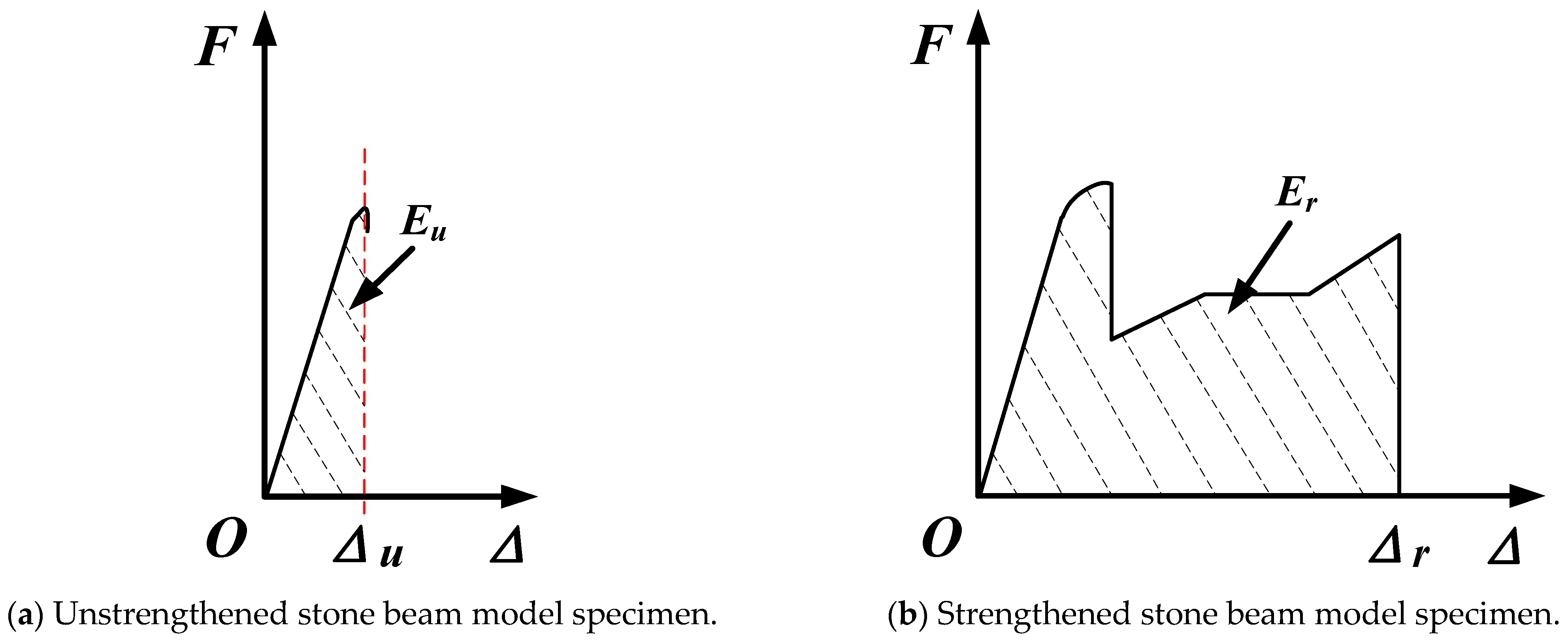
Firstly, this study proposes an energy dissipation capacity evaluation indicator,
TE, to assess the enhancement in the energy dissipation capacity of strengthened stone beams. Its expression is given in Equation (8).
where
TE represents the improved energy dissipation capacity of the strengthened stone beam;
Eu represents the total energy dissipation of the unstrengthened stone beam;
Er represents the total energy dissipation of the strengthened stone beam; their specific meanings are illustrated in
Figure 18, and their expressions are shown in Equations (9) and (10).
where
represents the ultimate deflection of the unstrengthened stone beam;
represents the ultimate deflection of the strengthened stone beam.
Building upon this, and by incorporating strengthening costs, a comprehensive benefit evaluation indicator,
RTC, is further proposed to better assess the overall effectiveness of different strengthening measures. Its expressions are given in Equations (11) and (12).
where
C represents the total cost of materials used in stone beam strengthening;
Qsgi is the dosage of the i-th reinforcement material;
Csgi is the unit price of the i-th reinforcement material;
Qm is the dosage of polymer mortar;
Cm is the unit price of polymer mortar. Among them, the values of
Csgi and
Cm are calculated using the values listed in Ref. [
34]. A higher
RTC indicates a better strengthening effect per unit cost and more significant comprehensive benefits.
Finally, the
TE and the
RTC for the strengthened model specimens in
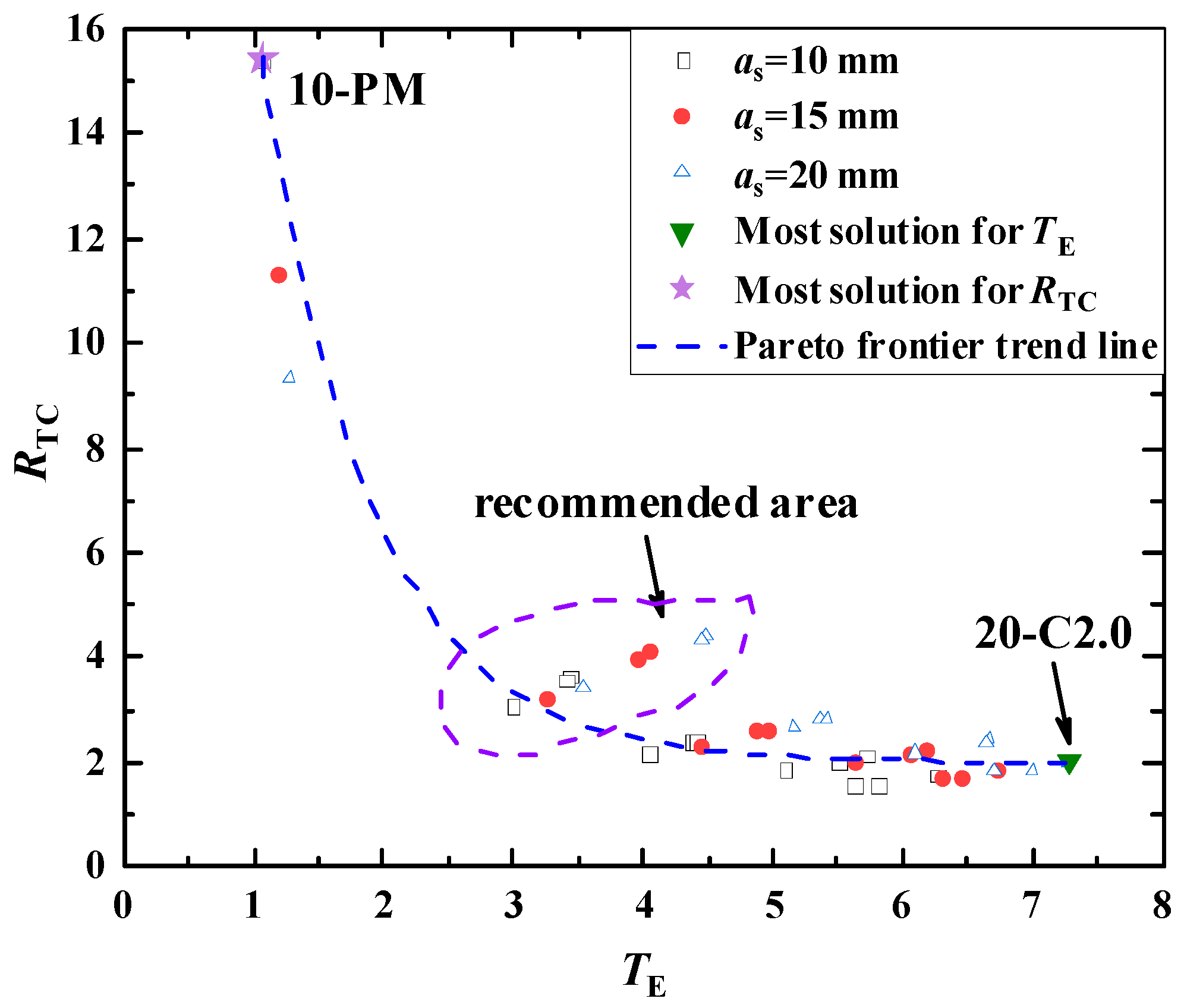
Table 1 were calculated using Equations (8)–(12). The calculated values, along with other relevant parameters, are listed in
Table 2 and plotted in
Figure 19.
As shown in
Table 2, the following observations are made:
(1) For a given reinforcement ratio (ρ) and reinforcement layer thickness (as), both the TE and the RTC for the C-series specimens are higher than those for the G-series and CG-series specimens.
(2) For a given reinforcement material and reinforcement layer thickness (as), the TE of the specimens increases with the reinforcement ratio (ρ). However, the RTC shows a downward trend. This indicates that more reinforcement does not necessarily yield better outcomes, and a balance between cost and performance enhancement must be considered.
(3) For a given reinforcement material and reinforcement ratio (ρ), both the TE and the RTC increase with the reinforcement layer thickness (as).
Figure 19 reveals a trade-off between the energy dissipation performance and the overall benefit of the strengthened specimens. Specifically, the scheme with the highest
TE is 20-C2.0; however, due to the high cost of the carbon fiber material, its
RTC is relatively low. In contrast, the scheme with the most ideal comprehensive benefit is 10-PM; nevertheless, due to the lack of reinforcement materials, its energy dissipation performance is the lowest. Therefore, to balance energy dissipation performance with comprehensive benefits, it is recommended to adopt strengthening schemes within the area highlighted in
Figure 19.
6. Conclusions
In this paper, a finite element (FE) model was developed to systematically analyze the effects of reinforcement material, reinforcement ratio (ρ), and reinforcement layer thickness (as) on the flexural performance and economic efficiency of strengthened stone beams. The key findings are as follows:
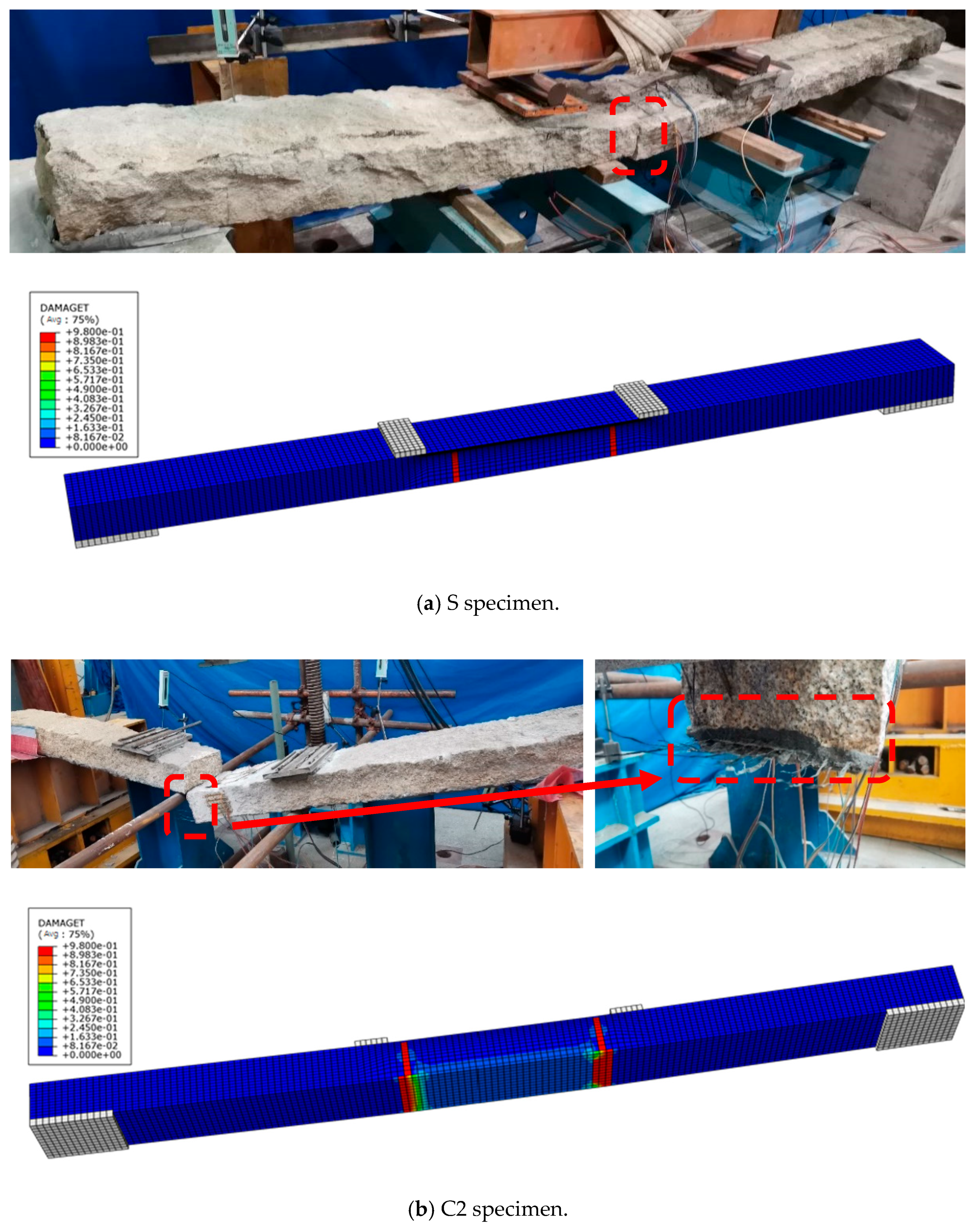
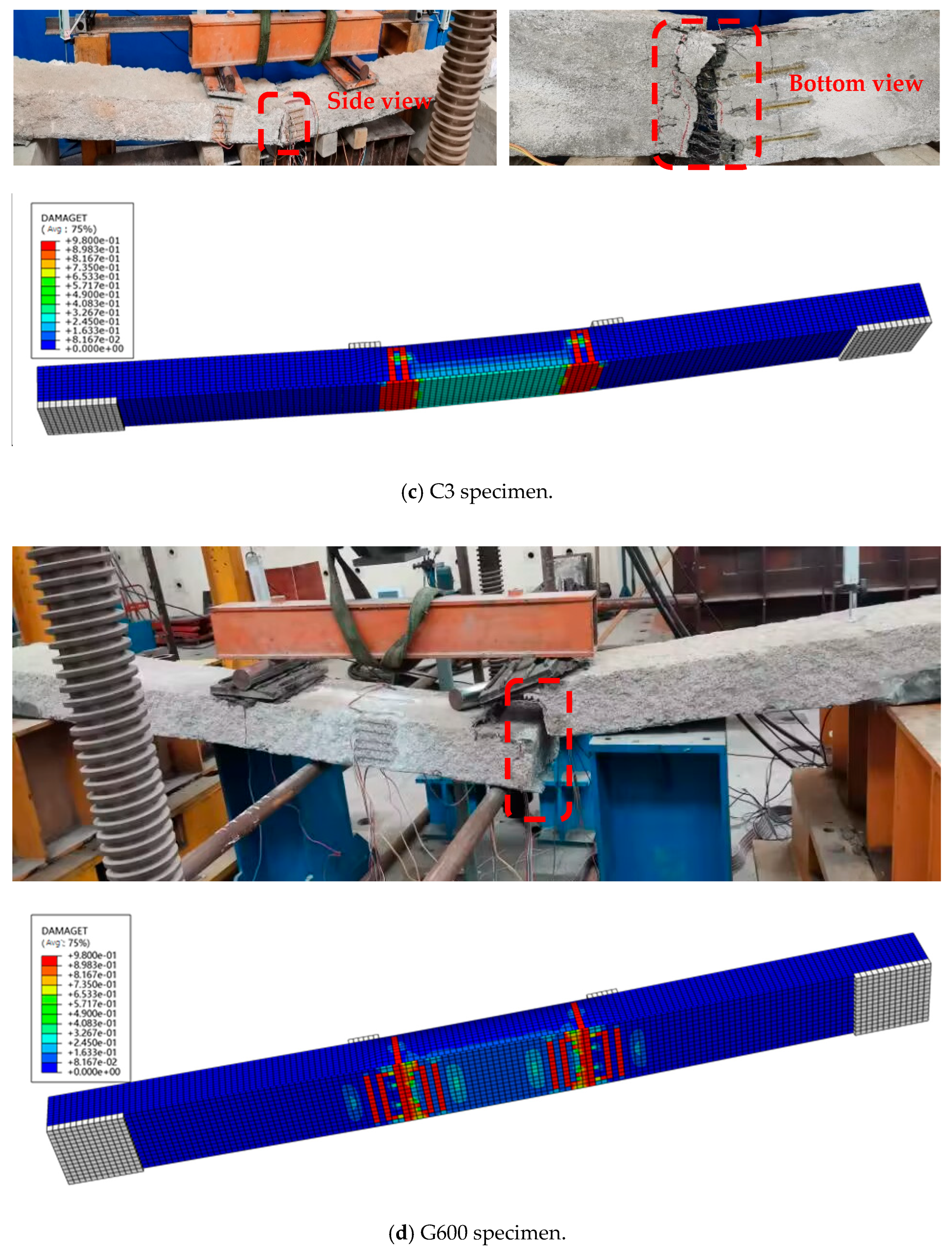
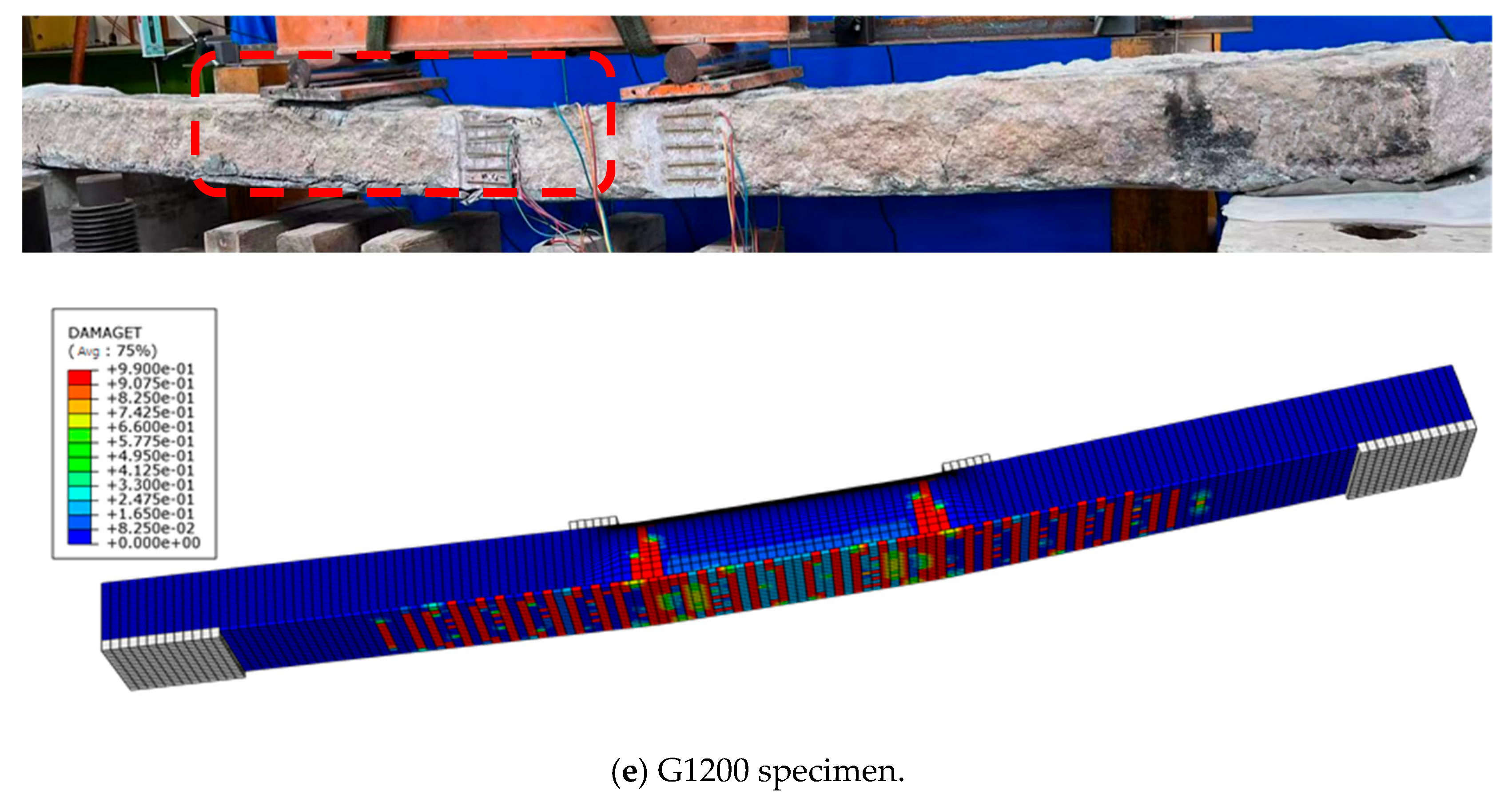
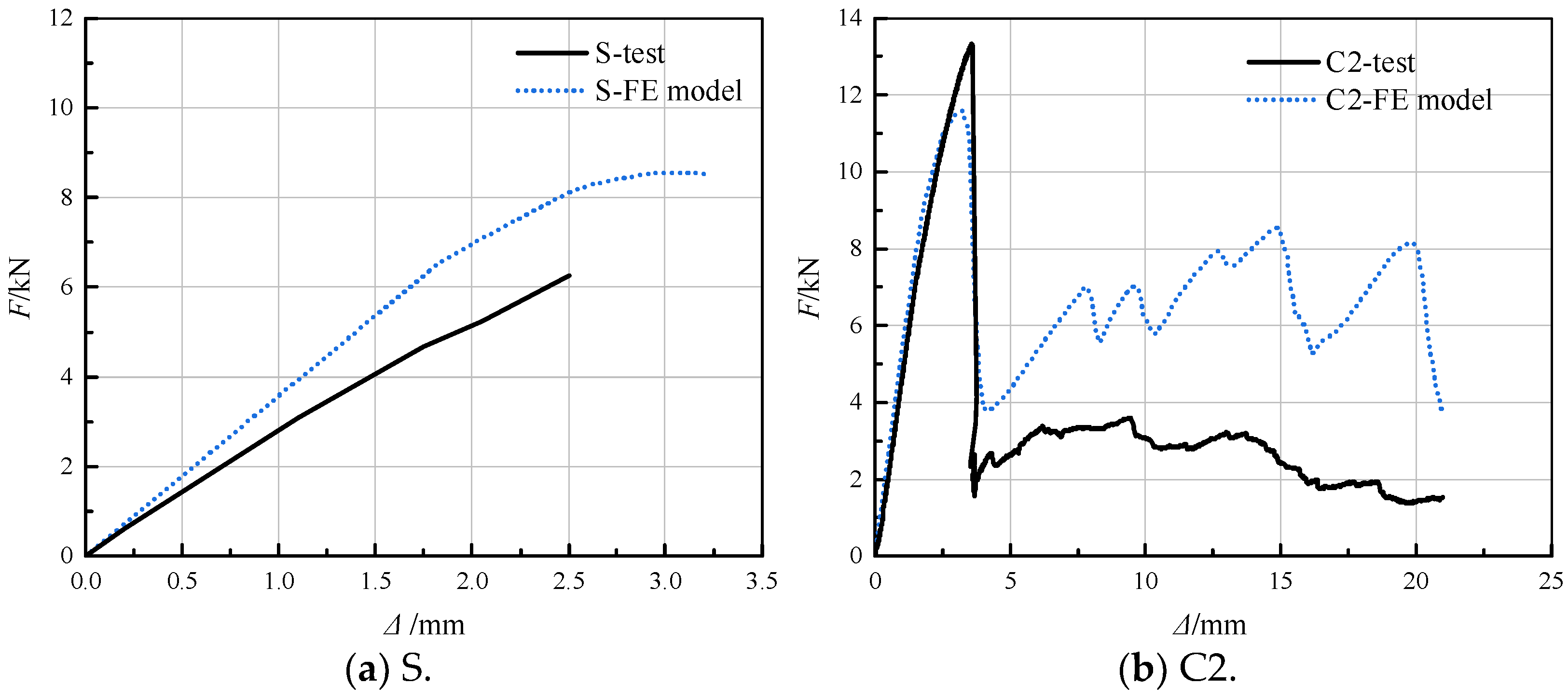
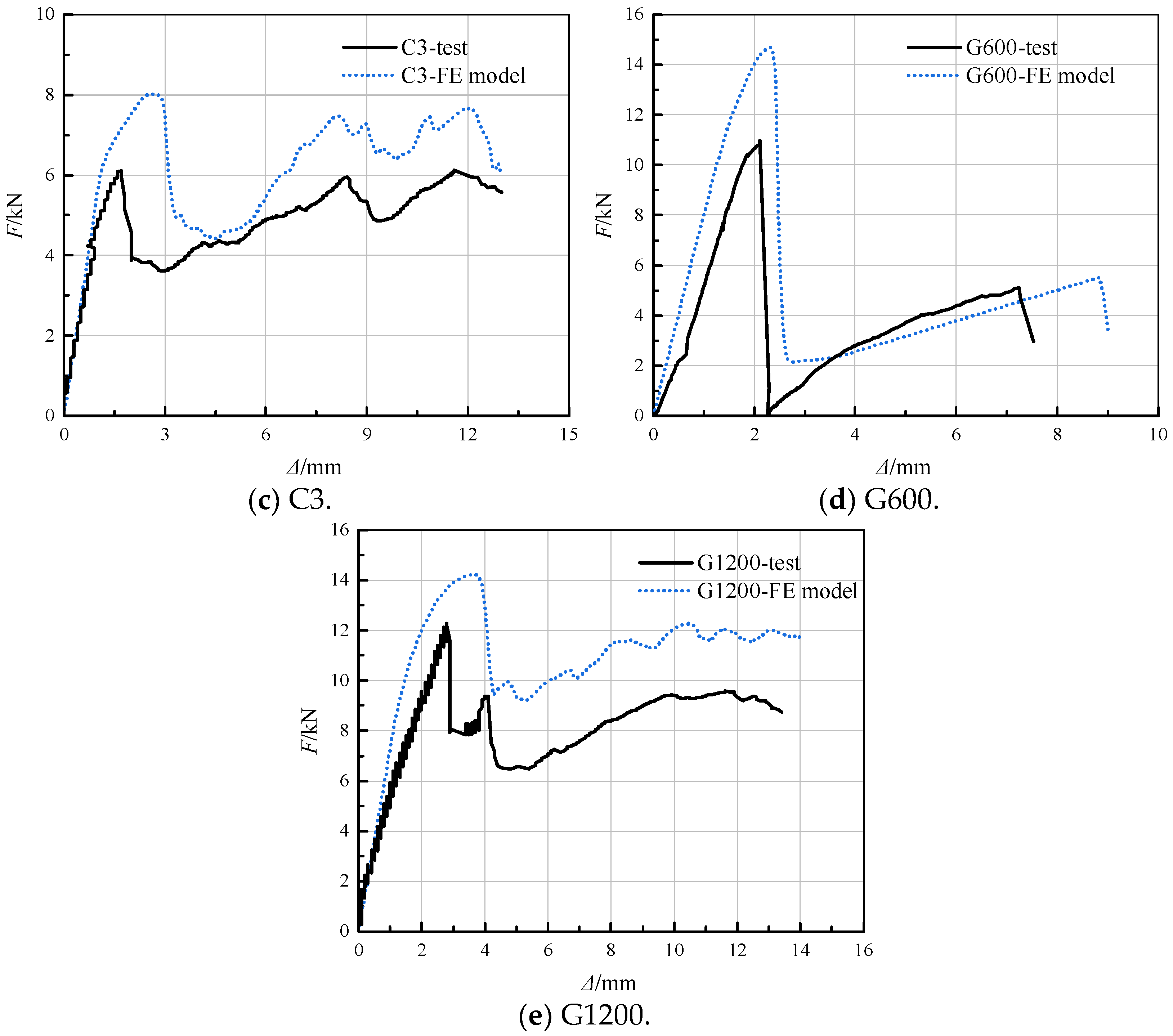
(1) The rationality and effectiveness of the proposed FE model were validated by comparing the failure modes and load–deflection curves from tests and simulations, demonstrating its ability to accurately simulate the flexural performance of both unstrengthened and strengthened stone beams.
(2) For a given reinforcement ratio (ρ) and thickness (as), the G-series specimens (strengthened with “HSS sheets + polymer mortar”) exhibit higher initial linear elastic stiffness (K) than the C-series (“CFRP meshes + polymer mortar”) and CG-series (“CFRP meshes + HSS sheets + polymer mortar”) specimens. However, the C-series specimens generally achieve higher peak load (Fu) and residual load (Fr).
(3) With the reinforcement material and thickness (as) held constant, increases in peak load and the proportion of residual bearing capacity are more sensitive to the reinforcement ratio (ρ) than the increase in initial stiffness.
(4) With the reinforcement material and ratio (ρ) held constant, the residual load (Fr) increases with reinforcement layer thickness (as), while the proportion of residual bearing capacity exhibits a more complex, and sometimes decreasing, trend.
(5) An energy dissipation capacity evaluation indicator (
TE) and a comprehensive benefit evaluation indicator (
RTC) were proposed to better evaluate strengthening strategies. The analysis revealed that simply increasing the amount of reinforcement material does not improve cost-effectiveness; instead, a balance between cost and performance must be considered. It is also noted that the
RTC values in
Table 2 are based on material prices in China and should be recalculated for other regions based on local conditions.
Therefore, this study recommends selecting appropriate reinforcement materials, ratios, and layer thicknesses to achieve an optimal balance between strengthening performance and economic benefit. Future research should further investigate the applicability and durability of these strengthening techniques under various environmental and service conditions to provide more comprehensive and scientific guidance for the strengthening of stone beams.