1. Introduction
Phosphogypsum (PG) is a bulk industrial solid waste generated during the wet-process phosphoric acid production [
1,
2]. Approximately 5 tons of PG are produced per ton of phosphoric acid manufactured [
3,
4,
5]. The underlying chemical reaction mechanism is shown in Equation (1). The primary chemical composition of PG is calcium sulfate dihydrate (CaSO
4·2H
2O), accompanied by impurities such as phosphorus, fluorine, and heavy metals. The global utilization rate of PG is approximately 15% [
6,
7]. Its random stacking or discharge not only occupies land resources but also causes soil pollution and eutrophication of water bodies, which seriously threatens human life, activities, health, and safety.
Given the environmental safety concerns arising from the stockpiling or discharge of PG, the treatment and resource recovery of PG are imperative. Currently, the primary approaches for PG disposal and resource utilization encompass four key areas: building materials [
8,
9]; production of agricultural amendments [
10,
11]; chemical feedstocks [
12,
13]; and rare earth element (REE) extraction [
14,
15]. Within the building materials sector, PG serves as a substitute for natural gypsum [
16,
17], a cement set retarder [
18,
19], mine backfill material [
20,
21], and subgrade filler [
22,
23]. In agriculture, PG is primarily utilized as a plant fertilizer [
24,
25] and soil remediation material [
26,
27]. Within the chemical industry, PG serves as a potential feedstock for the production of chemical compounds such as potassium sulfate, sulfuric acid, ammonium sulfate, and calcium carbonate [
28,
29]. Regarding rare earth element extraction, PG retains approximately 85% of the REEs originally present in the phosphate rock feedstock, and these elements can be recovered from PG via an acid leaching processes [
30,
31]. While the aforementioned approaches are significant for PG treatment and resource recovery, they suffer from drawbacks including high costs and low utilization rates [
6,
7], with the potential for secondary pollution. Consequently, there is an urgent need to develop low-cost, high-efficiency, and environmentally benign disposal technologies to address the challenges associated with PG stockpiling.
It is well established that gypsum is in high demand as a building material for engineering construction. Consequently, recycling PG as a building material represents an effective approach to addressing PG stockpiling issues. However, untreated PG exhibits low strength, high acidity, and contains impurities such as phosphorus, fluorine, and heavy metals [
32,
33], rendering it unsuitable for direct use in construction applications. As an environmentally benign technology, microbially induced carbonate precipitation (MICP) has been extensively applied in diverse areas including ground improvement [
34,
35], liquefaction mitigation [
36,
37], soil permeability reduction [
38,
39], rock fracture remediation [
40,
41], and heavy metal-contaminated soil remediation [
42,
43]. The technology produces urease through the biological activities of bacteria. The carbonate produced by urea in the environment under the catalysis of urease is combined with calcium ions in the environment to produce calcium carbonate precipitation with cementing properties, thus cementing the loose soil particles into a whole and improving the overall engineering performance of the soil. Studies have demonstrated that microbially induced carbonate precipitation technology can enhance the strength and impermeability of PG [
43,
44]. However, MICP-solidified PG specimens exhibit brittle fracture behavior [
45,
46], leading to rapid loss of overall structural integrity in construction products. This compromises their impermeability and erosion resistance, which in turn may trigger accelerated release of impurities such as phosphorus, fluorine, and heavy metals from PG into the natural environment. In recent years, to address the brittle fracture issue in MICP-solidified specimens, numerous researchers have employed fiber reinforcement combined with MICP technology for soil solidification [
47,
48,
49]. This approach not only enhances the toughness of MICP-treated soils but also improves their strength and impermeability. Li et al. [
50] used basalt fiber as a reinforcing material and found that adding basalt fiber can improve the stability and toughness of microbial hardened sand. Wang et al. [
51] studied the mechanical properties of calcareous sand solidified by basalt fiber combined with MICP. The results show that the combination of basalt fiber and MICP can improve its tensile strength. Basalt fiber (BF), recognized for its advantages including high strength, corrosion resistance, low cost, and environmental friendliness, has been widely employed in microbially induced carbonate precipitation (MICP) for soil reinforcement or cementitious material enhancement [
52,
53]. However, the smooth surface structure and low surface free energy of basalt fibers result in poor interfacial bonding with the matrix [
54,
55,
56]. This consequently undermines the positive contribution of BF to the engineering performance of MICP-solidified materials to some extent. Therefore, to enhance the toughening effect of basalt fiber-reinforced MICP-solidified PG, surface modification of the basalt fibers is imperative.
To date, the majority of research has focused on the effects of fiber length, fiber dosage, and fiber type on microbially induced carbonate precipitation (MICP)-solidified soils. However, studies investigating the influence of modified basalt fibers (MBF) on MICP, and specifically on the synergistic solidification of PG using MBF combined with MICP technology, have received limited attention. To facilitate the large-scale recycling of PG as a construction material and mitigate the environmental safety concerns associated with its stockpiling or discharge, this study employed acid treatment for basalt fiber modification. The modified basalt fibers (MBF) were then synergistically combined with MICP (MBF–MICP) to solidify PG, with the aim of identifying the optimal modification conditions for the basalt fibers. The influence of modified fiber length, modified fiber dosage, and the effect of fiber modification on the mechanical properties of MBF–MICP-solidified PG were analyzed to determine the optimal fiber reinforcement conditions. Toxicity leaching tests were conducted to comparatively analyze the heavy metal leaching concentrations from PG before and after solidification. Scanning electron microscopy (SEM) was utilized to investigate the mechanism underlying the synergistic solidification of PG by modified fibers and MICP. This study not only provides an effective method for modifying basalt fibers but also offers a green, cost-effective technology for the large-scale recycling and utilization of PG solid waste in the construction sector.
3. Test Method
3.1. Fiber Pretreatment
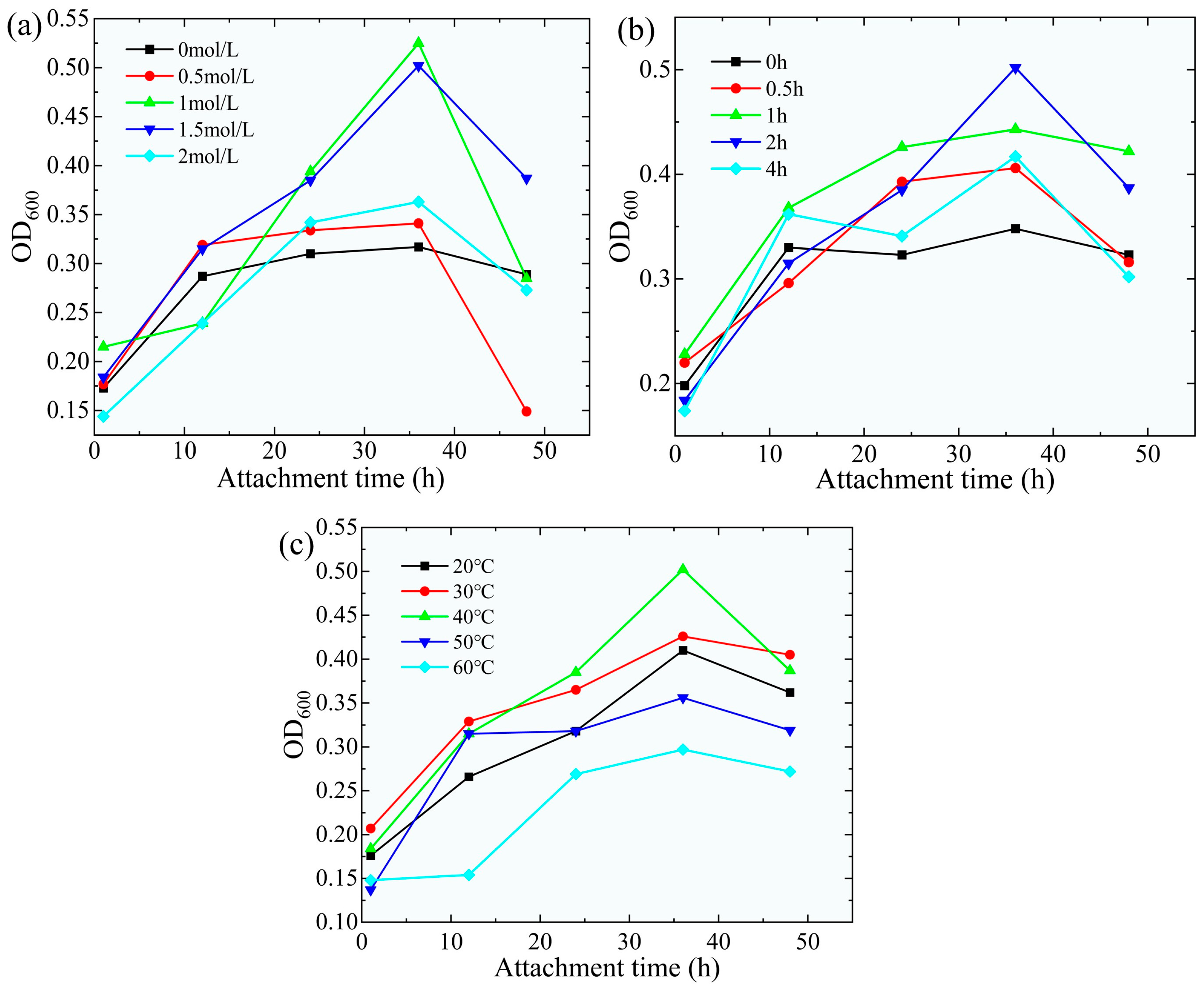
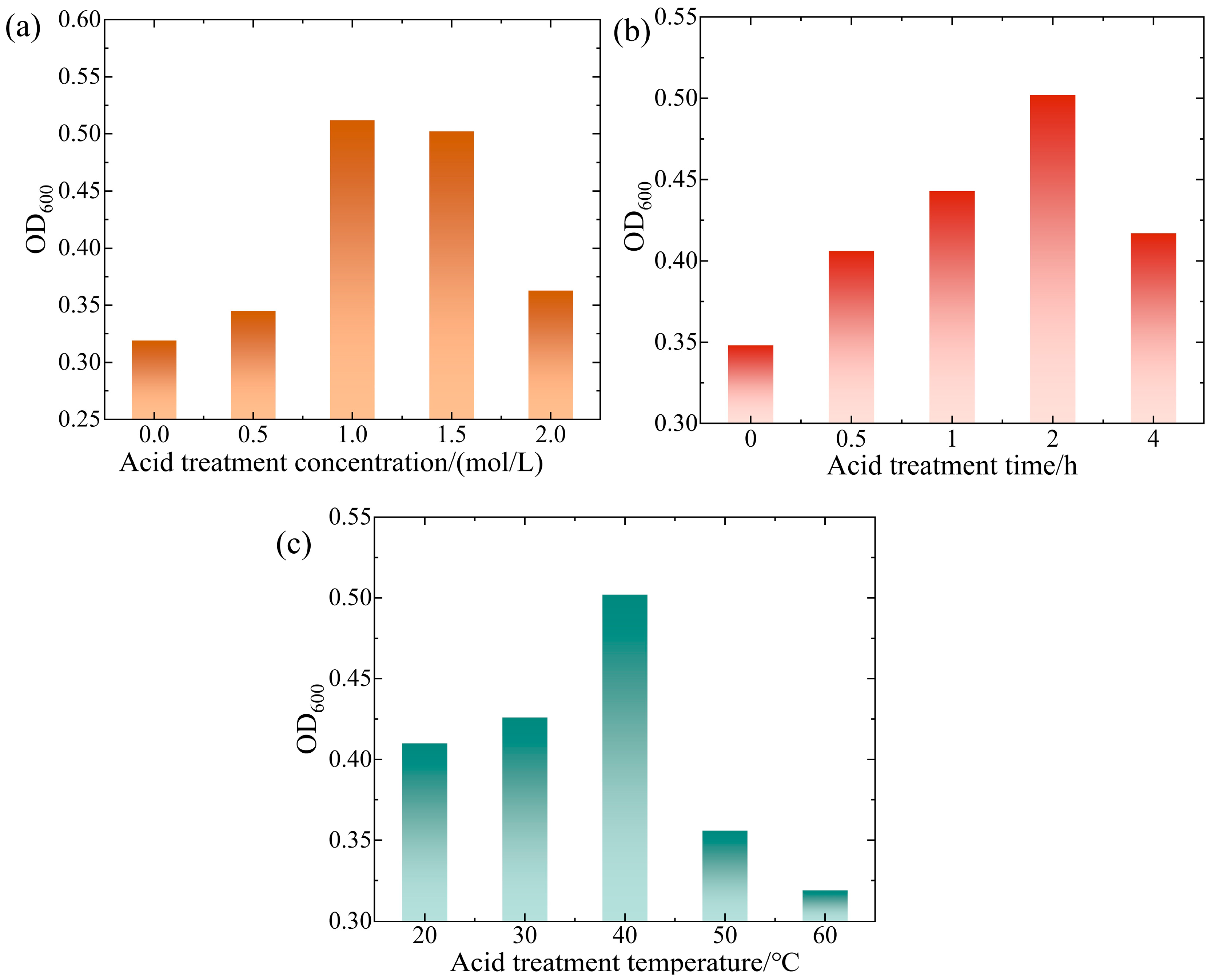
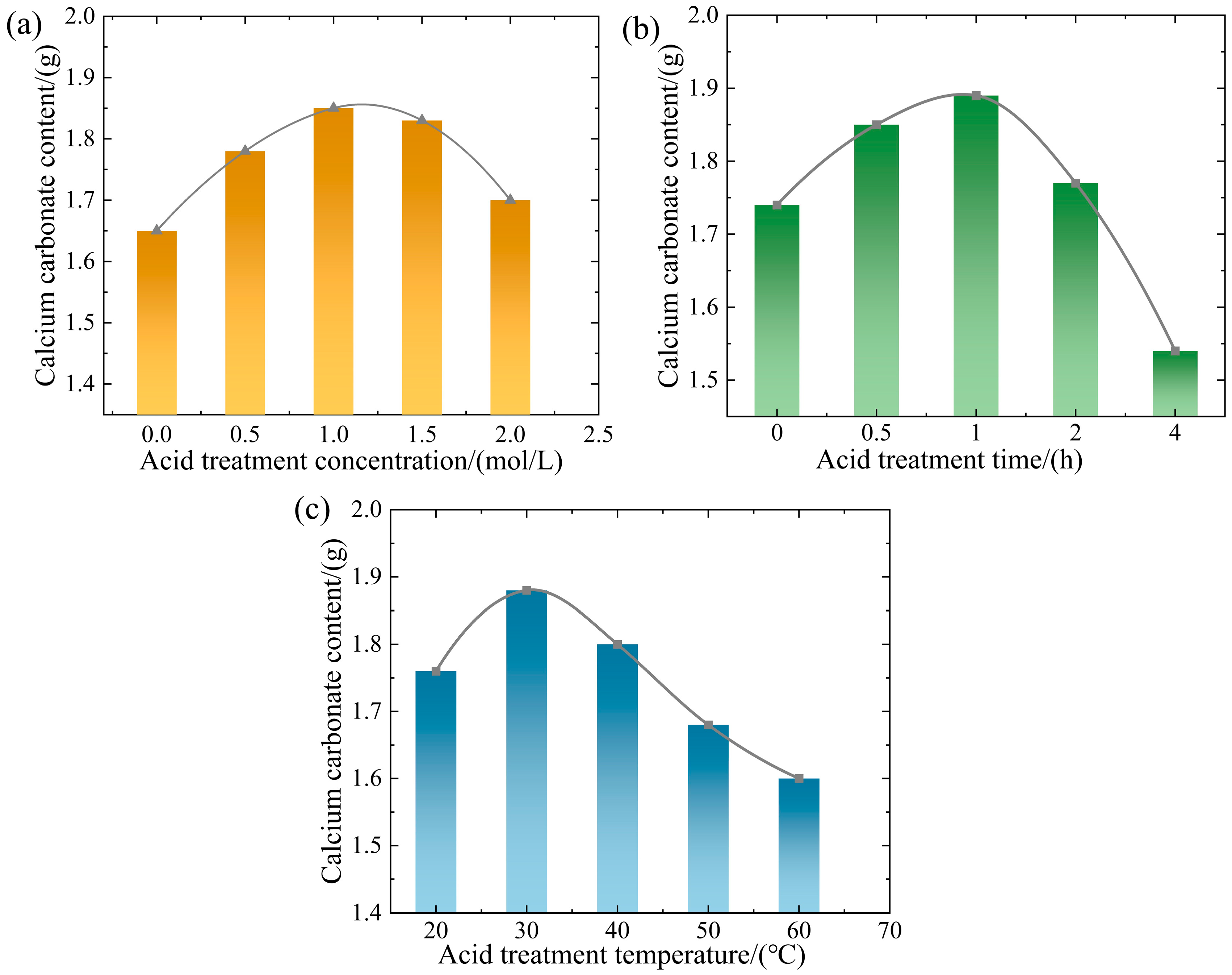
The present study investigated the effects of modified basalt fiber on bacterial adhesion capacity and microbial-induced calcite precipitation (MICP). To this end, basalt fibers were pretreated with diluted sulfuric acid, with three critical parameters evaluated: acid concentration, treatment duration, and temperature. The acid concentrations tested were 0, 0.5, 1, 1.5, and 2 mol/L; treatment durations were 0, 0.5, 1, 2, and 4 h; and temperatures were 20, 30, 40, 50, and 60 °C.
3.2. Adhesion Ability of Fiber to Bacteria
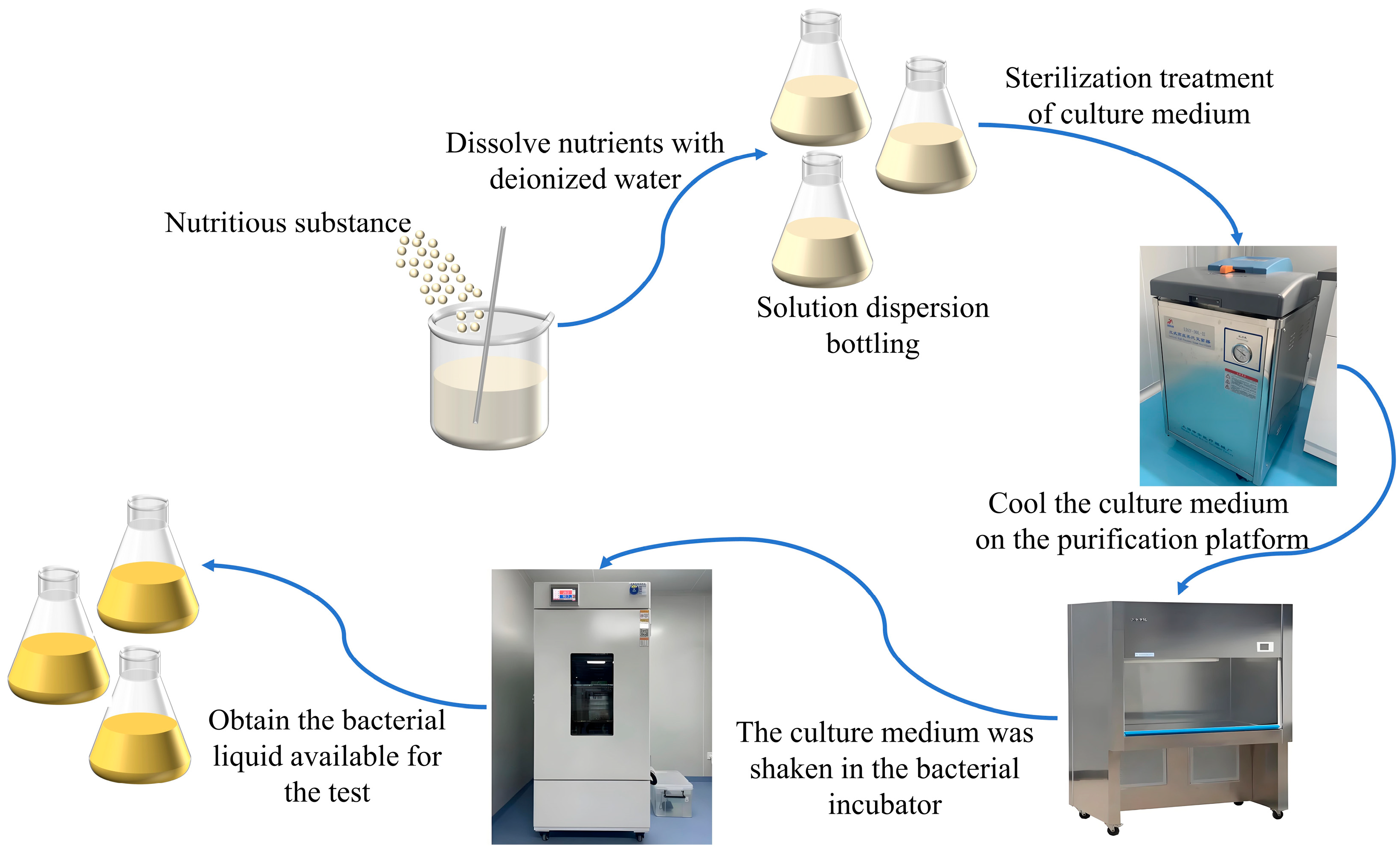
To investigate the adhesion capacity of modified basalt fibers toward bacterial bacteria, 0.5 g of basalt fibers pretreated under different conditions were weighed and placed into a conical flask containing 50 mL of Bacillus pasteurii culture. The flask was then incubated in a shaker at 30 °C and 160 r/min for oscillation periods of 1, 12, 24, 36, and 48 h. After oscillation, the fibers were retrieved and transferred into centrifuge tubes with 20 mL of sterile physiological saline. The tubes were subsequently placed in a shaker at 30 °C and 160 r/min for 20 min of agitation. The eluate was then collected for OD600 measurement.
3.3. Effect of Fiber on MICP
- (1)
Single-factor test of the effect of fiber on MICP
Firstly, 0.2 g of basalt fibers subjected to different pretreatment conditions were weighed and placed into centrifuge tubes. Subsequently, 20 mL of bacterial suspension and 20 mL of cementation solution were sequentially added to each tube to initiate the microbially induced carbonate precipitation (MICP) reaction. Following the MICP reaction, the tubes were centrifuged at 4000 rpm for 10 min. This centrifugation step was repeated twice. The supernatant was then filtered using filter paper. Both the filtered paper and the centrifuge tubes containing the precipitate were dried in an oven at 60 °C for 48 h. Their masses were measured separately. The mass of calcium carbonate precipitate M enerated was then calculated as follows:
where M
1 is the initial mass of the centrifuge tube, M
2 is the mass of the centrifuge tube after drying, M
3 is the mass of the filter paper before filtration, and M
4 is the mass of the filter paper after drying.
- (2)
Response surface test of the effect of fiber on MICP
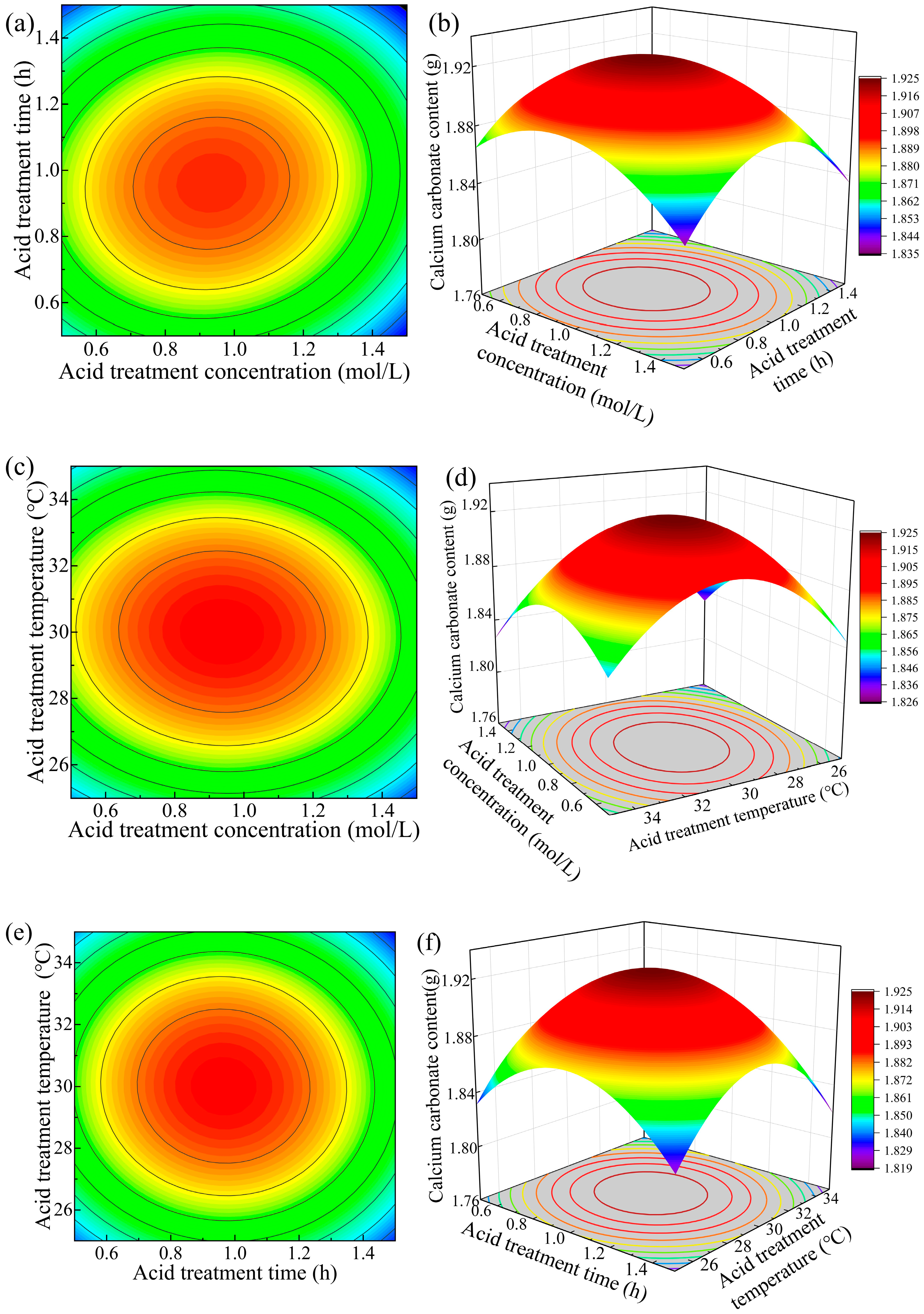
Based on the results of single-factor experiments, using calcium carbonate precipitation yield as the evaluation criterion, the response surface methodology was employed to determine the optimal modification conditions for basalt fibers.
3.4. Mechanical Test of Modified Fiber Combined with MICP-Solidified PG
- (1)
Indoor mechanical test
Based on the results of the basalt fiber modification experiments, according to the standard for geotechnical testing methods [
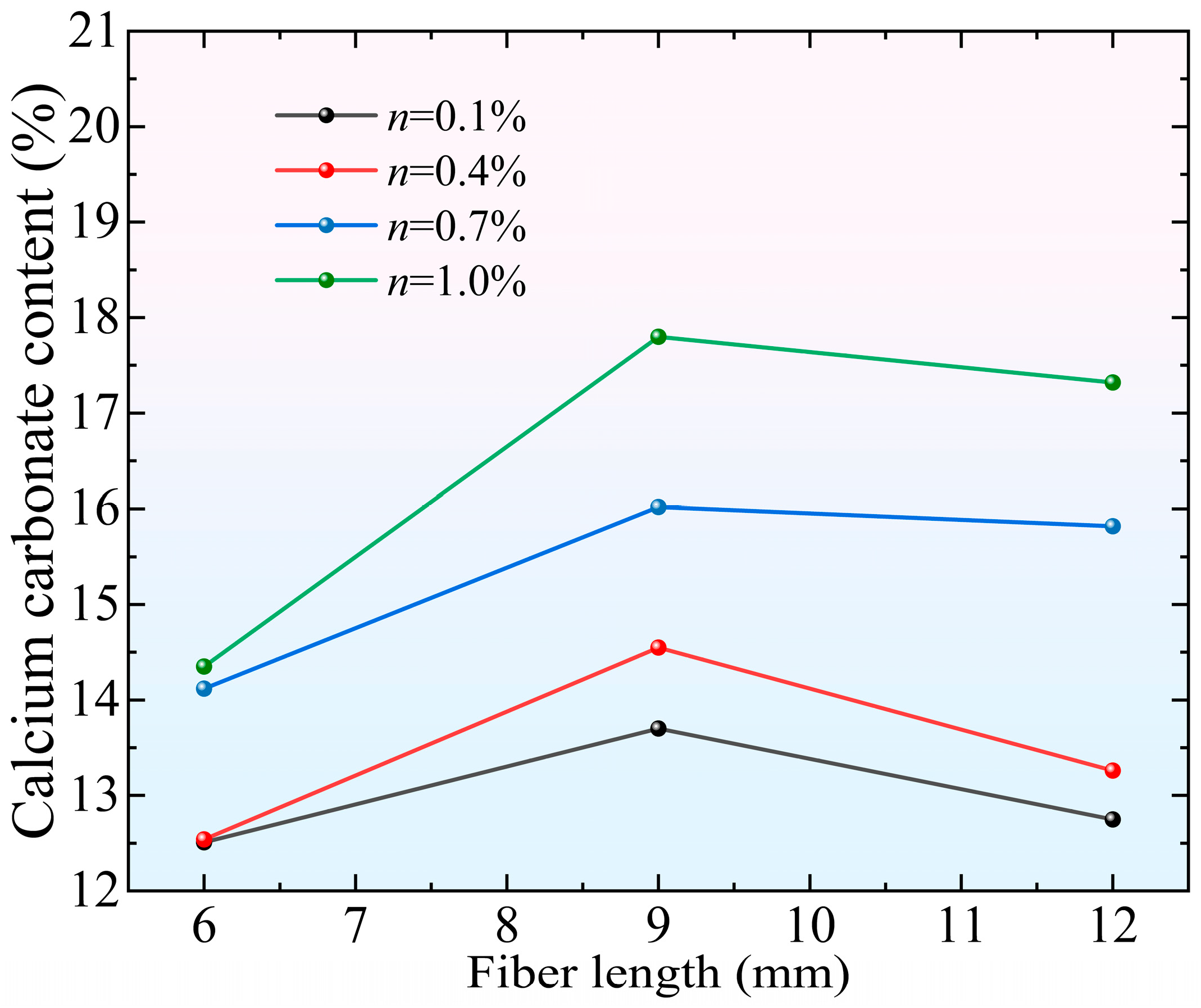
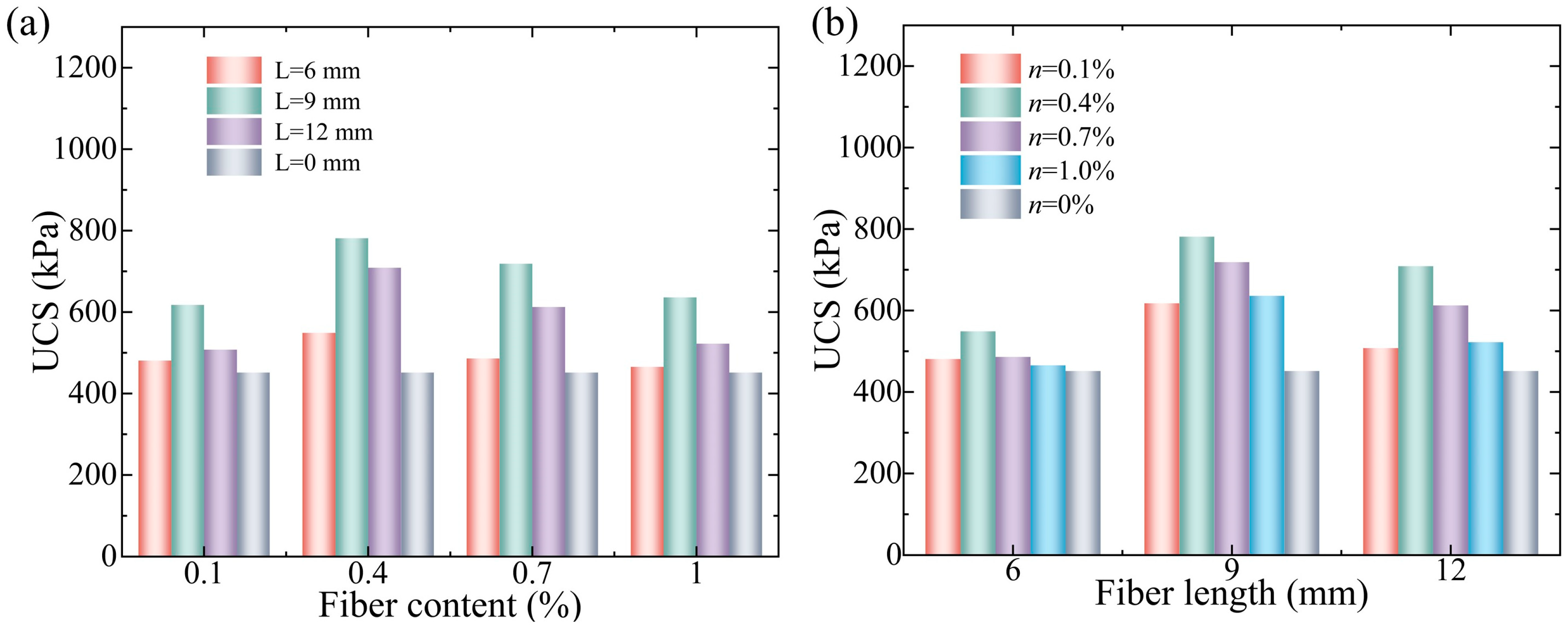
57], unconfined compressive strength (UCS) tests were conducted to investigate the influencing factors of modified basalt fiber content, fiber length, and confining pressure. The experimental design primarily focused on the variables of modified basalt fiber content and length, as outlined in the specific test protocol presented in
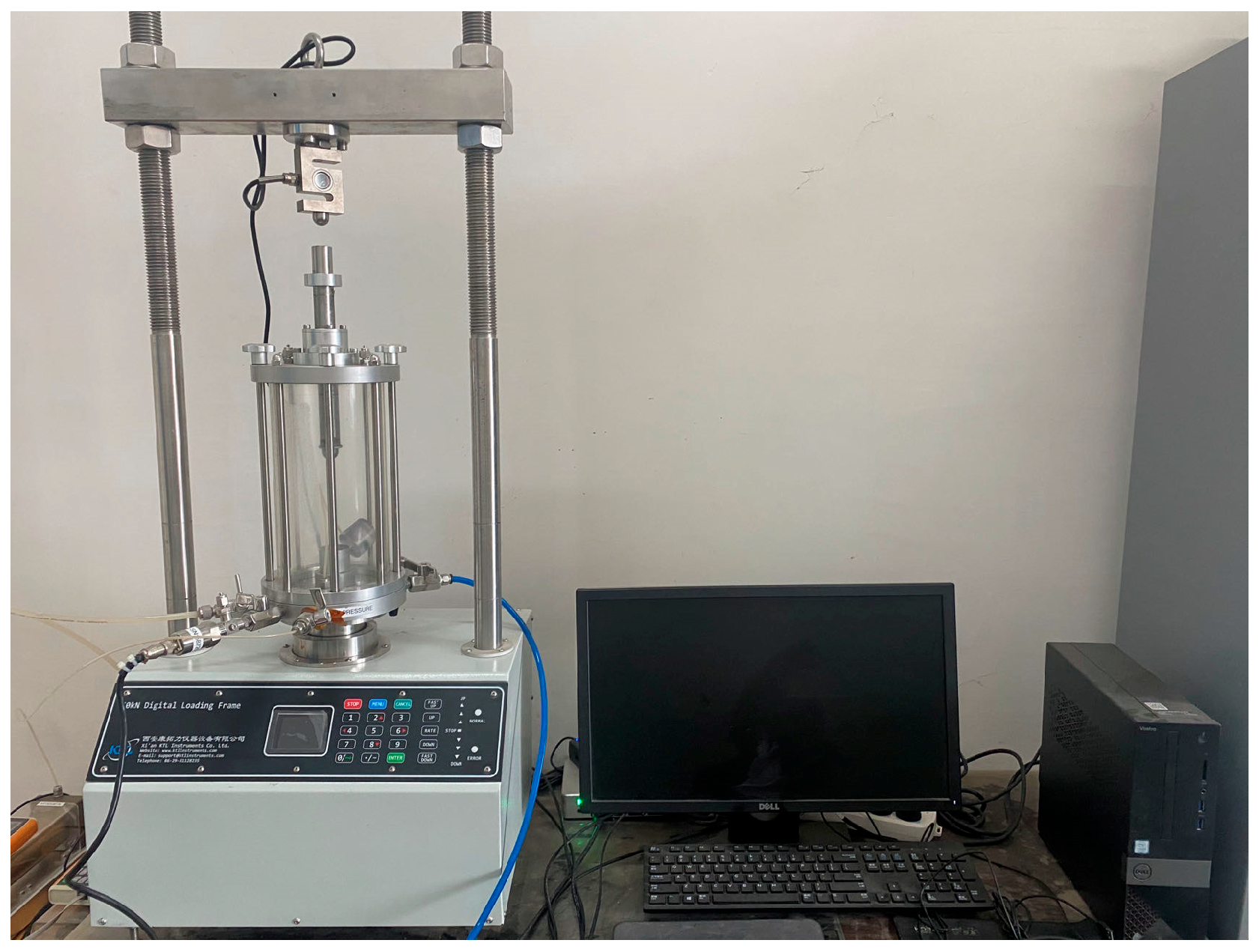
Table 4. The apparatus used in the unconfined compressive strength test is shown in
Figure 3.
- (2)
Sample preparation steps
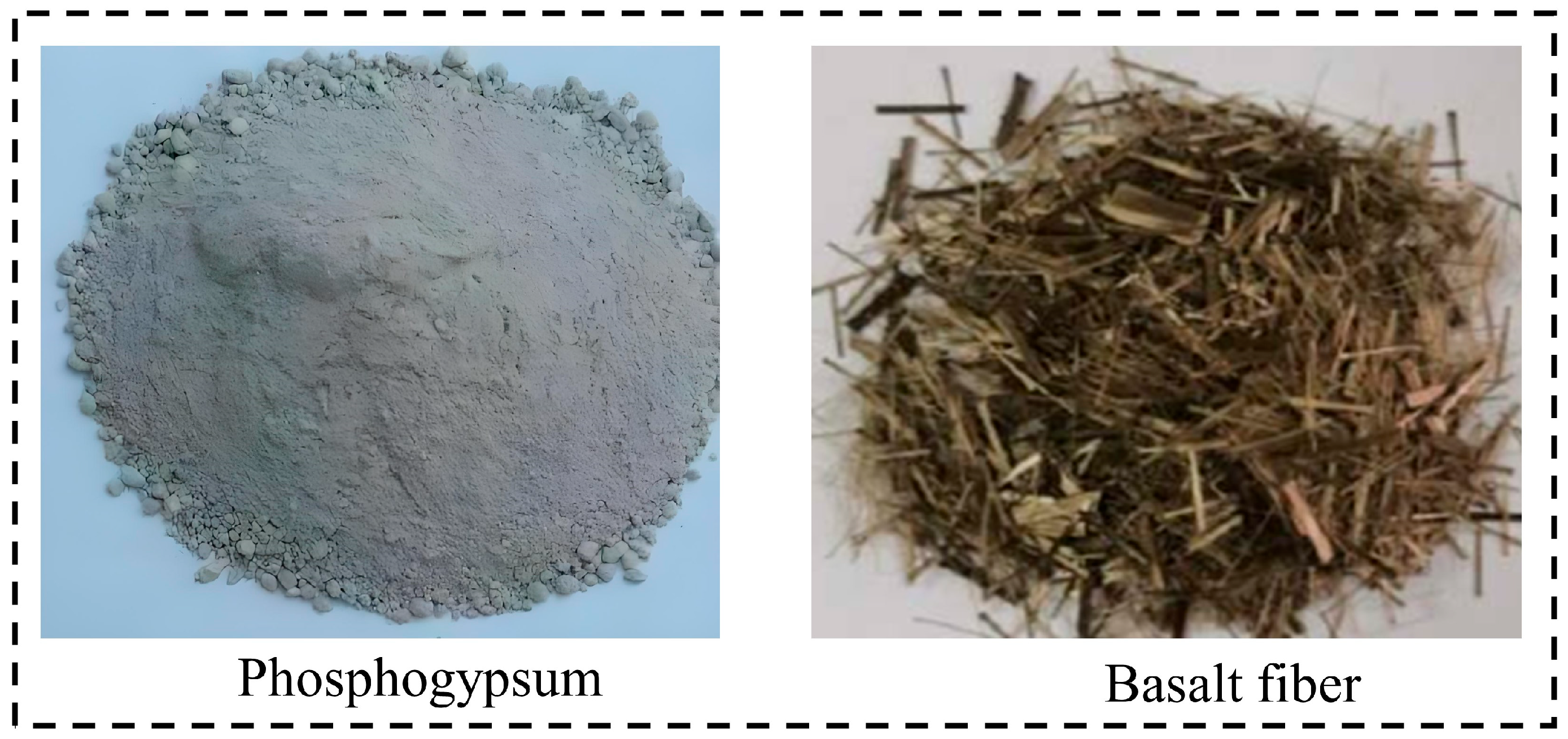
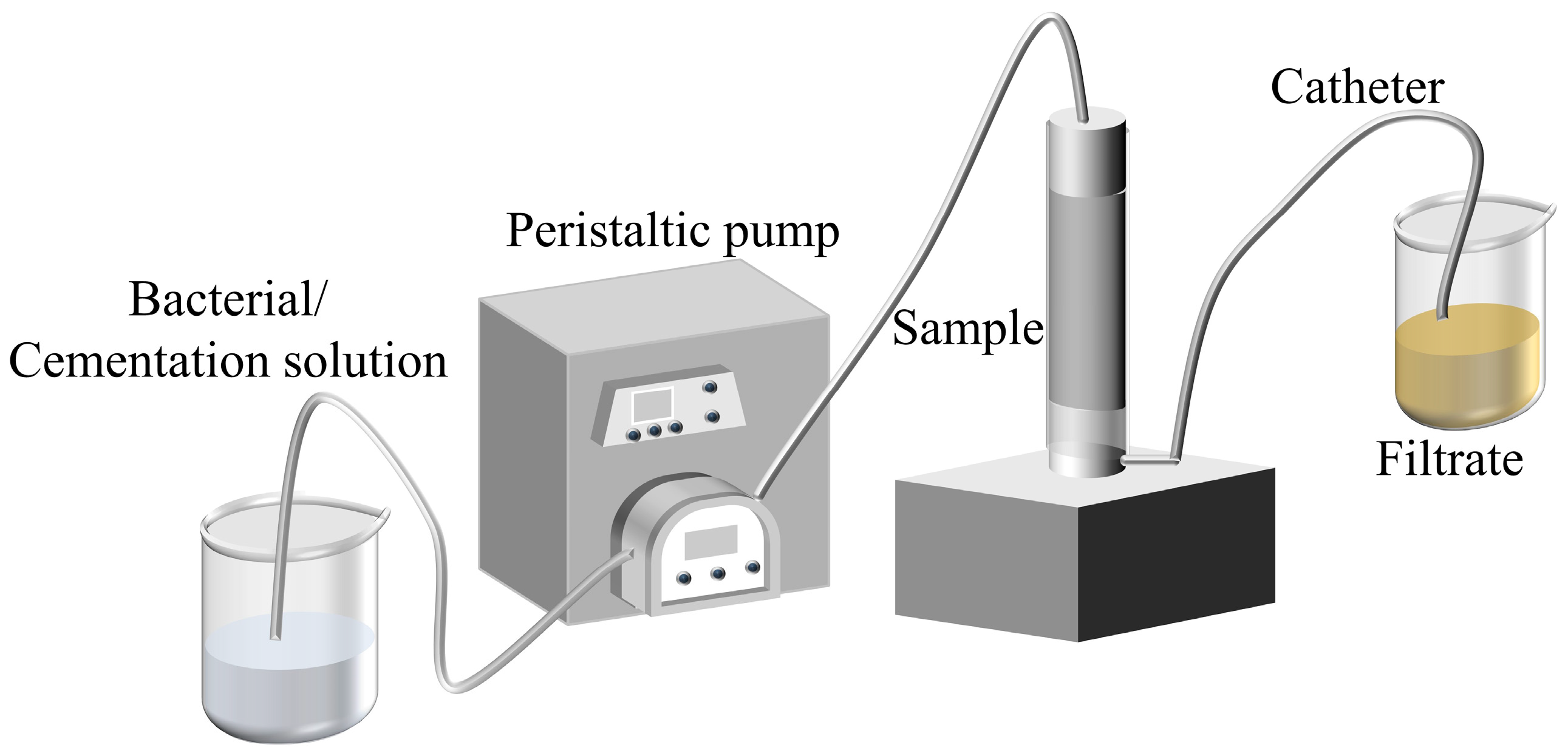
① An appropriate amount of PG was dried for standby, and the basalt fiber under the optimal modification conditions was used for standby; ② the PG and the modified basalt fiber were divided into three equal parts, and each equal part of the PG and the modified basalt fiber were uniformly mixed; ③ the mixed sample was divided into three layers and loaded into the mold. In the process of loading, the layer was pulled between the layers, and finally the sample was pressed. The sample size was 39.1 mm and the height was 80 mm. A filter paper and a permeable stone were placed at each end of the sample, and then a rubber plug with a hole was plugged at both ends; ④ the bacterial solution with 1 times pore volume was injected into the sample at a rate of 5 mL/min by a peristaltic pump, and then stood for 4 h, and then the cementing solution with 1 times pore volume was injected into the sample at a rate of 5 mL/min. Grouting was performed 10 times at intervals of 24 h. After the grouting was completed, deionized water was injected into the sample at the same grouting rate to terminate the MICP mineralization reaction. The grouting device is shown in
Figure 4.
- (3)
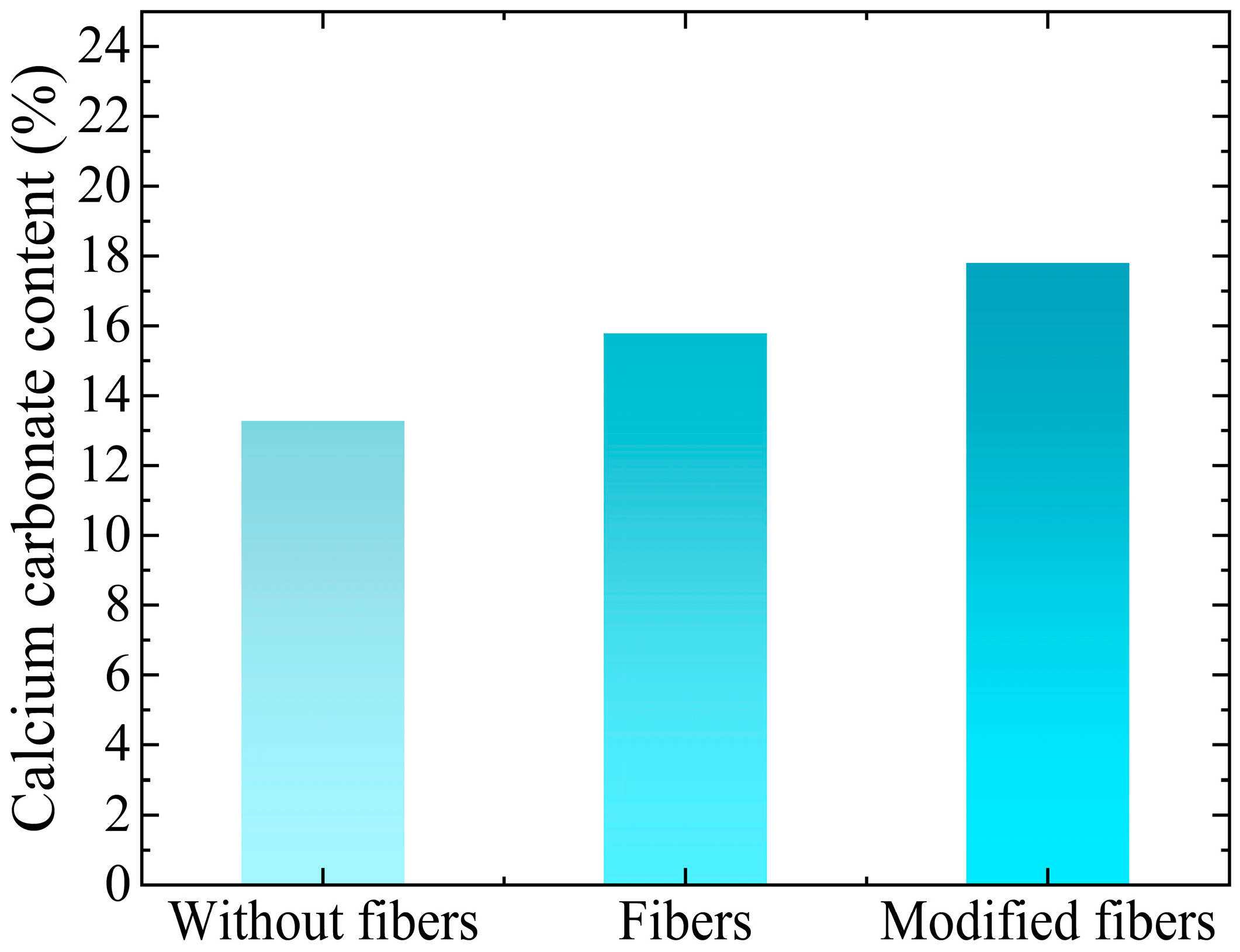
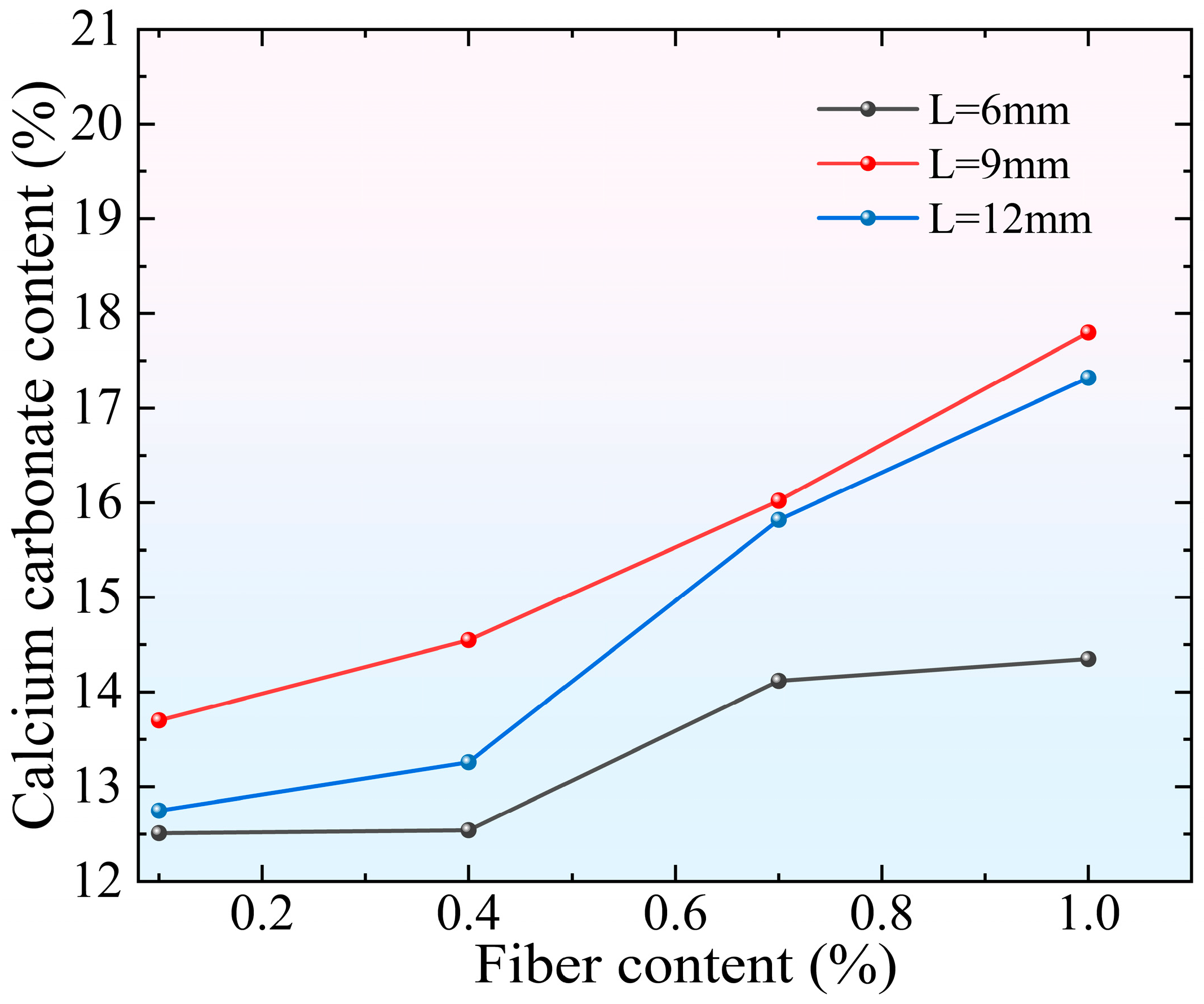
Determination of calcium carbonate content in specimens: specimens were dried to constant weight after solidification. The mass of calcite precipitated during the MICP reaction was determined by comparing the weight of the specimen before and after solidification. The calcium carbonate content was calculated by dividing this precipitated mass by the initial mass of the specimen (prior to solidification), expressed as a percentage (%).