3.1. Analysis of Case-Study Bridges
The two deck types illustrated in
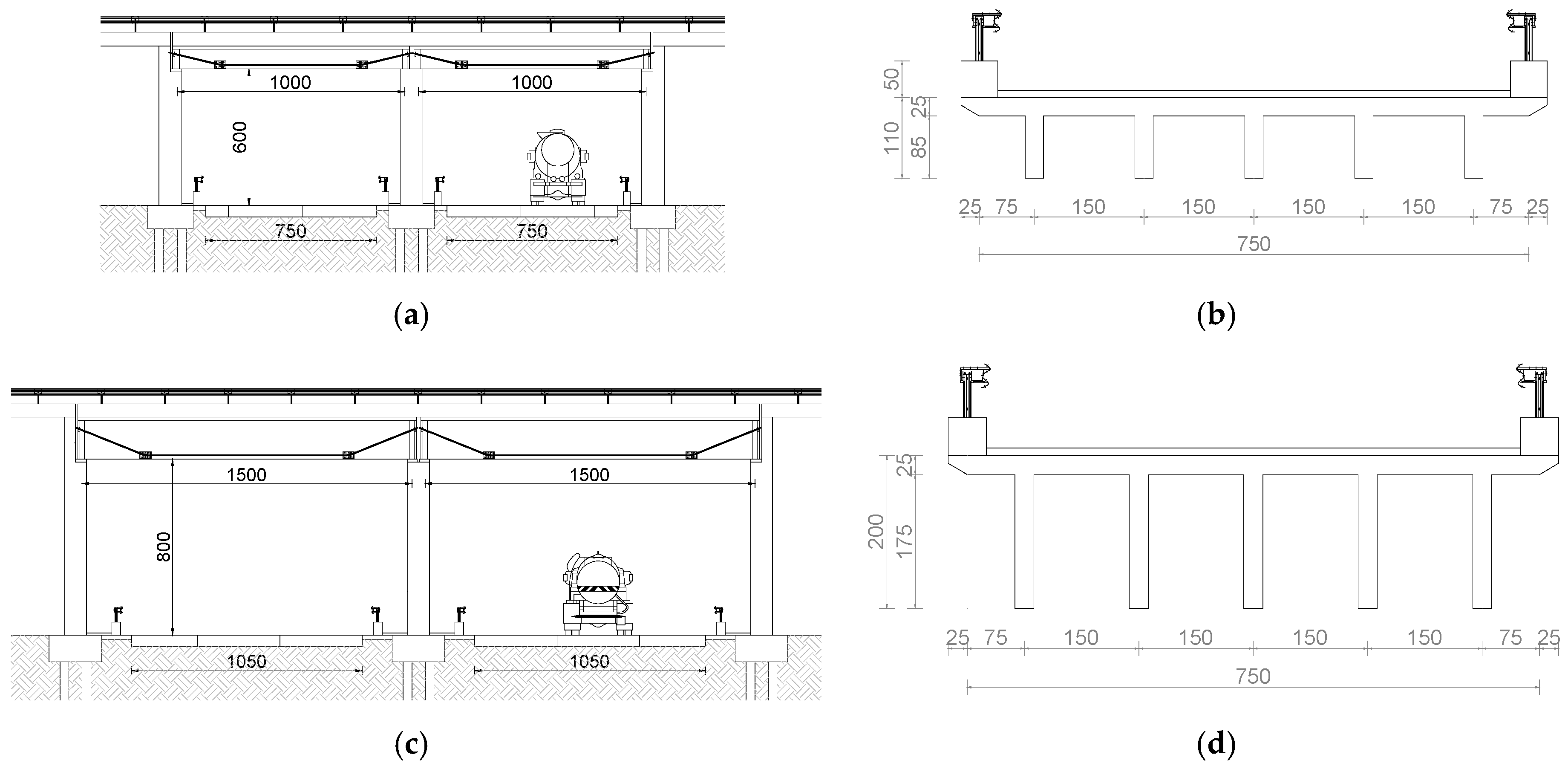
Figure 1, with span lengths of 10 m and 15 m, were investigated as representative of overpass configurations with clearance heights of 6 m and 8 m. This parametric approach allows a comparative assessment of structural behavior with respect to span variation, the proportion of reinforcement affected by fire-induced damage relative to the structural concrete cross-section, and the influence of external prestressing on the two decks. The comparison is conducted under equivalent total prestressing axial forces, allowing for a separate evaluation of thermal, geometric, and mechanical effects. The structural performance was evaluated by considering the progressive reduction in capacity induced by temperature effects, with a focus on the time evolution of the ultimate bending moment, M
u,L, of the midspan cross-section. The initial reduction affects the strengthened beam equipped with a sheathed external tendon, due to both thermal degradation and prestressing relaxation. Once the strengthening system is deemed ineffective, the analysis refers to the original RC section without prestressing, accounting for the temperature-dependent strength reduction in the bottom mild steel reinforcement.
The first stage of the assessment concerns the loss of prestressing caused by heating of the steel tendon. This evaluation explicitly considers the tendon cross-sectional area as well as the thickness and material properties of the protective sheath. The heating delay of the protected steel element was determined in accordance with Equation 4.27 of Eurocode 3 [
33], incorporating the thermal properties of the plastic sheath. This equation allows the temperature of a steel cross-section insulated by fire-protective material to be evaluated, and it is reported below:
where
ϕ = ;
fire-protective material of tendon per unit length of the element ;
volume of the element per unit length ;
section factor ;
thickness of the fire-protective material ;
steel temperature at time [°C];
gas temperature in the surrounding environment at time [°C];
increase in the temperature of the gases during the time interval [°C];
considered time interval , assumed equal to 30 s;
density of steel , taken as 7850 kg/m3;
specific heat capacity of steel, varying as a function of the temperature reached during the fire, according to Chapter 3 of Eurocode 3 .
The protective material considered for the prestressing tendon is a plastic tube made of high-density polyethylene (HDPE) with a thickness of 5 or 15 mm. The thermal properties of the protective material are the following:
density of the protective material , taken as 957 kg/m3;
specific heat capacity of the protective material, assumed to be temperature-independent and equal to 1850 ;
thermal conductivity of the protective material, equal to 0.45 .
Prestress loss was estimated using a simplified linear relationship between temperature rise and reduction in the initial prestressing, based on the correlation between thermal elongation of the prestressing steel and the corresponding decrease in tendon axial force. The ultimate bending moment of the RC cross-section at each time step was then computed using the residual external prestressing force.
Because complete loss of prestressing occurred at time t
1, prior to the attainment of the 400 °C isotherm in the most exposed mild reinforcement of RC cross-section, at time t
2, the response in the interval t
1 < t < t
2 corresponds to that of the unstrengthened beam. For times greater than t
2, the ultimate bending capacity of the original beam further decreases due to the reduction in the yielding strength
fyd of the steel reinforcement, as prescribed by Eurocode 3 [
33]. In the examined configuration, each deck beam is strengthened using two external tendons, each composed of four strands with a nominal diameter of 15 mm, with an initial prestressing value set to 1100 Mpa.
The degradation of mild reinforcement steel was evaluated through the coefficient
kθ provided by Eurocode 2, which affects the reduction in strength according to the following relation:
where
fyk is the characteristic conventional yield strength (450 Mpa in the present case), and θ is the temperature at which the reduction is evaluated, based on the curve provided in Eurocode 2 for prestressing steel. The variation in
kθ with temperature is given by the following equation:
Hence, the ultimate bending moment is computed, for each time and each temperature, according to the degraded value of steel yielding, using the above equations and taking into account axial force due to prestressing in the related
N-
M domain of cross-section.
3.2. Temperature and Structural Analysis for the Bridge with 10 m Span Length
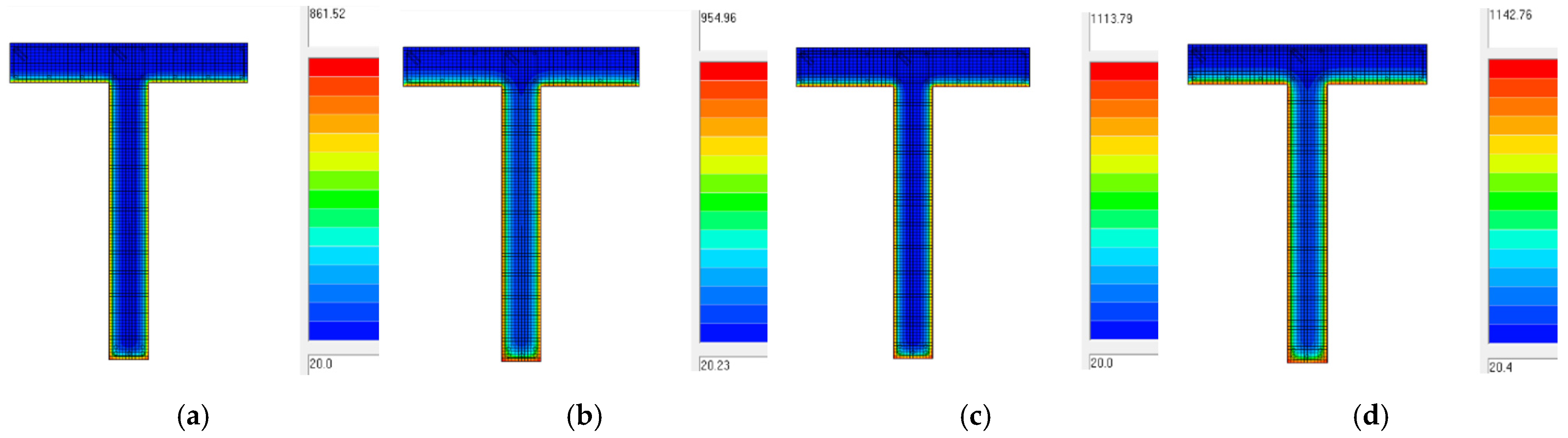
Figure 7 shows the isotherms in the cross-section of the bridge beam with a 10 m span for the standard curve at 30 (
Figure 7a) and 60 min (
Figure 7b), and for the hydrocarbon curve, at 30 (
Figure 7c) and 60 min (
Figure 7d).
Figure 8 presents the time-dependent evolution of the useful ultimate bending moment M
u,L of the externally prestressed RC bridge exposed to both the standard and hydrocarbon fire curves, assuming a protective sheath thickness of 5 mm for each tendon. Both characteristic and frequent combinations of dead and traffic loads were considered, in accordance with the moving load models specified in Eurocode 1 [
34]. Traffic loads were transversely distributed to the outermost beam, identified as the most heavily loaded, using the Courbon method.
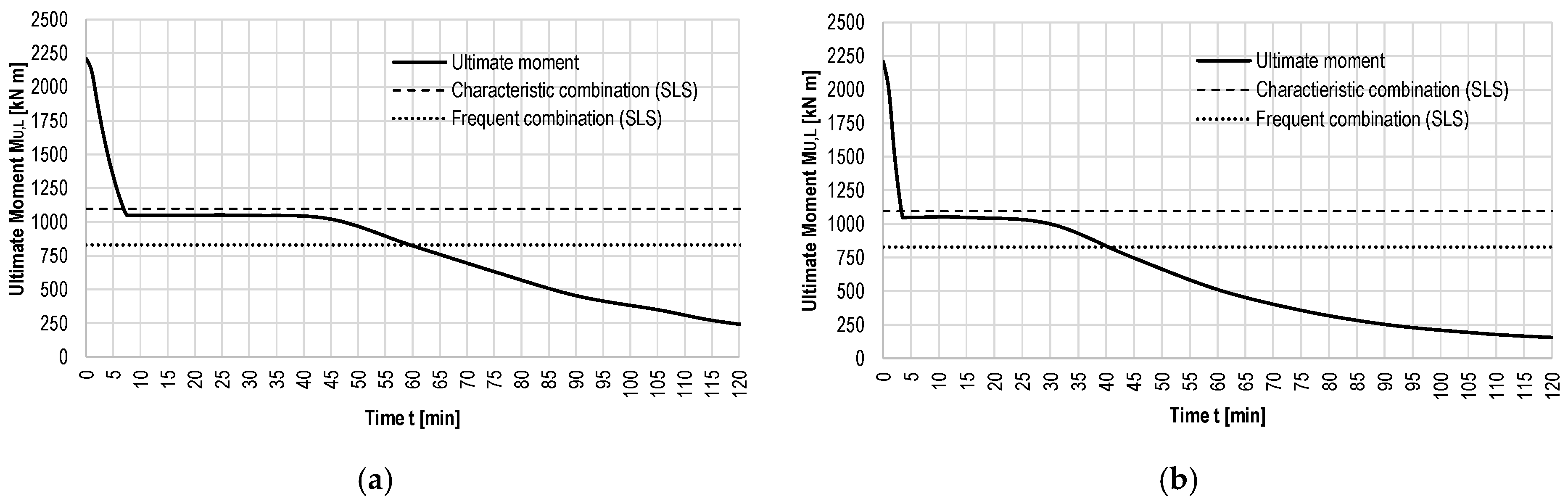
Due to prestressing degradation during fire, the ultimate bending moment decreases from the initial value of 2200 kNm (with prestressing) to the value that corresponds to the characteristic load combination (1100 kNm) approximately 7 min after fire ignition when the standard fire curve is applied. In contrast, the hydrocarbon fire reaches the same moment in less than 5 min.
Subsequently, the response of the RC section without external prestressing, corresponding to the horizontal plateau of the curves in
Figure 8, reflects the residual performance of the RC bridge, which may be acceptable for lower traffic loads or when traffic has been stopped. The temperatures reported in
Figure 7 are measured, for the RC section, at the bottom web reinforcement, as these are the most exposed and most relevant with respect to the ultimate bending moment of the simply supported beam. The plateau of the ultimate moment below the characteristic load combination represents the original RC ultimate moment prior to degradation of the mild reinforcement due to fire (1040 kNm). Consequently, under the standard fire scenario, failure corresponding to the value of ultimate moment equal to that of the frequent load combination occurs after approximately 60 min. Under hydrocarbon fire exposure, the corresponding failure time is reduced to around 40 min. This indicates that, for the frequent combination of moving loads, the bridge retains sufficient load-bearing capacity for a duration adequate to ensure safety following the accident and fire ignition. In contrast, the characteristic load combination is not maintained for a time interval compatible with the arrival of rescue teams and the implementation of traffic interruption measures. All evaluations assume unitary strength safety factors.
Because the structural response under the maximum moving load combination is governed by the fast degradation of the external prestressing tendon properties and the associated abrupt loss of prestressing force, the analyses were extended by considering an increased thickness of the protective sheath.
Figure 9 reports the evolution of the ultimate bending moment under the standard fire exposure (
Figure 9a) and the hydrocarbon fire scenario (
Figure 9b), assuming a polyethylene (PE) sheath thickness of 15 mm.
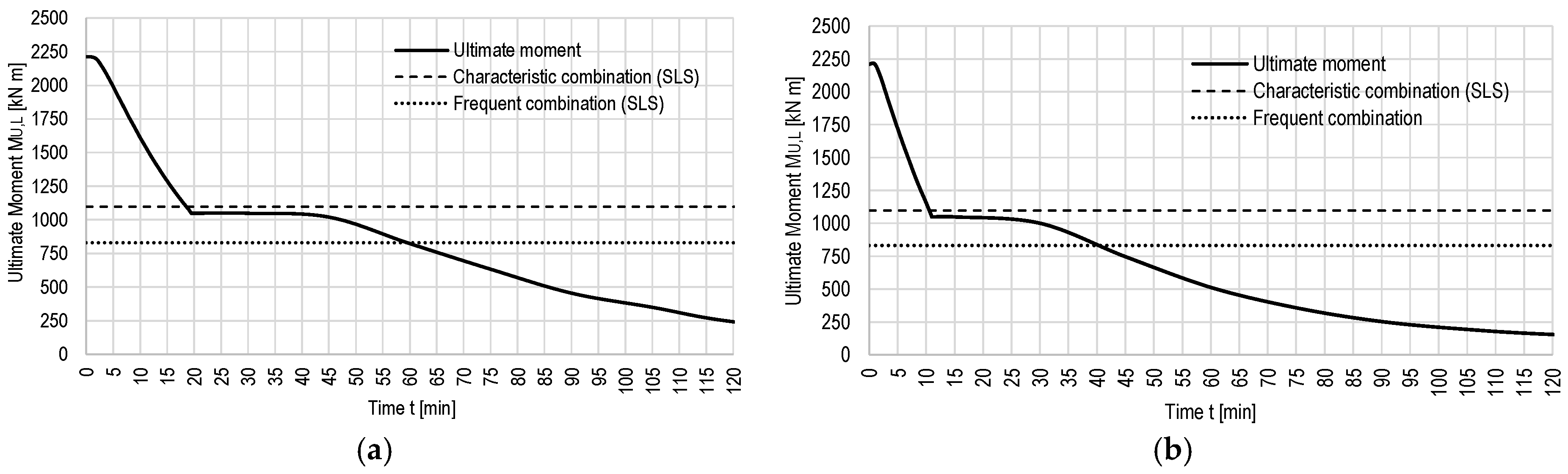
Under this configuration, the response of the externally prestressed system becomes significantly more gradual, resulting in a delayed attainment of the critical condition associated with the characteristic load combination. Specifically, failure occurs after approximately 18 min under the standard fire curve and about 10 min under the hydrocarbon fire curve. These times are nearly twice those obtained with the thinner protective sheath and provide a minimum reaction window before structural damage may lead to severe consequences under high traffic load conditions.
It is noted that the increase in sheath thickness primarily influences the load-bearing capacity associated with the characteristic load combination, while it does not affect the behavior of the RC cross-section and the limit corresponding to the frequent load combination. Accordingly, the fire-induced response of the unprestressed RC section remains unchanged.
These results suggest that the fire performance of externally strengthened structures can be substantially improved through the use of more effective protective sheaths for external tendons. Such protection should not be designed solely to facilitate tendon movement or to ensure durability against environmental exposure, as is common in engineering practice, but should be deliberately enhanced to improve structural performance under accidental fire scenarios.
Table 3 summarizes the times for the different cases. Time t
1 corresponds to the total loss of prestressing and the attainment of the ultimate moment of the original RC beam (plateau), t
2 indicates the onset of degradation of mild reinforcements in the RC beam, while t
char is the time at which the ultimate moment of the degraded beam reaches the characteristic load combination level, and t
freq corresponds to the time at which the ultimate moment reaches the level of the frequent load combination.
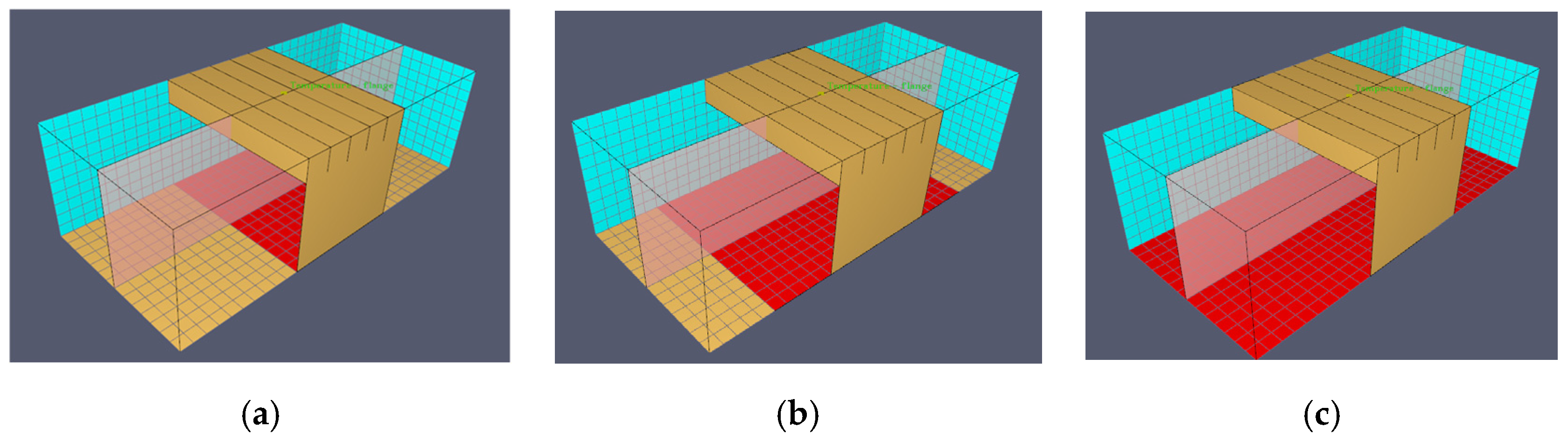
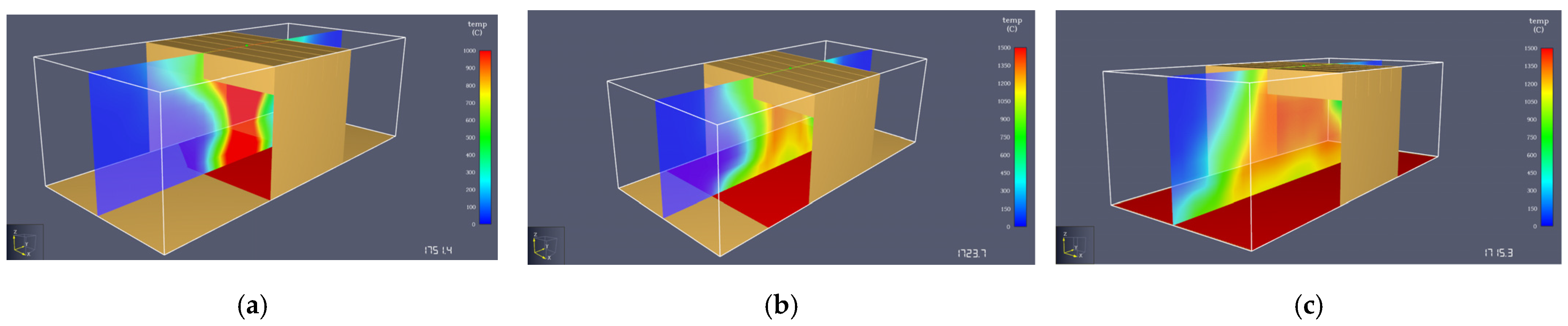
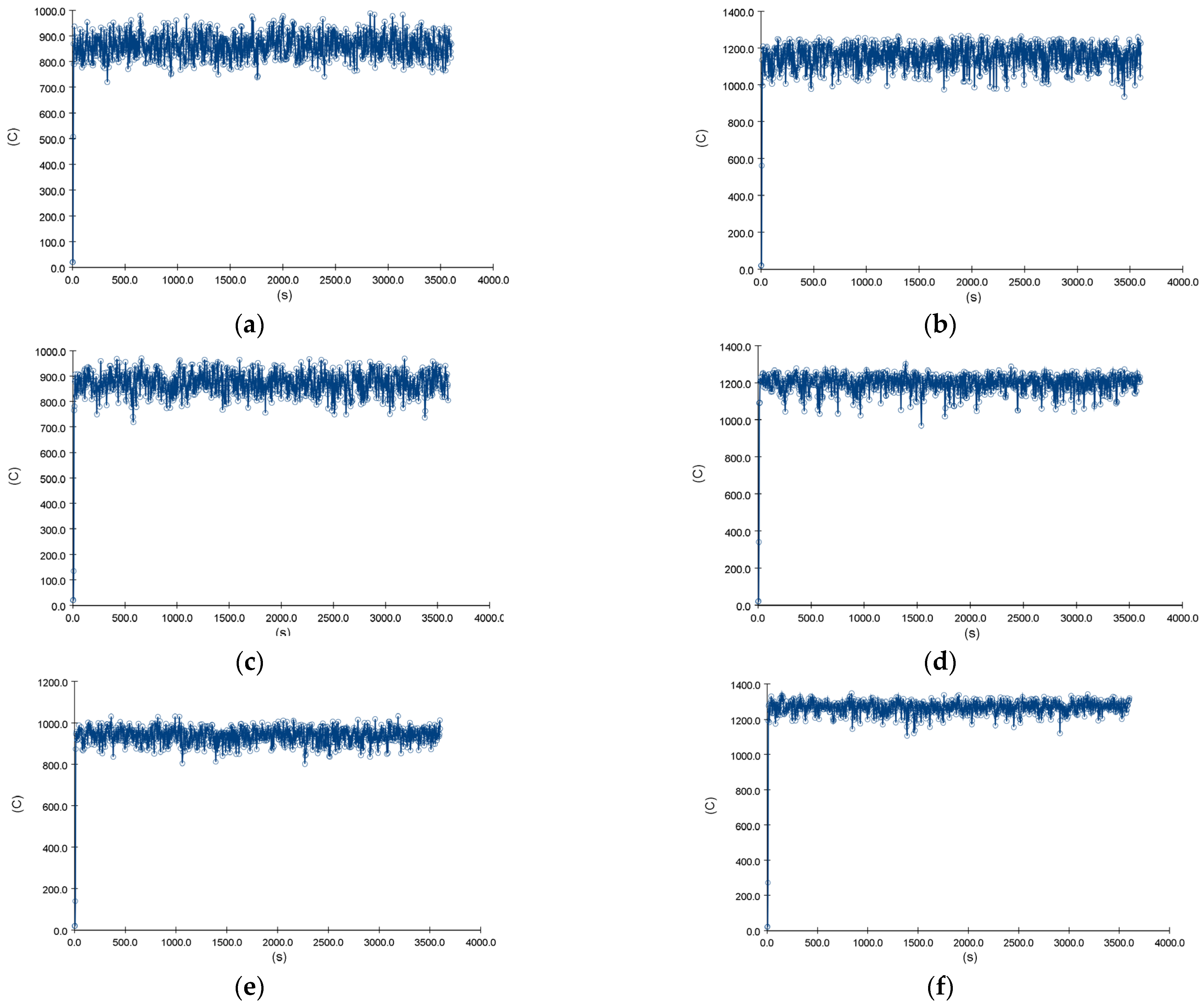
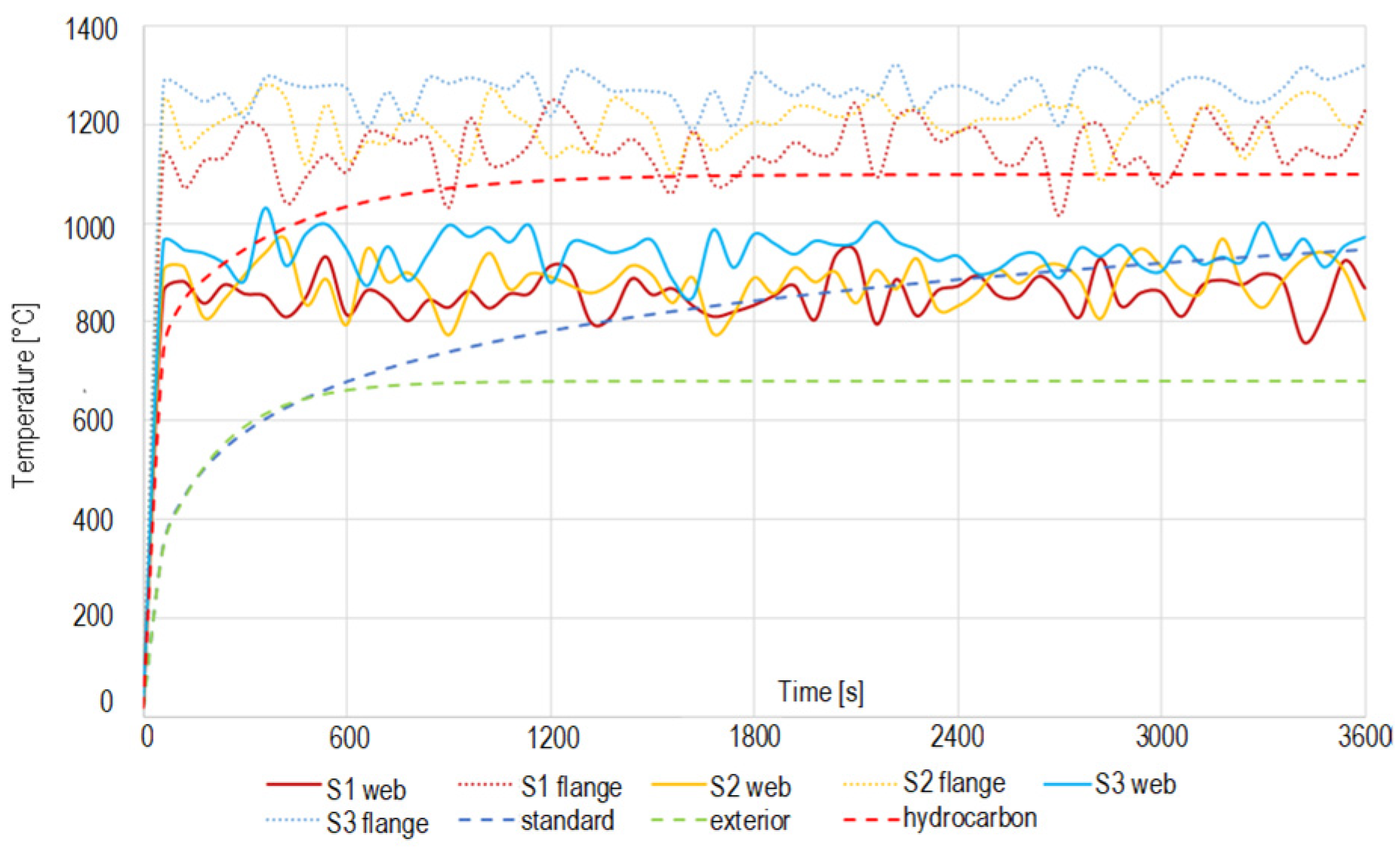
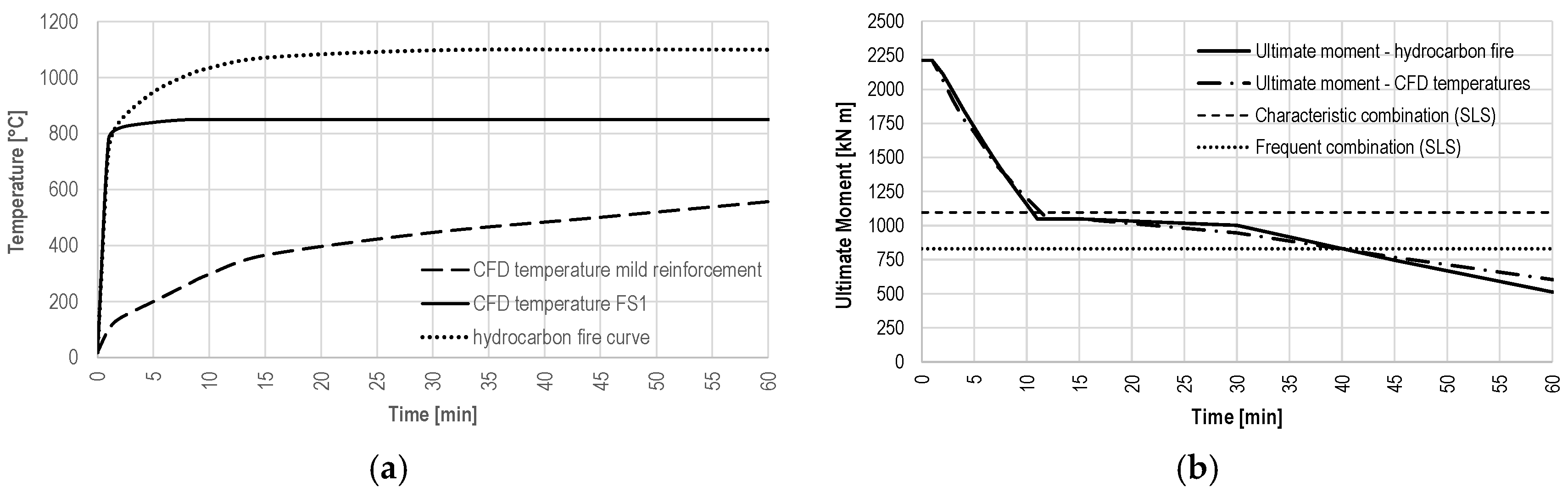
The analysis was repeated using the temperatures recorded by the CFD model in the fire Scenario FS1 at the beam web, which were found to be the lowest ones, with a sustained temperature of 850 °C. The temperatures within the cross-section were derived, and the temperature–time curves of the prestressing tendon with a 15 mm protective sheath and of the original reinforced concrete (RC) section were determined.
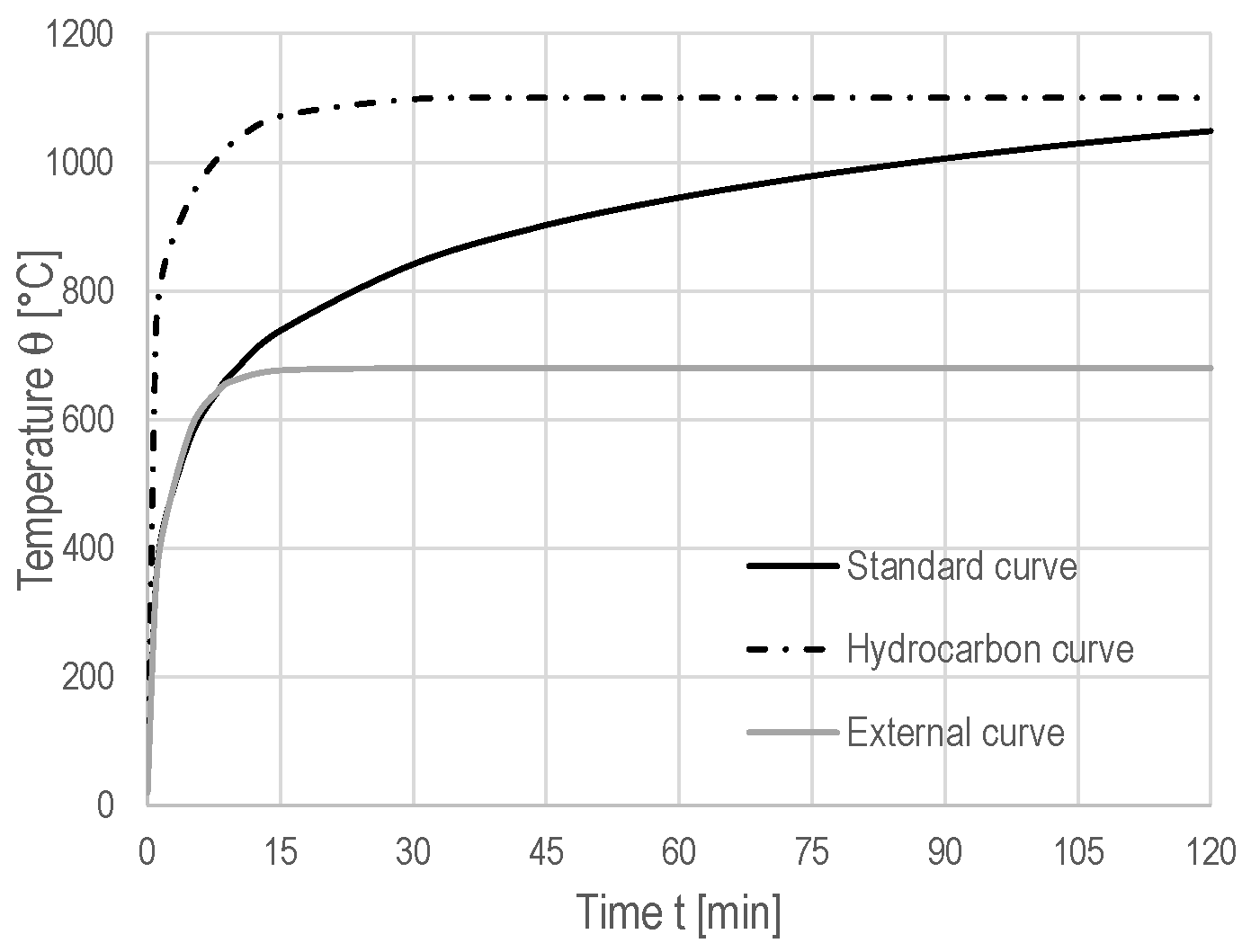
Figure 10a compares the three temperature curves: the nominal hydrocarbon fire curve, the gas temperature at the beam web obtained from the CFD model (FS1), and the temperature curve reached by the mild steel reinforcement within the RC section.
Figure 10b shows the ultimate bending moment degradation of the beam, comparing the results obtained using the nominal hydrocarbon fire curve with those obtained using the temperature histories from the CFD model reported in
Figure 10a. It can be observed that the rapid initial increase in temperature, which is characteristic of hydrocarbon fire exposure, plays a decisive role in the degradation process. As a result, the outcomes obtained using the nominal fire curve are essentially coincident with those derived from the CFD-based temperature histories during the first 60 min of exposure. This occurs even if the sustained temperature in the CFD simulation is lower than that of the code curve, because during the stage of prestressing relaxation, the concrete still has time to heat up, and the internal temperatures of the bottom reinforcement do not differ significantly from those observed in thermal analyses based on literature fire curves. Consequently, the use of nominal fire curves is validated for the case study of highway overpasses subjected to tanker accident scenarios, even when the final temperatures are lower than those of the hydrocarbon fire curve, since the critical degradation occurs within the first 60 min. The ultimate bending moment corresponding to the frequent load combination is reached at 40 min, confirming the results previously presented in
Figure 9.
This comparison thus supports the use of simplified approaches in hydrocarbon fire risk assessments for highway overpasses, where the standard nominal fire curve can be considered a lower-bound scenario, and the hydrocarbon fire curve represents an upper-bound, severe scenario. The actual temperature histories obtained from CFD analysis fall between these two curves, but are characterized by a rapid initial temperature rise, which is critical for assessing structural behavior during the early stages of the fire.
3.3. Temperature and Structural Analysis for the Bridge with 15 m Span Length
Similar analyses were also conducted on the bridge configuration composed of five beams with a span length of 15 m (
Figure 1c,d). As in the previous cases, four external prestressing tendons with a nominal diameter of 15 mm were adopted, each tensioned to an initial stress level of 1100 MPa. The parametric study again considered variations in both the applied fire exposure curve and the thickness of the protective sheath surrounding the tendons. Overpass clearance height was fixed to 8 m.
Figure 11 presents the temperature analysis performed on the T-shaped cross-section of the main beam. The load application followed the same procedure as in the previous case, with actions applied to the outermost beam of the deck, identified as the most critical in terms of loading. The ultimate bending moment was assessed throughout the progressive degradation of external prestressing induced by fire exposure. Once the prestressing system became ineffective, the structural response of the RC beam without external prestressing was subsequently evaluated.
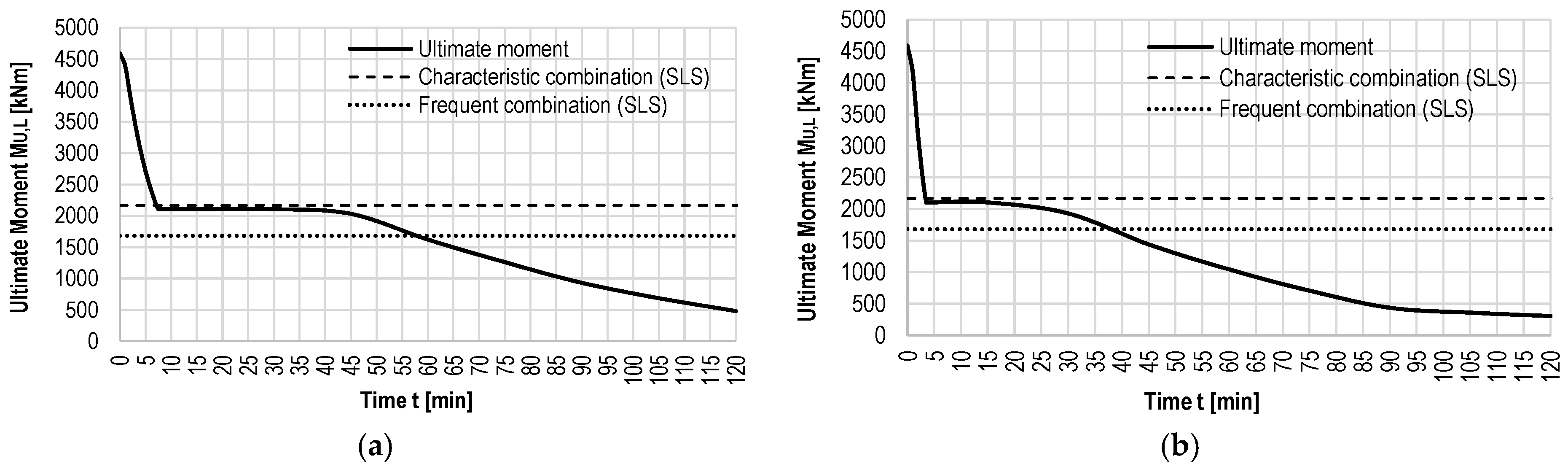
Figure 12 shows the progression of the ultimate moment, and the levels of the load combinations reached for standard fire and hydrocarbon fire with a 5 mm thin cable sheath protection.
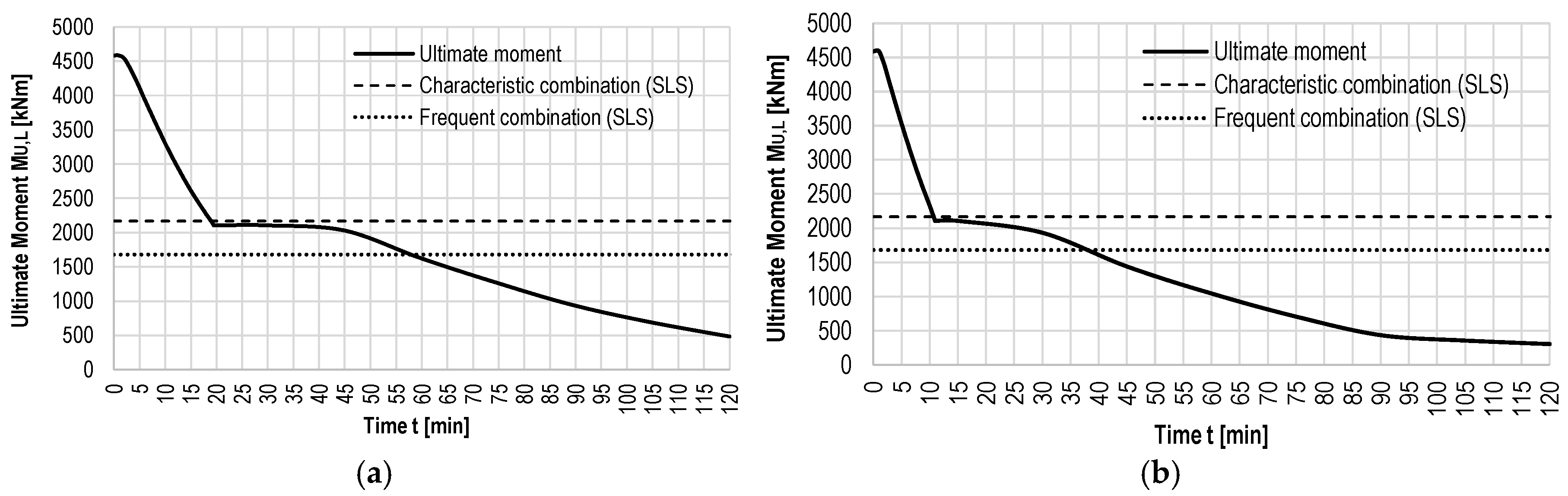
In this case, the ultimate moment of the beam strengthened with external prestressing is 4400 kNm, which subsequently decreases due to prestressing degradation caused by fire, reaching the level corresponding to the characteristic load combination at 2170 kNm. Similarly, the plateau of the ultimate moment of the original RC beam, without prestressing, is below that required by the characteristic combination, while the moment corresponding to the frequent load combination is 1680 kNm. This value is reached by the effective ultimate moment after reinforcement degradation of the original RC section, occurring at 55 min for the standard fire curve and 37 min for the hydrocarbon one.
Figure 13 presents the results with a 15 mm protective sheath, showing the improved performance of the prestressed beam, which degrades more slowly, reaching the characteristic combination moment level at 18 min for the standard fire curve (
Figure 13a), compared to 7 min in
Figure 12a with the 5 mm sheath. For the hydrocarbon fire curve, the same level is reached at 10 min (
Figure 13b), instead of 3 min for the 5 mm sheath.
Table 4 summarizes the times achieved for the different cases analyzed for the bridge of 15 m span. The decisive role of the protective sheath thickness is thus confirmed. The differences in the times identified with respect to the 10 m bridge case mainly arise from the thermal analysis of the cross-section, which features a different geometry exposed to fire and a different configuration of the bottom mild reinforcement.
The time required to reach different performance levels in terms of load-bearing capacity and ultimate bending moment is directly related to the time available for traffic closure and emergency response. Accordingly, a longer initial delay before the prestress loss is essential to ensure sufficient reaction time and to prevent heavy vehicle loads on the bridge, potentially occurring within the first minutes after fire ignition, from inducing early-stage damage. This enables timely traffic restrictions or closure, allowing emergency services to operate effectively. Consequently, increasing the thickness of the protective sheath represents both a feasible maintenance strategy for existing strengthened bridges and a design option for new retrofit systems. Hence, extending the time t1 from 4 to 12 min is important to achieving improved structural performance and reduced fire-related risk.
3.4. Influence of Degradation in Multi-Risk Assessment
To account for the possible simultaneous presence of pre-existing degradation of the original RC section or aging of the external prestressing retrofit, related to a fire event in a multi-hazard context, several scenarios were analyzed for the 10 m-span bridge:
Scenario A → Fire + RC section degradation.
Scenario B → Fire + prestressing tendon corrosion.
Scenario C → Fire + RC section degradation + prestressing tendon corrosion.
Scenario D → Fire + advanced degradation of the RC section.
In Scenario A, the effects of RC section degradation and its impact on the performance of the beam under fire exposure are considered. It is assumed that, over time since the bridge’s construction, the beam section has experienced degradation affecting both the concrete and the reinforcement. Specifically, the reinforcement bars are assumed to have lost 10–20% of their cross-sectional area due to corrosion, while the concrete strength is reduced to 85% due to carbonation and cracking. Furthermore, at the time of the strengthening intervention, the original reinforcement was not restored and thus remained degraded.
This degradation naturally reduces the performance of the original RC beam, resulting in a lower ultimate moment compared to an intact cross-section. By applying the same procedures used in the previous cases for both thermal and mechanical analyses, the time-dependent reduction in the ultimate moment is obtained.
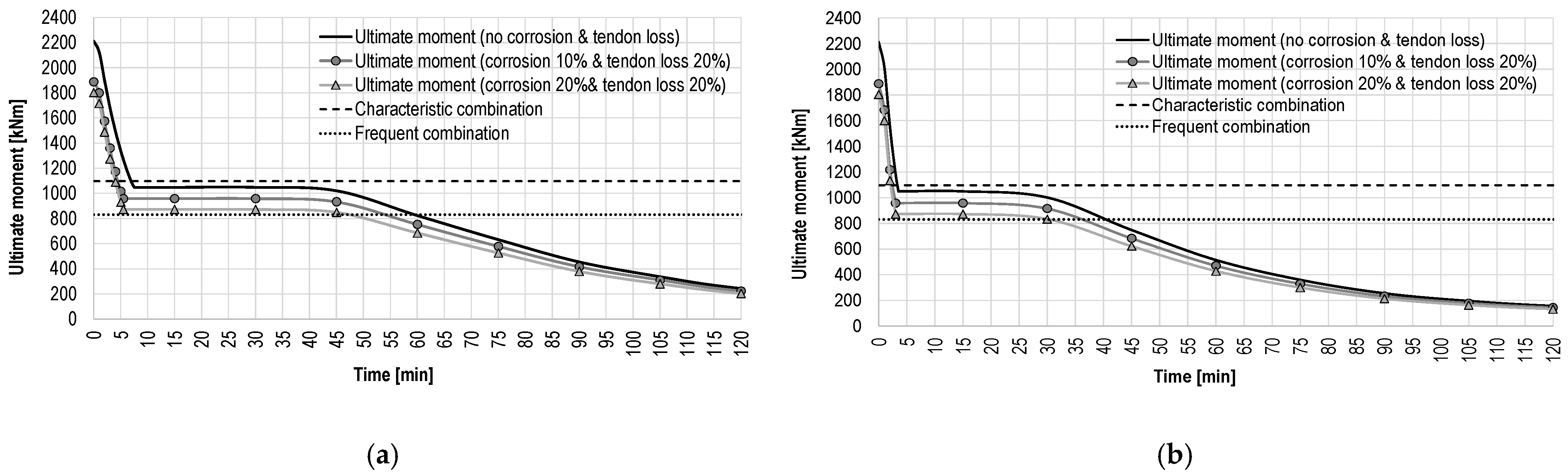
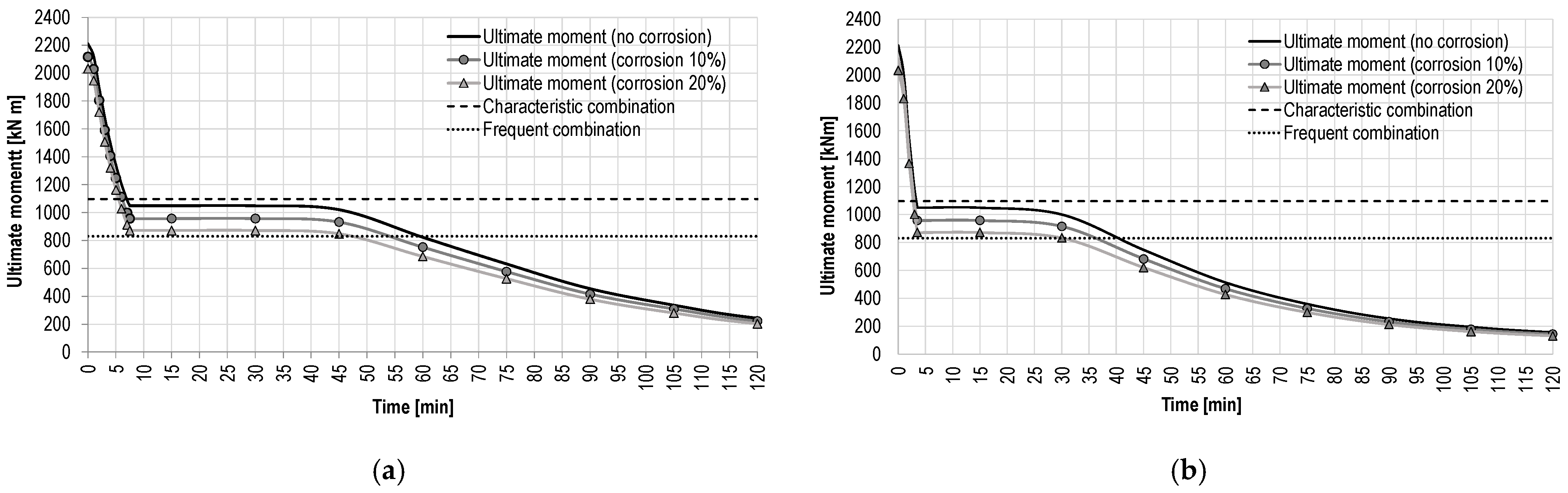
Figure 14 shows the results for Scenario A, indicating a reduction in the ultimate moment in the latter part of the curve, representing the behavior of the RC section. The initial portion of the curve remains unchanged in shape, but it is shifted downward due to the lower ultimate moment of the degraded RC beam. Consequently, failure under the characteristic load combination occurs at times very similar to those of the beam without degradation. The same applies to time t
1, which represents the loss of prestressing effect, occurring at the same instant regardless of the degradation state.
Conversely, the attainment of failure for the frequent load combination shows noticeable variations depending on the level of degradation. For the standard fire curve, for instance, it is reached after approximately 47 min with 20% reinforcement corrosion, compared to 60 min without degradation. For the hydrocarbon curve, the time decreases from 40 to 30 min under the effect of 20% corrosion.
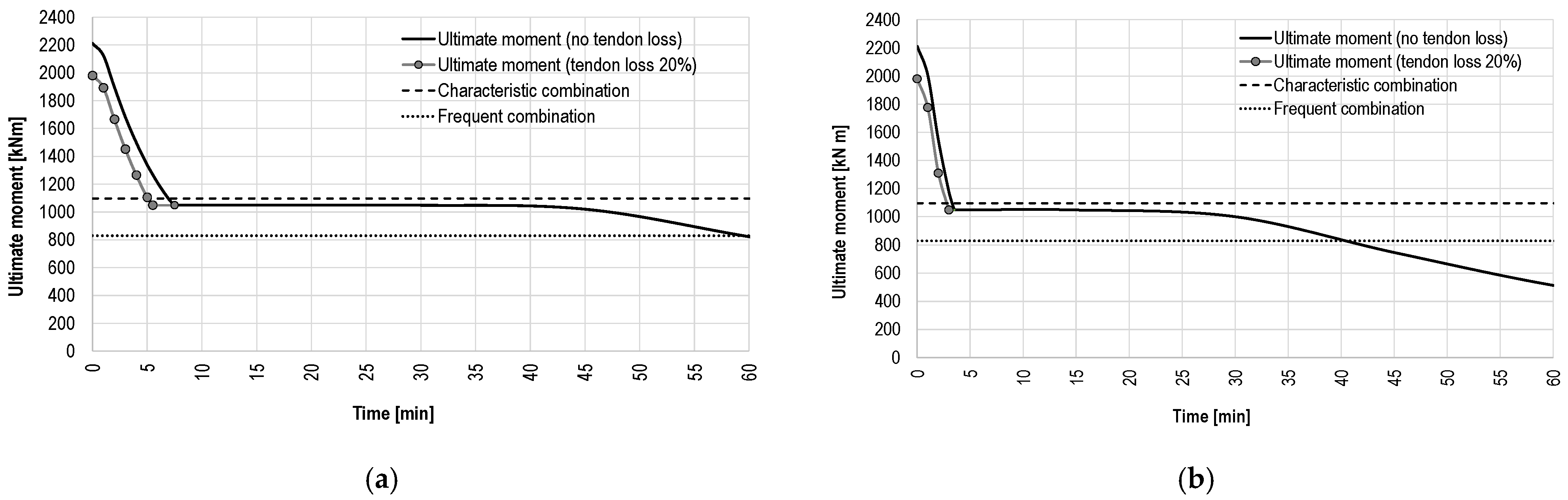
In the multi-risk Scenario B, it is assumed that, over time, after the strengthening intervention, the strands of the prestressing tendon begin to corrode. This is because, being externally positioned and despite being protected by a plastic sheath, they are still exposed to atmospheric agents. The possible corrosion of the external prestressing anchorages is also considered. As a result of corrosion on the strands and anchorages, a 20% prestressing loss is assumed. In other words, the tendon undergoes a relaxation corresponding to 20% of the initial prestress: the original axial force of 1200 kN for the single beam section is thus reduced to 960 kN. Once this assumption is established, the same procedure used previously is followed.
Figure 15 presents the results obtained.
This Scenario affects only the initial portion of the degradation curve. It is observed that, for the standard and external fire curves, the tendon relaxation leads to the attainment of failure for the characteristic load combination approximately 2 min earlier compared to 7 min in the condition without relaxation. In contrast, for the hydrocarbon fire curve, only a minimal difference is observed, as this fire scenario is already particularly severe even without any prestress loss in the tendon.
The multi-risk Scenario C is a combination of the previous A and B. It is thus assumed that the fire event occurs simultaneously with both the degradation of the RC section and the loss of prestressing in the external tendon. This scenario is therefore more severe from a multi-risk perspective, as it involves the consideration of three risk factors.
Although the likelihood of such a Scenario occurring is certainly lower, it is still important to evaluate it, since the resulting damage and consequences can be highly critical, making the associated risk level significant. It should also be noted that, in the context of existing bridges, such degradation phenomena are often frequent, particularly for older structures; therefore, this study provides a valuable tool for assessing the vulnerability of these bridges.
Figure 16 presents the results obtained for the combined scenario C.
In Scenario C, performance decay affects both the early and later portions of the degradation curve, combining the effects of the previous scenarios. Corrosion in both the beam and tendon has little impact on overall structural response. The key factor for fire performance is whether the strengthening intervention included restoration of concrete and reinforcement. Fire risk is governed primarily by degradation of the original RC beam, as prestressing is lost relatively early. Restoring both concrete and steel improves fire performance, whereas leaving pre-existing degradation unaddressed—relying solely on prestressing—creates a critical multi-risk scenario.
The impact of Scenario C is particularly pronounced when beam degradation occurs before tendon prestress is fully lost. This can happen if the beam is already heavily degraded or if prestress loss is delayed, for instance by a thicker protective tendon sheath. A realistic example occurs when the bottom concrete cover is missing, leaving the reinforcement exposed and causing premature degradation of the RC cross-section.
Scenario D is then designed to illustrate this behavior. It assumes an advanced state of beam degradation with concrete cover detachment, exposing corroded reinforcement with an assumed 20% reduction in bar cross-section. The concrete itself is significantly degraded, with strength reduced to 80% of its original value fc. Additionally, the prestressing tendon is assumed to be protected by a thicker sheath of 15 mm.
This scenario may also result from concrete cover detachment due to spalling during the initial heating phase. In such cases, the effect is equivalent if the cover is removed explosively, depending on the type of aggregates and concrete exposed to fire. Fire-induced spalling directly exposes the mild reinforcement to the fire, accelerating the degradation of the RC beam due to the loss of protective skin concrete. To account for this effect, the isotherms of the new section without concrete cover are newly evaluated, resulting in much faster heat transfer to the exposed reinforcement bars and consequently a more rapid degradation of the section’s ultimate moment capacity. The steel degradation is assessed as in previous cases, by reducing the yielding stress fyk of steel according to the temperature reached.
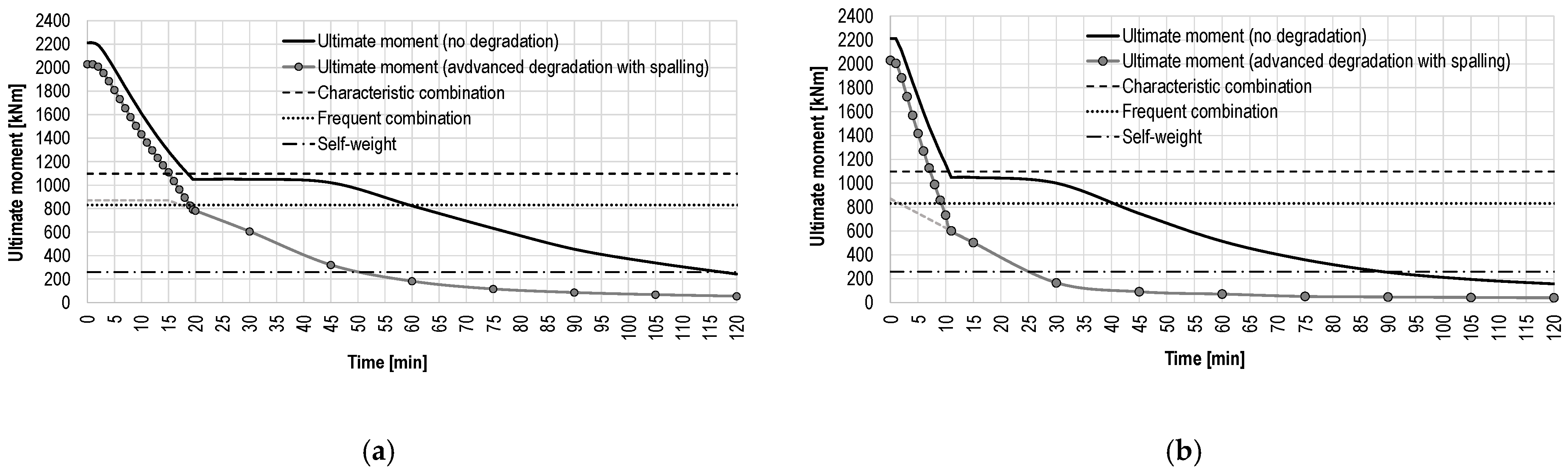
Results of the analysis are presented in
Figure 17. It is observed that, in this case, the original beam begins to degrade much earlier. Here, the multi-risk scenario of fire plus degradation becomes significant. The section degradation starts even before the prestressing loss, so the two curves intersect and the horizontal segment of RC bending moment plateau disappears. Time t
2, marking the onset of RC section degradation, now precedes time t
1, which indicates when the effect of the external prestressing is lost. Consequently, the frequent load combination—and, of course, the characteristic one—is reached along the initial portion of the curve, before the prestress effect in the external tendon is lost.
With such a pronounced degradation curve, observations can also be made regarding the attainment of the load combination under dead load only, i.e., the condition in which the bridge would fail due solely to self-weight and imposed loads if the fire persists for a certain period. Specifically, for the standard fire curve, this condition is reached after approximately 50 min (
Figure 17a), while for the hydrocarbon curve it occurs after just 25 min of fire exposure (
Figure 17b). This time interval becomes critical, as it may not be possible to secure the area with emergency response teams before collapse.
For the intact beam, by contrast, reaching this combination was not critical, occurring after 90 min for the hydrocarbon curve and 120 min for the standard curve. For the external fire curve, although premature section degradation and faster performance decay are observed, no risk of collapse arises even after extended exposure times.
This confirms that, when the beam remained degraded without restoration at the time of external strengthening, the combined effect of the two risks could lead to a critical condition, potentially resulting in collapse. It is further highlighted that the prestressing retrofit does not delay collapse, which depends solely on the degradation of the original beam. The strengthening intervention serves only to postpone the attainment of the ultimate moment corresponding to the characteristic and frequent load combinations, i.e., with traffic present during fire exposure.
The results show that the key factor governing this behavior is the earlier onset of degradation of the RC cross-section, which occurs after approximately 15 min for the standard fire curve and coincides with the start of the fire for the hydrocarbon curve. No differences are observed in the times t1 associated with the loss of tendon prestressing, since corrosion of the anchorages is not considered.
In this multi-risk Scenario D, the attainment of the characteristic load combination is anticipated by a few minutes in all fire conditions. A more significant difference is observed for the frequent load combination, which is now intersected by the initial portion of the degradation curve and therefore reached much earlier than in the non-degraded bridge. Finally, as previously noted, under such an advanced degradation state, the potential collapse of the bridge due to the attainment of the dead load combination becomes a concern, both for the standard fire curve and, more critically, for the hydrocarbon fire curve.
This scenario severely limits the available time for the arrival of the emergency response team, as the rapid degradation of prestressing leads to an immediate reduction in load-bearing capacity, causing the bridge to reach a critical risk of collapse earlier than in the case of an intact bridge (25 min).
Table 5 summarizes the results in terms of the time required to reach the various significant states for the different scenarios considered. For the last scenario, the time t
dead of attainment of the ultimate moment, corresponding to that of only dead load applied to the bridge, is considered.