Review

How Does Sense of Place Serve Architectural Heritage Conservation and Development? A Scoping Review and Implementation Framework


1
College of Art and Design, Shaanxi University of Science and Technology, Xi’an 710021, China
2
School of Art and Design, Xi’an University of Technology, Xi’an 710054, China
*
Author to whom correspondence should be addressed.
Buildings 2026, 16(15), 3010; https://doi.org/10.3390/buildings16153010
Submission received: 29 June 2026 / Revised: 21 July 2026 / Accepted: 27 July 2026 / Published: 29 July 2026
(This article belongs to the Section Architectural Design, Urban Science, and Real Estate)

Abstract

Architectural heritage conservation and development (AHCD) increasingly require social approaches that connect material remains with emotions, memories, and meanings. Sense of place offers a theoretical lens for understanding these connections, yet its operational role in AHCD remains unclear. This study draws on a bibliometric analysis and narrative synthesis of 79 publications to classify these publications into four architectural heritage contexts: urban residential, rural residential, public, and religious and ritual. The results show that the physical form of architectural heritage fundamentally shapes sense of place, while the pathways through which sense of place supports conservation and development vary across heritage types. The review further identifies emerging research trends, conceptual gaps, and practical limitations in applying sense of place to AHCD. This study proposes an implementation framework for integrating sense of place into AHCD. The framework connects heritage attributes and place meanings with stakeholder engagement and strategies for conservation and development. The framework offers a reference for research, policy-making, and practice in architectural heritage conservation and sustainable development from a social perspective.

1. Introduction

Architectural heritage is a continuous, mutually shaping dynamic process between humans and their environment, encompassing social, emotional, spatial, and temporal dimensions [1]. By accumulating profound cultural and spiritual values, architectural heritage fosters community consensus and shapes place identity [2], serving as a crucial driver for sustainable development [3]. In recent years, under pressures such as climate change and economic development, the conservation and development of architectural heritage have garnered increasing attention. While prior studies have advanced architectural heritage conservation and development (AHCD) technically and systemically, focusing on areas such as energy efficiency and adaptive reuse [4,5,6], and examining specific heritage types like defensive settlements and Qilou buildings [7,8], social challenges persist. However, issues such as the abandonment of historic buildings [9], out-migration of residents [10], loss of settlement vitality [11], lack of place belonging [12], erosion of shared heritage values across generations [13], and insufficient cultural perception among tourists remain unresolved [14]. These persistent issues reveal a gap in current AHCD approaches, which largely overlook human-place interactions.
Focusing on social issues highlights the significance of exploring human-place relationships for AHCD [15]. In this regard, Sense of Place theory provides a more human-oriented approach to addressing these challenges. Sense of place can be viewed as an individual’s or group’s overall attitude toward a specific place, and also as a composite socio-psychological structure that integrates self-cognition, emotions, and behavioral tendencies [16,17]. Notably, in architectural contexts, the formation of sense of place is often closely related to the concept of “Genius Loci (spirit of place)” [18]. Genius Loci emphasizes the distinctive spatial, environmental, and atmospheric qualities, relating to the ontology of place [18,19,20], whereas sense of place focuses on the psychological processes of emotional bonding, cultural identity, and meaning-making between people and specific places [21,22]. These spatial and atmospheric qualities can provide an important environmental context for the formation of sense of place [18]. Importantly, sense of place can promote the intention to revisit, as well as heritage conservation willingness and behaviors, through place attachment [14,23]. Therefore, by influencing people’s attitudes and behaviors toward landscapes, sense-of-place-informed approaches offer an entry point for AHCD from a social perspective [24]. The conservation process of architectural heritage is also a process of community consolidation, aimed at rebuilding cultural and community resilience [25]. In recent years, scholars have increasingly recognized the role of sense of place in AHCD; however, existing research often views it in an isolated and static manner. For instance, architectural heritage is often treated as an independent entity, or researchers’ focus is limited to building components [26], lacking a holistic perspective that accounts for relational and processual dimensions [1,27]. Although some review studies have recognized the value of sense of place in architectural development (Table 1), a clear research gap remains, as these studies provide limited guidance on how sense of place can be operationalized in architectural heritage conservation and development. More critically, existing research has failed to address the practical issues, such as how to apply sense of place theory to AHCD. Therefore, this work proposes an implementation framework for integrating sense of place into AHCD to respond to these gaps in existing research regarding the humanistic, place-based, and practical aspects. This framework identifies the sense of place characteristics of different architectural environments by examining the interactive relationship between humans and buildings. Furthermore, based on pluralistic and inclusive procedural principles, it enables the full engagement of architectural heritage stakeholders, improving the effectiveness of intervention and stewardship [28]. Finally, it facilitates the dynamic evolution of architectural heritage over time, ensuring that historical memory and emotions are revitalized and sustained within contemporary life practices.
To achieve these objectives, our study is guided by the following research questions: What are the trends in this research field? What are the gaps in sense of place research within AHCD? How can the sense of place approach serve the practices of AHCD?

2. Materials and Methods

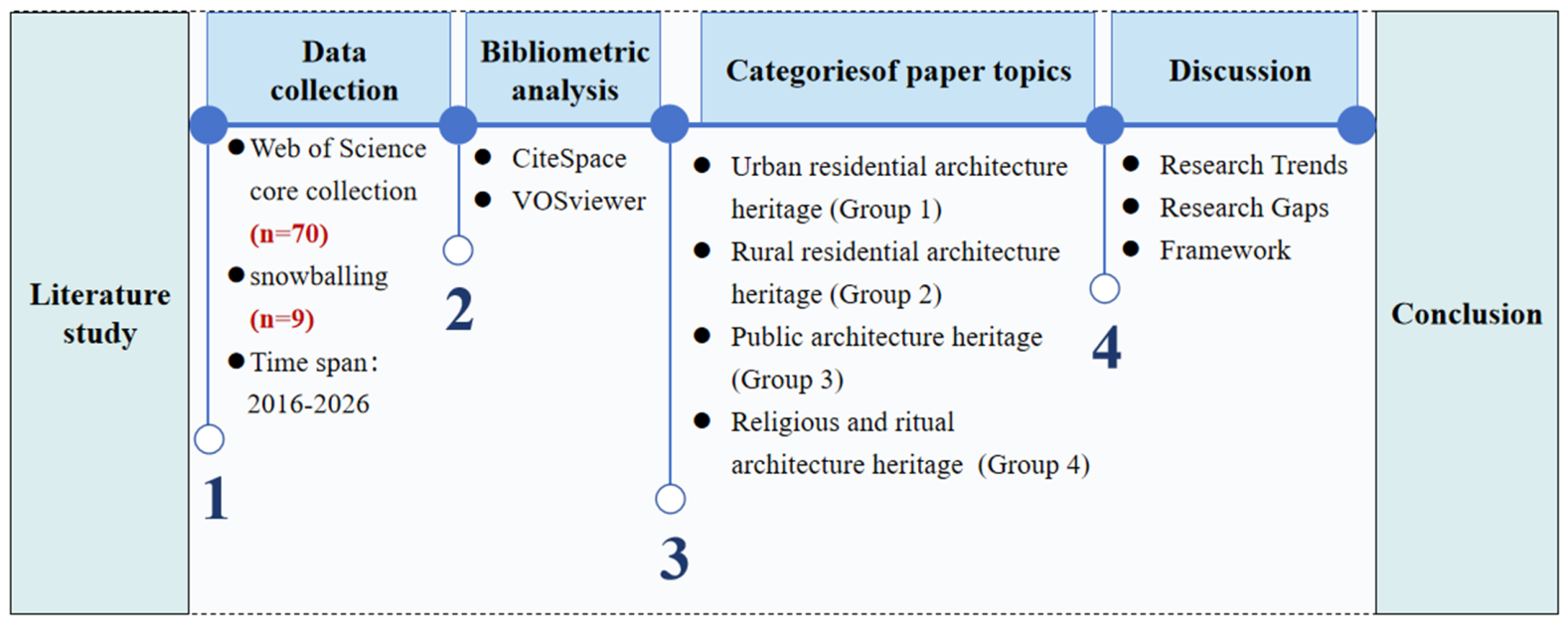
Following the Preferred Reporting Items for Systematic Reviews and Meta-Analyses (PRISMA) extension for scoping reviews (PRISMA-ScR) guidelines, this study adopted a replicable and transparent approach to minimize biases inherent in traditional literature reviews [30]. Furthermore, a mixed-methods approach combining quantitative and qualitative analysis was used to comprehensively identify broad research patterns and context-specific explanatory relationships. Bibliometric methods were initially utilized for quantitative analysis. Using VOSviewer 1.6.18 and CiteSpace 6.4.R1 software, the analysis mapped the research trajectory in this field and identified research trends and gaps. Building upon this, a narrative synthesis was conducted on the screened literature based on the contextualized characteristics of sense of place within architectural heritage. Figure 1 illustrates the specific workflow of this study.

2.1. Data Collection

Web of Science Core Collection (WoSCC) was used as the primary database due to its comprehensive coverage of peer-reviewed journals in architecture. Only original research articles published in English were included. No year filters were applied, and the search was finalized in May 2026. To minimize literature omission, the database search was supplemented by a snowballing technique, examining the reference lists and citations of retrieved papers [31]. This systematic approach ensured a reliable foundation for the subsequent literature screening and analysis. To further mitigate the selection bias inherent in relying solely on the WoSCC, supplementary searches were conducted in Scopus and the China National Knowledge Infrastructure (CNKI).
This review formulated its search strings based on three key themes: architectural heritage, sense of place, and “conservation and development.” Architectural heritage comprises old buildings embodying a wide range of values, from historical and artistic to scientific and economic [32]. Thus, both individual buildings and clusters with distinct historical or architectural character were included. These structures carry collective memory and heritage value, whether or not they appear in official registries [10]. Although “Genius Loci” enriches our understanding of sense of place, this study prioritizes the lived experience of human-environment interaction. Accordingly, Genius loci is used as a contextual theoretical and interpretive lens for understanding sense of place, rather than as a core search construct. For sense of place, an existing theoretical framework was adopted to define three components: place dependence, place identity, and place attachment [16]. Place attachment refers to an affective bond that groups or individuals develop with specific places [33,34,35]. Place identity is defined as the individual’s personal identity tied to a place, shaped by thoughts, values, beliefs, and related cognitive elements [36,37,38]. Place dependence reflects the functional significance of a place, referring to how well it supports individuals’ activities and needs [16,39,40]. These dimensions are not mutually exclusive, nor do they necessarily follow a fixed, linear progression; instead, they can coexist and mutually reinforce one another through ongoing human-environment interactions [41]. Given the diverse nuances of “conservation and development,” various professional terms were added to optimize search coverage.
The specific search syntax was TS = (“place attachment” OR “place identity” OR “place dependence” OR “sense of place”) AND TS = (“historic building*” OR “traditional village*” OR “heritage building*” OR “traditional settlement” OR “built heritage” OR “architectural heritage” OR “industrial building” OR “cultural heritage” OR “historic districts” OR “built space”) AND TS = (“conservation” OR “protection” OR “preservation” OR “maintenance” OR “restoration” OR “adaptive reuse” OR “utilization” OR “sustain*” OR “sustainable development” OR “regeneration” OR “rehabilitation” OR “renovation” OR “intervention”).

2.2. Literature Inclusion and Exclusion

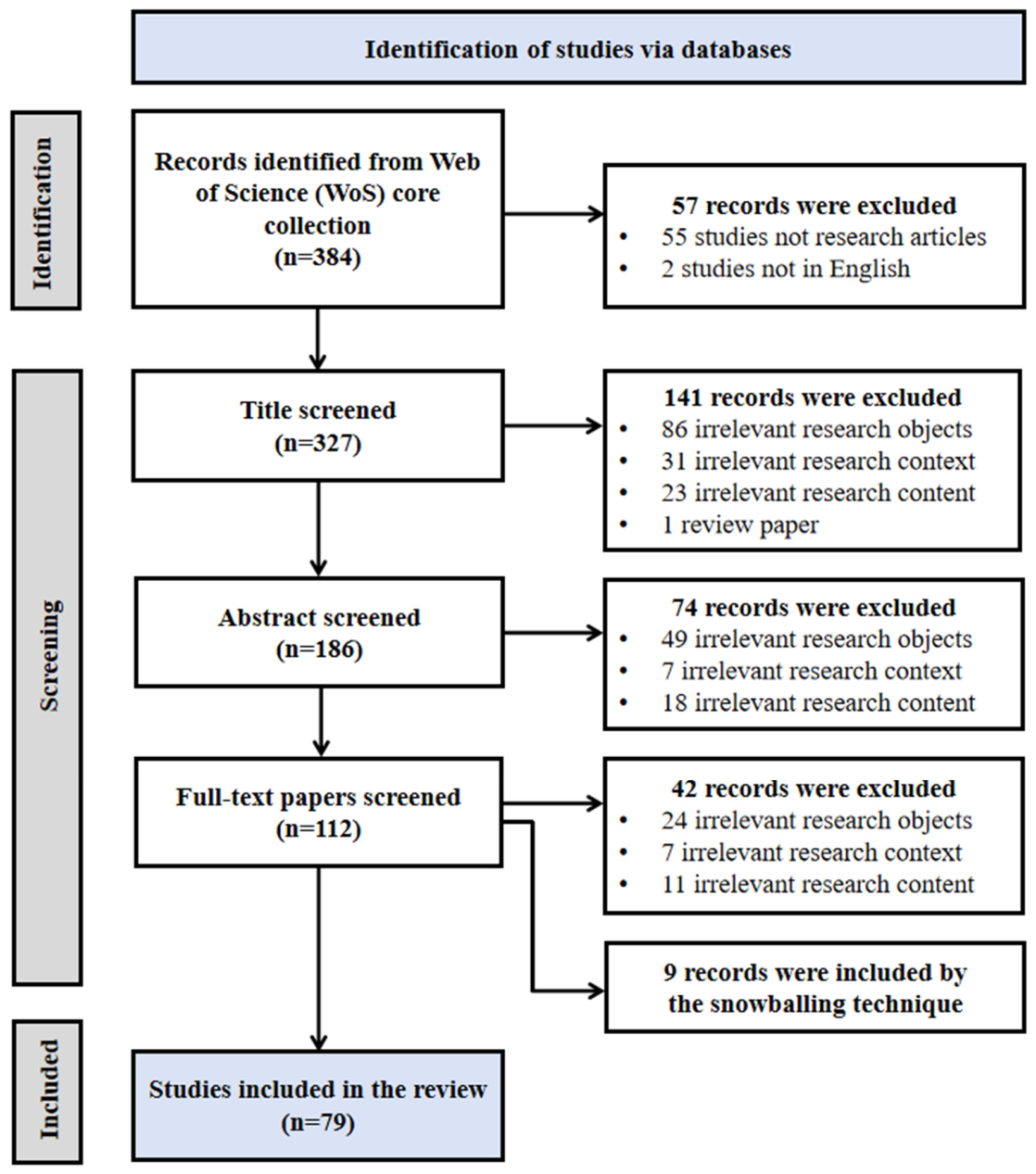
This scoping review was conducted in accordance with the PRISMA-ScR, with the completed checklist provided in Supplementary Materials Table S1, thereby enhancing methodological transparency and the usability of the research results [42]. Following the removal of non-English articles and non-article types, the remaining literature was screened at the title, abstract, and full-text levels. When title and abstract screening were inconclusive, we reviewed the full text to determine eligibility. Exclusion criteria were studies not primarily focusing on architectural heritage and sense of place or research outside the context of architectural heritage conservation and development.

2.3. Data Extraction

To ensure a comprehensive and transparent review, we systematically extracted data from the included literature. The extracted data covered bibliographic information, methodologies, theoretical frameworks, research content, and the primary focus and key findings of each study.

2.4. Bibliometric Analysis by VOSviewer and CiteSpace

Data visualization was performed using two bibliometric tools: VOSviewer and CiteSpace. These tools map relationships between publications to visualize the structural characteristics of the research field, including co-occurrence networks and key research clusters [43,44]. In combination, they facilitated the analysis of thematic trends and intellectual linkages across the included literature. VOSviewer (version 1.6.18) was primarily used to identify thematic clusters of keywords, thereby revealing structural gaps through the construction of keyword co-occurrence networks. While VOSviewer focused on cluster identification, CiteSpace (version 6.4.R1) added a temporal dimension by mapping the evolution of research themes and hotspots over time. This combination offered a holistic view of the field, reflecting both its structural layout and historical development [45].

2.5. Literature Classification and Narrative Synthesis

At its core, the evolution of sense of place depends on specific contexts and the extent to which people interact with their surroundings [46,47]. In the context of architecture, the interactions shaped by dominant behavioral practices serve as critical antecedents to the emergence of distinct senses of place. For example, visitor-oriented observation and interpretation in public heritage differ from worship and ritual practices in religious architecture; these different modes of engagement shape distinct pathways through which sense of place develops and is expressed [48,49]. The current dominant social function therefore provides a more direct basis for distinguishing people–place interaction patterns than attributes such as scale, chronological period, or property ownership. Based on how each study addressed the above aspects, this study used a narrative synthesis method [50] and identified four architectural heritage categories that most effectively differentiate these publications (urban residential, rural residential, public, and religious and ritual).
Specifically, urban residential heritage primarily consists of domestic structures that rely heavily on public infrastructure, such as water supply, drainage, and road networks. These buildings are typically characterized by complex property rights, multi-family occupancy, and high-density spatial arrangements, as commonly seen in historic districts. In contrast, the rural residential group consists of historic dwellings deeply tied to agricultural production and natural ecological networks, such as those found in traditional villages. Public architectural heritage covers buildings that preserve socio-historical culture and public interaction networks, such as the former residences of famous people. Through heritagization, the industrial heritage buildings in this review have shifted from a productive function and its associated interactions to sightseeing-oriented public engagement, and are thus classified as public buildings. Finally, religious and ritual architecture mainly includes places of worship built for faith, spiritual beliefs, and perceptions of the cosmos, such as churches.

3. Results

3.1. General Characteristics

This study retrieved 384 relevant records from WoSCC. Initially, 87 studies were excluded (non-English publications; non-article document types). During the subsequent screening process, 141 records were excluded at the title stage, 74 at the abstract stage, and 42 at the full-text stage (Figure 2). Additionally, nine studies were identified through the snowballing technique. Ultimately, 79 studies were included in this review, published between 2016 and 2026 (see Supplementary Materials Table S2). Among them, 70 were downloaded from the WoS database, while the nine studies identified via snowballing were retrieved from the Scopus database.
To supplement the search, the terms from Section 2.1 were adopted. Given CNKI system limitations that prevent simultaneous entry of all search terms, a query combining four keywords (place identity, place attachment, place dependence, and sense of place) using the OR operator was conducted. The initial Scopus search yielded 440 records, which were then restricted to journal articles, leaving 328 items. After excluding those that did not meet the inclusion criteria (n = 279) and those duplicating previously included studies (n = 35), fourteen Scopus studies were retained for supplementary qualitative analysis. The initial CNKI search produced 5658 records. Manual screening based on the inclusion criteria led to the exclusion of 5622 articles, retaining 36 studies focusing on the conservation and development of architectural heritage. Additionally, thirty-six CNKI studies were selected for supplementary contextual analysis. While most CNKI literature was published within the last five years, Scopus records span the past decade, with 10 articles appearing after 2023. Key research topics centered on “place attachment (Scopus: n = 7; CNKI: n = 15)” and “sense of place (Scopus: n = 7; CNKI: n = 14)”. Regarding thematic evolution, the Scopus literature indicates a shift from unidimensional human-environment relations to complex, multivariate social interactions, as evidenced by the transition from “influence on” to “mediating effect” and “local people” to “foreign immigrants.” In contrast, CNKI studies trend toward micro-scaled research settings, focusing on specific architectural typologies like Qilou buildings and temples. Additionally, 12 studies from the CNKI dataset addressed China’s challenges (e.g., loss of historical identity and urban homogenisation) and specific policy contexts (e.g., rural revitalization and urban renewal).
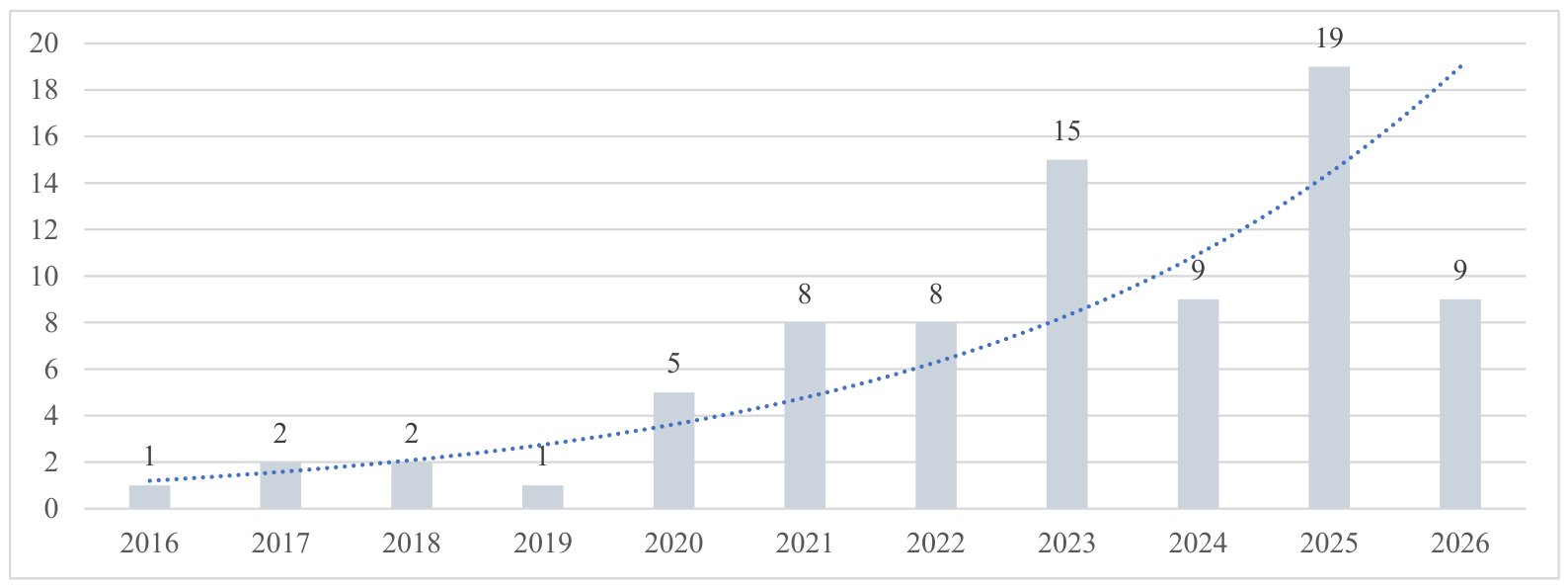
As illustrated in Figure 3, this research field has exhibited three developmental stages over the past decade. During the initial stage (2016–2019), the annual publication volume remained under five articles. Although sense of place is a key part of the social dimension in AHCD, it had not received adequate attention. From 2020 to 2022, relevant research experienced significant growth, with annual publications fluctuating between 5 and 10. Starting in 2023, the number of studies in this field has continuously increased, with the average annual publication volume growing more than fivefold compared to the initial stage. This explosive growth during this period may be the result of multiple factors. First, it correlates with sustained policy promotion. For instance, policy documents such as “Cultural Heritage Counts for Europe” (2015) and “Cultural Heritage in Action” (2021) emphasized the role of cultural heritage in shaping place identity, positioning sense of place as a central issue in heritage conservation practices. In China, national strategic initiatives like “rural revitalization” and “urban renewal” entered a transitional phase, emphasizing the concept of “preserving nostalgia.” Second, with the post-pandemic context unfolding in 2023, there has been a marked rise in the societal need for environmental belonging and emotional anchors. Coupled with the transformation of the cultural tourism industry toward “in-depth experiences,” this created a key social context for the development of research in this field. Finally, the maturation of tools such as GIS, VR, and social media big data has advanced the analytical techniques for sense of place, fostering the development of new research perspectives.
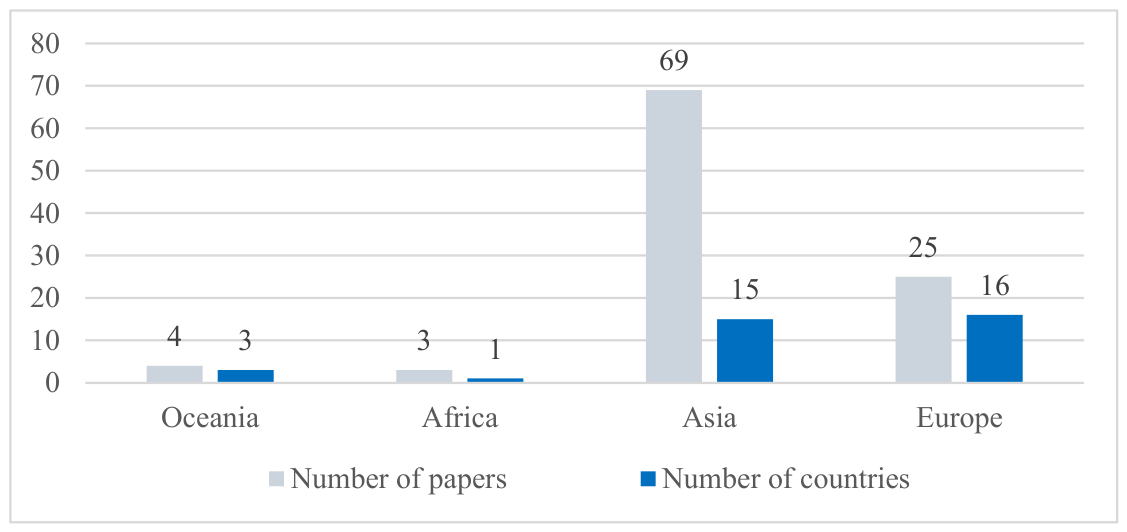
From a geographical distribution perspective (Figure 4), Asia is the core region for relevant research, accounting for the majority of publications; simultaneously, European countries have also contributed a considerable number of studies. This indicates their active engagement in this field. The regional clustering of publications in this field is attributed to three main factors. European institutions played an early and influential role in formalizing architectural heritage conservation discourse through instruments such as the European Charter of the Architectural Heritage (1975). Related international discussion of the spirit of place was subsequently broadened by the Québec Declaration on the Preservation of the Spirit of Place (2008), adopted in Canada. Relevant research has established solid frameworks and agendas. Asian landscapes (particularly China, accounting for 63.77%) are currently undergoing rapid transformations due to urbanization, disasters, and inappropriate tourism development. To address these challenges and seek sustainable development paths, sense of place research has rapidly emerged as a major focus.
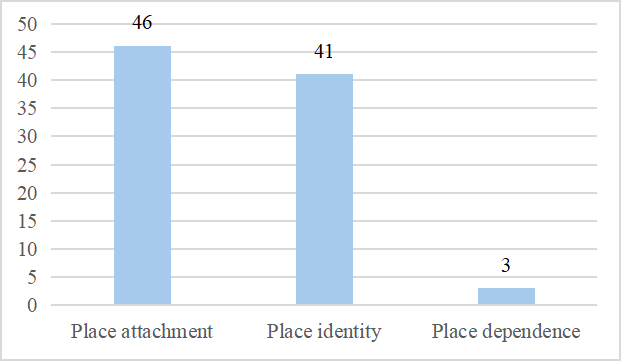
Figure 5 displays the frequency of occurrence of sense of place sub-dimensions within architectural heritage across the 79 reviewed articles. Studies exploring the place attachment dimension are the most prevalent. This reflects that place attachment was the most frequently examined dimension. Place identity emerges as the second-largest dimension, representing a deeper psychological and self-cognitive construct within architectural heritage. This reveals a growing focus on place cognition within AHCD. Furthermore, driven by shifting conservation policies and changing practical functions, explorations of the place dependence dimension remain the least frequent.
The narrative synthesis of the 79 articles yielded four groups (Table 2). Group 1 (urban residential architectural heritage) represents the largest proportion (37.97%), more than twice the size of Group 2 (rural residential architectural heritage) (16.46%) and Group 4 (religious and ritual architectural heritage) (18.99%). Additionally, Group 3 (public architectural heritage) ranks as the second largest, representing 26.58% of the sample. These findings suggest that rural residential heritage and religious and ritual architecture are currently underrepresented in the literature. Furthermore, this review outlines key findings, such as core concepts and research tools within each group, to present specific details of the current research landscape (Table 2).

3.2. Mapping Research Hotspots, Trends, and Gaps with CiteSpace and VOSviewer

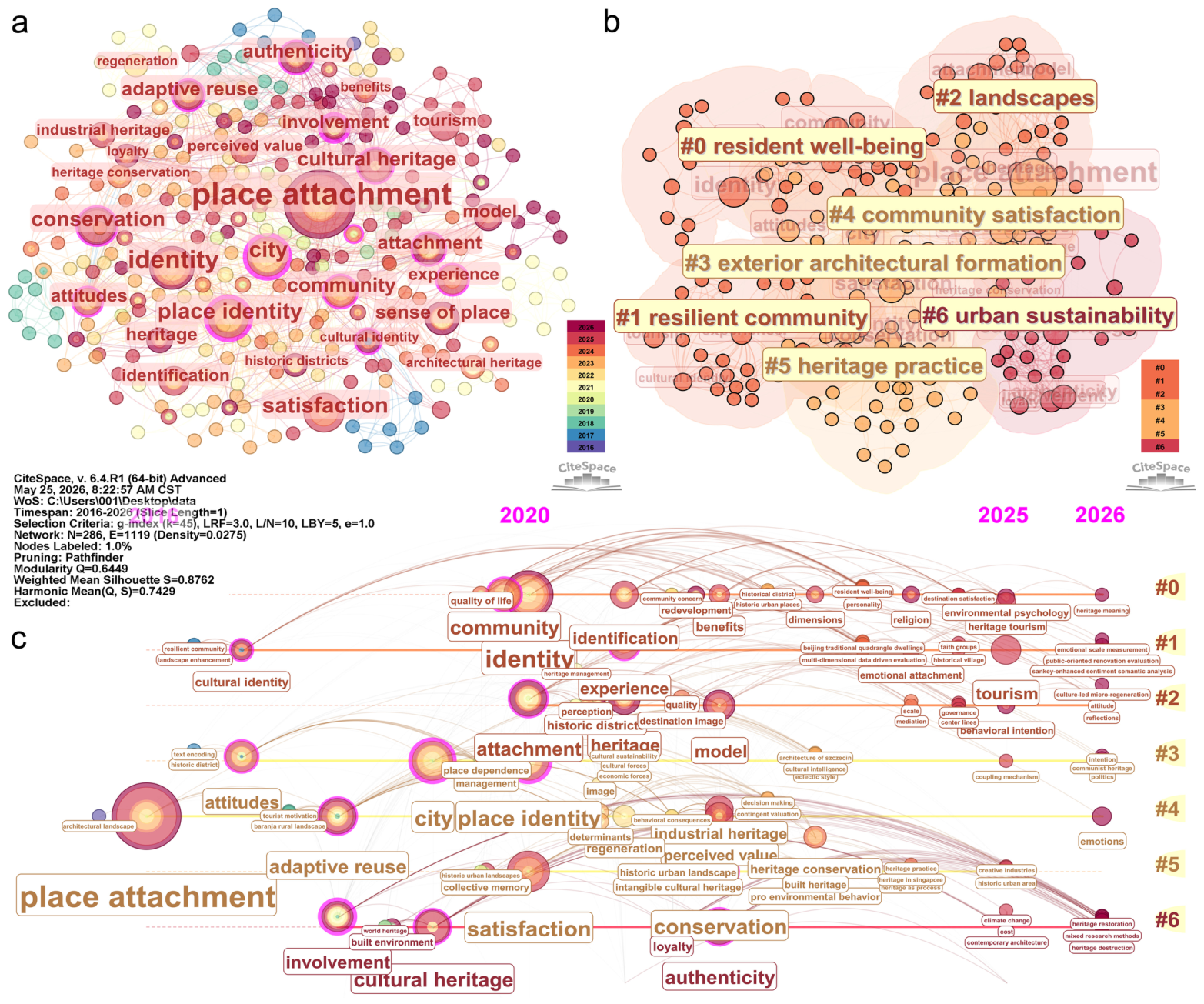
The keyword co-occurrence network (Figure 6a) identifies the core themes and knowledge centers of sense of place research on architectural heritage. “Place attachment” and “place identity” are characterized by high frequency and high centrality, respectively, demonstrating their key roles in the knowledge structure of this field. Keyword cluster analysis (Figure 6b) further reveals the research frontiers, identifying key clusters such as Cluster 0 “resident well-being,” Cluster 1 “resilient community,” Cluster 2 “landscapes,” and Cluster 3 “exterior architectural formation.” The temporal evolution analysis (Figure 6c) illustrates how research foci have shifted over the past decade. The emphasis evolved from “place attachment” and “attitudes” with greater attention given to the holistic concept of the “architectural landscape” in the first phase (around 2016) to “place identity” in the second phase (2020–2025), where attention shifted toward human perception and experiential characteristics (e.g., keywords such as “perceived value,” “experience,” and “satisfaction”). Concurrently, research began to address “conservation” and “tourism,” as well as more refined built environments such as “city” and “industrial heritage.” Recent studies (2025–2026) have become even more granular, emphasizing themes like “heritage tourism,” “behavioral intention,” and “environmental psychology,” with greater attention given to specific experiential elements such as “emotions” and “heritage restoration.” Regarding the architectural context, attention has also extended to more detailed objects, such as “historic urban areas” and “contemporary architecture.” Meanwhile, viewed across the entire timeline, “cultural identity” spans a long duration, acting as a continuous theme throughout the field’s evolution.
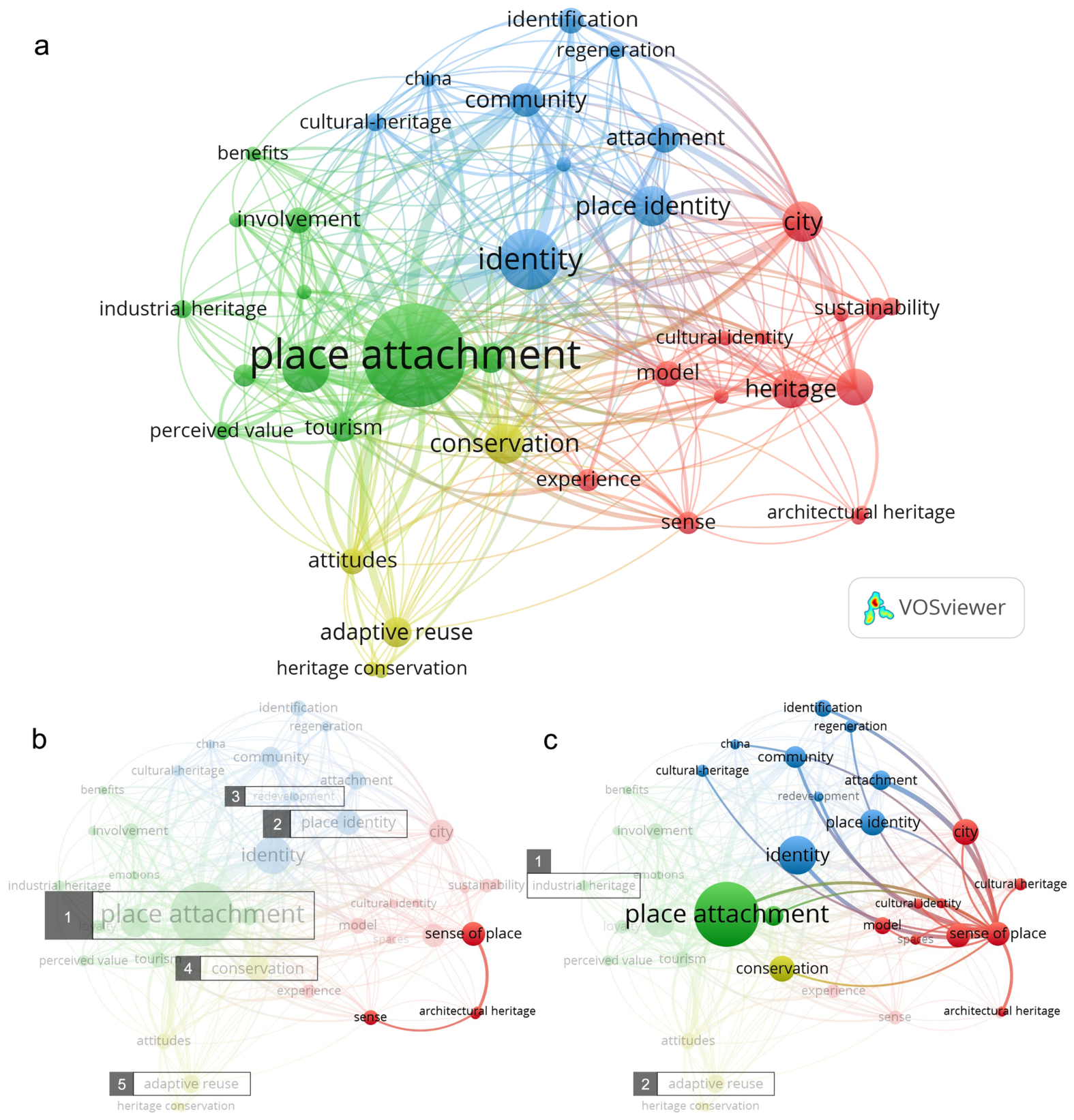
Keyword cluster analysis conducted via VOSviewer (Figure 7a) identifies four core themes, revealing the close connections among keywords. Specifically, the analysis indicates that current research encompasses dimensions such as sustainability, perceived value, and experience, demonstrating the interdisciplinary nature of this field. Regarding keywords related to conservation and development (Figure 7a), terms such as “industrial heritage,” “conservation,” and “adaptive reuse” are most frequently linked with “place attachment” and “place identity,” demonstrating the value of place attachment for AHCD. A closer analysis reveals that when “architectural heritage” serves as a hub, the strongest association is with “sense of place” (Figure 7b). This emphasizes the importance of sense of place in architectural heritage. However, the keyword co-occurrence network also reveals significant gaps in the knowledge structure: there is a structural disconnect between “architectural heritage” and sense of place sub-dimensions (“place attachment” and “place identity”), as well as heritage conservation goals such as “adaptive reuse.” When “sense of place” was used as the hub, no associations were observed with the “industrial heritage” context or with heritage conservation goals like “adaptive reuse” (Figure 7c).
The bibliometric analysis yielded two core findings. First, research trends indicate a shift from a focus on architectural heritage to in-depth investigations of specific heritage types. Second, the current knowledge structure is organized around place attachment, with emerging research emphasizing the emotional and experiential values of architectural heritage. Furthermore, this work identified a significant research gap: within the context of conservation and development, there is a gap in research concerning the classification of architectural heritage types and the examination of sense of place sub-dimensions. Therefore, exploring how sense of place serves AHCD is essential for advancing this field and aligns with current research trends.

3.3. The Sense of Place in Urban Residential Architectural Heritage (Group 1)

The sense of place in urban residential heritage is primarily associated with the perceived characteristics of building clusters, particularly their facade features. Thus, scholars have explored the effects and mechanisms of the built environment on psychological responses related to sense of place. To most individuals, the external forms and colors of building clusters function as visual stimuli [51], forming an integrated landscape with trees and other elements [52]. From a visitor’s perspective, preferences generated through “visual stimulation” can directly promote place attachment [53]. Moreover, the development of sense of place is also indirectly driven by multisensory experiences within the built environment. For example, the authentic experience of historic blocks and their cultural heritage value initially form the mediating construct of “destination image,” which subsequently and indirectly fosters place identity [53]. Another group of scholars has investigated the specific sources of sense of place within urban dwellings. Research indicates that the ability of building clusters to shape place identity depends significantly on the quality of their exterior facades [54]. These facades possess substantial aesthetic appeal, which acts as a core driver of regional vitality and catalyzes transformative development [55]. For this reason, renovating architectural facades to enhance neighborhood character and vibrancy has proven effective in promoting place identity and place attachment [56,57]. However, it is important to note that interventions targeting facades must adopt a holistic perspective to avoid obscuring place identity [55]. Additionally, other architectural characteristics contribute to sense of place in different ways [26,58,59], including architectural ornamentation, neighborhood layouts, spatial textures, and traditional lifestyles [60]. In this context, authenticity serves as a key concept, facilitating the understanding and continuity of sense of place within architectural heritage [26,53,55].
Different stakeholders in AHCD follow distinct pathways in shaping sense of place, but they collectively form a shared support system. Early studies have revealed that both place identity and place dependence are significantly higher among community residents than among tourists [60]. These dimensions of sense of place can enhance residents’ willingness to engage in heritage conservation, thereby establishing their central role in AHCD [60]. For this reason, bottom-up, resident-led approaches are advocated [29,61]. The participatory planning process has received growing attention [56], as its multi-stakeholder co-creation helps strengthen residents’ emotional bonds and maintain identity continuity. Recent studies have underscored the direct role of government-led models in fostering sense of place [52]. These models offer distinct advantages in providing public services and technical support, establishing heritage census mechanisms and management systems [10,62], as well as setting up institutions and training programs to manage sensitive historical resources [56]. The attachment of other social groups also drives AHCD activities [63]. Therefore, diverse and inclusive stakeholder engagement in development and conservation initiatives is critical [10,64].

3.4. The Sense of Place in Rural Residential Architectural Heritage (Group 2)

In rural residential heritage, the authenticity and continuity of the physical space are essential to sustaining sense of place. Preserving the authenticity of architectural heritage in form and material not only maintains identity [15,65], but also anchors social memory and emotion through perception, thereby enhancing place attachment [66,67]. Similarly, physical continuity preserves the shared medium of memory, thus maintaining identity [66]. Recent research in environmental psychology has expanded our understanding of the relationship between architectural authenticity and sense of place. As a cultural landscape, the authenticity of rural residential heritage can foster individual restorative benefits, moderated by place attachment and place identity [67]. In turn, at the theoretical level, these restorative effects can contribute to reinforcing identity and memory [68].
The quality of the residential environment in rural residential areas directly impacts residents’ place attachment [69]. As the gap between architectural conservation and contemporary living requirements widens, reconciling this conflict has become a focus of scholarly attention [69]. Scholars propose that on the tangible side, traditional and modern materials, structures, and colors can be harmoniously integrated while accommodating the need for modernized facilities [11,70,71]. On the intangible side, promoting the adaptive reuse of traditional dwellings and introducing diverse activities to enhance human-environment interactions are recommended [65,66,72]. Both approaches facilitate the continuity of emotional attachment between people and their environment. Importantly, regardless of the approach chosen, attention must be paid to the synergistic development of sense of place dimensions within the architecture, rather than letting them work against each other. For instance, rural tourism development provides new livelihood opportunities, prompting villagers to spontaneously modify their dwellings to improve their living environment. These factors collectively reshape individuals’ functional dependence on the architecture [73]. However, such changes often result in morphological alterations or spatial reconstruction of residential clusters [72], which can lead to new identity crises and subsequently affect regional place identity [74].

3.5. The Sense of Place in Public Architectural Heritage (Group 3)

In most public architecture, sense of place is bound up with its original functions and historical memories. For instance, the capacity of former residences of prominent figures on campus to serve as carriers of sense of place is fundamentally tied to the individuals’ contributions, as well as the associated campus historical and cultural memories [48,75]. In architecture, where such cultural connotations predominate, the spirit of place serves as a crucial analytical perspective for understanding the sense of place of public architectural heritage [48,76]. Existing studies have explored how architectural spatial narratives construct the spirit of place [77]. Interventions in architectural spatial sequences generate symbolic forms and narratives, guiding users through experiences, transformation, and self-identification [78]. In doing so, the spaces of public architectural heritage act as narrative mediums that embody spirit and emotion [77], which not only deepens the experiential dimension for observers but also shapes users’ cognition, emotion, and identity formation [78]. Landscape approaches play a significant role in enhancing the experiential quality and sense of place of architectural heritage. For example, immersive environmental design fosters perceived spatial safety, spiritual tranquility, and place memory [79]. Participatory design can deepen multi-stakeholder engagement with the space, fostering identity [78]. Beyond the material dimension, incorporating activities is also considered essential [80]. However, these activities must align with spatial characteristics and be easily comprehensible to effectively enhance the cognition and appreciation of the place, thereby promoting place identity and place attachment [81,82].
Some public buildings are widely recognized for their symbolic meanings that go beyond their practical use, giving them a more robust potential for identity creation. Some scholars employ the term “anchor buildings” to highlight their unique aesthetic significance and landmark status [83]. Formally speaking, distinctive volumetric and visual designs leave a profound impression. Even when landscape changes leave only architectural ruins, they still retain considerable symbolic significance in their physical form and the capacity to evoke memories [84]. The “anchoring” effect of these buildings is also associated with their materials. For example, Byzantine mosaics, historically significant and unique, act not only as cultural vehicles for expressing individual identity but also as integral parts of national identity [82]. Consequently, the recognition and emotional connection associated with this material extend to the places where it is applied [82].

3.6. The Sense of Place in Religious and Ritual Architectural Heritage (Group 4)

The sense of place in religious and ritual architecture is often characterized by a profound emotional intensity, with sacrality serving as its fundamental undertone [85]. In essence, such buildings typically function as core carriers of spiritual beliefs, clan memories, and cultural identities [86,87]. They provide conceptual spaces for religious beliefs and possess profound spiritual significance [25]. Even religious buildings of modest scale and marginal status shape place identity within complex cultural contexts [88]. For ancestral halls, the deep emotional connections associated with ancestor worship and clan lineage further elevate the affective resonance of sense of place [86]. Scholars have observed that this sense of place, characterized by sacrality, is correlated with features such as building materials, layouts, and forms [25,49,86,89], particularly the architectural spatial atmosphere. In Chinese Buddhist architecture, the use of unadorned timber shapes a distinct sensory atmosphere, encouraging mental detachment and deep spiritual immersion [49]. Ancestral hall architecture, by contrast, engages multisensory experiences—including light, sound, touch, and smell—to shape distinctive spatial atmospheric qualities [86]. In Western contexts, through the synergy of skylights, side windows, and stained glass, light functions as an “immaterial architectural element” that shapes the sacred atmosphere of churches [25]. This “sense of sacrality” renders the building a “sanctuary” where visitors seek spiritual solace [89], thereby reinforcing the overall sense of place.
Furthermore, the formation and development of sense of place are inseparable from the social functions of religious and ritual architecture [71]. In certain regions, churches extend beyond their role as religious venues, serving as living spaces that sustain the social fabric of communities [25]. Such churches serve congregational functions; they not only fulfill the gathering needs of villagers but also foster interactions between people and the architecture, cultivating a sense of connection and security between individuals and their community. Through these ongoing social practices, the church gradually evolves into a symbol of rural cohesion [87,90]. Consequently, in these locales, churches can integrate residents through parish and neighborhood activities, shaping social identity [89]; concurrently, owing to their historical continuity, everyday familiarity, and emotional significance [87], they serve as vital sources of belonging.

4. Discussion

4.1. Current Research Trends of Sense of Place in AHCD

The field experienced a notable shift in 2023, following a period of early accumulation and fluctuating growth from 2016 to 2022 (Figure 3). Research in this field has experienced rapid growth since 2023. CiteSpace analysis reveals that traditional studies predominantly focused on isolated concepts such as “place attachment,” “architectural landscape,” and “attitudes,” whereas current research gravitates toward multidimensional themes including “emotions,” “heritage tourism,” “behavioral intention,” and “environmental psychology.” Meanwhile, this shift indicates that scholars are increasingly recognizing the role of emotion and experience in AHCD, pointing to the importance of exploring environmental perception within broader contexts. Such trends reflect the pivotal role of spatial production and humanistic thought in AHCD. Furthermore, the presence of “cultural identity” and the high frequency of “place attachment” underscore the practical value of place identity and place attachment for AHCD. Taken together, the multi-perspective and interdisciplinary nature of the keyword co-occurrence network demonstrates the steady maturation of research depth and diversity in this domain.
Supplementary searches in Scopus and CNKI were broadly consistent with the findings from WoSCC. This suggests that although relying on WoSCC alone may overlook studies indexed in other databases, including some non-English and regionally focused literature. The supplementary findings broadly supported the principal thematic patterns identified in the WoSCC dataset. Moreover, a qualitative analysis of these supplementary records highlights richer localized nuances offered by regional databases. For instance, CNKI publications tend to be distinctly practice-oriented. They frequently use sense-of-place mechanisms as an empirical basis for spatial planning and design strategies, reflecting China’s need to balance cultural preservation with regional development amid urban renewal and rural revitalization.

4.2. Research Gaps of Sense of Place in AHCD

Despite growing interest in AHCD, research remains surprisingly sparse on specific heritage types like industrial sites (particularly those in the public architectural heritage group) and on sense of place sub-dimensions. While bibliometric mapping shows a strong link between “architectural landscape” and “sense of place,” it also exposes a critical blind spot: the sub-dimensions of sense of place (e.g., place attachment and identity), conservation, and adaptive reuse (black boxes in Figure 7b). Current macro-level studies tend to treat sense of place holistically, focusing on sustainability, cultural identity, and spatial experience (red cluster in Figure 7a). Yet, at a more granular level, existing studies pay insufficient attention to how individuals cognitively perceive architectural heritage and the process of emotional bond formation with it. Thus, the weak correlation between “sense of place” and specific building types like “industrial heritage” points to a significant gap in the literature.
For AHCD, these analyses show that developmental strategies, such as “conservation”, “management”, and “adaptive reuse”, are primarily linked to “place attachment” and “place identity” (Figure 7a). This pattern reinforces the idea that cognition and emotion are central to AHCD yet highlights the neglect of the place dependence dimension. Although scholars argue that spatial place-making can foster sense of place in heritage contexts [14,75], there remains a lack of concrete guidance on how to translate these insights into interventions that shape not just emotional bonds but also functional, rational engagement with architectural heritage.

4.3. Characteristics of Sense of Place in Different Types of Architectural Heritage

Our review demonstrates that the formal characteristics of architectural heritage fundamentally shape sense of place. For the user, architectural heritage exists not in isolation but as a visual object intertwined with its environment, creating immediate public cognitive and mnemonic anchors [51]. As a perceptible medium of history, the architectural entity offers a spatial carrier for interaction, catalyzing deep, authenticity-rooted experiences essential for sense of place development [26,53]. Meanwhile, the authenticity of architectural forms is more susceptible to symbolization during cognitive processes [79], and this perceptibility of history and identity constructs and sustains regional place identity [59]. Thus, AHCD cannot rely solely on preserving individual buildings but needs to protect the visual environment’s integrity and uniqueness [53]. To maintain place identity, architectural heritage requires accessibility and interactivity, enabling the public to deepen their embodied experience of formal authenticity [86]. Practically, reinforcing these authentic formal characteristics transforms them into “visual symbols” of regional identity, fostering community cohesion [84].
The formation and manifestation of sense of place vary significantly across different architectural functional contexts. For urban dwellings, sense of place is primarily anchored in the visual and temporal authenticity of historic facades [55,56]. Regenerating these areas requires more than mere physical repair; it demands safeguarding the historical patina of the streetscape [55,86], which serves as a fundamental prerequisite for maintaining place identity. In contrast, rural dwellings tie sense of place inextricably to the authenticity and continuity of the physical fabric, highlighting the critical role of vernacular architecture [65]; here, sustaining place attachment is less about strict preservation and more about negotiating a balance between modernization and conservation [69]. When shifting to public architecture, the focus moves toward spatial memories. Therefore, to avoid the rupture of spatial memory, identifying, preserving, and manifesting collective memories and Genius loci stand at the core of spatial interventions [78,91]. Lastly, religious and ritual architecture presents a distinct paradigm, characterized by a profoundly emotional sense of place [85], where sacred atmosphere and social functions are essential [49]. Consequently, on a physical level, such architecture needs to preserve spatial characteristics like scale, light, and acoustics [25,86,89], while on a social level, maintaining ritualistic interactions is essential [92].

4.4. The Implementation Framework for Integrating Sense of Place into AHCD

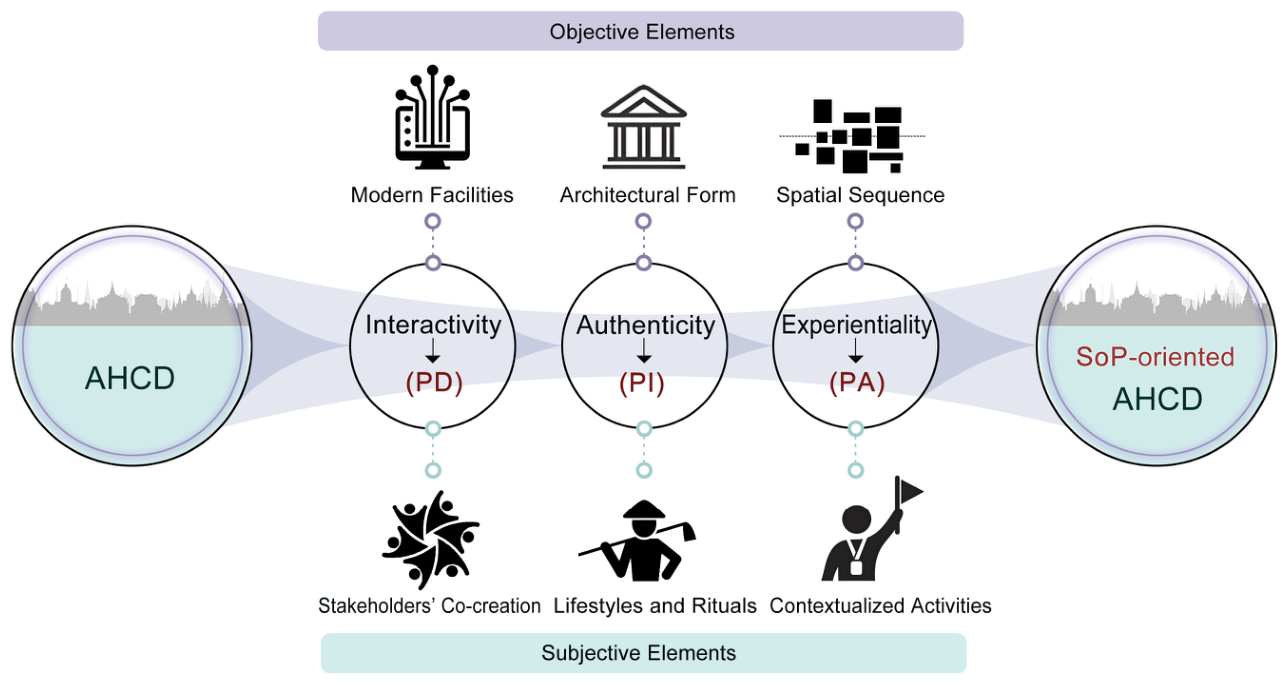
Our review highlights the difficulty of applying sense of place into actionable AHCD practices. To address this gap, a implementation framework was proposed for integrating sense of place into AHCD. This framework is intended to support the development of place dependence, place identity, and place attachment among different stakeholder groups, thereby providing social system-level support for AHCD. This support lies in combining sense of place evolution patterns with distinct characteristics of different architectural heritage types.
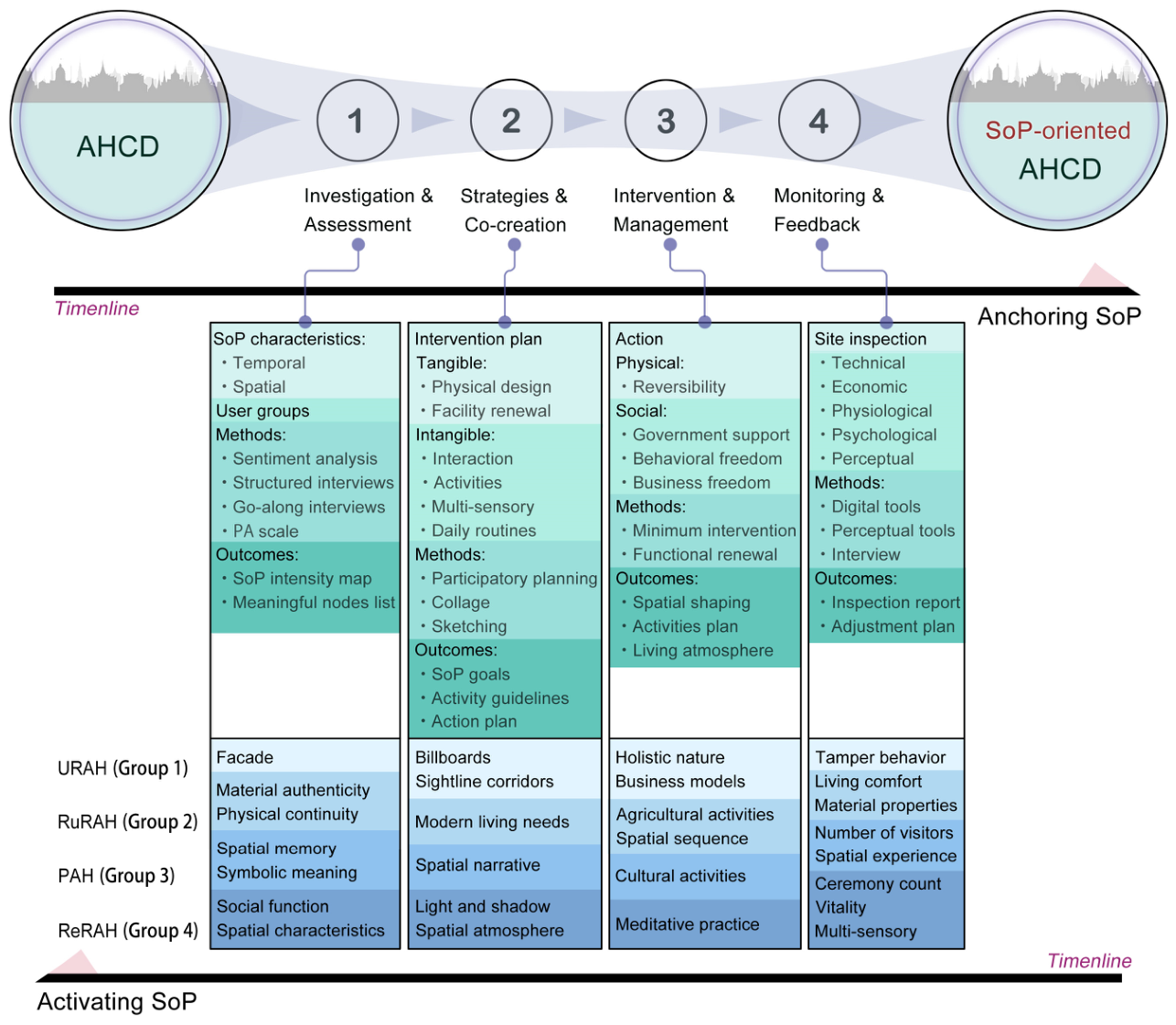
Research confirms that sense of place develops gradually through human-environment interactions [64,93,94]. Building on this premise, the sense of place framework offers clear directions for cultivating place dependence, place identity, and place attachment within AHCD, highlighting key intervention priorities (Figure 8). Given the limited attention paid to place dependence in existing literature and the crucial role of architectural spatial affordances in its development, it is essential to foster human-building interactions. Integrating appropriate modern facilities can improve functional fit and strengthen place dependence by enabling continued use of heritage environments [69]. Moreover, multi-stakeholder co-creation further enhances satisfaction with environmental engagement and self-efficacy [95,96,97]. Such psychological and subjective experiences help build an emotional bond that goes beyond purely functional aspects. To cultivate place identity, it is necessary to identify both intangible authenticity (e.g., lifestyles and rituals) and tangible authenticity (e.g., architectural forms) [76,82,98,99,100]. Meanwhile, the advancement of place attachment requires additional emphasis on the experiential attributes of architectural heritage. For example, spatial narrativization and contextualized activities can transform vivid experiences into emotional belonging, thereby fostering place attachment [75]. Place attachment translates into residents’ willingness to conserve, support, and stay, ensuring long-term stewardship [23,59,97]. It should be stressed that the development of sense of place yields positive spillover effects; for instance, functional improvements can boost place attachment while promoting place dependence [69]. Therefore, the sense-of-place-informed approach to AHCD is not a rigid one-to-one mapping between interventions and dimensions; rather, it relies on the synergistic evolution of sense of place’s multiple dimensions.
The overall form, spatial organization, historical continuity, and lived or ritual practices of architectural heritage influence sense of place, while sense of place varies across different architectural types. Consequently, beyond architectural forms, it is essential to implement categorized governance in AHCD practices [15].
In general, the sense of place approach views the human-place relationship from a process perspective [27,52]. This framework embeds sense of place developmental dynamics into the four critical processes of AHCD to address both the past and future of architectural heritage (Figure 9). It highlights both emotional memory anchors in general contexts and specific sense of place carriers across architectural types, facilitating a shift from purely physical intervention toward socially responsive heritage stewardship. The key tasks within this framework include investigating the sense of place in architectural heritage, formulating implementation schemes and action procedures to cultivate a sense of place, and refining AHCD strategies based on user feedback. The methods listed below are illustrative rather than type-exclusive. Their applicability depends on research objectives, participant groups, data availability, spatial conditions, and ethical requirements.

4.4.1. Investigation and Assessment

This section examines the spatio-temporal evolution of sense of place within architectural heritage. The formation of sense of place depends not only on the material aspects of the architecture but also on intangible dimensions such as historical context, collective memory, and ritual activities [49,78,84,89]. In different functional contexts, diverse groups (e.g., residents and tourists) interact with architectural heritage in distinct ways, leading to different trajectories of sense of place development [60,101]. Therefore, investigations into sense of place should differentiate unique attributes among diverse population groups. Previous studies have shown that sentiment analysis and structured interviews are effective methods for exploring sense of place [77,80], particularly within the context of rural residential heritage. For heritage building types with high pedestrian traffic (e.g., public architectural heritage), integrating social media reviews into sentiment analysis offers a valuable supplementary data source [55]. Translating the significance of diverse architectural heritage spaces into architectural design vocabularies provides a basis for subsequent AHCD spatial planning and stewardship strategies.

4.4.2. Strategies and Co-Creation

Based on both the tangible and intangible anchors of sense of place within architectural heritage, this stage develops strategies for spatial renewal and stewardship. These plans recalibrate human-heritage relationships by realigning and intertwining the physical boundaries of architecture with its genius loci. At the spatial level, modification schemes focus on renewing facilities [11,71], reinvigorating symbolic spaces [51], and reactivating the Genius loci to balance historical authenticity with modern needs [79]. The stewardship phase prioritizes human-building interactions and multi-sensory experiences [68,75,79], including everyday practices and introducing interactive activities [53,92,102]. More critically, implementing this framework calls for a co-creation mechanism: government guidance, resident leadership [62], and stakeholder participation [61,85]. Participatory tools like collages and drawings can help translate non-professional visions into spatial languages [51]. During participatory processes, especially in the context of residential architectural heritage, it is crucial to ensure the substantive involvement of vulnerable groups, such as older adults, to ensure equity [73]. Operationalizing humanistic principles through procedural justice fosters a co-developmental relationship between architectural heritage spatial interventions and sense of place.

4.4.3. Intervention and Management

This process translates the visions, strategies, and norms of AHCD into concrete actions. Material interventions adhere to the principle of “reversibility” [103], while the social dimension focuses on avoiding superficial intervention [15]. In practice, this requires authorities to cede partial executive power to users upon establishing adequate services and support [29]. For instance, guided by behavioral norms and performance objectives, users can engage in practices autonomously, thereby sustaining authentic lifestyles and spatial atmospheres [62]. Meanwhile, residents can leverage traditional business practices to address livelihood issues, perpetuate identity and intergenerational transmission, and stimulate new place attachment [98]. The methodological principles of minimal intervention and functional renewal are emphasized in the intervention process, yet their application varies by building type. Public buildings typically allow more extensive renewal; residential heritage calls for adaptations that retain their lived-in feel; and the functional renewal of religious buildings requires a more restrained approach. These physical and social interventions foster a lifestyle integrating tradition and modernity with strong place identity, ensuring the continuous re-creation of sense of place within daily AHCD practices.

4.4.4. Monitoring and Feedback

This process requires the regular monitoring of architectural heritage conditions to prevent irreversible negative impacts [66]. Beyond technical inspection indicators, this involves architectural heritage tourism-related surveys (e.g., tourists’ cultural perception), social environment characteristics (e.g., architectural heritage consensus and community vitality), and user relational experiences (e.g., perceptions of the neighborhood environment and sense of belonging) [61,85,104]. To capture user responses, researchers can utilize facial expression recognition models, EEG, and interviews [100,105,106]. When perception-based tools such as EEG are used, testing conditions and potential sources of interference should be adjusted or recorded according to the characteristics of each heritage context. For example, crowding and background noise in public heritage buildings may need to be controlled to improve the validity and comparability of measurements of users’ perceptual and emotional responses. Guided by this feedback, stakeholders from the strategy and co-creation phase will convene to refine the plans. Such adaptive strategies facilitate the more comprehensive and efficient implementation of AHCD plans, without compromising their socio-ecological development.

4.5. Limitations

This paper proposes an implementation framework for AHCD based on a summary of sense of place across four architectural types. That said, there are a few limitations to consider. The scope was restricted to four specific architectural functional contexts; thus, the generalisability of our conclusions to other heritage building types remains untested. Second, Second, supplementary searches in Scopus and CNKI broadly supported the principal thematic patterns, yet the quantitative bibliometric analysis relied predominantly on WoSCC English publications, and non-English literature was not incorporated into the mapping. Future work could broaden the database coverage to include multilingual sources for a fuller picture. Finally, while the proposed framework accommodates both universal and context-specific architectural heritage characteristics, its real-world applicability should be validated through future empirical studies involving diverse stakeholders.

5. Conclusions

This scoping review shows that sense of place, as a theoretical lens, contributes to advancing AHCD, especially in addressing social dimensions. Current evidence indicates that sense of place research in architectural heritage focuses mainly on place identity and place attachment. For individuals, interactions with the built environment, along with perceived authenticity and lived experiences, are central to how sense of place forms within heritage contexts. While overall architectural forms fundamentally shape sense of place, the evolutionary pathways of sense of place vary with the type of built environment. In urban residential architectural heritage, sense of place centers on the facades of historic building complexes. In rural heritage, however, heritage is rooted in the character of traditional buildings, not just in their materials and shapes, but also in how they can be adapted for modern life. Furthermore, sense of place in public architectural heritage is closely linked to existing spatial memories and narratives, while in religious and ritual architecture, continuity depends on preserving spatial atmosphere and social functions. However, existing research lacks methodologies to guide AHCD based on sense of place theory. In response, the present study outlines an implementation framework for integrating sense of place into AHCD. It helps identify the meanings and emotional anchors that people attach to heritage, and through co-creation and implementation processes, it offers social-level support for AHCD.
By connecting sense of place theory to AHCD, this study raises awareness among scholars and policymakers about the importance of human-architecture relational values.

Supplementary Materials

The following supporting information can be downloaded at: https://www.mdpi.com/article/10.3390/buildings16153010/s1, Table S1: Preferred Reporting Items for Systematic reviews and Meta-Analyses extension for Scoping Reviews (PRISMA-ScR) Checklist; Table S2: A list of papers included in the literature review.

Author Contributions

Conceptualization, Y.L. and S.L.; methodology, S.L.; software, S.L.; validation, Y.L. and S.L.; formal analysis, S.L. and L.W.; investigation, S.L. and L.W.; resources, S.L. and L.W.; data curation, S.L. and L.W.; writing—original draft preparation, S.L.; writing—review and editing, Y.L. and L.W.; visualization, S.L.; supervision, Y.L.; project administration, Y.L.; funding acquisition, Y.L. All authors have read and agreed to the published version of the manuscript.

Funding

This study was funded by the National Social Science Foundation of China (Grant No. 22 & ZD227), Shaanxi Provincial Art Science Planning Project (Grant No. SYG2025001) and the General Theoretical Research Project of the China National Arts and Crafts Society (CNACS2025-B-I-16).

Data Availability Statement

The original contributions presented in this study are included in the article and Supplementary Materials. Further inquiries can be directed to the corresponding author.

Acknowledgments

During the preparation of this work, the authors used ChatGPT 5.6 to improve the language and readability of the manuscript. After using this tool, the authors reviewed and edited the content as needed and take full responsibility for the content of the publication.

Conflicts of Interest

The authors declare no conflicts of interest. The funders had no role in the design of the study; in the collection, analyses, or interpretation of data; in the writing of the manuscript; or in the decision to publish the results.

References

  1. Fang, Q.; Ko, W. Beyond Satisfaction: Authenticity, Attachment, and Engagement in Shaping Revisit Intention of Palace Museum Visitors. Sustainability 2025, 17, 8803. [Google Scholar] [CrossRef]
  2. Ali, S.A. The Contributions of Traditional Architecture to Sense of Place: A Study of the Traditional Hotels of Fremantle. Ph.D. Thesis, Curtin University, Singapore, 2019. [Google Scholar]
  3. Elyasi, S.; Yamaçlı, R. Architectural sustainability with cultural heritage values. Cult. Herit. Sci. 2023, 4, 55–61. [Google Scholar] [CrossRef]
  4. Lidelöw, S.; Örn, T.; Luciani, A.; Rizzo, A. Energy-efficiency measures for heritage buildings: A literature review. Sustain. Cities Soc. 2019, 45, 231–242. [Google Scholar] [CrossRef]
  5. Arfa, F.H.; Lubelli, B.; Quist, W.; Zijlstra, H. A model of the adaptive reuse process of heritage buildings: Validation on four cases in the Netherlands. Des. Stud. 2024, 91–92, 101252. [Google Scholar] [CrossRef]
  6. Li, K.; Du, B.; Li, D.; Liu, Z.; Zhang, X.; Kim, H. Machine Learning in Architectural Heritage Conservation: A Systematic Review and Thematic Synthesis of Applications, Challenges, and Future Directions. Buildings 2026, 16, 2745. [Google Scholar] [CrossRef]
  7. Lin, X.; Zhang, Y.; Wu, Y.; Yang, Y.; Yang, W. A Bibliometric Review of Chinese Traditional Defensive Settlement Heritage. Buildings 2024, 14, 3107. [Google Scholar] [CrossRef]
  8. Wu, Y.; Chen, Z.; Lin, X.; Tu, X. A Visual Analysis and Review of Chinese Qilou Architectural Heritage Based on CiteSpace. Buildings 2025, 15, 1638. [Google Scholar] [CrossRef]
  9. Kelly, D.; Koo, H.J. Challenges managing large historic building renovations: Lessons learned from Detroit, Michigan. J. Constr. Eng. Manag. 2024, 150, 05023015. [Google Scholar] [CrossRef]
  10. Zhang, X.; Ren, Y.; Lv, J.; Geng, Y.; Su, C.; Ma, R. Morphological Evolution and Socio-Cultural Transformation in Historic Urban Areas: A Historic Urban Landscape Approach from Luoyang, China. Buildings 2025, 15, 1373. [Google Scholar] [CrossRef]
  11. Stober, D.; Brkanić, I.; Lončar, L. The preferences of residents and tourists for culturaland architectural heritage in a rural landscape:The case of Zlatna Greda, Croatia. Morav. Geogr. Rep. 2018, 26, 285–297. [Google Scholar] [CrossRef]
  12. Liu, J.; Zhu, Y.; Liu, J.; Wang, P. Unraveling Tourist Behavioral Intentions in Historic Urban Built Environment: The Mediating Role of Perceived Value via SOR Model in Macau’s Heritage Sites. Buildings 2025, 15, 2316. [Google Scholar] [CrossRef]
  13. Feng, D.; Chiou, S.-c.; Wang, F. On the Sustainability of Local Cultural Heritage Based on the Landscape Narrative: A Case Study of Historic Site of Qing Yan Yuan, China. Sustainability 2021, 13, 2831. [Google Scholar] [CrossRef]
  14. Yuxin, F.; Jianpeng, Q.; Xiaoyu, L.; Yunxia, T.; Weilong, M. Exploring the influence of historical storytelling on cultural heritage tourists’ revisit intention: A case study of the Mogao Grottoes in Dunhuang. PLoS ONE 2024, 19, e0307869. [Google Scholar] [CrossRef] [PubMed]
  15. Chen, H.; Yang, Y.; Zhao, D.; Zhang, L.; Tang, Z.; Tian, J.; Shen, T.; Yin, Y. Social Cluster and Heritage Memory: A Study on the Space Perception of Zhaozhou Basin Horse Caravan Vernacular Architecture. Buildings 2024, 14, 2405. [Google Scholar] [CrossRef]
  16. Jorgensen, B.S.; Stedman, R.C. Sense of Place as an Attitude: Lakeshore Owners Attitudes Toward Their Properties. J. Environ. Psychol. 2001, 21, 233–248. [Google Scholar] [CrossRef]
  17. Shamai, S. Sense of place: An empirical measurement. Geoforum 1991, 22, 347–358. [Google Scholar] [CrossRef]
  18. Norberg-Schulz, C. Genius Loci: Towards a Phenomenology of Architecture; Rizzoli: New York, NY, USA, 1980; Volume 17, pp. 22–23. [Google Scholar]
  19. Petrušonis, V. Conditions for a Dialogue of Local Community and Genius Loci. Archit. Urban Plan. 2018, 14, 70–74. [Google Scholar] [CrossRef]
  20. Vecco, M. Genius loci as a meta-concept. J. Cult. Herit. 2020, 41, 225–231. [Google Scholar] [CrossRef]
  21. Stedman, R.C. Subjectivity and social-ecological systems: A rigidity trap (and sense of place as a way out). Sustain. Sci. 2016, 11, 891–901. [Google Scholar] [CrossRef]
  22. Gottwald, S.; Albert, C.; Fagerholm, N. Combining sense of place theory with the ecosystem services concept: Empirical insights and reflections from a participatory mapping study. Landsc. Ecol. 2022, 37, 633–655. [Google Scholar] [CrossRef]
  23. Kádár, B.; Klaniczay, J. Branding Built Heritage through Cultural Urban Festivals: An Instagram Analysis Related to Sustainable Co-Creation, in Budapest. Sustainability 2022, 14, 5020. [Google Scholar] [CrossRef]
  24. Pearson, D.; Gorman, J. Acknowledging Landscape Connection: Using Sense of Place and Cultural and Customary Landscape Management to Enhance Landscape Ecological Theoretical Frameworks. Land 2023, 12, 729. [Google Scholar] [CrossRef]
  25. Bahauddin, A.; Prihatmanti, R.; Putri, S.A. ‘Sense of Place’ on Sacred Cultural and Architectural Heritage: St. Peter’s Church of Melaka. Interiority 2022, 5, 53–74. [Google Scholar] [CrossRef]
  26. Zhu, Y.; Han, G.; Zhuang, J.; Wang, M. Authenticity and place attachment as dual pathways for sustainable tourism in the historic Quanzhou West Street, China. Sci. Rep. 2025, 15, 44980. [Google Scholar] [CrossRef] [PubMed]
  27. Bo, L.; Abdul Rani, M.F. The Value of Current Sense of Place in Architectural Heritage Studies: A Systematic Review. Buildings 2025, 15, 903. [Google Scholar] [CrossRef]
  28. Clemente, M.; Salvati, L. ‘Interrupted’ Landscapes: Post-Earthquake Reconstruction in between Urban Renewal and Social Identity of Local Communities. Sustainability 2017, 9, 2015. [Google Scholar] [CrossRef]
  29. Safarkhani, M. Space to Place, Housing to Home: A Systematic Review of Sense of Place in Housing Studies. Sustainability 2025, 17, 6842. [Google Scholar] [CrossRef]
  30. Kim, K.; Kang, J.-Y.; Hwang, C. Identifying Indicators Contributing to the Social Vulnerability Index via a Scoping Review. Land 2025, 14, 263. [Google Scholar] [CrossRef]
  31. Wohlin, C. Guidelines for snowballing in systematic literature studies and a replication in software engineering. In Proceedings of the 18th International Conference on Evaluation and Assessment in Software Engineering; ACM: New York, NY, USA, 2014; pp. 1–10. [Google Scholar]
  32. Rahil, N.R.M.; Ghani, M.Z.A.; Sarkom, Y. Architectural heritage values and sense of place of Kampung Morten, Melaka. Plan. Malays. J. 2020, 18, 33–46. [Google Scholar] [CrossRef]
  33. Altman, I.; Low, S.M. Place Attachment; Springer Science & Business Media: New York, NY, USA, 2012; Volume 12. [Google Scholar]
  34. Williams, D.R.; Patterson, M.E.; Roggenbuck, J.W.; Watson, A.E. Beyond the commodity metaphor: Examining emotional and symbolic attachment to place. Leis. Sci. 1992, 14, 29–46. [Google Scholar] [CrossRef]
  35. Scannell, L.; Gifford, R. Defining place attachment: A tripartite organizing framework. J. Environ. Psychol. 2010, 30, 1–10. [Google Scholar] [CrossRef]
  36. Proshansky, H.M. The City and Self-Identity. Environ. Behav. 1978, 10, 147–169. [Google Scholar] [CrossRef]
  37. Proshansky, H.M.; Fabian, A.K.; Kaminoff, R. Place-identity: Physical world socialization of the self. J. Environ. Psychol. 1983, 3, 57–83. [Google Scholar] [CrossRef]
  38. Raymond, C.M.; Kyttä, M.; Stedman, R. Sense of Place, Fast and Slow: The Potential Contributions of Affordance Theory to Sense of Place. Front. Psychol. 2017, 8, 1674. [Google Scholar] [CrossRef] [PubMed]
  39. Kyle, G.; Graefe, A.; Manning, R. Testing the dimensionality of place attachment in recreational settings. Environ. Behav. 2005, 37, 153–177. [Google Scholar] [CrossRef]
  40. Stedman, R.C. Is it really just a social construction?: The contribution of the physical environment to sense of place. Soc. Nat. Resour. 2003, 16, 671–685. [Google Scholar] [CrossRef]
  41. Raymond, C.M.; Manzo, L.C.; Williams, D.R.; Di Masso, A.; von Wirth, T. Changing Senses of Place: Navigating Global Challenges; Cambridge University Press: Cambridge, UK, 2021. [Google Scholar]
  42. Tricco, A.C.; Lillie, E.; Zarin, W.; O’Brien, K.K.; Colquhoun, H.; Levac, D.; Moher, D.; Peters, M.D.J.; Horsley, T.; Weeks, L.; et al. PRISMA Extension for Scoping Reviews (PRISMA-ScR): Checklist and Explanation. Ann. Intern. Med. 2018, 169, 467–473. [Google Scholar] [CrossRef] [PubMed]
  43. Chen, C. Science Mapping: A Systematic Review of the Literature. J. Data Inf. Sci. 2017, 2, 1–40. [Google Scholar] [CrossRef]
  44. van Eck, N.J.; Waltman, L. Software survey: VOSviewer, a computer program for bibliometric mapping. Scientometrics 2010, 84, 523–538. [Google Scholar] [CrossRef] [PubMed]
  45. Zupic, I.; Čater, T. Bibliometric methods in management and organization. Organ. Res. Methods 2015, 18, 429–472. [Google Scholar]
  46. Horlings, L. Politics of connectivity: The relevance of place-based approaches to support sustainable development and the governance of nature and landscape. In The SAGE Handbook of Nature; SAGE Publications Inc.: Newbury Park, CA, USA, 2018; pp. 304–324. [Google Scholar]
  47. Calvo, M.; De Rosa, A. Design for social sustainability. A reflection on the role of the physical realm in facilitating community co-design. Des. J. 2017, 20, S1705–S1724. [Google Scholar] [CrossRef]
  48. Zhao, X.; Leng, T.; Wang, Y.; Chao, S. An enlightening sacrifice: Discovering an anonymous building on the campus of Nanjing University in China. J. Asian Archit. Build. Eng. 2022, 22, 875–895. [Google Scholar] [CrossRef]
  49. Zou, M.; Bahauddin, A. The Creation of “Sacred Place” through the “Sense of Place” of the Daci’en Wooden Buddhist Temple, Xi’an, China. Buildings 2024, 14, 481. [Google Scholar] [CrossRef]
  50. Popay, J.; Roberts, H.; Sowden, A.; Petticrew, M.; Arai, L.; Rodgers, M.; Britten, N.; Roen, K.; Duffy, S. Guidance on the Conduct of Narrative Synthesis in Systematic Reviews; Version 1, b92; Lancaster University: Lancaster, UK, 2006. [Google Scholar]
  51. Chizzoniti, D.G.; Lolli, T. Urban Morphology, Identity, Heritage, and Reconstruction Processes in Middle East Post-War Scenarios: The Case of Mosul Old City. Land 2023, 12, 2140. [Google Scholar] [CrossRef]
  52. Du, J.; Yu, Z.; Cheng, S.; Li, L.; Miao, C. Exploring the role of government-driven culture-led micro-regeneration in shaping the sense of place within urban historic districts in China. Cities 2026, 169, 106575. [Google Scholar] [CrossRef]
  53. Zhu, X.; Chiou, S.-C. A Study on the Sustainable Development of Historic District Landscapes Based on Place Attachment among Tourists: A Case Study of Taiping Old Street, Taiwan. Sustainability 2022, 14, 11755. [Google Scholar] [CrossRef]
  54. Zwain, A.; Bahauddin, A. Malacca’s “Straits Chinese traditional courtyard eclectic style shophouses”: Facades’ architectural design elements through place identity. J. Cult. Herit. Manag. Sustain. Dev. 2021, 13, 837–855. [Google Scholar] [CrossRef]
  55. Liao, W.; Liu, P.; Chen, Z.; Liu, S. Investigating impacts of renovated exteriors in historic districts on visitor vitality through space syntax reflection. npj Herit. Sci. 2025, 13, 336. [Google Scholar] [CrossRef]
  56. Masuwan, K.; Lertwattanaruk, P. Incorporating Form-Based Codes into the Design-Based Approach to Historic Building Conservation in Phuket, Thailand. Sustainability 2020, 12, 3859. [Google Scholar] [CrossRef]
  57. Ertürk, S.F.; Kerestecioğlu, S.F. Scenario-based urban regeneration through a contextual approach: Insights from the Antalya Haşim İşcan neighbourhood. J. Asian Archit. Build. Eng. 2026, 1–38. [Google Scholar] [CrossRef]
  58. Zhang, J.; Li, Q.; Liu, X. Research on the Complex Mechanism of Placeness, Sense of Place, and Satisfaction of Historical and Cultural Blocks in Beijing’s Old City Based on Structural Equation Model. Complexity 2021, 2021, 6673158. [Google Scholar] [CrossRef]
  59. Farhad, S.; Maghsoodi Tilaki, M.J.; Hedayati Marzbali, M.J. Architectural identity and place attachment in historic neighbourhoods: An empirical study in Sanandaj, Iran. J. Place Manag. Dev. 2021, 14, 148–162. [Google Scholar]
  60. Dai, L.; Wang, S.; Xu, J.; Wan, L.; Wu, B. Qualitative Analysis of Residents′ Perceptions of Tourism Impacts on Historic Districts: A Case Study of Nanluoguxiang in Beijing, China. J. Asian Archit. Build. Eng. 2018, 16, 107–114. [Google Scholar] [CrossRef]
  61. Maghsoodi Tilaki, M.J.; Farhad, S. Revitalising historic fabrics: The influence of identity and community belonging. Geogr. Res. 2025, 63, 573–593. [Google Scholar] [CrossRef]
  62. Fouad, S.S.; Sharaf Eldin, S. Public Perception Influence on the Reshaping Urban Heritage: A Case Study of Port Said Historic Quarters. Space Cult. 2021, 26, 579–597. [Google Scholar] [CrossRef]
  63. Wang, Y. Exploring multiple dimensions of attachment to historic urban places, a case study of Edinburgh, Scotland. Int. J. Herit. Stud. 2023, 29, 428–440. [Google Scholar] [CrossRef]
  64. Li, H.; Chen, J.; Ikebe, K.; Kinoshita, T. Survey of Residents of Historic Cities Willingness to Pay for a Cultural Heritage Conservation Project: The Contribution of Heritage Awareness. Land 2023, 12, 2058. [Google Scholar] [CrossRef]
  65. Skataric, G.; Spalevic, V.; Popovic, S.; Perosevic, N.; Novicevic, R. The Vernacular and Rural Houses of Agrarian Areas in the Zeta Region, Montenegro. Agriculture 2021, 11, 717. [Google Scholar] [CrossRef]
  66. Ho, J.T.-w. Emergent place-identity: Place activation through the architectural restoration of a small Hakka household in the Hong Kong countryside. Built Herit. 2024, 8, 7. [Google Scholar] [CrossRef]
  67. Chang, X.; Li, Z. Tourists’ Perceived Restoration of Chinese Rural Cultural Memory Space. Sustainability 2022, 14, 14825. [Google Scholar] [CrossRef]
  68. Mashary Alnaim, M.; Abdullah Alnaim, M. The restorative role of traditional architecture: Psychological well-being in heritage spaces. Ain Shams Eng. J. 2026, 17, 104146. [Google Scholar] [CrossRef]
  69. Jin, M.; Cao, J.; Zhao, H.; Li, Z. Effects of living environment quality on cultural heritage responsibility behaviors of residents in traditional villages: A case study from Hangzhou, China. Front. Psychol. 2025, 16, 1600506. [Google Scholar] [CrossRef] [PubMed]
  70. Chiang, Y.-C. Adaptive reuse of a military dependents’ village in Taipei: Integrating living heritage with Net Zero urban regeneration through creative industries. J. Asian Archit. Build. Eng. 2025, 1–16. [Google Scholar] [CrossRef]
  71. Zhang, R. A Multi-Dimensional Data-Driven Study on the Emotional Attachment Characteristics of the Renovation of Beijing Traditional Quadrangles. Buildings 2024, 14, 2075. [Google Scholar] [CrossRef]
  72. Durukan, A.; Ertaş Beşir, Ş.; Koç Altuntaş, S.; Açıkel, M. Evaluation of Sustainability Principles in Adaptable Re-Functioning: Traditional Residences in Demirel Complex. Sustainability 2021, 13, 2514. [Google Scholar] [CrossRef]
  73. Jiang, Y.; Duan, J.; Zhang, Y. The spontaneous spatial restructuring of traditional village based on an analysis of social relationship: A case in Fuling, Fujian China. Habitat Int. 2025, 157, 103309. [Google Scholar] [CrossRef]
  74. Rong, W.; Bahauddin, A. Heritage and Rehabilitation Strategies for Confucian Courtyard Architecture: A Case Study in Liaocheng, China. Buildings 2023, 13, 599. [Google Scholar] [CrossRef]
  75. Cai, S.; Hu, Y.; He, J.; Li, K. The impact of embodied cognition on place attachment and supportive behavior toward historic buildings in heritage sites: Exploring the moderating role of resident identity climate. Front. Psychol. 2025, 16, 1702052. [Google Scholar] [CrossRef] [PubMed]
  76. Lei, H.; Zhou, Y. Conducting Heritage Tourism-Led Urban Renewal in Chinese Historical and Cultural Urban Spaces: A Case Study of Datong. Land 2022, 11, 2122. [Google Scholar] [CrossRef]
  77. Thirumaran, K.; Mohammadi, Z.; Azzali, S.; Eijdenberg, E.L.; Donough-Tan, G. Transformed landscapes, tourist sentiments: The place making narrative of a luxury heritage hotel in Singapore. J. Herit. Tour. 2023, 18, 243–264. [Google Scholar] [CrossRef]
  78. Shi, J.; Tian, L. The Psychological Resonance of Place: Spatial Narratives and Identity in the Historical Educational Landscapes of Rongxiang, China. Integr. Psychol. Behav. Sci. 2025, 59, 49. [Google Scholar] [CrossRef] [PubMed]
  79. Zou, Y.; Yang, Y.; Li, Y.; Liao, J.; Xiao, H. How do tourists’ heritage spatial perceptions affect place identity? A case study of Quanzhou, China. J. Hosp. Tour. Manag. 2023, 55, 460–470. [Google Scholar] [CrossRef]
  80. Hussein, F.; Stephens, J.; Tiwari, R. Cultural Memories and Sense of Place in Historic Urban Landscapes: The Case of Masrah Al Salam, the Demolished Theatre Context in Alexandria, Egypt. Land 2020, 9, 264. [Google Scholar] [CrossRef]
  81. Fu, Y.; Dong, W. How perceived value, environmental awareness, and social identity shape public support for industrial heritage: The mediating role of place attachment. Front. Psychol. 2025, 16, 1645646. [Google Scholar] [CrossRef] [PubMed]
  82. Abukarki, H.J.; Uzunahmet, H.A.; Onur, Z. The Influence of Place Attachment on Heritage Discourse in Contemporary Places: A Case Study of Jordanian Byzantine Mosaics. Sustainability 2023, 15, 8395. [Google Scholar] [CrossRef]
  83. Bal, W.; Czalczynska-Podolska, M.; Nieścior, M. The Importance of Architectural Icons of the City of Szczecin for the Transformation of Landscape Identity and Promotion of the City’s Image. Sustainability 2023, 15, 8648. [Google Scholar] [CrossRef]
  84. Popović, T.; Marić, J.; Vaništa Lazarević, E. Reshaping approaches of architectural heritage devastated through bombing: Case study of Generalštab, Belgrade. Urban Des. Int. 2020, 26, 296–309. [Google Scholar] [CrossRef]
  85. Fogarasi, B.; Dobai, A.M.; Tóth-Varga, V.; Dúll, A. From predicament to reconnection: Stakeholder perspectives on the revitalization of a historic church building. Int. J. Herit. Stud. 2026, 32, 1097–1129. [Google Scholar] [CrossRef]
  86. Feng, J.; Bahauddin, A.; Miao, J. Sense of Place and Sacred Places: A Phenomenological Study of Ancestral Hall Spatial Narratives—The Shike Ancestral Hall, En Village, Guangdong. Buildings 2025, 15, 470. [Google Scholar] [CrossRef]
  87. Beekers, D. The matter of home: Repurposed churches, heritage and belonging in Amsterdam. Cult. Stud. 2024, 38, 839–864. [Google Scholar] [CrossRef]
  88. Janowski, M.; Janowska, A.; Nadolny, A.; Mohammadi, M. Architecture of Polish Tatars—Local Identity and Heritage. Int. J. Conserv. Sci. 2023, 14, 231–250. [Google Scholar] [CrossRef]
  89. Janisio-Pawłowska, D. Contemporary Parish Churches as Spatial Dominants and Elements of Young Cultural Heritage in the Urban Structure: The Case of Szczecin in the Context of Sustainable Development and the Protection of Urban and Cultural Heritage. Sustainability 2025, 17, 6648. [Google Scholar] [CrossRef]
  90. Gatiso, T.T.; Greenhalgh, S.; Korovulavula, I.; Fong, T.; Radikedike, R.P. Climate change-induced relocation dilemma between preserving cultural heritage and embracing modern infrastructure: Insights from Fijian coastal villages. Clim. Change 2025, 178, 131. [Google Scholar] [CrossRef]
  91. Tao, H.; Wen, Y.; Liu, M.; Wu, Y. Industrial Heritage Protection from the Perspective of Spatial Narrative. Land 2025, 14, 1105. [Google Scholar] [CrossRef]
  92. Wang, M.; Lee, H.S.; Chen, W.Q. The impact of cultural tourism experience on cultural identity: A case study of Mazu culture. PLoS ONE 2026, 21, e0346153. [Google Scholar] [CrossRef] [PubMed]
  93. Gamper-Rabindran, S.; Ash, J. “Farming the sun” or “coal legacy”? Social perspectives on solar energy projects in Appalachia. Energy Res. Soc. Sci. 2024, 117, 103656. [Google Scholar] [CrossRef]
  94. Lu, X.; Tan, D.; Zhou, Y.; Xie, Y.; Chen, Z. Traditional village perception and protection behavior: The mediating role of local identity and the impact of different population differences. J. Asian Archit. Build. Eng. 2024, 24, 5104–5121. [Google Scholar] [CrossRef]
  95. Kasemets, K.J. Stewardship and everyday governance: Managing materialities in a south-eastern village community, Estonia. Sociol. Rural. 2024, 64, 104–125. [Google Scholar]
  96. Zhang, J.; Xu, S.; Aoki, N. Contradictions of indigenous cognition and heritage evaluation under political transformations in a working-class community in Tianjin, China. Cities 2023, 132, 104031. [Google Scholar] [CrossRef]
  97. Xu, X.; Xue, D.; Huang, G. The Effects of Residents’ Sense of Place on Their Willingness to Support Urban Renewal: A Case Study of Century-Old East Street Renewal Project in Shaoguan, China. Sustainability 2022, 14, 1385. [Google Scholar] [CrossRef]
  98. Shen, J.; Chou, R.-J. Cultural Landscape Development Integrated with Rural Revitalization: A Case Study of Songkou Ancient Town. Land 2021, 10, 406. [Google Scholar] [CrossRef]
  99. Bujanda Miguel, M. The notion of place in conservation of architectural landscapes. J. Archit. Conserv. 2017, 22, 222–230. [Google Scholar] [CrossRef]
  100. Ding, L.; Zheng, G. Understanding Digital Sense of Place in Living Heritage Streets Through Multimodal Social Media Analysis: A Case Study of Songyang’s Ming–Qing Old Street. Sustainability 2026, 18, 3250. [Google Scholar] [CrossRef]
  101. Fan, J.; Li, K.; Gu, T. Landscape character assessment of urban historical and cultural blocks and landscape design for place attachment enhancement—A case study of Sanxuejie Historical and Cultural Block in Xi’an, China. J. Asian Archit. Build. Eng. 2025, 25, 3761–3779. [Google Scholar] [CrossRef]
  102. Chan, S.H.G.; Lee, W.H.H.; Tang, B.M.; Chen, Z. Legacy of culture heritage building revitalization: Place attachment and culture identity. Front. Psychol. 2023, 14, 1314223. [Google Scholar] [CrossRef] [PubMed]
  103. Zhang, S.-N.; Zhou, Y.; Ruan, W.-Q. Will tourists avoid visiting destinations with heritage destruction? J. Sustain. Tour. 2026, 1–33. [Google Scholar] [CrossRef]
  104. Cai, X.; He, J.; Liu, M.; Morrision, A.M.; Wu, Y. Building rural public cultural spaces for enhanced well-being: Evidence from China. Local Environ. 2024, 29, 540–564. [Google Scholar] [CrossRef]
  105. Wang, J.; Yang, Z.; Lei, Y.; Peng, T.; Long, T.; Liu, J.; Li, H.; Yang, J.; Lu, M. What Creates Unsafe Feelings in Rural Landscapes: A Study of Perceived Safety Based on Facial Expression Recognition. Land 2025, 14, 575. [Google Scholar] [CrossRef]
  106. Zhao, B.; Feng, J.; Sun, Y.; Chang, X.; Shaw, S.L. Neural sensing: Toward a new approach to understanding emotional responses to place. Trans. GIS 2024, 28, 2463–2475. [Google Scholar] [CrossRef]
Figure 1. Schematic overview of the literature review workflow. Source: created by the authors.
Buildings 16 03010 g001
Figure 2. PRISMA-ScR flow diagram for literature screening. Source: created by the authors.
Buildings 16 03010 g002
Figure 3. Annual publication trends. Source: created by the authors.
Buildings 16 03010 g003
Figure 4. Intercontinental distribution of academic institutions and their publication counts. Note. Figure 4 presents the countries represented by author affiliations rather than the geographical locations of the heritage case studies. No publication in the final sample had an author affiliation in the Americas; therefore, the Americas are not represented in the counts. Source: created by the authors. Source: created by the authors.
Buildings 16 03010 g004
Figure 5. Frequency of sub-dimension studies on sense of place. Note. Because individual studies could address more than one dimension, the frequencies sum to more than the total number of included publications. Source: created by the authors.
Buildings 16 03010 g005
Figure 6. CiteSpace analysis of research hotspots and trends. (a) Keyword co-occurrence network; (b) thematic clustering; (c) temporal evolution of themes. Node size is proportional to keyword frequency. Source: created by the authors.
Buildings 16 03010 g006
Figure 7. VOSviewer analysis of structural gaps in keyword co-occurrence. (a) Thematic clusters; (b) structural gaps related to “architectural heritage” (black rectangle); (c) structural gaps related to “sense of place” (black rectangle). Source: created by the authors.
Buildings 16 03010 g007
Figure 8. AHCD intervention anchors for the progressive enhancement of core dimensions of sense of place. Note. PD = place dependence; PI = place identity; PA = place attachment, SoP = sense of place. Source: created by the authors.
Buildings 16 03010 g008
Figure 9. The implementation framework for integrating sense of place into AHCD. Note. URAH = urban residential architectural heritage, RuRAH = rural residential architectural heritage, PAH = public architectural heritage, ReRAH = religious and ritual architectural heritage, SoP = sense of place. Source: created by the authors.
Buildings 16 03010 g009
Table 1. Research gaps in prior reviews and contributions of the current study.
Representative LiteratureTime SpanNumber of Included StudiesAHCD FocusLiterature Categorization FrameworksPractical Sense of Place Application for AHCDSite Context
(Bo & Rani, 2025) [27]2020–202423YesSubjective perception dimensions (cognitive, emotional, dynamic)NoMainly in cities
(Safarkhani, 2025) [29]2006–202410NoTripartite model of sense of place (place identity, place attachment, place dependence; subgroup:cognitive, affective, conative)NoUrban and rural areas
This study2016–202679YesDominant social functions of architectural heritage (urban residential, rural residential, public, religious and ritual)YesUrban and rural areas
Note. The selected reviews focus on sense of place in architectural or built-environment contexts.
Table 2. Classification and analytical characteristics of the included studies by architectural heritage context.
Literature ClassificationPaper CountProportionPaper Numbers
(From Supplementary Materials Table S2)
Concepts or Methods Used
Urban residential
(Group 1)
3037.97%3, 6, 9, 11, 12, 14, 15, 17, 22, 24, 29, 32, 33, 36, 38, 40, 42, 43, 44, 53, 54, 55, 56, 58, 60, 61, 65, 75, 76, 77Authenticity theory;
heritage tourism;
resilient community theory
Rural residential
(Group 2)
1316.46%2, 5, 7, 8, 10, 13, 21, 25, 50, 64, 67, 68, 70Embodied cognition;
behavioral intention;
attitude-behavior theory
Public
(Group 3)
2126.58%1, 4, 16, 18, 20, 23, 26, 27, 28, 31, 34, 35, 37, 46, 48, 49, 52, 57, 62, 66, 71Landscape narrative theory;
place making
Religious and ritual
(Group 4)
1518.99%19, 30, 39, 41, 45, 47, 51, 59, 63, 69, 72, 73, 74, 78, 79Space production theory;
sacred building
Disclaimer/Publisher’s Note: The statements, opinions and data contained in all publications are solely those of the individual author(s) and contributor(s) and not of MDPI and/or the editor(s). MDPI and/or the editor(s) disclaim responsibility for any injury to people or property resulting from any ideas, methods, instructions or products referred to in the content.