Article

Mechanical and Microstructural Behavior of Fiber–Nanomaterial Composite-Modified Recycled Sand Infill for Soil Stabilization


1
Institute of Geotechnical Engineering, Nanjing Tech University, Nanjing 211816, China
2
Geotechnical Engineering Department, Nanjing Hydraulic Research Institute, Nanjing 210024, China
3
Shaoxing Key Laboratory of Interaction Between Soft Soil Foundation and Building Structure, School of Civil Engineering, Shaoxing University, Shaoxing 312000, China
4
China Gezhouba Group Co., Ltd., Wuhan 430033, China
*
Author to whom correspondence should be addressed.
Buildings 2026, 16(12), 2347; https://doi.org/10.3390/buildings16122347
Submission received: 29 April 2026 / Revised: 25 May 2026 / Accepted: 3 June 2026 / Published: 11 June 2026

Abstract

This study addresses the early-age brittleness and performance limitations of sustainable cement soil. While prior works optimized the baseline compressive strength using recycled sand and nanoclay, the multi-scale synergistic effects of fibers and nanomaterials on the post-peak deformation remain underexplored. To address this gap, a composite modification system incorporating recycled sand, nanoclay, polypropylene fibers, and graphene derivatives was developed. The experimental program comprised standard specimen fabrication, early-age curing, and unconfined compressive strength (UCS) testing, supplemented by RBF neural network curve fitting and quantitative ArcGIS digital image processing of scanning electron microscopy (SEM) micrographs. The results demonstrate that optimizing the fiber parameters (0.6% content with 6 mm length) successfully increases the early UCS to 2263.2 kPa, which is further elevated to a peak of 2755.0 kPa upon co-incorporation with 0.05% small-sized graphene oxide. Correspondingly, a newly introduced ductility index quantitatively confirms that the single-fiber reinforcement yields an index of 1.93, which is further enhanced to 2.02 by the graphene composite system. Microstructure tracking and digital image extraction revealed that the SEM-derived surface porosity decreased significantly, exhibiting a clear inverse relationship with the macroscopic mechanical strength. These quantitative microstructural shifts confirm that graphene effectively filled micropores and reinforced the fiber–matrix interface, establishing a dense matrix network with enhanced interfacial bonding. This multi-scale approach offers a sustainable strategy for green geotechnical applications.

1. Introduction

Globally, the stabilization and reinforcement of problematic soft soils represent a long-standing challenge in geotechnical engineering, driving the continuous evolution of ground improvement techniques from traditional mechanical preloading and deep mixing to modern multi-scale composite stabilization [1]. Across various geological regions, infrastructural safety is frequently jeopardized by differing problematic soils, each posing specific and severe challenges: high-compressibility marine clays suffer from massive uneven settlement; expansive soils experience devastating volume fluctuations; collapsive soils undergo sudden structural failure upon wetting; breakable geomaterials fail via particle crushing under loading; and organic clays exhibit severely retarded cement hydration due to biochemical interference [2]. As urbanization and transportation networks rapidly expand into these marginal lands, modern infrastructure—such as high-grade highways, railways, and airfields—demands unprecedentedly high early stability and rapid bearing performance [3,4,5]. Without immediate, high-efficiency early-age reinforcement, these problematic foundations cannot support rapid construction schedules, leading to severe structural risks and profound economic losses [6].
In alignment with global sustainability directives, particularly the United Nations Sustainable Development Goals targeting resilient infrastructure (UN SDG 9) and responsible consumption and production (UN SDG 12), modern civil engineering has aggressively shifted toward eco-friendly carbon reduction technologies [7]. Utilizing industrial by-products and construction wastes to replace natural aggregates in ground improvement directly fulfills these green mandates. In our previous study [8], a sustainable baseline matrix incorporating recycled concrete sand and nanoclay into cement soil was successfully optimized, establishing a low-carbon paradigm for raw material reuse. In that system, recycled sand optimized the granular skeleton at the macro-level, while the layered nanoclay acted as a micro-filler to improve the baseline packing density and chemical binder efficiency [9]. However, despite satisfying the basic macroscopic compressive strength requirements, this green binary matrix inherently exhibits severe brittleness, poor tensile performance, and an acute susceptibility to micro-fissure propagation driven by plastic shrinkage, which severely curtails its safety margin and structural integrity during rapid construction phases [10,11].
To overcome these localized, multi-scale defects within the previously optimized matrix [8], further structural and chemical modulation is imperative. Graphene derivatives, featuring a two-dimensional atomic structure, possess exceptional surface energy that provides high-efficiency nano-nucleation sites, potentially accelerating hydration kinetics and forming a rigid nano-reinforcing framework within the cementitious pore walls [12,13,14]. Concurrently, polypropylene (PP) fibers play a critical macro-to-micro role in improving crack resistance. Their high tensile strength allows them to form a random three-dimensional bridging network within the matrix, suppressing macroscopic crack propagation and shifting the failure mode from brittle to ductile [15]. Crucially, while the isolated impacts of fibers or nanomaterials are widely documented, the multi-scale coupling mechanisms between accelerated chemical hydration (driven by graphene and nanoclay) and physical stress redistribution (driven by PP fibers) within this specific recycled-aggregate-bearing matrix remain insufficiently understood [16,17,18]. Furthermore, the explicit correlation between PP fiber length and the evolution of composite hydration structures dictates the ultimate reinforcement efficiency, yet this boundary condition has not been fully matured in the existing literature [19,20,21].
To provide a deeper insight into these chemical–physical interactions, the main contribution of this work lies neither in a simple material addition nor in isolated empirical testing, but in establishing a holistic, combined optimization framework that elucidates the multi-scale reinforcement threshold of this multi-component system. Building upon the baseline matrix from our prior work [8], this study systematically investigates the synergistic interaction between nano-chemical enhancement and macro-physical toughening. Specifically, we isolate and define the explicit fiber length effect on early-stage cracking propagation, which is fundamentally validated through quantitative SEM microstructural evidence [22]. Scanning electron microscopy (SEM), coupled with microstructural analysis, is utilized to delineate the nano-nucleation effects of graphene derivatives, micropore refinement, and fiber embedding/interfacial bonding characteristics. Ultimately, by coupling macro-mechanical toughness evolution with micro-scale physical–chemical proof, this combined framework provides a highly efficient, scientifically validated, and sustainable paradigm for the rapid stabilization of soft foundations.

2. Experimental Program

This study builds on previous research that demonstrated the enhanced shear strength and optimal mix (10% cement, 9% nanoclay, 10% recycled sand) of cement soil using recycled sand and nanoclay [8]. Here, we explore the impact of adding fibers and graphene derivatives on the unconfined compressive strength of cement soil. Earlier studies, using shear tests and SEM analysis, showed that this combination improved the density and reduced the porosity. Since the baseline performance of the recycled sand and nanoclay modification has already been thoroughly compared with plain cement soil in our prior work [8], the optimized mix without fibers and graphene derivatives (designated as NRCSF-0-0) is used as the direct control group in this study. Building on these findings, this research focuses on the synergistic effects of fibers and graphene derivatives on the microstructure, aiming to specifically isolate the further improvements contributed by the fibers and graphene derivatives to this established matrix.

2.1. Experimental Materials and Specimen Preparation

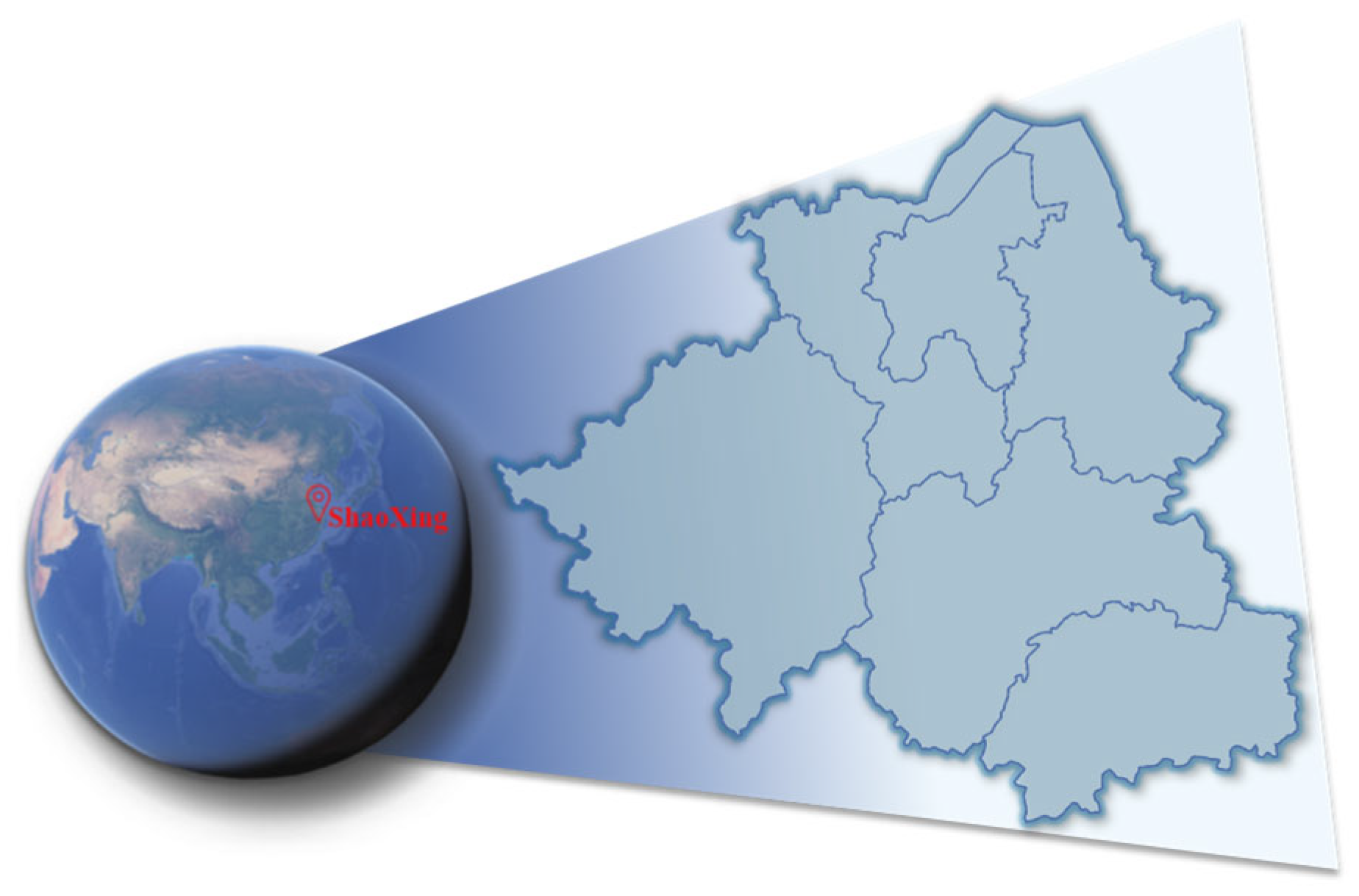
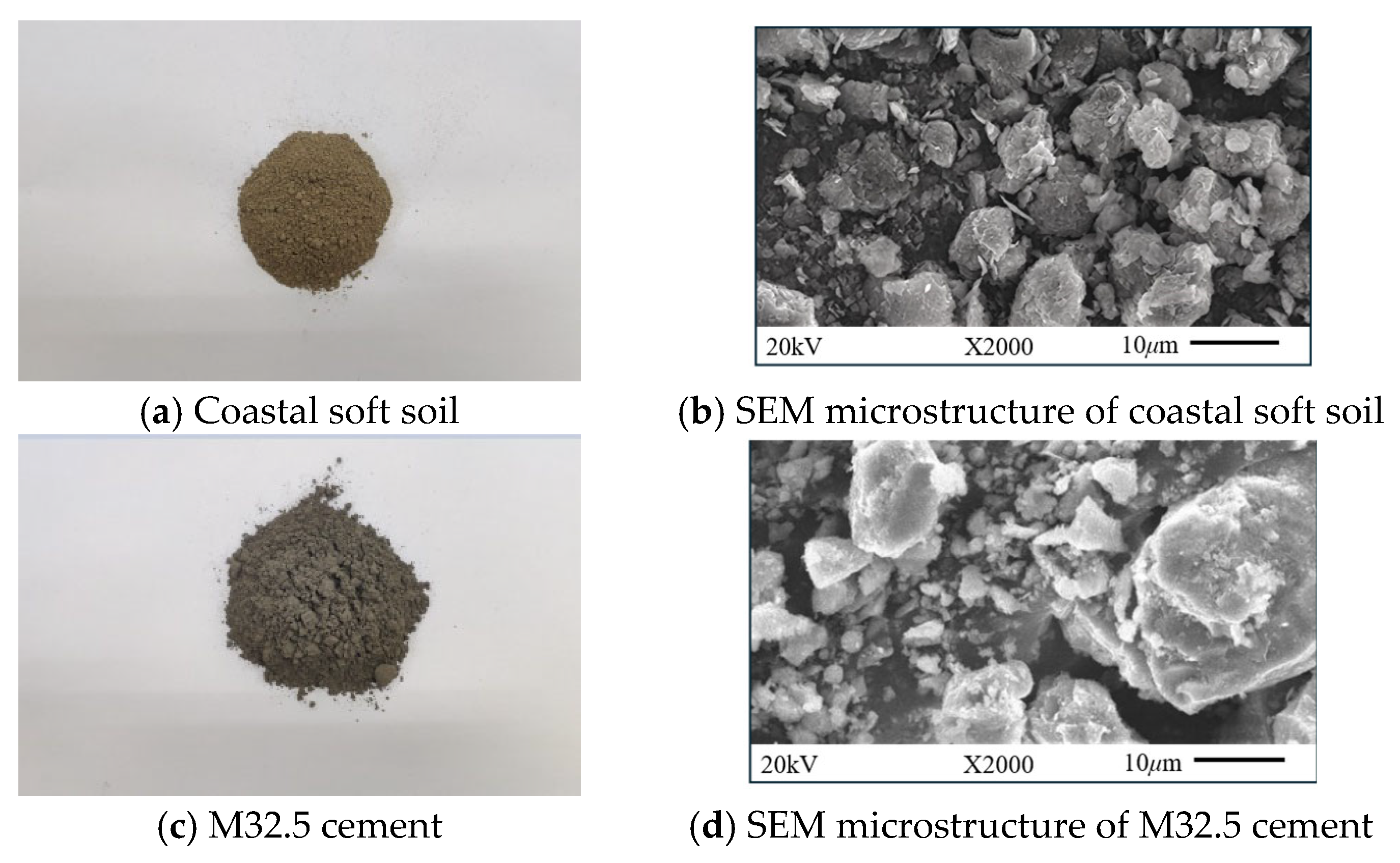
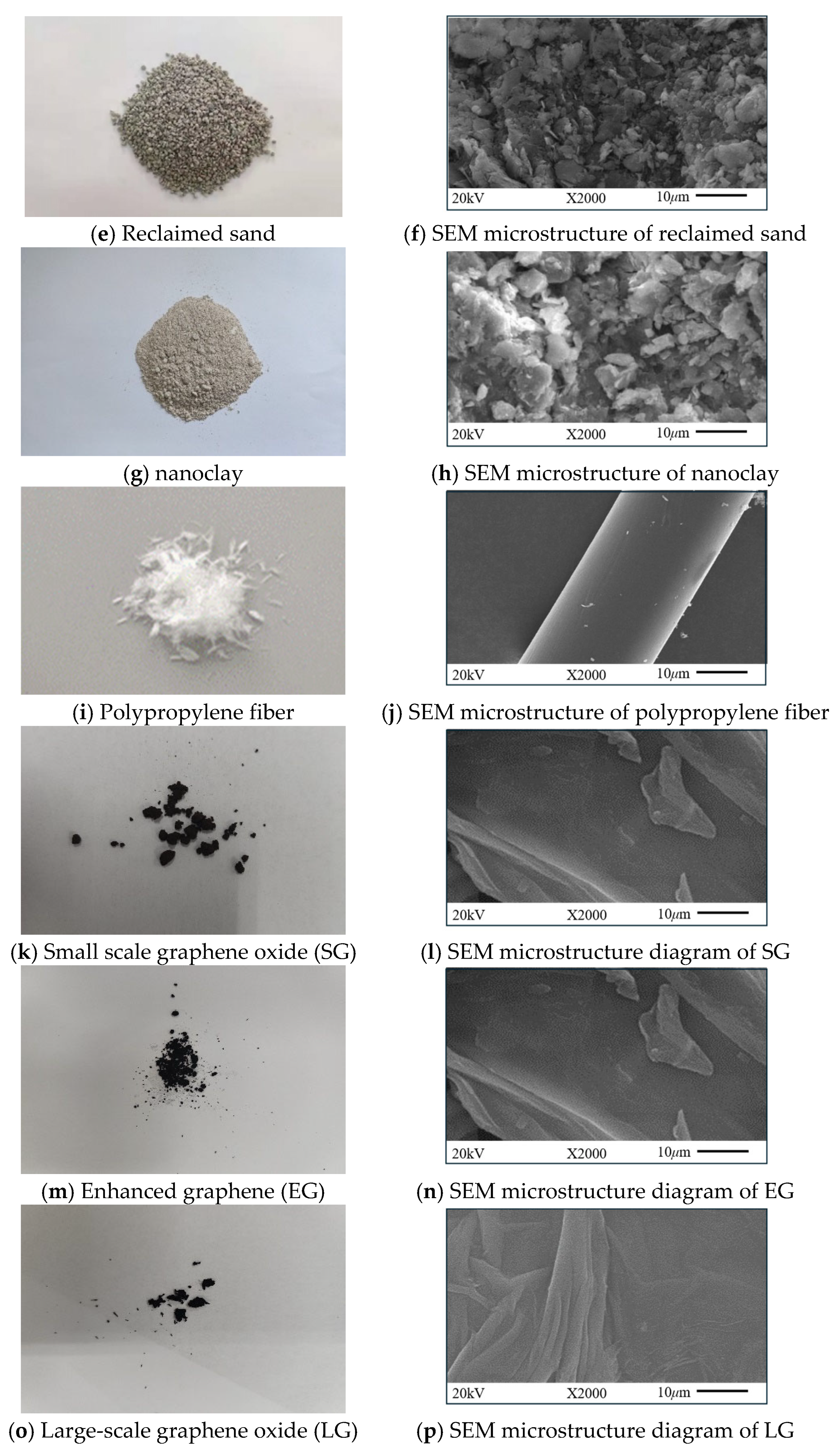
The soil used was coastal soft clay, brownish-yellow in color, collected from Shaoxing, Zhejiang, China, with its geographical location shown in Figure 1. Its specific physical properties are presented in Table 1, and its macroscopic appearance and SEM microstructure are shown in Figure 2a and b, respectively. M 32.5 cement was produced by Zhuji Conch Cement Co., Ltd. Zhuji, China, with its basic indicators shown in Table 1, and its macroscopic appearance and SEM microstructure in Figure 2c,d. Recycled sand was produced by Shanghai Youhong Environmental Technology Co., Ltd. (Shanghai, China), as shown in Figure 2e, with its SEM microstructure in Figure 2f, and its grading displayed in Table 1. Nanoclay was produced by Hubei Jinjing Montmorillonite Technology Co., Ltd. (Jingmen, China). It is a light yellow powder, as shown in Figure 2g, with its SEM microstructure in Figure 2h, and quality indicators in Table 1. Polypropylene fibers (fibers) are white translucent bundled monofilaments, as shown in Figure 2i, with their SEM microstructure in Figure 2j, while Table 1 shows the types of fibers. Graphene derivatives were categorized into three types: (1) Small-sized graphene oxide (SG), with a thickness ranging from 1 to 5 nm, a brownish-yellow powder, produced by Suzhou Carbonfeng Technology Co., Ltd., Suzhou, China, as shown in Figure 2k, with its SEM microstructure in Figure 2l; (2) enhanced graphene oxide (EG), a black powder, produced by Changzhou Sixth Element Materials Technology Co., Ltd., Changzhou, China, as shown in Figure 2m, with its SEM microstructure in Figure 2n; and (3) large-sized graphene oxide (LG), with a thickness ranging from 5 to 10 nm, a black powder, produced by Duoling New Material Technology Co., Ltd., Xiamen, China, as shown in Figure 2o, with its SEM microstructure in Figure 2p. From the SEM images, SG exhibits a smoother surface and a single-layer structure, LG appears as a multi-layered stacked structure due to its large size, while EG shows clearly visible rough textures on its surface.
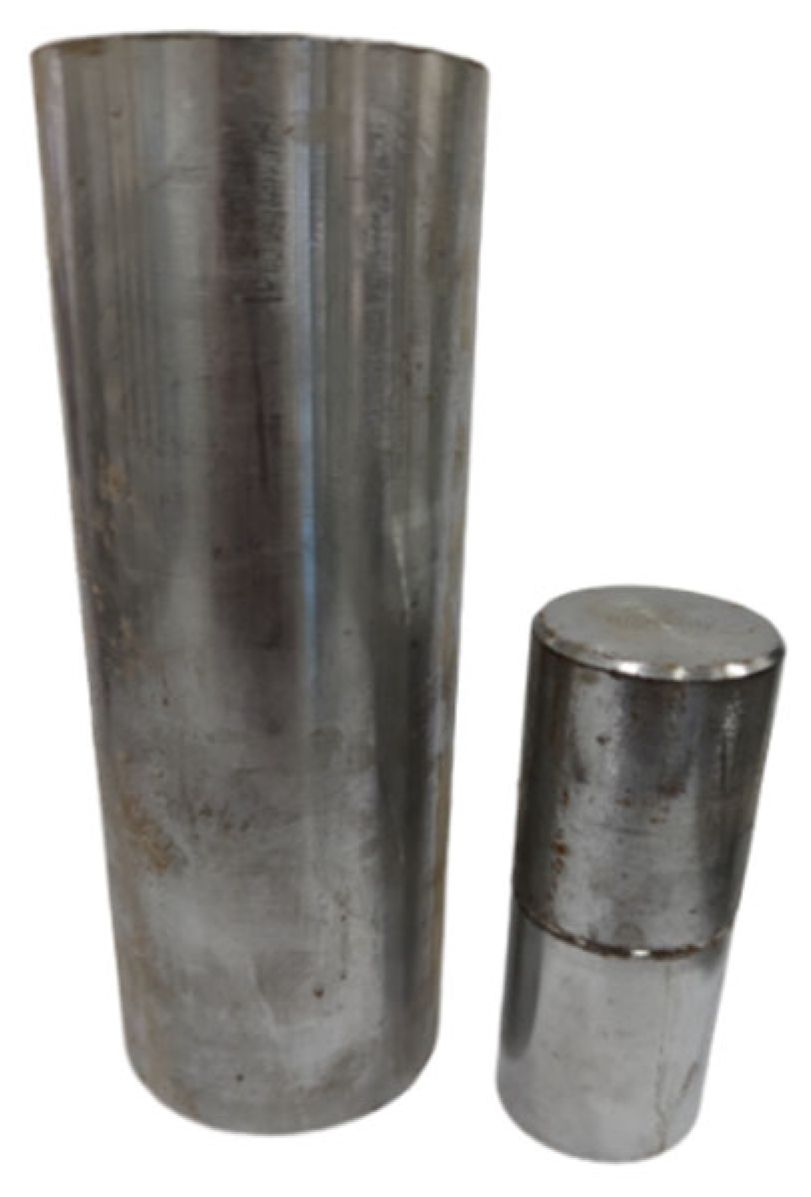
Soil samples were dried, ground, and sieved as per GBT 50123-2019. For the tests, the specimens had diameters and heights of 39.1 × 80.0 mm [23], as shown in Figure 3.
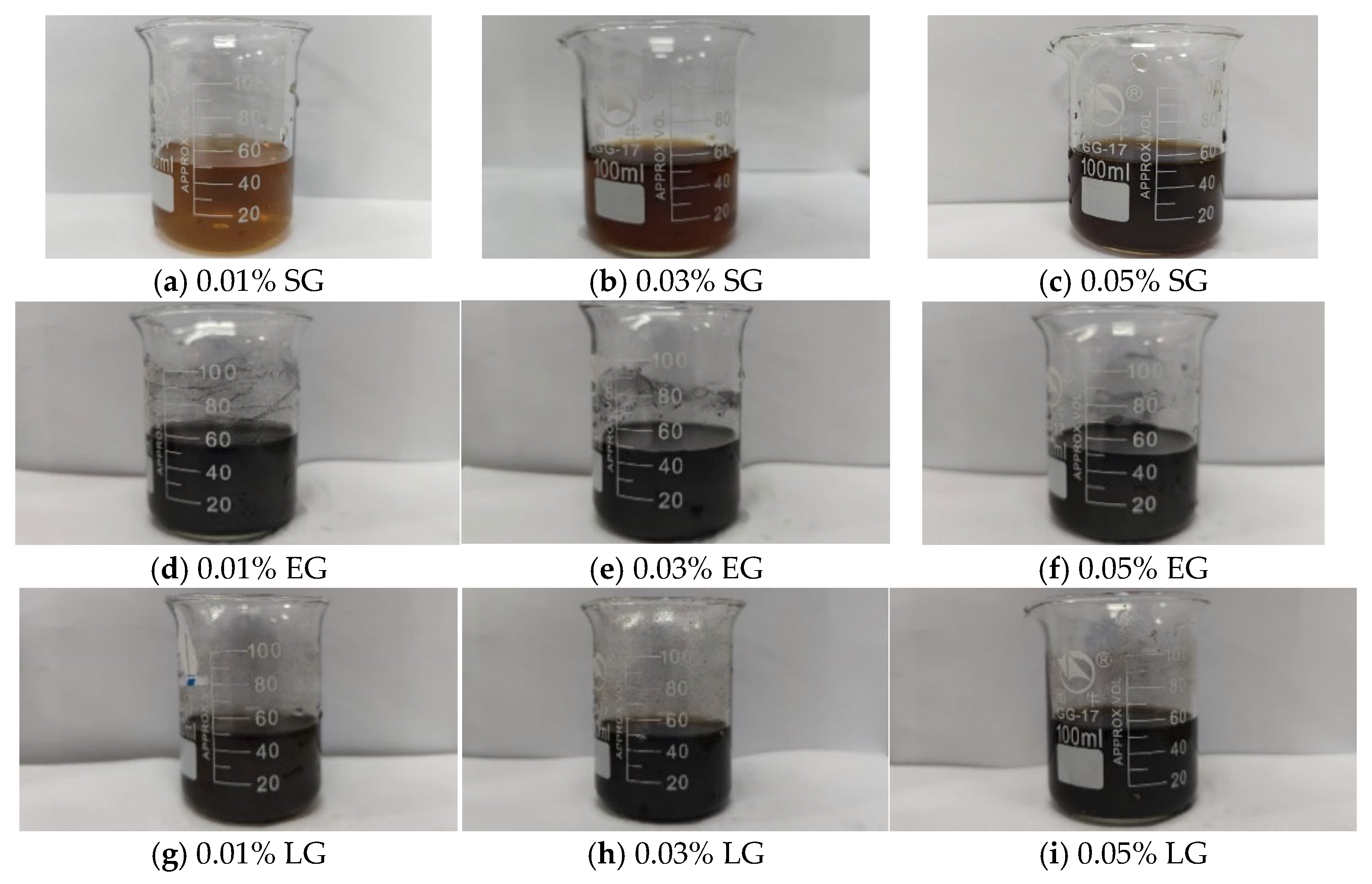
Firstly, dry soil, cement, water, recycled sand, and nanoclay were mixed, then stirred for 10 min for optimal mixing. The mixture was weighed and loaded into molds for different tests, then compacted using a hydraulic jack. The three types of graphene derivatives were ultrasonically dispersed in water, as shown in Figure 4. Finally, the samples were cured for 7 days in sealed containers at 20 ± 5 °C and ≥95% humidity. After curing, the samples were removed, and surface water was wiped off with a paper towel.

2.2. Experimental Plan

We introduced fibers as a reinforcing material, based on the optimal mix (10% cement, 10% recycled sand, and 8% nanoclay). Samples were labeled NRCSF-X-Y, where X is the fiber content (%) and Y is the fiber length (mm). For example, the sample with 10% cement, 9% nanoclay, and 10% recycled sand was labeled NRCSF-0-0. We evaluated the impact of the fiber content and length on the mechanical properties through unconfined compressive, focusing on the effects on compressive strength, and toughness. Additionally, three graphene derivatives (SG, EG, and LG) were added to the fiber-reinforced samples, labeled NRCSFG-X1S, NRCSFG-X1E, and NRCSFG-X1L, where X1, X2, and X3 represent the content (%) of each graphene derivative. The study focused on the influence of the graphene type and content on the unconfined compressive strength and explored their synergistic effects with fibers, recycled sand, and nanoclay. The experimental plan is shown in Table 2.
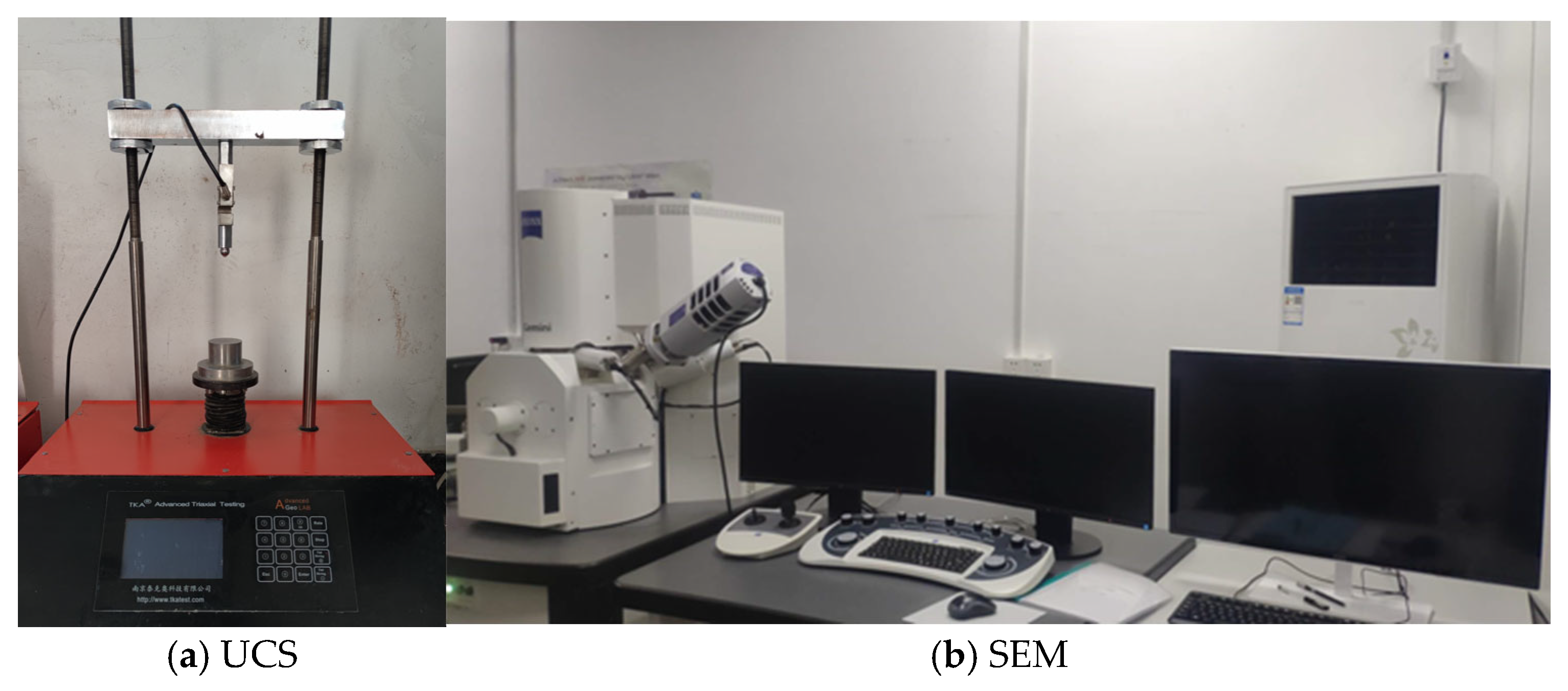
For the unconfined compressive strength test, a TKA-WCY-1F automatic testing system (Nanjing Tekao Technology Co., Ltd., Nanjing, China) was used, enabling computer-controlled loading, as shown in Figure 5a. Scanning electron microscopy (SEM, JSM-6360LV) was employed to observe the pore distribution, particle bonding, and microstructure, and to analyze density and porosity changes, as shown in Figure 5b.

3. Experimental Results

3.1. Unconfined Compressive Strength

To analyze the impact of the modifying components on the cement soil’s bearing performance, the unconfined compressive strength (UCS) and RBF neural network fitting of stress–strain data were used. The study focused on the effects of the polypropylene fiber length and content, along with the synergistic enhancement from the graphene derivatives, on the peak strength and deformation characteristics.

3.1.1. Stress–Strain Curve Fitting

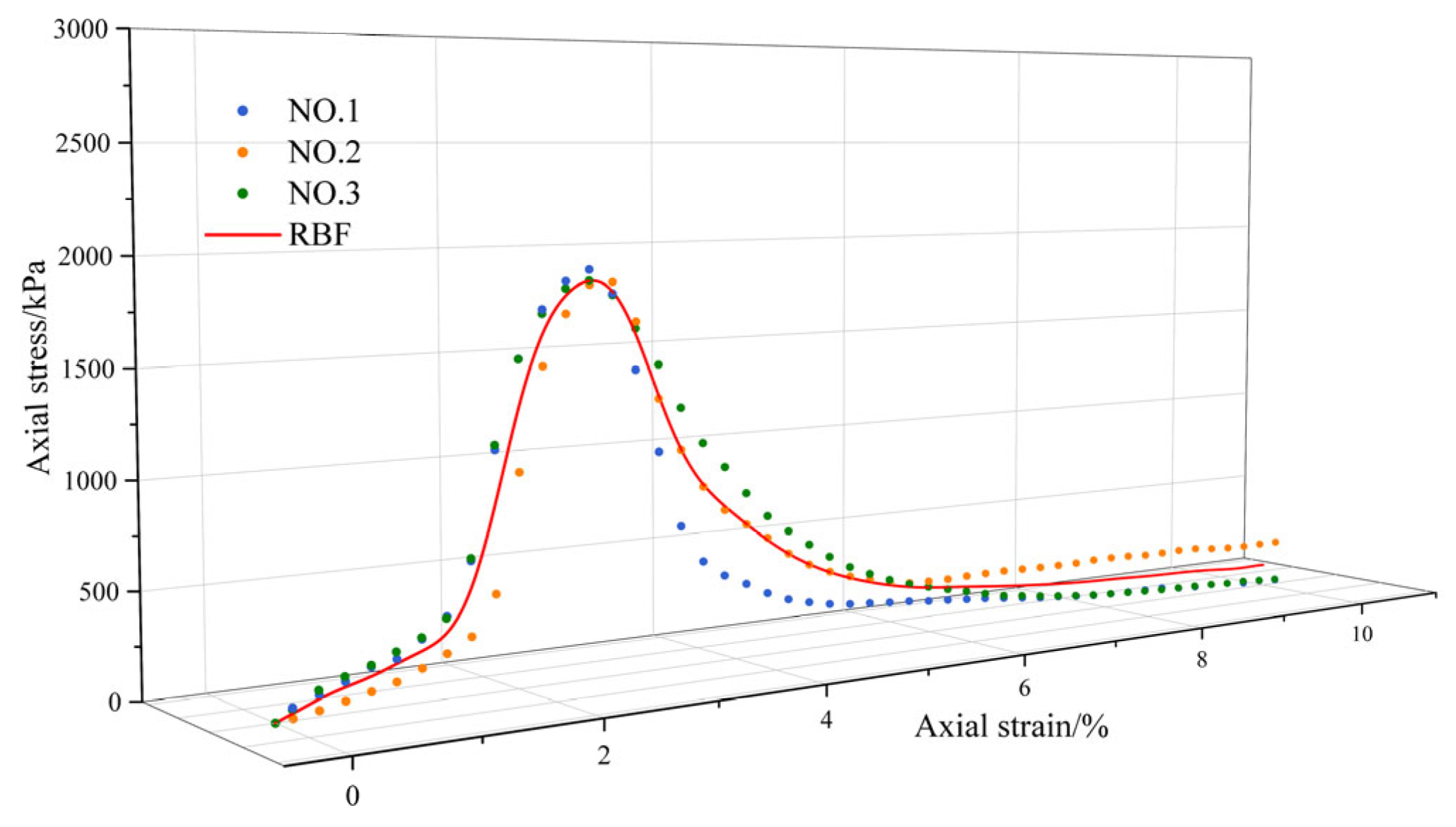
Considering that stress–strain curves from unconfined compressive strength tests exhibit inherent dispersion, a statistical screening process was applied to minimize experimental error. Specifically, the Interquartile Range (IQR) method was adopted, and datasets with peak stress values falling outside the interval of [Q1 − 1.5 × IQR, Q3 + 1.5 × IQR] were excluded as outliers to ensure a transparent data filtering process. Subsequently, the RBF (Radial Basis Function) neural network algorithm was used to fit the remaining three datasets to generate a representative curve [24].
Compared with traditional physically grounded constitutive models (such as the hyperbolic model), which excel at predicting the pre-peak elastic–plastic stage but struggle to capture post-peak strain-softening, the RBF neural network provides superior nonlinear mapping capabilities. This allows for an accurate representation of the continuous deformation and micro-crack bridging effects characteristic of this multi-component system. Based on this approach, the continuous stress–strain curves for different mix proportions were generated, and the fitted NRCSF-0-0 curve is shown in Figure 6.

3.1.2. Fiber Modification

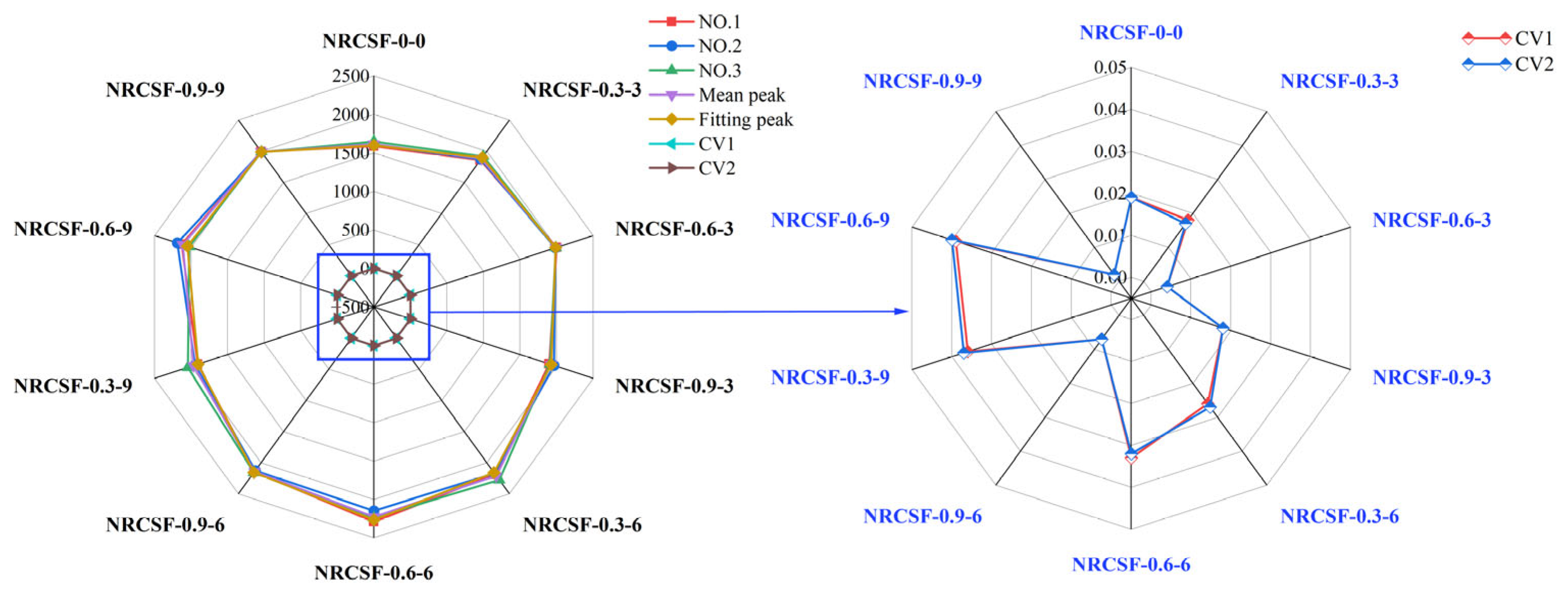
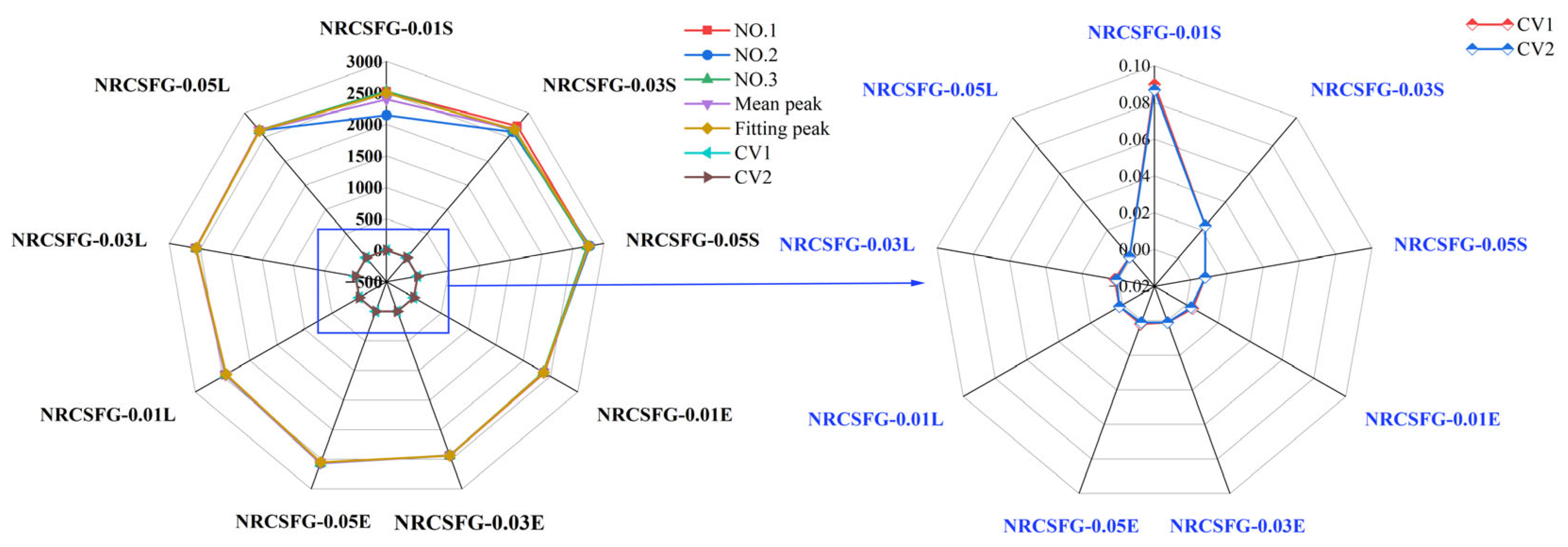
The fiber-modified cement soil fitting results were obtained using the RBF (Radial Basis Function) neural network. The coefficient of variation for the measured and fitted stress peaks was compared, as shown in Figure 7, which presents a plot of the RBF-fitted stress–strain curves for different fiber groups.
Comparing the coefficient of variation (CV1) for the measured values with that for the fitted values (CV2), both were below 0.039, with CV1 closely matching CV2. This shows that the RBF (Radial Basis Function) neural network has high precision in fitting stress–strain curves of fiber-modified cement soil. The low CV values indicate minimal fluctuation and high consistency, demonstrating the network’s ability to capture both the overall trend and detailed nonlinear behaviors of the data. This confirms the RBF neural network’s strong fitting capability for stress–strain relationships, enabling the creation of high-precision nonlinear models without extensive preprocessing. The excellent performance further shows the network’s ability to handle data regularities and discrepancies across different mix proportions.
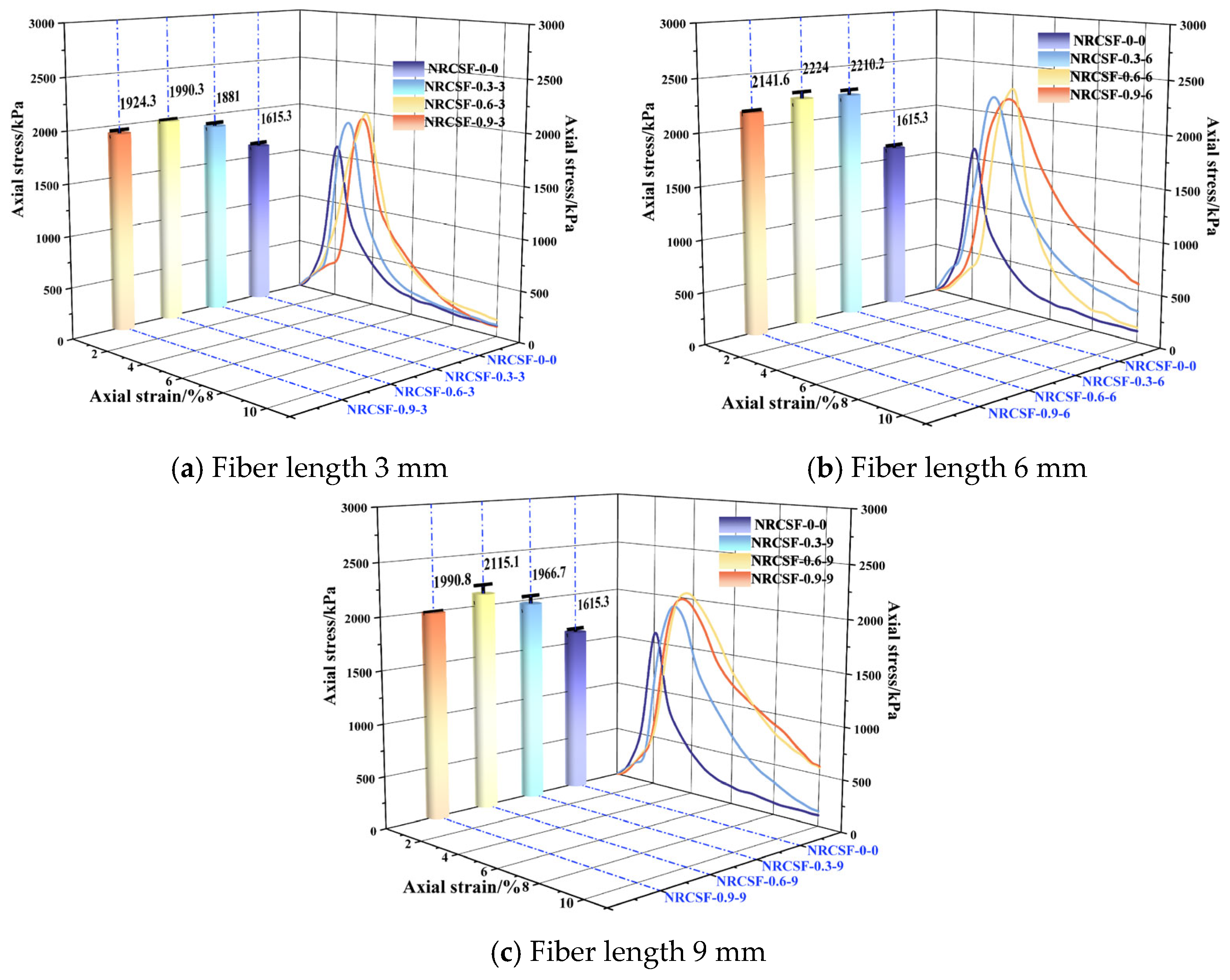
We added polypropylene fibers of three lengths (3 mm, 6 mm, and 9 mm) to the NRCSF-0-0 mix, with three different contents (0.3%, 0.6%, and 0.9%), resulting in nine groups of fiber-modified cement soil. As shown in Figure 8, the inclusion of fibers led to noticeable strain-softening characteristics. The stress–strain curves show that, compared to unmodified NRCSF-0-0, the fiber-modified cement soil had a higher peak stress and strain. After reaching peak stress, the rate of stress reduction slowed significantly, indicating an increased unconfined compressive strength and ductility, improving the material’s brittle nature.
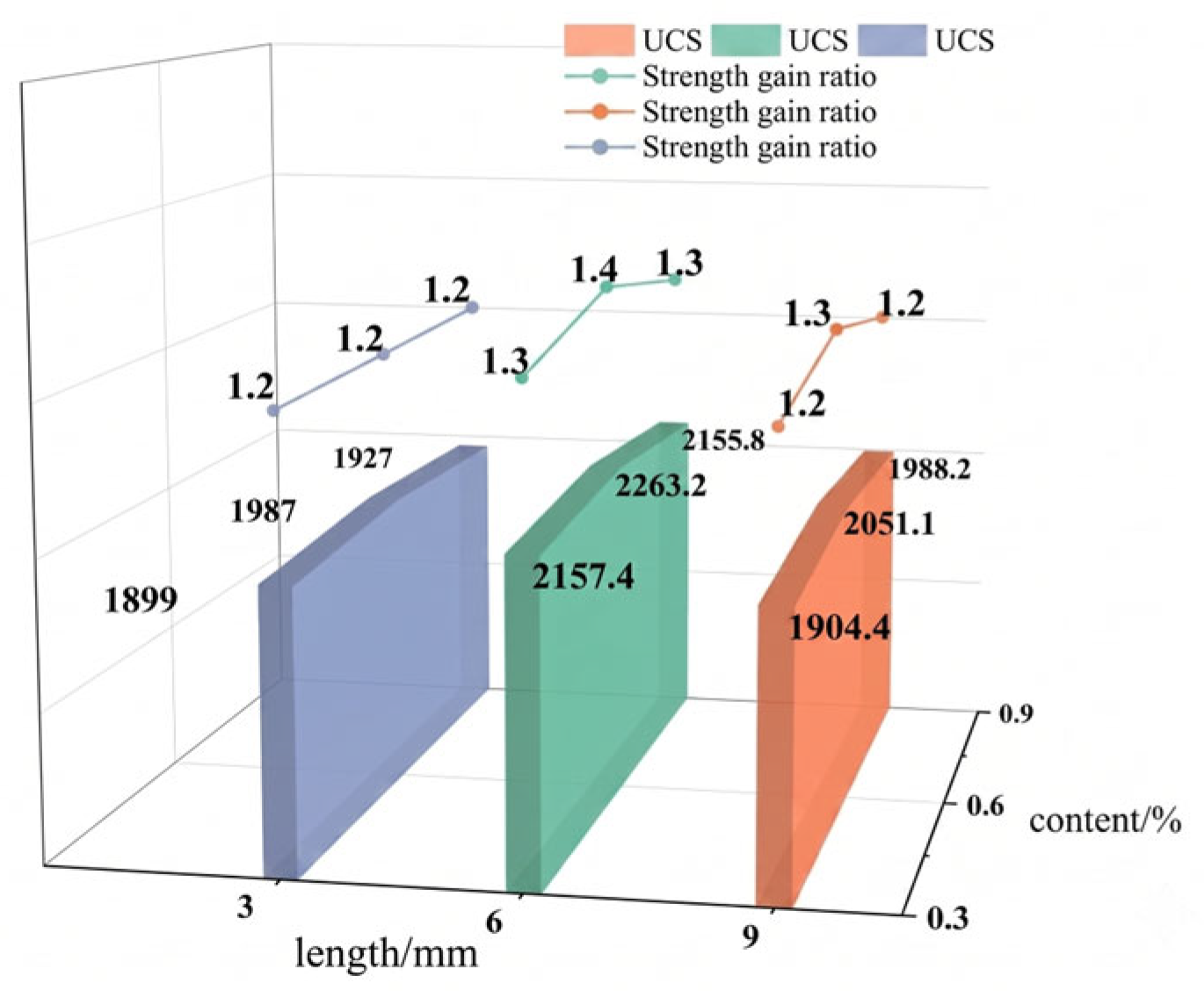
Analysis revealed that, with a constant fiber length, the peak axial stress increased and then decreased as the fiber content rose. This indicates that the optimal fiber content enhances performance, but excessive fiber may reduce bonding and performance. These results show that the fiber length and content influence the mechanical properties of the fiber-modified cement soil, aiding mix design optimization. The unconfined compressive strength gain ratio for different proportions is in Figure 9.
The figure shows a consistent trend across the three groups of fiber-modified cement soil with different fiber lengths: as the fiber content increases, the unconfined compressive strength first rises and then falls, peaking at 0.6% fiber content. Similarly, for each fiber content, the strength increases initially and then decreases as the fiber length grows, with the maximum strength observed at 6 mm fibers. While 9 mm fibers offer better reinforcement than 3 mm, they are still slightly less effective than 6 mm fibers. The highest unconfined compressive strength, 2263.2 kPa, was achieved by NRCSF-0.6-6.
Analysis showed that the unconfined compressive strength gain ratio first increased, then decreased, with a higher fiber length and content. The highest ratio, 1.4, was in NRCSF-0.6-6, and the lowest, 1.2, was in five groups. Even the lowest ratio was above 1, showing significant strength and improvement. This emphasizes the strong effect of the fiber content and length, with NRCSF-0.6-6 providing the best enhancement.

3.1.3. Graphene Derivative Modification

NRCSF-0.6-6 was found to be the optimal fiber content and length. The study then introduced different types and contents of graphene derivatives (SG, EG, and LG) to examine their effect on the unconfined compressive strength of the cement soil. An RBF neural network was used to fit the stress–strain data for each composite-modified specimen group, producing the stress–strain curves shown in Figure 10.
Figure 10 shows the variation in the coefficient of variation (CV) of the unconfined compressive strength (UCS) for specimens with different graphene derivatives (SG, EG, LG) and contents, used to assess the stability of mechanical performance. The figure indicates that graphene derivatives generally reduce UCS variability. The SG group at 0.05% content had the lowest CV, reflecting minimal strength differences and good structural homogeneity. In contrast, the EG and LG groups had higher CVs at low contents, suggesting weaker dispersibility or interfacial bonding with the cement matrix, affecting the stability of the modification. Overall, SG not only improved the compressive strength but also enhanced the consistency of the mechanical performance, showing superior modification reliability.
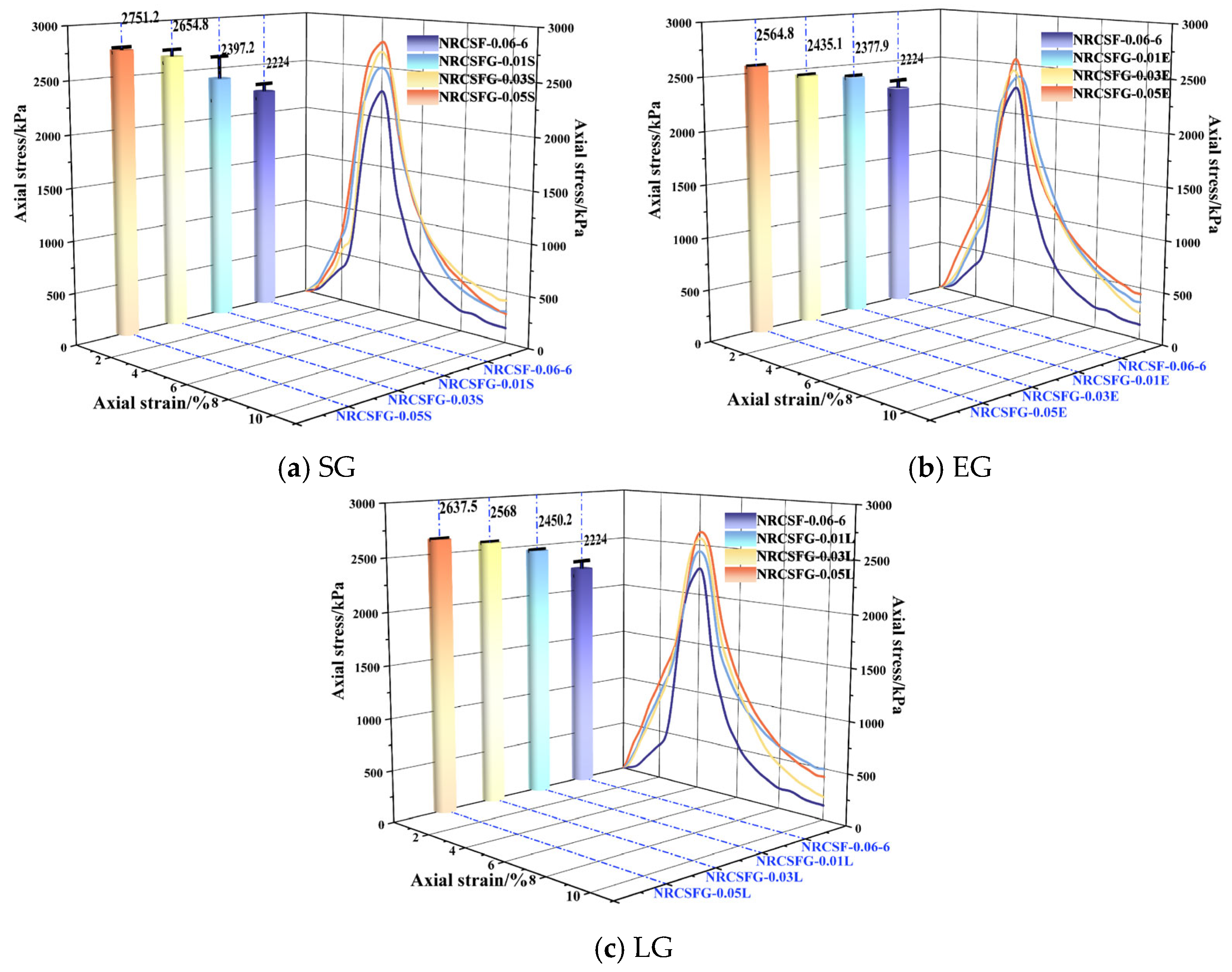
Using NRCSF-0.6-6 as the optimal fiber content, we added three graphene derivatives (SG, EG, and LG) in different contents, forming nine composite groups. Figure 11 shows that adding graphene derivatives increased the unconfined compressive strength, while maintaining strain-softening behavior. A higher graphene content generally improved the strength, with SG being the most effective due to its small particle size and large surface area. The NRCSFSG-0.05 specimen achieved the highest strength of 2755.0 kPa, surpassing other specimens.
This finding shows that fiber-modified cement soil’s mechanical properties can be enhanced by selecting the right graphene derivatives. SG, with its superior micro-characteristics, offers a new approach to improving performance. This research confirms the synergistic effect of fibers and graphene derivatives and provides guidance for future material design. The unconfined compressive strength gain ratio for the modified cement soil at different proportions is shown in Figure 12.
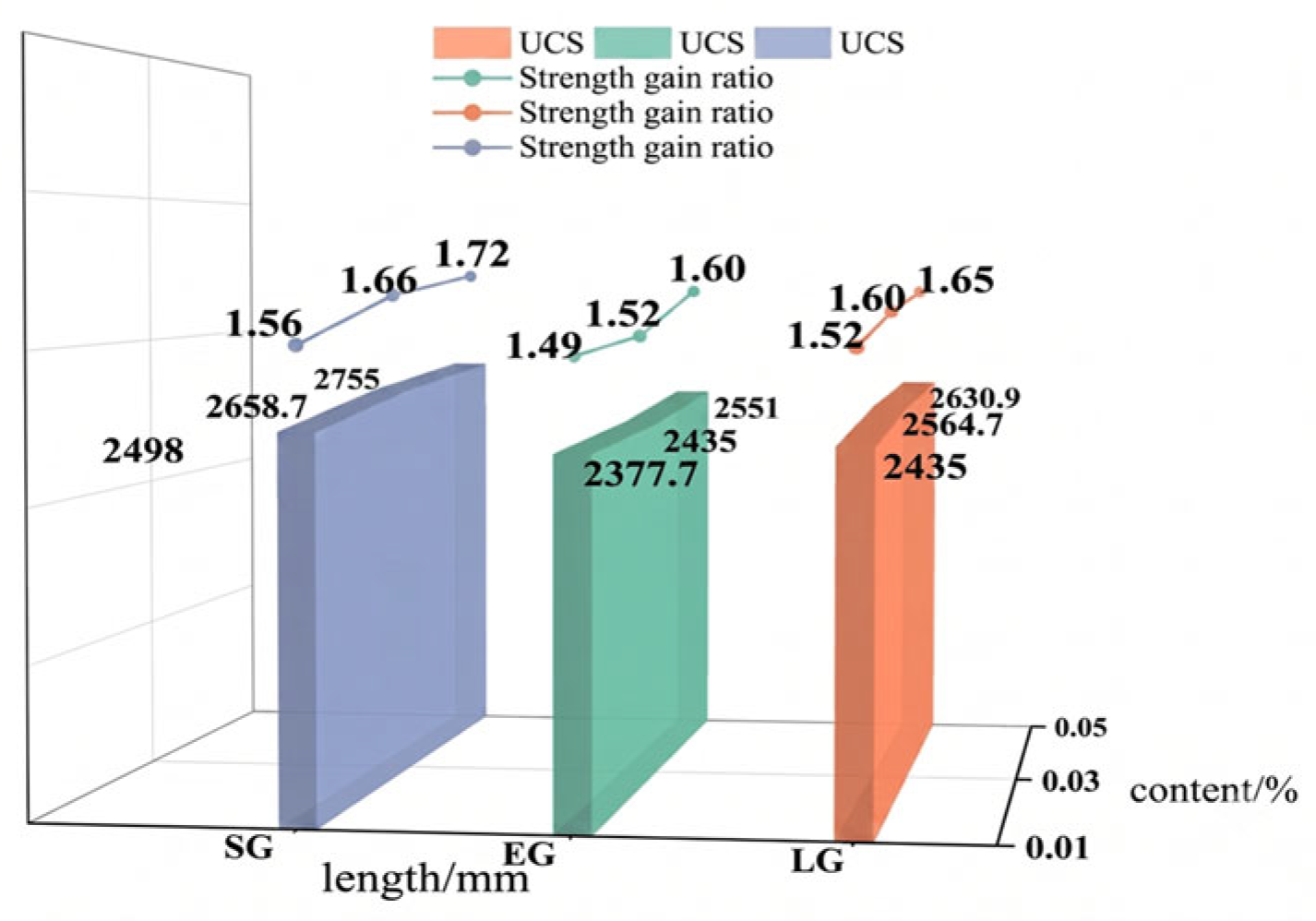
The figure shows that the unconfined compressive strength increases with the graphene content. SG outperforms EG and LG, reaching 2755.0 kPa at 0.05% SG, while EG at 0.01% has the lowest strength (2377.7 kPa). A smaller SG enhances the strength more than a larger LG due to a better packing density, filling voids between cement particles and creating a denser structure. This shows that the right size of graphene oxide (GO) improves the cement soil’s mechanical performance.
Adding graphene derivatives to the NRCSF-0.6-6 mix significantly increased the unconfined compressive strength, with all gain ratios exceeding 1.5, indicating a strong enhancement effect. As the content of the graphene derivatives increased, the gain ratio also rose, consistent with previous research [25]. Specifically, the SG group consistently showed the highest gain ratios, with a peak of 1.72 at 0.05% SG content. EG had the lowest gain ratio at 1.49 (at 0.01% content), and LG’s ratio was between the other two, peaking at 1.65 at 0.05% content.
SG and LG outperformed EG. Small-sized SG, even at low dosages, greatly improved the strength, compactness, and unconfined compressive strength, showing strong reinforcement potential.

3.2. Ductility Variation

Fibers clearly increase the ductility of soil. Many researchers have proposed and defined relevant indices to represent fiber reinforcement’s ductility, such as the brittleness index and ductility index [26,27,28], as shown in the following equation:
D = Δ f i b e r Δ n o f i b e r
where ∆fiber is the axial strain at peak strength for fiber-reinforced soil (%); ∆nofiber is the axial strain at peak strength for soil without fibers (%).

3.2.1. Fiber Modification

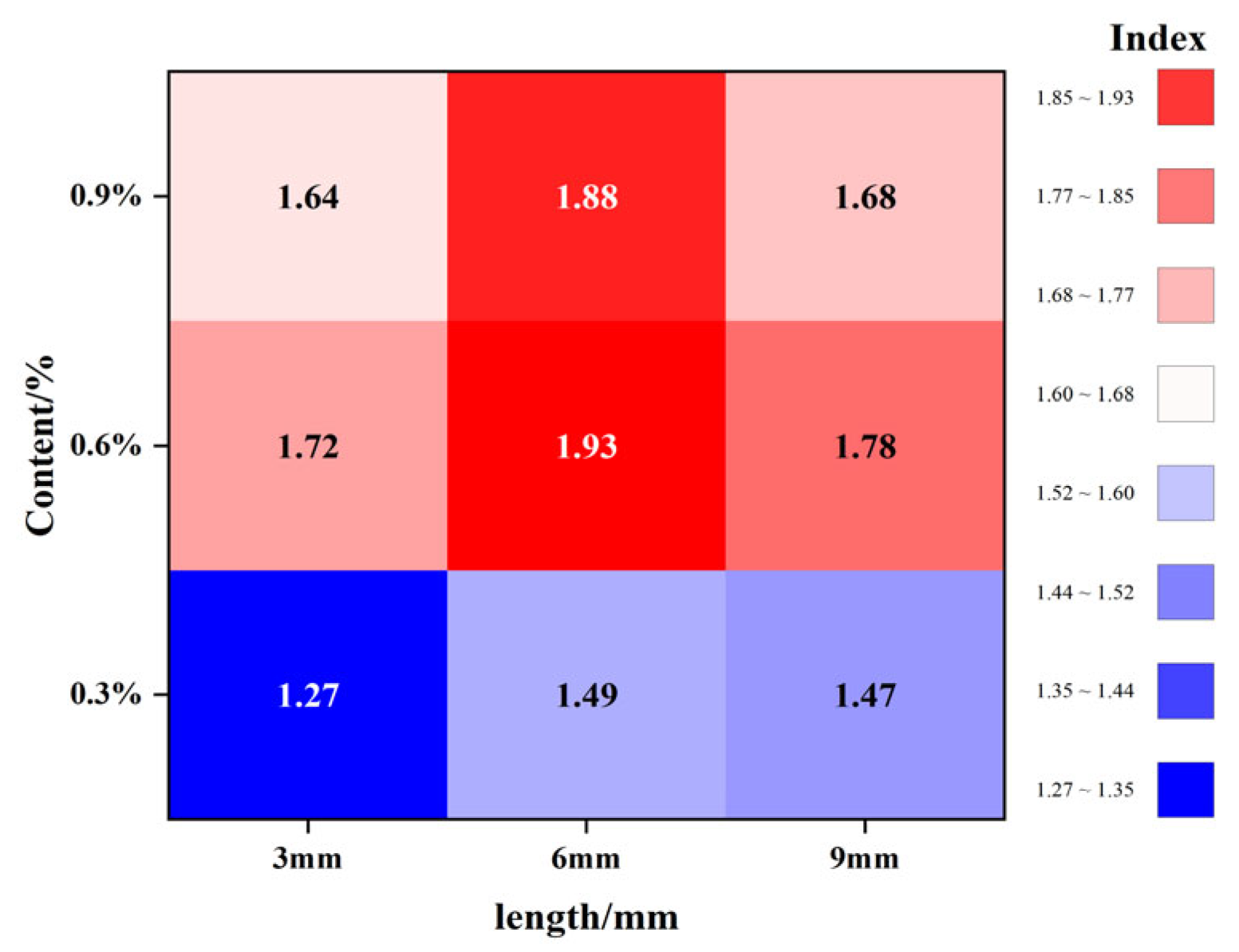
Figure 13 illustrates the ductility index for different fiber contents. From the figure, it is evident that under the same content conditions, the fiber length significantly influences the ductility performance of the modified cement soil. Specifically, 6 mm fibers exhibited the best performance in enhancing the ductility, followed by 9 mm fibers, while 3 mm fibers had the least effect. This phenomenon reveals the critical role of fiber geometric dimensions in crack inhibition and stress dispersion. Longer fibers can form a more continuous network structure within the matrix, thereby more effectively transferring and dispersing localized stresses, delaying the initiation and propagation of cracks. Furthermore, under the same fiber length conditions, the influence of the content on ductility performance followed a trend of 0.6% > 0.9% > 0.3%, indicating the existence of an optimal fiber content range. The critical point corresponding to this range not only showed a clear regulatory effect on the unconfined compressive strength but also served as an important turning point for the ductility index.

3.2.2. Graphene Derivative Modification

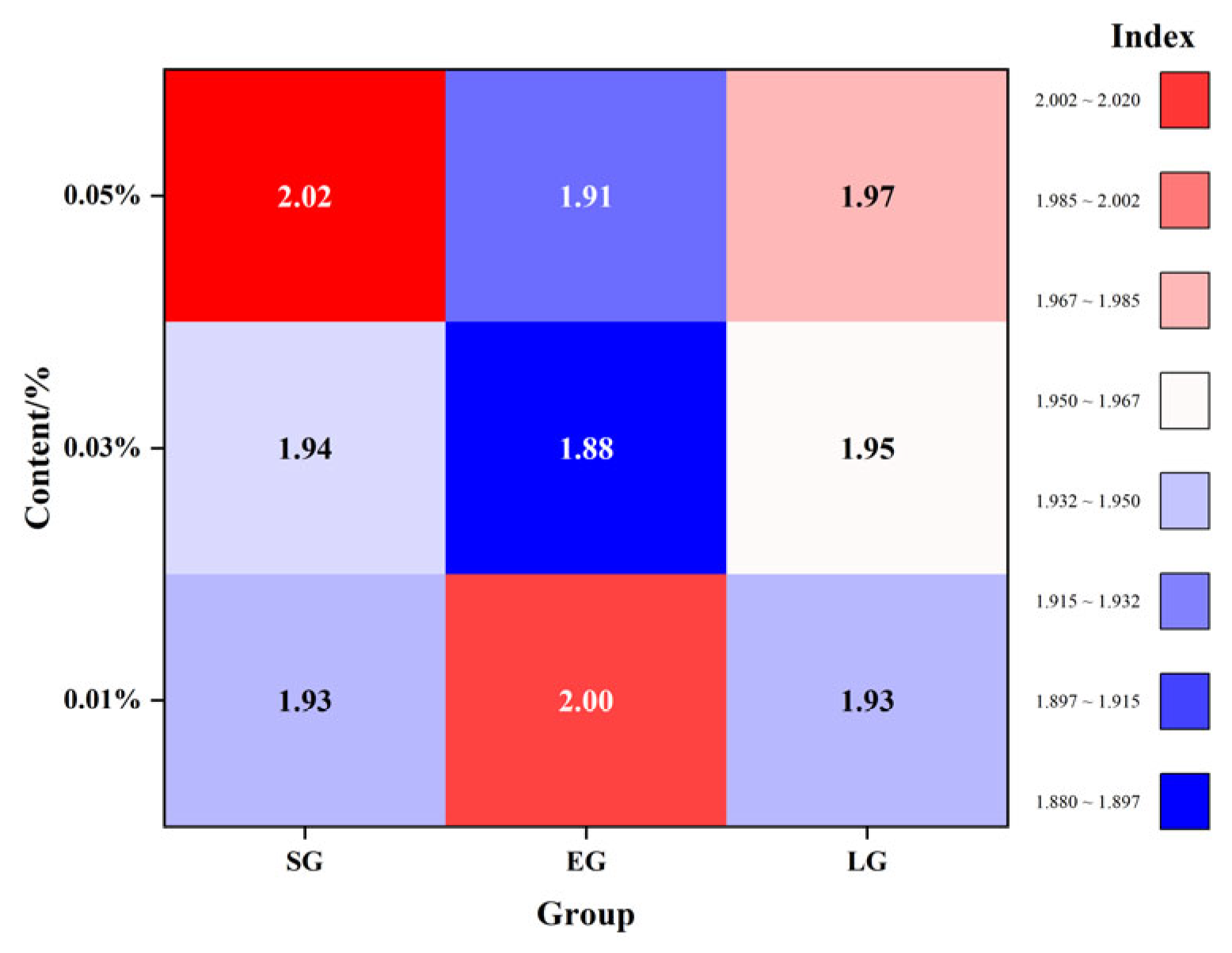
Figure 14 shows the ductility index for different fiber contents. From the figure, it can be observed that the ductility index for all nine groups of graphene composite-modified cement soil ranges between 1.88 and 2.02. This shows little difference from the results of the single NRCSF-0.6-6 system, indicating that in the composite modification system, the fiber parameters still play a dominant role. While graphene and other nanomaterials played a certain role in improving the microscopic structure of the matrix, their contribution to overall ductility enhancement is relatively limited. Specifically, graphene and the smaller-sized SG component primarily improved matrix densification by filling micropores and enhancing interfacial bonding. Fibers, on the other hand, directly formed a mechanical transfer network, improving the material’s overall toughness. Among them, the synergistic effect between SG and fibers in the NRCSFG-0.05S group further optimized the crack control mechanism at the micro-scale, making the ductility enhancement particularly significant.
In summary, by examining three key parameters—elastic modulus, energy dissipation, and ductility index—this study systematically revealed the synergistic enhancement mechanisms of polypropylene fibers and graphene derivatives in improving the early-age toughness of the cement soil. The introduction of fibers significantly reduced the material’s stiffness, shifting its failure mode from brittle to ductile. Graphene derivatives further strengthened the interfacial bond between the matrix and fibers, and effectively increased energy absorption and damage tolerance by promoting C-S-H gel formation and structural densification. Although graphene had a relatively limited effect on improving the ductility index, it showed outstanding performance in enhancing the structural integrity and regulating energy distribution. Overall, this composite modification system not only improved the deformation coordination ability of the cement soil under loading but also enhanced its crack resistance and post-failure bearing capacity, providing a practical and effective technical pathway for achieving high-toughness cement soil materials.

3.3. SEM

Tests showed that combining recycled sand, polypropylene fibers, and graphene derivatives improved the cement soil’s early performance. SEM was used to analyze the pore structure, interfacial bonding, and densification, revealing the microstructural changes and interface optimization caused by the composite modification [29].
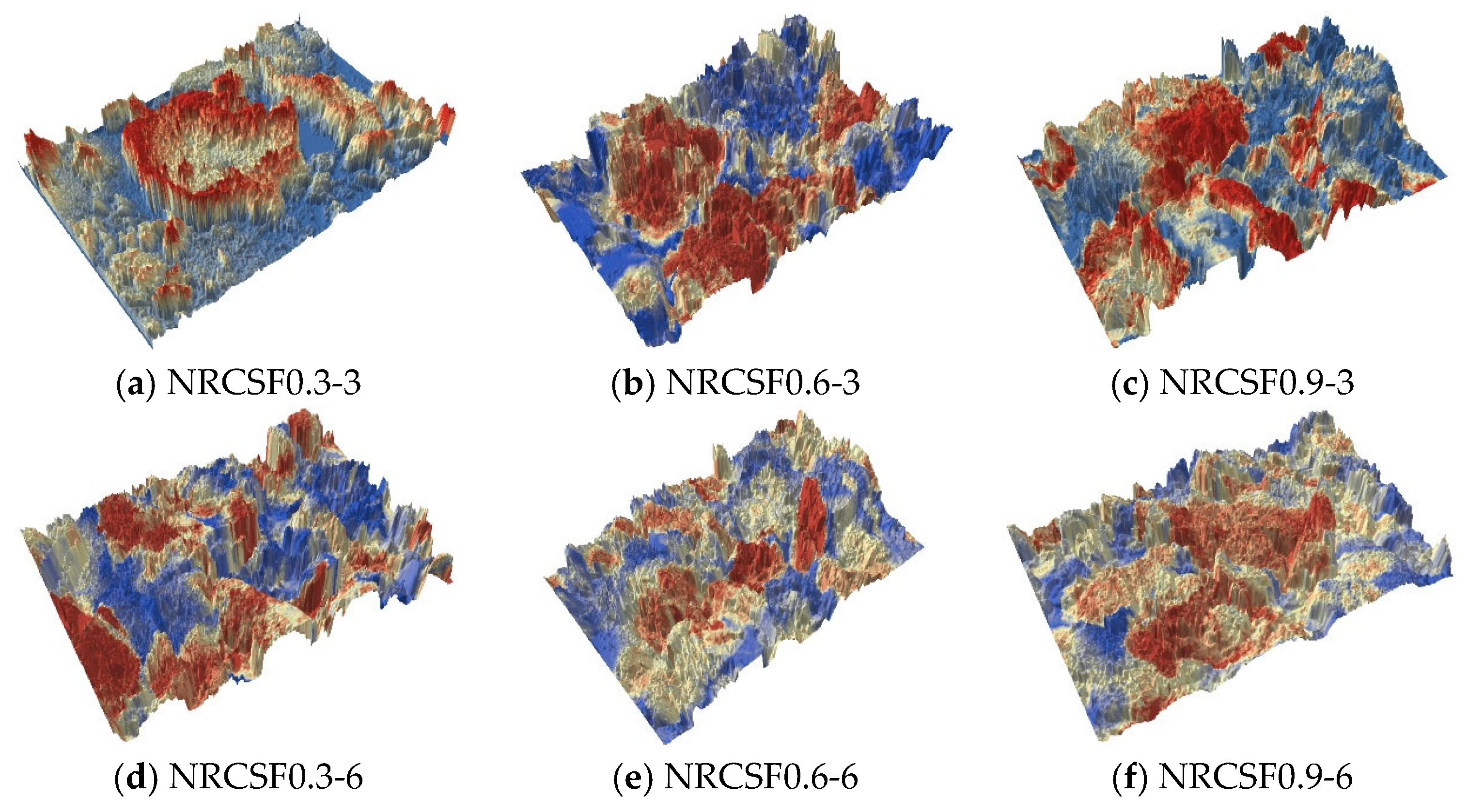
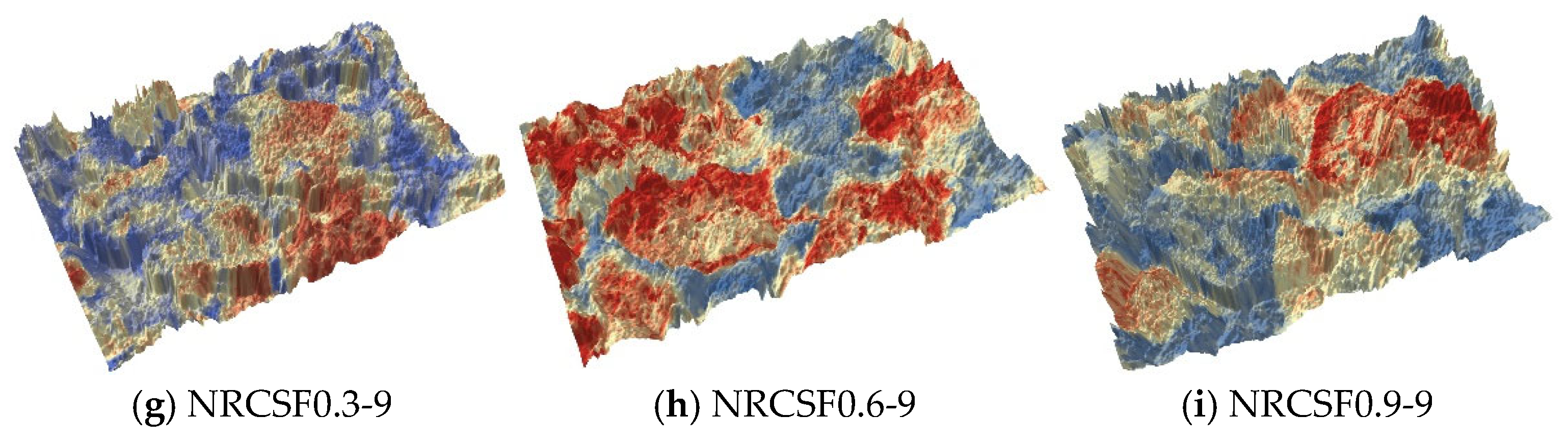
To further evaluate these microstructural variations, the obtained SEM images were digitally processed for quantitative surface porosity extraction and pseudo-3D topographic visualization. Specifically, 8-bit grayscale SEM images were imported into ArcGIS 10.0 as raster data, utilizing the pixel grayscale intensities (0–255) as a height proxy based on the secondary electron emission principle. This generation serves as a pseudo-3D visualization to provide a relative surface topography comparison across different samples rather than absolute physical heights. For quantitative porosity extraction, all images were preprocessed under identical contrast settings, and a standardized thresholding method was applied to segment the matrix into pore and solid phases. The microstructural porosity was then calculated as the ratio of pore pixels to total pixels within the defined area using the Reclassify and Attribute Table functions in ArcGIS.

3.3.1. Fiber Modification

We used SEM to study the 7-day microstructure of the cement soil, focusing on pore distribution, fiber–matrix bonding, and hydration products to understand how modification improves the microstructure and mechanical properties [30].
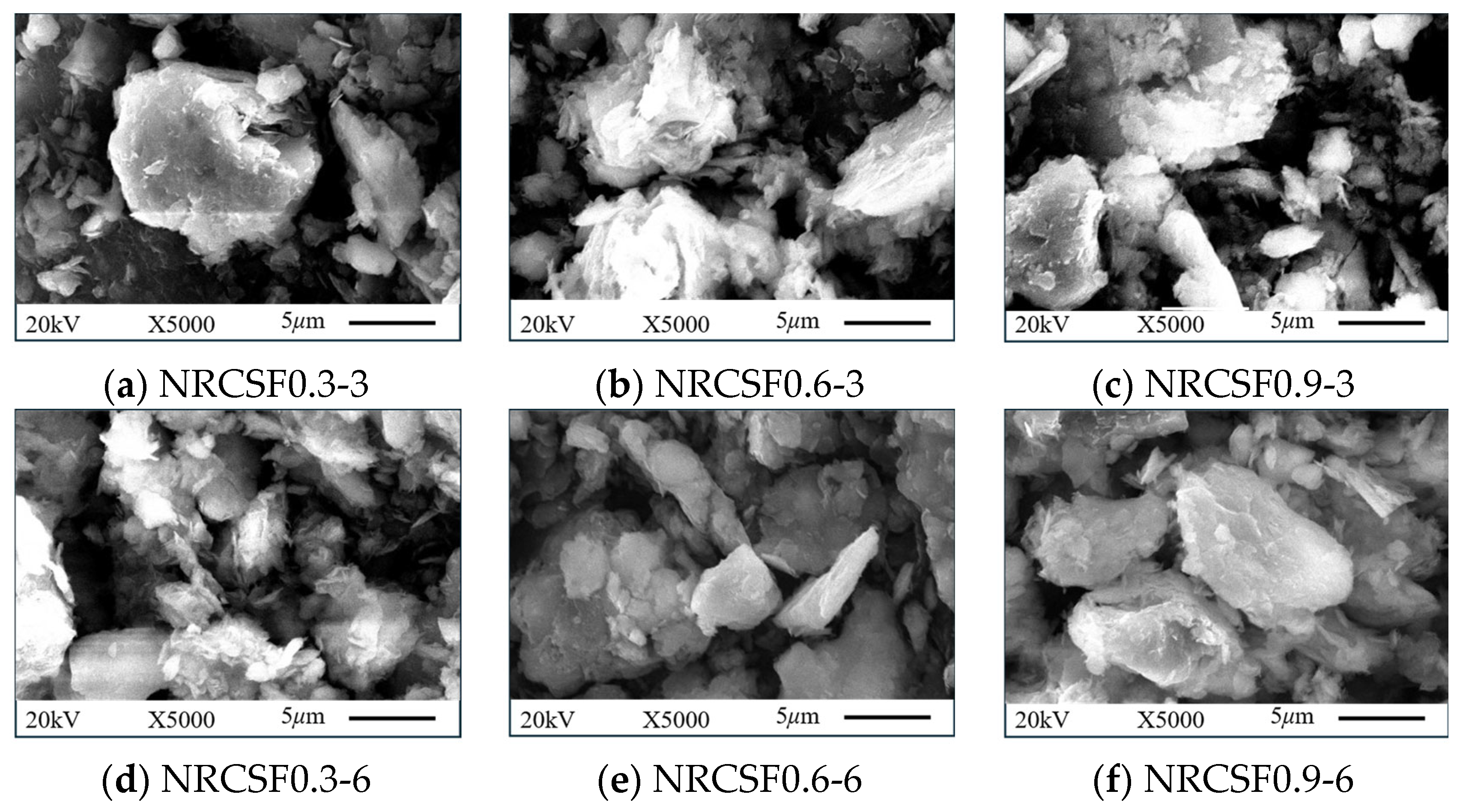
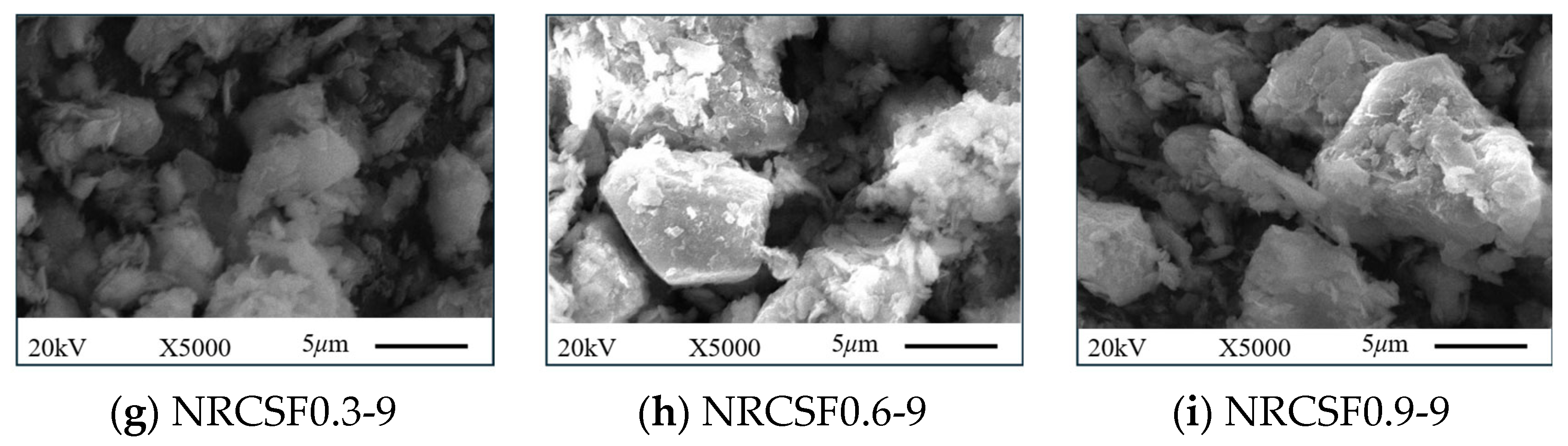
During hydration, cement products form crystalline structures with pores, covered by a loose network. Figure 15 shows unmodified cement soil with many pores and uneven density. Microscopic images show mostly small spherical or needle-like units, with fewer large particles, creating a dispersed skeleton.
When fibers were first introduced, the microstructure underwent noticeable changes. At 0.3% fiber content with a consistent fiber length, small particulate units in the cement soil significantly decreased, and large particulate units and small spherical bodies appeared in clusters. These large units interconnect through stacking and cementation, with smaller particles attached to them. However, some small units remained unfilled, and their distribution still showed partial spherical units linked to the clusters. As the fiber content increased to 0.6%, the fibers’ “bridging effect” significantly reduced the pores and promoted a denser microstructure. The basic units were granular and tightly cemented, resulting in a more robust and compact structure. However, at 0.9% fiber content, the excessive fiber volume and increased fiber length caused chaotic fiber alignment and localized agglomeration, which prevented further pore compression and introduced local weak zones, thus limiting the improvement in structural density [31,32,33].
At the same fiber content, shorter fibers (3 mm) were loosely arranged and ineffective in reinforcing the cement soil. At 6 mm, fibers created a denser structure, but at 9 mm, their increased flexibility caused bending and aggregation, reducing the reinforcement effectiveness.
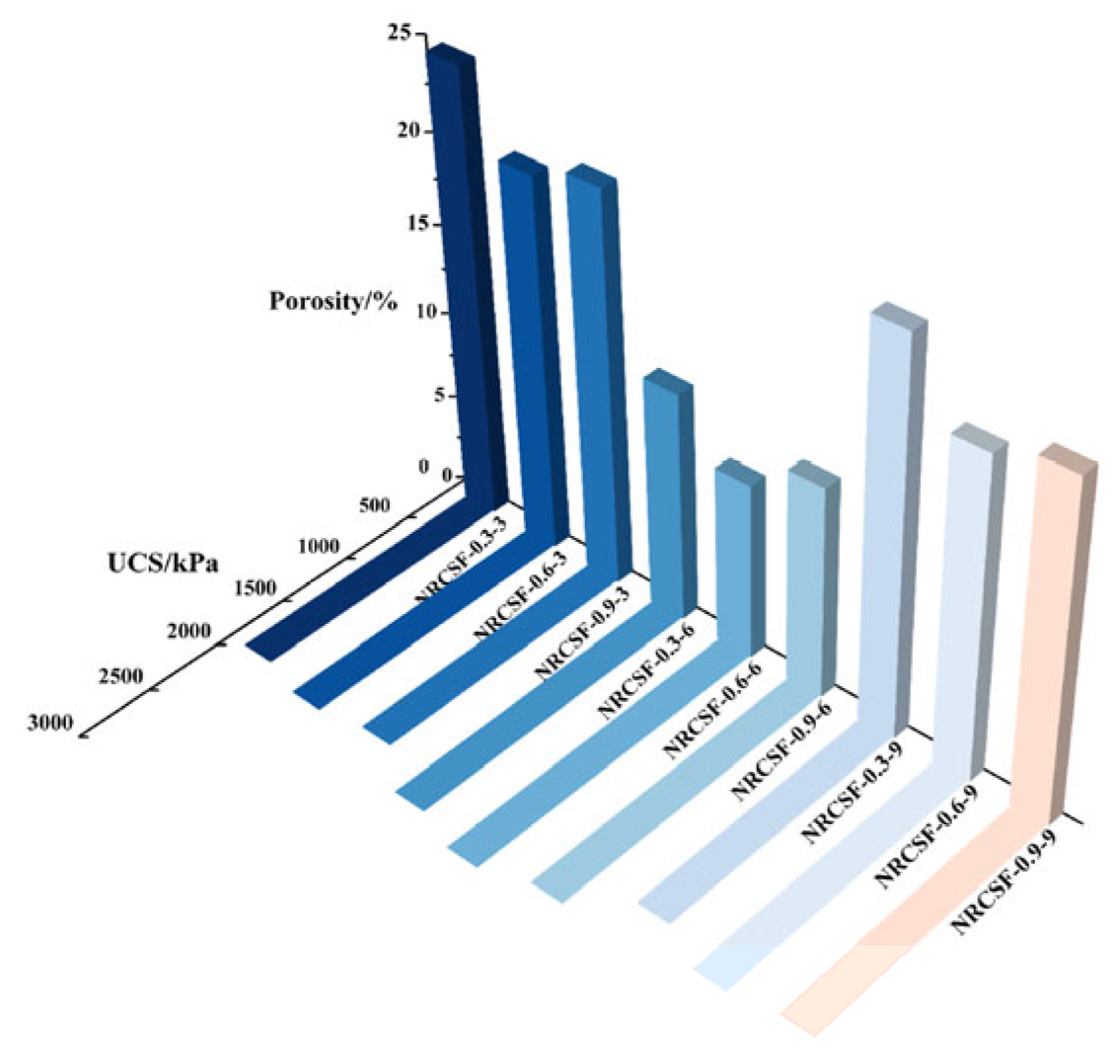
To analyze the impact of the fiber content and length on the microstructural densification of the cement soil, typical SEM images were selected and 3D reconstructions were created using the ArcGIS platform, as shown in Figure 16 [34]. This method enabled the visualization of the pore depth, fiber embedment, and inter-particle transition zones, which are difficult to observe in 2D images. The reconstructed images were quantitatively processed to extract the average porosity of each specimen group, which was then compared to their unconfined compressive strength (UCS) values, as shown in Figure 17. A clear negative correlation was observed between the porosity and UCS, indicating that a lower porosity leads to a higher compressive strength, demonstrating the effective role of fibers in enhancing the structural densification and bearing capacity.
In summary, the fiber content and length affect the cement soil’s microstructure. The right combination creates a dense structure, while an improper content or length leads to poor densification. These findings help optimize cement soil reinforcement.

3.3.2. Graphene Derivative Modification

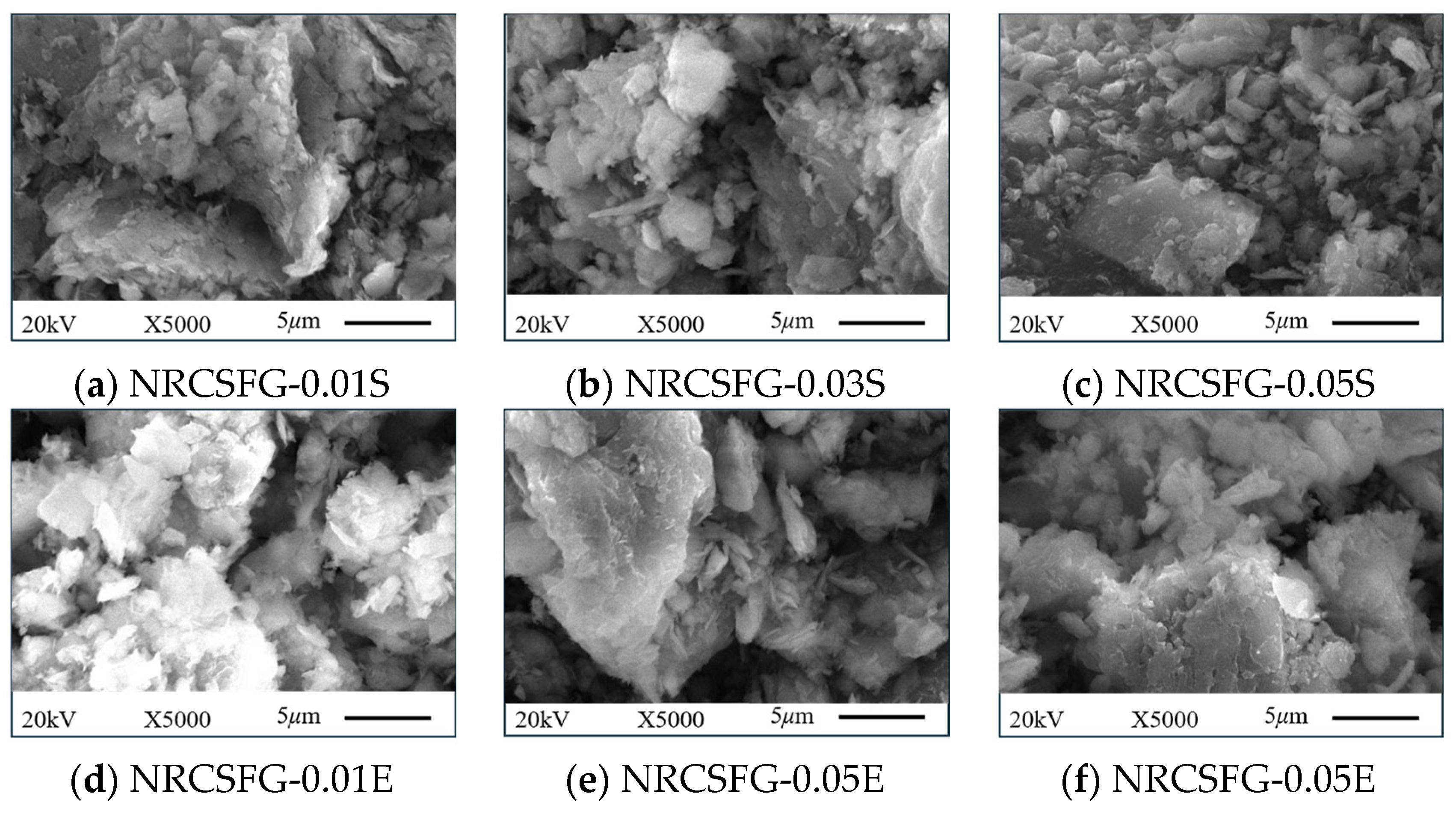
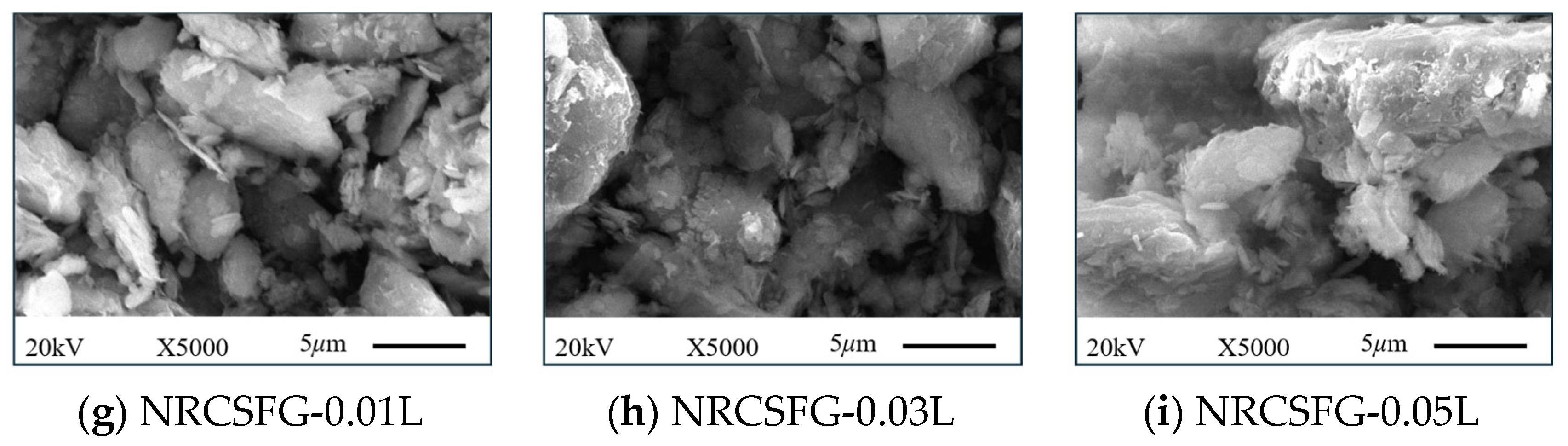
Figure 18 presents the SEM images of the cement soil modified with graphene derivatives (SG, EG, LG) in the optimal fiber combination (NRCSF-0.6-6). Graphene enhances hydration product formation, especially ettringite (AFt) and calcium hydroxide (CH) crystals. SG and LG, with oxygen groups, promote CH and C-S-H formation, leading to a denser microstructure. As the content reaches 0.05%, hydration products become more uniform, reducing the porosity and forming a compact surface. SG and LG’s high surface area helps fill micropores and improve bonding. EG has weaker effects due to fewer functional groups.
Overall, SG and LG significantly enhance the microscopic densification and homogeneity of the cement soil, providing a stronger foundation for improving the macroscopic strength.
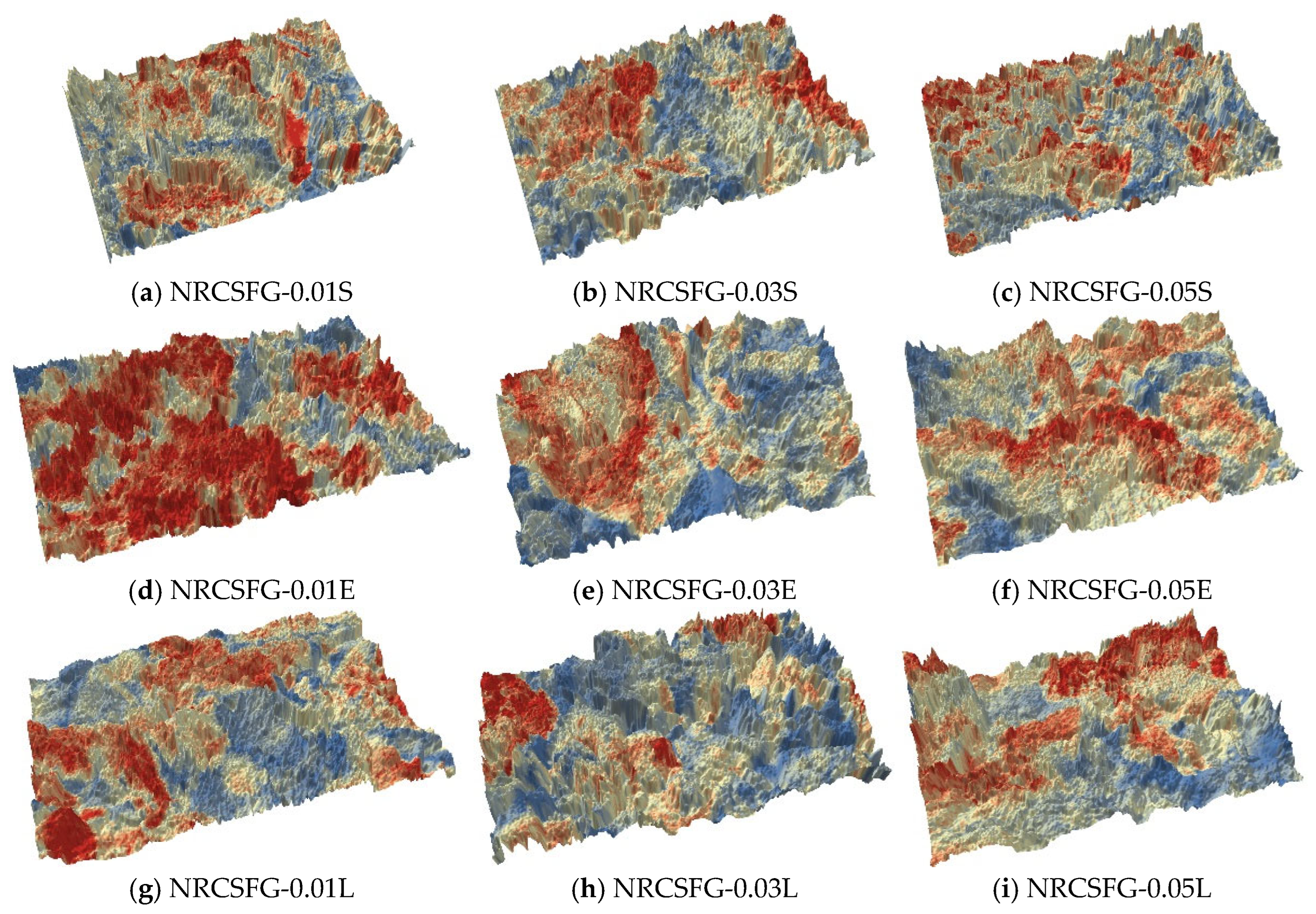
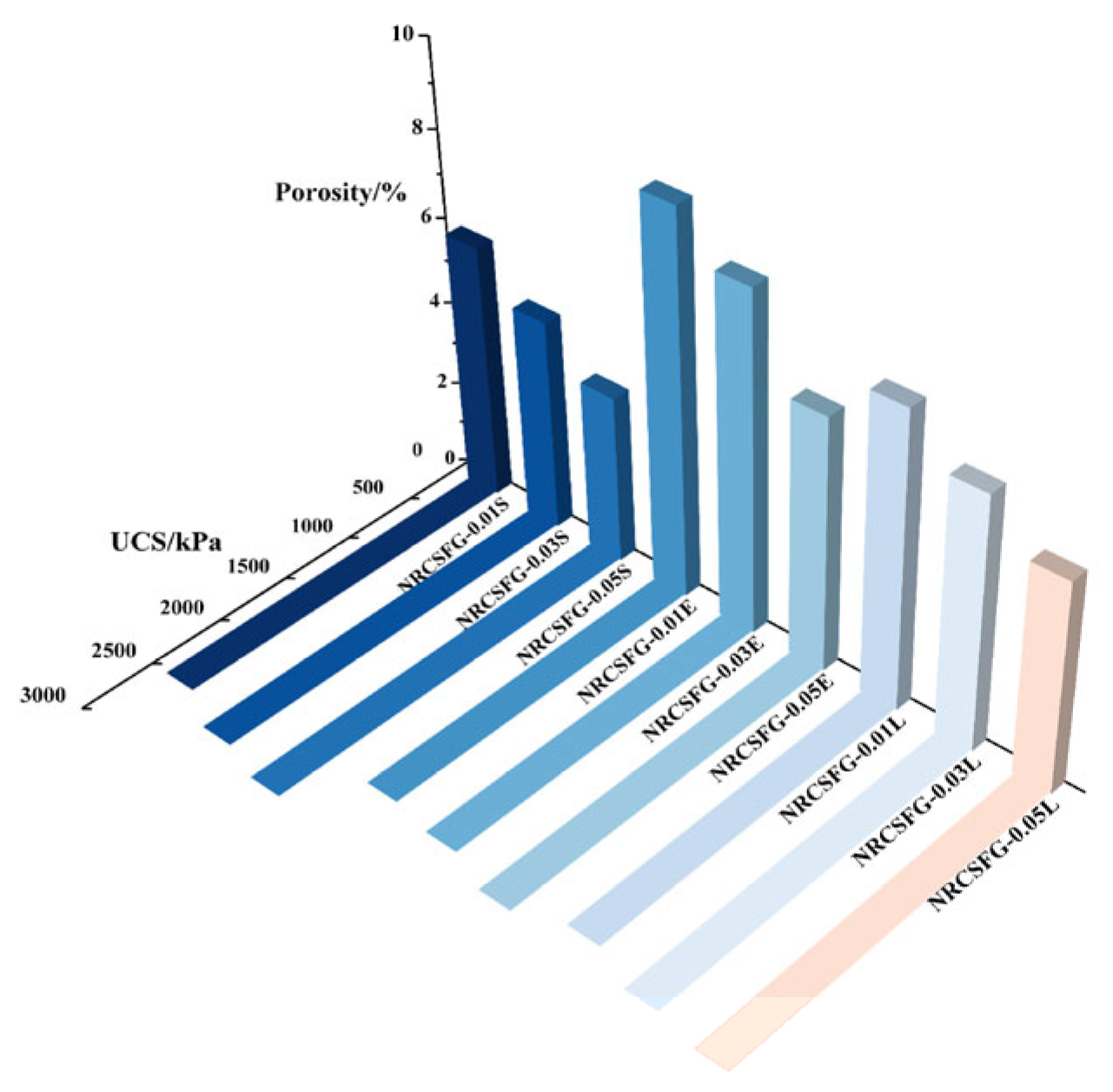
Figure 19 shows 3D reconstructions of the SEM images. As the type and content of the graphene derivatives change, the surface becomes more uniform and pore distribution improves, highlighting graphene’s role in enhancing the structural density alongside fiber modification. Figure 20 compares the average porosity from the 3D images with the corresponding specimen’s unconfined compressive strength (UCS). The results show that a lower porosity leads to a higher UCS, with all composite specimens outperforming the single fiber-modified specimens, indicating the synergistic effect of the graphene derivatives and fibers. Small-sized graphene oxide (SG) at 0.05% content had the most significant effect, showing the lowest porosity and highest UCS. In contrast, EG and LG had weaker effects on pore structure control, suggesting differences in the microscopic mechanisms of different graphene types.
Incorporating graphene derivatives into the fiber-modified cement soil improves the microstructure and strength, confirming the effectiveness of multi-scale composite modification.

3.3.3. Comparative Discussion on Macro–Micro Synergistic Mechanism

This quantitative evolution of the microstructure provides a mechanistic explanation for the macroscopic engineering responses observed earlier. To further position the multi-scale enhancement efficiency identified in this study, the highly consistent evolution trends observed in the unconfined compressive strength (UCS), ductility index, and digitally quantified microstructural compactness were compared with previously reported ground improvement studies. The synchronized enhancement in macroscopic and microscopic indices is generally consistent with previous findings on nanomaterial-modified cementitious systems. Previous studies reported that carbon-based and inorganic nanomaterials can accelerate early cement hydration, promote the formation of hydration products, and refine pore structures, thereby improving the compactness and mechanical performance of cement-based matrices [35,36,37]. The present results further support the important role of nano-scale additives in regulating microstructural evolution and enhancing macro-scale engineering behavior.
Interestingly, the optimal fiber length boundary condition observed through scanning electron microscopy (SEM), namely that 6 mm fibers exhibited superior microstructural continuity and interfacial bonding quality compared with 9 mm fibers, suggests that the reinforcing mechanism in the present binary green matrix differs from that of conventional cement-stabilized soils. Within the highly compact aggregate skeleton formed by angular recycled concrete sand and ultrafine nanoclay particles, longer fibers (9 mm) were more susceptible to agglomeration, entanglement, and local distortion during compaction. SEM observations further indicated that these effects introduced local weak zones and microvoids into the hydrated matrix, thereby disrupting matrix continuity and reducing cementation efficiency as well as macroscopic mechanical performance. Therefore, the present findings suggest that the optimal fiber geometry in highly compact nano-modified recycled aggregate systems may differ from that observed in conventional cementitious matrices, highlighting the matrix-dependent nature of multi-scale composite stabilization mechanisms.

4. Conclusions

Building upon the sustainable recycled sand–nanoclay cement soil matrix established in our previous study, this work further investigated the multi-scale synergistic enhancement induced by polypropylene (PP) fibers and graphene derivatives on the early-age mechanical behavior and microstructural evolution of cement-stabilized soft soil. The results demonstrated that the previously optimized recycled aggregate matrix could be further strengthened and toughened through the coupled regulation of macro-scale fiber bridging and nano-scale hydration enhancement.
Among the investigated mixtures, the incorporation of 0.6% PP fiber with a fiber length of 6 mm produced the optimal fiber reinforcement effect, significantly improving both the unconfined compressive strength (UCS) and post-peak deformation capacity of the cement soil. Furthermore, the addition of small-sized graphene oxide (SG) exhibited the strongest nano-modification capability, and the specimen containing 0.05% SG achieved the maximum 7-day UCS of 2755.0 kPa together with an enhanced ductility performance.
SEM observations and quantitative porosity analysis revealed that the fibers effectively inhibited crack propagation and improved stress redistribution, while the graphene derivatives promoted hydration product accumulation and reduced internal pore connectivity. The highly consistent evolution between microstructural compactness and macroscopic mechanical performance confirmed that the enhancement mechanism was fundamentally governed by the progressive densification of the recycled composite matrix and the strengthening of the fiber–matrix interfacial bonding.
Nevertheless, several inherent limitations of the present study should be acknowledged to guide future implementation and ensure data reproducibility. The multi-scale enhancement triggered by GO is dictated by a combined synergy of its oxygen-containing surface chemistry and microscopic lateral size, while its uniform dispersion in highly alkaline cementitious systems remains a critical variable that may strongly affect structural reproducibility. Furthermore, this investigation was strictly restricted to a specific raw silt type, curing period, and laboratory testing regime. The long-term durability of this composite soil under complex environmental erosions (such as continuous seawater chemical attack) and its macro-behavior under field-scale engineering loading conditions require further validation. Consequently, future research will focus on the execution of extended durability testing and field-scale pilot projects to bridge the gap between laboratory evaluation and practical marine construction applications.

Author Contributions

Conceptualization, X.D. and H.K.; methodology, X.D.; software, X.D. and X.H.; validation, X.D. and H.Z.; formal analysis, X.D. and H.K.; investigation, X.D. and C.Z.; resources, X.D. and X.H.; data curation, H.K.; writing—original draft preparation, X.D.; writing—review and editing, X.D. and H.K.; visualization, X.D.; supervision, X.W. and W.W.; project administration, X.D. and H.K.; funding acquisition, X.W. and W.W. All authors have read and agreed to the published version of the manuscript.

Funding

The study presented in this paper was funded by the National Natural Science Foundation of China (Grant No. 52179107 & 52309161) and Jiangsu Province Natural Science Foundation (Grant No. BK20221193 & BK20230120).

Data Availability Statement

Data presented in the study are available on request from the corresponding author.

Conflicts of Interest

Author Hang Zhou was employed by the company China Gezhouba Group Co., Ltd. The remaining authors declare that the research was conducted in the absence of any commercial or financial relationships that could be construed as a potential conflict of interest.

References

  1. Bao, X.; Li, J.; Shen, J.; Chen, X.; Zhang, C.; Cui, H. Comprehensive multivariate joint distribution model for marine soft soil based on the vine copula. Comput. Geotech. 2025, 177, 106814. [Google Scholar] [CrossRef]
  2. Tremblay, H.; Duchesne, J.; Locat, J.; Leroueil, S. Influence of the nature of organic compounds on fine soil stabilization with cement. Can. Geotech. J. 2002, 39, 535–546. [Google Scholar] [CrossRef]
  3. Gong, Z.; Dai, G.; Xu, W.; Chen, X.; Liu, H. Field and 3D numerical investigation on bearing characteristics of the long-core SDCM piles under vertical load in sandy soil. Acta Geotech. 2025, 20, 1341–1362. [Google Scholar] [CrossRef]
  4. Luo, Z.; Liu, Z.; Zhang, C.; Li, G.; Han, X.; Que, Y. Study of multi-component solid waste synergistically solidified soil and its microscopic mechanism. Constr. Build. Mater. 2025, 460, 139804. [Google Scholar] [CrossRef]
  5. Zhang, Z.; Wang, K.; Wu, S.; Chu, J. Amorphous calcium carbonate (ACC) cement for ground improvement. Acta Geotech. 2025, 20, 2557–2571. [Google Scholar] [CrossRef]
  6. Zhang, H.; Liu, Z.; Ma, X.; Zhang, H.; Qian, J. Monitoring of early curing stage of cemented soil using polymer optical fiber sensors and microscopic observation. Constr. Build. Mater. 2024, 436, 136888. [Google Scholar] [CrossRef]
  7. Wang, Z.; Wu, B. A mix design method for self-compacting recycled aggregate concrete targeting slump-flow and compressive strength. Constr. Build. Mater. 2023, 404, 133309. [Google Scholar] [CrossRef]
  8. Qian, B.; Yu, W.; Lv, B.; Kang, H.; Shu, L.; Li, N.; Wang, W. Mechanical properties and micro mechanism of nano-clay-modified soil cement reinforced by recycled sand. Sustainability 2021, 13, 7758. [Google Scholar] [CrossRef]
  9. Kawashima, S.; Wang, K.; Ferron, R.D.; Kim, J.H.; Tregger, N.; Shah, S. A review of the effect of nanoclays on the fresh and hardened properties of cement-based materials. Cem. Concr. Res. 2021, 147, 106502. [Google Scholar] [CrossRef]
  10. Chen, M.; Cheng, J.; Zhang, T.; Wang, Y. Experimental characterization and constitutive modelling of the anisotropic dynamic compressive behavior of 3D printed engineered cementitious composites. Cem. Concr. Compos. 2025, 160, 105995. [Google Scholar] [CrossRef]
  11. Poon, C.S.; Shen, P.; Jiang, Y.; Ma, Z.; Xuan, D. Total recycling of concrete waste using accelerated carbonation: A review. Cem. Concr. Res. 2023, 173, 107284. [Google Scholar] [CrossRef]
  12. Biswas, N.; Puppala, A.J.; Chakraborty, S.; Little, D.N. Micro-mechanical behavior of nanosilica-treated high-sulfate soils. Can. Geotech. J. 2024, 61, 1606–1621. [Google Scholar] [CrossRef]
  13. Wang, X.; Zhong, J. Revisiting the strengthening mechanisms of graphene oxide reinforced cement: Effects of dispersion states. Cem. Concr. Res. 2023, 170, 107189. [Google Scholar] [CrossRef]
  14. Lee, J.; Mahendra, S.; Alvarez, P.J.J. Nanomaterials in the construction industry: A review of their applications and environmental health and safety considerations. ACS Nano 2010, 4, 3580–3590. [Google Scholar] [CrossRef]
  15. Zhang, H.; He, B.; Chen, W.; Ai, J.; Zhu, X.; Jiang, Z. Investigating the influence of fibre type and content on the toughness and ductility of geopolymer mortar with acoustic emission technology. Cem. Concr. Compos. 2024, 147, 105434. [Google Scholar] [CrossRef]
  16. Naseri, F.; Irani, M.; Dehkhodarajabi, M. Effect of graphene oxide nanosheets on the geotechnical properties of cemented silty soil. Arch. Civ. Mech. Eng. 2016, 16, 695–701. [Google Scholar] [CrossRef]
  17. Zhang, C.; Wang, W.; Zhu, Z.; Shao, L.; Wan, Y.; Zhang, Y. Mechanical and Microscopic Properties of Cement Composite Expansive Soil with Graphene Oxide: Ecofriendly Modification Material. Int. J. Geomech. 2023, 23, 4023071. [Google Scholar] [CrossRef]
  18. Xu, M.; Fu, J.; Feng, T.; Wang, W. Critical review on graphene oxide modified geopolymers: Dispersion preparation, mechanical properties, and microscopic mechanisms. Results Eng. 2024, 24, 103320. [Google Scholar] [CrossRef]
  19. Li, J.; Xu, W.; Zhang, J.; Su, L.; Li, W.; Yao, Z.; Liang, L. Research on the bearing capacity characteristics of hybrid polypropylene fiber reinforced cement soil for airstrip based on large-scale testing. Constr. Build. Mater. 2024, 441, 137481. [Google Scholar] [CrossRef]
  20. Shi, D.; Chen, X.; Ning, Y.; Bai, L.; Yu, X. Understanding the compression failure mechanism of rock–shotcrete composites using X-CT and DIC technologies. Acta Geotech. 2023, 18, 5213–5230. [Google Scholar] [CrossRef]
  21. Yu, X.; Zhang, Z.; Han, B.; Dai, S.; Wang, H. The effect of glass fiber on mechanical behavior and microstructure of cement-based solidified soil for protecting foundations of offshore wind turbines. Constr. Build. Mater. 2025, 494, 143464. [Google Scholar] [CrossRef]
  22. Costa, W.G.S.; Izzo, R.L.D.S.; Almeida, M.S.D.S.; Achy, A.R.A.; De Jesus Santos, I.; Ramos, R.S. Investigation of cement and polymer stabilization in gravel soil-RAP mixtures for full-depth reclamation applications. Constr. Build. Mater. 2025, 482, 141548. [Google Scholar] [CrossRef]
  23. GB/T 50123-2019; Standard for Geotechnical Testing Method. Ministry of Housing and Urban-Rural Development of the People’s Republic of China: Beijing, China; State Administration for Market Regulation: Beijing, China, 2019.
  24. Li, S.; Fang, Z.; Xu, H.; Sakai, Y. Bound water evolution and machine-learning-assisted early hydration degree estimation of cement paste based on hyperspectral imaging. Constr. Build. Mater. 2025, 489, 140597. [Google Scholar] [CrossRef]
  25. Saleem, A.; Rehman, Z.U.; Qamar, S.; Mohammedsaleh Katubi, K.; Khan, A.H.; Akhtar, M.N.; Qamar, N.; Alrowaili, Z.A.; Saeed, U.; Ullah, S.; et al. Investigations of graphene oxides and cement on strength performance of soil. J. Build. Eng. 2023, 73, 106857. [Google Scholar] [CrossRef]
  26. Zamanian, M.; Salimi, M.; Payan, M.; Noorzad, A.; Hassanvandian, M. Development of high-strength rammed earth walls with alkali-activated ground granulated blast furnace slag (GGBFS) and waste tire textile fiber (WTTF) as a step towards low-carbon building materials. Constr. Build. Mater. 2023, 394, 132180. [Google Scholar] [CrossRef]
  27. Hao, H.; Wang, S.; Wang, J.; Wang, Y.; He, J.; Yang, X. Study on mechanical strength and deformation properties of rubberized cement sheath barrier reinforced with inorganic hybrid fibers. Constr. Build. Mater. 2024, 434, 136692. [Google Scholar] [CrossRef]
  28. Rauf, A.; Moon, S.-W.; Lim, C.-K.; Satyanaga, A.; Kim, J. Mechanical characteristics of CSA-treated sand reinforced with fiber under freeze-thaw cycles. Case Stud. Constr. Mater. 2024, 21, e03875. [Google Scholar] [CrossRef]
  29. Paul, S.; Tasnim, A.; Majumder, J. Enhancement of micro-mechanical characteristics of expansive soil through synergistic incorporation of jute and nylon fibers with cement. Results Eng. 2025, 26, 104685. [Google Scholar] [CrossRef]
  30. Qu, W.; Maimt, N.; Qu, J. Effects of zeolite and palm fiber on the weathering resistance and durability characteristic of cement soil. Sci. Rep. 2025, 15, 4408. [Google Scholar] [CrossRef]
  31. Jiang, P.; Hu, X.; Wang, W.; Chen, Y.; Wang, L.; Li, N. Mechanical properties and energy dissipation of fiber-modified iron tailings under triaxial stress. Int. J. Geomech. 2024, 24, 06024022. [Google Scholar] [CrossRef]
  32. Sujatha, E.R.; Mahalakshmi, S.; Kannan, G. Potential of fibre reinforced and cement stabilized fibre reinforced soil blocks as sustainable building units. J. Build. Eng. 2023, 78, 107733. [Google Scholar] [CrossRef]
  33. Liu, S.; Fall, M.; Haruna, S. Understanding the triaxial behavior of cemented tailings backfill reinforced with fibers. Int. J. Geomech. 2025, 25, 4025078. [Google Scholar] [CrossRef]
  34. Li, N.; Dai, W.; Kang, H.; Lv, B.; Jiang, P.; Wang, W. Study on the Adsorption Performance and Adsorption Mechanism of Graphene Oxide by Red Sandstone in Aqueous Solution. Adsorpt. Sci. Technol. 2022, 2022, 2557107. [Google Scholar] [CrossRef]
  35. Makar, J.M.; Chan, G.W. Growth of cement hydration products on single-walled carbon nanotubes. J. Am. Ceram. Soc. 2009, 92, 1303–1310. [Google Scholar] [CrossRef]
  36. Meng, S.; Shi, Z.; Ouyang, X. Comparison of the effects of carbon-based and inorganic nanomaterials on early cement hydrationComparison of the effects of carbon-based and inorganic nanomaterials on early cement hydration. Constr. Build. Mater. 2024, 421, 135705. [Google Scholar] [CrossRef]
  37. MacLeod, A.J.N.; Collins, F.G.; Duan, W. Effects of carbon nanotubes on the early-age hydration kinetics of portland cement using isothermal calorimetry. Cem. Concr. Compos. 2021, 119, 103994. [Google Scholar] [CrossRef]
Figure 1. Coastal soft soil geographical location.
Buildings 16 02347 g001
Figure 2. Physical and microscopic SEM images of the test materials.
Buildings 16 02347 g002aBuildings 16 02347 g002b
Figure 3. Unconfined compression die.
Buildings 16 02347 g003
Figure 4. Graphene derivatives after ultrasound.
Buildings 16 02347 g004
Figure 5. Fully automatic multifunctional unconfined compression tester.
Buildings 16 02347 g005
Figure 6. RBF fits the stress–strain curve.
Buildings 16 02347 g006
Figure 7. RBF neural network fitting results under fiber modification.
Buildings 16 02347 g007
Figure 8. Stress–strain curve after fiber incorporation.
Buildings 16 02347 g008
Figure 9. Unconfined compression strength gain ratio under different fiber mix ratios.
Buildings 16 02347 g009
Figure 10. RBF neural network fitting results under graphene derivative modification.
Buildings 16 02347 g010
Figure 11. Stress–strain curves of graphene derivatives.
Buildings 16 02347 g011
Figure 12. Unconfined compressive strength gain ratio under different mix ratios of graphene derivatives.
Buildings 16 02347 g012
Figure 13. Ductility index of composite fiber cement soil under different graphene derivative ratios.
Buildings 16 02347 g013
Figure 14. Schematic diagram of energy distribution of cement soil samples.
Buildings 16 02347 g014
Figure 15. Binarized image of fiber-modified cement soil.
Buildings 16 02347 g015aBuildings 16 02347 g015b
Figure 16. Three-depersonalization of SEM images of fiber-modified cement soil.
Buildings 16 02347 g016aBuildings 16 02347 g016b
Figure 17. Porosity comparison of fiber cement soil.
Buildings 16 02347 g017
Figure 18. SEM binarization image of graphene composite-modified cement soil.
Buildings 16 02347 g018aBuildings 16 02347 g018b
Figure 19. Three-depersonalization of SEM images of graphene composite-modified cement soil.
Buildings 16 02347 g019
Figure 20. Porosity comparison of graphene composite-modified cement soil.
Buildings 16 02347 g020
Table 1. Properties of raw materials used in this study.
MaterialPropertyValue
Coastal soft soilDensity (g/cm3)1.65
Moisture content (%)30.0
Liquid limit (%)46.2
Plastic limit (%)26.4
Plasticity index19.8
M32.5 cementInitial setting time (min)≥60
Final setting time (min)≤720
Flexural strength (3 d/28 d, MPa)≥2.5/≥5.5
Compressive strength (3 d/28 d, MPa)≥10/≥32.5
Recycled sandParticle size 0.074–2 mm (%)70
Particle size 2–3 mm (%)30
NanoclayMontmorillonite (%)91.27
As/Pb/Hg/Cd (mg/kg)1.24/8.55/0.004/0.418
Polypropylene fiberDiameter (μm)18–48
Length (mm)3, 6, 9
Tensile strength (MPa)>358
Elastic modulus (GPa)>3.50
Table 2. Mechanical test scheme.
Fiber Content
(%)
Fiber Length (mm)Types of Graphene
Derivatives
Graphene Oxide Derivative Content (%)
0.36//
0.66//
0.96//
0.39//
0.69//
0.99//
Optimal fiber contentOptimal fiber lengthSG0.01
SG0.03
SG0.05
EG0.01
EG0.03
EG0.05
LG0.01
LG0.03
LG0.05
Disclaimer/Publisher’s Note: The statements, opinions and data contained in all publications are solely those of the individual author(s) and contributor(s) and not of MDPI and/or the editor(s). MDPI and/or the editor(s) disclaim responsibility for any injury to people or property resulting from any ideas, methods, instructions or products referred to in the content.