


Abstract
This study investigates how future climate change will alter heating and cooling demand in UK social housing, addressing wider concerns about fuel poverty risks and long-term climate resilience. Using a two-bedroom, offsite manufactured home in Northwest England as a case study, the research applies dynamic building performance modeling to assess energy use. This output then uses a multi-criteria decision-making (MCDM) tool to inform the choice of the weather file in the simulation process. The simulation weather files represent the 2030, 2050, and 2080 climate scenarios. The results show a clear shift from heating-led demand toward increasing summer cooling requirements. These changes have implications for grid capacity, occupant wellbeing, and the affordability of energy services. The analysis demonstrates that weather file selection significantly affects predicted performance outcomes. The study concludes that accurate weather file choice is essential for reliable Building Performance Simulation (BPS). It underscores the need to integrate environmental, social, and economic considerations into future housing design.
1. Introduction
Climate change will impact housing in many ways and at varying levels, affecting daily life worldwide. The effects of climate change are wide-ranging and include temperature rises [1,2,3], increased weather instability [4,5] and a heightened risk of flooding [6,7]. This affects both people and the infrastructure they are linked to. In this context, infrastructure includes housing and residential properties, which form an essential component of communities, providing places for people to live. Understanding how a changing climate will affect these homes is of significant interest to a wide range of stakeholders.
Proportionally, heat in the UK accounted in 2019 for approximately 45% of total energy consumption [8]. For buildings, and their stakeholders, this also accounts for 40% of the UK GHG emissions [9]. Therefore, it is necessary to consider how this figure can be reduced as part of efforts to mitigate climate change. This reduction can be achieved by developing a comprehensive understanding of buildings, specifically homes, and the ways in which climate change is expected to influence their performance over time. This includes evaluating future heating and cooling demand in response to a changing climate. A reduction in energy consumption and fossil fuel use will lead to fewer carbon emissions. Selecting weather files affects the design of a home, as different files lead to different design choices [10] and expectations for performance. The challenge is what difference does this make, and who is affected. At the design stage, energy consultants, designers, clients, and architects make decisions informed by selected weather files. These decisions influence the building’s ability to achieve regulatory approvals, after which the occupant experiences the consequences of these design choices. Therefore, the weather files used during design influence how the home was designed, built, and then used by residents.
This study investigates the evolving discourse around heating and cooling demands in UK housing in response to future climate change [3,11], with a focus on newbuild social housing as a case study. Stakeholders in the housing sector increasingly recognize the importance of understanding how climate change will influence homes within their communities or under their management. Recent heatwaves and rising temperatures [9], combined with the UK cost-of-living crisis, have intensified concerns within social housing governance. The ability for people to pay for energy services in their own homes [12] has moved up many governments’ agendas. Depending on the location and type of housing, climate impacts will vary.
Stakeholders within the housing sector are now focused on investigating how homes will need to adapt to future climate conditions to ensure resilience, affordability, and occupant wellbeing. One of the most significant issues is the energy consumed for heating and cooling demand in the home [13]. Geographic context influences the magnitude of future changes residents [14] and buildings will experience. Understanding future demand trends helps clarify the potential scale of the challenge ahead. Recognizing how shifting energy demands will affect households should be part of wider efforts to help communities and individuals adapt to climate change, particularly for those who are more vulnerable and yet not responsible for many anthropogenic emissions [15]. Fuel poverty is a key issue within this research. For some households and individuals, climate change will necessitate novel approaches to achieving suitable levels of heating and potentially cooling. Understanding how this will specifically affect social housing residents in the UK is therefore an important topic of discussion.
The challenge in housing and energy demand relates partly to perceptions of the scale of climate-related risks and partly to differing levels of thermal comfort [16]. Homes in the UK are built to comply with Building Regulations, which include standards related to energy conservation [17]. The case study used in this research represents a typical newbuild property: well insulated and energy efficient (built to 2013 Part L standards). It aims to understand the influence of climate change on the case study through the use of modeling and the changes in energy demand using multi-criteria decision-making (MCDM).
1.1. Literature Review
The research framework used in this paper seeks to inform policy changes and development processes needed to support the UK’s carbon reduction commitments. This will help clarify future energy demand expectations for the UK residential sector. This review considers whether new social housing homes in the UK can be part of the solution for supporting carbon emission reduction, allowing homes to be climate resilient in a changing climate.
There is an increasing housing need across the globe [18]. The efficiency with which homes are used by residents is paramount [19]. It is essential that the right kind of data and information be available to researchers to understand the context of housing across a country. Climate change will increase the average temperatures experienced in the UK and influence the amount of energy used for heating—and potentially cooling—a home [20]. The English Housing Stock has been used since 1967 to collate data on housing [21], allowing multiple government agencies and departments to understand the current situation. This has many parameters to consider, including personal thermal comfort preferences and assumptions about demand trends.
The building sector, which includes housing, is one of the largest end-use sectors in terms of final energy demand [22], with UK domestic consumption seeing an increase in 2021 by 2.2 million tons of oil equivalents, only second to transport in terms of sector consumption [23]. UK homes have seen improvements over the decades because of updates to Part L of the UK Building Regulations. However, the rate of improvement has slowed significantly since 2014 [24]. Even when suitable sustainable policies are in place, stagnation still occurs. This includes technical issues, enforcement challenges, and delays in implementing changes needed to improve thermal conditions [25].
Homes and buildings must be designed more effectively to minimize the need for costly mitigation measures later [26] as well as to account for the local climate conditions [27]. This aligns with the UN Sustainable Development Goals, particularly SDG 7 on affordable and clean energy [28]. Prioritizing demand-side energy management is essential for maintaining thermal comfort and ensuring energy affordability. National health frameworks routinely acknowledge the fundamental importance of secure, adequate housing. This connection is also reflected in the UN Sustainable Development Goals (UN SDGs), particularly Goal 3 on ensuring healthy lives and promoting wellbeing for all. Indoor environmental quality is closely tied to human health, and the relationship between housing conditions and health outcomes [29] is well established.
The IPCC AR6 report highlights how well considered design strategies can reduce carbon emissions in buildings [30]. Discussions of energy demand and efficiency in housing frequently intersect with issues of fuel poverty, climate change, and construction practices which are increasing in occurrence. A range of residential solutions and technologies could reduce final energy demand in homes. Opportunities include reducing thermal loads [31] and implementing passive technologies. Understanding potential climate impacts on homes through building performance modeling is well established as a methodological approach. Numerous studies have documented the changing climate and its impacts, including IPCC reports and the United Kingdom Green Building Council (UKGBC) guidance. Numerous independent sources document the changing climate [32,33,34,35,36,37]. This includes the IPCC reports and UKGBC guidance comments and statements from the past decade around solutions to reducing energy demand in the home. Proven in the discourse from multiple actors in this sector, it supports continued action in demand management of energy in homes.
However, take-up of low carbon building design varies significantly between regions. The IPCC’s reporting on warming and the lack of action on building resilience highlights significant gaps in knowledge, policy, and governance. Europe and the UK remain at critical crossroads [38] for improving homes for the benefit of people and the environment. Lessons can also be drawn from other global regions. For example, in British Columbia, the 2021 heat dome contributed to an additional 619 deaths as temperatures exceeded 40 °C [39]. By contrast, homes in the Northwest of the UK are expected to experience warmer and wetter conditions [40]. This includes issues arising from housing orientation and albedo, which contribute to thermal discomfort for residents [41]. This example highlights geographical differences in climate change impacts. Poor housing and housing unprepared for a changing climate are not unique to Europe or the UK; they are global issues.
1.2. European Perspective
The challenge arises from the need to decarbonize homes to reduce associated emissions and to retrofit homes so they can withstand current and future climate impacts, such as warmer temperatures and increased precipitation. From a European perspective, the 2024 European Climate Risk Assessment highlights that climate change poses risks to public health extending beyond health policy expectations, affecting housing stock and housing availability, particularly for socially disadvantaged groups. In Belgium, heating demand is projected to decrease by the 2090s, while cooling demand is expected to increase by the 2050s [42], raising a challenging issue for reducing energy demand and the associated emissions.
The concept of a human right to shelter [43] must be considered here particularly in the context of climate change. Homes are currently designed for what is perceived to be typical weather and climate at a given location. Challenging the business-as-usual approach to housing, and accepting the need for change, supports the process of understanding future energy demand. Identification of gaps in current research highlights the UK’s significant challenge around housing availability, with many residents placed into temporary accommodation. Social housing in the UK is defined as “social rented housing which is provided by a social landlord” [44] in Europe and the UK. Traditionally, these homes were provided by local councils for those unable to purchase their own homes. Today, there are approximately 4.1 million social homes in the UK [45]. Many more homes are therefore needed to support this growing need. A shortage of new homes and suitable housing is partly responsible. In the year from April 2023 to March 2024, UK councils reportedly spent £2.3 billion on temporary accommodation [46], a number which is also expected to rise significantly if more new affordable homes are not built.
This paper seeks to understand how the selection of weather files affects the modeled energy demand of a case study home. It is purely focused on energy demand and focuses on energy use for heating and cooling. Cooling and particularly air-conditioning increased in prevalence in homes across Europe [47] and globally. Whilst not a focus of this work, energy sufficiency should be considered in how people use the home [48]. A study by Elnagar et al. [31] found that energy consumption for cooling equipment is increasing. They also noted that cooling systems are often not integrated into building control systems, presenting challenges to decarbonization and achieving thermal comfort. As a result, when systems are combined with other building technologies, it improves not only energy efficiency, but also indoor air quality benefits [49]. When considering what new buildings should look like, there needs to be a multifaceted approach by all involved.
1.3. UK Considerations
Within the UK, ensuring access to affordable, dependable, sustainable, and modern energy for all is a key priority. The UK Government publication on the future of the NHS also notes that housing is important in understanding health outcomes, particularly in relation to thermal comfort [12,50]. Within the UK, the National Health Service (NHS) also finds that homes, health, and climate change meet at a crossroads of discussion points. The NHS Fit for the Future report similarly highlights the intersection of housing, health, and climate change as a critical area for discussion [51]. Considering the ability for the home to support the needs of the occupant, or energy sufficiency, is also useful to address, noting that housing deprivation links directly to health and wellbeing [52]. The British Research Establishment (BRE), found that poor housing was attributed to a cost to the National Health Service (NHS) of £1.4 billion [53]. Thus, supporting the justification for investigation as outlined in this paper is important.
Previous research often focused on heating-related energy poverty, while cooling has been underrepresented or absent in EU policy [12]. Ensuring the use of representative weather files for any Building Performance Optimization (BPO) or modeling is essential in understanding climate change impacts on buildings [54]. Fuel poverty, as a dimension of housing inequality, extends beyond the physical condition of the home [55]. Different housing tenures affect mental health and the precarities experienced by residents [56]. This is a normal consideration within social housing research. For this study, the focus is on the dwelling as designed and rented under a social rent tenure. Before analyzing where it fits into the outcomes, it is essential to define it. Previous research shows that fuel poverty is a multileveled concept [18]. Definitions from the early 1990s to the present broadly agree that fuel poverty occurs when a person is unable to heat their home to a suitable level due to a lack of resources [57,58,59]. Climate change and its impacts could significantly affect residents’ ability to maintain thermal comfort [60], especially as the need for cooling is likely to appear and then increase.
The Köppen–Geiger classification is still one of the most widely used classifications for global climate [61,62]. As a widely accepted and used classification, it is considered a useful classification tool for this research. There are a range of widely used global circulation models (GCMs) which offer a coarse approach to climate modeling. Differences in the way that both ASHRAE (American Society of Heating, Refrigerating and Air-Conditioning Engineers, CIBSE (Chartered Institution of Building Services Engineers) and Köppen–Geiger are used and designate their zones need to be considered for the selection of data to be used for this research. Many studies have explored residential approaches to reducing energy demand, with non-domestic buildings also examined.
The table below provides insights from various building types and key findings from the past 8 years.
Whilst the purpose of this research is to consider the UK case study, it is important to consider the methodology used by other researchers for their city and country of focus. When considering climate, the Koppen–Geiger system uses historical and future climate observations to create a series of 1 km classifications for the world [63]. The past research shown in Table 1 highlights a range of climate types using the Köppen–Geiger [64] system. Providing a useful tool for zoning climate types is important. One thing that unites the research is that modeling can be a useful tool in framing the challenge of dealing with homes in a changing climate. The influence of weather files will be documented. It is also interesting to consider, with certain measures applied to the home, what implication this has in the output of the model.
Table 1.
Comparative studies on weather files and buildings.
Energy sufficiency, as well as energy efficiency, are both relevant when considering the reduction in energy demand in any given home. Using building performance modeling to understand the potential performance of buildings, including homes, is not new. Multiple pieces of research from a range of institutions have found a variety of outputs from using thermal models [72,73,74]. Weather files such as CIBSE TRY and DSY future climate datasets or ASHRAE files are then imported to reflect different climate scenarios. It should be noted that The Test Reference Year (TRY) and Design Summer Year (DSY) are distinct types of weather files, with the TRY being intended for long-term average energy use, whereas DSY is used for overheating. The software runs thermal simulations to calculate heating and cooling demand, assess energy use patterns, and evaluate thermal comfort under these varying conditions. Variations are often found when the design gap is then assessed via the use of on-site monitoring or when feedback and monitoring are provided from various stakeholders in the process.
Alternative construction methods are an important consideration, as shown in Table 1. Understanding buildings requires knowledge to be acquired from a variety of architypes to build up a picture of performance. Offsite construction (OSC) methods are starting to gain more prominence. OSC is recognized as a modern method of construction (MMC) by the UK Government [75]. Rather than being traditionally built, sections of the building were manufactured in an offsite facility and installed using a crane. OSC is valued for benefits including reduced construction time and improved build quality. Multi-criteria decision-making (MCDM) is a well-used documented evaluation tool for decision-making outputs in research. Energy demand is a complex problem and there are a multitude of considerations for any decision-making process [76], including the selection of weather files for home design for climate resilience. Applied here, it offers a structured approach to consider the weather file scenarios by balancing the different criteria laid out in the next section, allowing the consideration of a multi-dimensional decision-making approach to be applied and then possibly replicated by other researchers. Ultimately, aiming to understand what this means for social housing design is important. On-site monitoring has not been possible for this research due to COVID-19 limiting the reach of monitoring requests and a change in the personnel of the case study landlord and client. This is noted as a limitation of this study.
1.4. Objectives of the Study
The purpose of this study is to utilize an existing newbuild property to understand how the use of different weather files in building performance software (BPS) creates different outputs that then need to be considered by the client, social landlord and resident in the context of future climate resilience and energy demand. The MCDM process will help and support this analysis for the results, utilizing the MCDM as the final stage to understand the significance of each of the modeling outputs.
The key research questions are as follows:
- What change is going to be noted in energy (heating and cooling) demand for the case study home when using different weather files?
- What influence do weather files and the different scenarios have on the modeled energy demand for this case study?
- How, by using an MCDM, can we consider the impact of the different weather files?
2. Materials and Methods
Understanding how homes might be influenced by a changing climate using building performance models is a well-documented and widely accepted methodological approach. The use of future weather scenarios in dynamic modeling has also been established in previous research and published studies [77,78], as outlined in the literature review, providing the lead on the research questions and the methods described in the following section.
The data results outputs for this study were collected using thermal modeling software, IES iCD (IES Ltd., Glasgow, UK). There are a variety of software options available. For this research, selecting the appropriate software is essential [79]. It is vital in the practitioner environment for this research to be able to be replicated in a commercial context when thinking about how to model [80]. It is also important to understand what data is available for use in any thermal modeling study. Data collection is a crucial element of this research, as is the appropriate selection of the software.
Several thermal modeling tools are available commercially, including DesignBuilder, IES VE (IES Ltd., Glasgow, UK), and IES iCD (IES Ltd., Glasgow, UK), which are used to model buildings and assess current and future performance. When considering the use of dynamic building simulation or BPS, it is important to note that the external weather conditions are wider than only using the average mean temperature [81]. IES iCD (Release 2026.0, February 2026) is an add-on tool for SketchUp 2025, which is widely used in architectural design and building performance [82] modeling. Architectural software is used by many practitioners for building design and building performance modeling is used within this research. Within iCD, users can select a location that corresponds to a real-world site. iCD has been used successfully in thermal modeling projects with a range of clients, and, as such, it is employed here in this research.
A single geographical location is utilized within the scope of this research as a representative of a typical newbuild social housing architype in the NW of the UK, providing replication for similar housing types in the NW and the rest of the UK.
Methods for assessing thermal comfort and energy demand profiles.
For this research, a single social housing unit was analyzed using multiple weather files to examine the impact of climate change on heating and cooling demand. The workflow used in this research is illustrated in Figure 1.
Figure 1.
Workflow diagram.
Table 2 provides a description of the calibrated building energy model (BEM) using dynamic thermal simulation (DTS). This includes the use of occupancy schedules [83] and the building fabric. No household equipment is included apart from that specified by the EPC, and further details are provided in Table 3.
Table 2.
Model features used.
The first part of the process involved setting up the model, including the design details for the HVAC system as provided by the architects for this project.
The case study utilized was constructed in 2020 and is a northwest-facing, two-bedroom social housing property in Northwest England. It was built using offsite construction (OSC) methods to shorten the onsite development period.
The property was designed for social rent tenure and built to comply with the UK Building Regulations 2019. One unit from a ten-unit development was selected for modeling, with all units built to the same specification. The selected unit is a two-bedroom, two-story property with a roof space. Figure 2 and Figure 3 show the case study, a small infill development, located off an existing estate in a Northwest UK town.
Figure 2.
Adapted from proposed contextual elevations—architect’s drawings [84].
Figure 3.
Proposed site plan—architect’s drawings [85].
Infill developments are small [86] but provide an opportunity especially for a social landlord to increase numbers of properties within a given location. The property is owned and managed by a social landlord and was built by a contractor based in the region. As per the agreement with the external partners, it is anonymous in detail of the exact location. Preserving the anonymity of the current residents [87] is vital.
A comparison with the current Part L requirements is provided to show differences between regulations at the time of construction and the current regulatory framework. Table 3 below shows the thermal details for the case study, noting that the roof would need to be improved to pass current Part L requirements.
Table 3.
Case study building envelope information.
In this paper, the case study is used as the basis for comparison with a variety of CIBSE future weather files and comparison with ASHRAE weather files. Initially, the ASHRAE weather files have also been included to see what difference the selection of weather files makes to the model in producing energy demand data. ASHRAE files are commonplace for use by USA-based modelers. Understanding the difference that the origin of weather files used is part of this research, and the ASHRAE files assigned for the location are used in this research. The boundary conditions of the case study unit are specified using the IES iCD software. IES iCD software is a commercially available software that has been selected for this research. IES iCD uses a dynamic simulation process that begins with creating a detailed digital model of the building, including its geometry, HVAC system, and location. It also allows scenario testing, such as upgrading the building fabric or switching to an air source heat pump, and can model thermal stress using metrics like the Universal Thermal Climate Index (UTCI). Together, this process enables a detailed assessment of how the building may perform under present and future climates. Finally, MCDM is used to consider the choice of weather files against the ranges of files and data used.
The focus for this research is on understanding how the case study home will potentially see a change in demand within the model because of using different weather files [77] and scenarios. Seven variations have been selected for this research—these are location files, different scenario weather files, DSY files, building envelope changes, carbon, Coefficient of Variation, and the introduction of an ASHP as the heating source. Manchester Airport weather files have been selected as the most suitable weather location to use. Liverpool Airport weather files could have been selected, but as these are coastal weather files, a decision was made for a more appropriate weather file. Manchester Airport is a non-coastal location which aligns more closely to the case study location, it represents the north-west England lowland urban-fringe climate. Manchester Airport is one of the closest data points to the case study. Suitability to the actual site is a crucial factor here. For comparison, two ASHRAE climate categories have also been selected. The 2020 ASHRAE 4A Mixed Humid [89] and 2020 ASHRAE 5A Cool Humid [89] files were selected to use as a comparator for this research and to highlight the differences between weather files. Selection of files is a crucial step, and accepted weather files deemed suitable for the site from both ASHRAE and CIBSE are considered. Registered practitioners with ASHRAE or CIBSE may use either set of files within their research; therefore, providing insight into the difference is an important early step in this research to establish the modeling output variation resulting from using the different files.
Weather details from the files used include the need to ensure that any design using the file is appreciated by the dominance of winter in the data. This dominance will lead to a need to minimize the amount of energy used for heating, because of its domination. It should also be noted that summer now has warmer nights with July being the warmest month [90], a trend that is seeing records broken for highest temperatures. The chart below (Figure 4) is taken from the UK Met Office weather files and shows the temperature variations between 1991 and 2021, highlighting the differences between summer and winter temperatures within the data provided by the UK Met Office.
Figure 4.
Adapted from the Met Office temperature range chart from 1997 to 2021 [91].
The chart shows the variations experienced at the weather station in recording temperatures during that period. For this research, future weather files are the focus. We draw on this dataset as a baseline to assess differences in future climate files. Figure 5 below is taken from the IES and provides a visual illustration of the weather file at Manchester Airport in the context of average temperatures. It shows clearly that there is an expected temperature increase in the 2070s for this weather file location.
Figure 5.
IES weather data for Manchester Airport showing the average hourly statistic of dry bulb temperatures in °C.
Future weather files have been used to establish current demand and future demand profiles for the unit. For this study, a 2020 completed unit for social housing based in the UK has been modeled using the IES iCD software package [92]. This is a simulation study to identify the impact of climate change on the social housing unit used as the case study.
Finally, a multi-criteria decision-making framework is deployed to establish the importance of the elements used within the modeling. The process includes the use of criteria to assign importance factors to the options and provides a clear output to support the identification of the most suitable percentile of the weather files. This uses the empirical data provided and expert judgment to arrive at a decision.
This study offers both support for existing research methodology and an opportunity for policy consideration for the selection of weather files as an opportunity for considering climate resilience in newbuild social housing in the UK, but also beyond. Whilst this study is focused on one typical newbuild example the implication for climate resilience has the potential for policy and regulation uplifts that could be critical considerations.
3. Results
Within this chapter of results, the findings from the modeling conducted in the IES iCD virtual environment are presented. The use of a building performance model to make assessments on the overall energy demand of a case study unit is well-documented to be a useful endeavor. This example gives insights into the demand based upon a changing weather file and the heating system. The research will also consider changes to the energy services within the case study unit, considering the replacement of the gas boiler with an ASHP. This changes the primary energy source from gas to electricity, a key decarbonization action currently prioritized in the UK [93]. Highlighting the implications for the nation grid in the UK as well as the residents in their homes.
3.1. Weather Files
The selection of weather files is an important consideration. There are significant uncertainties with the use of global climate models (GCNs). This provides a challenge to those wanting to utilize these files in research. This is accepted within this research. For each result provided, the file used is listed to allow for reproducibility.
Variations in the percentage of monthly energy demand throughout the year are shown in Figure 6. The 2020 ASHRAE weather files produce the highest proportion of predicted consumption in January, February, and March. The baseline output does not include TRY future climate projections and is therefore shown as the present-day baseline. The other weather files correspond to 2030 TRY climate files across varying probability percentiles, as defined in Table 3. Figure 6 illustrates clear variation in the demand profile across the year, expressed as a percentage of total annual energy use. Here this is represented by a % of the total energy used in the year. The Manchester Airport 2030 90th percentile file shows the greatest increase in summer month demand (July and August), while both ASHRAE files indicate higher winter heating requirements and comparatively lower summer demand. Using the Manchester 2030 90th percentile weather file results in a 16.02% reduction in total annual energy demand for the case study home. The high-risk scenarios are selected to allow an evaluation of extreme and worst-case scenarios for the case study home. It is important to consider when there is uncertainty in the GCNs. What we see here is a transitional energy profile [94] for the 2030 weather files, less heating, and a modest increase in cooling leading to a net annual reduction in consumption, providing insight into the impact on the home and residents as social housing contains some of the most vulnerable members of society.
Figure 6.
Percentage of total monthly energy demand with different weather files. Using weather data from [89,95].
Table 4 is provided to provide clear clarification of the weather files and their definition for use within this research. The Design Summer Year (DSY) weather file type has been utilized here to provide an insight on what this might illustrate for this case study. It is most often used as a compliance methodology for CIBSE TM59 overheating assessments. However, it is utilized here in an unconventional way to highlight the impact of overheating for this dwelling, supporting a holistic view of the impacts of a changing climate on the performance and use of energy in this case study. Using future weather files provide a focus of what could occur [96] and for modeling it is useful to compare what different types of files reveal through their use in modeling (Table 5); this is the case when using DSY files in an unconventional way, framing the discussion for a focus on the possibility of extremes.
Table 4.
Understanding the weather datasets—adapted from publicly available data published from CIBSE [97]. * Indicates the file, scenarios and percentile occurrence.
Table 5.
Understanding weather datasets, with explanations of each file name. Adapted from [98].
Considering the use of different weather files is essential in understanding the potential future energy use. DSY is a weather file type generally used for overheating assessments [99]; here it is used differently to understand heating demand.
Design Summer Year (DSY) is used for an extreme summer assessment [100], meaning when it is significantly warm. Figure 7 shows us the outputs from the model for heating energy demand using different weather files. Whilst the energy used for heating (H) and cooling (C) is indicated no energy is used in the summer months for heating, which is what we would expect. An overall reduction in energy demand is noted. For heating this is a reduction and for cooling between 2050 (50th percentile) and 2080 (90th percentile) there is an increase of 161.5% in noted energy demand for cooling.
Figure 7.
Use of DSY weather files to understand heating demand.
The building envelope has been set by the designs that were approved through the planning process, then built and installed on site. However, since the construction of this case study, the requirements of what should be built have changed. Figure 8 below shows us what the building performance would be if it had been built to Part 2021 standards or the Low Energy Transformation Initiative (LETI) design guide [101]. Both would change the requirements regarding the performance of the materials used. Total energy demand data, which includes DHW as well, is used.
Figure 8.
Building envelope comparison including LETI design philosophy.
Although this is not the primary focus of the analysis, it nonetheless highlights a significant consideration: adopting higher performing building materials yields measurable improvements in energy performance. Specifically, upgrading the fabric to meet the current Part L standard results in an annual energy demand reduction of 11.22%, while compliance with the LETI specification, achieves a reduction of 14.10%.
3.1.1. Carbon
Although the primary focus of this analysis is energy demand, the associated carbon emissions must also be considered, particularly given the UK’s legally binding carbon budgets for reducing emissions from the building sector [102]. The results presented in Figure 9 illustrate the carbon implications of different weather file selections. Notably, the Manchester Airport 2030 90th percentile TRY file produces a 19.10% reduction in annual carbon emissions compared with the present-day baseline. This demonstrates that weather file choice not only influences energy demand modeling but also has a substantial effect on the assessment of operational carbon, with direct relevance for decarbonization planning and compliance.
Figure 9.
Tons of carbon.
The challenge for homes is to also consider how to decarbonize.
When considering the data provided and the analysis that is utilized, an essential observation to make is that of the significance of what is being displayed. The Coefficient of Variation (CV) (Figure 10) is used here to help the reader understand how much the data varies in relation to its average. In other words, it shows how spread out or consistent the results are, making it easier to interpret the differences between the weather file outputs.
Figure 10.
Coefficient of Variation (CV) for carbon.
Formula:
Figure 10 shows us the standard deviation in relation to the meaning of the data. The lower level of coefficient is seen as more favorable, in this example. The higher value given for the 2020 ASHRAE 5A Cool Humid is indicating that this is less favorable than the other results.
3.1.2. Air-Source Heat Pump (ASHP)
The replacement of the heating system for an ASHP has also been explored to provide insight into how this will impact the demand within the home. It should be noted that within the UK, this is just used for heating and not cooling. This identifies a future modeling option to consider reversible heat pumps in this analysis to see the impact that has upon the demand for the case study home. From the data and the input from the model, we can see the change from a gas boiler to an ASHP in the model.
The differences in Figure 11 which includes the comparison with a change to the home to include an ASHP and air conditioning can be noted. For example, using the 2050 50th percentile weather files, the heating demand is 35.44% of the baseline and 138.7% of the cooling. Changes are noted due to the use of different weather files in modeling. By using the variations in the available weather files, it has been possible to review the impact that the selection of weather files has had.
Figure 11.
Baseline vs. ASHP with air conditioning.
The last of the figures shared in the Results Section are shown in Figure 12. Here is shown the impact of a case study built to Passivhaus design levels, with an ASHP with an occupancy of 9 am to 5 pm. Passivhaus principles prioritize passive strategies such as superinsulation, airtightness and mechanical ventilation with heat recovery (MVHR) to maintain thermal comfort, thereby reducing or eliminating the need for conventional air-conditioning. The building envelope has been updated to match Passivhaus requirements, and u-values have been updated as well as the air permeability (m3/(h·m2) at 50 Pa results. Whilst not currently installed in most of the social housing in the UK, the changing climate is likely to warrant the inclusion of mechanical ventilation in newbuild properties to pass Part O compliance. Passive measures such as those employed by the Passivhaus design regime should be prioritized to reduce the reliance on energy-using cooling devices within the homes, especially for vulnerable and fuel-poor residents of social housing. Within the modeling setup used in this study, the case study (designed under Passivhaus for this example) is therefore evaluated solely on its heating demand under future climate scenarios, allowing the analysis to isolate the performance of the enhanced building fabric and heating system without the influence of mechanical cooling. For the 2080 50th percentile, we see that the heating demand is 28.75% of the baseline, representing a significant reduction from the baseline with current weather files.
Figure 12.
Heating demand built to Passivhaus fabric specification with an ASHP.
This section has shown some of the key outputs from the building performance modeling of the case study. The next section will discuss the implications for these results in more detail.
3.1.3. iCD Thermal Stress
Within the iCD, there are options to consider other building considerations. This includes building stress. The following figures (Figure 13 and Figure 14) are the output from this scenario within the iCD software. What it is showing is the thermal stress for the case study building on a sliding scale, showing the heatwave from 2022 displayed at a Universal Thermal Climate Index (UTCI) banding.
Figure 13.
IES iCD outdoor thermal comfort experimental output—warm weather (authors’ adaptation from iCD software).
Figure 14.
IES iCD outdoor thermal comfort experimental output—2080 20th July weather (authors’ adaptation from iCD software).
When considering thermal comfort, or thermal stress, it is important to consider what the metric might be. UTCI is a well-accepted way of expressing this. It is defined as the equivalent air temperature (°C) of a reference environment that causes the same physiological response (sweating, shivering, skin blood flow) as the actual environment. Here the example provided is the heatwave from 18 July 2022 [90]. The UTCI range is shown on the right of the figures compared with a projected slight cold stress in 2045, shown below.
The results demonstrate that weather file choice has a major impact on the modeled energy demand of the case study social home. This will be discussed further in the next section.
3.1.4. Multi-Criteria Decision-Making
In this study the MCDM has been utilized to enable the ranking of the percentiles to be ranked by utilizing various factors [103]. This has enabled a structured approach to consider which of the percentiles should be utilized in research as a predominate factor in achieving a range of benefits under the banner of climate resilience homes.
The MCDM is applied within this research to support the problem space around weather file selection for future buildings. Figure 15 below shows the interplay of the considerations used to explore the challenge of energy demand change in a changing climate.
Figure 15.
Context diagram for MCDM.
The first stage is to establish the options for consideration. For this study it is the baseline, 50% percentile, 66% percentile and 90% percentiles which are all optional percentiles within the choice of weather files available from the CIBSE dataset [95]. Table 5 provides the options used.
The next stage included the establishment of the levels and the appropriate assignment of each level in each category, with the understanding that there is a dominance to the levels. Under the building envelope are the sub-levels of LETI and Passivhaus. Year includes the selections of 2030, 2050 and 2080, utilizing the key components of interest.
The next stage allows each of the levels identified in Table 6 to be given a priority score, which then informs the results of the analysis. Energy demand is given the highest score, followed by the building envelope and then Year and Other Data are given equal scores within this designed analysis. This is shown within Table 7.
Table 6.
Options for MCDM.
Table 7.
Levels utilized.
Within each level the criteria are assigned a value. Energy demand is the focus of this research and is given 0.5. The weighting for the criteria follows the ‘parent and child’ objectives for the purpose of this assessment. These are fundamental considerations within the hierarchy when considering the changing climate. Likewise, carbon is given 0.75 and heating is given 0.6 as key sensitivities for this research. The final scores in Table 8 highlight the percentile of weather files with the relative importance when considering selection of weather files for energy modeling using IES iCD.
Table 8.
Weighting for the criteria.
The total score (Table 9) is highest for the 90th percentile including consideration of the carbon, building envelope and year of the weather file.
Table 9.
Final aggregated scores for the weather percentiles.
Figure 15 illustrates the performance of the four percentiles across all the four criteria. It shows the contribution of each of the criteria. The lower percentiles ranked lower due to the trade-off of carbon and influence on heating and cooling. The lower scores for 2030 and 2050 reflect that to ensure climate resilience is prioritized the highest percentile and the high-risk scenario should be considered to help support and influence the design of new homes to consider the significance of high-risk pathways due to a changing climate.
Figure 16 is a stacked chart which provides a useful visualization of the overall benefit of the options and the weighted benefit of each. Cost has been deliberately excluded from this assessment, as it was not part of the original research design.
Figure 16.
Strategy scores across criteria and total performance.
4. Discussion
The findings of this research clearly indicate that the selection of weather files is important to the energy demand that is produced in the building performance model. Selecting appropriate files requires careful consideration of the local weather and climatic conditions as different datasets can influence outcomes in dynamic modeling tools such as IES iCD. The use of the varying weather files has indicated that the selection of the right weather files can have a significant impact on the modeling within a dynamic building performance model such as IES iCD. The research here has found a variation in energy demand both in terms of heating but also cooling because of the selected weather files.
The implications extend beyond the residents of the individual homes. The increase in consumption over the year will have an impact on the capacity of the grid to supply all the homes and businesses. Comparisons using weather files from Manchester, Chicago and Melbourne revealed differences in the predicted heating consumption, underscoring how climate alone can markedly shape the model outputs.
During the summer months, any increase in demand may be partially offset by additional seasonal renewable generation feeding into the grid. Within the Manchester Airport TRY dataset, different percentiles produce notable different monthly energy demand profiles. The 90th percentile TRY file shows the largest increase, whilst also showing an overall reduction of 16% in annual consumption. The extreme high-risk TRY file indicates what is deemed possible to occur if this occurs for the case study home. Whilst modeling shows variations in consumption, it is wise to consider that how people use the home will vary from what the model has shown. As such, caution is warranted when this is considered by housing designers. The interpretation of results presented here is in the context of current social housing design and construction practices as provided by the case study example. Differences can have an implication for compliance. Homes need to be compliant within the UK with Part L of the Building Regulations. Non-compliance and an inability to obtain sign off from building control is a problem and challenge area for house builders and developers. Notable findings include substantial increases in cooling demand projected for 2050 and 2080. For example, under a morning and afternoon/evening occupancy profile with air-conditioning and a heat pump, cooling demand will rise in 2050 by 138.69%.
Multi-criteria decision-making (MCDM) analysis is a useful and powerful tool that can help to support and facilitate the decision-making process in the evaluation of choices for supporting climate-resilient homes. The results have strongly indicated that to secure maximum benefit the high-risk 90th percentile should be considered for use in modeling to highlight the need to address a range of factors including demand and carbon. This supported the modeling data that indicates the significance of the use of the weather files and highlights the extreme and out-of-normal-range temperatures that necessitate the use of a mechanical regime for the modeled home. There are also limitations with utilizing the MCDM framework including the subjectivity of the scoring assigned and the number of categories included. Cost was not a consideration for this study but should be included for future-proofing the long-term decision-making regarding the selection of percentile weather files in energy modeling. Within the output the most extreme choice of weather file is indicated as the criteria of most influence. Considering the extremes of weather experienced by residents in housing is a challenge yet to be fully unpacked.
Implications for energy efficiency and long-term climate resilience are noted in this research, highlighted by a reduction in the heating demand for the case study, which is supported by evidence from other researchers in this sector [104,105]. The reduction in the demand for heating will be welcomed by a wide range of people, from fuel poverty campaigners to politicians. Heating demand is set to decrease significantly toward 2050 and 2080. Cooling demand is set to increase sharply, with a 161.5% increase between the 2050 (50th percentile) and 2080 (90th percentile) cases. When modeled to Passivhaus fabric standards with ASHP, it is noted that heating demand falls dramatically to 28.75% of the baseline under the 2080 50th percentile file. It does, on the opposing view, raise concerns about the need and demand for cooling in homes, forcing the discussion about the importance of passive measures to reduce consumption and protect the residents from the overheating risk associated with a changing climate.
Understanding how buildings will need climate resilience in the future will become an increasingly pressing issue. As reporting on average temperatures sees more records broken, the need to understand this in the context for homes in the UK will be elevated. Demand for a better understanding of what the implications are will need to be further understood. New homes can be part of the solution for both the housing crisis and adaptations and mitigation for climate change but balancing the cost of changes will require clear understanding, with data and evidence to support what is needed. The selection of weather files is one of the interdependencies discussed within this paper, along with the changes to the building fabric of the case study via wholescale uplifts under distinctive design philosophy (Figure 10) including insulation levels. What has not been modeled is window-to-wall rations or variations in occupant groups, as, at the time of construction, the tenant details were not known and were not a research aim of this paper. What is unclear is how to determine which is the most suitable to select.
Recommendations for integrating environmental, social, and economic factors into housing design are needed. Variations in weather files used in the research have shown that the future is not clear-cut and that the experience of the end-user is likely to be varied because of the impacts of climate change. The UTCI modeling reveals: current and near-future weather can produce significant warm or cold stress and by 2080, the case study home experiences “Strong Heat Stress” during summer conditions.
Whilst this study has provided insights and has added to the knowledge of probable future housing energy demand, there are limitations. Limitations of this research include the focus on one dwelling type and location. This inevitably restricts the extent to which the findings can be scaled up to the country or national level. Nevertheless, the insights remain valuable, as they directly inform the selection of appropriate weather files for developing construction plans for new UK social housing projects.
The selection of the files will continue to be discussed and, as we have seen with the results of this study, does not provide a clear-cut answer to the question. It has provided insights that will be useful to decision makers in newbuild housing.
5. Conclusions
This research supports adding to the knowledge base in the climate resilience of archetype domestic buildings, specifically small-scale, off-site manufactured social housing. This study provides insights into the performance and climate resilience of recently designed and constructed buildings (2020). Upgrading the building envelope to Part L [17] standards results in a reduction in total energy demand of 11.2% and the LETI guidelines give an even greater reduction of 14.1%. It shows us that the combination of improved fabric and a switch to electricity will lead to improvements in the performance of the case study but if cooling is deployed through mechanical measures with an air conditioning unit, we will see significant an increase in the consumption for the home in the summer months.
Given the anticipated impacts of climate change, we consider numerous factors, including the selection of CIBSE weather files. IES iCD, as a dynamic modeling tool, reveals that demand profiles for the case study units will shift from their current state, affecting both the power grid and residents. A significant finding is the increased cooling demand [106] and the need to reduce temperatures, emphasizing the importance of passive measures over mechanical ventilation.
This research challenges current approaches to the design and construction of social housing concerning future climate resilience because of the results provided here. To meet future UK carbon budgets, energy demand must be reduced [82], yet our case study indicates a rise in artificial cooling during warmer months. The construction industry and the building sector recognize that there is a pipeline of units to be built, but what this looks like in 20 years is still unknown. This research points out a need to use the right weather files in the development of future homes for particularly through the lens of the resident as the end-user. Significant changes in demand are noted for the case study when air conditioning is deployed and the fabric is improved. This has an implication for future housing design and performance in a changing climate. What this research has not explored is the cost of this for either those involved in the construction or for those who will live on the property. A reduction in heating consumption in winter will be received as a positive for those who face financial hardship or fuel poverty in winter. However, the addition of a cooling source and therefore energy consumption in the summer will not be a welcome occurrence, even if it provides relief from the changing climate and increased summer temperatures. Consideration of the fiscal impact on residents is always going to be a consideration for anyone involved in social housing. Whilst finance and carbon are also important considerations, they have not been the focus for this research. It also raises a query on how this research should be carried out by the building sector. It provides supportive data on understanding the high-risk scenarios and impacts on homes in particular, highlighted by the unique case study used here, which serves as an indicator for future thermal comfort challenges within homes for similar homes and similar climates. What is missing is a wider range of scope of the building architype to provide a broader range of results for a deeper analysis and therefore understanding, like some of the examples provided in Table 1, where a sole unit was explored with published research.
In conclusion, living within planetary limits is challenging, but it requires collaboration that integrates environmental, social, and economic considerations into decision-making processes. As shown, with limitations, the implications of climate change for the residential energy system are far reaching, placing increasing pressure on the power grid and necessitating shifts in how homes are designed, operated, and regulated. These emerging stresses challenge the viability of a ‘business-as-usual’ approach to housing provision and highlight the need for adaptive, forward-looking design and policy interventions to prevent future harm to residents of social housing in the UK and beyond.
Author Contributions
Conceptualization, C.B.; methodology, C.B.; software, C.B.; validation, C.B.; formal analysis, C.B.; investigation, C.B.; resources, C.B.; data curation, C.B.; writing—original draft preparation, C.B.; writing—review and editing, C.B.; visualization, C.B.; supervision, A.W.; project administration, C.B.; funding acquisition, C.B. and A.W. All authors have read and agreed to the published version of the manuscript.
Funding
Funder name—Engineering and Physical Sciences Research Council (EPSRC). Grant name—CDT in Power Networks. Grant code—P117061.
Data Availability Statement
The data used in this research is for the sole purpose of use of the authors. The data will also be used in future publications and contains data from a particular point in time. It will also be used in an as-yet-unpublished PhD thesis. As such, it will be unavailable to other authors at this time. Please do reach out to the authors if you would like to discuss the possible use of this data.
Conflicts of Interest
The authors declare no conflicts of interest.
Abbreviations
The following abbreviations are used in this manuscript:
| ASHP | Air-source heat pump |
| ASHRAE | American Society of Heating, Refrigerating and Air-Conditioning Engineer |
| BPO | Building Performance Optimization |
| BPS | Building Performance Simulation |
| CIBSE | Chartered Institute of Building Service Engineers |
| DHW | Domestic hot water |
| DSY | Design Summer Year, used for Overheating assessments |
| Energy Efficiency | Use of energy in an efficient manner, limiting wastage |
| Energy Sufficiency | Ensuring equitable access to essential energy services (heating, mobility) without exceeding environmental limits |
| EPC | Energy Performance Certificate |
| Fuel Poverty | When a substantial proportion of income is spent on fuel for the home |
| GCM Global Climate Models | |
| GHG | Greenhouse Gases |
| HVAC | Heating, Ventilation and Air Conditioning |
| IWEC | International Weather for Energy Calculations |
| LETI | Low Energy Transformation Initiative |
| MCDM multi-criteria decision-making | |
| MMC | Modern Methods of Construction |
| NHS | National Health Service |
| OSC | Off-site construction |
| Thermal Comfort | The state at which an individual perceives a comfortable level of heat |
| TRY Test | Reference Year—building-regulation energy and carbon assessments |
| TWY Typical Weather Years | represent the average trend of long-term local weather data |
| UKGBC | United Kingdom Green Building Council |
| UTCI | Universal Climate Index |
References
- Baborska-Narożny, M.; Bandurski, K.; Grudzińska, M. Understanding shading through home-use experience, measurement and modelling. Build. Cities 2025, 6, 466–489. [Google Scholar] [CrossRef] [Scilit]
- Bouzarovski, S. Energy Poverty; Springer International Publishing: Cham, Switzerland, 2018. [Google Scholar]
- Wright, A.; Venskunas, E. Effects of Future Climate Change and Adaptation Measures on Summer Comfort of Modern Homes across the Regions of the UK. Energies 2022, 15, 512. [Google Scholar] [CrossRef] [Scilit]
- UCL Institute of Health Equity. Left Out in the Cold—The Hidden Health Costs of Cold Homes. 2024. Available online: https://www.instituteofhealthequity.org/resources-reports/left-out-in-the-cold-the-hidden-impact-of-cold-homes/copy-of-read-the-report.pdf (accessed on 2 January 2025).
- European Commission. EU Guidance on Ensuring Electricity Grids Are Fit for the Future; European Commission: Brussels, Belgium, 2025; Available online: https://energy.ec.europa.eu/news/eu-guidance-ensuring-electricity-grids-are-fit-future-2025-06-02_en (accessed on 20 July 2025).
- José, R.S.; Pérez, J.L.; Pérez, L.; Gonzalez Barras, R.M.; Pecci, J.; Palacios, M. Climate change effects on urban level: Citizen health and building energy demand. Int. Arch. Photogramm. Remote Sens. Spat. Inf. Sci.—ISPRS Arch. 2017, 42, 83–89. [Google Scholar] [CrossRef] [Scilit]
- United Nations. Progress Towards the Sustainable Development Goals; United Nations: New York, NY, USA, 2021; p. 27. Available online: https://unstats.un.org/sdgs/report/2021/The-Sustainable-Development-Goals-Report-2021.pdf (accessed on 13 July 2025).
- Charitopoulos, V.M.; Fajardy, M.; Chyong, C.K.; Reiner, D.M. The Case of 100% Electrification of Domestic Heat in Great Britain; University of Cambridge: Cambridge, UK, 2022. [Google Scholar]
- Bortone, I.; Sakar, H.; Soares, A. Gaps in Regulation and Policies on the Application of Green Technologies at Household Level in the United Kingdom. Sustainability 2022, 14, 4030. [Google Scholar] [CrossRef] [Scilit]
- Davis, A.; Quintana-Gallardo, A.; Martí Audí, N.; Guillén Guillamón, I. The impact of lifespan assumptions in LCA: Comparing the replacement of building parts versus building layers—A housing case study. Energy Build. 2025, 326, 115050. [Google Scholar] [CrossRef] [Scilit]
- Zahiri, S.; Gupta, R. Examining the Risk of Summertime Overheating in UK Social Housing Dwellings Retrofitted with Heat Pumps. Atmosphere 2023, 14, 1617. [Google Scholar] [CrossRef] [Scilit]
- Thomson, H.; Simcock, N.; Bouzarovski, S.; Petrova, S. Energy poverty and indoor cooling: An overlooked issue in Europe. Energy Build. 2019, 196, 21–29. [Google Scholar] [CrossRef] [Scilit]
- Jenkins, D.P.; Ingram, V.; Simpson, S.A.; Patidar, S. Methods for assessing domestic overheating for future building regulation compliance. Energy Policy 2013, 56, 684–692. [Google Scholar] [CrossRef] [Scilit]
- Walker, G.; Simcock, N.; Day, R. Necessary energy uses and a minimum standard of living in the United Kingdom: Energy justice or escalating expectations? Energy Res. Soc. Sci. 2016, 18, 129–138. [Google Scholar] [CrossRef] [Scilit]
- Taylor, J.; McLeod, R.; Petrou, G.; Hopfe, C.; Mavrogianni, A.; Castaño-Rosa, R.; Pelsmakers, S.; Lomas, K. Ten questions concerning residential overheating in Central and Northern Europe. Build. Environ. 2023, 234, 110154. [Google Scholar] [CrossRef] [Scilit]
- Ferdyn-Grygierek, J.; Sarna, I.; Grygierek, K. Effects of Climate Change on Thermal Comfort and Energy Demand in a Single-Family House in Poland. Buildings 2021, 11, 595. [Google Scholar] [CrossRef] [Scilit]
- Cousins, S. Building Regs What’s Changed: Part L, F and Introducing Part O on Ventilation; RIBA: London, UK, 2022. [Google Scholar]
- Hochstenbach, C.; Kadi, J.; Maalsen, S.; Nethercote, M. Housing as an engine of inequality and the role of policy. Int. J. Hous. Policy 2025, 25, 1–17. [Google Scholar] [CrossRef] [Scilit]
- Peñasco, C.; Anadón, L.D. Assessing the effectiveness of energy efficiency measures in the residential sector gas consumption through dynamic treatment effects: Evidence from England and Wales. Energy Econ. 2023, 117, 106435. [Google Scholar] [CrossRef] [Scilit]
- Duan, Z.; de Wilde, P.; Attia, S.; Zuo, J. Challenges in predicting the impact of climate change on thermal building performance through simulation: A systematic review. Appl. Energy 2025, 382, 125331. [Google Scholar] [CrossRef] [Scilit]
- MHCLG. Accredited Official Statistics Chapter 1: Profile of Households and Dwellings; MHCLG Editor: London, UK, 2025. Available online: https://www.gov.uk/government/statistics/chapters-for-english-housing-survey-2024-to-2025-headline-findings-on-demographics-and-household-resilience/chapter-1-profile-of-households-and-dwellings (accessed on 13 July 2025).
- Bolton, P. Energy Efficiency of UK Homes; House of Commons Library: London, UK, 2024. [Google Scholar]
- Office for National Statistics. Energy Consumption in the UK 2022; Office for National Statistics: Newport, UK, 2022. [Google Scholar]
- Dablander, F.; Hickey, C.; Sandberg, M.; Zell-Ziegler, C.; Grin, J. Embracing sufficiency to accelerate the energy transition. Energy Res. Soc. Sci. 2025, 120, 103907. [Google Scholar] [CrossRef] [Scilit]
- Lattimore, P. Maintaining Thermal Comfort in a Changing Climate—CIBSE Journal; CIBSE Journal: Cambridge, UK, 2020; Available online: https://www.cibsejournal.com/technical/ensuring-thermal-comfort-in-a-warming-climate/ (accessed on 1 June 2020).
- Tafari-Ama, I. Intergenerational Trauma and Neglect: Social Housing as a Strategy for Sustainable Development. In Public Policy Making, Gender, and Human Security in the Caribbean; Palgrave Macmillan: Cham, Switzerland, 2025; pp. 107–127. [Google Scholar]
- Ukey, R.; Rai, A.C. Envelope retrofits for enhancing thermal comfort in detached houses in hot semi-arid climatic conditions: A year-long monitoring and simulation study. Build. Environ. 2024, 257, 111536. [Google Scholar] [CrossRef] [Scilit]
- Ali, Z.A.; Zain, M.; Hasan, R.; Pathan, M.S.; AlSalman, H.; Almisned, F.A. Digital twins: Cornerstone to circular economy and sustainability goals. Environ. Dev. Sustain. 2025. [Google Scholar] [CrossRef] [Scilit]
- Ozarisoy, B. Energy effectiveness of passive cooling design strategies to reduce the impact of long-term heatwaves on occupants’ thermal comfort in Europe: Climate change and mitigation. J. Clean. Prod. 2022, 330, 129675. [Google Scholar] [CrossRef] [Scilit]
- IPCC (IPCC). IPCC AR6 WGIII; IPCC: Geneva, Switzerland, 2021; p. 99. Available online: https://www.ipcc.ch/report/ar6/wg1/downloads/report/IPCC_AR6_WGI_SPM_final.pdf (accessed on 13 July 2025).
- Elnagar, E.; Köhler, B. Reduction of the Energy Demand with Passive Approaches in Multifamily Nearly Zero-Energy Buildings Under Different Climate Conditions. Front. Energy Res. 2020, 8, 545272. [Google Scholar] [CrossRef] [Scilit]
- Amaripadath, D.; Levinson, R.; Rawal, R.; Attia, S. Multi-criteria decision support framework for climate change-sensitive thermal comfort evaluation in European buildings. Energy Build. 2024, 303, 113804. [Google Scholar] [CrossRef] [Scilit]
- Crowther, A.; Foulds, C.; Robison, R.; Gladkykh, G. Strengthening European Energy Policy; Springer: Berlin/Heidelberg, Germany, 2024. [Google Scholar]
- Elnagar, E.; Zeoli, A.; Rahif, R.; Attia, S.; Lemort, V. A qualitative assessment of integrated active cooling systems: A review with a focus on system flexibility and climate resilience. Renew. Sustain. Energy Rev. 2023, 175, 113179. [Google Scholar] [CrossRef] [Scilit]
- UKGBC (UKGBC). UKGBC-Measuring-and-Reporting-Physical-Risk-Report; UKGBC: London, UK, 2022; Available online: https://ukgbc.org/resources/a-framework-for-measuring-and-reporting-of-climate-related-physical-risks-to-built-assets/ (accessed on 13 July 2025).
- World Green Building Council. WGBC Sustainable and Affordable Housing Report. 2024. Available online: https://worldgbc.org/article/sustainable-and-affordable-housing/ (accessed on 13 July 2025).
- Heap, R. UKERC Synthesis Report. 2025. Available online: https://ukerc.ac.uk/publications/decarbonising-heat-synthesis-report/ (accessed on 13 July 2025).
- Building Research Establishment. Poor Housing in Europe; BRE: Watford, UK, 2016; Available online: https://files.bregroup.com/bre-co-uk-file-library-copy/filelibrary/Briefing%20papers/92993_BRE_Poor-Housing_in_-Europe.pdf (accessed on 13 July 2025).
- Shapland, C.Y.; Lo, Y.T.E.; Leach, N.J.; Lavigne, É.; Tilling, K.; Mitchell, D.M. Forecast attribution reveals enhanced heat mortality from climate change in British Columbia heatwave. Sci. Adv. 2025, 11, eadw8268. [Google Scholar] [CrossRef] [Scilit]
- Government of the United Kindom. 2018 UK Greenhouse Gas Emissions, Final Figures Statistical Release: National Statistics; Department of Business Energy and Climate Change Report; Government of the United Kindom: London, UK, 2019; p. 46. [Google Scholar]
- Duan, Z.; de Wilde, P.; Attia, S.; Zuo, J. Prospect of energy conservation measures (ECMs) in buildings subject to climate change: A systematic review. Energy Build. 2024, 322, 114739. [Google Scholar] [CrossRef] [Scilit]
- Elnagar, E.; Gendebien, S.; Georges, E.; Berardi, U.; Doutreloup, S.; Lemort, V. Framework to assess climate change impact on heating and cooling energy demands in building stock: A case study of Belgium in 2050 and 2100. Energy Build. 2023, 298, 113547. [Google Scholar] [CrossRef] [Scilit]
- Shelter A Vision for Social Housing. Three Million New Social Homes Key to Solving Housing Crisis—Shelter England. 2019. Available online: https://england.shelter.org.uk/media/press_release/three_million_new_social_homes_key_to_solving_housing_crisis2 (accessed on 13 July 2025).
- Cromarty, H.; Barton, C. Social Rented Housing in England: Past Trends and Prospects. Available online: https://researchbriefings.files.parliament.uk/documents/CBP-8963/CBP-8963.pdf (accessed on 13 July 2025).
- Braithwaite, I.; Howden-Chapman, P.; Pineo, H.; Petrou, G. Health equity in housing: Over-reliance on the private sector will not deliver healthy and affordable homes. BMJ 2025, 388, r446. [Google Scholar] [CrossRef] [Scilit]
- House of Commons Levelling Up Housing and Communities Committee. The Finances and Sustainability of the Social Housing Sector; Sixth Report of Session 2023–2024; House of Commons Levelling Up Housing and Communities Committee: London, UK, 2024. [Google Scholar]
- De Cian, E.; Falchetta, G.; Pavanello, F.; Romitti, Y.; Sue Wing, I. The impact of air conditioning on residential electricity consumption across world countries. J. Environ. Econ. Manag. 2025, 131, 103122. [Google Scholar] [CrossRef] [Scilit]
- Ellsworth-Krebs, K. Implications of declining household sizes and expectations of home comfort for domestic energy demand. Nat. Energy 2020, 5, 20–25. [Google Scholar] [CrossRef] [Scilit]
- Fernández-Agüera, J.; Domínguez-Amarillo, S.; Alonso, C.; Martín-Consuegra, F. Thermal comfort and indoor air quality in low-income housing in Spain: The influence of airtightness and occupant behaviour. Energy Build. 2019, 199, 102–114. [Google Scholar] [CrossRef] [Scilit]
- West, A.; Littlewood, J.R.; Beverley, K. Stakeholder Perspectives on Sustainability in Social Housing: Insights from Wales, UK. In Sustainability in Energy and Buildings 2023; Littlewood, J.R., Jain, L., Howlett, R.J., Eds.; Springer Nature Singapore: Singapore, 2024; pp. 567–576. [Google Scholar]
- Holmes, G.; Hay, R.; Davies, E.; Hill, J.; Barrett, J.; Style, D.; Vause, E.; Brown, K.; Gault, A.; Stark, C. UK Housing: Fit for the Future? Climate Change Committee: London, UK, 2019; p. 135. [Google Scholar]
- Horn, S.; Gough, I.; Rogers, C.; Tunstall, R. Meeting housing needs within planetary boundaries: A UK case study. Ecol. Econ. 2025, 230, 108510. [Google Scholar] [CrossRef] [Scilit]
- Helen Garrett, M.M.; Nicol, S.; Piddington, J.; Roys, M. The Cost of Poor Housing in England; BRE: Watford, UK, 2021. [Google Scholar]
- Yan, H.; Ji, G.; Yan, K. Data-driven prediction and optimization of residential building performance in Singapore considering the impact of climate change. Build. Environ. 2022, 226, 109735. [Google Scholar] [CrossRef] [Scilit]
- James, L.; Daniel, L.; Bentley, R.; Baker, E. Housing inequality: A systematic scoping review. Hous. Stud. 2024, 39, 1264–1285. [Google Scholar] [CrossRef] [Scilit]
- Stern, N.; Venkatesh, B.; Morgan, T.J.; Cohen, J.; Tj, W.; Mg, L.; Soediono, B.; Rusch, T.; Sankar, R.; Scharf, J.; et al. STERN REVIEW: The Economics of Climate Change Executive Summary; HM Treasury: London, UK, 2006. [Google Scholar]
- Boardman, B. Fuel Poverty. Int. Encycl. Hous. Home 2012, 221–225. [Google Scholar] [CrossRef] [Scilit]
- Liddell, C.; Morris, C. Fuel poverty and human health: A review of recent evidence. Energy Policy 2010, 38, 2987–2997. [Google Scholar] [CrossRef] [Scilit]
- Roberts, D.; Vera-Toscano, E.; Phimister, E. Fuel poverty in the UK: Is there a difference between rural and urban areas? Energy Policy 2015, 87, 216–223. [Google Scholar] [CrossRef] [Scilit]
- Lukkarinen, J.P.; Das, R.R.; Laakso, S.; Martiskainen, M. Using energy vulnerability framework to understand household agency in sustainability transitions: Experiences from Canada and Finland. Environ. Innov. Soc. Transit. 2024, 52, 100892. [Google Scholar] [CrossRef] [Scilit]
- Behrendt, B.; Christensen, J.E. Climate classification for the simulation of thermally activated building systems (TABS). In Proceedings of the BS2013, Chambery, France, 25–28 August 2013; p. 9. [Google Scholar]
- Oikonomou, E.; Davies, M.; Mavrogianni, A.; Phillip, B.; Paul, W.; Maria, K. Modelling the relative importance of the urban heat island and the thermal quality of dwellings for overheating in London. Build. Environ. 2012, 57, 223–238. [Google Scholar] [CrossRef] [Scilit]
- Beck, H.E.; McVicar, T.R.; Vergopolan, N.; Berg, A.; Lutsko, N.J.; Dufour, A.; Zeng, Z.; Jiang, X.; van Dijk, A.I.J.M.; Miralles, D.G. High-resolution (1 km) Köppen-Geiger maps for 1901–2099 based on constrained CMIP6 projections. Sci. Data 2023, 10, 724. [Google Scholar] [CrossRef] [Scilit] [PubMed]
- Beck, H.E.; Zimmermann, N.E.; McVicar, T.R.; Vergopolan, N.; Berg, A.; Wood, E.F. Publisher Correction: Present and future Köppen-Geiger climate classification maps at 1-km resolution. Sci. Data 2020, 7, 274. [Google Scholar] [CrossRef] [Scilit]
- Huuhka, S.; Moisio, M.; Arnould, M. Evaluating past and future building operational emissions: Improved method. Build. Cities 2024, 5, 150–161. [Google Scholar] [CrossRef] [Scilit]
- Ciulla, G.; D’Amico, A. Building energy performance forecasting: A multiple linear regression approach. Appl. Energy 2019, 253, 113500. [Google Scholar] [CrossRef] [Scilit]
- Czachura, A.; Gentile, N.; Kanters, J.; Wall, M. Selection of Weather Files and Their Importance for Building Performance Simulations in the Light of Climate Change and Urban Heat Islands. In Proceedings of the ISES Solar World Congress 2021, Online, 25–29 October 2021; pp. 1–10. [Google Scholar]
- Schaefer, A.; Eccel, J.V.; Ghisi, E. Finding patterns of occupant behaviour in actual data for thermal performance simulation: A case study in low-income houses. Ambiente Construído 2024, 24, e133438. [Google Scholar] [CrossRef] [Scilit]
- Tomrukçu, G.; Ashrafian, T. Energy-efficient building design under climate change adaptation process: A case study of a single-family house. Int. J. Build. Pathol. Adapt. 2022, 42, 553–575. [Google Scholar] [CrossRef] [Scilit]
- Ji, Y.; Lee, A.; Swan, W. Building dynamic thermal model calibration using the Energy House facility at Salford. Energy Build. 2019, 191, 224–234. [Google Scholar] [CrossRef] [Scilit]
- Costanzo, V.; Evola, G.; Infantone, M.; Marletta, L. Updated Typical Weather Years for the Energy Simulation of Buildings in Mediterranean Climate. A Case Study for Sicily. Energies 2020, 13, 4115. [Google Scholar] [CrossRef] [Scilit]
- Porritt, S.M.; Cropper, P.C.; Shao, L.; Goodier, C.I. Ranking of interventions to reduce dwelling overheating during heat waves. Energy Build. 2012, 55, 16–27. [Google Scholar] [CrossRef] [Scilit]
- Zeferina, V.d.S. The Impacts of Climate Change on The Electricity Demand of Archetypal Office Buildings. Ph.D. Thesis, University of Manchester, Manchester, UK, 2021. [Google Scholar]
- Ryan, E.M.; Sanquist, T.F. Validation of building energy modeling tools under idealized and realistic conditions. Energy Build. 2012, 47, 375–382. [Google Scholar] [CrossRef] [Scilit]
- Zhang, Z.; Zou, Y.; Guo, B.H.W.; Dimyadi, J.; Davies, R.; Jiang, L. Knowledge management for off-site construction. Autom. Constr. 2024, 166, 105632. [Google Scholar] [CrossRef] [Scilit]
- Sahabuddin, M.; Khan, I. Multi-criteria decision analysis methods for energy sector’s sustainability assessment: Robustness analysis through criteria weight change. Sustain. Energy Technol. Assess. 2021, 47, 101380. [Google Scholar] [CrossRef] [Scilit]
- Xie, H.; Eames, M.; Mylona, A.; Challenor, P.; De Grussa, Z.; Davies, H. Evaluating UKCP18-Based weather files for overheating assessment using building simulation: A case study for a flat in london. Build. Serv. Eng. Res. Technol. 2025, 46, 203–213. [Google Scholar] [CrossRef] [Scilit]
- Moradi, A.; Kavgic, M.; Costanzo, V.; Evola, G. Impact of typical and actual weather years on the energy simulation of buildings with different construction features and under different climates. Energy 2023, 270, 126875. [Google Scholar] [CrossRef] [Scilit]
- Albogami, S.M.; Boukhanouf, R. Residential building energy performance evaluation for different climate zones. IOP Conf. Ser. Earth Environ. Sci. 2019, 329, 012026. [Google Scholar] [CrossRef] [Scilit]
- Babu Saheer, L.; Garbagna, L.; Sasidharan, M. Systematic review of air quality modeling in digital twins for sustainable green cities. Discov. Environ. 2025, 3, 199. [Google Scholar] [CrossRef] [Scilit]
- IES. iCD User Guide. Available online: https://help.iesve.com/icd2024/ (accessed on 1 December 2025).
- Estales, R.; Coley, D. Towards net-zero futures: Modular Passivhaus design as a solution to meeting national carbon targets for new housing. Build. Serv. Eng. Res. Technol. 2025, 46, 395–418. [Google Scholar] [CrossRef] [Scilit]
- CIBSE. TM59 Design Methodology for the Assessment of Overheating Risk in Homes (2017); CIBSE: London, UK, 2017. [Google Scholar]
- Architects, W.S. Block 3—Proposed Elevations, 1805-WSA-01-ZZ-DR-2201, Editor. 2020.
- Architects, W.S. Proposed Site Levels, 1805-WSA-ZZ-ZZ-DR-2003, Editor. 2020.
- Gallagher, R.; Sigler, T.; Wyeth, S.; Liu, Y. Building to the lowest common denominator: How uncertainty of approval, cost and delays discourage housing diversity in infill development projects. Cities 2025, 165, 106095. [Google Scholar] [CrossRef] [Scilit]
- Chien, J.; Truong, A.Q.; Pollock, A.; Chambers, E.; Donaldson, A.; Brown, S.; Saleem, H.T.; Linton, S.L. The symbolic meanings and experience of place among residents in public housing awaiting relocation in Baltimore, Maryland. Cities Health 2025, 9, 248–263. [Google Scholar] [CrossRef] [Scilit] [PubMed]
- HM Government. Approved Document L; HM Government: London, UK, 2021. Available online: https://www.gov.uk/government/publications/conservation-of-fuel-and-power-approved-document-l (accessed on 13 July 2025).
- ASHRA Standard 169-2020; Climatic Data for Building Design Standards. ASHRAE: Peachtree Corners, GA, USA, 2020.
- The Met Office. UK Records Fifth Warmest July on Record. 2025. Available online: https://www.metoffice.gov.uk/about-us/news-and-media/media-centre/weather-and-climate-news/2025/uk-records-fifth-warmest-july-on-record (accessed on 13 July 2025).
- The Met Office. Airfield Climate Data; The Met Office: Exeter, UK, 2021. Available online: https://www.metoffice.gov.uk/services/transport/aviation/regulated/airfield-climate-data#Manchester (accessed on 23 December 2025).
- Nardelli, C.; Colombo, R.; Banfi, A.; Ferrando, M.; Shi, X.; Causone, F. A Comparative Analysis of Two Urban Building Energy Modelling Tools via the Case Study of an Italian Neighbourhood. Energies 2025, 18, 2618. [Google Scholar] [CrossRef] [Scilit]
- CCC. The Sixth Carbon Budget Electricity Generation; Climate Change Committee: London, UK, 2020. [Google Scholar]
- Perera, A.T.D.; Javanroodi, K.; Mauree, D.; Nik, V.M.; Florio, P.; Hong, T.; Chen, D. Challenges resulting from urban density and climate change for the EU energy transition. Nat. Energy 2023, 8, 397–412. [Google Scholar] [CrossRef] [Scilit]
- CIBSE. CIBSE 2025 Weather Data. 2025. Available online: https://www.cibse.org/knowledge-research/weather-data/find-your-weather-data-sets/ (accessed on 1 April 2025).
- Keyrouz, E. The Impact of Weather File Selection. Discover IES. Available online: https://www.iesve.com/discoveries/view/29641/impact-of-weather-file-selection (accessed on 1 April 2026).
- CIBSE. Technical Briefing CIBSE Weather Data 2025; CIBSE: London, UK, 2025; p. 13. Available online: https://www.cibse.org/weatherdata (accessed on 1 April 2025).
- The Met Office. Climate Zones. Available online: https://www.metoffice.gov.uk/weather/climate/climate-explained/climate-zones#:~:text=For%20example%2C%20we%20classify%20much,a%20warm%20summer%20(b) (accessed on 8 October 2024).
- Liu, C.; Kershaw, T.; Eames, M.E.; Coley, D.A. Future probabilistic hot summer years for overheating risk assessments. Build. Environ. 2016, 105, 56–68. [Google Scholar] [CrossRef] [Scilit]
- Amoako-Attah, J.; B-Jahromi, A. The impact of different weather files on London detached residential building performance-deterministic, uncertainty, and sensitivity analysis on CIBSE TM48 and CIBSE TM49 future weather variables using CIBSE TM52 as overheating criteria. Sustainability 2016, 8, 1194. [Google Scholar] [CrossRef] [Scilit]
- LETI. Climate Emergency Design Guide; LETI: London, UK, 2020. [Google Scholar]
- Climate Change Committee. Progress in Reducing Emissions 2022 Report to Parliament; CCC: London, UK, 2022. [Google Scholar]
- Teng, M.; Zhang, F.; Gong, Z.; Park, J.H. Evaluating climate adaptation strategies for coastal resilience using multi-criteria decision-making framework. Mar. Pollut. Bull. 2025, 217, 118060. [Google Scholar] [CrossRef] [Scilit] [PubMed]
- Hanlon, H.M.; Bernie, D.; Carigi, G.; Lowe, J.A. Future changes to high impact weather in the UK. Clim. Change 2021, 166, 50. [Google Scholar] [CrossRef] [Scilit]
- Karimpour, M.; Belusko, M.; Xing, K.; Boland, J.; Bruno, F. Impact of climate change on the design of energy efficient residential building envelopes. Energy Build. 2015, 87, 142–154. [Google Scholar] [CrossRef] [Scilit]
- Ürge-Vorsatz, D.; Creutzig, F. Energy demand and decarbonization in 2025 and beyond. Nat. Rev. Clean. Technol. 2026, 2, 4–5. [Google Scholar] [CrossRef] [Scilit]
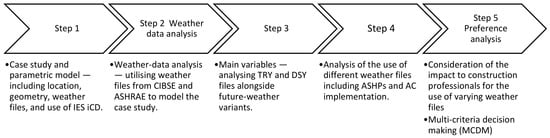
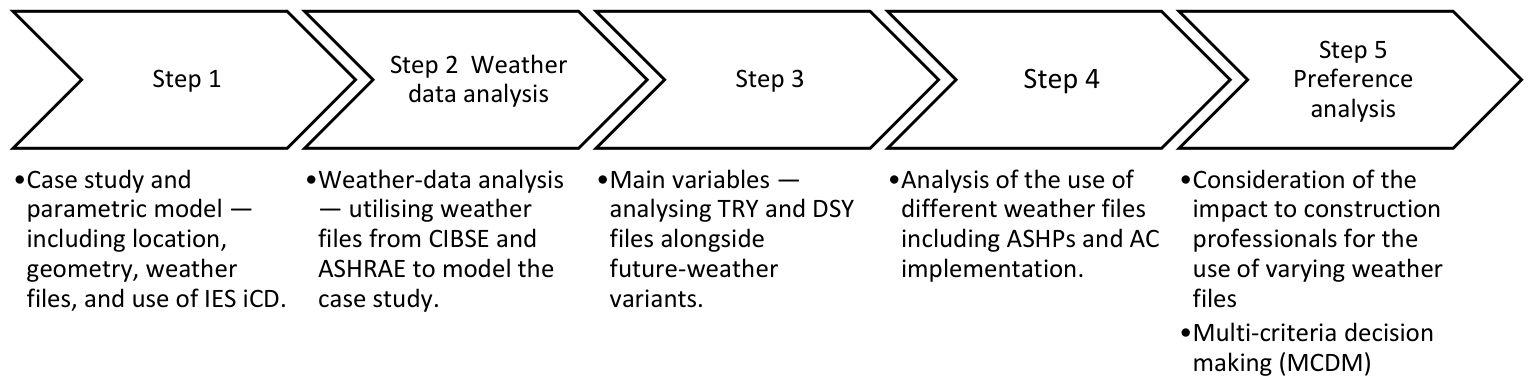
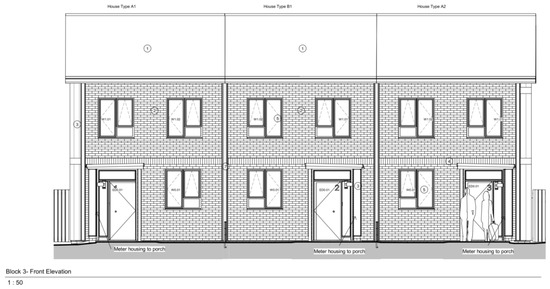
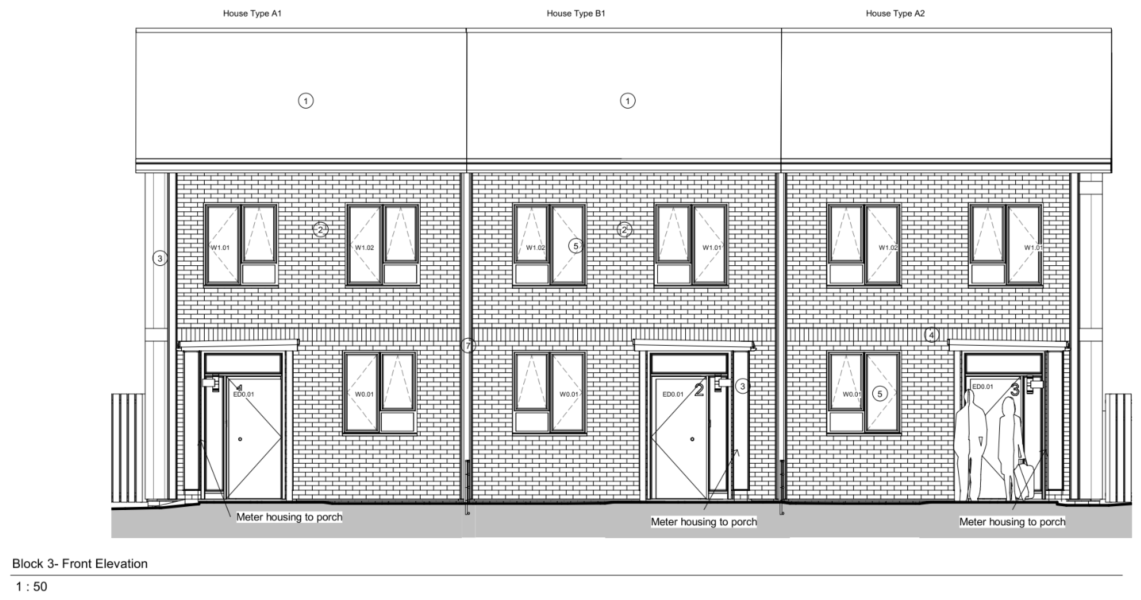
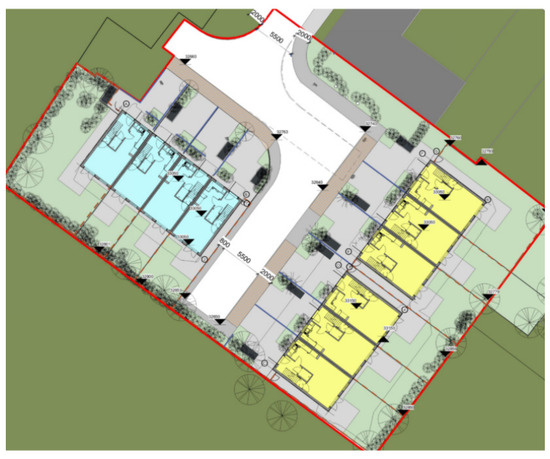
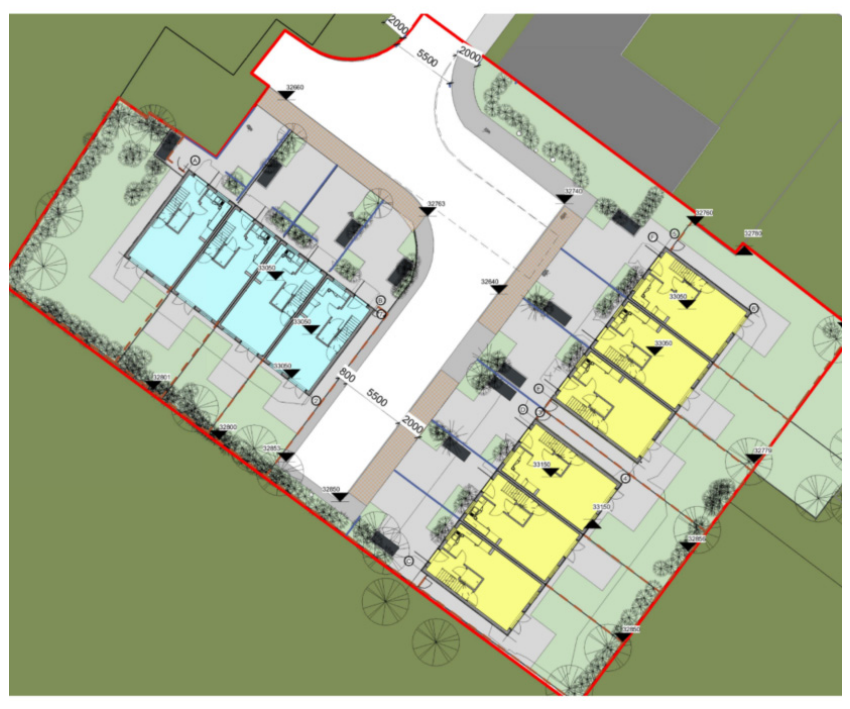
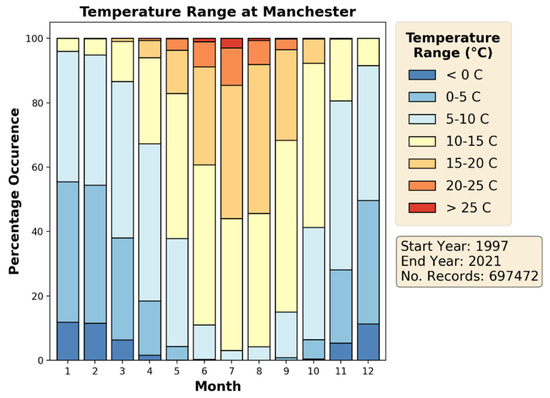
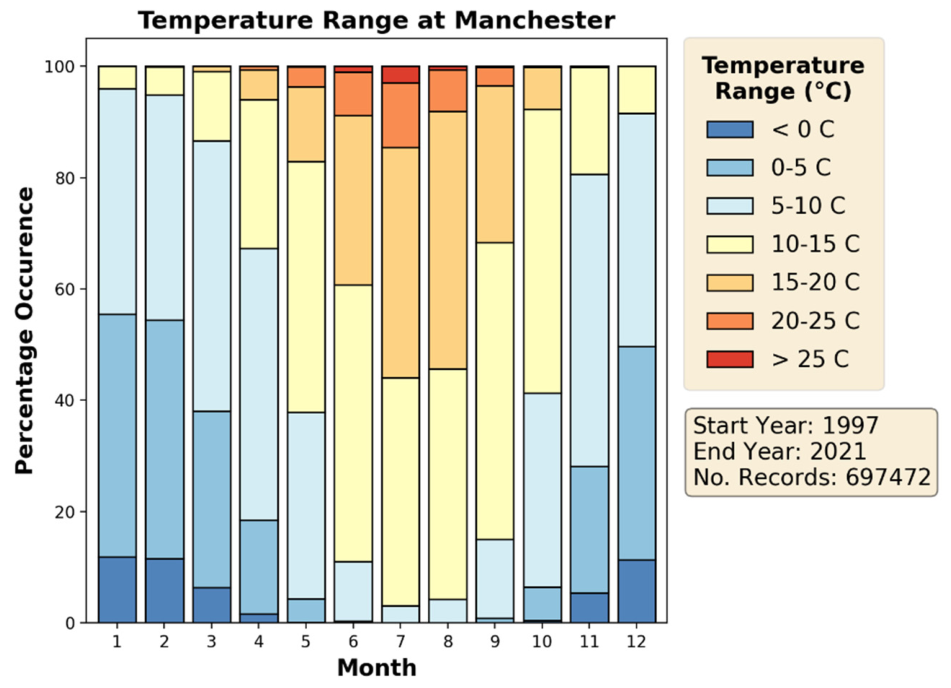
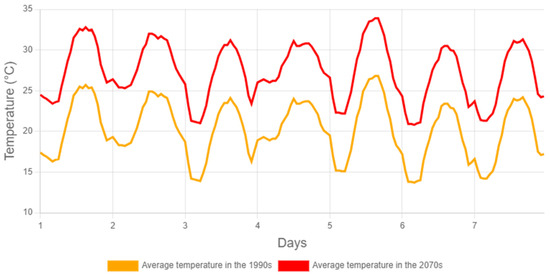
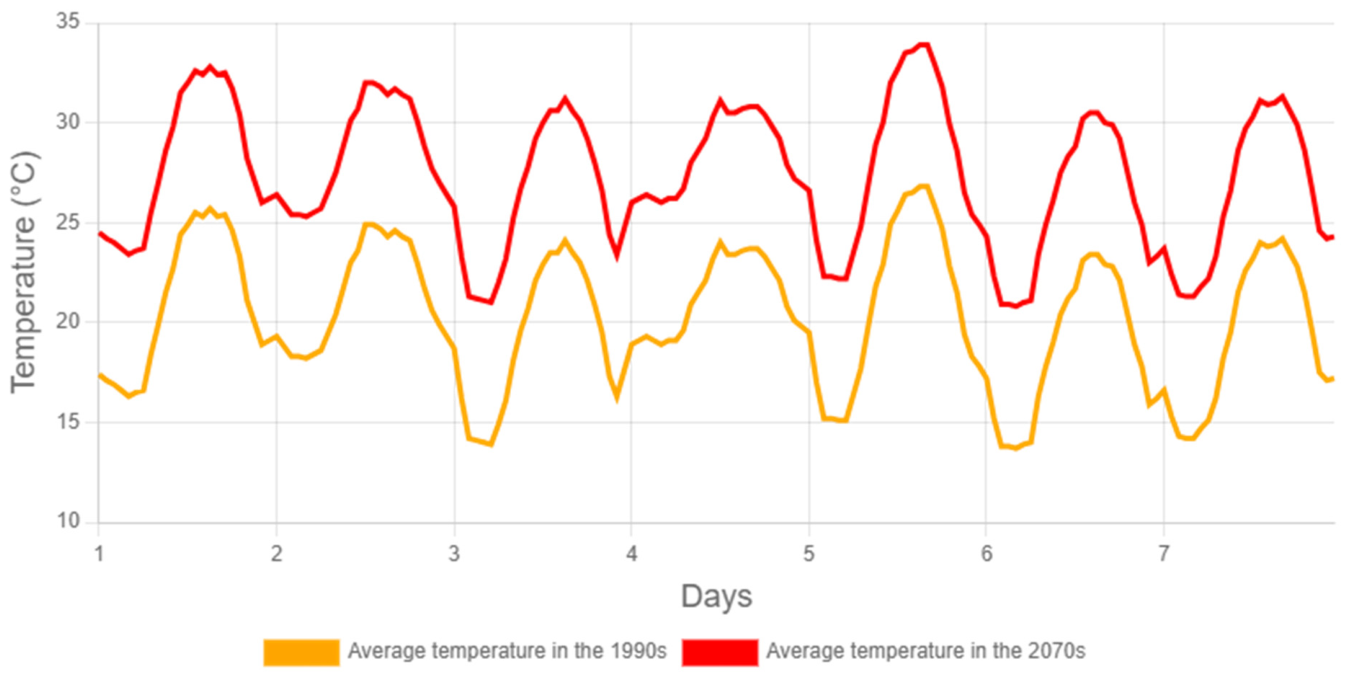
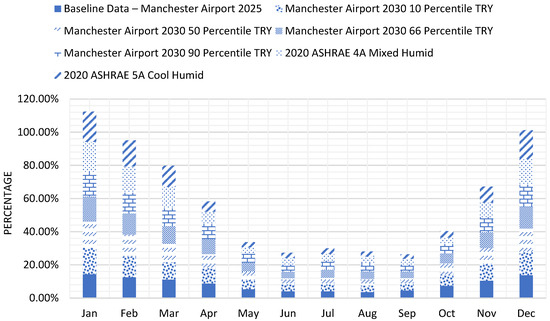
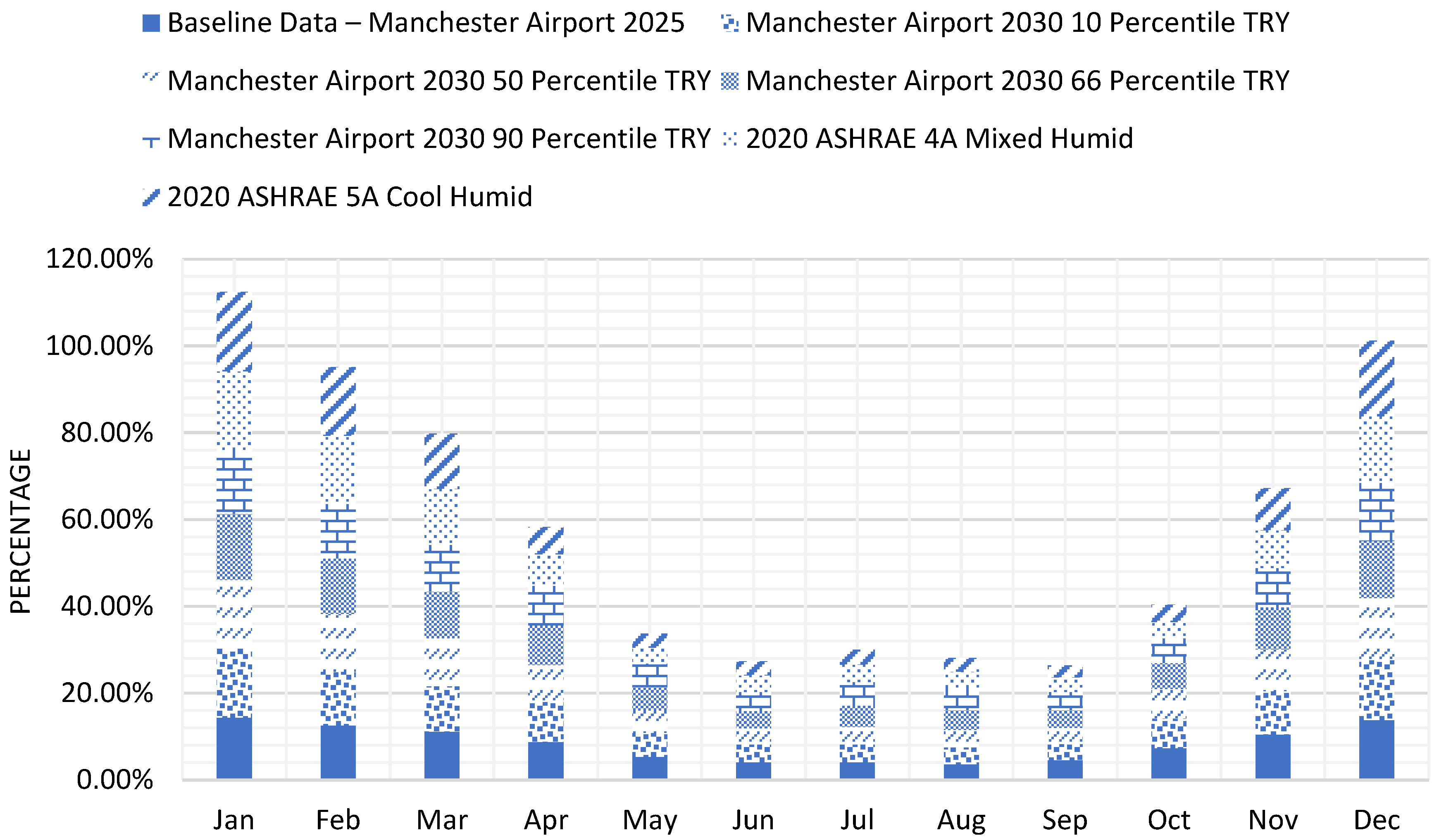
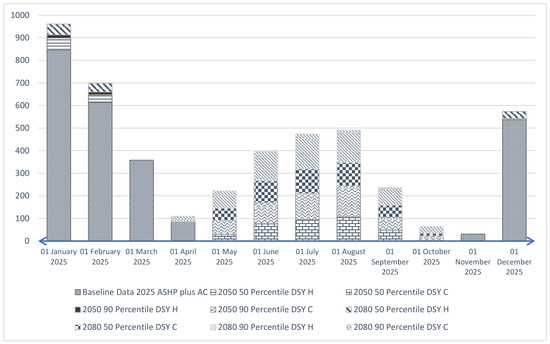
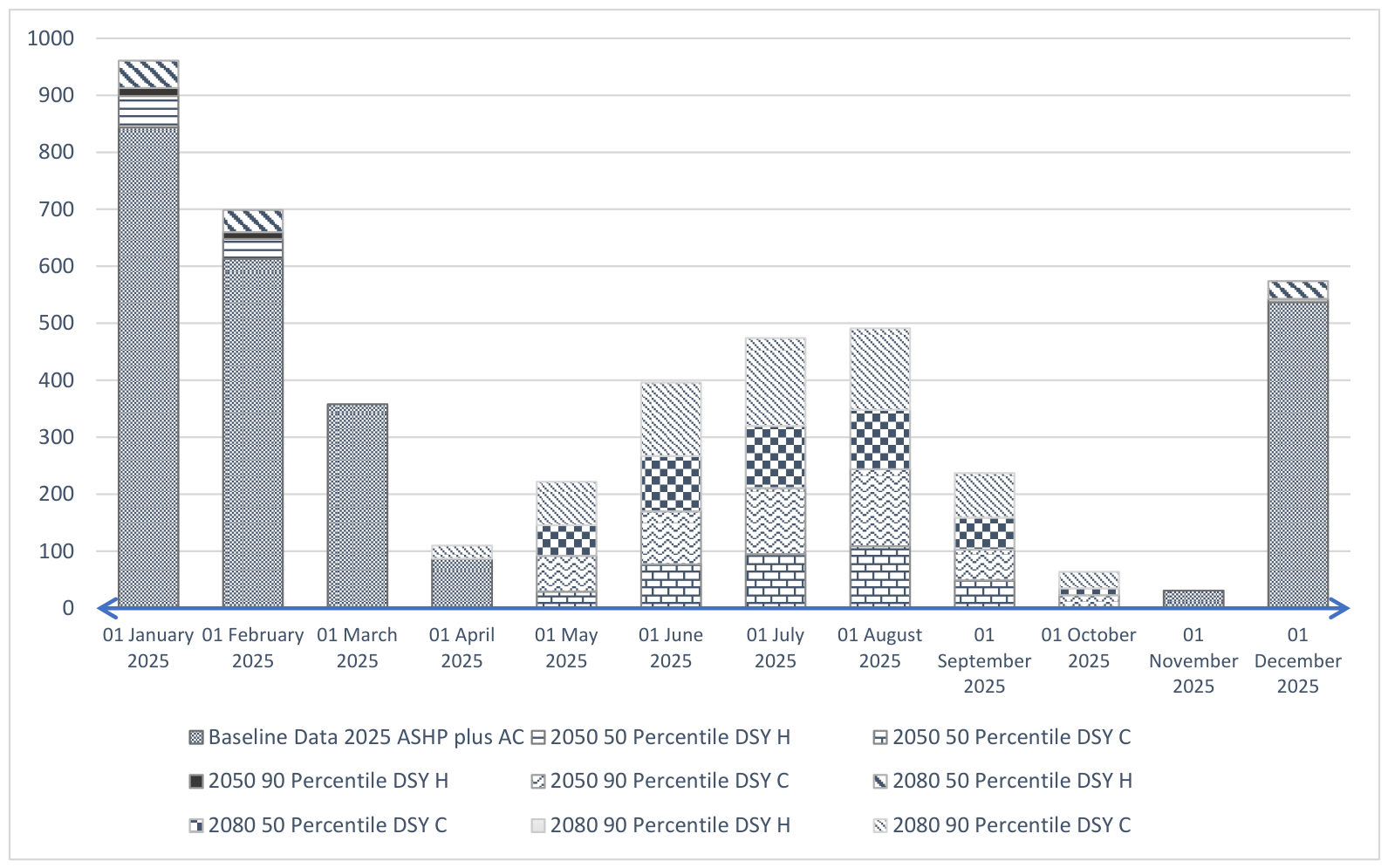
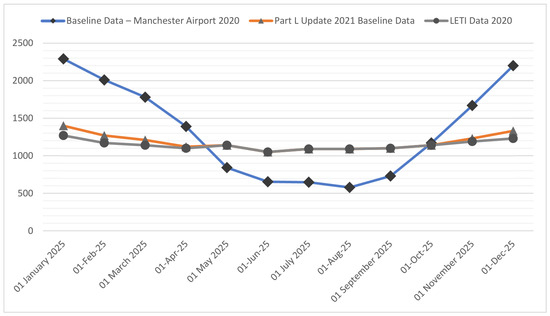
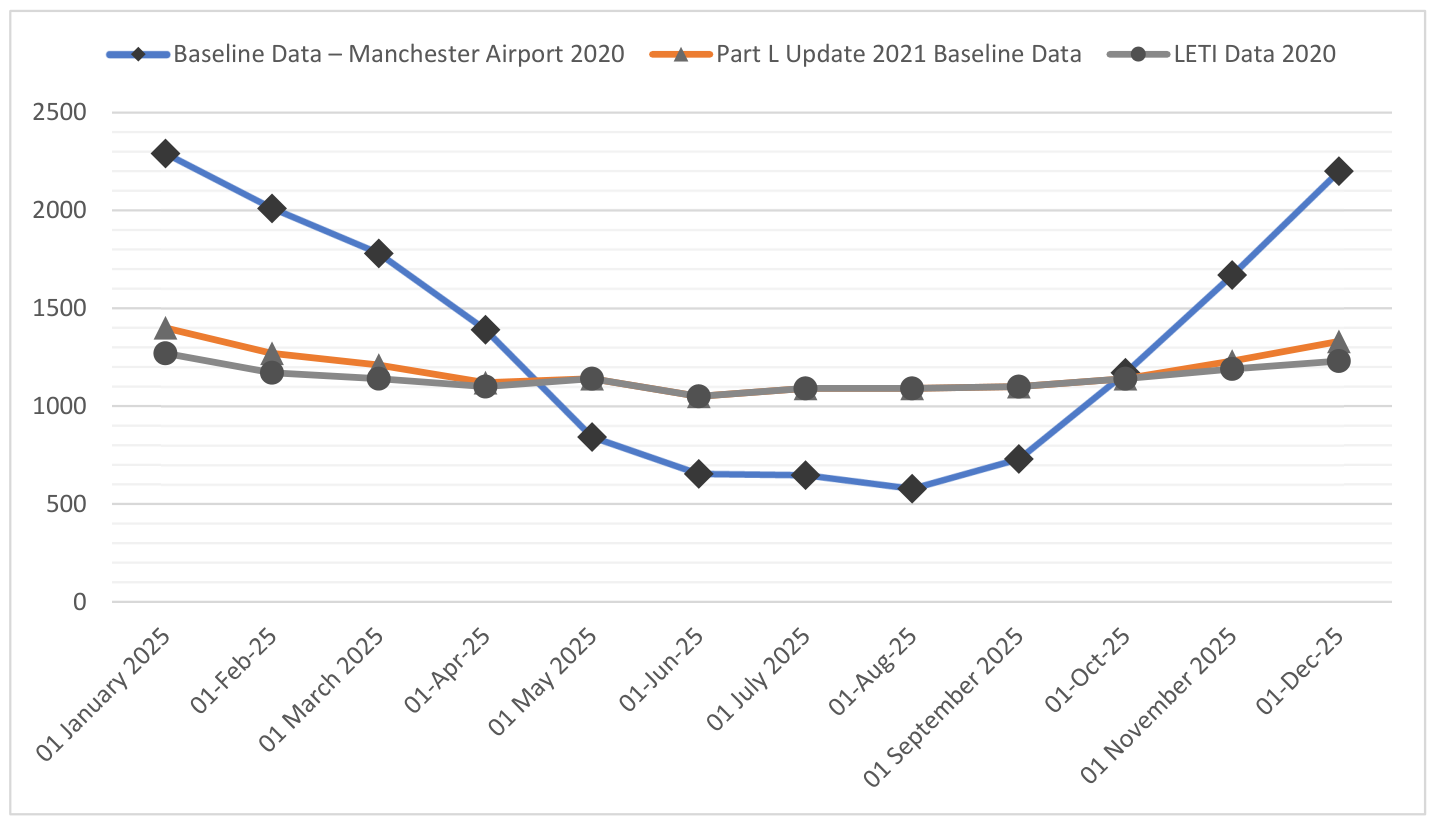
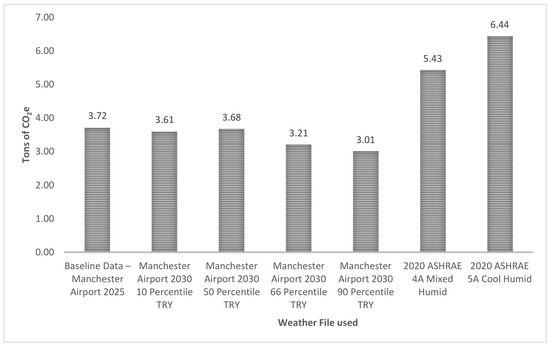
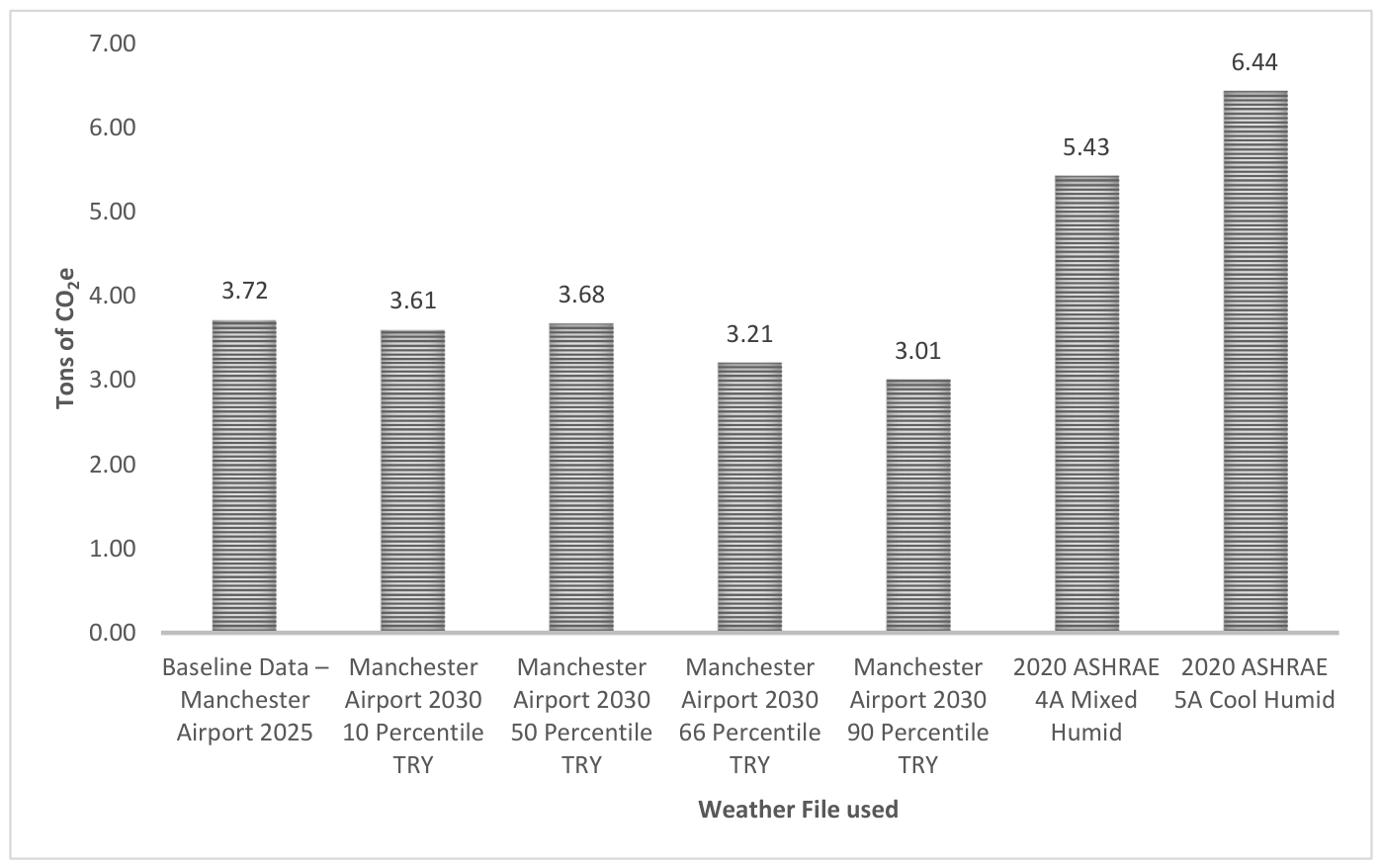
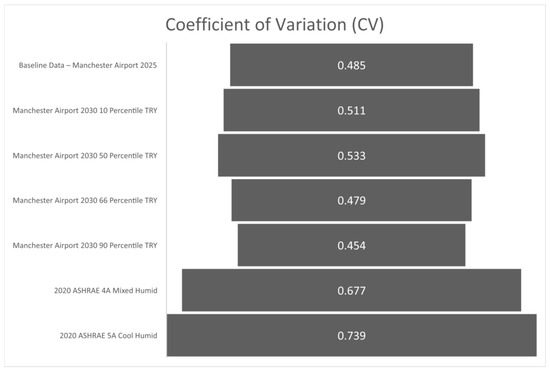
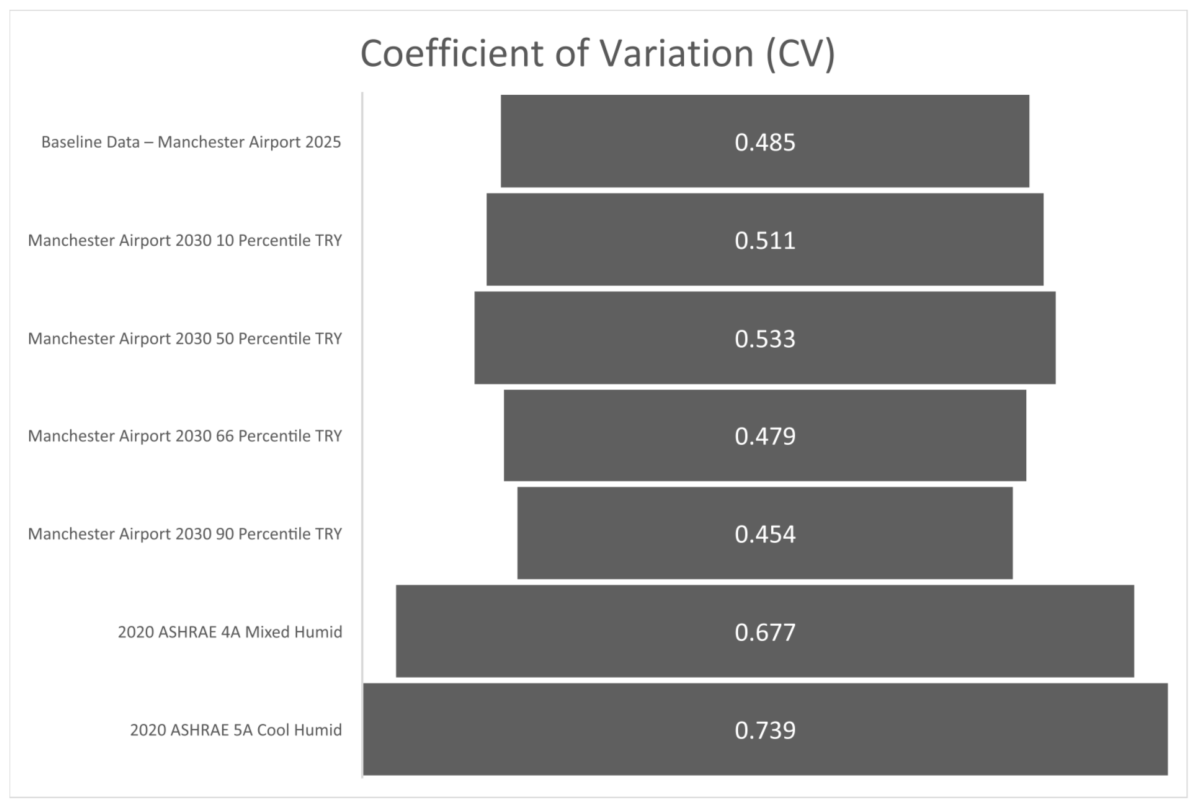
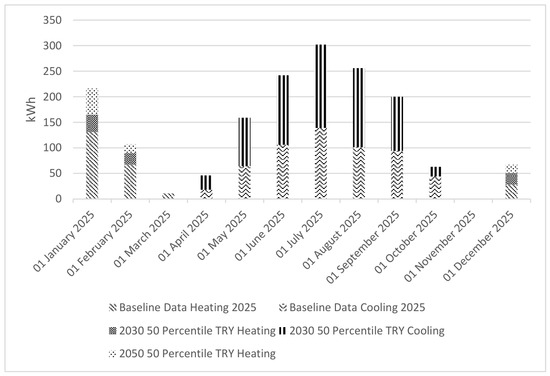
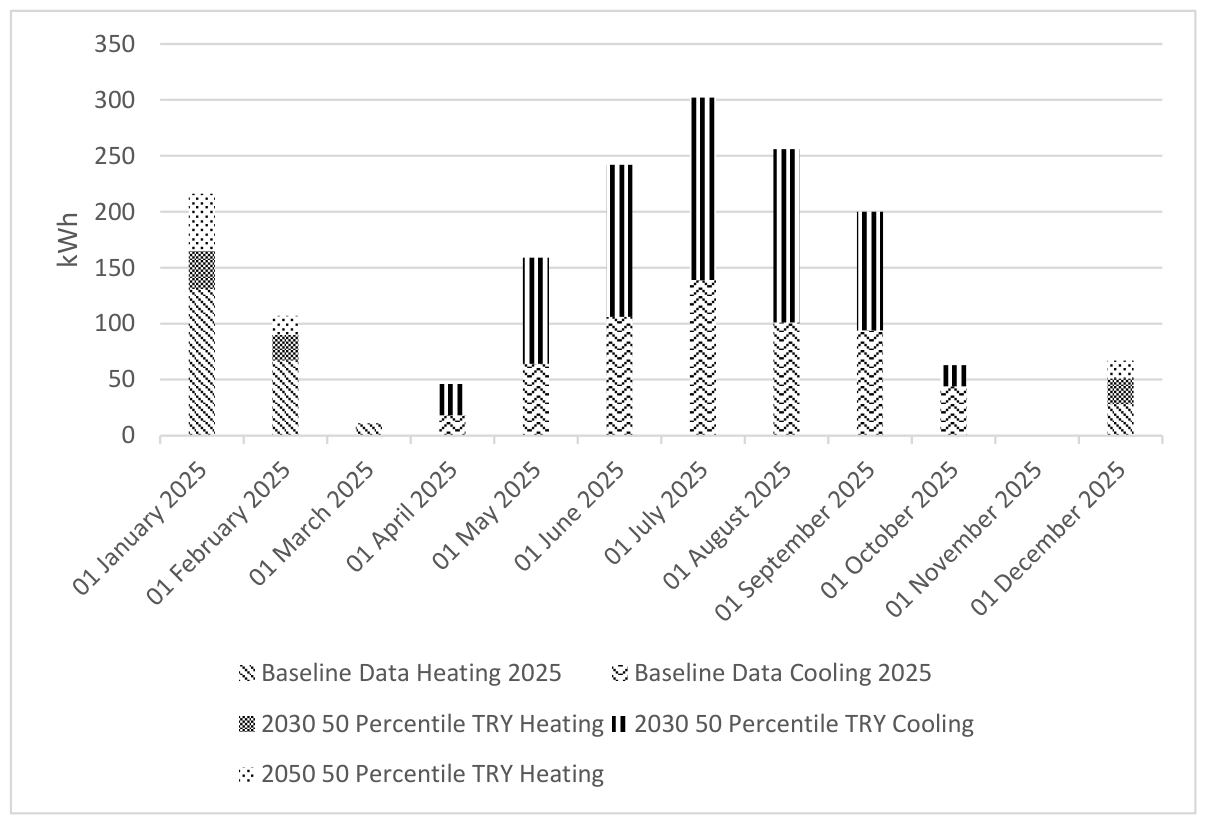
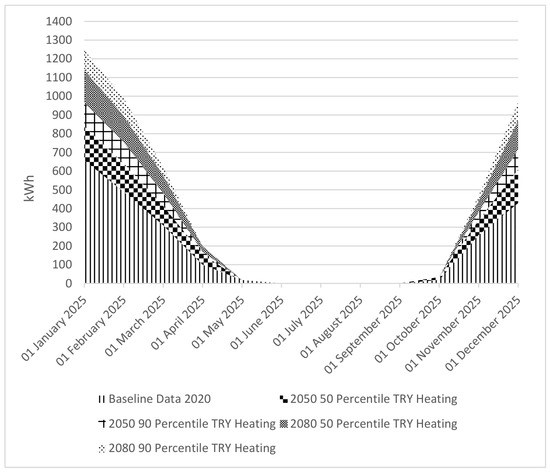
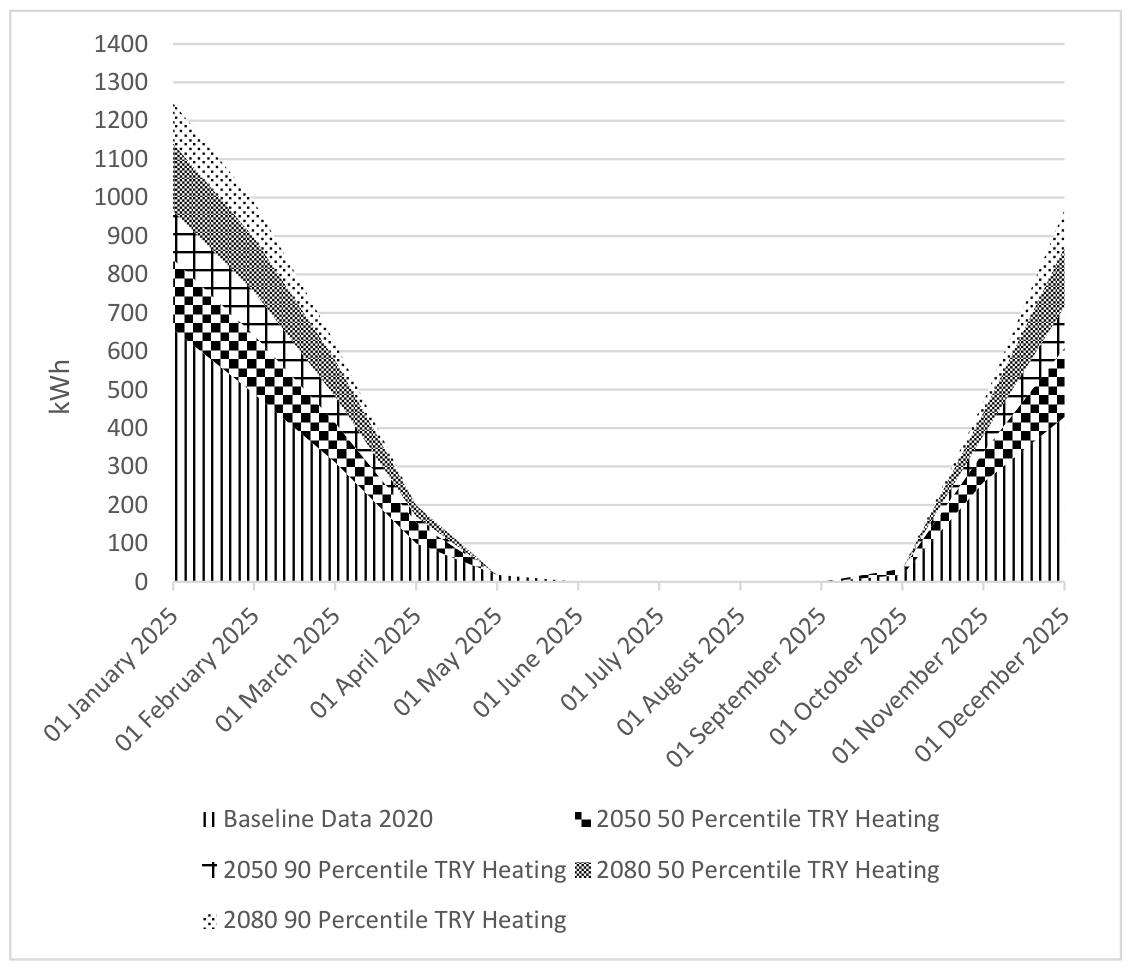
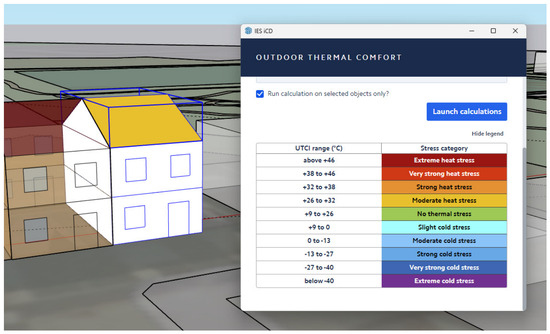
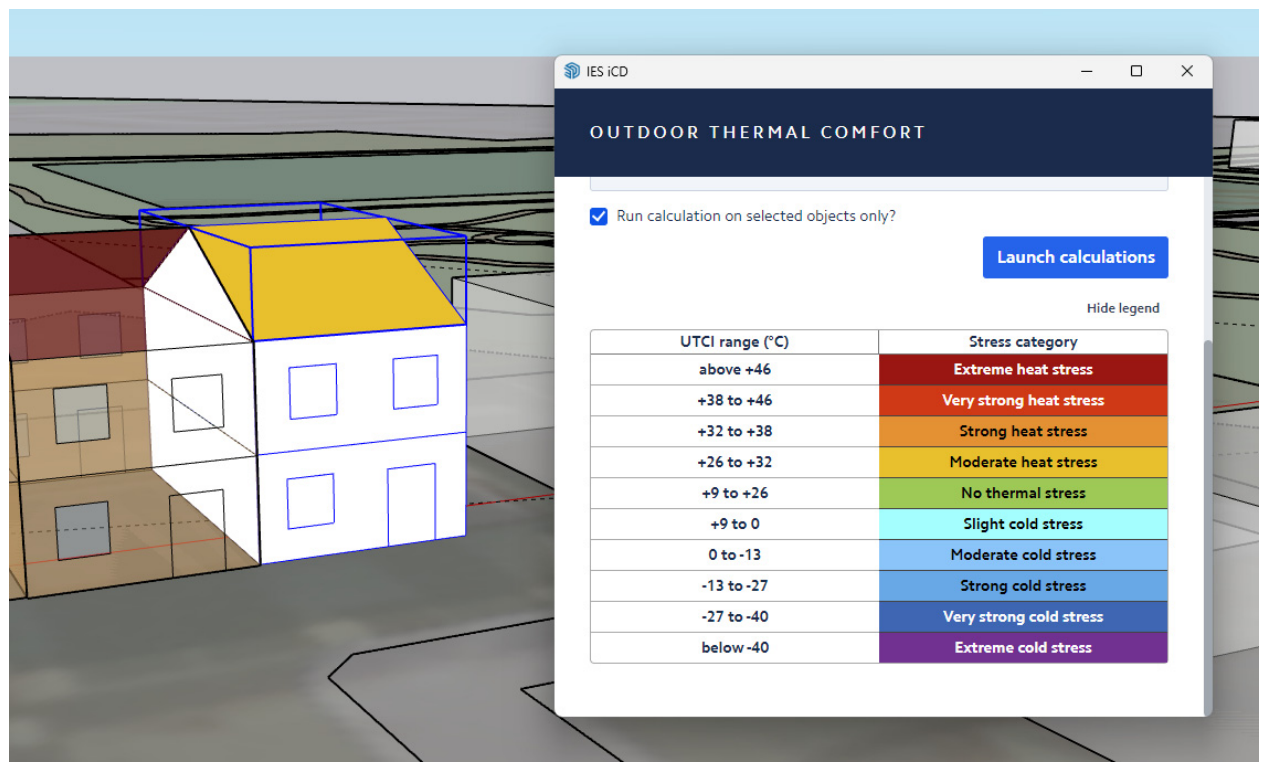
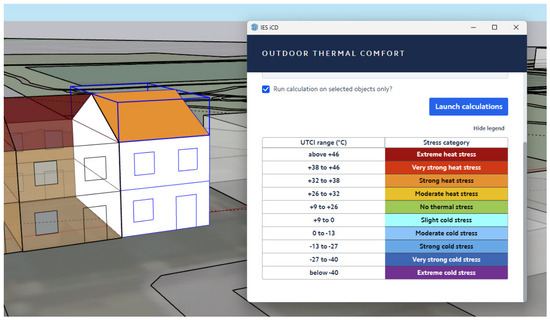
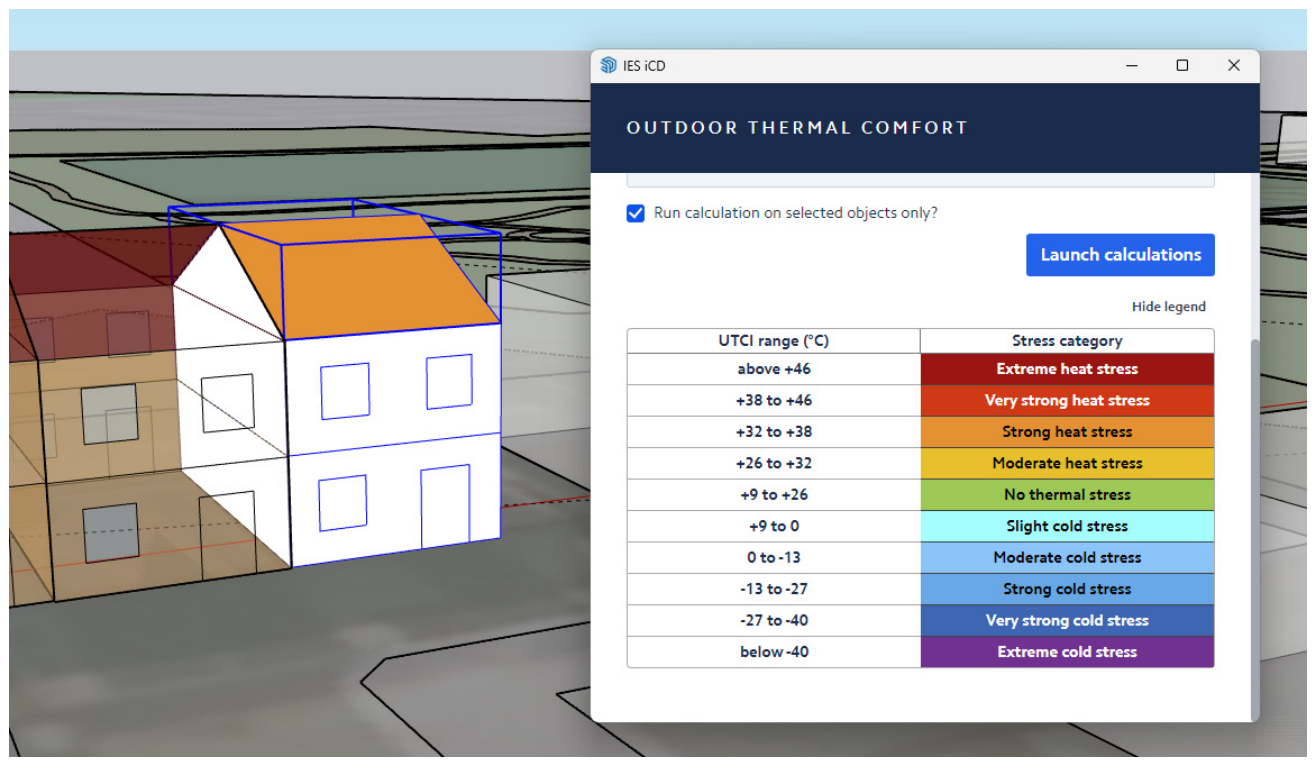
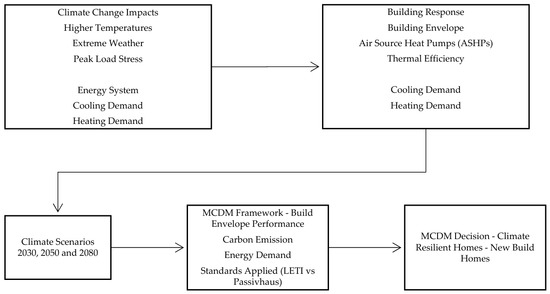
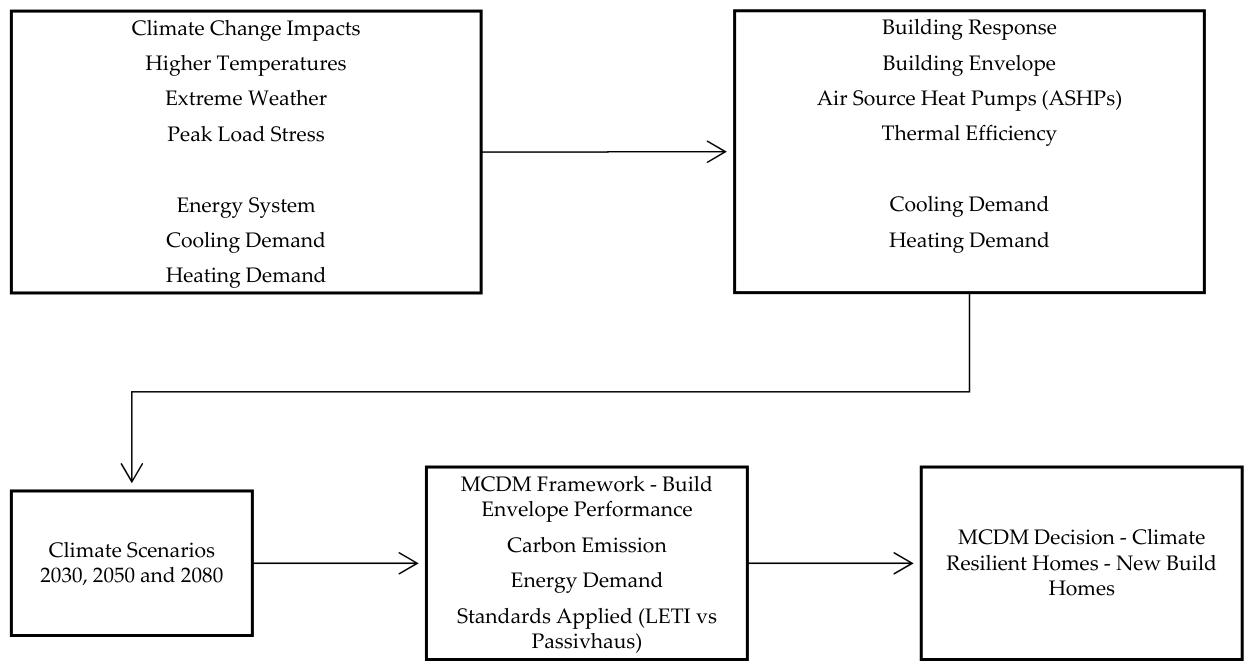
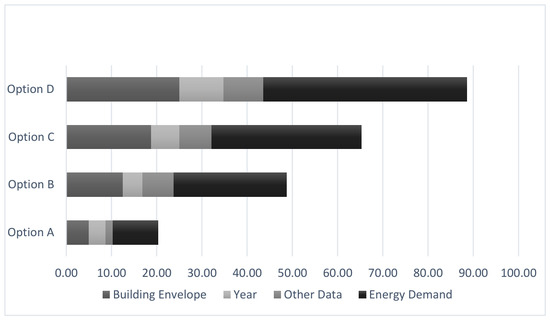
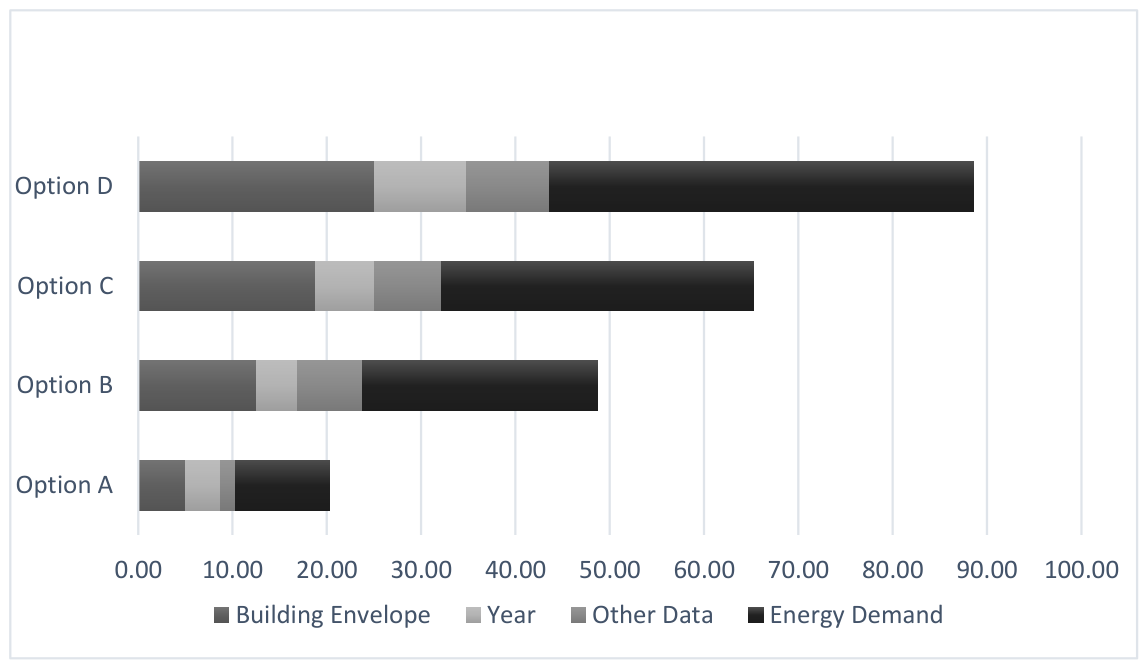

Disclaimer/Publisher’s Note: The statements, opinions and data contained in all publications are solely those of the individual author(s) and contributor(s) and not of MDPI and/or the editor(s). MDPI and/or the editor(s) disclaim responsibility for any injury to people or property resulting from any ideas, methods, instructions or products referred to in the content. |
© 2026 by the authors. Licensee MDPI, Basel, Switzerland. This article is an open access article distributed under the terms and conditions of the Creative Commons Attribution (CC BY) license.