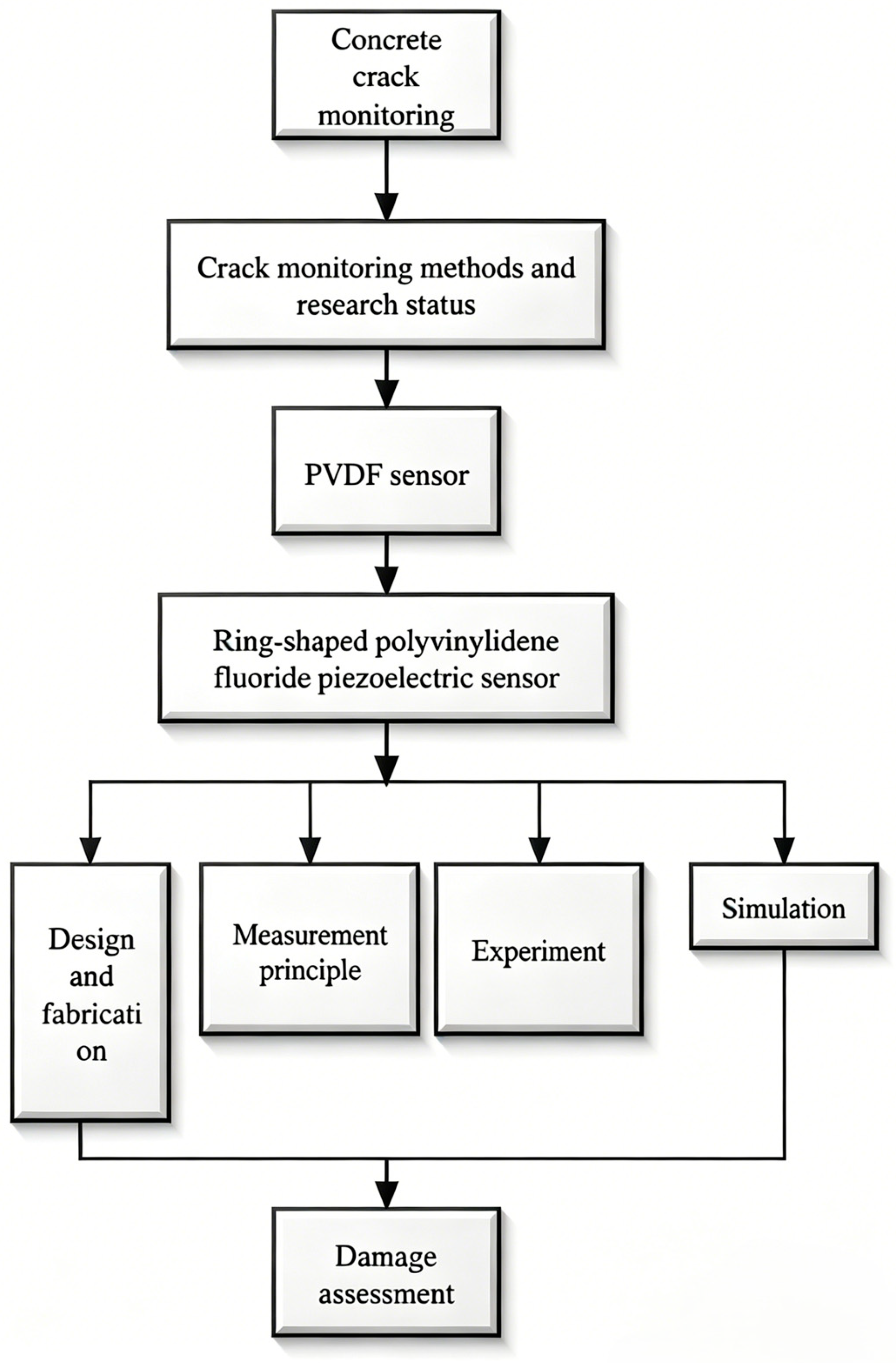
Ring-Shaped Polyvinylidene Fluoride Piezoelectric Sensor for Real-Time Surface Crack Monitoring in Reinforced Concrete Beams
Abstract
1. Introduction
- (1)
- Most sensors are unidirectional or single-point measurement, lacking an integrated multi-directional sensing mechanism, making it impossible to synchronously monitor crack width, angle, and morphology;
- (2)
- The mismatch between rigid piezoelectric materials and concrete deformation limits the monitoring range and stability for large-width cracks;
- (3)
- There is a lack of quantitative mapping models from voltage signals to multi-parameter crack features, leading to difficulties in accurate inversion of crack geometry;
- (4)
- Few studies establish a unified damage evaluation index coupling crack width, angle, and morphology, making quantitative assessment of structural damage incomplete.
2. Sensor Design and Monitoring Mechanism and Research Method for Defect Interaction
2.1. Fabrication of Ring-Shaped PVDF Sensor
- (1)
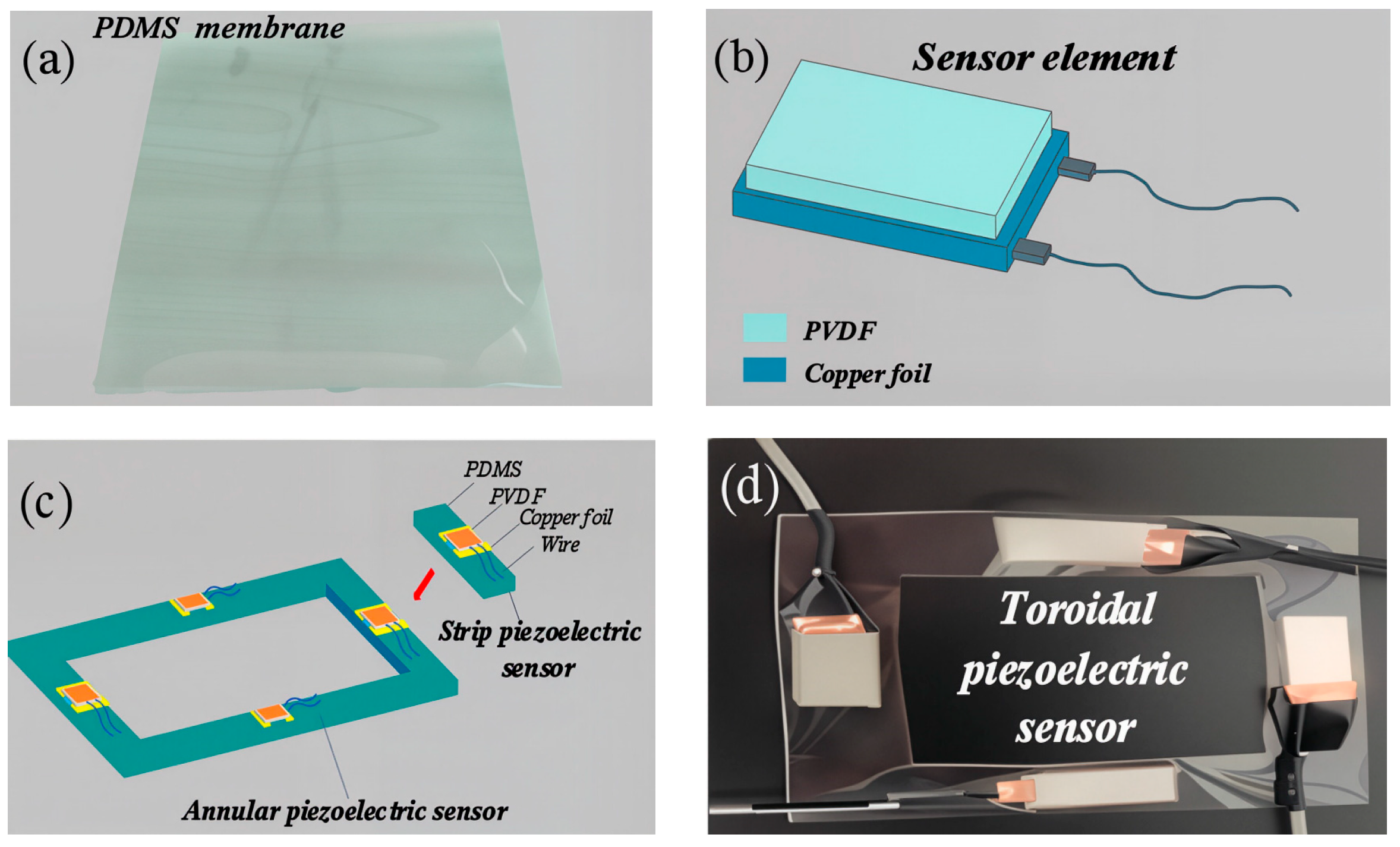
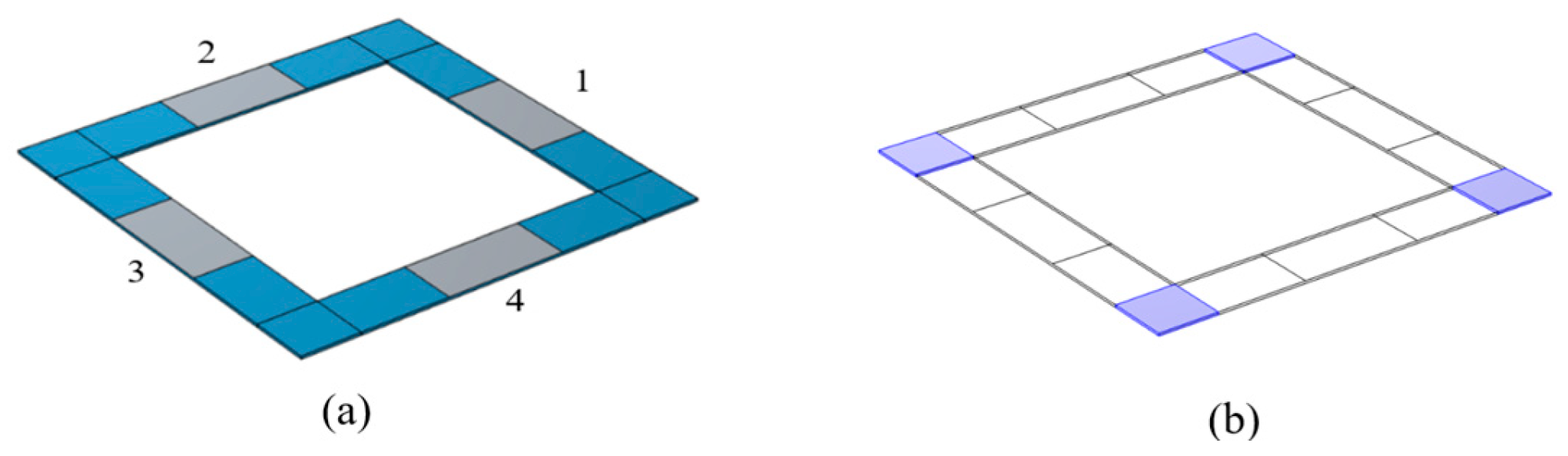
- A ring-shaped PDMS substrate was selected as the bottom layer of the sensor.
- (2)
- PVDF film was adhered to the center of the upper surface of the PDMS substrate using epoxy resin. The actual reasons for selecting epoxy resin are its high bonding strength, good waterproof sealing performance, stable insulation, and good compatibility with both PVDF and PDMS, which ensure reliable adhesion and protective sealing of the laminated sensor structure. Positioning the sensor at the center enhances its compatibility with the overall structure.
- (3)
- A silver layer with a thickness of 1 μm was deposited on the outer edge of the PVDF film.
- (4)
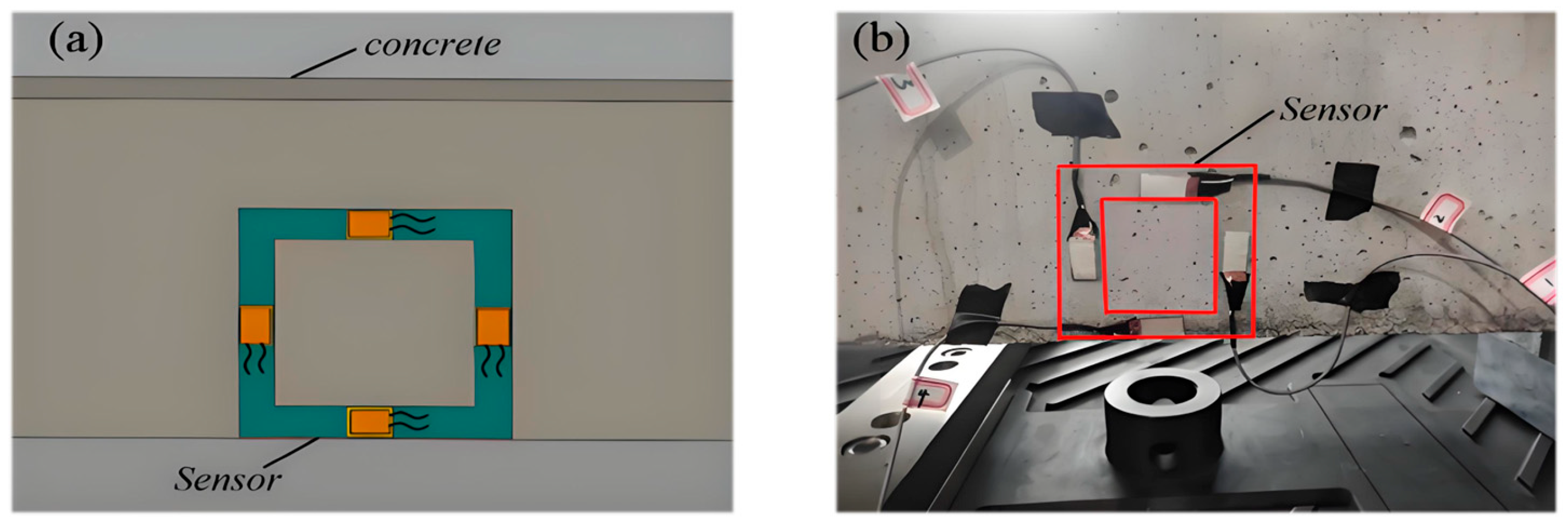
- One end of the PDMS substrate was affixed with a shielding wire using copper-foil conductive tape, while the other end was connected to the electroplated silver surface and led to the shielding wire. The dimensions of the PVDF film are 1 cm × 2 cm, with a thickness of 28 μm. The outer ring has a side length of 7 cm, while the inner ring has a side length of 5 cm and a thickness of 500 μm.

2.2. Monitoring Mechanism of RC Beam Surface Cracks Based on PVDF Ring Piezoelectric Sensor
- (1)
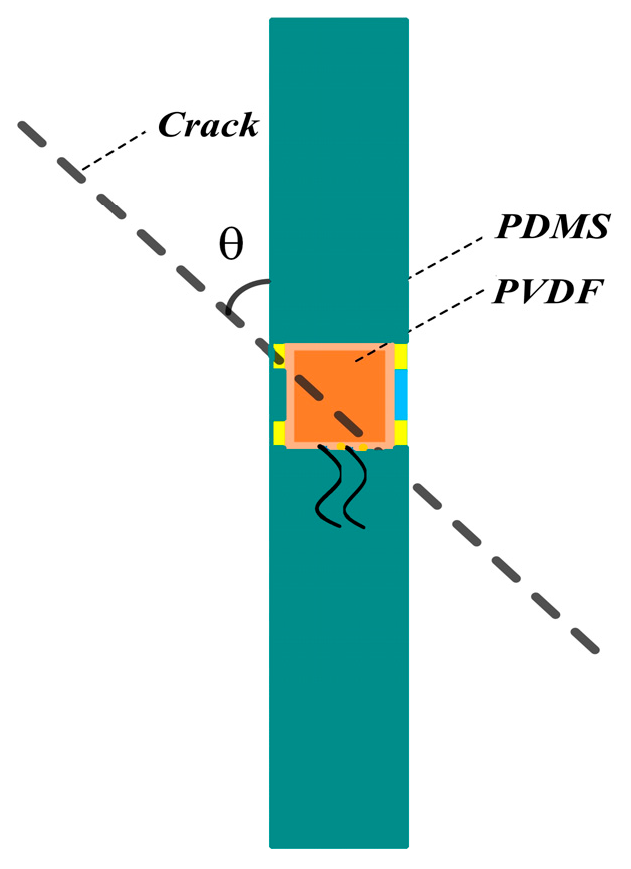
- Beam bottom surface crack monitoring
- (2)
- Beam side crack monitoring
3. Experiment
3.1. Experiment Preparation
3.2. Experiment Process
3.3. Experimental Result
3.4. Finite Element Verification
3.4.1. Corrosion Depth and Axial Spacing
3.4.2. Analysis of Experiment and Simulation Results
4. Crack Damage Index Analysis
4.1. Numerical Test of Crack Damage Index
4.2. Results and Analysis
5. Conclusions
- (1)
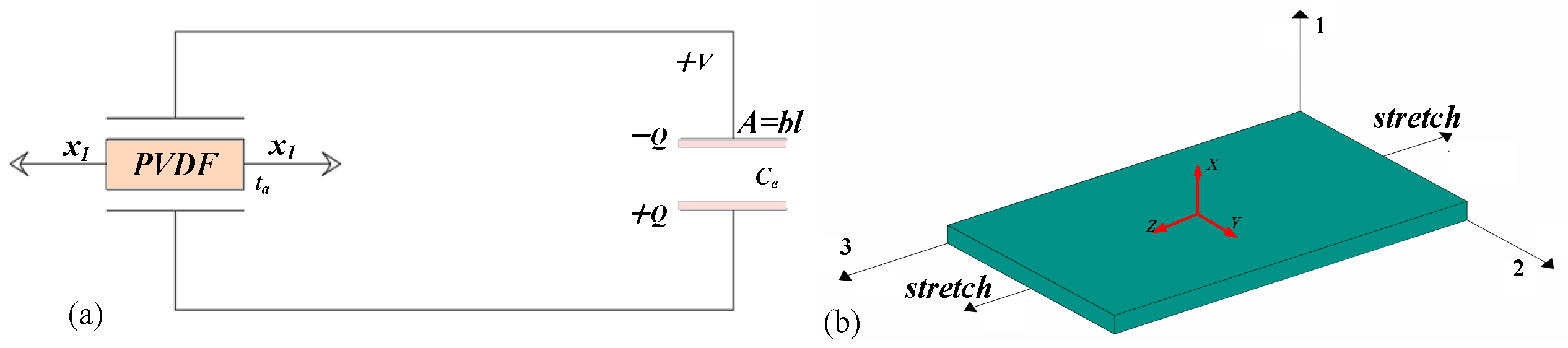
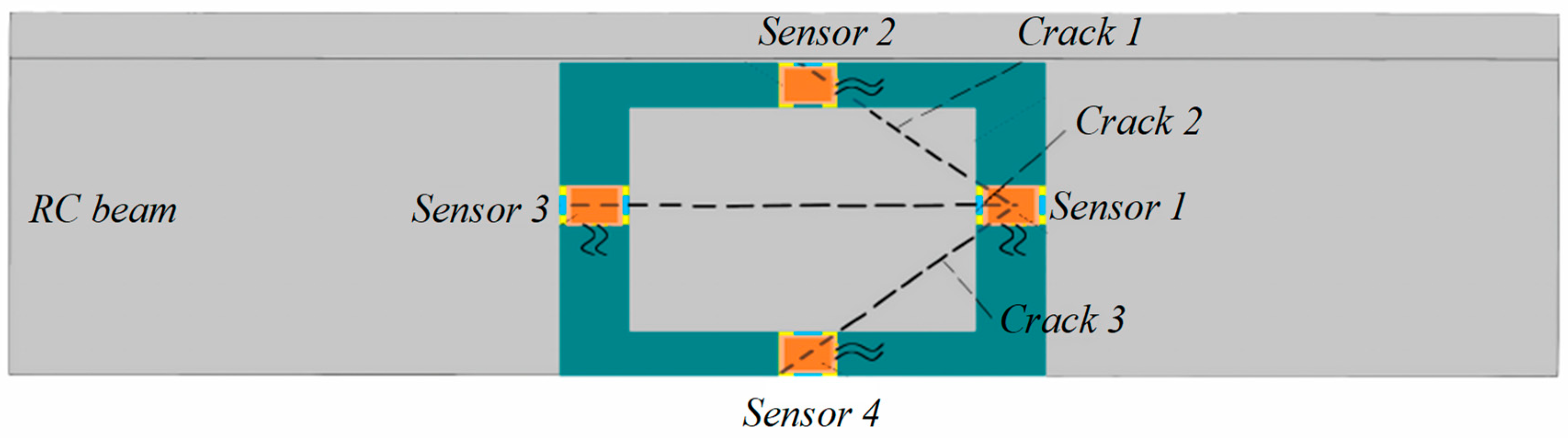
- The developed ring-shaped piezoelectric sensor effectively increases the strain range by superimposition of two materials, PVDF and PDMS. Meanwhile, the ring-shaped sensor was split into four strip units for structural analysis. Based on an in-depth study of the strip sensor’s monitoring mechanism, a novel ring-shaped piezoelectric sensing mechanism was proposed to achieve real-time monitoring of cracks on the bottom and sides of the RC beam.
- (2)
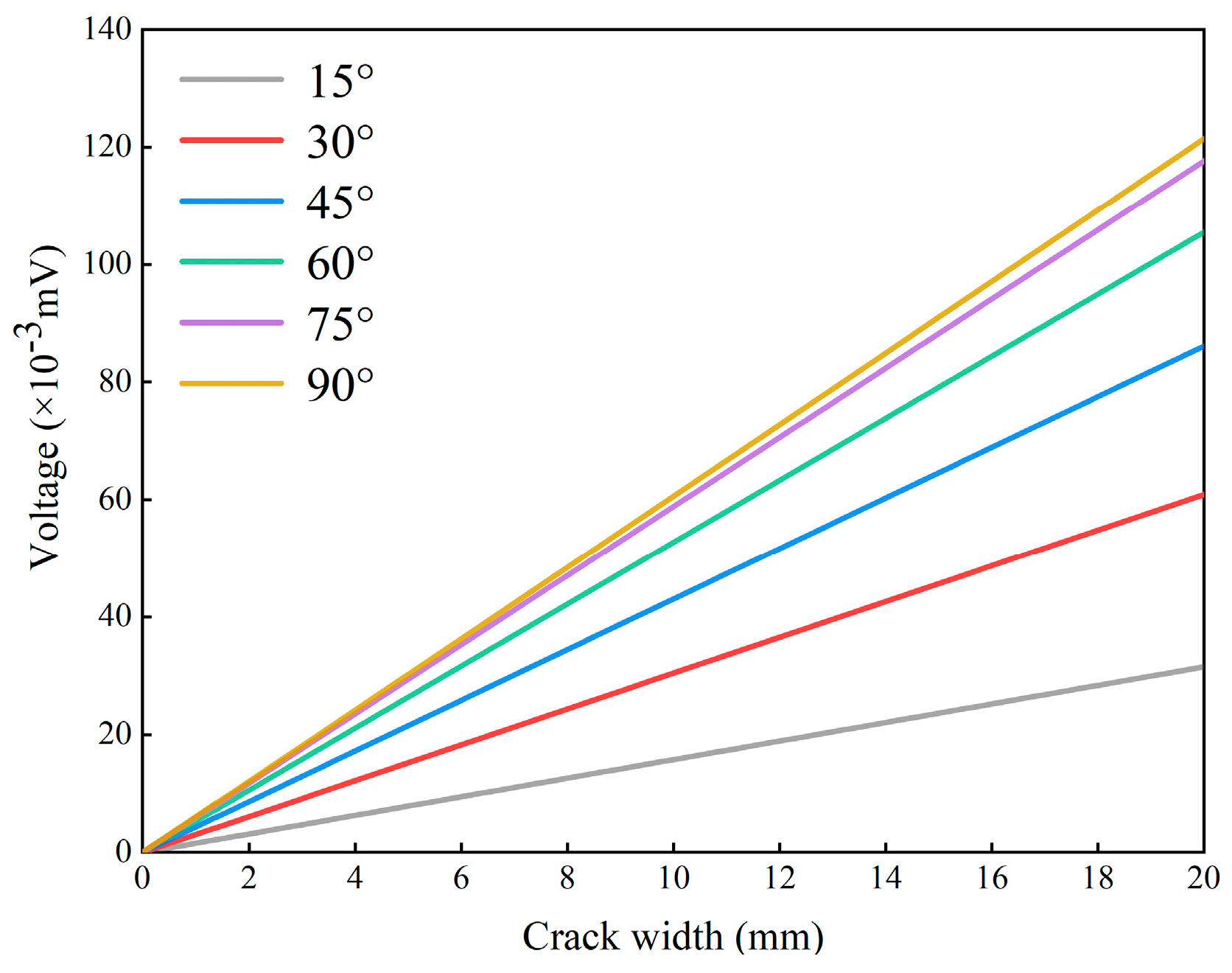
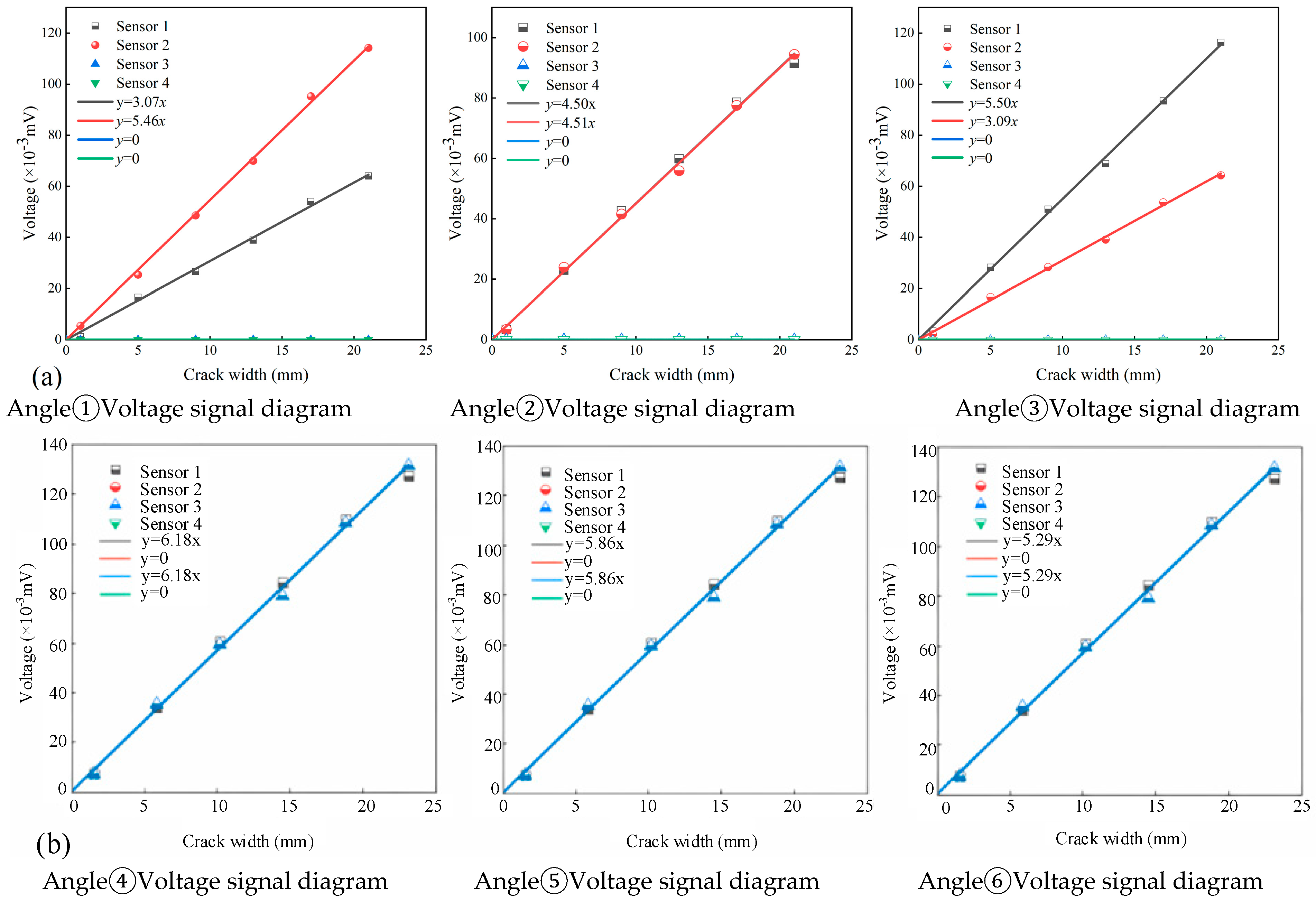
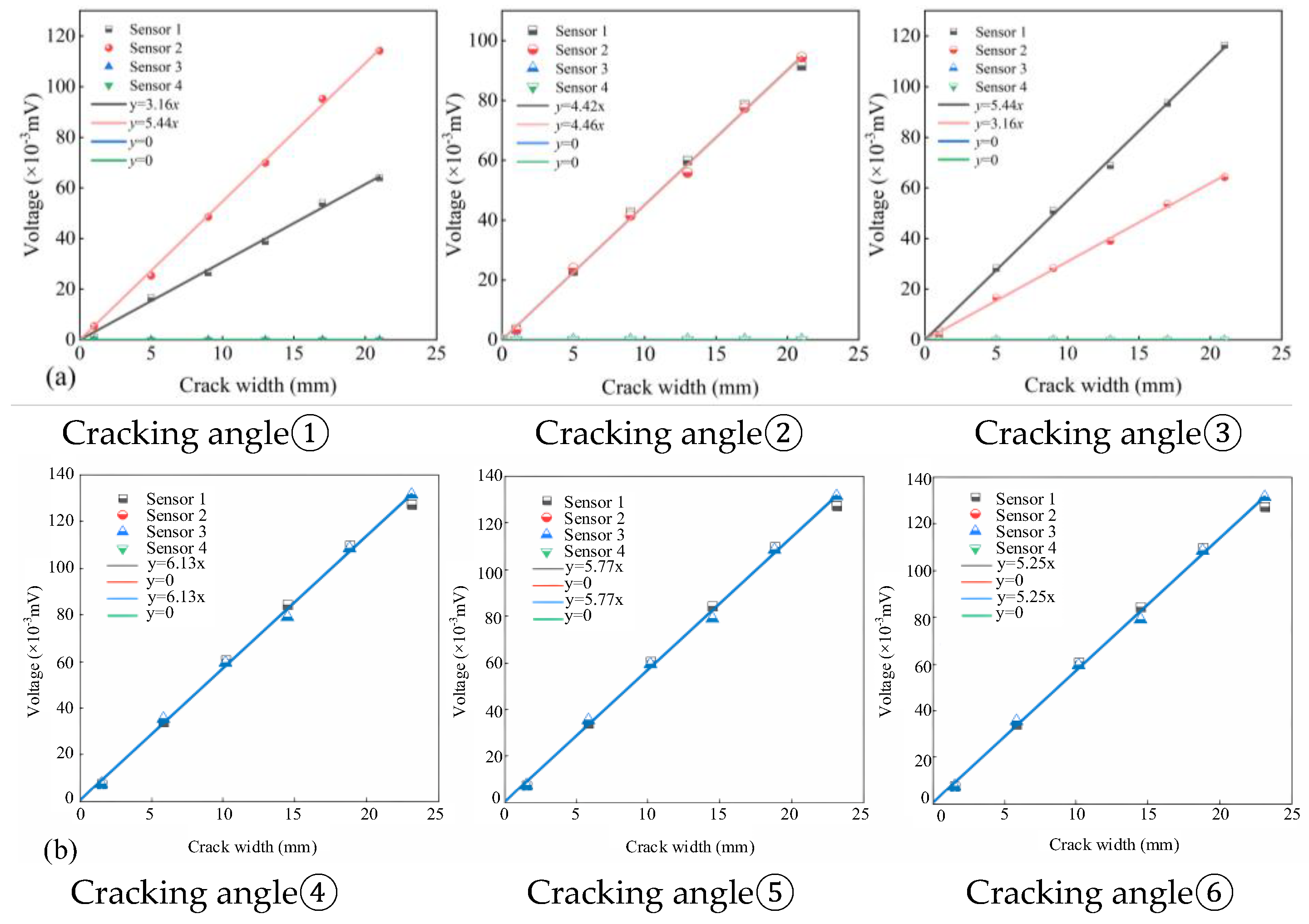
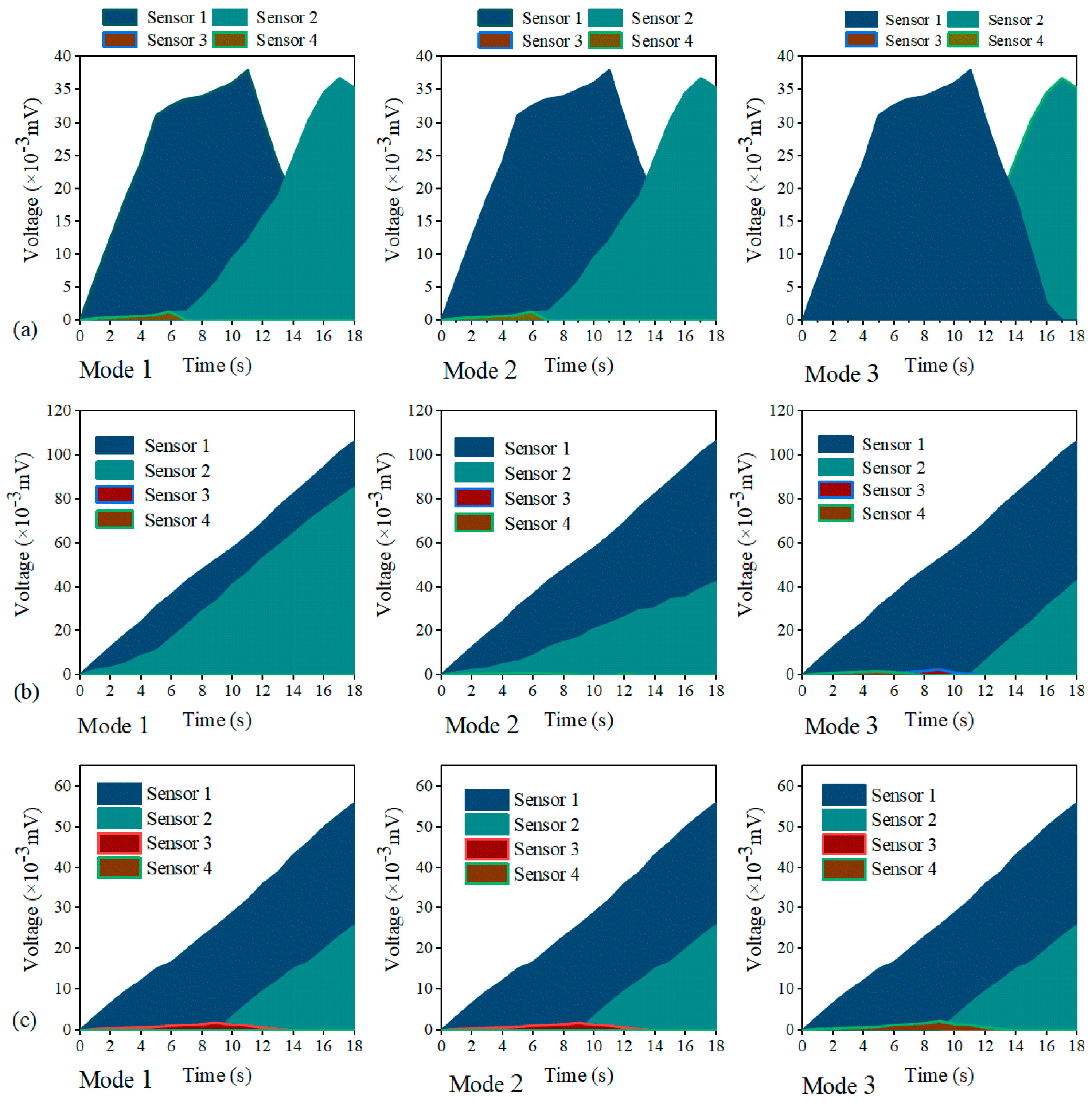
- In the monitoring experiment of reinforced concrete beam cracks, the ring piezoelectric sensor exhibits a rapid response. Specifically, the voltage signal increases as the crack width enlarges, and notable differences are observed in the reactions corresponding to various crack widths. At a constant width, it is observed that the voltage signal decreases as the cracking angle is reduced. For instance, when the crack width measures 9 mm, the recorded voltage signals at angles of 60°, 45°, and 30 ° are 0.045 mV, 0.041 mV, and 0.023 mV, respectively. The experimental results verify the sensitivity and reliability of the ring piezoelectric sensor in crack monitoring.
- (3)
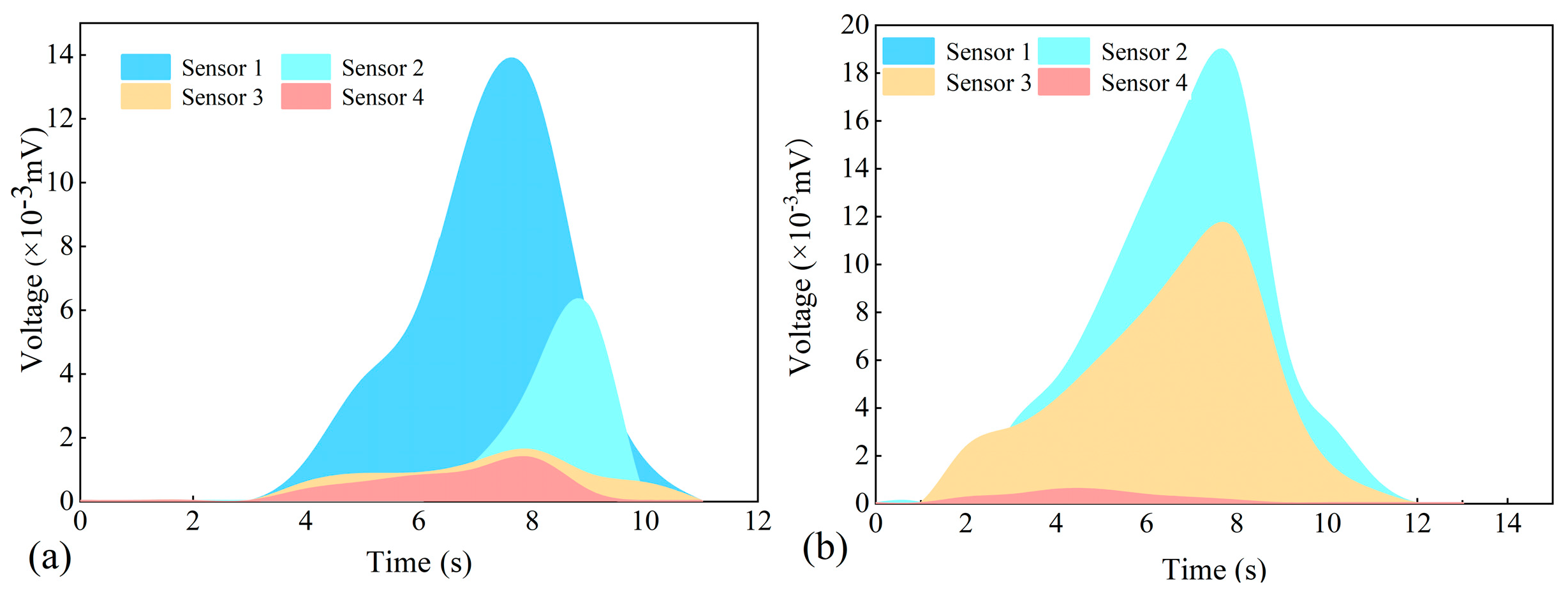
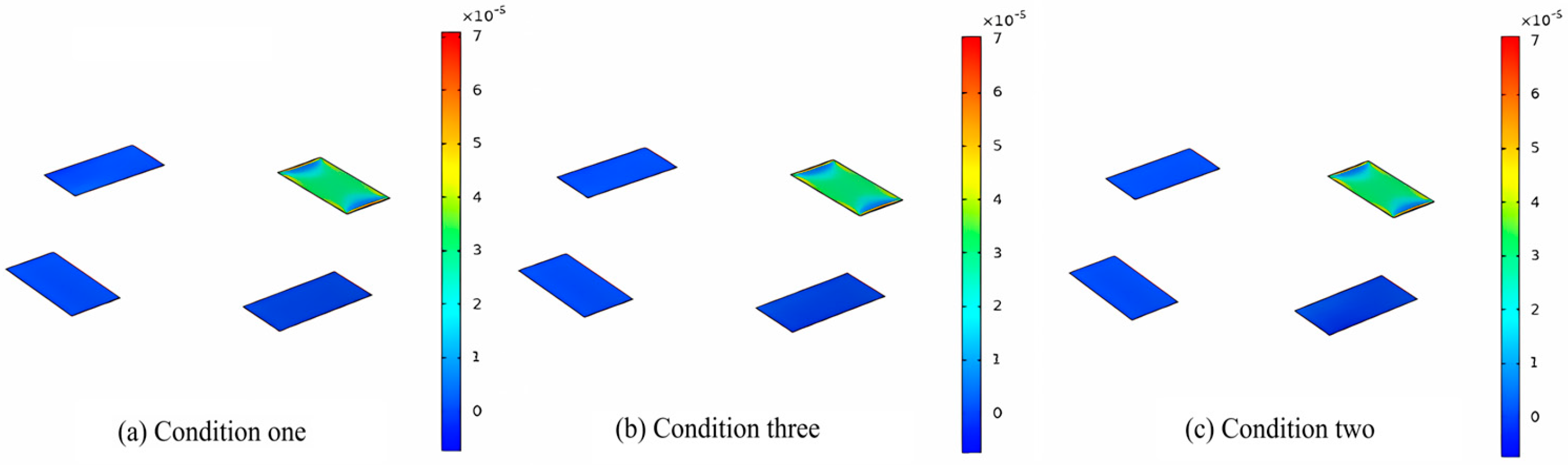
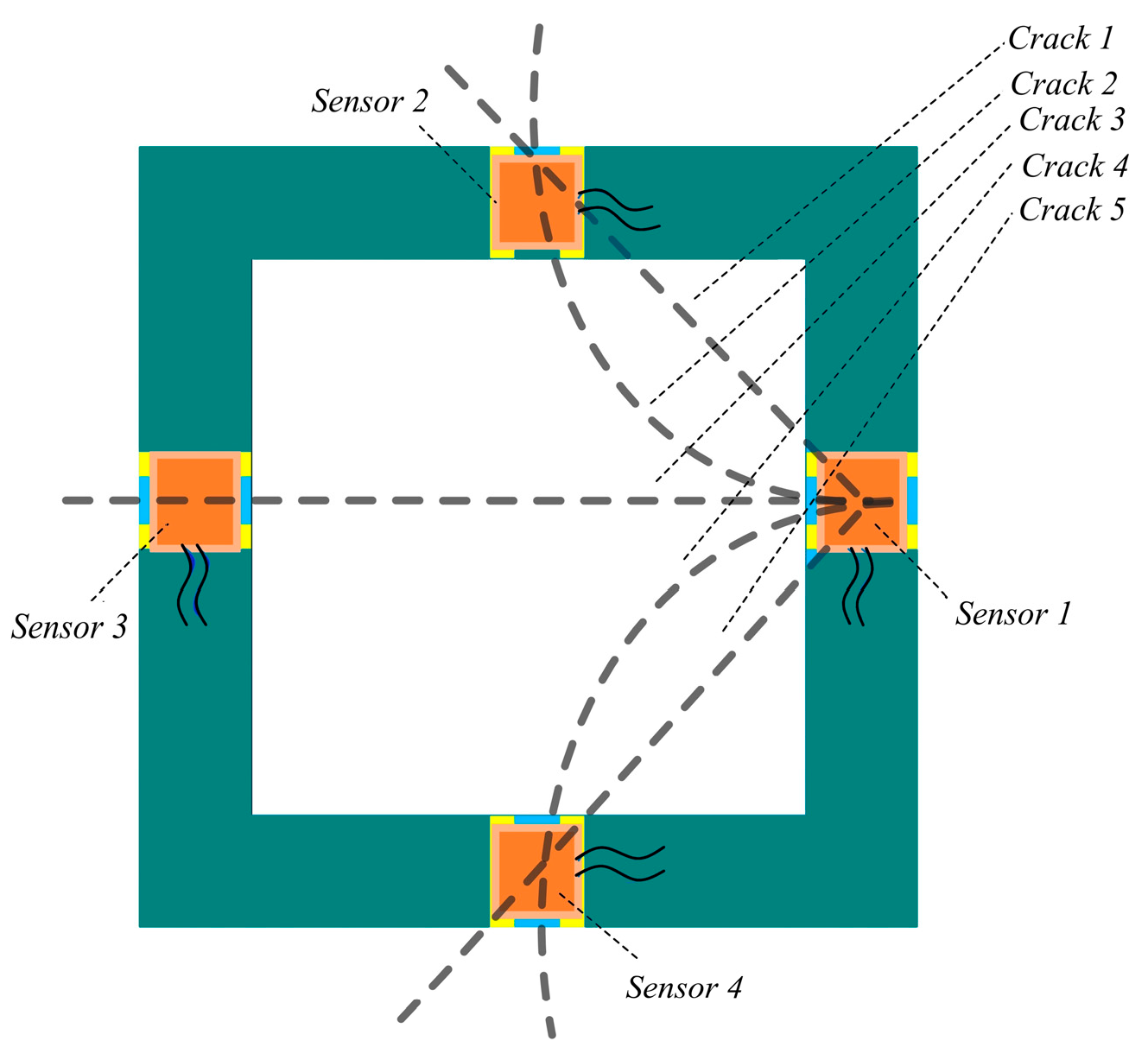
- In the simulation process, the results obtained for the crack at the bottom of the beam demonstrate a strong correlation with experimental data. The voltage signals corresponding to both cracks exhibit a gradual increase as the width of the cracks develops. Additionally, an analysis of the first three propagation modes of side cracks in the beam reveals that their peak voltage signal values are 0.110 mV, 0.037 mV, and 0.055 mV, respectively. The findings indicate that while the second crack propagates more slowly than both the first and third cracks, it incurs more severe structural damage and elicits a more intense response. The simulation of the experimental data verifies the reliability of the experimental results, and the feasibility of the ring piezoelectric sensing mechanism is further verified.
- (4)
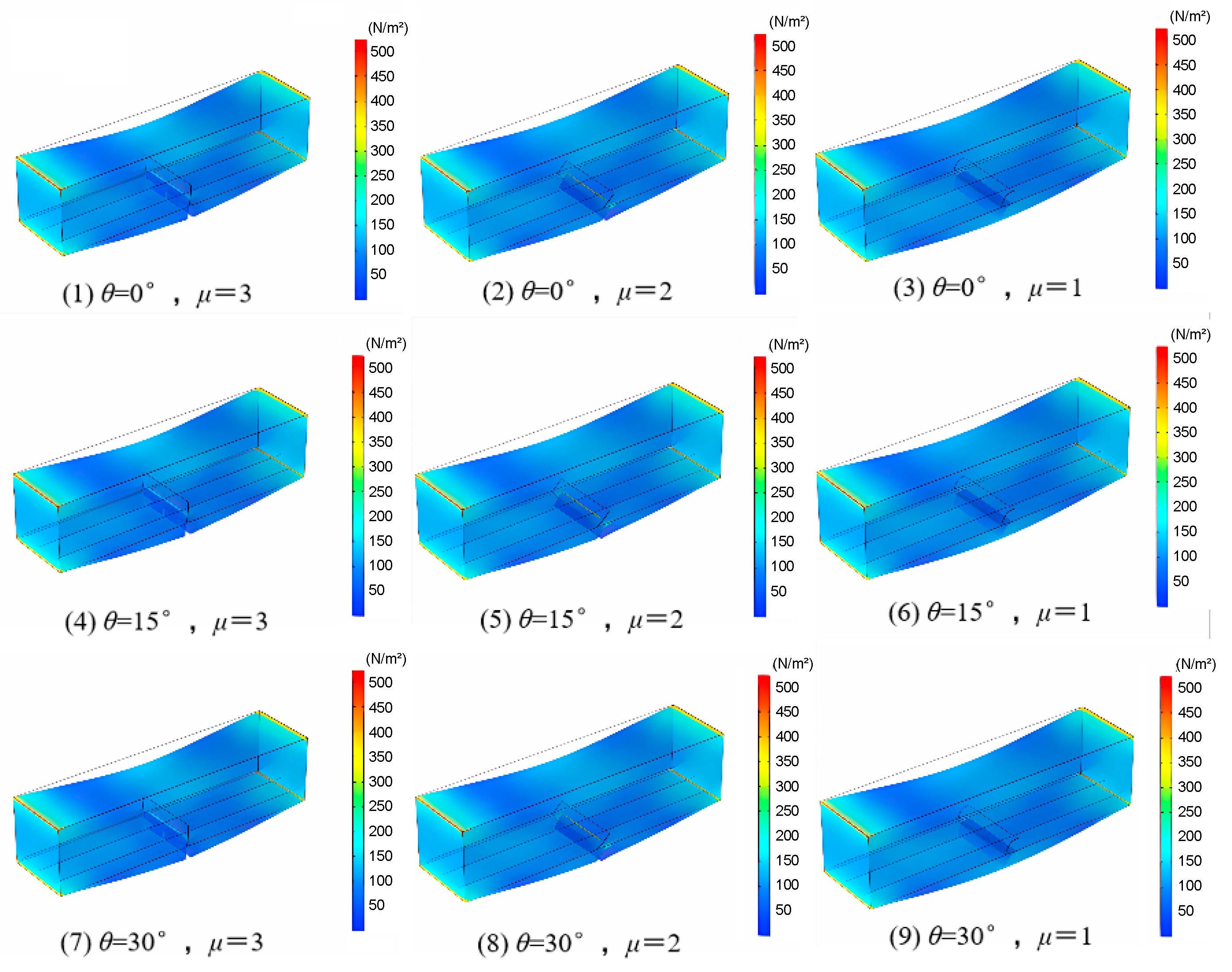
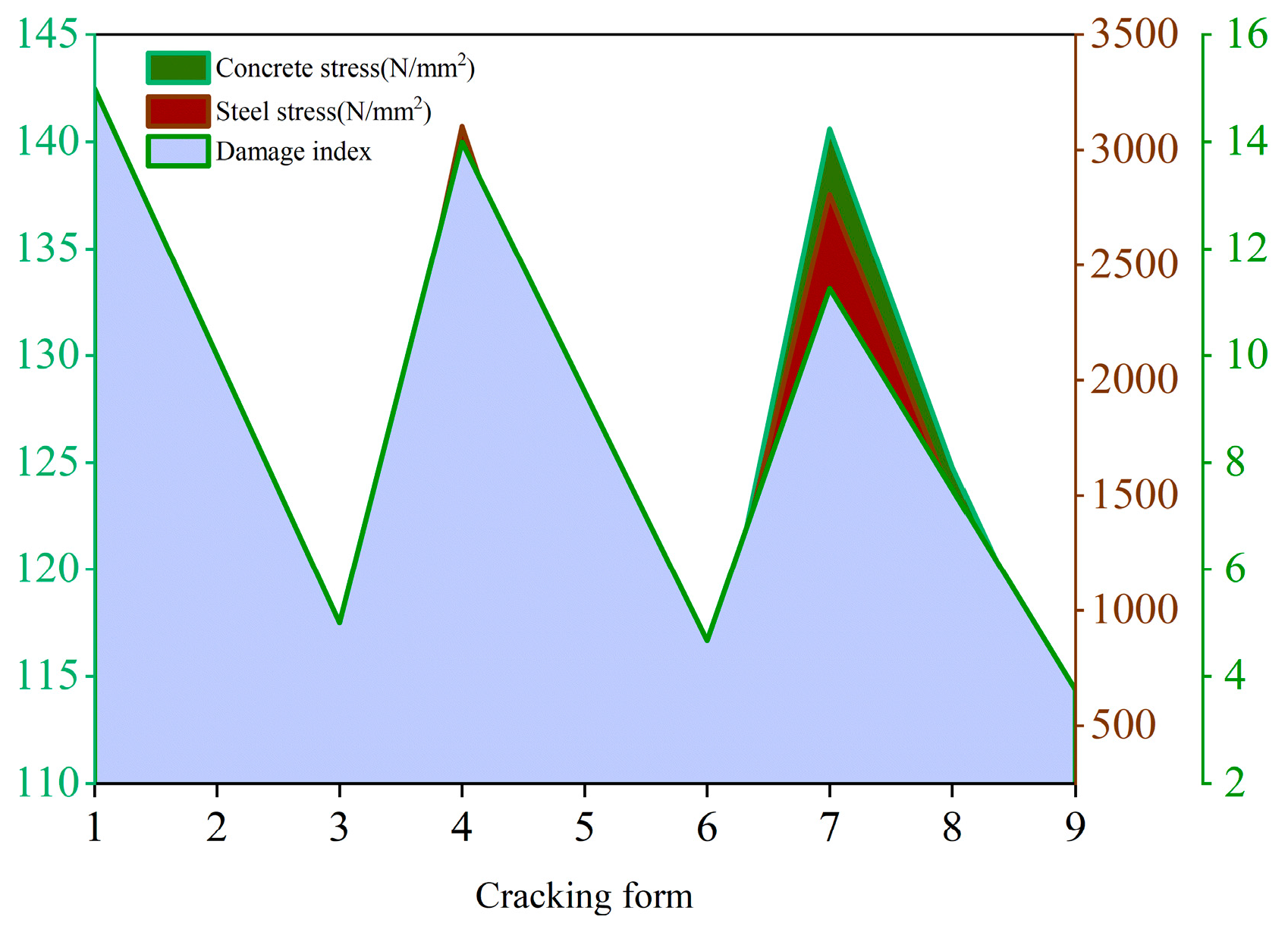
- The crack damage index is introduced as a metric for assessing the impact of various types of cracks on concrete structures. Five distinct forms of crack development have been modeled through numerical simulations. The findings indicate that the crack damage index exhibits a positive correlation with structural stress, as determined through the analysis of various cracking scenarios; specifically, the index increases in tandem with rising structural and steel stresses. This study validates the applicability of the crack damage index in characterizing the effects of diverse crack forms on reinforced concrete structures.
6. Merits and Limitations of the Study
- Merits:
- (1)
- In existing studies, PZT piezoelectric ceramics exhibit high stiffness and significant brittleness, resulting in poor compatibility with large deformations of concrete, making it difficult to stably monitor cracks wider than 5 mm [18,19]. Conventional unidirectional PVDF sensors can only measure strain in a single direction and cannot identify crack angle or propagation direction [21]. Although multi-sensor arrays can improve coverage, they suffer from complex wiring, inconsistent sensitivity, and difficult data fusion [15].This study adopts a PVDF-PDMS laminated flexible structure, which significantly broadens the strain monitoring range and can adapt to wide cracks up to 21 mm. Four strip sensing units are integrated in an annular layout to achieve multi-directional cooperative sensing, enabling simultaneous measurement of crack width, angle, and propagation morphology. Experiments show that at a crack width of 9 mm, the voltage responses for cracks of 60°, 45°, and 30° are 0.045 mV, 0.41 mV, and 0.023 mV, respectively. A clear quantitative mapping between sensing signals and crack parameters is established, overcoming the unidirectional limitation of traditional PVDF and the rigid-brittle drawback of PZT.
- (2)
- Distributed fiber optical sensors feature high precision and distributed measurement capability, but they are costly, complex to install, sensitive to temperature and pressure, and thus have limited field applicability [16,17]. Most fiber optical systems can only measure crack width and struggle to directly invert crack angle and three-dimensional morphology.The annular PVDF sensor in this paper is low-cost, easy to install by bonding, and outputs stably under constant temperature and humidity. It realizes integrated monitoring of width, angle, and morphology, which is difficult for conventional single-set fiber systems. It offers a better cost-performance ratio for local multi-parameter crack monitoring of bridge girders, whereas fiber optics are more suitable for long-distance full-field structural monitoring.
- (3)
- Machine vision and DIC enable full-field crack imaging and dynamic tracking, but they rely heavily on lighting conditions, algorithm stability, and computing power, making high-precision real-time monitoring difficult in harsh field environments [12,22]. Vibration and varying illumination significantly degrade measurement accuracy.The annular PVDF sensor outputs millisecond-level real-time electrical signals with stronger anti-interference ability. It can establish a stable quantitative relationship between voltage and crack parameters, supporting automatic data acquisition and damage early warning. Vision technology is suitable for global morphology observation, while piezoelectric sensors are ideal for local real-time quantitative monitoring, and the two can form a complementary system.
- (4)
- Acoustic emission is highly sensitive to crack initiation, but its signals are irreversible, easily disturbed by ambient noise, and difficult to use for quantifying crack geometric parameters [6,13]. It cannot continuously track the evolution of crack width and angle.The sensor in this paper provides real-time and repeatable voltage signals with a clear quantitative mapping to crack width and angle. Combined with the proposed crack damage index B, it enables quantitative assessment of structural damage. It overcomes the difficulty of geometric quantification in AE and supports the whole-process tracking from crack initiation to stabilization.
- Limitations:
- (1)
- The designed strip strain sensor is suitable for rapid strain measurement. Under slow tensile conditions, charge leakage of PVDF occurs obviously, making it difficult to establish a stable relationship between strain and charge signal. The influence mechanism of charge leakage on the sensing performance of the strip strain sensor needs further study.
- (2)
- The proposed ring-shaped crack sensor is developed on the basis of the strip sensor. It can identify the width and direction of rapidly propagating cracks, and qualitatively distinguish the causes and forms of slowly developing cracks. The established damage index can quantitatively evaluate the hazard degree of cracks. However, only single crack propagation is investigated in this paper. Considering the complexity of crack development in practical engineering, it is necessary to explore new methods for real-time monitoring of slowly growing cracks and identification of multiple cracks.
- (3)
- The proposed crack damage index B is only applicable to the concrete beams under the experimental conditions in this study. Its applicability and generalization in practical engineering structures need further verification.
- (4)
- The quality monitoring method of steel plate reinforcement based on PZT and PVDF stress wave only performs well on laboratory concrete beams. In practical engineering, it is susceptible to vehicle load and other environmental interferences, and the debonding forms of steel plates are diverse. Further research combined with practical engineering scenarios is required for method optimization and application promotion.
7. Prospect
- (1)
- Aiming at the charge leakage problem of the strip strain sensor under slow tensile conditions, combined with the strain characteristics of reinforced concrete materials, we will further explore the influence mechanism of charge leakage of PVDF materials. The structural design of the sensor and signal acquisition system will be optimized, and a charge compensation module will be integrated to establish a stable correlation between slow strain and charge signals, so as to improve the sensor’s adaptability to different strain rates.
- (2)
- In view of the complexity of crack morphology in practical engineering, based on the structural advantages of the existing ring-shaped crack sensor, research on synchronous multi-crack identification technology will be carried out. The layout of sensing units and signal analysis algorithms will be optimized to realize synchronous monitoring of the width, direction and propagation rate of multiple cracks. Meanwhile, the propagation mechanism of slow-growing cracks will be deeply investigated, and a real-time monitoring method suitable for slow cracks will be developed to enhance the identification accuracy of the sensor under various crack conditions.
- (3)
- To address the insufficient universality of crack damage index B, the scope of experimental research will be expanded by selecting reinforced concrete members with different strength grades and cross-sectional forms. Combined with the mechanical characteristics of various practical engineering structures, the calculation model of the damage index will be optimized. Its applicability will be verified through massive field measured engineering data, and a crack damage evaluation system applicable to diverse engineering scenarios will be established.
- (4)
- The steel plate reinforcement quality monitoring method based on PZT and PVDF stress waves will be further optimized. Considering interference factors in practical engineering such as vehicle loads, temperature variation and humidity erosion, anti-interference signal processing algorithms will be designed. According to different debonding forms of steel plates, a multi-condition debonding identification model will be constructed. On-site engineering tests will be conducted to verify the feasibility and reliability of the method, promoting its large-scale application in practical engineering projects.
- (5)
- Combined with the theoretical system of reinforced concrete structures, the coupled research between sensing technology and structural mechanical properties will be deepened. By integrating sensor monitoring data with structural stress analysis and crack propagation prediction, a full-life cycle monitoring and safety early warning system for cracks in concrete structures will be constructed, providing a scientific theoretical and technical basis for the operation, maintenance and management of engineering structures.
Author Contributions
Funding
Data Availability Statement
Conflicts of Interest
References
- Erdem, S.; Hanbay, S.; Blankson, M.A.; Şahin, Ö. Self-Sensing Damage Assessment and Image-Based Surface Crack Quantification of Carbon Nanofibre Reinforced Concrete. Constr. Build. Mater. 2017, 134, 520–529. [Google Scholar] [CrossRef] [Scilit]
- Aslani, F.; Dehestani, M.; Jahangir, H. Probabilistic impacts of corrosion on structural failure and performance limits of reinforced concrete beams. Constr. Build. Mater. 2022, 265, 120316. [Google Scholar] [CrossRef] [Scilit]
- Zanuy, C.; de la Fuente, P.; Albajar, L. Effect of fatigue degradation of the compression zone of concrete in reinforced concrete sections. Eng. Struct. 2007, 29, 2908–2920. [Google Scholar] [CrossRef] [Scilit]
- Shen, Q.; Huang, D.; Rao, Q.; Yi, W.; Sun, D.; Li, Z. Interaction and Initiation Mechanism of Non-Parallel Multiple Cracks by Strain Gauge Method. Trans. Nonferrous Met. Soc. China 2024, 34, 1655–1668. [Google Scholar] [CrossRef] [Scilit]
- Huang, J.; Zhang, Z.; Zheng, B.; Qin, R.; Wen, G.; Cheng, W.; Chen, X. Acoustic Emission Technology-Based Multifractal and Unsupervised Clustering on Crack Damage Monitoring for Low-Carbon Steel. Measurement 2023, 217, 113042. [Google Scholar] [CrossRef] [Scilit]
- Ashraf, S.; Rucka, M. Microcrack Monitoring and Fracture Evolution of Polyolefin and Steel Fibre Concrete Beams Using Integrated Acoustic Emission and Digital Image Correlation Techniques. Constr. Build. Mater. 2023, 395, 132306. [Google Scholar] [CrossRef] [Scilit]
- Tan, X.; Du, J.; Zhang, Q.; Meng, W.; Bao, Y. Monitoring Restrained Shrinkage and Cracks of Ultra-High-Performance Concrete (UHPC) Using Distributed Fiber Optic Sensors. Constr. Build. Mater. 2024, 422, 135789. [Google Scholar] [CrossRef] [Scilit]
- Yiğit, A.Y.; Uysal, M. Automatic Crack Detection and Structural Inspection of Cultural Heritage Buildings Using UAV Photogrammetry and Digital Twin Technology. J. Build. Eng. 2024, 94, 109952. [Google Scholar] [CrossRef] [Scilit]
- Zhang, Y.; Cheng, L.; Jiang, Z.; Ma, C. In-Situ Visual Monitoring for Multi-Scale Defects Detection in Laser Powder Bed Fusion. Addit. Manuf. 2024, 96, 104576. [Google Scholar] [CrossRef] [Scilit]
- Wu, D.; Yin, L.; Gao, Y.; Miao, Z.; Wang, Y. Internal Crack Detection Based on Thermal Excitation Enabled Digital Image Correlation Method. Measurement 2024, 227, 114262. [Google Scholar] [CrossRef] [Scilit]
- Xu, G.; Yue, Q.; Liu, X. Real-time monitoring of Concrete Crack Based on Deep Learning Algorithms and Image Processing Techniques. Adv. Eng. Inform. 2023, 58, 102214. [Google Scholar] [CrossRef] [Scilit]
- Ma, C.; Zhou, Z.; Liu, J.; Cui, Z.; Kundu, T. A Signal Energy-Based Approach for Acoustic Source Localization in Composite Laminates. Mech. Syst. Signal Process. 2024, 221, 111709. [Google Scholar] [CrossRef] [Scilit]
- Seleznev, M.; Weidner, A.; Biermann, H. Detection of Early Fatigue Damage during Ultrasonic Fatigue Testing of Steel by Acoustic Emission Monitoring. Int. J. Fatigue 2024, 185, 108367. [Google Scholar] [CrossRef] [Scilit]
- Guo, Y.; Zhang, Y.; Pan, Z.; Zhou, W. Recent Progress of Sensing and Machine Learning Technologies for Process Monitoring and Defects Detection in Wire Arc Additive Manufacturing. J. Manuf. Process. 2024, 125, 489–511. [Google Scholar] [CrossRef] [Scilit]
- Berrocal, C.G.; Fernandez, I.; Rempling, R. Crack Monitoring in Reinforced Concrete Beams by Distributed Optical Fiber Sensors. Struct. Infrastruct. Eng. 2021, 17, 124–139. [Google Scholar] [CrossRef] [Scilit]
- Zhao, L.; Tang, F.; Li, G.; Lin, Z.; Li, H.-N. Crack Monitoring of Tension Members with Distributed Fiber Optic Sensor Considering Substrate Strain Redistribution and Coating. Eng. Struct. 2024, 300, 117267. [Google Scholar] [CrossRef] [Scilit]
- Song, G.; Gu, H.; Mo, Y.L.; Hsu, T.T.C.; Dhonde, H. Concrete structural health monitoring using embedded piezoceramic transducers. Smart Mater. Struct. 2007, 16, 959–965. [Google Scholar] [CrossRef] [Scilit]
- Tang, M.; Liu, X.; Zheng, S.; Wang, Y.; Chai, J. Electric Field Control of Piezoelectricity in Textured PMN-PZT Ceramics. J. Mater. Sci. Technol. 2024, 141, 136–146. [Google Scholar] [CrossRef] [Scilit]
- Pan, H.H.; Guan, J.C. Stress and Strain Behavior Monitoring of Concrete through Electromechanical Impedance Using Piezoelectric Cement Sensor and PZT Sensor. Constr. Build. Mater. 2022, 324, 126685. [Google Scholar] [CrossRef] [Scilit]
- Pan, L.; Wang, Y.; Jin, Q.; Hu, Z.; Zhou, Z.; Zhu, M. Self-Poled PVDF/Recycled Cellulose Composite Fibers Utilizing Cellulose Nanocrystals to Induce PVDF β-Phase Formation through Wet-Spinning as a Flexible Fabric Piezoelectric Sensor. Chem. Eng. J. 2024, 479, 147742. [Google Scholar] [CrossRef] [Scilit]
- Ding, W.; Yang, H.; Yu, K.; Shu, J. Crack detection and quantification for concrete structures using UAV and transformer. Autom. Constr. 2023, 152, 104929. [Google Scholar] [CrossRef] [Scilit]
- Ma, K.; Meng, X.; Hao, M.; Huang, G.; Hu, Q.; He, P. Research on the efficiency of bridge crack detection by coupling deep learning frameworks with convolutional neural networks. Sensors 2023, 23, 7272. [Google Scholar] [CrossRef] [Scilit] [PubMed]
- Yang, Y.; Li, L.; Yao, G.; Du, H.; Chen, Y.; Wu, L. An improved intelligent real-time crack detection method for bridge based on improved target detection algorithm and transfer learning. Front. Mater. 2024, 11, 1351938. [Google Scholar] [CrossRef] [Scilit]
- Kaveh, H.; Alhajj, R. Recent advances in crack detection technologies for structures: A survey of 2022–2023 literature. Front. Built Environ. 2024, 10, 1321634. [Google Scholar] [CrossRef] [Scilit]
- Zhao, C.; Ye, Z.; Zhang, Z.; Cao, Y.; Wu, L. A review on deep learning-based segmentation methods for concrete cracks in bridges and pavements. Front. Sci. Eng. 2025, 5, 722–732. [Google Scholar] [CrossRef] [Scilit]
- Wang, Q.; Wang, C.; Ma, Z.; Chen, W.; Ni, Y.; Wang, C.; Yan, B.; Guan, P. Bayesian dynamic linear model framework for structural health monitoring data forecasting and missing data imputation during typhoon events. Struct. Health Monit. 2022, 22, 1562–1581. [Google Scholar] [CrossRef] [Scilit]
- Ran, S.; Wang, Q.; Wang, J.; Ni, Y.; Guo, Z.; Luo, Y. A Concise State-of-the-Art Review of Crack Monitoring Enabled by RFID Technology. Appl. Sci. 2024, 14, 3213. [Google Scholar] [CrossRef] [Scilit]
- Zhang, F.; Gong, L.; Wang, F.; Zhou, H. Embedded Pt-PVDF Sensor without Compromising Mechanical Properties of GFRP for on-Line Sensing. Thin-Walled Struct. 2023, 187, 110702. [Google Scholar] [CrossRef] [Scilit]
- Deng, X.; Li, C.; Yuan, M.; Jiao, H. PDMS/Graphene Oxide Coated Wood-Based Composite Phase Change Materials with Efficient Solar-Thermal-Electric Conversion. Appl. Therm. Eng. 2025, 263, 125394. [Google Scholar] [CrossRef] [Scilit]
- Wang, X.; Kong, H.; Wang, K.; Chen, Q. Dynamic Stress Monitoring for RC Beam Using PMN-PT-Based Three-Direction Normal Stress Sensor. Structures 2024, 68, 107091. [Google Scholar] [CrossRef] [Scilit]
- Zhang, J.; Dong, W.; Zhang, B. Experimental Study on Local Crack Propagation of Concrete under Three-Point Bending. Constr. Build. Mater. 2023, 401, 132699. [Google Scholar] [CrossRef] [Scilit]



| Relative Dielectric Constant (KHz) | Sound Velocity C(m/s) | Acoustic Impedance (kg/sm4) | Electromechanical Coupling Coefficient K33 (%) | Yield Strength (N/m2) | (kg/m3) | Service Temperature (°C) |
|---|---|---|---|---|---|---|
| 9.5 ± 1.0 | 2000 | 2.5~3 × 10⁴ | 10~14 | 44–55 × 106 | 1.78 × 10³ | −40~80 |
| Service Temperature (°C) | Hardness (A) | Tensile Strength (MPa) | Tearing Strength (KN/m) | Elastic Modulus | Tearing Elongation (%) | Dielectric Strength (KV/mm) | Dielectric Constant (1 MHz) | Volume Resistance (Ω·cm) |
|---|---|---|---|---|---|---|---|---|
| −40~200 | 50 | 4 | 7 | 1.6 | 100 | 12 | 2.7 | 1014 |
| Cracking Situation of Cracks | Displacement Status | The Sensor Generates a Signal |
|---|---|---|
| Situation 1 | Upward displacement of the upper part of sensor No. 1 | No. 1 and No. 2 sensors |
| Situation 2 | Downward displacement of the lower part of sensor No. 1 | No. 1 and No. 4 sensors |
| Situation 3 | The upper and lower parts of the No. 1 sensor have upward and downward displacements at the same time. | No. 1, No. 2 and No. 4 sensors |
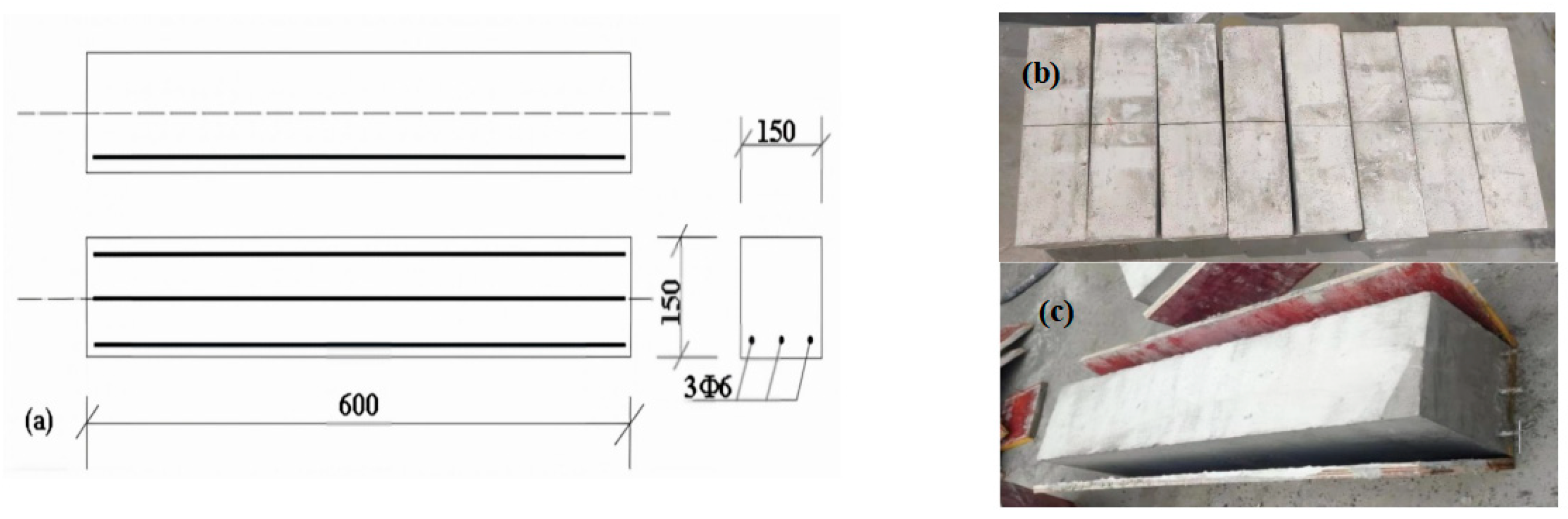
| Cement | Sand | Aggregate | Water |
|---|---|---|---|
| 416.7 | 624.2 | 1159.1 | 200 |
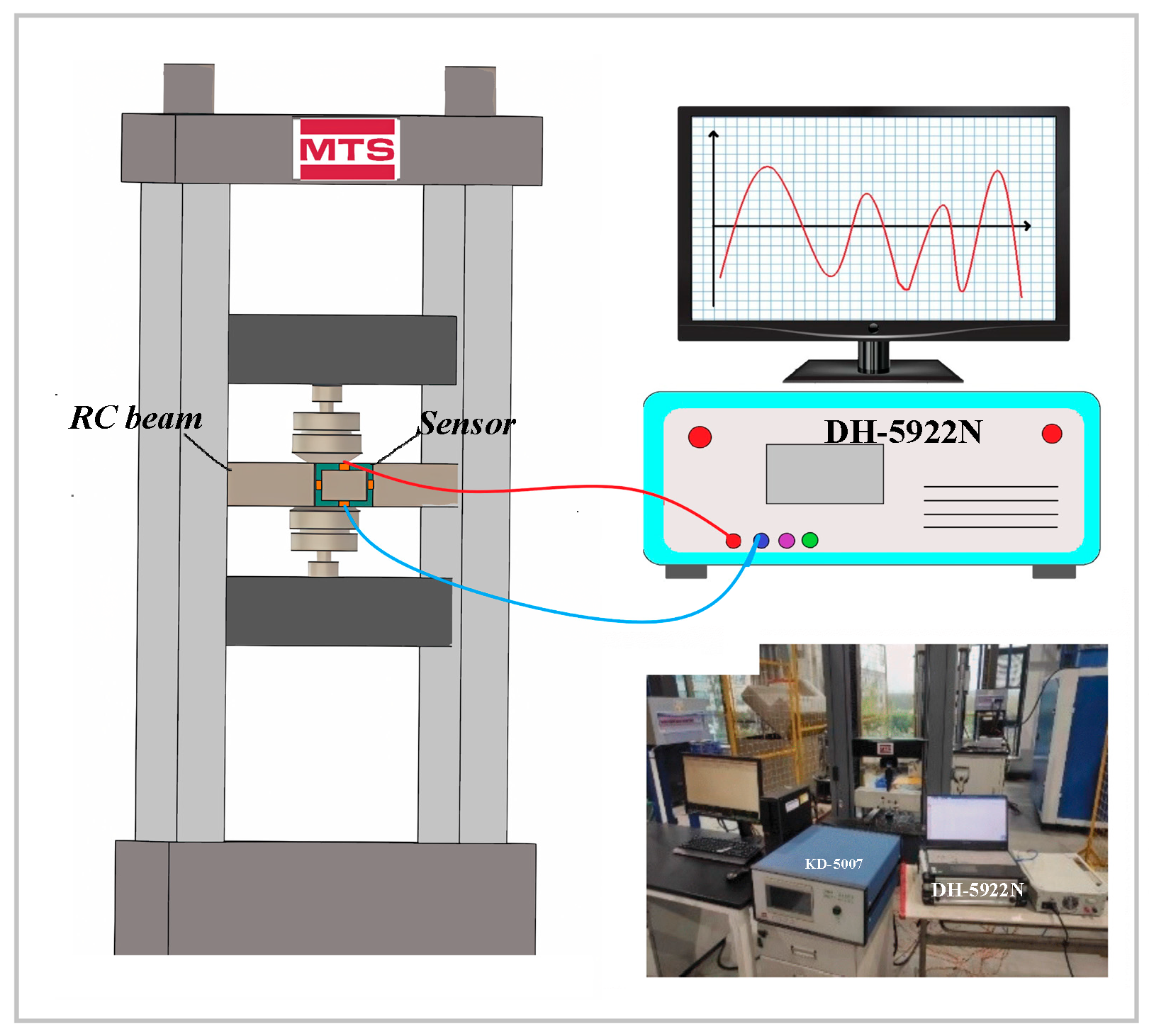
| Experimental Stage | Experimental Site | Sensor Arrangement |
|---|---|---|
| first stage | The bottom surface of reinforced concrete | The crack passes through the adjacent sensing element The crack passes through the opposite sensing element. |
| the second stage | Side of reinforced concrete | The positive side of the crack-cracking section |
| Initiation Angle | Fracture Width | |
|---|---|---|
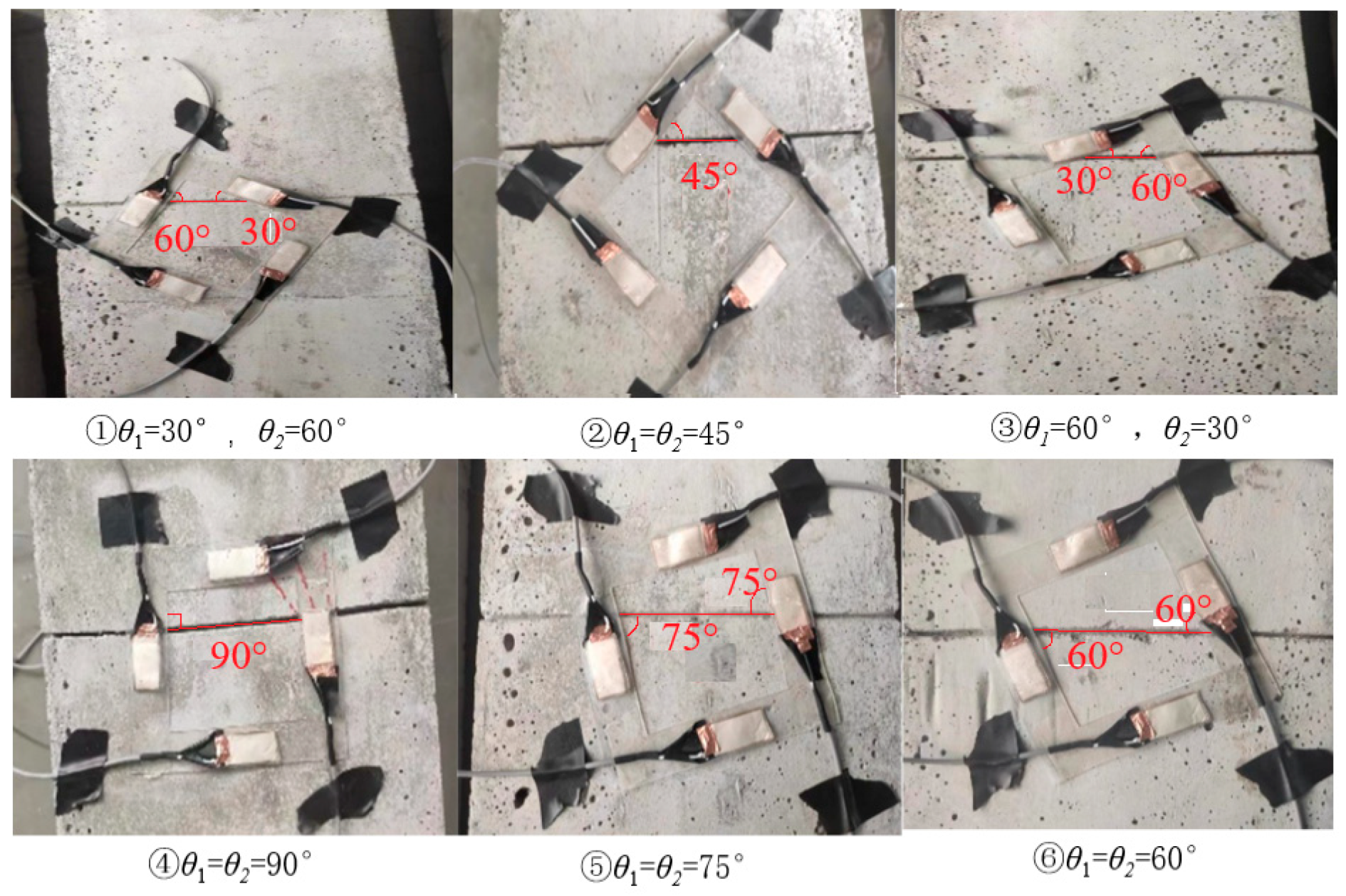
| Crack 1 | ① θ1 = 30°, θ2 = 60° ② θ1 = 45°, θ2 = 45° ③ θ1 = 60°, θ2 = 30° | 1 mm 5 mm 9 mm 13 mm 17 mm 21 mm |
| Crack 2 | ④ θ1 = 90°, θ3 = 90° ⑤ θ1 = 75°, θ3 = 75° ⑥ θ1 = 60°, θ3 = 60° |
| Angle Cracking Mode | θ (°) | μ | Stress (Pa) | |
|---|---|---|---|---|
| Concrete | Steel Reinforcement | |||
| 1 | 0 | 3 | 139.01 | 3126.090 |
| 2 | 0 | 2 | 123.62 | 1524.390 |
| 3 | 0 | 1 | 112.73 | 623.090 |
| 4 | 15 | 3 | 139.45 | 3102.980 |
| 5 | 15 | 2 | 123.95 | 1506.234 |
| 6 | 15 | 1 | 113.11 | 619.647 |
| 7 | 30 | 3 | 140.60 | 2807.452 |
| 8 | 30 | 2 | 124.78 | 1487.005 |
| 9 | 30 | 1 | 112.44 | 617.089 |
Disclaimer/Publisher’s Note: The statements, opinions and data contained in all publications are solely those of the individual author(s) and contributor(s) and not of MDPI and/or the editor(s). MDPI and/or the editor(s) disclaim responsibility for any injury to people or property resulting from any ideas, methods, instructions or products referred to in the content. |
© 2026 by the authors. Licensee MDPI, Basel, Switzerland. This article is an open access article distributed under the terms and conditions of the Creative Commons Attribution (CC BY) license.
Share and Cite
Feng, R.; Liu, D.; Tan, M.; Zhang, Y.; Zheng, S.; Wei, H. Ring-Shaped Polyvinylidene Fluoride Piezoelectric Sensor for Real-Time Surface Crack Monitoring in Reinforced Concrete Beams. Buildings 2026, 16, 2242. https://doi.org/10.3390/buildings16112242
Feng R, Liu D, Tan M, Zhang Y, Zheng S, Wei H. Ring-Shaped Polyvinylidene Fluoride Piezoelectric Sensor for Real-Time Surface Crack Monitoring in Reinforced Concrete Beams. Buildings. 2026; 16(11):2242. https://doi.org/10.3390/buildings16112242
Chicago/Turabian StyleFeng, Ruisheng, Die Liu, Mingli Tan, Youjia Zhang, Shuqin Zheng, and Huixin Wei. 2026. "Ring-Shaped Polyvinylidene Fluoride Piezoelectric Sensor for Real-Time Surface Crack Monitoring in Reinforced Concrete Beams" Buildings 16, no. 11: 2242. https://doi.org/10.3390/buildings16112242
APA StyleFeng, R., Liu, D., Tan, M., Zhang, Y., Zheng, S., & Wei, H. (2026). Ring-Shaped Polyvinylidene Fluoride Piezoelectric Sensor for Real-Time Surface Crack Monitoring in Reinforced Concrete Beams. Buildings, 16(11), 2242. https://doi.org/10.3390/buildings16112242