Article

Optimization of VSM Shaft Segment Structural Parameters Based on SHAP Analysis: A Case Study on Guangzhou–Huadu Intercity No. 2 Shield Shaft Project

1
Guangzhou Metro Group Co., Ltd., Guangzhou 510330, China
2
China Railway 15th Bureau Group Underground Engineering Co., Ltd., Yangzhou 225101, China
3
Guangzhou Metro Construction Management Co., Ltd., Guangzhou 510330, China
4
China Railway Construction South China Construction Co., Ltd., Guangzhou 511458, China
5
School of Civil Engineering, Guangdong University of Petrochemical Technology, Maoming 525000, China
6
School of Civil Engineering and Transportation, Guangzhou University, Guangzhou 510006, China
*
Authors to whom correspondence should be addressed.
Buildings 2026, 16(11), 2187; https://doi.org/10.3390/buildings16112187
Submission received: 28 April 2026 / Revised: 22 May 2026 / Accepted: 28 May 2026 / Published: 29 May 2026
(This article belongs to the Section Building Structures)

Abstract

The Vertical Shaft Machine (VSM) method is increasingly used in ultra-deep prefabricated shafts. However, as its application extends into hard ground, existing segment designs still largely follow soft soil experiences, resulting in insufficient material utilization and poor economic efficiency. Based on the first VSM shaft in South China, this study establishes a refined finite element model validated by field monitoring and subsequently constructs a structural response database. A GA-XGBoost surrogate model combined with the SHAP method quantifies the contributions of key parameters—concrete strength, rebar diameter, and steel plate thickness—to shaft structural stress. Following the optimization objective of reducing material consumption while maintaining the overall structural performance of the original design, an optimization scheme for Ring 0 reinforcement is proposed. Results show that SHAP analysis effectively identifies the contribution ranking of each parameter to the structural response: for Ring 0, concrete strength contributes the most while rebar diameter shows low sensitivity; for the cutting edge ring, steel plate thickness and concrete strength contribute significantly, whereas tie bars show the lowest sensitivity. After optimization of Ring 0, reinforcement consumption per linear meter of segment is reduced by 43.43 kg, and steel content decreases by 57.91 kg/m3. Verification confirms that the stress distribution remains largely unchanged and crack width meets specification limits. Tie bars in the cutting edge ring play an irreplaceable structural role during concrete pouring and should not be directly optimized. The proposed scheme reduces material consumption while ensuring structural safety, offering a reference for optimizing VSM shaft segment structures in hard ground conditions.

1. Introduction

As a novel mechanized caisson technology, the Vertical Shaft Machine (VSM) offers advantages such as high construction efficiency, low safety risks, small footprint, and minimal environmental disturbance [1]. In recent years, this technology has been progressively applied in soft soil areas for urban rail transit, underground utility tunnels, and deep tunnel projects [2,3,4], and is now extending to complex geological conditions such as hard rock strata. Significant differences exist in surrounding rock conditions between soft and hard ground [5,6,7,8,9,10], leading to distinct mechanical behaviors of shafts. In soft soil areas, the surrounding rock exhibits weak self-stability, requiring the segmental lining to bear a large proportion of external loads. To further clarify the mechanical characteristics and load distribution of segments in soft soil, Yin et al. [11] revealed the dominant effects of non-uniform earth pressure distribution, hanging force evolution, and internal water pressure on segment structures based on field monitoring in Shanghai. Rivera et al. [12] analyzed the displacement and deformation patterns of surrounding rock during VSM shaft excavation in soft soil using FLAC3D simulations. In contrast, hard ground possesses strong self-stability, allowing the surrounding rock to share part of the load and significantly reducing the actual stress on the structure [13]. However, current segment structure designs for hard ground largely follow empirical practices from soft soil areas, often resulting in conservative designs that lead to material waste and poor economic efficiency. Therefore, targeted structural parameter optimization is urgently needed.
In the field of underground structural optimization, traditional research has primarily relied on single-parameter sensitivity analysis, empirical trial calculations, or specification-based theoretical analysis combined with experimental validation. Xu et al. [14] proposed optimized design parameters by analyzing the effects of pile diameter, pile spacing, embedment depth, and support structure type on excavation deformation, validated through specification checks and field monitoring. Liao et al. [15] established an analytical design formula for fiber-reinforced concrete shaft segments based on MC 2010, and verified the feasibility of replacing traditional reinforcement with fibers through three-point bending tests and full-scale experiments. However, these methods struggle to capture nonlinear interactions among multiple parameters, neglecting the influence of parameter coupling effects on structural response. To overcome this limitation, machine learning methods have recently gained traction in addressing high-dimensional, nonlinear problems [16]. Chen et al. [17] combined a native sparse attention mechanism with the Chen-Guan algorithm to develop an intelligent prediction and optimization framework for TBM tunneling parameters. Fei et al. [18] employed a Bayesian-optimized XGBoost model combined with particle swarm optimization to achieve disturbance prediction and parameter optimization for shield tunneling beneath existing tunnels. Gu et al. [19] integrated Bayesian inference with deep reinforcement learning to establish an adaptive optimization framework for deep excavation support systems, enabling dynamic adjustment of support parameters. Yang et al. [20] proposed an intelligent decision-making method for shield tunneling parameters based on LGBM and NSGA-II, achieving multi-objective optimization of tunneling speed and energy consumption using penetration rate and cutterhead rotational speed as optimization variables. Liu et al. [21] developed a multi-objective optimization framework for TBM based on GWO-GRNN and NSGA-II, achieving intelligent decision-making of tunneling parameters under different geological conditions with tunneling speed and surface settlement as optimization objectives. However, machine learning models are often regarded as “black boxes,” and the lack of interpretability in their prediction logic limits their credibility and acceptance in engineering optimization.
To enhance the interpretability of machine learning models, Lundberg and Lee [22] proposed the SHAP method, which provides a unified theoretical framework for interpreting predictions of ensemble learning models. This method quantifies the marginal contribution of each input feature to the prediction outcome [23,24] and has been gradually applied in underground structural engineering. Chen et al. [25] employed a Bayesian-optimized NGBoost model combined with SHAP to establish a surrogate model for deformation prediction during shield undercrossing construction and identified key optimization parameters. Qiao et al. [26] integrated the XGBoost model with SHAP and Sobol global sensitivity analysis to construct a framework for identifying sensitive parameters affecting ground settlement caused by shield tunneling. Kilic et al. [27] adopted an explainable neural network (xNN) combined with SHAP and Optuna automatic hyperparameter optimization to develop a specific energy prediction model for micro-TBM in soft ground, identifying key operational parameters. Li et al. [28] combined SHAP with a BP neural network to reveal the ranking of key parameters affecting pile bearing capacity while maintaining high prediction accuracy.
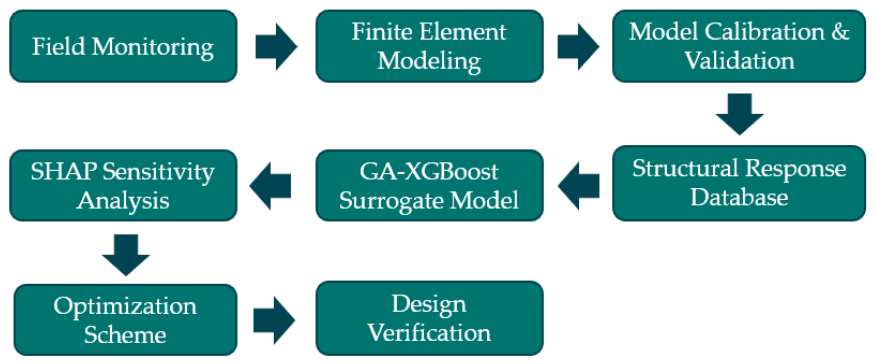
In summary, current segment structure design for VSM shafts in hard ground conditions still follows empirical practices from soft soil areas, lacking targeted optimization methods, and the synergistic mechanisms among multiple parameters remain unclear. Although machine learning and SHAP methods have made progress in geotechnical engineering, their systematic application to the optimization of VSM shaft structural parameters remains limited. Specifically, there is a lack of research on the application of SHAP-based optimization for VSM segments in hard ground conditions in South China. To address this, this study is application-oriented, taking the Guanghua Intercity No. 2 Shield Shaft, the first ultra-deep prefabricated shaft constructed using the VSM method in South China, as a case study. Based on field monitoring to capture the actual structural response, a refined finite element model is established and validated. A surrogate model combined with the SHAP method is employed to quantify the contributions of key parameters—concrete strength, rebar diameter, and steel plate thickness; an optimization scheme is proposed with the objective of reducing material consumption while maintaining the overall structural performance of the original design, providing a reference for the optimization design of VSM shaft segment structures in hard ground conditions. The overall workflow of the proposed methodology is illustrated in Figure 1.

2. Project Overview and Monitoring Arrangement

2.1. Project and Geological Overview

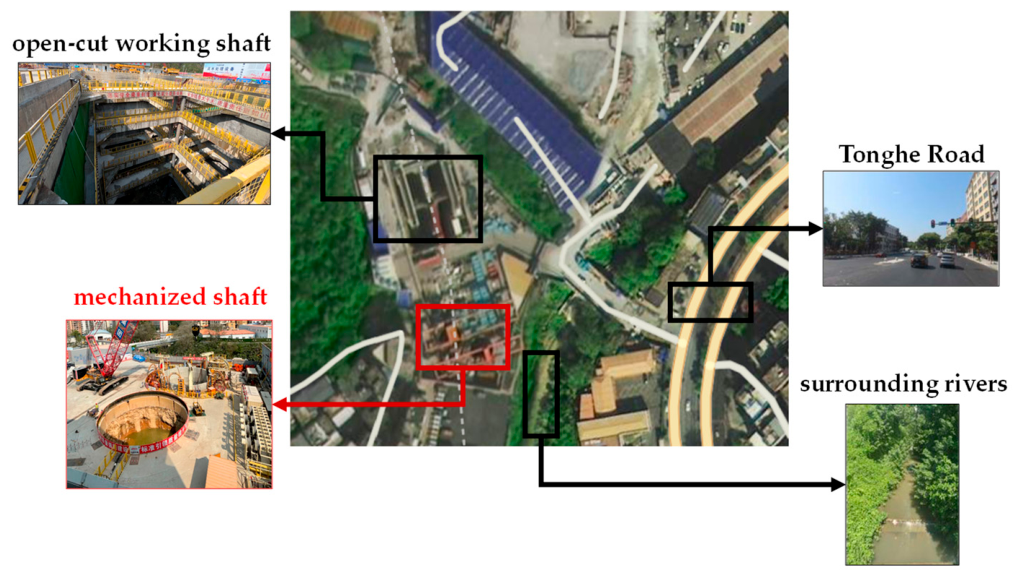
This study is based on the Guanghua Intercity No. 2 Shield Shaft, the first ultra-deep prefabricated shaft constructed using the Vertical Shaft Machine (VSM) method in South China. The project location is shown in Figure 2, situated in Baiyun District, Guangzhou, and is close to Tonghe Road with a river nearby. The shaft is designed with a circular cross-section, having an inner diameter of 13 m, an outer diameter of 14 m, and a depth of 27 m. The project site is located in a granite residual hill geomorphic unit, characterized by complex geological conditions. Unlike the soft soil strata commonly associated with the VSM method, the granite composite strata in South China exhibit significant mechanical property variations: the upper residual soil is susceptible to softening upon water exposure, while the lower weathered rock strata possess high strength and good self-stability. Key mechanical parameters of each soil layer, including the foundation coefficient and coefficient of lateral earth pressure at rest, are detailed in Table 1.
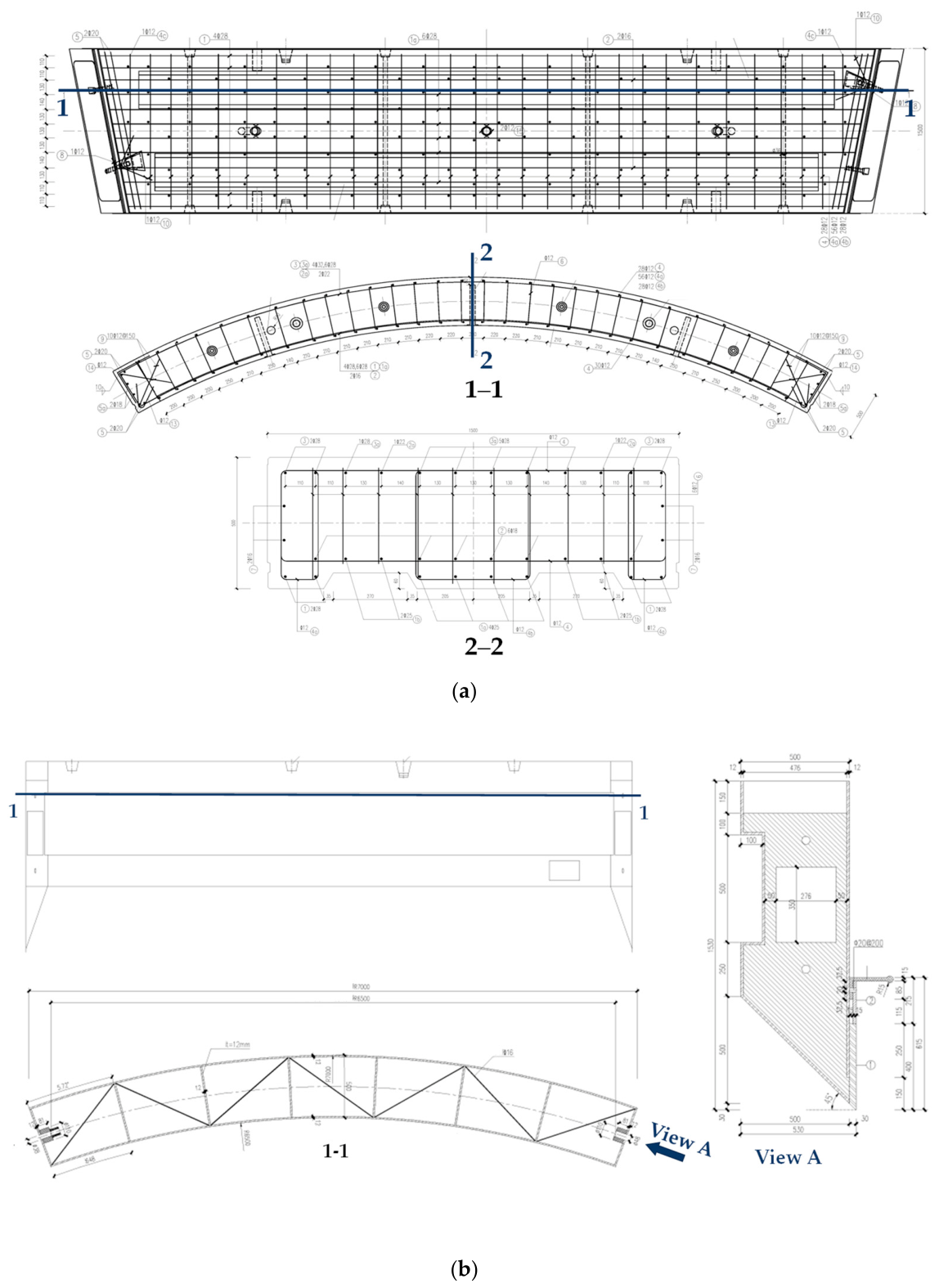
The shaft in this project was constructed using the VSM method, in which an underground excavation unit is controlled from a surface operation platform, enabling a streamlined process of excavation, muck discharge, and segment assembly. This method offers advantages such as a small construction footprint, high mechanization, and rapid shaft completion. The shaft body is formed by synchronously assembling prefabricated segments, totaling 17 rings. Rings 0 to 16 are lining rings, each consisting of six wedge-shaped segments. At the bottom, the cutting edge ring is composed of four steel-concrete composite segments (with 12 mm steel plate grooves, Φ16 mm tie bars, and C50 concrete) to enhance cutting-in and supporting capacity. Adjacent rings are connected using high-strength bolts, longitudinal continuous spiral reinforcement, and shear pins to ensure overall structural stiffness and positioning accuracy. The structural design drawings of Ring 0 and the cutting edge ring are shown in Figure 3, which serve as the basis for the subsequent finite element modeling.
As the first VSM shaft project in South China, the segment structure design had no local precedent to follow and was primarily based on mature experience from existing projects in soft soil areas. Given the significant differences in mechanical properties between soft soil and granite composite strata, the applicability and economic efficiency of the initial design parameters in the local strata remain to be verified.

2.2. Field Monitoring Scheme and Data Collection

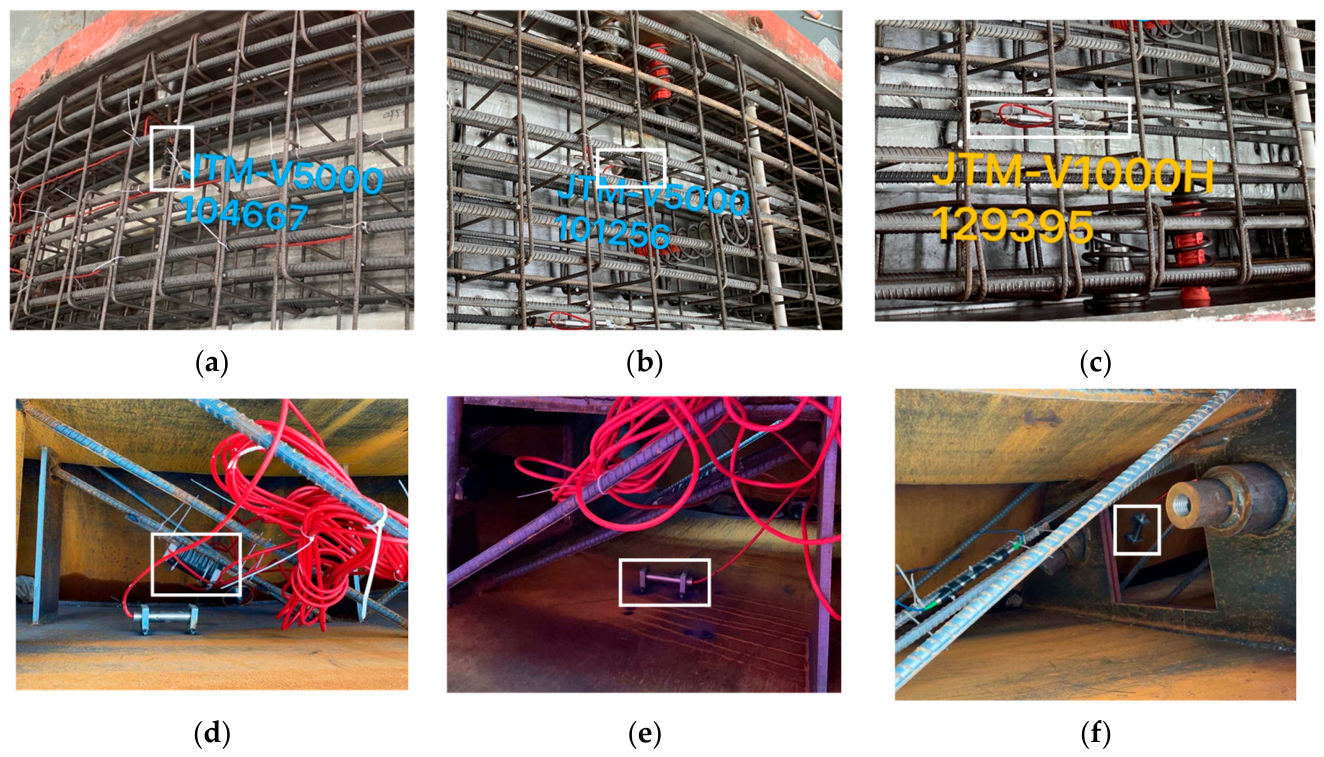
To obtain the actual mechanical response of the structure during construction, evaluate the applicability of the initial design under the local geological conditions, and provide data support for subsequent structural optimization, a comprehensive field monitoring system was established. The monitoring content covered multiple dimensions, including concrete stress, reinforcement stress, steel plate stress, earth pressure, and joint pressure, with corresponding monitoring points arranged on each structural segment. For the two key components, Ring 0 and the cutting edge ring, the layout of field monitoring points is shown in Figure 4. The circled items in the figure represent monitoring instruments corresponding to different structural responses.
Fiber Bragg grating (FBG) sensing technology was primarily adopted in the project. For Ring 0 segments, strain gauges were embedded in the concrete to monitor circumferential and vertical stresses, while strain gauges were installed on the surface of the main reinforcement to monitor rebar stress, and pressure sensors were embedded at the segment joints. For the cutting edge ring, in addition to strain gauges installed on the concrete, outer wall steel plate, and bottom steel plate, pressure sensors were also embedded at the bottom of the cutting edge to capture the complex bottom stress state.
Monitoring data show that the stresses in Ring 0 and the cutting edge ring continued to increase with the sinking depth. Taking the maximum sinking depth (approximately 25.5 m for Ring 0 and 27 m for the cutting edge ring) as an example: the maximum tensile stress in the main reinforcement of Ring 0 was approximately 0.262 MPa, and the maximum compressive stress in the concrete was approximately 0.621 MPa; for the cutting edge ring, the maximum compressive stress in the bottom steel plate was approximately 0.416 MPa, and the circumferential stress in the outer wall steel plate was approximately 0.396 MPa. Due to the hard ground conditions in South China, specifically the granite composite strata, the surrounding rock exhibits strong self-stability and bears a significant portion of the external load. All measured values were far below the design strength of the materials (360 MPa for HRB400 reinforcement, 215 MPa for Q235 steel plate, and 23.1 MPa for C50 concrete), indicating that the structure has sufficient safety reserves under the local geological conditions, with material strength not fully utilized, thus leaving room for optimization.

3. Refined Finite Element Simulation and Validation

3.1. Shaft Segment Modeling Scheme

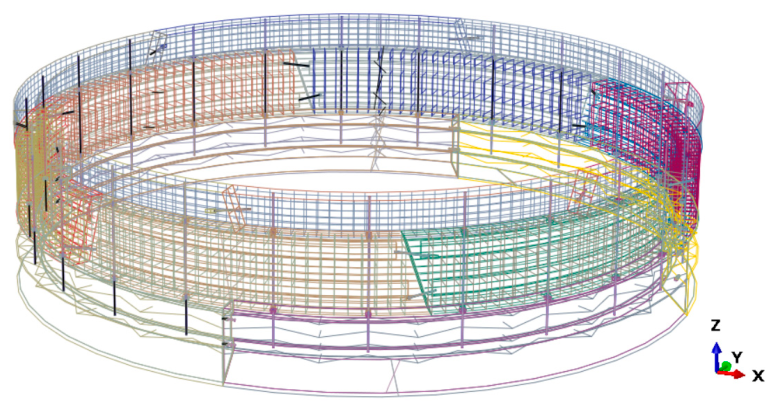
To accurately simulate the structural response of Ring 0 and the cutting edge ring during the construction period of the VSM shaft, a refined finite element model was established using finite element software, with a perspective view of the model shown in Figure 5. The figure shows Ring 0 and the cutting edge ring analyzed in this study, as well as the structural reinforcement, bolts, etc. The basic approach was driven by field monitoring data: for each sinking depth, an independent static analysis case was established, with measured loads at that depth applied as input. The structural response was then calculated and compared with monitoring data at the same depth, enabling the model to realistically reproduce the evolution of mechanical behavior throughout the construction process.
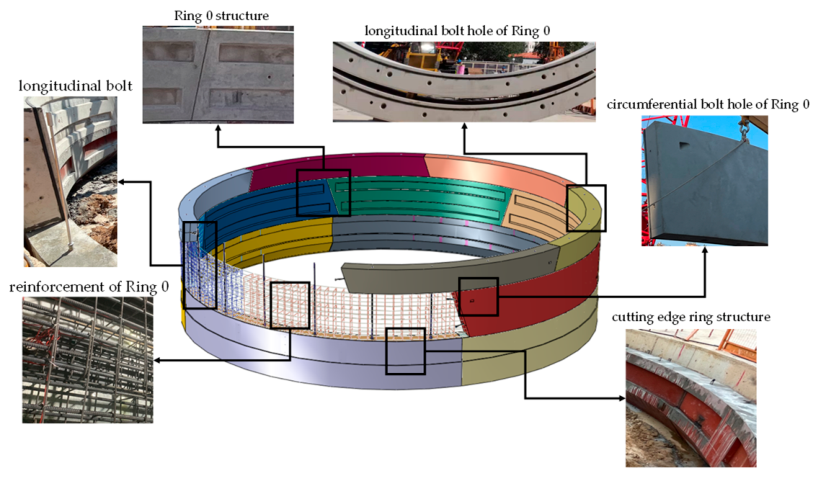
To faithfully represent the mechanical behavior of the segment structure, key structural details were meticulously modeled, as shown in Figure 6, which presents a comparison of the detailed modeling and the actual field structure. Monitoring data indicate that throughout the construction process, the measured stresses in the segment concrete, reinforcement, and steel plates were all far below the material yield strength, and the structure remained in the elastic stage. Therefore, an elastic constitutive model was adopted for all components. This reduces computational cost and is sufficient for evaluating the overall structural response under serviceability conditions. Although localized nonlinear effects such as cracking, damage accumulation, and nonlinear contact behavior may occur under more extreme loading conditions, the present study mainly focuses on the overall structural response under serviceability conditions rather than localized failure behavior. Material parameters were determined based on design specifications and material test reports, as detailed in Table 2.
Soil-structure interaction was simulated using soil springs, with normal and tangential springs arranged at the nodes on the outer surface of the segment. Spring stiffness was calculated based on the foundation coefficient of the soil layer and the corresponding burial depth. For different depth cases, the spring stiffness was updated according to the soil layer data at the specific burial depth for that case. This simplified soil spring approach was adopted to reasonably represent the overall soil–structure interaction and global structural response under the investigated construction conditions. The present study mainly focuses on the structural response characteristics and parameter sensitivity of the VSM shaft at the structural scale rather than detailed local nonlinear soil behavior. Although more complex interaction mechanisms, such as nonlinear stiffness degradation and time-dependent effects, may exist in hard rock–soil composite strata, the simplified spring model was considered sufficient for the current engineering analysis and computational efficiency requirements. Regarding mesh convergence, the mesh was refined to avoid element distortion and ensure proper computation. Given that this is a refined model, the mesh size already results in a large number of elements, and the computational results showed good agreement with field monitoring data. A further refinement of the mesh was tested, which did not produce significant changes in the calculated results, indicating that mesh convergence was achieved. For all contact interfaces, a surface-to-surface contact formulation was adopted. Regarding loads, the following loads were applied for each depth case: lateral earth pressure, applied to the outer surface of the segment based on the measured earth pressure at that depth; self-weight of the structure; vertical loads transferred from the upper assembled segments; and bottom pressure of the cutting edge ring, applied to the bottom surface of the cutting edge based on the measured bottom earth pressure at that depth. The bottom of the model was fixed, while the top was free.

3.2. Model Reliability Verification

To validate the reliability of the model, the measured data at the monitoring points under each depth case were compared point-by-point with the simulated results at the corresponding positions in the model. The initial comparison showed that the simulated results were generally consistent with the monitored data in terms of overall response trend and stress magnitude. For cases where relatively large numerical deviations were observed at certain monitoring points, considering that the model loads were derived from monitored values and potential deviations may exist, the load values for the corresponding case were adjusted within ±20% of the monitored values, and the case was recalculated. After achieving improved numerical consistency for that case, the same procedure was applied to other cases, and the overall consistency of the calculation results for all cases was verified. The load adjustment was only adopted during the model calibration stage to account for potential uncertainties in the monitored loading conditions and was applied only when relatively large numerical deviations were observed between the simulated and monitored results. It was not treated as an optimization variable in the subsequent parametric analysis or machine-learning dataset generation. Therefore, the calibration process does not affect the relative response trends of the structural model or the parameter sensitivity rankings identified by the SHAP analysis. The load adjustment was introduced to address potential uncertainties in field monitoring data, measurement errors, and local environmental variability during construction. The adjustment range was limited to ±20% of the monitored values to account for measurement uncertainties while preserving the original loading characteristics.
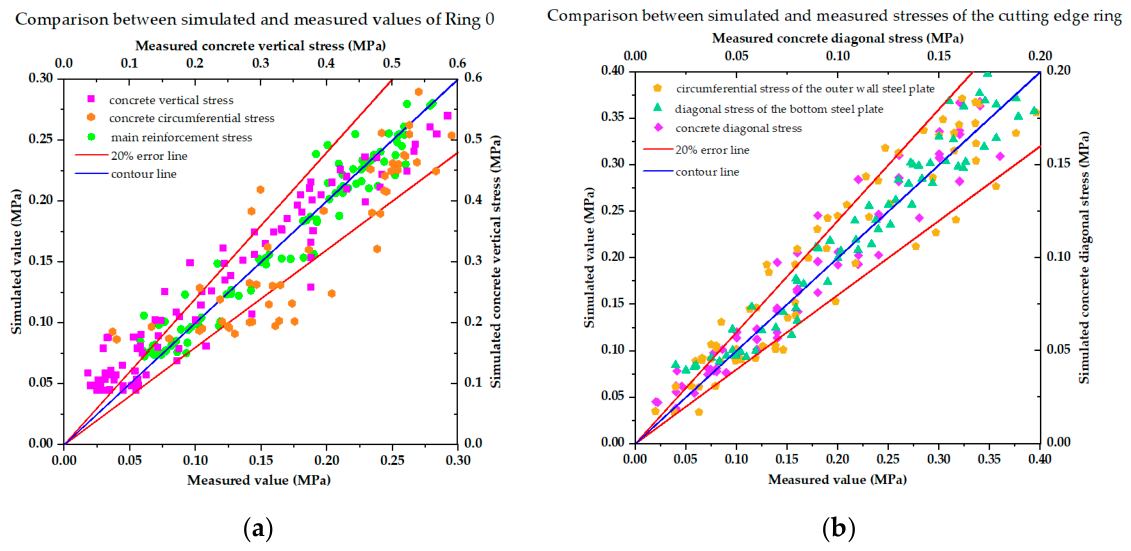
After validation, the structural response tended to stabilize with increasing depth, with relative errors of less than 20% for over 85% of the monitoring points, meeting the accuracy requirements for engineering analysis. Larger deviations were observed only during the shallow excavation stage (where measured values were small and susceptible to interference from complex surface environmental loads) and at a few monitoring points with abnormal data (e.g., sensor failure or periods of strong external interference). After excluding the invalid data and considering environmental factors, the overall trend of the model calculation results was consistent with the measured data. The relative error distributions of the structural responses for Ring 0 and the cutting edge ring are shown in Figure 7. In the figure, more than 80% of the valid data points fall within the ±20% error range, indicating satisfactory agreement between the numerical simulation and field measurements.
In summary, the refined finite element model established in this study achieved a good level of performance in terms of geometric fidelity, detailed structural modeling, and prediction of mechanical responses under different depth cases, making it suitable for subsequent structural parameter analysis and optimization studies.

4. Parameter Sensitivity Analysis and Optimization Direction of Segment Structure (Based on SHAP)

4.1. Sample Database Construction and Surrogate Model Selection

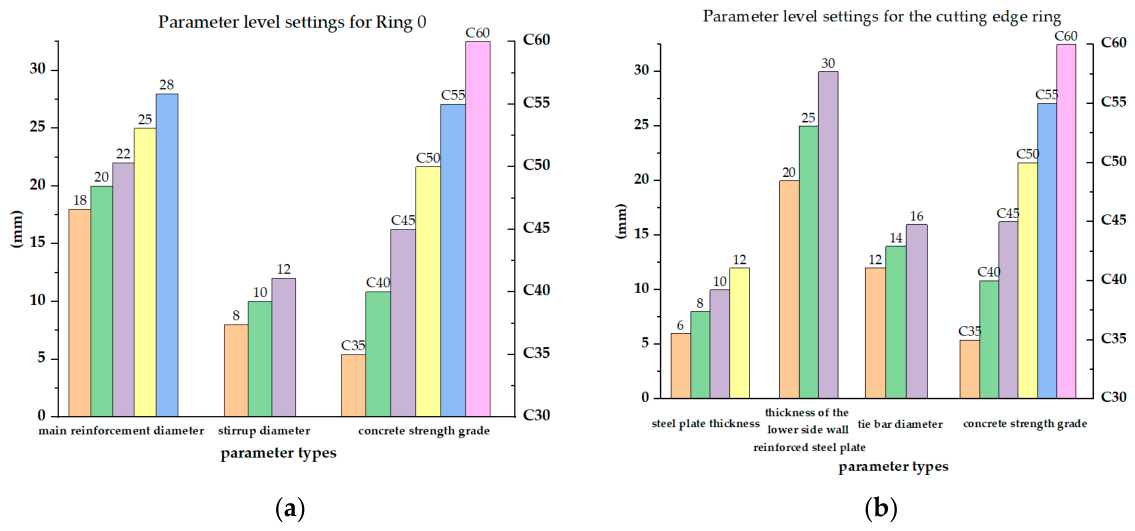
To systematically evaluate the influence of structural parameters on the mechanical performance of the VSM shaft during construction, Ring 0 and the cutting edge ring were selected as the research objects, and the maximum sinking depth (approximately 25.5 m for Ring 0 and 27 m for the cutting edge ring) was extracted as the analysis case. This depth represents the most unfavorable load combination, with representative stress responses, making it a critical case for structural safety evaluation and parameter analysis. On this basis, a large-sample structural response database was constructed by adjusting the design parameters most relevant to structural performance. For Ring 0, three parameters were selected: concrete strength grade, main reinforcement diameter, and stirrup diameter. For the cutting edge ring, four parameters were selected: concrete strength grade, steel plate thickness, lower side wall reinforced steel plate thickness, and tie bar diameter. Each parameter was set at multiple levels within the common engineering range, and a full factorial experimental design was adopted for combination, as shown in Figure 8. The selected parameter ranges covered typical engineering design conditions and enabled the interaction effects among different parameters to be comprehensively considered. Each segment was treated as an independent data sampling point, resulting in 540 sample combinations for Ring 0 and 864 for the cutting edge ring.
Based on the validated refined finite element model, the structural response data for each parameter combination were generated in batches using parametric scripts. Stress values at key points were extracted as output variables to construct the sample database for subsequent analysis.
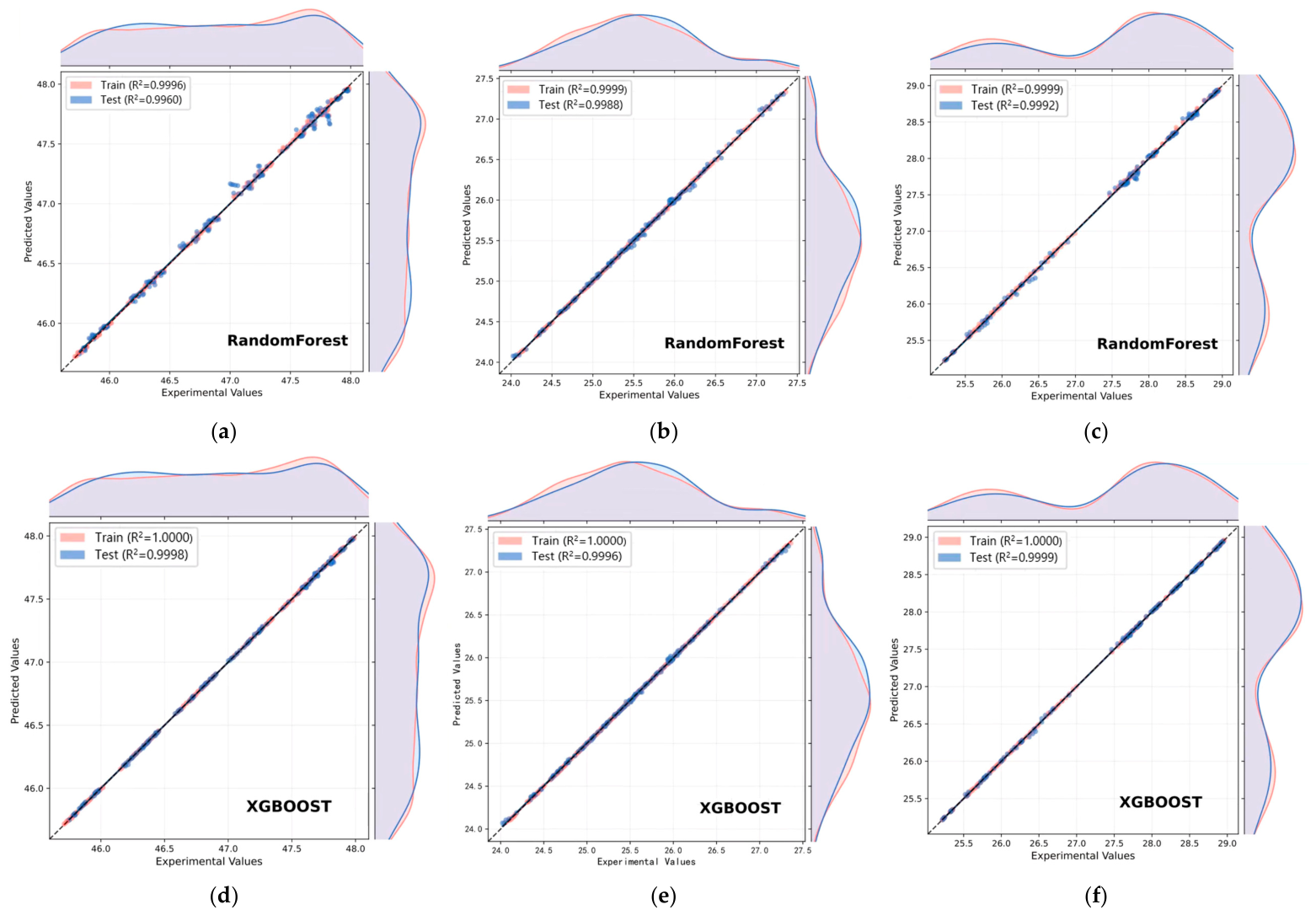
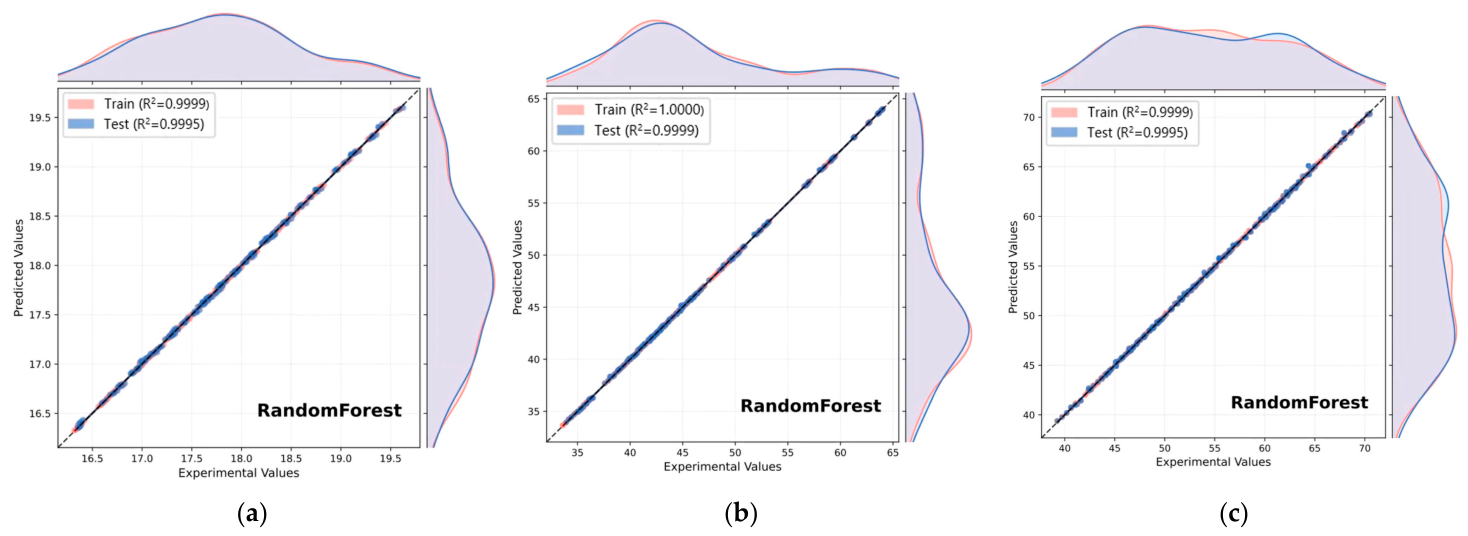
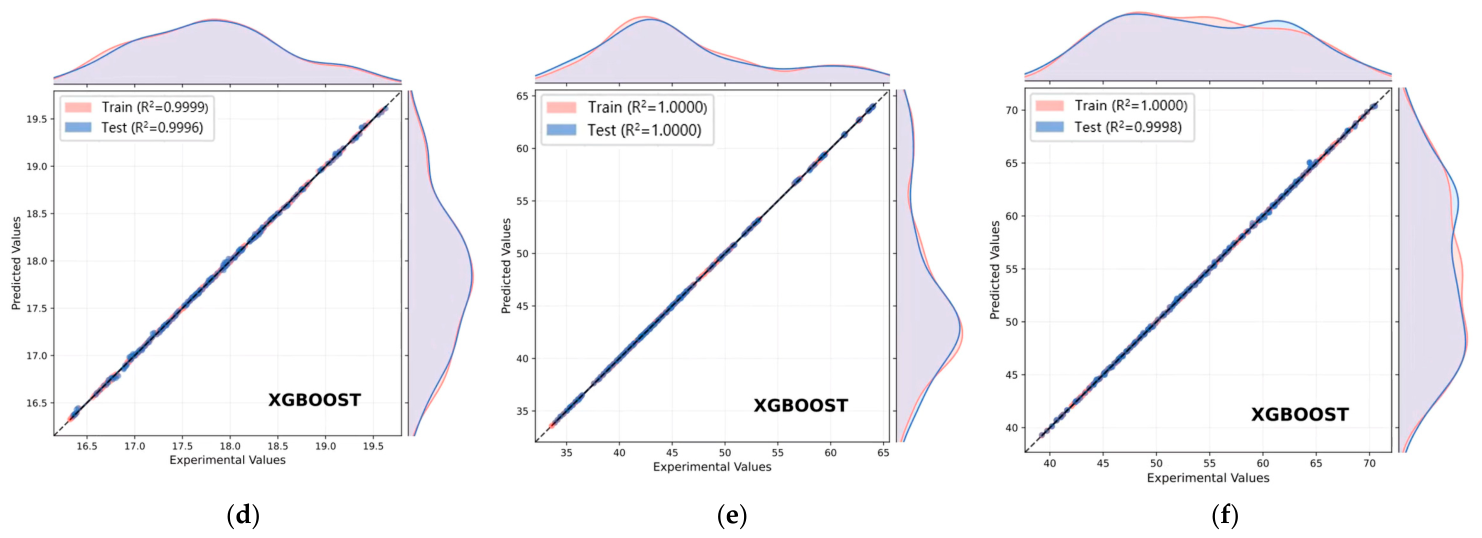
To accurately quantify the influence of each design parameter on the structural response, an ensemble learning algorithm was introduced to establish the nonlinear mapping relationship between variables and responses. Specifically, a Genetic Algorithm-optimized XGBoost (GA-XGBoost) model and a Genetic Algorithm-optimized Random Forest (GA-RF) model, with the genetic algorithm settings summarized in Table 3, both employing 5-fold cross-validation to prevent overfitting, were trained and compared on the same dataset (training set: test set = 7:3). The training and test sets were randomly split from the same dataset. Before model training, all input features were normalized to reduce the influence of scale differences among parameters and improve model stability. The test set was not used during model training or hyperparameter tuning, ensuring independence between calibration and validation datasets. By comparing the fit between the predicted values and actual values of the test set for the two models (as shown in Figure 9 and Figure 10), the model with higher prediction accuracy and stronger generalization capability was selected as the final surrogate model. As shown in Figure 9 and Figure 10, compared with the GA-RF model, the predicted values of the GA-XGBoost model are more closely distributed around the reference line, indicating better fitting performance and generalization capability for both Ring 0 and the cutting edge ring. Table 4 summarizes the quantitative comparison of predictive performance for both models. Therefore, the GA-XGBoost model was selected as the surrogate model for subsequent global sensitivity analysis. The optimized hyperparameter values of the GA-XGBoost model are summarized in Table 5. The higher prediction accuracy of the GA-XGBoost model is mainly attributed to the strong physical correlation between input features and output responses, combined with the fact that the dataset is generated from a validated finite element model rather than scattered field data, resulting in relatively low noise levels. This model will be used to scientifically and efficiently identify the primary and secondary influences of key design parameters—such as concrete strength, reinforcement diameter, and steel plate thickness—on the structural response of the segments, providing a quantitative basis for structural optimization.

4.2. SHAP Analysis and Segment Optimization Direction

After determining the optimal ensemble learning algorithm model based on prediction accuracy comparison, the SHAP method, which originates from cooperative game theory, was introduced to further reveal the quantitative influence of each design parameter on the segment structural response. This method, proposed by Lundberg and Lee in 2017, provides a unified and theoretically robust framework for feature importance measurement of ensemble learning model predictions. By calculating the SHAP values of key design parameters such as concrete strength, reinforcement diameter, and steel plate thickness, the marginal contribution of each parameter to the model predictions can be quantified, thereby identifying the dominant factors affecting the segment stress response and their ranking. The magnitude of the SHAP value directly reflects the significance of the corresponding feature’s influence.
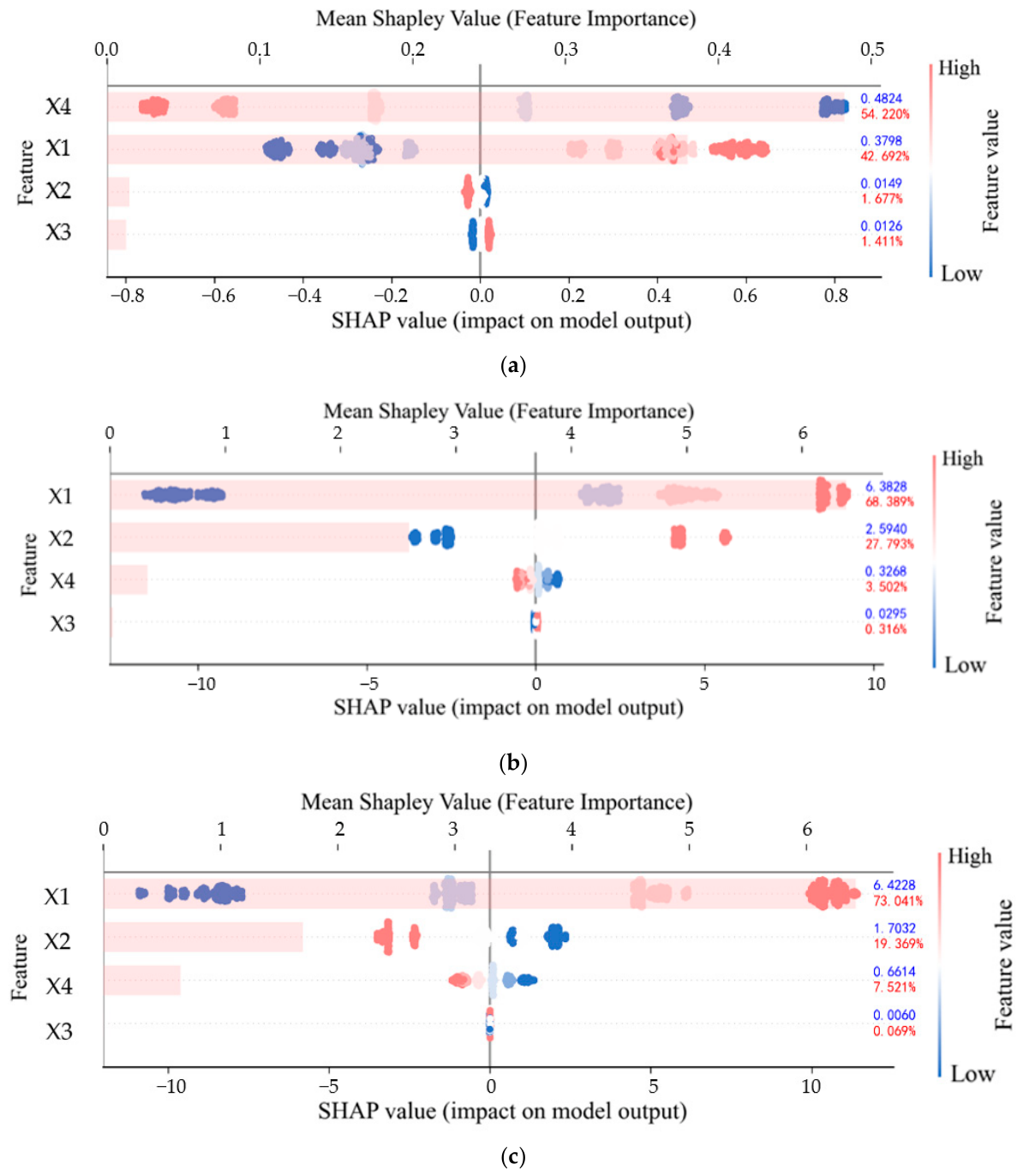
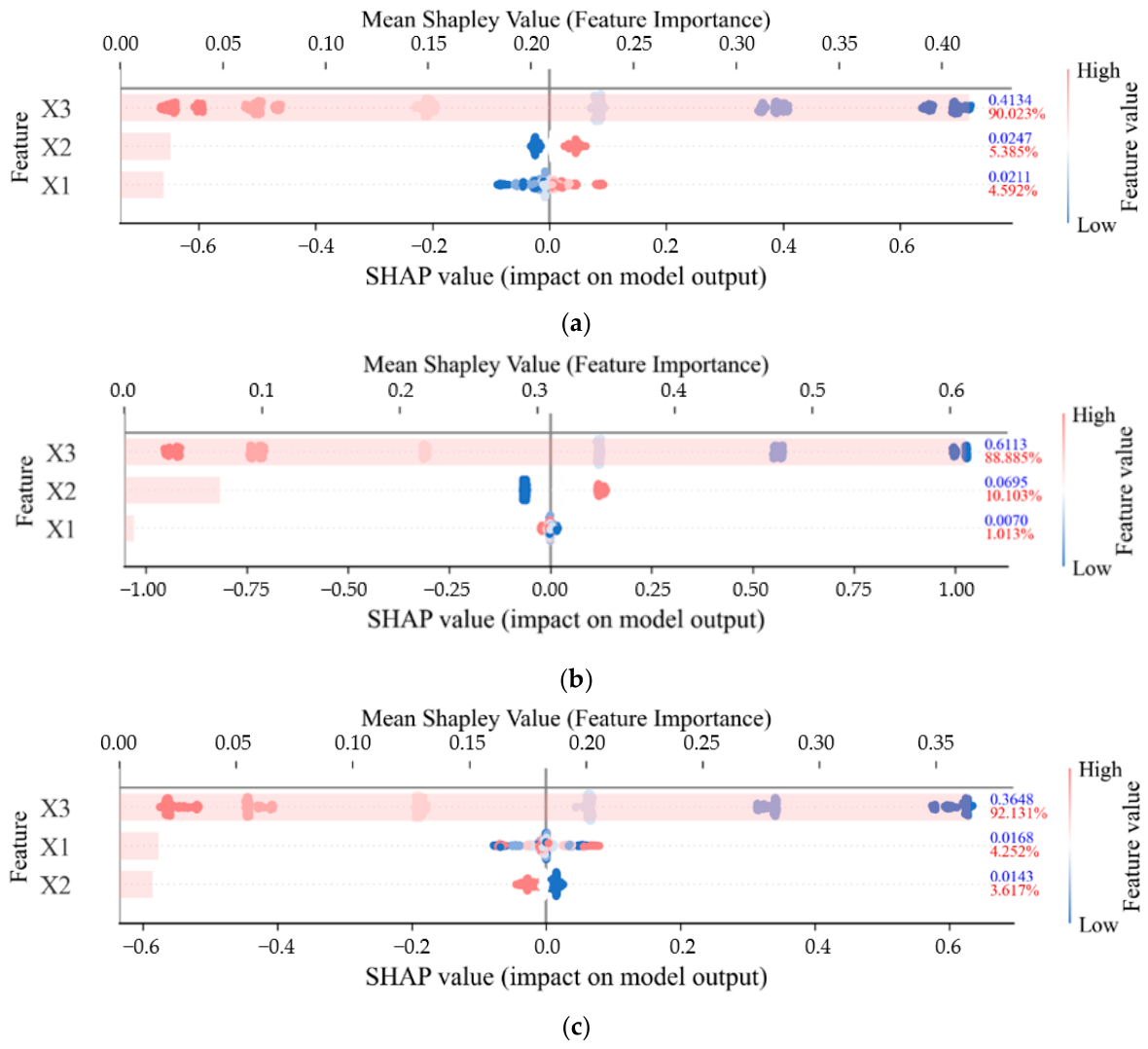
After calculation, the average SHAP values of key parameters for Ring 0—main reinforcement diameter (X1), stirrup diameter (X2), and concrete strength (X3)—corresponding to each structural response are shown in Figure 11. The average SHAP values of key parameters for the cutting edge ring—steel plate thickness (X1), lower side wall reinforced steel plate thickness (X2), tie bar diameter (X3), and concrete strength (X4)—corresponding to each structural response are shown in Figure 12. The results indicate noticeable differences in the contributions of different structural parameters to the structural responses.
The analysis results are summarized in Table 6 and Table 7. For Ring 0, the average SHAP value of concrete strength grade is significantly higher than those of other parameters, making it the most sensitive variable affecting structural response. The SHAP values of stirrup diameter and main reinforcement diameter are relatively small, indicating their limited influence on structural stress. For the cutting edge ring, concrete strength grade and steel plate thickness are both sensitive variables, followed by lower side wall reinforced steel plate thickness, while the SHAP value of tie bar diameter is the smallest. The above analysis results effectively capture the nonlinear interactions among parameters, offering both global consistency and local interpretability, thus providing a data-driven scientific basis for segment structure optimization.
This SHAP contribution ranking aligns well with the mechanical characteristics of hard ground strata. In hard ground conditions, the surrounding rock possesses strong self-stability and bears the majority of the circumferential load, leaving the segment structure in a low-stress state overall. For Ring 0, concrete, as the primary material, directly determines the baseline compressive bearing capacity of the cross-section, thus exhibiting the most significant contribution. Stirrups primarily serve to confine the concrete and resist shear, contributing secondarily. Main reinforcement bears circumferential tension, but its contribution is the weakest under the load-bearing regime dominated by the surrounding rock. For the cutting edge ring, steel plate and concrete jointly determine the structural stiffness and resistance, with both showing high SHAP contributions. The lower side wall reinforced steel plate, as an auxiliary strengthening component, participates in load-bearing to a lesser extent, contributing secondarily. Tie bars mainly serve a structural connection function, with a limited direct influence on overall stress, thus exhibiting the smallest SHAP contribution. These results further demonstrate that the SHAP analysis not only quantifies parameter sensitivity, but also effectively reflects the underlying load-transfer mechanism and structural behavior of the VSM shaft under hard ground conditions.
Based on the optimization principle of reducing material consumption while maintaining the overall structural performance of the original design, parameters with lower SHAP sensitivity should be prioritized for adjustment. The optimization variables considered in this study included concrete strength, main reinforcement diameter, stirrup diameter, steel plate thickness, lower side wall reinforced steel plate thickness, and tie bar diameter. The optimization constraints were defined as maintaining the overall structural stress level comparable to the original design, while ensuring that the calculated crack width satisfied the requirements of the relevant design specifications. For Ring 0, main reinforcement and stirrup diameters exhibit low sensitivity, allowing for moderate reduction in their configuration, provided that minimum reinforcement ratio and detailing requirements are satisfied, thereby achieving material savings and cost optimization. After optimization, bearing capacity verification should be performed to ensure structural safety. For the cutting edge ring, although tie bars have the smallest SHAP contribution, their optimization requires comprehensive consideration of functional requirements and geological conditions. During the concrete pouring stage of the cutting edge ring, tie bars serve a structural role in connecting the inner and outer steel plates and preventing local buckling, a function that cannot be optimized regardless of geological conditions. During the construction stage, their load-bearing contribution varies with geological conditions: in granite composite strata, the surrounding rock bears the main load, resulting in limited contribution from tie bars; in soft soil areas, where surrounding rock constraint is weaker, the load-bearing role of tie bars may be more significant. Therefore, optimization of the cutting edge ring should not rely solely on SHAP contribution as the sole criterion.

5. Segment Optimization Scheme and Verification

5.1. Reinforcement Optimization Values

To scientifically quantify the reinforcement of the shaft structure and ensure its bearing capacity safety during construction and operation phases, the circular segment structure was equivalently modeled as a continuous beam based on the elastic foundation beam theory. Using the design internal forces of the Ring 0 cross-section as the basis, a systematic bearing capacity verification was conducted to obtain an optimized reinforcement scheme that satisfies both structural safety and economic efficiency. The design internal forces of the Ring 0 cross-section are presented in Table 8.
By comparing the actual reinforcement with the calculated reinforcement requirements, the initial reinforcement scheme of Ring 0 (as shown in Figure 3a) was adjusted, and the crack width of the optimized segment was verified. The results show that the optimized reinforcement scheme satisfies the bearing capacity requirements while effectively controlling the crack width within the specification limits. The optimization details are presented in Table 9.
The verification results indicate that the optimized reinforcement meets the design requirements. The reinforcement areas after optimization are all greater than the calculated required reinforcement areas, satisfying the normal section bearing capacity requirements under the design internal forces, thereby ensuring the fundamental safety of the structure while effectively reducing the material redundancy in the initial design. The crack width verification results for the inner side of the segment show that under the most unfavorable load combination, the maximum crack width of the optimized segment is 0.08 mm, which complies with the 0.20 mm limit specified in the Code for Design of Concrete Structures, ensuring that the durability and normal serviceability of the optimized segment meet the requirements and provide the same level of reliability as the initial scheme. Additionally, this segment optimization achieved significant economic benefits through the reduction in steel reinforcement, with the reinforcement weight per linear meter of segment reduced by approximately 43.43 kg and the steel content decreased by approximately 57.91 kg/m3.

5.2. Finite Element Verification

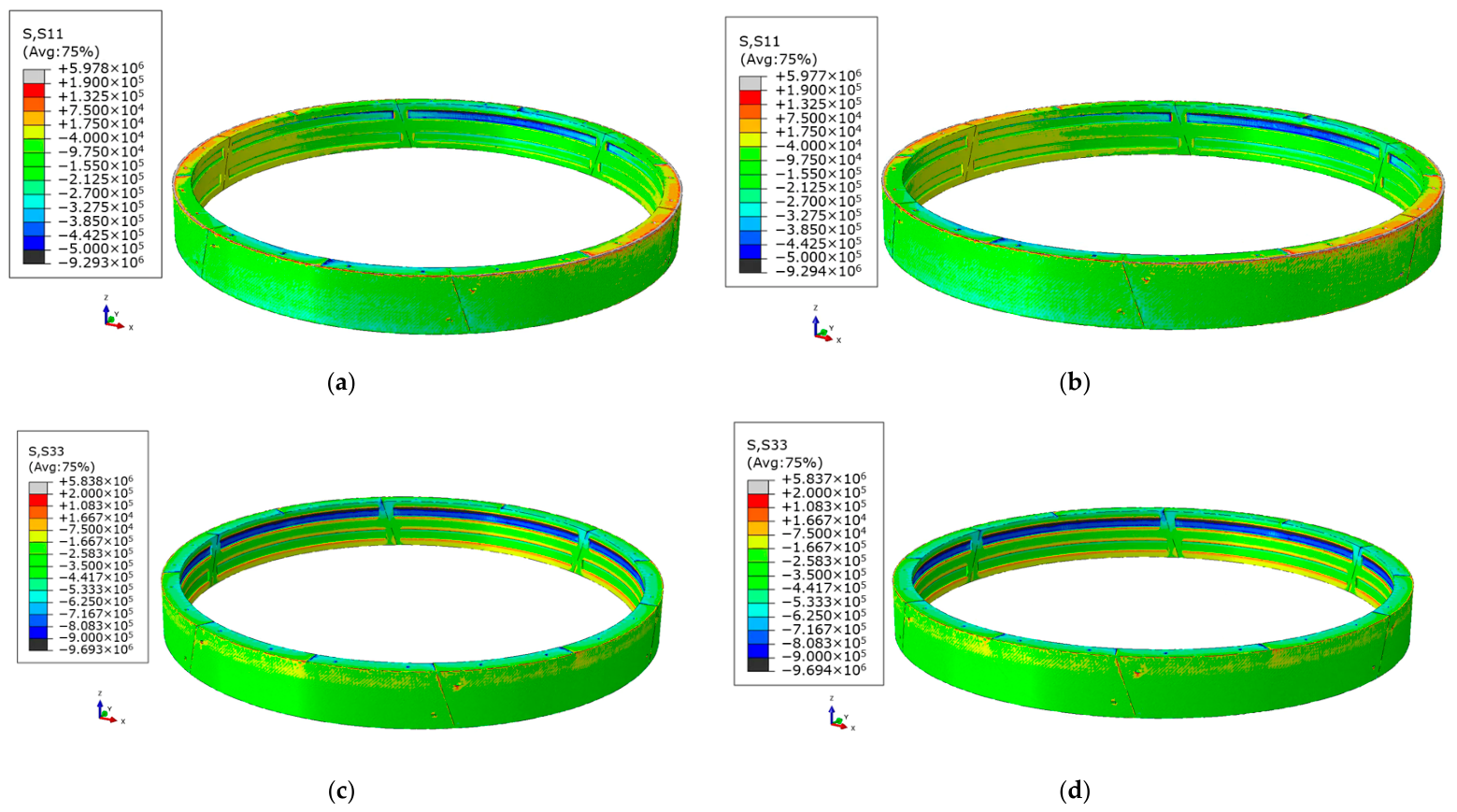
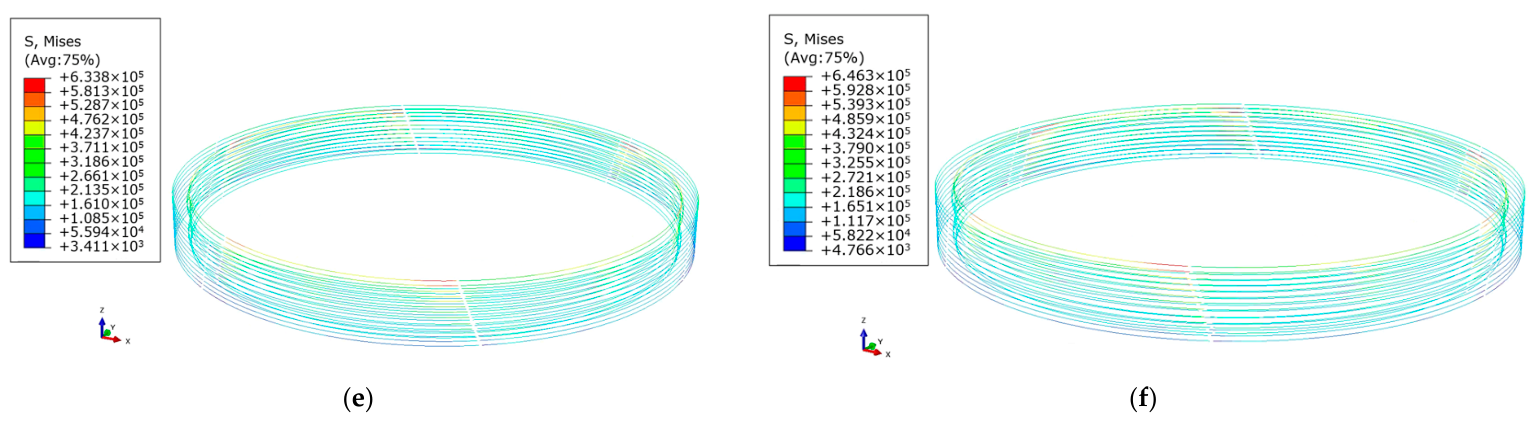
To validate the effectiveness of the optimized reinforcement scheme for Ring 0 of the prefabricated shaft derived from SHAP analysis, the optimized scheme was incorporated into the refined finite element model that accounts for the actual stiffness of segment joints for verification. The analysis results show that after considering the circumferential effect of the segment ring, the structural stiffness changes induced by reinforcement optimization did not cause significant redistribution of concrete stress or main reinforcement stress in the segment, with stress levels remaining largely comparable to those before optimization. The stress states of Ring 0 before and after optimization are shown in Figure 13. The stress contour comparison indicates that the optimized reinforcement scheme did not significantly change the overall stress distribution pattern of the segment. The distribution patterns of concrete vertical and circumferential stresses remained essentially unchanged, with the maximum circumferential compressive stress stabilizing at 9.293 MPa and the maximum vertical compressive stress stabilizing at 9.693 MPa, exhibiting minimal increases. The distribution pattern of main reinforcement stress was consistent with that before optimization, with the maximum value increasing slightly from 0.6338 MPa to 0.6463 MPa, still far below the design tensile strength of HRB400 reinforcement (360 MPa). The results demonstrate that while effectively reducing the amount of steel reinforcement, the overall mechanical response of the segment was maintained, and the fluctuation in stress state remained controllable, indicating that the optimization decision is both safe and reasonable.

6. Conclusions

Based on the Guanghua Intercity No. 2 Shield Shaft, the first ultra-deep prefabricated shaft constructed using the VSM method in South China, this study obtained the actual structural response through field monitoring, established a refined finite element model, and validated its reliability. On this basis, parameter sensitivity analysis was conducted using the GA-XGBoost surrogate model combined with the SHAP method to quantify the contributions of each design parameter to the structural response, systematically evaluating the mechanical performance of the shaft segment structure in granite composite strata. Following the optimization principle of minimizing material consumption while maintaining the overall structural performance of the original design, the reinforcement configuration of Ring 0 was optimized. The main conclusions are as follows:
(1)
The refined finite element model driven by field monitoring data was validated with good performance, with relative errors of less than 20% for over 85% of the monitoring points, meeting the accuracy requirements for engineering analysis and providing a reliable numerical platform for subsequent parameter sensitivity analysis and structural optimization.
(2)
SHAP sensitivity analysis effectively identified the contribution of each parameter to the structural response: for Ring 0, concrete strength contributed the most, while main reinforcement and stirrup diameters showed low sensitivity; for the cutting edge ring, concrete strength and steel plate thickness were the most sensitive variables, while tie bar diameter exhibited the lowest sensitivity. The analysis results are consistent with the mechanical characteristics of hard ground strata.
(3)
Following the optimization objective of reducing material consumption while maintaining structural safety and performance, the reinforcement configuration of Ring 0 was optimized, resulting in a reduction in reinforcement weight by 43.43 kg per linear meter of segment and a decrease in steel content by 57.91 kg/m3, demonstrating significant economic benefits. Verification calculations indicate that the stress distribution pattern of the optimized segment remained largely unchanged, with stress levels far below the design strength of the materials, and the crack width was controlled within 0.08 mm, confirming that the optimization scheme is safe and reasonable.
(4)
Although tie bars in the cutting edge ring exhibited the smallest SHAP contribution, they play an irreplaceable structural role during the concrete pouring stage and should not be directly optimized. Future studies may further evaluate their load-bearing contribution in combination with the characteristics of soft soil strata and explore optimization possibilities while ensuring their structural function.
It should be noted that the conclusions obtained in this study are primarily applicable to VSM shaft structures constructed in hard ground conditions similar to the granite composite strata investigated in this project. The optimization strategy and the SHAP-based sensitivity analysis adopted in this study may provide useful references for similar underground engineering projects; however, the contribution patterns of structural parameters may differ under soft soil conditions or other geological environments due to variations in surrounding rock load-sharing behavior. In addition, the present study is mainly based on finite element simulation and monitored data from a single project. Further validation using additional engineering cases and broader geological conditions is still needed in future research.
This study does not include probabilistic analysis or uncertainty propagation assessment, which may lead to an incomplete understanding of the influence of input parameter variability on the optimization results. Future research will incorporate probabilistic methods to address this aspect. In addition, the optimization objective of reducing material consumption while maintaining structural safety and performance is described qualitatively rather than mathematically. The optimization in this paper is primarily engineering-driven. Future research may consider formalizing the optimization with objective functions, constraints, and reliability-based criteria.

Author Contributions

Conceptualization, Z.L.; methodology, Z.L. and J.Z. (Jianxiong Zhao); software, X.L.; validation, X.L.; formal analysis, Z.L. and T.L.; investigation, X.C.; resources, X.C. and J.Z. (Junyi Zhang); data curation, J.Z. (Junyi Zhang) and J.Y.; supervision, J.Y.; project administration, Z.L. All authors have read and agreed to the published version of the manuscript.

Funding

This research received no external funding.

Data Availability Statement

The original contributions presented in the study are included in the article, and further inquiries can be directed to the corresponding author.

Conflicts of Interest

Author Zhicheng Liu was employed by the company Guangzhou Metro Group Co., Ltd., Guangzhou 510330, China; Xinlong Li was employed by the company China Railway 15th Bureau Group Underground Engineering Co., Ltd., Yangzhou 225101, China; Jianxiong Zhao was employed by the company Guangzhou Metro Group Co., Ltd., Guangzhou 510330, China and Guangzhou Metro Construction Management Co., Ltd., Guangzhou 510330, China; Tao Liu was employed by the company China Railway Construction South China Construction Co., Ltd., Guangzhou 511458, China. The remaining authors declare that the research was conducted in the absence of any commercial or financial relationships that could be construed as a potential conflict of interest.

References

  1. Ma, C.; Hong, H.; Wen, W.; Yu, W.; Pei, H. VSM technology and equipment for shaft sinking and its engineering applications. Mine Constr. Technol. 2024, 45, 10–15. [Google Scholar] [CrossRef]
  2. Krauze, K.; Boloz, L.; Wydro, T. Mechanized shaft sinking system. Arch. Min. Sci. 2018, 63, 891–902. [Google Scholar] [CrossRef]
  3. Frenzel, C.; Delabbio, F.; Burger, W. Shaft boring systems for mechanical excavation of deep shafts. In Proceedings of the Second International Symposium on Block and Sublevel Caving; Australian Centre for Geomechanics: Perth, Australia, 2010; pp. 289–295. [Google Scholar]
  4. Huang, C.; Sun, D.; Xu, X.; Liu, Z.; Cao, Z.; Liu, F.; Wen, W. Vertical shield tunneling technology and its application in underground stereo garages. In Leading the Way Forward; Leading the Way Forward; CRC Press: Boca Raton, FL, USA, 2026. [Google Scholar]
  5. Wang, G.; Fang, Y.; Deng, F.; Ren, K.; Xu, H. Stability analysis of deep and large vertical shaft excavation by raise boring machine method through upper soft and lower hard strata. Sci. Rep. 2025, 15, 35852. [Google Scholar] [CrossRef]
  6. Oreste, P.; Spagnoli, G.; Lo Bianco, L. A Combined Analytical and Numerical Approach for the Evaluation of Radial Loads on the Lining of Vertical Shafts. Geotech. Geol. Eng. 2016, 34, 1057–1065. [Google Scholar] [CrossRef]
  7. Liu, Y.; Liao, S.; Zhao, S.; He, J.; Zhang, B. Three-dimensional soil-shaft-machine interaction model for multiple-mode deformations of VSM shafts during construction. Tunn. Undergr. Space Technol. 2026, 173, 107603. [Google Scholar] [CrossRef]
  8. Shan, Y.; Yang, K.; Jia, R.; Li, Y.; Wang, Y.; Cui, J. Mechanical behavior and compositional variation of weathered granite soil with different degrees of weathering. Bull. Eng. Geol. Environ. 2025, 84, 39. [Google Scholar] [CrossRef]
  9. Wang, Y.; Jia, R.; Li, Y.; Yang, K.; Cui, J.; Shan, Y. Study on the mechanical properties and microscopic evolution mechanisms of weathered granite soil. Sci. Rep. 2024, 14, 24388. [Google Scholar] [CrossRef]
  10. Jia, R.; Shan, Y.; Yang, K.; Wang, Y.; Hu, Z.; Li, Y.; Cui, J. Effect of suffosion on deterioration of weathered granite soil: A multi-scale study from macroscopic to microscopic investigations. Acta Geotech. 2025, 20, 4213–4229. [Google Scholar] [CrossRef]
  11. Yin, T.; Fu, W.; Jiang, X.; Wang, H.; Li, J.; Huang, X.; Zhang, Z. In-situ experiment on deep shaft under-water excavation using a shaft sinking machine in Shanghai. Undergr. Space 2026. In press. [Google Scholar] [CrossRef]
  12. Rivera, S.; Ma, C.; Liu, X.; Xu, Z.b.; Yu, L.; Zhang, X. Study of the horizontal propagation of deformations generated by a shaft excavation, from the use of VSM machinery in soft soils in shanghai China. IOP Conf. Ser. Earth Environ. Sci. 2025, 1541, 012011. [Google Scholar] [CrossRef]
  13. Kujundzic, B.; Nikolic, Z. Load-Sharing By Rock Mass, Concrete and Steel Lining in Pressure Tunnels and Shafts. In Proceedings of the ISRM International Symposium, Aachen, Germany, 26–28 May 1982. [Google Scholar]
  14. Xu, W.; Lin, L.; Zhu, N.; Zhao, Y.; Yang, H.; Mei, Y.; Zhou, D. Three-Dimensional Numerical Analyses of a Monitored Deep Excavation Pit: A Case Study in the Guangzhou Metro. Buildings 2025, 15, 4018. [Google Scholar] [CrossRef]
  15. Liao, L.; De La Fuente, A.; Cavalaro, S.; Aguado, A. Design procedure and experimental study on fibre reinforced concrete segmental rings for vertical shafts. Mater. Des. 2016, 92, 590–601. [Google Scholar] [CrossRef]
  16. Kilic, K. Enhancing Tunnel Boring Machine Performance Prediction and Optimization with Artificial Intelligence Models: Insights from Operational Data. Ph.D. Thesis, Akita University, Akita, Japan, 2024. [Google Scholar]
  17. Chen, Y.; Guan, W.; Azzam, R.; Chen, S. NSA-CHG: An Intelligent Prediction Framework for Real-Time TBM Parameter Optimization in Complex Geological Conditions. AI 2025, 6, 127. [Google Scholar] [CrossRef]
  18. Fei, R.; Shi, C.; Zhang, C.; Li, J. Prediction model for disturbance induced by shield tunneling underneath existing tunnels and optimization of tunneling parameters. Chin. J. Geotech. Eng. 2026, 48, 590–598. [Google Scholar] [CrossRef]
  19. Gu, W. Bayesian deep reinforcement learning for uncertainty quantification and adaptive support optimization in deep foundation pit engineering. Sci. Rep. 2025, 15, 35281. [Google Scholar] [CrossRef]
  20. Yang, J.; Zhou, Z.; Liu, Y.; Gao, C.; Wang, M.; Song, J.; Li, Y. An intelligent decision method for key shield tunnelling parameters using multi-objective optimization based on LGBM-NSGA-II. Bull. Eng. Geol. Environ. 2025, 84, 574. [Google Scholar] [CrossRef]
  21. Liu, W.; Li, A.; Liu, C. Multi-objective optimization control for tunnel boring machine performance improvement under uncertainty. Autom. Constr. 2022, 139, 104310. [Google Scholar] [CrossRef]
  22. Lundberg, S.M.; Lee, S.-I. A Unified Approach to Interpreting Model Predictions; Curran Associates. In Proceedings of the 31st International Conference on Neural Information Processing Systems; Curran Associates Inc.: Red Hook, NY, USA, 2017. [Google Scholar]
  23. Patel, P.Z.; Vekariya, D.V.; Sutaria, D.K. Illuminating the Black Box: A Deep Dive into Shap for Explainable AI. Lex Localis-J. Local Self-Gov. 2025, 23, 6493. [Google Scholar] [CrossRef]
  24. Hassija, V.; Chamola, V.; Mahapatra, A.; Singal, A.; Goel, D.; Huang, K.; Scardapane, S.; Spinelli, I.; Mahmud, M.; Hussain, A. Interpreting Black-Box Models: A Review on Explainable Artificial Intelligence. Cogn. Comput. 2024, 16, 45–74. [Google Scholar] [CrossRef]
  25. Chen, H.; Liu, J.; Shen, G.Q.; Feng, Z. Control of existing tunnel deformation caused by shield adjacent undercrossing construction using interpretable machine learning and multiobjective optimization. Autom. Constr. 2025, 170, 105943. [Google Scholar] [CrossRef]
  26. Qiao, S.; Li, H.; Thomas Ng, S.; Tan, J.; Tang, Y.; Cheng, B. XGBoost-based global sensitivity analysis of ground settlement caused by shield tunneling in dense karst areas. Adv. Eng. Inform. 2024, 62, 102928. [Google Scholar] [CrossRef]
  27. Kilic, K.; Ikeda, H.; Narihiro, O.; Adachi, T.; Kawamura, Y. A soft ground micro TBM’s specific energy prediction using an eXplainable neural network through Shapley additive explanation and Optuna. Bull. Eng. Geol. Environ. 2024, 83, 175. [Google Scholar] [CrossRef]
  28. Li, S.; Hai, M.; Zhang, Q.; Zhou, B.; Wang, M.; Zhao, Z. Study on an interpretable prediction model for pile bearing capacity based on SHAP and BP neural networks. Sci. Rep. 2025, 15, 28134. [Google Scholar] [CrossRef] [PubMed]
Figure 1. Overall methodology framework of this study.
Buildings 16 02187 g001
Figure 2. Project location.
Buildings 16 02187 g002
Figure 3. Structural drawings of shaft segments: (a) Schematic of internal reinforcement arrangement of Ring 0; (b) Structural design drawing of the cutting edge ring.
Buildings 16 02187 g003
Figure 4. Field layout of structural monitoring points: (a) Vertical strain gauge for concrete of Ring 0; (b) Circumferential strain gauge for concrete of Ring 0; (c) Strain gauge for main reinforcement of Ring 0; (d) Diagonal strain gauge for concrete of cutting edge ring; (e) Circumferential strain gauge for outer wall steel plate of cutting edge ring; (f) Diagonal strain gauge for bottom steel plate of cutting edge ring.
Buildings 16 02187 g004
Figure 5. Perspective view of the model.
Buildings 16 02187 g005
Figure 6. Detailed comparison between the model and the actual field structure.
Buildings 16 02187 g006
Figure 7. Comparison between simulated and measured structural responses: (a) Ring 0; (b) Cutting edge ring.
Buildings 16 02187 g007
Figure 8. Schematic of parameter level settings for each structural parameter: (a) Ring 0; (b) Cutting edge ring.
Buildings 16 02187 g008
Figure 9. Predicted vs. actual value fitting plots for Ring 0: (a) GA-RF concrete vertical stress; (b) GA-RF concrete circumferential stress; (c) GA-RF main reinforcement stress; (d) GA-XGBoost concrete vertical stress; (e) GA-XGBoost concrete circumferential stress; (f) GA-XGBoost main reinforcement stress.
Buildings 16 02187 g009
Figure 10. Predicted vs. actual value fitting plots for cutting edge ring: (a) GA-RF concrete diagonal stress; (b) GA-RF outer wall steel plate circumferential stress; (c) GA-RF bottom steel plate diagonal stress; (d) GA-XGBoost concrete diagonal stress; (e) GA-XGBoost outer wall steel plate circumferential stress; (f) GA-XGBoost bottom steel plate diagonal stress.
Buildings 16 02187 g010aBuildings 16 02187 g010b
Figure 11. SHAP analysis results for Ring 0: (a) Average SHAP values of each parameter for concrete circumferential stress; (b) Average SHAP values of each parameter for concrete vertical stress; (c) Average SHAP values of each parameter for main reinforcement stress.
Buildings 16 02187 g011
Figure 12. SHAP analysis results for cutting edge ring: (a) Average SHAP values of each parameter for concrete diagonal stress; (b) Average SHAP values of each parameter for outer wall steel plate circumferential stress; (c) Average SHAP values of each parameter for bottom steel plate diagonal stress.
Buildings 16 02187 g012
Figure 13. Comparison of stress states of Ring 0 segment before and after optimization: (a) Concrete circumferential stress before optimization; (b) Concrete circumferential stress after optimization; (c) Concrete vertical stress before optimization; (d) Concrete vertical stress after optimization; (e) Main reinforcement stress before optimization; (f) Main reinforcement stress after optimization.
Buildings 16 02187 g013aBuildings 16 02187 g013b
Table 1. Summary of key mechanical parameters of soil layers.
Layer No.Soil Layer NameLayer Thickness (m)Subgrade Reaction Coefficient of Rock/Soil Layer
(MPa/m)
Compression Modulus (MPa)Poisson’s RatioCoefficient of Earth Pressure at Rest
K0
Geotechnical Construction Engineering Classification
Horizontal
Kh
Vertical
Kv
<1–2>Miscellaneous fill11.0---0.320.471I~II
<5H–2>Granite residual soil4.135405.00.280.389II
<6H>Completely weathered granite4.060626.00.270.370III
<7H–A>Highly weathered granite5.91502007.90.250.333III~IV
<8H>Moderately weathered granite 2.0500600-0.200.250V
Table 2. Model material parameters and element types.
Structural ComponentMaterial TypeDimensionsElement TypeElastic Modulus
(GPa)
Poisson’s Ratio
Segment concreteC50 concrete-C3D1034.50.2
Reinforcement of Ring 0HRB400 steelMain bar: Φ25 mm;
Stirrup: Φ12 mm
T3D22000.3
Steel plate of cutting edge ringQ235B steelThickness: 12 mm (trough)C3D102060.3
Longitudinal boltM27 bolt-C3D102060.3
Circumferential boltM27 bolt-C3D102060.3
Gasket45# steel-C3D102060.3
Tie bar of cutting edge ringHRB400 steelΦ16 mmT3D22000.3
Table 3. Genetic algorithm settings for GA-XGBoost and GA-RF models.
CategoryModel TypeParameterValue
GA parameter settingsGA-RF/GA-XGBoostPopulation size6
Generations30
Random seed42
Mutation Probability0.1
Stopping Criterion10 generations, no improvement
GA search spaceGA-RFn_estimators[10, 200]
max_depth[3, 20]
min_samples_leaf[1, 10]
GA-XGBoostn_estimators[10, 200]
max_depth[1, 50]
learning_rate[0.01, 0.3]
min_child_weight[1, 20]
gamma[0, 0.5]
Table 4. Predictive performance comparison of GA-XGBoost and GA-RF models.
Model TypeStructureStress ResponseTraining SetTest Set
R2MAERMSER2MAERMSE
GA-RFring 0Concrete vertical stress0.99960.01090.01480.99600.03040.0441
Concrete hoop stress0.99990.00630.00880.99880.01840.0249
Main reinforcement stress0.99990.00860.01280.99920.02290.0324
cutting edge ringConcrete diagonal stress0.99990.00600.00780.99950.01330.0162
Outer wall steel plate hoop stress1.00000.02790.03860.99990.06350.0841
Bottom steel plate diagonal stress0.99990.05220.07010.99950.12030.1666
GA-XGBoostring 0Concrete vertical stress1.00000.00260.00360.99980.00600.0090
Concrete hoop stress1.00000.00350.00470.99960.01000.0145
Main reinforcement stress1.00000.00340.00450.99990.00840.0124
cutting edge ringConcrete diagonal stress0.99990.00520.00670.99960.01100.0147
Outer wall steel plate hoop stress1.00000.02080.02791.00000.03530.0458
Bottom steel plate diagonal stress1.00000.03160.04170.99980.07280.1132
Table 5. Hyperparameter values of the GA-XGBoost model.
StructureStress Responsen_estimatorsmax_depthlearning_ratemin_child_weight
Ring 0Concrete vertical stress187310.22515
Concrete hoop stress118100.2639
Main reinforcement stress15140.1602
Cutting edge ringConcrete diagonal stress179100.19714
Outer wall steel plate hoop stress19140.1503
Bottom steel plate diagonal stress174220.26315
Table 6. SHAP contribution ratios of structural parameters for Ring 0.
Structural ParameterSHAP Contribution (%)Average (%)
Concrete Circumferential StressConcrete Vertical StressMain Reinforcement Stress
Main reinforcement diameter4.5921.0134.2523.286
Stirrup diameter5.38510.1033.6176.368
Concrete strength90.02388.88592.13190.346
Table 7. SHAP contribution ratios of structural parameters for cutting edge ring.
Structural ParameterSHAP Contribution (%)Average (%)
Concrete Diagonal StressOuter Wall Steel Plate Circumferential StressBottom Steel Plate Diagonal Stress
Steel plate thickness42.69268.38973.04161.374
Lower side wall reinforced steel plate thickness1.67727.79319.36916.280
Tie bar diameter1.4110.3160.0690.599
Concrete strength54.2203.5027.52121.748
Table 8. Design internal forces of Ring 0 cross-section.
Bending Moment (kN·m)Shear Force (kN)Axial Force (kN)
Design value492.18518.981750.21
Table 9. Reinforcement optimization of Ring 0 segment.
Stress ResponseReinforcement Before Optimization (Area mm2)Calculated Required Reinforcement (mm2)Reinforcement After Optimization (Area mm2)Area Reduction (mm2)Weight Reduction (kg/m)Crack Width After Optimization (mm)
Inner main reinforcement4Φ28 + 8Φ25
(6390)
36854Φ22 + 8Φ20
(4034)
2356
(36.9%)
18.49 kg/m0.08 < 0.20
Outer main reinforcement10Φ28
(6158)
307210Φ20
(3142)
3016
(49.0%)
23.68 kg/m
StirrupΦ12@220
(2056 mm2/m)
1890 mm2/mΦ12@230
(1967 mm2/m)
89 mm2/m
(4.3%)
1.26 kg/m
Disclaimer/Publisher’s Note: The statements, opinions and data contained in all publications are solely those of the individual author(s) and contributor(s) and not of MDPI and/or the editor(s). MDPI and/or the editor(s) disclaim responsibility for any injury to people or property resulting from any ideas, methods, instructions or products referred to in the content.