


Abstract
Peri-urban village renewal in China has increasingly improved infrastructure and environmental conditions, but its effects on residents’ subjective well-being remain insufficiently understood. Taking Siqing Village in Chanba District, Xi’an, as a case study, this research examines how spatial restructuring is associated with residents’ perceptions of livability, place attachment, and well-being. A mixed-methods approach was adopted, combining field observation, spatial classification, questionnaire survey, semi-structured interviews, reliability and validity testing, Spearman correlation analysis, and hierarchical regression. The results show that recent renewal improved roads, lighting, sanitation, drainage, waste management, and housing interfaces. Questionnaire responses indicated generally positive evaluations of spatial restructuring and living environment satisfaction, although the highly positive distribution suggested a ceiling effect. Correlation analysis showed significant positive relationships among spatial restructuring perception, living environment satisfaction, place attachment, and subjective well-being. Regression results further indicated that place attachment had the strongest association with subjective well-being after spatial restructuring perception and living environment satisfaction were included. Interview findings revealed that physical improvements increased convenience and safety, but also raised concerns about reduced informal social interaction, weakened local character, and insufficient public space adaptability. The study concludes that peri-urban village renewal should not be evaluated only by visible environmental improvement, but also by its capacity to sustain everyday use, local familiarity, and residents’ emotional attachment to place.
1. Introduction
The restructuring of urban and rural spatial systems has become one of the most significant consequences of rapid urbanization, rural revitalization, and regional infrastructure investment in contemporary China. In many peri-urban villages, the boundary between the city and the countryside is no longer stable. Agricultural land, village roads, housing plots, public facilities, ecological corridors, and commercial spaces are increasingly reorganized through planning interventions, infrastructure upgrading, land-use conversion, and everyday adaptive practices. This process has improved transportation access, sanitation, public services, and environmental conditions in many settlements, but it has also generated new tensions between physical renewal and lived experience. The central question is therefore not only whether a village has been spatially improved, but whether spatial restructuring is associated with residents’ subjective well-being, place attachment, and everyday livability of the residents who continue to inhabit it [1,2].
Recent policy and academic discussions have emphasized the improvement of rural human settlements as a key component of China’s rural revitalization strategy. The five-year action plan for improving rural living conditions calls for better sanitary facilities, rural sewage treatment, and general improvement of the rural living environment by 2025 [3,4]. Studies on rural human settlements also suggest that environmental improvement is closely related to quality of life and farmers’ well-being, rather than being merely a technical issue of physical construction [5,6,7]. However, the relationship between spatial restructuring and subjective well-being remains insufficiently examined. Many existing assessments still privilege measurable physical indicators, such as road density, facility provision, environmental sanitation, and building conditions, while paying less attention to residents’ emotional attachment, daily routines, social interaction, cultural familiarity, and sense of continuity [8,9,10]. This gap is especially important in peri-urban villages, where rural settlements are frequently absorbed into expanding metropolitan regions and are exposed to both urban infrastructure and the erosion of traditional spatial structures [11].
From a planning perspective, the improvement of village space should not be reduced to the beautification of façades, the widening of roads, or the installation of standardized public facilities. Although such interventions may improve the visible environment, they do not automatically produce livability [12]. A people-centered approach requires attention to the relationship between spatial structure and daily practice. For example, a newly paved road may increase accessibility, but it may also alter the scale of walking, weaken informal gathering points, or reduce the intimacy of village lanes. A renovated square may improve visual order, but it may remain underused if it does not correspond to residents’ habitual routes, shaded resting needs, or patterns of neighborhood communication. Similarly, infrastructure upgrading may enhance sanitation and environmental quality, but may also reshape the relationship between private courtyards, semi-public thresholds, and collective spaces [13]. Therefore, the evaluation of rural spatial restructuring should move beyond a simple before-and-after comparison of physical conditions [14,15]. It should examine whether new spatial arrangements support residents’ everyday behavior, strengthen or weaken place attachment, and contribute to subjective well-being.
In this sense, livability should not be understood merely as a measurable condition of spatial efficiency or environmental performance [16,17]. A village is not only a physical settlement composed of roads, buildings, facilities, and open spaces; it is also a lived world in which residents develop habits, memories, social relations, and a sense of temporal continuity. From a phenomenological perspective, space becomes meaningful through repeated bodily experience, daily movement, and emotional recognition [18,19,20]. Therefore, spatial restructuring may improve material conditions while simultaneously weakening the lived meanings attached to familiar lanes, courtyards, thresholds, and gathering places. This tension suggests that rural revitalization should not pursue modernization as a process of spatial replacement, but as a process of careful mediation between improvement and continuity. The value of rural space lies not only in its functional capacity, but also in its ability to sustain dwelling, belonging, and the continuity of everyday life [21]. Thus, rural revitalization should not only produce a more ordered physical environment; it should also sustain the social and cultural processes through which village space becomes meaningful.
Existing studies on rural revitalization and rural human settlement improvement have provided important evidence on infrastructure upgrading, environmental sanitation, public service provision, and the improvement of rural living conditions. Research has linked the built environment with subjective well-being, showing that accessibility, safety, cleanliness, public space quality, and service convenience may influence residents’ evaluation of everyday life. Yet this relationship is more complex in peri-urban villages, where spatial renewal may improve functional livability while simultaneously reshaping familiar lanes, housing thresholds, informal gathering spaces, and neighborhood interaction [14]. A second body of literature on place attachment and socio-psychological perception suggests that residents’ emotional bonds with place are formed through memory, familiarity, social relations, and repeated everyday practices [16,17]. Therefore, subjective well-being in peri-urban villages should not be understood only as a response to physical improvement, but also as an outcome associated with the continuity or transformation of place attachment.
Based on this research gap, this study develops an integrated framework linking spatial restructuring, living environment satisfaction, place attachment, and subjective well-being. Spatial restructuring is understood as the reorganization and improvement of roads, public spaces, housing interfaces, service facilities, and environmental infrastructure. Living environment satisfaction refers to residents’ functional evaluation of convenience, cleanliness, safety, public facility access, and daily comfort. Place attachment refers to residents’ emotional and socio-spatial connection to the village, including familiarity, belonging, and local identity. Subjective well-being is treated as residents’ perception-based evaluation of life satisfaction, quality-of-life improvement, and future confidence. This framework allows the study to examine whether spatial restructuring is associated with subjective well-being directly, through improved living environment satisfaction, or through the preservation and transformation of place attachment.
This study takes Siqing Village in Chanba District, Xi’an, Shaanxi Province, as its empirical case. Rather than being a historic urban quarter with a continuous monumental record, Siqing Village represents a typical traditional peri-urban village whose historical significance lies in its layered transformation from an agrarian settlement to a mixed rural-urban living environment. Siqing Village is not an isolated agricultural settlement, but a campus-adjacent peri-urban village located within a rapidly transforming urban-rural interface. Its everyday environment is shaped by rural residential life, infrastructure renewal, nearby colleges, student-oriented services, and urban expansion. Located within a rapidly changing urban-rural interface, Siqing Village has experienced a series of spatial restructuring processes and infrastructure updates. These changes are not isolated technical improvements, but part of a broader transformation in which village roads, public spaces, housing interfaces, service facilities, and environmental systems are reorganized under the influence of urban expansion and rural revitalization [22]. As a result, Siqing Village provides a meaningful case through which to investigate how physical renewal interacts with residents’ everyday experience. The case is particularly relevant because peri-urban villages often carry multiple identities at once: they are residential communities, remnants of rural settlement systems, potential spaces for urban expansion, and sites of local memory. Their transformation therefore cannot be understood only through land-use efficiency or infrastructural modernization. It must also be evaluated in relation to how residents perceive convenience, safety, belonging, cultural continuity, and the possibility of maintaining a meaningful everyday life.
Theoretically, this study draws on three interrelated fields: human settlement evaluation, place attachment, and the social production of space. Human settlement research has increasingly recognized that objective environmental indicators and subjective well-being need to be examined together [9,10,23,24]. The built environment is not only a material container for human activities, but also a medium through which people construct memory, identity, and social relations [9,25,26]. Place attachment studies further show that emotional bonds with place are shaped by both physical settings and social experience [8,27]. Based on these concerns, this study argues that the improvement of peri-urban village living environments should be understood not only as a process of physical upgrading, but also as a process of reconfiguring the relationship between residents, everyday practices, and place-based meanings. Taking Siqing Village as a case study, this research examines how recent spatial restructuring and infrastructure renewal have affected both the material conditions of the village and residents’ subjective perceptions of livability.
Specifically, this study addresses three research questions. First, what forms of spatial restructuring have occurred in Siqing Village in terms of roads, public spaces, housing interfaces, service facilities, and environmental infrastructure? Second, how do residents evaluate these changes in relation to living environment satisfaction, including convenience, safety, cleanliness, public service accessibility, and daily comfort? Third, how are residents’ perceptions of spatial restructuring and place attachment associated with their subjective well-being? By integrating environmental observation, spatial analysis, and residents’ perception-based evaluation, the study aims to provide a more comprehensive understanding of livability in peri-urban villages. In doing so, it contributes to rural revitalization research by shifting attention from the visible outcomes of environmental improvement to the lived experience through which these improvements are perceived, interpreted, and incorporated into everyday life. This perspective may also offer practical implications for future village renewal, suggesting that sustainable improvement should not only enhance infrastructure and spatial efficiency, but also preserve the social relations, local memories, and everyday rhythms that allow rural communities to remain meaningful places of dwelling.
2. Materials and Methods
2.1. Research Design
This study adopts a mixed-methods case study approach to examine the relationship between spatial restructuring and residents’ subjective well-being in Siqing Village, Chanba District, Xi’an, Shaanxi Province. The methodological design is based on the assumption that the improvement of peri-urban village living environments cannot be evaluated only through physical indicators, such as road conditions, sanitation facilities, public space provision, or building renovation. Since village space is also experienced through daily movement, social interaction, memory, familiarity, and emotional attachment, this study combines spatial observation, environmental assessment, questionnaire survey, and semi-structured interviews to construct a more comprehensive evaluation framework.
The research design follows three analytical steps. First, the physical restructuring of Siqing Village is identified through field observation, photographic documentation, spatial mapping, and the classification of major renewal elements. This step focuses on the visible transformation of roads, housing interfaces, public spaces, service facilities, environmental systems, and other elements of the village living environment. Second, residents’ subjective evaluations are collected through a structured questionnaire. The questionnaire measures residents’ perceptions of convenience, environmental quality, safety, social interaction, cultural continuity, place attachment, and overall well-being. Third, semi-structured interviews were used to interpret the statistical patterns and to explain how residents understood the renewed environment in relation to daily use, social interaction, and local familiarity (Figure 1).
Figure 1.
Research framework showing the relationship among spatial restructuring, living environment evaluation, place attachment, and subjective well-being.
This mixed-methods design is particularly suitable for peri-urban village research because such settlements are neither fully rural nor fully urban. Their transformation involves both physical modernization and changes in social life. A single quantitative indicator may show improvement in infrastructure, but it may not reveal whether residents feel more secure, more attached, or more willing to remain in the village. Similarly, qualitative narratives may reveal emotional loss or satisfaction, but they need to be supported by systematic spatial and survey data. Therefore, this study integrates physical and perceptual evidence in order to evaluate not only what has changed in Siqing Village, but also how these changes are perceived and experienced by residents.
2.2. Study Area
Siqing Village is a village that has recently been undergoing a gradual process of spatial renewal, within the urban-rural interface of the expanding metropolitan region. The village represents a typical peri-urban traditional settlement that has experienced both rural continuity and urban pressure (Figure 2). Unlike historic urban quarters with continuous monumental records, Siqing Village is significant because it reflects the transformation of an agrarian settlement into a mixed rural-urban living environment (Figure 3). Its spatial structure includes village roads, residential plots, public spaces, housing thresholds, small-scale commercial facilities, and environmental infrastructure. These elements together form the everyday living environment through which residents experience convenience, safety, social relations, and belonging.
Figure 2.
Location of Siqing Village and its surrounding urban-rural context.
Figure 3.
The original rural condition and street views of Siqing Village.
The selection of Siqing Village is based on three considerations. First, the village is located in a rapidly changing peri-urban zone, where rural settlement patterns are increasingly influenced by urban expansion, infrastructure investment, and rural revitalization policies. This makes it a suitable case for examining how physical improvement and spatial reorganization affect residents’ everyday life. Second, Siqing Village has experienced a series of infrastructure updates and environmental improvements, including changes in roads, sanitation, public facilities, and service systems. These transformations provide concrete spatial evidence for evaluating the effects of rural living environment improvement. Third, the village still retains local residential life and everyday social practices, which makes it possible to investigate whether physical renewal strengthens or weakens residents’ place attachment and subjective well-being. Fourth, Siqing Village is not a typical case for heritage-led rural redevelopment, as it does not possess a highly visible historical or cultural background, nor does it contain well-known tourist attractions or major visitor-oriented renovation projects. For this reason, the spatial transformation of the village has not been strongly shaped by the psychological expectations associated with heritage preservation, nor by compromises made to attract tourism. Instead, Siqing Village represents a more ordinary type of peri-urban village renewal, in which spatial restructuring is mainly driven by infrastructure improvement, environmental upgrading, and the reorganization of everyday living spaces. This makes it a useful case for examining the general conditions of similar renewal projects, where the effects of transformation are less mediated by tourism, symbolic heritage value, or externally oriented cultural branding, and more directly connected to residents’ daily experience, spatial perception, and subjective well-being.
Siqing Village is not an isolated agricultural settlement, but a campus-adjacent peri-urban village shaped by rural residential life, nearby colleges, student-oriented services, sports fields, small businesses, and urban expansion. This mixed condition is important because many peri-urban villages in contemporary China are transformed not only by rural revitalization policies, but also by the construction of universities, factories, industrial parks, logistics facilities, or other institutional and economic infrastructures. These external developments often bring temporary residents, mobile users, and new service demands into village space. As a result, the village becomes a hybrid living environment where long-term local residents and short-term users coexist, but their expectations, spatial practices, and place attachments may differ significantly. This makes Siqing Village a valuable case for examining how infrastructure-led renewal is perceived in a transitional settlement where local residential continuity and external population mobility overlap.
2.3. Data Sources
The data used in this study consist of four main categories: field observation data, spatial mapping data, questionnaire data, and interview data. These data sources are complementary and are used to examine the same research problem from different perspectives.
Field observation data were collected through systematic walking surveys in the village. During the fieldwork, the research team recorded the condition of roads, building interfaces, public spaces, environmental facilities, drainage systems, street lighting, greenery, waste collection points, and other elements related to the living environment. Photographs were taken to document representative spatial conditions and renewal outcomes. Observation notes were also used to record informal uses of space, such as resting, chatting, temporary parking, small-scale commercial activities, and children’s or elderly residents’ use of public areas.
Spatial mapping data were used to identify the physical structure of Siqing Village and the distribution of key environmental elements related to residents’ everyday life. The spatial base map was constructed through a combination of Google Earth Pro historical satellite imagery (version 7.3.6, accessed in July 2025), Tianditu online map data, and field-based GPS/photo records. The satellite images used for base-map interpretation were mainly from December 2020, while historical imagery from 2010 was consulted to identify major spatial changes before and after recent renewal. These materials were used to identify the village’s road hierarchy, building distribution, public space nodes, service facilities, housing interfaces, drainage elements, greenery, waste collection points, and areas where spatial restructuring was most evident [28,29]. Planning and policy materials were collected from publicly available government sources. Village renewal information was further supplemented by publicly released materials from local government platforms, subdistrict-level project information, and news reports concerning infrastructure upgrading, road improvement, environmental sanitation, and public facility provision in Baqiao District and Dizhai Subdistrict. These sources provided the basis for cross-checking the spatial changes observed during fieldwork. Rather than producing a purely technical land-use model, the purpose of spatial mapping in this study was to construct an evidence-based spatial description of how physical renewal is distributed across the village and how these renewed elements are connected to residents’ daily movement, public space use, social interaction, and perception of livability. Questionnaire data were collected from local residents to evaluate their perceptions of spatial restructuring and subjective well-being. The questionnaire includes both demographic information and Likert-scale items [30,31,32]. The demographic section records age, gender, length of residence, household type, occupation, and whether the respondent is a long-term local resident or a more recent resident. The perception section asks residents to evaluate changes in transportation convenience, environmental sanitation, public space quality, safety, social interaction, cultural continuity, place attachment, and overall life satisfaction.
Semi-structured interviews were conducted with selected residents to provide deeper qualitative explanations. The interviews focused on residents’ memories of the village before and after recent renewal, their daily use of village space, their satisfaction or dissatisfaction with infrastructure improvements, their perception of social relations, and their sense of belonging. Interview data were used to interpret patterns found in the questionnaire results and to identify meanings that cannot be fully captured by numerical indicators (Table 1).
Table 1.
Main data sources and their analytical purposes.
2.4. Field Observation and Spatial Classification
Field observation (Figure 4) was conducted through systematic walking surveys to identify the main forms of spatial restructuring in Siqing Village. The observation focused on six categories: road and accessibility improvement, housing interface transformation, public space renewal, service facility provision, environmental infrastructure upgrading, and changes in social-use spaces. These categories were selected because they correspond to the main dimensions through which rural living environment improvement is experienced in daily life [33].
Figure 4.
Spatial observation map of Siqing Village, showing roads, public space nodes, facilities, and major renewed areas.
Road and accessibility improvement refers to the condition, width, continuity, and connectivity of village roads and lanes. The observation included all main roads, major secondary lanes, public space nodes, housing-interface zones, waste collection points, drainage segments, and facility clusters within the accessible built-up area of Siqing Village. The survey did not only follow the main arteries, but also included internal residential lanes and edge areas where everyday activities, informal parking, small businesses, and resident gathering were observed. Each observation segment was documented through photographs, field notes, and location-based records. For the Rural renewal, the survey focused on paved surfaces, pedestrian accessibility, parking conditions, and the relationship between main roads and smaller lanes. Housing interface transformation refers to the boundary between private houses and public space, including gates, walls, façades, thresholds, temporary extensions, and commercialized fronts. Public space renewal includes squares, open areas, resting points, shaded areas, and informal gathering spaces. Service facility provision includes public toilets, shops, clinics, community service points, and other facilities related to daily convenience. Environmental infrastructure upgrading includes drainage, sanitation, waste management, lighting, greenery, and other environmental systems. Social-use spaces refer to places where residents gather, talk, rest, trade, or carry out everyday social practices.
During the observation process, each spatial element was recorded according to its physical condition and actual use. For instance, a pedestrian was evaluated through the pavement and its support of walking, informal gathering, and safety. A public space was not only recorded as an open area, but also examined according to whether it was used by residents and whether it supported daily social life. This approach allows the study to connect physical space with lived experience, rather than treating spatial restructuring as a purely technical improvement.
The observation results were then organized into a spatial classification matrix (Table 2). Each category was evaluated according to three dimensions: physical improvement, daily usability, and potential effect on place attachment. Physical improvement refers to whether the space has become cleaner, more accessible, safer, or better equipped. Daily usability refers to whether the renewed space supports residents’ everyday practices. Potential effect on place attachment denotes whether the change preserves, weakens, or transforms residents’ emotional connection to familiar spatial settings. These observation categories were used to link visible physical restructuring with the questionnaire dimensions. Road, service, and environmental infrastructure categories corresponded mainly to spatial restructuring perception and living environment satisfaction, while housing interfaces, public spaces, and social-use spaces helped interpret place attachment and social interaction.
Table 2.
Spatial restructuring classification matrix.
2.5. Resident Survey and Interview Design
To evaluate residents’ subjective responses to spatial restructuring, this study combined a structured questionnaire survey with semi-structured interviews. The questionnaire was designed to measure residents’ perceptions of physical environmental improvement, everyday livability, place attachment, and subjective well-being. This design follows established approaches in environmental perception and subjective well-being research, in which residents’ self-reported evaluations are treated as important empirical evidence for understanding how spatial change is experienced in everyday life. The use of Likert-type scales is appropriate for measuring attitudes, satisfaction, and perception-based variables.
Interview participants were selected to reflect different relationships with the village environment. The selection criteria included length of residence, age group, frequency of public space use, occupational relationship to the village, and ability to compare conditions before and after recent renewal. The final interview group included long-term residents, elderly residents, shop owners, as well as college students or campus-related daily users, and newer residents residing here for a short term. This composition allowed the qualitative analysis to compare how spatial restructuring was interpreted by people with different everyday experiences of the village. The interviewees were coded as R1–R12 to protect anonymity.
The questionnaire consisted of three parts. The first part collected basic demographic information, including gender, age, length of residence, and whether the respondent was a long-term local resident or a more recent resident. In a small village context, questions about household income may increase non-response, reduce trust, or produce unreliable self-reported answers. Therefore, income was not included as a questionnaire item. This is acknowledged as a limitation of the study. Because detailed household income and direct social capital indicators were not collected, the analysis did not attempt to fully control for socioeconomic status or social capital. The results should therefore be interpreted as exploratory group comparisons rather than causal estimates. This study did not construct a full demographic or socioeconomic control model for two reasons. First, the survey was conducted in a small-village face-to-face context, where detailed household income questions may increase non-response or reduce the reliability of self-reported answers. Second, Siqing Village is a campus-adjacent peri-urban village with a mixed population structure. Some respondents, especially students and campus-related daily users, may use or temporarily reside in the village but are likely to leave in the future. Therefore, resident type does not function as a stable demographic category in the same way as in a conventional village community. Including such groups as ordinary control variables in a regression model may obscure the distinction between long-term place attachment and temporary spatial use. For this reason, age, residence length, and resident type were used for exploratory group-based interpretation rather than as a full adjusted regression model.
The second part measured residents’ evaluation of the living environment after recent renewal. The indicators included road accessibility, transportation convenience, sanitation, drainage, street lighting, greenery, public space quality, public facilities, housing interface condition, safety, and daily comfort. The third part measured place attachment and subjective well-being. Place attachment was operationalized through two widely used dimensions: place identity and place dependence. Williams and Vaske, in 2003, proposed place attachment framework has been widely used to measure emotional and functional bonds between people and places, especially through the distinction between identity-based attachment and dependence-based attachment [34,35]. Subjective well-being was measured mainly through residents’ cognitive evaluation of life satisfaction, following the logic of the Satisfaction With Life Scale developed by Diener et al. [36] and the OECD framework [37] (pp. 27–135) for subjective well-being measurement, both of which emphasize life evaluation as a core component of subjective well-being.
For the questionnaire (Table 3), the perception-based items were measured using a five-point Likert scale, where 1 indicated “strongly disagree” or “very dissatisfied” and 5 indicated “strongly agree” or “very satisfied.” The questionnaire items were organized into four analytical dimensions: spatial restructuring perception, living environment satisfaction, place attachment, and subjective well-being.
Table 3.
Questionnaire dimensions and representative variables.
The questionnaire survey was implemented through purposive and stratified sampling, and was carried out at multiple locations within the village (Figure 5). The target respondents were residents who lived in Siqing Village or had stable daily contact with the village environment. Long-term residents were particularly important because they could compare the village before and after recent spatial restructuring. However, newer residents, renters, and people working in the village were also included when appropriate, since they provided useful information about the current livability of the village. To avoid over-representation of a single group, the sample was distributed across different age groups, genders, housing types, and lengths of residence. The survey was conducted in residential lanes, public spaces, village entrances, community service points, and other places frequently used by residents. Semi-structured interviews [38] were used to supplement the questionnaire results and to explain the meanings behind the statistical patterns. Interviewees included long-term residents, elderly residents, shop owners, residents who frequently used public spaces. The interviewees covered different age groups and lengths of residence, allowing the study to compare how spatial restructuring was perceived by people with different everyday experiences of the village. The interviews focused on residents’ perceptions of physical environmental change, daily routines, public space use, neighborhood interaction, local memory, and sense of belonging. With the consent of the participants, the interviews were documented through detailed field notes and then transcribed or summarized for analysis. The interview materials were manually coded according to recurring themes, including infrastructure convenience, environmental comfort, public space use, social interaction, cultural familiarity, emotional attachment, and willingness to remain. To improve the reliability of the qualitative interpretation, the coding results were reviewed and cross-checked by two researchers before being compared with the questionnaire findings [39].
Figure 5.
Field survey and interview locations in Siqing Village.
The interview data were not used as independent statistical variables, but as interpretive evidence for explaining residents’ perception of spatial restructuring. For example, if questionnaire results showed high satisfaction with road improvement but low evaluation of social interaction, interview materials were used to examine whether road widening, parking growth, or the standardization of public space had weakened informal gathering places. In this sense, interviews helped connect quantitative indicators with lived experience and provided a qualitative basis for interpreting the relationship between physical renewal and subjective well-being. Given the exploratory single-case design and the non-probabilistic sampling strategy, the sample is not claimed to be statistically representative of the entire village population, but it provides a perception-based dataset for identifying major tendencies and group differences, as supporting analysis on resident’s subjective well-being.
2.6. Indicator Construction and Variable Coding
To make the evaluation results comparable and statistically analyzable, the questionnaire items were coded and grouped into composite indicators. Each Likert-scale item was assigned a numerical value from 1 to 5. Negatively worded items, if included, were reverse-coded before analysis so that higher values consistently represented more positive evaluations. After coding, the items were grouped according to the four main dimensions of the study: spatial restructuring perception, living environment satisfaction, place attachment, and subjective well-being.
The spatial restructuring perception index measured residents’ evaluation of visible physical changes in the village. This included road improvement, public space renewal, housing interface transformation, service facility provision, sanitation improvement, drainage, lighting, and greenery. The living environment satisfaction index measured the degree to which these physical changes were perceived as supporting residents’ daily life. Place attachment was measured through emotional identification, familiarity, social belonging, willingness to remain, and dependence on local places for daily life. Subjective well-being was measured through overall life satisfaction, perceived quality-of-life improvement, and residents’ confidence in the village’s future living environment.
For each respondent, the score of each dimension was calculated as the arithmetic mean of its valid items. This approach is commonly used in questionnaire-based environmental evaluation because it reduces item-level noise and produces interpretable composite variables. The general formula is:
where represents the composite score of dimension , represents the score of item under dimension , and is the number of valid items included in that dimension. The four major composite indicators were therefore calculated as follows:
For these four major composite indicators, as mentioned in Table 3, SR refers to spatial restructuring perception, LES refers to living environment satisfaction, PA refers to place attachment, and SWB refers to subjective well-being (Table 4).
Table 4.
Indicator construction and coding scheme.
2.7. Reliability and Validity Testing
Before formal statistical interpretation, the reliability and construct validity of the questionnaire were tested Cronbach’s alpha, as one of the most widely used methods for evaluating whether a group of items consistently measures the same latent construct, will be introduced for this study for internal consistency [40]. In social science research, an alpha value above 0.70 is generally considered acceptable for exploratory studies, while higher values indicate stronger internal consistency.
For each composite dimension, Cronbach’s alpha was calculated as:
where is the number of items in the scale, is the variance of each item, and is the variance of the total score of all items within the same dimension.
Construct validity was examined through the Kaiser–Meyer–Olkin test and Bartlett’s test of sphericity before conducting exploratory factor analysis [41,42]. These two tests are standard preliminary procedures for determining the suitability of questionnaire data for factor analysis. Exploratory factor analysis was then used to examine whether the observed questionnaire items corresponded to the theoretical dimensions proposed in this study [43]. The purpose of this step is not to generate a new theory, but to verify whether the questionnaire items reasonably correspond to the expected structure of spatial restructuring perception, living environment satisfaction, place attachment, and subjective well-being.
2.8. Data Analysis
The data analysis consisted of three stages. First, descriptive statistics were used to summarize residents’ evaluations of spatial restructuring, living environment satisfaction, place attachment, and subjective well-being. Mean values, standard deviations, medians, and frequency distributions were calculated for all questionnaire items and composite indicators. This step identified which aspects of the renewed village environment were evaluated positively and which aspects remained problematic.
Second, correlation analysis was conducted to examine the relationships among the four main composite indicators. Spearman’s rank correlation coefficient was used because the questionnaire data were based on ordinal Likert-scale responses and showed a highly positive, non-normal distribution. Hierarchical regression was then used to examine the relative associations of spatial restructuring perception, living environment satisfaction, and place attachment with subjective well-being. The regression analysis was not intended to establish causal effects, but to assess whether the main perception-based variables remained statistically associated with SWB when entered sequentially into the model [44]. The analysis focused on the relationships between spatial restructuring perception, living environment satisfaction, place attachment, and subjective well-being. This step examined whether residents who perceived spatial restructuring more positively also reported higher environmental satisfaction, stronger place attachment, or higher subjective well-being.
Third, multiple linear regression was used to further identify the relative associations of each variable to subjective well-being. Subjective well-being was treated as the dependent variable, while spatial restructuring perception, living environment satisfaction, and place attachment were treated as independent variables. The regression model was specified as follows:
where represents the subjective well-being score of respondent , represents spatial restructuring perception, represents living environment satisfaction, represents place attachment, and represents the error term. This model was used to determine whether subjective well-being was more strongly associated with direct perceptions of physical restructuring, satisfaction with the living environment, or emotional attachment to place.
Finally, qualitative interview data were analyzed through thematic coding and used to interpret the statistical results. The coding categories corresponded to the quantitative dimensions, including infrastructure convenience, environmental comfort, public space use, social interaction, cultural familiarity, emotional attachment, and willingness to remain. The qualitative results were compared with the quantitative findings to identify whether statistical relationships were supported by residents’ narratives. For example, if the regression results showed that place attachment was strongly associated with subjective well-being, interview excerpts could explain which specific spatial elements, such as familiar lanes, thresholds, gathering points, or neighborly routines, contributed to this attachment. This triangulation strengthens the explanatory power of the study and avoids reducing residents’ experience to numerical indicators alone.
2.9. Ethical Considerations
This study follows basic ethical principles for social research. All questionnaire respondents and interviewees were informed of the research purpose before participation. Participation was voluntary, and respondents were informed that have the right to refuse or stop participation at any time. Personal information should not be disclosed in the research results. Questionnaire data should be analyzed anonymously, and interview quotations should be presented without identifying the names of participants. Photographs involving identifiable individuals should be used only with consent or should avoid showing faces clearly. With participants’ consent, the interviews were documented through detailed field notes and later summarized for thematic coding.
Because the study concerns residents’ perceptions of village renewal, some responses may involve criticism of local planning, infrastructure, or governance. Therefore, the research should avoid exposing individual respondents to any possible social pressure. The purpose of the study is not to evaluate individual actors, but to understand how spatial restructuring is associated with residents’ everyday well-being and place-based experience.
3. Results
3.1. Survey Response and Sample Characteristics
A total of 122 questionnaires were distributed during the field survey in Siqing Village, and 91 valid responses were obtained, resulting in an effective response rate of 74.6% (Table 5). All valid questionnaires contained complete responses to the perception-based Likert-scale items used in the subsequent analysis. The questionnaire measured four analytical dimensions: spatial restructuring perception, living environment satisfaction, place attachment, and subjective well-being. These dimensions correspond to the mixed-methods framework of this study, which examines rural spatial renewal not only as a process of physical improvement, but also as a process that may affect residents’ everyday experience, emotional attachment, and perceived quality of life. The survey was conducted in July 2025, when most college students living near or within Siqing Village were away for the summer break; this timing helped reduce the influence of short-term student residents on the overall survey results.
Table 5.
Demographic characteristics of valid respondents.
The valid sample included 52 male respondents, accounting for 57.1% of the total, and 39 female respondents, accounting for 42.9%. Respondents ranged in age from 15 to 68 years, with a mean age of 30.90 years and a standard deviation of 13.26. In terms of age structure, 8.8% were under 18 years old, 51.6% were between 18 and 30, 23.1% were between 31 and 45, 12.1% were between 46 and 60, and 4.4% were over 60. This distribution indicates that the survey captured both younger users of the village environment and older residents with longer-term experience of local change. Residence length also varied considerably. Valid responses ranged from 1 to 68 years, with a mean value of 16.79 years and a standard deviation of 16.29. Among the respondents, 30.8% had lived in the village for less than 5 years, 24.2% for 5–15 years, and 44.0% for more than 15 years. The inclusion of both newer and long-term residents provides a useful basis for comparing current evaluations of livability with perceptions shaped by memory, familiarity, and accumulated experience The relatively high proportion of respondents aged 18–30 should be considered when interpreting the results. Younger respondents and campus-related users may place greater emphasis on mobility, internet access, service convenience, and short-term public space use, whereas older and long-term residents may be more sensitive to shaded resting places, familiar lanes, neighborhood interaction, and the continuity of local character. Therefore, the sample provides useful perception-based evidence, but the overall positive evaluation should not be interpreted as a uniform view shared equally by all resident groups. Overall, the sample should not be interpreted as statistically representative of the entire village population, but it provides an exploratory perception-based dataset for identifying major patterns in environmental satisfaction, place attachment, and everyday well-being.
3.2. Reliability and Construct Validity of the Questionnaire
The reliability test indicated that the questionnaire had a high level of internal consistency (Table 6). The overall Cronbach’s alpha value for the 15 perception-based items was 0.961, suggesting that the scale was reliable for subsequent analysis. At the dimensional level, the Cronbach’s alpha values were 0.904 for spatial restructuring perception, 0.853 for living environment satisfaction, 0.892 for place attachment, and 0.967 for subjective well-being. All four values exceeded the commonly accepted threshold of 0.70, indicating that the items within each theoretical dimension were internally consistent and could be used to construct composite indicators. However, the very high alpha value of the overall questionnaire and the subjective well-being dimension also suggests a high degree of item similarity. Therefore, the scale should be interpreted as an exploratory perception-based instrument rather than as a fully validated psychometric scale.
Table 6.
Reliability test results of questionnaire dimensions.
Before conducting exploratory factor analysis, the suitability of the data was examined using the Kaiser-Meyer-Olkin test and Bartlett’s test of sphericity. The KMO value was 0.898, indicating that the sample had a good level of sampling adequacy for factor analysis. Bartlett’s test of sphericity was statistically significant, χ2 = 1366.209, df = 105, p < 0.001, showing that the correlation matrix was not an identity matrix and that meaningful correlations existed among the questionnaire items. These results suggested that the data were suitable for factor-based analysis.
Exploratory factor analysis was then conducted on the 15 perception-based items. The initial eigenvalue results showed that the first factor had an eigenvalue of 9.751 and explained 65.01% of the total variance. The second, third, and fourth factors had eigenvalues of 0.970, 0.767, and 0.659, respectively. According to the Kaiser criterion, only the first factor exceeded the eigenvalue threshold of 1.0. This result indicates the presence of a strong general perception factor, which may reflect respondents’ overall positive evaluation of recent spatial restructuring and living environment improvement. At the same time, because the questionnaire was theoretically designed around four dimensions, a four-factor solution was further examined using principal component extraction with Varimax rotation. The four-factor solution explained 80.98% of the total variance (Table 7).
Table 7.
Eigenvalues and explained variance of extracted factors.
The rotated factor matrix partially supported the expected dimensional structure. The three subjective well-being items loaded strongly on the SWB factor, with loadings ranging from 0.827 to 0.847. The core spatial restructuring items, especially SR2 and SR3, loaded clearly on the SR factor, with loadings of 0.766 and 0.760. Living environment satisfaction was mainly represented by LES1 and LES4, which loaded strongly on the LES factor, with loadings of 0.816 and 0.742. The three place attachment items loaded consistently on the PA factor, with loadings ranging from 0.646 to 0.670 (Table 8). These results suggest that the four theoretical dimensions were generally identifiable in the data.
Table 8.
Rotated factor loadings of questionnaire items.
However, several items showed cross-loading patterns. SR4 and SR5 loaded on both the spatial restructuring and living environment satisfaction factors, suggesting that residents did not clearly separate facility provision and sanitation improvement from their broader evaluation of daily environmental quality. LES2 and LES3 also showed cross-loadings with place attachment and subjective well-being, indicating that environmental cleanliness and safety may function not only as physical satisfaction indicators, but also as experiential conditions related to emotional security and overall well-being.
Overall, the EFA results indicate that the questionnaire had acceptable reliability and factor-analysis suitability, and that the proposed dimensions could be used as exploratory composite indicators. However, the EFA did not confirm a fully independent four-factor structure. Rather, it indicated a dominant general evaluation factor, with partial empirical support for the theoretically defined dimensions. The dominance of the first factor and the presence of several cross-loadings suggest that residents’ evaluations of spatial restructuring, living environment satisfaction, place attachment, and subjective well-being were strongly interconnected. Therefore, subsequent correlation and regression analyses should be interpreted as exploratory analyses of closely related perception-based indicators, rather than as tests of fully independent latent constructs.
3.3. Observed Physical Outcomes of Spatial Restructuring
Field observation showed that the recent spatial restructuring of Siqing Village was mainly reflected in road improvement, environmental infrastructure upgrading, public space organization, and the visual regulation of housing interfaces (Figure 6). These changes indicate that the renewal process has produced visible improvements in the physical living environment, particularly in accessibility, sanitation, lighting, and basic service provision (Table 9). The numbers in Table 9 were derived from field mapping and photographic documentation conducted during the July 2025 survey. Main roads, secondary lanes, public spaces, and waste collection points were counted based on identifiable physical segments or nodes observed on site, while drainage coverage was estimated according to the proportion of main road segments with visible drainage improvement. However, the effects of these improvements were not evenly distributed across all spatial categories. While the main circulation system and environmental infrastructure showed relatively clear improvement, smaller lanes, informal social spaces, and everyday gathering areas remained less systematically addressed.
Figure 6.
Representative before-and-after cases of spatial restructuring in Siqing Village: road hardening, waste collection points, housing-interface regularization, and public-space reorganization.
Table 9.
Observed physical outcomes of spatial restructuring in Siqing Village.
The most evident change was found in the road and accessibility system (Case A and B in Figure 6). Four main roads were observed to have been paved or widened, which improved the connection between the village and surrounding urban areas. These upgraded routes strengthened daily mobility and made access to external transportation and service facilities more convenient. In addition, six secondary lanes were partly paved or improved. However, compared with the main roads, the renewal of secondary lanes was more fragmented. Some internal alleys remained narrow, uneven, or affected by temporary parking and delivery activities. This suggests that accessibility improvement was stronger at the level of main circulation than at the level of fine-grained everyday movement within the village.
Environmental infrastructure also showed substantial improvement. Public lighting was newly installed or repaired along all main routes, creating full coverage of the primary road system (Case A in Figure 6). This improvement enhanced nighttime visibility and contributed to residents’ perception of safety. Waste management was also more clearly organized, with ten marked waste collection points distributed across the village (Case B in Figure 6). These facilities contributed to a cleaner and more regulated environmental condition. Drainage improvement was observed along approximately 60% of the main roads, indicating a partial but meaningful response to rainwater management and surface runoff problems. Nevertheless, drainage improvement was still concentrated along major routes, while some smaller lanes and edge areas remained less adequately covered.
Public space renewal was more limited in scale. Three small open spaces or resting nodes were identified during the field survey. These spaces provided basic opportunities for resting, short-term gathering, and informal use. However, their limited number and relatively standardized spatial arrangement suggest that public space provision remains insufficient when compared with the diverse needs of residents, students, elderly users, and small businesses. In particular, the field observations indicate that some renewed spaces improved visual order but did not necessarily support long-duration social interaction or flexible everyday use. This finding is important because the quality of public space in a peri-urban village depends not only on its physical presence, but also on whether it can sustain habitual activities, neighborly communication, and a sense of local familiarity.
The restructuring of housing interfaces further contributed to the visual regularization of the village environment (Case C and D in Figure 6). Some façades, courtyard walls, gates, and street-facing edges became more orderly after renewal. This improved the overall appearance of village streets and reduced certain forms of disorder along public routes. However, the standardization of interfaces also weakened some traces of everyday life, such as informal seating, semi-public thresholds, small-scale extensions, and locally specific spatial details. As a result, the visual improvement of the built environment was accompanied by a partial reduction in the spatial informality that had previously supported neighborhood interaction and local identity.
3.4. Descriptive Statistics of Residents’ Perception-Based Evaluation
The descriptive statistics of the questionnaire items show that residents generally gave positive evaluations of the recent spatial restructuring and living environment improvement in Siqing Village. Across the 15 perception-based items, the mean values ranged from 4.648 to 4.747 on a five-point Likert scale, and the median value of all items was 5.00 (Table 10). This pattern shows that most respondents tended to select “agree” or “strongly agree” when evaluating the outcomes of recent renewal. However, the highly concentrated positive responses also indicate a pronounced ceiling effect. Across all perceptual dimensions, median values reached the maximum score of 5.00, and the range of mean values was narrow. This pattern may reflect residents’ general recognition of visible infrastructure improvement, but it may also include social desirability bias or a generalized appreciation of basic public investment. Statistically, the ceiling effect reduces response variance and therefore limits the sensitivity of correlation and regression analyses. For this reason, the quantitative results should be interpreted as broad perception-based tendencies rather than precise estimates of causal strength. More nuanced tensions of renewal, including reduced informal interaction and weakened local character, are further examined through field observation and interview evidence.
Table 10.
Descriptive statistics of questionnaire items.
At the item level, the highest mean scores were found in sanitation improvement (SR5, mean = 4.747), accessibility satisfaction (LES1, mean = 4.747), environmental cleanliness (LES2, mean = 4.747), safety (LES3, mean = 4.747), and public facility convenience (LES4, mean = 4.747). These results suggest that residents most clearly recognized improvements related to functional convenience, environmental management, and basic service provision. This pattern is consistent with the field observation results, which showed visible improvements in road conditions, public lighting, waste collection, and drainage infrastructure.
By comparison, the subjective well-being items received slightly lower mean scores. SWB2, which measures whether residents felt more comfortable living in the village, had the lowest mean value among all items (mean = 4.648), followed by SWB3, confidence in the village’s future (mean = 4.659), and SWB1, overall life satisfaction (mean = 4.670). Although these values remain high, their relatively lower position suggests that positive evaluations of physical and environmental improvement do not fully translate into equally strong improvements in subjective well-being. This distinction is important for the present study, because it indicates that residents’ well-being is influenced not only by visible infrastructure upgrading, but also by social interaction, local familiarity, and the lived quality of everyday space.
3.5. Correlation Between Spatial Restructuring, Living Environment Satisfaction, Place Attachment, and Subjective Well-Being
To further examine the relationships among the four composite indicators, Spearman correlation analysis was conducted for spatial restructuring perception (SR), living environment satisfaction (LES), place attachment (PA), and subjective well-being (SWB). Since the questionnaire items were measured using a five-point Likert scale, Spearman’s rank correlation was used to evaluate the monotonic relationships among the variables. The four composite indicators were calculated based on their corresponding questionnaire items: SR included five items, LES included four items, PA included three items, and SWB included three items. These dimensions correspond to the questionnaire structure established in the research design and resident survey framework.
The results (Table 11) show that all four composite indicators were positively and significantly correlated with each other. The strongest correlation was found between spatial restructuring perception and living environment satisfaction (ρ = 0.860, p < 0.001), indicating that residents who perceived stronger physical and infrastructural improvement also tended to report higher satisfaction with the current living environment. This result is consistent with the field observation findings, which showed visible improvements in roads, lighting, sanitation, drainage, and public facility provision. It suggests that physical restructuring was clearly recognized by residents as an improvement in everyday environmental quality.
Table 11.
Spearman correlation matrix among composite indicators.
Place attachment was also positively correlated with spatial restructuring perception (ρ = 0.752, p < 0.001) and living environment satisfaction (ρ = 0.731, p < 0.001). These results indicate that improved physical conditions and higher environmental satisfaction may contribute to residents’ emotional and experiential relationship with Siqing Village. However, the correlation between LES and PA was weaker than that between SR and LES. This suggests that while environmental improvement may support place attachment, the formation of belonging and emotional attachment is not determined by physical upgrading alone. Place attachment may also depend on more complex factors, such as neighborhood interaction, familiarity with local spatial patterns, memory, and the continuity of everyday social life.
Subjective well-being showed significant positive correlations with all three explanatory dimensions. Among the SWB-related correlations, SR showed the slightly strongest association with SWB (ρ = 0.787), followed closely by PA (ρ = 0.783) and LES (ρ = 0.766). However, the differences among these coefficients were small. These results indicate that residents’ well-being was associated not only with functional and environmental improvement, but also with their sense of belonging and emotional connection to the village. This finding supports the central argument of the study that the relationship between spatial restructuring and residents’ subjective well-being should not be interpreted only through visible physical improvement. Instead, it should also be understood through the social and emotional dimensions of residents’ lived experience.
Overall, the correlation results suggest that the four dimensions are closely connected but not identical. Spatial restructuring perception was most strongly associated with living environment satisfaction, confirming that residents recognized the practical effects of physical renewal. However, subjective well-being was not explained by environmental improvement alone. Its strong association with place attachment indicates that emotional belonging, familiarity, and the continuity of everyday life remain important factors in residents’ evaluation of village renewal. Therefore, the results provide statistical support for the view that peri-urban village improvement should be assessed not only in terms of infrastructure and environmental quality, but also in terms of whether renewed spaces can sustain residents’ attachment to place and their broader sense of well-being.
3.6. Regression Analysis of Variables Associated with Subjective Well-Being
To further identify the factors associated with residents’ subjective well-being, a hierarchical regression analysis was conducted using subjective well-being (SWB) as the dependent variable. Before interpreting the regression models, multicollinearity diagnostics were conducted because the correlation analysis showed relatively high associations among the explanatory variables, especially between spatial restructuring perception (SR) and living environment satisfaction (LES). Variance inflation factor (VIF) and tolerance values were calculated for the independent variables included in the final regression model. The results showed that the VIF values of SR, LES, and PA were all below the commonly used threshold of 5.0, and the tolerance values were above 0.20, indicating that multicollinearity did not reach a level that would invalidate the regression analysis. Nevertheless, the relatively high correlations among the explanatory variables suggest that the regression coefficients should be interpreted with caution. In particular, SR, LES, and PA should not be understood as fully independent causal factors, but as closely related dimensions of residents’ perception-based evaluation of village renewal. Therefore, the regression analysis is used to identify the relative associations between these dimensions and subjective well-being, rather than to establish a causal model.
As shown in Table 12, Model 1 indicates that spatial restructuring perception had a significant positive association with subjective well-being (β = 0.747, p < 0.001). The model explained 55.8% of the variance in SWB (R2 = 0.558, adjusted R2 = 0.553), suggesting that residents who perceived stronger spatial and infrastructural improvements also tended to report higher subjective well-being (Table 12). This result suggested that physical renewal, including road improvement, sanitation upgrading, facility provision, and environmental infrastructure improvement, was closely related to residents’ overall evaluation of daily life in Siqing Village.
Table 12.
Hierarchical regression results for subjective well-being.
After living environment satisfaction was added in Model 2, the explanatory power of the model increased to 62.5% (R2 = 0.625, adjusted R2 = 0.617). Both SR (β = 0.374, p = 0.001) and LES (β = 0.454, p < 0.001) remained statistically significant. This result suggests that the association between spatial restructuring perception and subjective well-being was not limited to residents’ direct perception of physical change. Rather, it was also partly captured by living environment satisfaction, including accessibility, environmental cleanliness, safety, and public facility convenience. In this model, LES had a slightly stronger standardized coefficient than SR, indicating that residents’ evaluation of everyday livability played an important role in shaping subjective well-being.
Model 3 further introduced place attachment into the regression. The model explained 69.8% of the variance in subjective well-being (R2 = 0.698, adjusted R2 = 0.688), showing a further improvement in explanatory capacity. In this final model, all three variables remained statistically significant: SR (β = 0.222, p = 0.044), LES (β = 0.230, p = 0.047), and PA (β = 0.450, p < 0.001). Among them, place attachment had the strongest standardized coefficient. This indicates that residents’ emotional attachment, familiarity, and sense of belonging to Siqing Village were more strongly associated with subjective well-being than physical restructuring perception or living environment satisfaction alone.
Overall, the regression results indicate that SWB was associated with both functional and socio-emotional dimensions of perceived renewal. However, because the data are cross-sectional and affected by a ceiling effect, these results should be interpreted as exploratory associations rather than causal estimates. The following sections use group-based interpretation and interview evidence to further explain how different residents understood the relationship between physical renewal and lived experience.
3.7. Exploratory Group-Based Interpretation Based on Sample Structure and Descriptive Comparison
Because this study was based on a small, non-probabilistic sample and because detailed household income and direct social capital indicators were not collected, a full socioeconomic control model was not constructed. Instead, age structure and residence length were used to contextualize the aggregate survey results. This section does not test statistically significant group differences; rather, it provides an exploratory interpretation of how the sample composition may have shaped the overall perception-based findings.
The age structure of the sample is important for interpreting the highly positive survey results. Respondents aged 18–30 accounted for 51.6% of the valid sample, while respondents over 45 accounted for a much smaller proportion. A descriptive comparison by age group suggests that younger respondents reported generally positive evaluations of spatial restructuring and living environment satisfaction, but their mean scores for place attachment and subjective well-being were lower than those of older groups (Table 13). Respondents aged 18–30 had mean scores of 4.596 for SR, 4.638 for LES, 4.567 for PA, and 4.482 for SWB, whereas respondents aged 31–45 reported higher mean scores across all four composite indicators, especially PA (4.841) and SWB (4.857). Respondents aged 46 and above also showed relatively high PA (4.844) and SWB (4.800). This pattern suggests that younger and more mobile users may evaluate renewal through functional dimensions such as accessibility, service convenience, and public facility availability, but these functional improvements do not necessarily translate into equally strong place attachment or subjective well-being. Therefore, the overall positive evaluation of living environment satisfaction should be interpreted together with the demographic structure of the sample and the different ways in which age groups relate to the village environment.
Table 13.
Descriptive comparison of composite indicators by age group.
A descriptive comparison by residence length provides exploratory support for the group-based interpretation (Table 14). Respondents who had lived in the village for less than five years reported lower mean scores for place attachment (PA = 4.405) and subjective well-being (SWB = 4.214) than those who had lived in the village for more than fifteen years (PA = 4.858; SWB = 4.867). Living environment satisfaction was high across all groups, but it was also higher among long-term residents (<5 years: LES = 4.580; >15 years: LES = 4.856). These descriptive patterns suggest that newer residents and short-term users may evaluate the village mainly through its current environmental conditions, such as cleanliness, safety, accessibility, and service convenience. By contrast, long-term residents’ evaluations appear more closely related to accumulated familiarity, place attachment, and the continuity of everyday spatial practices. Because of the small sample size and non-probabilistic sampling strategy, these patterns should be interpreted as exploratory tendencies rather than statistically generalizable group differences.
Table 14.
Descriptive comparison of composite indicators by residence length.
This sample-based interpretation helps explain why the questionnaire results show generally positive evaluations while still requiring qualitative contextualization. The high scores for accessibility satisfaction, environmental cleanliness, safety, and public facility convenience indicate that functional improvements were broadly recognized across the sample. However, the descriptive comparisons by age group and residence length show that these positive functional evaluations did not correspond equally to place attachment and subjective well-being across all groups. Respondents aged 18–30 reported lower mean scores for PA and SWB than the older age groups, while respondents who had lived in the village for less than five years also reported lower PA and SWB than those who had lived there for more than fifteen years. These patterns suggest that subjective well-being cannot be interpreted only through current environmental quality. It is also shaped by residents’ accumulated familiarity, daily routines, and duration of engagement with the village environment.
Overall, the descriptive results suggest that residents’ perceptions of spatial restructuring were unlikely to be homogeneous. Younger and more mobile users may have evaluated renewal more strongly through convenience, accessibility, public facilities, and service functions, while long-term residents’ higher PA and SWB scores suggest a closer relationship between well-being, spatial familiarity, and the continuity of everyday life. At the same time, because these are descriptive comparisons based on a small, non-probabilistic sample, they should be interpreted as exploratory tendencies rather than statistically generalizable group differences. Since the aggregate questionnaire scores cannot fully explain how different residents experienced these tensions, the following section uses interview evidence to further interpret how physical improvement, social interaction, local character, and lived experience were understood by different groups within the village.
3.8. Qualitative Interpretation: Tensions Between Physical Improvement and Lived Experience
The interview results (Table 15) provide qualitative evidence for interpreting the statistical patterns identified in the questionnaire analysis. While the descriptive statistics, correlation analysis, and regression results indicate that spatial restructuring, living environment satisfaction, and place attachment were positively associated with subjective well-being, the interview materials reveal that residents’ responses to renewal were not uniform. Instead, the interviews show a more complex relationship between physical improvement and lived experience. Residents generally recognized the benefits of infrastructure upgrading, environmental management, and improved accessibility, but they also expressed concerns regarding the loss of informal social spaces, limited functional diversity, weakened local character, and the uneven adaptation of renewed spaces to different user groups.
Table 15.
Thematic interpretation of interview comments.
The first theme concerns the improvement of infrastructure and everyday convenience. Several interviewees directly acknowledged the positive effects of renewal on safety, mobility, drainage, waste management, and digital facilities. An elderly long-term resident noted that public lighting had improved nighttime safety, while another elderly resident stated that the drainage system had become more effective during heavy rain. A middle-aged resident also emphasized that access to the main road had become faster. These comments are consistent with the field observation results, which identified improved main roads, repaired lighting, clearly marked waste collection points, and partial drainage upgrades along major routes. They also help explain why living environment satisfaction received the highest mean score among the four composite indicators in the questionnaire results.
However, the second theme shows that functional improvement did not fully resolve residents’ concerns about everyday social life. Some interviewees described the renewed village as cleaner and more organized, but also less supportive of spontaneous neighborhood interaction. A middle-aged resident stated that the community was “much more organized now,” but felt “less like the close-knit neighborhood” remembered from the past. A newer resident appreciated the improved waste management but still found it difficult to meet neighbors in the more formalized spaces. Another respondent noted that the clean aesthetic of the renewed environment was appreciated, but that the rigid layout did not encourage spontaneous community activities. These comments suggest that spatial standardization may improve environmental order while reducing the flexibility of social-use spaces that previously supported informal contact, familiarity, and everyday interaction. The second tension concerns the mismatch between public space provision and the needs of different user groups. Although three small open spaces or resting nodes were identified in the spatial observation, the interviews indicate that these spaces did not fully accommodate the diverse requirements of residents. College students expressed a need for more affordable creative spaces, quiet open-air study areas, cafés, skate parks, and more active social spaces. Elderly residents, by contrast, placed more emphasis on shaded resting areas, comfortable seating, and spaces suitable for long conversations. One elderly resident specifically mentioned missing the old shade trees in the square, while another noted that the new benches were too hard for extended social use. These comments suggest that public space renewal improved spatial order but did not sufficiently address comfort, age-specific needs, or flexible use.
The third theme concerns the mismatch between renewed public spaces and the needs of different user groups. Although the field observation identified three small open spaces or resting nodes, the interviews suggest that these spaces did not fully accommodate the diverse expectations of elderly residents, students, and other daily users. College students and campus-related users expressed a need for more affordable creative spaces, quiet open-air study areas, cafés, skate parks, and active social spaces. Elderly residents, by contrast, emphasized shaded resting areas, comfortable seating, and places suitable for long conversations. One elderly resident specifically mentioned missing the old shade trees in the square, while another noted that the new benches were too hard for extended use. This contrast supports the interpretation that younger and more mobile users may evaluate renewal through functional convenience and flexible use, whereas older and long-term residents are more attentive to comfort, shade, and the continuity of everyday social spaces. A fourth theme relates to the transformation of local character. Although road improvement and interface regularization made the village more accessible and visually orderly, some residents perceived a weakening of the village’s distinctive spatial atmosphere. One middle-aged resident observed that access to the main road had become faster, but that the unique character of local alleys had been diluted. This response corresponds to the field observation that road hardening and housing-interface regularization improved visual and functional conditions while reducing some informal spatial qualities of village life. In this sense, residents’ attachment to Siqing Village was not based only on improved infrastructure, but also on familiar lanes, thresholds, shaded areas, small-scale street edges, and everyday environmental memory. This finding helps explain why place attachment remained strongly associated with subjective well-being in the regression results.
The fifth theme concerns the economic and operational pressures associated with renewal. Shop owners acknowledged the benefits of increased pedestrian flow and improved environmental appearance, but they also reported new pressures. One shop owner noted that pedestrian flow had increased, but rising rent had become a significant burden for small businesses. Another stated that the renovation looked professional, but delivery trucks now struggled to find unloading space nearby. These comments indicate that spatial restructuring may benefit commercial visibility and public order, while also generating new constraints for small-scale local businesses. This finding is important because the livability of peri-urban villages depends not only on residential comfort, but also on the continued viability of everyday economic activities that support local life.
Overall, the interview findings show that residents’ responses to spatial restructuring were not uniform. Infrastructure upgrading was broadly recognized as beneficial, particularly in relation to safety, mobility, sanitation, and service convenience. At the same time, the interviews reveal tensions that were less visible in the aggregate questionnaire scores: weakened informal interaction, insufficiently adaptive public spaces, diluted local character, and new operational pressures for small businesses. These findings support the mixed-methods interpretation of the study. In Siqing Village, physical renewal was positively associated with living environment satisfaction, but its relationship with subjective well-being depended on how different residents experienced renewed spaces through daily use, social relations, local familiarity, and place attachment.
4. Discussion
The findings of this study indicate that the spatial restructuring of Siqing Village has produced visible improvements in the village’s physical environment. Field observation identified changes in road accessibility, public lighting, waste collection, drainage, public space organization, and the general maintenance of housing interfaces. These changes correspond to the main categories established in the methodological framework, including road and accessibility improvement, public space renewal, service facility provision, environmental infrastructure upgrading, and changes in social-use spaces. The results therefore suggest that recent rural renewal was associated with improvements of several functional dimensions of livability in Siqing Village, especially through better road organization, improved nighttime safety, clearer waste management, and partial drainage upgrading.
However, these findings also suggest that functional improvement should not be equated with a complete enhancement of residents’ lived experience. The case of Siqing Village shows that physical restructuring improves certain measurable and visible aspects of the living environment, but its relationship with subjective well-being appears to be shaped by daily use, social interaction, memory, and place attachment. This interpretation is consistent with Henri Lefebvre’s argument that space is not a neutral physical container, but a socially produced condition formed through the interaction of spatial practice, representation, and lived meaning [23]. From this perspective, the improvement of roads, facilities, and sanitation represents only one layer of village renewal. Whether such improvements become meaningful for residents depends on how they are incorporated into everyday routines, public life, and social relations.
This tension is particularly evident in the contrast between spatial order and informal social life. On the one hand, the village has become cleaner, safer, and more organized. On the other hand, some informal spatial conditions that previously supported everyday interaction appear to have been weakened. Interview comments show that elderly long-term residents recognized improvements in lighting and drainage, yet also expressed nostalgia for old shade trees and more comfortable places for long conversations. New residents appreciated the clean aesthetic and improved waste management, but still found it difficult to meet neighbors in the more formalized spaces. Middle-aged residents and shop owners similarly noted that the community had become more organized, while the close-knit atmosphere, local alley character, and small-business adaptability had been partly reduced.
This finding echoes the people-centered tradition of urban design. Jane Jacobs emphasized that sidewalks, local streets, and everyday public contact are essential to neighborhood life, safety, and trust [45]. Her argument is relevant to Siqing Village because village lanes and housing thresholds are not merely circulation spaces; they are also social settings where residents rest, greet neighbors, observe daily activities, and maintain familiarity with the local environment. Similarly, William H. Whyte’s study of small urban spaces showed that successful public spaces depend not only on their formal provision, but also on seating, shade, food, street connection, and their capacity to attract and sustain public life [46]. Jan Gehl also argues that public space should be evaluated through the relationship between physical form and the activities it supports, including walking, sitting, staying, observing, and social interaction [13]. These perspectives help explain why renewed public spaces in Siqing Village should not be judged only by their visual order or physical completion. A square, resting node, or widened road contributes to livability only when it supports lingering, conversation, shade-seeking, small-scale exchange, and intergenerational use.
The relationship among spatial restructuring, living environment satisfaction, place attachment, and subjective well-being appears to be indirect rather than linear. Infrastructure improvement may first enhance functional livability, including accessibility, sanitation, lighting, safety, and environmental comfort. These improvements may then increase residents’ satisfaction with the living environment. Yet the further translation of environmental satisfaction into subjective well-being depends on whether renewed spaces continue to support belonging, familiarity, and everyday social relations. Place attachment theory provides an important framework for understanding this process. Williams and Vaske distinguish between place identity and place dependence, showing that people’s attachment to place includes both symbolic-emotional meaning and functional dependence on a setting [34,47,48]. Manzo further argues that emotional relationships with places are complex and may involve memory, belonging, conflict, loss, and everyday experience [27]. In Siqing Village, residents could recognize improvements in roads, sanitation, and public facilities while still expressing concern that the village had become less familiar, less intimate, or less socially flexible.
This point is especially important for understanding ordinary peri-urban village renewal. Place attachment is not produced automatically by improved facilities. It is formed through repeated experience, local memory, neighborly relationships, and the continuity of meaningful spatial settings. Relph’s phenomenological account of place is useful here, as he understands place identity as the integration of physical setting, activities, and meanings generated through lived experience. If spatial restructuring improves physical order while weakening familiar lanes, shade trees, thresholds, informal gathering points, or small-scale commercial fronts, then place attachment may remain unstable even when environmental satisfaction improves. The subjective effect of renewal therefore depends not only on what has been upgraded, but also on what forms of spatial familiarity and everyday practice have been preserved or transformed.
The findings also show that the effects of spatial restructuring are socially differentiated. Siqing Village is not experienced by a single homogeneous group. Long-term residents, elderly residents, college students, shop owners, middle-aged residents, and new residents evaluate the renewed environment through different needs and routines. For elderly residents, the value of renewal is closely related to safety, drainage, shade, seating comfort, and the possibility of long conversations. For students, livability is connected to internet access, open-air study areas, creative spaces, cafes, nightlife, and social opportunities. For shop owners, the positive effect of increased pedestrian flow is counterbalanced by rising rent and logistical difficulties such as loading and unloading. For new residents, the village’s improved cleanliness and order does not necessarily lead to immediate neighborhood integration. These differences suggest that spatial restructuring should not be evaluated only through aggregate satisfaction scores. It should also examine how different groups use, interpret, and negotiate renewed space.
The significance of Siqing Village therefore lies not in its exceptional heritage value, but in its ordinary and transitional character. It is not a heritage-led tourism village or a highly symbolic historical district. Instead, it represents a common type of peri-urban village whose renewal is driven mainly by infrastructure improvement, environmental upgrading, and the reorganization of everyday living spaces. This makes the case valuable for understanding a broader category of rural revitalization projects in China, where the main challenge is not only how to preserve famous cultural heritage, but how to improve everyday living environments without erasing local familiarity, social continuity, and ordinary place-based meanings. In this context, the success of renewal should not be assessed only by road improvement, façade order, sanitation, or public facility provision. These indicators are necessary, but they are insufficient for explaining whether residents continue to recognize the village as a meaningful living environment.
The results have several implications for peri-urban village renewal. First, infrastructure improvement remains essential. Roads, drainage, lighting, sanitation, and waste management directly support functional livability and were clearly recognized by residents. Second, public space renewal should be evaluated according to use, comfort, and social capacity, rather than visual order alone. Public spaces should provide shade, flexible seating, accessible edges, and opportunities for informal encounter. Third, village renewal should protect and reinterpret semi-public spaces, such as thresholds, building fronts, lane corners, tree-shaded areas, and small shop entrances. These spaces often carry more social meaning than formally designated public areas because they support everyday interaction and place attachment. Fourth, planning evaluation should distinguish between the needs of long-term residents and those of short-term or mobile users. In campus-adjacent or institutionally transformed peri-urban villages, people-centered renewal should not assume a single homogeneous resident subject. It should address both the functional needs of mobile users and the place-based attachments of long-term residents.
These implications also suggest that future evaluation frameworks should combine physical indicators with subjective and experiential indicators. The Satisfaction With Life Scale developed by Diener et al. shows that subjective well-being can be approached through residents’ cognitive evaluation of life satisfaction [36], while place attachment studies show that emotional and symbolic bonds with place are essential for understanding environmental experience [37] (pp. 13–34). For village renewal, this means that spatial restructuring should be judged not only by what has been built, but also by how residents use, remember, interpret, and identify with the renewed environment.
Several limitations should be acknowledged. First, this study is based on a single case and a valid questionnaire sample of 91 respondents. The findings are therefore exploratory and should not be generalized to all peri-urban villages without caution. Second, the sample was non-probabilistic and included a relatively high proportion of younger respondents. Although the survey was conducted during the summer to reduce the influence of short-term student residents, the age structure still shaped the interpretation of the results. Third, the questionnaire responses showed a strong ceiling effect, which reduced variance and limited the explanatory sensitivity of the correlation and regression analyses. Fourth, detailed household income and direct social capital indicators were not collected. In a small-village face-to-face survey context, income-related questions may increase non-response or reduce the reliability of self-reported answers. Therefore, the study did not construct a full socioeconomic control model. Finally, the cross-sectional design does not allow causal inference. The statistical results should be understood as exploratory associations supported and contextualized by field observation and interview evidence.
Future research could conduct longitudinal surveys before and after renewal, compare multiple peri-urban villages with different external development pressures, or combine behavioral mapping with questionnaire analysis to examine more precisely how renewed spaces are used in everyday life. More refined survey instruments could also separate infrastructure improvement, public space usability, housing interface change, social interaction, place attachment, and subjective well-being into more specific subscales. Comparative studies of villages influenced by universities, factories, industrial parks, logistics facilities, or tourism development would be especially useful for understanding how different types of external institutions reshape resident composition, spatial practices, and place attachment.
Overall, the case of Siqing Village demonstrates that infrastructure and environmental improvements can enhance functional livability, but their deeper social value depends on whether renewed spaces continue to support everyday use, local familiarity, public interaction, and place attachment. The contribution of this study is therefore to shift the evaluation of peri-urban village renewal from a narrow focus on visible environmental improvement toward a more integrated understanding of lived spatial experience. In this sense, rural revitalization should not only produce cleaner and more orderly settlements; it should also sustain the social relations, spatial memories, and everyday practices through which villages remain meaningful places of dwelling.
5. Conclusions
This study examined the relationship between spatial restructuring and residents’ subjective well-being in Siqing Village, a peri-urban traditional village in Xi’an, China. By integrating field observation, spatial classification, questionnaire analysis, and semi-structured interviews, the study evaluated rural renewal not only as a process of physical improvement, but also as a transformation of residents’ everyday living environment, place attachment, and perceived quality of life.
The findings show that recent spatial restructuring has produced visible improvements in Siqing Village’s physical environment. Road accessibility, public lighting, sanitation, drainage, waste collection, public space organization, and housing interfaces have all been improved to varying degrees. These changes enhanced the functional dimension of livability, especially in relation to convenience, safety, environmental order, and daily comfort. In this sense, the case suggests that infrastructure upgrading and environmental improvement remain essential components of rural revitalization.
However, the study also shows that physical improvement does not automatically correspond to stronger place attachment or higher subjective well-being. Residents’ responses reveal a more complex relationship between spatial renewal and lived experience. While many respondents recognized the benefits of improved infrastructure, some also noted the weakening of informal social spaces, the loss of familiar spatial character, and the limited capacity of renewed public spaces to support spontaneous interaction. This suggests that the value of rural renewal cannot be fully assessed through visible spatial order or facility provision alone. Instead, it must be examined through the ways in which residents use, remember, and emotionally identify with the renewed environment.
The contribution of this study lies in shifting the evaluation of peri-urban village renewal from a primarily physical or technical perspective toward a more integrated understanding of livability. In ordinary peri-urban villages such as Siqing Village, the key issue is not only whether roads, sanitation systems, and public facilities have been improved, but whether renewed spaces continue to sustain everyday routines, social relations, local familiarity, and a sense of belonging. Subjective well-being is therefore shaped by the interaction between material improvement and lived spatial continuity.
For future rural revitalization practice, the findings suggest that village renewal should combine infrastructure upgrading with careful attention to everyday public life. Planning interventions should preserve and reinterpret semi-public spaces such as thresholds, lane corners, shaded resting areas, small shop fronts, and informal gathering points. Public spaces should be designed not only to appear orderly, but also to support staying, conversation, intergenerational use, and flexible daily activities. In addition, future evaluation frameworks should include both objective environmental indicators and subjective perception-based indicators, so that the social and emotional effects of spatial restructuring can be more fully understood.
Several limitations remain. This study is based on a single case and a relatively limited, non-probabilistic questionnaire sample. The highly positive response distribution and ceiling effect also limit the sensitivity of the correlation and regression analyses. In addition, the cross-sectional research design does not allow causal inference, and the reliability and construct validity tests suggest that the questionnaire items should be interpreted as exploratory perception-based indicators rather than as a fully validated psychometric scale. Future research could expand the sample size, compare multiple peri-urban villages, refine the measurement scales, and conduct longitudinal studies before and after renewal. Such work would further clarify how different types of spatial restructuring are associated with residents’ well-being over time.
Overall, the case of Siqing Village demonstrates that rural revitalization should not be understood simply as the production of cleaner, safer, and more orderly environments. More importantly, it should be understood as a process of sustaining meaningful dwelling. A successful renewal process should allow residents not only to live more conveniently, but also to continue recognizing the village as a familiar, socially connected, and emotionally meaningful place.
Author Contributions
Conceptualization, C.H. and Y.C.; methodology, C.H.; software, Y.C.; validation, C.H., Y.C. and Z.Z.; formal analysis, Z.Z.; investigation, Z.Z.; resources, Z.Z.; data curation, C.H. and Z.Z.; writing—original draft preparation, C.H.; writing—review and editing, Y.C.; visualization, C.H. and Y.C.; supervision, C.H.; project administration, C.H. All authors have read and agreed to the published version of the manuscript.
Funding
This research received no external funding.
Institutional Review Board Statement
All subjects gave their informed consent for inclusion before they participated in the study. The study was conducted in accordance with the Declaration of Helsinki, and the protocol was approved by the University of Florida Institutional Review Board under Protocol (ET00053607, 07/04/2025).
Informed Consent Statement
Informed consent was obtained from all subjects involved in the study.
Data Availability Statement
The data presented in this study are available on request from the corresponding author.
Acknowledgments
The authors would like to thank the residents who participated in the questionnaire survey and interviews. During the preparation of this manuscript, the authors used ChatGPT 5.4 for language editing. To protect the privacy of local residents, AI-assisted image editing (ChatGPT) was used to remove identifiable residential information from field photographs, including house number plates, visible individuals, and some private everyday objects near residential entrances. These edits were limited to privacy protection and did not alter the spatial structure, architectural form, or environmental conditions relevant to the analysis. The authors reviewed and edited all outputs and take full responsibility for the content of the publication.
Conflicts of Interest
The authors declare no conflicts of interest.
References
- Tian, Y.; Liu, Y.; Liu, X.; Kong, X.; Liu, G. Restructuring rural settlements based on subjective well-being (SWB): A case study in Hubei province, central China. Land Use Policy 2017, 63, 255–265. [Google Scholar] [CrossRef] [Scilit]
- Yan, M.; Yu, B.; Guo, X.; Zhuo, R. Adaptability of rural human settlements construction based on subjective and objective comparison: A case study of Gong’an County on the Jianghan Plain. Prog. Geogr. 2021, 40, 1876–1887. [Google Scholar] [CrossRef] [Scilit]
- The State Council of the People’s Republic of China. China to Improve Rural Living Environment. Available online: https://english.www.gov.cn/statecouncil/ministries/202112/07/content_WS61aeb21fc6d09c94e48a1c9c.html (accessed on 27 March 2026).
- The State Council of the People’s Republic of China. Outline of the 14th Five-Year Plan for National Economic and Social Development and Long-Range Objectives for 2035. Available online: https://english.www.gov.cn/ (accessed on 27 March 2026).
- Li, Y.; Cao, L.; Wang, P.; Chang, G. Rural living environment improvement and rural revitalization. J. Nat. Resour. 2022, 37, 96–109. [Google Scholar] [CrossRef] [Scilit]
- Liang, F.; Wang, Z.; Lin, S.-H. Can land policy promote farmers’ subjective well-being? A study on withdrawal from rural homesteads in Jinjiang, China. Int. J. Environ. Res. Public Health 2022, 19, 7414. [Google Scholar] [CrossRef] [Scilit]
- Pan, D.; Yu, Y.; Ji, K. The impact of rural living environment improvement programs on the subjective well-being of rural residents in China. Humanit. Soc. Sci. Commun. 2024, 11, 552. [Google Scholar] [CrossRef] [Scilit]
- Proshansky, H.M.; Fabian, A.K.; Kaminoff, R. Place-identity: Physical world socialization of the self. J. Environ. Psychol. 1983, 3, 57–83. [Google Scholar] [CrossRef] [Scilit]
- Scannell, L.; Gifford, R. Defining place attachment: A tripartite organizing framework. J. Environ. Psychol. 2010, 30, 1–10. [Google Scholar] [CrossRef] [Scilit]
- Lewicka, M. Place attachment: How far have we come in the last 40 years? J. Environ. Psychol. 2011, 31, 207–230. [Google Scholar] [CrossRef] [Scilit]
- Wang, P.; Luo, Y.; Zhang, X.; Lin, Q. Satisfaction evaluation of rural human settlements in northwest China: Methodology and empirical study. Land 2021, 10, 813. [Google Scholar] [CrossRef] [Scilit]
- Li, X.; Yu, B.; Cui, J.; Zhu, Y. Building a New Framework for Evaluating the Livability of Living Space on the Basis of the Daily Activities of Rural Residents: A Case Study of Jianghan Plain. Int. J. Environ. Res. Public Health 2022, 19, 10615. [Google Scholar] [CrossRef] [Scilit]
- Gehl, J. Life Between Buildings: Using Public Space, 6th ed.; Island Press: Washington, DC, USA, 2011; pp. 129–144. [Google Scholar]
- Fang, C.; Ma, H.; Bao, C.; Wang, Z.; Li, G.; Sun, S.; Fan, Y. Urban–rural human settlements in China: Objective evaluation and subjective well-being. Humanit. Soc. Sci. Commun. 2022, 9, 395. [Google Scholar] [CrossRef] [Scilit]
- Long, H. Land Use Transitions and Rural Restructuring in China; Springer: Singapore, 2020; pp. 315–377. [Google Scholar]
- Relph, E. Place and Placelessness; Pion: London, UK, 1976; pp. 31–43. [Google Scholar]
- Tuan, Y.-F. Space and Place: The Perspective of Experience; University of Minnesota Press: Minneapolis, MN, USA, 2001; pp. 87–89. [Google Scholar]
- Seamon, D. Body-subject, time-space routines, and place-ballets. In The Human Experience of Space and Place; Buttimer, A., Seamon, D., Eds.; Croom Helm: London, UK, 1980; pp. 148–165. [Google Scholar]
- Seamon, D. Lived bodies, Place, and Phenomenology: Implications for Human Rights and Environmental Justice. J. Hum. Rights Environ. 2013, 4, 143–166. [Google Scholar] [CrossRef] [Scilit]
- Manzo, L.C. Beyond house and haven: Toward a revisioning of emotional relationships with places. J. Environ. Psychol. 2003, 23, 47–61. [Google Scholar] [CrossRef] [Scilit]
- Heidegger, M. Building dwelling thinking. In Poetry, Language, Thought; Hofstadter, A., Translator; Harper & Row: New York, NY, USA, 1971; pp. 145–161. [Google Scholar]
- Zhang, Y.; Yang, Y.; Yang, H.; He, C. Research on Improvement Strategy of Human Settlements in Suburban Traditional Villages under the Background of Rural Revitalization: A Case Study of Siqing Village, Baqiao District, Xi’an. J. Resour. Ecol. 2026, 17, 246–256. [Google Scholar]
- Lefebvre, H. The Production of Space; Nicholson-Smith, D., Translator; Blackwell: Oxford, UK, 1991; pp. 68–168. [Google Scholar]
- Zhao, X.; Sun, H.; Chen, B.; Xia, X.; Li, P. China’s rural human settlements: Qualitative evaluation, quantitative analysis and policy implications. Ecol. Indic. 2019, 105, 398–405. [Google Scholar] [CrossRef] [Scilit]
- Hidalgo, M.C.; Hernández, B. Place Attachment: Conceptual and Empirical Questions. J. Environ. Psychol. 2001, 21, 273–281. [Google Scholar] [CrossRef] [Scilit]
- Hummon, D.M. Community attachment: Local sentiment and sense of place. In Place Attachment; Altman, I., Low, S.M., Eds.; Plenum Press: New York, NY, USA, 1992; pp. 253–278. [Google Scholar]
- Manzo, L.C.; Perkins, D.D. Finding common ground: The importance of place attachment to community participation and planning. J. Plan. Lit. 2006, 20, 335–350. [Google Scholar] [CrossRef] [Scilit]
- Hu, Q.; Wu, W.; Xia, T.; Yu, Q.; Yang, P.; Li, Z.; Song, Q. Exploring the Use of Google Earth Imagery and Object-Based Methods in Land Use/Cover Mapping. Remote Sens. 2013, 5, 6026–6042. [Google Scholar] [CrossRef] [Scilit]
- Chen, Y.-W.; Yap, K.-H.; Lee, J.Y. Tianditu: China’s First Official Online Mapping Service. Media Cult. Soc. 2013, 35, 234–249. [Google Scholar] [CrossRef] [Scilit]
- Fowler, F.J. Survey Research Methods, 5th ed.; SAGE Publications: Thousand Oaks, CA, USA, 2014; pp. 110–126. [Google Scholar]
- Likert, R. A Technique for the Measurement of Attitudes. Arch. Psychol. 1932, 140, 1–55. [Google Scholar]
- Chen, D. How Visitors Perceive Heritage Value: A Quantitative Study on Visitors’ Perceived Value and Satisfaction of Architectural Heritage through SEM. Sustainability 2023, 15, 9002. [Google Scholar] [CrossRef] [Scilit]
- Ewing, R.; Clemente, O. Measuring Urban Design: Metrics for Livable Places; Island Press: Washington, DC, USA, 2013; pp. 25–54. [Google Scholar]
- Williams, D.R.; Vaske, J.J. The Measurement of Place Attachment: Validity and Generalizability of a Psychometric Approach. For. Sci. 2003, 49, 830–840. [Google Scholar] [CrossRef] [Scilit]
- Stokols, D.; Shumaker, S.A. People in Places: A Transactional View of Settings. In Cognition, Social Behavior, and the Environment; Harvey, J.H., Ed.; Lawrence Erlbaum Associates: Hillsdale, NJ, USA, 1981; pp. 441–488. [Google Scholar]
- Diener, E.; Emmons, R.A.; Larsen, R.J.; Griffin, S. The Satisfaction with Life Scale. J. Pers. Assess. 1985, 49, 71–75. [Google Scholar] [CrossRef] [Scilit]
- OECD. OECD Guidelines on Measuring Subjective Well-Being; OECD Publishing: Paris, France, 2013; pp. 27–135. [Google Scholar]
- Ivankova, N.V.; Creswell, J.W.; Stick, S.L. Using Mixed-Methods Sequential Explanatory Design: From Theory to Practice. Field Methods 2006, 18, 3–20. [Google Scholar] [CrossRef] [Scilit]
- Miles, M.B.; Huberman, A.M.; Saldaña, J. Qualitative Data Analysis: A Methods Sourcebook; SAGE Publications: Thousand Oaks, CA, USA, 1984; pp. 45–120. [Google Scholar]
- Cronbach, L.J. Coefficient Alpha and the Internal Structure of Tests. Psychometrika 1951, 16, 297–334. [Google Scholar] [CrossRef] [Scilit]
- Kaiser, H.F.; Rice, J. Little Jiffy, Mark IV. Educ. Psychol. Meas. 1974, 34, 111–117. [Google Scholar] [CrossRef] [Scilit]
- Bartlett, M.S. Tests of Significance in Factor Analysis. Br. J. Stat. Psychol. 1950, 3, 77–85. [Google Scholar] [CrossRef] [Scilit]
- Dziuban, C.D.; Shirkey, E.C. When Is a Correlation Matrix Appropriate for Factor Analysis? Some Decision Rules. Psychol. Bull. 1974, 81, 358–361. [Google Scholar] [CrossRef] [Scilit]
- Schober, P.; Boer, C.; Schwarte, L.A. Correlation Coefficients: Appropriate Use and Interpretation. Anesth. Analg. 2018, 126, 1763–1768. [Google Scholar] [CrossRef] [Scilit] [PubMed]
- Jacobs, J. The Death and Life of Great American Cities; Random House: New York, NY, USA, 1961; pp. 29–54. [Google Scholar]
- Whyte, W.H. The Social Life of Small Urban Spaces; Project for Public Spaces: New York, NY, USA, 1980; pp. 16–23. [Google Scholar]
- Sadeghi, A.R.; Ebadi, M.; Shams, F.; Jangjoo, S. Human-Built Environment Interactions: The Relationship between Subjective Well-Being and Perceived Neighborhood Environment Characteristics. Sci. Rep. 2022, 12, 21844. [Google Scholar] [CrossRef] [Scilit]
- Low, S.M.; Altman, I. Place Attachment: A Conceptual Inquiry. In Place Attachment; Altman, I., Low, S.M., Eds.; Plenum Press: New York, NY, USA, 1992; pp. 4–12. [Google Scholar]
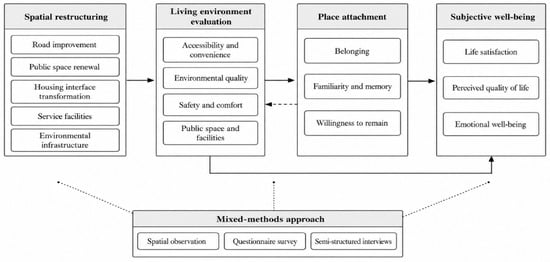
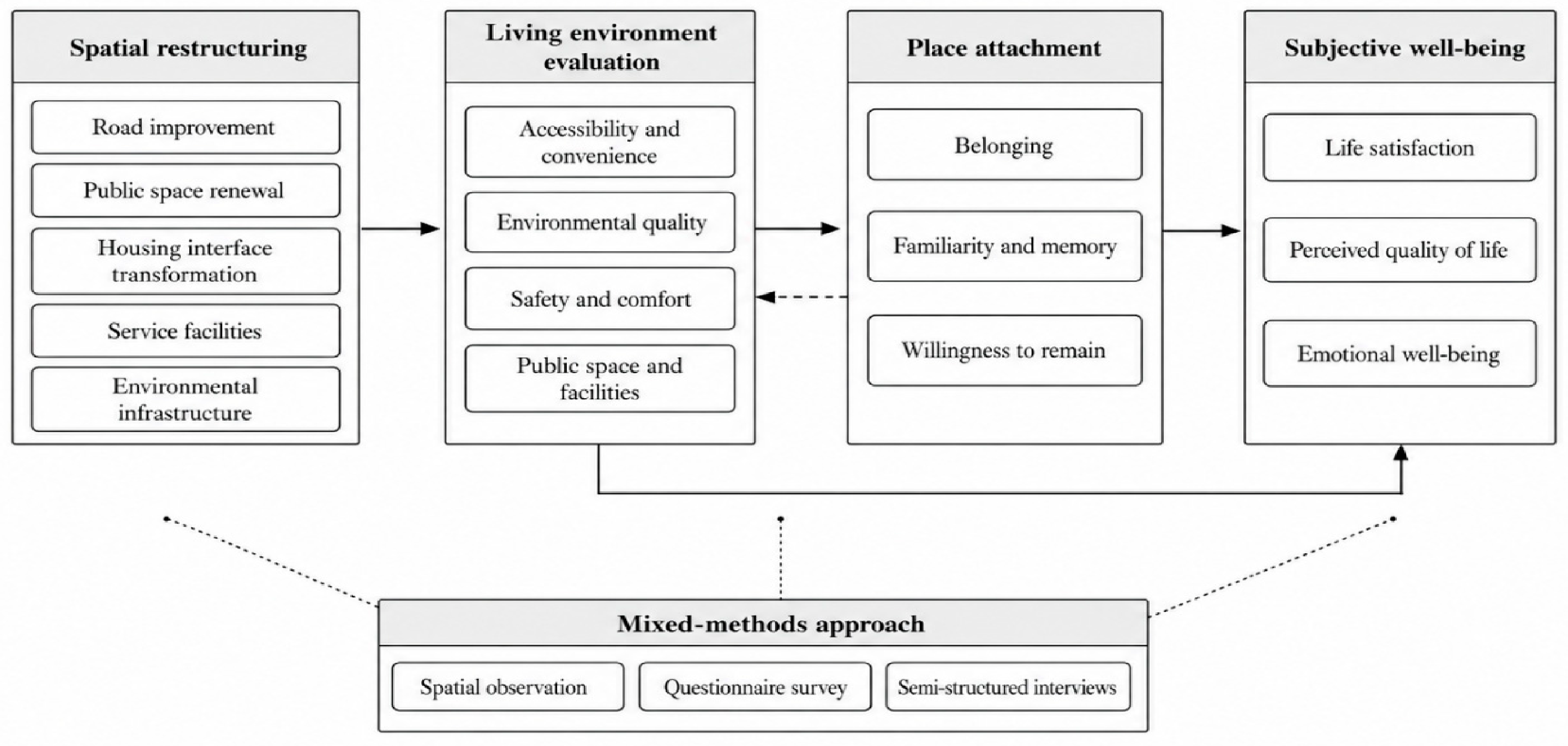
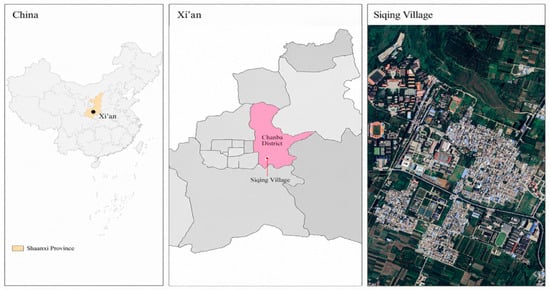
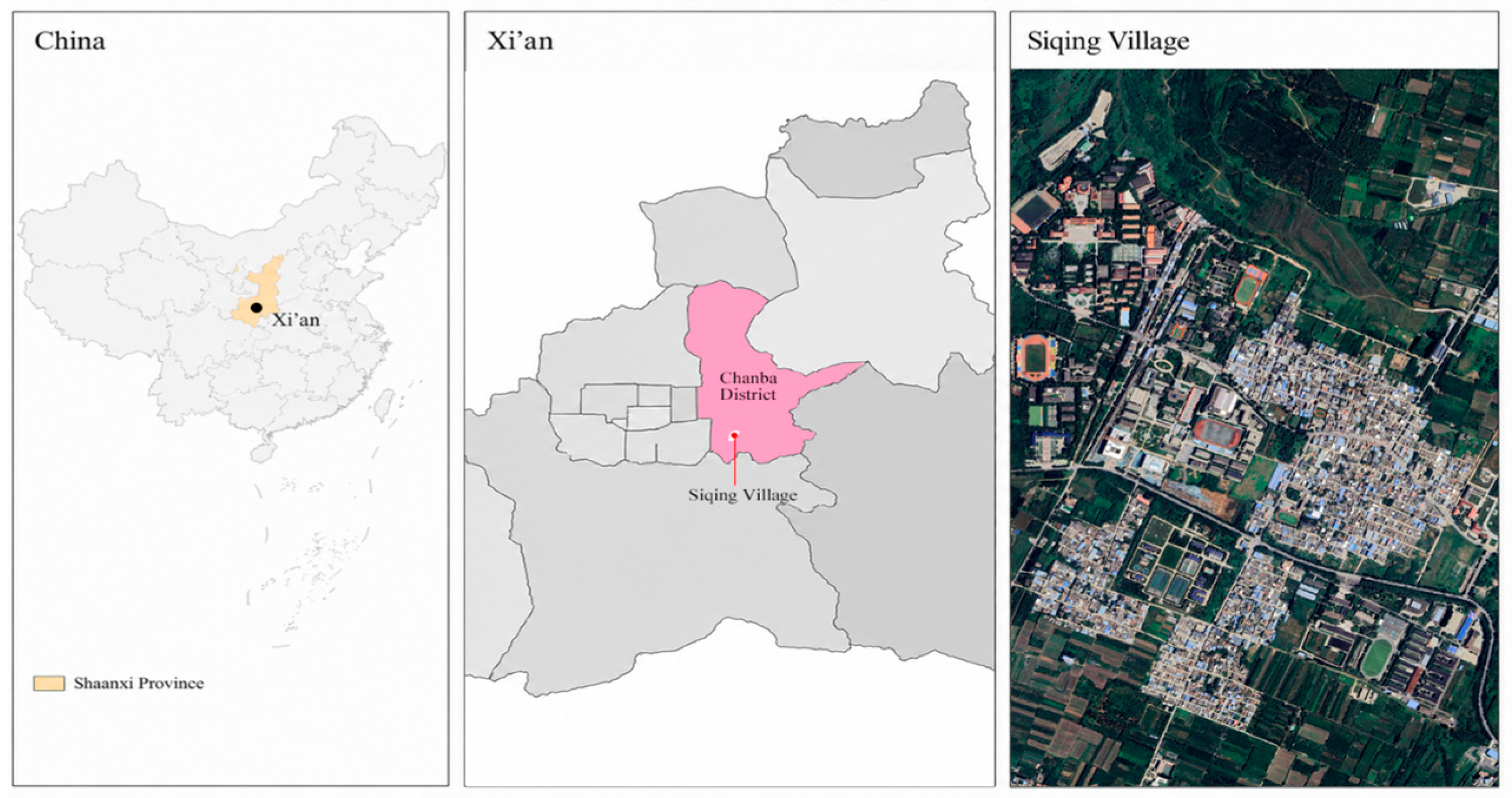
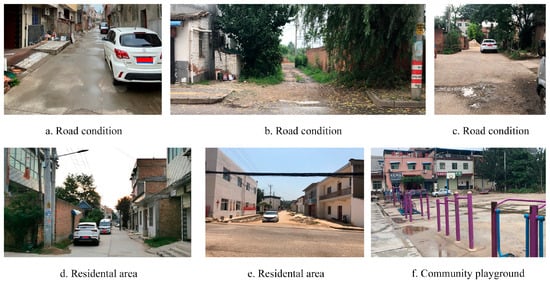
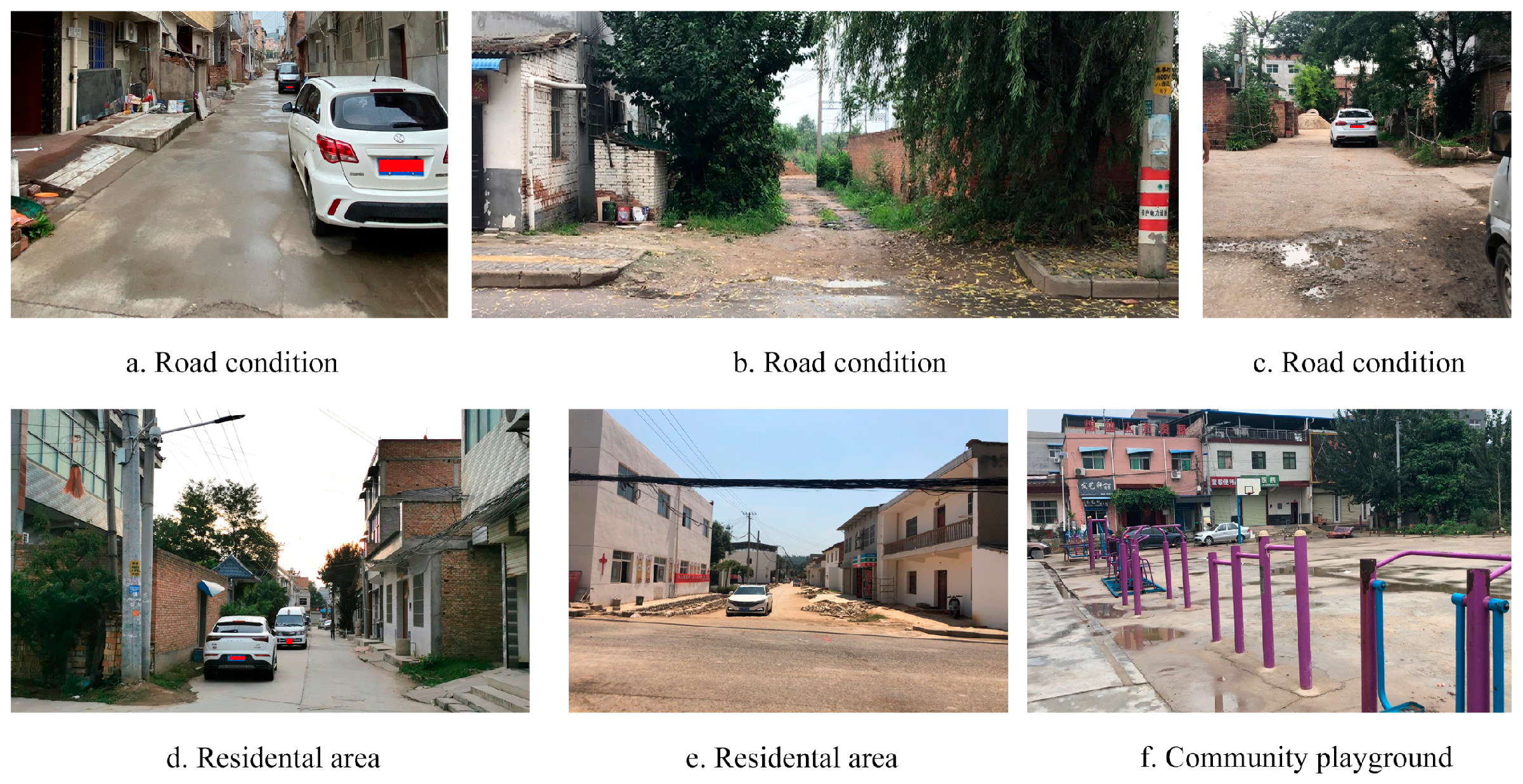
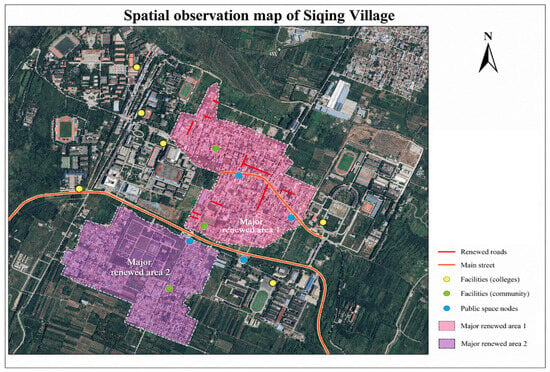
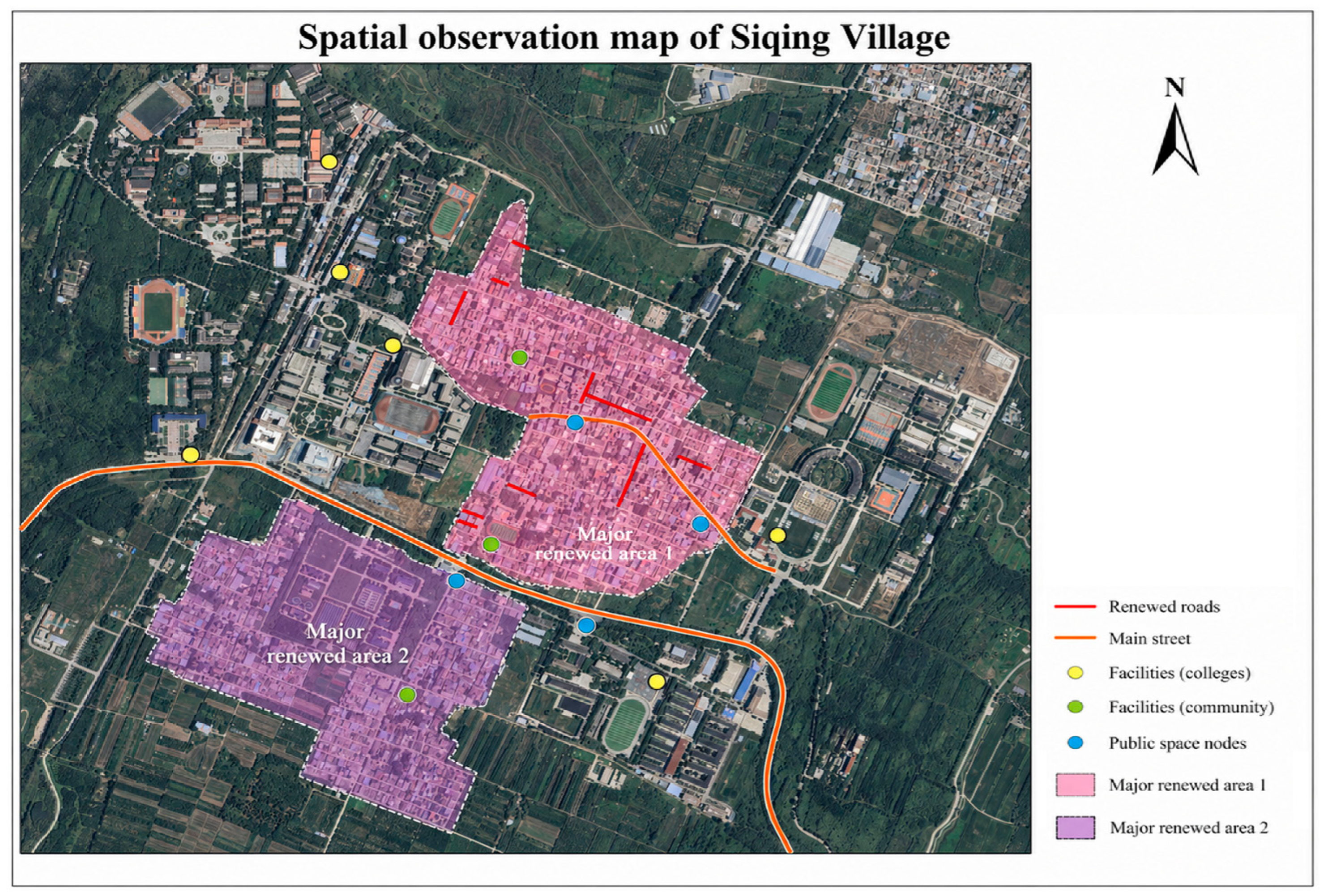
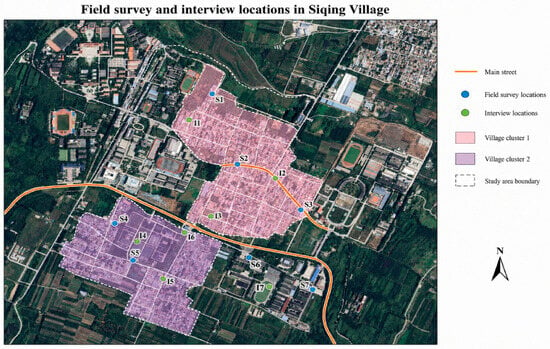
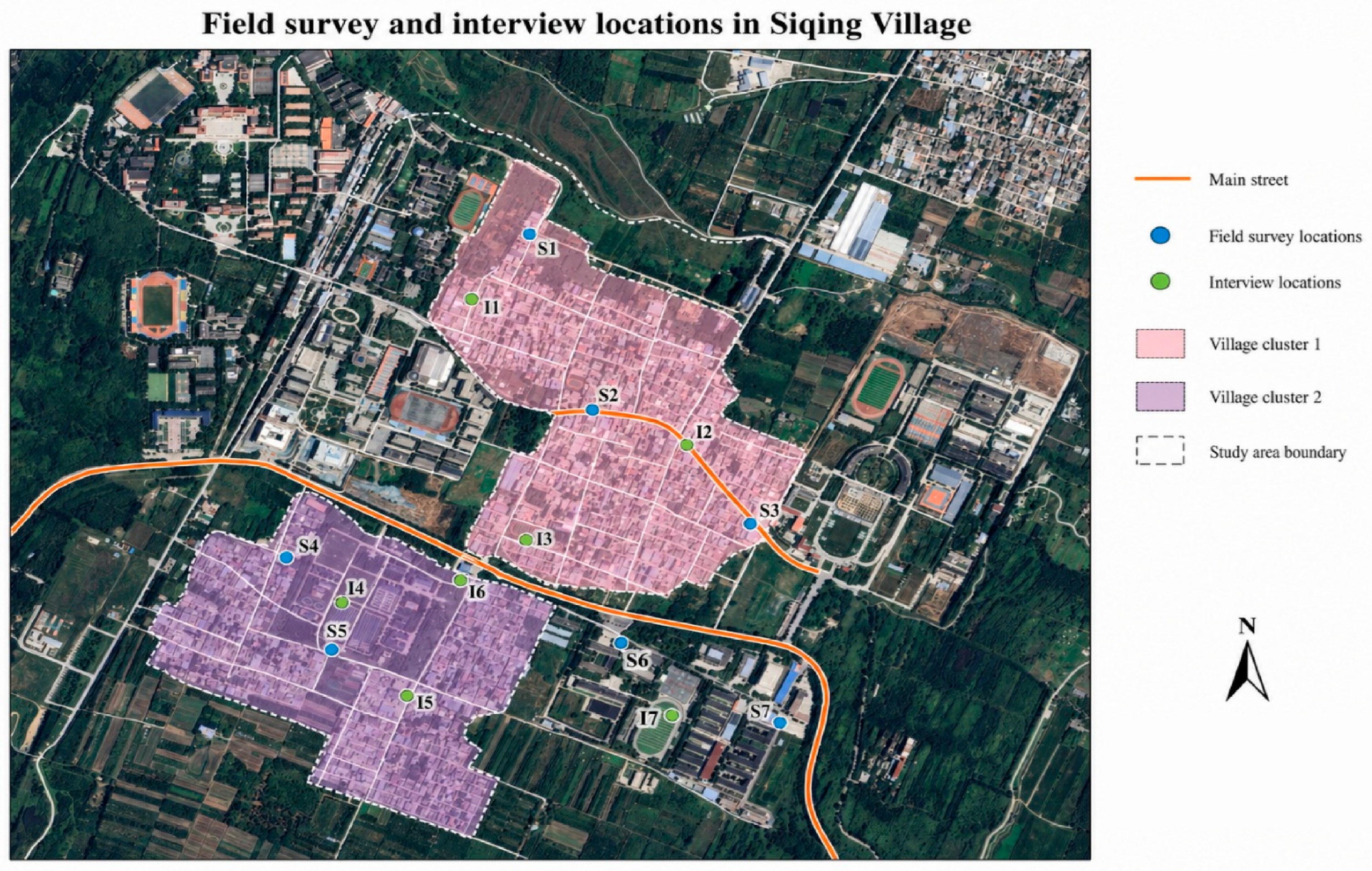
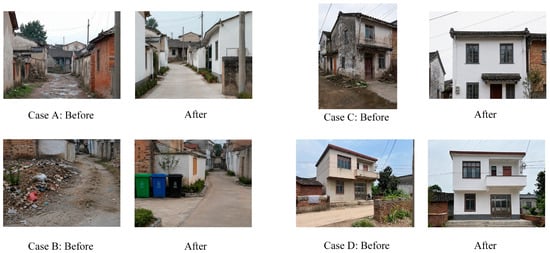
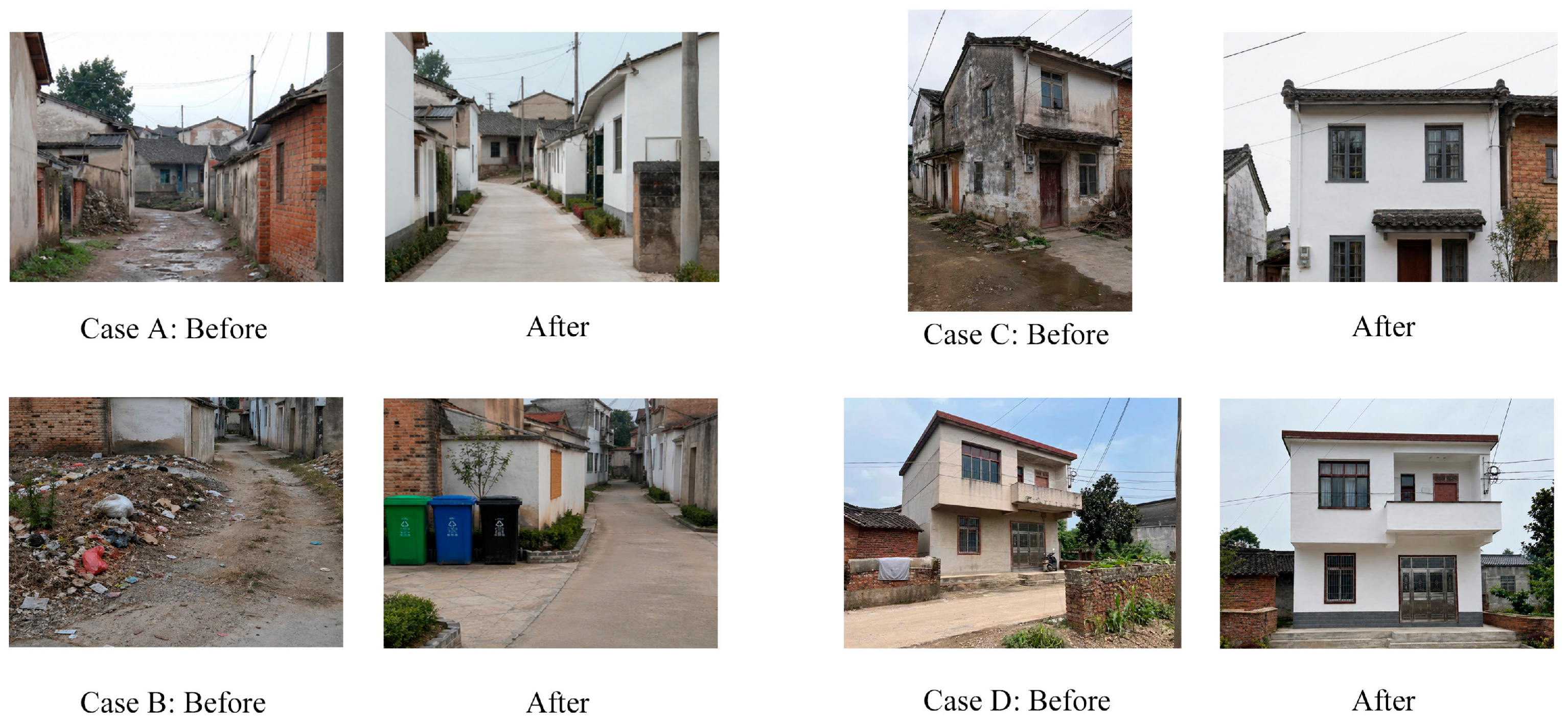

Disclaimer/Publisher’s Note: The statements, opinions and data contained in all publications are solely those of the individual author(s) and contributor(s) and not of MDPI and/or the editor(s). MDPI and/or the editor(s) disclaim responsibility for any injury to people or property resulting from any ideas, methods, instructions or products referred to in the content. |
© 2026 by the authors. Licensee MDPI, Basel, Switzerland. This article is an open access article distributed under the terms and conditions of the Creative Commons Attribution (CC BY) license.