


Abstract
The urban housing sector plays a significant role in global energy consumption and carbon emissions, making the sustainable transformation of domestic buildings essential to achieving climate goals. Urban housing is also linked to the energy transition, social equity, public health, and environmental resilience. The UK’s Warm Homes Plan (WHP) is seen as a key policy initiative that aims to improve energy efficiency and living conditions, and to promote the transition to a low-carbon future. This study provides an integrated review of retrofit assessment, policy mechanisms, and socio-environmental factors in the context of urban housing decarbonization. This study adopts a structured critical review approach to analyze retrofit strategies, low-carbon heating systems, renewable energy integration, and smart control technologies. The study highlights that retrofit assessment is not limited to technical performance but also includes social acceptability, affordability, and urban infrastructure compatibility. Furthermore, case study comparisons show that decarbonization outcomes are improved when technical measures are integrated with effective governance, stakeholder engagement, and local policy support. This study presents an integrated conceptual framework that links technical retrofit measures, policy coordination, and socio-environmental indicators. The results show that isolated technical solutions are insufficient for decarbonizing urban housing. Rather, a multi-dimensional planning approach is necessary to enable a sustainable, resilient, and socially inclusive housing transition.
1. Introduction
Global climate change is a major environmental, economic, and social challenge of the 21st century. Greenhouse gas emissions have increased significantly from industrial, commercial, and public energy use [1,2]. Global warming, extreme weather events, sea level rise, and biodiversity loss are now realities. In light of these developments, the international community is increasingly prioritizing the reduction of carbon emissions and the achievement of net-zero targets [3]. The Paris Agreement calls for limiting global warming to 1.5 to 2 degrees Celsius [4], for which a fundamental change in built energy and the environment is essential.
The public sector is particularly affected by this change, as it houses a large proportion of the population and is also responsible for a significant share of energy consumption [5]. Residential buildings use a significant amount of energy for heating, cooling, and lighting, as well as for household use, resulting in carbon emissions. In many developed countries, domestic buildings account for about a third of total energy use. Inefficient, energy-wasting, and economic problems are also prominent in older buildings. In this view, poverty, public health, social equity, and quality of life are linked to society as a whole [6,7].
The UK’s Warm Homes Plan (WHP) is a major government policy aimed at reducing the energy efficiency of domestic buildings, reducing blind poverty, and reducing carbon emissions. This particular plan promotes retrofit measures for existing housing stock, including thermal insulation, window improvements, air sealing, low-carbon heating systems, and renewable energy technologies. The WHP is supported by local councils, funding mechanisms, and policy coordination. However, the success of these measures does not rest on technical solutions but also on planning capacity, stakeholder engagement, and local implementation structures [8].
Retrofit assessment is a central construction task in social housing decarbonization, as it provides a detailed assessment of the energy performance, surface characteristics, technical limitations, and social organization of a building. Retrofit interventions can be managed without effective assessment, which can lead to economic benefits [9,10]. In addition, measures such as thermal insulation, low-carbon heating systems, smart control technologies, and renewable energy integration play a significant role in improving home decarbonization [11].
Ocean conditions, such as the Urban Heat Island (UHI), air quality, and land use patterns, directly influence the return outcome [12]. Similarly, project management and governance are important, as urban retrofit projects involve diverse stakeholders, including local councils, contractors, and others. It is essential to implement a balance between cost, time, quality, and social acceptability [13]. In addition, policy coordination, institutional alignment, and financial incentives also play a fundamental role in enabling urban energy transitions [14].
Research on housing decarbonization in the existing literature often focuses on policy analysis, technical retrofit measures, or individual case studies. However, integrated studies that investigate retrofit assessment, governance, socio-environmental impacts, and urban-scale implementation within a common analytical framework are rare [15,16,17]. This research aims to provide an integrated analytical approach that links policy mechanisms, retrofit strategies, and socio-environmental considerations within the broader context of urban housing transitions by examining the effects of retrofit assessment, governance, socio-environmental impacts, and urban-scale implementation in a common analytical framework [16,17]. This study aims to provide an integrated analytical approach that links policy mechanisms, retrofit strategies, and socio-environmental considerations within the broader context of urban housing transitions in the UK WHP region.
2. Literature Review
The literature on urban housing decarbonization encompasses various dimensions, including energy efficiency, retrofit strategies, low-carbon technologies, policy frameworks, and urban sustainability. Much of the research in the past two decades has focused on how the existing housing stock can be adapted to a low-carbon future. Several studies have shown that residential buildings contribute significantly to overall energy use and carbon emissions, making retrofit interventions a key component of climate mitigation strategies [6,7].
The literature on retrofit assessment emphasizes that building performance evaluation should not be limited to thermal efficiency alone but should also include economic feasibility, social acceptance, and long-term environmental outcomes. Recent studies have highlighted the importance of life-cycle thinking, whole-life carbon analysis, and integrated building performance indicators [9,10]. In this context, thermal insulation, window upgrades, air sealing, and low-carbon heating systems have been described as the core measures of residential retrofit.
The role of policy frameworks in urban housing decarbonization is also prominent. In different countries, retrofit programs, subsidies, and regulatory benchmarks have been used to achieve carbon reduction targets. WHP is one such policy mechanism that promotes energy efficiency improvement, fuel poverty reduction, and low-carbon housing transition [8]. The literature shows that policy success depends not only on funding mechanisms but also on governance structure, local authority engagement, and institutional coordination [14].
Renewable energy integration is also an important part of the housing decarbonization literature. Solar photovoltaic systems, battery storage, and smart energy management technologies have been shown to be effective in reducing residential energy demand and limiting grid dependency [11]. Recent research indicates that the effectiveness of renewable technologies depends on urban density, roof orientation, shading conditions, and local infrastructure compatibility.
Urban environmental factors, such as the Urban Heat Island (UHI), air pollution, and climate-related risks, directly influence retrofit outcomes [12]. Several studies have shown that the true performance of retrofit interventions cannot be fully assessed by ignoring the built environment and urban morphology. Therefore, urban-scale planning and geospatial understanding are also being given importance in the contemporary literature.
Although the existing literature provides extensive information on policy analysis, technical retrofit measures, and individual case studies, integrated studies that analyze retrofit assessment, governance, socio-environmental impacts, and urban implementation dimensions in a common framework are relatively limited [16,17]. Addressing this gap, this research presents the various elements of urban housing decarbonization in an integrated analytical perspective to better understand the relationship between policy, technology, and the urban context.
The indicators used in this study were selected based on the existing literature, policy frameworks, and the applicability of urban retrofit. The selection process took into account technical performance, environmental outcomes, and practical implementation relevance.
3. Methodology
This study adopted a systematic critical review approach to select and analyze the relevant literature, policy documents, and studies on retrofit and decarbonization. The literature search was conducted across various scholarly databases, including research on energy, housing policy, urban sustainability, and domestic retrofit. The selected studies underwent a step-by-step screening process, in which irrelevant, duplicate, or low-quality studies were excluded. Finally, only studies directly relevant to the research objectives, the policy context, and the topic of urban housing decarbonization were included. To make the entire selection process transparent, the PRISMA flowchart was used, which clearly shows the steps for including and excluding studies.
The literature screening process used Scopus, Web of Science, ScienceDirect, and Google Scholar databases. Search keywords included “urban housing decarbonization”, “retrofit assessment”, “Warm Homes Plan”, “low-carbon housing”, and “domestic energy retrofit”. Literature selection was limited to studies published between 2010 and 2025. The initial search identified 186 records; after excluding duplicate and irrelevant studies, 111 studies were included in the final review, as shown in the PRISMA flow diagram, as described in Figure 1. Selection criteria included peer-reviewed status, urban housing relevance, methodological clarity, and policy applicability.
Figure 1.
The flow diagram illustrates the stages of literature selection, screening, eligibility assessment, and final inclusion in this study.
The studies selected through the PRISMA-based literature screening process were further systematically divided into thematic categories to make the literature synthesis clear and analytical. A total of 111 studies were included in the final review and classified into the following thematic groups: policy frameworks, retrofit assessment methodologies, low-carbon technologies, renewable energy integration, and socio-environmental impacts. Approximately 30% of the studies were related to policy and governance, 25% focused on technical retrofit and building performance analysis, while 20% of the studies were based on renewable energy integration. The remaining studies covered topics such as urban environmental factors, social acceptance, and implementation challenges. This thematic classification not only helped better organize the literature but also played an important role in understanding the relationships between different research domains and developing an integrated analytical perspective. Furthermore, this quantitative breakdown also makes it clear which areas the existing literature focuses on most and which aspects require further research.
3.1. Policy Document Analysis
This study adopted a systematic policy document analysis to understand urban residential decarbonization and retrofit policies. This approach selected central government and institutional documents related to energy efficiency, low-carbon heating systems, and residential retrofit in the UK, including the National Energy Strategies, the Warm Homes Plan, and related guidelines. The policy analysis aimed to examine how policies at different levels—national, regional, and local—set targets, establish implementation structures, and shape the impacts of residential decarbonization on the urban environment. This involved a qualitative thematic analysis of the content, identifying and categorizing key themes, including policy objectives, financing mechanisms, technical standards, and stakeholder engagement [18].
Policy documents were selected based on the criteria that they were recent, directly relevant to urban residential energy systems, and obtained from verifiable institutional sources. The analysis process read policy texts within a coding framework, which included decarbonization goals, technical aspects of retrofits, consumer protection measures, and elements of the implementation structure. This approach not only helped to understand the coherence and contradictions between different policies, but also clarified how the practical application of these policies at the urban level is influenced by various social and spatial factors. Previous research has also shown that policy document analysis is an effective method in studying urban energy transitions, as it clarifies the relationship between policy narratives and practical implementation [19,20].
In this study, the policy analysis was not limited to a descriptive level but was carried out with a comparative and critical approach to understand how existing policy frameworks support or constrain urban residential decarbonization. This process identified key policy trends, priorities, and gaps, which are integrated with retrofit assessments, case study analyses, and urban environmental impacts in subsequent sections. Policy document analysis thus provides a fundamental pillar of the research methodology, providing the theoretical and practical underpinnings for the analytical framework of the entire paper.
3.2. Case Study Selection from WHP
The purpose of the case study selection in this research was to understand different practical models of urban residential decarbonization, retrofit evaluation, and policy implementation in a comparative framework. The case studies were selected on the basis that they represented different urban contexts, building types, and implementation methods in the UK, in order to examine the practical impacts of policy measures such as the Warm Homes Plan in a multi-dimensional manner. The selection criteria included three main elements: (1) retrofit measures implemented under a policy or program, (2) availability of verifiable data or documentary evidence, and (3) applicable outcomes for urban residential decarbonization. The selected case studies thus demonstrate not only technical or engineering aspects but also highlight social, institutional, and policy-level factors [8].
The selected case studies are based on documented successful retrofit examples. Therefore, the results should not be interpreted as universal outcomes. Implementation challenges may vary in different urban contexts.
The selected case studies play an important role in understanding and validating the various components of the conceptual framework presented in this study in a practical context. In particular, these studies illustrate that successful retrofit outcomes are not the result of technical measures alone, such as insulation or heating system upgrades, but rather depend on an effective combination of governance coordination, stakeholder engagement, and local implementation strategies. Both case studies demonstrate that retrofit interventions deliver more effective and sustainable outcomes where policy support, financial incentives, and institutional coordination are strong. Furthermore, these studies also reveal implementation variability across different urban contexts, where factors such as building typology, resident behavior, and infrastructure readiness influence outcomes. Thus, these case studies not only clarify the relationship between different dimensions of the theoretical framework—such as technical performance, socio-environmental factors, and policy integration—but also demonstrate the practical applicability of this framework. This analytical linkage makes it clear that an integrated approach is necessary for urban housing decarbonization, which views the various elements as an integrated system.
3.2.1. Low-Carbon Heating in Urban Social Housing: Chadwell St Mary, Essex
The first case study is of a council tower block in Chadwell St Mary, Essex, where a partnership between the local council and a technology provider installed low-carbon heating systems in around 300 residential flats. The project aimed to replace inefficient electric night storage heaters with systems that reduce carbon emissions while also reducing energy costs. The case was chosen because it provides an example of large-scale retrofitting in urban social housing, its impact on the community, and a direct solution to the problems of fuel poverty. Furthermore, the project represents innovative approaches, such as district heating and ground-source energy, that offer replicable models at the urban level. The case allowed examination of how retrofit measures not only reduce carbon emissions but also affect residents’ quality of life and energy costs.
The success of low-carbon heating systems depends not only on technology selection but also on building fabric quality, resident behavior, and infrastructure readiness.
3.2.2. Decarbonization in Historic Buildings: Oxford’s Jackson Building
The second case study is based on a decarbonization project implemented in a historic academic building in Oxford, where the old gas boiler system was replaced with a ground source heat pump and building fabric upgrades. This case is particularly important because energy efficiency improvements in historic or listed buildings often face technical and regulatory challenges. The purpose of choosing this building was to demonstrate how modern low-carbon technologies can be integrated into older structures, preserving the original structure and cultural significance of the building. This case provides an important example for urban decarbonization, showing how even complex and old buildings can be integrated with new energy systems.
3.2.3. Comparative Selection of Retrofits in Policy and Social Context
The aim of incorporating these two case studies into a comparative framework was to understand different implementation models of urban residential decarbonization—on the one hand, large-scale heating system replacement in social housing, and on the other, energy efficiency improvement in a historic building. These two cases represent how urban retrofit measures produce different outcomes in different buildings, residential groups, and policy environments. Previous research has also emphasized that the case study methodology is effective in studying complex urban energy systems because it reveals the interrelationship of technical and social factors [21]. These case studies were selected to understand the relationships among policy, technology, and social impacts within an integrated analytical framework, which provides the basis for the analysis and discussion in the following sections. In each case, the project objectives, technical solutions used, and available quantitative outcomes (e.g., emission reductions, expected/stated cost reductions, or energy impacts) are clarified. Finally, urban implementation and policy learning points are linked in a comparative frame.
A comparative analysis of the two case studies shows that retrofit outcomes vary according to different building contexts. In the Chadwell St Mary project, low-carbon heating systems had a greater impact on energy affordability and on reducing fuel poverty, while in the Oxford case, a heritage-sensitive retrofit approach balanced carbon reduction and building preservation. Quantitative indicators show that retrofit performance is not only dependent on the technical intervention but also on building type, policy support, and local implementation context, as explained in Table 1. This comparative assessment highlights the relationship between the different layers of the proposed analytical framework—technical, social, and governance dimensions.
Table 1.
Comparative performance indicators of selected retrofit case studies.
3.3. Analytical Framework
This study adopted a multi-level analytical framework to understand the interrelationship between urban household decarbonization, retrofit evaluation, and policy implementation. The framework aimed to integrate different data sources—policy documents, case studies, and the scientific literature—into a coherent analytical framework to understand the urban residential energy transition process from technical, social, and institutional perspectives. The analytical framework was designed to examine not only the performance and impacts of retrofit measures but also the stakeholders, governance structures, and urban environmental factors involved in their implementation. This was guided by the socio-technical transition and urban sustainability frameworks used in previous research, which demonstrate that urban energy transition is a multi-dimensional process in which technology, policy, and human behavior are intertwined [22,23]. The integrated framework presented in this study links different levels into a common analytical structure, including policy, technical retrofit measures, urban environmental impacts, social factors, and project delivery mechanisms. Most studies in the existing literature investigate these elements separately, whereas this framework presents all these dimensions as an integrated system in the context of urban housing decarbonization. The novelty of this approach is that it is not limited to energy efficiency but also incorporates governance, environmental context, and stakeholder dynamics into a common decision-making model.
3.3.1. Socio-Technical and Urban Systems Analysis
The first component of the framework is based on a socio-technical perspective, which views retrofit and decarbonization as a systemic process where technology, consumer behavior, and institutional structures influence each other. This section examines the energy efficiency of residential buildings, low-carbon heating systems, and renewable energy integration in relation to urban-level infrastructure, residential behaviors, and the local policy environment. This analysis sought to understand how retrofit measures affect energy consumption, carbon emissions, and residential comfort in different urban contexts. Furthermore, this approach also indicates that technical solutions are more effective when they are compatible with social acceptance, financial affordability, and local institutional support. Previous research also demonstrates that socio-technical integration plays a key role in urban energy transition processes [20].
3.3.2. Comparative and Policy-Based Analysis
The second component of the framework consists of comparative and policy-based analysis, through which the findings of selected case studies and policy documents were examined in a common context. This section compares different retrofit models, policy mechanisms, and urban implementation strategies to identify which factors accelerate or limit urban residential decarbonization [24]. A thematic matrix was developed for comparative analysis, including indicators such as energy efficiency, carbon reduction, economic impacts, and social outcomes. This approach not only helped clarify the similarities and differences among the case studies but also identified gaps between policy frameworks and practical implementation. Thus, this analytical framework provides a systematic and evidence-based basis for the research findings and discussions, from which actionable recommendations for urban residential decarbonization can be derived as shown in Figure 2.
Figure 2.
Integrated Urban Retrofit Assessment Flow.
Social and urban factors are considered equally important in this framework, as the success of retrofits depends not only on engineering solutions but also on residents’ acceptance, affordability, comfort expectations, and planning participation. In the context of urban integration, retrofit strategies are seen as integrated with neighborhood-scale infrastructure, district heating systems, solar potential, and local energy networks. Different retrofit pathways may be more effective in different urban densities; for example, shared heating systems may yield better results in dense urban areas, while rooftop solar and battery storage may be more beneficial in low-density areas. Furthermore, digital monitoring tools, smart meters, and sensor-based systems help in the continuous monitoring of retrofit performance, allowing for a better understanding of the gap between design assumptions and actual building performance [25,26,27].
It is more effective to view retrofit indicators as integrated decision-support tools rather than isolated metrics, as various technical and socio-environmental variables are interconnected. The quantitative values included in this study are derived from the published literature and documented case evidence and do not represent primary experimental data.
Although the Warm Homes Plan stands out as an important and positive policy initiative for urban housing decarbonization, it also faces a number of challenges and limitations in its practical implementation that cannot be ignored. First, funding availability and its long-term sustainability are key issues, especially when large-scale retrofit interventions require sustained investment. In addition, the lack of a skilled workforce and variability in installer quality can also affect policy outcomes, resulting in differences in implementation quality across regions. Furthermore, there are clear trade-offs in terms of cost-effectiveness, scalability, and practicality among different retrofit pathways, with some advanced low-carbon solutions, such as heat pumps or integrated renewable systems, being more expensive and less accessible to low-income households. Regional disparities, infrastructure readiness, and local governance capacity also affect policy effectiveness. Considering all these factors, it can be said that the success of WHP depends not only on its design or objectives but also on its adaptive implementation, monitoring mechanisms, and long-term policy support structure, which will make its true performance more evident over time. The retrofit assessment framework for urban housing decarbonization is shown in Figure 3.
Figure 3.
Integrated Retrofit Assessment Framework for Urban Housing Decarbonization.
4. Results and Discussion
In the context of decarbonizing urban residential buildings, retrofit assessment is not limited to energy savings or carbon reduction but is an integrated evaluation process that considers technical performance, social acceptance, and the urban context. Modern research emphasizes that the building should not be viewed as a separate unit but as part of the urban energy system [28,29,30]. Therefore, the retrofit assessment framework in this study is based on three main dimensions: technical performance, social factors, and urban integration. At the technical level, building envelope, insulation quality, air tightness, renewable energy integration, and low-carbon heating systems are included as key indicators. Furthermore, using a life-cycle assessment (LCA) approach, material embodied carbon is also taken into account along with operational energy to better understand the long-term environmental impact [20,31,32].
4.1. The UK WHP
4.1.1. Main Objectives, Structure, Targets, and Implementation Framework
The UK’s WHP is a comprehensive national strategy to improve the energy efficiency of homes and promote low-carbon heating. The main objective of the scheme is to gradually shift domestic buildings in urban and semi-urban areas away from reliance on fossil fuels and towards electric and renewable energy-based systems, in order to reduce carbon emissions and reduce energy costs [8].
Air source heat pumps have been adopted as the central heating technology under this policy framework, as they can be installed in existing homes with relatively little infrastructure and provide the basis for a low-carbon electricity-based system [33,34,35,36]. In addition, solar photovoltaic panels have been prioritized for household-level clean energy generation. At the same time, battery storage systems help homes to use energy flexibly, balance loads, and reduce pressure on the network. Together, these three elements form an integrated household energy model that combines production, storage, and consumption [37,38].
The WHP is structured around a multi-level implementation approach, where national policy goals are translated into practical projects at the local level. The central government provides the overall strategy, financial resources, and regulatory standards, while local councils and regional authorities take responsibility for planning and implementation according to their specific housing stock, social needs, and energy infrastructure. This approach aims to ensure that technical solutions are tailored to local conditions [39,40].
A key objective of the scheme is also to reduce energy poverty by providing priority support to low-income households. Financial support programs facilitate access to heating improvements, renewable energy, and energy efficiency measures, enabling vulnerable groups to benefit from the energy transition. The implementation framework places a central emphasis on consumer protection, standardization, and installation by qualified installers. In addition, digital information platforms and impartial advisory systems help households make informed decisions. Overall, the scheme represents an integrated model that seeks to make household decarbonization feasible at scale by combining technological innovation, social inclusion, and institutional coherence [8].
4.1.2. Implementation Mechanism
The WHP is implemented under a multi-level governance structure, in which national policy goals are integrated with local implementation. The central government provides the overall strategy, financial resources, and regulatory guidance, while local councils and regional authorities are responsible for planning and implementation within their specific urban contexts. This approach allows for flexible implementation while accounting for the diverse nature of the urban housing stock.
The implementation process usually begins with an initial energy assessment at the household level, which identifies the building’s current thermal performance, structural characteristics, and potential improvement opportunities. This is followed by the development of suitable retrofit packages, which may include thermal insulation, low-carbon heating systems, solar photovoltaic installations, and battery storage. Installations are carried out under set technical standards and certification schemes to ensure consumer safety and quality. Digital platforms and impartial advisory services inform householders about available options, financial support, and potential benefits, creating transparency in decision-making. In addition, supply chain development, the availability of a trained workforce, and the involvement of local contractors strengthen implementation capacity.
Since the 2000s, efforts to address energy poverty and carbon emissions together have increased, leading to the introduction of financial assistance-based schemes. The Warm Home Plan is a continuation of the UK’s Energy Company Obligation (ECO) framework, which was first implemented through ECO3 and then ECO4. The main aim of the ECO scheme was to improve energy efficiency in low-income and low-energy homes, reduce fuel poverty, and reduce carbon emissions. ECO4 (2022–2026) further strengthened this approach, with a greater focus on whole-house retrofit, fabric-first approaches, and low-carbon heating systems (such as heat pumps). The WHP builds on the same technical and policy foundation but integrates it with broader decarbonization, long-term investment, and the involvement of local authorities. Therefore, the new plan not only builds on the achievements of ECO4 but also moves household energy efficiency and low-carbon heating into a more integrated, strategic, and sustainable framework, in line with the UK’s Net Zero targets [41].
4.1.3. Financial Structure and Support Programs
The WHP’s financial structure is multi-channel to make the home energy transition economically accessible. It combines central government grants, local council support, and in some cases private investment to reduce the upfront costs of retrofit measures. This financial framework particularly prioritizes low-income households, where energy poverty is high, and the benefits of thermal improvements are most visible at a social level.
The support programs provide partial or full financial support to household customers for measures such as thermal insulation, low-carbon heating systems, solar photovoltaic installations, and battery storage. These programs aim not only to reduce investment barriers but also to accelerate the adoption of clean energy at the household level. An analytical summary of technical interventions and expected urban impacts for urban household retrofit is explained in Table 2. At the institutional level, this financial model allows local councils to allocate funds to meet the needs of their areas, thereby better addressing the diverse nature of the urban housing stock. In addition, benchmarking and certification systems ensure that the results of public investment are translated into long-term energy savings and carbon reductions. Overall, the WHP's financial structure seeks to combine technical measures with social justice to ensure the benefits of the energy transition are widely distributed.
Table 2.
Analytical summary of policy components, technical interventions, and expected urban impacts for urban household retrofit.
Table 2 shows that retrofit interventions are not limited to technical upgrades but are also linked to policy support, urban context, and socio-environmental outcomes. The effects of different interventions can vary according to urban density, infrastructure readiness, and resident engagement, highlighting the importance of integrated retrofit planning.
4.2. Retrofit Assessment Insights
Energy Efficiency and Thermal Analysis
Energy efficiency and thermal analysis provide the scientific basis for home retrofits. Both elements determine whether an intervention is actually reducing carbon, saving on bills, and improving residential comfort. In urban environments, where building types and usage patterns are diverse, this analysis becomes more complex.
The initial assessment of energy efficiency is usually made from the building’s heating demand, which depends on the level of insulation, air permeability, solar gain, and internal heat. Modern retrofit models use dynamic simulations instead of static calculations, which incorporate day-night temperatures, residential activities, and seasonal variations [42]. This yields results that are closer to the real world. Identifying thermal bridges is particularly important in thermal analysis. These are places where heat is lost quickly, such as window edges or floor-to-wall joints [34]. Infrared thermal imaging is an effective tool for highlighting these weaknesses in urban homes, allowing for targeted improvements [43].
A major development is the measurement of “in-use performance”, which combines smart meter data with indoor temperatures to estimate actual thermal performance. This method shows that even homes considered efficient on paper can actually use more energy in practice, especially when occupant behavior or ventilation patterns differ. Energy efficiency after retrofitting should not only be measured in percentage savings, but also in indicators such as “carbon intensity per square meter”. This allows for comparisons between different urban areas and buildings. Furthermore, thermal comfort, humidity control, and indoor air quality must also be included in the analysis, as poor ventilation can lead to problems such as dampness and mold [44,45]. The key indicators of urban home retrofit evaluation and their application are listed in Table 3.
Table 3.
Key indicators of urban home retrofit evaluation and their application.
Ultimately, energy efficiency and thermal analysis indicate that retrofitting is not simply an engineering solution but a process linked to the quality of human habitation. When this analysis is integrated with urban energy planning, household decarbonization becomes a collective urban transformation rather than an individual effort.
4.3. Strategies for Decarbonising Domestic Housing
The main pillar of domestic decarbonization is improving the building’s thermal envelope. A large part of energy loss in urban homes is due to poor insulation, ineffective windows, and uncontrolled air leakage. Modern trends in thermal insulation are not limited to thick layers but are moving towards high-performance materials such as aerogels, vacuum-insulated panels, and bio-based fibers [50]. These materials provide high thermal resistance at low thickness, which is particularly useful in dense urban areas and historic buildings. Furthermore, the use of moisture-control membranes with internal insulation is now an essential technical standard to prevent problems such as condensation and mold [51].
Window improvements are no longer limited to double- or triple-glazing. Modern windows dynamically regulate heat flow through low-emissivity coatings, thermal-break frames, and solar-control glass. Air sealing is often overlooked, even though unintentional air leakage can account for up to 25–30% of total energy loss in many homes. In modern retrofits, leakage points are identified through blower door testing and then sealed with specific sealants, tapes, and membranes. This is accompanied by the installation of a balanced mechanical ventilation system to maintain air quality [52,53].
The innovative approach is to implement all these technical approaches as an integrated “fabric upgrade package” rather than as separate measures. The combined effects of different interventions can be simulated in advance using digital twin models, making it possible to identify the best combination of investments. Thus, these technological approaches to improving energy efficiency provide the first and strongest step towards a low-carbon future for urban homes.
4.3.1. Residential Renewable Energy Systems
The second key pillar of urban household decarbonization is the local integration of renewable energy. Unlike traditional centralized power generation, generating energy at the household level makes urban systems more flexible, low-carbon, and community-based.
Solar photovoltaic panels are the most widely adopted technology in urban homes, but their effectiveness depends on the area, shade, and orientation of the roof. That is why solutions such as vertical solar facades, balcony-mounted panels, and collective roofs are emerging in modern planning. These approaches make it possible to use solar energy even in high-density areas. People around the world, and especially in the UK, are adopting solar panels in large numbers as it is the fastest-growing source of environmentally friendly electricity. According to the study, although many households are enthusiastic about acquiring solar energy, there are also some social and geographical injustices associated with its spread. The study, through interviews with 24 households and visits to different solar neighborhoods, found that there are issues such as class differences in the distribution of solar energy, geographical boundaries, and its impact on future generations. The main objective of this study is to improve solar business and government policies in such a way that the acquisition of solar energy is not only sustainable but also fair for all segments of society [54].
Battery storage is becoming an integral part of this system. Home batteries store excess electricity generated during the day and make it available for use in the evening, reducing pressure on the grid. Additionally, neighborhood-level battery banks are now emerging as an innovative model, where several homes share storage. Renewable energy in the urban context is not limited to electricity. Current studies show that solar photovoltaic systems have the potential to reduce carbon emissions and reduce electricity costs in residential buildings. According to various research reports, rooftop solar installations can contribute positively to annual carbon reduction and household energy cost savings, especially in homes where renewable energy adoption is possible with adequate solar exposure. Furthermore, combining solar panels with smart battery storage systems can increase long-term carbon reduction potential; however, the initial cost of battery systems and limited financial incentives may be a significant barrier to their widespread adoption. Therefore, if the priority is to achieve more benefits for less, then solar systems alone are the best; however, smart battery technology is indispensable for the complete elimination of carbon, which requires a reduction in battery prices and better policymaking [55].
4.3.2. Low-Carbon Heating Systems and Smart Control Technologies
Domestic heating is a major source of urban carbon emissions; hence, low-carbon heating systems are a key link in decarbonization. Air-source and ground-source heat pumps are now becoming a viable alternative to traditional gas boilers, provided that the building’s heating demand has been reduced first.
Heat pumps operate at low temperatures, requiring large radiators or underfloor heating. In modern designs, these systems are combined with thermal storage to store heat during periods when electricity is cheaper. A study examines the environmental impact of heat pumps compared to gas boilers under different future scenarios, such as the circular economy (CE) and resource efficiency (RE). The results show that adopting heat pumps could significantly reduce greenhouse gas emissions by up to 78%, which is crucial to the UK’s ‘net zero’ target. However, while this technology reduces carbon emissions, the high demand for metals for its manufacturing creates new challenges, such as marine ecotoxicity and resource scarcity. The research suggests that rather than immediately replacing gas boilers, ‘hybrid systems’ should be used as an interim solution to balance the environmental losses [56,57]. Research showed that Shared-loop ground source heat pumps (Shared-loop GSHP) are a highly efficient and sustainable solution for decarbonizing home heating systems in the UK, by laying a common ground network across an entire street or neighborhood to reduce installation costs and increase efficiency. The system saves more electricity than traditional methods and reduces the load on the grid in extreme cold, but its widespread deployment requires clarity in government policies, active support from local councils, and retraining of older gas boiler engineers on modern technology [58].
Smart control technologies make the entire system intelligent. Smart thermostats, zone controls, and predictive algorithms adjust heating schedules according to weather and resident behavior. This not only saves energy but also increases resident comfort as shown in Figure 4 [59].
Figure 4.
Heat pumps and heat control for energy saving.
On a more innovative level, domestic heating systems are now joining the grid in “demand response”. That is, when electricity demand is high, the heat can be temporarily reduced, and when supply is high, it is increased. This plays an important role in stabilizing the urban energy system. In this way, low-carbon heating systems and smart controls together transform domestic energy from a static consumption into a dynamic, responsive system.
4.3.3. Residential Behavior and Energy Use Patterns
Despite technological upgrades, household energy outcomes remain largely dependent on human behavior. Temperature preferences, ventilation habits, and appliance use significantly affect overall energy consumption. Research evidence shows that consumers make conscious changes in their consumption when provided with real-time information. Smart displays, mobile apps, and comparative feedback (comparisons with neighboring homes) are effective ways to increase energy awareness. Cultural factors are also important in the urban context. Thermal comfort standards can vary in different communities; hence, the same technical solutions do not produce the same results everywhere. Co-design and community engagement help to fill this gap. Thus, household decarbonization should not be seen as a mere engineering problem but as a process of social change. Finally, clear indicators are essential to measure progress. In addition to traditional metrics such as energy units or emissions figures, comprehensive urban indicators are now emerging, including carbon intensity per square meter, heating comfort hours, and reduction in energy poverty. Metrics such as retrofit rates, renewable energy share, and grid resilience at the regional level are being incorporated into urban planning. Digital dashboards help policymakers make quick decisions by displaying these indicators in real time. The most innovative aspect is to link these indicators to health, social equity, and the local economy to ensure that household decarbonization can be seen in the framework of broader urban well-being [9,37,60].
4.4. Renewable Energy in Domestic Buildings
Building-Integrated Photovoltaics (BIPV) is emerging as an innovative and effective technology for the decarbonization of urban and residential buildings. Unlike traditional photovoltaic systems, BIPV are not simply installed on the building but become part of the building envelope. These systems can be integrated into roofs, façades, skylights, glazing panels, windows, and shading devices. In this way, BIPV plays a dual role: on the one hand, it generates renewable electricity, and on the other hand, as a building material, it provides insulation, weather protection, daylight control, and architectural integration.
The importance of BIPV in urban housing retrofit is particularly high because rooftop space is limited in most urban buildings. In such situations, façades and vertical surfaces play an important role in renewable energy harvesting. According to modern research, semitransparent photovoltaic systems used in façade and window systems not only generate electricity but also maintain natural daylight transmission. This approach improves both energy efficiency and occupant comfort in dense urban environments [61]. BIPV applications include photovoltaic roof tiles, glazing panels, façade systems, photovoltaic windows, and shading devices. These systems provide a balance between architectural aesthetics and renewable performance, especially in modern retrofit projects.
A comparative analysis of European photovoltaic markets shows that the level of BIPV adoption varies across countries. In France, BIPV market share is reported to be around 60%, while in Italy it is around 30%, in Spain around 2%, and in Germany around 1%. This difference is influenced by national incentives, construction practices, renewable policies, and architectural acceptance. In particular, façade-integrated systems are more popular in France and Italy, while rooftop BAPV systems dominate in Germany, as shown in Figure 5. This comparative pattern shows that policy structure and market maturity have a significant impact on BIPV adoption [62].
Figure 5.
Building-Integrated Photovoltaics (BIPV) as a modern urban retrofit strategy [62].
Recent residential retrofit studies also show that BIPV-based renovation strategies not only provide environmental benefits but also provide economic feasibility. According to a life-cycle-based study, energy efficiency gains from BIPV integration can reach around 122%, while the payback period is around 14–18 years. Furthermore, the internal rate of return is reported to be around 5.3–5.9%, which is considered acceptable for long-term retrofit investment. This shows that BIPV is not only a carbon reduction strategy but can also be a financially sustainable retrofit pathway.
In the UK housing retrofit context, BIPV can be an important additional renewable strategy, particularly in urban housing blocks where conventional rooftop solar systems are limited. In frameworks such as the Warm Homes Plan, BIPV façade systems, solar glazing, and photovoltaic cladding can strengthen future low-carbon retrofit approaches. However, successful implementation also requires consideration of planning regulations, façade orientation, maintenance cost, embodied carbon, and occupant acceptance.
Photovoltaic retrofitting in existing buildings is considered an effective strategy for urban decarbonization, as it allows the upgrading of the existing building stock with renewable energy generation systems. Rooftop photovoltaic panels, façade-mounted systems, and lightweight solar modules can be installed on existing structures through retrofit interventions as shown in Figure 6. However, photovoltaic retrofitting is not only an issue of energy integration but also an important aspect of structural compatibility. In older buildings, additional dead load, wind loading, and connection performance must be taken into account to maintain structural safety.
Figure 6.
Difference between Building-Integrated Photovoltaics (BIPV) and photovoltaic retrofitting in existing buildings, where both approaches play a significant role in the energy efficiency and carbon reduction of urban buildings.
Recent studies show that prefabricated strengthening solutions can be used during photovoltaic retrofitting, including beam-column connection enhancement, cover plate reinforcement, and modular strengthening systems. Such prefabricated retrofit measures simplify the installation process and make structural modification less invasive. Research specifically on extended end-plate beam-column connections shows that prefabricated reinforcement systems can improve structural performance during photovoltaic retrofits. Therefore, photovoltaic retrofitting should be viewed not only as a renewable energy intervention but also as a structural adaptation strategy [40,61].
Innovative reinforcement technologies play a key role in improving structural compatibility during photovoltaic retrofitting, especially in buildings where existing structural capacity is limited. In modern retrofit approaches, beam-to-column joints are strengthened with haunch-based reinforcement, which improves load transfer efficiency and joint stiffness. Similarly, the use of prefabricated partial sleeves in circular steel tubes is considered an effective solution for structural strengthening, as they provide additional confinement and better load distribution. Prefabricated reinforcement systems reduce installation time and limit site disruption, making them suitable for retrofit applications in occupied buildings [63]. Such technologies help improve structural resilience with photovoltaic retrofitting, especially in urban housing stock where adaptive upgrading rather than complete replacement of existing structures is required.
While renewable technologies play a significant role in urban housing decarbonization, their effectiveness may vary across different urban conditions, building typologies, and policy support mechanisms. Therefore, it is important to integrate technology adoption with context-sensitive planning.
4.5. Urban Environmental Implications
Urban housing decarbonization is not limited to building-level energy efficiency but is also influenced by broader environmental conditions. Factors such as the Urban Heat Island (UHI), air pollution, and built density directly affect residential energy demand and retrofit effectiveness. Therefore, it is important to consider urban environmental impacts in an integrated manner with housing retrofit planning.
4.5.1. Urban Heat Island Effect
The UHI effect represents a complex nexus between energy, health, and climate in modern cities. This phenomenon occurs when concrete, asphalt, and building surfaces absorb solar heat and re-radiate it at night, causing urban temperatures to be significantly higher than in the surrounding countryside. This excess heat increases domestic energy demand, especially in hot weather, and makes it difficult to achieve low-carbon targets. The first study on the UHI effect to be conducted in London, England, was in the early 19th century by scholar Luke Howard [64].
In the context of domestic decarbonization, the UHI effect is increasingly being seen as not just a weather phenomenon but a failure of urban design. Building density, lack of green spaces, and the excessive use of heat-absorbing materials exacerbate the problem. Recent urban research has shown that the UHI effect is more pronounced in poorly insulated homes, as outdoor heat is transferred more quickly to the indoor environment, as represented in Figure 7 [65].
Figure 7.
Explanation of the main factors of the Urban Heat Island Effect (solar radiation, waste heat, and reduced greenery) and its environmental consequences (increased temperatures, air pollution, and reduced air quality).
Retrofit strategies can play a dual role in mitigating this challenge. On the one hand, improved thermal insulation and air sealing stabilize indoor temperatures, while on the other hand, cool roofs, reflective surfaces, and green roofs at the urban level improve the overall thermal balance of the environment. Indices such as the “Cool Roof Index” and “Urban Albedo Mapping” are now being used in innovative cities to predict heat gain in different neighborhoods [66].
An emerging concept is “retrofit as a microclimate intervention”, in which home upgrades are seen as a tool to reduce regional temperatures. For example, when most houses on a block are fitted with reflective roofs and green facades, measurable reductions in local temperatures have been observed, which also reduces the cooling load on neighboring houses. Furthermore, digital thermal mapping and satellite data have made it possible to identify UHI hotspots, allowing urban planners to design targeted retrofit programs [67]. The UHI issue thus becomes a strategic entry point for household decarbonization rather than an obstacle, as illustrated in Table 4.
Table 4.
The relationship between the UHI effect and home retrofits.
4.5.2. Air Quality, Carbon Emissions, and Public Health
Carbon emissions from urban homes have a direct impact not only on the global climate but also on local air quality and human health. Gas boilers, old heating systems, and inadequate ventilation increase emissions of nitrogen oxides and fine particles, which are linked to asthma, heart disease, and premature death [71]. Household decarbonization offers a powerful solution to this problem. Adopting low-carbon heating systems not only significantly reduces CO2 but also local pollution. However, if ventilation is neglected in retrofits, indoor air pollution can increase, especially in highly sealed homes. Therefore, “clean air as an energy outcome” is being included in modern frameworks [72].
In innovative cities, air quality is now seen as linked to household upgrades. For example, sensor networks measure pollution levels inside and outside homes, and this data is linked to local health indicators. This shows which neighborhoods retrofits can reduce not only carbon but also health costs [73].
A new trend is health-based retrofit prioritization, in which areas with low-income or sicker populations are upgraded first. This has the potential to address all three of these issues simultaneously: energy poverty, health inequalities, and carbon emissions. This concept can be called “health-benefit stacking,” where a single investment solves multiple urban problems [74]. Moreover, green infrastructure such as trees, green walls, and parks not only cleans the air but also reduces household energy demand by reducing UHI. In this way, air quality, public health, and household decarbonization are integrated into a common urban system.
4.5.3. Land Use Pressure and Residential Density
Limited land availability in urban areas leads to increased residential density, which presents both a unique challenge and opportunity for household decarbonization. Tall buildings, shared walls, and small plots change the potential for energy efficiency [75].
In high-density areas, heat loss per household may be lower because buildings provide thermal support to each other, but this also limits solar access, reducing renewable energy opportunities. To address this paradox, the concept of “vertical energy planning” is emerging in urban design, where different energy solutions are adopted at different levels.
Land use pressure is often met at the expense of green spaces, which increases UHI and flood risks [76]. That is why modern urban strategies implement retrofits not only at the building level but also at the entire block or neighborhood level, to establish shared green roofs, rainwater harvesting systems, and community energy hubs.
A more innovative approach is to turn density into an energy advantage. For example, district heating or shared battery storage can provide low-carbon energy to more homes at a lower cost. In this way, residential density is not seen as a problem but as an advantage of scale. Finally, the interrelationship between land use, density, and household decarbonization points to new models of urban planning, where energy, housing, and the environment are seen as an integrated system [77].
4.5.4. Climate Hazards and Urban Resilience
Climate change is placing multifaceted pressures on urban housing systems, including extreme heat waves, flash floods, and prolonged droughts. These hazards not only affect infrastructure but also challenge household energy systems, public health, and social stability. Urban resilience in this context refers not only to resilience but also to the overall capacity to adapt, absorb, and change in advance [78].
Domestic decarbonization can be an important means of strengthening urban resilience, provided it is implemented in a coordinated manner with climate hazards. For example, improved thermal insulation and air sealing not only reduce heating demand in cold weather but also stabilize indoor temperatures during extreme heat. Similarly, renewable energy and battery storage can help maintain basic services during power outages, which can be called the “resilient home” concept. Urban research is now embracing the concept of “climate-proof retrofit,” in which each upgrade is tested against future climate scenarios [79]. This includes elements such as flood-proof electrical systems, heat-resistant building materials, and efficient water use. This approach sees home investments not just as carbon reductions but also as a means of reducing risk.
An innovative trend is regional-scale resilience mapping, which combines satellite data, social indicators, and energy infrastructure to determine which neighborhoods are most vulnerable to climate shocks. Additionally, urban resilience is now being viewed within a “multi-benefit framework,” where a single intervention improves all three of these: energy, health, and climate protection [80]. If domestic decarbonization is aligned with climate risks, it can make urban systems not just low-carbon but also more resilient and adaptive, as shown in Figure 8.
Figure 8.
This form of climate-resilient urban housing framework demonstrates the interrelationship of urban density, energy efficiency, climate adaptation, and built environment integration, which together produce outcomes such as reduced emissions, improved thermal comfort, and sustainable urban development.
4.6. Project Management and Delivery
Residential decarbonization projects are not just technical interventions but also multi-stakeholder implementation processes. Planning coordination, budget control, stakeholder engagement, and delivery mechanisms play a key role in urban retrofit programs, making project management an important supportive dimension of the housing decarbonization framework.
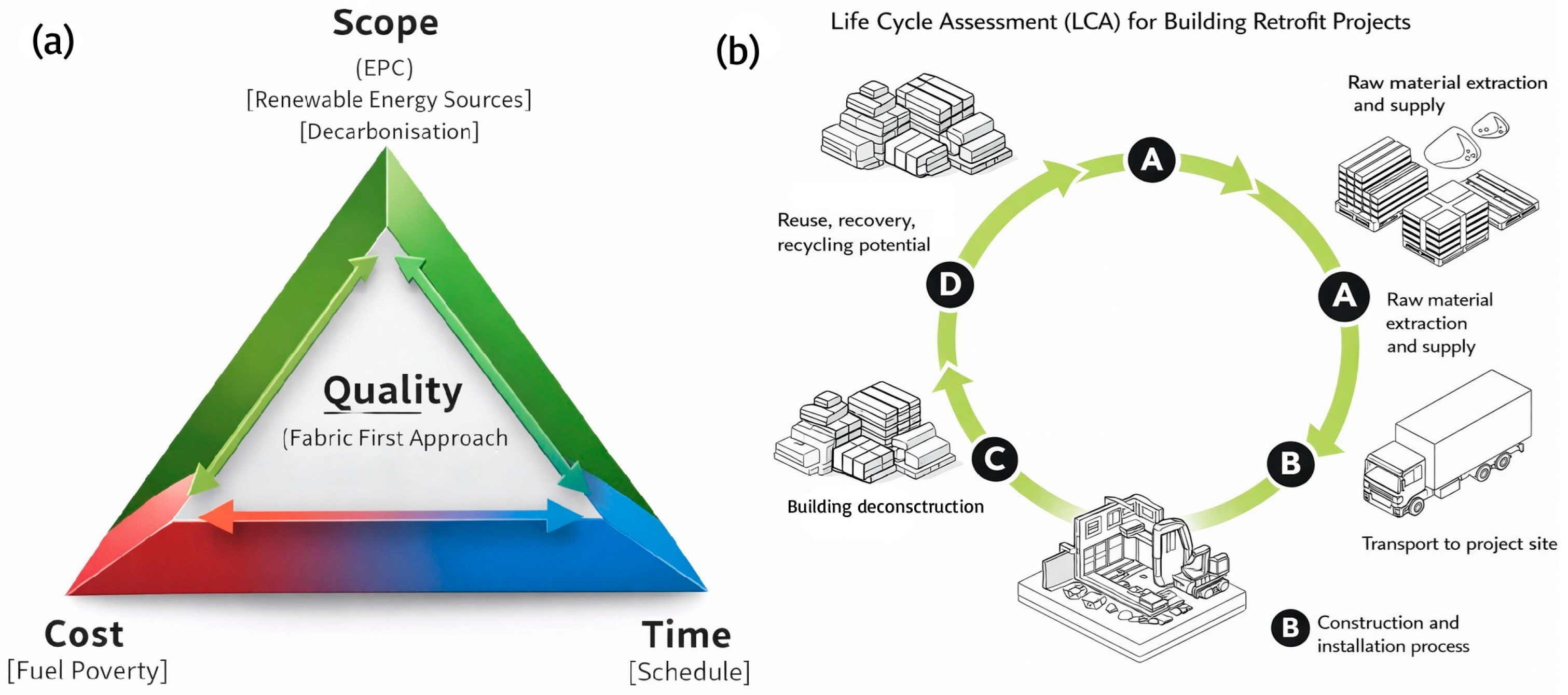
Urban residential decarbonization and large-scale retrofit measures cannot be seen as mere technical interventions, but are part of complex socio-technical systems that involve interconnected phases of planning, implementation, monitoring, and continuous improvement. Energy upgrading of domestic buildings in urban environments is a multifaceted process that combines engineering solutions, local governance, financial management, human behavior, and environmental responses [81]. In this context, project management provides a central framework that translates technical assessments, decarbonization strategies, and urban environmental impacts into practical implementation. Effective urban retrofit programs require clear objectives, integrated stakeholder engagement, early identification of risks, and balanced management of time, cost, and quality as shown in Figure 9a [82]. Also, such projects are not limited to carbon reduction but also generate wider social benefits such as improved public health, reduced energy poverty, development of local skills, and increased urban resilience. Therefore, it is important to understand domestic decarbonization through an integrated project delivery model that aligns technical decisions with urban policy, community participation, and sustainable development goals [83].
4.6.1. Inclusive Planning of Urban Projects
The success of urban-scale home retrofit and decarbonization projects depends on comprehensive planning, which integrates technical, social, economic, and environmental dimensions. In contrast to traditional building planning, urban energy upgrading requires a systemic approach in which entire neighborhoods and communities are considered as planning units, rather than individual buildings [84]. This approach simultaneously takes into account the current state of buildings, energy demand, local infrastructure, the social structure of the population, and future climate risks.
A fundamental element of comprehensive planning is data-driven decision-making, which combines indicators of building energy efficiency, thermal characteristics, residential density, and fuel poverty to identify priority areas [85]. This allows for efficient allocation of resources and focuses on areas where retrofit interventions have the greatest social and environmental benefits. Furthermore, regional energy planning also incorporates the local grid capacity, renewable energy potential, and the compatibility of low-carbon heating systems, allowing technical solutions to be tailored to the realities on the ground.
Timely involvement of stakeholders is also key in urban planning. Local governments, housing associations, energy providers, community groups, and residents come together to create a shared vision, which increases the acceptability and sustainability of projects. This collaborative model not only aligns technical decisions with social needs but also develops local skills and creates employment opportunities [86].
In addition, comprehensive planning links urban retrofits to broader development goals, such as improving public health, reducing air pollution, and increasing climate resilience. When integrated with urban renewal, green infrastructure, and public health strategies, these measures go beyond energy savings to significant improvements in the quality of life of residents [87]. Thus, comprehensive planning of urban projects elevates domestic retrofit from a technical intervention to a holistic urban transformation process.
Figure 9.
(a) The Iron Triangle dictates that project quality is limited by the constraints of Time, Cost, and Scope. (b) LCA for building retrofit project derived from [88].
4.6.2. Balancing Cost, Time, and Quality
Balancing cost, time, and quality in urban retrofit and domestic decarbonization projects is a fundamental but complex challenge in project management. These three elements are closely interrelated, with changes in one directly impacting the others. Under pressure from limited public budgets, rising construction costs, and immediate climate targets, planners have to make decisions that are not only financially viable but also ensure long-term performance and social benefits. In terms of cost, urban retrofit projects need to be viewed not only from the perspective of the initial investment but also within the framework of the entire life cycle cost [89].
In terms of time, large-scale retrofit programs often face logistical complications, supply chain bottlenecks, and labor shortages. Delays not only increase the overall cost of projects but can also affect the confidence of residents. Digital tools, such as project tracking platforms and predictive scheduling, further strengthen effective time management.
Quality is the most important pillar of urban retrofit, as poor installation or unsuitable materials not only reduce expected energy savings but also lead to additional repair costs and customer dissatisfaction in the future. Clear technical standards, independent inspections, and installer training are essential to ensure high quality. Still, performance-based contracting models can deliver better results by linking quality with financial incentives. Three of these factors are illustrated in Figure 9b. Ultimately, an effective balance of cost, time, and quality puts urban decarbonization on a sustainable path. When these three elements are organized under a coordinated strategy, home retrofits not only help achieve climate goals but also create lasting social and economic benefits for urban communities [89,90].
4.6.3. Risk Identification and Mitigation Strategies
Urban-scale home retrofit and decarbonization projects are subject to a number of technical, institutional, and social risks, which, if not identified in a timely manner, can severely impact the cost, quality, and public acceptance of the projects. Therefore, early risk assessment and effective mitigation are a central pillar of project management, especially in environments where climate targets are stringent and resources are limited [91].
Technical risks include unexpected structural weaknesses of buildings, inadequate thermal performance outcomes, or poor installation of low-carbon technologies. Comprehensive preliminary surveys, digital building modeling, and standardized installation protocols are essential to mitigate these risks. Similarly, performance-based monitoring systems help to assess energy outcomes in real time, enabling timely correction of potential deficiencies.
Institutional risks often arise from policy inconsistencies, weak coordination between different institutions, and complex approval processes. Clear governance structures, central contact points, and formal mechanisms for inter-institutional cooperation are essential to address these challenges. When local governments, energy providers, and housing organizations work under a common framework, both the speed and transparency of projects improve.
Social risks, such as resident resistance, lack of information, or disruption to daily life due to construction, also have a profound impact on the success of projects. Community engagement, a clear communication strategy, and involving consumers in decision-making are key to mitigating these risks. Informing residents of the potential benefits, such as lower energy bills and improved indoor comfort, can significantly increase the acceptance of projects.
Financial risks, including cost overruns or investment delays, can slow down the pace of urban retrofits. Models such as diversified funding sources, phased investments, and private-public partnerships provide financial stability. In addition, data-driven risk management frameworks help better plan by predicting future trends [92].
Overall, risk identification and mitigation are a continuous process that is embedded in every phase of the project. An integrated risk management strategy not only mitigates technical failures but also plays a key role in transforming urban decarbonization into a credible, equitable, and sustainable transformation [93].
4.6.4. Stakeholder Engagement (Local Council or County)
Effective stakeholder engagement is a crucial factor in the successful implementation of urban home retrofits and decarbonization, especially in projects where technological interventions directly impact local communities, residential behavior, and urban infrastructure. In this context, local councils and county authorities emerge as key enablers, capable of translating national policy goals into actionable plans on the ground [94].
The new WHP emphasizes a more integrated and regional approach to urban energy upgrading, allowing local governments to use their insights into housing stock, social needs, and local supply chains. Local councils not only identify priority neighborhoods but also foster partnerships between community groups, housing associations, energy suppliers, and private installers [95]. This multi-stakeholder model not only increases the acceptance of projects but also improves the speed of implementation.
A key aspect of stakeholder engagement is the meaningful participation of residents. When homeowners are involved in the early stages of planning, provided with clear information, and their concerns are taken seriously, retrofit initiatives gain social support. Local councils can ensure transparent communication through public consultations, community workshops, and digital platforms in this process, which helps build trust. Efforts to strengthen institutional coherence under the framework of the WHP introduce new responsibilities at the local level, where councils are required to play an active role in data sharing, planning coordination, and consumer guidance. This approach transforms urban retrofit into a process of integrated social change rather than a mere construction activity.
Ultimately, effective stakeholder engagement provides the foundation for urban decarbonization. When local councils combine national policy, technical expertise, and community voice, home retrofits not only become a means of energy savings but also reinforce the broader goals of urban resilience, social justice, and sustainable development [96].
4.6.5. Sustainable Project Outcomes (Social Point of View and Behavioral Indicators)
The success of urban home retrofit and decarbonization projects cannot be measured solely by technical performance or carbon reduction metrics, but their sustainable outcomes also depend on social acceptance, resident attitudes, and long-term lifestyle changes. Therefore, social indicators in the context of project management provide an important assessment framework that shows whether projects are truly making a positive difference in urban communities.
From a social perspective, sustainable outcomes include improved indoor thermal comfort, reduced energy costs, and positive impacts on public health [97]. Better insulation and low-carbon heating systems for low-income households help reduce fuel poverty, while improved indoor air quality reduces the risk of respiratory diseases. These benefits play an important role in reducing inequality at the urban level and increasing social resilience. Behavioral indicators indicate the extent to which residents are adopting new technologies and energy-efficient practices [98]. Smart control systems, real-time energy information, and user-friendly digital platforms enable home users to better understand and manage their consumption. When individuals clearly see the impact of their energy use, they are more likely to adopt more sustainable behaviors, such as reducing unnecessary heating or making better use of renewable electricity.
Successful urban retrofit projects also foster collective consciousness at the community level. Co-planning, local training programs, and public awareness campaigns transform urban residents into active partners, making the energy transition a shared goal and not just a government initiative. This social capital builds trust and capacity for future projects [99]. Ultimately, sustainable project outcomes are achieved when technological interventions are aligned with human needs and behaviors. The true impact of urban household decarbonization lies in the extent to which it improves daily life, empowers communities, and makes low-carbon lifestyles part of the norm. Thus, social attitudes and behavioral indicators become fundamental measures of the success of urban energy transformation.
4.7. Policy and Governance
The success of urban household decarbonization depends not only on technical solutions or local projects, but also on a strong, coherent policy framework that enables different levels of government, institutions, and stakeholders to move in a common direction. Retrofit measures in urban environments are carried out under a multi-level governance system, where national climate targets, regional energy strategies, and local development plans are interconnected. In this context, policymaking is not just a regulatory process but acts as a proactive enabler that mobilizes investment, fosters institutional cooperation, and supports practical implementation at the city level. National initiatives such as the Warm Homes Plan illustrate how central government is now trying to accelerate the household energy transition by combining regional planning, consumer protection, and data-driven decision-making. However, the effectiveness of policy is only fully realized when the national vision is aligned with the operational capacity of local councils, community engagement, and private sector innovation. That is why institutional coherence, clear division of responsibilities, and enforceable frameworks become the fundamental pillars of urban decarbonization [100].
The relationship between national and local policy frameworks plays a central role in determining the pace and quality of urban home retrofits. At the national level, climate targets, energy efficiency standards, and financial incentives provide a broad strategic direction, aimed at reducing carbon emissions and accelerating the energy transition. In contrast, local councils adapt these policies to the urban context, where factors such as the nature of the housing stock, social needs, and infrastructure capacity influence decision-making.
A comparative analysis of housing decarbonization frameworks across countries shows that policy implementation methods, financial support, and governance structures differ significantly. For example, in Germany, retrofit incentives are more subsidy-based, while the Netherlands prioritizes neighborhood-level planning [101,102]. In contrast, the UK Warm Homes Plan attempts to combine fuel poverty reduction and low-carbon transition [8]. However, comparative analysis shows that factors such as local delivery capacity and institutional coordination have a significant impact on policy effectiveness as described in Table 5. In this context, international examples better illustrate the strengths and limitations of the UK framework.
Table 5.
Comparative perspective of international housing decarbonization policies.
4.7.1. Comparative Policy Frameworks
A comparative analysis of policy frameworks for the effective implementation of urban household decarbonization provides an important research angle, as strategies adopted at different levels of government directly impact urban outcomes. Policies formulated at the national level typically set broad goals such as carbon reduction, energy efficiency, and the promotion of renewable technologies, while local councils translate these goals into practical programs tailored to regional ground realities. This two-tier system also maintains local flexibility by linking urban retrofit to a central policy agenda [97].
By comparison, national frameworks are largely composed of regulatory standards, financial incentives, and technical guidelines, which aim to stimulate the market and attract investment. In contrast, policies at the local level focus on practical implementation, community engagement, and the identification of priority areas. Local councils have detailed information about the state of their housing stock, social fabric, and infrastructure, which they can use to develop retrofit models tailored to specific neighborhoods [95].
However, a lack of coherence between national and local frameworks often hinders implementation. For example, projects can be slowed down if national incentives are not matched by local capacities or supply chain readiness. Similarly, innovative local initiatives have limited impact when they lack national policy support or long-term funding. Therefore, a coherent policy environment is essential for successful urban decarbonization, where there is a clear link between strategic goals and practical implementation. The comparative analysis also shows that frameworks that incorporate data-driven planning, stakeholder engagement, and performance-based monitoring are more effective. Such models not only improve energy efficiency but also support broader goals such as social justice, public health, and urban resilience [104]. The comparative analysis of policy frameworks indicates that household retrofits and urban decarbonization require a multi-level governance, where national vision and local implementation complement each other. This synergy can lead the urban energy transition in a coherent, equitable, and sustainable direction.
4.7.2. Institutional Challenges
The biggest challenge in urban decarbonization and household retrofitting is the lack of institutional coordination. Different levels of government, local councils, energy suppliers, and private sector entities often have unclear responsibilities and authorities, which slows down the pace of projects and results in inefficient use of resources. Lack of financial and administrative capacity is also a major constraint, especially in low-income areas where local governments are limited in providing additional human and technical resources. In addition, the lack of data sharing and monitoring systems also hinders decision-making and planning, limiting the impact of retrofit measures [105].
Other key institutional challenges include a lack of inter-agency cooperation and inconsistent policy implementation. Nationally defined rules and financial incentives can affect the performance of retrofit projects if they are not tailored to local needs and the housing stock. Similarly, local institutions need strong support to engage in stakeholder engagement processes and promote community participation to ensure that consumers can confidently adopt energy solutions [106]. New initiatives in the Warm Homes Plan, such as efforts to improve local cooperation and oversight through the Warm Homes Agency, are important steps towards mitigating these challenges. Consequently, institutional challenges can be addressed by establishing a coherent, transparent, and effective governance framework that balances national goals and local needs and successfully drives urban energy transitions.
Although the Warm Homes Plan is seen as a positive and strategic policy initiative for UK housing decarbonisation, its long-term effectiveness may depend on a number of implementation factors. At this stage, the policy framework focuses largely on transition support, retrofit funding, and energy efficiency improvement, and a full assessment of its practical outcomes will only be possible over time. In particular, factors such as installer quality, workforce capability, retrofit consistency, and long-term maintenance standards may influence policy outcomes in the future. Furthermore, there may be differences in cost-effectiveness, building suitability, and user adoption between different technical retrofit pathways. As the WHP is an evolving policy initiative, a full assessment of its true strengths and limitations will become clearer after long-term monitoring and post-implementation assessment.
4.7.3. Policies for the Occupant on Benefits and Regulatory Frameworks
The UK WHP focuses on ensuring social justice and energy equity for residents on financial assistance or social benefits. This group is most affected by high energy prices and living in older, low-energy homes. Involving these people in the process of improving energy efficiency and household decarbonization is not only essential for environmental benefits, but also key to promoting social and economic equity [107]. The WHP has a number of policy measures and facilities designed for such residents to enable them to benefit from electricity, heating, and energy savings.
The most important policy is to include low-income households and people on benefits under the WHP in free or subsidized retrofit programs. This provides financial support for the installation of energy efficiency measures such as External Wall Insulation, roof insulation, double-glazed windows, and Air Source Heat Pumps. In addition, special funding schemes have been developed for people who want to invest in low-cost fuel, renewable energy solutions, and reduce greenhouse gas emissions. For example, the Scottish Warmer Homes Scotland and Welsh Warm Homes Nest programs provide subsidies, grants, and interest-free loans to these groups to make energy-saving measures easier to adopt.
The second key policy is consumer education and guidance. Under the WHP strategy, people on benefits are informed about the benefits of energy efficiency, low-carbon heating systems, and smart control technologies [108]. Digital and physical support channels have been established for these people, such as phone lines, online portals, and local community advisors, to ensure that they can obtain information about the best energy solutions for their homes. This not only increases energy efficiency but also increases residents’ confidence and trust in the system.
The third policy is about prioritization and targeting. The WHP prioritizes low-income households and people on benefits to ensure that retrofit measures can be implemented quickly and effectively in households with the greatest energy needs. For this, modern tools such as data analysis and Smart Meter Enabled Thermal Efficiency Ratings (SMETERs) are used to identify the most energy-inefficient and carbon-intensive homes. This way, funds and resources are used more effectively and efficiently. Under the WHP, redress and consumer protection are ensured. The quality of work is guaranteed for people living on benefits, and prompt corrective action is guaranteed in the event of any deficiencies or defects.
Regulatory frameworks are a key pillar for ensuring quality and safety in urban decarbonization and home retrofits [109]. The UK WHP sets clear standards for energy efficiency, low-carbon heating, and retrofit installations, ensuring consumer protection and providing transparent guidance for installers and local agencies. The quality and performance of each installation are verified through a system of quality monitoring, approved certification bodies, and regular audits. At the same time, prompt corrective action is possible in the event of any defects or substandard work.
4.7.4. The Gap Between Policy and Practical Implementation
The policies set out in the UK WHP include clear targets for residents, financial support, and technical standards, but many challenges remain in practical implementation. The first major barrier is a lack of resources and capacity at the local level. Local councils and community agencies often have limited financial and human resources, which hinders the timely and effective implementation of retrofit programs. In addition, inconsistencies in the training and quality control of installers and technical providers also affect the pace and quality of work, creating a gap between policy objectives and reality on the ground [110].
A second key factor is a lack of consumer awareness and involvement. Although the policy includes information and advice facilities for consumers, in practice, many residents receiving benefits or on low incomes do not fully benefit from these services. Many households have a low awareness of the importance of energy-saving measures and low-carbon technologies, which leads to low rates of retrofit upgrades. Active collaboration and public awareness campaigns between local agencies, the WHP, and community partners are needed to address this gap [8].
The third factor is the technical and legal barriers between policy and implementation. While the regulatory framework and standards are clear, issues with design, land ownership, and technical infrastructure in local projects often hinder the achievement of policy goals. In addition, issues with data sharing, power grid capacity, and coordination between local energy projects also exacerbate the gap [111]. Consequently, this gap between policy goals and on-the-ground implementation can only be bridged through integrated, transparent, and collaborative planning to ensure that urban decarbonization and household retrofit objectives can be successfully achieved.
Although this research focuses primarily on UK housing energy policies and domestic retrofit strategies, its findings also have international relevance. The challenges of housing decarbonization vary across countries, depending on local economic, climatic, and institutional conditions. Retrofit interventions in developing countries are often hampered by limited financial resources, technical expertise, and policy enforcement, while in energy-producing nations, fossil-fuel dependency can affect the pace of the low-carbon transition. Nevertheless, principles such as integrated retrofit frameworks, renewable energy adoption, and building performance improvement remain applicable in different regional contexts. The UK experience can provide a comparative reference for other countries in terms of governance structure, funding mechanisms, and policy coordination, particularly for those seeking to develop urban housing decarbonization strategies.
5. Future Directions and Research Gaps
The research gaps identified in this study are mainly related to integrated retrofit assessment, governance coordination, socio-environmental impacts, and urban implementation challenges. On this basis, future research directions have been aligned with these themes to address the existing literature gaps in a more systematic manner.Against the backdrop of the decarbonization of domestic housing and the implementation of the UK Warm Homes Plan in urban environments, the need for future research points to a need for a holistic, systematic, and practical approach. Although the current study critically reviews retrofit assessment, energy efficiency, low-carbon heating systems, and urban policy frameworks, there are several research gaps that provide opportunities for future work. The most important gap is in understanding the interactive effects of energy efficiency, residential behavior, and grid load through data-driven and real-time monitoring. Using advanced AI and machine-learning tools, predictive models of energy use patterns, thermal losses, and retrofit effectiveness can be developed, which will help urban planners make evidence-based decisions.
A new trend is the “prosumer model”, where homes not only consume energy but also feed it back to the grid. This is giving rise to local energy markets, which create new value in the urban economy [56]. Digital platforms enable monitoring and forecasting of the performance of renewable systems, allowing users to better coordinate their production and consumption. In this way, renewable energy becomes not just a technology at the household level, but a functioning urban energy ecosystem.
Furthermore, holistic research is needed on the impacts of decarbonization in urban environments, which includes not only energy savings but also social, environmental, and economic benefits. Existing case studies have shown that local support and policy implementation are essential for the success of technology adoption and stakeholder engagement, but their systematic evaluation is limited. Future research could include studies of different ages, types, and types of buildings to understand which low-carbon solutions are most effective in different urban contexts.
Furthermore, research on the policy-practice gap, including equity and accessibility aspects, is needed to more effectively engage low-income households and vulnerable populations. In addition, studies on the synergy with renewable energy integration, smart grid adaptation, and urban heat mitigation strategies can explore how household decarbonization initiatives can support broader urban sustainability goals. Overall, these research gaps provide actionable insights for future scholars, policymakers, and industry stakeholders to achieve urban housing decarbonization goals more quickly and effectively.
6. Conclusions
This study presented a comprehensive and multifaceted analysis of the relationship between the UK Warm Homes Plan and home retrofit measures in the context of urban residential decarbonization. The key findings demonstrate that measures such as improving the energy efficiency of urban homes, implementing low-carbon heating systems, and integrating renewable energy can not only significantly reduce carbon emissions but also have positive impacts on urban energy demand, indoor comfort, and public health. Furthermore, a systematic approach to retrofit assessment and data-driven decision-making makes it possible to select appropriate technical solutions for different types of buildings and neighborhoods. Comparative analysis of case studies showed that successful decarbonization is not limited to the use of technology alone, but also factors such as institutional coherence, local governance, and resident involvement play a fundamental role.
In terms of policy, this study highlights the need to closely integrate national-level programs with local-level planning and implementation. Initiatives such as the Warm Homes Plan are most effective when they combine financial support, consumer protection, and the operational capacity of local councils. Priority inclusion of low-income households and residents receiving benefits is essential to achieving energy equity and social justice goals. At the same time, elements such as quality monitoring, installer training, and consumer awareness play a crucial role in ensuring effective policy implementation.
As a research contribution, this study presents urban home retrofit as an integrated urban system, where technical, social, and policy factors are interconnected. It integrates retrofit assessment, urban environmental impact, and policy frameworks to provide an analytical framework that helps understand urban energy transitions. In this way, this research not only fills a gap in the existing literature but also guides future urban policymaking and planning.
Future research needs to further investigate the interactions between retrofit measures, real-world performance data, resident behaviors, and urban energy systems. Energy trends at the neighborhood and city levels can be better understood by using digital technologies, smart meter data, and geospatial analysis. Furthermore, long-term evaluation of the practical implementation of the policy in different urban contexts and its social impacts is also necessary to make decarbonization measures more effective, equitable, and sustainable. Thus, this study provides a coherent framework for urban residential decarbonization that provides a foundation for both future research and policy.
This study adopts a structured critical review approach based on the published literature, policy reports, and documented case evidence, and therefore, its findings are limited to available secondary sources. The selected case studies are mostly based on documented successful examples, which do not fully represent the broader implementation variability. Future research could provide a more comprehensive comparative understanding by including different urban contexts and less successful retrofit experiences.
Author Contributions
Conceptualization, M.A., S.U.H., M.T.N. and M.K.; Introduction, M.A., S.U.H. and M.K.; Data collection, M.A. and M.K.; Writing—original draft preparation, M.A., S.U.H., M.T.N. and M.K.; Writing—review and editing, M.A., S.U.H., M.T.N. and M.K.; Visualization, M.A. and S.U.H.; Revising, Improving the Research Framework and Technical Analysis of the Data, M.A. and M.T.N. All authors have read and agreed to the published version of the manuscript.
Funding
This research received no external funding.
Institutional Review Board Statement
Not applicable.
Informed Consent Statement
This study is based entirely on secondary data, publicly available policy documents, and the published literature. No primary data were collected from human participants, and no identifiable human data were used. Therefore, informed consent for participation was not required.
Data Availability Statement
The original contributions presented in this study are included in the article. Further inquiries can be directed to the corresponding authors.
Acknowledgments
During the preparation of this study/draft, the authors are grateful to Google Scholar for providing access to references and the relevant scientific literature. Also, the UK Government’s Warm Home Plan documents (Ref: ISBN 978-1-5286-6134-8, 03512157 01/26, CP 1470) helped in providing research background and data. In addition, limited technical support was obtained from digital support tools, such as Adobe Photoshop CC (version 16.0), ChatGPT-Plus 5.4, and Gemini 3 Flash, to streamline the writing process and analytical structure. All manuscripts and suggestions received from these tools were carefully reviewed by the authors themselves, and necessary edits were made for the final published material.
Conflicts of Interest
Authors Musaddaq Azeem and Muhammad Kashif were employed by the company Green Energy and EPC Services Ltd., UK. The remaining authors declare that the research was conducted in the absence of any commercial or financial relationships that could be construed as a potential conflict of interest.
Abbreviations
The following abbreviations are used in this manuscript:
| WHP | Warm Home Plan |
| UHI | Urban heat island |
| ECO | Energy Company Obligation |
| EPC | Energy Performance Certificate |
| IAQ | indoor air quality |
| LCA | Life Cycle Assessment |
| CE | Circular Economy |
References
- Dalal, P. Challenges of Global Warming in 21th Centaury. J. East-West Thought 2025, 15, 95–105. [Google Scholar]
- Feulner, G. Global challenges: Climate change. Glob. Chall. 2015, 1, 5. [Google Scholar] [CrossRef] [Scilit]
- Li, L.; Lange, K.W. Planning principles for integrating community empowerment into zero-net carbon transformation. Smart Cities 2022, 6, 100–122. [Google Scholar] [CrossRef] [Scilit]
- Tanaka, K.; O’Neill, B.C. The Paris Agreement zero-emissions goal is not always consistent with the 1.5 C and 2 C temperature targets. Nat. Clim. Change 2018, 8, 319–324. [Google Scholar] [CrossRef] [Scilit]
- Madlener, R.; Sunak, Y. Impacts of urbanization on urban structures and energy demand: What can we learn for urban energy planning and urbanization management? Sustain. Cities Soc. 2011, 1, 45–53. [Google Scholar] [CrossRef] [Scilit]
- Kashif, M.; Ul Haq, S.; Azeem, M.; Ali, H.M.A. Hygrothermal and climatic energy retrofit strategies for net-zero buildings: Performance impacts and occupant health. Sustainability 2026, 18, 2950. [Google Scholar] [CrossRef] [Scilit]
- Vařbuchta, P.; Hromádka, V. Index of Residential Development: Evaluation of the Possibility of New Residential Construction Depending on the City Plan. Buildings 2023, 13, 3016. [Google Scholar] [CrossRef] [Scilit]
- UK Government. Warm Homes Plan; Policy Paper; Ref. ISBN 978-1-5286-6134-8, CP 1470; UK Government: London, UK, 2026; 152p. Available online: https://www.gov.uk/government/publications/warm-homes-plan (accessed on 2 April 2026).
- Elsharkawy, H.; Zahiri, S. The significance of occupancy profiles in determining post retrofit indoor thermal comfort, overheating risk and building energy performance. Build. Environ. 2020, 172, 106676. [Google Scholar] [CrossRef] [Scilit]
- Bickerstaff, K.; Hinton, E.; Bulkeley, H. Decarbonization at home: The contingent politics of experimental domestic energy technologies. Environ. Plan. A Econ. Space 2016, 48, 2006–2025. [Google Scholar] [CrossRef] [Scilit]
- Alvur, E.; Cuce, P.M.; Cuce, E.; Bouabidi, A.; Soudagar, M.E.M. Thermal bridging in windows: A critical review on mitigation strategies for enhanced building energy efficiency. Sustain. Clean. Build. 2025, 1, 176–193. [Google Scholar] [CrossRef] [Scilit]
- Heisler, G.M.; Brazel, A.J. The urban physical environment: Temperature and urban heat islands. Urban Ecosyst. Ecol. 2010, 55, 29–56. [Google Scholar]
- Di Maddaloni, F.; Davis, K. Fostering project social sustainability through stakeholder inclusion. In Research Handbook on Sustainable Project Management; Edward Elgar Publishing: Cheltenham, UK, 2024; pp. 114–131. [Google Scholar]
- Abdullahi, M.; Othman, N. Bridging the gap between policy intent and implementation. J. Sci. Technol. Innov. Policy 2020, 6, 24–33. [Google Scholar]
- Rogulj, I.; Peretto, M.; Oikonomou, V.; Ebrahimigharehbaghi, S.; Tourkolias, C. Decarbonization Policies in the Residential Sector and Energy Poverty: Mitigation Strategies and Impacts in Central and Southern Eastern Europe. Energies 2023, 16, 5443. [Google Scholar]
- Magnani, N.; Carrosio, G.; Osti, G. Energy retrofitting of urban buildings: A socio-spatial analysis of three mid-sized Italian cities. Energy Policy 2020, 139, 111341. [Google Scholar] [CrossRef] [Scilit]
- Dixon, T.; Eames, M. Scaling up: The challenges of urban retrofit. Build. Res. Inf. 2013, 41, 499–503. [Google Scholar] [CrossRef] [Scilit]
- Tozer, L. Catalyzing political momentum for the effective implementation of decarbonization for urban buildings. Energy Policy 2020, 136, 111042. [Google Scholar] [CrossRef] [Scilit]
- Webb, J.; van der Horst, D. Understanding policy divergence after United Kingdom devolution: Strategic action fields in Scottish energy efficiency policy. Energy Res. Soc. Sci. 2021, 78, 102121. [Google Scholar] [CrossRef] [Scilit]
- Webb, J.; Hawkey, D.; Tingey, M. Governing cities for sustainable energy: The UK case. Cities 2016, 54, 28–35. [Google Scholar] [CrossRef] [Scilit]
- Calle Müller, C.; Pradhananga, P.; ElZomor, M. Pathways to decarbonization, circular construction, and sustainability in the built environment. Int. J. Sustain. High. Educ. 2024, 25, 1315–1332. [Google Scholar] [CrossRef] [Scilit]
- Geels, F.W. The multi-level perspective on sustainability transitions: Responses to seven criticisms. Environ. Innov. Soc. Transit. 2011, 1, 24–40. [Google Scholar] [CrossRef] [Scilit]
- Bulkeley, H.; Castán Broto, V. Government by experiment? Global cities and the governing of climate change. Trans. Inst. Br. Geogr. 2013, 38, 361–375. [Google Scholar] [CrossRef] [Scilit]
- Urrutia-Azcona, K.; Sorensen, S.; Molina-Costa, P.; Flores-Abascal, I. Smart zero carbon city: Key factors towards smart urban decarbonization. Dyna 2019, 94, 676–683. [Google Scholar] [CrossRef] [Scilit] [PubMed]
- Pietrangeli, I.; Mazzuto, G.; Ciarapica, F.E.; Bevilacqua, M. Smart Retrofit: An Innovative and Sustainable Solution. Machines 2023, 11, 523. [Google Scholar] [CrossRef] [Scilit]
- Azeem, M.; Javed, A.; Morikawa, H.; Noman, M.T.; Khan, M.Q.; Shahid, M.; Wiener, J. Hydrophilization of Polyester Textiles by Nonthermal Plasma. Autex Res. J. 2021, 21, 142–149. [Google Scholar] [CrossRef] [Scilit]
- Lavrinovica, I.; Judvaitis, J.; Laksis, D.; Skromule, M.; Ozols, K. A Comprehensive Review of Sensor-Based Smart Building Monitoring and Data Gathering Techniques. Appl. Sci. 2024, 14, 10057. [Google Scholar] [CrossRef] [Scilit]
- Morano, P.; Tajani, F.; Di Liddo, F.; Amoruso, P. A feasibility analysis of energy retrofit initiatives aimed at the existing property assets decarbonization. Sustainability 2024, 16, 3204. [Google Scholar] [CrossRef] [Scilit]
- Adebisi, J.; McArthur, J.J. HVAC characterisation of existing Canadian buildings for decarbonization retrofit identification. Build. Cities 2025, 6, 729–746. [Google Scholar] [CrossRef] [Scilit]
- Ioppolo, G.; Cucurachi, S.; Salomone, R.; Shi, L.; Yigitcanlar, T. Integrating strategic environmental assessment and material flow accounting: A novel approach for moving towards sustainable urban futures. Int. J. Life Cycle Assess. 2019, 24, 1269–1284. [Google Scholar] [CrossRef] [Scilit]
- Zhao, X.; Xue, W.; Liu, K.; Guo, F.; Chen, M. Fuzzy analytic hierarchy process-based investment risk evaluation for infrastructure construction projects. Buildings 2025, 15, 756. [Google Scholar] [CrossRef] [Scilit]
- Lucchi, E.; Delera, A.C. Enhancing the historic public social housing through a user-centered design-driven approach. Buildings 2020, 10, 159. [Google Scholar] [CrossRef] [Scilit]
- Blunt, A.; Sheringham, O. Home-city geographies: Urban dwelling and mobility. Prog. Hum. Geogr. 2019, 43, 815–834. [Google Scholar] [CrossRef] [Scilit]
- Ferrari, S.; Zagarella, F.; Caputo, P.; Dall’O’, G. A GIS-Based Procedure for Estimating the Energy Demand Profiles of Buildings towards Urban Energy Policies. Energies 2021, 14, 5445. [Google Scholar] [CrossRef] [Scilit]
- Egusquiza, A.; Brostrom, T.; Izkara, J.L. Incremental decision making for historic urban areas’ energy retrofitting: EFFESUS DSS. J. Cult. Herit. 2022, 54, 68–78. [Google Scholar] [CrossRef] [Scilit]
- Luque, A. The smart grid and the interface between energy, ICT and the city: Retrofitting and integrating urban infrastructures. In Urban Retrofitting for Sustainability; Routledge: London, UK, 2014; pp. 159–173. [Google Scholar]
- Azeem, M.; Amor, N.; Kashif, M.; Tabassum, W.A.; Noman, M.T. A Systems Approach to Thermal Bridging for a Net Zero Housing Retrofit: United Kingdom’s Perspective. Sustainability 2025, 17, 11325. [Google Scholar] [CrossRef] [Scilit]
- Congedo, P.M.; Baglivo, C.; D’Agostino, D.; Mazzeo, D. The impact of climate change on air source heat pumps. Energy Convers. Manag. 2023, 276, 116554. [Google Scholar] [CrossRef] [Scilit]
- Eyre, N.; Fawcett, T.; Topouzi, M.; Killip, G.; Oreszczyn, T.; Jenkinson, K.; Rosenow, J. Fabric first: Is it still the right approach? Build. Cities 2023, 4, 965–972. [Google Scholar] [CrossRef] [Scilit]
- Aneli, S.; Arena, R.; Tina, G.M.; Gagliano, A. Improvement of energy self-sufficiency in residential buildings by using solar-assisted heat pumps and thermal and electrical storage. Sustain. Energy Technol. Assess. 2023, 60, 103446. [Google Scholar] [CrossRef] [Scilit]
- Grigorovitch, M.; Vlad, G.; Gal, E. Smart Monitoring for Retrofitted Public Buildings: A Multiscale, Role-Adaptive Framework. Appl. Sci. 2025, 15, 12469. [Google Scholar] [CrossRef] [Scilit]
- Eguiarte, O.; Garrido-Marijuán, A.; de Agustín-Camacho, P.; del Portillo, L.; Romero-Amorrortu, A. Energy, environmental and economic analysis of air-to-air heat pumps as an alternative to heating electrification in Europe. Energies 2020, 13, 3939. [Google Scholar] [CrossRef] [Scilit]
- Mohamad, F.; Teh, J.; Lai, C.M.; Chen, L.R. Development of energy storage systems for power network reliability: A review. Energies 2018, 11, 2278. [Google Scholar] [CrossRef] [Scilit]
- Killip, G.; Topouzi, M.; Fawcett, T. Building Fabric Improvement and Heat Pump Deployment: A Set of Policy Conundrums; European Council for an Energy Efficient Economy: Stockholm, Sweden, 2024. [Google Scholar]
- Ye, X.; Lu, J.; Zhang, T.; Wang, Y.; Fukuda, H. Improvements in energy saving and thermal environment after retrofitting with interior insulation in intermittently cooled residences in hot-summer/cold-winter zone of China: A case study in chengdu. Energies 2021, 14, 2776. [Google Scholar] [CrossRef] [Scilit]
- Hou, F.; Zhang, Y.; Zhou, Y.; Zhang, M.; Lv, B.; Wu, J. Review on infrared imaging technology. Sustainability 2022, 14, 11161. [Google Scholar] [CrossRef] [Scilit]
- Jia, L.R.; Han, J.; Chen, X.; Li, Q.Y.; Lee, C.C.; Fung, Y.H. Interaction between thermal comfort, indoor air quality and ventilation energy consumption of educational buildings: A comprehensive review. Buildings 2021, 11, 591. [Google Scholar] [CrossRef] [Scilit]
- Azeem, M.; Boughattas, A.; Wiener, J.; Havelka, A. Mechanism of liquid water transport in fabrics: A review. Fibres Text. 2017, 4, 58–65. [Google Scholar]
- Robinson, A.J. A thermal model for energy loss through walls behind radiators. Energy Build. 2016, 127, 370–381. [Google Scholar] [CrossRef] [Scilit]
- Martina, M. Design and Modelling of Renewable Energy Community: Analysis of the City of Parma. Doctoral Dissertation, Politecnico di Torino, Turin, Italy, 2025. [Google Scholar]
- Seo, S.; Hwang, Y. Estimation of CO2 emissions in life cycle of residential buildings. J. Constr. Eng. Manag. 2001, 127, 414–418. [Google Scholar] [CrossRef] [Scilit]
- Alaa, R.; Elbalazi, A.; Ismaeel, W.S. Optimal Roof Strategy for Mitigating Urban Heat Island in Hot Arid Climates: Simulation and Python-Based Multi-Criteria Decision Analysis. Urban Sci. 2025, 9, 310. [Google Scholar] [CrossRef] [Scilit]
- Pawłosik, D.; Cebrat, K.; Brzezicki, M. Exploring advancements in bio-based composites for thermal insulation: A systematic review. Sustainability 2025, 17, 1143. [Google Scholar] [CrossRef] [Scilit]
- Woods, J. Membrane processes for heating, ventilation, and air conditioning. Renew. Sustain. Energy Rev. 2014, 33, 290–304. [Google Scholar] [CrossRef] [Scilit]
- Kalamees, T. Air tightness and air leakages of new lightweight single-family detached houses in Estonia. Build. Environ. 2007, 42, 2369–2377. [Google Scholar] [CrossRef] [Scilit]
- Rashid, F.L.; Al-Obaidi, M.A.; Al Maimuri, N.M.; Ameen, A.; Agyekum, E.B.; Chibani, A.; Kezzar, M. Mechanical ventilation strategies in buildings: A comprehensive review of climate management, indoor air quality, and energy efficiency. Buildings 2025, 15, 2579. [Google Scholar] [CrossRef] [Scilit]
- Sovacool, B.K.; Barnacle, M.L.; Smith, A.; Brisbois, M.C. Towards improved solar energy justice: Exploring the complex inequities of household adoption of photovoltaic panels. Energy Policy 2022, 164, 112868. [Google Scholar] [CrossRef] [Scilit]
- Tang, Y.; Cockerill, T.T.; Pimm, A.J.; Yuan, X. Environmental and economic impact of household energy systems with storage in the UK. Energy Build. 2021, 250, 111304. [Google Scholar] [CrossRef] [Scilit]
- Koltsaklis, N.; Panapakidis, I.P.; Pozo, D.; Christoforidis, G.C. A prosumer model based on smart home energy management and forecasting techniques. Energies 2021, 14, 1724. [Google Scholar] [CrossRef] [Scilit]
- Sevindik, S.; Spataru, C.; Domenech Aparisi, T.; Bleischwitz, R. A comparative environmental assessment of heat pumps and gas boilers towards a circular economy in the UK. Energies 2021, 14, 3027. [Google Scholar] [CrossRef] [Scilit]
- Brown, C.; Hampton, S.; Fawcett, T. Accelerating renewable heat: Overcoming barriers to shared-loop ground source heat pump systems in the United Kingdom. Energy Res. Soc. Sci. 2024, 115, 103644. [Google Scholar] [CrossRef] [Scilit]
- Luo, F.; Ranzi, G.; Dong, Z.Y. Building Energy Management Systems and Techniques: Principles, Methods, and Modelling; Elsevier: Amsterdam, The Netherlands, 2024. [Google Scholar]
- Nilsson, A.; Wester, M.; Lazarevic, D.; Brandt, N. Smart homes, home energy management systems and real-time feedback: Lessons for influencing household energy consumption from a Swedish field study. Energy Build. 2018, 179, 15–25. [Google Scholar] [CrossRef] [Scilit]
- Aguacil, S.; Duque, S.; Lufkin, S.; Rey, E. Designing with building-integrated photovoltaics (BIPV): A pathway to decarbonize residential buildings. J. Build. Eng. 2024, 96, 110486. [Google Scholar] [CrossRef] [Scilit]
- Constantinou, S.; Al-naemi, F.; Alrashidi, H.; Mallick, T.; Issa, W. A review on technological and urban sustainability perspectives of advanced building-integrated photovoltaics. Energy Sci. Eng. 2024, 12, 1265–1293. [Google Scholar] [CrossRef] [Scilit]
- Zhao, H.; Shi, G.; Chen, X.; Xiao, T. Finite element analysis and design of retrofitted beam-to-column joints with welded haunches. J. Constr. Steel Res. 2021, 186, 106924. [Google Scholar] [CrossRef] [Scilit]
- Mills, G. Luke Howard and the climate of London. Weather 2008, 63, 153–157. [Google Scholar] [CrossRef] [Scilit]
- He, B.J. Towards the next generation of green building for urban heat island mitigation: Zero UHI impact building. Sustain. Cities Soc. 2019, 50, 101647. [Google Scholar] [CrossRef] [Scilit]
- Song, C.; Chen, Y. Energy-saving potential of cool roofs at the urban scale: A case study of Xiamen city. Energy Build. 2025, 344, 116034. [Google Scholar] [CrossRef] [Scilit]
- Omrany, H.; Al-Obaidi, K.M. Application of digital twin technology for Urban Heat Island mitigation: Review and conceptual framework. Smart Sustain. Built Environ. 2025, 14, 2145–2175. [Google Scholar] [CrossRef] [Scilit]
- Ziaeemehr, B.; Jandaghian, Z.; Ge, H.; Lacasse, M.; Moore, T. Increasing solar reflectivity of building envelope materials to mitigate urban heat islands: State-of-the-art review. Buildings 2023, 13, 2868. [Google Scholar] [CrossRef] [Scilit]
- Serra, J.; Pubill, D.; Antonopoulos, A.; Verikoukis, C. Smart HVAC control in IoT: Energy consumption minimization with user comfort constraints. Sci. World J. 2014, 1, 161874. [Google Scholar] [CrossRef] [Scilit]
- Rezvani, S.M.; de Almeida, N.M.; Falcão, M.J. Climate adaptation measures for enhancing urban resilience. Buildings 2023, 13, 2163. [Google Scholar] [CrossRef] [Scilit]
- Maynard, R.L. Health Effects of Indoor Air Pollution. In Issues in Environmental Science and Technology; Royal Society of Chemistry: Cambridge, UK, 2019; pp. 196–218. [Google Scholar]
- Al-Thani, H.G.; Isaifan, R.J. Policies and regulations for sustainable clean air: An overview. In Sustainable Strategies for Air Pollution Mitigation: Development, Economics, and Technologies; Springer: Cham, Switzerland, 2024; pp. 409–437. [Google Scholar]
- Nguyen, H.A.; Ha, Q.P. Wireless sensor network dependable monitoring for urban air quality. IEEE Access 2022, 10, 40051–40062. [Google Scholar] [CrossRef] [Scilit]
- Ruth, M.; Zhu, J.; Lee, N.S.; Mirzaee, S. Creating and evaluating co-benefits and co-costs of environmental policies and investments in urban areas. In Place-Based Evaluation for Integrated Land-Use Management; Routledge: London, UK, 2016; pp. 27–56. [Google Scholar]
- Ali, M.M.; Al-Kodmany, K.; Armstrong, P.J. Energy efficiency of tall buildings: A global snapshot of innovative design. Energies 2023, 16, 2063. [Google Scholar] [CrossRef] [Scilit]
- de Lima, G.N.; Fonseca-Salazar, M.A.; Campo, J. Urban growth and loss of green spaces in the metropolitan areas of São Paulo and Mexico City: Effects of land-cover changes on climate and water flow regulation. Urban Ecosyst. 2023, 26, 1739–1752. [Google Scholar] [CrossRef] [Scilit]
- Hsu, D.; Andrews, C.J.; Han, A.T.; Loh, C.G.; Osland, A.C.; Zegras, C.P. Planning the built environment and land use towards deep decarbonization of the United States. J. Plan. Lit. 2023, 38, 426–441. [Google Scholar] [CrossRef] [Scilit]
- Bulkeley, H.; Tuts, R. Understanding urban vulnerability, adaptation and resilience in the context of climate change. Local Environ. 2013, 18, 646–662. [Google Scholar] [CrossRef] [Scilit]
- Mariano, C. Climate-Proof Planning for an Urban Regeneration Strategy. ARCHive-SR 2022, 6, 1–11. [Google Scholar] [CrossRef] [Scilit]
- Dubois, E.; Loghmani-Khouzani, T.; Ottaviani, S.; Serrao, L.; Starkey, E. Are water-related nature-based solutions (NbS) assessed for their full multi-benefit potential? A review from an urban perspective. In Sustainability Nexus Forum; Springer: Berlin/Heidelberg, Germany, 2025; Volume 33, p. 22. [Google Scholar]
- Soares, F.; Silva, M.C.; Azevedo, I. Urban decarbonization policies and strategies: A sectoral review. Renew. Sustain. Energy Rev. 2025, 215, 115617. [Google Scholar] [CrossRef] [Scilit]
- Iandolo, F.; La Sala, A.; Turriziani, L.; Caputo, F. Stakeholder engagement in managing systemic risk management. Bus. Ethics Environ. Responsib. 2025, 34, 1069–1085. [Google Scholar] [CrossRef] [Scilit]
- Colombo, C.M.; Dijk, M. Understanding the policy integration challenges of sustainable urban mobility in the context of rapid decarbonization. Eur. J. Risk Regul. 2023, 14, 583–606. [Google Scholar] [CrossRef] [Scilit]
- Lemaire, X.; Kerr, D. Inclusive Urban Planning—Promoting Equality and Inclusivity in Urban Planning Practices; UCL Energy Institute: London, UK, 2017. [Google Scholar]
- Baset, A.; Jradi, M. Data-driven decision support for smart and efficient building energy retrofits: A review. Appl. Syst. Innov. 2024, 8, 5. [Google Scholar] [CrossRef] [Scilit]
- Lambert, C. Community strategies and spatial planning in England: The challenges of integration. Plan. Pract. Res. 2006, 21, 245–255. [Google Scholar] [CrossRef] [Scilit]
- Aniekan, A.U.; Peter, E.O.; Onyinyechukwu, C.; Bright, N.; Adetomilola, V.F.; Kenneth, I.I. Incorporating energy efficiency in urban planning: A review of policies and best practices. Eng. Sci. Technol. J. 2024, 5, 83. [Google Scholar] [CrossRef] [Scilit]
- Decarbonising Buildings: Four Key Strategies—Buro Happold. Available online: https://www.burohappold.com/articles/decarbonising-buildings-four-key-strategies/ (accessed on 30 March 2026).
- Sethi, K.C.; Prajapati, U.; Parihar, A.; Gupta, C.; Shrivastava, G.; Sharma, K. Development of optimization model for balancing time, cost, and environmental impact in retrofitting projects with NSGA-III. Asian J. Civ. Eng. 2024, 25, 5123–5136. [Google Scholar] [CrossRef] [Scilit]
- Ahmad, A.; Vyas, S. Opposition-based NSGA-III framework for multi-objective optimization of retrofitting projects: Balancing time, cost, quality, energy, safety, and environmental impact. Asian J. Civ. Eng. 2025, 27, 1405–1422. [Google Scholar] [CrossRef] [Scilit]
- Tanoli, W.A.; Ullah, A.; Sharafat, A.; Ismaeil, E.M.H. A multi-model BIM-based framework for integrated digital transformation of design to construction of large complex underground caverns. Buildings 2025, 15, 2834. [Google Scholar] [CrossRef] [Scilit]
- Jia, L.; Qian, Q.K.; Meijer, F.; Visscher, H. Strategies for Mitigating Risks of Government-Led Energy Retrofitting Projects in China. Buildings 2024, 14, 1663. [Google Scholar] [CrossRef] [Scilit]
- Szczepański, E.; Żochowska, R.; Izdebski, M.; Jacyna, M. Decision-making problems in urban transport decarbonization strategies: Challenges, tools, and methods. Energies 2025, 18, 3970. [Google Scholar] [CrossRef] [Scilit]
- Paddeu, D.; Parkhurst, G.; Rosenberg, G.; Carhart, N.; Taylor, C. Promoting sustainable urban freight through stakeholder engagement to co-create decarbonization pathways in the UK. Res. Transp. Econ. 2024, 104, 101424. [Google Scholar] [CrossRef] [Scilit]
- Bale, C.S.; Foxon, T.J.; Hannon, M.J.; Gale, W.F. Strategic energy planning within local authorities in the UK: A study of the city of Leeds. Energy Policy 2012, 48, 242–251. [Google Scholar] [CrossRef] [Scilit]
- Maiullari, D.; Nageli, C.; Rudena, A.; Isacson, Å.; Dokter, G.; Ellenbroek, I.; Wallbaum, H.; Thuvander, L. Digital twin for supporting decision-making and stakeholder collaboration in urban decarbonization processes. A participatory development in Gothenburg. Environ. Plan. B Urban Anal. City Sci. 2024, 1–25. [Google Scholar] [CrossRef] [Scilit]
- Niza, I.L.; Bueno, A.M.; Broday, E.E. Indoor environmental quality (IEQ) and sustainable development goals (SDGs): Technological advances, impacts and challenges in the management of healthy and sustainable environments. Urban Sci. 2023, 7, 96. [Google Scholar] [CrossRef] [Scilit]
- Kazemi, M. Behavioral barriers to the use of renewable and energy-efficient technologies in residential buildings in Iran. Energy Effic. 2023, 16, 79. [Google Scholar] [CrossRef] [Scilit]
- Wilson, P.A. Building social capital: A learning agenda for the twenty-first century. Urban Stud. 1997, 34, 745–760. [Google Scholar] [CrossRef] [Scilit]
- Luong, D.T.; Ha, T.T.T.; Wang, C.N.; Huang, J.C.; Shu, M.H. Green Recovery and the Reorganization of Energy Policy Instruments: Global Lessons from Post-Pandemic Renewable Energy Strategies. Energies 2026, 19, 19961073. [Google Scholar] [CrossRef] [Scilit]
- Schröder, M.; Ekins, P.; Power, A.; Zulauf, M.; Lowe, R. The KFW Experience in the Reduction of Energy Use in and CO2 Emissions from Buildings: Operation, Impacts and Lessons for the UK; UCL Energy Institute, University College London and LSE Housing and Communities, London School of Economics: London, UK, 2011. [Google Scholar]
- Wikipedia. Energiesprong. Available online: https://en.wikipedia.org/wiki/Energiesprong (accessed on 28 April 2026).
- Sovacool, B.K. Contestation, contingency, and justice in the Nordic low-carbon energy transition. Energy Policy 2017, 102, 569–582. [Google Scholar] [CrossRef] [Scilit]
- Mohabat Doost, D.; Brunetta, G.; Caldarice, O. In search of equitable resilience: Unravelling the links between urban resilience planning and social equity. Sustainability 2023, 15, 13818. [Google Scholar] [CrossRef] [Scilit]
- Feng, K.; Lu, W.; Wang, Y.; Man, Q. Energy-efficient retrofitting under incomplete information: A data-driven approach and empirical study of Sweden. Buildings 2022, 12, 1244. [Google Scholar] [CrossRef] [Scilit]
- Baker, M.; Hincks, S.; Sherriff, G. Getting involved in plan making: Participation and stakeholder involvement in local and regional spatial strategies in England. Environ. Plan. C Gov. Policy 2010, 28, 574–594. [Google Scholar] [CrossRef] [Scilit]
- McCarthy, L.; Arbel, Y.; Ambrose, A.; Ashworth, T.; Lannon, S.; Raslan, R.; Schaefer, E. Decarbonising Off Grid Homes: A Rapid Evidence Review; Centre for Regional Economic and Social Research (CRESR): Sheffield, UK, 2024. [Google Scholar]
- Caiger-Smith, D.; Anaam, A. Public Awareness of and Attitudes to Low-Carbon Heating Technologies: An Evidence Review; The University of Edinburgh: Edinburgh, UK, 2020. [Google Scholar]
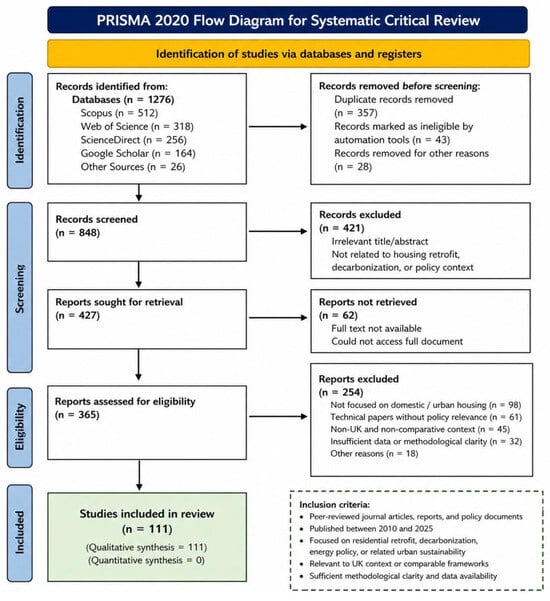
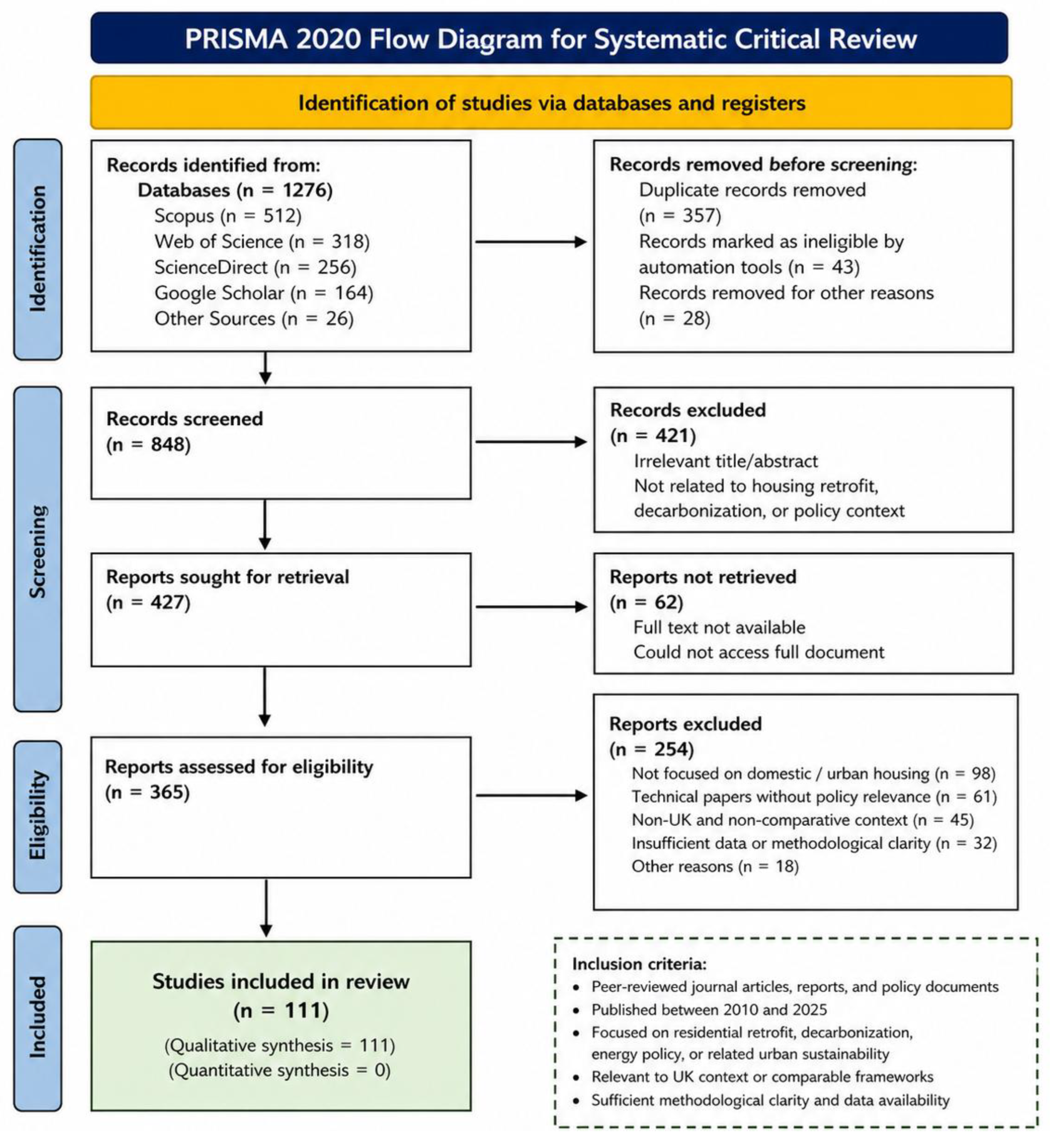


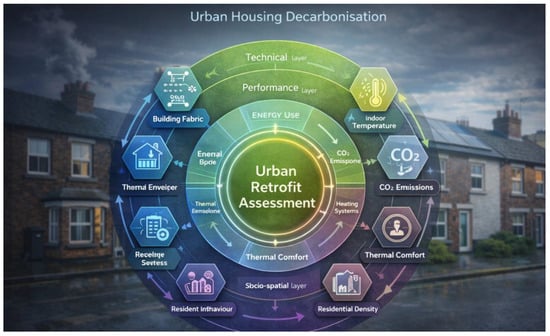
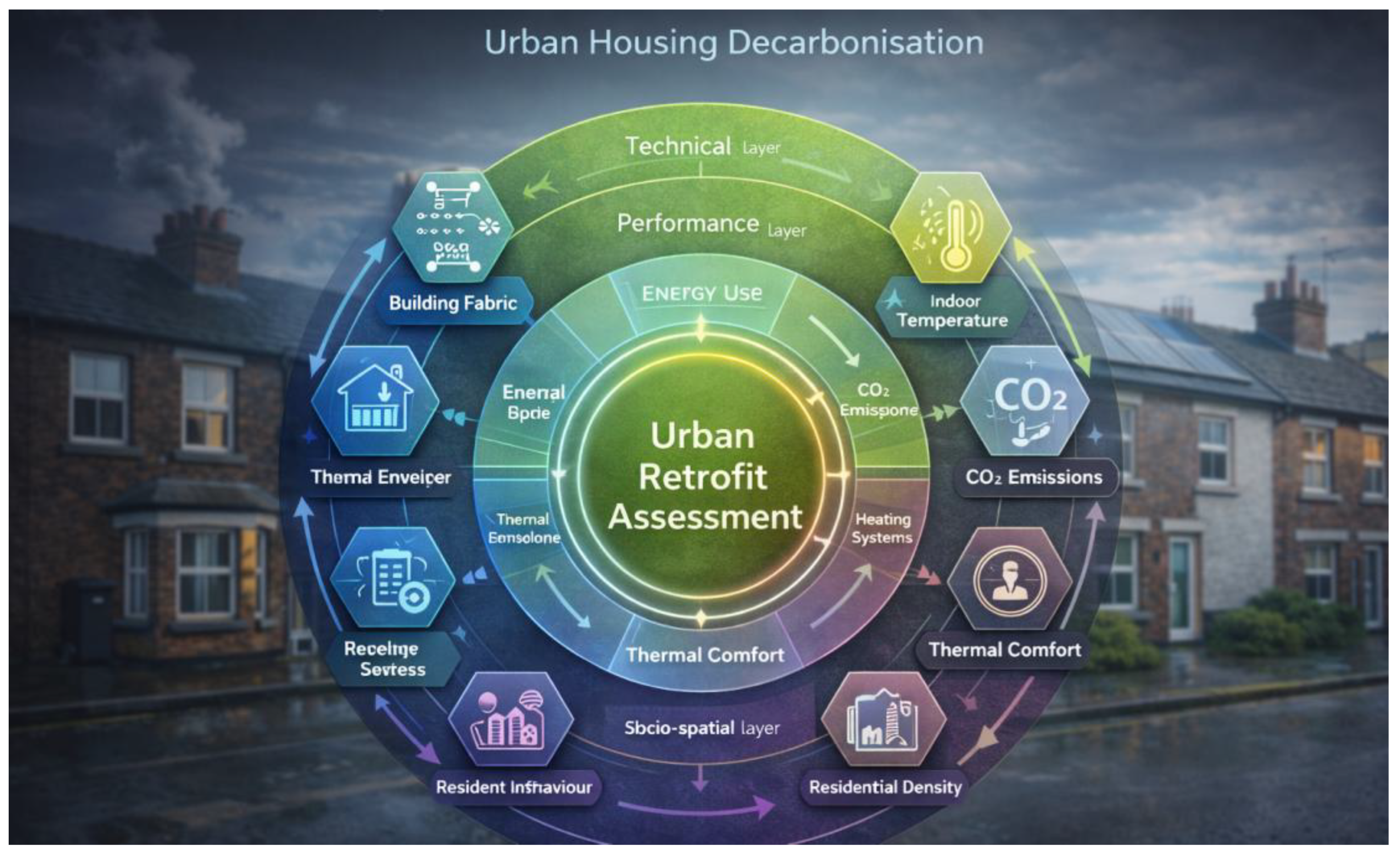
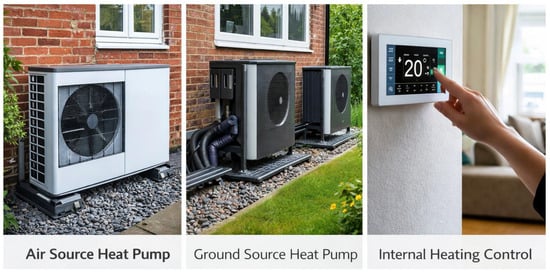
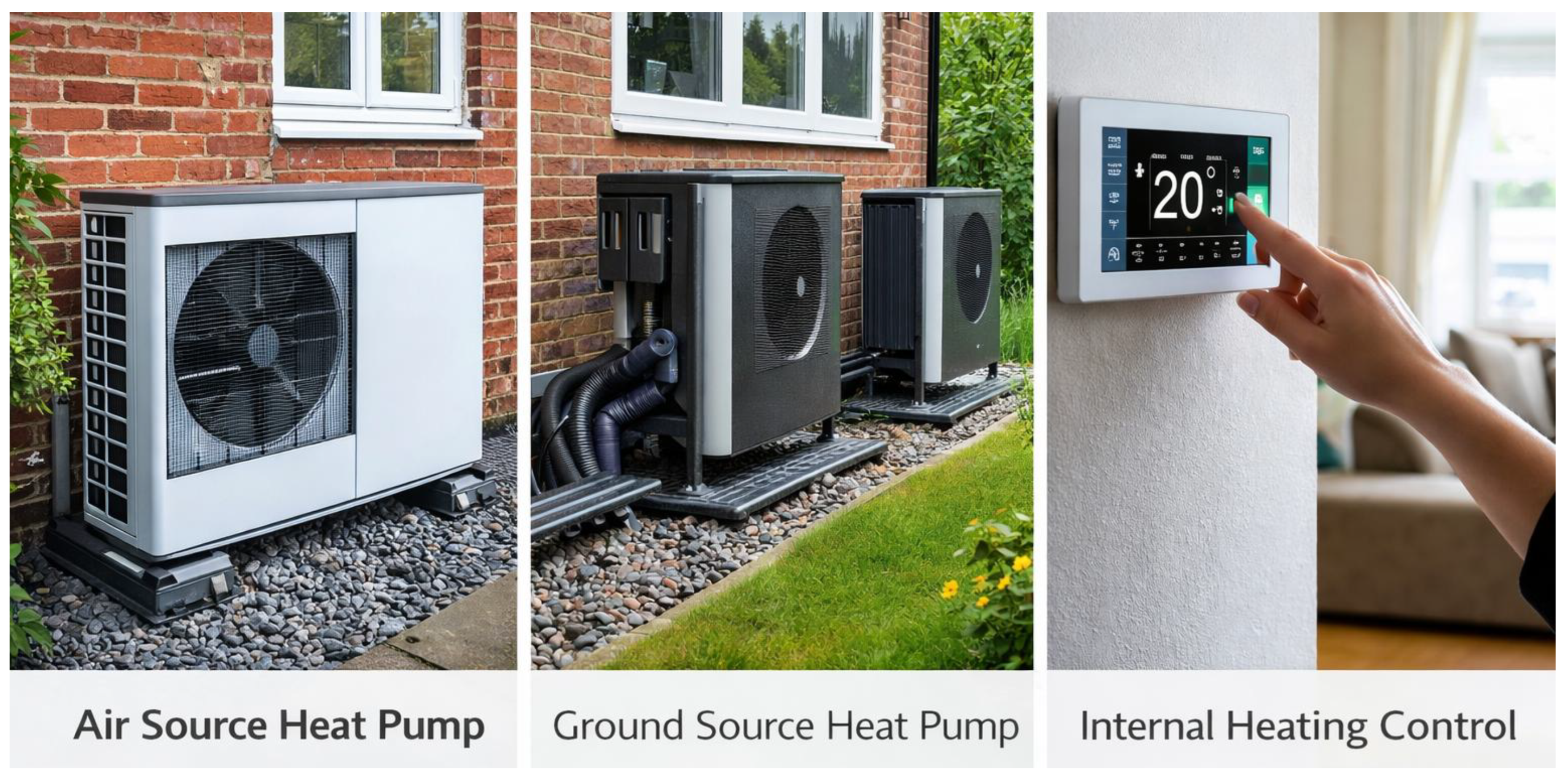
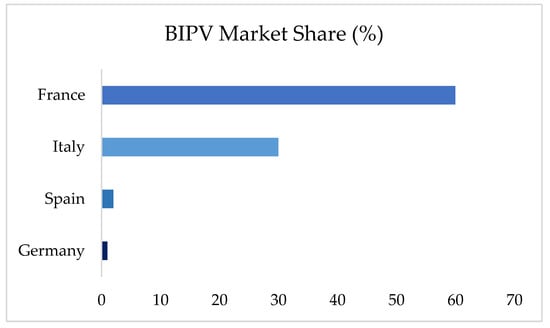
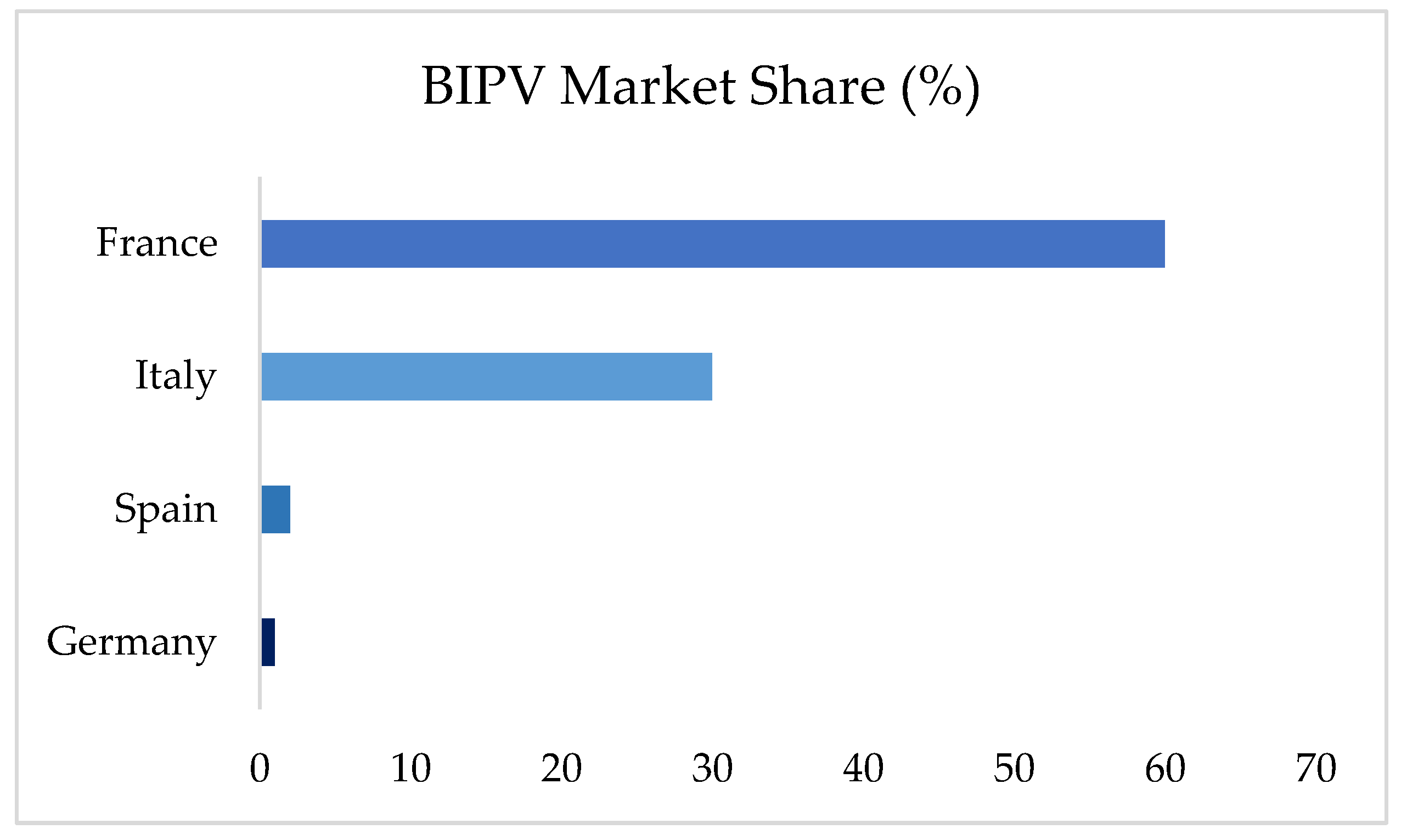
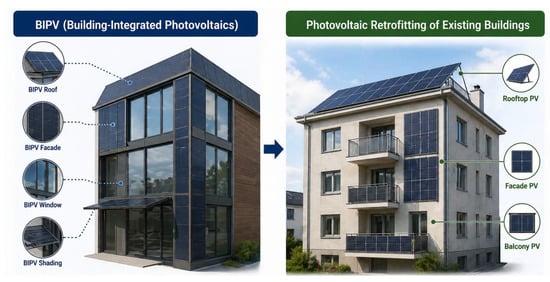
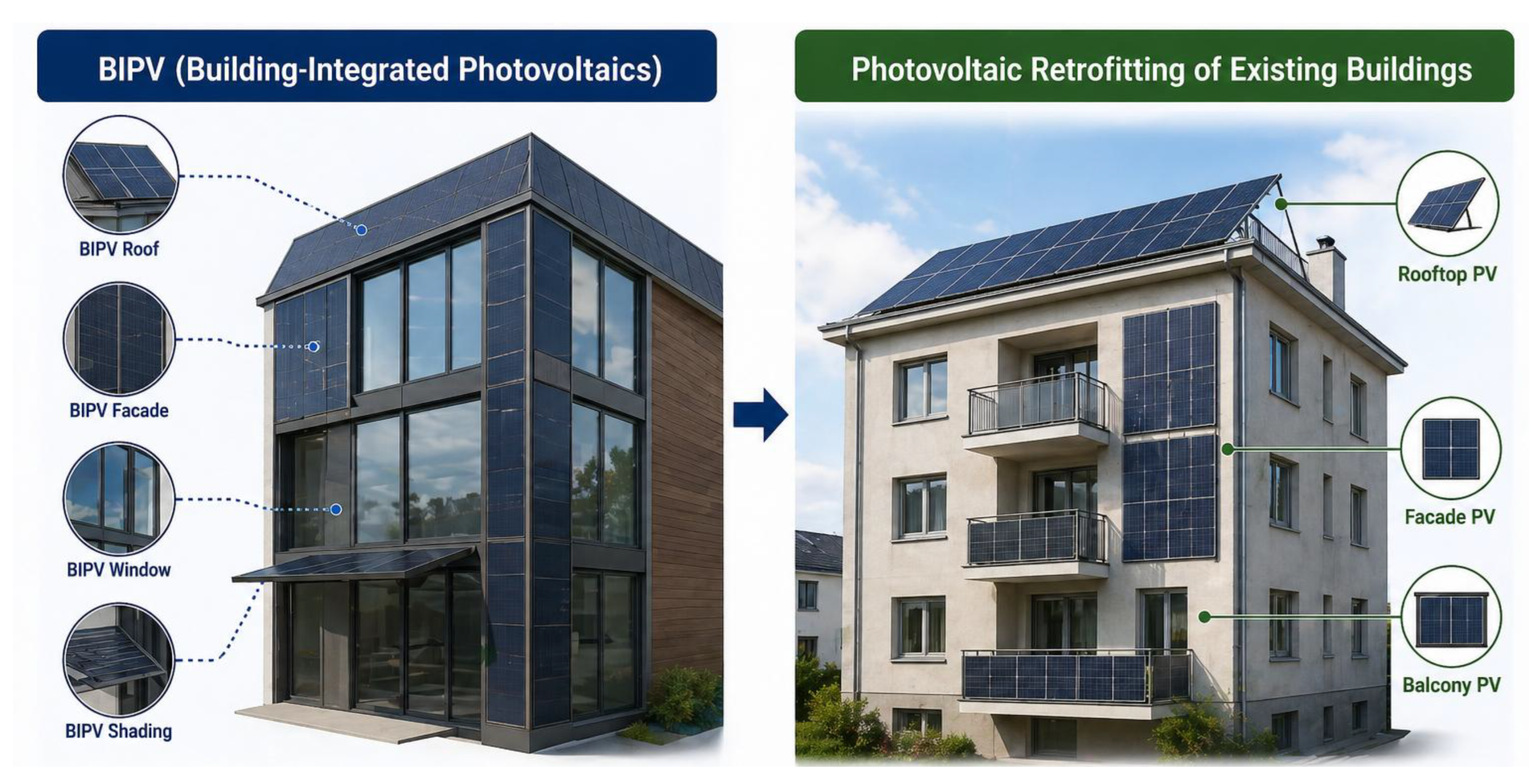
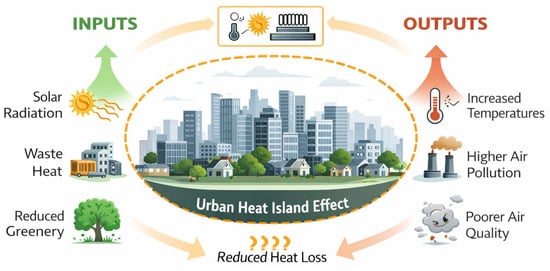
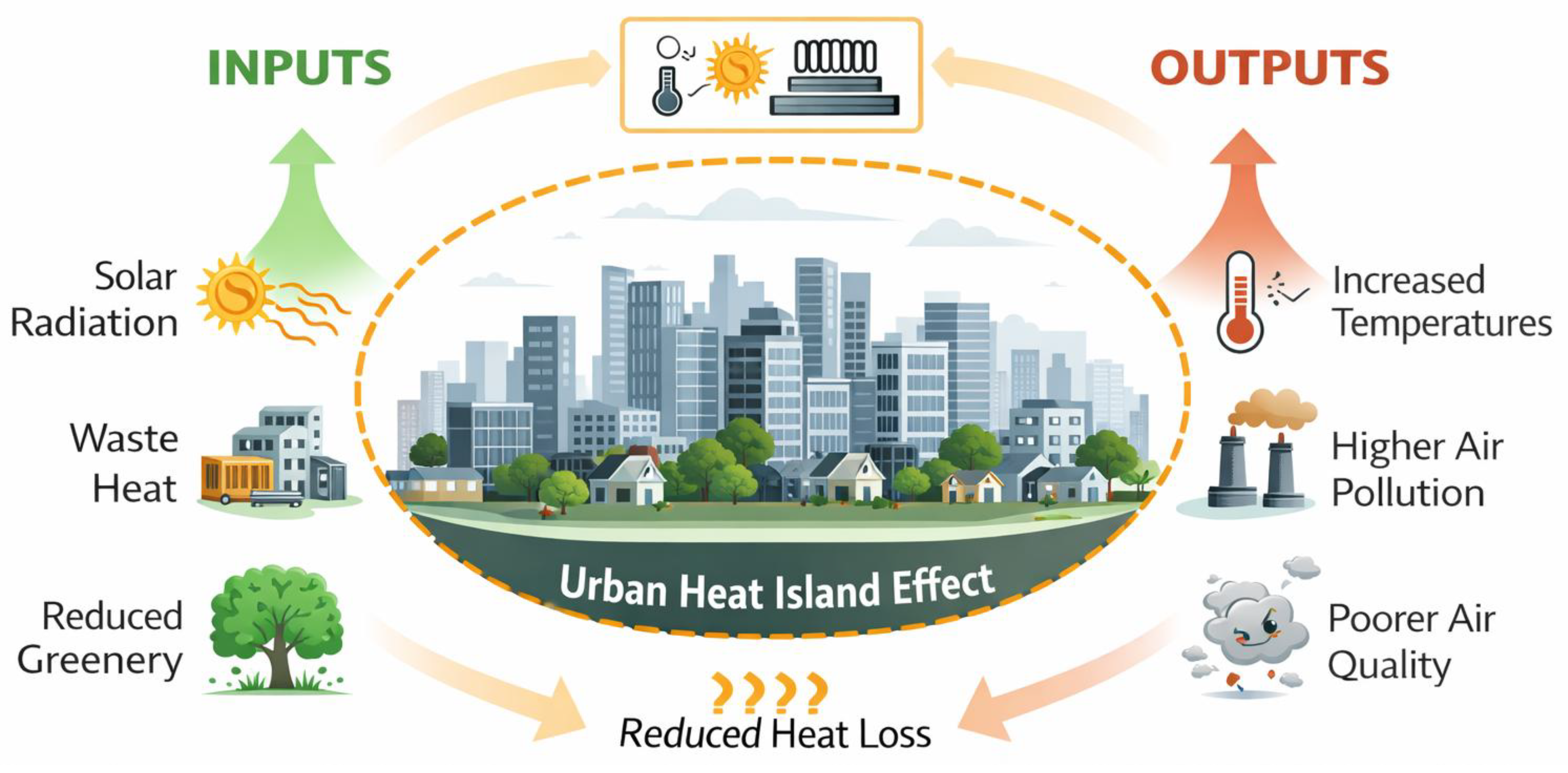
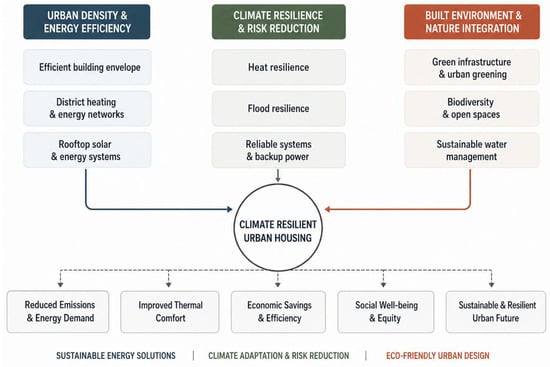
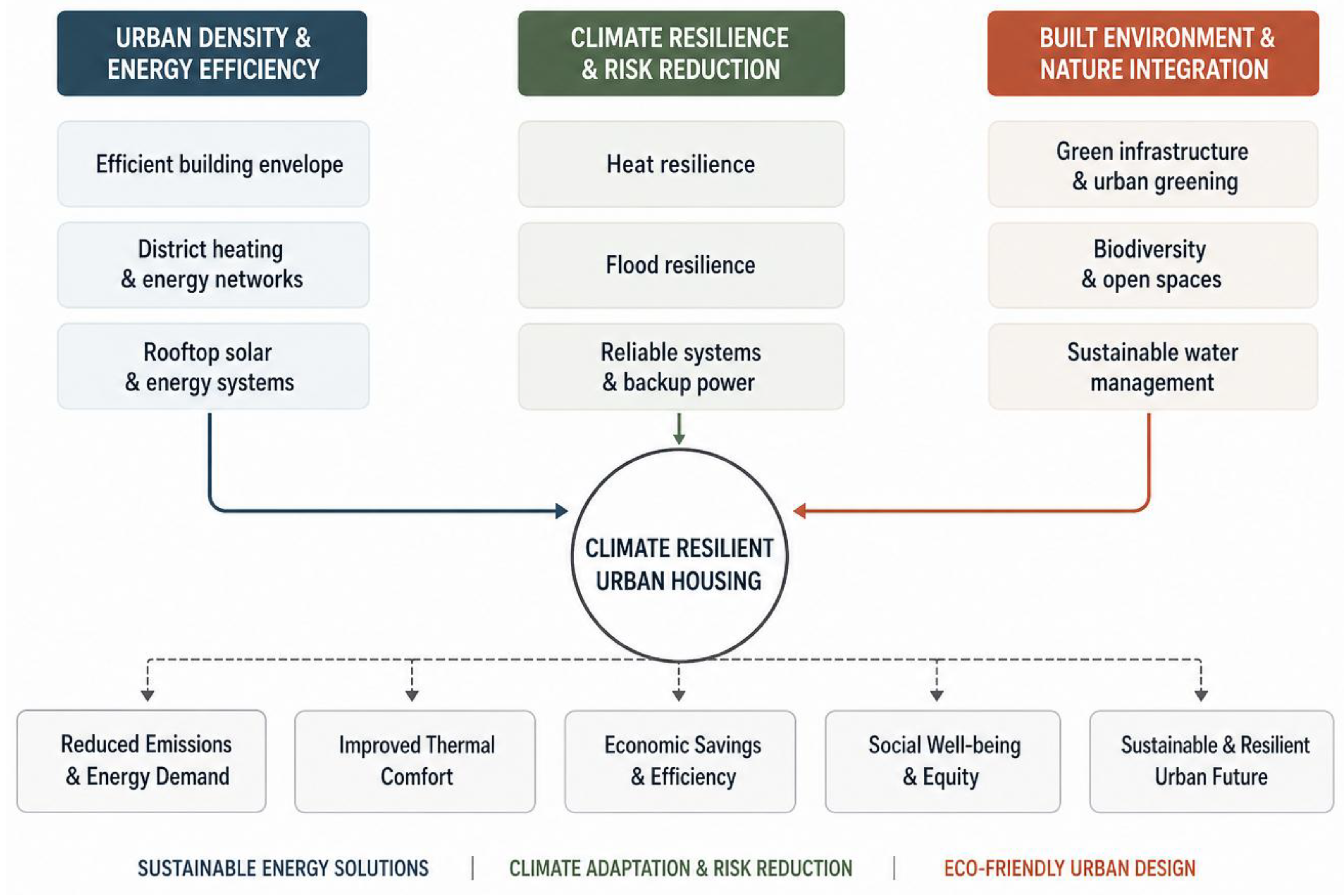

Disclaimer/Publisher’s Note: The statements, opinions and data contained in all publications are solely those of the individual author(s) and contributor(s) and not of MDPI and/or the editor(s). MDPI and/or the editor(s) disclaim responsibility for any injury to people or property resulting from any ideas, methods, instructions or products referred to in the content. |
© 2026 by the authors. Licensee MDPI, Basel, Switzerland. This article is an open access article distributed under the terms and conditions of the Creative Commons Attribution (CC BY) license.