1. Introduction
Supply chains are the main pillar of global commerce, encompassing the full spectrum of processes involved in the production and distribution of goods, from raw material sourcing to end-user delivery [
1]. A well-functioning supply chain ensures economic efficiency, supports industrial growth, and enhances market competitiveness. However, disruptions at any point in this chain, particularly transportation, can compromise productivity, profitability, and sustainability [
2]. Within the broader context of global supply chains, the construction supply chain presents unique challenges due to its complexity, variability, and sensitivity to time and cost constraints. Construction involves the coordination of a wide range of materials, equipment, and labor resources, often under project-specific requirements and dynamic site conditions [
3]. Adequate transportation is crucial for maintaining project timelines and preventing costly delays. Consequently, the transportation sector, particularly the availability of qualified truck drivers, plays a vital role in ensuring the continuity of the construction supply chain.
In recent years, the construction industry has faced growing challenges in maintaining the stability and efficiency of its supply chains. Among the most pressing of these issues is the persistent shortage of truck drivers, which has increasingly emerged as a bottleneck disrupting construction logistics [
4]. Importantly, this is not a regional matter, but a global challenge. In the United States, for example, the American Trucking Association (ATA) projects a shortage of over 160,000 drivers by 2028 [
5]. The European Union has similarly highlighted cross-border trucking constraints and customs delays as critical risks to supply chain continuity [
6]. Meanwhile, comparative studies between the U.S. and India reveal common vulnerabilities, such as high turnover, fatigue, and regulatory barriers [
7]. This shortage threatens not only the timely delivery of materials but also the overall reliability of construction project execution. As global demand for infrastructure and urban development continues to rise, the consequences of logistical disruptions, such as delayed schedules, increased costs, and heightened safety risks, have become increasingly apparent [
8]. These challenges are further intensified by the persistent housing crisis and chronic underinvestment in infrastructure, both of which add pressure to construction supply chains [
9,
10]. The urgency of this issue has been further exacerbated by external shocks, including the COVID-19 pandemic, economic fluctuations, geopolitical instability, and evolving regulatory demands, which have collectively strained the transportation sector and, by extension, the construction supply chain [
11,
12,
13,
14]. This research examines the structural and operational implications of the truck driver shortage within the construction supply chain, recognizing it as a critical factor that captures broader challenges facing modern construction logistics. The goal is to explore both the root causes and the ripple effects of truck driver shortages, while identifying strategic responses that can enhance the resilience and adaptability of supply networks in the construction industry. To guide this inquiry, the following research questions were proposed: (1) What are the underlying structural, operational, and human-centered factors contributing to the persistent truck driver shortage in construction logistics? (2) What strategies and interventions could strengthen the resilience of construction supply chains in response to these challenges? By articulating these questions, the study positions itself to contribute not only practical insights for industry stakeholders but also academic value by advancing knowledge at the intersection of workforce dynamics, logistics management, and construction supply chain resilience.
In this study, transportation is closely tied to construction logistics, which encompasses both long-haul deliveries and local distribution tasks, as well as the repositioning of equipment. References to general freight are included only where the mechanisms directly parallel construction logistics.
Within this context, the driver shortage represents the point where logistics and labor issues converge. Workforce conditions, including demographics, regulations, and retention, directly influence logistical outcomes such as delivery reliability, cost stability, and project scheduling. Viewing the shortage through this dual lens underscores its role as both a labor challenge and a logistics bottleneck, highlighting its relevance to resilience theory.
To further situate this problem, resilience is commonly understood as comprising three interrelated capacities: adaptive capacity, or the ability to adjust resources and processes in response to disruption; absorptive capacity, or the ability to withstand shocks and maintain functionality; and restorative capacity, or the ability to recover performance after disruption [
2,
13]. Within construction logistics, truck drivers are a vital resource that directly influences all three capacities. Adaptive capacity depends on flexibility, training, and skill development that enable drivers to adjust to new technologies or delivery conditions. Absorptive capacity is linked to driver availability and working conditions, which determine whether supply chains can sustain timely deliveries under stress. Restorative capacity relates to strategies such as retention programs, wellness initiatives, and surge arrangements that allow logistics systems to regain stability after disruptions. Positioning driver shortages within this resilience framework underscores the strategic importance of workforce-centered interventions for strengthening construction supply chains.
In alignment with these capacities and the research questions, this study also advances two exploratory hypotheses: (H1) Structural, operational, and human-centered factors such as demographic shifts, regulatory requirements, economic pressures, and workplace conditions significantly contribute to the persistence of truck driver shortages in construction logistics. (H2) Strategic interventions, including technological innovations and policy reforms, can mitigate these shortages and enhance the resilience of construction supply chains.
These hypotheses are not tested through statistical inference but are examined qualitatively through an integrative approach that combines literature synthesis, bibliometric mapping, and case study analysis as discussed in the following section.
2. Methods
This study employs a multi-phased qualitative approach to investigate the persistent shortage of truck drivers within the construction logistics sector. Building on the research questions introduced earlier, the selected methods were designed to systematically identify the structural, operational, and human-centered factors contributing to this shortage and explore practical strategies for enhancing construction supply chain resilience. Similar integrated methods have been effectively applied in workforce and supply chain studies within other complex domains [
15,
16]. The research design consists of three interconnected phases as described in the following subsections.
2.1. Comprehensive Literature Review
The first phase consists of a comprehensive review of peer-reviewed publications drawn primarily from the Scopus database, which offers broad disciplinary coverage. The review focuses on recent studies examining the causes, consequences, and potential mitigation strategies related to truck driver shortages in the construction industry. This process establishes a foundational understanding of the problem and identifies gaps that necessitate further investigation. Literature was selected only when construction logistics or site delivery outcomes were explicitly addressed, whereas general freight studies were excluded unless they directly related to construction transport.
2.2. Bibliometric Analysis
To complement the literature review, a bibliometric co-occurrence analysis was conducted. This method systematically identifies frequently co-occurring keywords and clusters them into thematic areas, thereby revealing prevailing research trends and areas of academic interest. To limit bias from pre-existing keyword preferences, the initial keyword set was extracted directly from the titles, abstracts, and author keywords of all included studies. Synonymous terms were cleaned and merged according to consistent, predefined rules, and a uniform minimum occurrence threshold was applied. These steps ensured that keyword selection and clustering were driven by the dataset itself, reducing subjective influence. Additionally, the dataset was limited to publications that addressed construction supply chains and logistics, meaning that documents with little or no relevance to construction were excluded. Bibliometric mapping provides a visual and objective representation of the field’s intellectual structure, thereby offering an objective view of the field’s intellectual landscape [
17]. Similar bibliometric approaches in construction supply chain research have been demonstrated by other researchers, such as Wen et al., who analyzed global trends in construction supply chain management to map current status and future prospects [
18].
2.3. Case Study Analysis
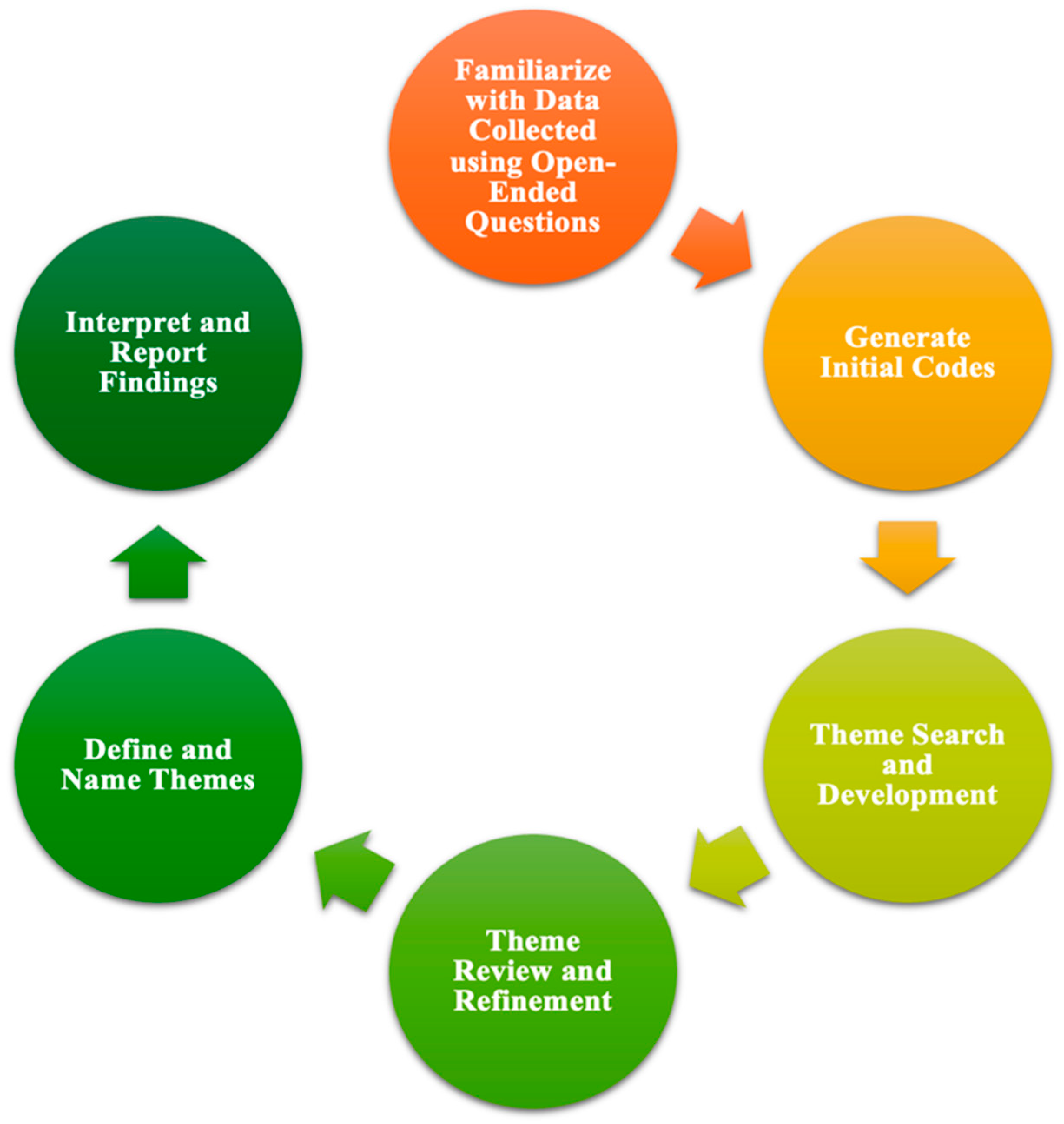
The third phase involves a qualitative case study that focuses on the truck driver shortage within the commercial motor vehicle (CMV) sector. Guided by Braun and the six-step thematic analysis process, qualitative data collected from driver interviews were systematically open-coded to allow themes to emerge without imposing pre-existing hypotheses [
19]. Coding was conducted independently by two researchers, and the resulting themes were cross-checked and refined collaboratively to ensure consistency and minimize personal bias. This phase ensured that the study incorporated direct, field-based insights from active commercial motor vehicle (CMV) drivers, thereby complementing the literature and bibliometric findings with the lived perspectives of the workforce.
Collectively, this multi-phased approach provides a comprehensive understanding of the truck driver shortage as both a symptom and driver of disruptions in the construction supply chain. By combining systematic literature review, bibliometric mapping, and empirical case study analysis, the methods are designed to balance academic rigor with practical relevance while minimizing confirmation bias. Specifically, in the literature review phase, structured inclusion and exclusion criteria were applied and documented to ensure transparency and replicability. For the bibliometric analysis, keyword cleaning and clustering were performed using standardized VOSviewer 1.6.19 protocols, reducing subjective interpretation in thematic grouping. In the case study phase, two independent coders conducted open coding before consolidating themes, and coding decisions were cross-validated by additional research team members to ensure consistency and limit individual bias.
3. Data Collection
The goal was to gather all the references that were crucial to form a good base for the study and acquire resources about construction supply chain issues, especially truck driver shortages, along with their resulting logistical difficulties. The search was done through Scopus, a research database widely recognized for its extensive coverage of peer-reviewed literature [
20]. Although the approach was not a full systematic review, it followed structured and transparent steps aligned with established guidelines for rigorous information collection in exploratory and narrative syntheses [
21,
22]. A carefully selected set of targeted keywords was developed to extract the most relevant materials. These included but were not limited to: “construction supply chain management,” “construction logistics,” “construction material shortages,” “truck driver shortage,” “transportation bottlenecks in construction,” “impact of pandemics on construction supply chains,” “inflation impact on construction supply chains,” “construction trucking workforce,” and numerous related phrases. This extensive keyword combination ensured the identification of all significant studies regarding the diverse aspects of the research topic.
The initial Scopus search yielded 2382 publications. These publications went through a three-step screening process to refine the collected literature. The process began with the removal of 107 non-English publications, leaving 2275 English-language publications remaining. Then, these were further narrowed by subject areas relevant to the study’s scope, which included Engineering, Management and Accounting, Decision Sciences, Social Sciences, and Economics and Econometrics, totaling 1890 publications. The second step of screening was conducted based on source titles, removing irrelevant publications from sources such as “Energy and Buildings” and “Desalination and Water Treatment,” among others, to ensure the relevancy and applicability of the remaining publications to construction logistics and supply chain management. Additionally, technology-focused journals such as “IEEE Access” were excluded when their articles primarily centered on hardware design, software architecture, or abstract algorithm development without a direct application to construction or logistics, as these topics fell outside the practical scope of this study. However, technology publications that explicitly examined AI, IoT, or other digital tools within the contexts of construction logistics or supply chain management were retained. This approach ensured that relevant technology-driven insights were included while avoiding tangentially related works that did not address the construction domain. This second step removed 1250 irrelevant publications, narrowing the dataset to 640. The last step was to exclude all the keywords that did not align precisely with the research objectives. These keywords include “innovation,” “fly ash,” “sustainable development,” “circular economy,” “knowledge management,” and “energy efficiency”, which resulted in the removal of 278 additional publications. Therefore, by the end of the third screening process, the study retained 362 publications that met the criteria for relevance and quality. These publications will form the foundation for initiating both the literature review and the bibliometric analysis.
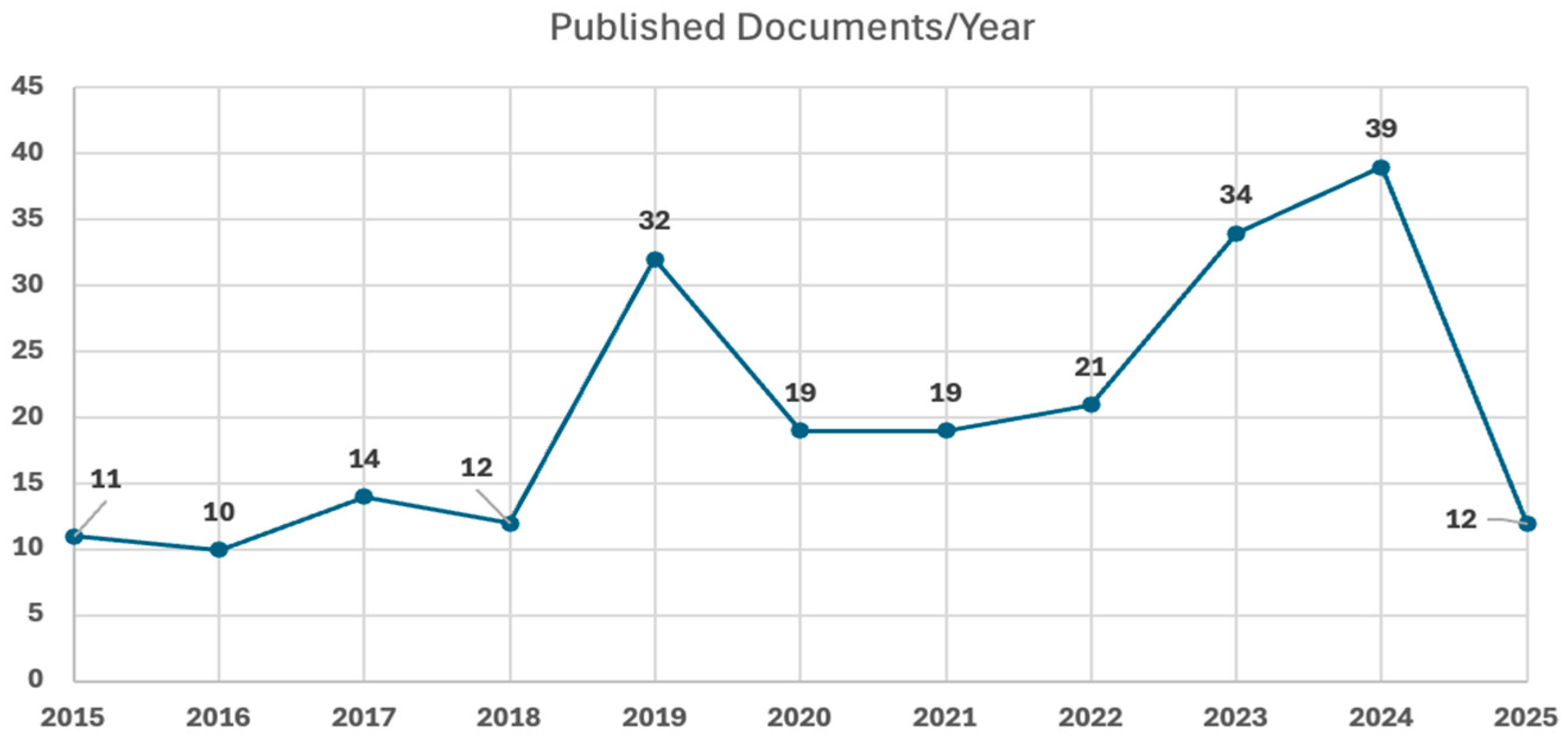
The annual distribution of published documents concerning the construction supply chain and truck driver shortages is shown in
Figure 1. It spans the last 10 years to provide an idea of recent efforts in the field. Research attention and scholarly interest in the topic significantly increased after 2018, resulting in 39 publications in 2024. The number of publications showed significant variation from 2015 to 2018, suggesting that industry influence was inconsistent during that period. The sharp rise post-2018 indicates the growing recognition of the critical impact of logistics disruptions and labor shortages, possibly influenced by external factors such as the COVID-19 pandemic, global economic instability, and increased supply chain disruptions.
The number of publications in 2025 dropped to 12, as the dataset was collected in April 2025 and therefore does not capture the whole year’s output. The observed trends, such as the increase in publications in recent years, reflect the field’s ongoing development and growing relevance to the evolving needs of the modern construction industry.
4. Literature Review
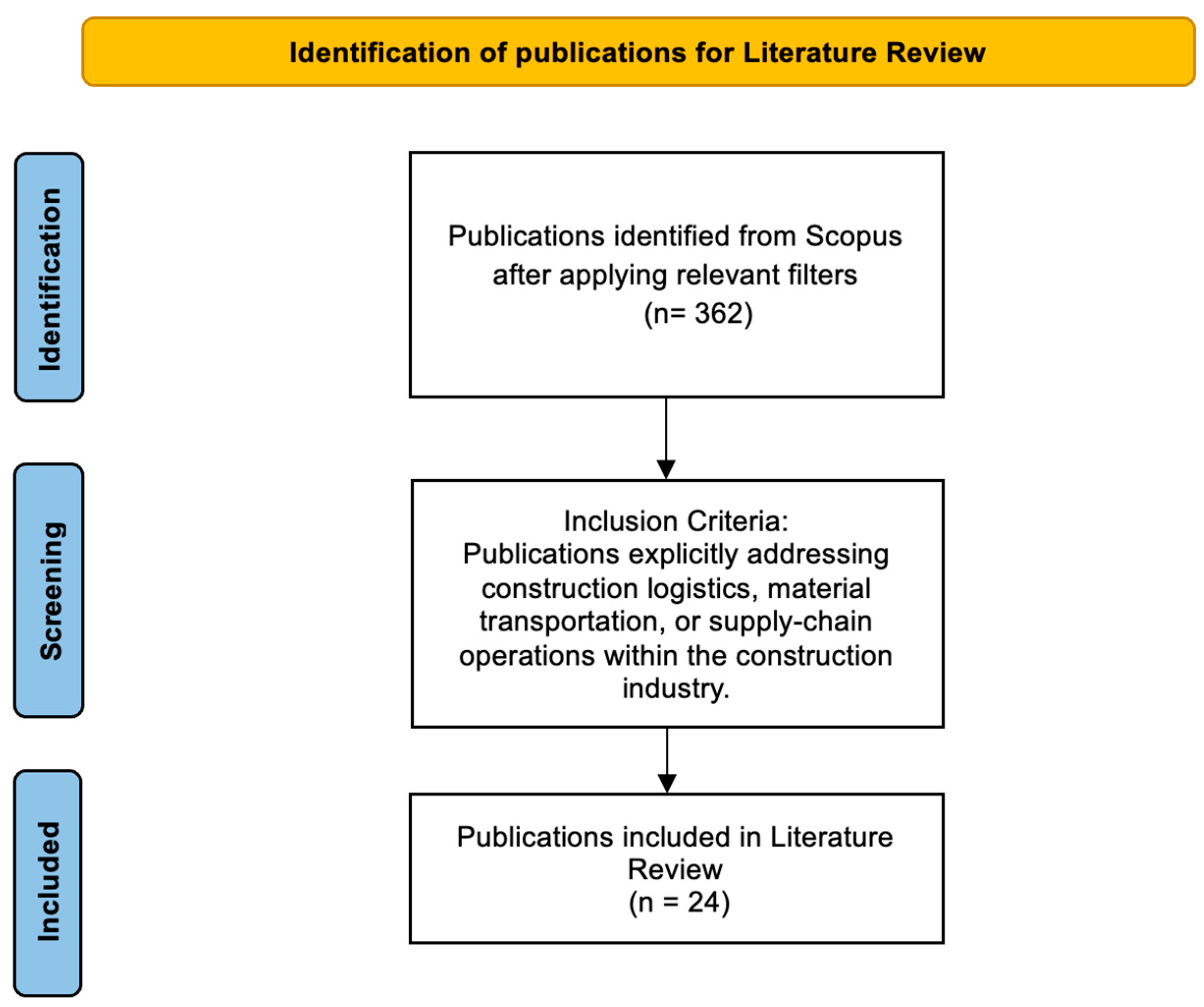
This section examines the supply chain research question by addressing the causes, consequences, and potential mitigation strategies associated with truck driver shortages in the construction industry. It establishes a foundational understanding of current challenges and identifies gaps that necessitate further investigation. Following the bibliometric filtering described in
Section 3, which yielded 362 publications, a second-stage screening was performed to identify those studies directly related to the construction supply chain.
Figure 2 presents the second-stage literature review flow diagram in PRISM format, in which publications are included only when they explicitly address logistics, material transportation, or supply-chain operations within the construction industry. This refinement produced 24 studies, which formed the basis of the literature review presented in subsequent subsections.
4.1. Defining the Construction Supply Chain
The construction supply chain is a highly interdependent system that demands seamless coordination among diverse stakeholders, sophisticated processes, and the timely flow of materials. Its project-based nature adds unique complexity as each project is a one-time effort with distinct requirements, temporary structures, and location-specific logistics. Unlike conventional supply chains in manufacturing or retail, which operate with fixed locations, stable suppliers, and predictable outputs, construction supply chains are geographically dispersed, time-bound, and reconfigured for each project [
23,
24]. The process spans multiple stages, including planning, material procurement, off-site fabrication, transportation, on-site handling, and final installation, each involving diverse actors such as owners, contractors, suppliers, fabricators, logistics firms, and regulators. Transportation plays a critical role in this system, ensuring that materials and prefabricated components arrive on time and in sequence. This is especially vital in just-in-time delivery models, where even minor delays can trigger scheduling disruptions, idle labor, and cost overruns [
25].
4.2. Truck Driver Roles and Shortage in Construction
Truck drivers play a crucial role in maintaining operational continuity in the construction supply chain by ensuring that materials and prefabricated components reach project sites precisely when needed. Despite this critical role, construction logistics is severely disrupted by an ongoing shortage of qualified truck drivers. An insufficient labor pool within trucking logistics significantly impedes project scheduling, inventory management, and overall execution timelines. Studies by Fredriksson et al. and Arshad and Zayed [
26,
27] have highlighted that fragmented collaboration, caused by poor communication, siloed responsibilities, and inconsistent workflows, often leads to inefficiencies, delays, and increased costs. Additionally, these authors note that dynamic market conditions, such as fluctuating demand for construction services, volatile material prices, and labor shortages, further complicate the stability of the supply chain. Recent research by AlTalhoni et al. [
28] demonstrated that supply chain disruptions significantly influenced Construction Cost Indices (CCI) by driving material delays and cost escalations. The findings highlight the direct link between supply chain and logistical inefficiencies, as well as cost forecasting challenges in the construction sector.
In construction, driver shortages manifest in two primary forms: long-haul delays in the delivery of upstream materials and local disruptions in time-sensitive deliveries. Although the overall transport volume is smaller than in classical freight, these shortages create disproportionate project impacts, including idle labor, equipment downtime, and missed activity start times. These impacts are intensified by project-level constraints, such as ready-mix concrete time windows, crane lift scheduling, and limited laydown areas, which prevent buffering. As a result, even modest driver shortages quickly translate into idle crews, re-sequenced tasks, and cost overruns unique to construction logistics.
4.3. Driver Shortages Contributing Factors
Several interrelated factors contribute to this shortage, each intensifying instability in the construction supply chain and undermining operational efficiency. Demographic changes, such as an aging workforce and declining interest among younger generations due to negative job perceptions, have reduced labor availability, resulting in delayed deliveries and disrupted project timelines [
29,
30]. Poor working conditions, including long hours and a limited work–life balance, lead to high turnover and fatigue, which in turn increase accident risks, insurance costs, and transportation unreliability [
31]. Regulatory constraints, such as complex licensing requirements and safety mandates, hinder onboarding efficiency and limit the qualified driver pool, contributing to delivery bottlenecks and project delays [
27]. Economic factors, including low wages and rising operational costs, deter new entrants and constrain carrier capacity, thereby inflating freight and material costs [
32]. The COVID-19 pandemic further intensified these issues by accelerating retirements and imposing new health protocols. Additionally, pandemic-era inflation, compounded by economic volatility and material cost escalation, significantly exacerbated existing supply chain vulnerabilities [
33]. Lockdowns and border restrictions disrupted freight operations across North America and Europe. Inconsistent regulations and customs delays, particularly at the UK-EU border, severely impacted just-in-time systems. This is presented as a regional example to illustrate how cross-border freight issues can undermine logistics performance; similar vulnerabilities exist in other regions facing international trade frictions. While the European Commission’s “Green Lanes” initiative aimed to mitigate border delays [
34], a European Parliament report highlighted cross-border freight disruption as a key vulnerability in construction logistics [
6]. These breakdowns led to delivery volatility and budget overruns across the sector [
26].
Geopolitical instability and recent global trade regulations, particularly those introduced in early 2025, have added significant strain to the construction supply chain. New U.S. policies, including increased import fees, stricter customs procedures, and the removal of exemptions for small international shipments, have made importing materials more costly and complex [
35,
36]. According to the Associated General Contractors of America [
37] the producer price index for new nonresidential construction inputs increased for three consecutive months as of March 2025, even before most tariffs took effect, with steel mill products rising 7.1%, aluminum shapes 5.1%, and lumber/plywood 2.7%. Industry surveys further report extended lead times for imported materials, with delays ranging from two to six weeks compared to pre-policy averages [
38]. These shifts, aimed at redirecting global trade flows, have disrupted the operations of key exporters of construction-related goods, resulting in port delays, unpredictable shipping times, and rising transportation costs. Construction projects, which often rely on imported steel, electrical components, mechanical parts, and prefabricated assemblies, face increased risks to timelines and budgets. Drivers are expected to cover longer distances under tighter schedules, which can lead to increased fatigue, burnout, and higher turnover rates. In many cases, materials are left waiting at ports or warehouses due to driver shortages, escalating costs, and delays in processing. These trade disruptions, combined with transportation pressures, have made the supply chain more fragile and less predictable. In a just-in-time construction environment, such volatility results in costly delays, scheduling issues, and material shortages during critical phases of the project [
39].
Additionally, sustainability pressures, including environmental regulations, impact logistics flexibility, resulting in longer lead times for compliant transportation [
40]. Furthermore, labor shortages resulting from inadequate access to training limit the availability of skilled drivers, further straining the reliability of the construction supply chain [
31]. Human-centered challenges compound these issues. Mental health issues such as depression and stress reduce productivity and increase turnover, while communication barriers, particularly among non-native speakers, cause logistical miscommunications that delay material coordination at sites [
7,
41]. Additionally, a lack of professional development discourages retention, while prolonged time away from family fosters dissatisfaction, both of which contribute to frequent staffing gaps in logistics operations [
42]. Also, internal barriers such as ineffective leadership, limited SCM competence, passive subcontractor engagement, and organizational resistance further exacerbate these issues, intensifying overall supply chain disruptions [
43].
4.4. Implications for Project Delivery and Resilience
The cumulative effect of these factors directly impacts construction project outcomes, including substantial delays, increased costs, and compromised safety standards. Zhang et al. (2021) reported that 67% of surveyed construction firms experienced significant delays due to inefficiencies in trucking [
30]. Mitigation strategies should include a focus on workforce development, technology, and policy reform. Efforts such as offering competitive wages, flexible schedules, and wellness programs have shown promise in improving driver retention [
44]. Government interventions, such as Australia’s Heavy Vehicle Driver Initiative and EU-funded upskilling programs, aim to reduce entry barriers and expand driver availability [
45]. Although their long-term effectiveness remains under review, these initiatives represent proactive policy responses that may be adapted to other labor-constrained regions. Including such strategies in supply chain analysis enables a more comprehensive evaluation of their applicability and scalability within the construction sector.
4.5. Technological Innovations and Digital Logistics Solutions
Technological innovation plays a pivotal role in reducing disruptions and inefficiencies in the construction supply chain, particularly those linked to the truck driver shortage. Across the literature, digital and automation-based interventions have shown measurable gains in logistics performance and resilience. Fredriksson et al. and Liu et al. [
26,
46] found that autonomous vehicle pilots in Sweden, combined with AI-powered route optimization systems, can reduce idle time and improve fleet efficiency by up to 20%. These tools help stabilize delivery schedules and support just-in-time workflows while lessening the impact of labor constraints.
Blockchain-enabled procurement platforms also enhance transparency and traceability in logistics operations by digitizing transactions and delivery publications, addressing common coordination breakdowns [
47]. Additionally, modular construction, which involves shifting substantial work off-site, can reduce trucking needs by as much as 30% [
40,
48], thereby decreasing material flow variability and improving schedule stability. Le et al. [
49] highlighted current gaps in strategic decision-making in construction SCM, emphasizing limited early-phase collaboration and insufficient integration of IT and logistics planning. They proposed future directions emphasizing collaborative planning, Lean procurement using Building Information Modeling (BIM), and leveraging third-party logistics (3PL) to enhance overall supply chain responsiveness and flexibility.
Collectively, these innovations form a scalable toolkit for boosting construction supply chain resilience. When strategically deployed, they enhance delivery reliability, ease pressure on limited transportation labor, and strengthen the industry’s adaptability to external disruptions.
4.6. Gaps in Current Literature
Despite progress, key research gaps remain. Most studies focus on short-term fixes, such as wage increases or bonuses. However, attention is limited to structural reforms, including vocational training, apprenticeship programs, and gig-economy models, which are more fully developed in sectors such as healthcare [
50]. Technologies such as autonomous trucks and AI-driven fleet management are frequently cited as possible solutions. However, their feasibility in developing regions, which face infrastructure, regulatory, and cost constraints, remains [
46]. Pilot programs are concentrated in high-income countries [
51], while infrastructure deficits and technical skill gaps further limit adoption [
32,
52].
Policy interventions, such as the EU’s subsidies and Australia’s Heavy Vehicle Driver Initiative, have been documented [
45]. However, comparative analysis is scarce. In the U.S., CDL training support is fragmented across states and lacks federal coordination [
53,
54], resulting in delays and increased logistical costs. Emerging ideas, including circular supply chains, freelance driver platforms [
55], electric freight, and AI-based logistics [
40,
52], hold promise but remain under-evaluated in the construction research field. Overall, the truck driver shortage reveals structural vulnerabilities in construction logistics.
Overall, the truck driver shortage exposes deeper structural vulnerabilities in construction logistics. This section has reviewed contributing factors, explored interventions, and outlined research gaps. The following section presents a bibliometric analysis of scholarly trends and developments on this topic.
5. Bibliometric Analysis
Bibliometric analysis is an analytical approach used to systematically explore and interpret vast datasets of academic publications, highlighting meaningful patterns and insights within academic literature. This method allows researchers to visualize the evolution, thematic trends, and influential contributions within a particular research field [
56]. By identifying prominent topics and emerging research directions, bibliometric analysis delivers an insightful overview of the current research landscape.
While the
Section 4 focused on a tightly scoped set of 24 publications identified through the PRISMA screening process, the bibliometric analysis intentionally employed a broader dataset of 362 publications. This distinction was necessary because bibliometric mapping requires a sufficiently large volume of publications to reveal how keywords co-occur, identify topic clusters, and detect cross-topic linkages with adequate reliability. By maintaining a construction-focused scope while including a broader range of studies on supply chain management, logistics, and transportation within construction contexts, the analysis provides a comprehensive visualization of how these domains intersect. In contrast, the literature review is a selective, interpretive analysis that engages deeply with a focused subset of studies, critically evaluating arguments and tracing underlying mechanisms to facilitate a richer, more nuanced understanding of construction-specific driver shortage and logistics challenges. Therefore, the bibliometric analysis captures the broader relationships across the research landscape, whereas the literature review provides an in-depth understanding of the most relevant construction-focused literature.
The process involves using specialized software tools, such as VOSviewer, to map and visualize scholarly networks. In this study, keyword co-occurrence analysis was used to identify key thematic areas and their interrelationships within the construction supply chain literature. The dataset was limited to construction-related publications, ensuring that the resulting themes reflect construction logistics rather than general freight transport.
5.1. Co-Occurrence Analysis
This analysis method is the core of bibliometric studies, used to explore the relationships and thematic intersections among keywords within a specific research area [
17]. It seamlessly recognizes common keyword pairs in academic research and displays their relationship network through structured diagrams. By highlighting clusters of related keywords, co-occurrence analysis allows researchers to better understand dominant themes, emerging research areas, and the overall intellectual landscape of a particular field.
Before performing this analysis, comprehensive keyword data cleaning was undertaken to enhance the accuracy and interpretability of the resulting bibliometric visualization [
17]. Keywords with overlapping meanings or closely related terminology were systematically merged to reduce redundancy and strengthen conceptual clarity. For instance, terms such as ‘construction management,’ ‘construction logistics,’ and ‘construction materials’ were unified under the overarching keyword ‘construction management and resources.’ Similarly, keywords addressing construction supply chain-related practices, including ‘construction supply chain,’ ‘construction procurement,’ and ‘supply chain management,’ were combined under ‘construction supply chain.’
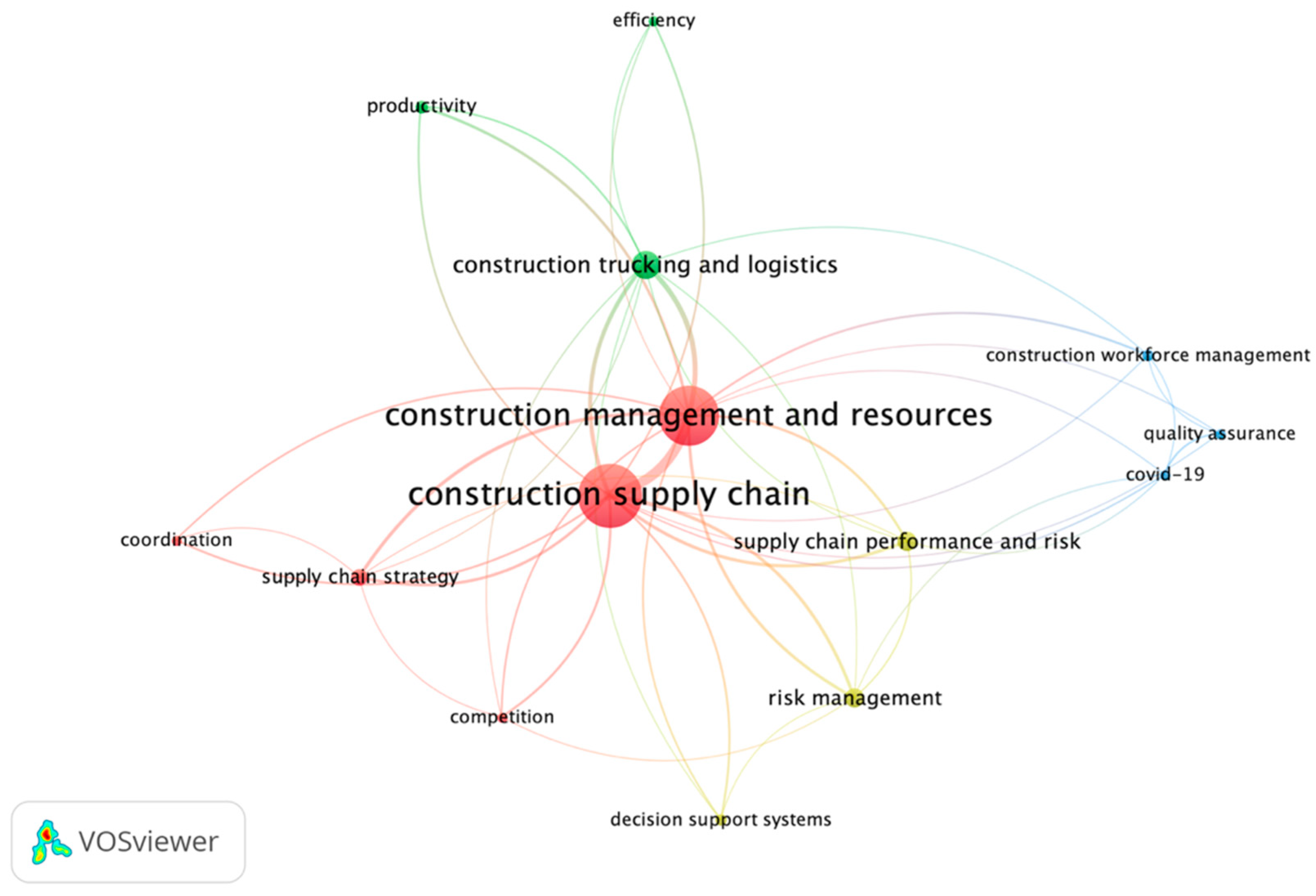
A rigorous occurrence criterion was established, requiring a minimum of five mentions per keyword to maintain the dataset’s relevance and manageability. This criterion effectively reduced the extensive initial keyword collection to 48 eligible keywords. Subsequent refinement based on specific research objectives further narrowed the selection to 14 highly significant keywords, carefully chosen to capture the key concepts and critical trends influencing supply chain management and truck driver shortages in the construction sector. The resulting bibliometric network visualization identified four distinct thematic clusters, incorporating the selected keywords, and connected them with 44 links, for a total link strength of 245. Each cluster was uniquely color-coded to demarcate thematic groupings, enhancing the ease and accuracy of interpretation (see
Figure 3). Keywords within these clusters appear as nodes, sized visually according to their prominence and frequency in the literature analyzed.
Table 1 provides a structured, quantitative overview of the most prominent keywords in the analyzed literature. Each entry in the table includes the keyword, its occurrence number which represent the total number a keyword appeared in the analyzed publication, number of links which reflects the number of direct connections to other keywords, total link strength which measures the combined strength of connections with other keywords, average publish year which is the mean publication year of documents associated with this keyword, and average citations which provides the average number of citations for the papers in which the keyword appears. This enables a deeper understanding of the distribution and connectivity of core research keywords.
Frequently occurring keywords highlight dominant research directions, while those with extensive links and higher link strengths reveal their central role in bridging various thematic areas. For instance, keywords such as “Construction Supply Chain,” “Construction Management and Resources,” and “Construction Trucking and Logistics” demonstrate both high occurrence rates and strong connectivity, underscoring their significant impact on research related to supply chain disruptions and workforce shortages in the construction sector. Moreover, this analysis enables researchers to identify knowledge clusters and track the field’s evolution, whether it expands around foundational concepts or incorporates newer topics such as “COVID-19” and “Risk management.” The keyword table thus serves as a pivotal reference tool, enriching bibliometric interpretation, enhancing content clarity, and informing future research trajectories within the domain of construction supply chain management.
5.2. Cluster Analyses
A key output of the bibliometric analysis is the generation of keyword clusters that represent the intellectual structure and thematic divisions within the research field. These clusters were derived through co-occurrence mapping, where frequently associated keywords were grouped based on their interconnectivity and proximity within the network [
56]. Each cluster highlights a distinct yet interrelated research dimension, providing an enriched understanding of how scholarly discussions are structured around supply chain issues in the construction sector.
These clusters not only validate the broader research directions revealed through bibliometric mapping but also help contextualize how specific challenges, such as truck driver shortages, are positioned within the academic discussion. By analyzing the clustered keywords, the study identifies the central pillars that shape scholarly understanding of construction supply chains, resource management, and risk response strategies. Accordingly, the clusters identified in this study represent four main thematic domains, namely: (1) Strategic Construction Supply Chain Management, (2) Transportation Logistics and Operational Performance, (3) Workforce Stability and Industry Resilience, and (4) Risk Mitigation and Decision Intelligence.
5.2.1. Strategic Construction Supply Chain Management (Red Cluster)
This cluster represents the strategic core of the construction supply chain, encompassing planning, coordination, and resource management; foundational elements for ensuring a smooth flow of materials and labor. These processes are increasingly stressed by disruptions such as truck driver shortages. At the center of this cluster is the construction supply chain, reflecting the broader logistics framework that connects procurement, delivery, and on-site operations. Disruptions in this system can ripple across entire projects, making it a critical area of academic and practical focus. Ogundipe et al. [
57] found that delays in deliveries, weak procurement strategies, and communication gaps often undermine project performance.
The term ‘construction management and resources’ reflects the operational side of execution, where well-coordinated labor and material planning help mitigate transportation delays. Zaalouk et al. [
58] emphasized that off-site construction operations must account for resource availability, factory throughput, and logistics coordination to maintain supply continuity. Meanwhile, supply chain strategy introduces a forward-looking lens, prioritizing resilience planning. Hajarath and Vummadi demonstrated that supplier diversification, technological integration, and enhanced visibility are crucial for withstanding disruptions [
59]. Additional keywords, such as competition and competitive pressure, highlight how market dynamics drive innovation and agile practices [
60]. Coordination remains essential, especially during delivery disruptions that require rapid site-level adjustments. Sabahi and Parast [
61] stress that coordination, combined with innovation, underpins resilience and consistent performance in volatile logistics environments.
5.2.2. Transportation Logistics and Operational Performance (Green Cluster)
This cluster examines the logistical systems underpinning construction project delivery and workflow. At its core is construction trucking and logistics, which ensure the timely movement of materials, equipment, and labor to job sites. The performance of this transportation network directly impacts scheduling, cost control, and workflow continuity. Notably, the dominance of keywords such as “construction trucking and logistics,” “productivity,” and “efficiency” within this cluster confirms that the co-occurrences derive from construction-specific transport studies rather than general freight.
While not specific to construction, the American Trucking Associations reported that trucks move 71.4% of U.S. freight and projected a driver shortage exceeding 160,000 by 2028 [
5]. Such shortages have triggered supply chain disruptions, shipping delays, and rising logistics costs. Wang et al. identified the truck driver shortage as a major capacity constraint that reduces responsiveness, reliability, and delivery timeliness, findings highly relevant to construction’s just-in-time logistics model [
4]. Delayed freight leads to idle labor, equipment downtime, and stalled progress, underscoring driver shortages as a critical barrier to project continuity.
The inclusion of productivity in this cluster reflects the link between delivery reliability and construction performance. Labor shortages in trucking delay material arrivals, reduce site productivity, and increase idle time. Similarly, efficiency, which is all about minimizing waste and optimizing resources, is embodied in just-in-time (JIT) practices that deliver materials precisely when needed. This reduces storage and material handling and enhances coordination. JIT improves scheduling accuracy and aligns workflows with material availability [
62]. However, workforce constraints such as driver shortages threaten these gains, making logistics efficiency both a necessity and a challenge in today’s construction environment.
5.2.3. Workforce Stability and Industry Resilience (Blue Cluster)
This cluster highlights the human aspects of construction supply chains, emphasizing the importance of workforce availability, adaptability, and resilience in maintaining continuity. Ongoing labor shortages, compounded by external disruptions, have elevated these workforce themes to the forefront of both research and industry practice. At its core is construction workforce management, reflecting strategies to maintain a stable labor force. Within this context, transportation labor, particularly that of truck drivers, emerges as essential to the performance of the supply chain. Williams and George describe truck drivers as the “under-respected link” in the supply chain, directly influencing delivery accuracy, timeliness, and customer satisfaction [
63]. Their study highlights that stress, poor treatment, and a lack of recognition contribute to high attrition rates, reinforcing the need for more strategic and supportive workforce practices in transportation logistics, especially in construction, where delivery reliability is crucial to project flow. The presence of COVID-19 in this cluster underscores how global disruptions exposed vulnerabilities in labor mobility and coordination. Ghansah et al. [
48] noted that pandemic-related measures, such as lockdowns, travel restrictions, and workplace capacity limits, have disrupted labor availability and impaired collaboration across the supply chain
. These disruptions revealed a lack of contingency planning for workforce resilience, emphasizing the need to embed it into long-term logistics strategies. Also tied to this theme is quality assurance (QA). They found that mitigation measures affected QA, both positively and negatively, within cross-border construction supply chains. As labor shortages and operational constraints persist, maintaining consistent quality under variable workforce conditions remains an ongoing challenge, further reinforcing the need for adaptable QA systems.
5.2.4. Risk Mitigation and Decision Intelligence (Yellow Cluster)
This cluster underscores the growing importance of proactive planning and analytical tools for managing risk in construction supply chains. The keywords “supply chain performance” and “risk” reflect the dual imperative of ensuring efficiency while addressing disruptions. In this context, the performance of trucking and delivery systems is closely tied to risks such as labor shortages, fluctuating demand, and logistical delays. Recent geopolitical shifts have further intensified these risks. In early 2025, global trade policy changes, including increased import fees, stricter customs controls, and the removal of exemptions for low-value shipments, disrupted international goods movement [
64]. These changes have significantly impacted the construction sector, which relies heavily on the timely import of steel, electrical components, and prefabricated materials. As overseas deliveries slow, domestic trucking is pressured to compensate, exacerbating labor shortages. The demand for longer hauls and tighter schedules intensifies the strain on driver availability, increasing volatility and cost. These trends underscore the importance of geopolitical and regulatory dynamics as key sources of supply chain risk, underscoring the need for robust logistics strategies. Closely linked to risk management is a foundational element of modern supply chain strategy. Aloini et al. [
65] emphasize that managing risk involves more than identification, as it requires robust mitigation strategies, contingency planning, and responsive controls at strategic and operational levels
. Systemic risks such as poor communication, late stakeholder involvement, and suboptimal supplier selection remain highly relevant amid ongoing labor shortages. Risk management frameworks enable construction firms to develop strategic foresight and build resilience.
Rounding out the cluster are decision support systems, which reflect the industry’s turn toward intelligent planning tools. These systems, powered by analytics, simulations, or predictive models, can help project teams respond to labor shortages by rerouting deliveries, rescheduling procurement, and prioritizing critical tasks, minimizing downstream impacts on project execution.
6. Discussion
This study examined the critical factors contributing to the persistent truck driver shortage in construction logistics and identified strategies for enhancing supply chain resilience. Importantly, the findings highlight the driver shortage as the intersection of labor and logistics dynamics. Workforce challenges are inseparable from logistical outcomes, reinforcing that the shortage must be viewed not just as an employment issue but as a systemic disruption to construction supply chains. Drawing on findings from a comprehensive literature review and bibliometric analysis, the following discussion addresses the research questions introduced earlier.
The analysis revealed multiple interconnected factors that collectively exacerbate the shortage. Structurally, demographic shifts such as an aging workforce and declining interest among younger populations are significantly reducing driver availability. Operationally, complex regulatory requirements, low wages, and challenging working conditions significantly impact driver retention and recruitment. Additionally, economic pressures from rising operational costs and geopolitical disruptions have intensified the complexities of logistics and transportation costs. Human-centered factors such as mental health challenges, limited professional development, and communication barriers further compound these structural and operational issues.
The bibliometric clusters reinforce these findings and provide a structured lens for interpreting their interdependence. The Strategic Construction Supply Chain Management cluster highlights how fragmented coordination and weak procurement practices magnify the effects of labor shortages.
The Transportation Logistics and Operational Performance cluster underscores the fragility of just-in-time systems when driver capacity is constrained. The Workforce Stability and Industry Resilience cluster highlights the importance of morale, recognition, and retention practices in ensuring logistics continuity. Finally, the Risk Mitigation and Decision Intelligence cluster emphasizes the role of predictive planning and decision-support tools in anticipating disruptions.
In construction settings, driver shortages translate into direct project risks, including delayed activities, re-sequenced tasks, and cost overruns. This underscores that construction logistics amplifies the effects of driver shortages more than classical freight.
- 2.
What strategies and interventions could strengthen the resilience of construction supply chains in response to these challenges?
Several key strategies emerged, spanning both operational innovations and strategic human resource practices. Technological interventions such as autonomous trucking, AI-powered route optimization, blockchain-enabled procurement, and modular construction reduce dependency on driver availability by improving efficiency and stabilizing delivery flows. These innovations can significantly mitigate the disruptions caused by driver shortages by stabilizing delivery schedules, reducing idle times, and improving operational predictability, which aligns with the Transportation Logistics and Risk Mitigation clusters. On the human resource front, structured leadership engagement, competitive compensation, flexible scheduling, and robust professional development programs emerged as critical for driver retention, which directly aligns with the Workforce Stability cluster. Proactive governmental policies and programs, such as national driver initiatives and upskilling programs, reflected in the Strategic Management cluster, illustrate the effectiveness of comprehensive interventions that reduce entry barriers and broaden the available labor pool. Complementing these strategies, advanced risk management systems and decision-support technologies can help firms proactively monitor supply chain vulnerabilities and respond dynamically to emerging disruptions. These tools enhance strategic foresight and optimize resource allocation in real-time.
The combined evidence from the identified disruption factors, proposed strategies, and bibliometric clusters directly supports the hypotheses introduced at the beginning of this research. Hypothesis 1 is validated by confirming that demographic, regulatory, economic, and human-centered factors are deeply intertwined in sustaining the driver shortage. Likewise, hypothesis 2 is supported by both literature and field evidence, indicating that technological tools, workforce development, and supportive policy frameworks are effective strategies for strengthening resilience in construction supply chains.
In summary, resolving the truck driver shortage in construction logistics demands a multidimensional approach that integrates technological innovation, workforce development, supportive policy frameworks, and proactive risk management. Embedding the bibliometric clusters as analytical anchors clarifies how factors and strategies interact, while linking them to resilience capacities underscores both the theoretical and practical significance of this study. To ground these insights, the following section presents a case study that contextualizes the identified challenges through real-world driver experiences, reinforcing the relevance and applicability of the study’s conclusions.
7. Driver Shortage: Case Study
The case study presented here is based on detailed research conducted by the authors, which specifically investigated the complex and persistent challenges associated with commercial motor vehicle (CMV) driver shortages and retention. By employing rigorous methods and engaging directly with drivers, the study provides a grounded perspective on the human-centered dynamics that affect construction logistics and supply chain resilience.
7.1. Approach and Analysis
To examine the causes of driver shortages and develop retention strategies, this study conducted a qualitative analysis using a precursor-based framework. Data were gathered through in-depth interviews with 23 commercial vehicle (CMV) drivers over three months, conducted in collaboration with the Michigan Truck Safety Commission (MTSC) and regional industry partners. The interview questionnaire was reviewed and approved by Western Michigan University’s Institutional Review Board for human subjects in research. The participants represented diverse operational contexts (long-haul, regional, and local carriers), ensuring perspectives were drawn from multiple work environments rather than a single company focus. While qualitative in scope, the intent was to generate grounded insights into the workforce that complement the literature review and bibliometric findings, thereby supporting broader conclusions about supply chain resilience. The sample included nine newer drivers (with less than 5 years of experience) and 14 experienced drivers (with 5 or more years of experience), providing balanced representation across career stages. They were based in the U.S. to ensure a structured local setting. The focus on drivers was intentional, as their workforce-level perspectives are frequently underrepresented in construction supply chain research, where managerial and organizational viewpoints dominate. Interviews were conducted remotely via Zoom or phone, with cameras off and no identifying information collected to ensure anonymity. A semi-structured, open-ended format grounded in social constructionism enabled participants to freely describe their experiences, routines, job satisfaction, workplace culture, health, technology, and perceptions of their industry. This conversational structure enabled the collection of rich, nuanced narratives on workforce retention. All interviews were audio-recorded with consent, transcribed, and analyzed using Braun and Clarke’s [
19] six-phase thematic analysis method as shown in
Figure 4. Two independent coders analyzed the responses, allowing themes to emerge without pre-defined categories. Codes were grouped by semantic similarity and tracked using Excel. Thematic saturation was reached when additional interviews yielded no further novel insights. Themes were then reviewed and cross-validated by the research team members to enhance interpretive consistency and reduce bias. The analysis identified recurring themes, including social connection, technological integration, work–life balance, health and wellness, and professional development. These themes reflect associative insights rather than causal findings and were interpreted through a precursor-based lens, in which signs such as burnout or disengagement were viewed as early indicators of turnover risk. Interpretation was explicitly scoped to construction logistics, with attention to how driver shortages disrupt long-haul movements of structural materials and prefabricated units, as well as local site deliveries of ready-mix, aggregates, and equipment repositioning, where project-level delays and cost overruns are most visible.
Thematic coding of interview transcripts identified predictive indicators, grouped into actionable categories.
Table 2 shows the key themes resulting from the analysis.
7.2. Case Study Alignment with Current Research
The case study findings strongly reinforce the theoretical and analytical insights of this research, providing field-based validation of the core themes identified in the literature and the results of the bibliometric analysis. The Strategic Construction Supply Chain Management cluster, which focused on supply chain strategy, coordination, and resilience, aligns with the case study’s emphasis on structured leadership engagement and strengthened organizational culture. Driver experiences revealed that consistent management presence and clear communication play a key role in maintaining morale and minimizing disruptions.
Within the Transportation Logistics and Operational Performance cluster, keywords such as logistics efficiency and construction trucking are reflected in drivers’ openness to technologies like ADAS and telematics. These tools were seen as improving delivery accuracy, reducing fatigue, and optimizing scheduling, which are key components of just-in-time logistics in construction. Furthermore, the Workforce Stability and Industry Resilience cluster is echoed in themes of mentorship, professional development, and supportive work environments. Case data showed that drivers value inclusive workplace cultures and opportunities for growth, which directly impact retention and long-term workforce continuity, especially in high-pressure logistics systems. Also, the Risk Mitigation and Decision Intelligence cluster connects with the case study’s emphasis on workforce feedback mechanisms and early detection of dissatisfaction. Drivers shared signs of burnout, disengagement, and unmet needs, which are indicators that, if monitored proactively, can help organizations intervene before attrition occurs. This highlights the importance of embedding workforce intelligence into supply chain risk management.
Together, these case study findings validate the broader themes of this study. By integrating qualitative insights with bibliometric and literature-based analysis, the research supports a multifaceted approach that combines structured leadership, real-time workforce feedback, and strategic adaptability as essential components of a resilient construction logistics system.
8. Limitations
While this study offers comprehensive insights into truck driver shortages and their implications for construction supply chains, several limitations should be acknowledged to guide interpretation and future research directions. First, the bibliometric analysis was based exclusively on literature sourced from the Scopus database. Although Scopus is extensive and multidisciplinary, reliance on a single database might exclude relevant studies indexed elsewhere, potentially introducing bias or missing critical insights. Secondly, the qualitative case study employed a relatively small sample of 23 CMV drivers. Although efforts were made to ensure balanced representation across experience levels, the modest number of participants may limit the generalizability of findings across the broader truck-driving workforce. Third, this research focuses on the U.S. trucking industry, where driver shortages are a recognized challenge; in some other regions, such as certain Asian countries, the issue may be less significant or take different forms, limiting direct applicability. However, relevant international experiences, such as the EU’s ‘Green Lanes’ initiative to mitigate cross-border freight delays, Australia’s Heavy Vehicle Driver Initiative, and comparative analyses of the U.S. and Indian trucking sectors, demonstrate that similar labor and logistics challenges arise globally, while having different forms.
Lastly, while two researchers initially coded the data independently, final thematic decisions were consolidated by a single coder without formal inter-coder reliability testing. This approach, while rigorous, may introduce interpretive biases inherent in qualitative analysis. Recognizing these limitations provides transparency about the potential impacts on validity and generalizability, underscoring opportunities for refinement and deeper exploration in subsequent research. Future studies could address these issues by incorporating multiple literature databases, expanding the driver samples, pursuing cross-country comparisons to identify both shared structural drivers and region-specific factors, and applying mixed-methods designs to enhance scope, validity, and global relevance. In addition, since much of the broader evidence base still derives from classical freight transport, future investigations should further develop empirical studies that focus directly on construction logistics systems and project-specific transport operations.
9. Conclusions
This research offers a comprehensive examination of critical disruptions in construction supply chains, with a particular focus on the persistent shortage of truck drivers, an issue that significantly undermines logistics efficiency and operational resilience. By combining a structured literature review, bibliometric analysis, and a qualitative case study, this research advances understanding in ways that extend beyond existing work. Specifically, it highlights the shortage not only as a labor-market problem but also as a systemic resilience challenge spanning strategic, operational, workforce, and risk-management dimensions.
The bibliometric analysis identified four dominant thematic clusters: Strategic Construction Supply Chain Management, Transportation Logistics and Operational Performance, Workforce Stability and Industry Resilience, and Risk Mitigation and Decision Intelligence. These clusters highlight research priorities that align closely with the case study insights. Importantly, the case study findings reinforced these themes by exposing recurring workforce challenges, including a weak organizational culture, inconsistent leadership engagement, and limited driver support, underscoring the human factors that directly shape logistics continuity.
The following list presents a summary of the study’s key findings and contributions:
The study identified multiple interconnected drivers of truck driver shortages, including demographic changes, challenging working conditions, regulatory complexities, economic pressures, and geopolitical disruptions.
These factors were shown to exacerbate vulnerabilities in construction supply chains, leading to increased costs, project delays, safety concerns, and reduced operational efficiency.
Bibliometric analysis was applied as a resilience framework, which provided a novel structure for linking disruption factors with adaptive, absorptive, and restorative capacities.
The case study validated these themes, revealing organizational culture, leadership engagement, and morale as unexplored but critical determinants of driver retention and logistics continuity.
The research outlines actionable interventions, ranging from digital logistics tools (AI, blockchain, automation) to workforce development initiatives and supportive policy frameworks that directly strengthen construction supply chains’ resilience.
Future investigations should extend these insights by evaluating the applicability and effectiveness of workforce-focused interventions across varied geographic, economic, and regulatory contexts. Additionally, diversifying literature sources beyond Scopus, incorporating broader participant demographics, and employing rigorous coding validation processes would further strengthen methodological rigor and generalizability. Investigating the synergies between emerging technological solutions and human-centered workforce strategies will yield critical insights, potentially opening new avenues for scalable, sustainable supply chain improvements.
Moreover, future research could focus on the formal development, testing, and validation of workforce retention practices inspired by the themes of this study, such as targeted surveys and a structured leadership engagement framework, to translate qualitative insights into operational interventions. Driver-centered analyses should also be complemented with interviews from contractors, suppliers, logistics managers, and other industry stakeholders to triangulate perspectives and further enrich understanding of construction supply chain resilience.
Overall, this research contributes to a deeper understanding of construction logistics challenges and offers a foundation for industry and policy actions. Addressing driver shortages through strategic, systemic interventions is essential for building more resilient, efficient, and sustainable supply chains in the construction sector.




 ,
,