Article

Early-Strength Controllable Geopolymeric CLSM Derived by Shield Tunneling Muck: Performance Optimization and Hydration Mechanism of GGBFS–CS Systems

1
CCCC Second Highway Consultants Co., Ltd., Wuhan 430056, China
2
Research and Development Center on Tunnel and Underground Space Technology, CCCC, Wuhan 430056, China
3
College of Civil and Transportation Engineering, The Underground Polis Academy, Shenzhen University, Shenzhen 518060, China
4
School of Architecture and Civil Engineering, Jiangsu University of Science and Technology, Zhenjiang 212100, China
*
Author to whom correspondence should be addressed.
Buildings 2025, 15(13), 2373; https://doi.org/10.3390/buildings15132373

Submission received: 9 June 2025 / Revised: 30 June 2025 / Accepted: 2 July 2025 / Published: 6 July 2025
(This article belongs to the Section Building Materials, and Repair & Renovation)

Abstract

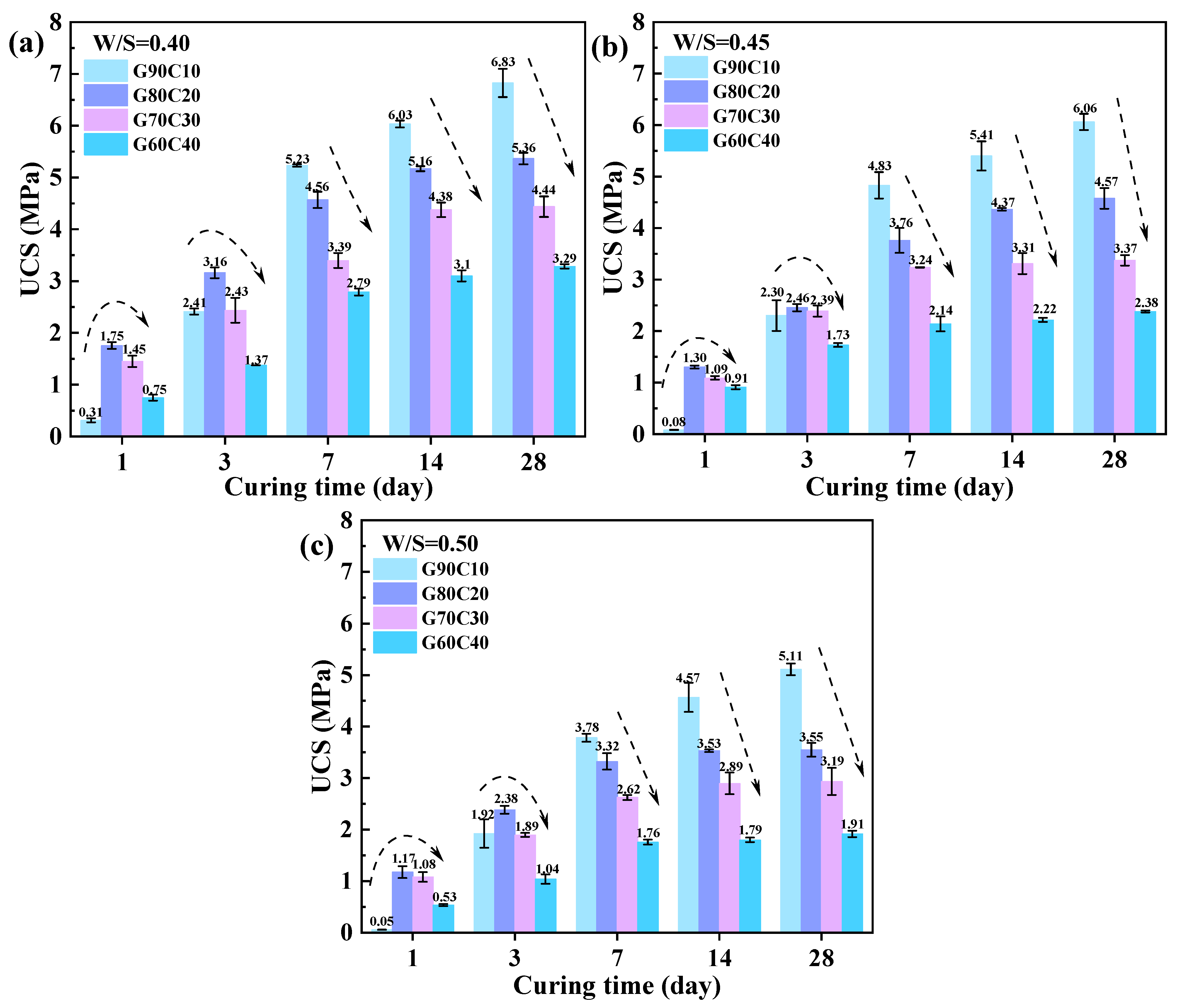
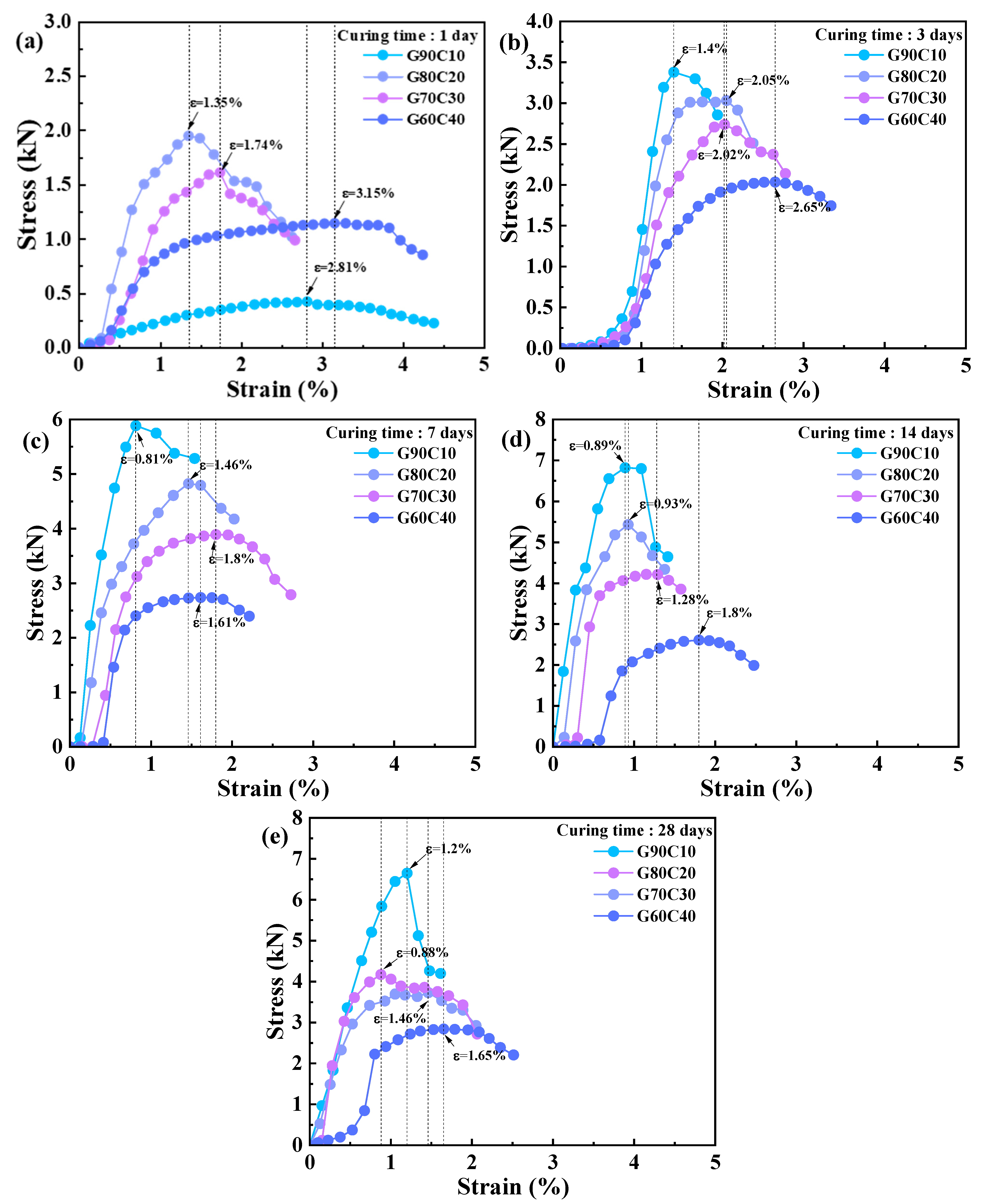
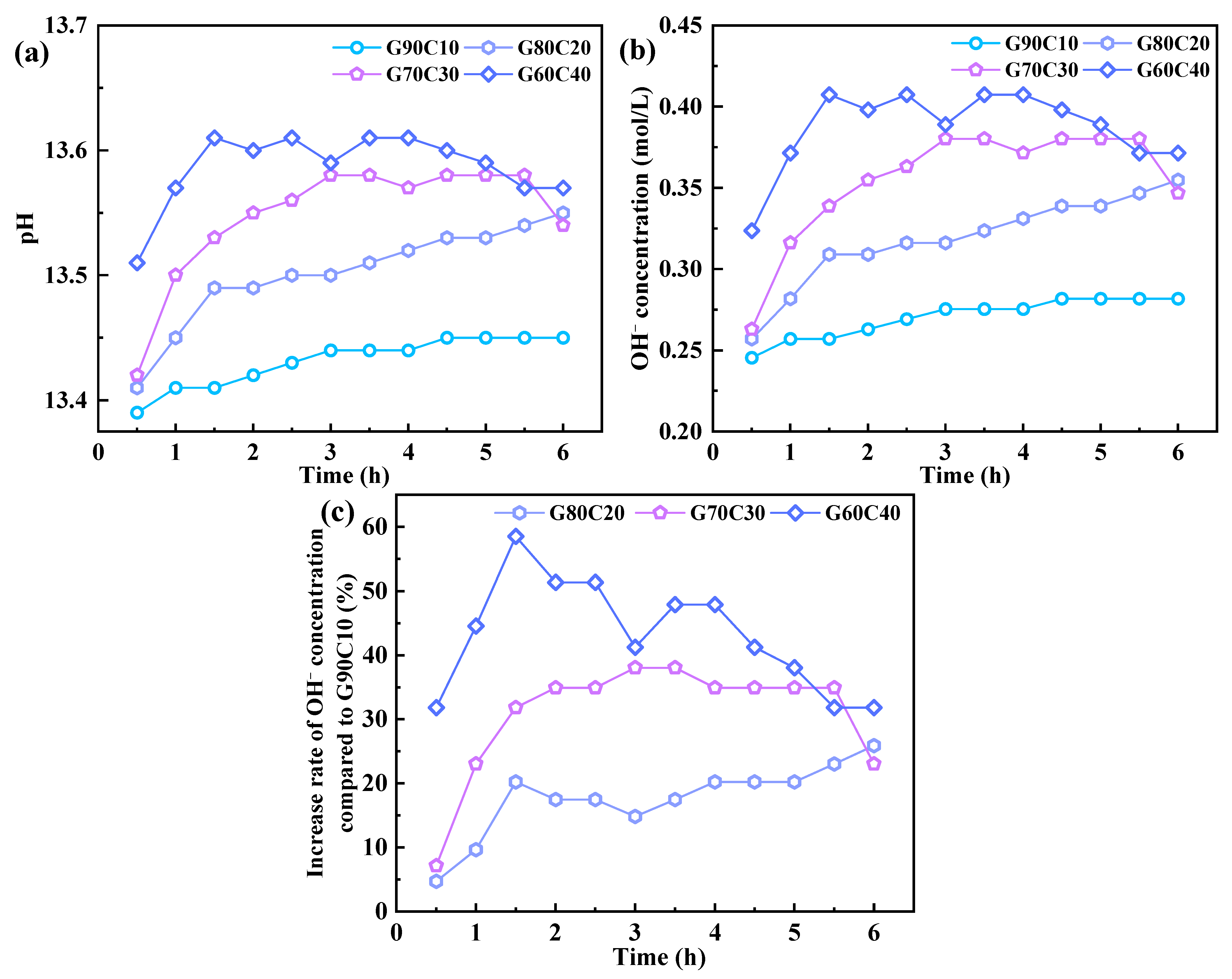
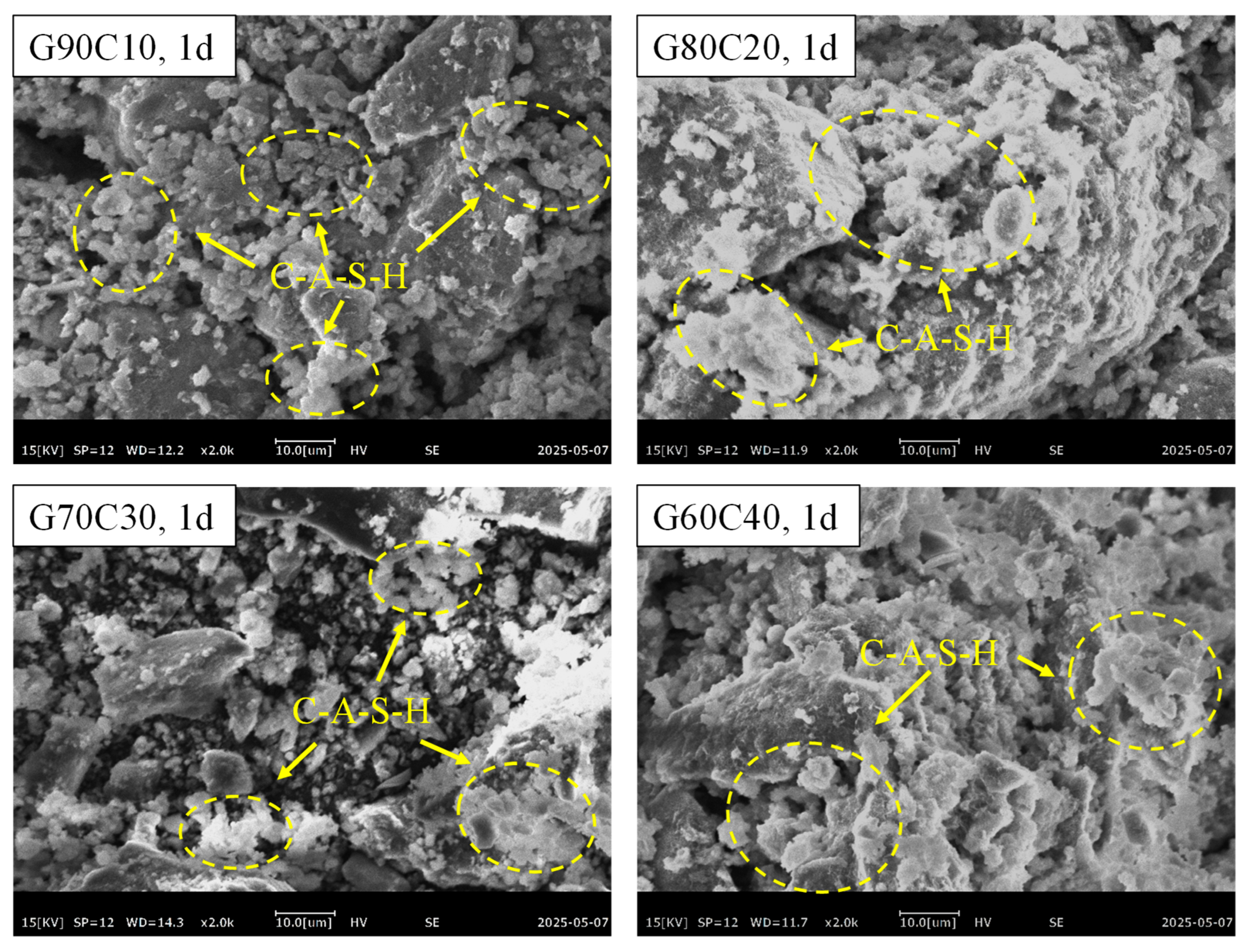
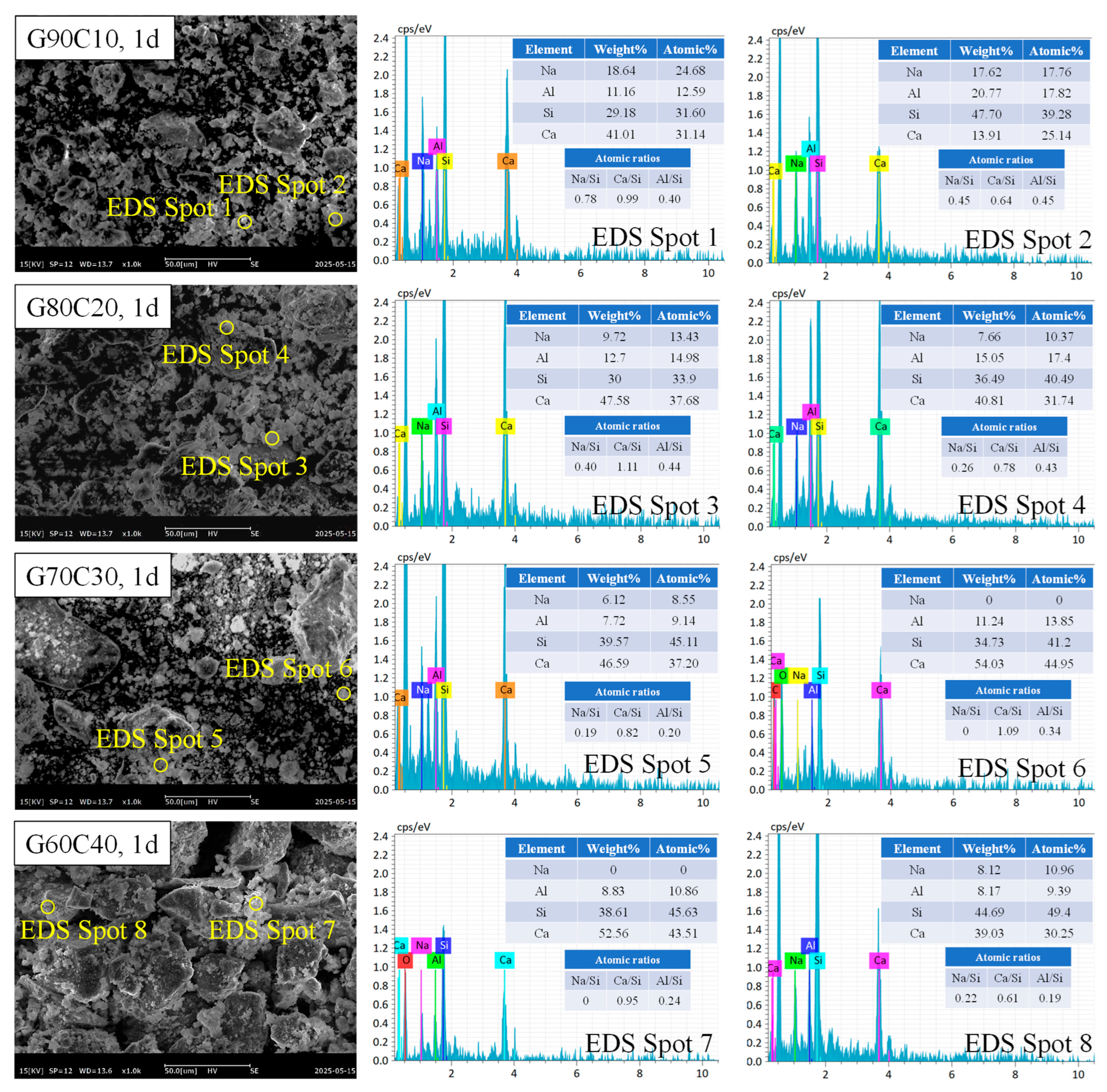
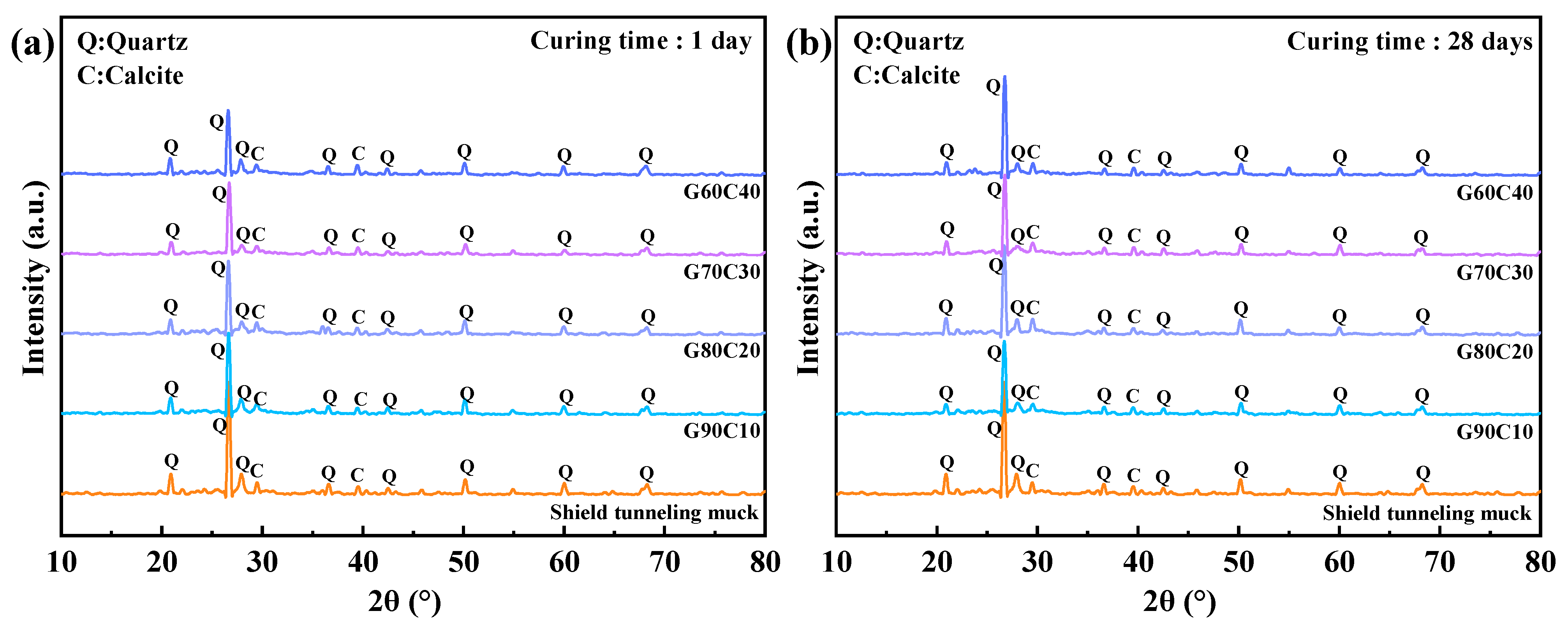
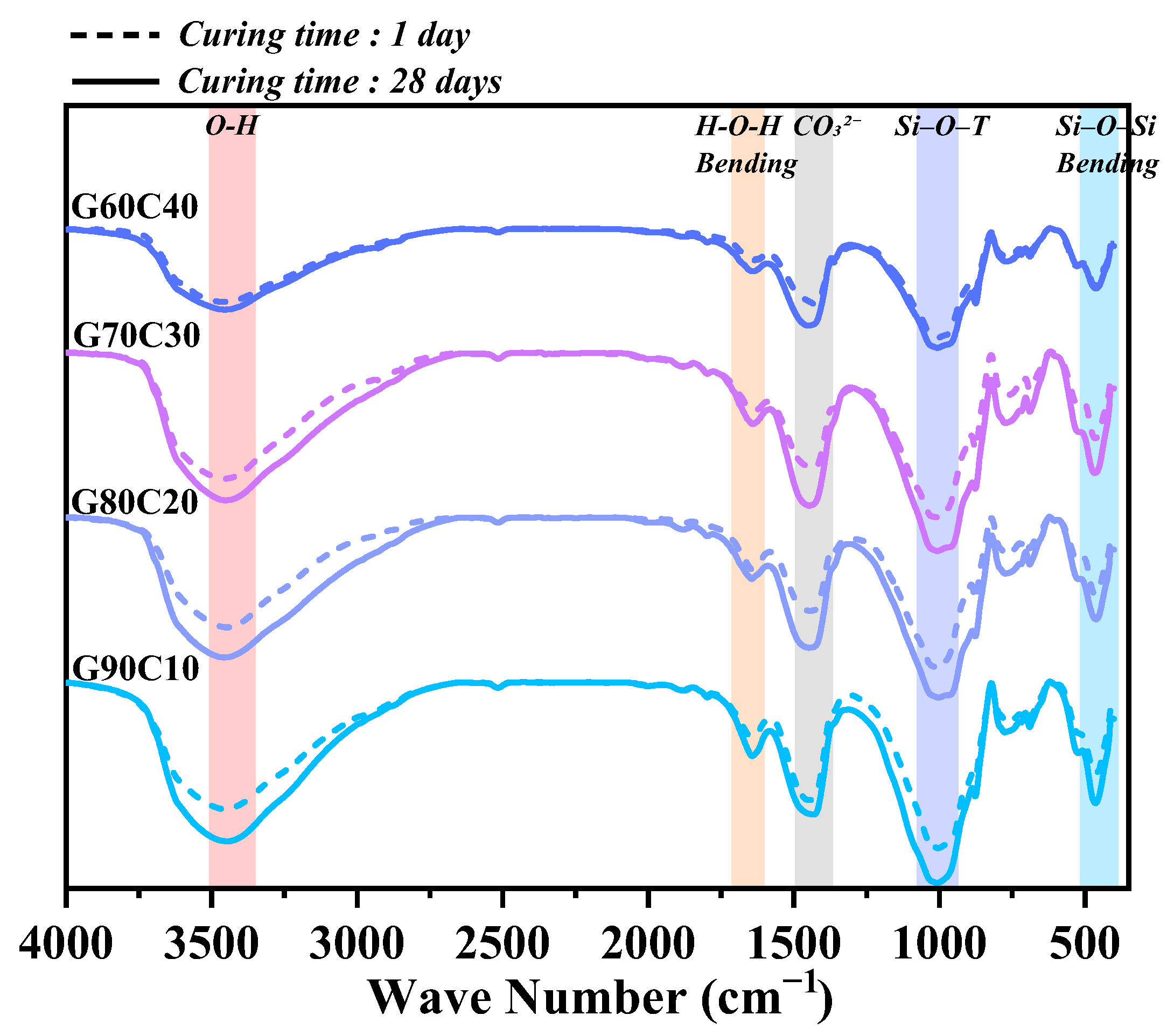
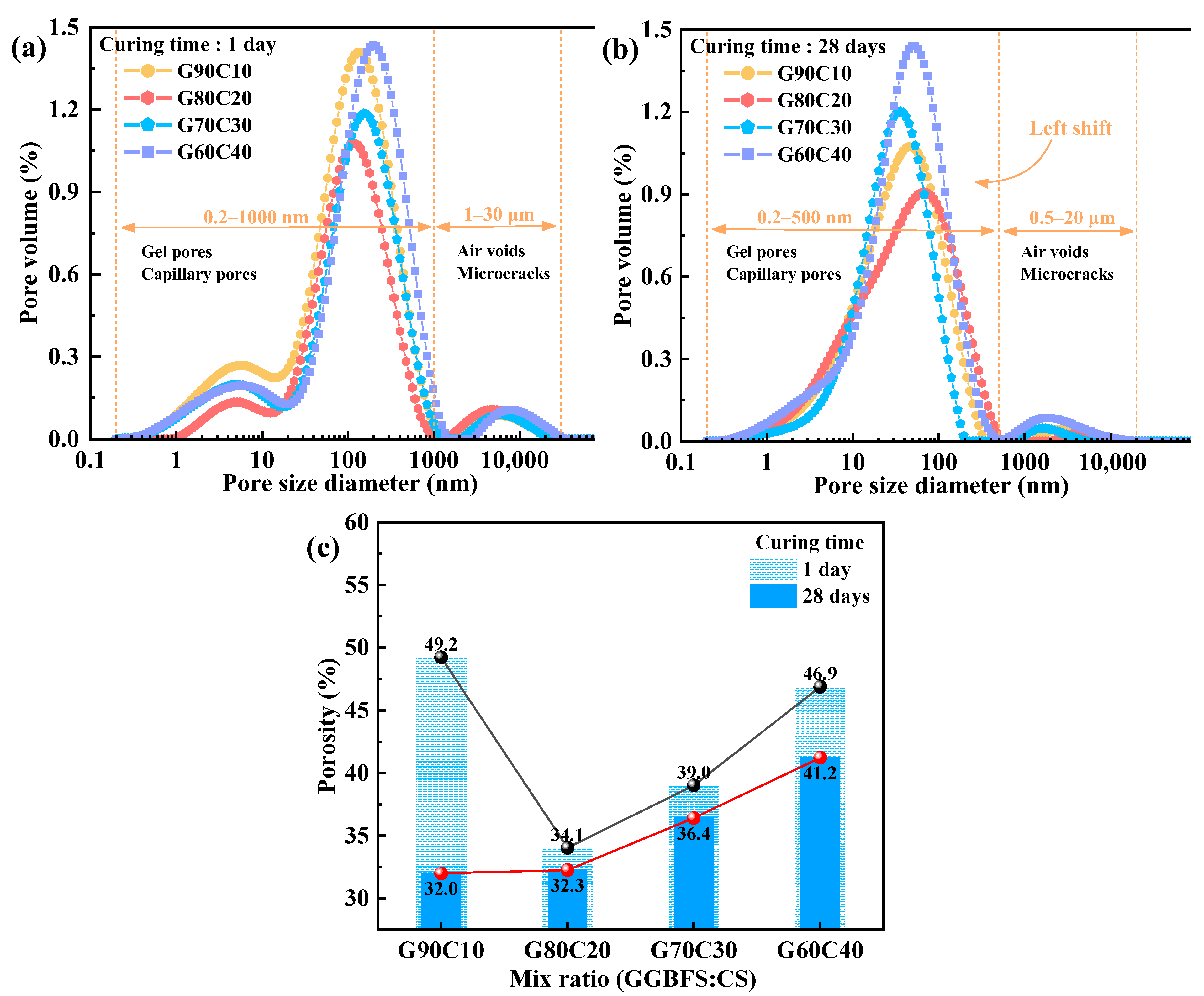
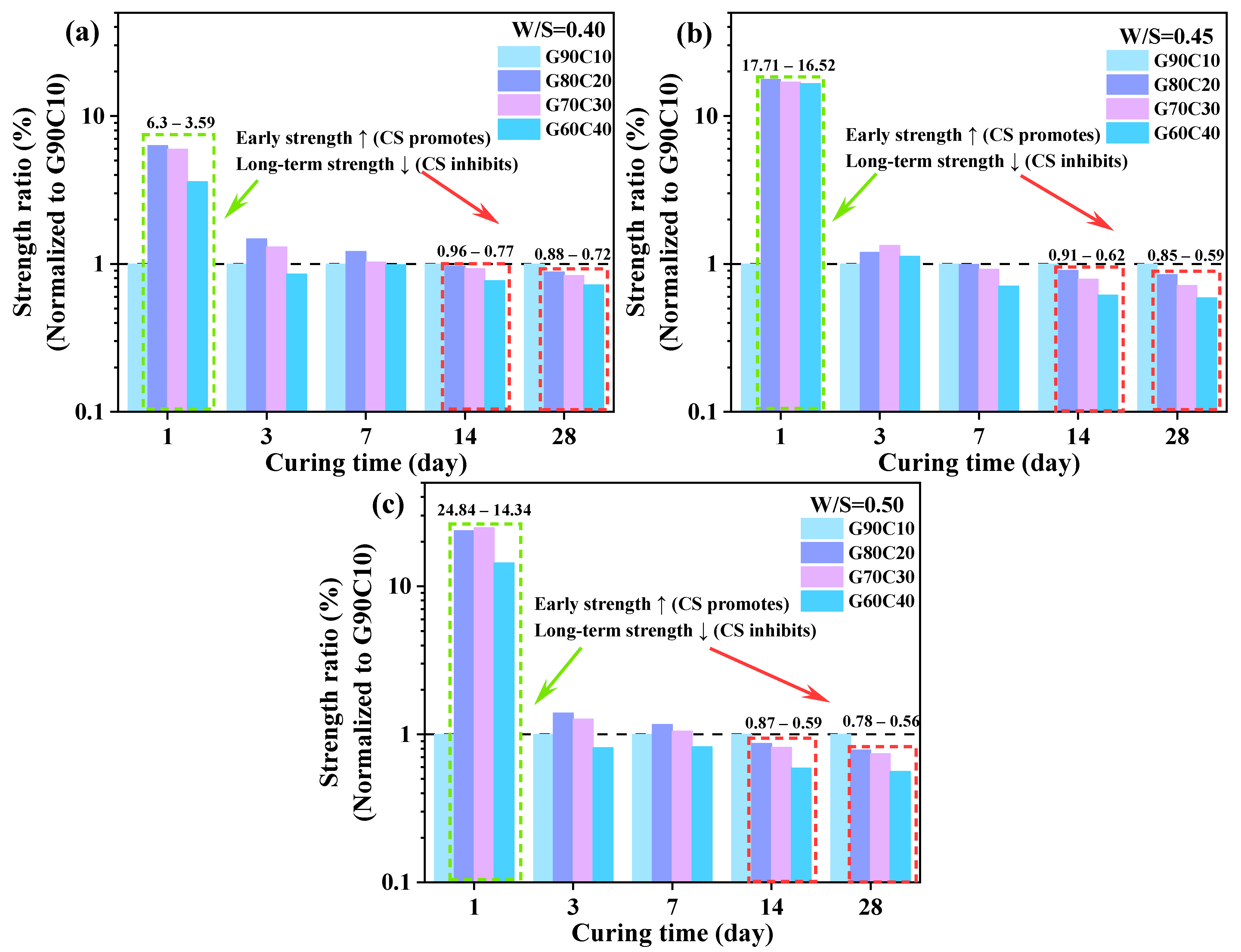
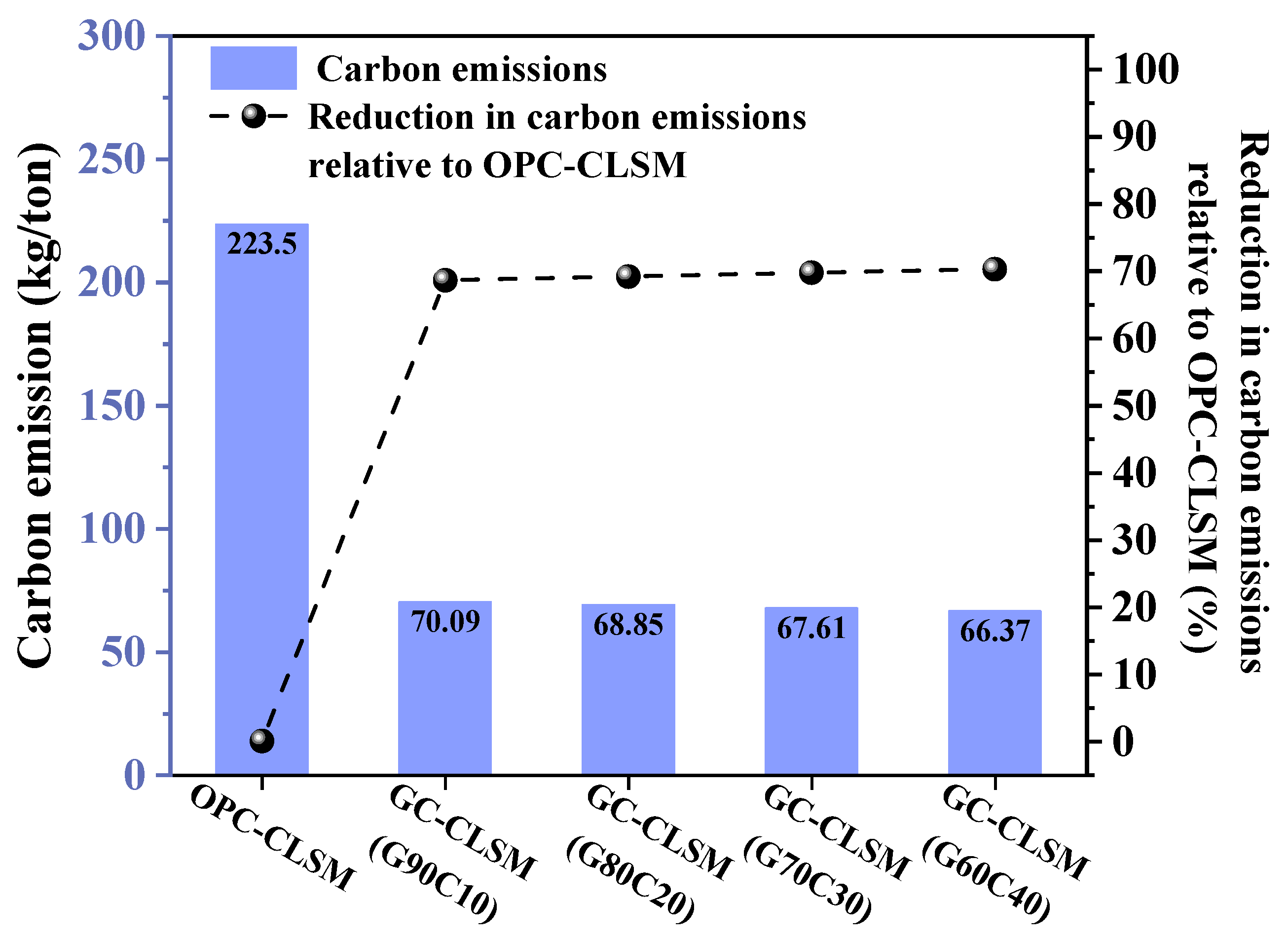
The large-scale reuse of shield tunneling muck remains a major challenge in urban construction. This study proposes a geopolymeric-controlled low-strength material (GC-CLSM) utilizing shield tunneling muck as the primary raw material and a novel alkali-activated binder composed of ground granulated blast-furnace slag (GGBFS) and carbide slag (CS). Emphasis is placed on early-age strength development and its underlying mechanisms, which were often overlooked in previous CLSM studies. Among the tested mixtures, a GGBFS:CS ratio of 80:20 yielded the best balance between early and long-term strength. Its 1-day UCS reached 1.18–1.75 MPa, representing a 6.3–23.6-fold increase over the low-CS reference (90:10), which achieved only 0.05–0.31 MPa. However, excessive CS content (e.g., 60:40) led to a significant reduction in the 28-day strength—up to nearly 50% compared with the 90:10 mix—due to impaired microstructural densification. Microstructural analyses (pore-solution pH, SEM, EDS, XRD, FTIR, LF-NMR) confirmed that higher CS levels enhanced early C–A–S–H gel formation by increasing OH and Ca2+ availability while compromising long-term structure. Additionally, the GC-CLSM system reduced carbon emissions by 68.6–70.3% per ton of treated shield tunneling muck compared with conventional cement-based CLSM. Overall, this study offers a sustainable and performance-driven approach for the valorization of shield tunneling muck, enabling the development of early-strength controllable, low-carbon CLSM for infrastructure applications.
Keywords: shield tunneling muck; geopolymeric CLSM; early-age strength; alkali activation; microstructure analysis shield tunneling muck; geopolymeric CLSM; early-age strength; alkali activation; microstructure analysis