Article

Thermoacoustic, Physical, and Mechanical Properties of Bio-Bricks from Agricultural Waste

by
Haidee Yulady Jaramillo
1,
Robin Zuluaga-Gallego
2,
Alejandro Arango-Correa
3 and
Ricardo Andrés García-León
4,*
1
Facultad de Ingeniería, Programa de Ingeniería Civil, Universidad Francisco de Paula Santander Ocaña, Ocaña 546550, Colombia
2
Grupo de Investigación Sobre Nuevos Materiales, Universidad Pontifica Bolivariana, Medellín 050031, Colombia
3
Grupo de Investigación INGENIAR, Facultad de Ingenierías, Corporación Universitaria Remington, Medellín 050010, Colombia
4
Grupo de Investigación INGAP, Facultad de Ingeniería, Programa de Ingeniería Mecánica, Universidad Francisco de Paula Santander Ocaña, Ocaña 546550, Colombia
*
Author to whom correspondence should be addressed.
Buildings 2025, 15(13), 2183; https://doi.org/10.3390/buildings15132183

Submission received: 12 May 2025 / Revised: 2 June 2025 / Accepted: 9 June 2025 / Published: 23 June 2025
(This article belongs to the Section Building Materials, and Repair & Renovation)

Abstract

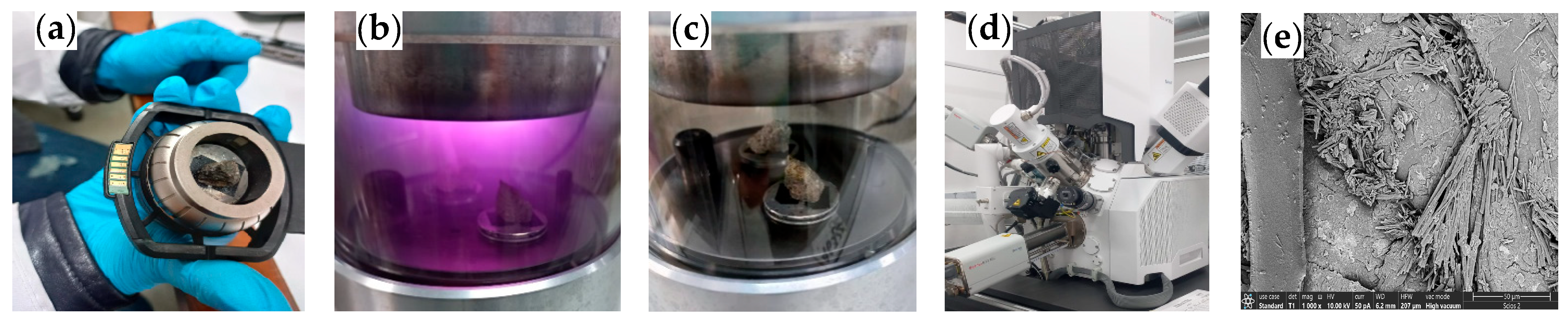
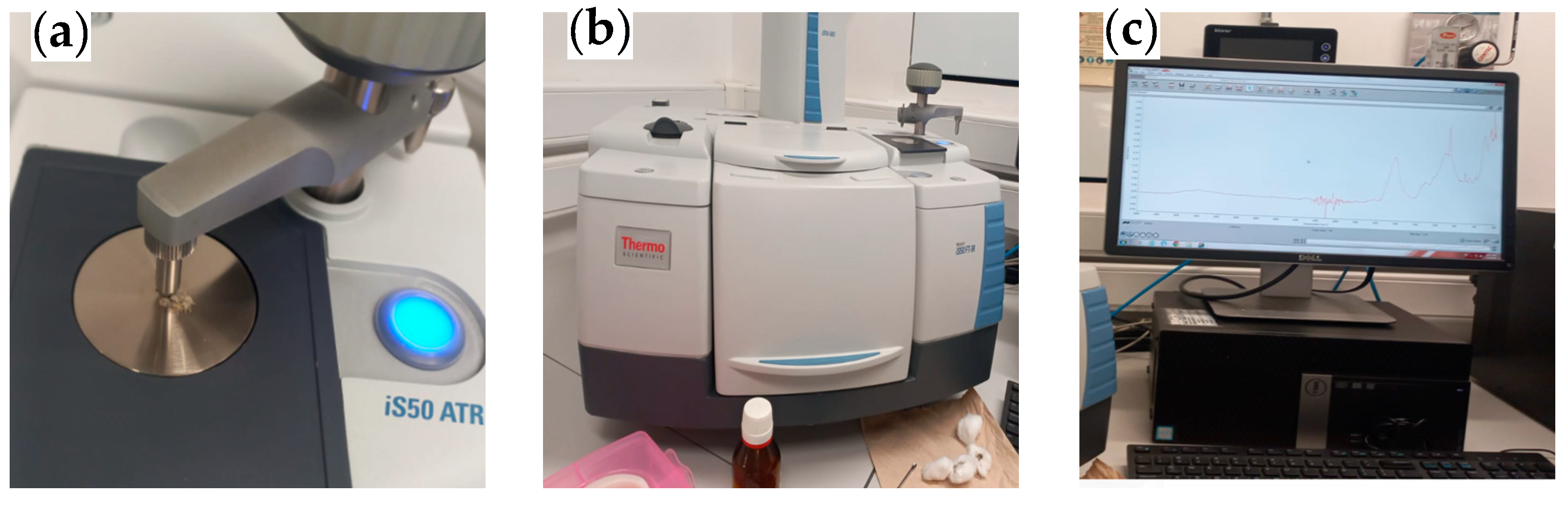
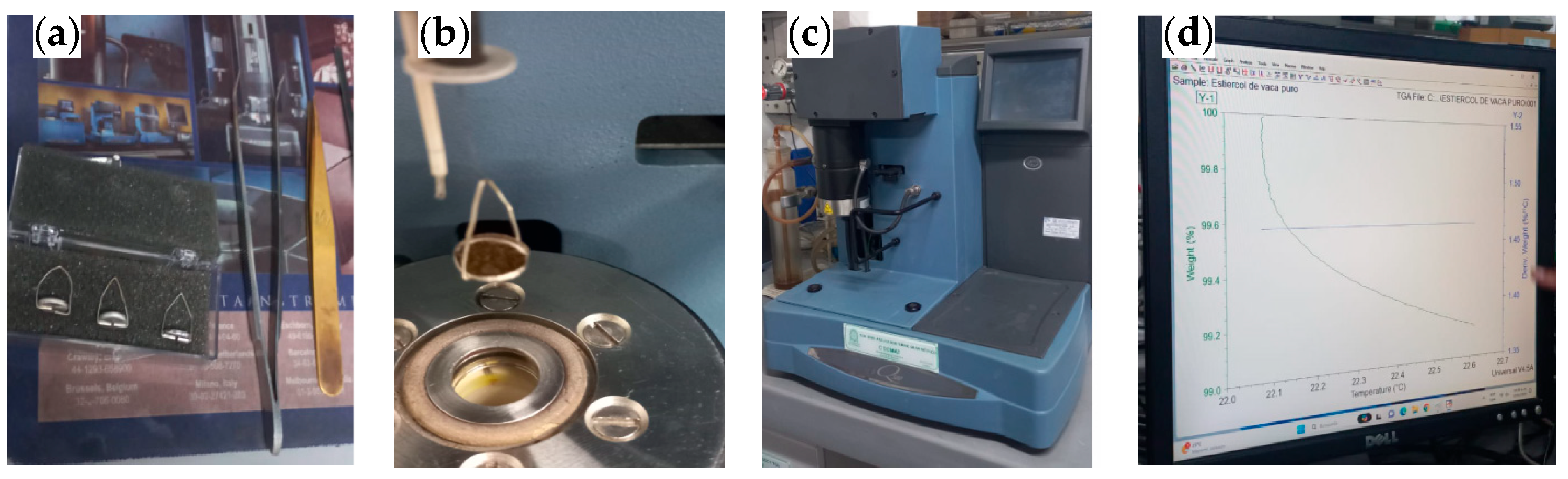
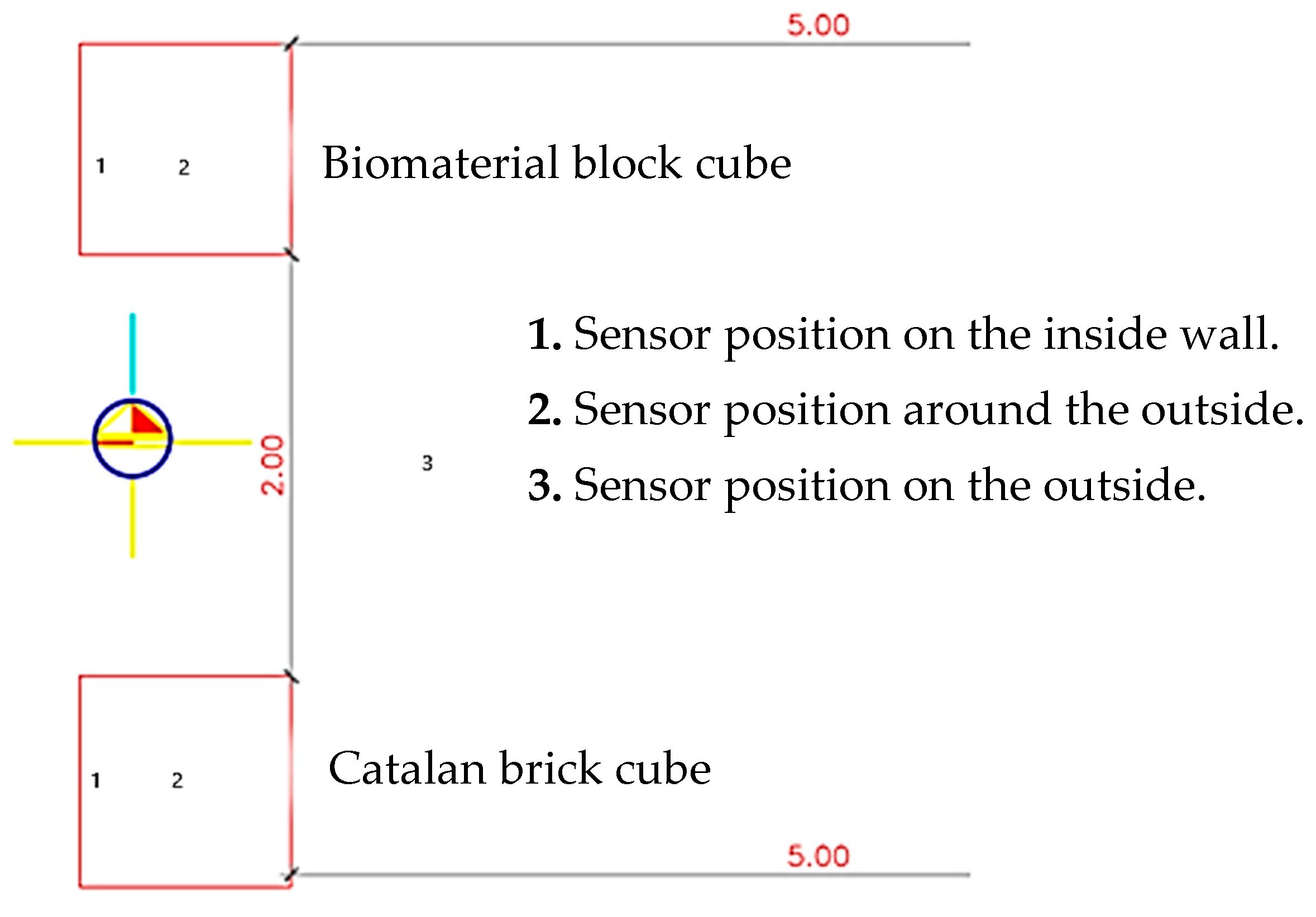
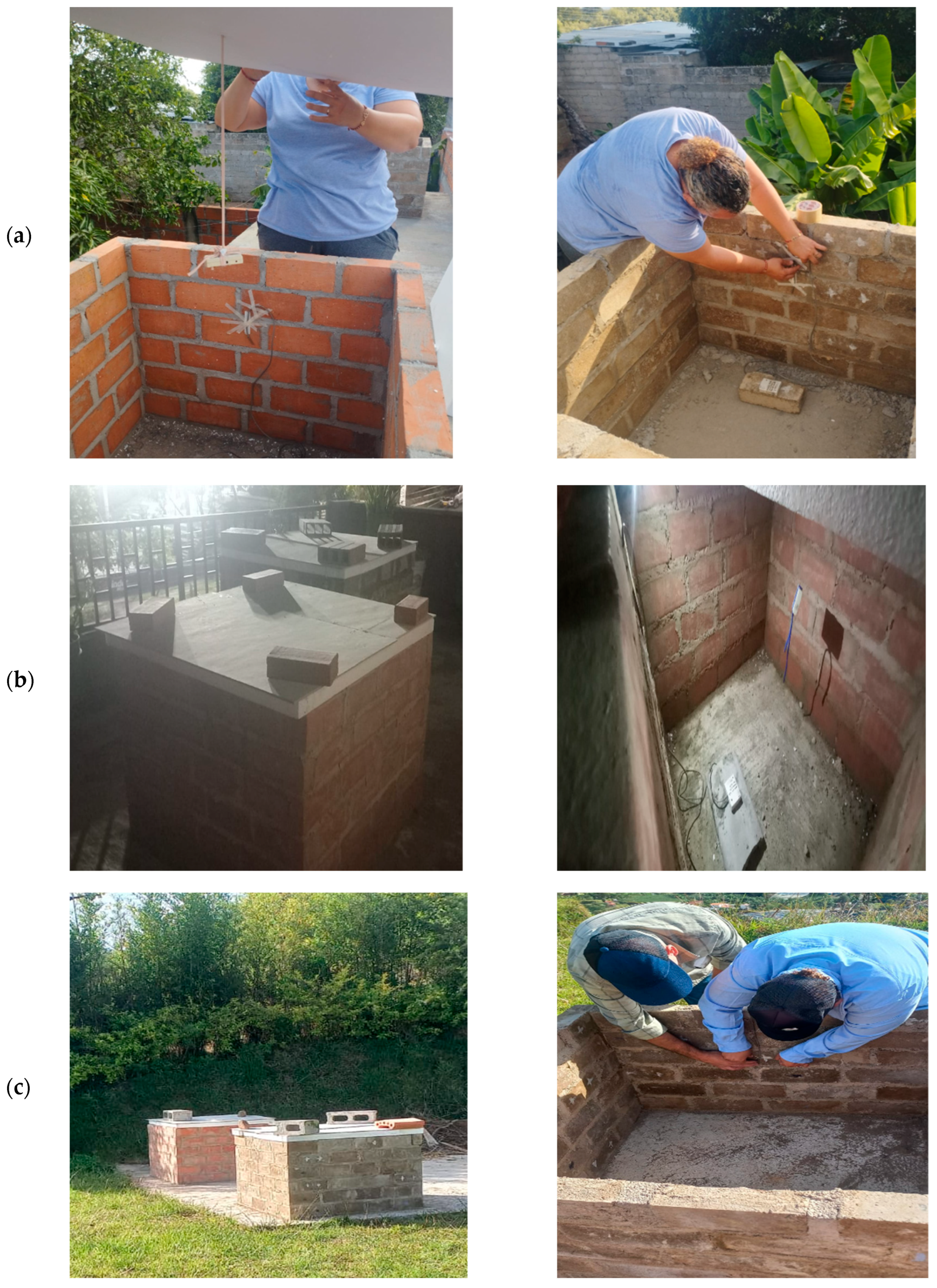
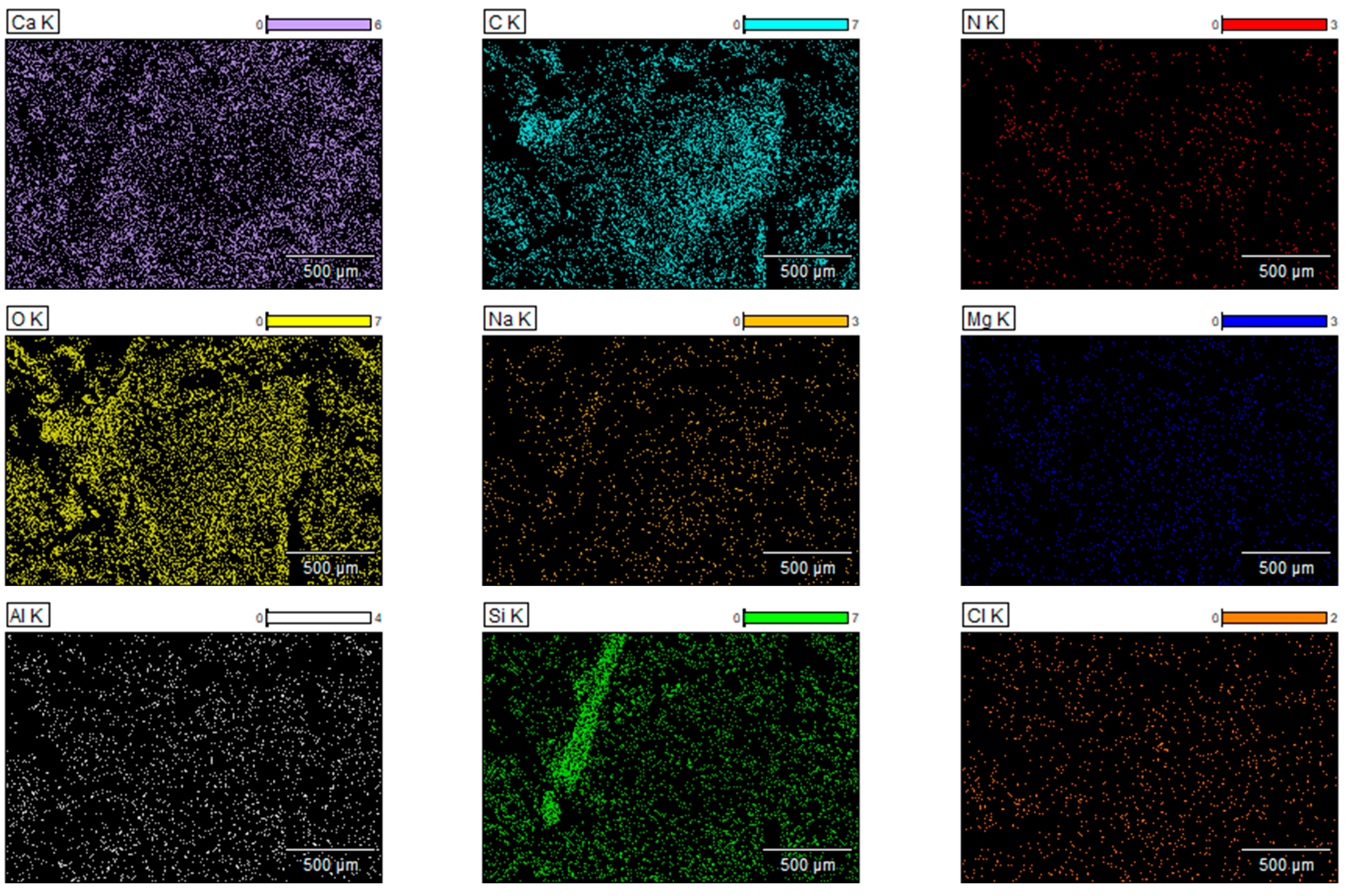
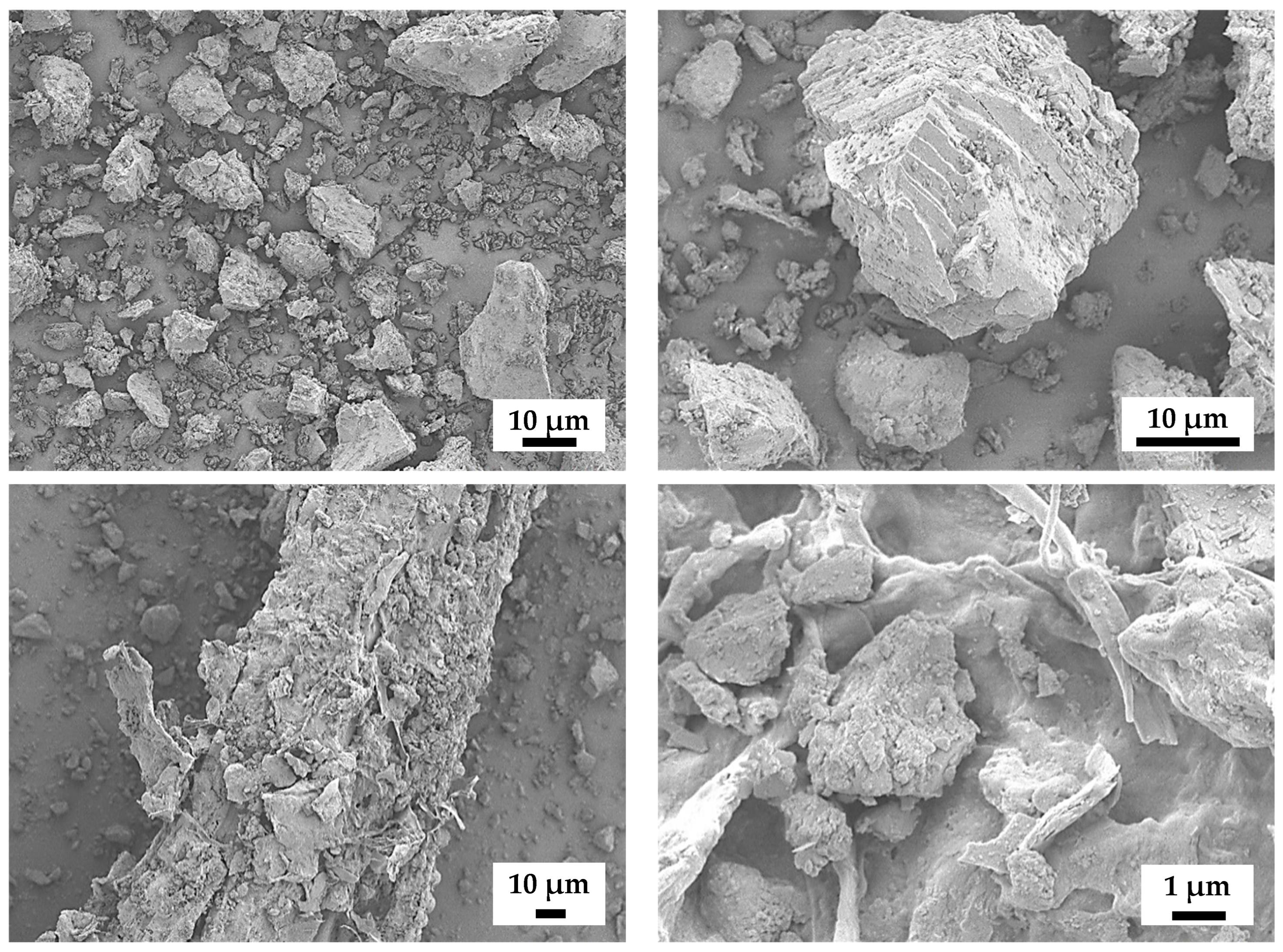
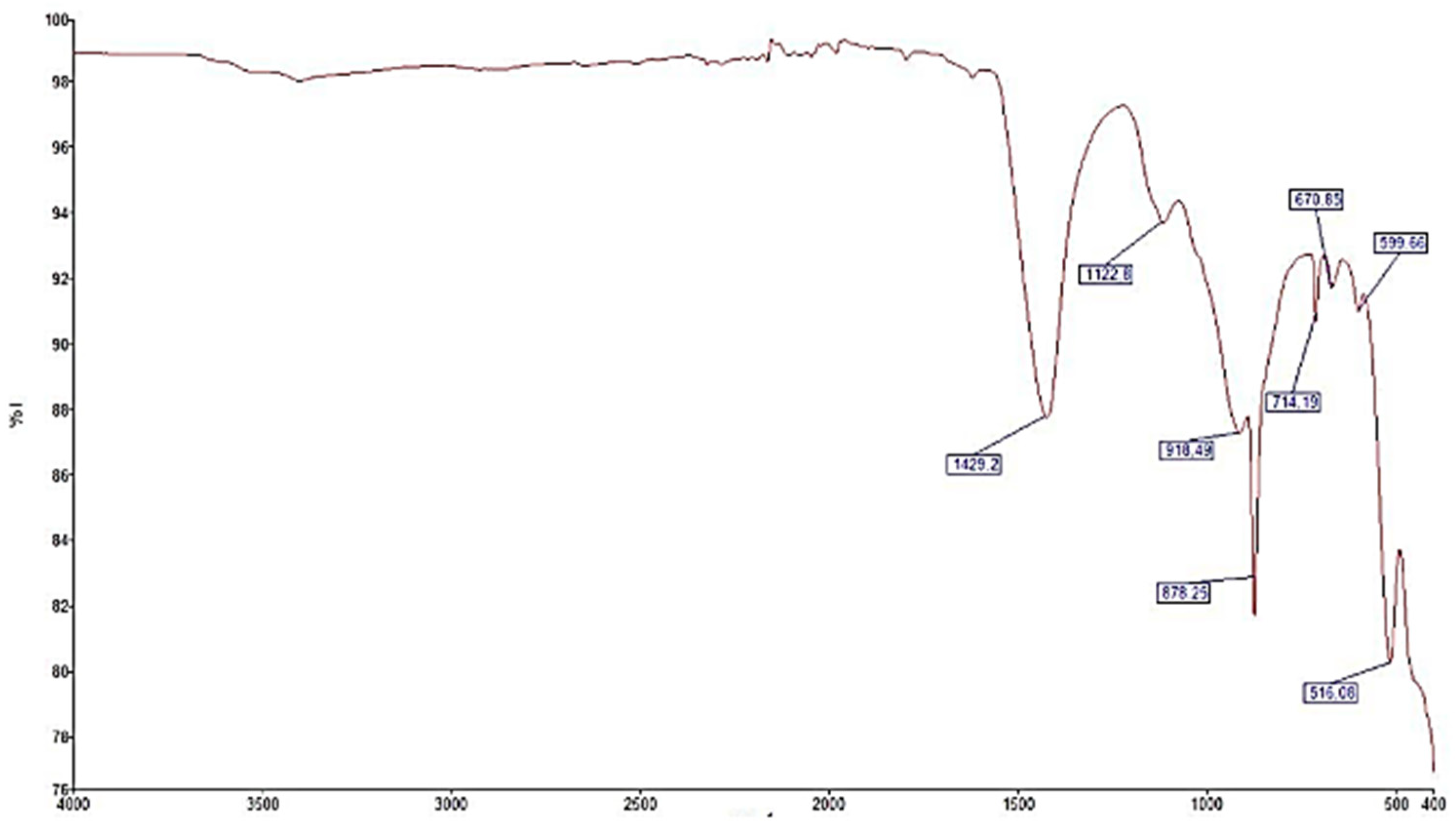
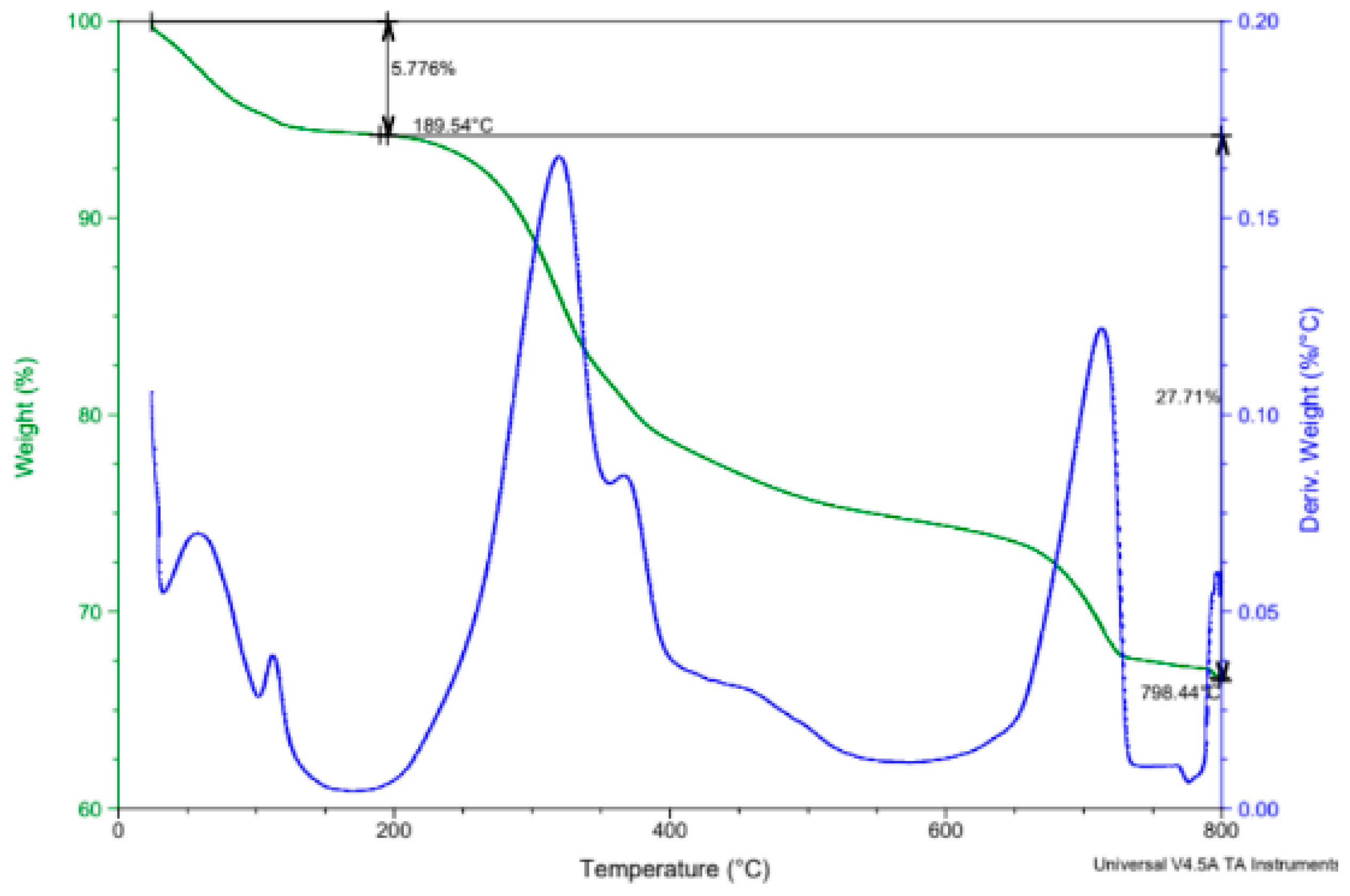
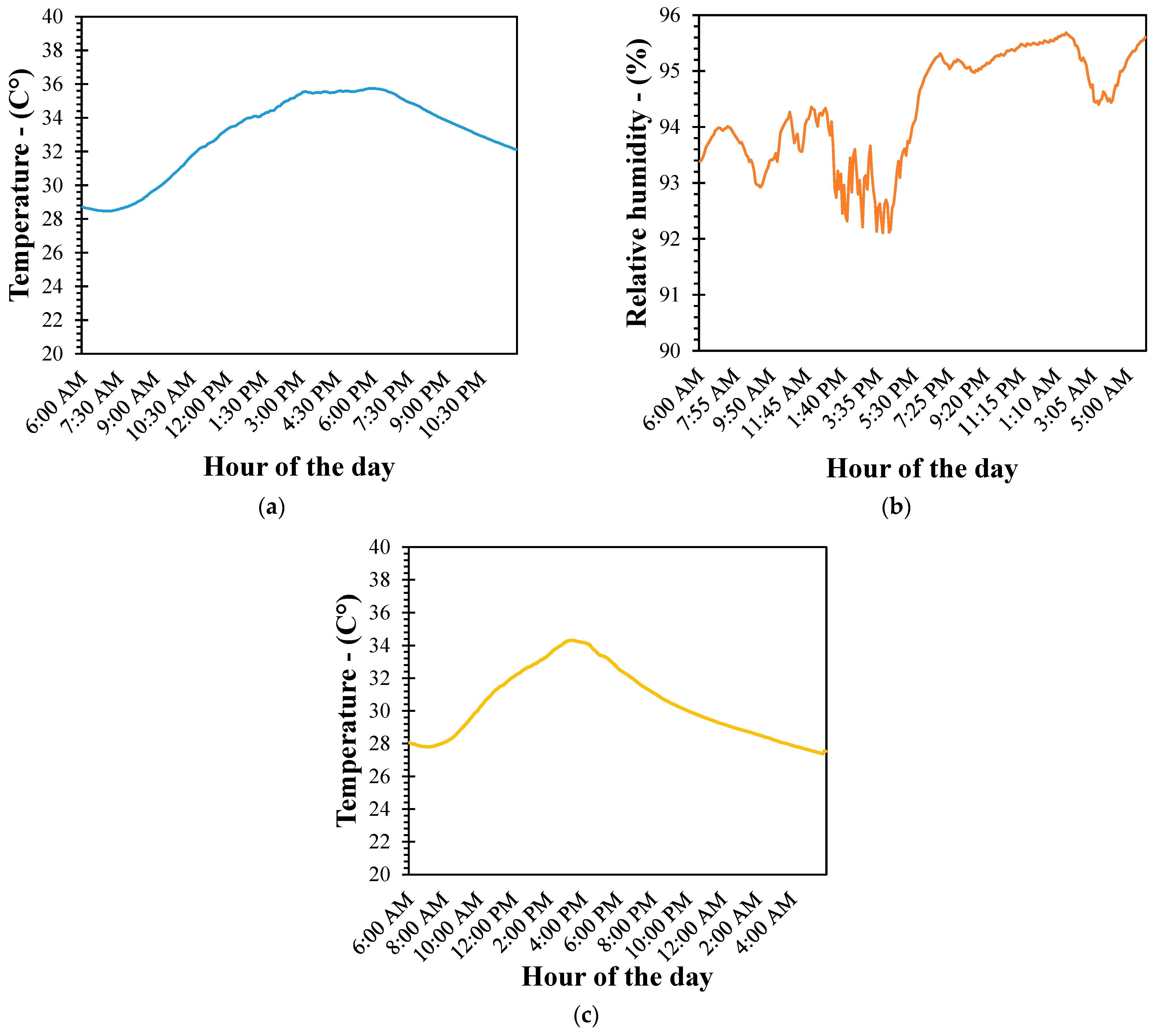
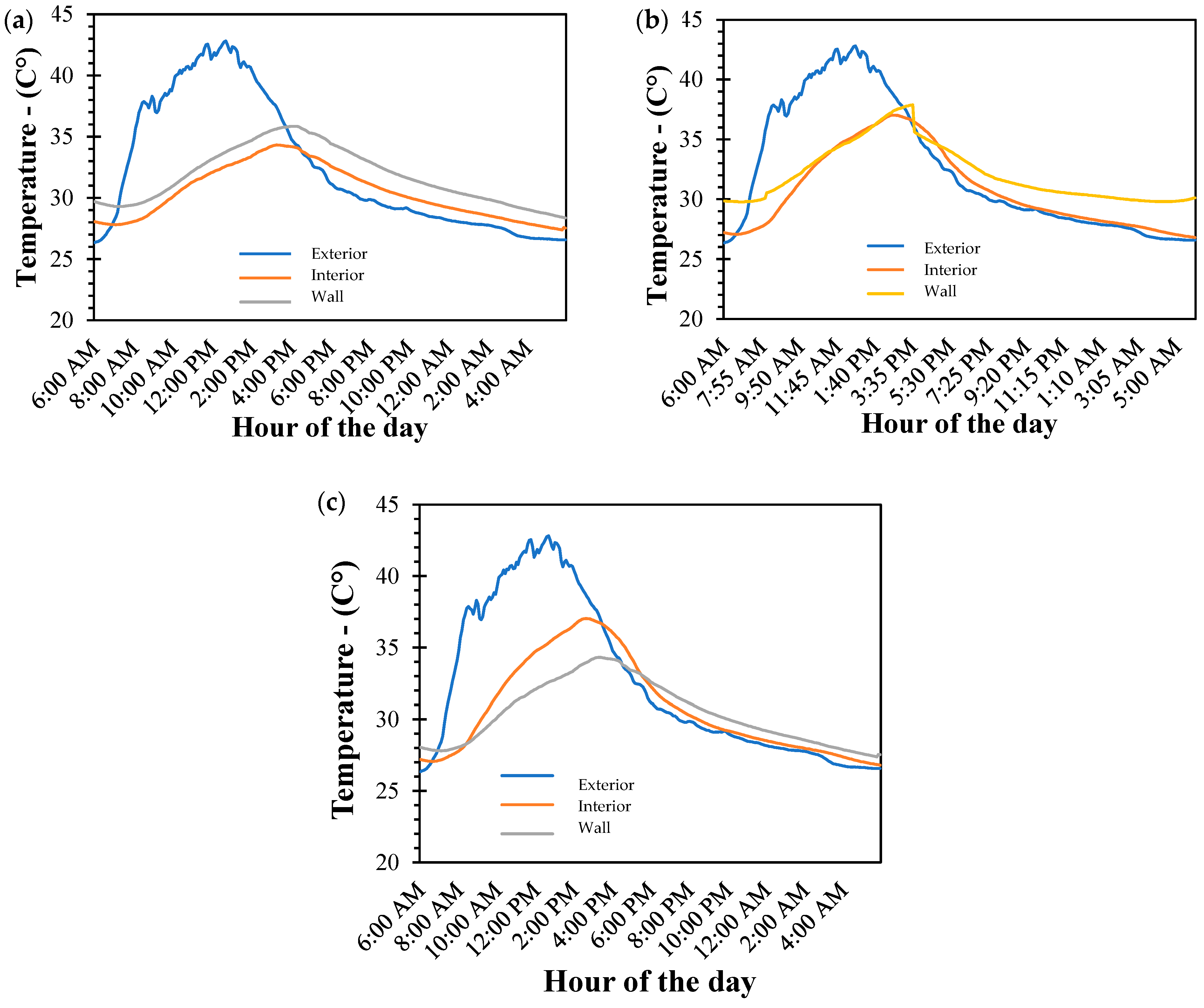
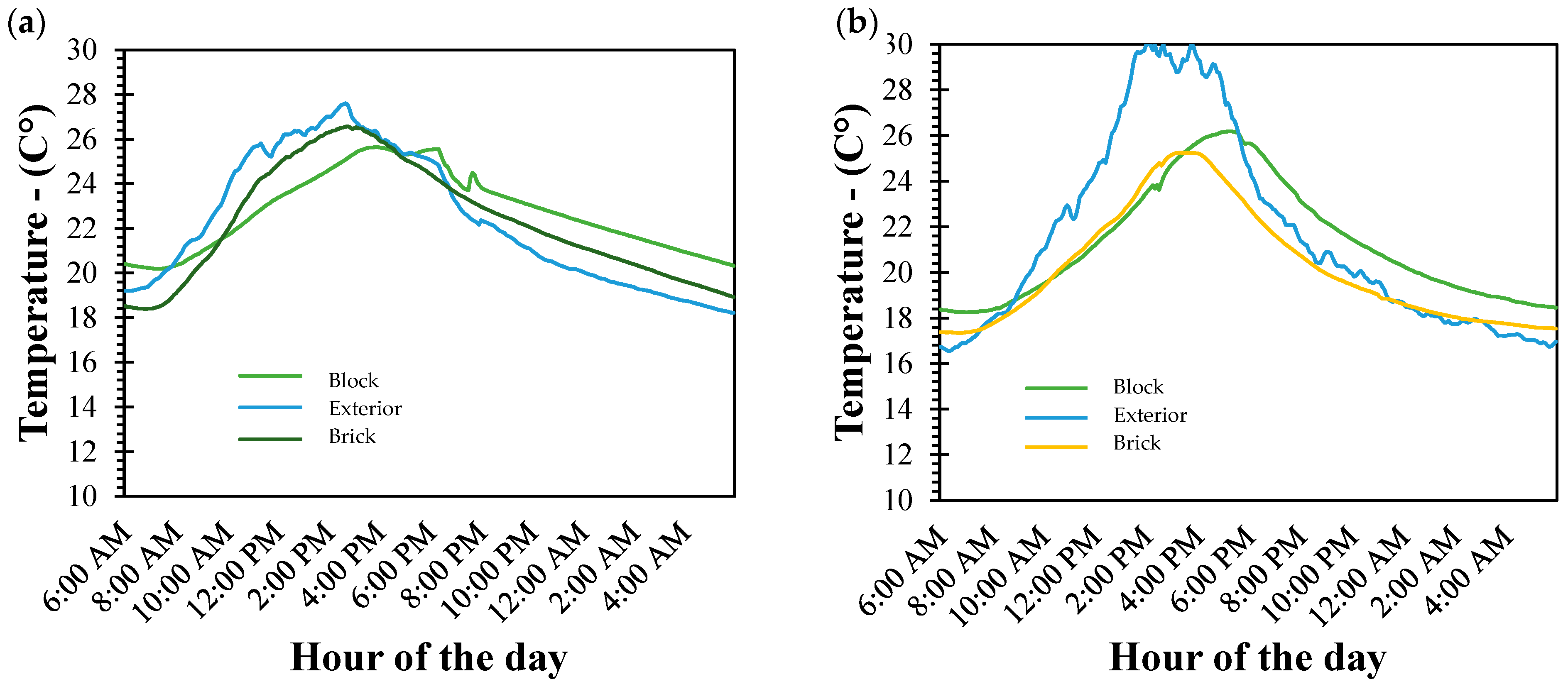
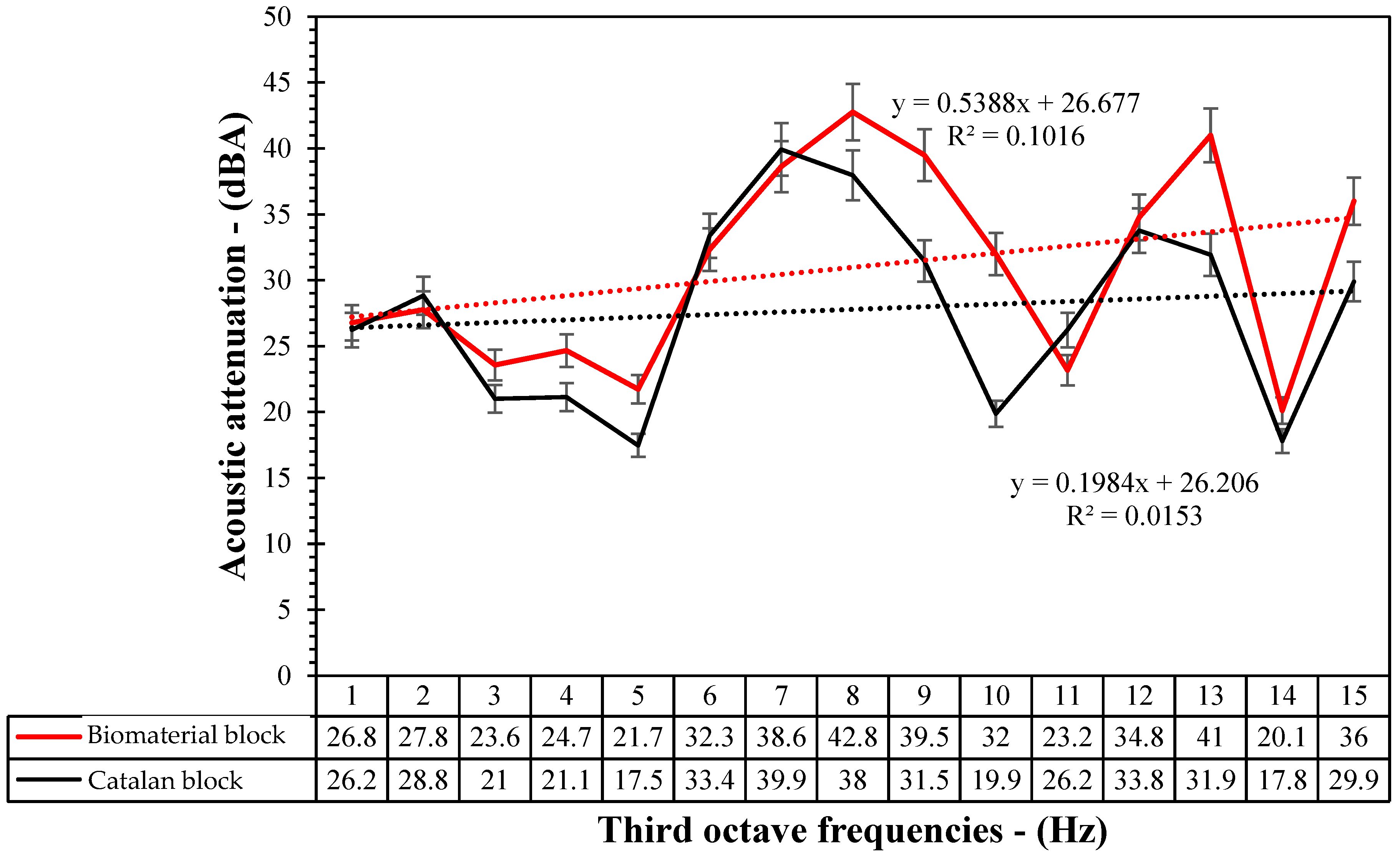
This study presents the development and characterization of sustainable bio-bricks incorporating agricultural residues—specifically coffee husks and bovine excreta—as partial substitutes for cement. A mixture design optimized through response surface methodology (RSM) identified the best-performing formulation, namely 960 g of cement, 225 g of lignin (extracted from coffee husks), and 315 g of bovine excreta. Experimental evaluations included compressive and flexural strength, water absorption, density, thermal conductivity, transmittance, admittance, and acoustic transmission loss. The optimal mixture achieved a compressive strength of 1.70 MPa and a flexural strength of 0.56 MPa, meeting Colombian technical standards for non-structural masonry. Its thermal conductivity (~0.19 W/(m×K)) and transmittance (~0.20 W/(m2×K)) suggest good insulation performance. Field tests in three Colombian climate zones confirmed improved thermal comfort compared to traditional clay brick walls, with up to 8 °C internal temperature reduction. Acoustic analysis revealed higher sound attenuation in bio-bricks, especially at low frequencies. Chemical and morphological analyses (SEM-EDS, FTIR, and TGA) confirmed favorable thermal stability and the synergistic interaction of organic and inorganic components. The findings support bio-bricks’ potential as eco-efficient, low-carbon alternatives for sustainable building applications.
Keywords: bio-bricks; coffee husks; agricultural waste; temperature; acoustic performance; sustainable construction; response surface methodology bio-bricks; coffee husks; agricultural waste; temperature; acoustic performance; sustainable construction; response surface methodology