Machine Learning-Assisted Fabrication for K417G Alloy Prepared by Wide-Gap Brazing: Process Parameters, Microstructure, and Properties


Abstract
1. Introduction
2. Experimental Parameters
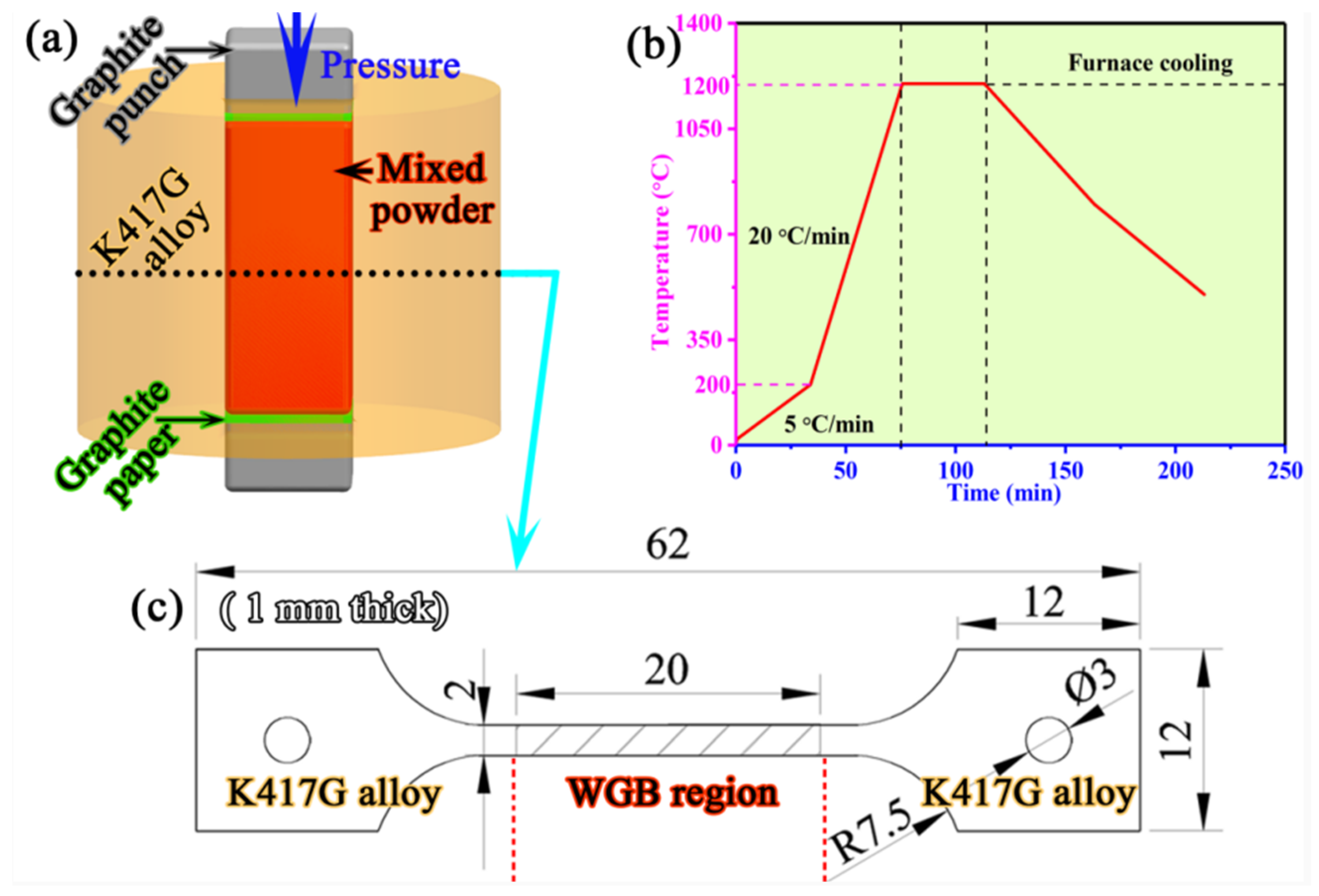
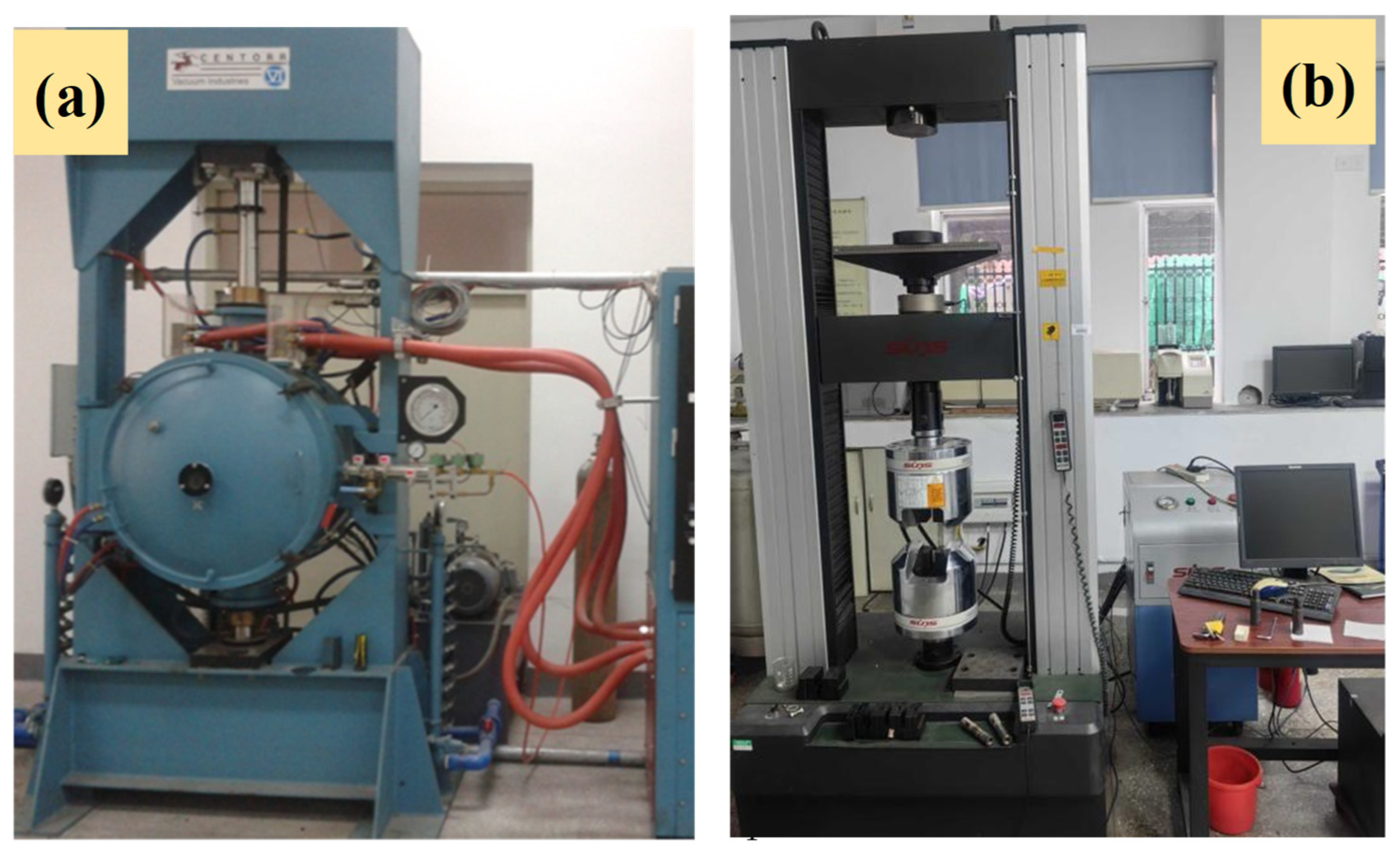
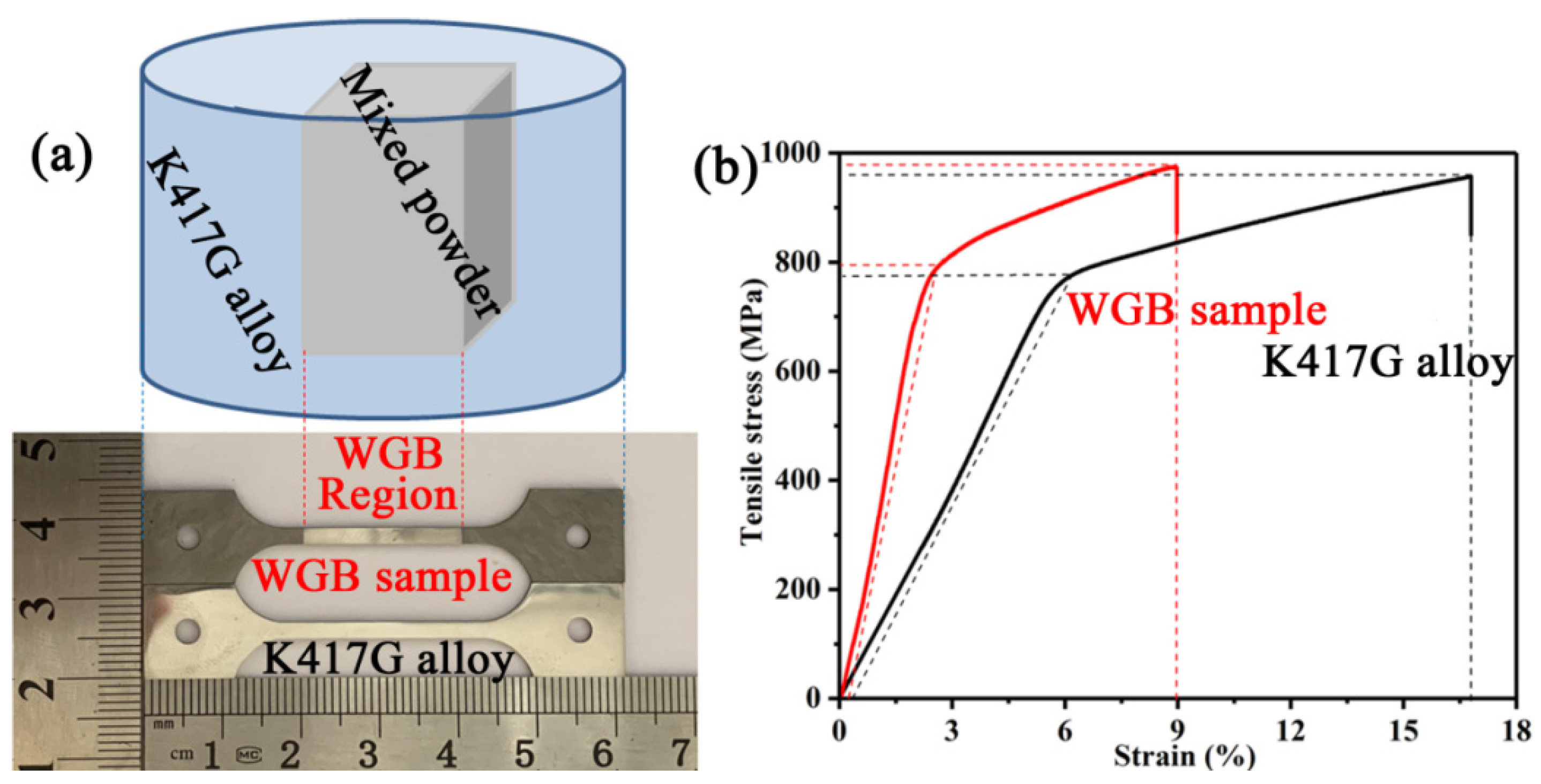
2.1. Process Parameters of Wide-Gap Brazing
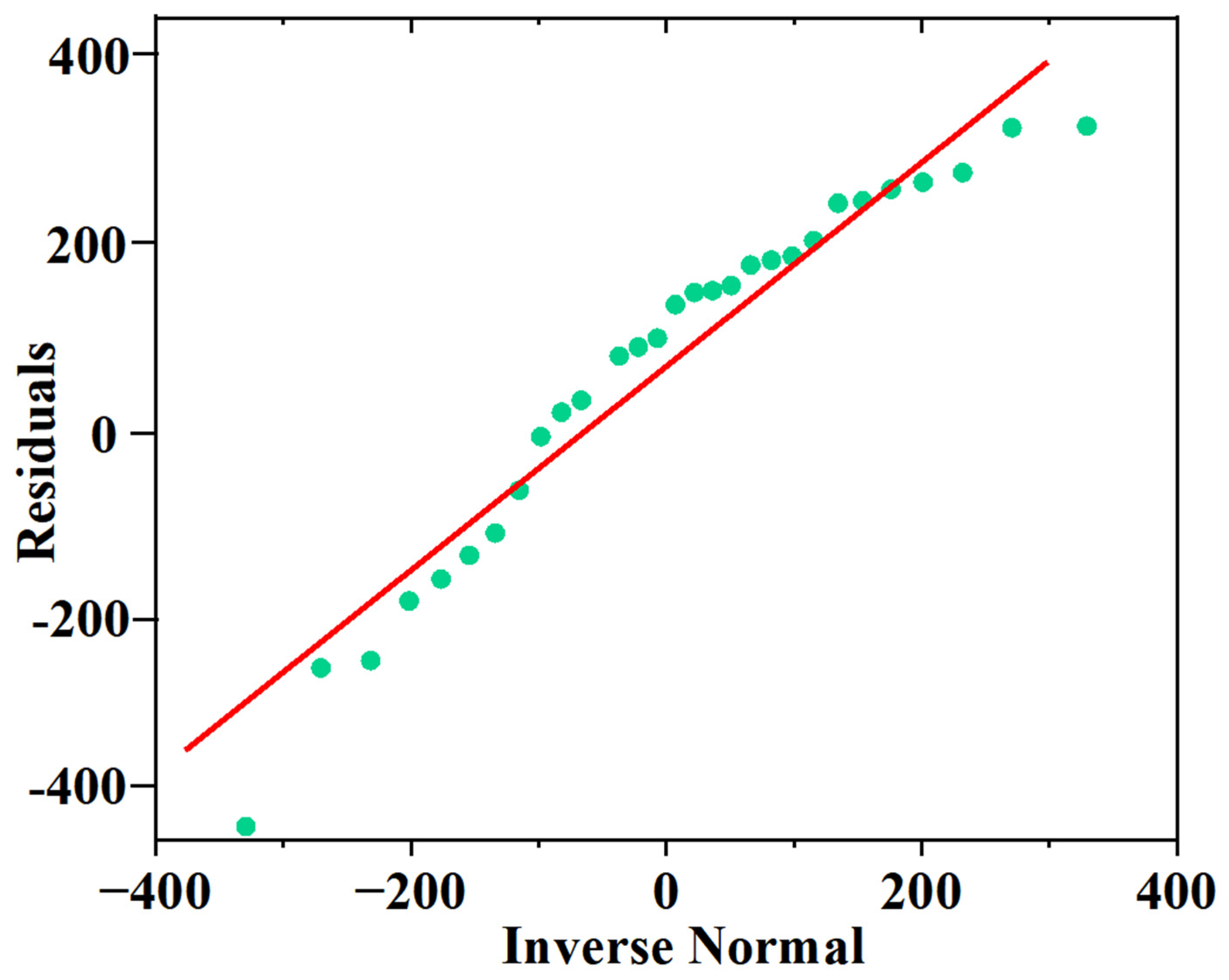
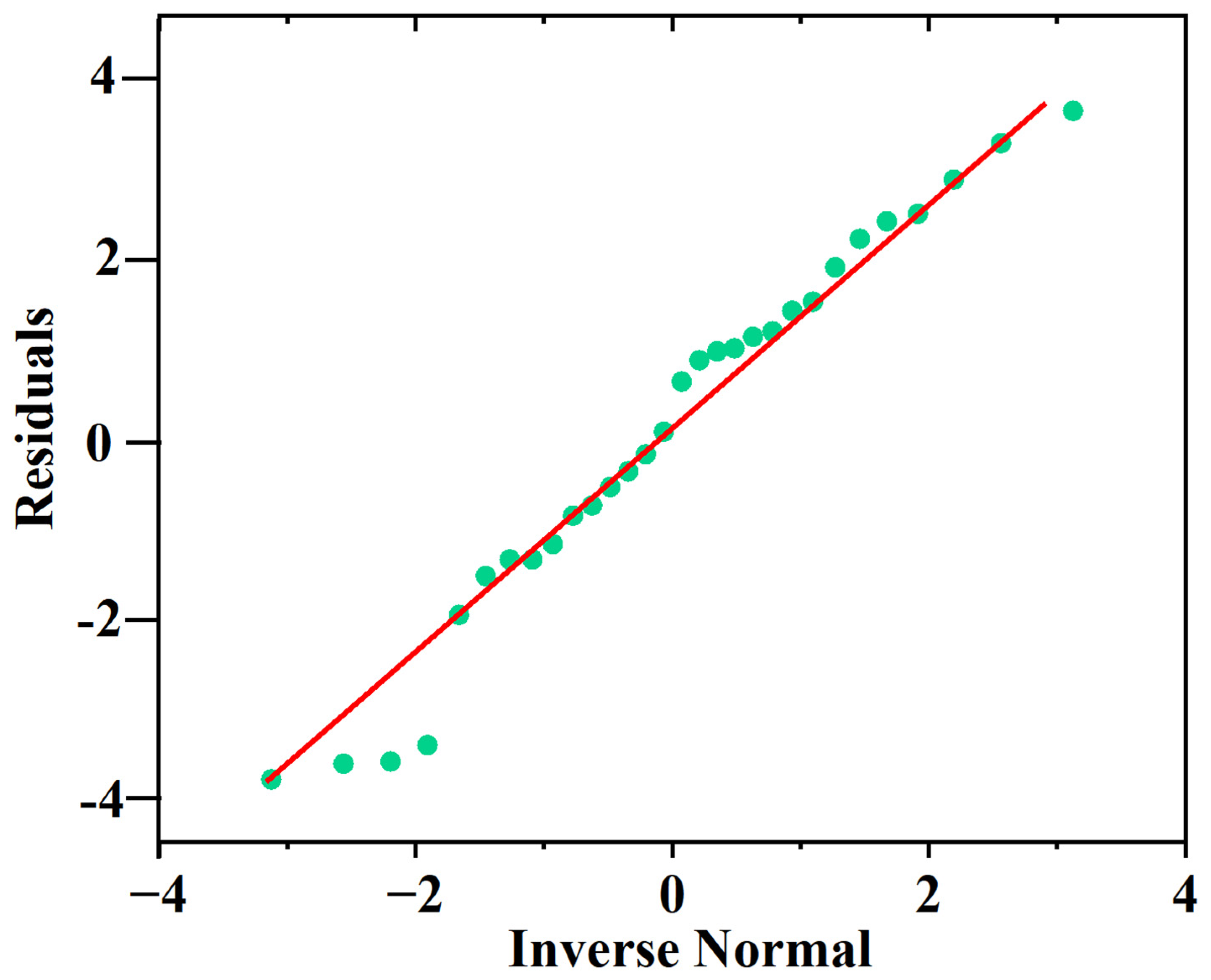
2.2. Statistical Regression Analysis of the Experimental Parameters
3. TabNet Model
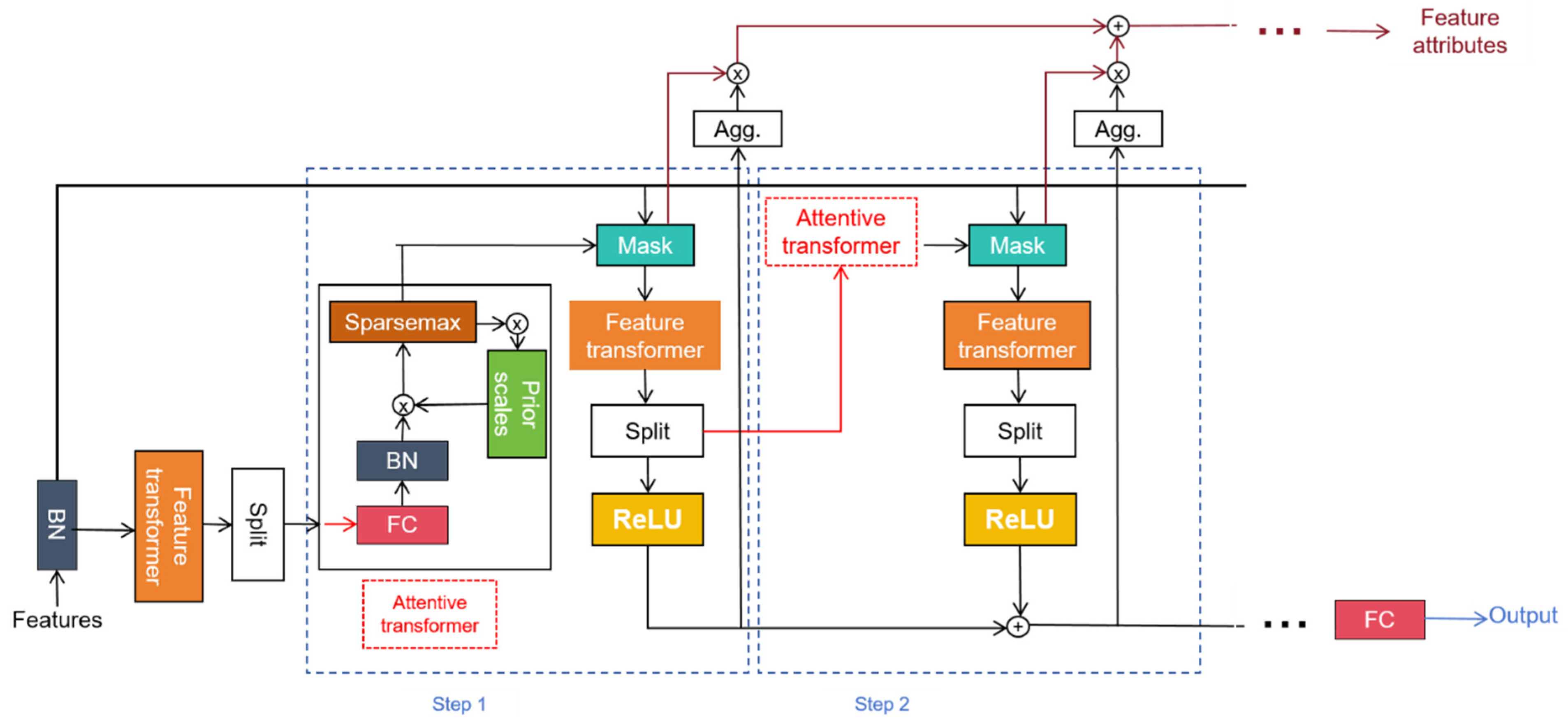
3.1. Core Architecture of TabNet
3.2. Loss Function
3.3. Training Details
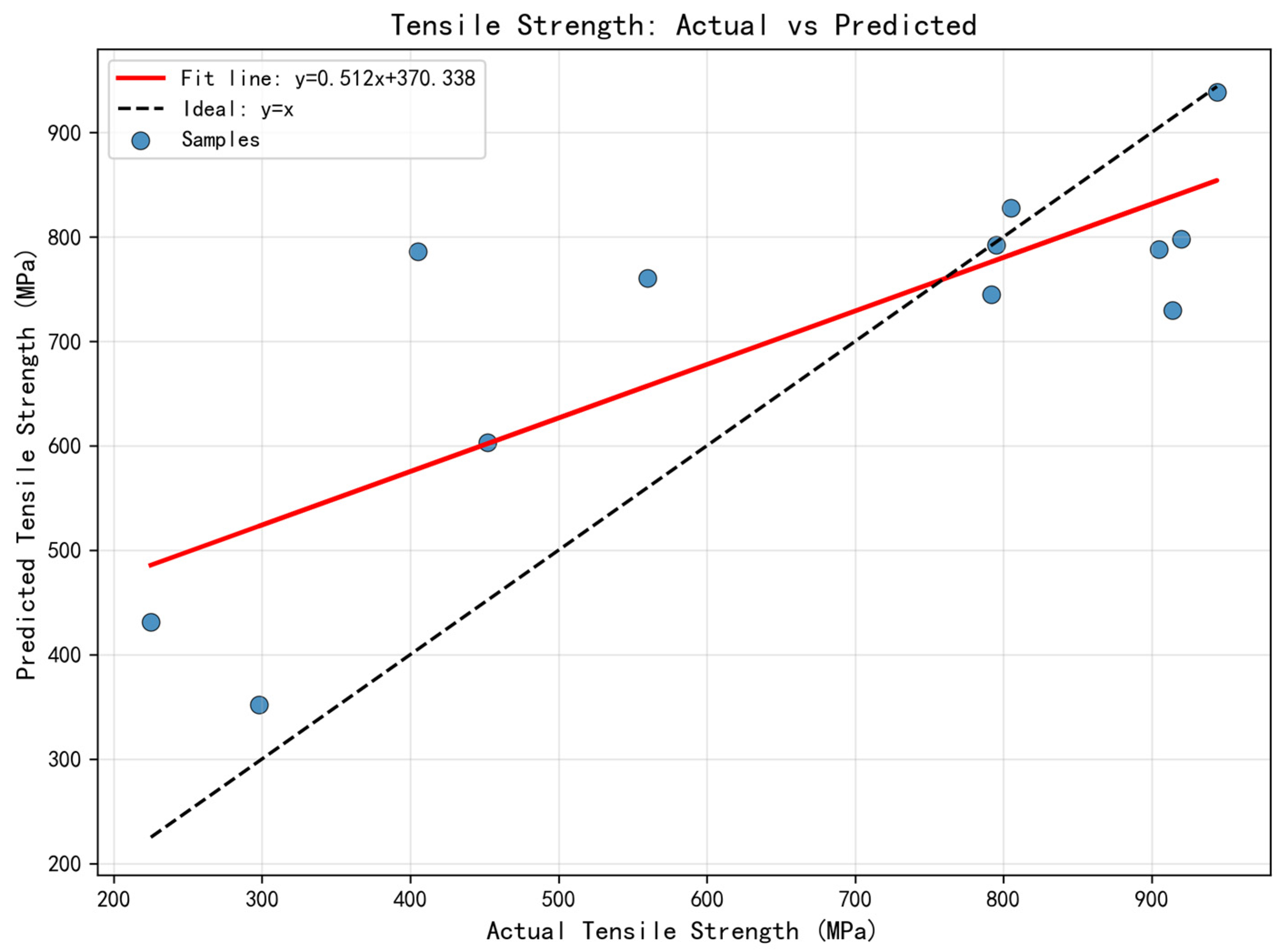
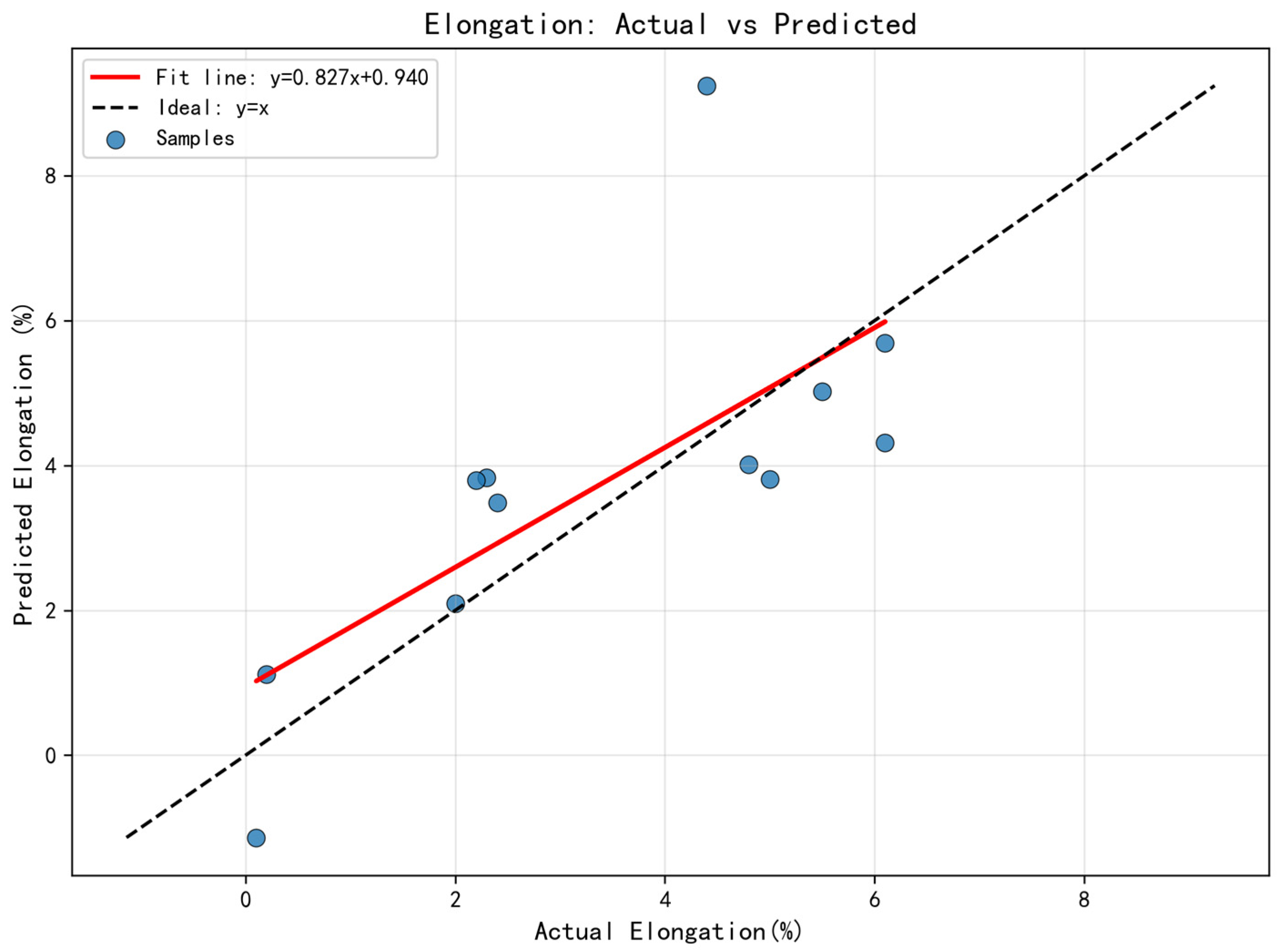
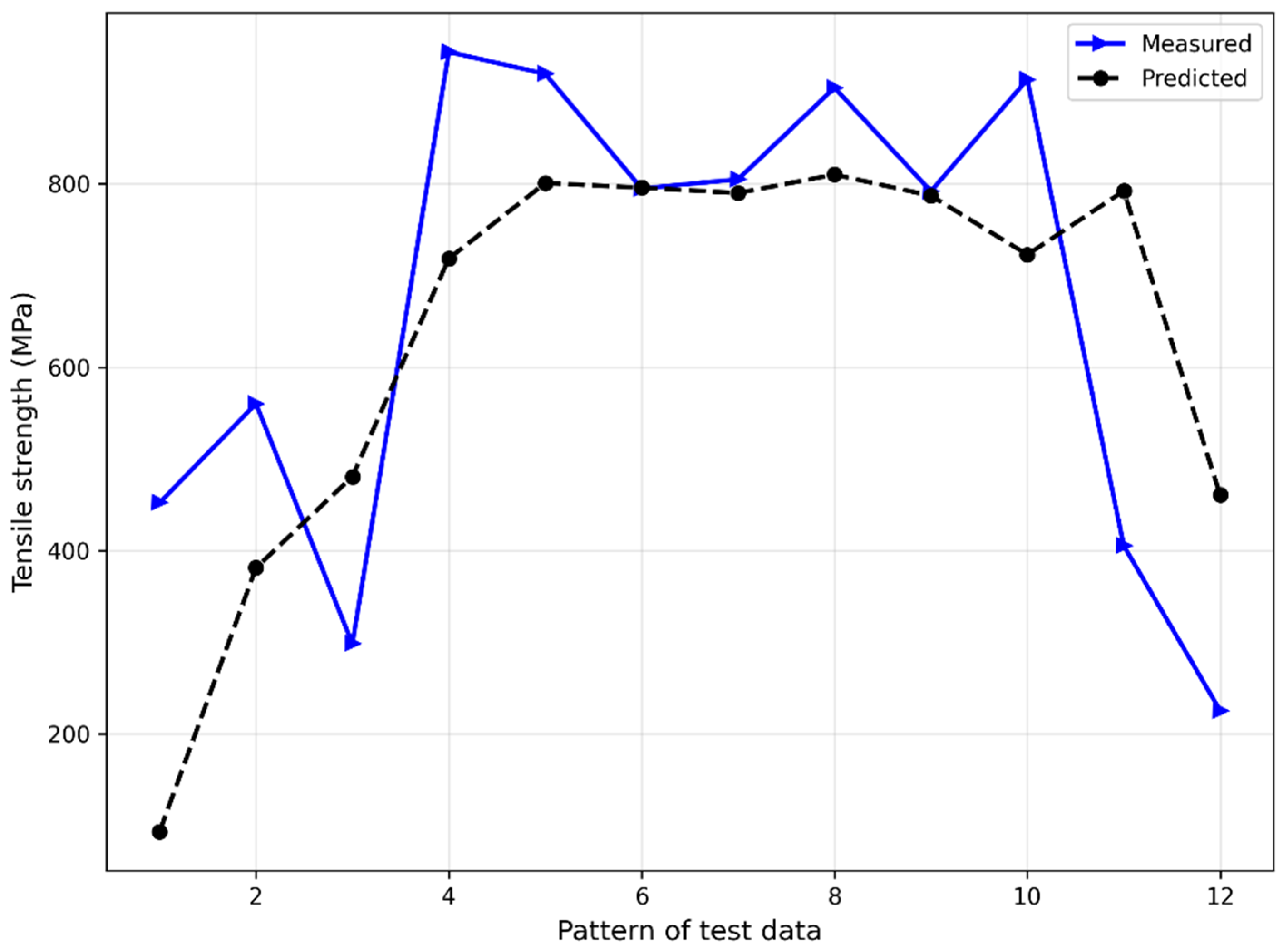
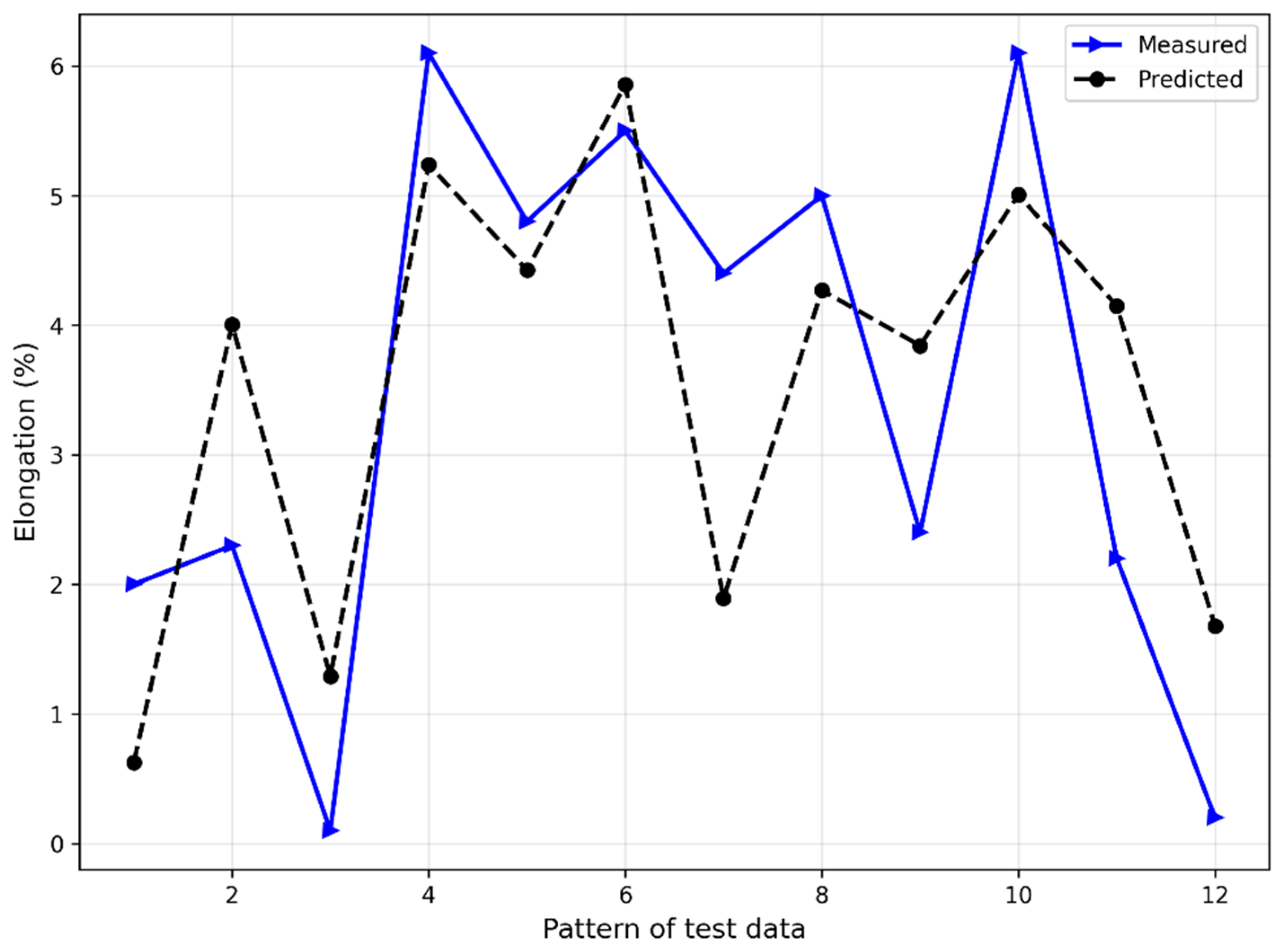
3.4. Experimental Results
4. Conclusions
Author Contributions
Funding
Data Availability Statement
Acknowledgments
Conflicts of Interest
References
- Rastegari, S.; Arabi, H.; Aboutalebi, M.R.; Eslami, A. A study on the microstructural changes of Cr-modified aluminide coatings on a nickel-based superalloy during hot corrosion. Can. Metall. Q. 2008, 47, 223–232. [Google Scholar]
- Zhang, J.; Zhu, H.; Zhou, N.; Su, X. Process optimization for synthesizing α-Al2O3 with tailored morphology and dispersibility by interpretable incremental machine learning. Mater. Des. 2025, 261, 115198. [Google Scholar] [CrossRef] [Scilit]
- Chen, N.; Wang, Z.; Wu, G.; Zhuo, X.; Ding, Y.; Wei, Y.; Ma, J.; Wang, M.; Shen, C.; Qian, B.; et al. Microstructure evolution and formation mechanism of interfaces in parallel gap resistance welding of stranded Ag-plated Cu conductor to Ag interconnector. Mater. Des. 2024, 238, 112697. [Google Scholar] [CrossRef] [Scilit]
- Bakhtiari, H.; Farvizi, M.; Rahimipour, M.R.; Malekan, A. Influence of bonding temperature on interfacial microstructure and high-temperature oxidation behavior of transient liquid phase (TLP) bonded Hastelloy X joints. Mater. Des. 2025, 258, 114740. [Google Scholar] [CrossRef] [Scilit]
- Zheng, L.; Lee, T.L.; Daisenberger, D.; Gorley, M.J.; Li, Z.; Zhang, G. Rapidly solidified highly alloyed Ni-based superalloy powders for multi-application: The faster the cooling, the softer? Mater. Des. 2025, 257, 114439. [Google Scholar]
- Cheng, Z.; Li, X.; Wang, B.; Qu, S.; Li, H. M3B2-type borides effect on the wide gap brazing of K417G alloy with mixed powder. J. Alloys Compd. 2020, 821, 153431. [Google Scholar] [CrossRef] [Scilit]
- Song, J.; Liang, M.; Lin, Y.; Wu, L.; Guo, J.; Liang, W.; Zhang, Y. Impact softening performance of low melting point alloy/copper foam composite phase change materials. Mater. Des. 2025, 256, 114360. [Google Scholar] [CrossRef] [Scilit]
- Lang, Z.; Zou, T.; Ye, Z.; Wu, T.; Wang, W.; Yang, J.; Huang, J. High-performance brazing of single crystal superalloys with Ni-Cr-Ta filler material. Mater. Des. 2024, 237, 112576. [Google Scholar]
- Cai, J.; Shi, J.; Wang, K.; Li, F.; Wang, W.; Wang, Q.; Liu, Y. A modified parallel constitutive model for elevated temperature flow behavior of Ti-6Al-4V alloy based on multiple regression. Int. J. Mater. Res. 2017, 108, 527–541. [Google Scholar] [CrossRef] [Scilit]
- Dong, W.; Paudel, B.J.; Deng, H.; Garner, S.; To, A.C. Data-driven distortion compensation for laser powder bed fusion process using Gaussian process regression and inherent strain method. Mater. Des. 2024, 243, 113063. [Google Scholar] [CrossRef] [Scilit]
- Kazi, M.K.; Eljack, F.; Mahdi, E. Predictive ANN models for varying filler content for cotton fiber/PVC composites based on experimental load displacement curves. Compos. Struct. 2020, 254, 112885. [Google Scholar] [CrossRef] [Scilit]
- Gao, M.; Meng, J.; Ma, N.; Li, M.; Liu, L. Artificial neural network–based constitutive relation modelling for the laminated fabric used in stratospheric airship. Compos. Adv. Mater. 2022, 31, 26349833211073146. [Google Scholar] [CrossRef] [Scilit]
- Zhao, X.; Huang, H.; Su, Y.; Qiao, L.; Yan, Y. Data-driven electrochemical behavior prediction for refractory high-entropy alloys by global and focused learning. Mater. Des. 2025, 255, 114202. [Google Scholar] [CrossRef] [Scilit]
- Peloquin, J.; Kirillova, A.; Rudin, C.; Brinson, L.; Gall, K. Prediction of tensile performance for 3D printed photopolymer gyroid lattices using structural porosity, base material properties, and machine learning. Mater. Des. 2023, 232, 112126. [Google Scholar] [CrossRef] [Scilit]
- Ozerdem, M.S.; Kolukisa, S. Artificial neural network approach to predict the mechanical properties of Cu–Sn–Pb–Zn–Ni cast alloys. Mater. Des. 2009, 30, 764–769. [Google Scholar] [CrossRef] [Scilit]
- Varol, T.; Canakci, A.; Ozsahin, S. Artificial neural network modeling to effect of reinforcement properties on the physical and mechanical properties of Al2024–B4C composites produced by powder metallurgy. Compos. Part B Eng. 2013, 54, 224–233. [Google Scholar] [CrossRef] [Scilit]
- Kuriki, D.; Briffod, F.; Shiraiwa, T.; Enoki, M. Multimodal deep learning framework to predict strain localization of Mg/LPSO two-phase alloys. Acta Mater. 2024, 281, 120398. [Google Scholar] [CrossRef] [Scilit]
- Arik, S.Ö.; Pfister, T. Tabnet: Attentive interpretable tabular learning. Proc. AAAI Conf. Artif. Intell. 2021, 35, 6679–6687. [Google Scholar] [CrossRef] [Scilit]
- He, K.; Zhang, X.; Ren, S.; Sun, J. Deep residual learning for image recognition. In Proceedings of the 2016 IEEE Conference on Computer Vision and Pattern Recognition (CVPR), Las Vegas, NV, USA, 27–30 June 2016; pp. 770–778. [Google Scholar]
- Triana-Martinez, J.; Álvarez-Meza, A.; Castellanos-Dominguez, G. Enhancing Agricultural Data Interpretability and Visualization with TabNet-Driven Feature Extraction and Local Biplots. Results Eng. 2025, 27, 106672. [Google Scholar] [CrossRef] [Scilit]
- Tajima, H.; Miyazawa, Y.; Furihata, K.; Masuda, H. In-situ observation of molten brazing filler metal permeating gap. Weld. Int. 2024, 38, 441–449. [Google Scholar] [CrossRef] [Scilit]
- Parks, C.M.; Kuipers, J.; Phillion, A.B. Uncovering the mechanism behind a two-step infiltration during layered wide-gap brazing of a Ni-base superalloy using a B-Containing filler metal. Materialia 2025, 40, 102404. [Google Scholar] [CrossRef] [Scilit]
- Cheng, Z.; Lai, X.; He, J.; Li, X.; Fan, J.; Lai, F. Microstructural Investigation and High-Temperature Oxidation Performance of K417G Alloy Prepared by Wide-Gap Brazing. Crystals 2025, 15, 434. [Google Scholar] [CrossRef] [Scilit]
- Yan, D.; Sun, J.; Huang, J. News Recommendation with Gated Linear Attention and Simplified Gated Linear Units. Informatica 2024, 48. [Google Scholar] [CrossRef] [Scilit]
- Chen, Y.; Wang, J.; Zhang, J.; Qin, Z.; Liu, X. Supervised Convolutional Encoder-Decoder with Gated Linear Units for Detecting Fetal R-Peaks. IEEE Access 2025, 13, 4290–4303. [Google Scholar] [CrossRef] [Scilit]
- Liu, C.; Zhen, J.; Shan, W. Time series classification based on convolutional network with a gated linear units kernel. Eng. Appl. Artif. Intell. 2023, 123, 106296. [Google Scholar] [CrossRef] [Scilit]
- Li, T.; Yoshikawa, K.; Endoh, T. Hardware-Efficient Activation Circuit for Edge Computing: Shifter-Polynomial Approximation of Leaky ReLU. IEEE Trans. Circuits Syst. Artif. Intell. 2025, 2, 3–13. [Google Scholar]
- Zhang, J.; Yu, J.; Zhang, Z.; Zheng, C.; Le, Y.; Li, Y. MASK_LOSS guided non-end-to-end image denoising network based on multi-attention module with bias rectified linear unit and absolute pooling unit. Comput. Vis. Image Underst. 2025, 252, 104302. [Google Scholar]
- Vaswani, A.; Shazeer, N.; Parmar, N.; Uszkoreit, J.; Jones, L.; Gomez, A.N. Attention Is All You Need. In Proceedings of the 31st Conference on Neural Information Processing Systems (NIPS 2017), Long Beach, CA, USA, 4–9 December 2017; pp. 5998–6008. [Google Scholar]
- Rather, I.H.; Kumar, S.; Gandomi, A.H. Breaking the data barrier: A review of deep learning techniques for democratizing AI with small datasets. Artif. Intell. Rev. 2024, 57, 226. [Google Scholar] [CrossRef] [Scilit]
- Hayot, V.; Amhaz, R.; Lecler, S.; Ferreira, A.A.; Chabrol, G. Machine learning for prediction of laser welds penetration on a multi-material dataset. Int. J. Adv. Manuf. Technol. 2025, 140, 2895–2907. [Google Scholar] [CrossRef] [Scilit]



| Track | Input—Ingredients and Process Parameters | Output—Mechanical Properties | ||||
|---|---|---|---|---|---|---|
| C (Content of LMP, Unit: %) | T (Temperature, Unit: °C) | H (Holding Time, Unit: min) | P (Pressure, Unit: MPa) | M (Tensile Strength, Unit: MPa) | E (Elongation, Unit: %) | |
| 1 | 1 | 1200 | 30 | 20 | 452 | 2 |
| 2 | 3 | 1200 | 30 | 20 | 765 | 3.2 |
| 3 | 5 | 1200 | 30 | 20 | 972 | 6.5 |
| 4 | 7 | 1200 | 30 | 20 | 805 | 4.4 |
| 5 | 10 | 1200 | 30 | 20 | 628 | 3.1 |
| 6 | 15 | 1200 | 30 | 20 | 560 | 2.3 |
| 7 | 5 | 1100 | 30 | 20 | 298 | 0.1 |
| 8 | 5 | 1140 | 30 | 20 | 715 | 0.4 |
| 9 | 5 | 1160 | 30 | 20 | 779 | 1.6 |
| 10 | 5 | 1180 | 30 | 20 | 935 | 4.1 |
| 11 | 5 | 1220 | 30 | 20 | 818 | 1.5 |
| 12 | 5 | 1200 | 1 | 20 | 294 | 0.2 |
| 13 | 5 | 1200 | 15 | 20 | 792 | 2.4 |
| 14 | 5 | 1200 | 45 | 20 | 920 | 4.8 |
| 15 | 5 | 1200 | 60 | 20 | 911 | 5.7 |
| 16 | 5 | 1200 | 120 | 20 | 944 | 6.1 |
| 17 | 5 | 1200 | 30 | 1 | 405 | 2.2 |
| 18 | 5 | 1200 | 30 | 5 | 720 | 3.5 |
| 19 | 5 | 1200 | 30 | 10 | 905 | 5 |
| 20 | 5 | 1200 | 30 | 30 | 971 | 6.5 |
| 21 | 5 | 1100 | 120 | 20 | 225 | 0.2 |
| 22 | 5 | 1140 | 120 | 20 | 589 | 2.5 |
| 23 | 10 | 1100 | 30 | 20 | 281 | 0.3 |
| 24 | 10 | 1140 | 30 | 20 | 587 | 3.1 |
| 25 | 10 | 1180 | 30 | 20 | 795 | 5.5 |
| 26 | 10 | 1200 | 30 | 20 | 991 | 6.9 |
| 27 | 20 | 1200 | 30 | 20 | 677 | 2.7 |
| 28 | 20 | 1180 | 30 | 20 | 914 | 6.1 |
| 29 | 20 | 1140 | 30 | 20 | 802 | 5.3 |
| 30 | 20 | 1100 | 30 | 20 | 550 | 2.9 |
| Variable | Coefficient | Std. Err. | t | P > t | [95% Conf. Interval] |
|---|---|---|---|---|---|
| Composition | 7.177 | 6.898 | 1.04 | 0.308 | [−7.030, 21.385] |
| Temperature | 4.131 | 1.031 | 4.01 | 0.000 | [2.007, 6.254] |
| Holding time | 1.013 | 1.314 | 0.77 | 0.448 | [−1.694, 3.720] |
| Pressure | 11.083 | 7.083 | 1.56 | 0.130 | [−3.504, 25.670] |
| Cons | −4463.874 | 1265.532 | −3.53 | 0.002 | [−7070.287, −1857.462] |
| Variable | Coefficient | Std. Err. | t | P > t | [95% Conf., Interval] |
|---|---|---|---|---|---|
| Composition | 0.138 | 0.065 | 2.13 | 0.043 | [0.004, 0.272] |
| Temperature | 0.036 | 0.010 | 3.70 | 0.001 | [0.016, 0.056] |
| Holding time | 0.019 | 0.012 | 1.54 | 0.136 | [−0.006, 0.045] |
| Pressure | 0.059 | 0.067 | 0.89 | 0.381 | [−0.078, 0.197] |
| Cons | −41.744 | 11.900 | −3.51 | 0.002 | [−66.253, −17.235] |
| Method | MAE | RMSE | R2 |
|---|---|---|---|
| TabNet | 166.2226 | 206.2678 | 0.3346 |
| Transformer | 466.7859 | 520.2957 | −4.0372 |
| Method | MAE | RMSE | R2 |
|---|---|---|---|
| TabNet | 1.5650 | 1.7649 | 0.2706 |
| Transformer | 2.0463 | 2.5523 | −0.1022 |
Disclaimer/Publisher’s Note: The statements, opinions and data contained in all publications are solely those of the individual author(s) and contributor(s) and not of MDPI and/or the editor(s). MDPI and/or the editor(s) disclaim responsibility for any injury to people or property resulting from any ideas, methods, instructions or products referred to in the content. |
© 2026 by the authors. Licensee MDPI, Basel, Switzerland. This article is an open access article distributed under the terms and conditions of the Creative Commons Attribution (CC BY) license.
Share and Cite
Cheng, Z.; Wu, M.; Wei, B.; Wang, X.; Li, X.; Fan, J. Machine Learning-Assisted Fabrication for K417G Alloy Prepared by Wide-Gap Brazing: Process Parameters, Microstructure, and Properties. Metals 2026, 16, 138. https://doi.org/10.3390/met16020138
Cheng Z, Wu M, Wei B, Wang X, Li X, Fan J. Machine Learning-Assisted Fabrication for K417G Alloy Prepared by Wide-Gap Brazing: Process Parameters, Microstructure, and Properties. Metals. 2026; 16(2):138. https://doi.org/10.3390/met16020138
Chicago/Turabian StyleCheng, Zhun, Min Wu, Bo Wei, Xinhua Wang, Xiaoqiang Li, and Jiafeng Fan. 2026. "Machine Learning-Assisted Fabrication for K417G Alloy Prepared by Wide-Gap Brazing: Process Parameters, Microstructure, and Properties" Metals 16, no. 2: 138. https://doi.org/10.3390/met16020138
APA StyleCheng, Z., Wu, M., Wei, B., Wang, X., Li, X., & Fan, J. (2026). Machine Learning-Assisted Fabrication for K417G Alloy Prepared by Wide-Gap Brazing: Process Parameters, Microstructure, and Properties. Metals, 16(2), 138. https://doi.org/10.3390/met16020138