Article

Design Optimization of Eccentric Pole PM Motors Using the Bilinear Mapping Method

1
Manufacturing and Production Department, Faculty of Engineering, Arak University, Arak 3848177584, Iran
2
Université Marie et Louis Pasteur, UTBM, CNRS, Institut FEMTO-ST, F-90010 Belfort, France
*
Author to whom correspondence should be addressed.
Symmetry 2026, 18(2), 368; https://doi.org/10.3390/sym18020368
Submission received: 28 December 2025 / Revised: 5 February 2026 / Accepted: 12 February 2026 / Published: 16 February 2026
(This article belongs to the Special Issue Computational Mathematics and Its Applications in Numerical Analysis)

Abstract

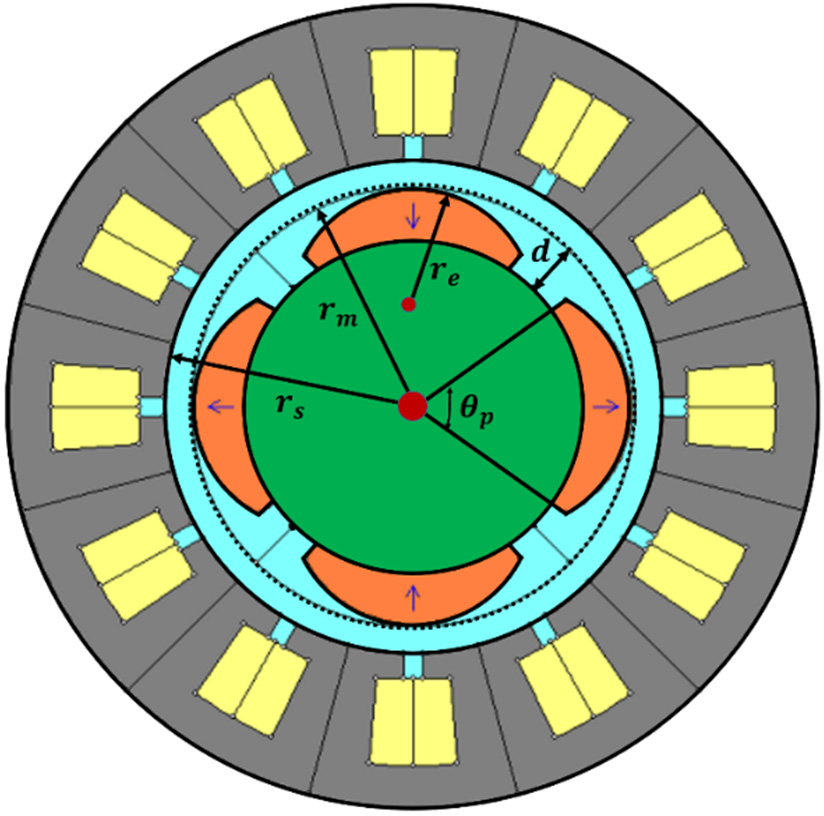
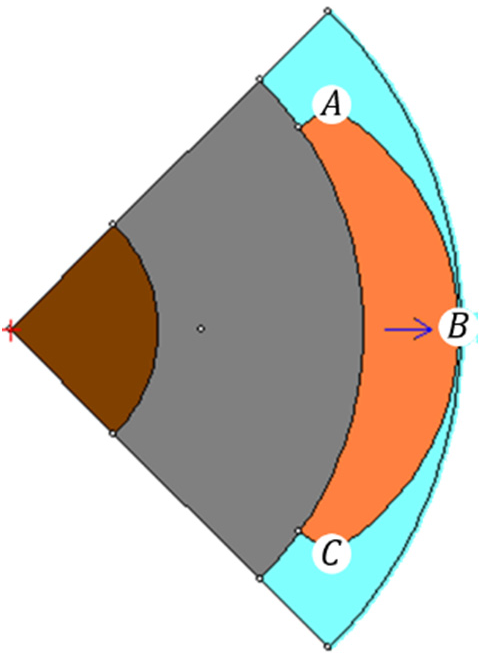
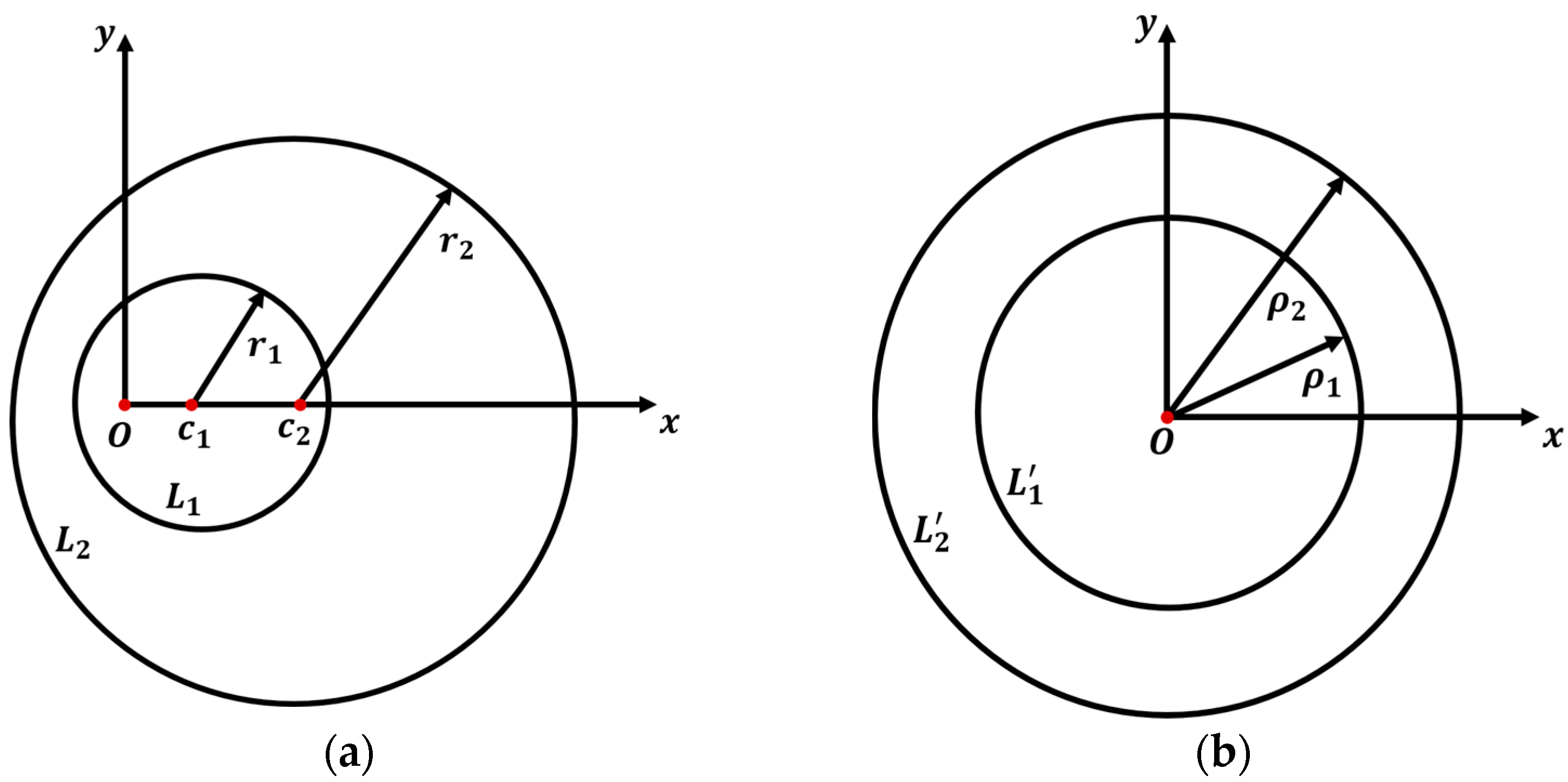
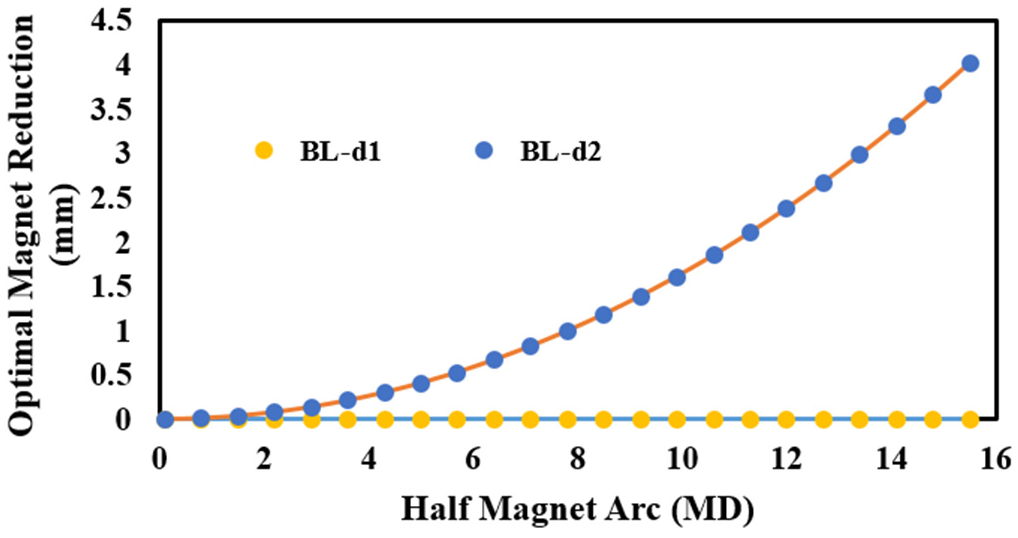
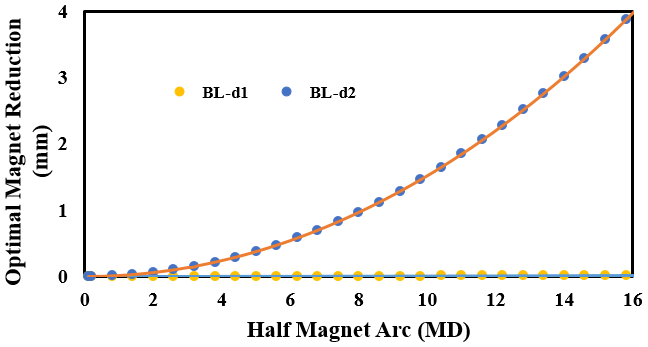
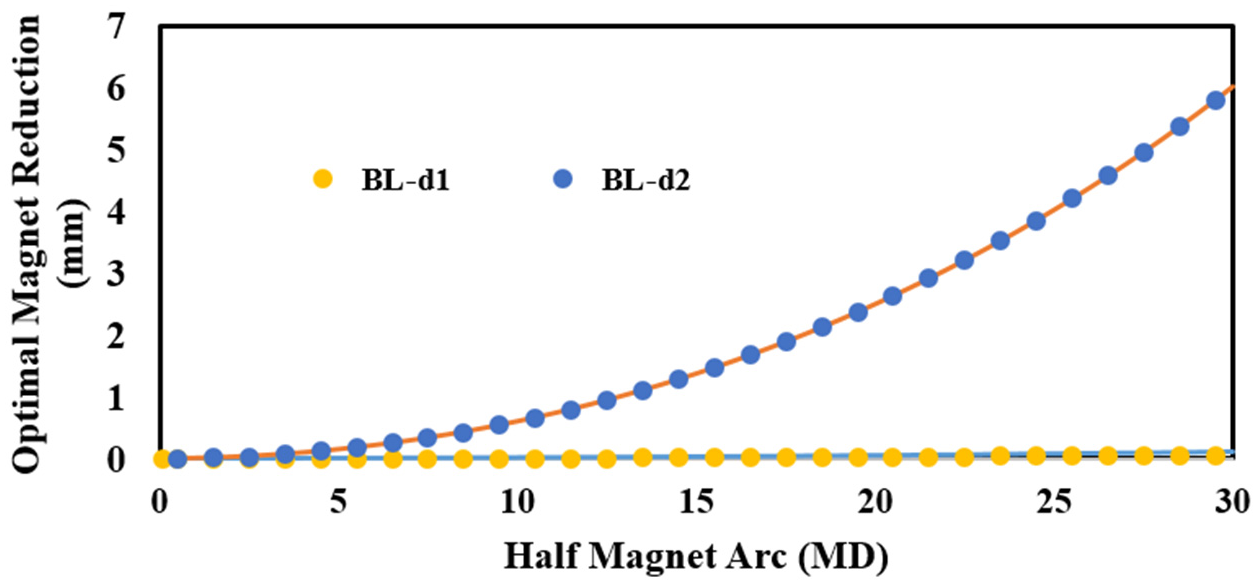
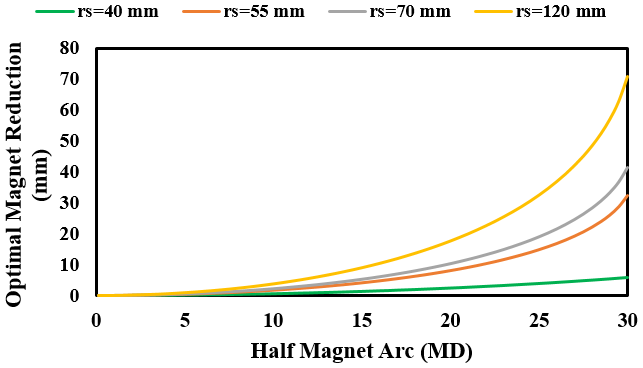
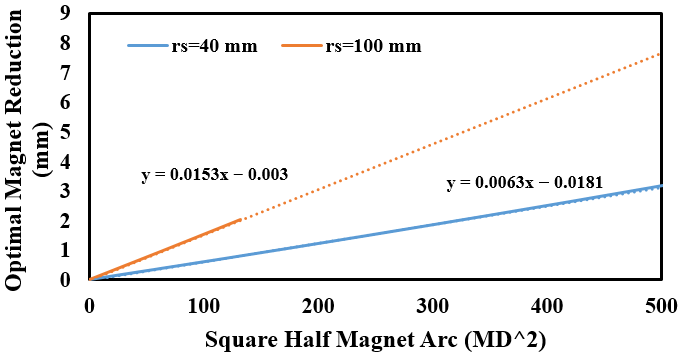
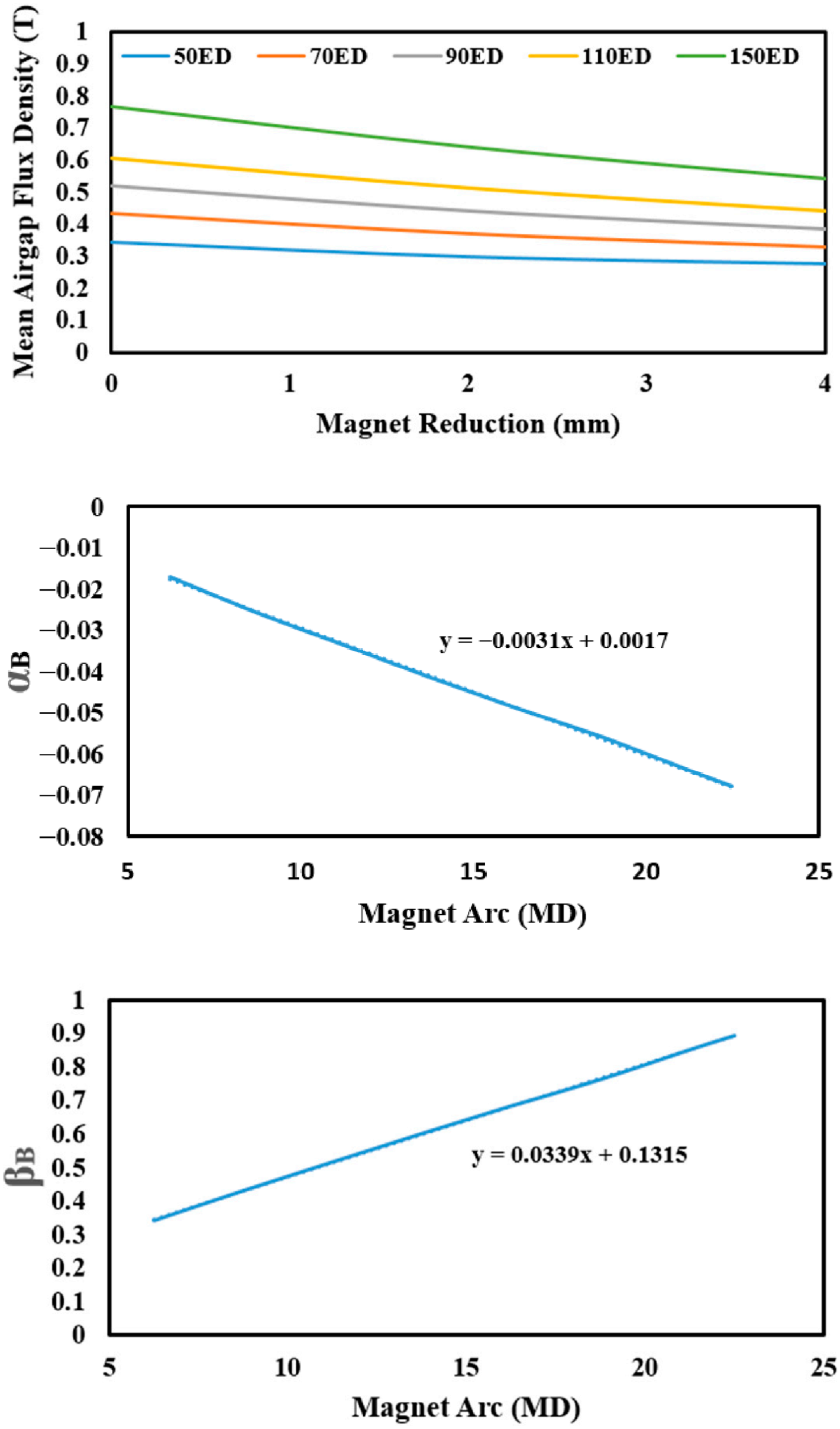
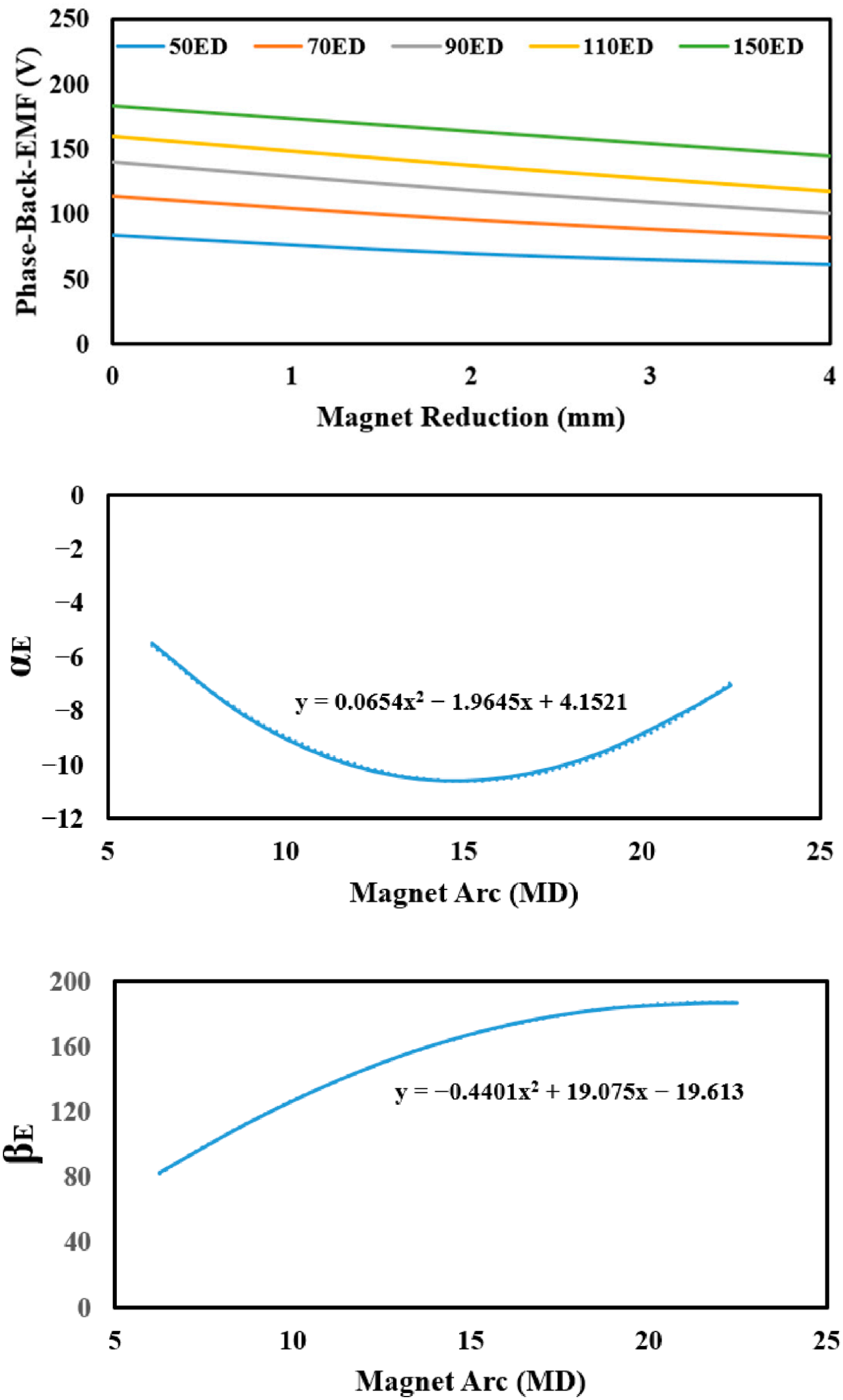
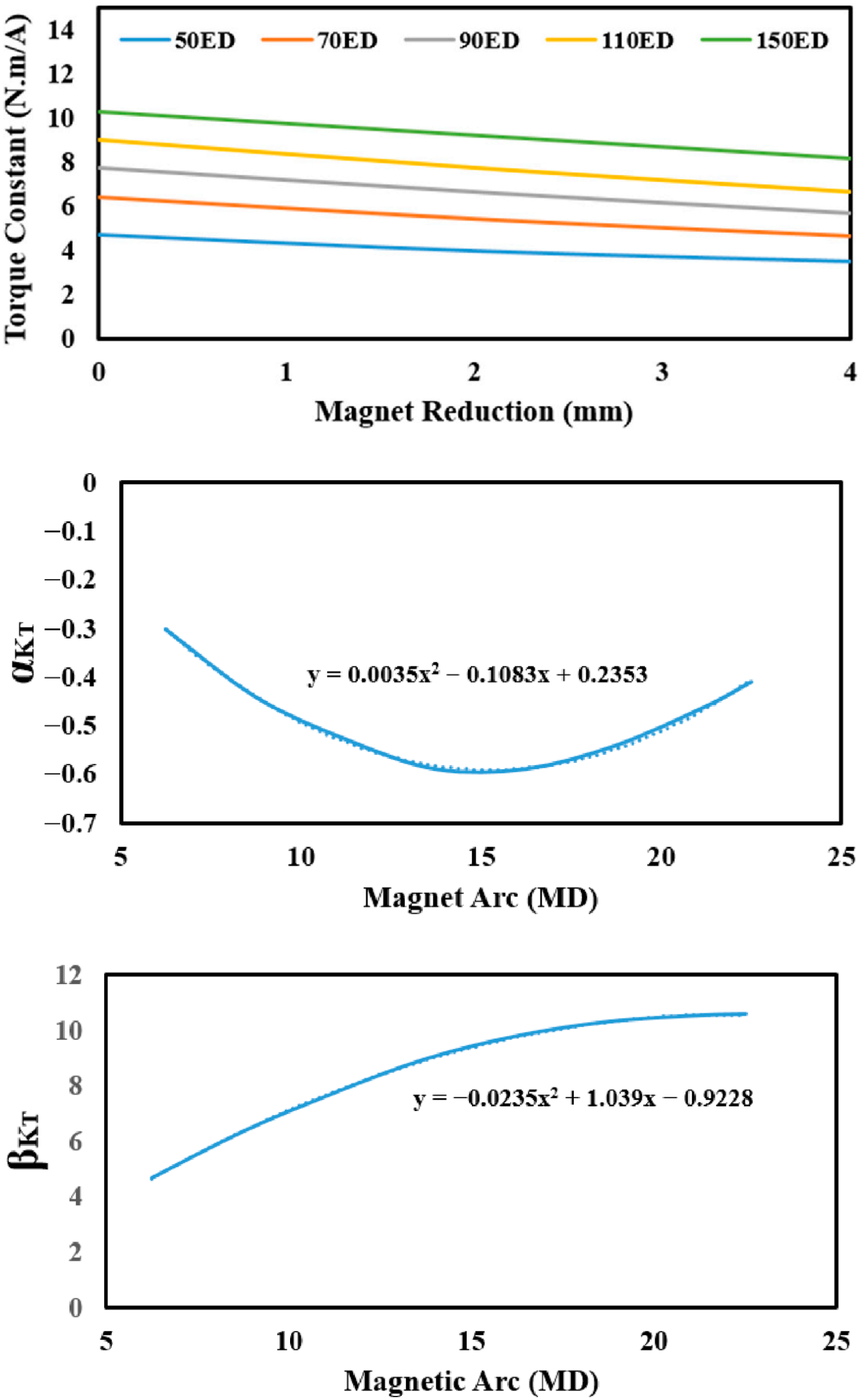
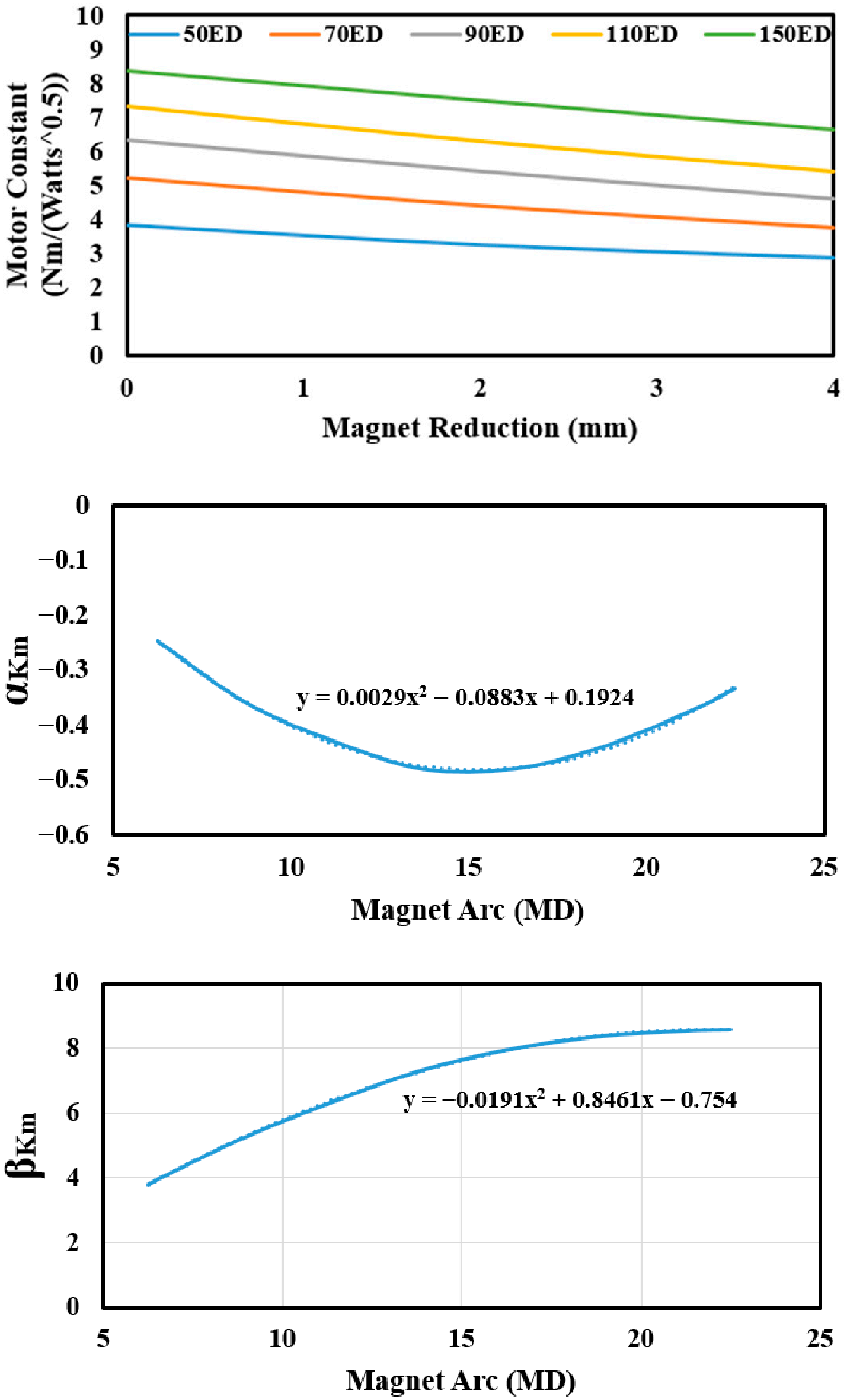
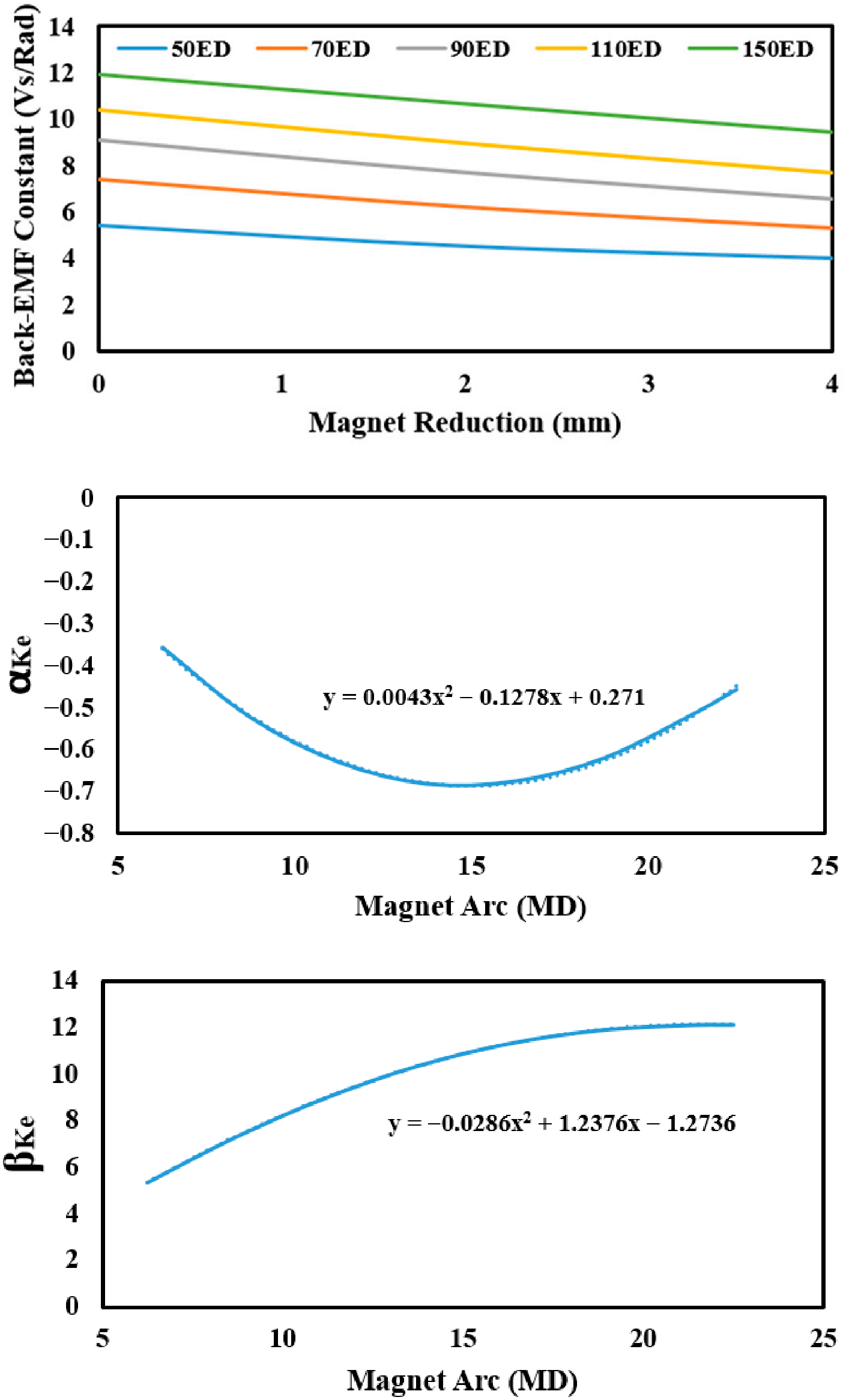
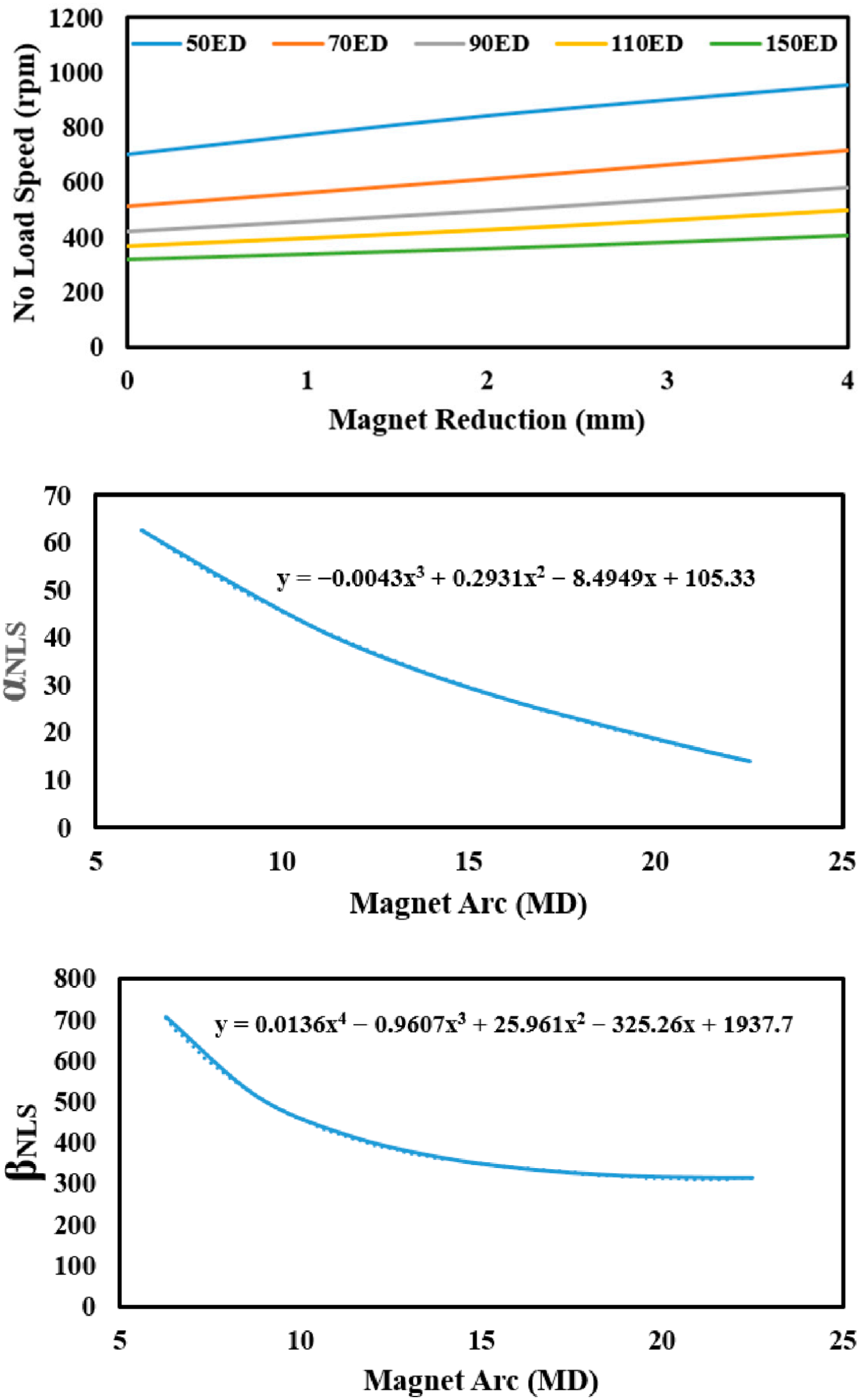
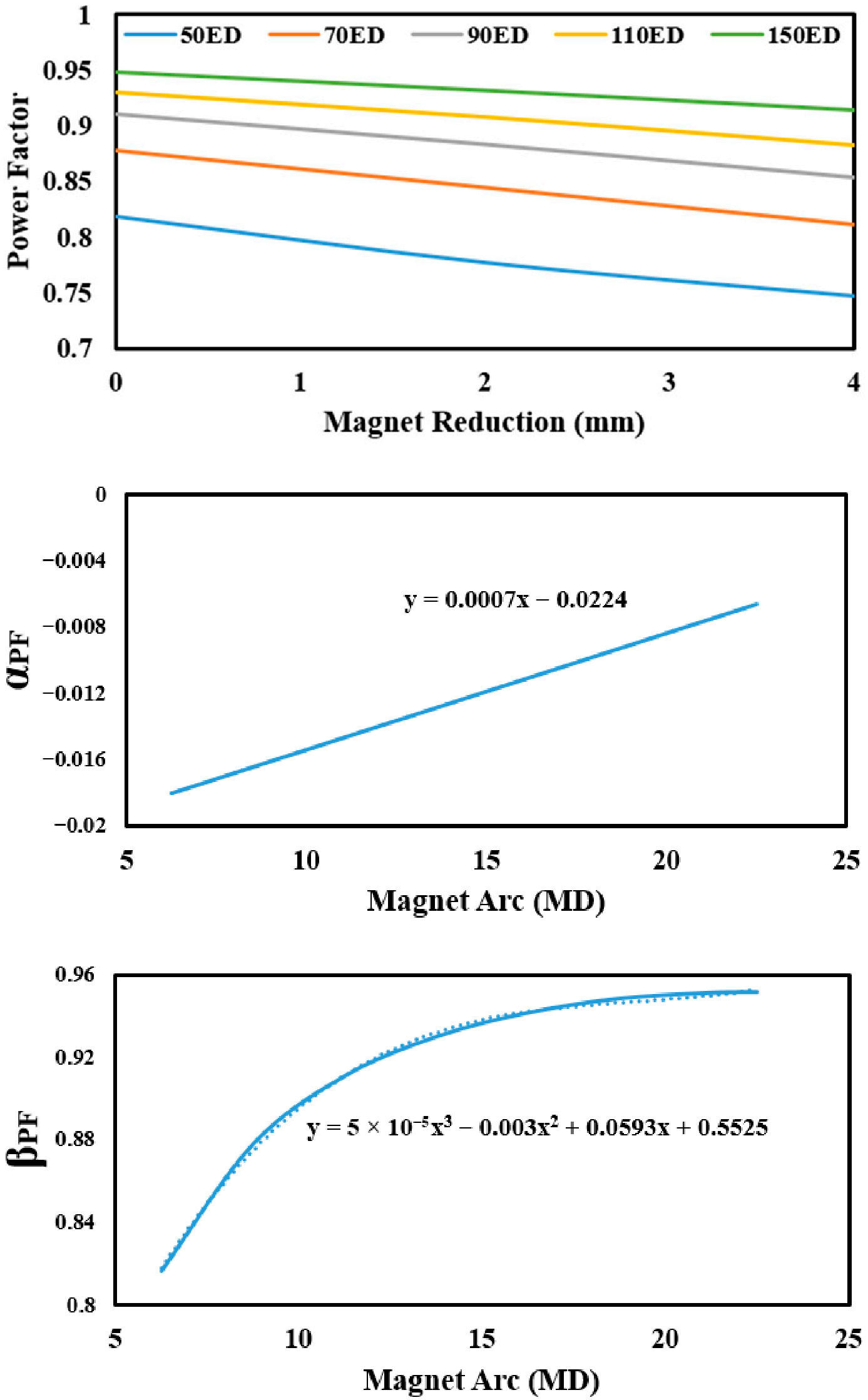
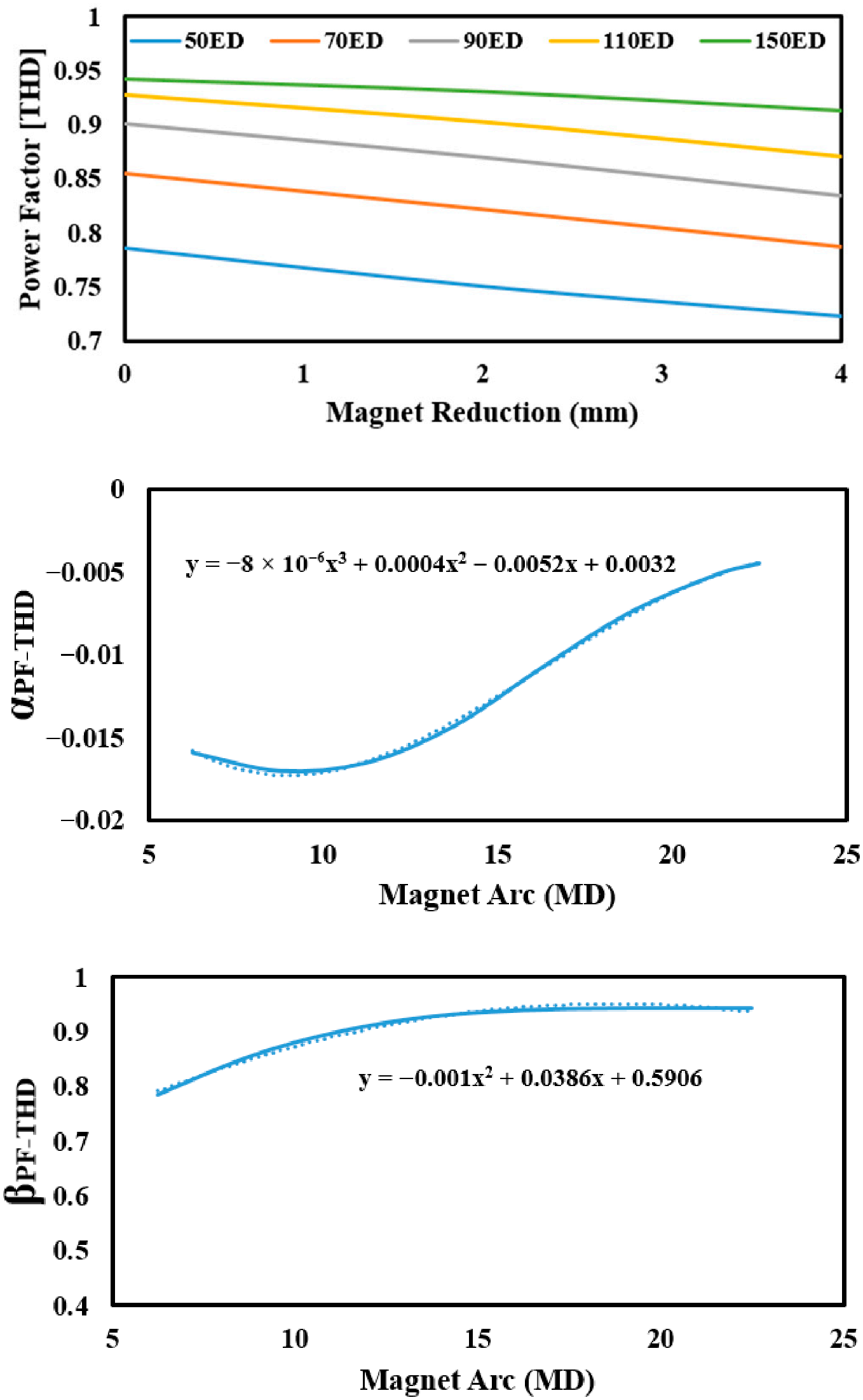
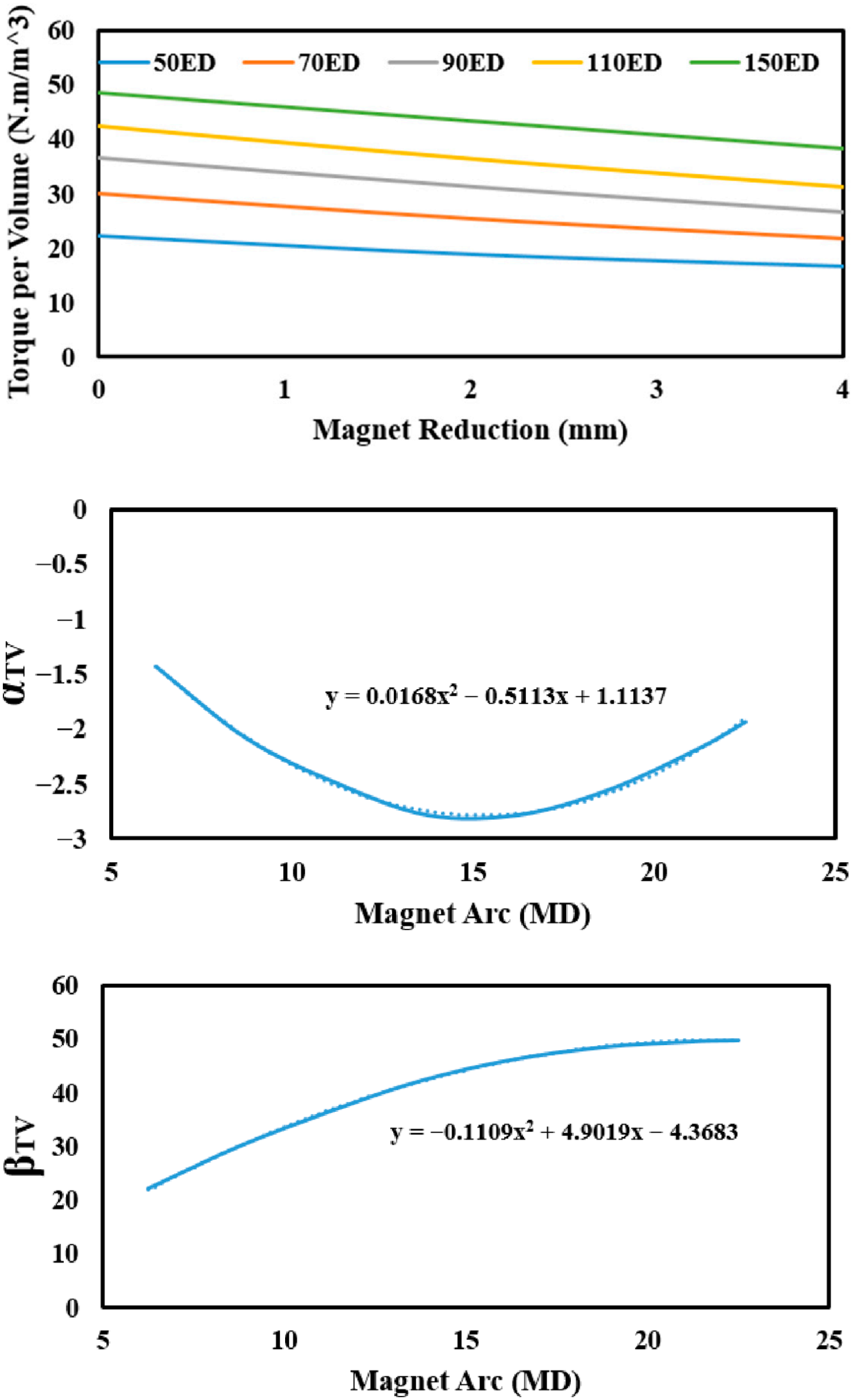
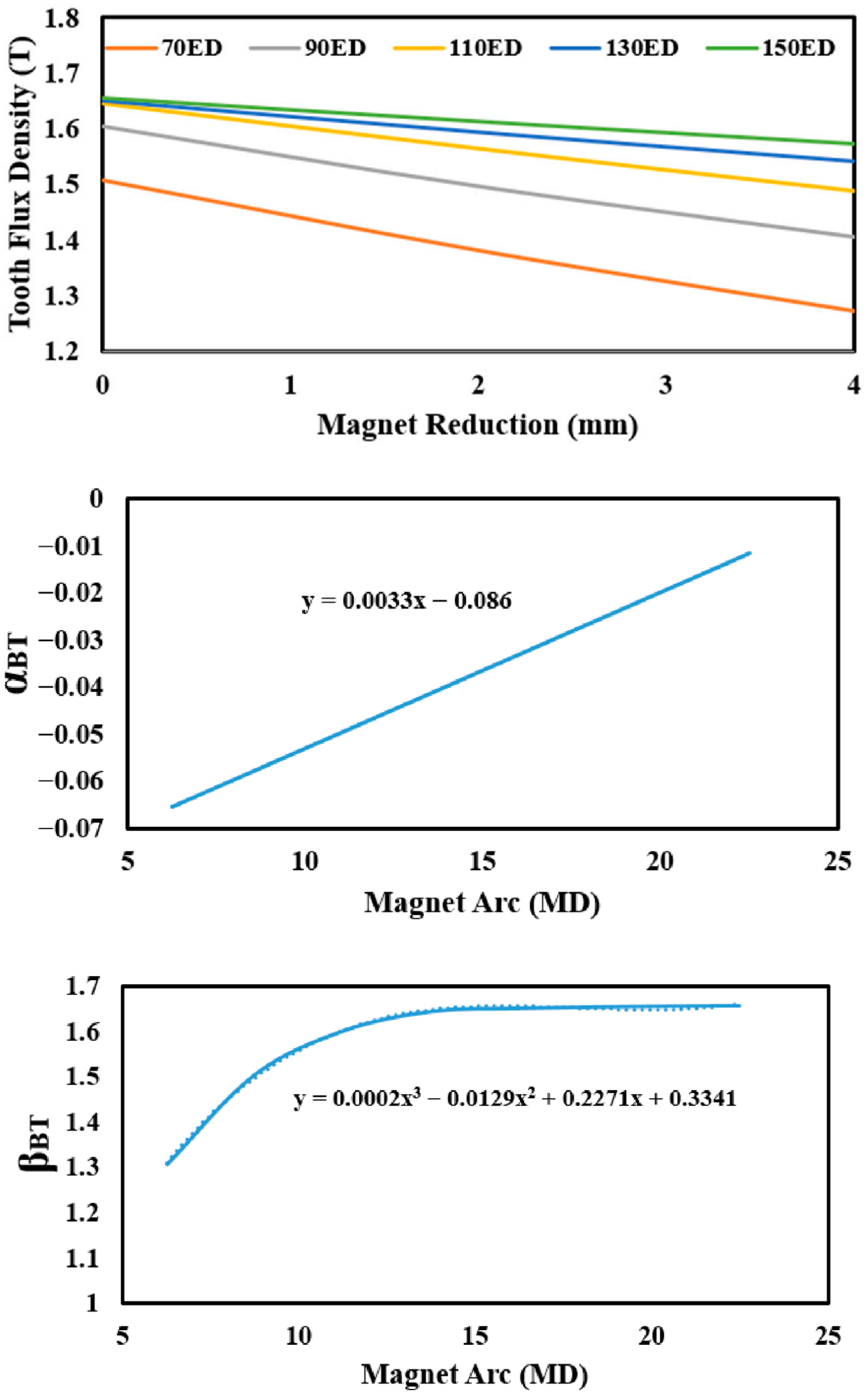
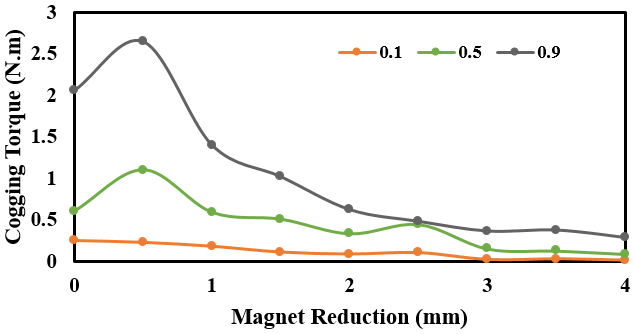
The eccentric permanent-magnet (PM) pole technique is widely recognized as an effective technique for reducing cogging torque in surface-mounted PM motors (SMPMMs). This paper proposes a novel analytical approach based on bilinear mapping to determine the optimal PM reduction parameters. In this method, the outer surface of the PM and the stator inner bore are modeled as eccentric circles. Bilinear mapping is then used to transform a slotted stator bore into an equivalent slotless configuration with small slot-openings, allowing the optimal PM reduction to be identified. The key electromagnetic performance characteristics of SMPMMs—including torque, efficiency, mean air-gap flux density, and related parameters—are formulated as explicit mathematical functions of the PM reduction factor. The influence of the optimal PM reduction on both static and dynamic rotor eccentricity is also investigated. The results reveal that the bilinear mapping equations yield two distinct roots for the optimal PM reduction. Once the optimal values are known for a reference motor, those of other motors with different dimensions can be readily derived by scaling according to the ratio of the outer PM radii, without repeating the full calculation process. The proposed method is applicable to various SMPMM geometries, including radial, parallel, and bread-loaf configurations.
Keywords: eccentric magnet pole; magnet reduction; bilinear mapping; cogging torque; eccentric rotor eccentric magnet pole; magnet reduction; bilinear mapping; cogging torque; eccentric rotor