Article

Nickel Nanoparticles Anchored on Activated Attapulgite Clay for Ammonia Decomposition to Hydrogen

1
Changzhou Vocational Institute of Engineering, Changzhou 213164, China
2
School of Materials Science and Engineering, Nankai University, Tianjin 300350, China
3
State Key Laboratory of Catalytic Materials and Reaction Engineering, Research Institute of Petroleum Processing, SINOPEC, Beijing 100083, China
4
Tianjin Workstation, Technology Center of Shanghai Tobacco Group Co., Ltd., Tianjin 300163, China
*
Author to whom correspondence should be addressed.
These authors contribute equally to this work.
Symmetry 2022, 14(12), 2627; https://doi.org/10.3390/sym14122627
Submission received: 23 October 2022 / Revised: 22 November 2022 / Accepted: 2 December 2022 / Published: 12 December 2022
(This article belongs to the Special Issue Heterogeneous Catalysis: Topics and Advances)

Abstract

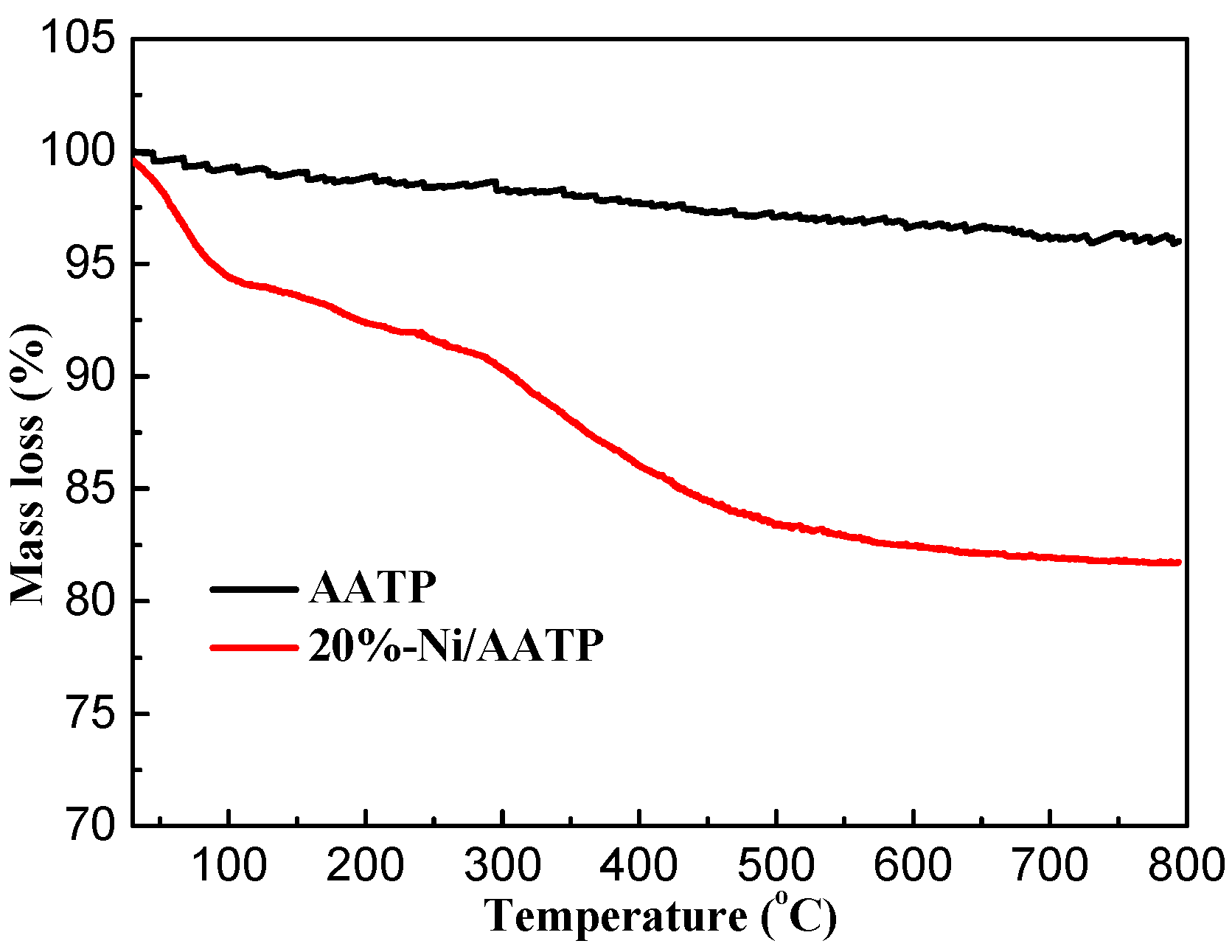
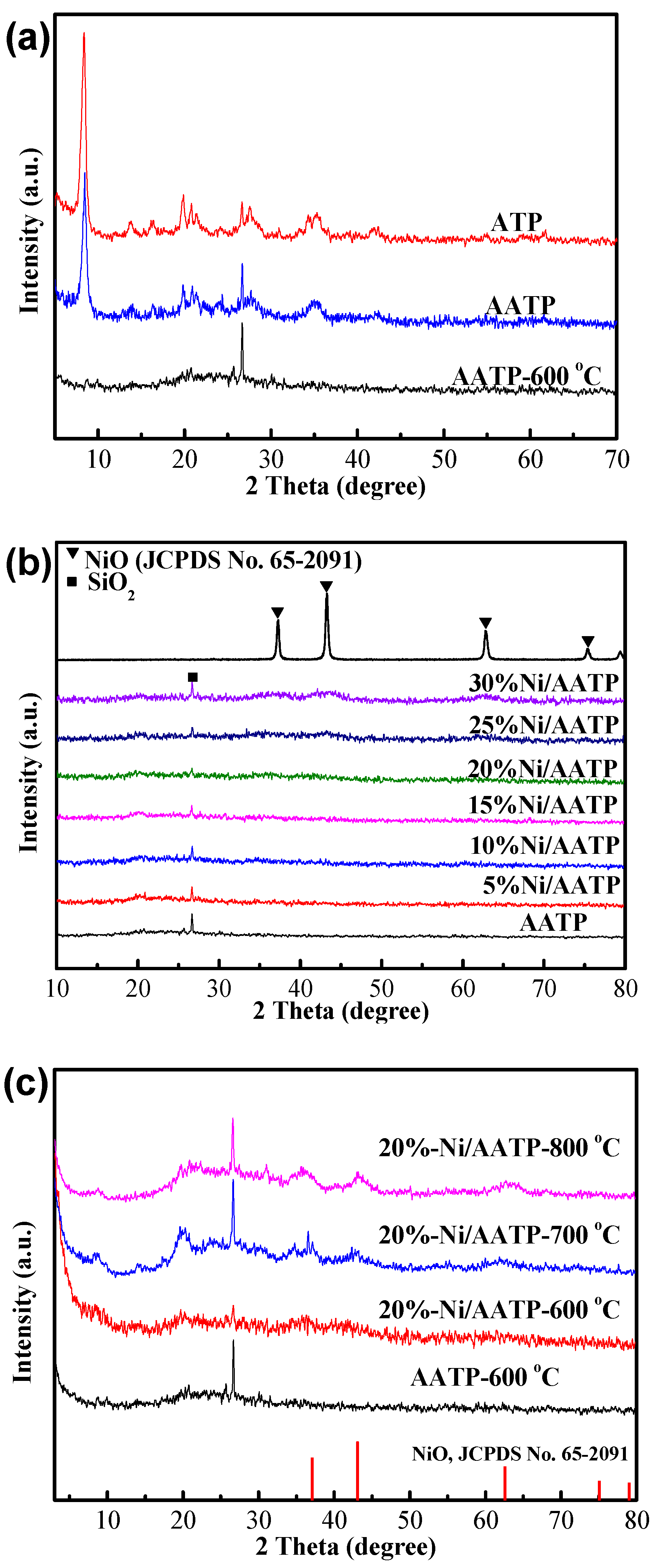
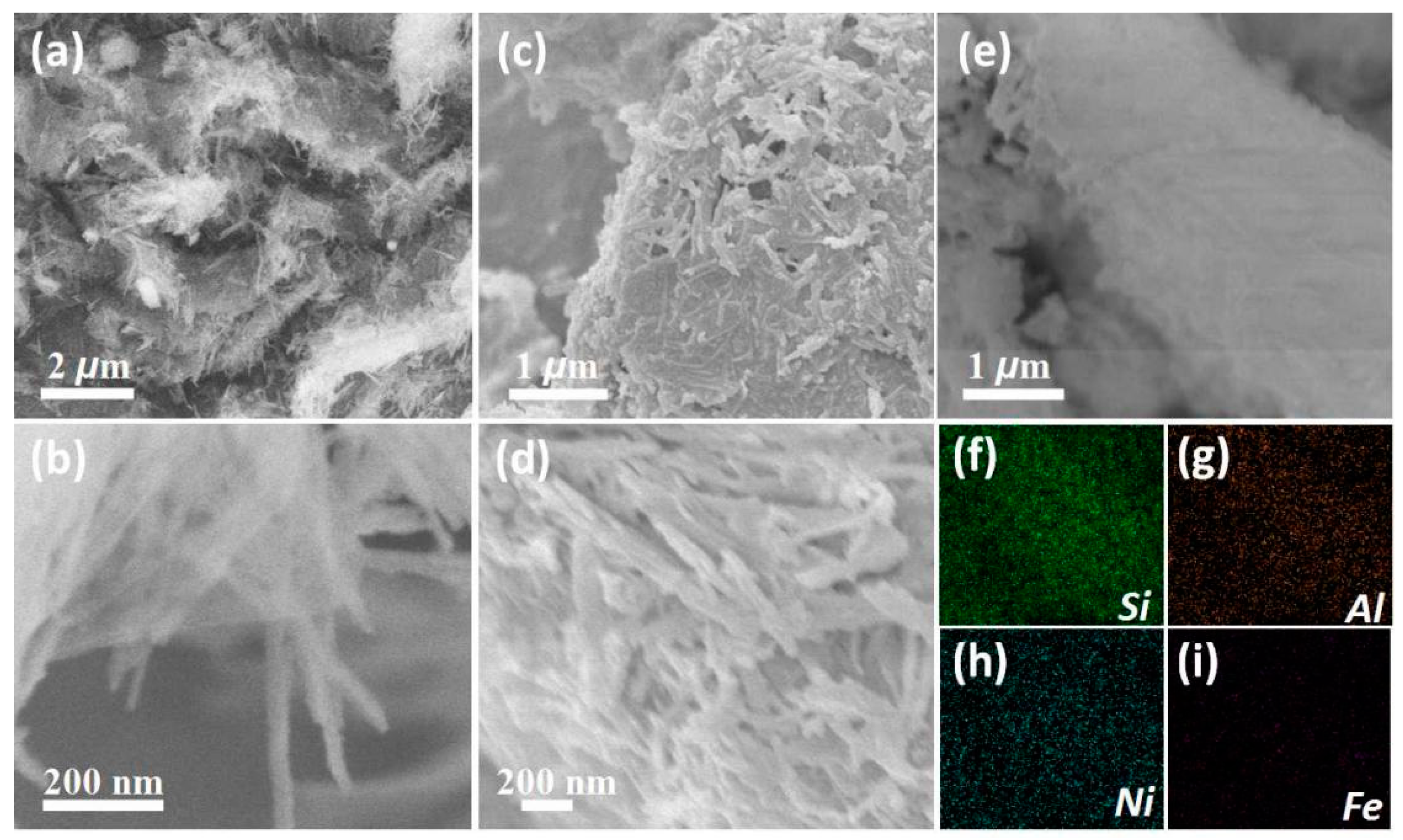
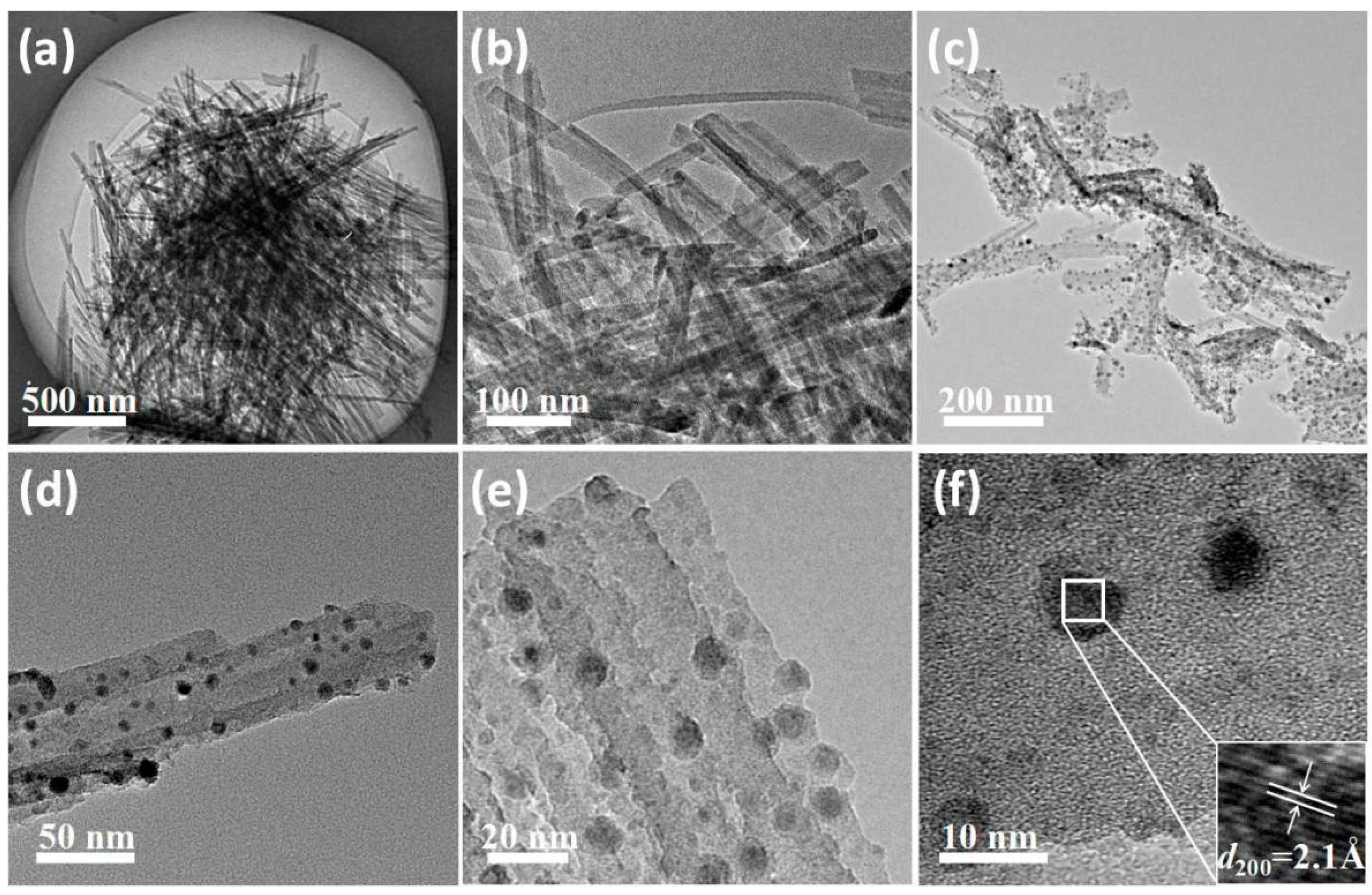
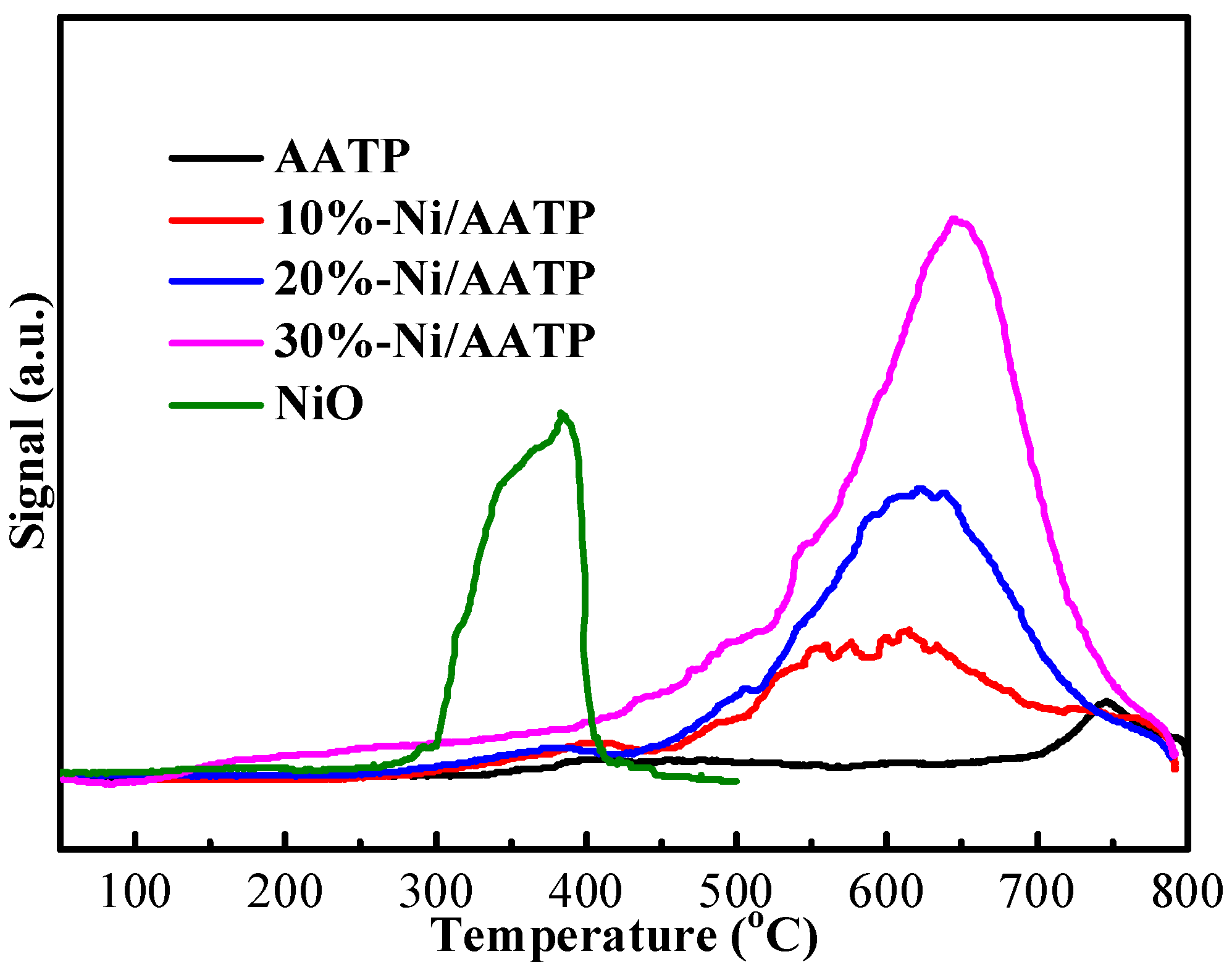
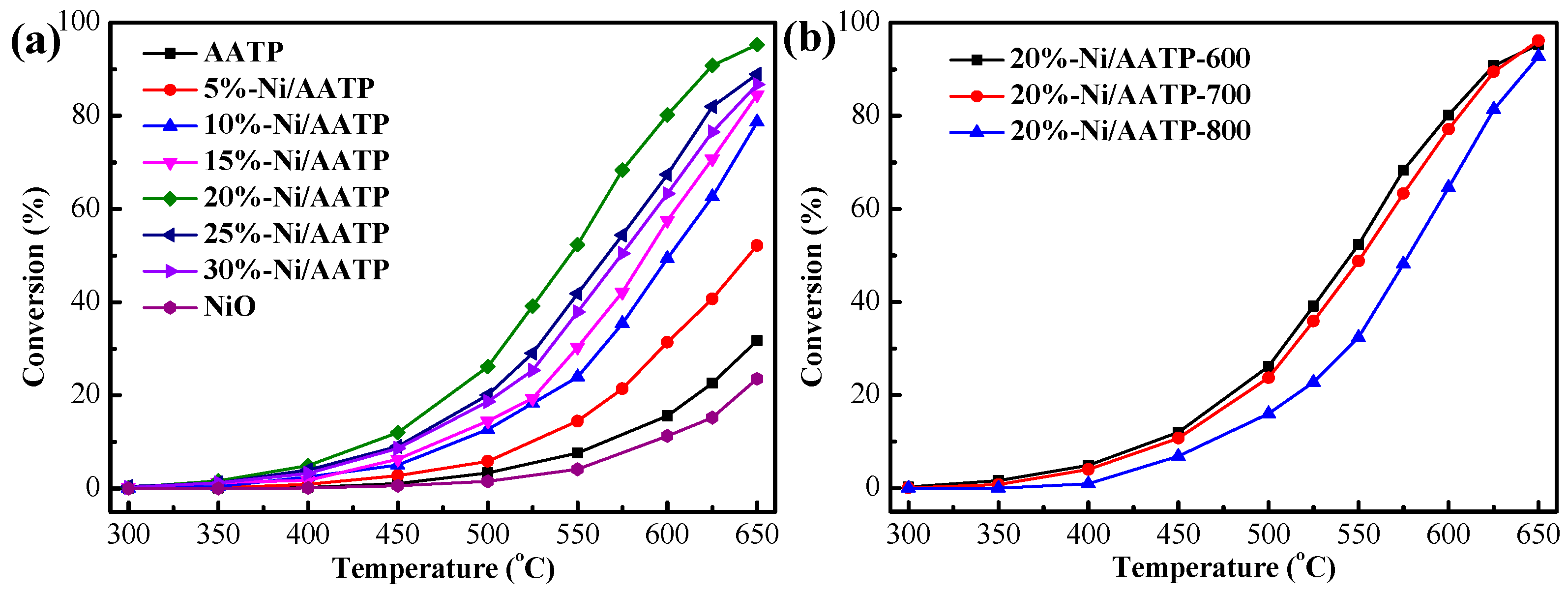
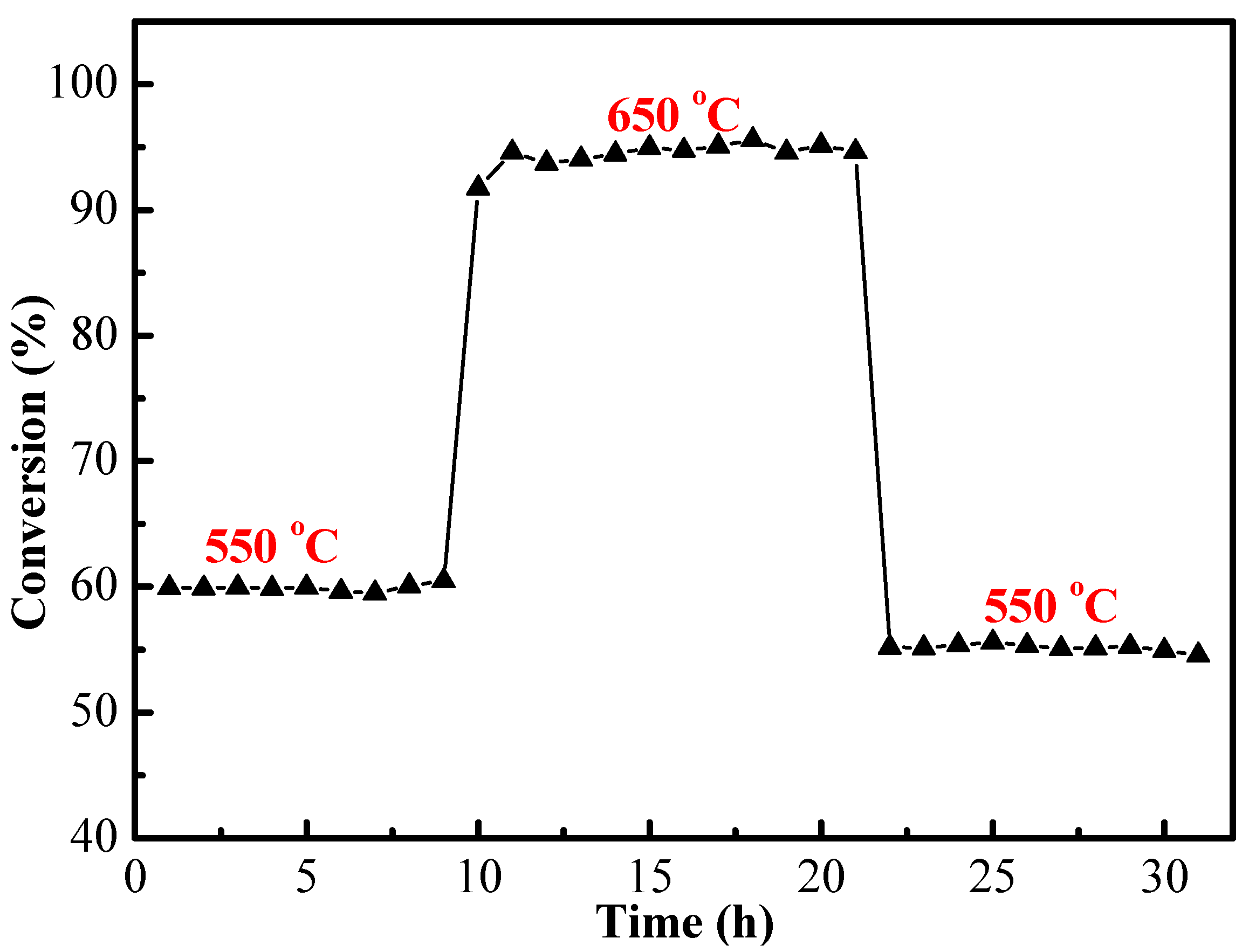
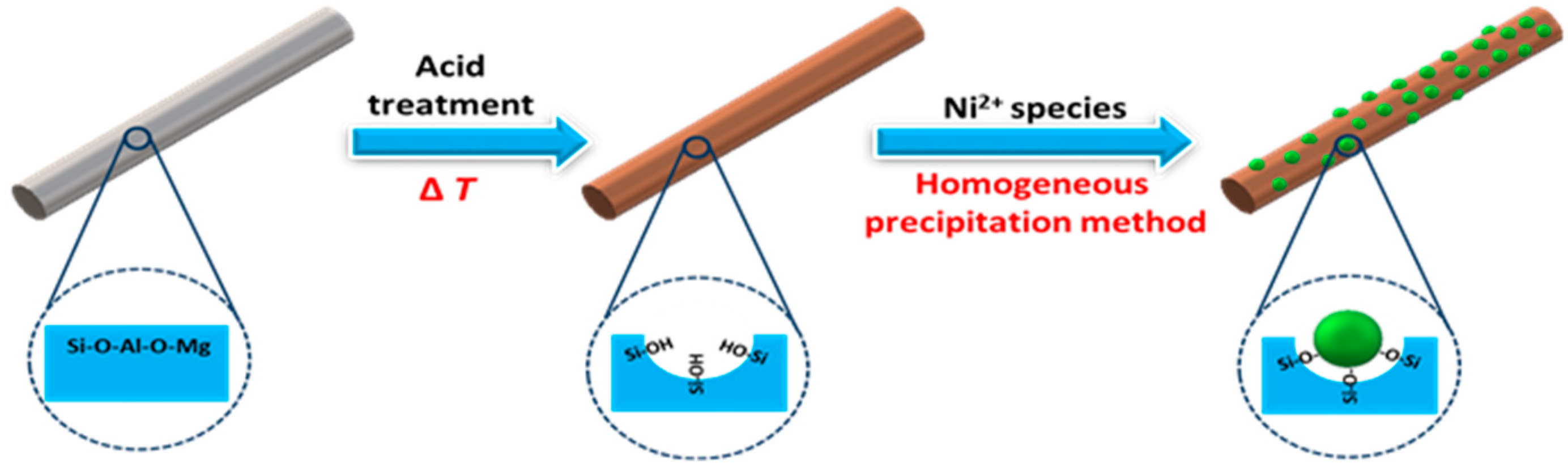
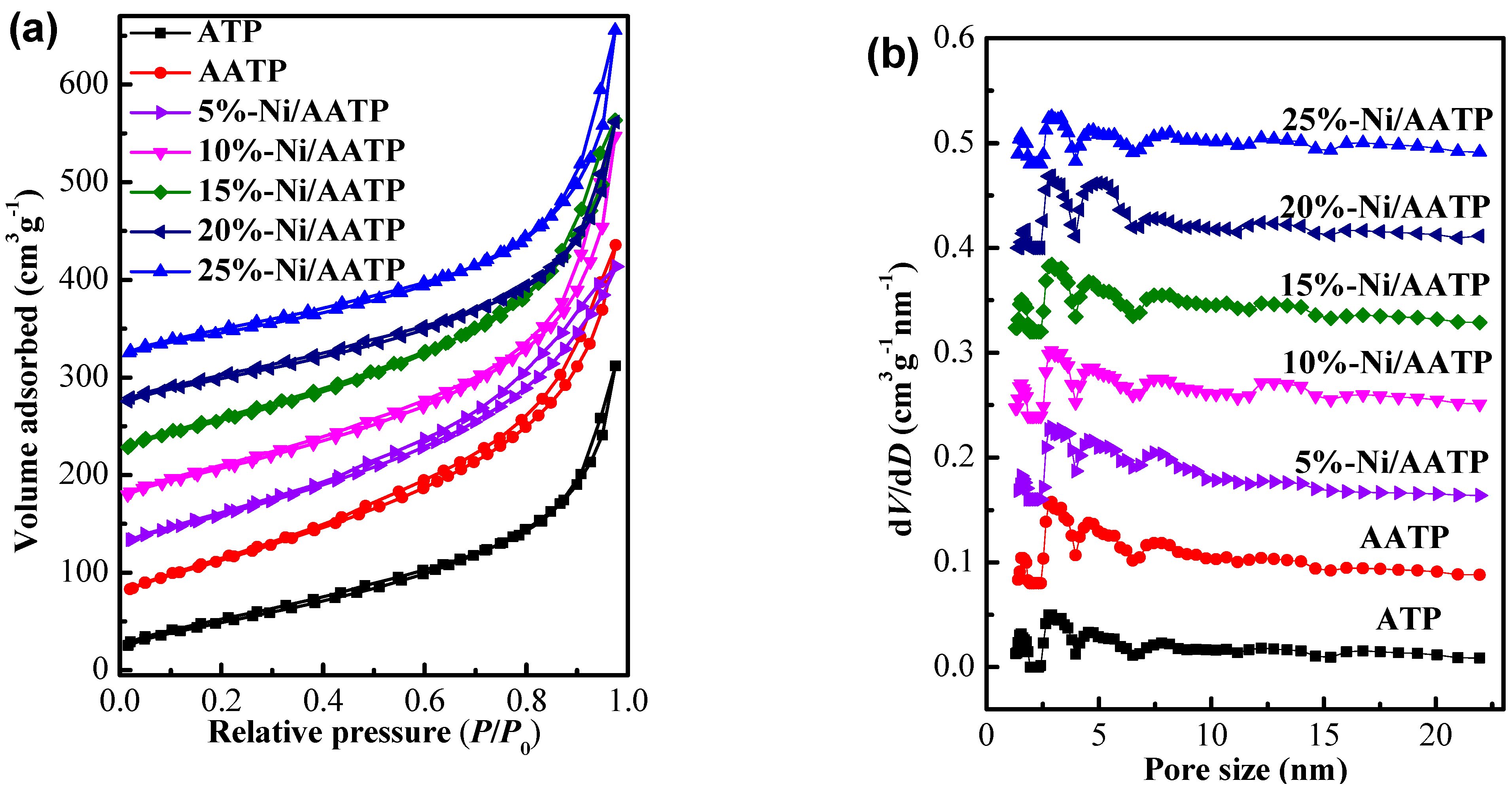
Ammonia decomposition to hydrogen technique is an effectively way to solve the problems associated with the storage and transportation of hydrogen, but the development of a high-performance catalyst for ammonia decomposition is a great challenge. Ni species supported on activated attapulgite clay (AATP) is prepared by a homogeneous precipitation method for ammonia decomposition to COx-free H2. The structural properties of the Ni/AATP catalysts are characterized by thermogravimetric analysis, X-ray diffraction, scanning and transmission electron microscopy, H2 temperature-programmed reduction, and N2 sorption technique. It is revealed that the porous structure and high surface area of rod-like symmetric AATP results in highly dispersed NiO particles because the presence of a strong interaction between AATP and NiO particles. In particular, the Si-OH in AATP can react with Ni species, forming Si-O-Ni species at the interface between Ni and AATP. The Ni/AAPT catalysts are used for ammonia decomposition, the 20%-Ni/ATTP catalyst shows a 95.3% NH3 conversion with 31.9 mmol min−1 gcat−1 H2 formation rate at 650 °C. This study opens a new way to utilize natural minerals as an efficient support of catalysts towards ammonia decomposition reaction.
Keywords: ammonia decomposition; hydrogen production; nickel; attapulgite clay; nanocatalysts ammonia decomposition; hydrogen production; nickel; attapulgite clay; nanocatalysts