Article

The Effect of Climate Change and Urbanization on the Demand for Low Impact Development for Three Canadian Cities

1
Department of Civil Engineering, Lassonde School of Engineering, York University, Toronto, ON M3J 1P3, Canada
2
Geomatics Engineering, Department of Earth & Space Science & Engineering, Lassonde School of Engineering, York University, Toronto, ON M3J 1P3, Canada
*
Author to whom correspondence should be addressed.
Water 2020, 12(5), 1280; https://doi.org/10.3390/w12051280
Submission received: 20 March 2020 / Revised: 24 April 2020 / Accepted: 28 April 2020 / Published: 30 April 2020
(This article belongs to the Special Issue Urbanization under a Changing Climate – Impacts on Urban Hydrology )

Abstract

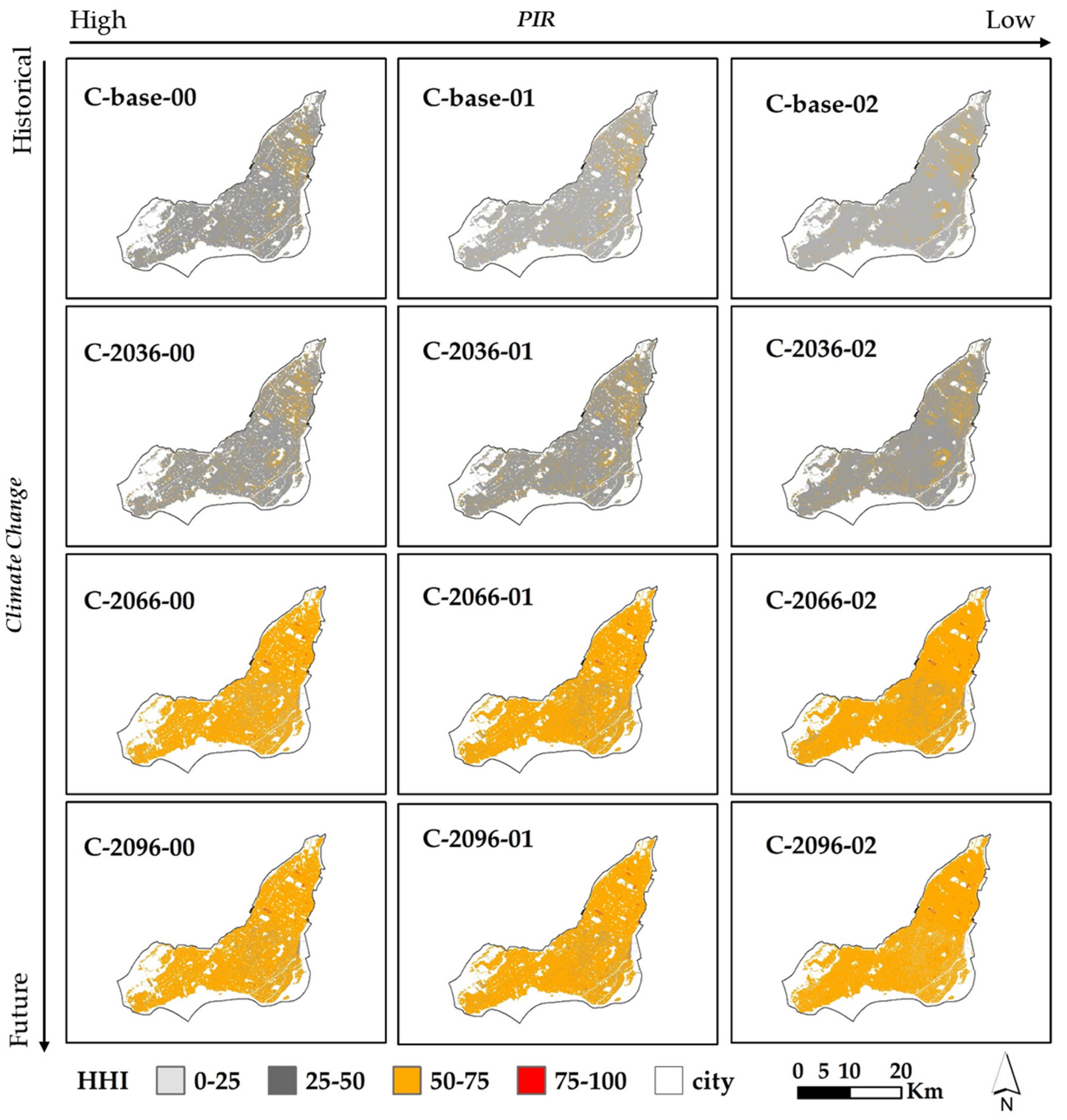
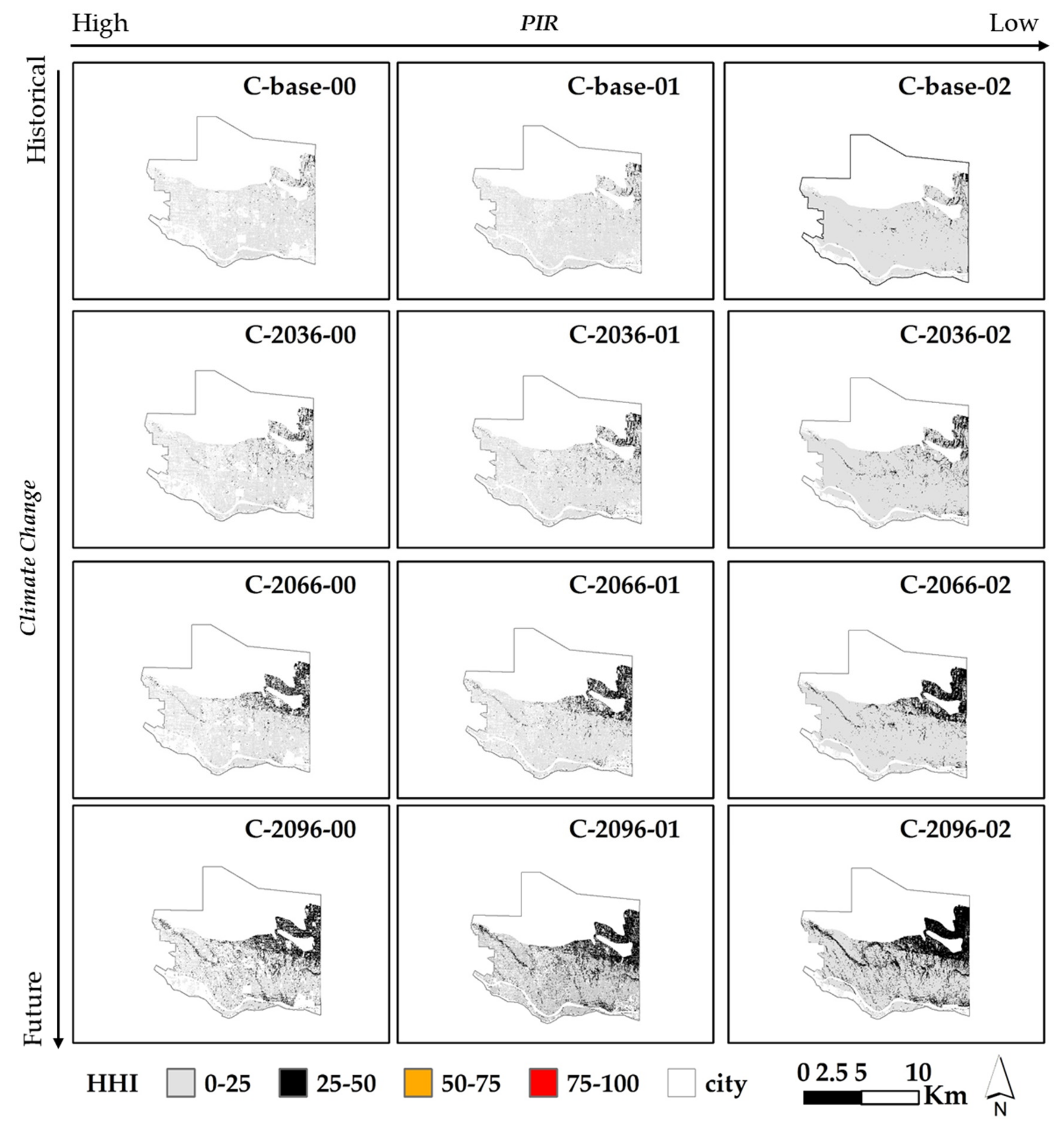
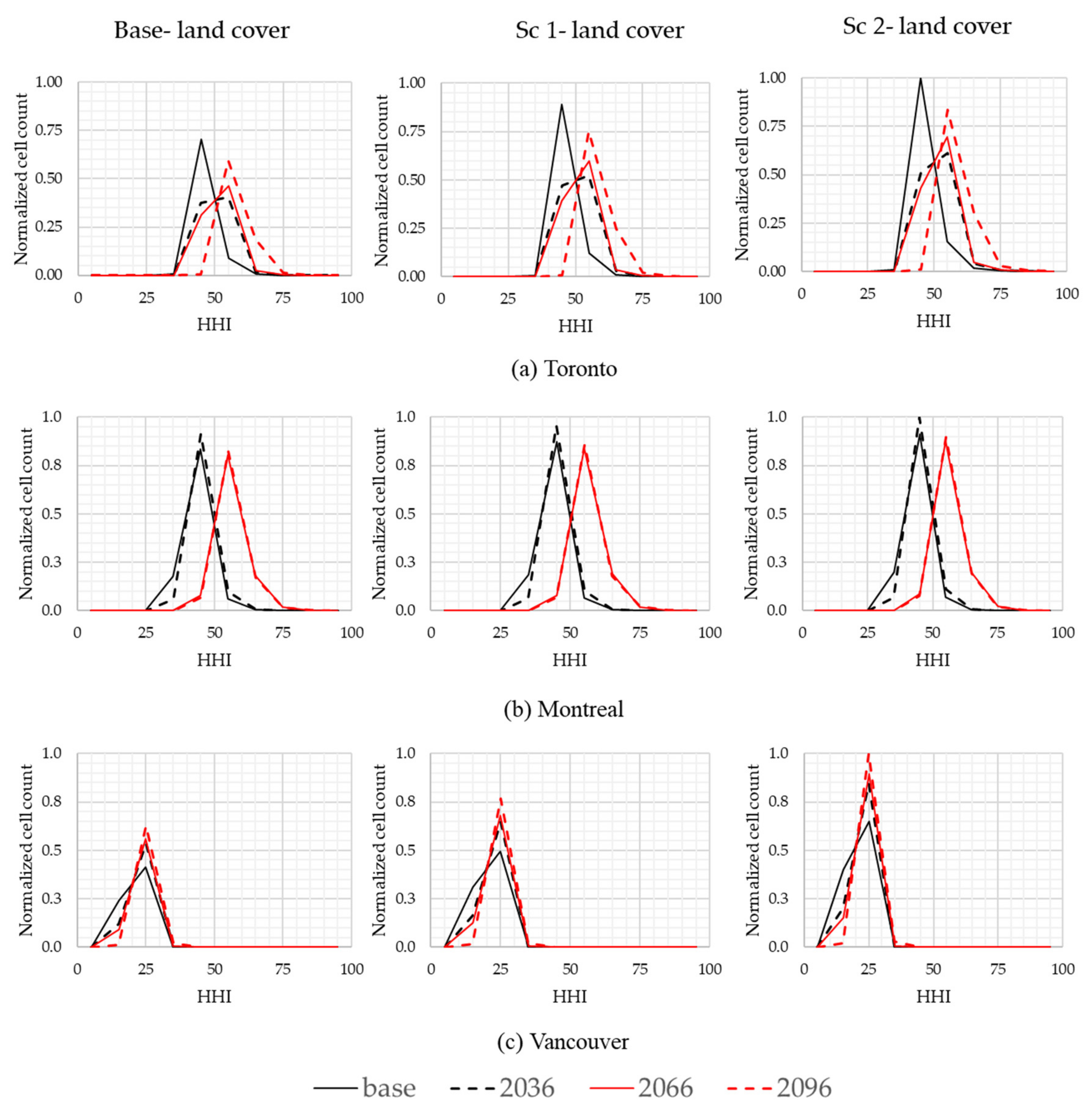
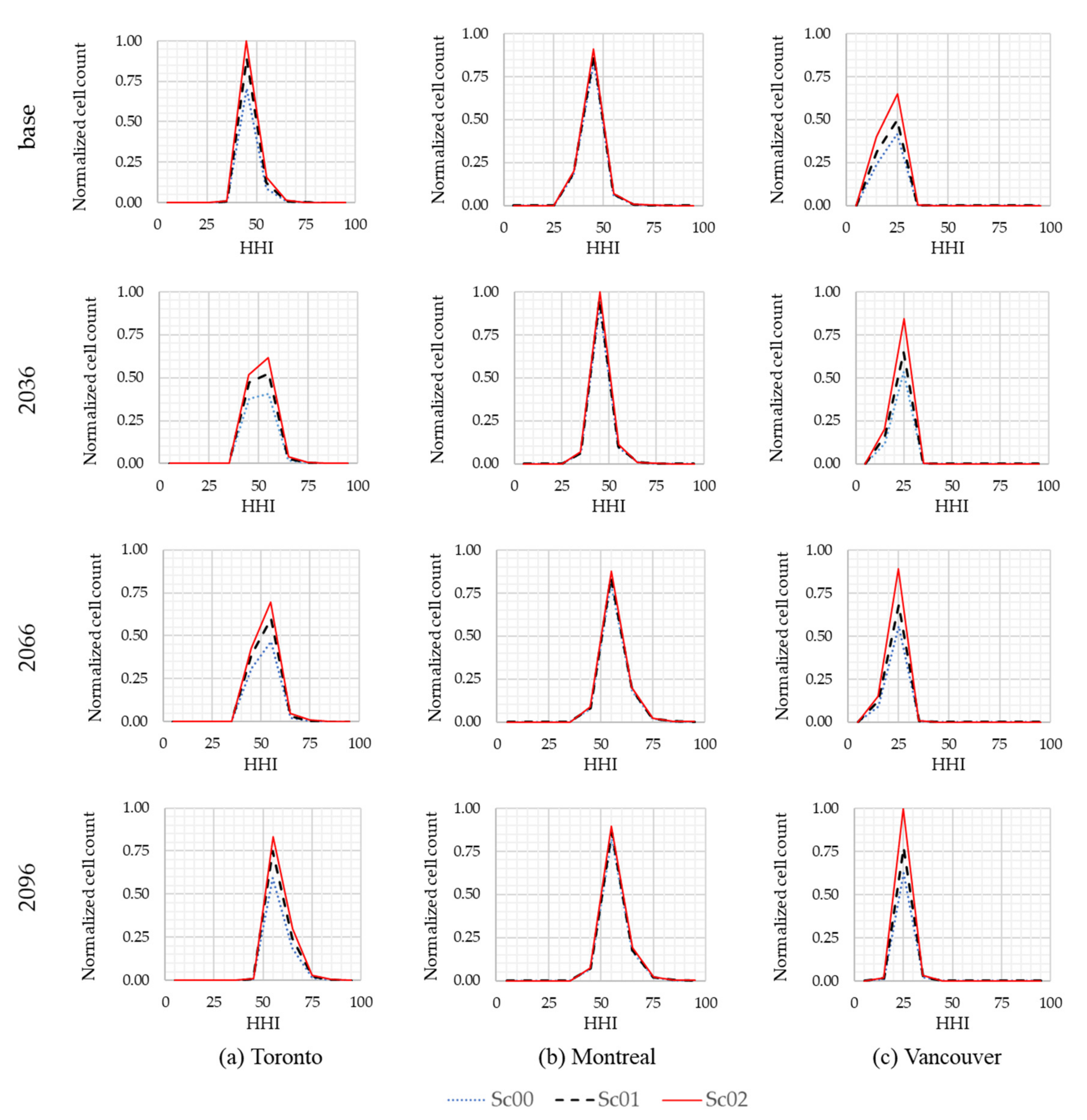
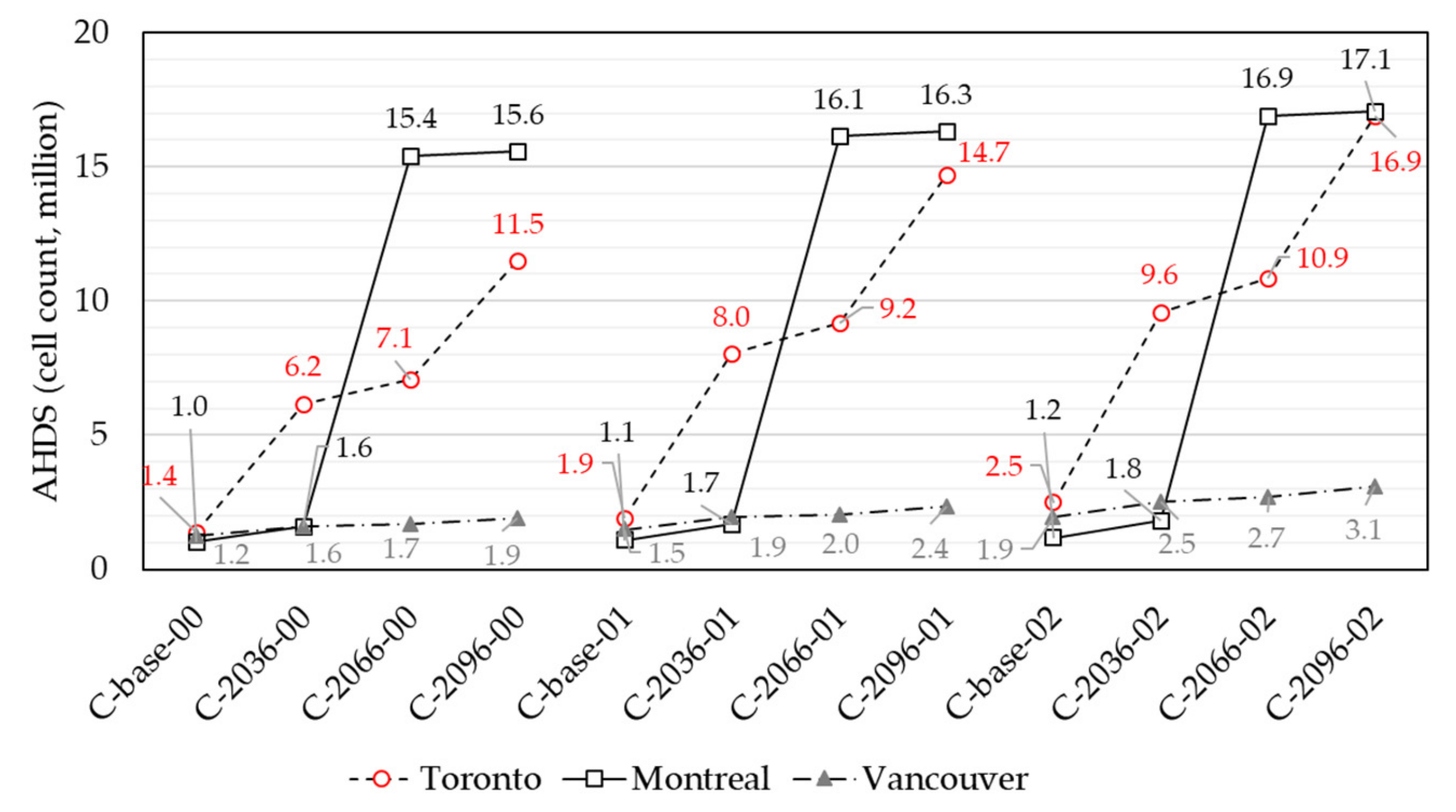
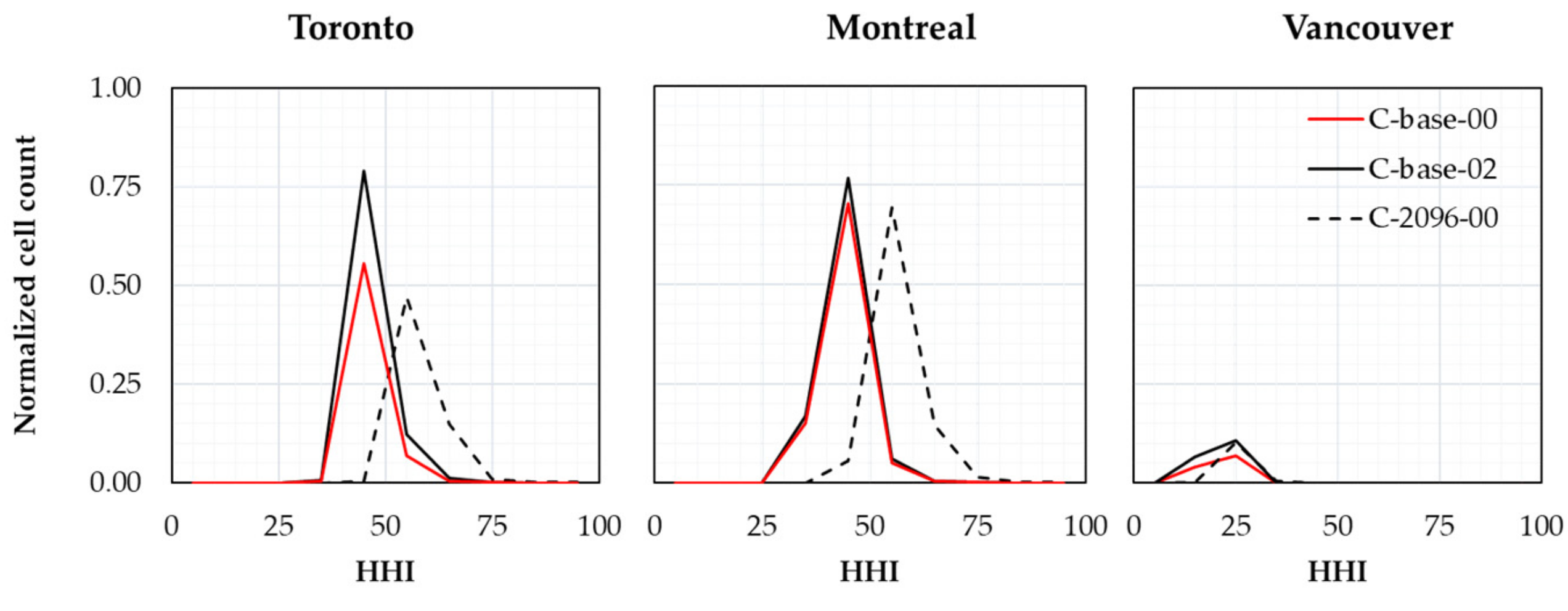
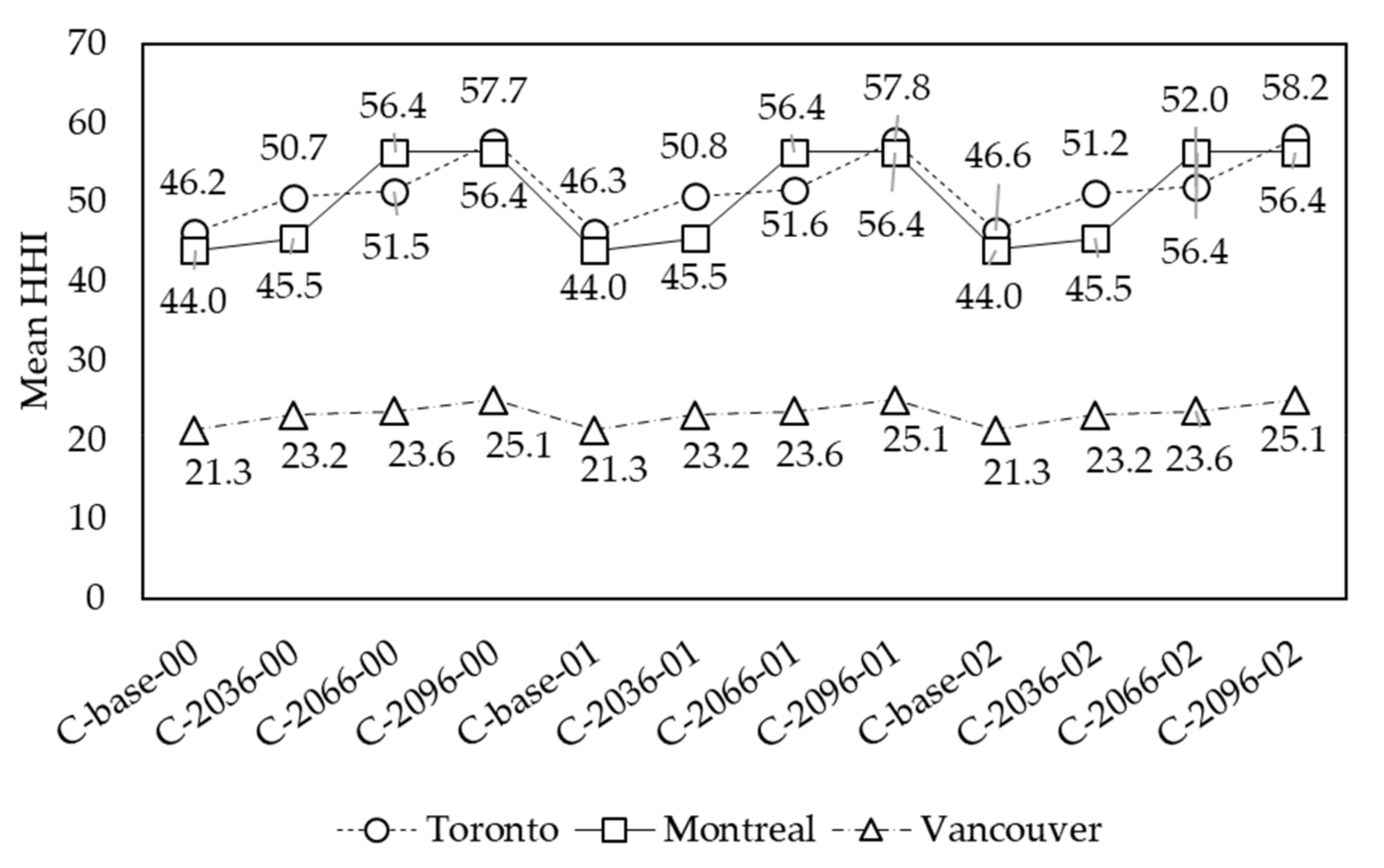
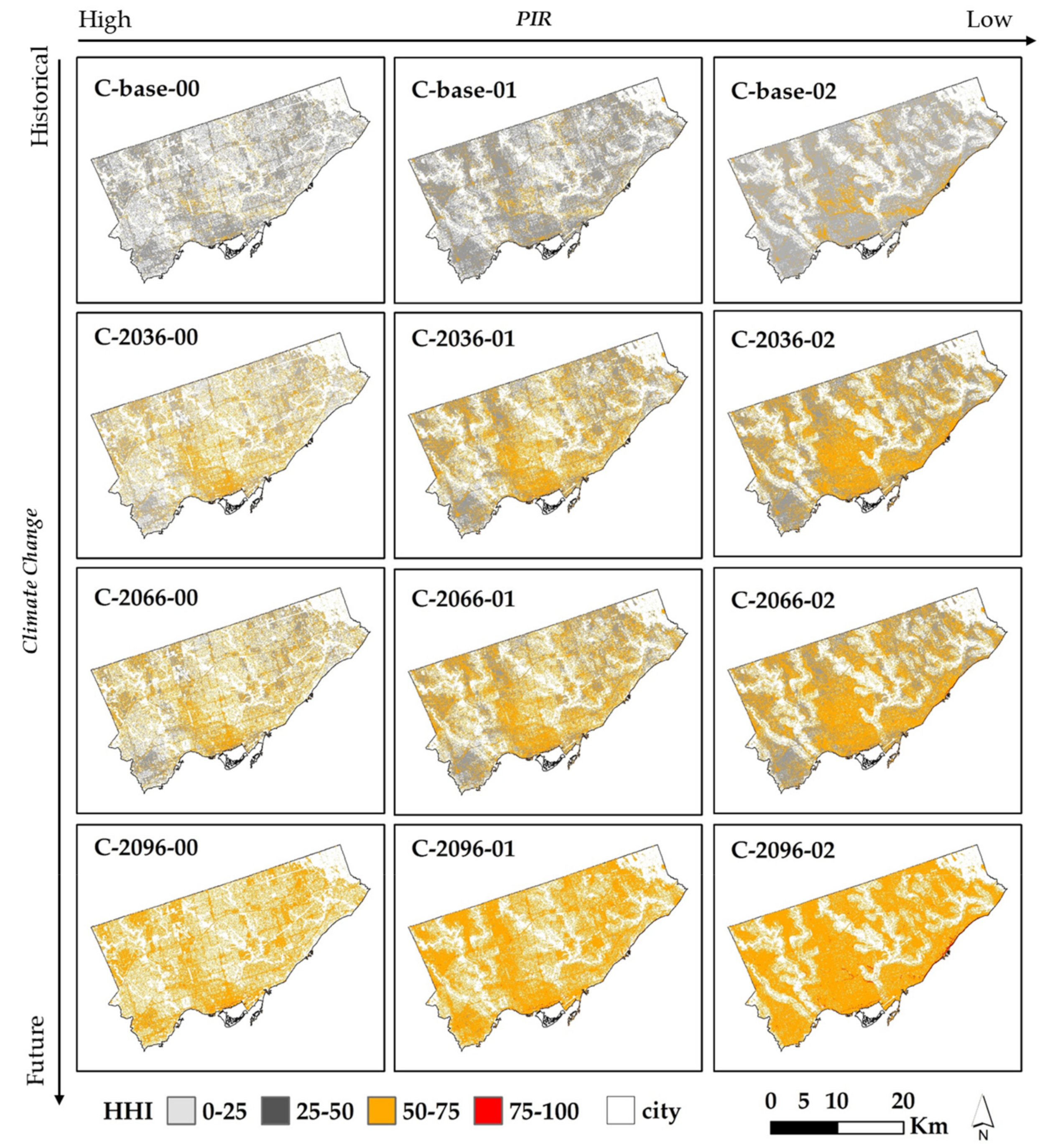
Climate change and urbanization are increasing the intensity and frequency of floods in urban areas. Low Impact Development (LID) is a technique which attenuates runoff and manages urban flooding. However, the impact of climate change and urbanization on the demand or need for LID in cities for both current and future conditions is not known. The primary goal of this research was to evaluate the demand for LID under different climate change and urban growth scenarios based on a physical-based geospatial framework called the hydrological-hydraulic index (HHI). To do this, 12 scenarios considering four climate change and three urbanization conditions were developed. The HHI for three cities in Canada (Toronto, Montreal, and Vancouver) were estimated, evaluated, and compared for these scenarios. The results show that both urbanization and climate change increase the demand for LID. The contribution of climate change and urbanization on LID demand, measured using HHI, varies for each city: in Toronto and Montreal, high rainfall intensity and low permeability mean that climate change is dominant, whereas, in Vancouver, both climate change and urbanization have a similar impact on LID demand. Toronto and Montreal also have a higher overall demand for LID and the rate of increase in demand is higher over the study period. The results of this study provide us with a comprehensive understanding of the effect of climate and urbanization on the demand for LID, which can be used for flood management, urban planning, and sustainable development of cities.
Keywords: climate change; urbanization; low impact development; stormwater; urban runoff; Toronto; Montreal; Vancouver; flooding; geospatial modeling climate change; urbanization; low impact development; stormwater; urban runoff; Toronto; Montreal; Vancouver; flooding; geospatial modeling