Article

A Study of the Effect of Brake Pad Scorching on Tribology and Airborne Particle Emissions


1
Department of Mechanical Engineering, Lund University, 221 00 Lund, Sweden
2
Department of Machine Design, KTH Royal Institute of Technology, 100 44 Stockholm, Sweden
3
Department of Industrial Engineering, University of Trento, Via Sommarive 9, Povo, 38122 Trento, Italy
4
Brembo S.p.A., Advanced R&D Department, 240 40 Stezzano (BG), Italy
*
Author to whom correspondence should be addressed.
Atmosphere 2020, 11(5), 488; https://doi.org/10.3390/atmos11050488
Submission received: 15 April 2020 / Revised: 7 May 2020 / Accepted: 8 May 2020 / Published: 10 May 2020
(This article belongs to the Special Issue Study of Brake Wear Particle Emissions)

Abstract

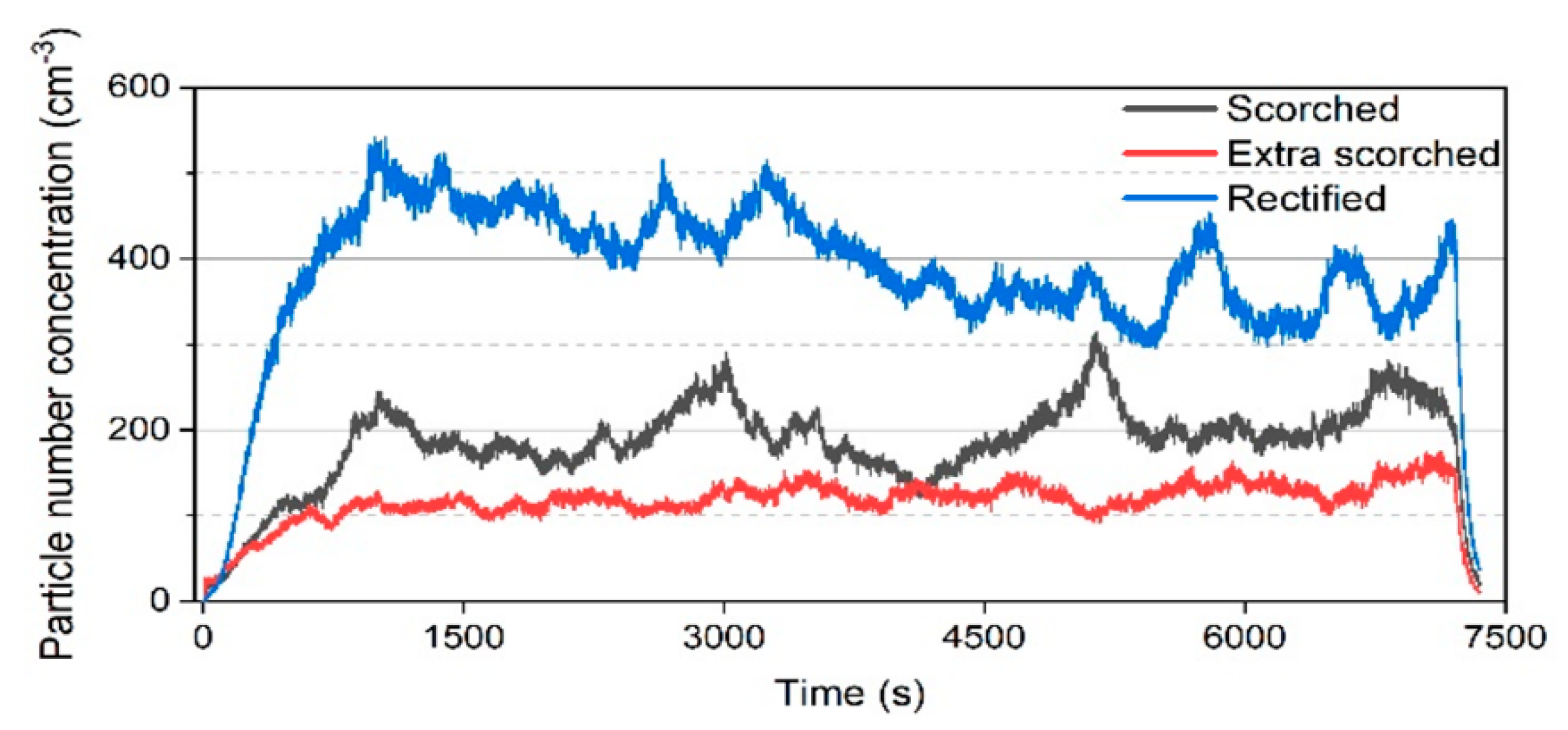
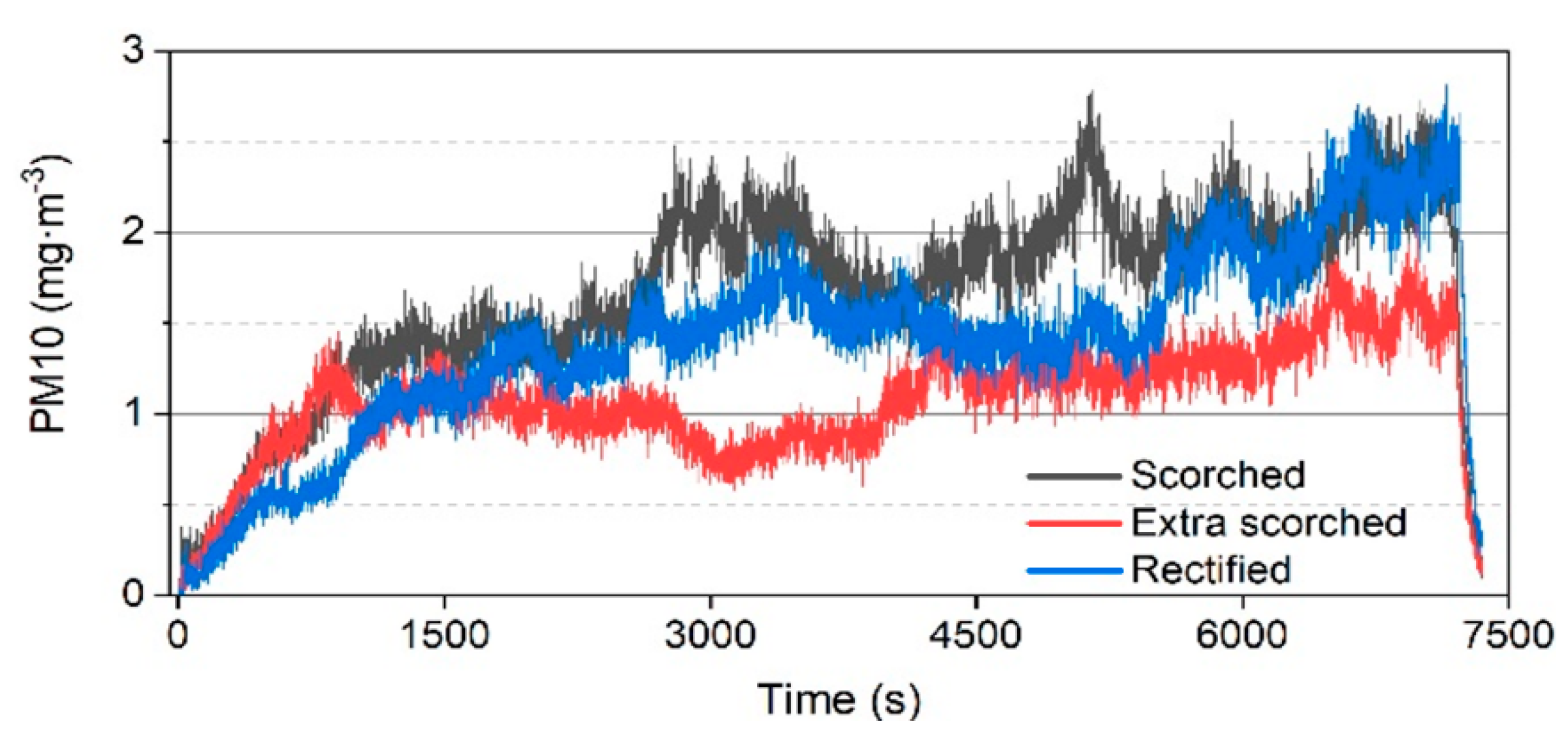
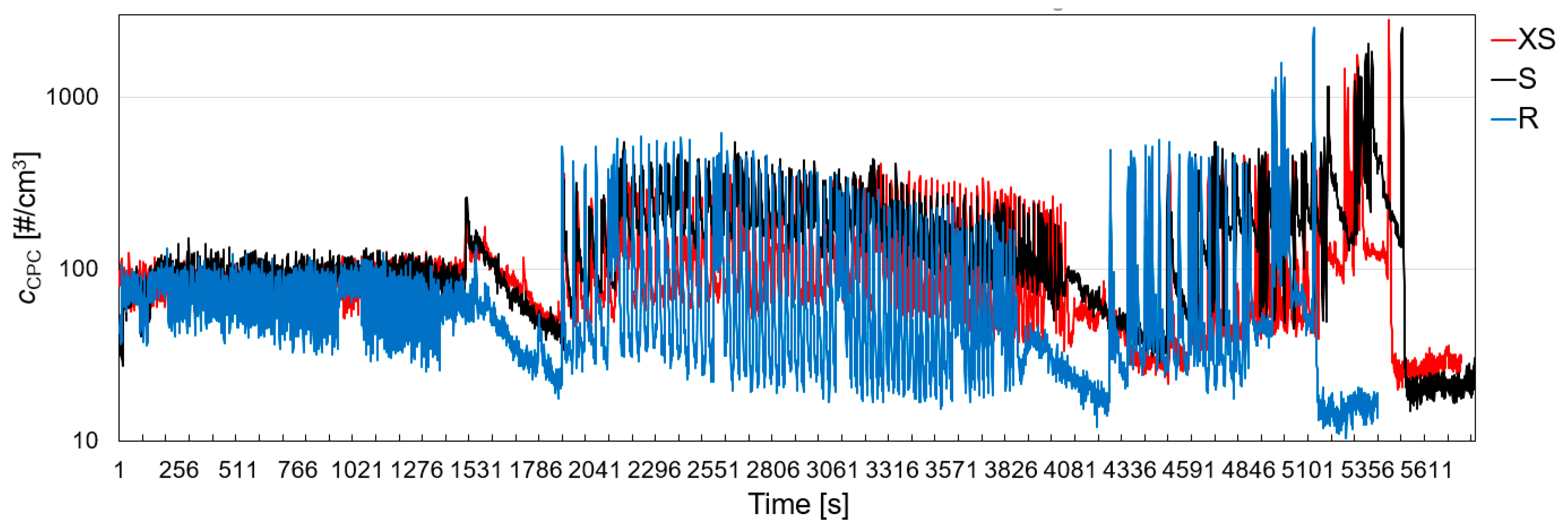
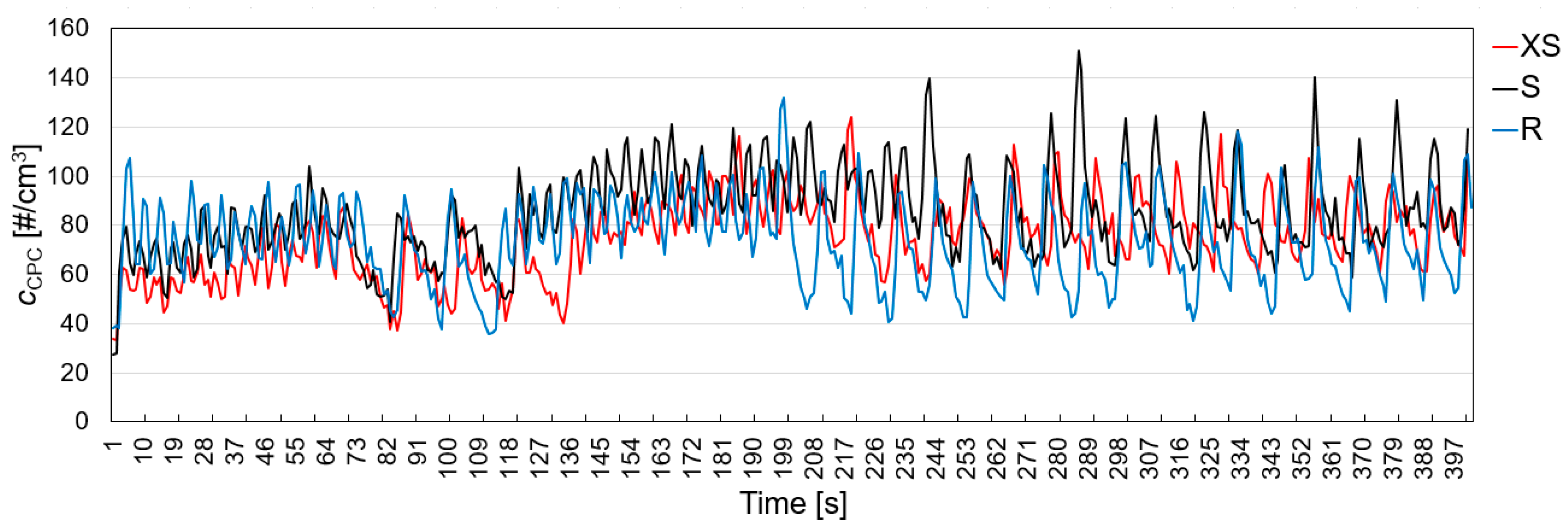
Non-exhaust wear emissions from disc brakes affect the air quality in cities throughout the world. These emissions come from the wear of the contact surfaces of both the pads and disc. The tribological and emissions performance of disc brakes strongly depend on the contact surface characteristics of the pads and discs. The surfaces of conventional pads are scorched by heating it to several hundred degrees to make the resin carbonize down to a few millimetres deep into the pad. This is done to have a shorter run-in period for new pads. It is not known how scorching will affect the amount of airborne particle emissions. Therefore, the aim of the present study is to investigate how pad scorching influence the airborne particle emissions. This is done by comparing the pin-on-disc tribometer and inertia dyno bench emission results from a Cu-free friction material run against a grey cast iron disc. Three types of modified friction material surfaces have been tested: scorched, extra-scorched and rectified. The results show that the level of scorching strongly affects the airborne particle emissions in the initial phase of the tests. Even if the scorched layer is removed (rectified) before testing, it seems like it still has a measurable influence on the airborne particle emissions. The results from the tribometer tests are qualitatively in line with the inertia dyno bench test for about the first forty brake events; thereafter, the airborne particle emissions are higher for the scorched pads. It can be concluded that it seems that the level of scorching has an adverse influence on both the tribological performance and level of particle emissions.
Keywords: scorching; brakes; non-exhaust; emissions; tribology scorching; brakes; non-exhaust; emissions; tribology