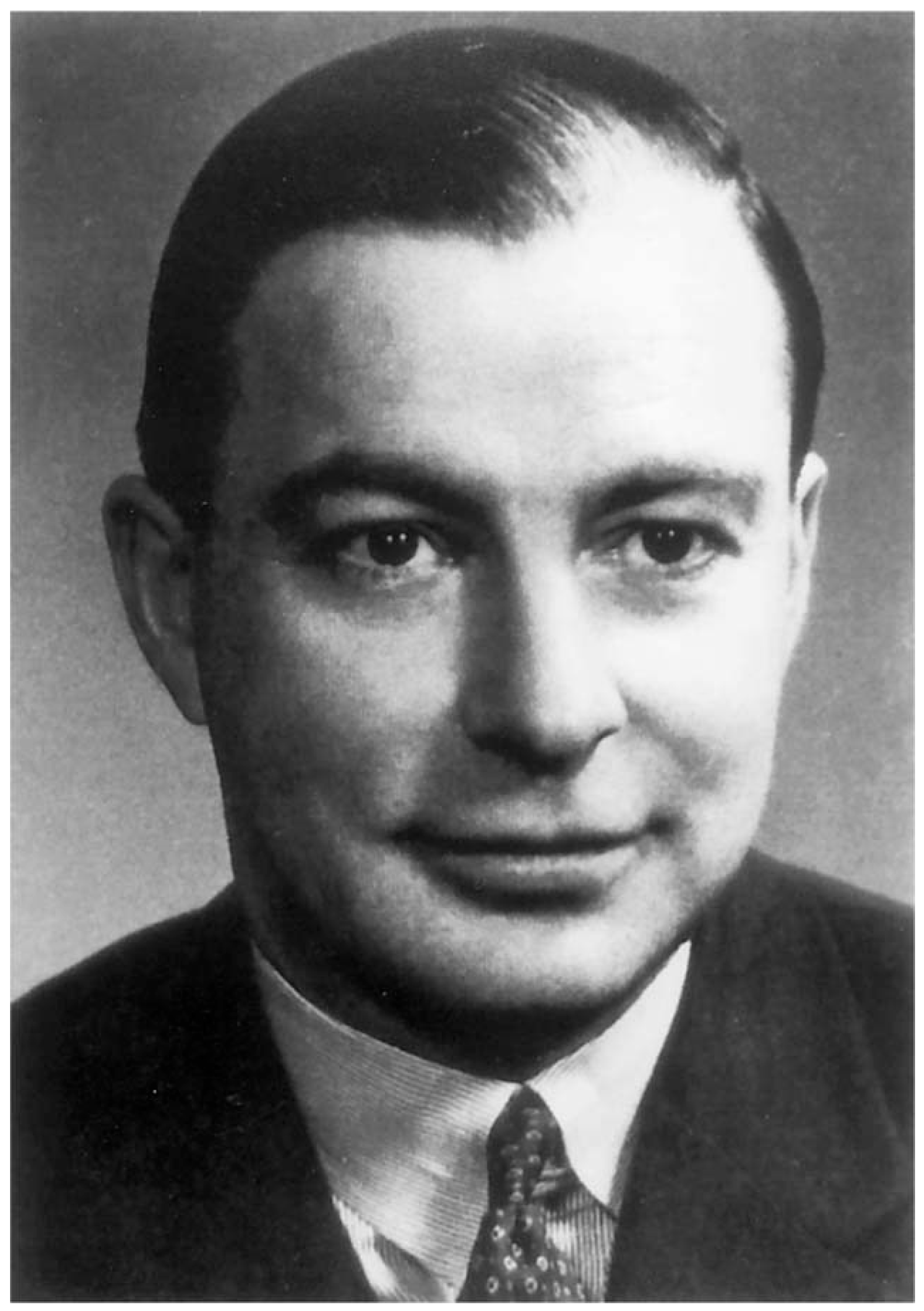
Hypophosphatasia: 90 Years from a Canadian Discovery—A Comprehensive Review of the ALPL Gene Underlying Rathbun’s Syndrome


Abstract
1. Introduction
2. HPP Classification
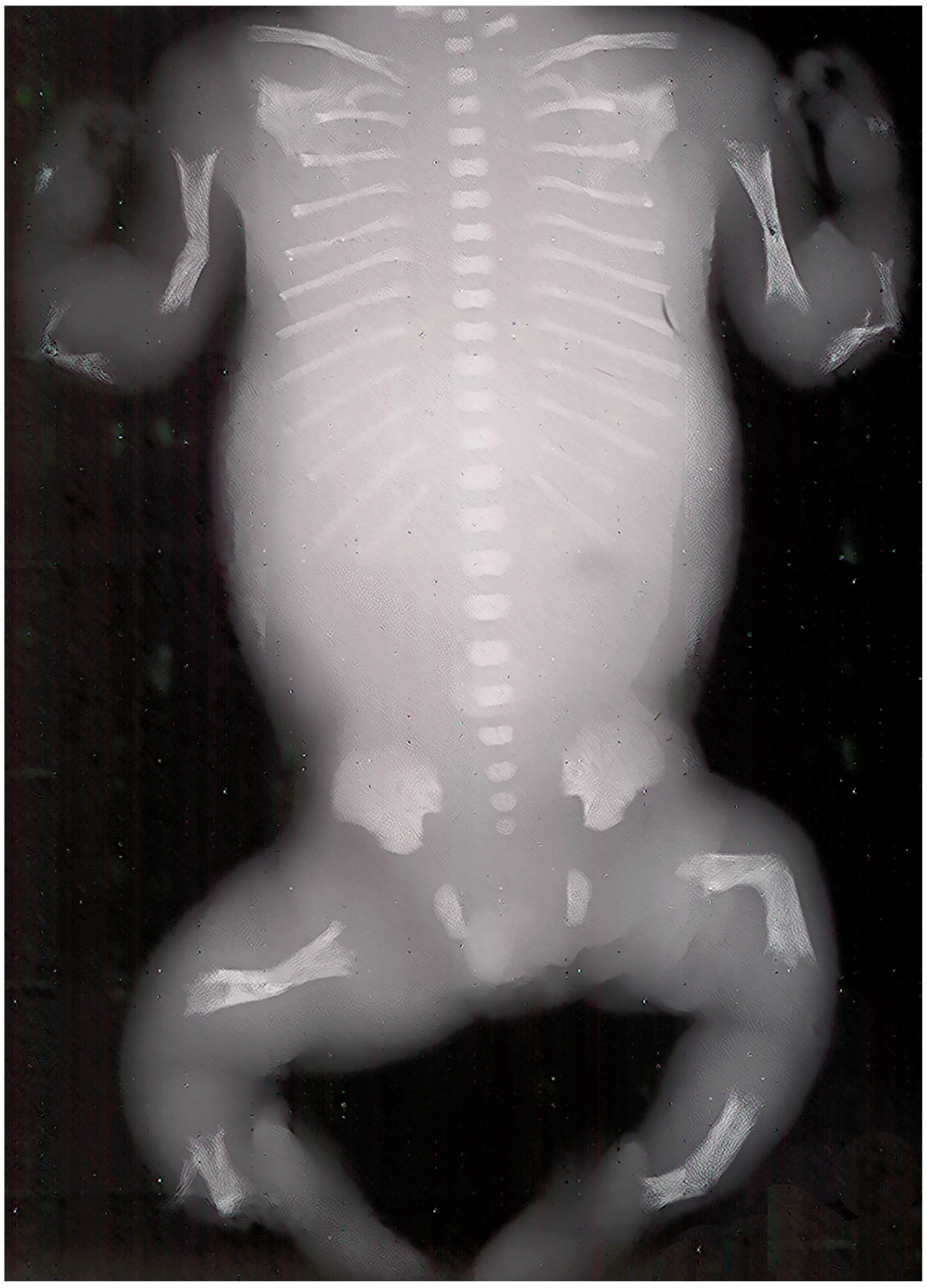
- Perinatal (“severe”) HPP refers to a situation where the body has high calcium levels and inadequate lung function. The most severe type, known as perinatal severe (lethal) hypophosphatasia, is characterized by the development of severe symptoms that are frequently identified by ultrasonography before birth. The onset occurs in utero or at birth. Significant bone mineralization is a primary characteristic, resulting in short, bent, and underdeveloped limbs. Other factors include a flail chest, which is an irregularly formed chest, and severely underdeveloped ribs, which can cause life-threatening respiratory failure. In utero or in the days or weeks following delivery, the death rate is significant [1,4,5,9,10,11,12,13,14].
- Perinatal (“mild”) HPP includes a disease exhibiting skeletal symptoms that appear during pregnancy and gradually improve, leading to one of the less severe forms. Although less severe, this type is also seen during pregnancy. Later in pregnancy or after delivery, the condition typically improves on its own. It starts in utero. Skeletal anomalies, such as the bowing of long bones, are key characteristics that eventually resolve on their own. Later, the patient develops a milder form of the illness that resembles HPP in children or adults [1,9,15,16,17,18].
- Infantile HPP is characterized by an absence of a rise in serum ALP activity, and clinical signs of rickets begin during the first six months after birth. This type of symptom usually manifests during the first half year of a baby’s life. Failure to flourish, poor eating, muscular hypotonia, cranial synostosis with resulting elevated intracranial pressure, rickets-like skeletal deformities, early loss of primary (baby) teeth, and ultimately seizures responsive to vitamin B6 are some of the key characteristics [1,8,9,12,18,19,20,21,22].
- Childhood/Juvenile HPP (mild–severe) is characterized by clinical manifestations occurring in the 1st and 2nd decades after infancy. The severity of childhood hypophosphatasia varies greatly, ranging from moderate to severe, and it manifests after six months of age. One of the main characteristics is (1) the early loss of primary teeth, which often occurs before age five; (2) rickets-related skeletal abnormalities, such as small stature and bent legs; (3) muscle weakness and bone and joint pain; and (4) a waddling gait and delayed motor skills [4,12,15,22,23,24,25,26,27,28,29,30,31,32].
- Adult HPP affects patients who may have experienced milder symptoms as children, but this variety usually manifests in middle life. The following are essential characteristics: (1) Osteomalacia (“softening of the bones”), which causes frequent stress fractures, particularly in the thighs and feet; (2) early adult tooth loss; and (3) joint inflammation and discomfort, as well as persistent musculoskeletal pain [4,10,20,33,34,35,36,37,38,39,40,41,42,43,44,45,46].
- Odontohypophosphatasia is categorized by a lack of any skeletal symptoms. This variant is distinguished by the early loss of primary teeth and/or severe dental caries. This is the mildest type of HPP, with no skeletal problems and only tooth damage. At any age, it can happen. Abnormal tooth growth and early loss of primary or adult teeth are essential characteristics. Dental caries may be present, and the roots of the missing primary teeth are frequently still intact [7,8,10,12,47,48].
3. Rathbun and Whyte
4. Epidemiology
5. Laboratory Diagnosis
6. Genetics
7. Imaging
8. Critical Differential Diagnosis
- (1)
- OI: A group of genetic disorders characterized by brittle bones, which are a common differential diagnosis for severe forms of HPP.
- (2)
- Campomelic Dysplasia: Another skeletal dysplasia that can present similarly to severe HPP, requiring genetic testing for diagnosis.
- (3)
- Achondrogenesis: A severe form of chondrodysplasia that can be difficult to distinguish from severe perinatal HPP, particularly prenatally.
- (4)
- Chondrodysplasias to be further specified: It is a broad category of disorders affecting cartilage and bone development, which can have overlapping features with HPP. Other bone disorders include conditions like cleidocranial dysostosis and Cole-Carpenter syndrome, which can also be considered, especially in childhood. Metabolic conditions with bone involvement include rickets and osteomalacia. This encompasses cases of rickets due to vitamin D deficiency, hereditary hypophosphatemic rickets, and tumor-induced osteomalacia, all of which present with impaired bone mineralization.
- (5)
- Renal osteodystrophy: Bone disease that occurs in people with chronic kidney disease, which can manifest with skeletal issues similar to HPP.
- (6)
- Other potential diagnoses include fibrous dysplasia of bones, a condition where normal bone is replaced by fibrous tissue, leading to bone deformities, and Renal Fanconi Syndrome, a disorder of the kidney tubules that can also lead to bone disease [91].
9. Therapeutic Strategies
10. Critical Current Analysis and Conclusive Remarks
Funding
Institutional Review Board Statement
Informed Consent Statement
Data Availability Statement
Acknowledgments
Conflicts of Interest
References
- Bianchi, M.L. Hypophosphatasia: An overview of the disease and its treatment. Osteoporos. Int. 2015, 26, 2743–2757. [Google Scholar] [CrossRef]
- Bloch-Zupan, A. Hypophosphatasia: Diagnosis and clinical signs—A dental surgeon perspective. Int. J. Paediatr. Dent. 2016, 26, 426–438. [Google Scholar] [CrossRef]
- Cardenas-Aguilera, J.G.; Gonzalez-Lopez, V.; Zarante-Bahamon, A.M.; Prieto-Rivera, J.C.; Baquero-Rodriguez, R.; Chacon-Acevedo, K.R.; Meza-Martinez, A.I.; Serrano-Gayubo, A.K.; Medina-Orjuela, A.; Caceres-Mosquera, J.A.; et al. Diagnosis, treatment, and follow-up of patients with hypophosphatasia. Endocrine 2025, 87, 400–419. [Google Scholar] [CrossRef]
- Fenn, J.S.; Lorde, N.; Ward, J.M.; Borovickova, I. Hypophosphatasia. J. Clin. Pathol. 2021, 74, 635–640. [Google Scholar] [CrossRef] [PubMed]
- Linglart, A.; Biosse-Duplan, M. Hypophosphatasia. Curr. Osteoporos. Rep. 2016, 14, 95–105. [Google Scholar] [CrossRef] [PubMed]
- Mornet, E. Hypophosphatasia. Metabolism 2018, 82, 142–155. [Google Scholar] [CrossRef]
- Salles, J.P. Hypophosphatasia: Biological and Clinical Aspects, Avenues for Therapy. Clin. Biochem. Rev. 2020, 41, 13–27. [Google Scholar] [CrossRef]
- Salles, J.P. Clinical Forms and Animal Models of Hypophosphatasia. Subcell. Biochem. 2015, 76, 3–24. [Google Scholar] [CrossRef]
- Whyte, M.P.; McAlister, W.H.; Mack, K.E.; Mumm, S.; Madson, K.L. Pediatric hypophosphatasia: Avoid diagnosis missteps! J. Bone Miner. Res. Off. J. Am. Soc. Bone Miner. Res. 2024, 39, 655–660. [Google Scholar] [CrossRef] [PubMed]
- Bangura, A.; Wright, L.; Shuler, T. Hypophosphatasia: Current Literature for Pathophysiology, Clinical Manifestations, Diagnosis, and Treatment. Cureus 2020, 12, e8594. [Google Scholar] [CrossRef]
- Leung, E.C.; Mhanni, A.A.; Reed, M.; Whyte, M.P.; Landy, H.; Greenberg, C.R. Outcome of perinatal hypophosphatasia in manitoba mennonites: A retrospective cohort analysis. JIMD Rep. 2013, 11, 73–78. [Google Scholar] [CrossRef]
- Mornet, E. Hypophosphatasia. Orphanet J. Rare Dis. 2007, 2, 40. [Google Scholar] [CrossRef]
- Whyte, M.P.; Leung, E.; Wilcox, W.R.; Liese, J.; Argente, J.; Martos-Moreno, G.A.; Reeves, A.; Fujita, K.P.; Moseley, S.; Hofmann, C.; et al. Natural History of Perinatal and Infantile Hypophosphatasia: A Retrospective Study. J. Pediatr. 2019, 209, 116–124.e114. [Google Scholar] [CrossRef]
- Sergi, C.; Mornet, E.; Troeger, J.; Voigtlaender, T. Perinatal hypophosphatasia: Radiology, pathology and molecular biology studies in a family harboring a splicing mutation (648+1A) and a novel missense mutation (N400S) in the tissue-nonspecific alkaline phosphatase (TNSALP) gene. Am. J. Med. Genet. 2001, 103, 235–240. [Google Scholar] [CrossRef]
- Liu, M.; Liu, M.; Liang, X.; Wu, D.; Li, W.; Su, C.; Cao, B.; Chen, J.; Gong, C. Clinical and genetic characteristics of hypophosphatasia in Chinese children. Orphanet J. Rare Dis. 2021, 16, 159. [Google Scholar] [CrossRef] [PubMed]
- Montero-Lopez, R.; Farman, M.R.; Hogler, F.; Saraff, V.; Hogler, W. Challenges in Hypophosphatasia: Suspicion, Diagnosis, Genetics, Management, and Follow-Up. Horm. Res. Paediatr. 2025, 98, 736–745. [Google Scholar] [CrossRef] [PubMed]
- Dahir, K.M.; Nunes, M.E. Hypophosphatasia. In GeneReviews® [Internet]; Adam, M.P., Bick, S., Mirzaa, G.M., Pagon, R.A., Wallace, S.E., Amemiya, A., Eds.; University of Washington: Seattle, WA, USA, 1993. [Google Scholar]
- Sergi, C.M. Hypophosphatasia: The Unusual Presentation. J. Clin. Res. Pediatr. Endocrinol. 2020, 12, 450–451. [Google Scholar] [CrossRef]
- Belachew, D.; Kazmerski, T.; Libman, I.; Goldstein, A.C.; Stevens, S.T.; Deward, S.; Vockley, J.; Sperling, M.A.; Balest, A.L. Infantile hypophosphatasia secondary to a novel compound heterozygous mutation presenting with pyridoxine-responsive seizures. JIMD Rep. 2013, 11, 17–24. [Google Scholar] [CrossRef]
- Bianchi, M.L.; Bishop, N.J.; Guanabens, N.; Hofmann, C.; Jakob, F.; Roux, C.; Zillikens, M.C.; Rare Bone Disease Action Group of the European Calcified Tissue Society. Hypophosphatasia in adolescents and adults: Overview of diagnosis and treatment. Osteoporos. Int. 2020, 31, 1445–1460. [Google Scholar] [CrossRef] [PubMed]
- Stockler, S.; Plecko, B.; Gospe, S.M., Jr.; Coulter-Mackie, M.; Connolly, M.; van Karnebeek, C.; Mercimek-Mahmutoglu, S.; Hartmann, H.; Scharer, G.; Struijs, E.; et al. Pyridoxine dependent epilepsy and antiquitin deficiency: Clinical and molecular characteristics and recommendations for diagnosis, treatment and follow-up. Mol. Genet. Metab. 2011, 104, 48–60. [Google Scholar] [CrossRef]
- Baumgartner-Sigl, S.; Haberlandt, E.; Mumm, S.; Scholl-Burgi, S.; Sergi, C.; Ryan, L.; Ericson, K.L.; Whyte, M.P.; Hogler, W. Pyridoxine-responsive seizures as the first symptom of infantile hypophosphatasia caused by two novel missense mutations (c.677T>C, p.M226T; c.1112C>T, p.T371I) of the tissue-nonspecific alkaline phosphatase gene. Bone 2007, 40, 1655–1661. [Google Scholar] [CrossRef] [PubMed]
- Beumer, J., III; Trowbridge, H.O.; Silverman, S., Jr.; Eisenberg, E. Childhood hypophosphatasia and the premature loss of teeth. A clinical and laboratory study of seven cases. Oral Surg. Oral Med. Oral Pathol. 1973, 35, 631–640. [Google Scholar] [CrossRef] [PubMed]
- Girschick, H.J.; Haubitz, I.; Hiort, O.; Schneider, P. Long-term follow-up of bone mineral density in childhood hypophosphatasia. Jt. Bone Spine 2007, 74, 263–269. [Google Scholar] [CrossRef]
- Girschick, H.J.; Schneider, P.; Haubitz, I.; Hiort, O.; Collmann, H.; Beer, M.; Shin, Y.S.; Seyberth, H.W. Effective NSAID treatment indicates that hyperprostaglandinism is affecting the clinical severity of childhood hypophosphatasia. Orphanet J. Rare Dis. 2006, 1, 24. [Google Scholar] [CrossRef]
- Girschick, H.J.; Seyberth, H.W.; Huppertz, H.I. Treatment of childhood hypophosphatasia with nonsteroidal antiinflammatory drugs. Bone 1999, 25, 603–607. [Google Scholar] [CrossRef]
- Hartsfield, J.K., Jr. Premature exfoliation of teeth in childhood and adolescence. Adv. Pediatr. 1994, 41, 453–470. [Google Scholar] [CrossRef]
- Jedrychowski, J.R.; Duperon, D. Childhood hypophosphatasia with oral manifestations. J. Oral Med. 1979, 34, 18–22. [Google Scholar] [PubMed]
- Seefried, L.; Genest, F.; Hofmann, C.; Brandi, M.L.; Rush, E. Diagnosis and Treatment of Hypophosphatasia. Calcif. Tissue Int. 2025, 116, 46. [Google Scholar] [CrossRef]
- Silva, I.; Castelao, W.; Mateus, M.; Branco, J.C. Childhood hypophosphatasia with myopathy: Clinical report with recent update. Acta Reumatol. Port. 2012, 37, 92–96. [Google Scholar]
- Ukarapong, S.; Ganapathy, S.S.; Haidet, J.; Berkovitz, G. Childhood hypophosphatasia with homozygous mutation of ALPL. Endocr. Pract. 2014, 20, e198–e201. [Google Scholar] [CrossRef]
- Wang, H.S.; Kuo, M.F. Vitamin B6 related epilepsy during childhood. Chang. Gung Med. J. 2007, 30, 396–401. [Google Scholar] [PubMed]
- Anderton, J.M. Orthopaedic problems in adult hypophosphatasia: A report of two cases. J. Bone Jt. Surg. Br. 1979, 61, 82–84. [Google Scholar] [CrossRef]
- Araci, M.B.; Akgun, B.; Atik, T.; Isik, E.; Ak, G.; Barutcuoglu, B.; Ozkinay, F. Clinical and molecular findings in children and young adults with persistent low alkaline phosphatase concentrations. Ann. Clin. Biochem. 2021, 58, 335–341. [Google Scholar] [CrossRef]
- Berkseth, K.E.; Tebben, P.J.; Drake, M.T.; Hefferan, T.E.; Jewison, D.E.; Wermers, R.A. Clinical spectrum of hypophosphatasia diagnosed in adults. Bone 2013, 54, 21–27. [Google Scholar] [CrossRef]
- Bhadada, S.K.; Pal, R.; Dhiman, V.; Alonso, N.; Ralston, S.H.; Kaur, S.; Gupta, R. Adult hypophosphatasia with a novel ALPL mutation: Report of an Indian kindred. Bone Rep. 2020, 12, 100247. [Google Scholar] [CrossRef]
- Briot, K.; Roux, C. Adult hypophosphatasia. Arch. Pediatr. 2017, 24, 5S71–5S73. [Google Scholar] [CrossRef] [PubMed]
- Camacho, P.M.; Mazhari, A.M.; Wilczynski, C.; Kadanoff, R.; Mumm, S.; Whyte, M.P. Adult Hypophosphatasia Treated with Teriparatide: Report of 2 Patients and Review of the Literature. Endocr. Pract. 2016, 22, 941–950. [Google Scholar] [CrossRef]
- Fukushima, K.; Kawai-Kowase, K.; Yonemoto, Y.; Fujiwara, M.; Sato, H.; Sato, M.; Kubota, T.; Ozono, K.; Tamura, J. Adult hypophosphatasia with compound heterozygous p.Phe327Leu missense and c.1559delT frameshift mutations in tissue-nonspecific alkaline phosphatase gene: A case report. J. Med. Case Rep. 2019, 13, 101. [Google Scholar] [CrossRef]
- Iida, K.; Fukushi, J.; Fujiwara, T.; Oda, Y.; Iwamoto, Y. Adult hypophosphatasia with painful periarticular calcification treated with surgical resection. J. Bone Miner. Metab. 2012, 30, 722–725. [Google Scholar] [CrossRef]
- Khan, A.A.; Josse, R.; Kannu, P.; Villeneuve, J.; Paul, T.; Van Uum, S.; Greenberg, C.R. Hypophosphatasia: Canadian update on diagnosis and management. Osteoporos. Int. 2019, 30, 1713–1722. [Google Scholar] [CrossRef] [PubMed]
- Lawrence, J.E.; Saeed, D.; Bartlett, J.; Carrothers, A.D. Adult-onset hypophosphatasia diagnosed following bilateral atypical femoral fractures in a 55-year-old woman. Clin. Cases Miner. Bone Metab. 2017, 14, 347–353. [Google Scholar] [CrossRef]
- Lefever, E.; Witters, P.; Gielen, E.; Vanclooster, A.; Meersseman, W.; Morava, E.; Cassiman, D.; Laurent, M.R. Hypophosphatasia in Adults: Clinical Spectrum and Its Association With Genetics and Metabolic Substrates. J. Clin. Densitom. 2020, 23, 340–348. [Google Scholar] [CrossRef] [PubMed]
- Reis, F.S.; Lazaretti-Castro, M. Hypophosphatasia: From birth to adulthood. Arch. Endocrinol. Metab. 2023, 67, e000626. [Google Scholar] [CrossRef] [PubMed]
- Tokuchi, S.; Kawano, T.; Ntege, E.H.; Murahashi, M.; Ide, K.; Maruyama, N.; Suzuki, R.; Takai-Nabeta, M.; Nabeta, T.; Tanaka, H.; et al. Adult-onset hypophosphatasia diagnosed after consecutive tooth loss during orthodontic treatment: A case report. J. Med. Case Rep. 2024, 18, 626. [Google Scholar] [CrossRef] [PubMed]
- Whyte, M.P.; Mumm, S.; Deal, C. Adult hypophosphatasia treated with teriparatide. J. Clin. Endocrinol. Metab. 2007, 92, 1203–1208. [Google Scholar] [CrossRef]
- Bloch-Zupan, A.; Vaysse, F. Hypophosphatasia: Oral cavity and dental disorders. Arch. Pediatr. 2017, 24, 5S80–5S84. [Google Scholar] [CrossRef]
- Schroth, R.J.; Long, C.; Lee, V.H.K.; Alai-Towfigh, H.; Rockman-Greenberg, C. Dental outcomes for children receiving asfotase alfa for hypophosphatasia. Bone 2021, 152, 116089. [Google Scholar] [CrossRef]
- Fedde, K.N.; Cole, D.E.; Whyte, M.P. Pseudohypophosphatasia: Aberrant localization and substrate specificity of alkaline phosphatase in cultured skin fibroblasts. Am. J. Hum. Genet. 1990, 47, 776–783. [Google Scholar]
- Heaton, B.W.; McClendon, J.L. Childhood pseudohypophosphatasia. Clinical and laboratory study of two cases. Tex. Dent. J. 1986, 103, 4–8. [Google Scholar]
- Mohamed, F.F.; Chavez, M.B.; de Oliveira, F.A.; Narisawa, S.; Farquharson, C.; Millan, J.L.; Foster, B.L. Perspective on Dentoalveolar Manifestations Resulting From PHOSPHO1 Loss-of-Function: A Form of Pseudohypophosphatasia? Front. Dent. Med. 2022, 3, 826387. [Google Scholar] [CrossRef] [PubMed]
- Sarkar, A.K.; Ghosh, S.K.; Mitra, P.; Mandal, S.; Mukhopadhyay, S.; Mathew, J. Pseudohypophosphatasia. Indian. J. Pediatr. 1997, 64, 256–261. [Google Scholar] [CrossRef] [PubMed]
- Whyte, M.P.; Zhang, F.; Mack, K.E.; Wenkert, D.; Gottesman, G.S.; Ericson, K.L.; Cole, J.T.; Coburn, S.P. Pyridoxine challenge reflects pediatric hypophosphatasia severity and thereby examines tissue-nonspecific alkaline phosphatase’s role in vitamin B(6) metabolism. Bone 2024, 181, 117033. [Google Scholar] [CrossRef] [PubMed]
- Mumm, S.; Jones, J.; Finnegan, P.; Whyte, M.P. Hypophosphatasia: Molecular diagnosis of Rathbun’s original case. J. Bone Miner. Res. 2001, 16, 1724–1727. [Google Scholar] [CrossRef]
- Whyte, M.P. Hypophosphatasia and the role of alkaline phosphatase in skeletal mineralization. Endocr. Rev. 1994, 15, 439–461. [Google Scholar] [CrossRef]
- Fraser, D. Hypophosphatasia. Am. J. Med. 1957, 22, 730–746. [Google Scholar] [CrossRef]
- Mornet, E.; Beck, C.; Bloch-Zupan, A.; Girschick, H.; Le Merrer, M. Clinical utility gene card for: Hypophosphatasia. Eur. J. Hum. Genet. 2011, 19, 4–5. [Google Scholar] [CrossRef]
- Mornet, E.; Yvard, A.; Taillandier, A.; Fauvert, D.; Simon-Bouy, B. A molecular-based estimation of the prevalence of hypophosphatasia in the European population. Ann. Hum. Genet. 2011, 75, 439–445. [Google Scholar] [CrossRef]
- Wei, K.W.; Xuan, K.; Liu, Y.L.; Fang, J.; Ji, K.; Wang, X.; Jin, Y.; Watanabe, S.; Watanabe, K.; Ojihara, T. Clinical, pathological and genetic evaluations of Chinese patients with autosomal-dominant hypophosphatasia. Arch. Oral Biol. 2010, 55, 1017–1023. [Google Scholar] [CrossRef]
- Zhang, H.; Ke, Y.H.; Wang, C.; Yue, H.; Hu, W.W.; Gu, J.M.; Zhang, Z.L. Identification of the mutations in the tissue-nonspecific alkaline phosphatase gene in two Chinese families with hypophosphatasia. Arch. Med. Res. 2012, 43, 21–30. [Google Scholar] [CrossRef] [PubMed]
- Yang, H.; Wang, L.; Geng, J.; Yu, T.; Yao, R.E.; Shen, Y.; Yin, L.; Ying, D.; Huang, R.; Zhou, Y.; et al. Characterization of six missense mutations in the tissue-nonspecific alkaline phosphatase (TNSALP) gene in Chinese children with hypophosphatasia. Cell Physiol. Biochem. 2013, 32, 635–644. [Google Scholar] [CrossRef]
- Fukushi, M.; Amizuka, N.; Hoshi, K.; Ozawa, H.; Kumagai, H.; Omura, S.; Misumi, Y.; Ikehara, Y.; Oda, K. Intracellular retention and degradation of tissue-nonspecific alkaline phosphatase with a Gly317→Asp substitution associated with lethal hypophosphatasia. Biochem. Biophys. Res. Commun. 1998, 246, 613–618. [Google Scholar] [CrossRef]
- Shibata, H.; Fukushi, M.; Igarashi, A.; Misumi, Y.; Ikehara, Y.; Ohashi, Y.; Oda, K. Defective intracellular transport of tissue-nonspecific alkaline phosphatase with an Ala162→Thr mutation associated with lethal hypophosphatasia. J. Biochem. 1998, 123, 968–977. [Google Scholar] [CrossRef]
- Zurutuza, L.; Muller, F.; Gibrat, J.F.; Taillandier, A.; Simon-Bouy, B.; Serre, J.L.; Mornet, E. Correlations of genotype and phenotype in hypophosphatasia. Hum. Mol. Genet. 1999, 8, 1039–1046. [Google Scholar] [CrossRef]
- Mornet, E.; Stura, E.; Lia-Baldini, A.S.; Stigbrand, T.; Menez, A.; Le Du, M.H. Structural evidence for a functional role of human tissue nonspecific alkaline phosphatase in bone mineralization. J. Biol. Chem. 2001, 276, 31171–31178. [Google Scholar] [CrossRef] [PubMed]
- Watanabe, H.; Goseki-Sone, M.; Orimo, H.; Hamatani, R.; Takinami, H.; Ishikawa, I. Function of mutant (G1144A) tissue-nonspecific ALP gene from hypophosphatasia. J. Bone Miner. Res. Off. J. Am. Soc. Bone Miner. Res. 2002, 17, 1945–1948. [Google Scholar] [CrossRef] [PubMed]
- Nasu, M.; Ito, M.; Ishida, Y.; Numa, N.; Komaru, K.; Nomura, S.; Oda, K. Aberrant interchain disulfide bridge of tissue-nonspecific alkaline phosphatase with an Arg433→Cys substitution associated with severe hypophosphatasia. FEBS J. 2006, 273, 5612–5624. [Google Scholar] [CrossRef]
- Brun-Heath, I.; Lia-Baldini, A.S.; Maillard, S.; Taillandier, A.; Utsch, B.; Nunes, M.E.; Serre, J.L.; Mornet, E. Delayed transport of tissue-nonspecific alkaline phosphatase with missense mutations causing hypophosphatasia. Eur. J. Med. Genet. 2007, 50, 367–378. [Google Scholar] [CrossRef] [PubMed]
- Fauvert, D.; Brun-Heath, I.; Lia-Baldini, A.S.; Bellazi, L.; Taillandier, A.; Serre, J.L.; de Mazancourt, P.; Mornet, E. Mild forms of hypophosphatasia mostly result from dominant negative effect of severe alleles or from compound heterozygosity for severe and moderate alleles. BMC Med. Genet. 2009, 10, 51. [Google Scholar] [CrossRef]
- Mornet, E.; Taillandier, A.; Domingues, C.; Dufour, A.; Benaloun, E.; Lavaud, N.; Wallon, F.; Rousseau, N.; Charle, C.; Guberto, M.; et al. Hypophosphatasia: A genetic-based nosology and new insights in genotype-phenotype correlation. Eur. J. Hum. Genet. 2021, 29, 289–299. [Google Scholar] [CrossRef]
- Cai, G.; Michigami, T.; Yamamoto, T.; Yasui, N.; Satomura, K.; Yamagata, M.; Shima, M.; Nakajima, S.; Mushiake, S.; Okada, S.; et al. Analysis of localization of mutated tissue-nonspecific alkaline phosphatase proteins associated with neonatal hypophosphatasia using green fluorescent protein chimeras. J. Clin. Endocrinol. Metab. 1998, 83, 3936–3942. [Google Scholar] [CrossRef]
- Sultana, S.; Al-Shawafi, H.A.; Makita, S.; Sohda, M.; Amizuka, N.; Takagi, R.; Oda, K. An asparagine at position 417 of tissue-nonspecific alkaline phosphatase is essential for its structure and function as revealed by analysis of the N417S mutation associated with severe hypophosphatasia. Mol. Genet. Metab. 2013, 109, 282–288. [Google Scholar] [CrossRef] [PubMed]
- Numa-Kinjoh, N.; Komaru, K.; Ishida, Y.; Sohda, M.; Oda, K. Molecular phenotype of tissue-nonspecific alkaline phosphatase with a proline (108) to leucine substitution associated with dominant odontohypophosphatasia. Mol. Genet. Metab. 2015, 115, 180–185. [Google Scholar] [CrossRef]
- Taillandier, A.; Sallinen, S.L.; Brun-Heath, I.; De Mazancourt, P.; Serre, J.L.; Mornet, E. Childhood hypophosphatasia due to a de novo missense mutation in the tissue-nonspecific alkaline phosphatase gene. J. Clin. Endocrinol. Metab. 2005, 90, 2436–2439. [Google Scholar] [CrossRef]
- Taillandier, A.; Domingues, C.; De Cazanove, C.; Porquet-Bordes, V.; Monnot, S.; Kiffer-Moreira, T.; Rothenbuhler, A.; Guggenbuhl, P.; Cormier, C.; Baujat, G.; et al. Molecular diagnosis of hypophosphatasia and differential diagnosis by targeted Next Generation Sequencing. Mol. Genet. Metab. 2015, 116, 215–220. [Google Scholar] [CrossRef]
- Ito, M.; Amizuka, N.; Ozawa, H.; Oda, K. Retention at the cis-Golgi and delayed degradation of tissue-non-specific alkaline phosphatase with an Asn153→Asp substitution, a cause of perinatal hypophosphatasia. Biochem. J. 2002, 361, 473–480. [Google Scholar] [CrossRef] [PubMed]
- Favarin, B.Z.; Nassif, N.; Azais, T.; Guignier, J.; Mebarek, S.; Buchet, R.; Millan, J.L.; Ramos, A.P.; Costa-Filho, A.J.; Ciancaglini, P. Modulation of TNAP activity and apatite formation in biomimetic matrix vesicles studied by (31)P solid-state NMR. Biochim. Biophys. Acta Biomembr. 2025, 1867, 184446. [Google Scholar] [CrossRef] [PubMed]
- Gill, A.S.; Sharma, P.; Nassar, M.; Marte, E. Hypophosphatasia: A case report. World J. Clin. Cases 2025, 13, 103642. [Google Scholar] [CrossRef]
- Im, M.; Cho, S.Y. Hypophosphatasia in childhood: Diagnosis to management. Osteoporos. Sarcopenia 2025, 11, 38–42. [Google Scholar] [CrossRef]
- Hoff, P.; Mann, A.; Steinmuller, M.; Aliluev, A. Clinical presentation of adults with persistently low alkaline phosphatase activity: A retrospective multicentre, cross-sectional study in Germany. BMJ Open 2025, 15, e097235. [Google Scholar] [CrossRef]
- Uday, S.; Hogler, W. Differential diagnosis of heritable and acquired osteomalacia in children: Biochemical and biomaterial signatures. Calcif. Tissue Int. 2025, 116, 91. [Google Scholar] [CrossRef]
- Zhao, Y.; Oliver, M.S.; Schnabel, A.; Wu, E.Y.; Wang, Z.; Marino, A.; Aguiar, C.L.; Akikusa, J.D.; Akca, U.K.; Almeida, B.; et al. EULAR/American College of Rheumatology Classification Criteria for Pediatric Chronic Nonbacterial Osteomyelitis. Arthritis Rheumatol. 2025. [Google Scholar] [CrossRef]
- Dahir, K.M.; Dunbar, N.S. Medical Management of Hypophosphatasia: Review of Data on Asfotase Alfa. Curr. Osteoporos. Rep. 2025, 23, 14. [Google Scholar] [CrossRef]
- de Oliveira, F.A.; Tokuhara, C.K.; Mohamed, F.F.; Narisawa, S.; Lira Dos Santos, E.J.; Andras, N.L.; Shadid, M.; Miyake, K.; Foster, B.L.; Millan, J.L. Preclinical evaluation of the efficacy and safety of adeno-associated virus 8-tissue-nonspecific alkaline phosphatase-D10 in Alpl−/− and AlplPrx1/Prx1 mouse models for the treatment of early and late-onset hypophosphatasia. J. Bone Miner. Res. Off. J. Am. Soc. Bone Miner. Res. 2025, 40, 463–477. [Google Scholar] [CrossRef]
- Bomback, M.; Everett, S.; Lyford, A.; Sahni, R.; Kim, F.; Baptiste, C.; Motelow, J.E.; Tolia, V.; Clark, R.; Dugoff, L.; et al. Genetic disorders and their association with morbidity and mortality in early preterm small for gestational age infants. Am. J. Obstet. Gynecol. 2025, 232, 487.e1–487.e14. [Google Scholar] [CrossRef]
- Hennings, R.; Le Duc, D.; Bundalian, L.; Tonjes, A.; Lemke, J.R.; Thiery, J.; Kratzsch, J.; Roth, A. Screening for Hypophosphatasia in Adult Patients at a Maximum Care Provider-Retrospective Analyses over Fifteen Years. J. Clin. Med. 2024, 13, 7313. [Google Scholar] [CrossRef]
- Seefried, L.; Petryk, A.; Del Angel, G.; Reder, F.; Bauer, P. Whole genome sequencing in adults with clinical hallmarks of hypophosphatasia negative for ALPL variants. Mol. Biol. Rep. 2024, 51, 984. [Google Scholar] [CrossRef] [PubMed]
- Duffus, S.; Thrasher, B.; Calikoglu, A.S. Brief Clinical Report: Hypophosphatasia-Diagnostic Considerations and Treatment Outcomes in an Infant. Case Rep. Pediatr. 2018, 2018, 5719761. [Google Scholar] [CrossRef] [PubMed]
- Whyte, M.P.; Simmons, J.H.; Moseley, S.; Fujita, K.P.; Bishop, N.; Salman, N.J.; Taylor, J.; Phillips, D.; McGinn, M.; McAlister, W.H. Asfotase alfa for infants and young children with hypophosphatasia: 7 year outcomes of a single-arm, open-label, phase 2 extension trial. Lancet Diabetes Endocrinol. 2019, 7, 93–105. [Google Scholar] [CrossRef] [PubMed]
- Wenkert, D.; McAlister, W.H.; Coburn, S.P.; Zerega, J.A.; Ryan, L.M.; Ericson, K.L.; Hersh, J.H.; Mumm, S.; Whyte, M.P. Hypophosphatasia: Nonlethal disease despite skeletal presentation in utero (17 new cases and literature review). J. Bone Miner. Res. Off. J. Am. Soc. Bone Miner. Res. 2011, 26, 2389–2398. [Google Scholar] [CrossRef]
- Sergi, C.M. Translational pediatrics: Reflections for the 21(st) century and beyond. Transl. Pediatr. 2022, 11, 1886–1891. [Google Scholar] [CrossRef]
- Bianchi, M.L.; Vai, S. Alkaline Phosphatase Replacement Therapy. Adv. Exp. Med. Biol. 2019, 1148, 201–232. [Google Scholar] [CrossRef]
- Bowden, S.A.; Foster, B.L. Alkaline Phosphatase Replacement Therapy for Hypophosphatasia in Development and Practice. Adv. Exp. Med. Biol. 2019, 1148, 279–322. [Google Scholar] [CrossRef]
- Choida, V.; Bubbear, J.S. Update on the management of hypophosphatasia. Ther. Adv. Musculoskelet. Dis. 2019, 11, 1759720X19863997. [Google Scholar] [CrossRef] [PubMed]
- Hofmann, C.; Seefried, L.; Jakob, F. Asfotase alfa: Enzyme replacement for the treatment of bone disease in hypophosphatasia. Drugs Today 2016, 52, 271–285. [Google Scholar] [CrossRef]
- Rush, E.T. Childhood hypophosphatasia: To treat or not to treat. Orphanet J. Rare Dis. 2018, 13, 116. [Google Scholar] [CrossRef] [PubMed]
- Scott, L.J. Asfotase Alfa in Perinatal/Infantile-Onset and Juvenile-Onset Hypophosphatasia: A Guide to Its Use in the USA. BioDrugs 2016, 30, 41–48. [Google Scholar] [CrossRef] [PubMed]
- Shirinezhad, A.; Esmaeili, S.; Azarboo, A.; Tavakoli, Y.; Hoveidaei, A.H.; Zareshahi, N.; Ghaseminejad-Raeini, A. Efficacy and safety of asfotase alfa in patients with hypophosphatasia: A systematic review. Bone 2024, 188, 117219. [Google Scholar] [CrossRef]
- Simon, S.; Resch, H.; Klaushofer, K.; Roschger, P.; Zwerina, J.; Kocijan, R. Hypophosphatasia: From Diagnosis to Treatment. Curr. Rheumatol. Rep. 2018, 20, 69. [Google Scholar] [CrossRef]
- Whyte, M.P. Hypophosphatasia: Enzyme Replacement Therapy Brings New Opportunities and New Challenges. J. Bone Miner. Res. Off. J. Am. Soc. Bone Miner. Res. 2017, 32, 667–675. [Google Scholar] [CrossRef]
- Whyte, M.P. Hypophosphatasia—Aetiology, nosology, pathogenesis, diagnosis and treatment. Nat. Rev. Endocrinol. 2016, 12, 233–246. [Google Scholar] [CrossRef]
- Wang, S.; Sun, L.; Hu, J.; Zhang, Q.; Wang, O.; Jiang, Y.; Xia, W.; Xing, X.; Li, M. Effects of asfotase alfa on fracture healing of adult patient with hypophosphatasia and literature review. Orphanet J. Rare Dis. 2025, 20, 162. [Google Scholar] [CrossRef]
- Sergi, C.M.; Sesso, H.D. Artificial Intelligence and the future of clinical trials. Contemp. Clin. Trials Commun. 2025, 47, 101545. [Google Scholar] [CrossRef]
- Deeb, A.A.; Bruce, S.N.; Morris, A.A.; Cheetham, T.D. Infantile hypophosphatasia: Disappointing results of treatment. Acta Paediatr. 2000, 89, 730–733. [Google Scholar] [CrossRef]
- Whyte, M.P.; Wenkert, D.; McAlister, W.H.; Mughal, M.Z.; Freemont, A.J.; Whitehouse, R.; Baildam, E.M.; Coburn, S.P.; Ryan, L.M.; Mumm, S. Chronic recurrent multifocal osteomyelitis mimicked in childhood hypophosphatasia. J. Bone Miner. Res. Off. J. Am. Soc. Bone Miner. Res. 2009, 24, 1493–1505. [Google Scholar] [CrossRef]
- Whyte, M.P. Atypical femoral fractures, bisphosphonates, and adult hypophosphatasia. J. Bone Miner. Res. Off. J. Am. Soc. Bone Miner. Res. 2009, 24, 1132–1134. [Google Scholar] [CrossRef]
- Krege, J.H.; Gilsenan, A.W.; Komacko, J.L.; Kellier-Steele, N. Teriparatide and Osteosarcoma Risk: History, Science, Elimination of Boxed Warning, and Other Label Updates. JBMR Plus 2022, 6, e10665. [Google Scholar] [CrossRef]
- Kellier-Steele, N.; Casso, D.; Anderson, A.; Oliveria, S.A.; Motsko, S. Assessing the incidence of osteosarcoma among teriparatide-treated patients using linkage of commercial pharmacy and state cancer registry data, contributing to the removal of boxed warning and other labeling changes. Bone 2022, 160, 116394. [Google Scholar] [CrossRef] [PubMed]
- Gilsenan, A.; Midkiff, K.; Harris, D.; McQuay, L.; Hunter, S.; Kellier-Steele, N.; Andrews, E. Assessing the incidence of osteosarcoma among teriparatide users based on Medicare Part D and US State Cancer Registry Data. Pharmacoepidemiol. Drug Saf. 2020, 29, 1616–1626. [Google Scholar] [CrossRef] [PubMed]
- Seefried, L.; Baumann, J.; Hemsley, S.; Hofmann, C.; Kunstmann, E.; Kiese, B.; Huang, Y.; Chivers, S.; Valentin, M.A.; Borah, B.; et al. Efficacy of anti-sclerostin monoclonal antibody BPS804 in adult patients with hypophosphatasia. J. Clin. Investig. 2017, 127, 2148–2158. [Google Scholar] [CrossRef]
- Whyte, M.P.; Kurtzberg, J.; McAlister, W.H.; Mumm, S.; Podgornik, M.N.; Coburn, S.P.; Ryan, L.M.; Miller, C.R.; Gottesman, G.S.; Smith, A.K.; et al. Marrow cell transplantation for infantile hypophosphatasia. J. Bone Miner. Res. 2003, 18, 624–636. [Google Scholar] [CrossRef] [PubMed]
- Tadokoro, M.; Kanai, R.; Taketani, T.; Uchio, Y.; Yamaguchi, S.; Ohgushi, H. New bone formation by allogeneic mesenchymal stem cell transplantation in a patient with perinatal hypophosphatasia. J. Pediatr. 2009, 154, 924–930. [Google Scholar] [CrossRef] [PubMed]
- Taketani, T.; Kanai, R.; Abe, M.; Mishima, S.; Tadokoro, M.; Katsube, Y.; Yuba, S.; Ogushi, H.; Fukuda, S.; Yamaguchi, S. Therapy-related Ph+ leukemia after both bone marrow and mesenchymal stem cell transplantation for hypophosphatasia. Pediatr. Int. 2013, 55, e52–e55. [Google Scholar] [CrossRef] [PubMed]
- Taketani, T.; Oyama, C.; Mihara, A.; Tanabe, Y.; Abe, M.; Hirade, T.; Yamamoto, S.; Bo, R.; Kanai, R.; Tadenuma, T.; et al. Ex Vivo Expanded Allogeneic Mesenchymal Stem Cells With Bone Marrow Transplantation Improved Osteogenesis in Infants With Severe Hypophosphatasia. Cell Transplant. 2015, 24, 1931–1943. [Google Scholar] [CrossRef] [PubMed]



| Population/Region | Estimated Prevalence (Live Births) |
|---|---|
| Mennonite Canada (MB, Canada) | 1 in 2500 |
| Canada (general population) | 1 in 100,000 |
| Europe | 1 in 300,000 |
| Japan | 1 in 150,000 to 1 in 500,000 |
| China | Unknown * |
Disclaimer/Publisher’s Note: The statements, opinions and data contained in all publications are solely those of the individual author(s) and contributor(s) and not of MDPI and/or the editor(s). MDPI and/or the editor(s) disclaim responsibility for any injury to people or property resulting from any ideas, methods, instructions or products referred to in the content. |
© 2025 by the author. Licensee MDPI, Basel, Switzerland. This article is an open access article distributed under the terms and conditions of the Creative Commons Attribution (CC BY) license (https://creativecommons.org/licenses/by/4.0/).
Share and Cite
Sergi, C.M. Hypophosphatasia: 90 Years from a Canadian Discovery—A Comprehensive Review of the ALPL Gene Underlying Rathbun’s Syndrome. Genes 2025, 16, 1475. https://doi.org/10.3390/genes16121475
Sergi CM. Hypophosphatasia: 90 Years from a Canadian Discovery—A Comprehensive Review of the ALPL Gene Underlying Rathbun’s Syndrome. Genes. 2025; 16(12):1475. https://doi.org/10.3390/genes16121475
Chicago/Turabian StyleSergi, Consolato M. 2025. "Hypophosphatasia: 90 Years from a Canadian Discovery—A Comprehensive Review of the ALPL Gene Underlying Rathbun’s Syndrome" Genes 16, no. 12: 1475. https://doi.org/10.3390/genes16121475
APA StyleSergi, C. M. (2025). Hypophosphatasia: 90 Years from a Canadian Discovery—A Comprehensive Review of the ALPL Gene Underlying Rathbun’s Syndrome. Genes, 16(12), 1475. https://doi.org/10.3390/genes16121475