Article

Degradation Measurement and Modelling under Ageing in a 16 nm FinFET FPGA

IMS laboratory, University of Bordeaux, CNRS UMR 5218, Bordeaux INP, F-33400 Talence, France
*
Author to whom correspondence should be addressed.
Micromachines 2024, 15(1), 19; https://doi.org/10.3390/mi15010019
Submission received: 7 November 2023 / Revised: 14 December 2023 / Accepted: 17 December 2023 / Published: 22 December 2023
(This article belongs to the Special Issue Advances in Microelectronics Reliability)

Abstract

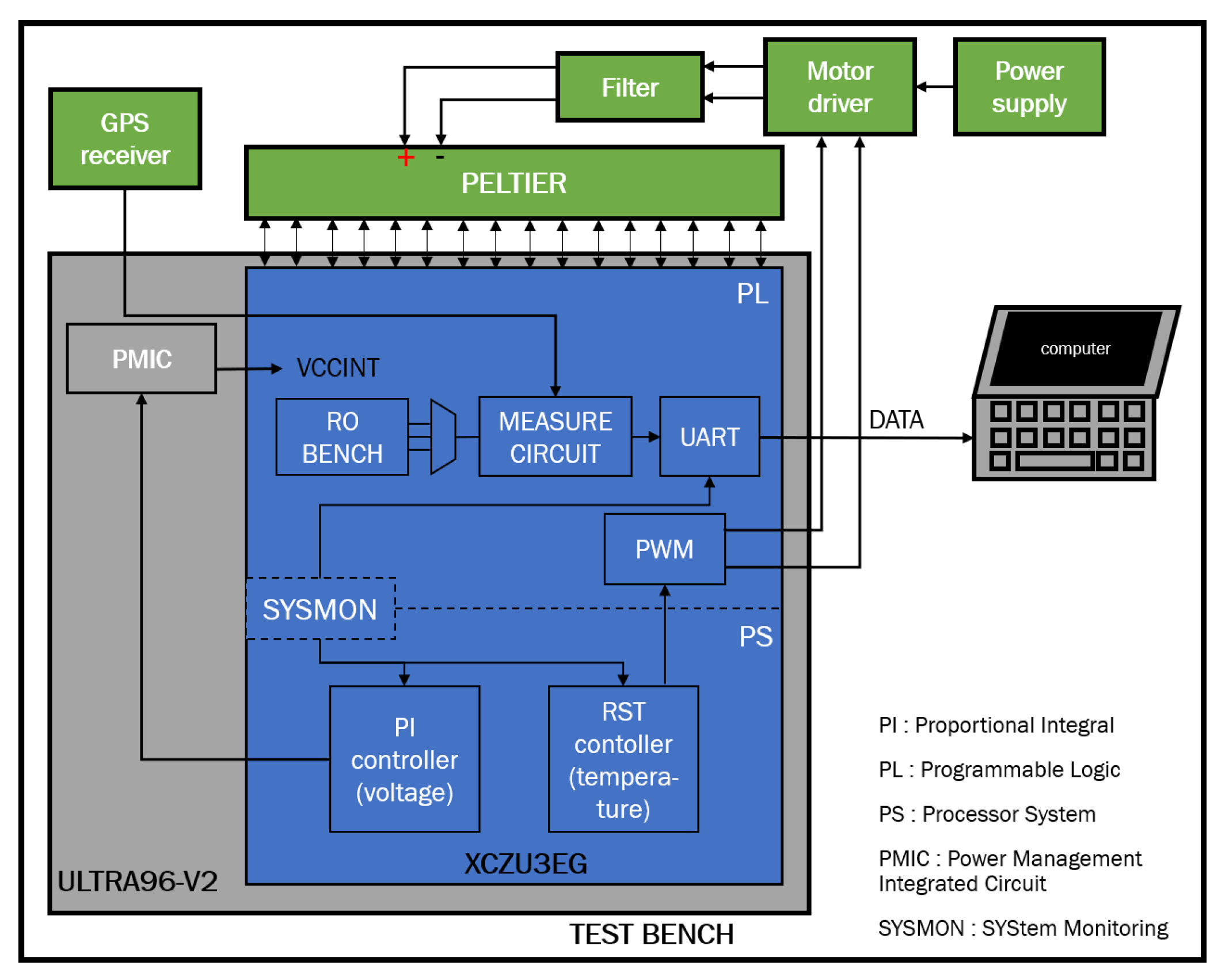
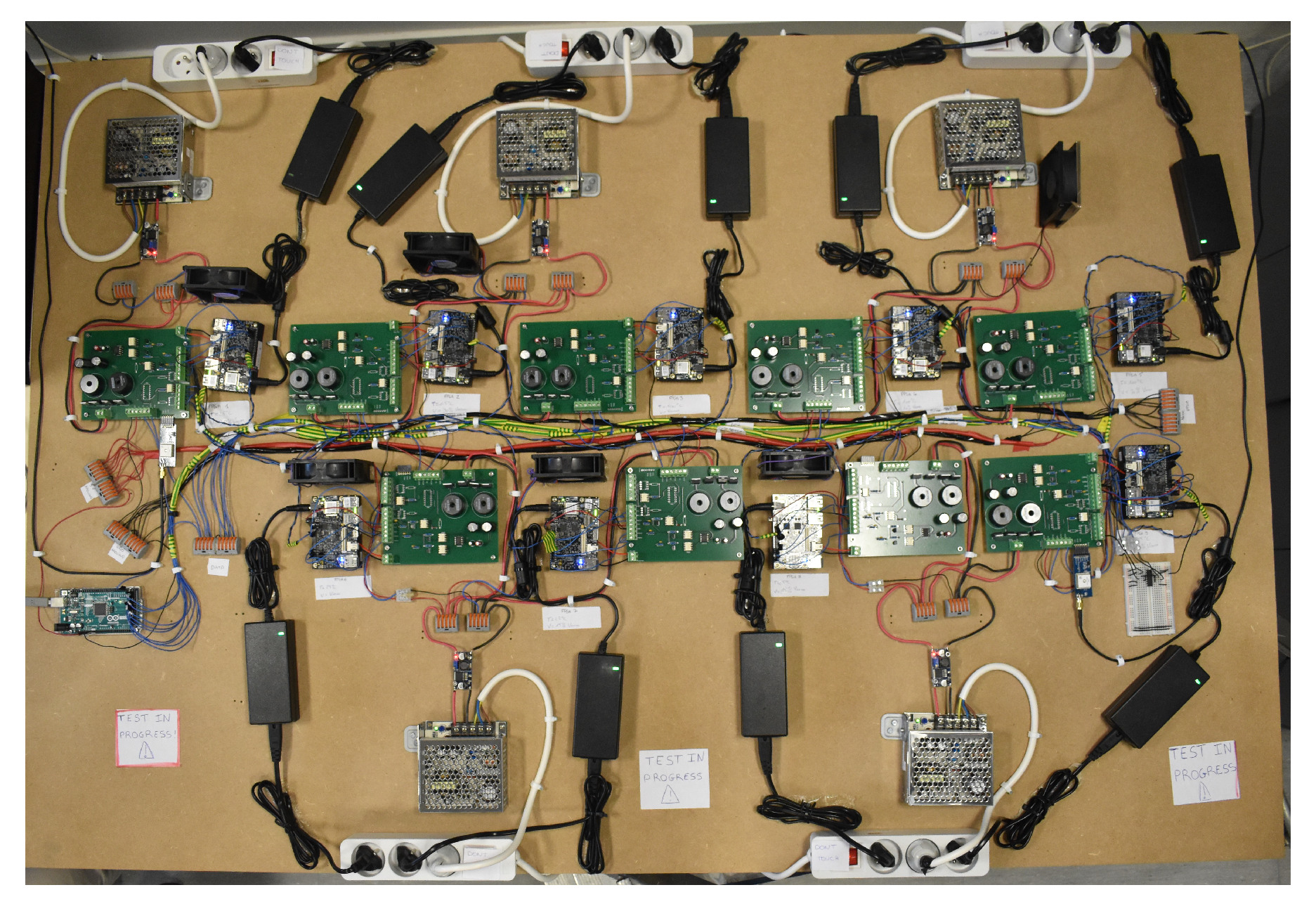
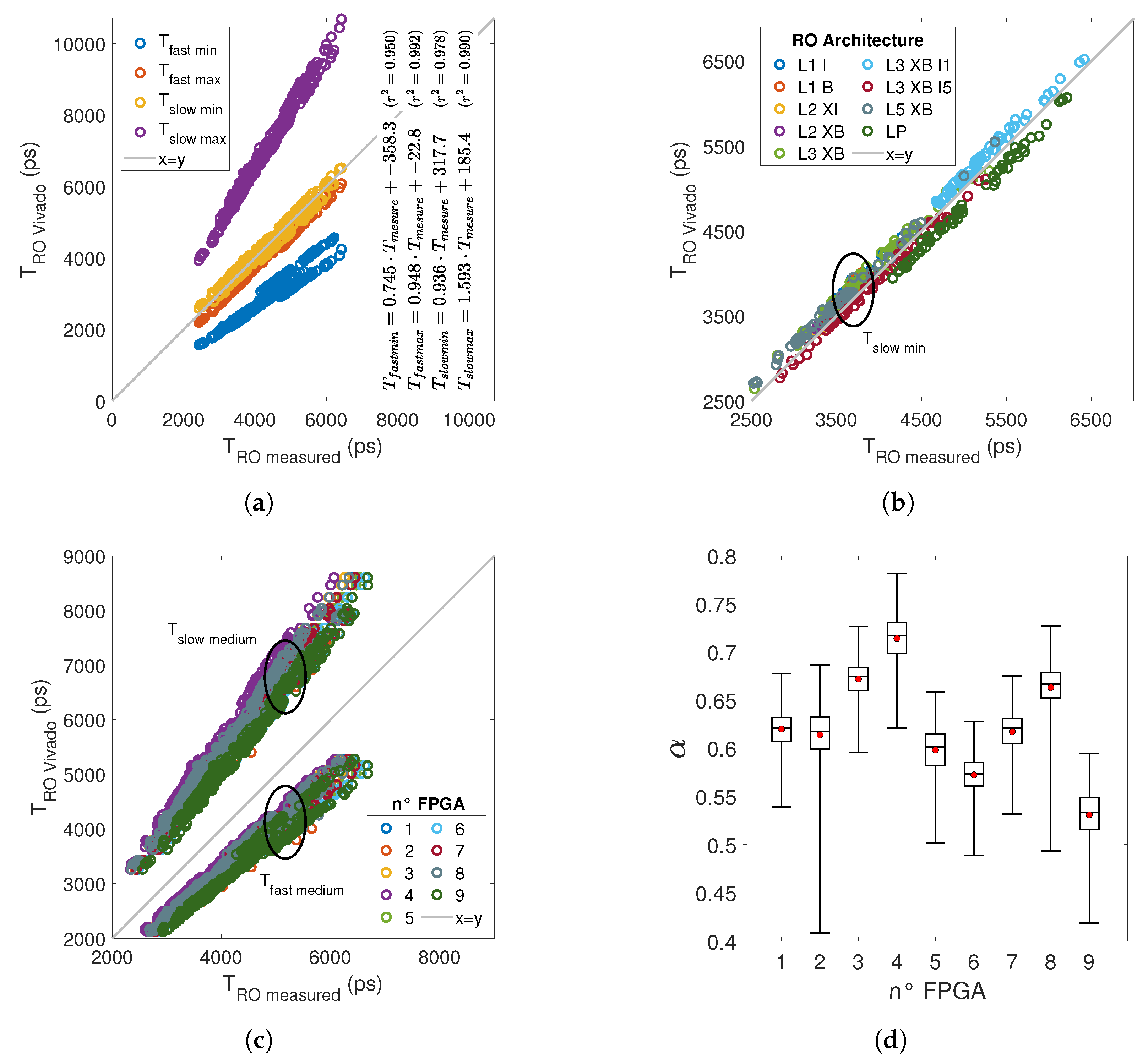
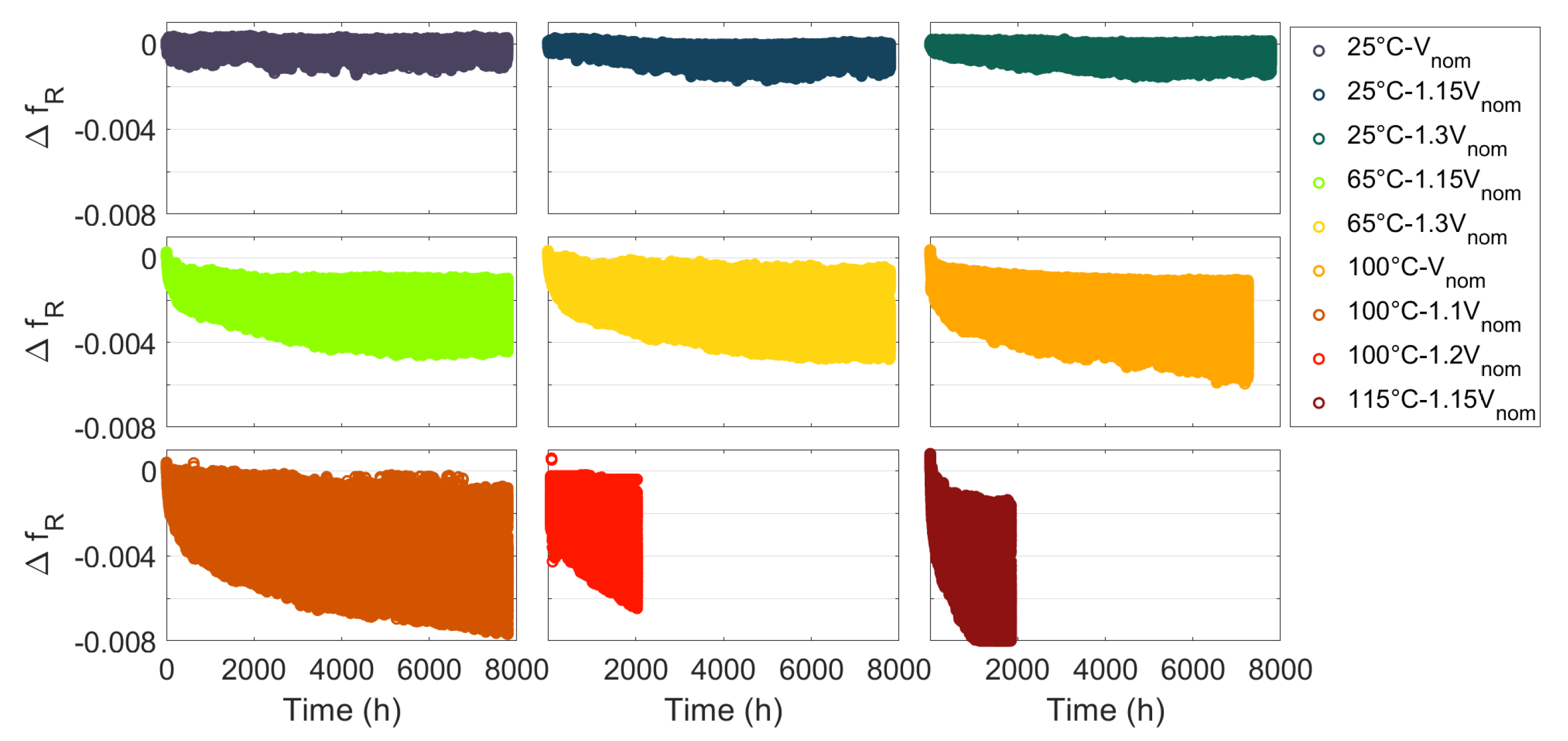
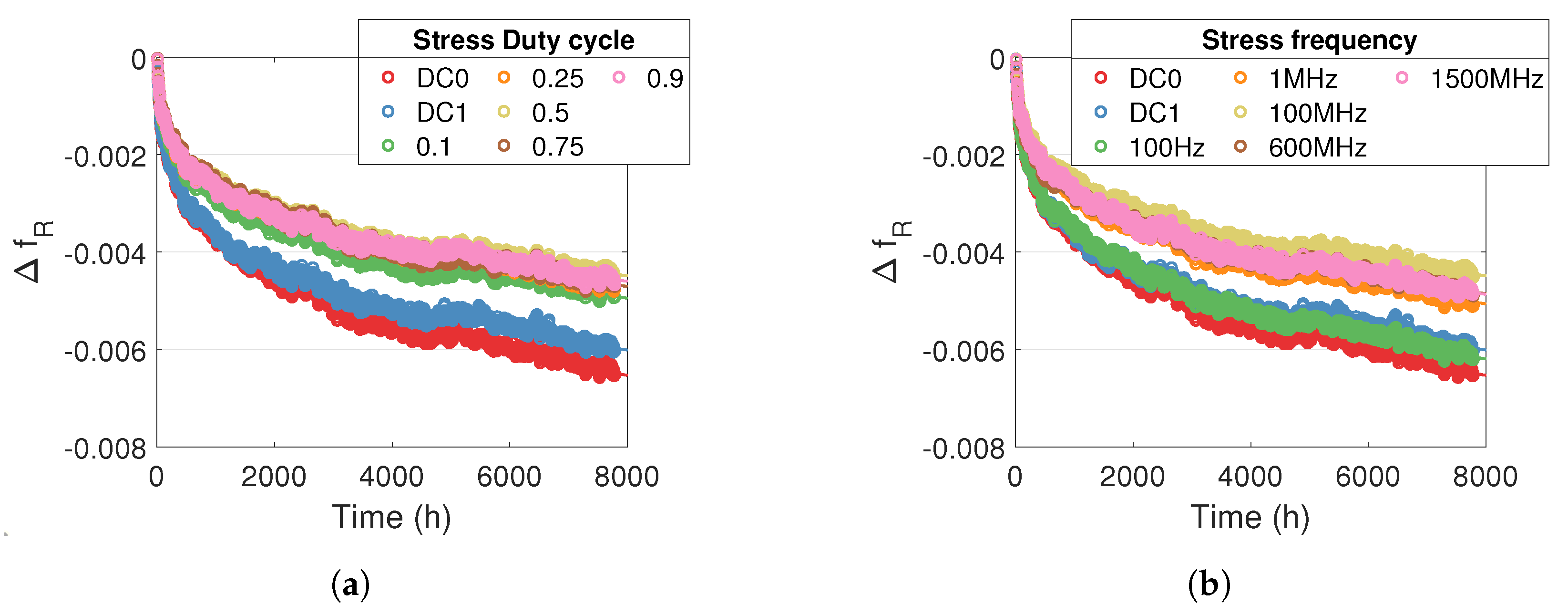
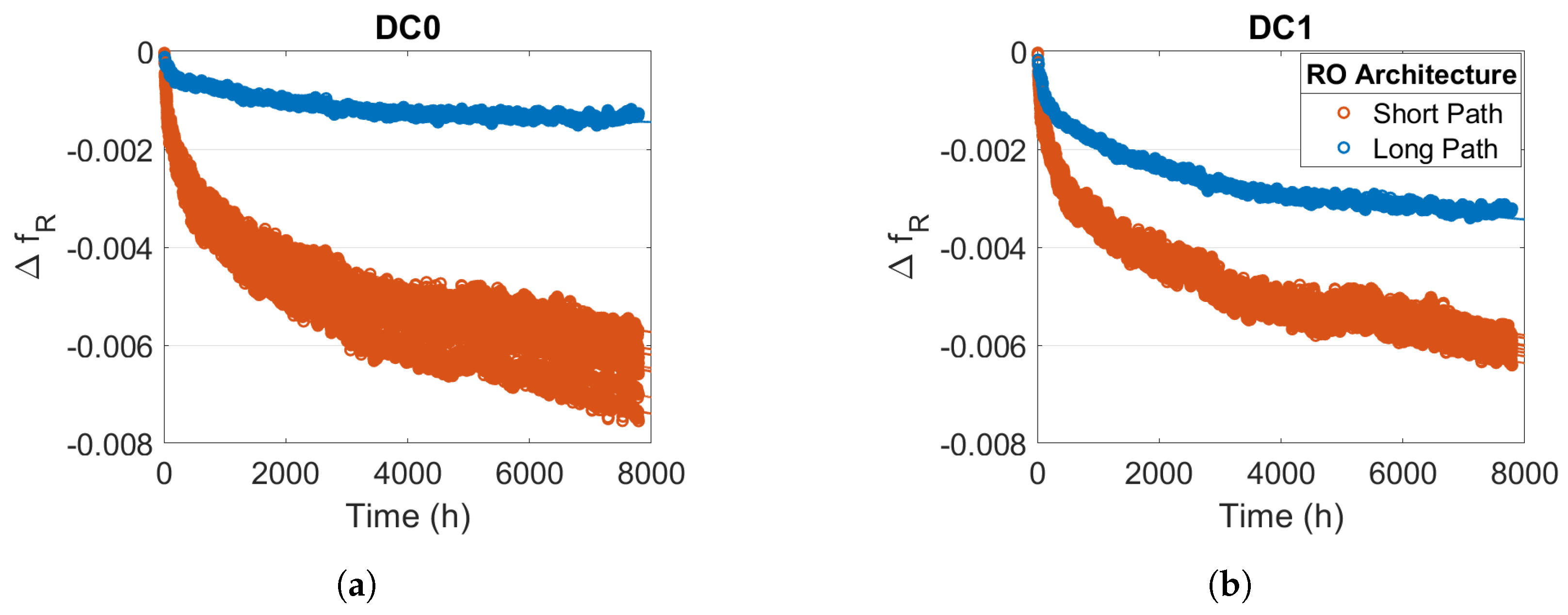
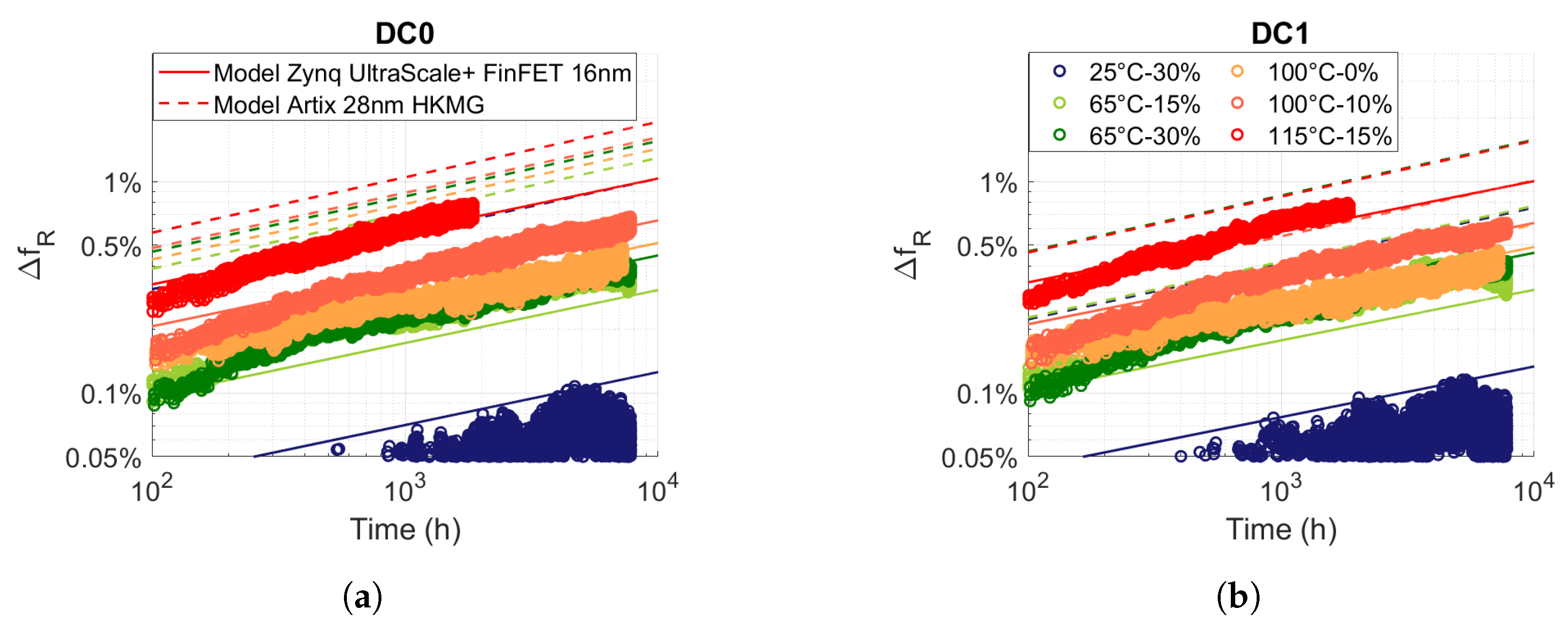
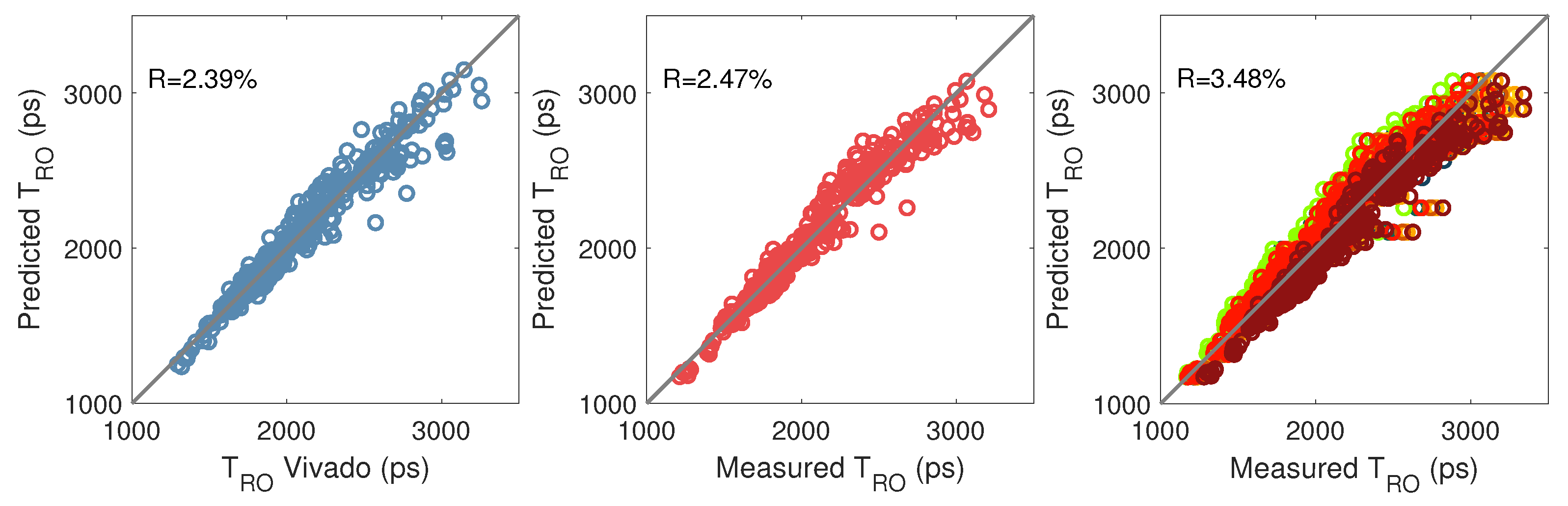
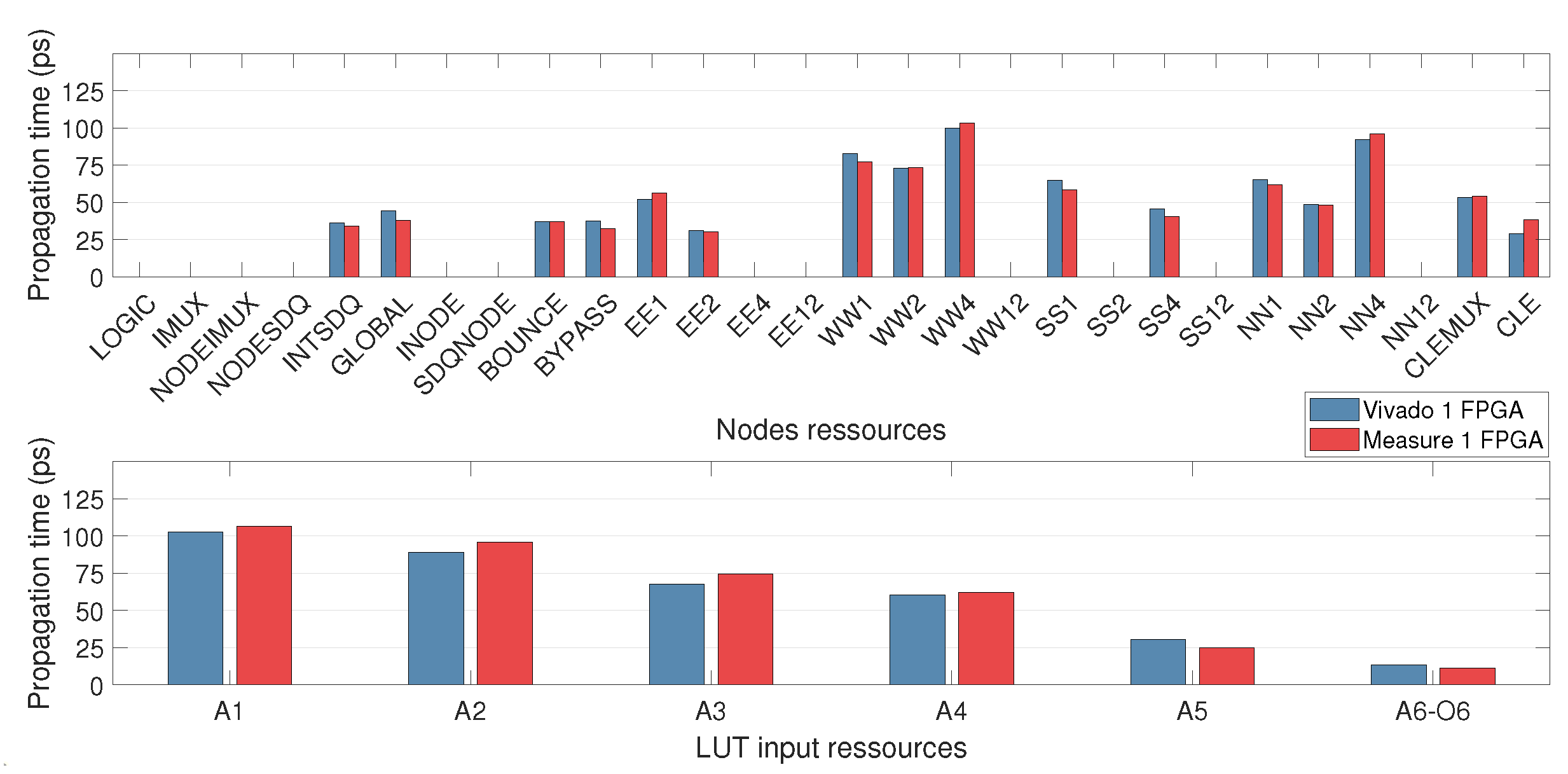
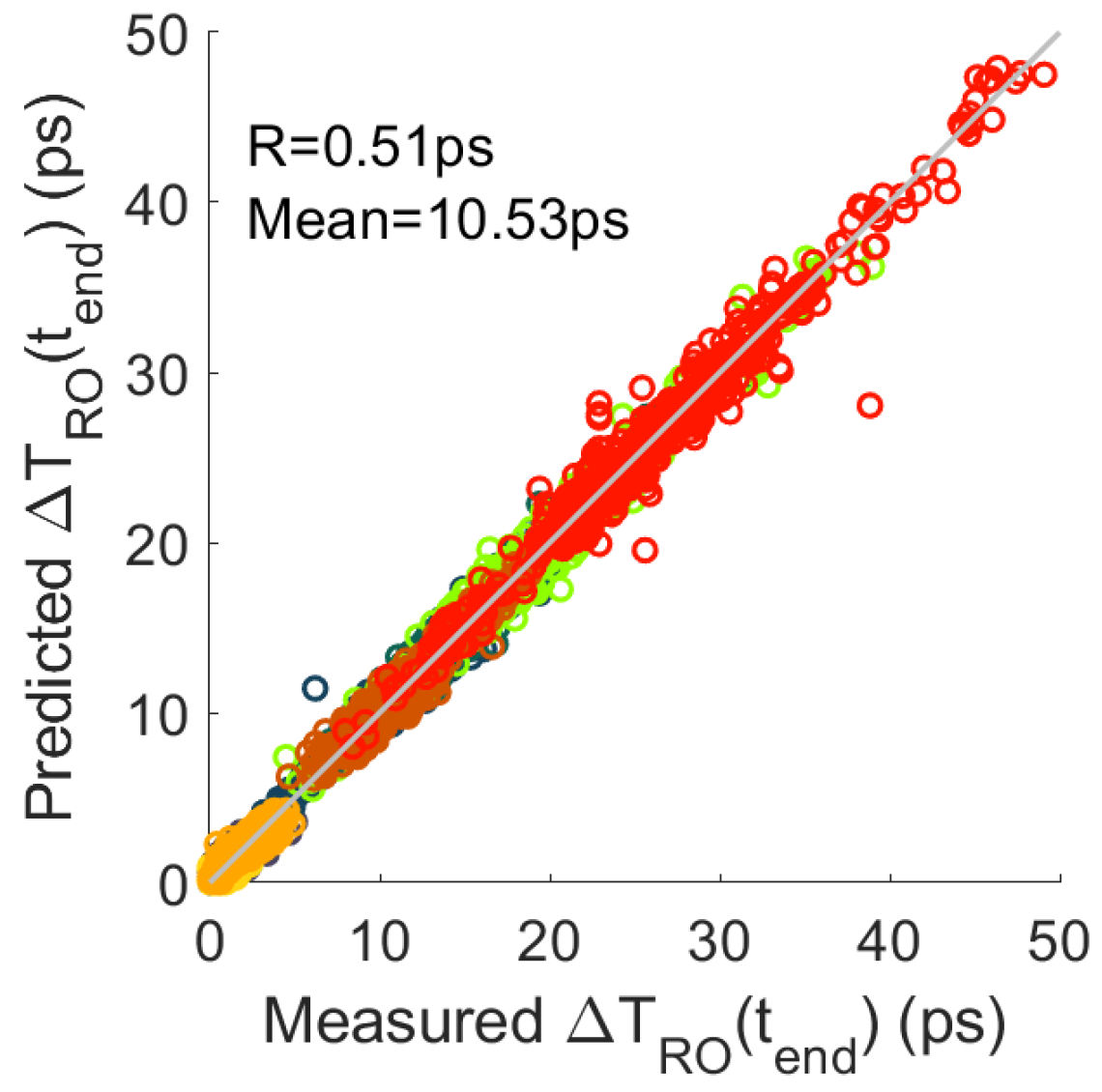
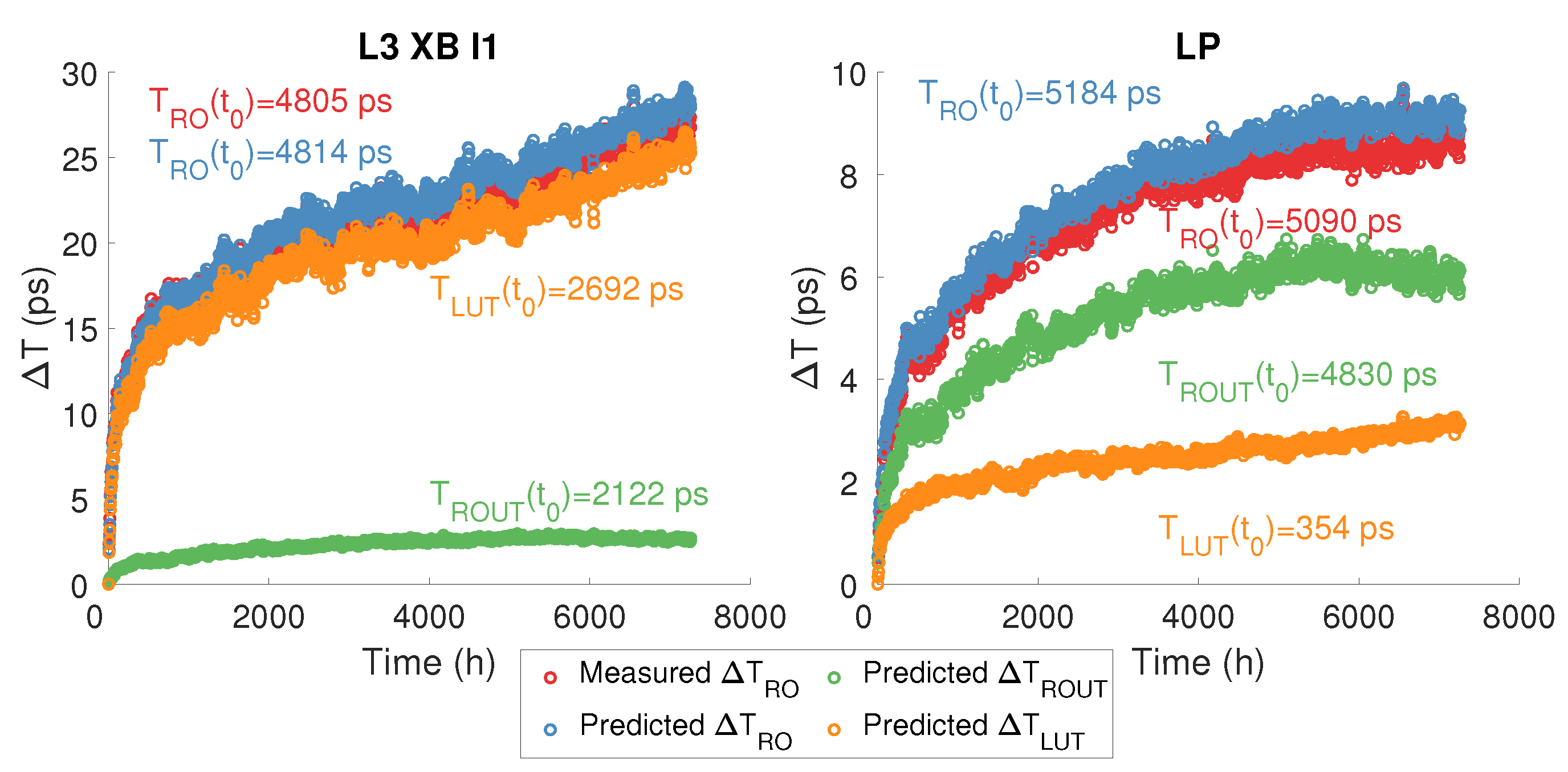
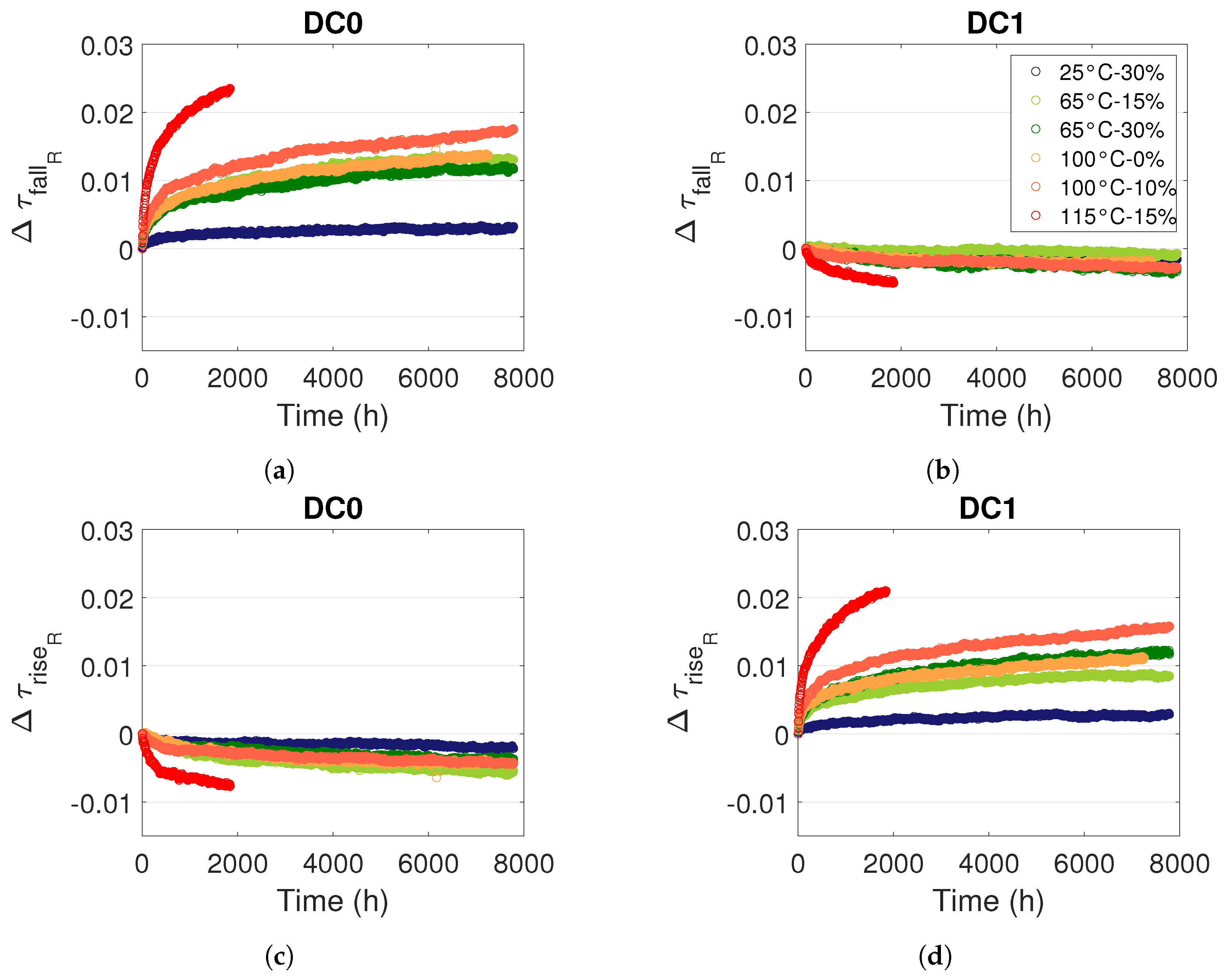
Most of the latest generation of integrated circuits use FinFET transistors for their performance, but what about their reliability? Does the architectural evolution from planar MOSFET to FinFET transistor have any effect on the integrated circuit reliability? In this article, we present a test bench we have developed to age and measure the degradation of 5103 ring oscillators (ROs) implemented in nine FPGAs with 16nm FinFET under different temperature and voltage conditions (VnomVstress1.3Vnom and 25°CTstress115°C) close to operational conditions in order to predict reliability regarding degradation mechanisms at the transistor scale (BTI, HCI and TDDB) as realistically as possible. By comparing our initial RO measurements and the data extracted from Vivado, we will show that the performance of the nine FPGAs is between 50% and 70% of the best performance expected by Vivado. After 8000 h of ageing, we will see that the relative degradations of the RO are a maximum of 1%, which is a first indicator proving the FPGAs’ good reliability. By comparing our results with similar studies on 28 nm MOSFET FPGAs, we will reveal that 16 nm FinFET FPGAs are more reliable. To be implemented in an FPGA, an RO uses logic resources (LUT) and routing resources. We will show that degradation in the two types of resources is different. For this reason, we will present a method for separating degradations in logical and routing resources based on RO degradation measures. Finally, we will model rising and falling edge propagation time degradations in an FPGA as a function of time, temperature, voltage, signal duty cycle and resources used in the FPGA.
Keywords: FPGA; FinFET; ageing; BTI; HCI; ring oscillator FPGA; FinFET; ageing; BTI; HCI; ring oscillator