Article

Quantitative Analysis of the Contributions of Climatic and Anthropogenic Factors to the Variation in Net Primary Productivity, China

1
The School of Geoscience and Technology, Zhengzhou University, Zhengzhou 450001, China
2
South China Institute of Environmental Sciences, Ministry of Environmental Protection, Guangzhou 510655, China
3
State Environmental Protection Key Laboratory of Urban Ecological Simulation and Protection, Guangzhou 510655, China
4
Qiannan Meteorological Bureau, Qiannan Buyizu and Miaozu Autonomous Prefecture 558000, China
*
Author to whom correspondence should be addressed.
Remote Sens. 2023, 15(3), 789; https://doi.org/10.3390/rs15030789
Submission received: 1 November 2022 / Revised: 27 January 2023 / Accepted: 28 January 2023 / Published: 30 January 2023
(This article belongs to the Special Issue Remote Sensing of Primary Production)

Abstract

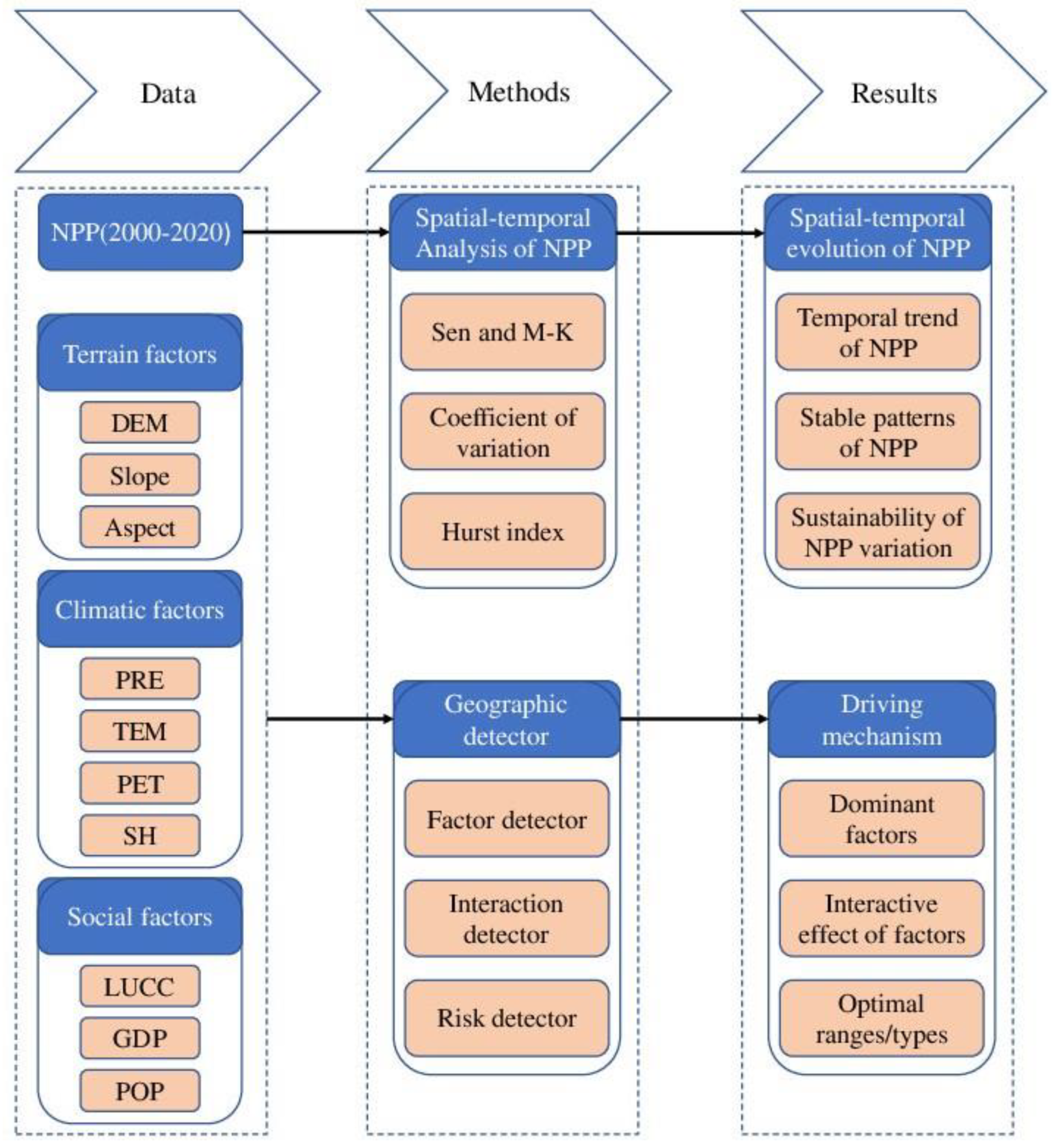
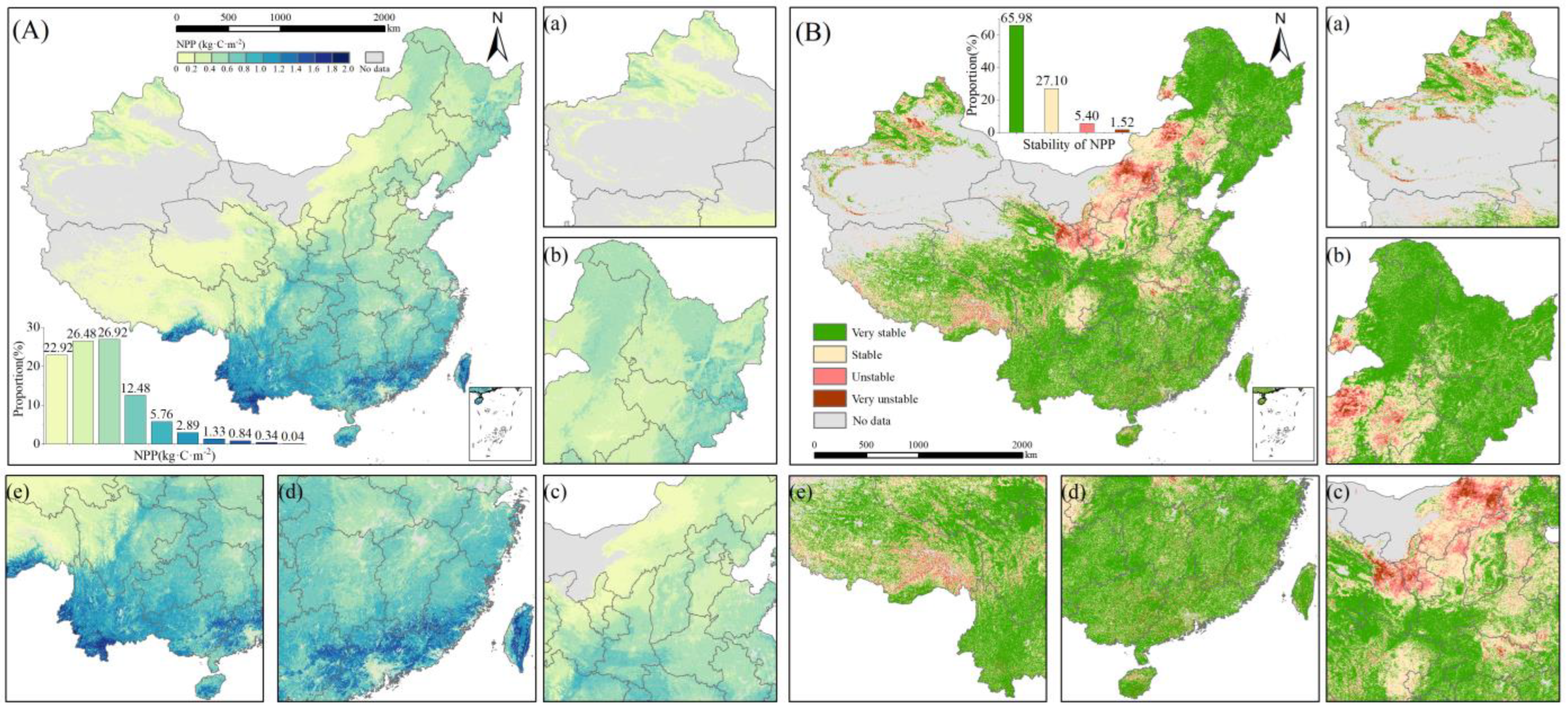
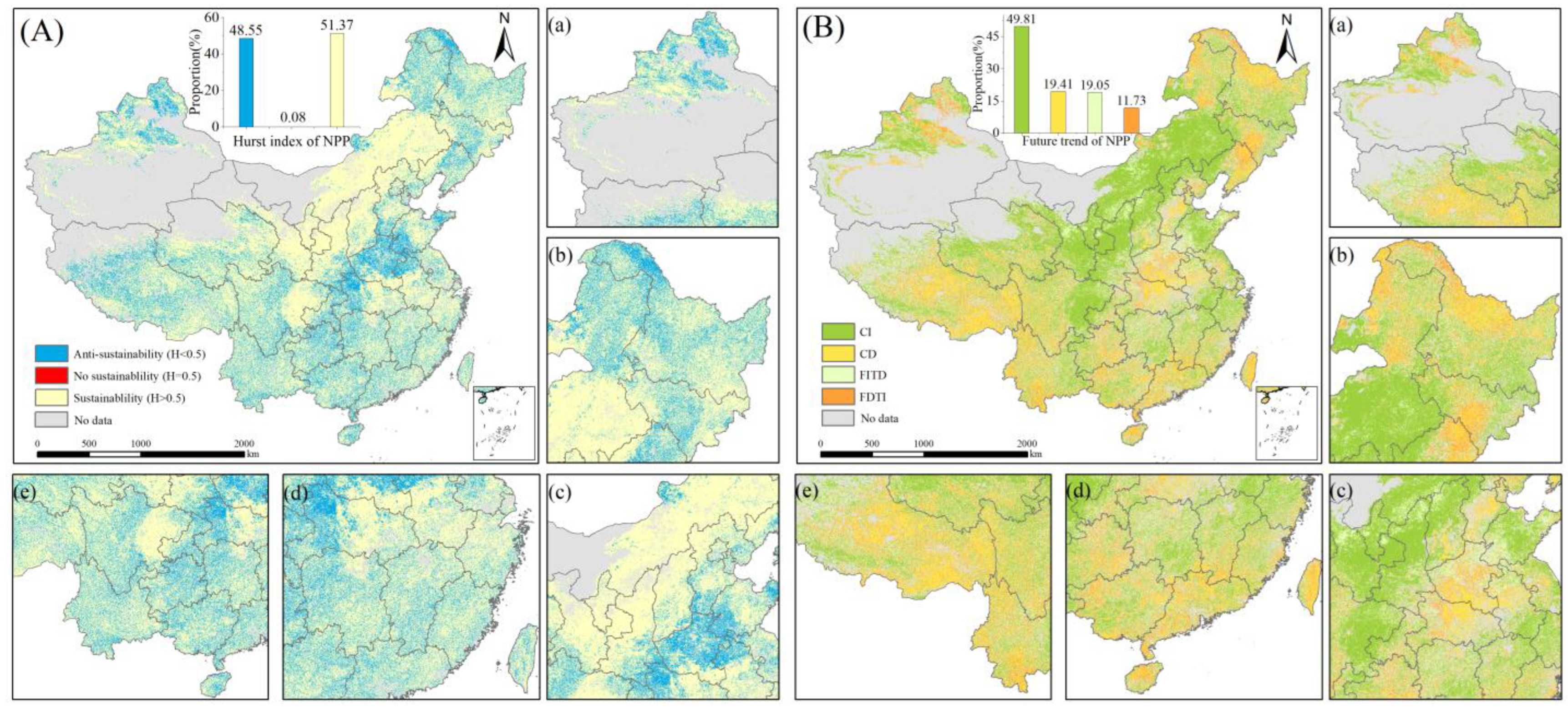
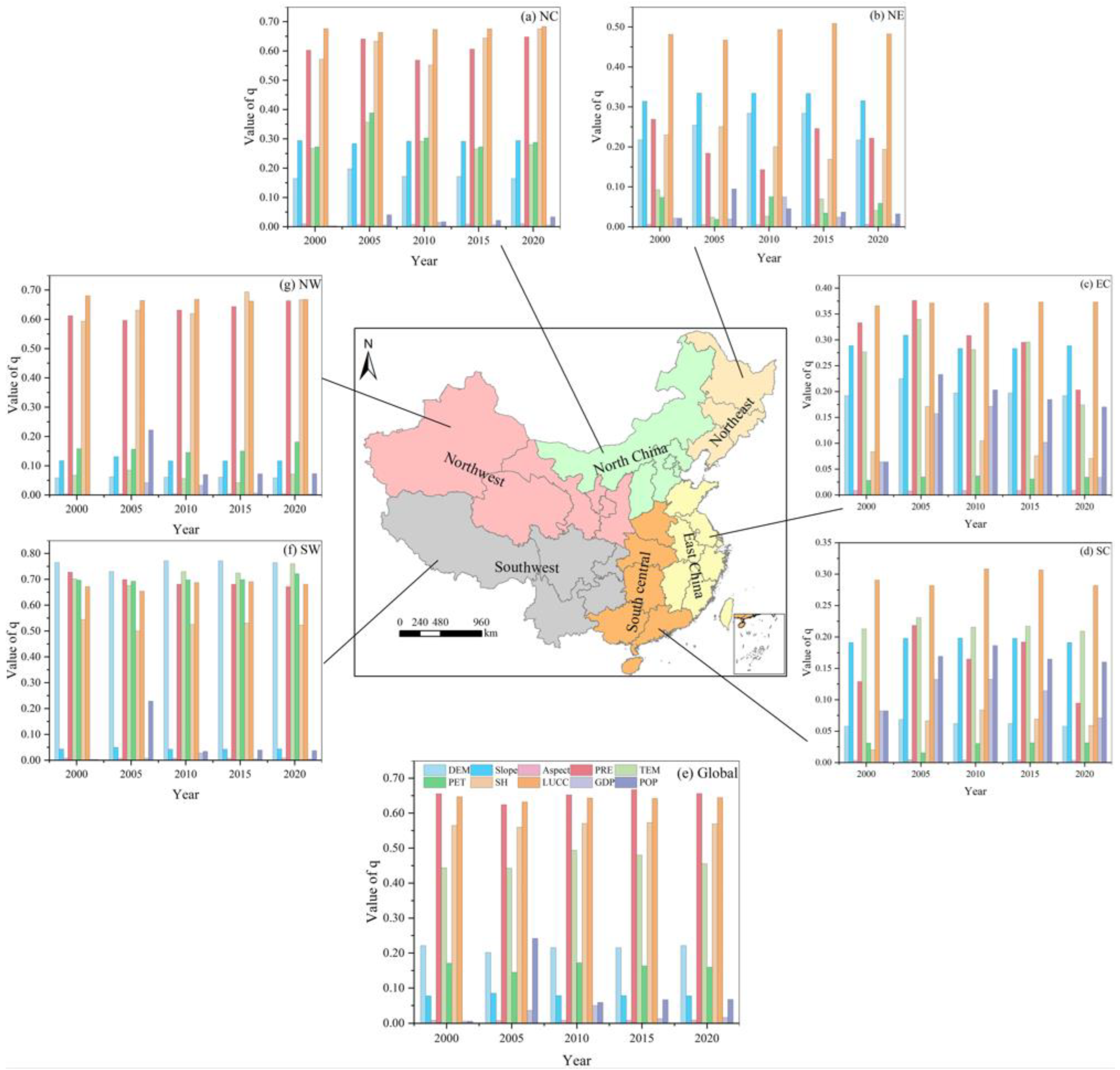
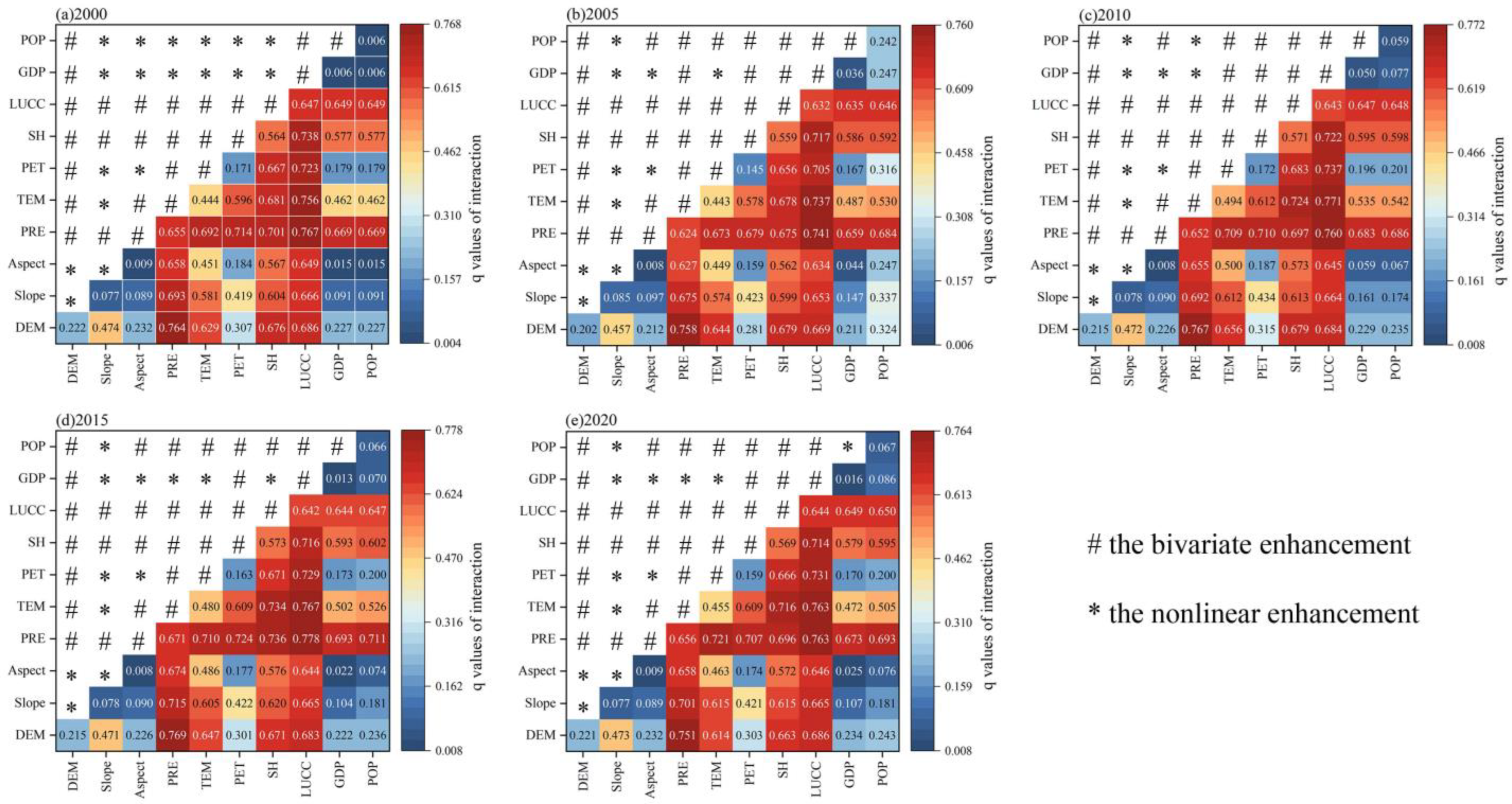
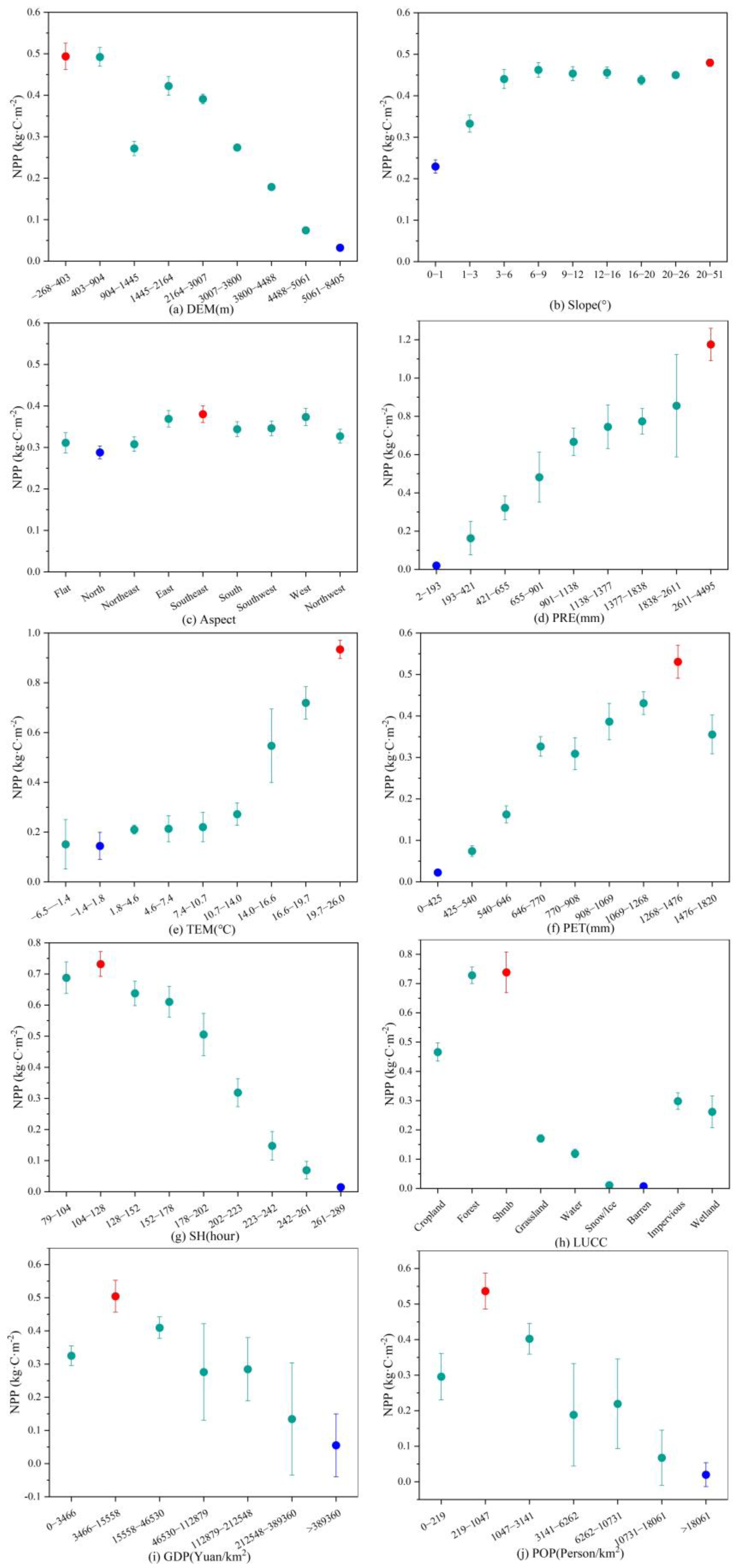
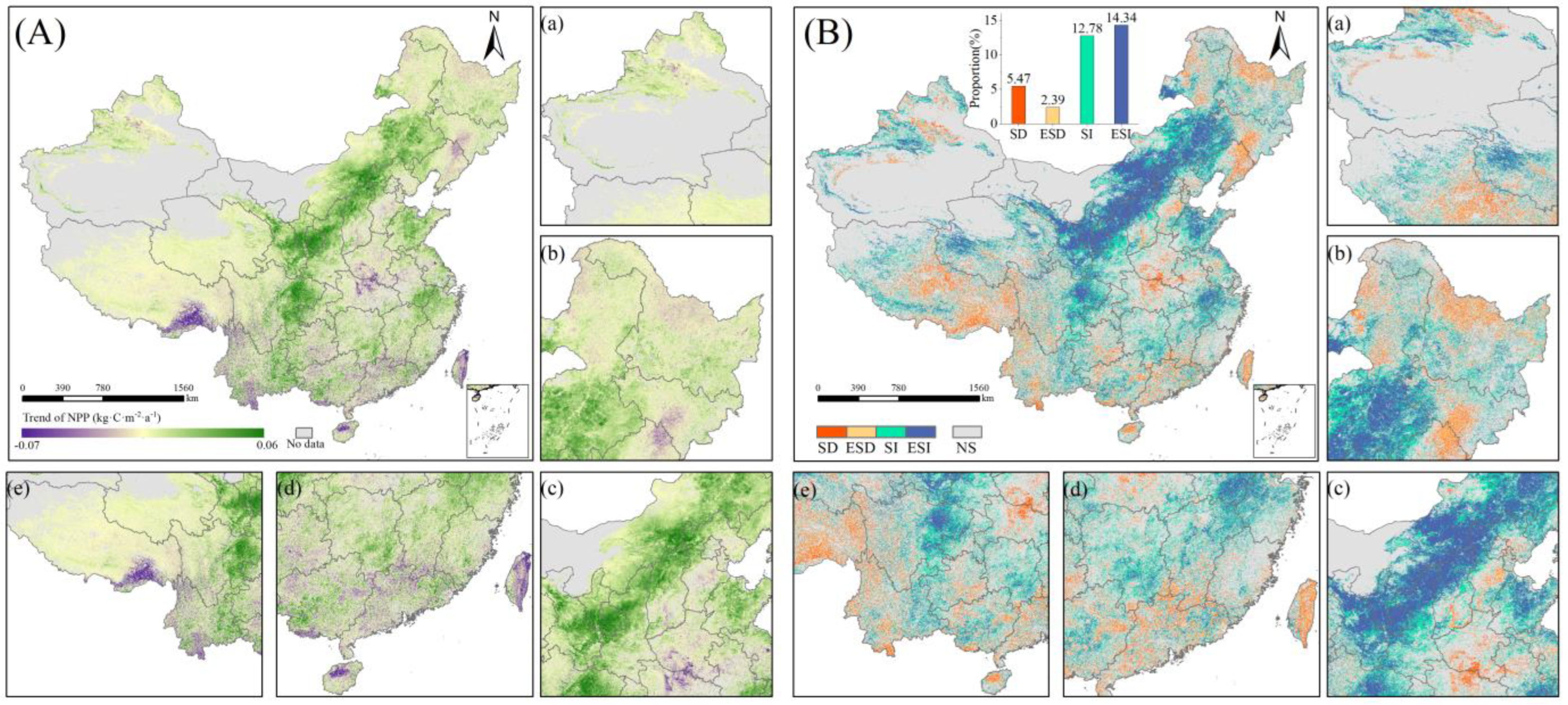
Accurate quantification of the contributions of climatic and anthropogenic factors to the variation in NPP is critical for elucidating the relevant driving mechanisms. In this study, the spatiotemporal variation in net primary productivity (NPP) in China during 2000–2020, the interactive effects of climatic and anthropogenic factors on NPP and the optimal characteristics of driving forces were explored. Our results indicate that NPP had obvious spatial differentiation, an overall increasing trend was identified and this trend will continue in the future for more than half of the pixels. Land use and Land cover and precipitation were the main factors regulating NPP variation at both the national scale and the sub-region scale, except in southwest China, which was dominated by altitude and temperature. Moreover, an interactive effect between each pair of factors was observed and the effect of any pair of driving factors was greater than that of any single factor, manifested as either bivariate enhancement or nonlinear enhancement. Furthermore, the responses and optimal characteristics of NPP concerning driving forces were diverse. The findings provide a critical understanding of the impacts of driving forces on NPP and could help to create optimal conditions for vegetation growth to mitigate and adapt to climate changes.
Keywords: spatiotemporal variation; driving factor; interactive effect; NPP; geographic detector; China spatiotemporal variation; driving factor; interactive effect; NPP; geographic detector; China