Article

Software-Defined Satellite Observation: A Fast Method Based on Virtual Resource Pools

1
Institute of Space Science and Applied Technology, Harbin Institute of Technology Shenzhen, Shenzhen 518000, China
2
China Centre for Resources Satellite Data and Application, Beijing 100094, China
*
Author to whom correspondence should be addressed.
Remote Sens. 2023, 15(22), 5388; https://doi.org/10.3390/rs15225388
Submission received: 31 August 2023 / Revised: 23 October 2023 / Accepted: 3 November 2023 / Published: 16 November 2023
(This article belongs to the Section Satellite Missions for Earth and Planetary Exploration)

Abstract

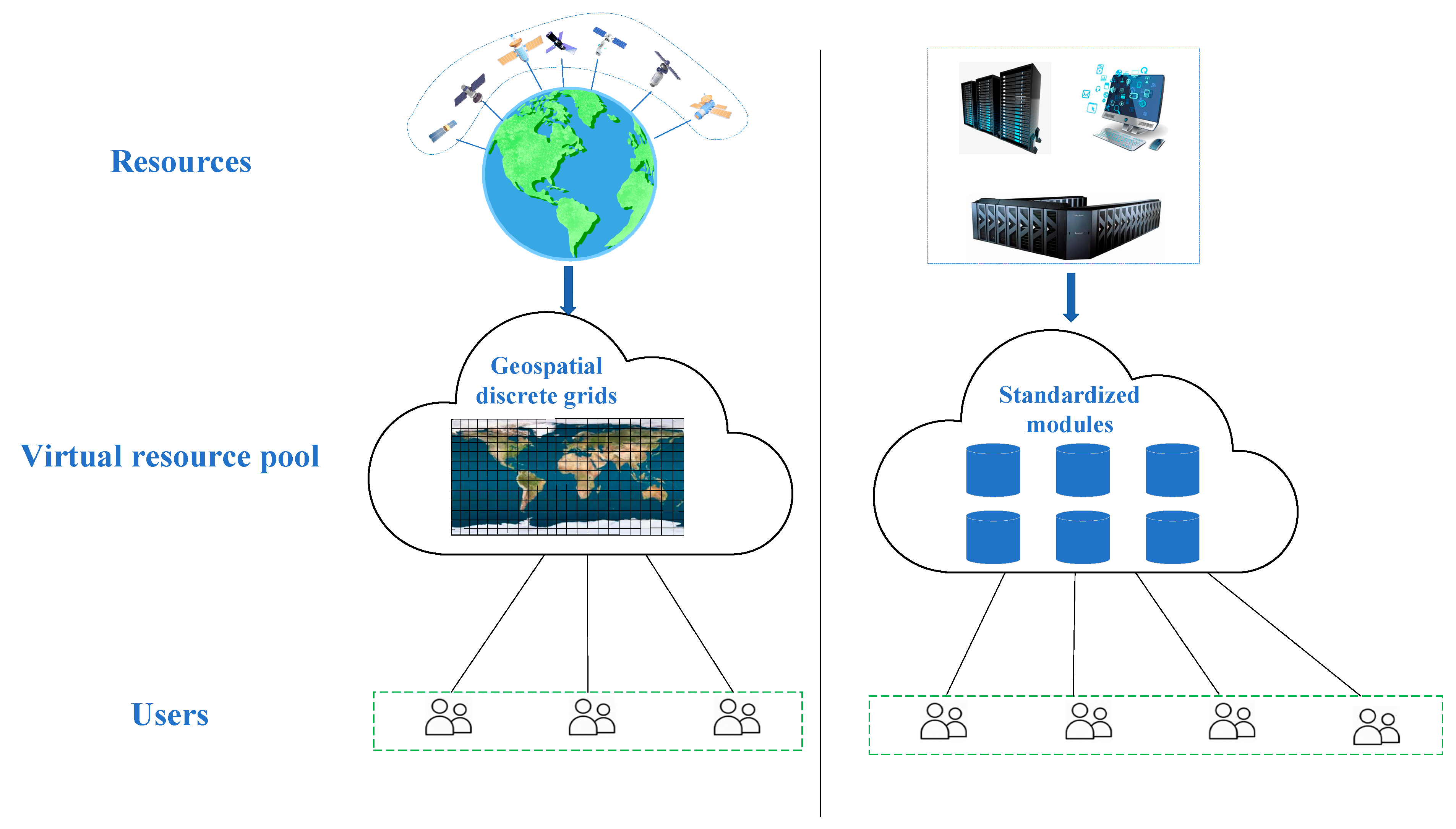
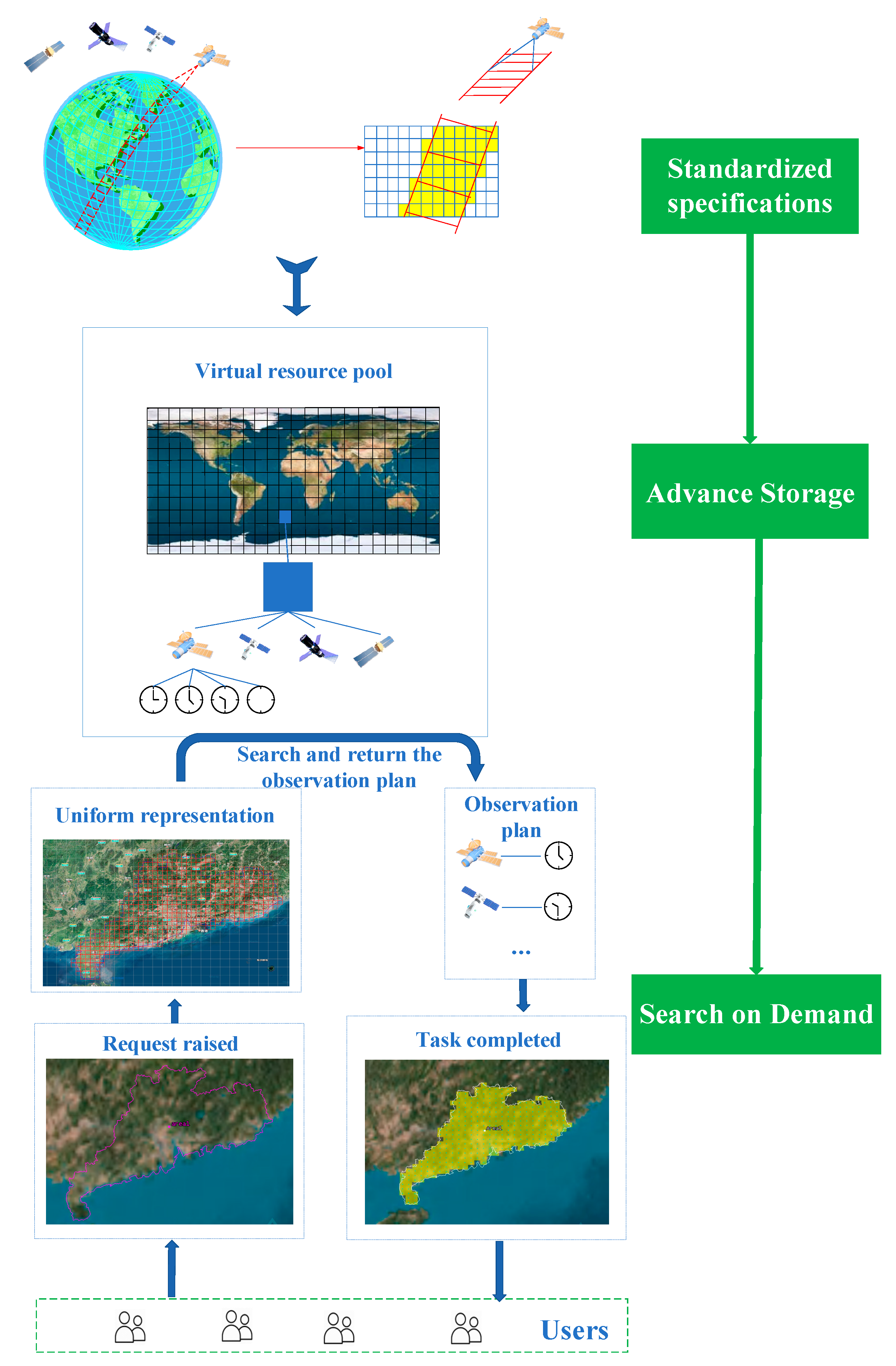
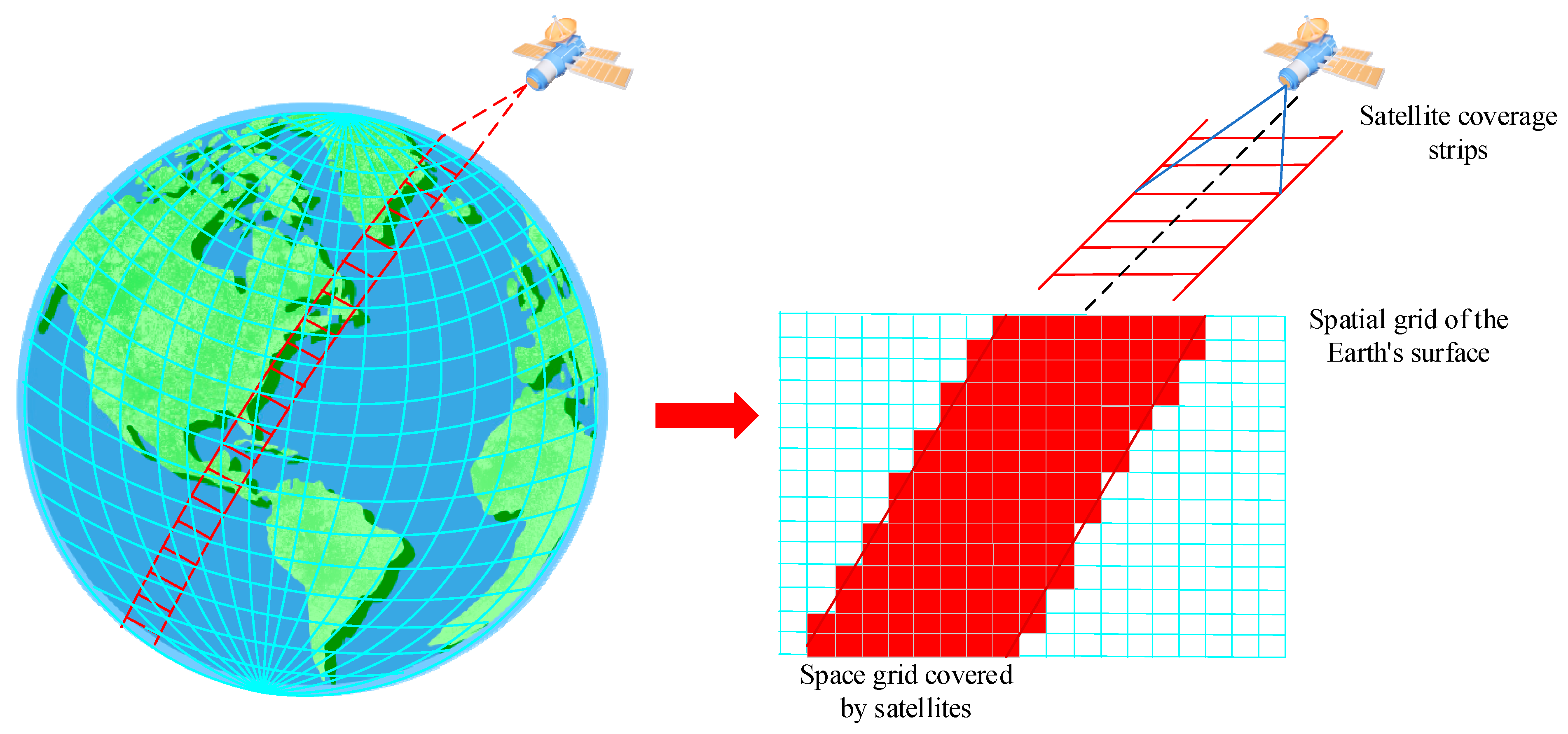
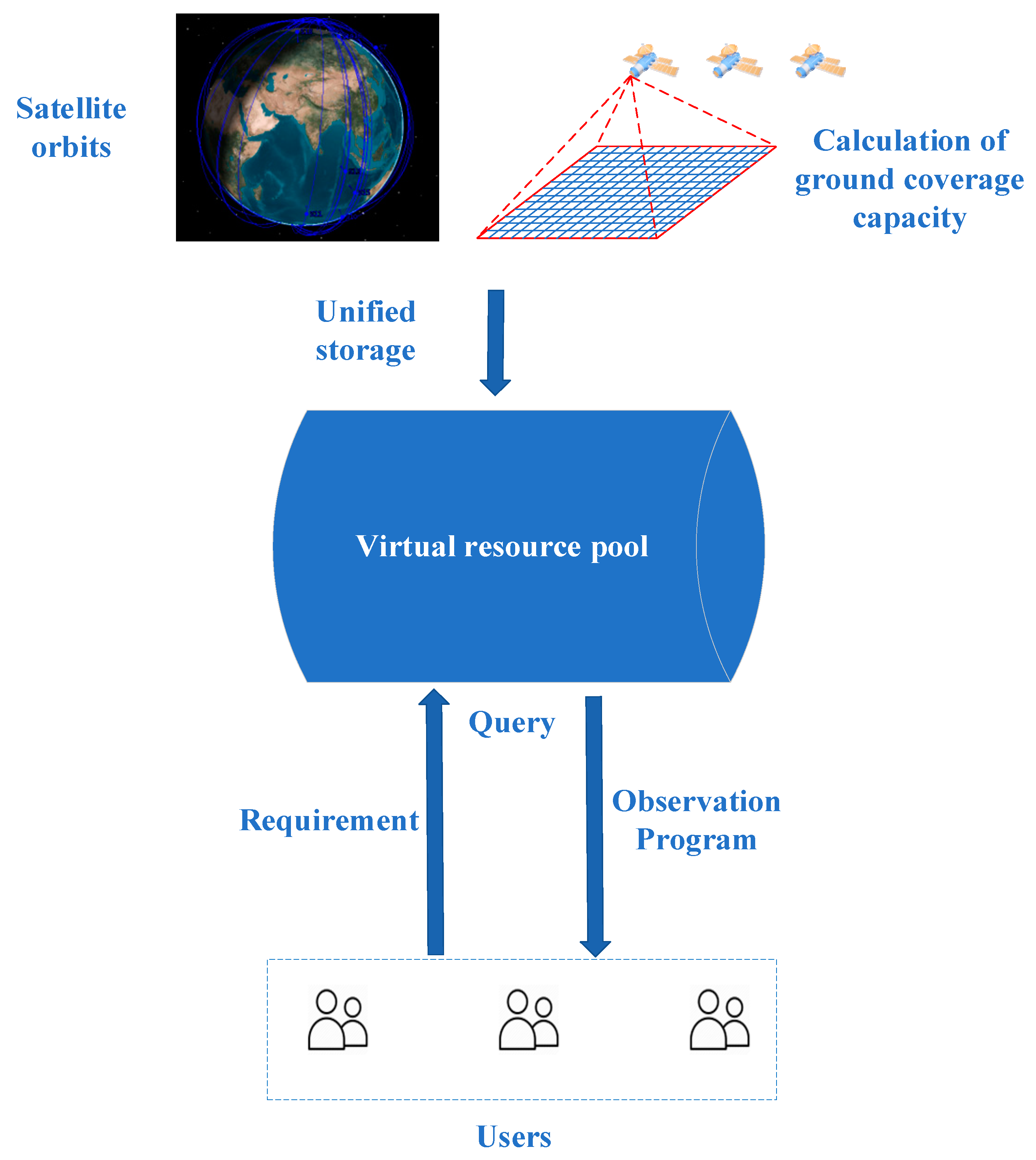
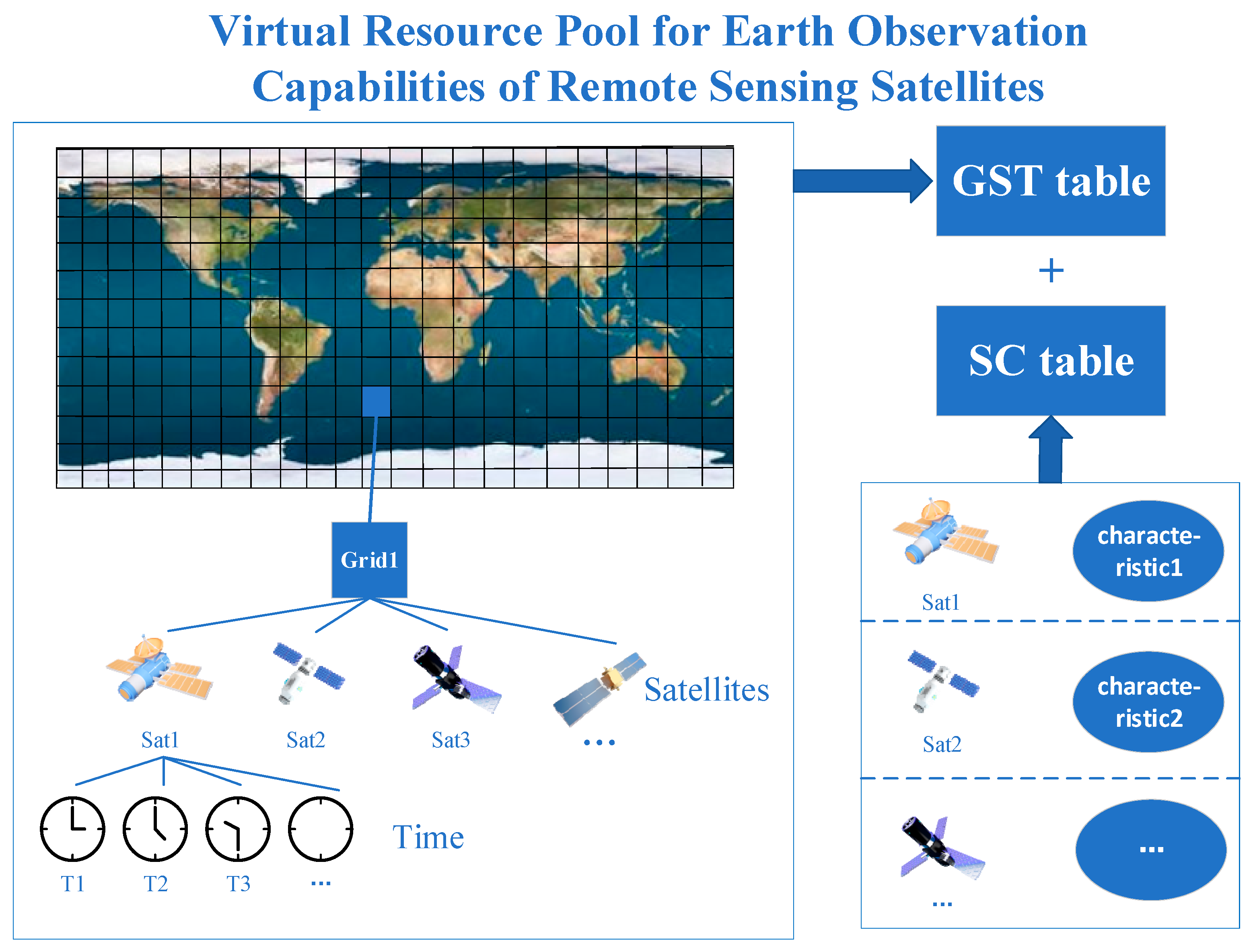
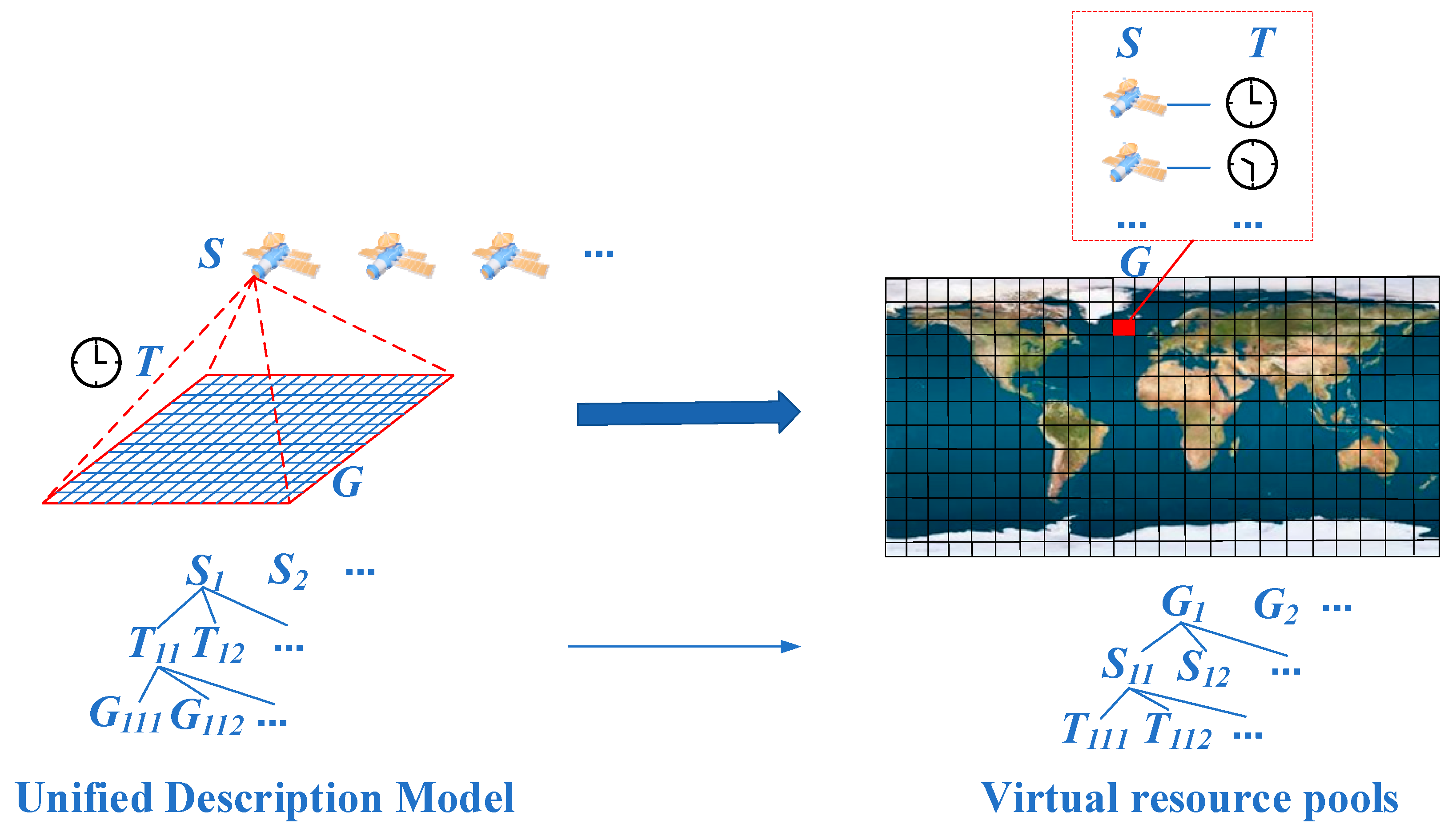
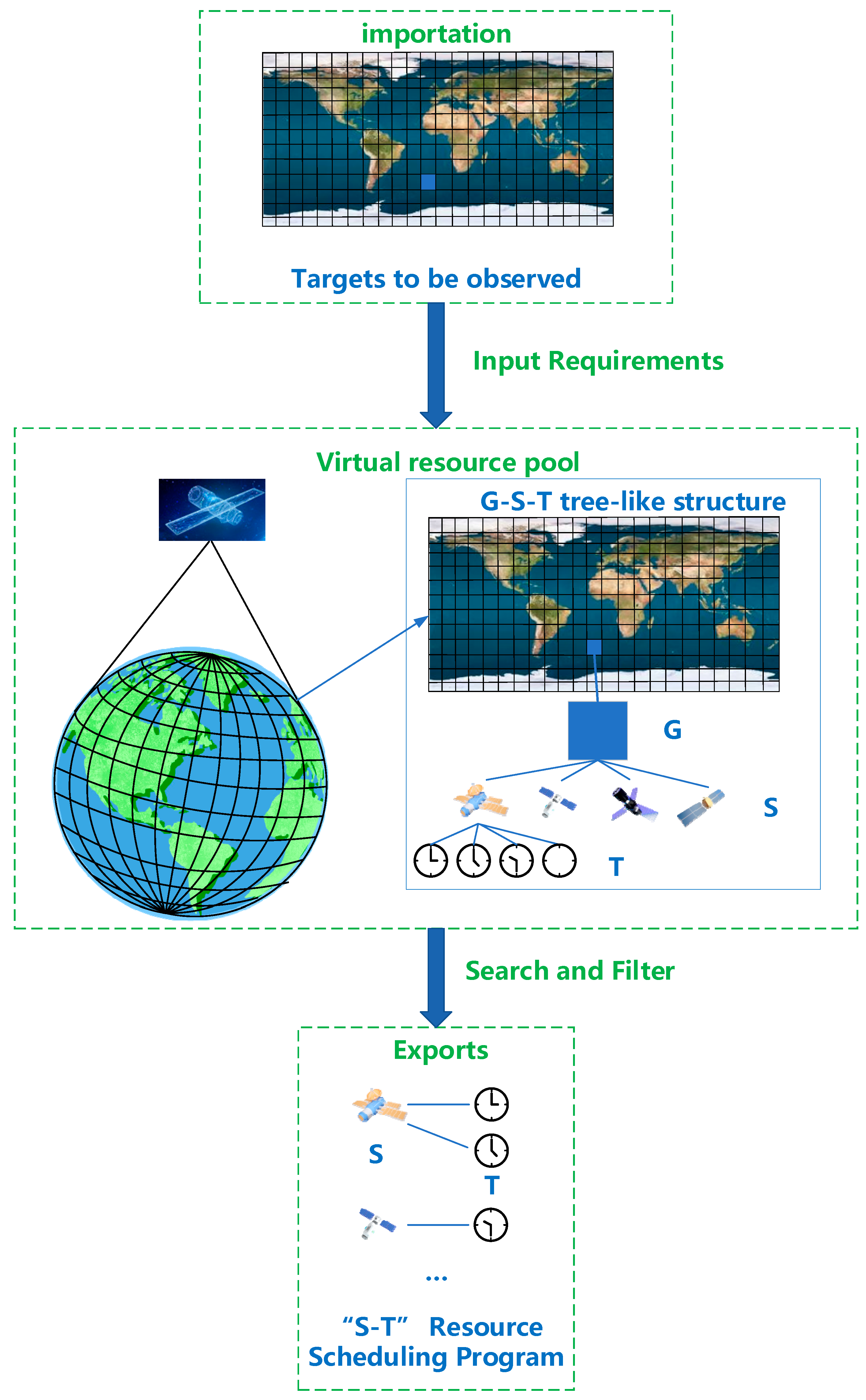
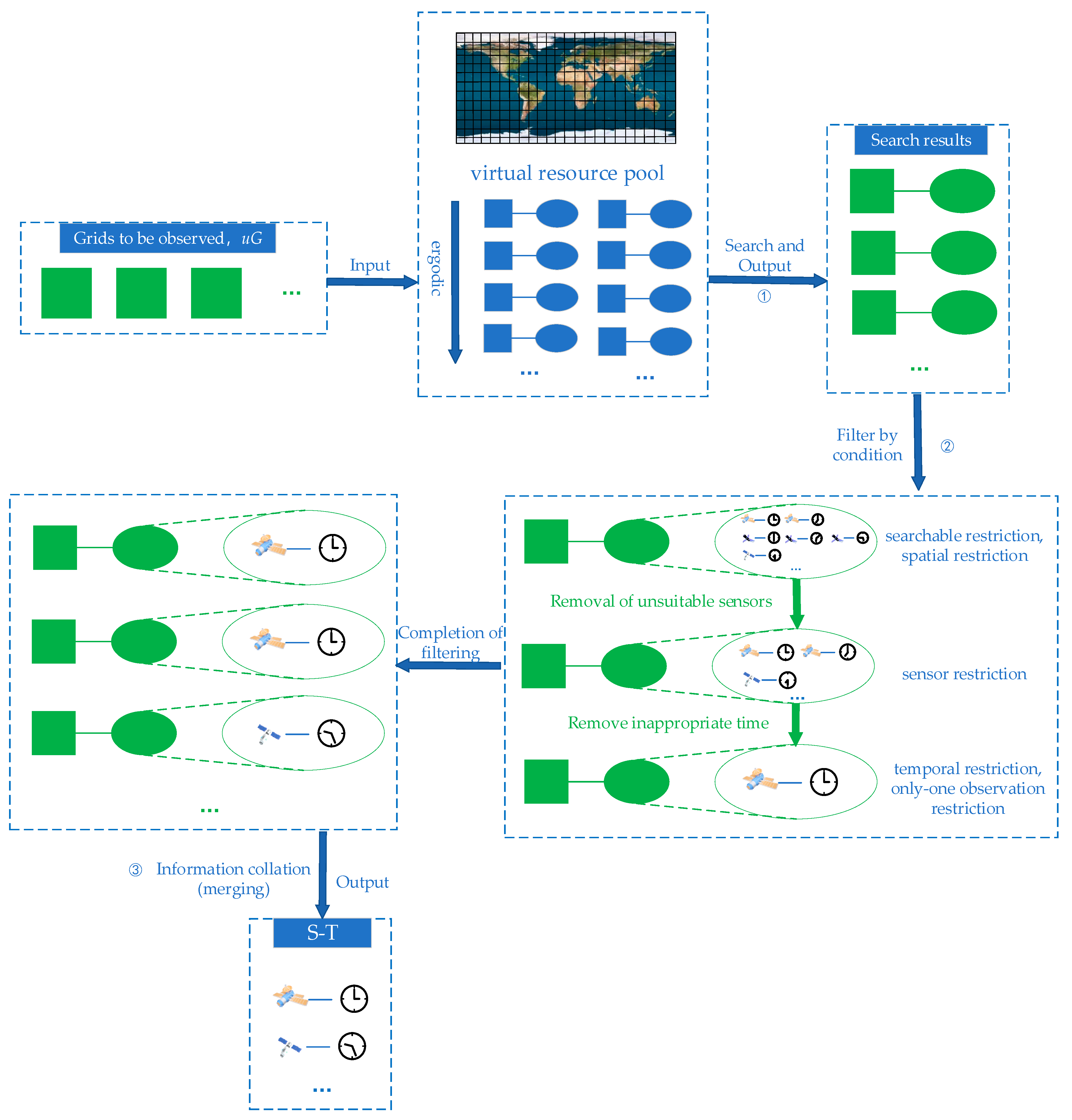
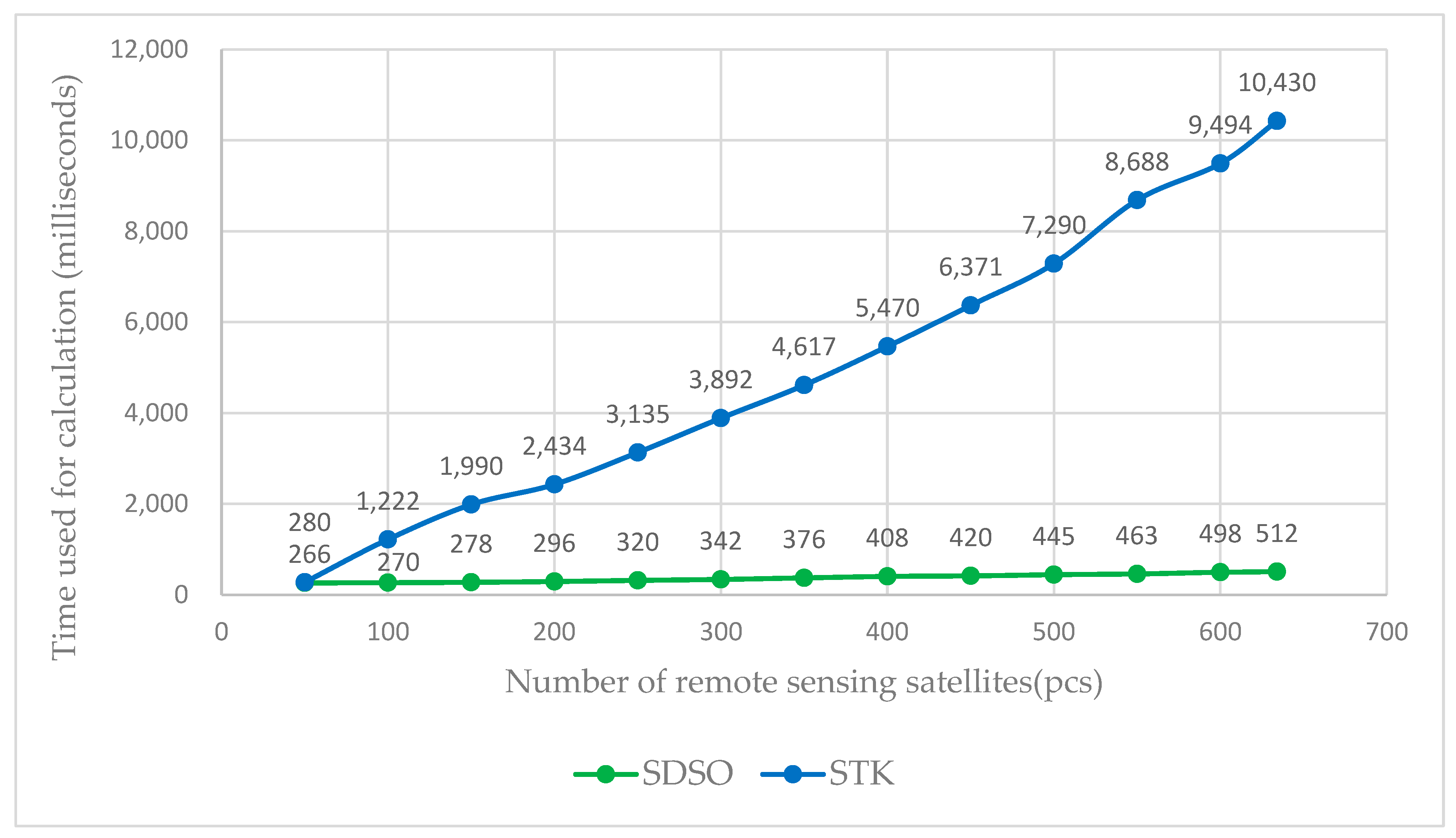
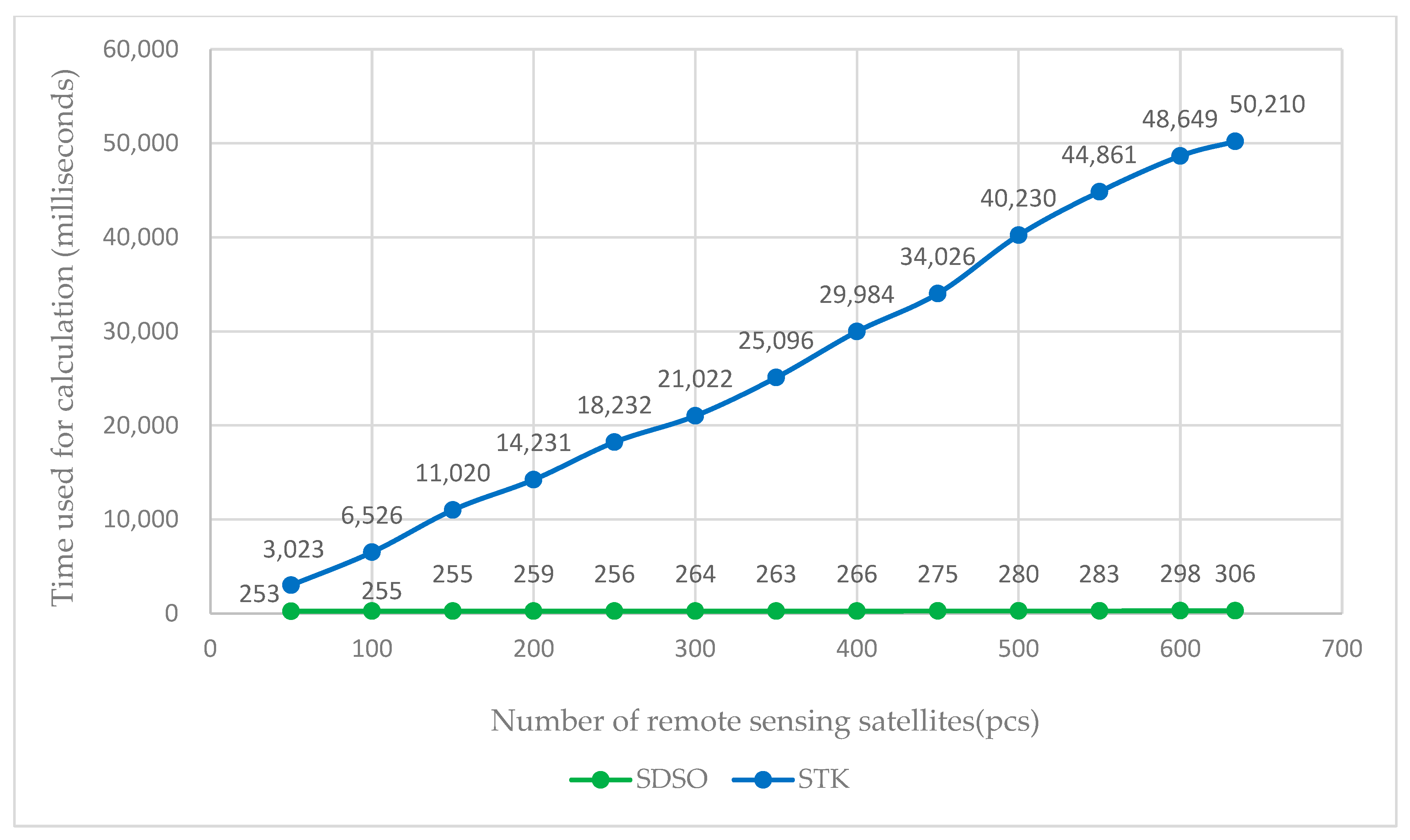
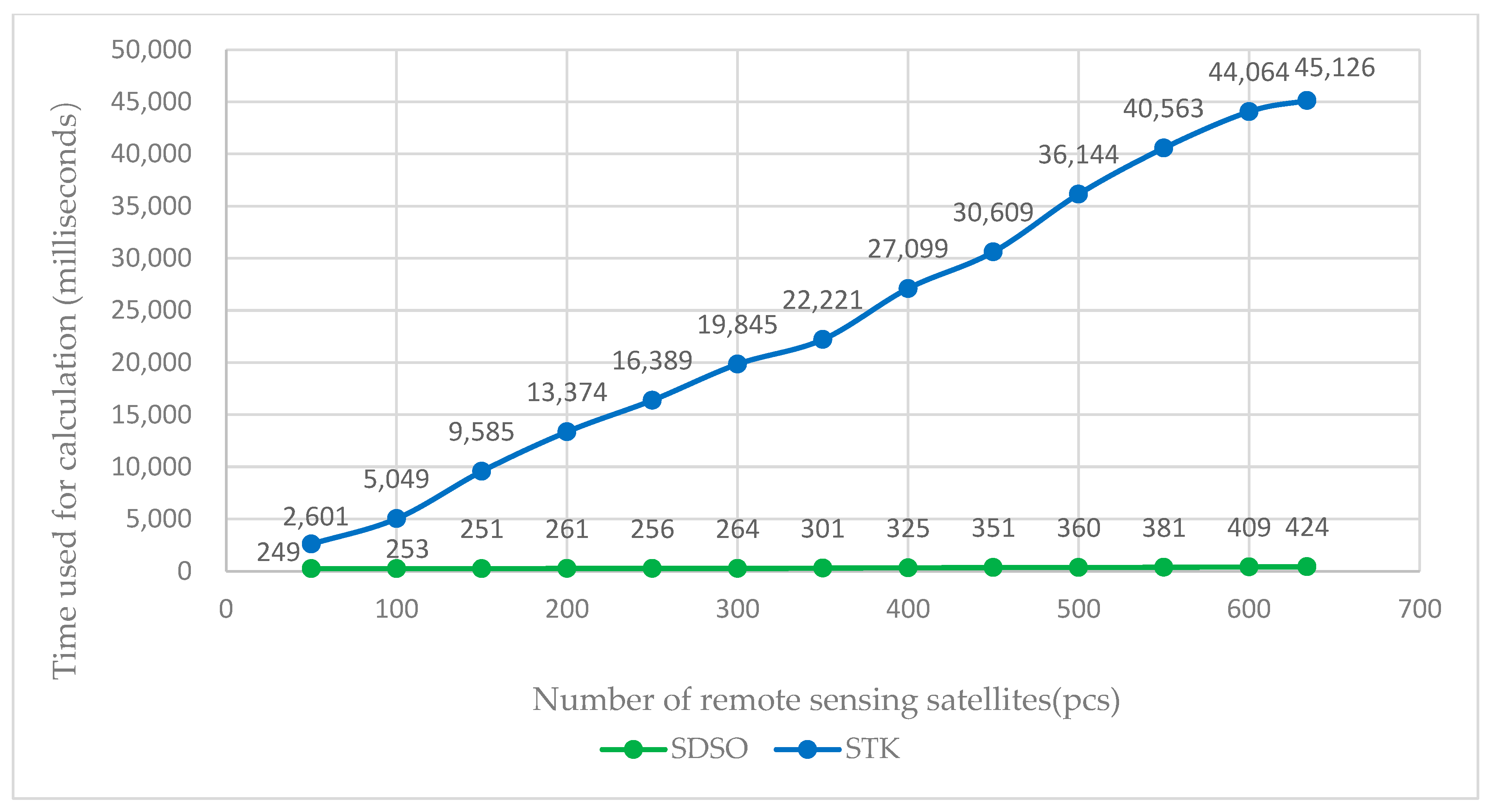
In recent years, the proliferation of remote sensing satellites has dramatically increased the demands of Earth observation and observing efficiency. Designing a promising satellite resource scheduling method is a pivotal way to meet the requirements of this scenario. However, with hundreds or more satellites involved, the existing optimization methods struggle to address the NP-hard resource scheduling problem effectively. In this paper, an approach named software-defined satellite observation (SDSO) is proposed. First, adopting the new design ideology, we define a unified specification based on a discrete spatial grid to describe the observation capability of all satellites. The observation resources are virtualized using the virtual resource pool technique and then stored in the database in advance, implementing on-demand acquisition for observation resources. Next, we designed a model of the remote sensing satellite resource scheduling problem based on a virtual resource pool and designed a solution method for searching information within the virtual resource pool. Finally, the experimental results show that the computational efficiency of the proposed SDSO methodology has a substantial advantage over the traditional methods. Meanwhile, with the growing number of satellites involved in scheduling, there is only a slight degradation in the execution performance of our method, while the time complexity of optimization-based approaches increases exponentially.
Keywords: earth observation; remote sensing satellites; resource scheduling; virtual resource pool; spatial grid earth observation; remote sensing satellites; resource scheduling; virtual resource pool; spatial grid