Article

Extending the GOSAILT Model to Simulate Sparse Woodland Bi-Directional Reflectance with Soil Reflectance Anisotropy Consideration


1
State Key Laboratory of Remote Sensing Science, Aerospace Information Research Institute, Chinese Academy of Sciences, Beijing 100101, China
2
University of Chinese Academy of Sciences, Beijing 100049, China
*
Author to whom correspondence should be addressed.
Remote Sens. 2022, 14(4), 1001; https://doi.org/10.3390/rs14041001
Submission received: 24 December 2021 / Revised: 10 February 2022 / Accepted: 16 February 2022 / Published: 18 February 2022

Abstract

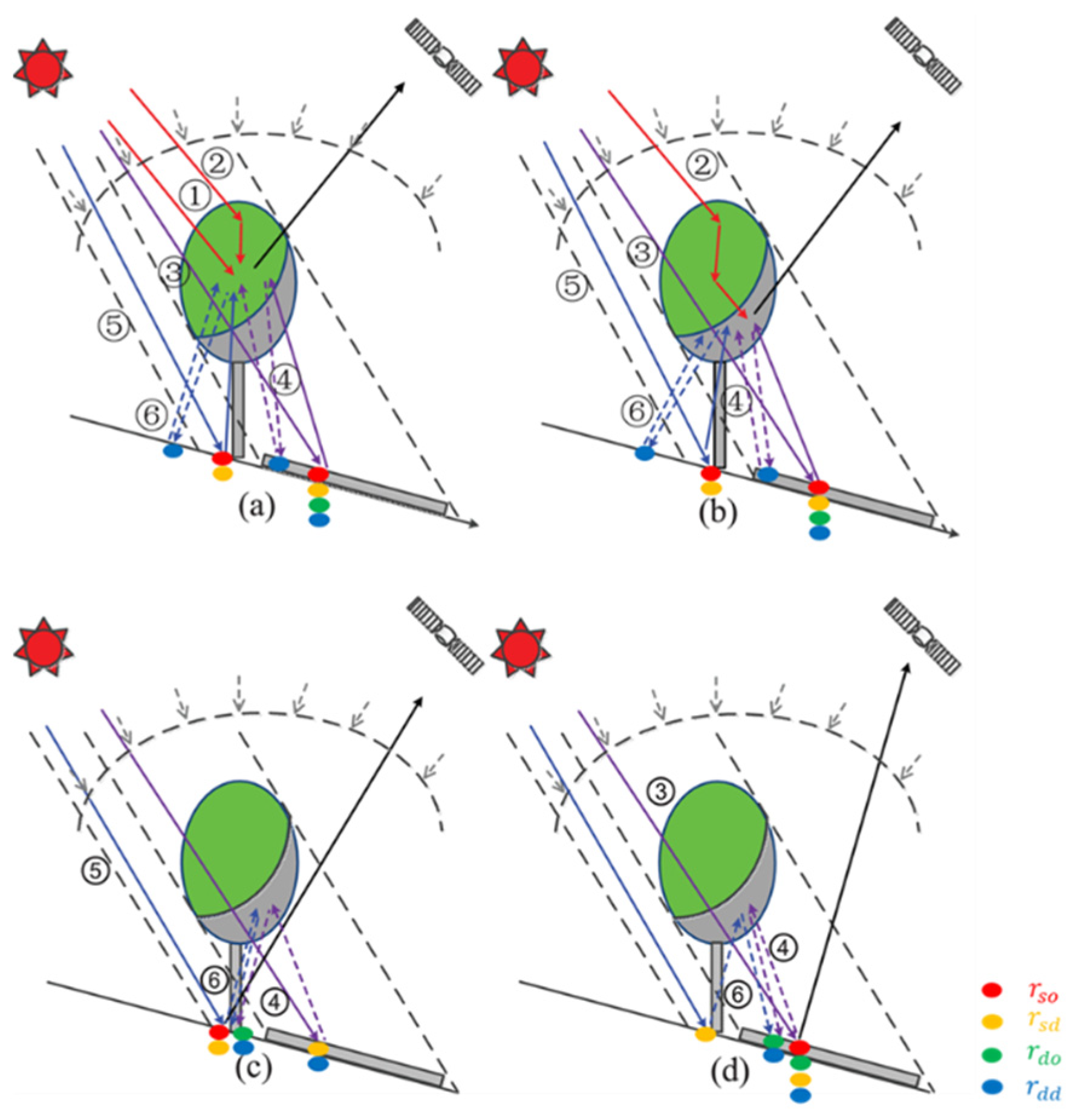
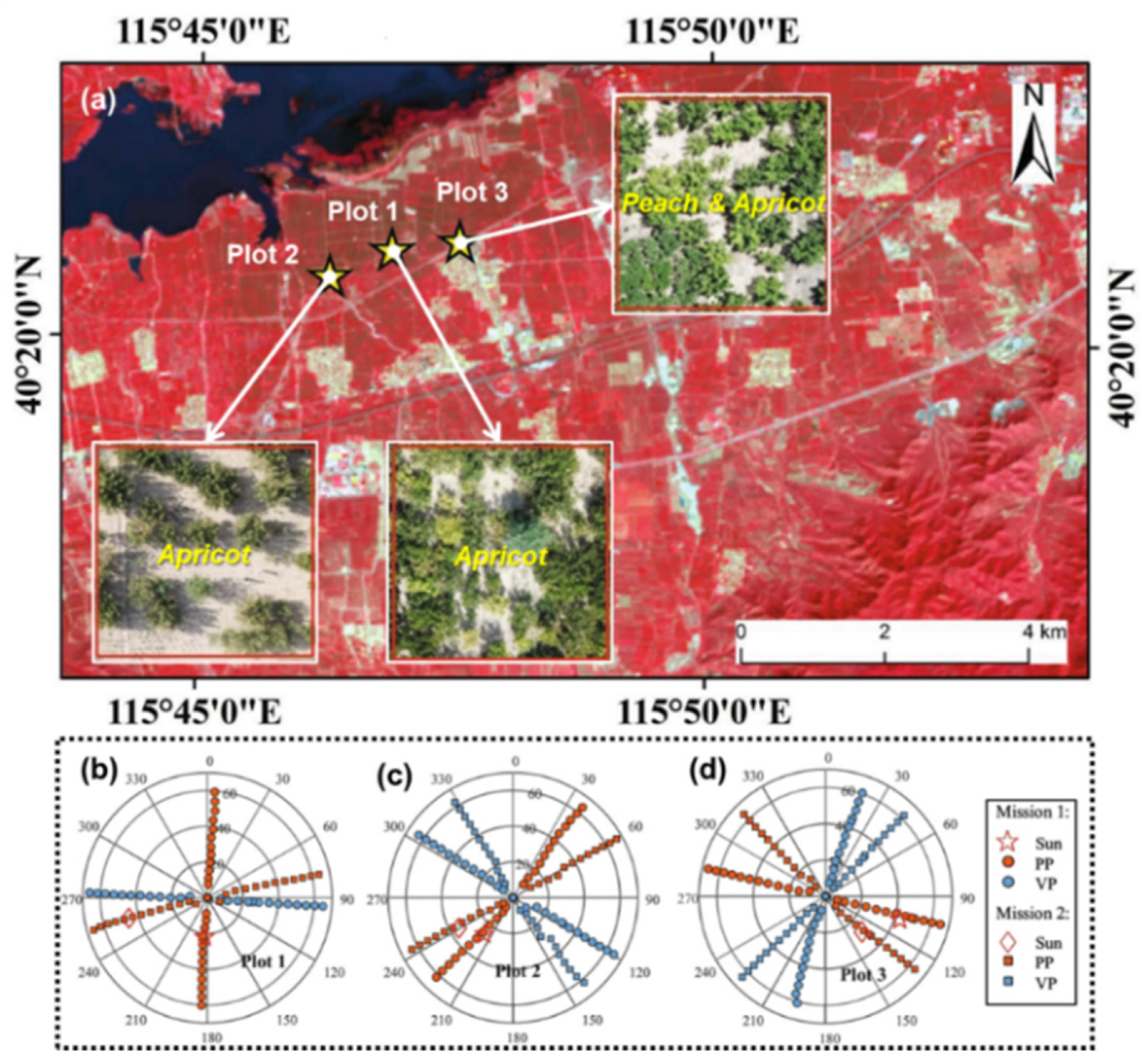
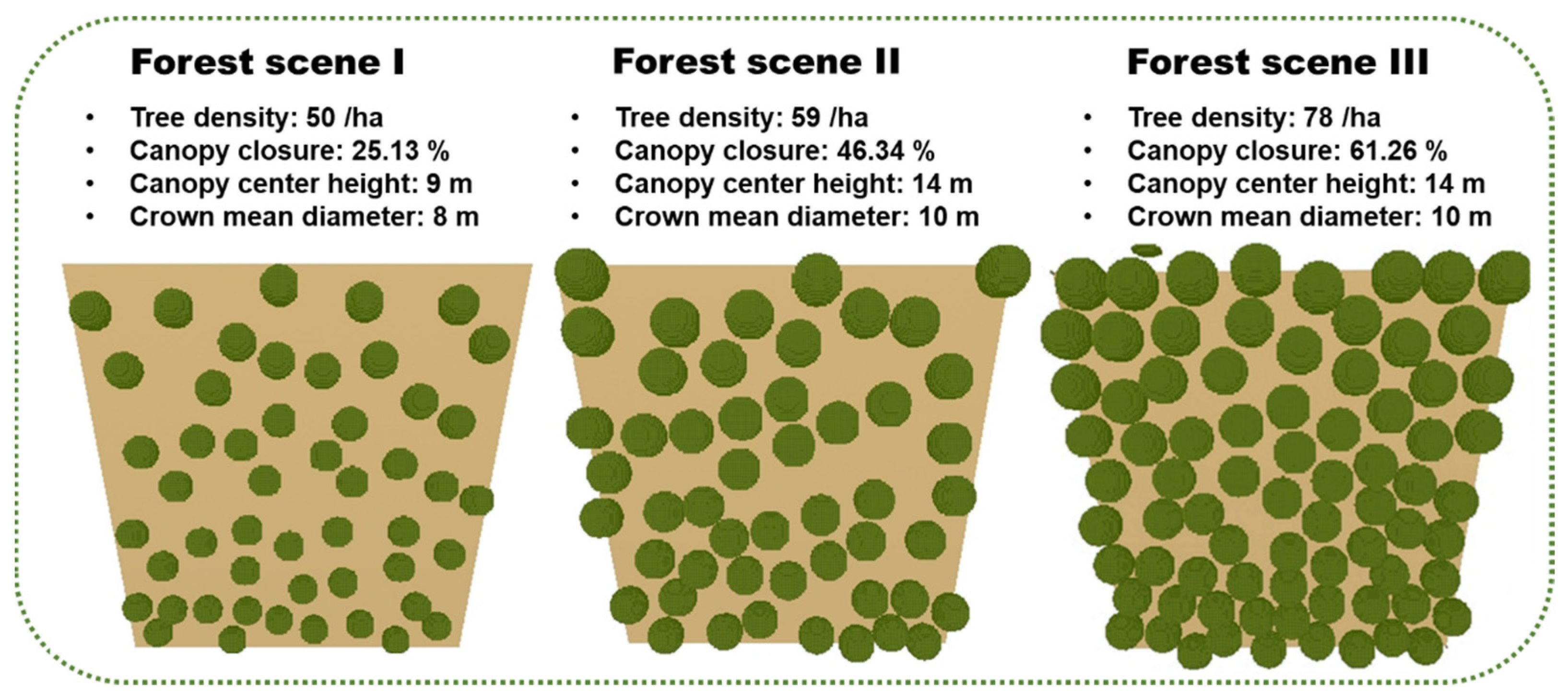
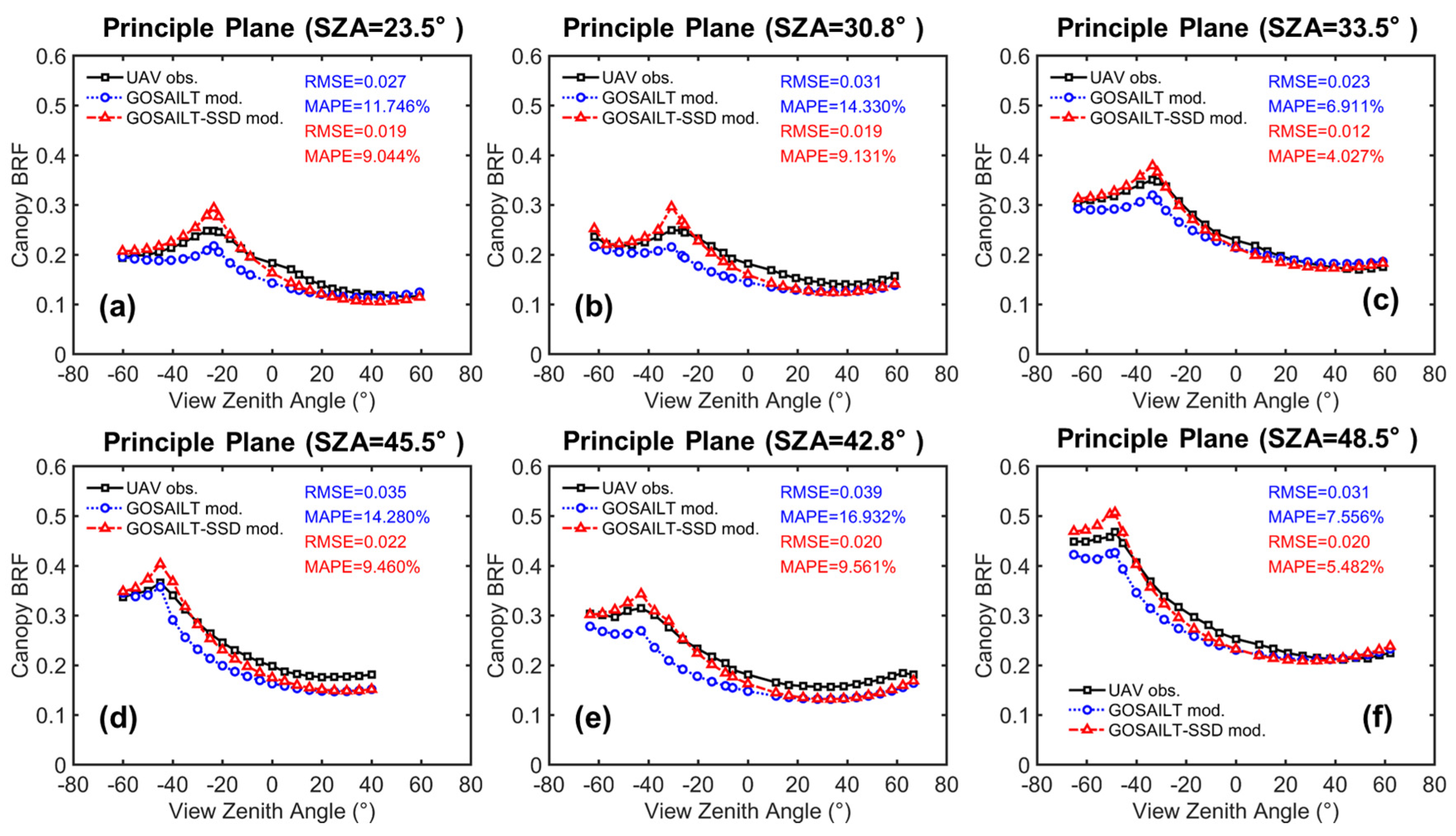
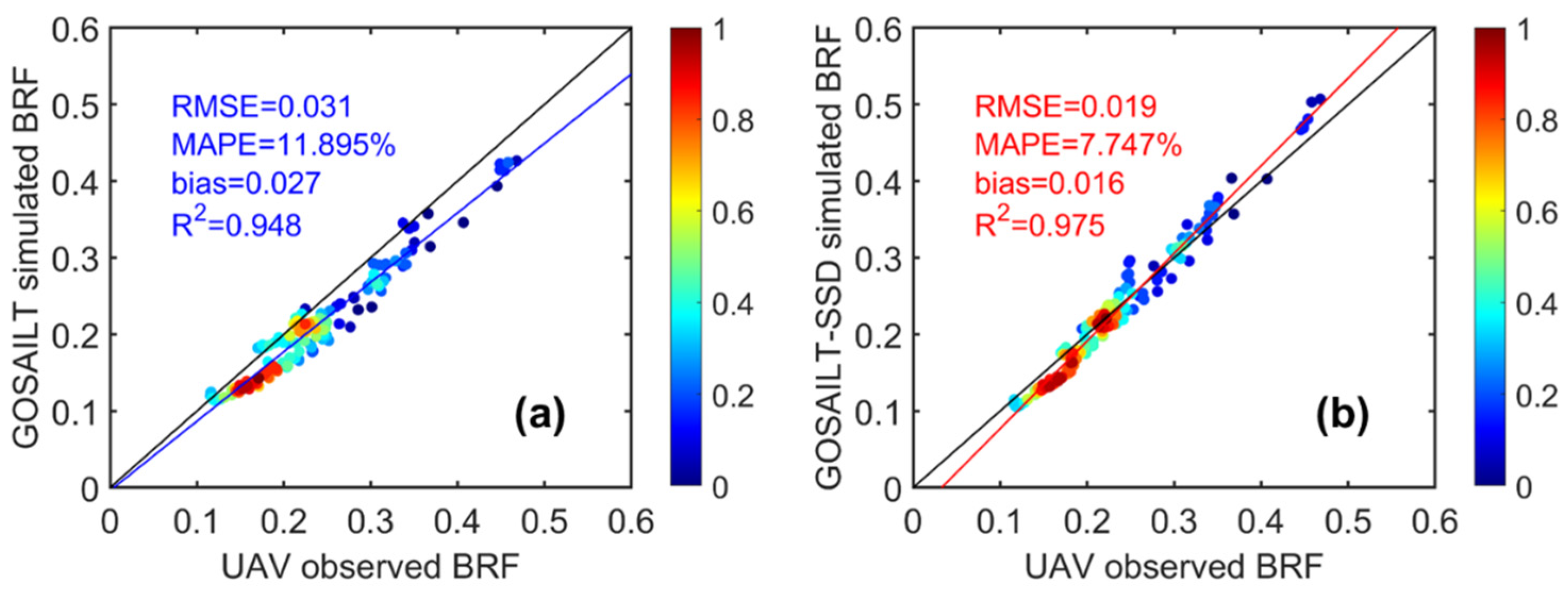
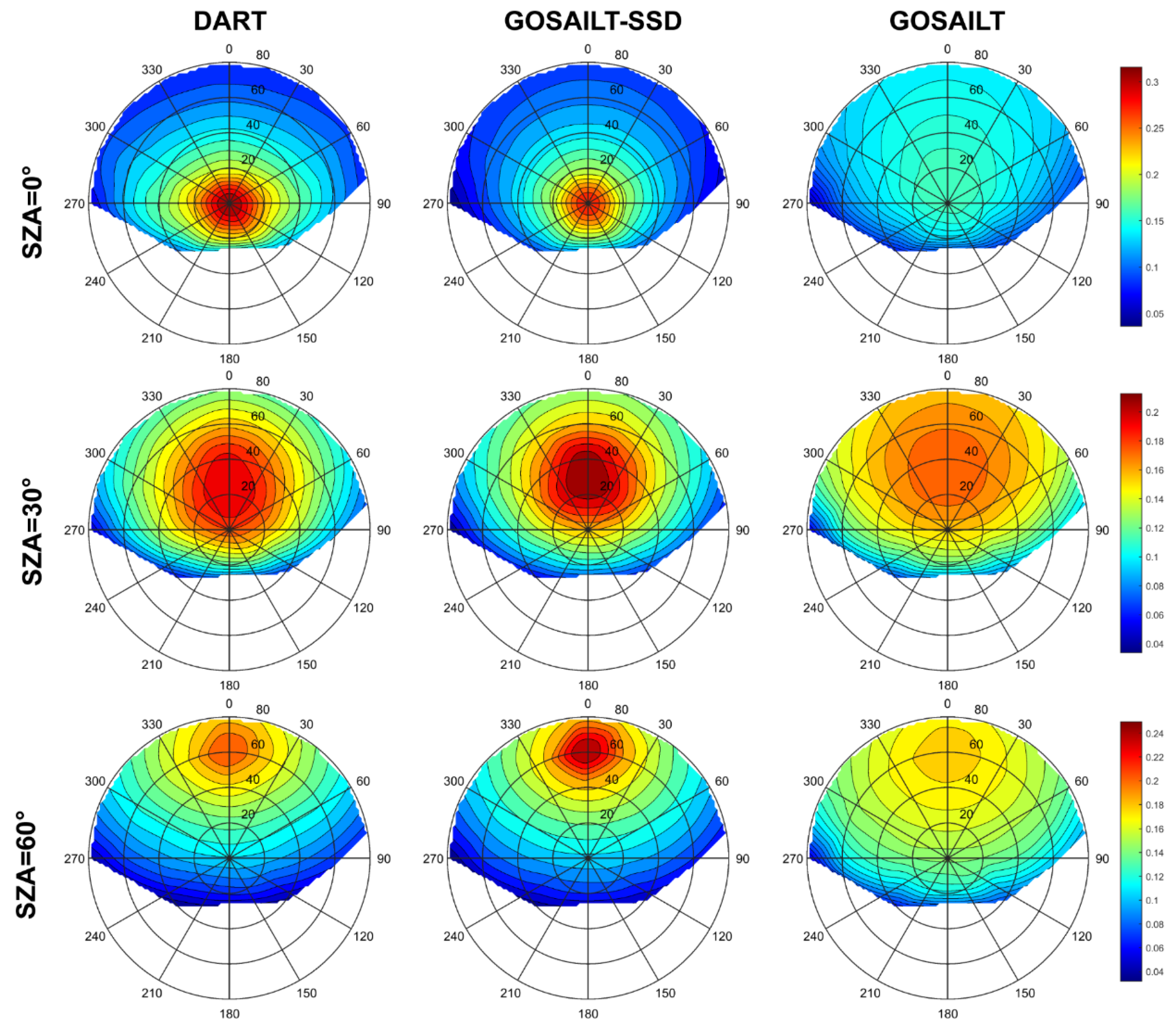
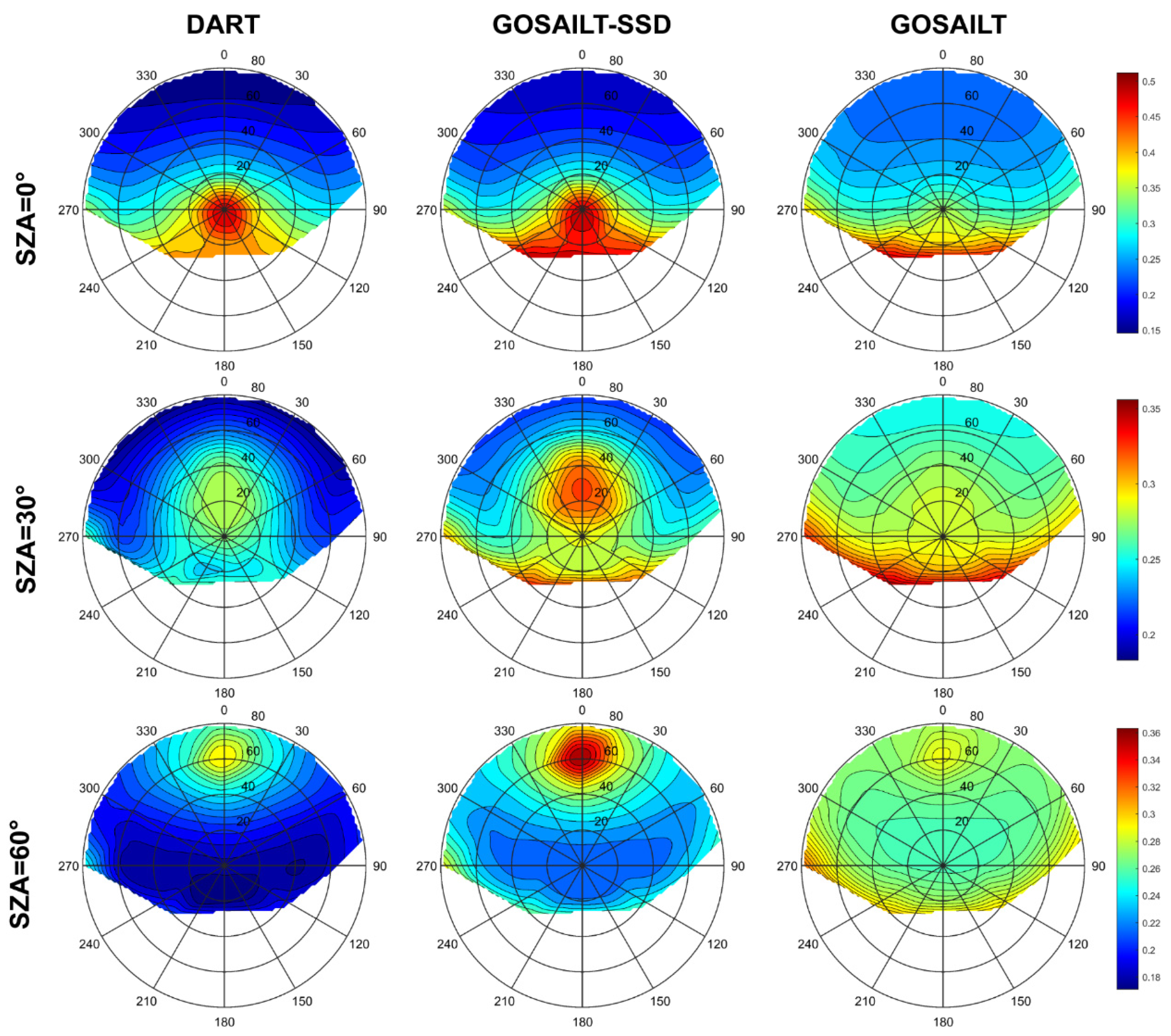
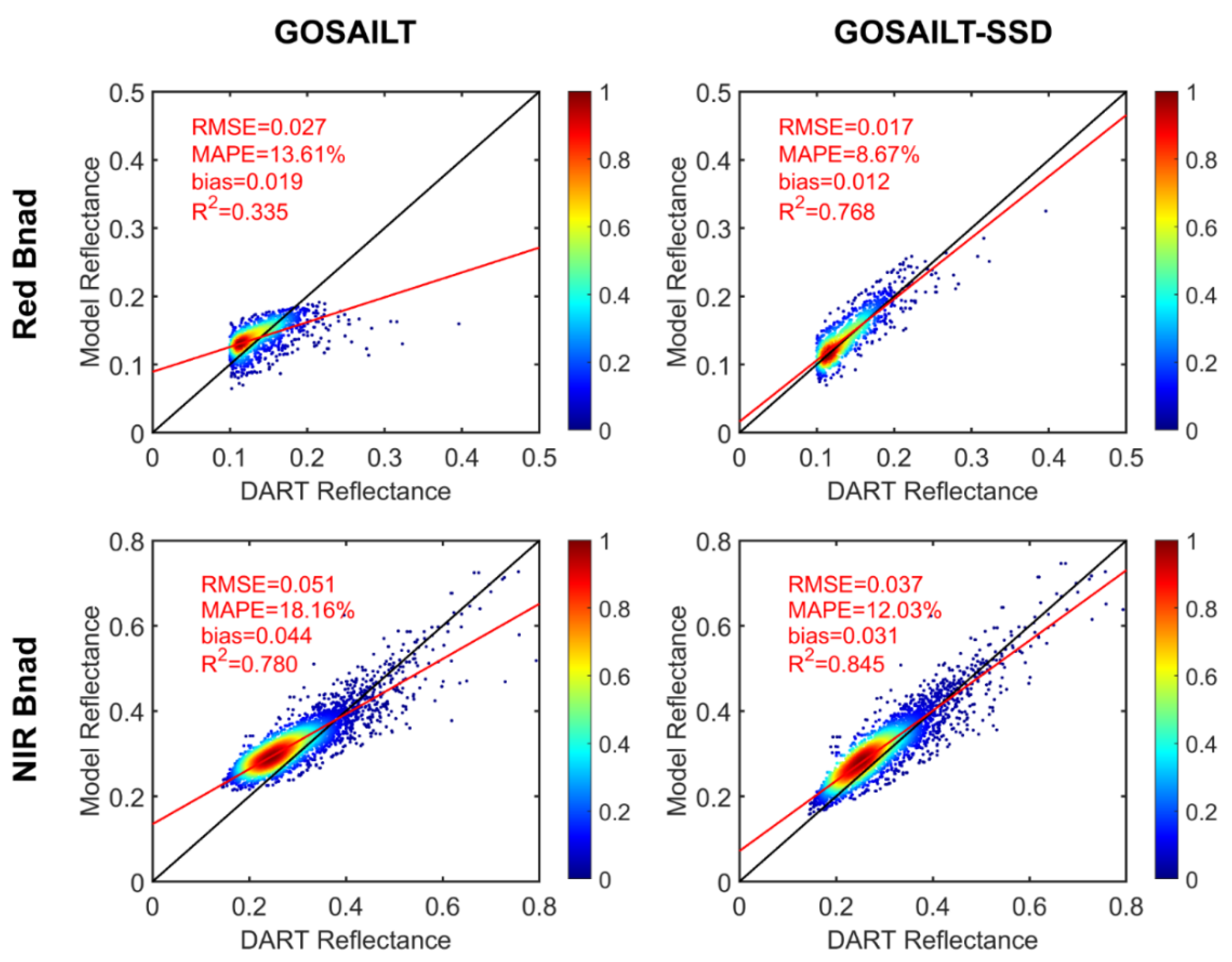
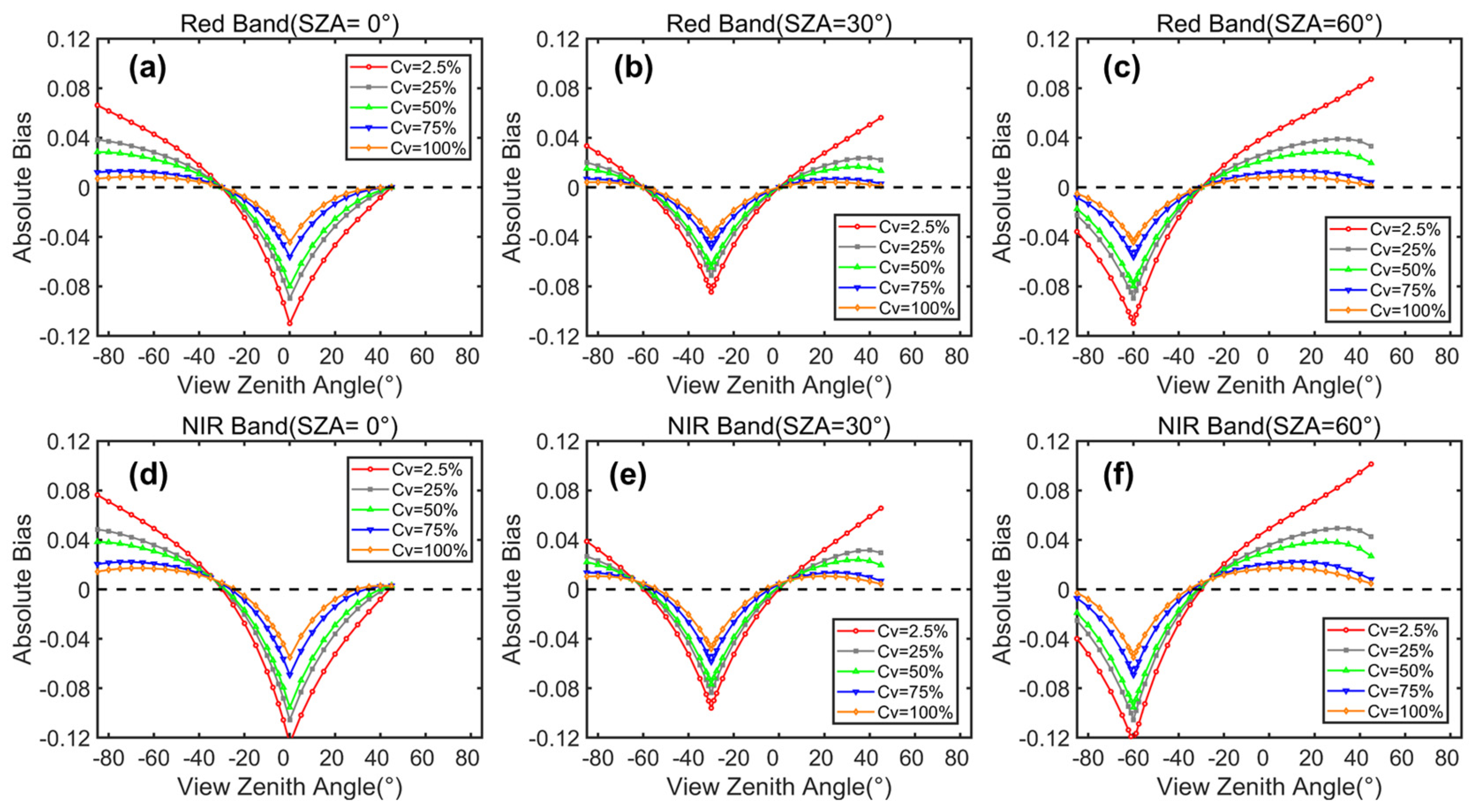
Anisotropic canopy reflectance plays a crucial role in estimating vegetation biophysical parameters, whereas soil reflectance anisotropy affects canopy reflectance. However, woodland canopy bidirectional reflectance distribution function (BRDF) models considering soil anisotropy are far from universal, especially for the BRDF models of mountain forest. In this study, a mountain forest canopy model, named geometric-optical and mutual shadowing and scattering from arbitrarily inclined-leaves model coupled with topography (GOSAILT), was extended to consider the soil anisotropic reflectance characteristics by introducing the simple soil directional (SSD) reflectance model. The modified GOSAILT model (named GOSAILT-SSD) was evaluated using unmanned aerial vehicle (UAV) field observations and discrete anisotropic radiative transfer (DART) simulations. Then, the effects of Lambertian soil assumption on simulating the vi-directional reflectance factor (BRF) were evaluated across different fractions of vegetation cover (Cv), view zenith angles (VZA), solar zenith angles (SZA), and spectral bands with the GOSAILT-SSD model. The evaluation results, with the DART simulations, show that the performance of the GOSAILT-SSD model in simulating canopy BRF is significantly improved, with decreasing RMSE, from 0.027 to 0.017 for the red band and 0.051 to 0.037 for the near-infrared (NIR) band. Meanwhile, the GOSAILT-SSD simulations show high consistency with UAV multi-angular observations (R2 = 0.97). Besides, it is also found that the BRF simulation errors caused by Lambertian soil assumption are too large to be neglected, with a maximum relative bias of about 45% for the red band. This inappropriate assumption results in a remarkable BRF underestimation near the hot spot direction and an obvious BRF overestimation for large VZA in the solar principal plane (PP). Meanwhile, this simulation bias decreases with the increase of fraction of vegetation cover. This study provides an effective technique to improve the capability of the mountain forest canopy BRDF model by considering the soil anisotropic characteristics for advancing the modeling of radiative transfer (RT) processes over rugged terrain.
Keywords: canopy BRF; soil reflectance; sloping terrain; forest; Lambertian assumption canopy BRF; soil reflectance; sloping terrain; forest; Lambertian assumption