Article

Assessment of the Steering Precision of a UAV along the Flight Profiles Using a GNSS RTK Receiver


1
Department of Geodesy and Oceanography, Gdynia Maritime University, Morska 81-87, 81-225 Gdynia, Poland
2
Department of Transport and Logistics, Gdynia Maritime University, Morska 81-87, 81-225 Gdynia, Poland
*
Author to whom correspondence should be addressed.
Remote Sens. 2022, 14(23), 6127; https://doi.org/10.3390/rs14236127
Submission received: 9 November 2022 / Revised: 28 November 2022 / Accepted: 29 November 2022 / Published: 2 December 2022
(This article belongs to the Special Issue GNSS CORS Application)

Abstract

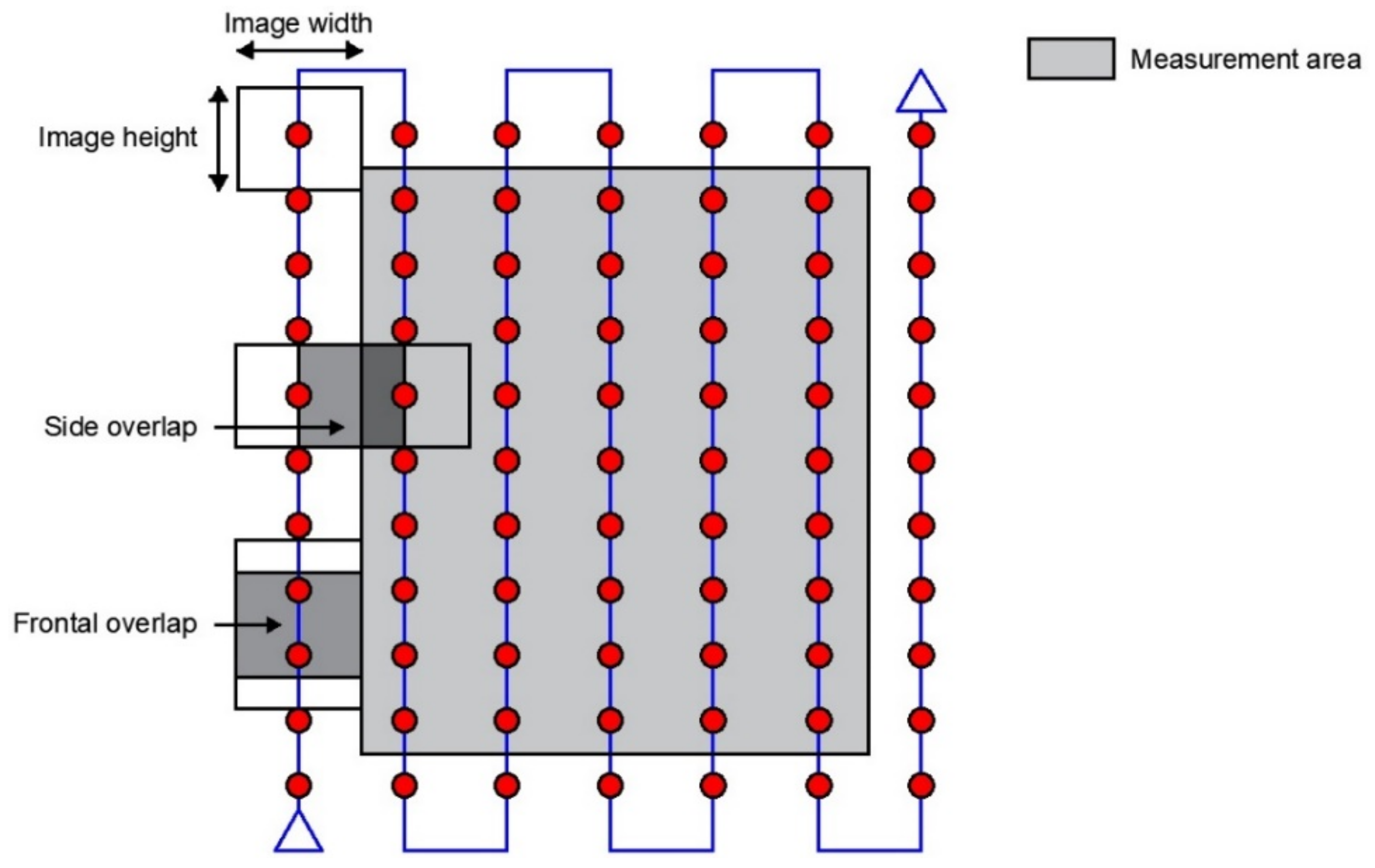
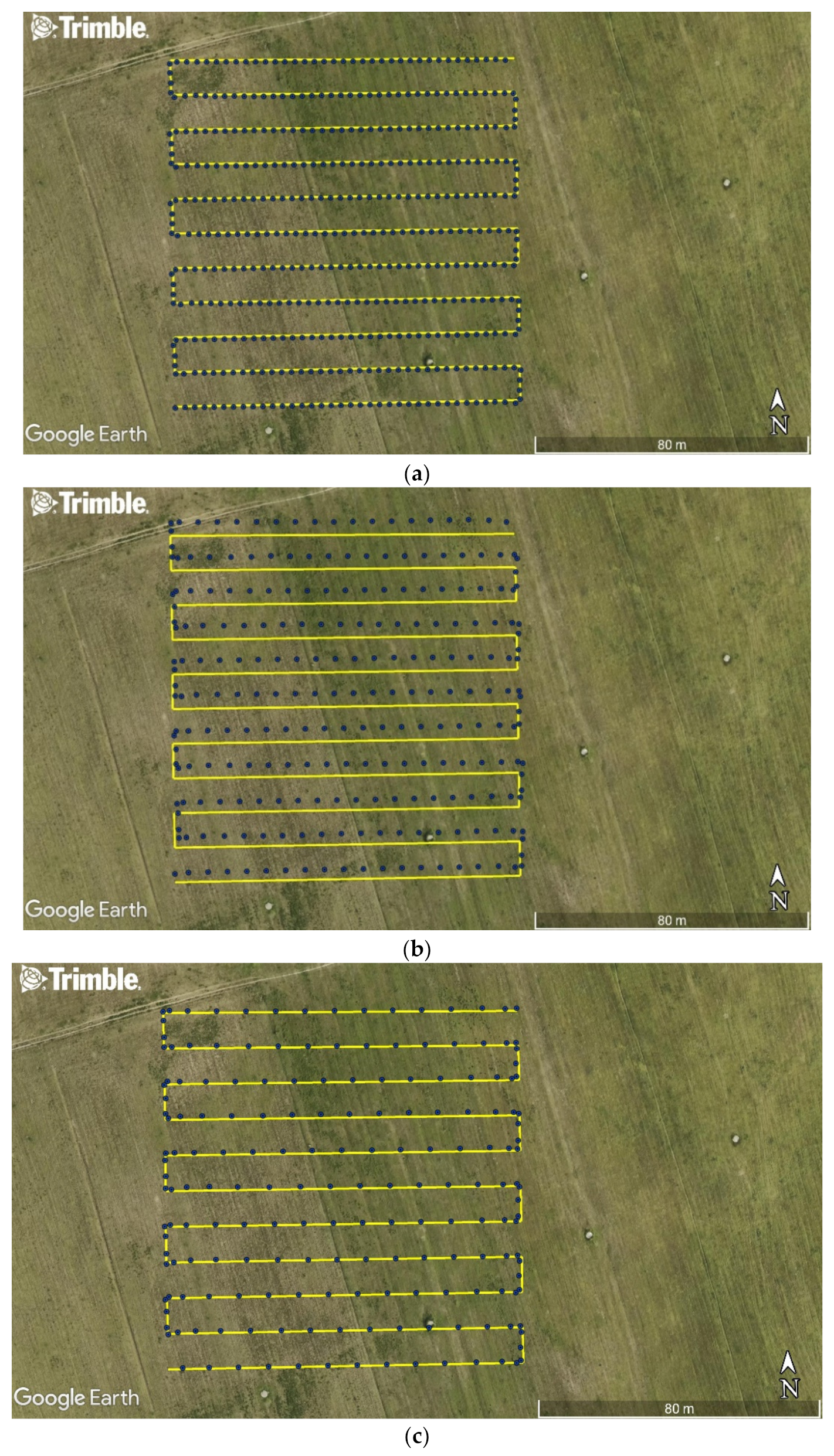
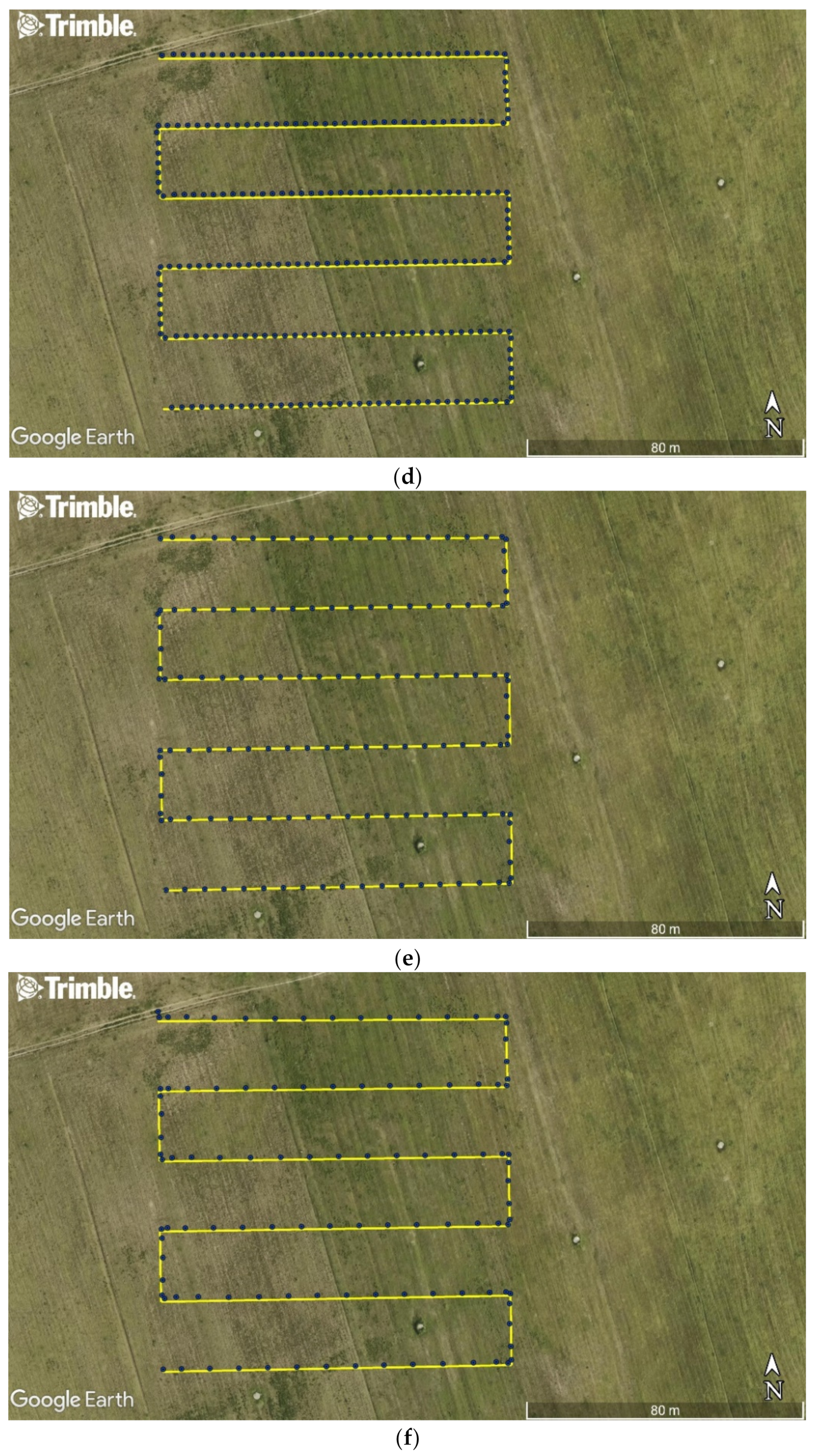
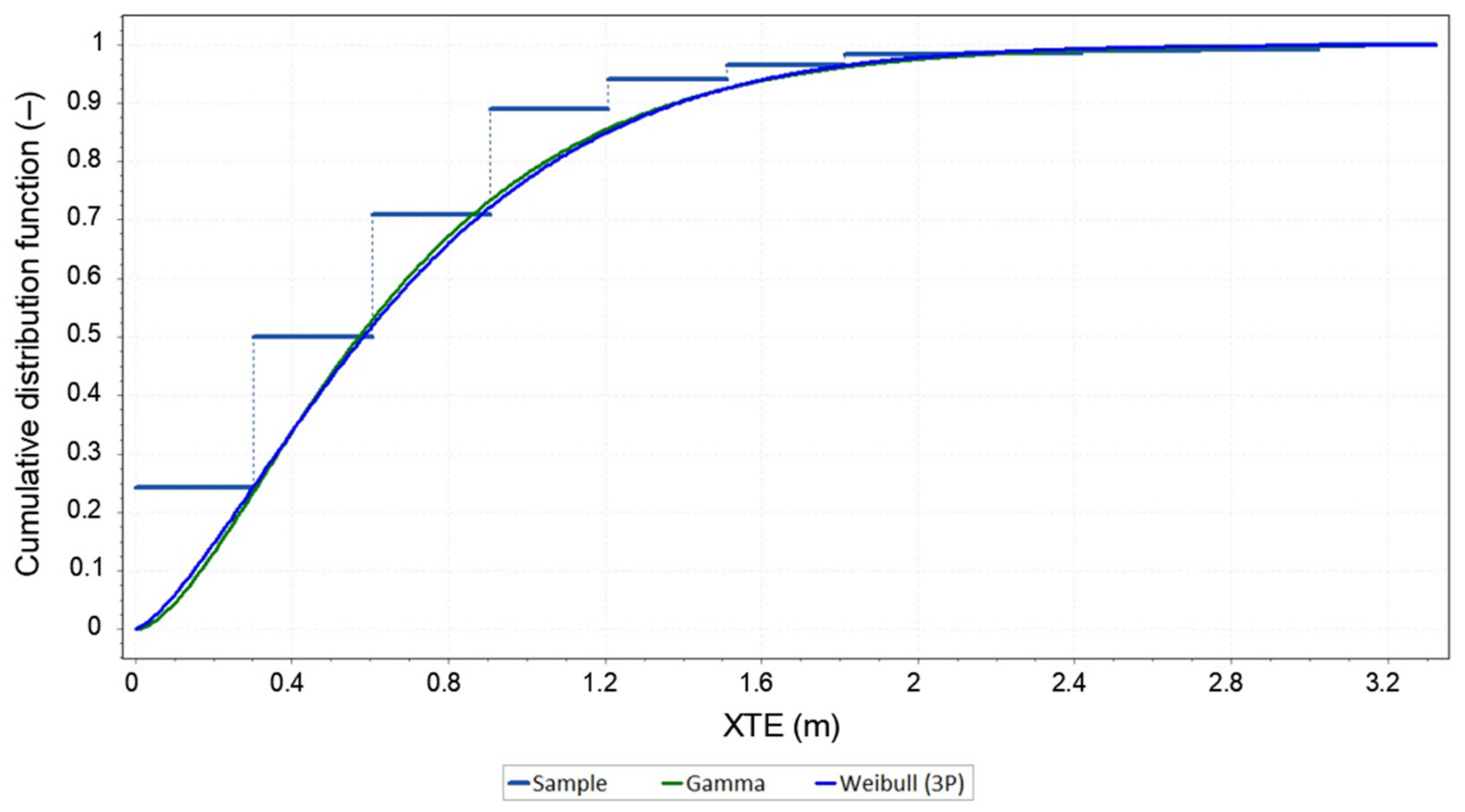
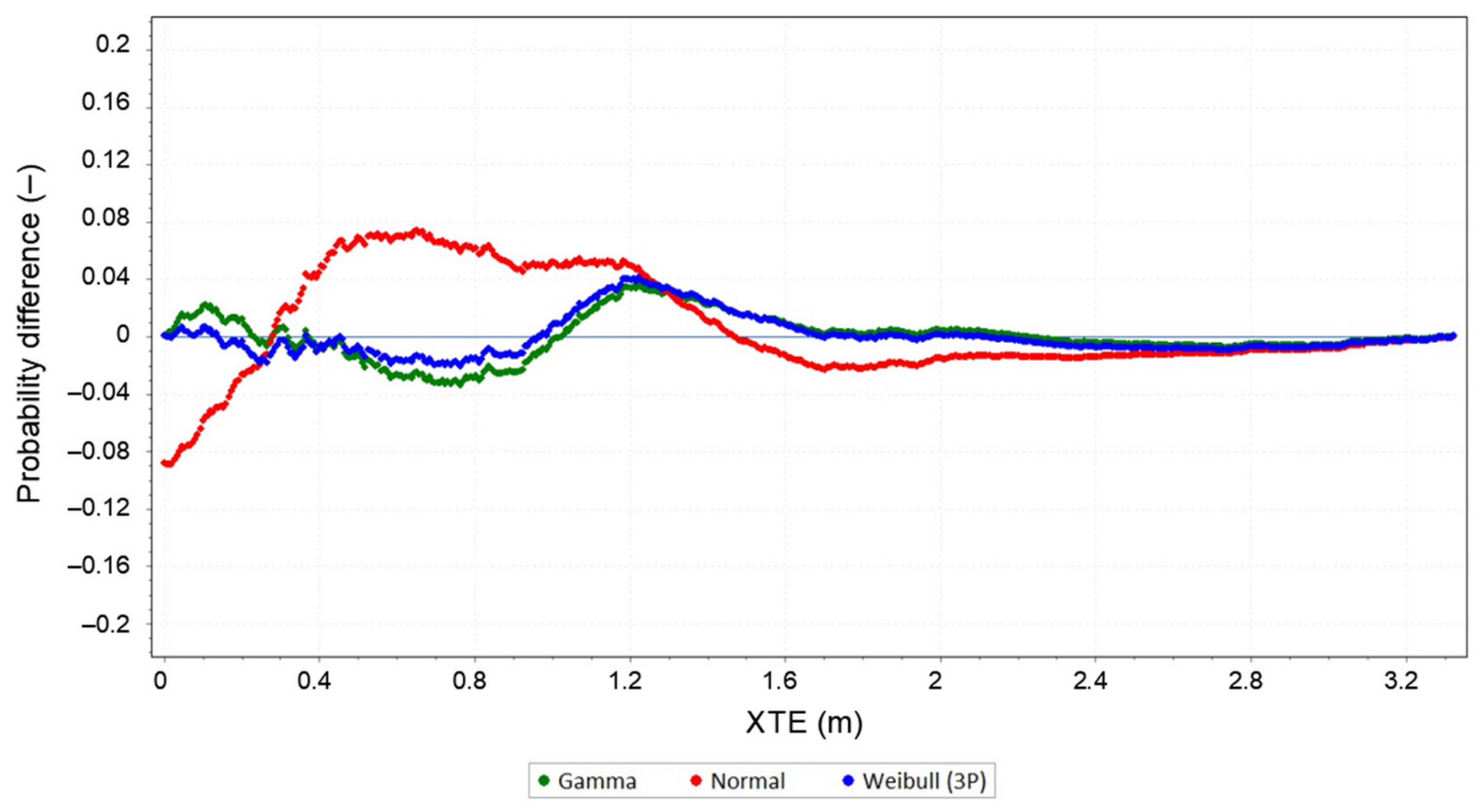
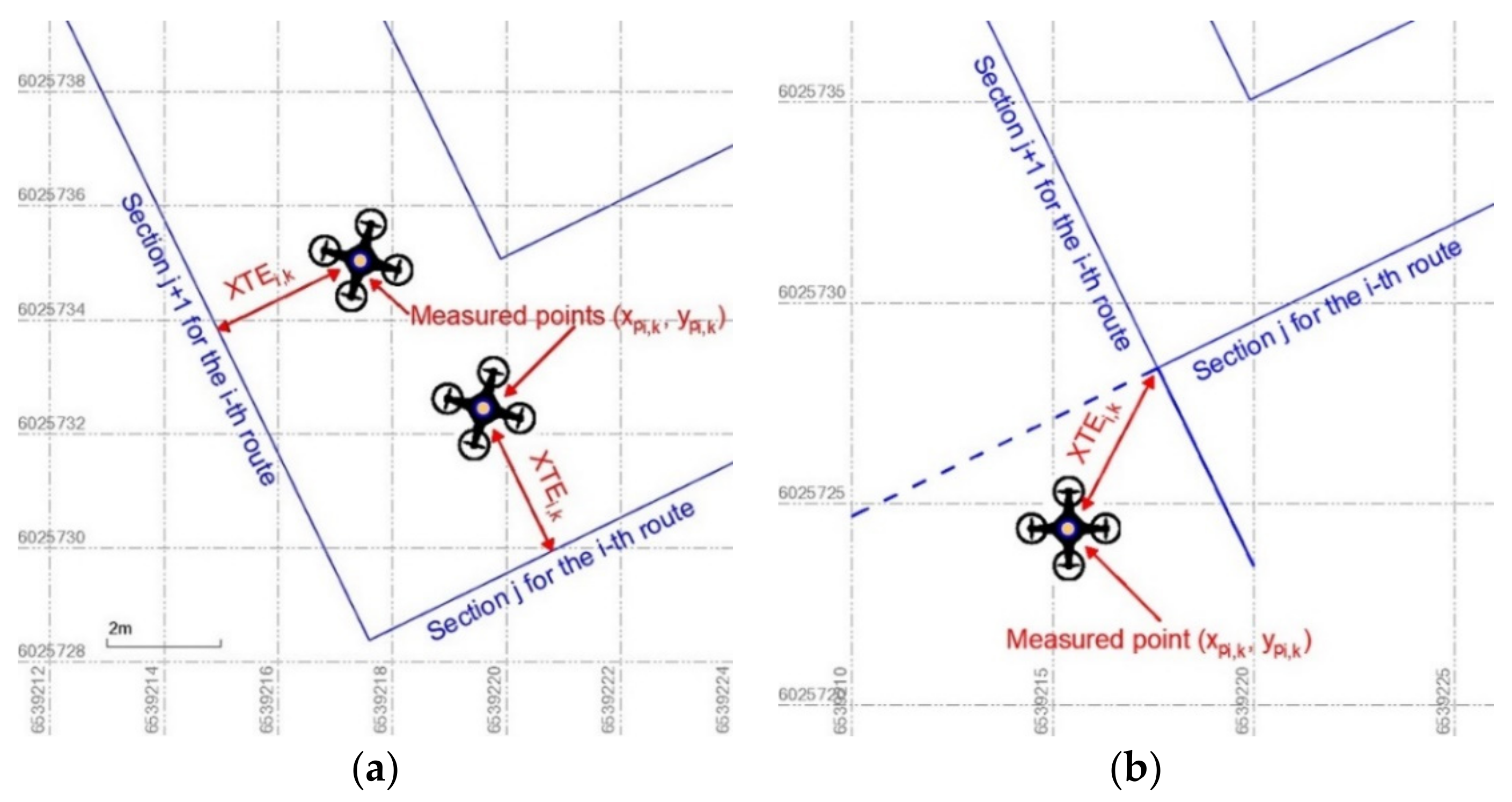
Photogrammetric surveys are increasingly being carried out using Unmanned Aerial Vehicles (UAV). Steering drones along the flight profiles is one of the main factors that determines the quality of the compiled photogrammetric products. The aim of this article is to present a methodology for performing and processing measurements, which are used in order to determine the accuracy of steering any drone along flight profiles. The study used a drone equipped with a Global Navigation Satellite System (GNSS) Real Time Kinematic (RTK) receiver. The measurements were performed on two routes which comprised parallel profiles distant from each other by 10 m and 20 m. The study was conducted under favourable meteorological conditions (windless and sunny weather) at three speeds (10 km/h, 20 km/h and 30 km/h). The cross track error (XTE), which is the distance between a UAV’s position and the flight profile, calculated transversely to the course, was adopted as the accuracy measure of steering a UAV along the flight profiles. Based on the results obtained, it must be concluded that the values of XTE measures for two representative routes are very similar and are not determined by the flight speed. The XTE68 measure (p = 0.68) ranged from 0.39 m to 1.00 m, while the XTE95 measure (p = 0.95) ranged from 0.60 m to 1.22 m. Moreover, analyses demonstrated that the statistical distribution of the XTE measure was most similar to the gamma and Weibull (3P) distributions.
Keywords: Unmanned Aerial Vehicle (UAV); Global Navigation Satellite System (GNSS); Real Time Kinematic (RTK); photogrammetric surveys; cross track error (XTE) Unmanned Aerial Vehicle (UAV); Global Navigation Satellite System (GNSS); Real Time Kinematic (RTK); photogrammetric surveys; cross track error (XTE)