Article

Analysis of the Double-Bounce Interaction between a Random Volume and an Underlying Ground, Using a Controlled High-Resolution PolTomoSAR Experiment

by
Ray Abdo
1,*,
Laurent Ferro-Famil
1,2,
Frederic Boutet
1 and
Sophie Allain-Bailhache
1
1
IETR (Institut d’Electroniques et de Télécommunications de Rennes), University of Rennes 1, 35000 Rennes, France
2
CESBIO (Centre d’Etudes Spatiales de la Biosphère), University of Toulouse, 31400 Toulouse, France
*
Author to whom correspondence should be addressed.
Remote Sens. 2021, 13(4), 636; https://doi.org/10.3390/rs13040636
Submission received: 31 December 2020 / Revised: 29 January 2021 / Accepted: 5 February 2021 / Published: 10 February 2021
(This article belongs to the Special Issue SAR Tomography of Natural Media)

Abstract

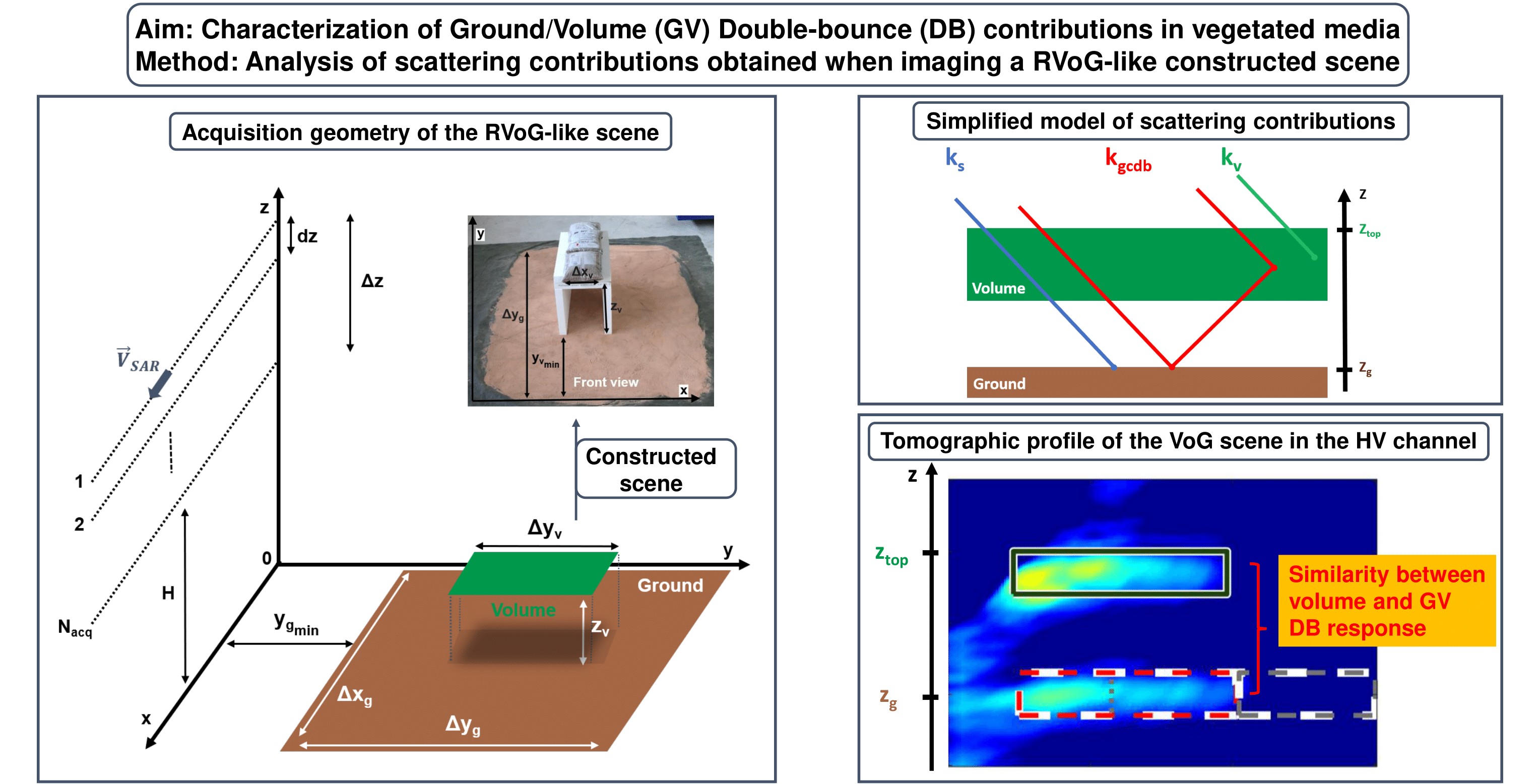
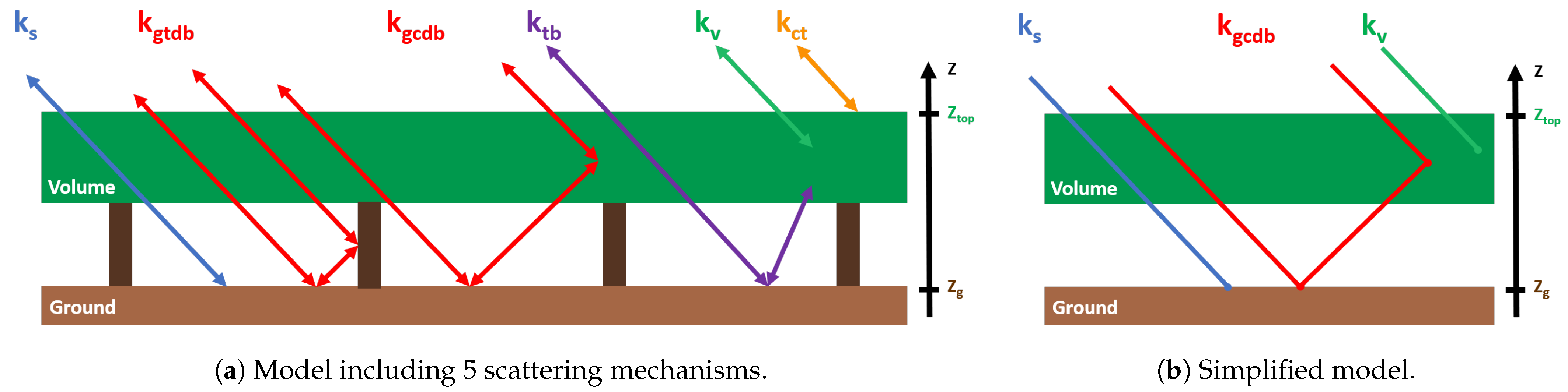
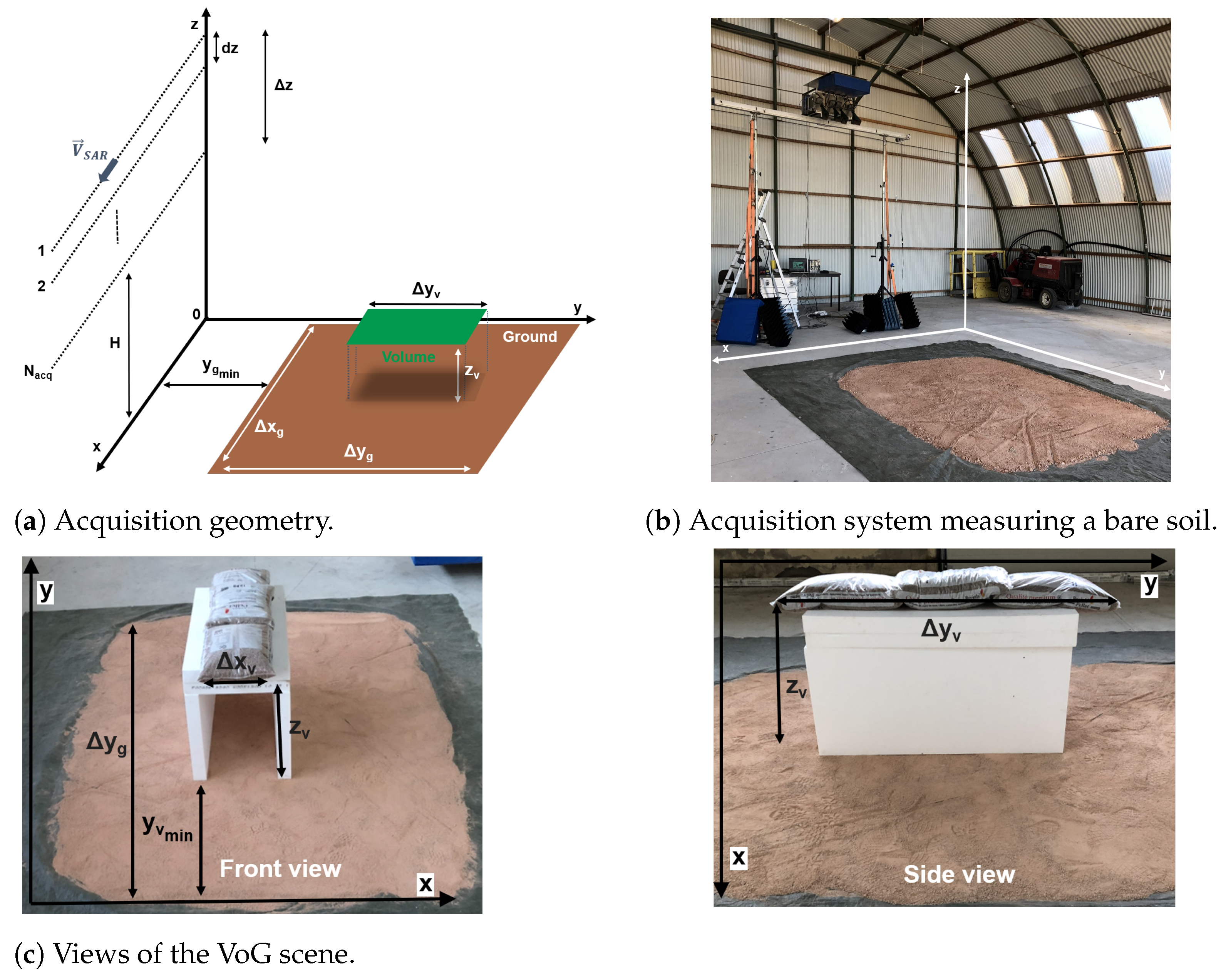
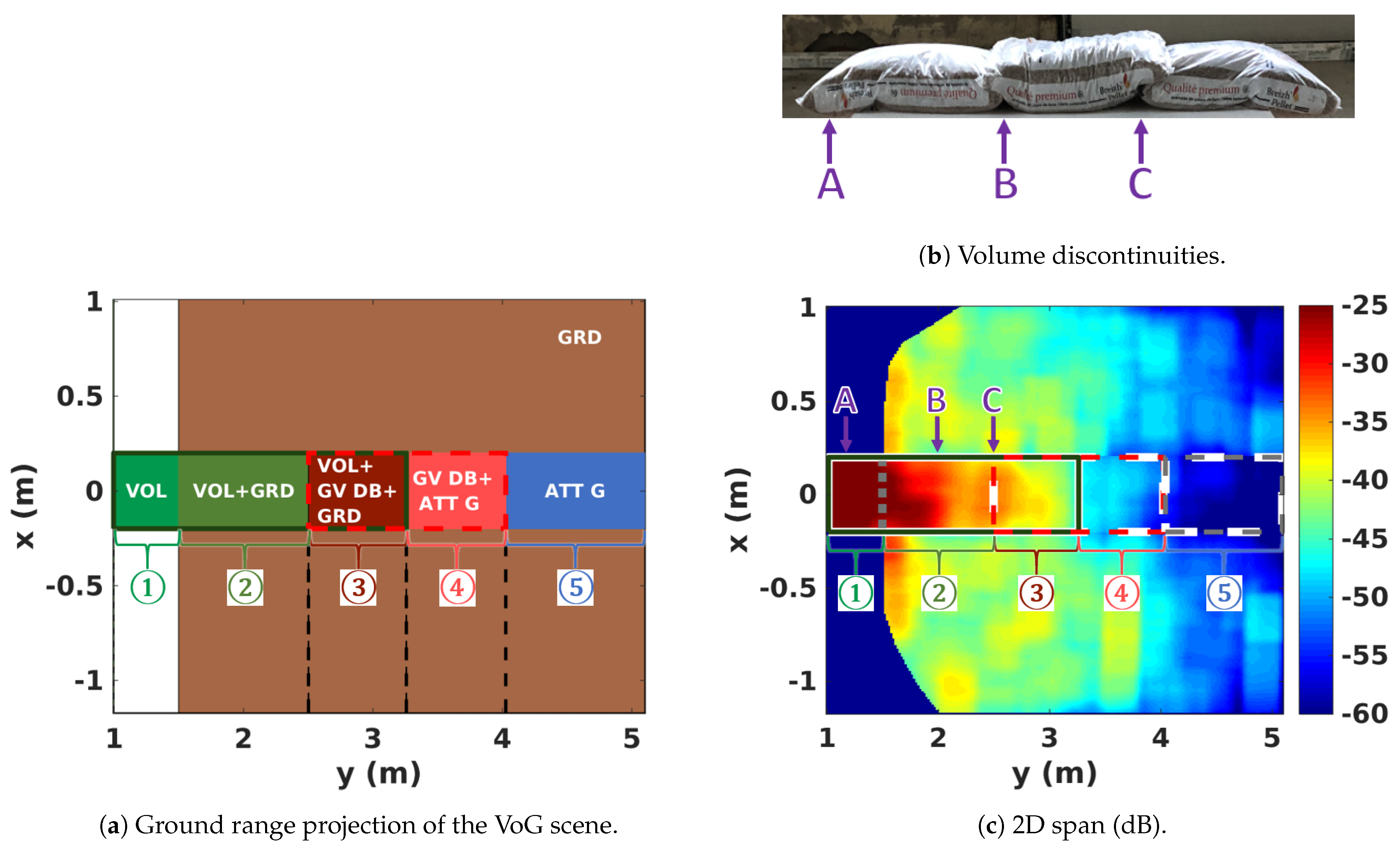
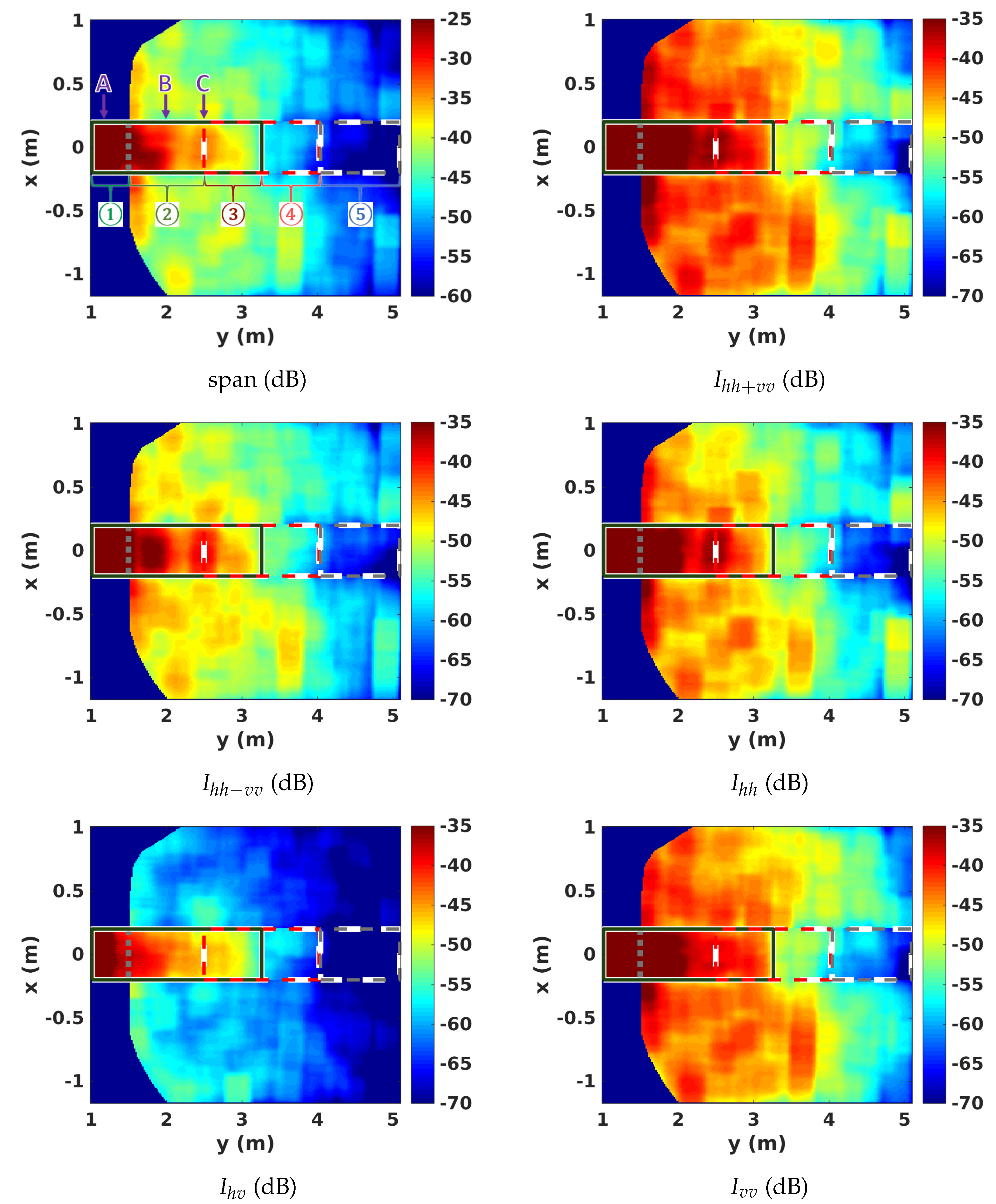
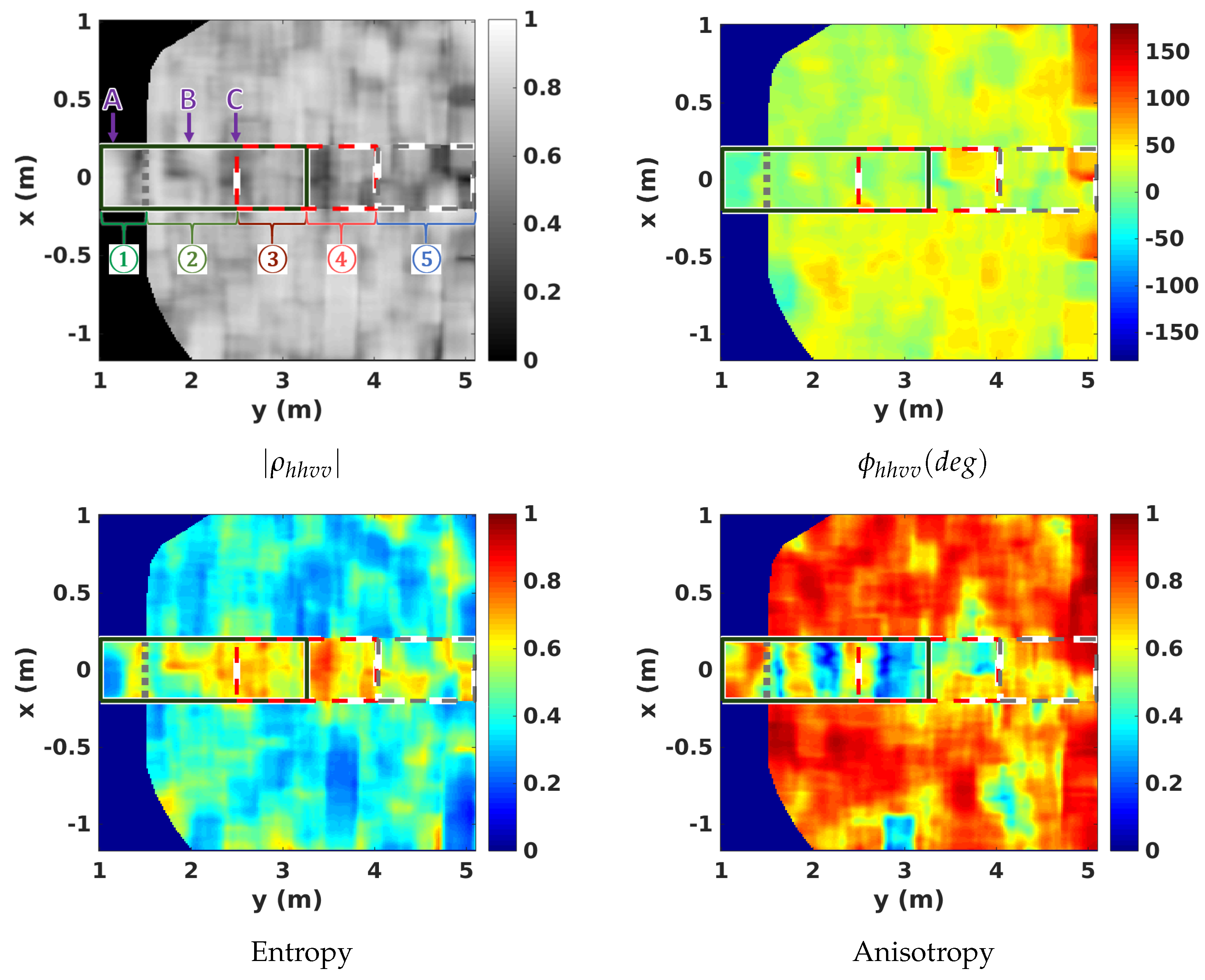
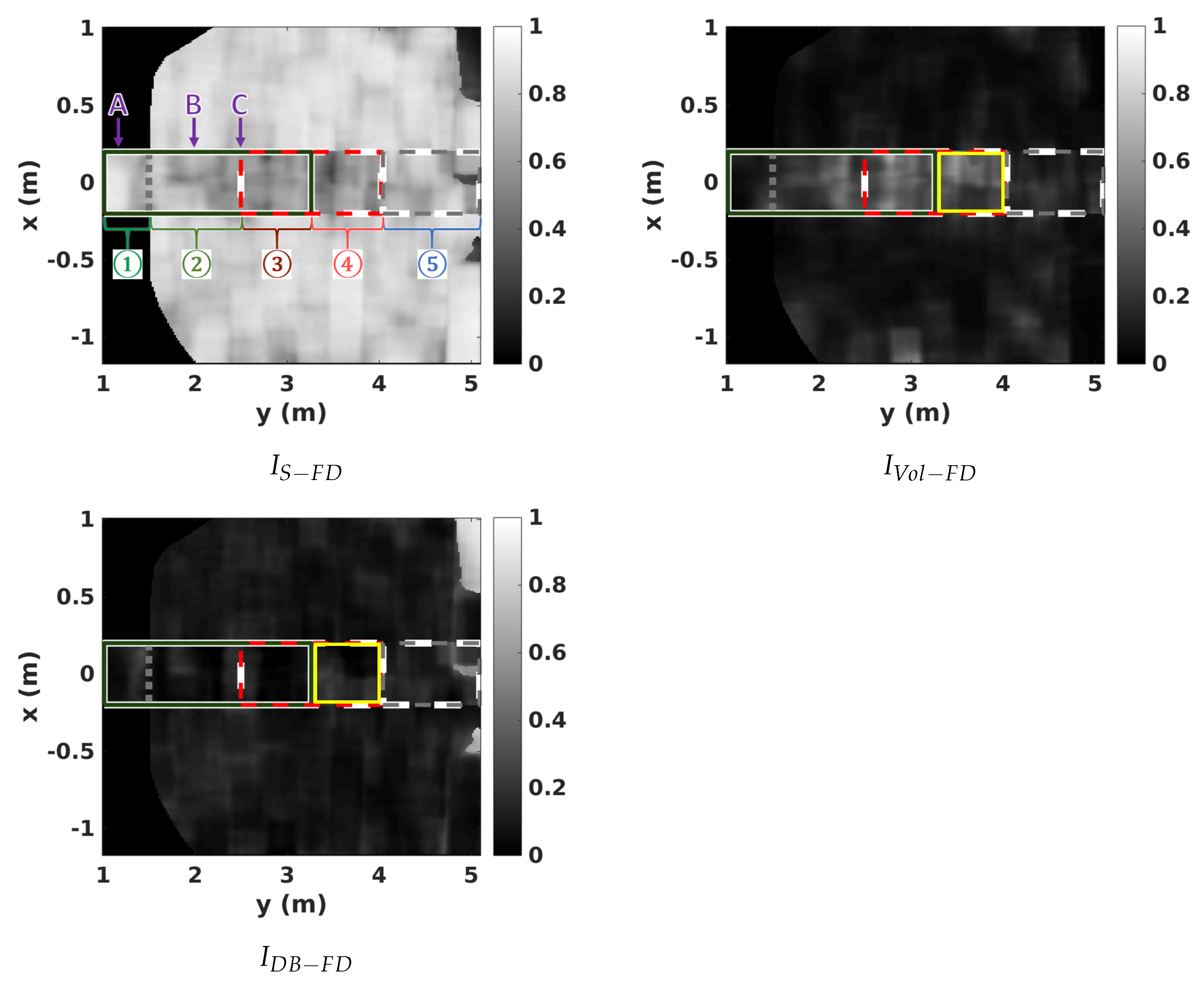
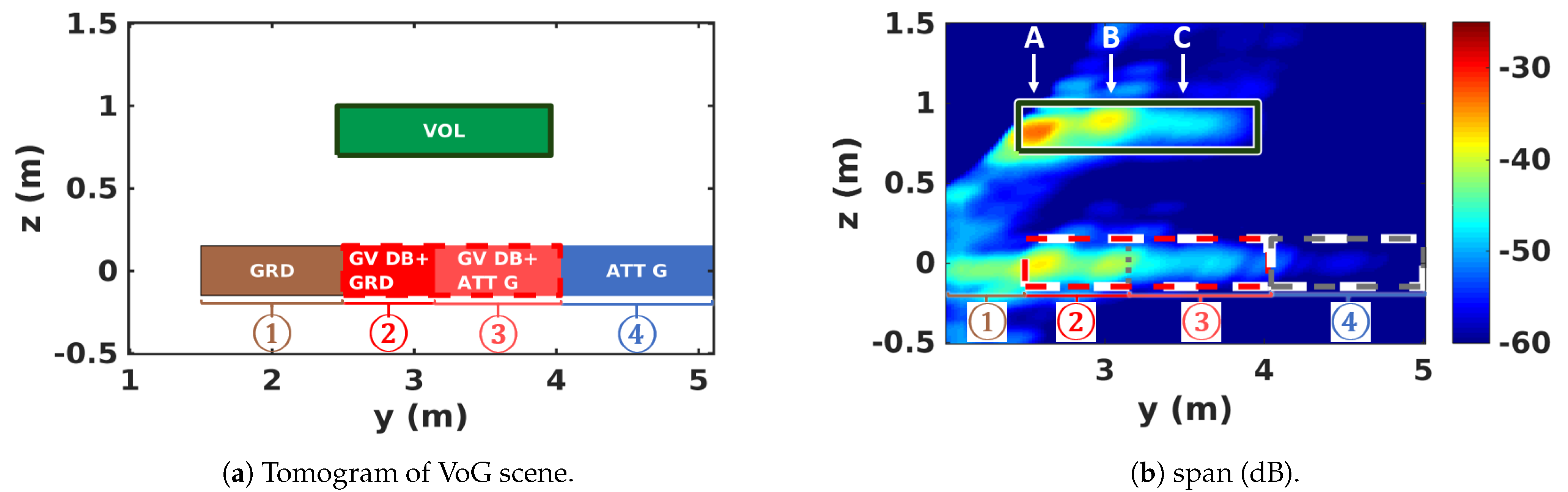
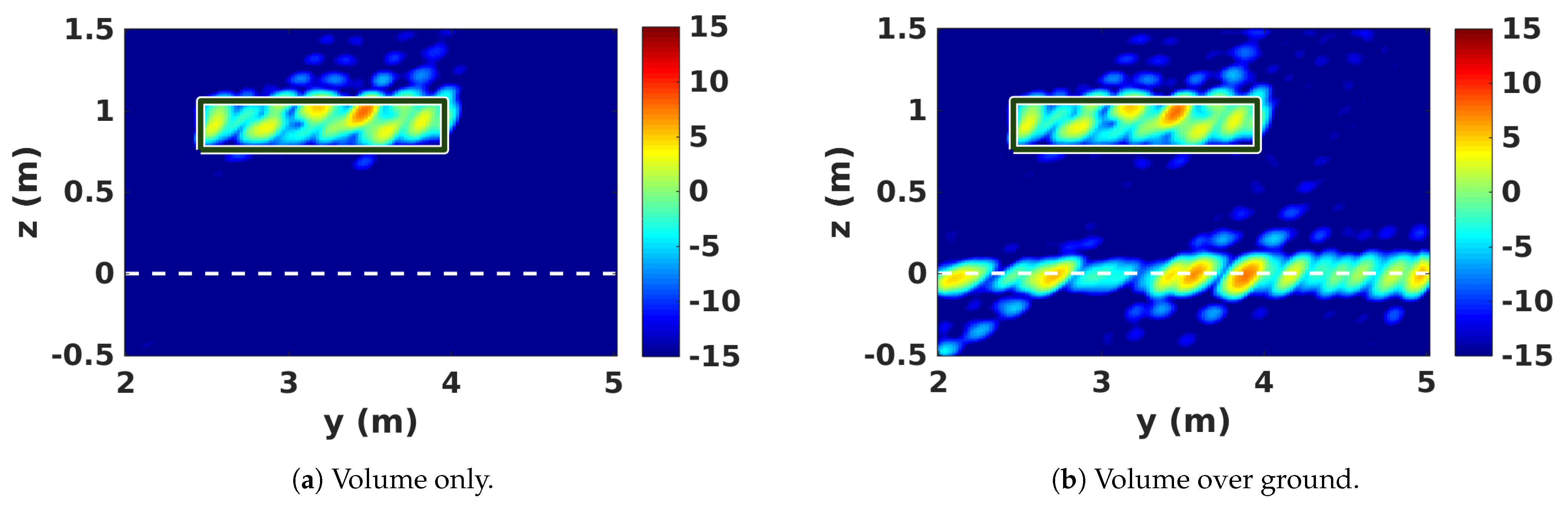
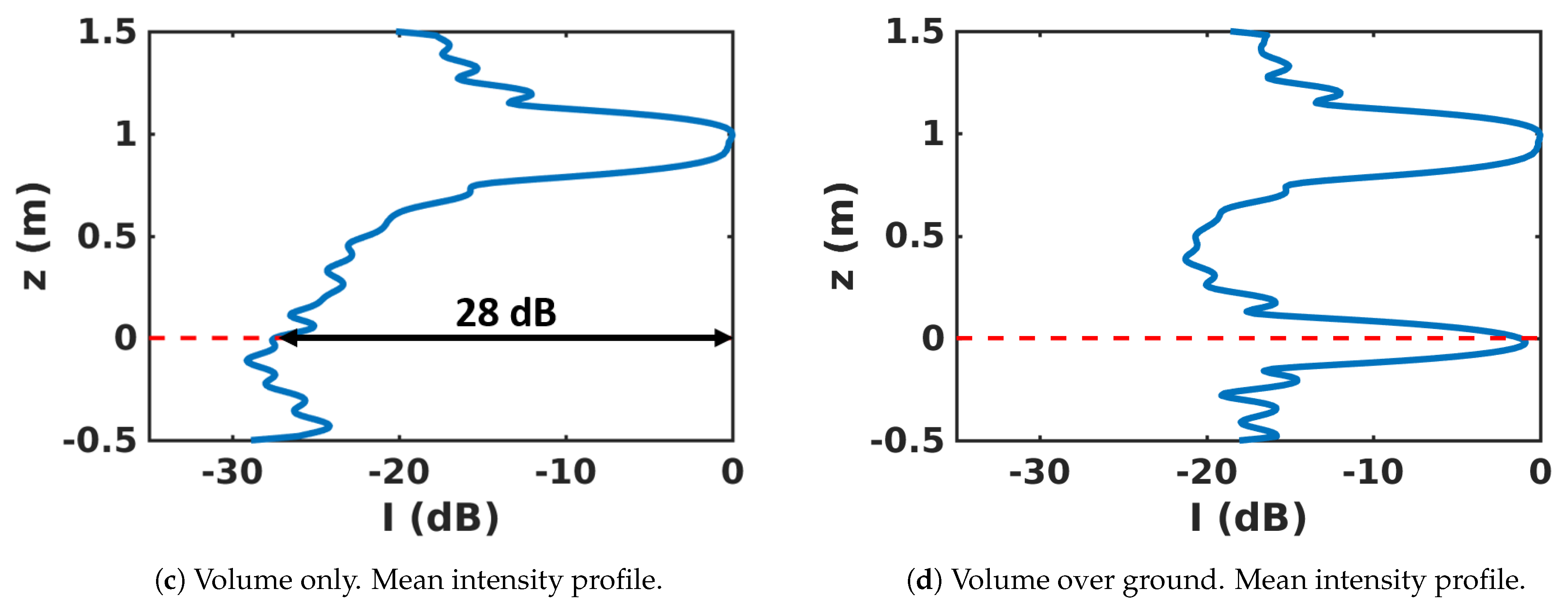
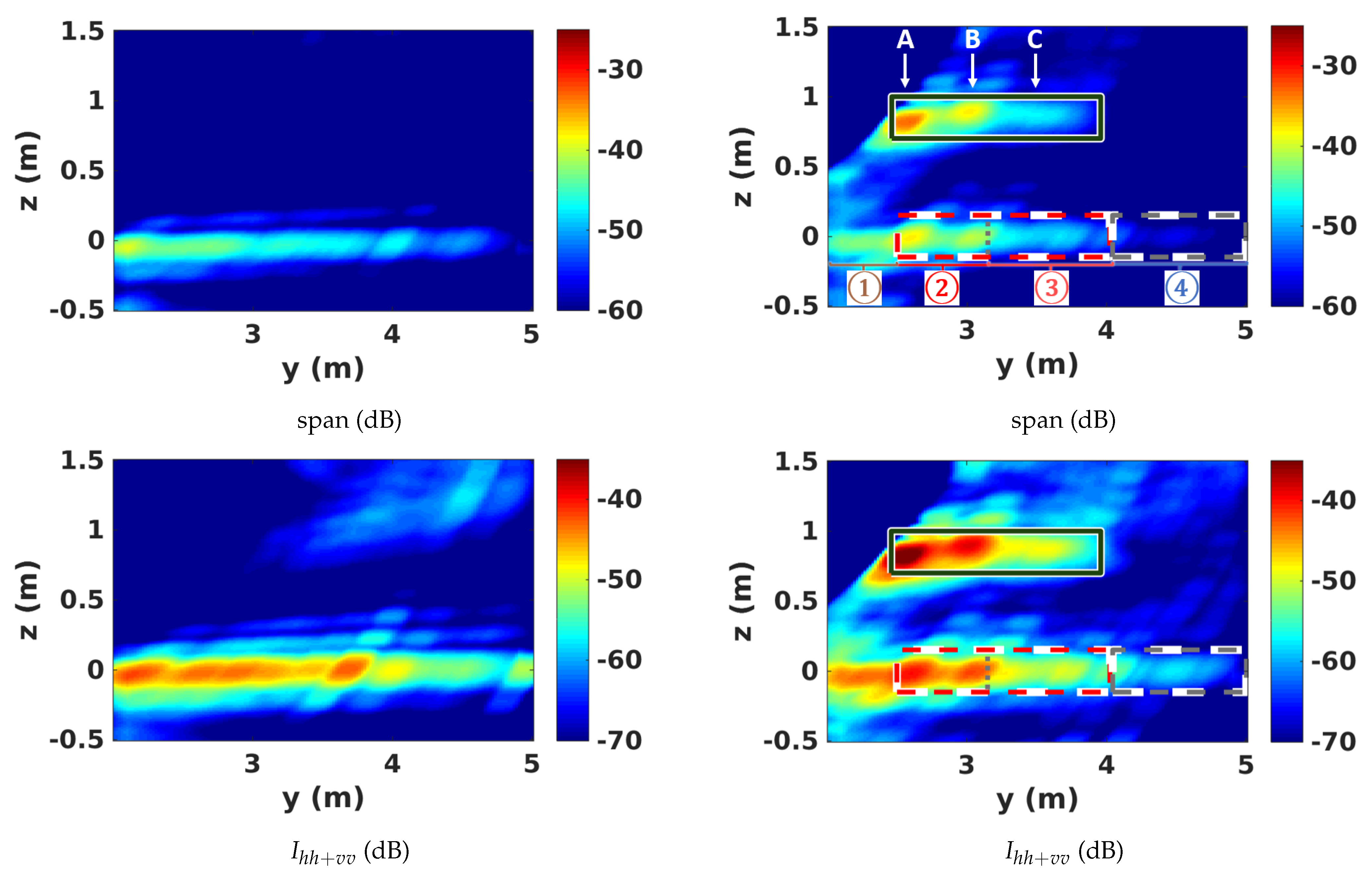
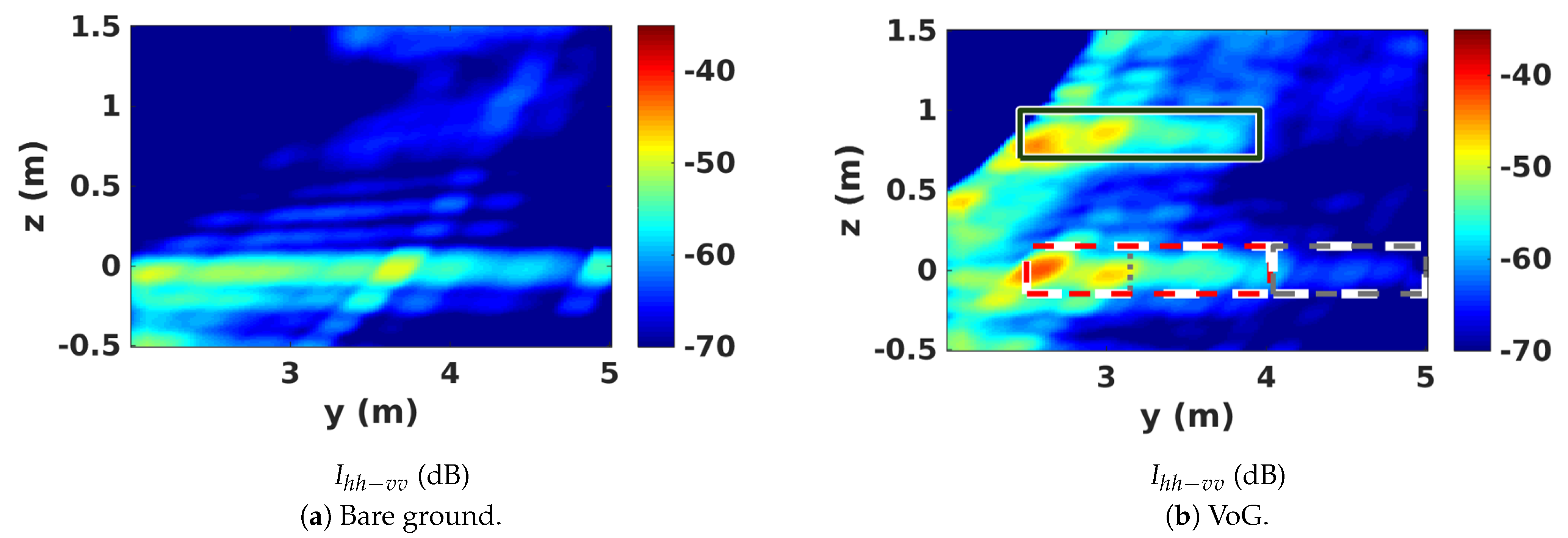
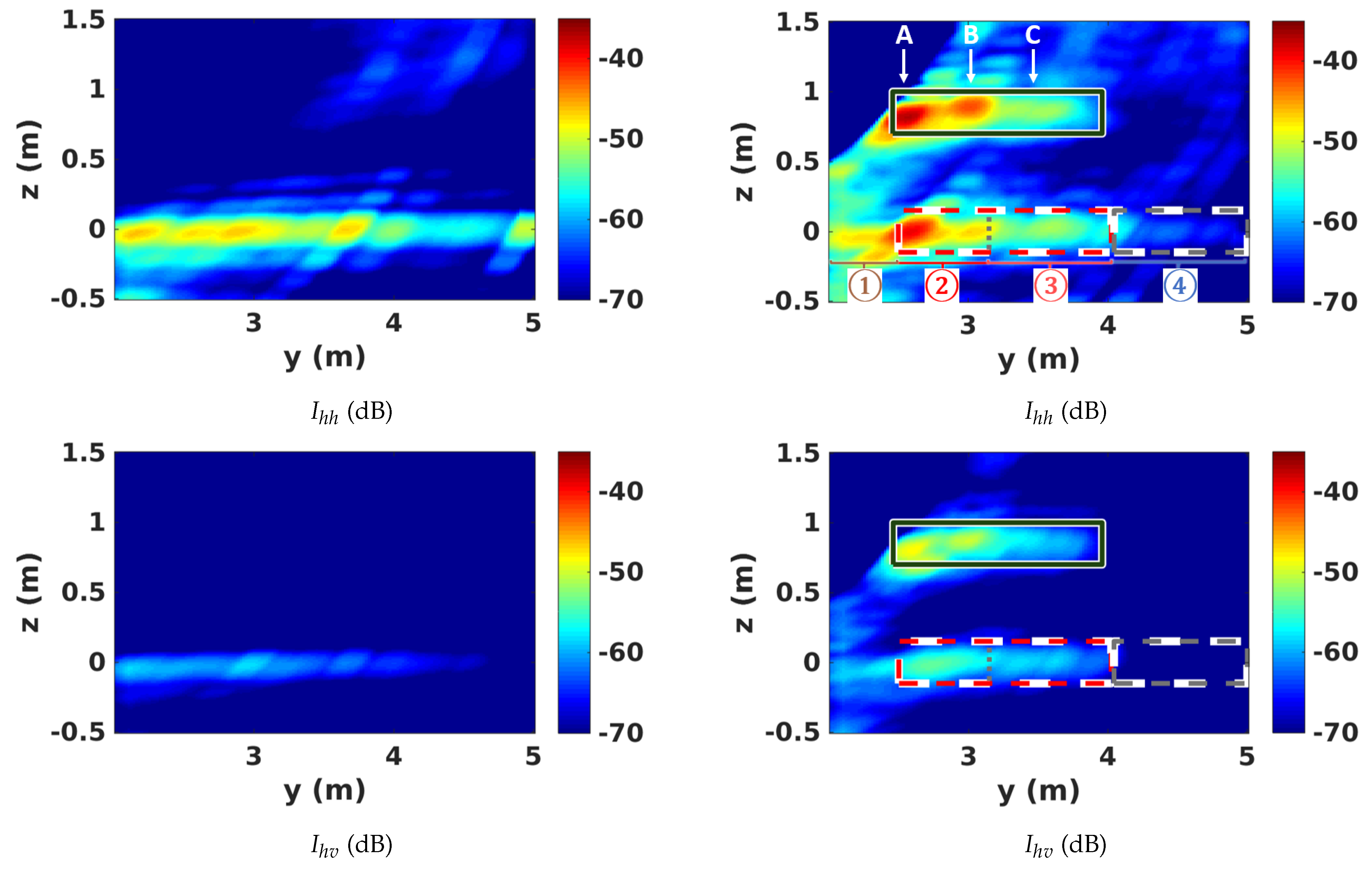
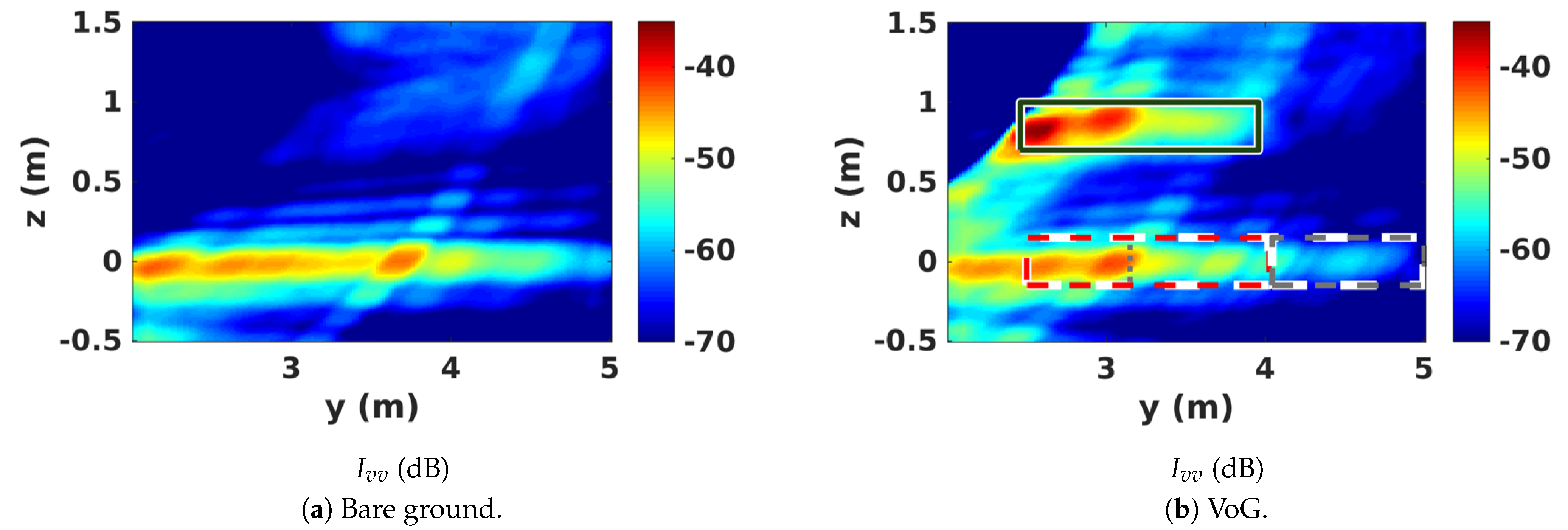
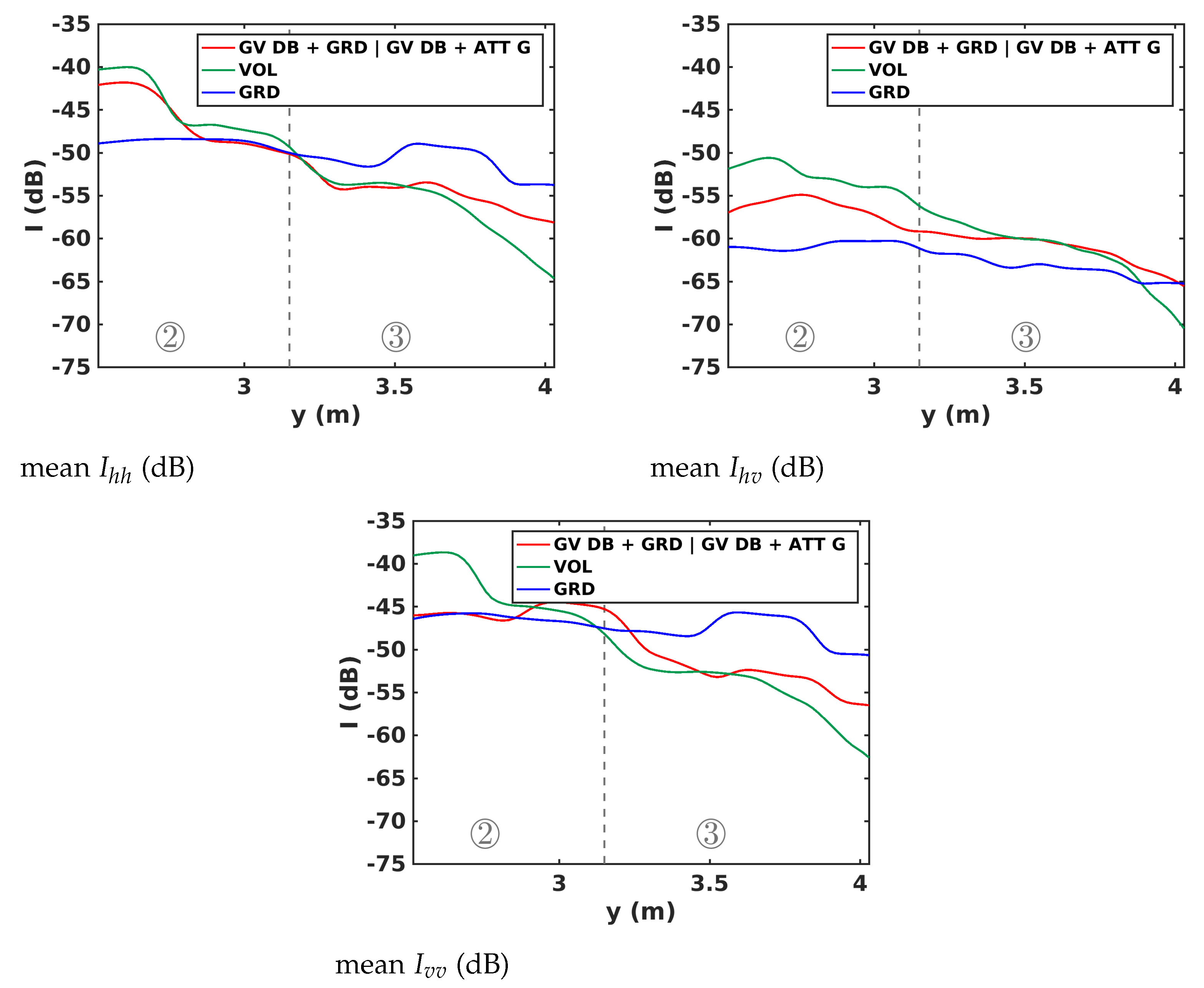
The radar response of vegetated environments, and forested areas in particular, are usually modeled using a very simple structure made of a random volume, representing a cloud of vegetation particles, lying over a semi-infinite medium with a rough interface, associated with the underlying ground. This Random Volume over Ground model can efficiently handle double-bounce scattering mechanisms, or arbitrary volume reflectivity profiles. This paper proposes to analyze a specific component of the Random Volume over Ground simplified scattering model, which concerns the double-bounce interaction between the ground and the volume. This specific contribution is not considered by classical characterization techniques and is studied in this work using a controlled experiment involving a Synthetic Aperture Radar operated in a Polarimetric and Tomographic configuration in order to image in 3D a controlled miniaturized scene composed of volume lying over a ground. It is shown that ground/volume double-bounce scattering, which remains focused at the ground level even in 3D imaging mode, and has polarimetric patterns that differ largely from those usually expected from double-bounce reflections, with volume-like features, such as a strong cross-polarized reflectivity or decorrelation between co-polarized channels. Moreover, it is shown that the full rank polarimetric patterns of the ground-volume mechanism are tightly linked to the reflectivity of the volume and may mask the ground response. As a consequence, isolating the ground response using 3D imaging does not permit to avoid a generally very strong distortion of the soil response by the double-bounce reflection, and the estimation of different geophysical parameters of the ground, such as its humidity or roughness are significantly altered.
Keywords: random volume over ground model; synthetic aperture radar; polarimetric and tomographic configuration; controlled miniaturized scene; ground/volume double-bounce random volume over ground model; synthetic aperture radar; polarimetric and tomographic configuration; controlled miniaturized scene; ground/volume double-bounce
Graphical Abstract