Article

A Method of Marine Moving Targets Detection in Multi-Channel ScanSAR System


1
Aerospace Information Research Institute, Chinese Academic of Sciences, Beijing 100094, China
2
Key Laboratory of Technology in Geo-Spatial Information Processing and Application Systems, Institute of Electronics, Chinese Academy of Sciences, Beijing 100190, China
3
School of Electronic, Electrical and Communication Engineering, University of Chinese Academy of Sciences, Beijing 100049, China
4
National Key Laboratory of Microwave Imaging Technology, Institute of Electronics, Chinese Academy of Sciences, Beijing 100190, China
*
Author to whom correspondence should be addressed.
Remote Sens. 2020, 12(22), 3792; https://doi.org/10.3390/rs12223792
Submission received: 13 September 2020 / Revised: 9 November 2020 / Accepted: 16 November 2020 / Published: 18 November 2020

Abstract

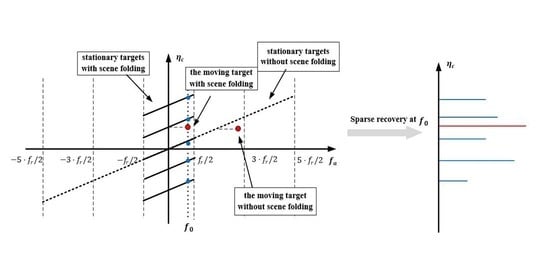
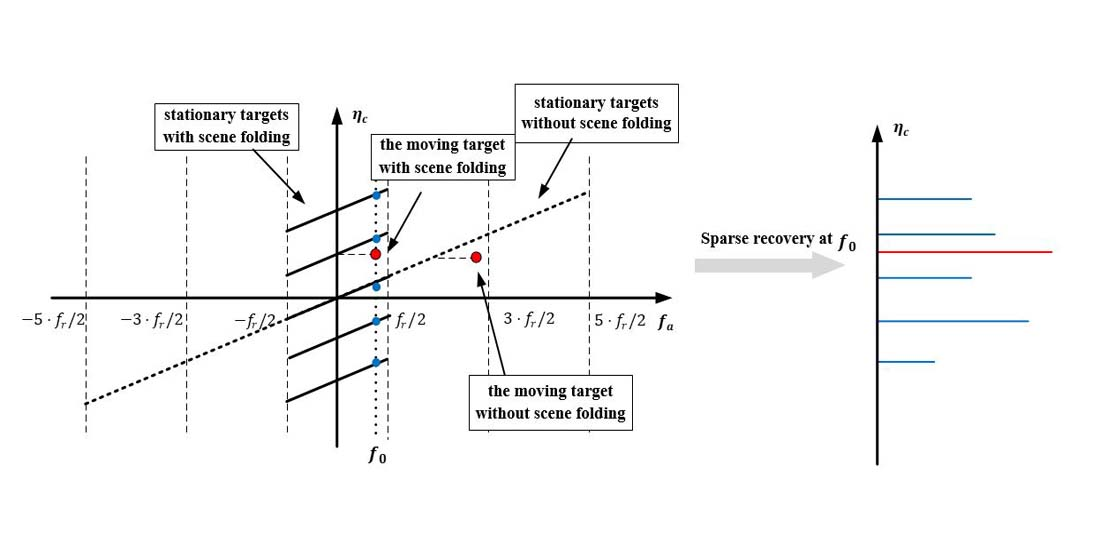
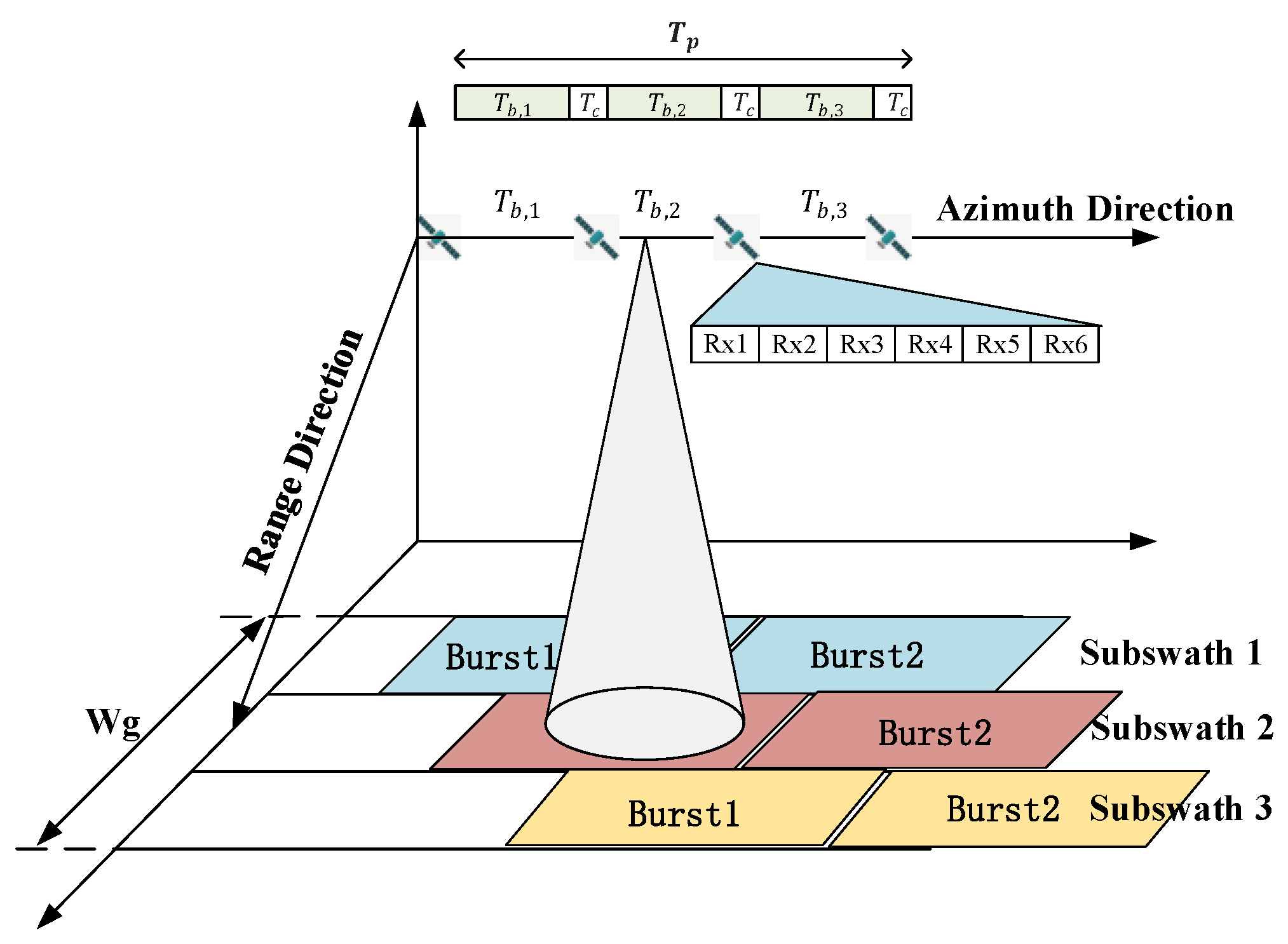
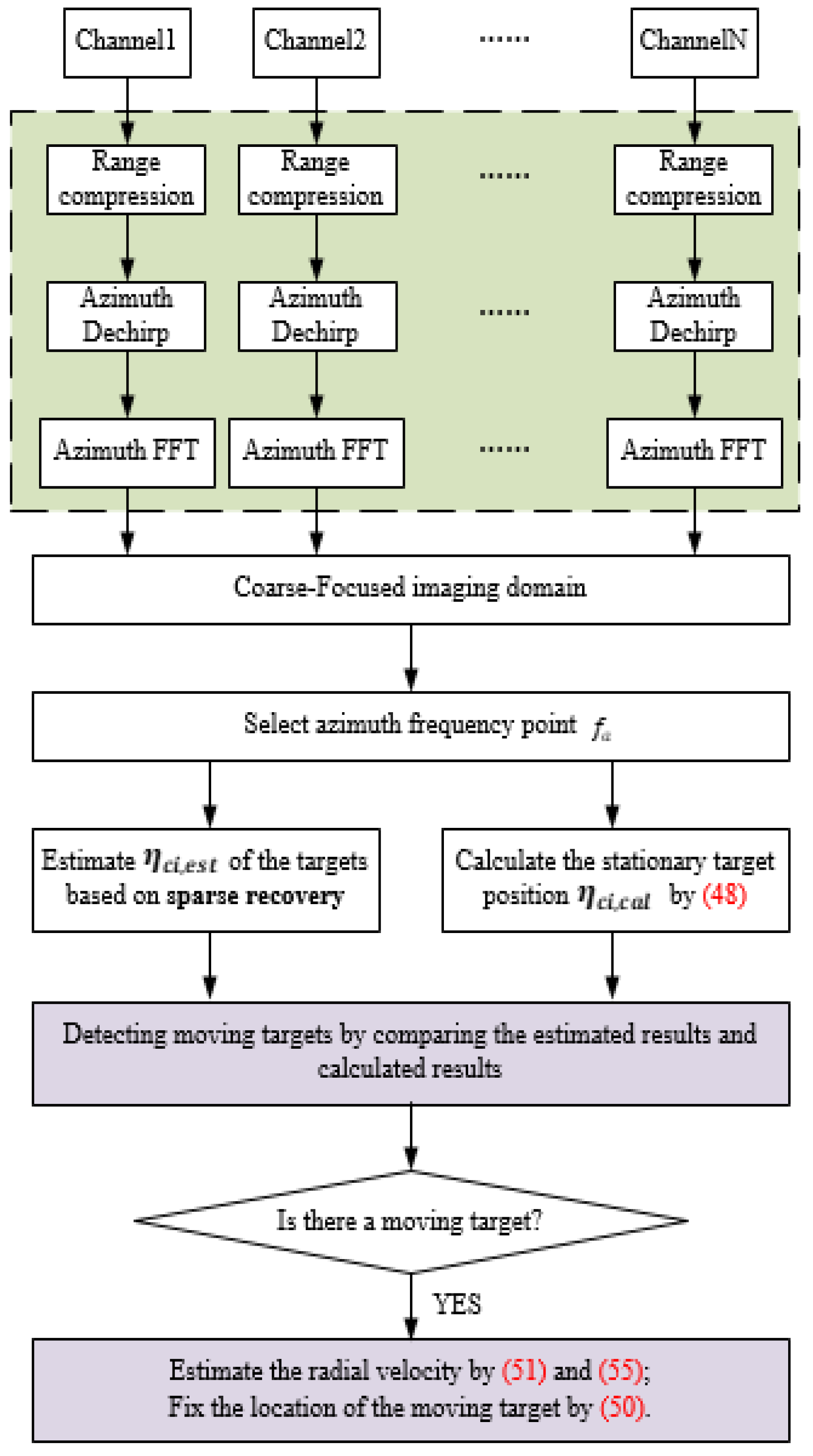
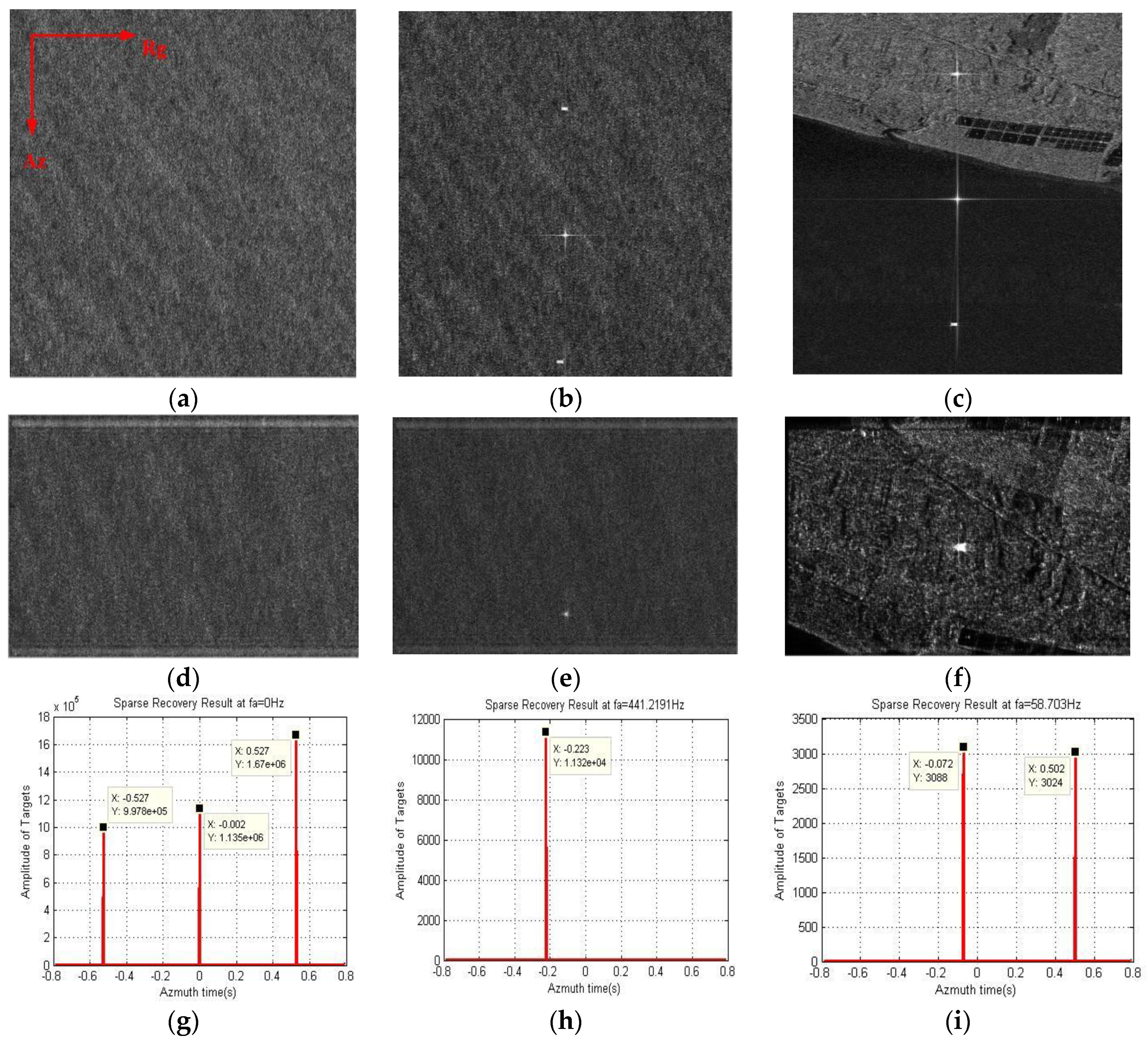
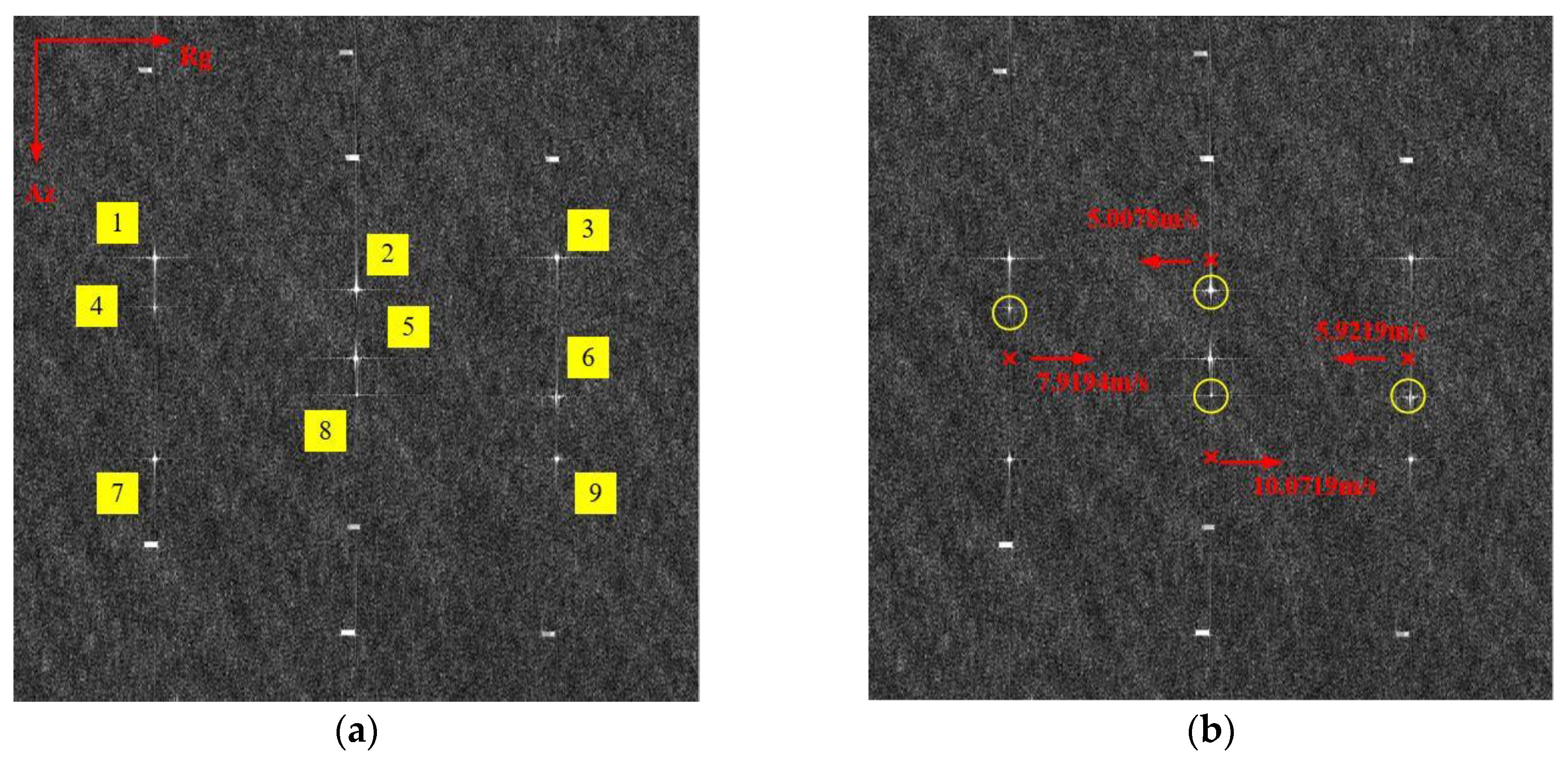
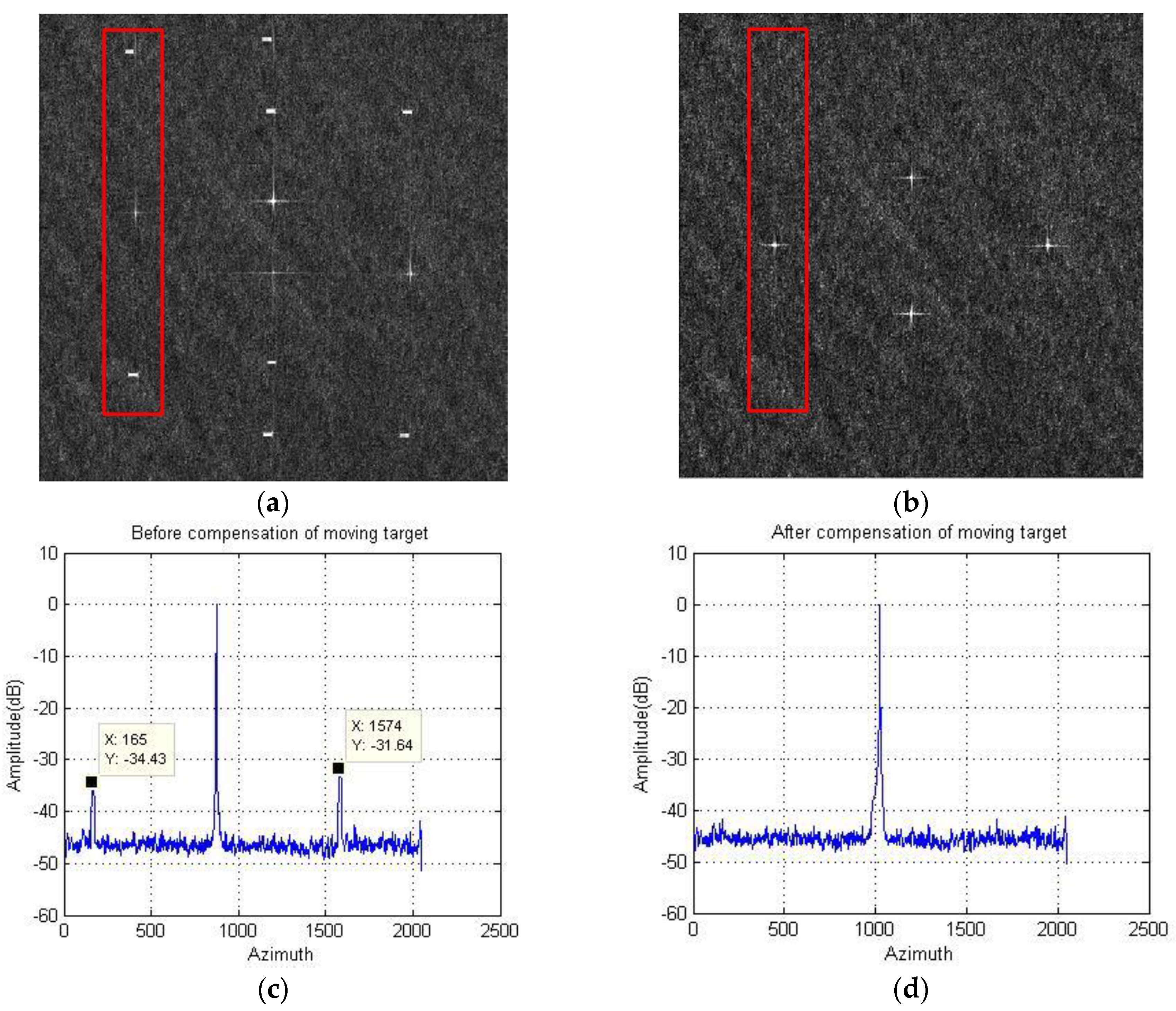
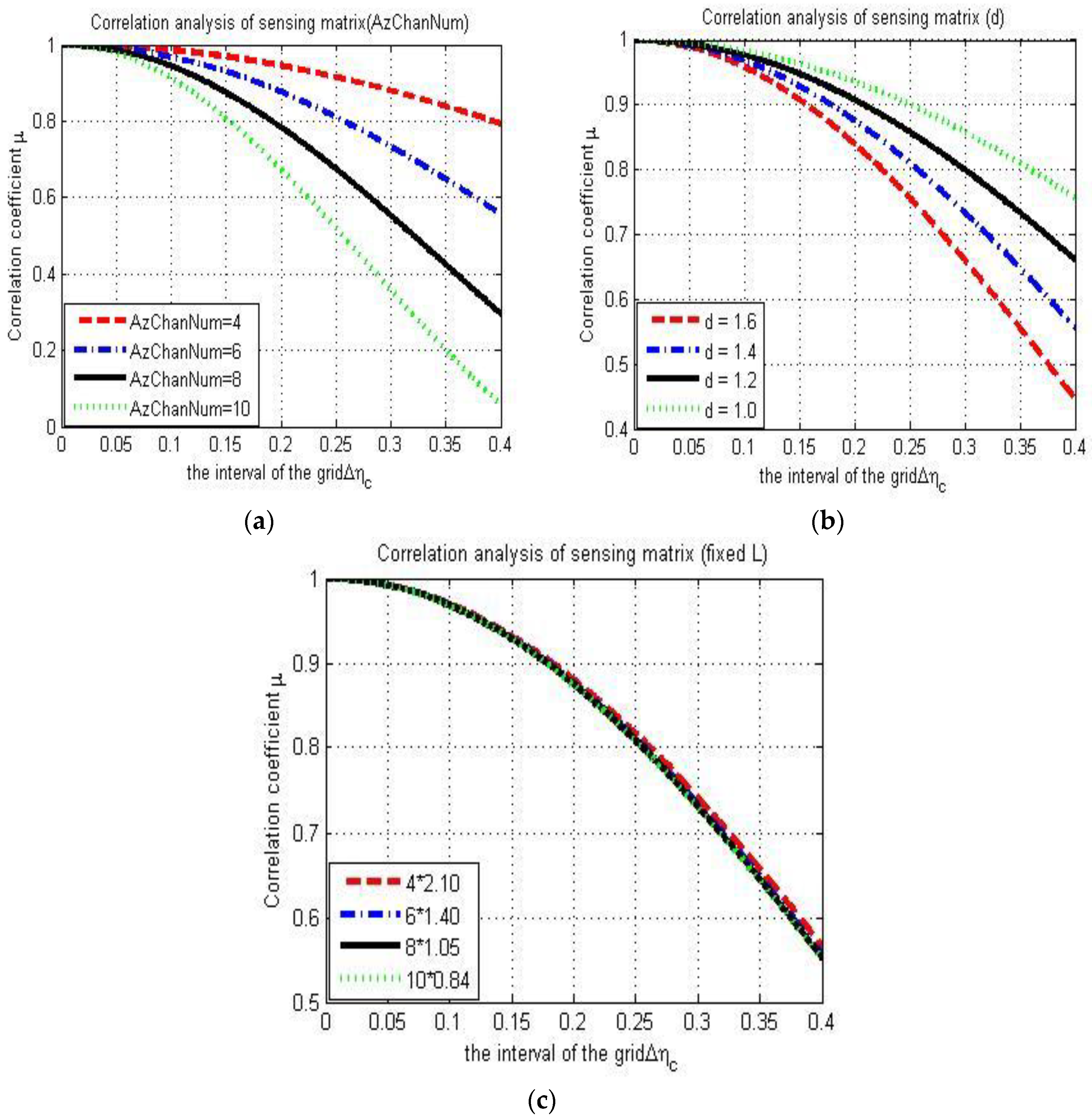
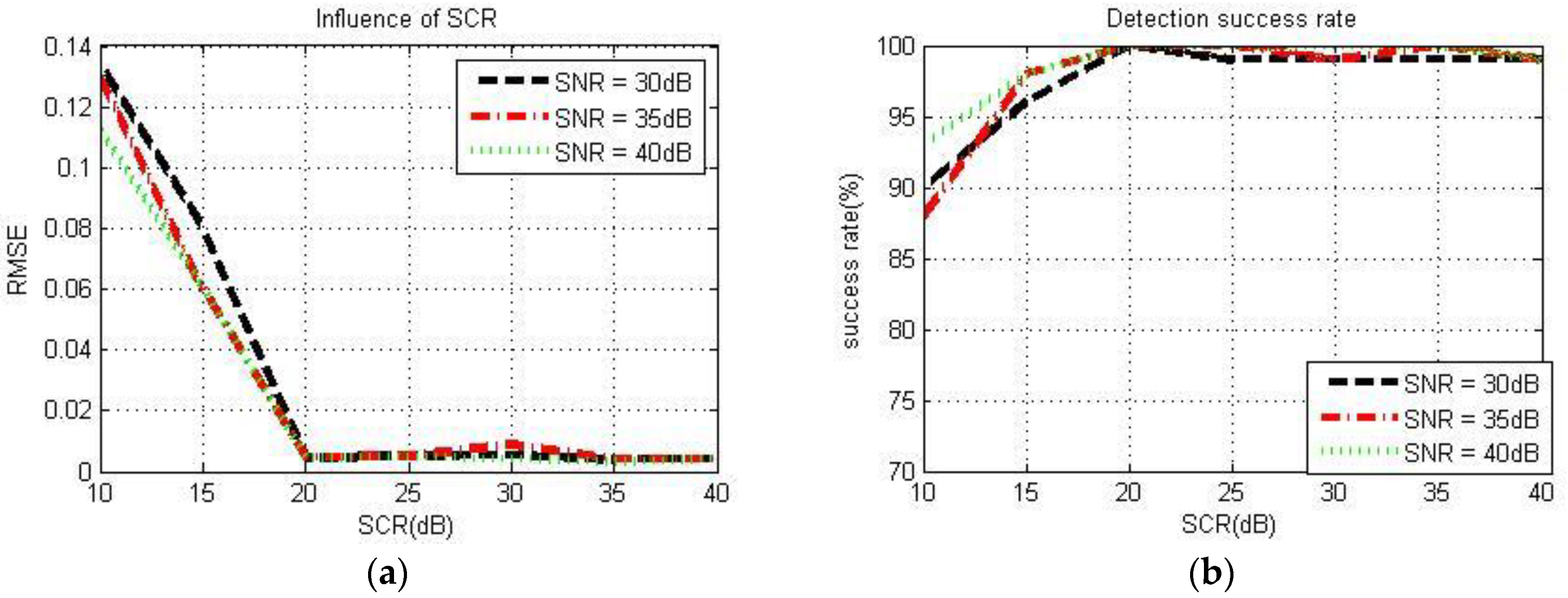
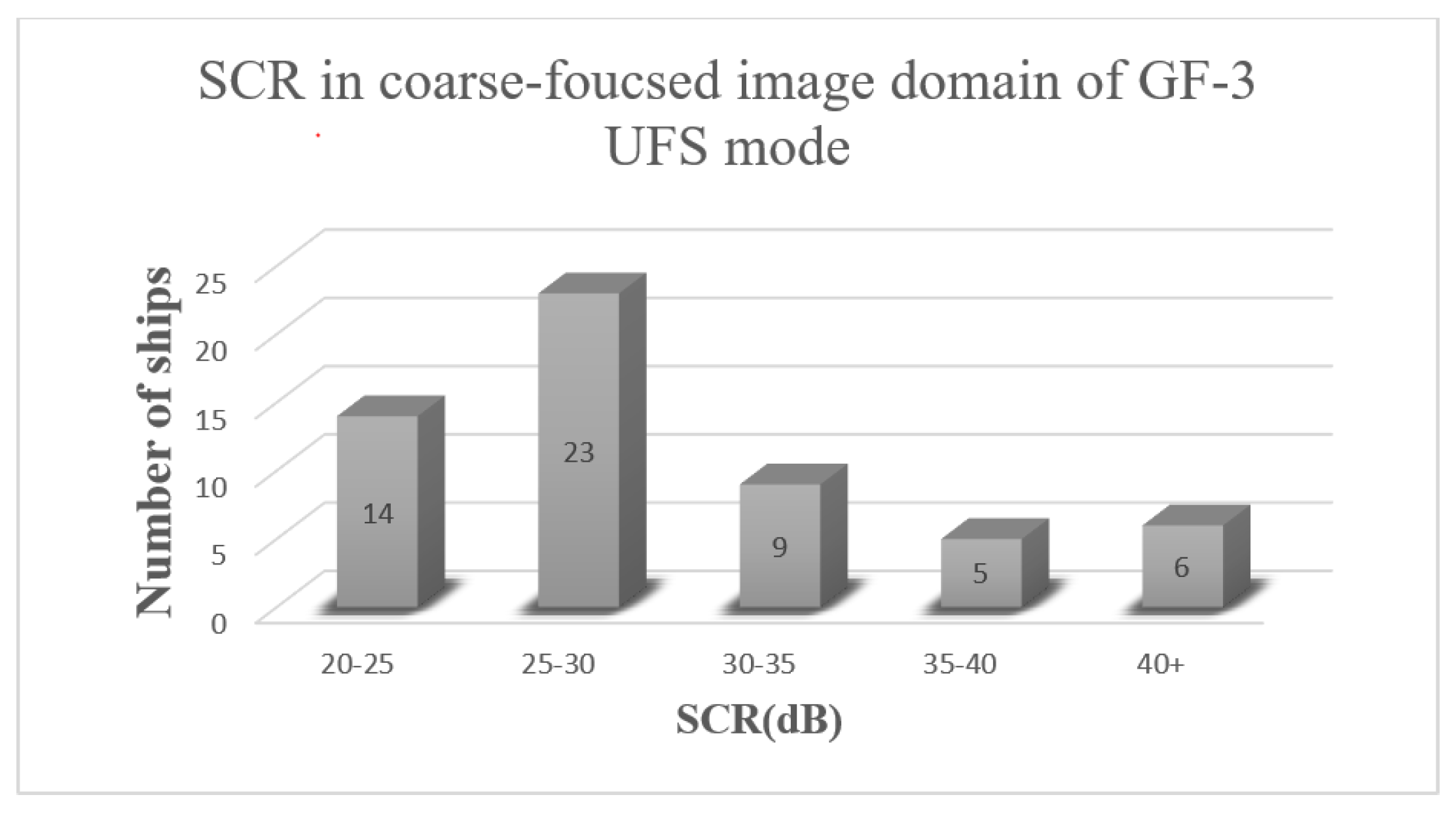
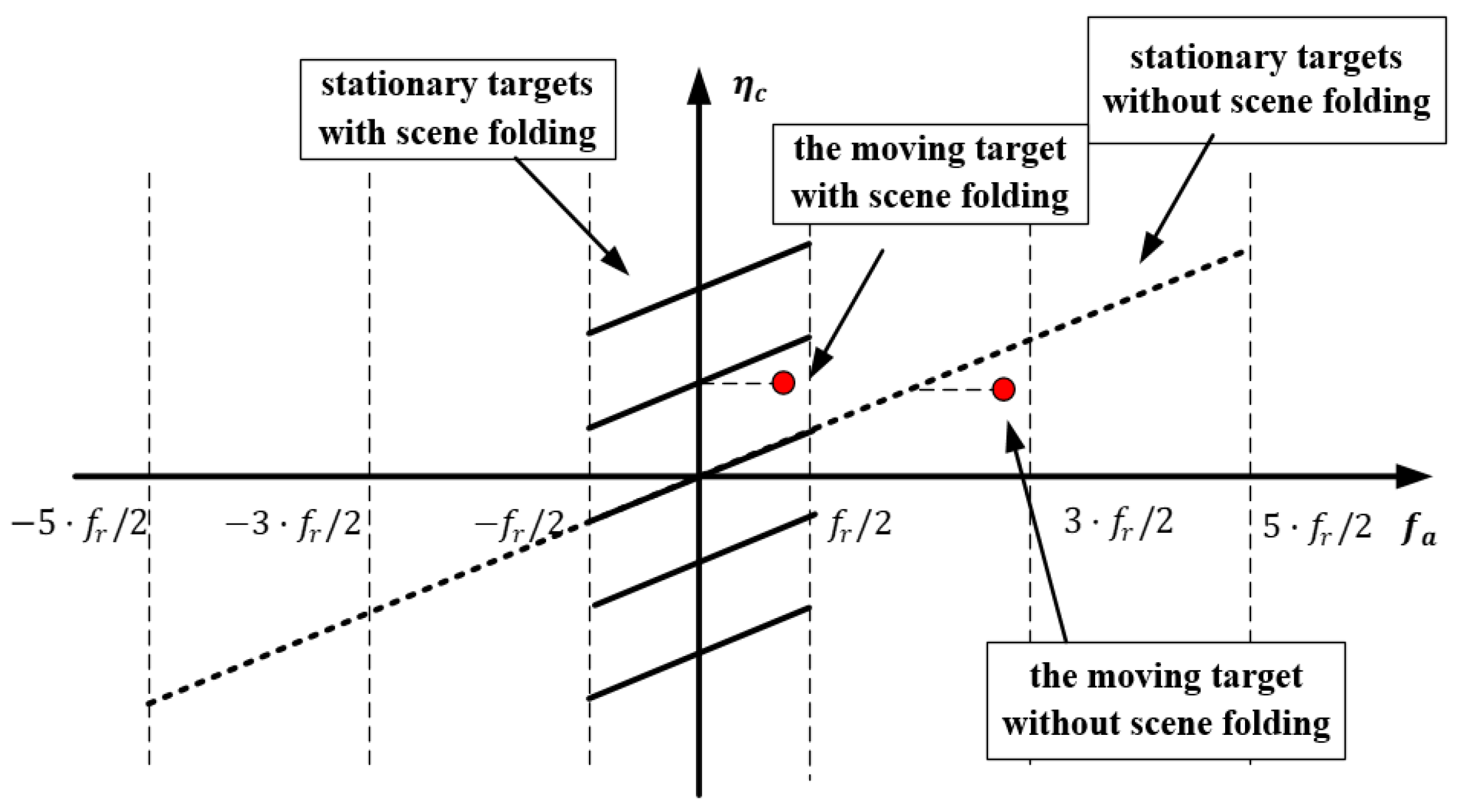
Azimuth multi-channel Synthetic Aperture Radar (SAR) system operated in burst mode makes high-resolution ultrawide-swath (HRUS) imaging become a reality. This kind of imaging mode has excellent application value for the maritime scenarios requiring wide-area monitoring. This paper suggests a moving target detection (MTD) method of marine scenes based on sparse recovery, which integrates detection, velocity estimation, and relocation. Firstly, the typical phenomenon of scene folding in the coarse-focused domain is introduced in detail. Given that the spatial distribution of moving vessels is highly sparse, the idea of sparse recovery is utilized to acquire the azimuth time characterizing the position of the moving target reasonably. Subsequently, the radial velocity and position information about the targets are obtained simultaneously. What makes the proposed method effective are two characteristics of the moving targets in ocean scenes, high signal-to-clutter ratio (SCR) and sparsity of the spatial distribution. Then, estimation performances under different SCR are analyzed by Monte Carlo experiments. And the actual SCR of the vessels in the ocean scene obtained by GaoFen-3 dual-receive channel mode is invoked as a reference value to verify the effectiveness. Besides, some simulation experiments demonstrate the capability to indicate marine moving targets.
Keywords: high-resolution and ultrawide-swath; multi-channel ScanSAR; marine moving targets detection; target relocation; velocity estimation high-resolution and ultrawide-swath; multi-channel ScanSAR; marine moving targets detection; target relocation; velocity estimation
Graphical Abstract