Article

Eco-Friendly ZnO Nanocarriers for Sustainable Corrosion Protection

Sustainable Engineering and the Built Environment, Canterbury Christ Church University, Kent CT11QU, UK
Sustainability 2026, 18(12), 6157; https://doi.org/10.3390/su18126157
Submission received: 19 May 2026 / Revised: 10 June 2026 / Accepted: 12 June 2026 / Published: 15 June 2026

Abstract

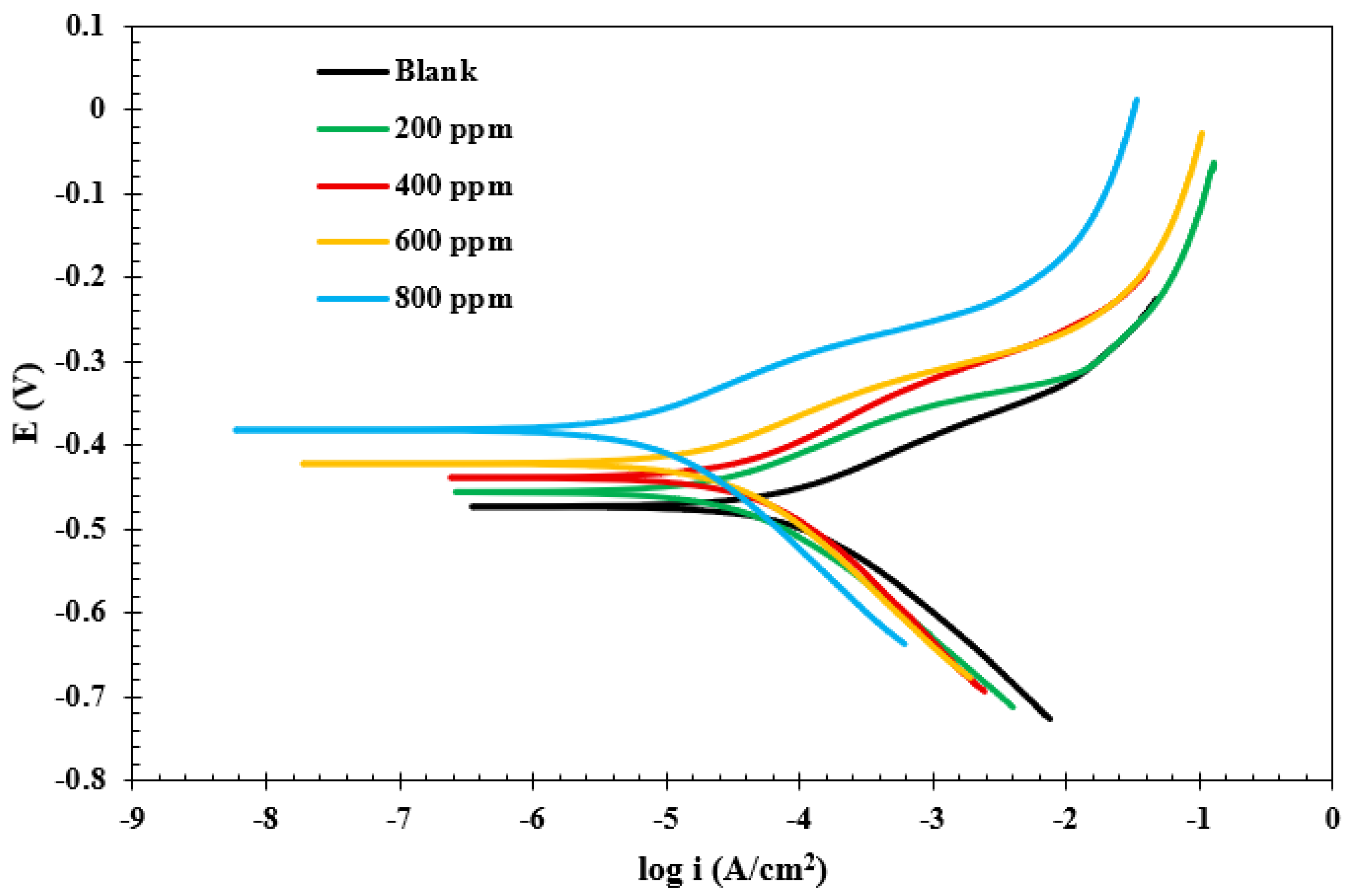
The use of environmentally friendly corrosion inhibitors in corrosive solutions has attracted considerable attention over the past few decades. However, the uncontrolled use of such inhibitors in aggressive environments can lead to a reduction in the long-term corrosion protection performance of the system. Moreover, the need for frequent re-dosing of the inhibitor increases the overall cost. One of the effective approaches for controlled and smart release of inhibitors in corrosive media is the use of nanocarriers, in which the inhibitor molecules are adsorbed onto the surface of nanoparticles and subsequently desorbed into the corrosive electrolyte through a specific release mechanism. Among the commonly used methods to obtain such eco-friendly inhibitors is the extraction of plant-based compounds, which are abundant and cost-effective. In this study, zinc oxide (ZnO) nanoparticles were green-synthesised using a plant extract and employed as nanocarriers for the controlled release of phytochemicals in 1 M HCl solution. The corrosion behaviour of carbon steel (St37) was investigated using electrochemical polarisation techniques. Results revealed that the system acts as a mixed-type inhibitor, achieving an inhibition efficiency of approximately 85% at optimal concentration, demonstrating its potential as a sustainable and cost-effective alternative for corrosion protection.
Keywords: green synthesis; ZnO nanocarriers; corrosion inhibition; acidic media; mild steel green synthesis; ZnO nanocarriers; corrosion inhibition; acidic media; mild steel