Article

The Role of Observation–Measurement Methods in the Surface Characterization of X39Cr13 Stainless-Steel Cutting Blades Used in the Fish Processing Industry


by
Wojciech Kapłonek
1,
Krzysztof Nadolny
1,*,
Bartosz Zieliński
2,
Jarosław Plichta
1,
Danil Yurievich Pimenov
3 and
Shubham Sharma
4
1
Department of Production Engineering, Faculty of Mechanical Engineering, Koszalin University of Technology, Racławicka 15-17, 75-620 Koszalin, Poland
2
Espersen Koszalin Sp. o.o., Mieszka I 29, 75-124 Koszalin, Poland
3
Department of Automated Mechanical Engineering, South Ural State University, Lenin Prosp. 76, 454080 Chelyabinsk, Russia
4
Department of Mechanical Engineering, IK Gujral Punjab Technical University, Jalandhar-Kapurthala Road, Kapurthala 144603, Punjab, India
*
Author to whom correspondence should be addressed.
Materials 2020, 13(24), 5796; https://doi.org/10.3390/ma13245796
Submission received: 11 November 2020 / Revised: 9 December 2020 / Accepted: 16 December 2020 / Published: 18 December 2020

Abstract

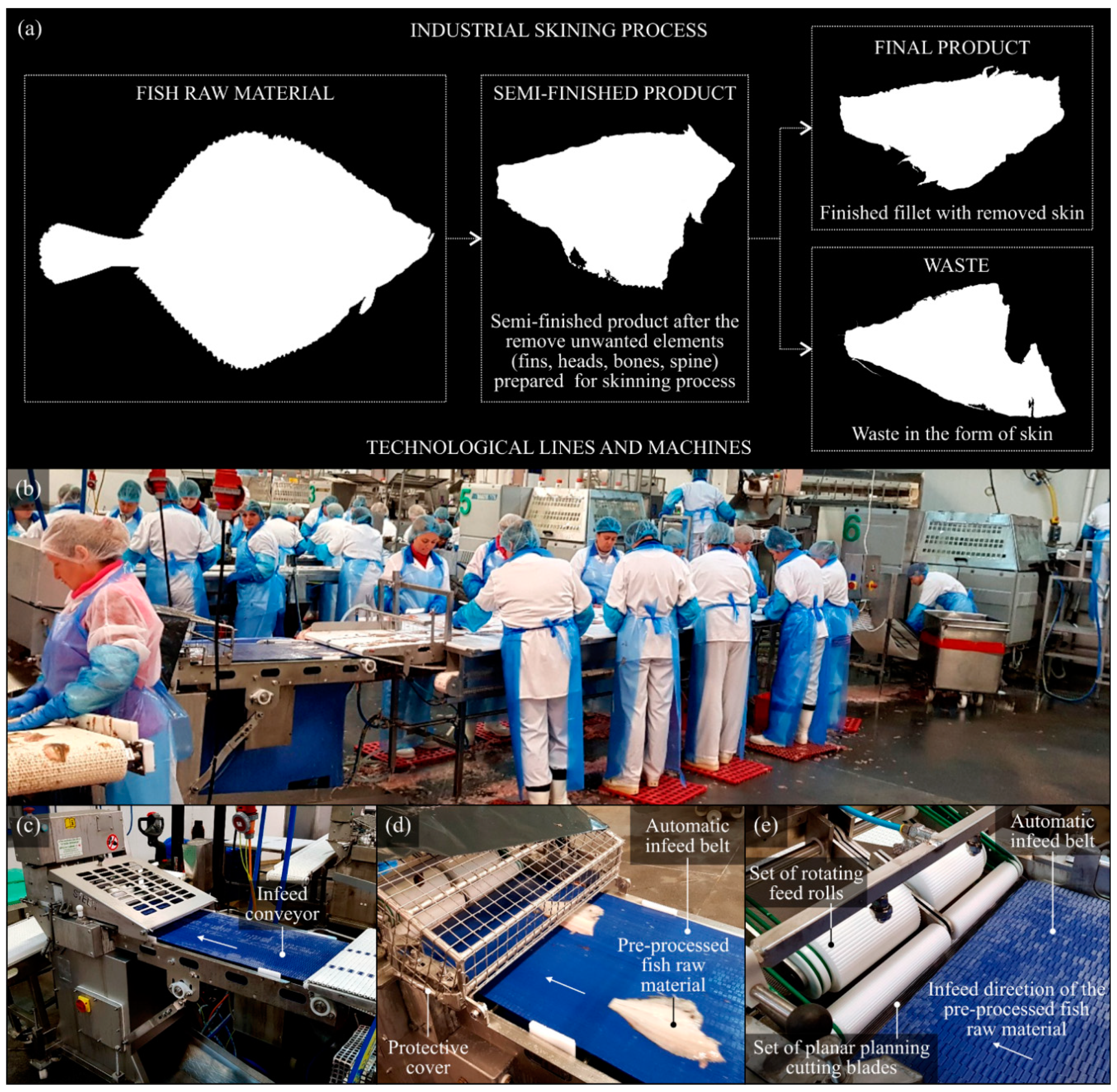
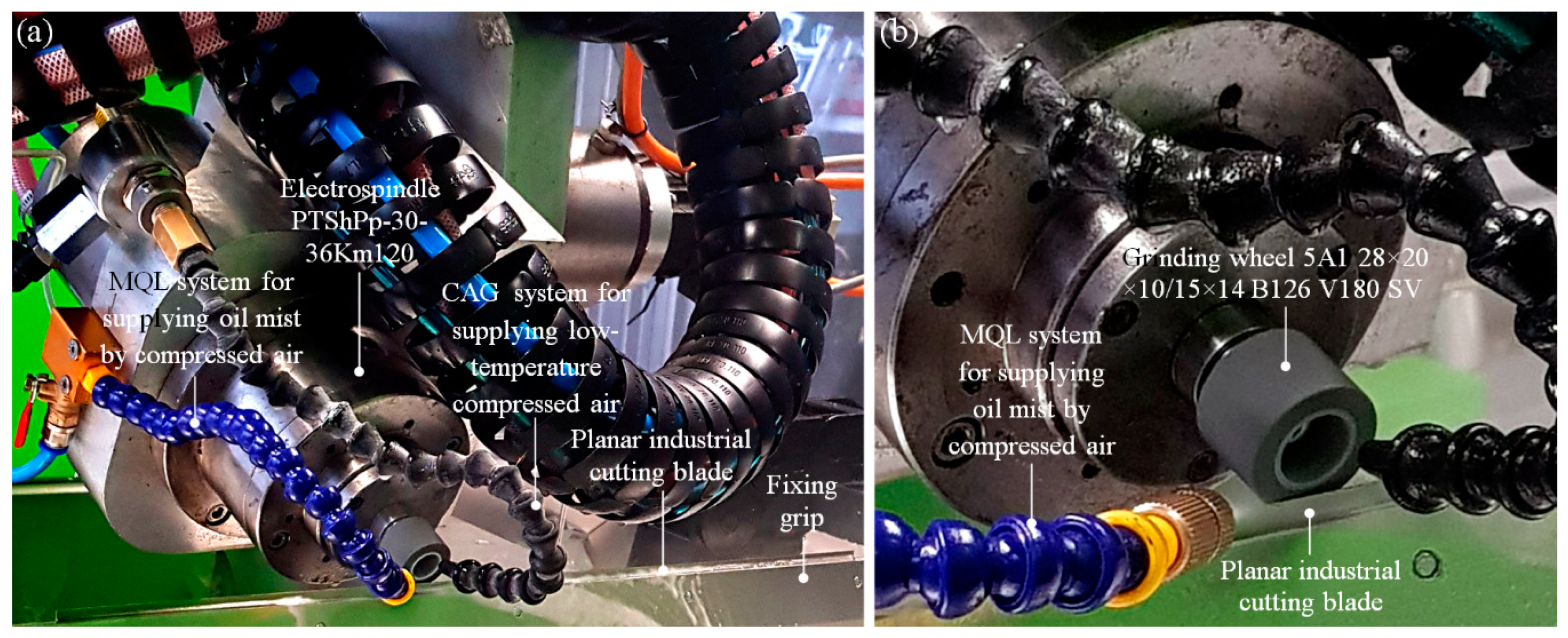
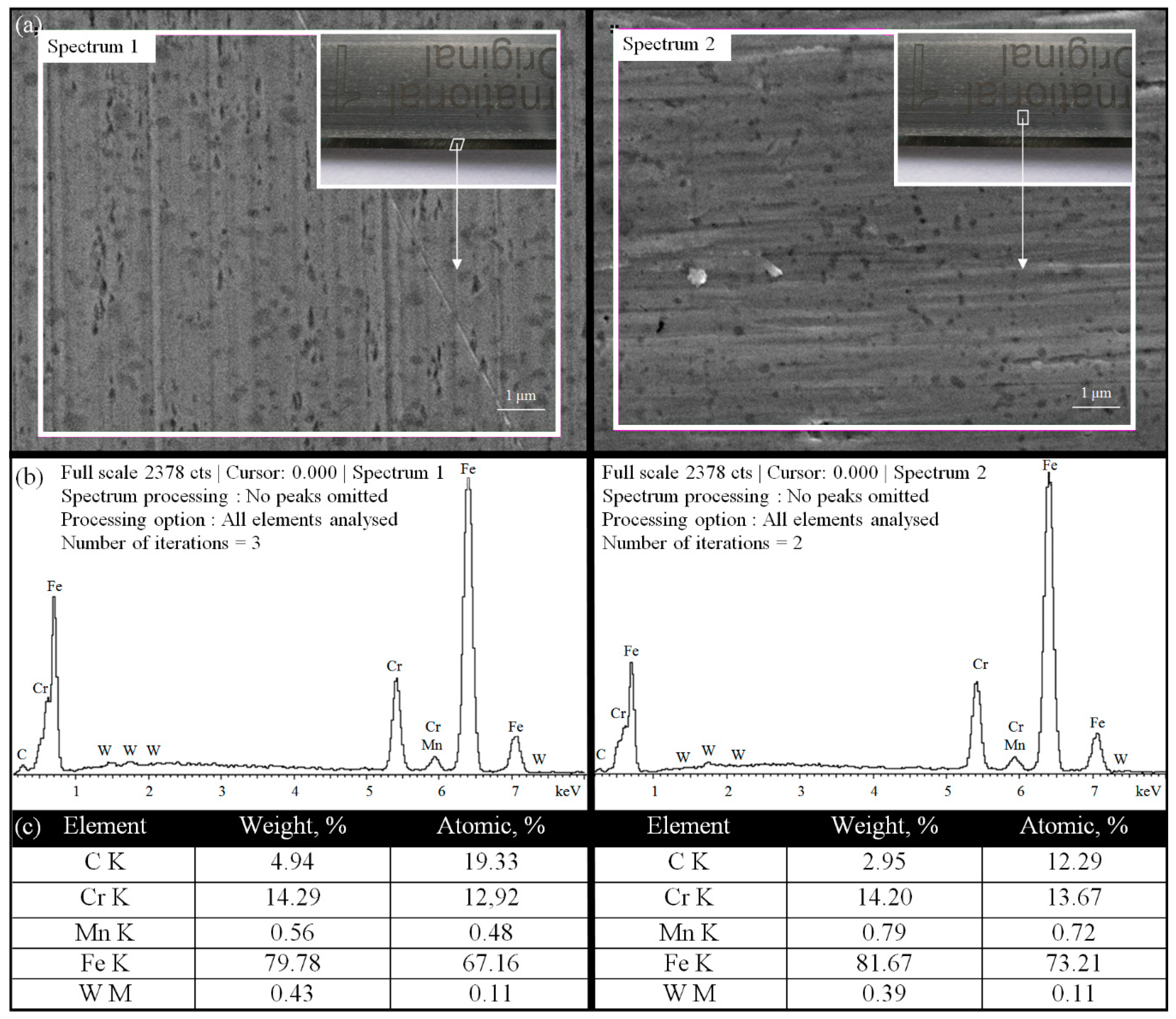
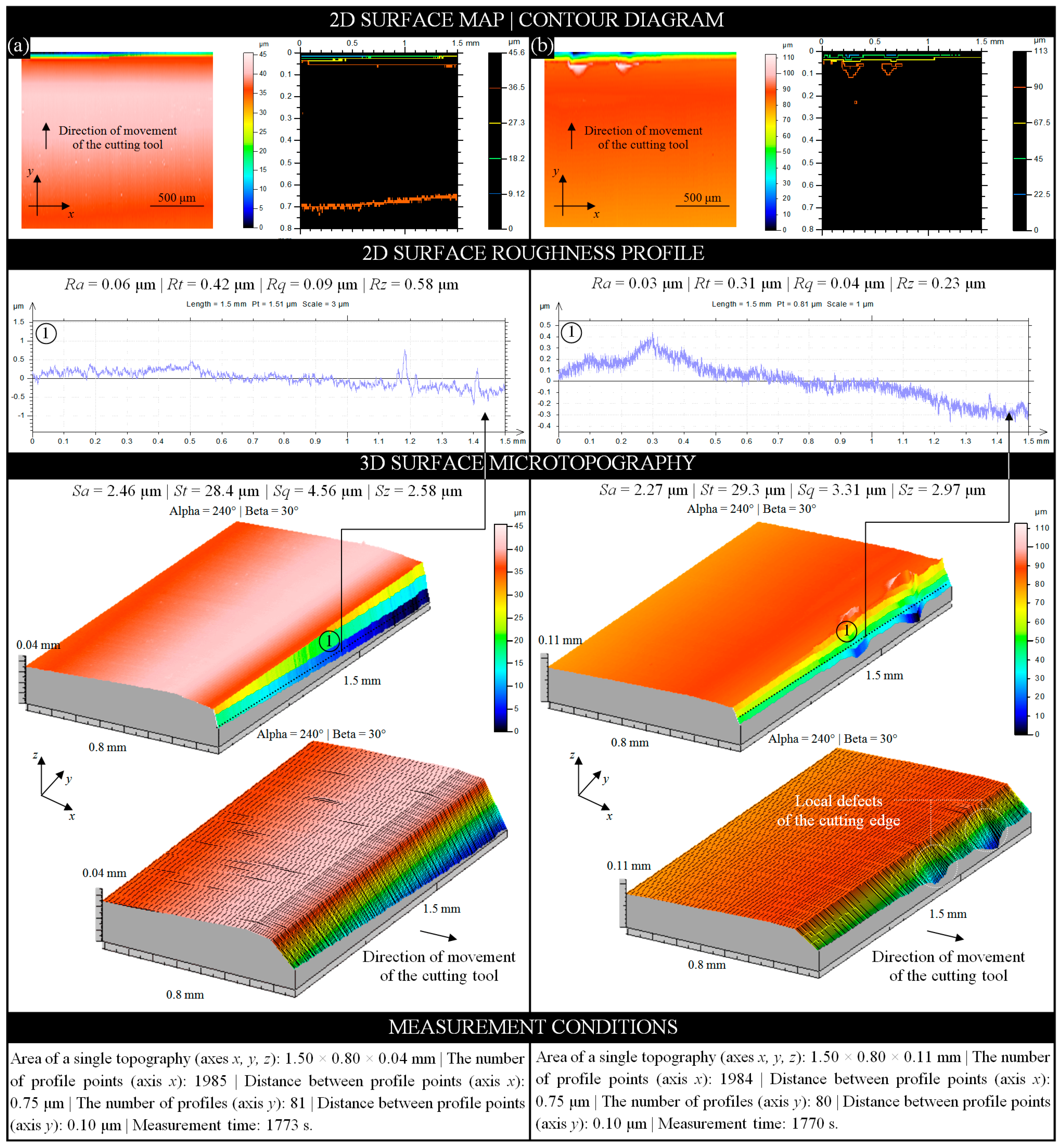
In the modern fish processing industry, flat fishes play an important role. They are processed into a final product in the form of a fillet during the skinning operation, which is carried out on machines operating in automated production lines. These machines are usually equipped with a single planar cutting blade or a few of such blades. The high-efficiency skinning and industrial conditions cause rapid wear of the cutting edge of the blade, which is detrimental to the quality of the final product. One of the forms of renewing the cutting ability of these types of tools is the regeneration carried out with the use of precise traverse surface grinding. The results of this process must be carefully verified for determining its correctness and possible optimization of its parameters. The main goal of this article was to characterize the usefulness of a number of observational and measuring methods to evaluate the results of the technical blade regeneration process. In this work, a number of contemporary observation–measurement methods such as optical microscopy (OM), scanning electron microscopy (SEM), energy-dispersive X-ray spectroscopy (EDS), optical profilometry (OP), and angle-resolved scattering (ARS), supported by image processing and analysis techniques, were analyzed. The authors focused on presenting the role of the abovementioned methods in the surface characterization of planar cutting blades made of X39Cr13 chromium martensitic stainless steel before and after the technological operation of flat-fish skinning. Additionally, the surface condition after the regeneration process carried out using the five-axis CNC (computerized numerical control) grinding machine was also assessed. Numerous results of surface observations, elemental composition microanalysis, high-accuracy surface microgeometry measurements, and quantitative and qualitative analysis confirming the possibility of using the proposed methods in the presented applications are presented.
Keywords: observation–measurement methods; image processing and analysis; surface characterization; cutting blade; regeneration; precision grinding observation–measurement methods; image processing and analysis; surface characterization; cutting blade; regeneration; precision grinding