1. Introduction
Most post-Soviet countries are facing the same issues stemming from economic efficiency and transformation of their energy sectors, which traditionally used to be heavily dependent on fossil fuels and centralized [
1,
2,
3]. In the Soviet Union, the typical generation mix was both carbon-intensive (about 49% fossil fuels, represented mostly by coal and gas, and around 23% nuclear energy) and geographically dependent on the massive singular points of energy generation [
4]. After the collapse of the USSR, the successor states struggled with the modernization of their energy sectors to comply with the principles of sustainable economic development and renewable energy deployment that became ubiquitous and supported by relevant stakeholders and policymakers [
5,
6].
Sustainable modernization of the power utility industries represents a complex process, with the prospects and risks of renewable energy (such as wind or solar energy) being constantly assessed and weighed by the relevant stakeholders and policymakers [
7,
8]. In addition, public acceptance of renewable energy sources also remains a problem, because a considerable part of the population still views renewable energy projects as unreliable, utopian, suspicious, and costly The so-called “not-in-my-backyard” (NIMBY) approach also remains a considerable hurdle that needs to be overcome [
9,
10].
Within this context, Ukraine represents a special case of low-carbon reconstruction. Since 2022, its energy infrastructure has suffered extensive war-related damage, creating an urgent need for sustainable energy solutions that can support both immediate recovery and long-term resilience [
11,
12]. Therefore, the country must address short-term energy security while also preparing for renewable energy deployment and alignment with European decarbonization commitments. Doronina et al. (2024) demonstrate that renewable energy sources should become a central element in rebuilding the Ukrainian electricity system [
13].
Our paper argues that green hydrogen and green ammonia can become important components of Ukraine’s low-carbon reconstruction, especially in sectors where direct electrification is difficult, such as heavy industry, transport, seasonal energy storage, and selected power-system-balancing applications.
Ukraine’s wind and solar resources, industrial legacy, gas transmission infrastructure, Black Sea access, and proximity to European markets create opportunities for a future hydrogen economy. However, these opportunities are constrained by war risks, damaged infrastructure, financing costs, water availability, governance concerns, and possible tensions between domestic energy needs and export ambitions [
14,
15]. The assessment, therefore, has to combine technical, economic, geopolitical, and institutional dimensions rather than treat hydrogen development as a purely technological question.
The main contribution of this paper is the integration of three perspectives that are usually studied separately: (i) Ukraine-focused NLP and bibliometric mapping of hydrogen-related research; (ii) a SWOT assessment linked to concrete hubs and infrastructural constraints; and (iii) GEOH2 cost modeling that explicitly compares de-risked, pre-war, war risk, and learning scenarios. The novelty does not lie in any single method alone, but in combining these methods to show how scientific knowledge, infrastructural geography, and financing conditions jointly shape Ukraine’s green hydrogen and ammonia prospects. This paper addresses three novel research questions:
RQ1: What are the main research themes and knowledge gaps in the Ukraine-related green hydrogen and ammonia literature?
RQ2: Which strengths, weaknesses, opportunities, and threats are most relevant for Ukraine’s hydrogen hubs and reconstruction pathways?
RQ3: How do geography, technological assumptions, and the weighted average cost of capital (WACC) affect the competitiveness of green hydrogen and ammonia pathways in Ukraine?
This paper is organized as follows.
Section 2 reviews the international green hydrogen and ammonia literature and presents a corrected top-cited publication table based on stricter relevance screening.
Section 3 discusses Ukrainian green hydrogen projects and the Ukraine-specific NLP dataset.
Section 4 provides a SWOT analysis linked to regional hubs and wartime constraints.
Section 5 explains the data, search strings, screening criteria, and bibliometric/NLP methods.
Section 6 reports the network analysis results.
Section 7 presents the GEOH2 cost model, assumptions, equations, and ammonia extension. Finally,
Section 8 summarizes the conclusions, limitations, pathways for future research, and relevant policy implications.
Section 3 and
Section 4 are presented as contextual and policy-analytical background sections that frame the Ukrainian case before the formal datasets, screening logic, and modelling assumptions are provided in
Section 5.
2. Literature Review: The Potential of Green Hydrogen and Ammonia
Renewable energy sources play a pivotal role in enabling the production of low-carbon fuels and in shaping the global transition toward sustainable energy systems [
16]. Green hydrogen is increasingly discussed as a high-capacity energy carrier and storage medium that can help integrate variable wind and solar power [
17,
18]. Its potential is especially important in low- and middle-income countries, including regions where renewable resources are abundant, but energy systems remain infrastructure-constrained [
19,
20,
21]. Green hydrogen has attracted renewed attention because climate policy, industrial decarbonization, and energy security concerns have increased demand for clean energy carriers. Adeli et al. (2023) [
22] argue that green hydrogen and ammonia are promising low-carbon energy vectors that can support the transition to cleaner and more flexible energy systems.
Table 1 reports the ten most-cited publications from the supplied Scopus metadata file that are directly relevant to green hydrogen, renewable hydrogen production, water electrolysis, hydrogen storage and delivery, solar hydrogen, and green ammonia.
Most of the hydrogen currently used in industry is produced from fossil fuels and is commonly described as “grey” or, where carbon capture is applied, “blue” hydrogen. Green hydrogen is primarily produced through electrolysis, where renewable electricity splits water into hydrogen and oxygen [
33,
34]. However, hydrogen transport remains technically demanding and costly. Existing gas pipelines may require material testing, blending limits, compressor upgrades, leak management, and embrittlement control before they can safely carry hydrogen-rich mixtures. Liquefaction is also energy-intensive because hydrogen must be cooled to approximately −253 °C, which increases costs and limits the attractiveness of long-distance transport in some contexts [
35,
36].
One possible solution for transporting green hydrogen, as suggested in several studies, is to turn it into ammonia. Green ammonia, which is produced by combining green hydrogen with nitrogen, is easier to transport than hydrogen and can be used as a hydrogen carrier for international markets [
37,
38]. It is easier to store and transport than hydrogen due to its higher energy density and lower reactivity [
39,
40]. When paired with renewable energy, ammonia-derived hydrogen effectively becomes green hydrogen. Furthermore, ammonia yields a high degree of flexibility, since it can be used directly in fuel cells or converted into hydrogen for industries such as steel or transport.
Therefore, many researchers agree that green hydrogen acts as a cornerstone for decarbonizing energy-intensive sectors (e.g., industry, transportation, and heating) by converting surplus renewable electricity into clean energy carriers [
41,
42,
43]. Through developing effective green hydrogen production and transportation, many countries can remodel their energy sectors in order to face the global challenges of the 21st century.
3. Green Hydrogen and Ammonia Projects in Ukraine
Over the past decade, Ukraine has followed the general renewable energy trends and is actively pursuing several green hydrogen projects to harness its renewable energy potential and integrate into the European clean energy market. Hydrogen, in general, and green hydrogen, in particular, have long been a focus for many Ukrainian researchers working in fields such as engineering, energy studies, or energy economics and policy.
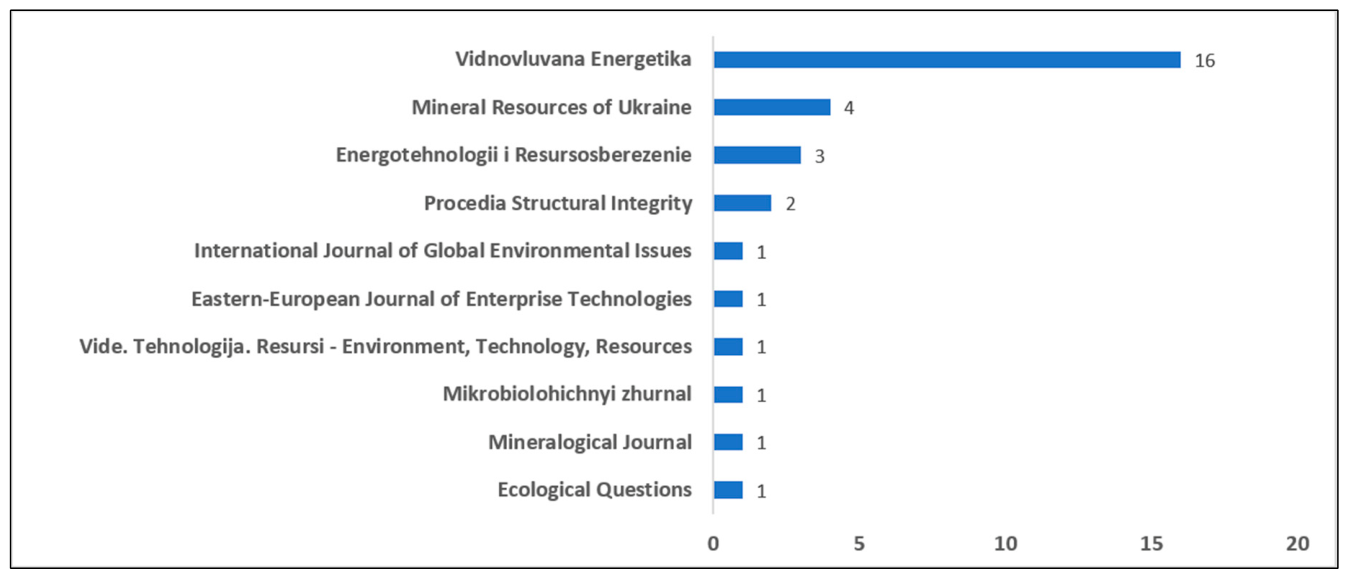
Figure 1 reports the number of publications on green hydrogen by Ukrainian authors over the past 20 years (see
Figure 1). The most prolific journal dealing with green hydrogen publications is the Vidnovluvana Energetika (Renewable Energy) journal, with 16 records, which indicates the importance of Ukrainian renewable energy journals for this topic (
Figure 1).
This section is used as contextual evidence rather than as the formal Materials and Methods Section. It introduces the Ukrainian project landscape and gives a concise descriptive synthesis of the 45-record Ukrainian-author NLP dataset, while the detailed dataset definitions and screening logic are provided in
Section 5.
In this paper, we employ natural language processing (NLP) for document-level text analysis of scientific titles, abstracts and keywords. NLP represents a set of computational methods that help to organize and interpret human language. NLP was used to identify repeated terms, common themes, similarities between records, and groups of publications discussing related topics [
44,
45]. It also helped to separate the green hydrogen core of the dataset from peripheral records in which hydrogen was mentioned in a biological, chemical, or unrelated context.
For our NLP analysis, we selected a dataset containing 45 records published between 2004 and 2025 (most records were quite recent; 44 of 45 records (97.8%) were published from 2020 onward) and indexed in the Scopus database related to green hydrogen and Ukraine that were authored or co-authored by Ukrainian authors.
Our analysis examined titles, abstracts, keywords, and publication metadata in order to identify the main research patterns in the dataset. It helped separate the most relevant publications on green hydrogen, renewable energy, ammonia, energy systems, and reconstruction from more peripheral records that only mentioned hydrogen in a different scientific context. The method also grouped publications into thematic clusters and highlighted the most frequent concepts appearing across the dataset.
Table 2 outlines the bibliometric workflow of the NLP method.
The Ukraine-focused green hydrogen research field is still quite small but is growing rapidly. The research output peaked in 2024 (12 records), with a visible post-2020 surge around green hydrogen, wind–hydrogen systems, water resources, desalination, storage, and gas infrastructure. The most visible cited article in the Ukrainian-author dataset is Kudria et al. (2021) [
46], “Resource potential for wind-hydrogen power in Ukraine” (48 Scopus citations by May 2026), indicating that wind resource assessment is currently the main citation anchor in this literature sample.
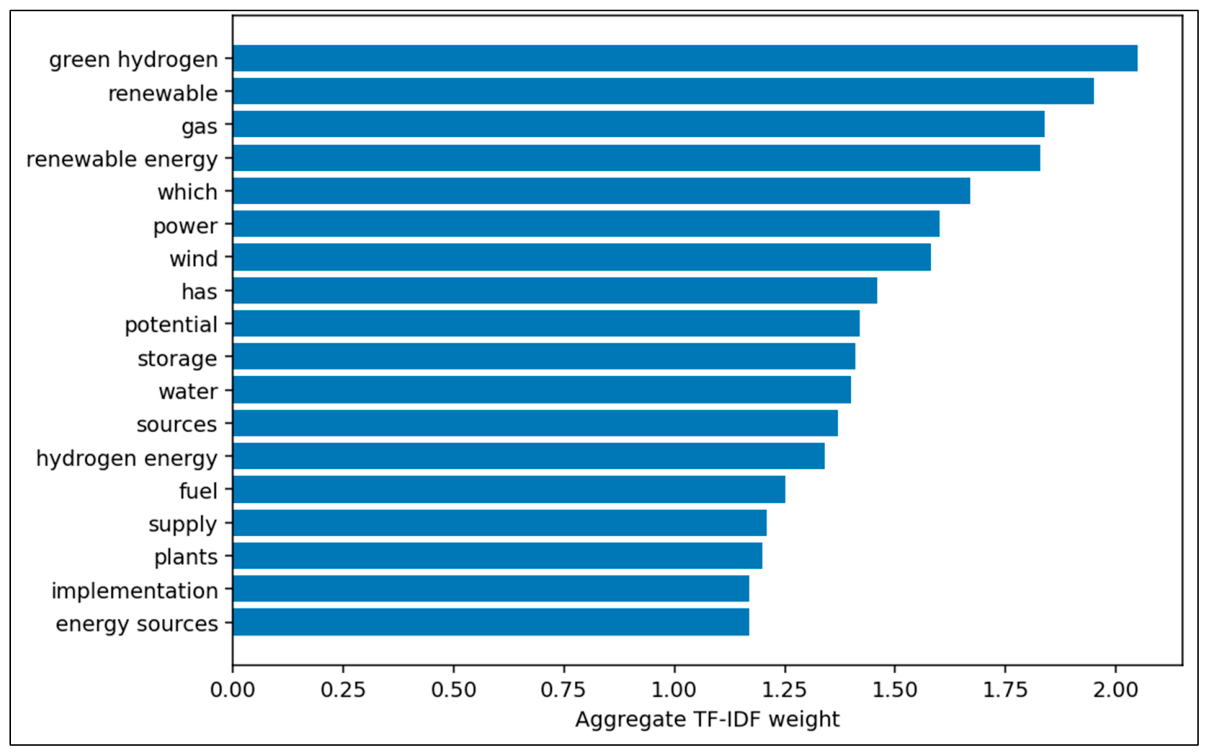
Figure 2 reports the most distinctive NLP terms and n-grams.
Additionally, our NLP results reveal that the Ukrainian green hydrogen literature is organized around five main semantic blocks: (1) renewable energy strategy and investment; (2) wind, water, electrolysis and desalination; (3) gas pipelines and transportation; (4) underground storage and geological conditions; and (5) biological/peripheral hydrogen uses. The first four blocks constitute a practical green hydrogen development agenda (see
Table 3).
Topic T5 is shown only to document peripheral query noise in the broad hydrogen search and is excluded from the core interpretation of Ukraine’s green hydrogen reconstruction agenda. The substantive synthesis that follows, therefore, relies primarily on Topics T1–T4.
Table 4 summarizes the main observed patterns for green hydrogen and ammonia found in the Ukraine-related Scopus documents.
In general, the results from our NLP analysis reveal that the main technological pathways in the related research are wind and solar electrolysis, water supply and desalination, green ammonia and hydrogen derivatives, synthetic renewable methane, underground storage, gas grid blending/transport, and decentralized/autonomous energy systems.
For post-war reconstruction, the data supports a decentralized low-carbon pathway but also reveals gaps: limited techno-economic optimization under wartime constraints, few full supply chain models, insufficient integration of security and resilience indicators, and limited empirical evidence on implementation at the territorial community scale.
Overall, the NLP analysis conducted in this paper made it possible to summarize the intellectual structure of the publication set in a systematic and transparent way, supporting the broader assessment of green hydrogen development prospects in Ukraine.
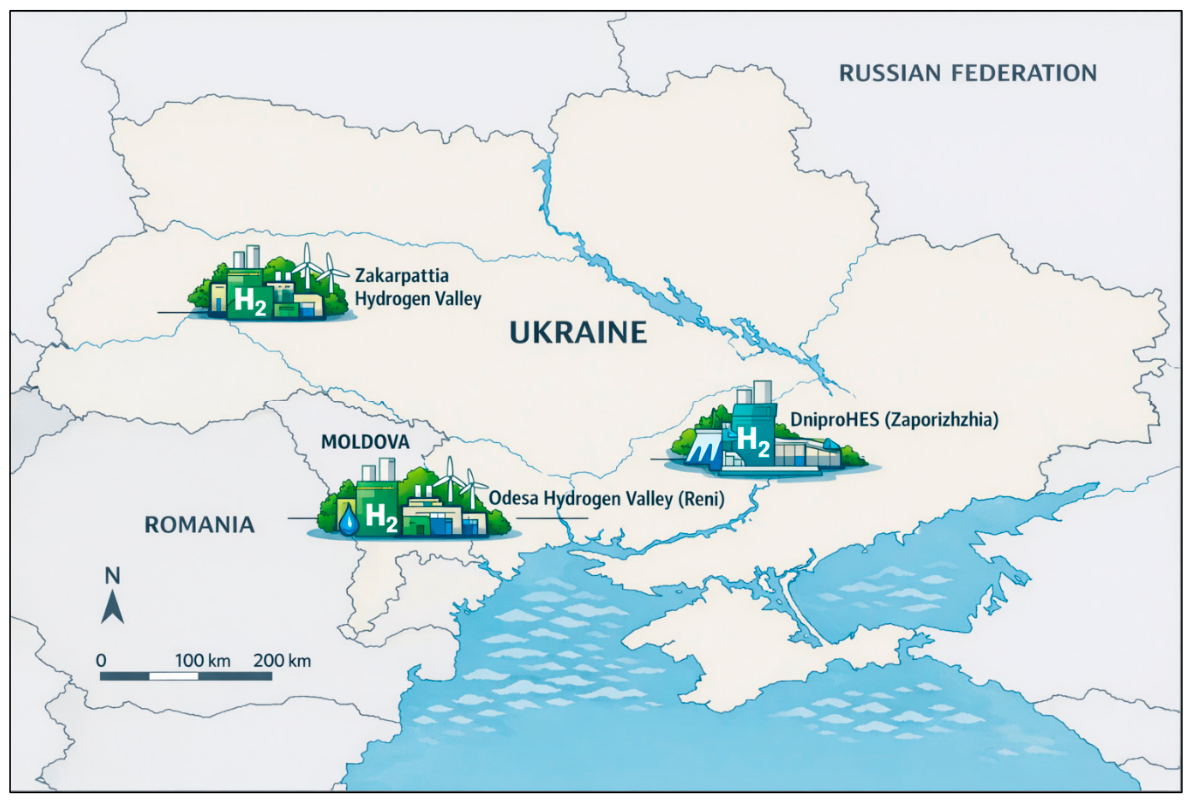
It needs to be noted that large-scale renewable energy installations, such as wind farms and solar power plants, are required to provide the electricity needed for electrolysis. For example, the green hydrogen projects in Odesa and Zakarpattia rely on renewable electricity inputs (
Figure 3). Water for electrolysis may be sourced from rivers, reservoirs, wastewater treatment systems, or seawater desalination where coastal production is considered. Water availability should, therefore, be treated as an enabling constraint rather than as an unlimited input, especially in regions affected by drought risk, war-related damage to water infrastructure, or competing agricultural and municipal demand.
Figure 3 locates the major green hydrogen project concepts on the map and connects the project narrative to the hub-level cost results discussed later in this paper. The projects include Odesa Hydrogen Valley, Zakarpattia Hydrogen Valley, and the Dnipro/DniproHES industrial corridor.
4. Strengths, Weaknesses, Opportunities, and Threats of Hydrogen Projects in Ukraine
The evidence suggests that green hydrogen and ammonia projects in Ukraine could support the country’s commitment to developing a green hydrogen economy, leveraging its renewable energy resources, and fostering international collaborations to meet both domestic energy needs and European market demands. However, despite the opportunities they may provide for economic development and the transition to a carbon-free economy, their development and deployment face several obstacles and threats.
The opportunities of the green hydrogen and ammonia projects in Ukraine include strategic location and renewable resources. Ukraine possesses abundant wind and solar resources, particularly in southern regions near the Black Sea, facilitating competitive production of green hydrogen and ammonia. In addition, Ukraine’s proximity to European markets offers export advantages, aligning with EU ambitions to diversify energy sources away from Russian fossil fuels.
Furthermore, Ukraine can benefit from EU green transition and funding opportunities. European Union’s Green Deal and REPowerEU initiative position Ukraine as a potential major exporter of clean hydrogen and ammonia. Access to EU investments, grants, and technological partnerships (including Horizon Europe, EIB financing, and EBRD partnerships) can accelerate infrastructural development.
Additionally, Ukraine needs to embark on the path of energy diversification and economic growth. Export-oriented hydrogen and ammonia sectors can attract substantial foreign direct investment (FDI), create employment and foster economic recovery post-war. The expansion of renewable energy infrastructure linked to hydrogen and ammonia production supports domestic energy resilience and contributes to national decarbonization.
At the same time, Ukraine faces many challenges regarding the development of its green hydrogen and ammonia projects, such as infrastructural damage and rehabilitation. Extensive infrastructure damage from the ongoing war necessitates substantial upfront investments in grid restoration, renewable capacity expansion, and industrial facilities. Persistent instability within the country can deter private investors, elevating reliance on international donor support.
In addition, there is domestic energy security and grid balancing when balancing the demands of domestic electricity supply with energy-intensive hydrogen production requires careful grid management and modernization. The country might face the risks of prioritizing export-focused hydrogen production at the expense of meeting domestic electricity demand, especially during recovery periods.
Ukraine also needs to strengthen its technological and workforce capacity. The need for significant technical expertise in green hydrogen production and management is currently limited due to brain drain and workforce disruptions caused by conflict. This requires specialized skills, education and training programs, and international collaboration.
The geopolitical risks and impacts on investment of green hydrogen and ammonia projects in Ukraine include continued security threats and investor risk perception. The ongoing geopolitical instability poses major deterrents for long-term foreign investment, with investors wary of asset security, physical protection, and political stability. Elevated insurance costs and difficulty securing financing can undermine the economic viability of large-scale green hydrogen and ammonia projects.
Additionally, Ukraine might face infrastructural vulnerability and military threats. Strategic energy assets, including hydrogen production and export infrastructure, could become military targets, compounding risk perceptions. Therefore, vulnerabilities in port infrastructure, rail, and pipeline networks crucial for ammonia export may create bottlenecks.
Ukraine’s ambition to become a hydrogen exporter poses the risk of creating new geopolitical dependencies, potentially impacting its national sovereignty and energy policy choices. For example, potential interference or disruption, cyber threats, or sabotage actions could influence investor confidence and operational continuity.
Ukraine, therefore, needs to balance its domestic energy security and export ambitions. The country must develop clear regulations that prioritize domestic energy needs while supporting export capacities, ensuring domestic electricity availability remains stable and affordable. Energy policies should encourage co-development of renewable projects serving dual domestic and export markets, promoting flexibility and resilience.
In order to do that, adopting a phased approach to hydrogen and ammonia sector development, prioritizing domestic renewable expansions needs to be done first, followed by gradual scaling of export capabilities. Avoiding single-market dependencies through diversified export partnerships with EU and non-EU states reduces exposure to geopolitical manipulation or disruptions.
Ukraine might also want to pursue strategic partnerships with international institutions (EU, NATO, and G7 nations) to secure investment protection mechanisms, political risk guarantees, and financial support. Diplomatic efforts need to be leveraged to include Ukrainian green hydrogen initiatives within broader security and economic support packages.
Table 5 that follows offers a comprehensive SWOT analysis of the Ukrainian potential for efficient low-carbon development in a green hydrogen and ammonia economy that summarizes the discussion above.
Furthermore,
Table 6 offers Ukraine-specific evidence links and regional interpretation for the SWOT analysis from
Table 5.
Therefore, the SWOT interpretation in
Table 6 links each generic category to concrete Ukrainian geography, hub functions, and model outputs rather than treating hydrogen development as a country-neutral policy issue.
5. Materials and Methods
In this section, we present the empirical datasets used in our research and the screening logic applied to each of them (
Table 7). The datasets are complementary rather than interchangeable: the highly cited “green hydrogen” dataset was used only for the literature benchmark in
Table 1, the 45-record Ukrainian-author dataset was used for NLP analysis, and the 491-document “hydrogen” AND “Ukraine” dataset was used for broader VOSviewer version 1.6.15 mapping.
The ordering of our manuscript reflects the applied policy nature of this study:
Section 3 and
Section 4 introduce the Ukrainian project context and SWOT framing, whereas this section provides the formal methodological basis for the literature, NLP, bibliometric, and GEOH2 components used in the subsequent interpretation.
The use of the Scopus database for our study represents a limitation because Scopus does not cover all policy reports, Ukrainian-language technical documents, national project documentation, and grey literature. This limitation is addressed by treating the bibliometric findings as evidence of indexed academic research trends rather than as a complete inventory of Ukrainian hydrogen activity.
The broader bibliometric part of this study is based on 491 Scopus-indexed documents published between 1991 and 2026 and retrieved with the query “hydrogen” and “Ukraine”. The dataset included research articles, conference papers, and book chapters. The Ukraine-specific NLP analysis used a separate 45-record subset focused on Ukrainian authors and green-hydrogen-related content. The distinction between the 491-document mapping dataset and the 45-record NLP subset is maintained throughout the revised analysis.
Elsevier’s Scopus database was selected because it provides a comprehensive overview of structured metadata, abstracts, author keywords, index keywords, citation counts, affiliations, and source information suitable for reproducible bibliometric analysis. Nevertheless, we need to acknowledge that reliance on the Scopus database can underrepresent non-indexed Ukrainian reports, policy documents, industry project materials, and some national-language sources.
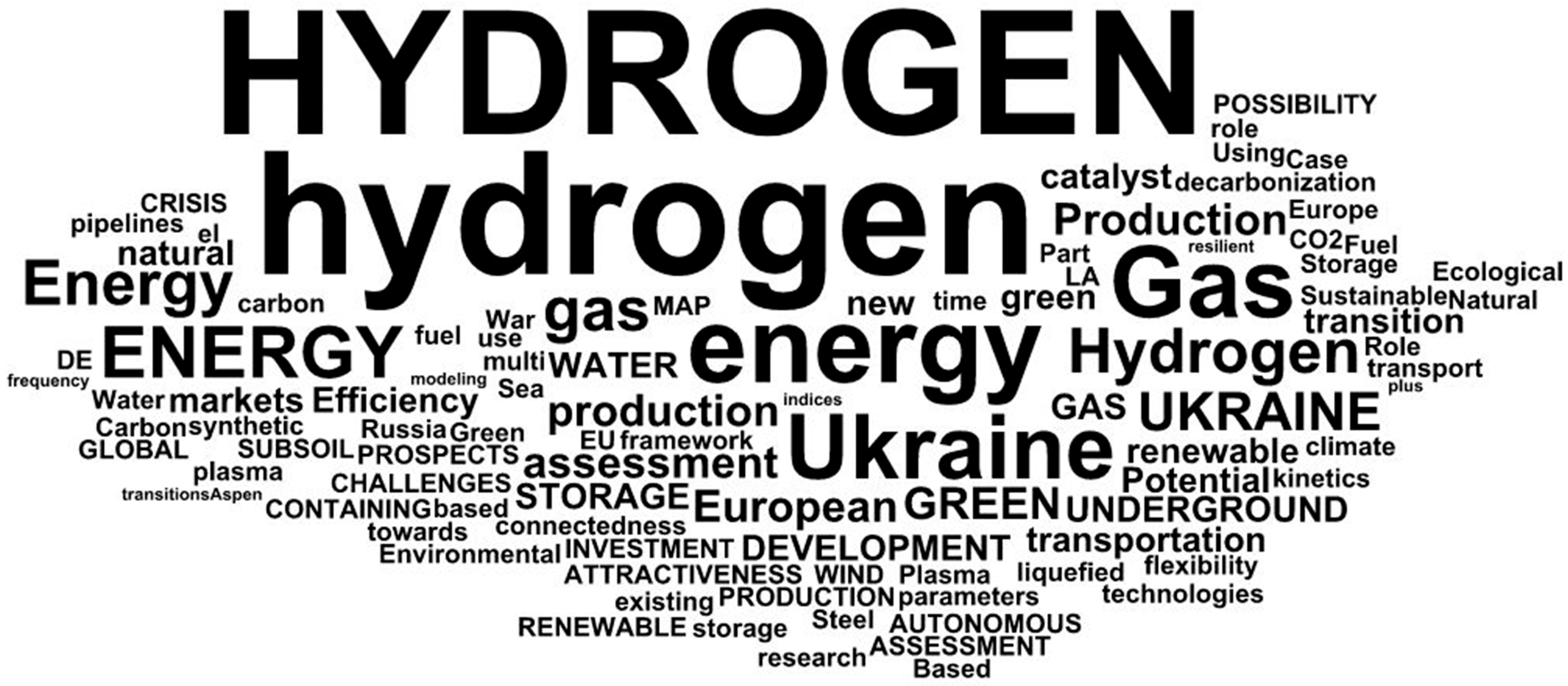
Figure 4 presents a higher-resolution word cloud diagram highlighting the occurrence and frequency of keywords related to green hydrogen and ammonia projects in Ukraine as well as on hydrogen-related initiatives conducted in Ukraine or by Ukrainian researchers. Larger and bold keywords demonstrate higher usage frequency.
Using the set of data retrieved from the Scopus database that was described above, a network cluster analysis of the textual and bibliometric inputs was constructed using VOSViewer version 1.6.15 software (see
Figure 5).
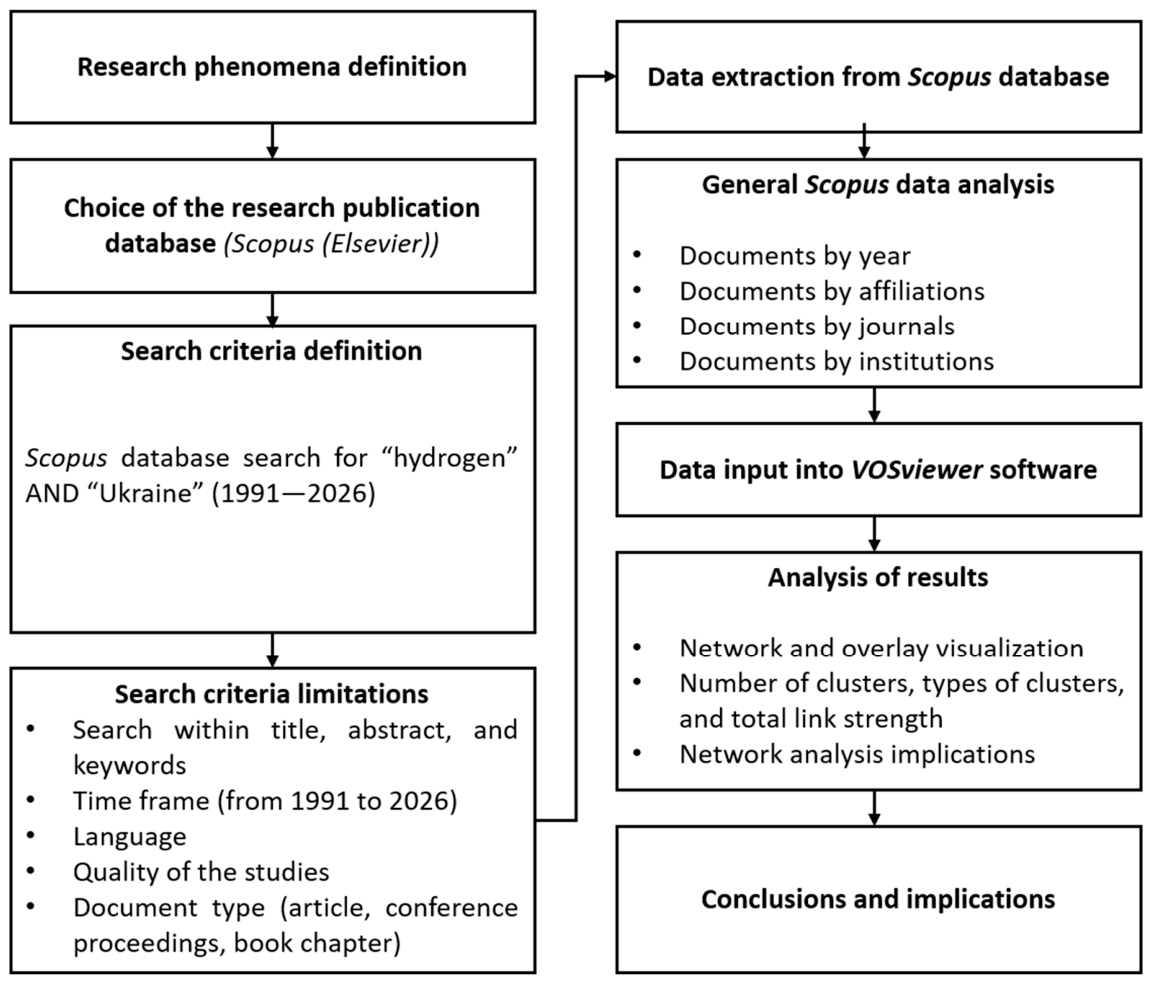
Figure 5 summarizes the revised data selection, screening, and network analysis workflow. The search criteria were established through Scopus searches for “hydrogen” AND “Ukraine” covering 1991–2026, followed by document-type screening, metadata cleaning, and term-level relevance screening. The workflow separates general Scopus descriptive statistics from VOSviewer-based term co-occurrence mapping and NLP-based topic extraction.
Table 8 reports on the VOSviewer settings and cleaning decisions used to make
Figure 6 and
Figure 7 more reproducible.
6. Results from the Network Analysis Model
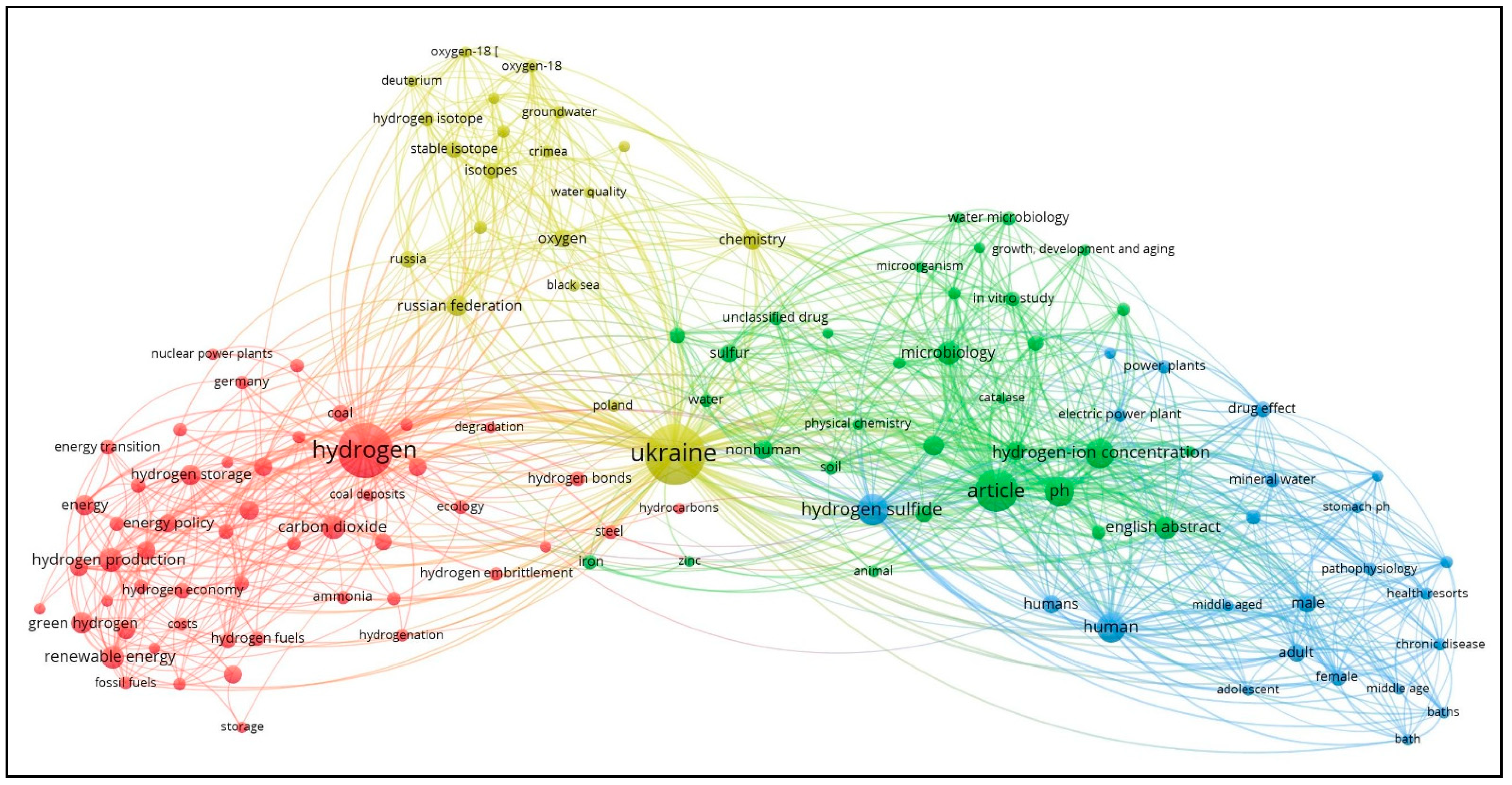
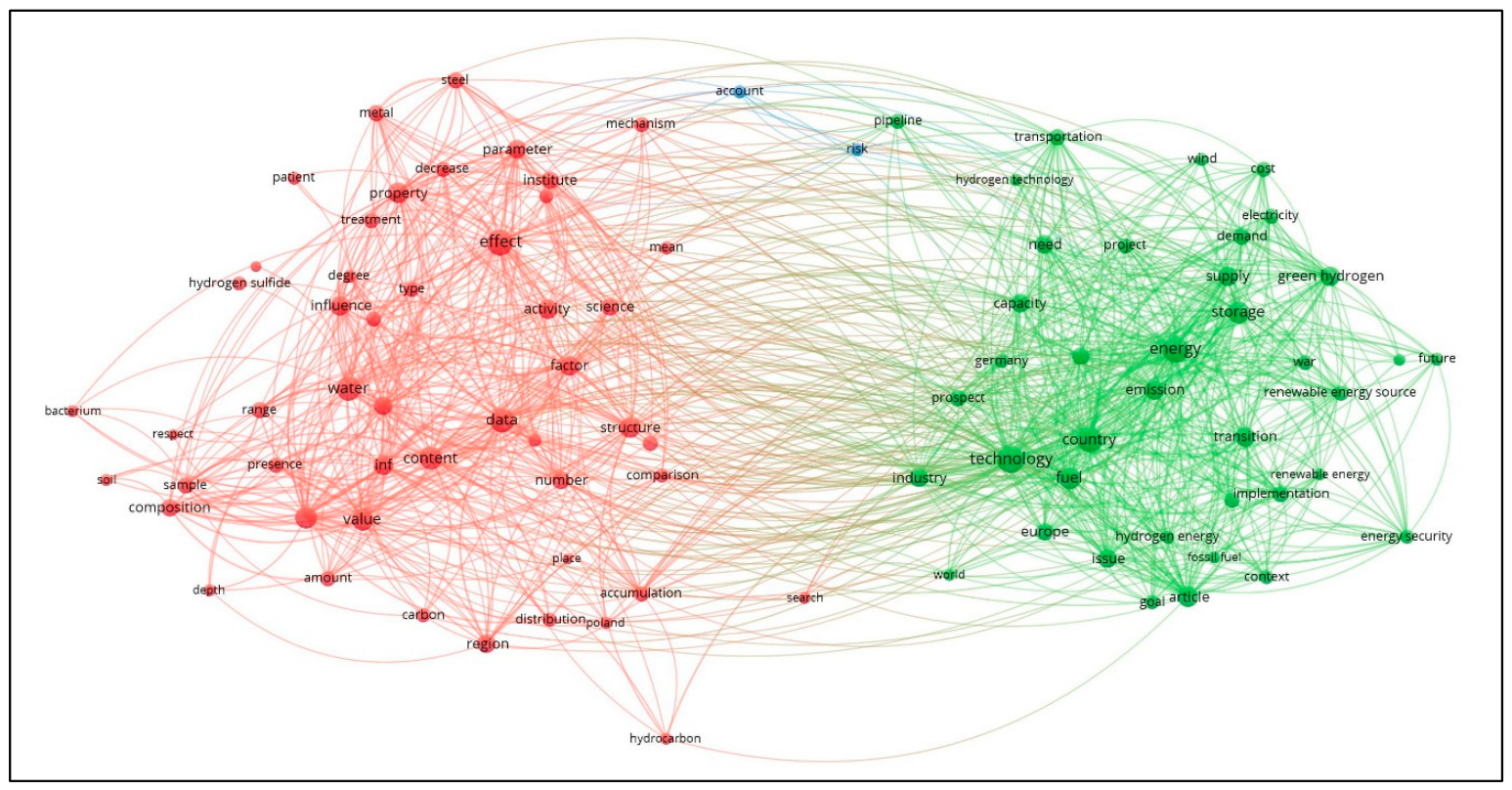
Figure 6 that follows depicts the co-occurrence map based on the text data from 491 papers containing the keywords “hydrogen” and “Ukraine” retrieved from the Scopus database. The analysis identified just two main clusters (marked in red and green).
The first cluster (represented in red) primarily encompasses terms related to economic, political, and strategic dimensions, including policy frameworks, geopolitical implications, security issues, and international relations. The second cluster (depicted in green) emphasizes technical, technological, environmental, and developmental themes, particularly focusing on renewable energy integration, green hydrogen production, innovation, and sustainability.
The significant interconnections between the two clusters underscore the interdisciplinary nature of the discourse, reflecting that technological advancements and sustainable hydrogen development are deeply interwoven with geopolitical stability and economic policy considerations. Notably, bridging terms such as “strategy,” “energy,” “development,” and “policy” frequently co-occur across both clusters, highlighting their central role in integrating technical feasibility with strategic planning and policymaking.
This analysis indicates that discussions surrounding Ukraine’s potential in the hydrogen economy are not solely technical or economic but inherently involve geopolitical factors and policy frameworks. Consequently, Ukraine’s successful engagement with the global hydrogen market will necessitate a comprehensive approach that effectively integrates technological capabilities, sustainable development strategies, and robust geopolitical and economic policy frameworks.
Furthermore, the bibliographic map, generated from bibliometric analysis of 491 scientific publications retrieved from the Scopus database containing the keywords “hydrogen” and “Ukraine” (see
Figure 7), illustrates several key thematic clusters based on keyword co-occurrence. The bibliographic map is based on the bibliometric data (co-authorship, keyword co-occurrence, citation, bibliographic coupling, or co-citation map). The visualization reveals four primary clusters, each distinguished by color and representing unique thematic groupings within the research literature.
The central green cluster prominently features the term “hydrogen” and closely associated terms such as “renewable energy,” “solar,” and “decarbonization,” highlighting a strong research focus on sustainable and renewable energy aspects of hydrogen technologies. This cluster indicates that current research extensively explores renewable energy integration and decarbonization pathways associated with hydrogen in Ukraine.
The red cluster emphasizes energy transition and security aspects, including keywords such as “energy transition,” “energy security,” “natural gas,” and “European Union.” This suggests a significant body of literature addressing hydrogen’s strategic role in the broader context of energy policy, geopolitics, and European energy security frameworks.
The yellow cluster connects “ammonia,” “storage,” “technology,” and “decarbonization,” emphasizing technological development, storage solutions, and ammonia production pathways as vital elements of hydrogen research in Ukraine. This cluster underscores the critical role of technological advancement and infrastructural development within the hydrogen economy.
Finally, the blue cluster includes terms such as “system,” “methane,” “generation,” “carbon,” and “Ukraine,” reflecting studies focused on hydrogen production processes, system integration, carbon management, and the technical aspects related to hydrogen infrastructure and generation methods specific to Ukraine.
Overall, the bibliometric map demonstrates an interdisciplinary research landscape, highlighting the integration of technological advancements, renewable energy adoption, geopolitical considerations, and strategic planning. These findings suggest that the successful advancement of Ukraine’s hydrogen sector requires collaborative efforts across technological, economic, environmental, as well as geopolitical domains.
7. GEOH2 Model
In addition to the SWOT analysis and bibliometric and NLP analysis, we employ quantitative spatial evidence to assess where green hydrogen production may be most competitive in Ukraine. The geospatial hydrogen production cost model (GEOH2) is used as a screening-level model for green hydrogen (
Table 9). The ammonia component is treated as a downstream conversion and transport pathway linked to green hydrogen rather than as a fully independent plant-level ammonia-engineering model.
Our model identifies least-cost locations for green hydrogen production by combining renewable resource quality, techno-economic assumptions, financing conditions, and hub-level interpretation. Costs are assessed for candidate production locations using a GIS-based framework. The model follows the logic of prior geospatial hydrogen cost modeling [
47,
48] and uses Python-based data processing (version 3.10). Python for Power System Analysis (PyPSA) is a well-known example of open-source Python tools for energy system modeling [
49,
50]. For each location i, the levelized cost of hydrogen (LCOH) is calculated conceptually as follows:
The capital recovery factor is calculated as follows:
where r is the weighted average cost of capital (WACC), and n is the asset lifetime. The ammonia extension is calculated as a screening-level levelized cost of ammonia (LCOA) by adding nitrogen supply, Haber–Bosch synthesis [
51,
52], conversion, storage, and transport costs to the renewable hydrogen input cost (see
Table 10).
In total, four key scenarios are assessed: (i) a de-risked 8% WACC benchmark, (ii) a 12.2% WACC pre-war/intermediate case, (iii) a 25% WACC war risk case, and (iv) an 8% WACC learning scenario with lower installed capital cost and improved electrolysis efficiency. The national levelized cost of hydrogen (LCOH) ranges are EUR 3.88–7.28/kg H2 (median: EUR 5.81) in the 8% case, EUR 5.04–9.60/kg H2 (median: EUR 7.51) in the 12.2% case, EUR 9.06–17.58/kg H2 (median: EUR 13.39) in the 25% case, and EUR 3.12–5.09/kg H2 (median: EUR 4.92) in the learning case, as reported in the relevant sources [
53,
54,
55].
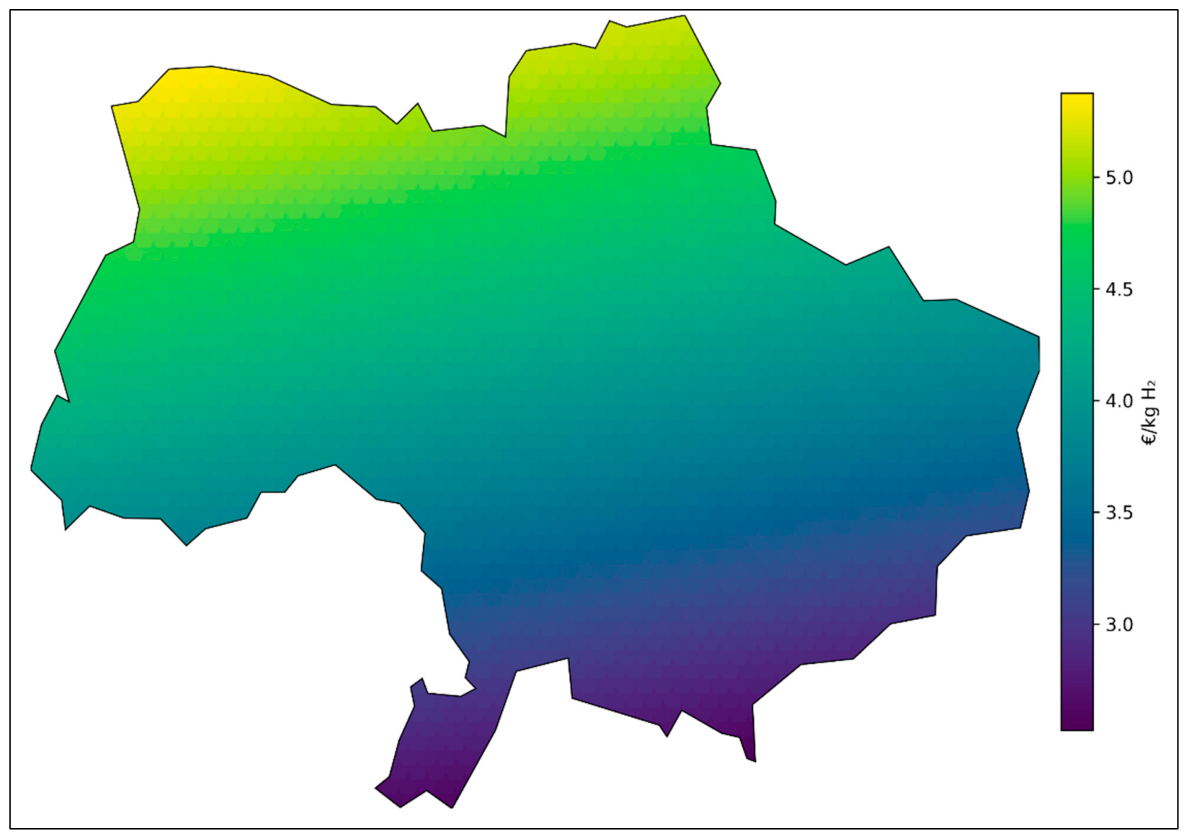
Figure 8 reports LCOH calibrated to available Ukraine/EU estimates and spatially downscaled through resource quality proxies.
The color scale in
Figure 8 represents relative production cost differences across Ukraine based on renewable resource and cost proxies; darker areas indicate lower estimated LCOH. The figure should be interpreted as a strategic screening output rather than a project-level investment map.
Water availability is included as a constraint in interpretation rather than as a decisive cost driver in the national screening model. Although electrolysis requires relatively modest process water volumes compared with many thermal and agricultural water uses, local feasibility can be constrained by water quality, desalination needs, damaged water infrastructure, environmental regulation, and competition with municipal and agricultural demand. Therefore, coastal hubs such as Odesa require explicit assessment of seawater desalination or wastewater reuse, while inland hubs such as Dnipro require integration with river basin and industrial water planning.
The estimates in
Figure 8 support the central argument of this paper by showing that Ukraine’s hydrogen opportunity is real but highly financing-sensitive. Favorable resource quality alone is insufficient: under war risk financing, even good resource areas can become economically unusable. This quantitative finding directly reinforces the conclusions from the SWOT analysis reported above (see
Table 5), especially geopolitical instability, investor hesitation, infrastructure vulnerability, and the need for phased de-risking.
At the hub level, the model reports delivered costs of EUR 4.88/kg H2 for Odesa, EUR 4.91/kg H2 for Dnipro, EUR 6.09/kg H2 for the Zakarpattia corridor case, and EUR 6.77/kg H2 for Zakarpattia local sourcing. The near-parity of Odesa and Dnipro suggests that a domestic-first reconstruction strategy can be defended economically as well as politically. Odesa is best interpreted as an export-oriented and ammonia-linked maritime hub, Dnipro as an industrial demand hub, and Zakarpattia as a higher-cost but strategically valuable western resilience corridor with EU adjacency and lower exposure to southern maritime risks.
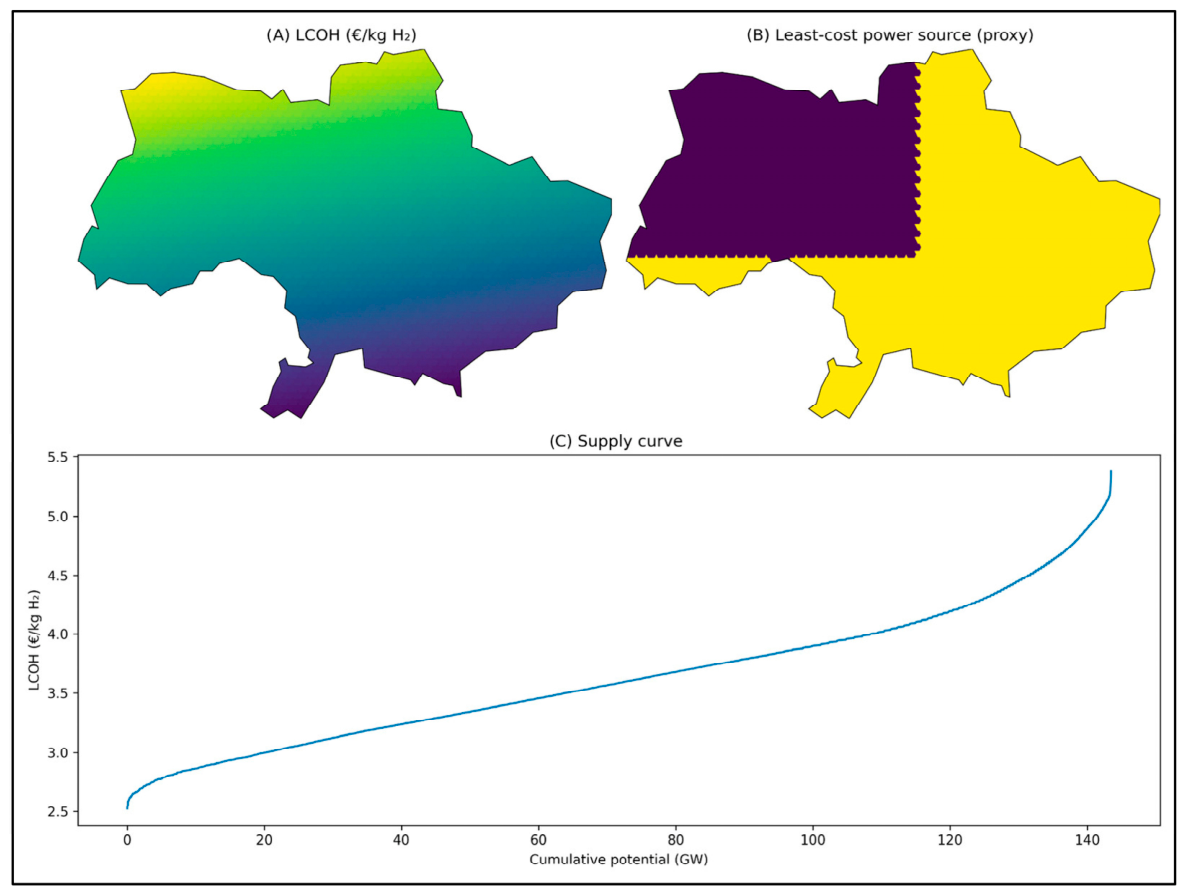
Figure 9 reports the screening-level hydrogen cost, least-cost technology, and supply curve summary for Ukraine. The map panels show relative cost and technology choice patterns, while the supply curve illustrates how cumulative technical potential becomes more expensive as less favorable locations are included. High-risk and occupied areas are not separately modeled as military zones; war risk is represented through the WACC scenarios and hub-level interpretation. Together, these panels illustrate the central spatial message of the model. Least-cost zones cluster in the south and south-east of Ukraine, yet a secondary western pocket remains strategically relevant. The supply curve indicates that Ukraine retains meaningful technical potential under de-risked conditions, but the competitiveness of that potential deteriorates rapidly as the cost of capital increases. These results reflect the tension between export ambition, domestic energy security, and infrastructural vulnerability.
8. Conclusions and Implications
Overall, our paper shows that Ukraine’s post-war energy reconstruction should not be limited to restoring damaged assets. It should also be used to redesign the energy system around decentralization, resilience, renewable generation, and low-carbon industrial transformation. Green hydrogen and green ammonia can support this agenda by linking Ukraine’s wind and solar resources with industrial decarbonization, storage, transport, and future EU-oriented energy trade. The novelty of our study lies in integrating Ukraine-specific NLP/bibliometric evidence, SWOT analysis, and GEOH2 cost modeling under explicit wartime and de-risked financing scenarios.
Furthermore, our bibliometric and NLP results indicate that Ukraine-related green hydrogen research is still young but expanding. The most relevant themes are renewable-energy strategy, wind and solar electrolysis, water and desalination constraints, gas grid blending, underground storage, hydrogen derivatives including ammonia, and decentralized energy systems. At the same time, the literature reveals important gaps: limited techno-economic optimization under wartime conditions, few integrated supply chain models, and insufficient empirical evidence at the territorial community scale.
Additionally, our SWOT and network analyses both confirm that Ukraine’s hydrogen economy is simultaneously a technological, financial, and geopolitical project. Ukraine benefits from renewable resources, an industrial base, proximity to the EU, and potential ammonia export infrastructure, but these strengths are constrained by damaged infrastructure, security risks, high financing costs, workforce disruption, governance concerns, and the need to balance domestic energy security with export ambitions. The revised SWOT analysis, therefore, links strengths and risks to Odesa, Dnipro, and Zakarpattia rather than treating Ukraine as a single homogeneous production space.
In addition, the results from our GEOH2 model demonstrate that financing conditions are as important as physical renewable resource quality. Southern Ukraine has strong potential under de-risked conditions, while the 25% WACC war risk scenario shows that high risk premia can make even favorable resource areas economically unattractive. Odesa should be viewed primarily as an export-oriented and ammonia-linked maritime hub, Dnipro as a domestic industrial demand hub, and Zakarpattia as a higher-cost but strategically important western corridor. This portfolio approach reduces overdependence on one geography, one market, or one infrastructure route.
Several limitations of this research need to be acknowledged: our bibliometric and NLP analyses rely on Scopus-indexed metadata, which may omit policy reports, Ukrainian-language documents, project files, government roadmaps, company announcements, and the grey literature. In addition, the “hydrogen” AND “Ukraine” query is intentionally broad and captures peripheral records such as hydrogen sulfide, microbiology, and other non-energy hydrogen topics. These records were identified as query noise and interpreted cautiously rather than treated as core green hydrogen evidence. Furthermore, the GEOH2 model used in this paper represents a screening-level spatial model rather than a full feasibility study. It simplifies some project-specific parameters, including land acquisition, grid connection constraints, permitting, detailed pipeline integrity, desalination plant design, insurance premiums, and military-risk exposure. Additionally, the ammonia component is treated as a downstream screening-level conversion and export pathway linked to hydrogen costs. Therefore, this paper does not claim to provide a full plant-level levelized cost of ammonia since more precise ammonia estimates would require plant-level Haber–Bosch assumptions, port logistics, storage design, and export contract data, which is beyond the scope of this research. Future research should combine updated security risk maps, water resource data, grid connection constraints, project-level ammonia engineering, and stakeholder interviews at the territorial community level.
The main policy implication is that Ukraine should follow a phased reconstruction pathway. In the short run, Ukraine should prioritize grid repair, renewable build-out, water resource planning, pilot electrolysis, and investment de-risking. In the medium run, industrial pilots around Dnipro, ammonia-linked infrastructure around Odesa, and storage/pipeline readiness studies should be developed. In the long run, western corridor projects and EU market integration can expand as security and financing conditions improve. International grants, guarantees, insurance schemes, transparent regulation, workforce training, and project-level feasibility studies are necessary to turn Ukraine’s green hydrogen and ammonia potential into a realistic reconstruction strategy for the design of its energy sector.