Article

USA Wind Energy-Caused Bat Fatalities Increase with Shorter Fatality Search Intervals


by
K. Shawn Smallwood
3108 Finch Street, Davis, CA 95616, USA
Diversity 2020, 12(3), 98; https://doi.org/10.3390/d12030098
Submission received: 19 February 2020 / Revised: 9 March 2020 / Accepted: 10 March 2020 / Published: 12 March 2020
(This article belongs to the Special Issue Impacts of Pressure on Bat Populations)

Abstract

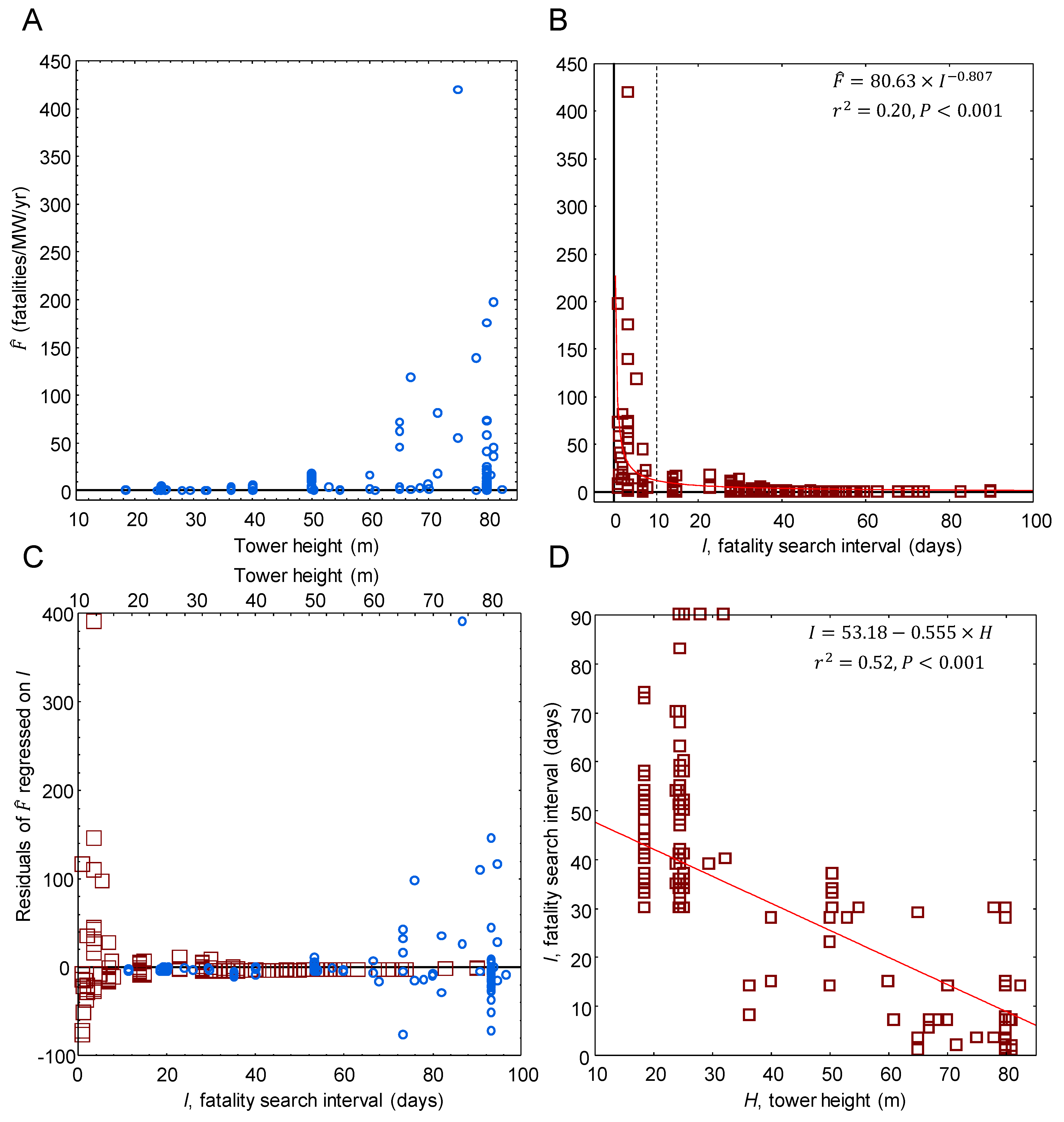
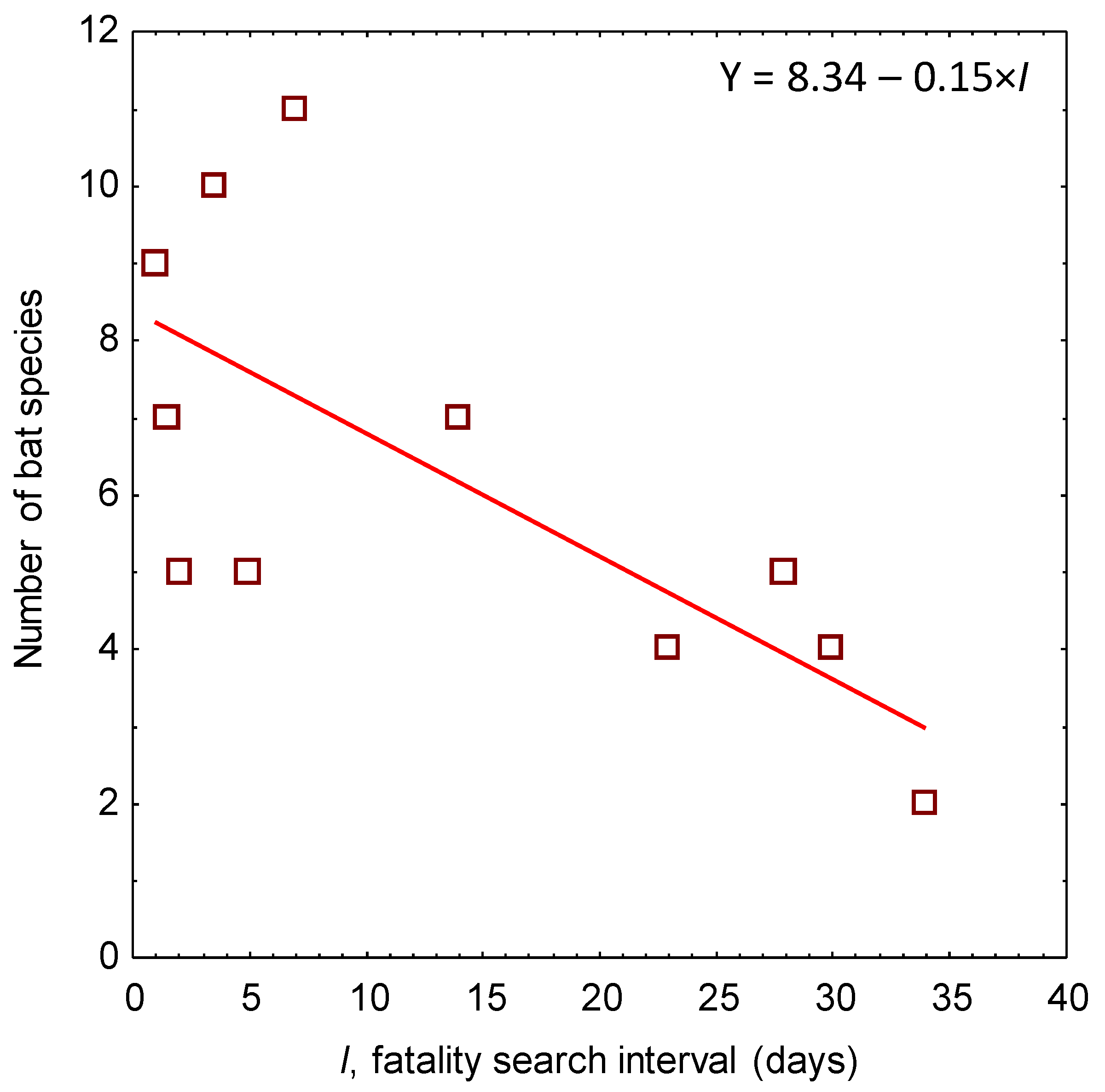
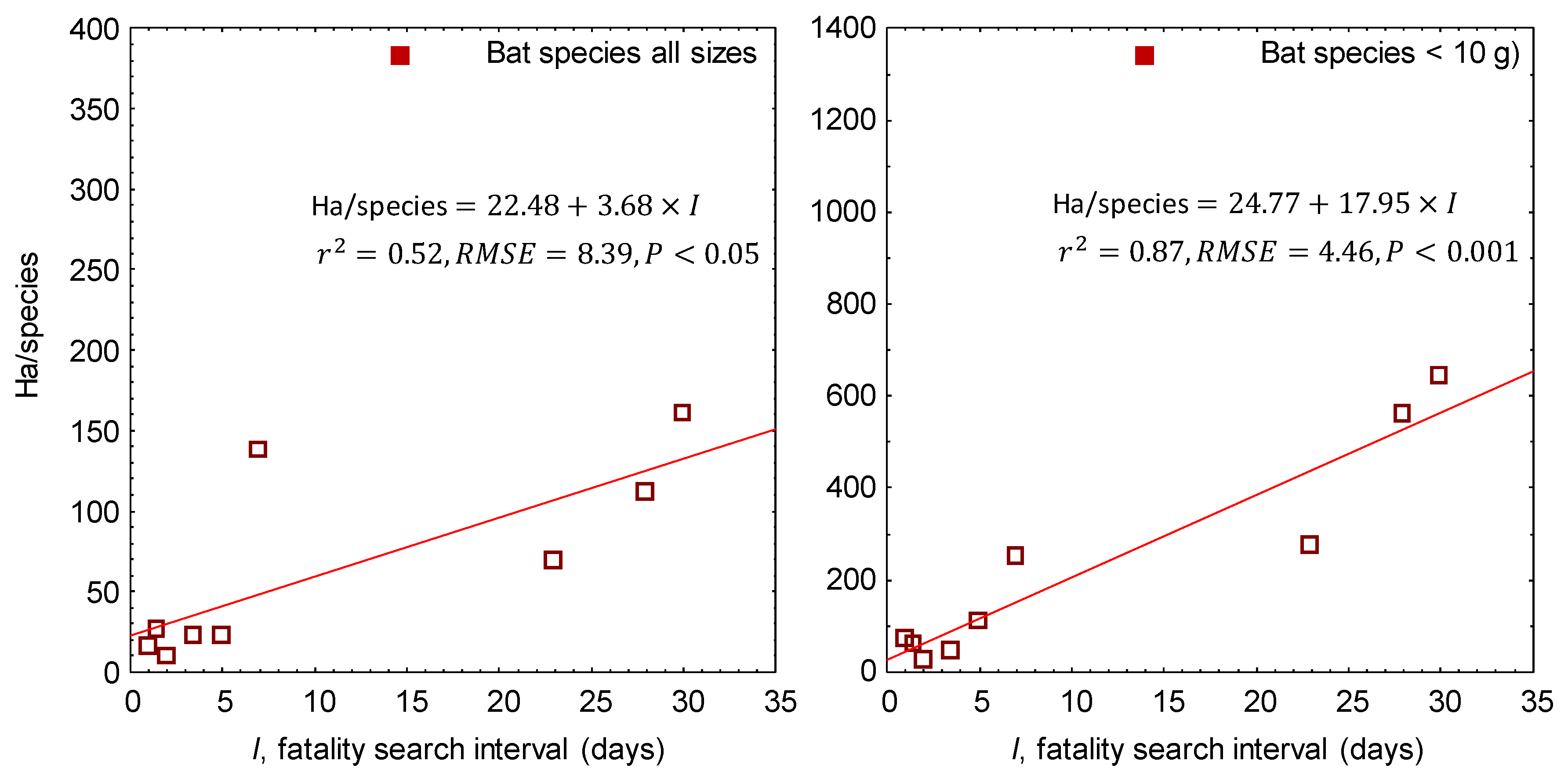
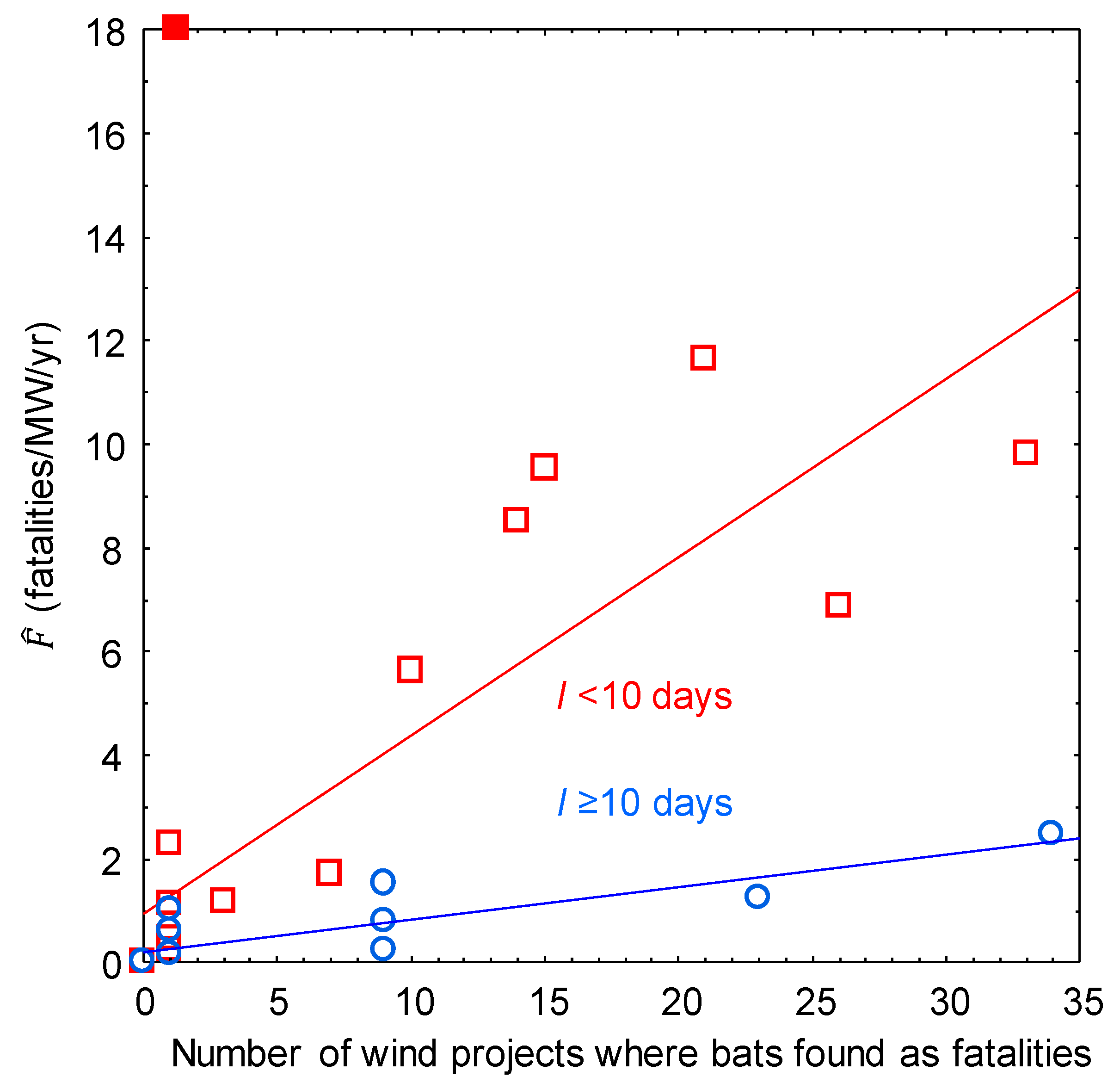
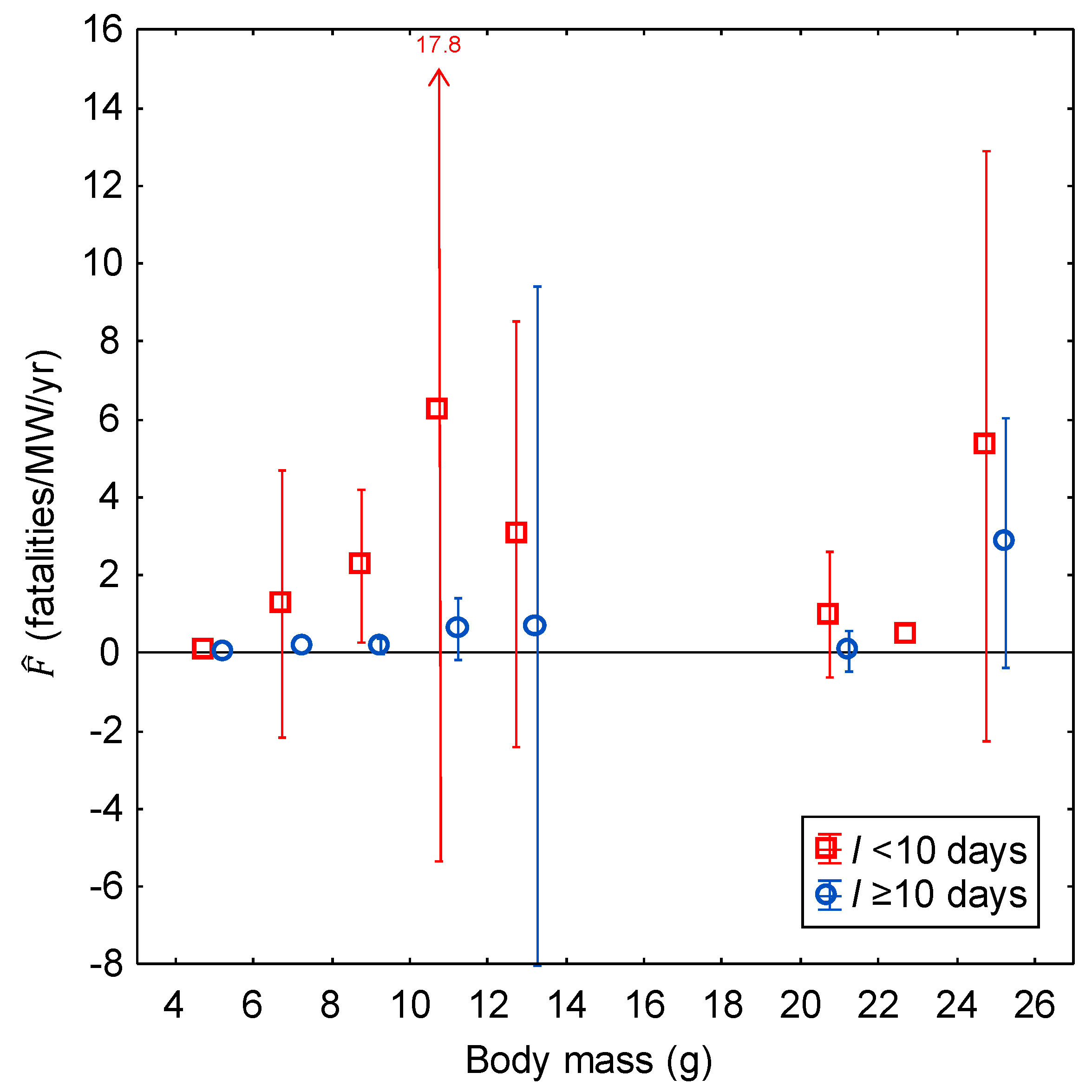
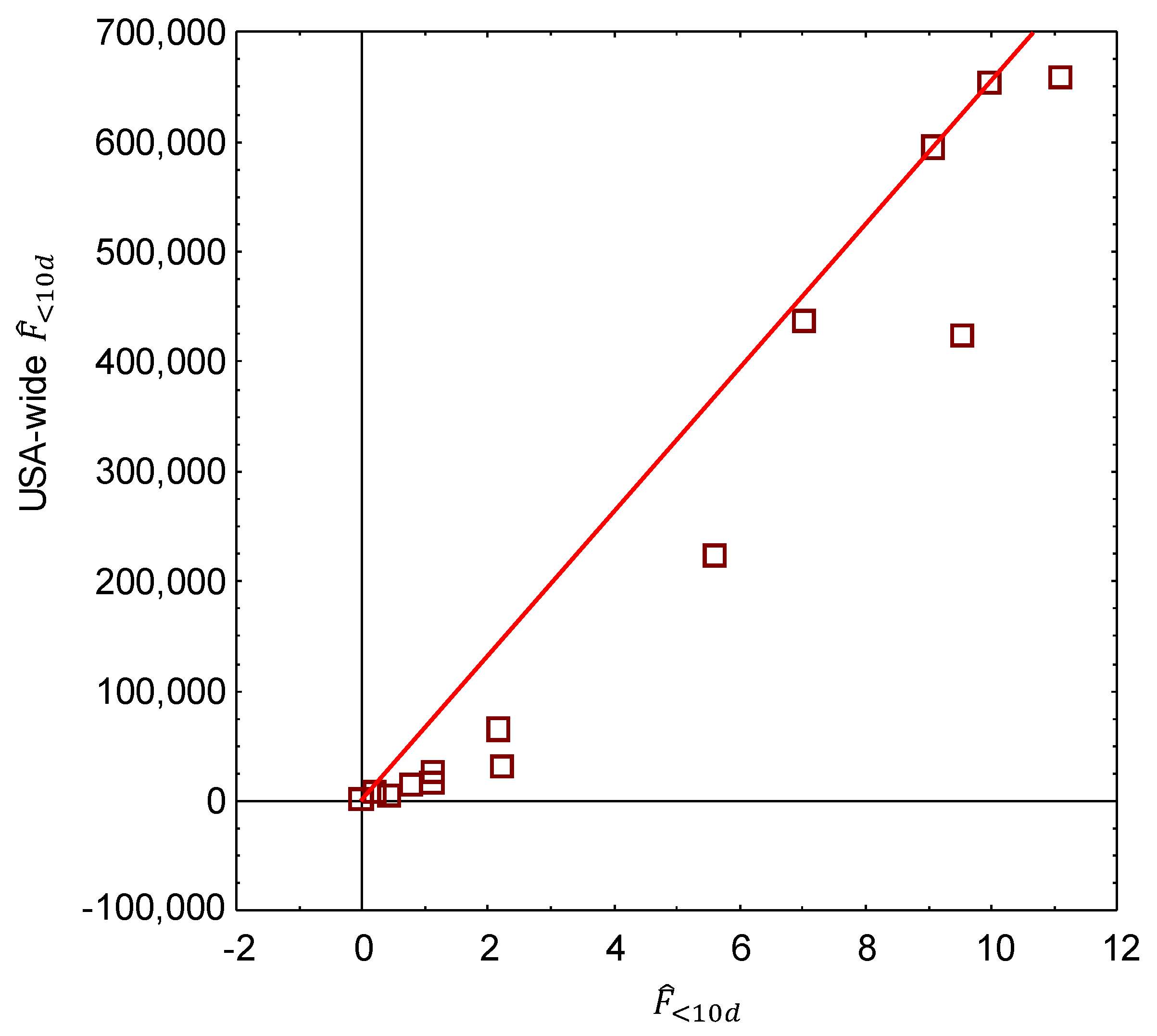
Wind turbine collision fatalities of bats have likely increased with the rapid expansion of installed wind energy capacity in the USA since the last national-level fatality estimates were generated in 2012. An assumed linear increase of fatalities with installed capacity would expand my estimate of bat fatalities across the USA from 0.89 million in 2012 to 1.11 million in 2014 and to 1.72 million in 2019. However, this assumed linear relationship could have been invalidated by shifts in turbine size, tower height, fatality search interval during monitoring, and regional variation in bat fatalities. I tested for effects of these factors in fatality monitoring reports through 2014. I found no significant relationship between bat fatality rates and wind turbine size. Bat fatality rates increased with increasing tower height, but this increase mirrored the increase in fatality rates with shortened fatality search intervals that accompanied the increase in tower heights. Regional weighting of mean project-level bat fatalities increased the national-level estimate 17% to 1.3 (95% CI: 0.15–3.0) million. After I restricted the estimate’s basis to project-level fatality rates that were estimated from fatality search intervals <10 days, my estimate increased by another 71% to 2.22 (95% CI: 1.77–2.72) million bat fatalities in the USA’s lower 48 states in 2014. Project-level fatality estimates based on search intervals <10 days were, on average, eight times higher than estimates based on longer search intervals. Shorter search intervals detected more small-bodied species, which contributed to a larger all-bat fatality estimate.
Keywords: bats; fatality estimation; search interval; tower height; wind energy; wind turbine bats; fatality estimation; search interval; tower height; wind energy; wind turbine