Article

Ochratoxin A and Clear Cell Renal Cell Carcinoma: Exploring Potential Molecular Links Through Network Toxicology and Machine Learning


School of Clinical Medicine, Jiangxi University of Chinese Medicine, Nanchang 330004, China
*
Authors to whom correspondence should be addressed.
Int. J. Mol. Sci. 2026, 27(7), 2971; https://doi.org/10.3390/ijms27072971
Submission received: 13 February 2026 / Revised: 18 March 2026 / Accepted: 21 March 2026 / Published: 25 March 2026

Abstract

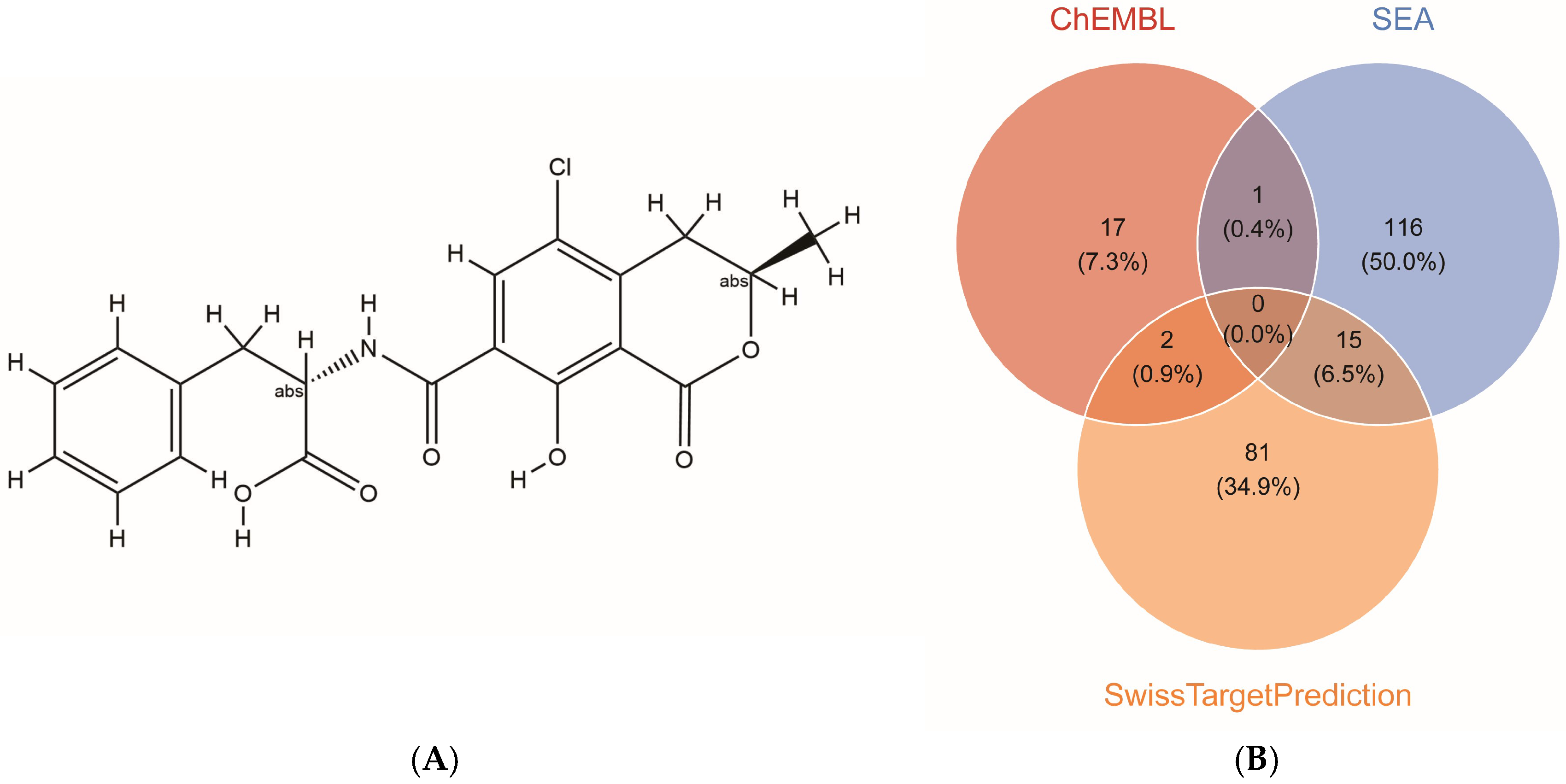
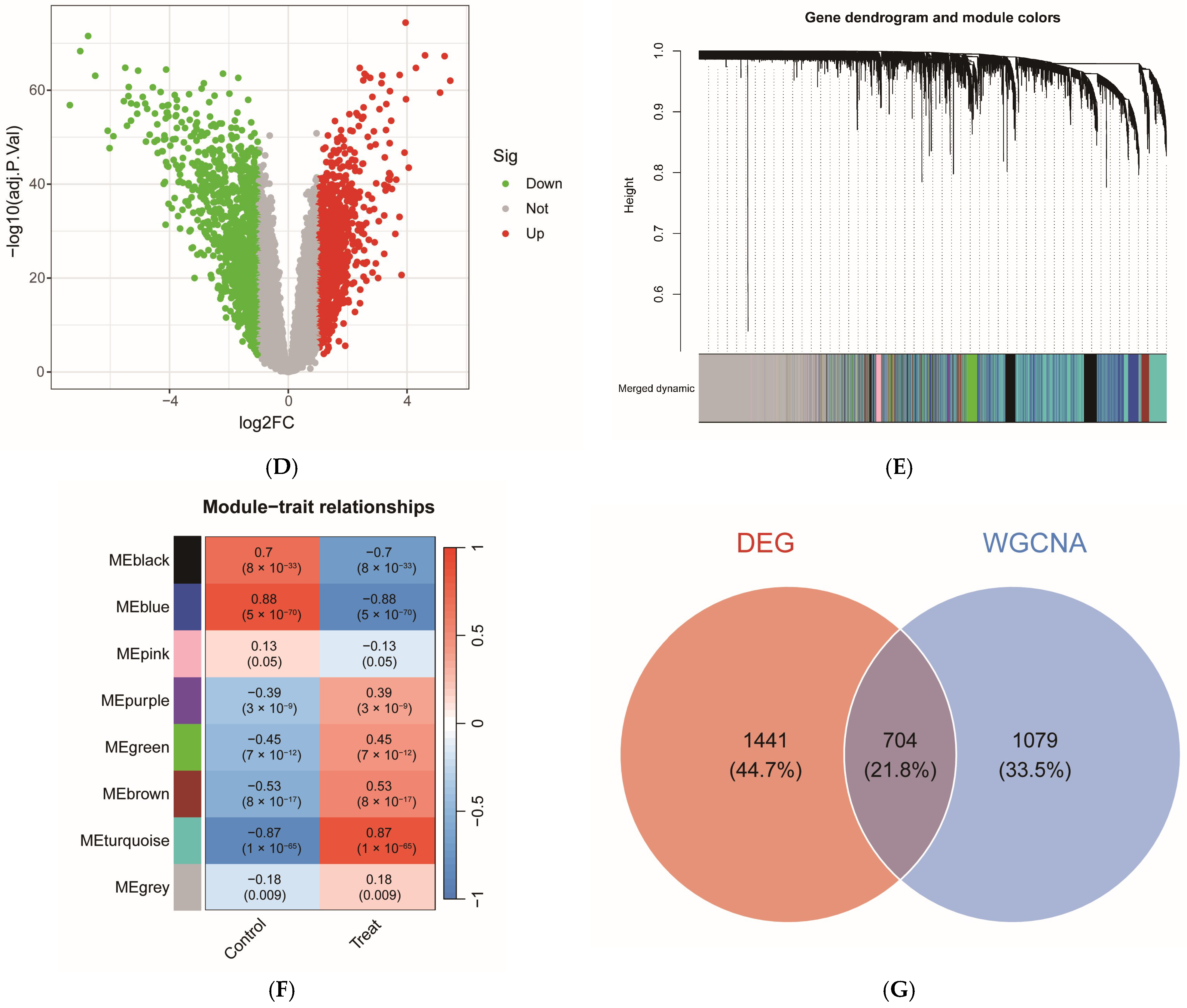
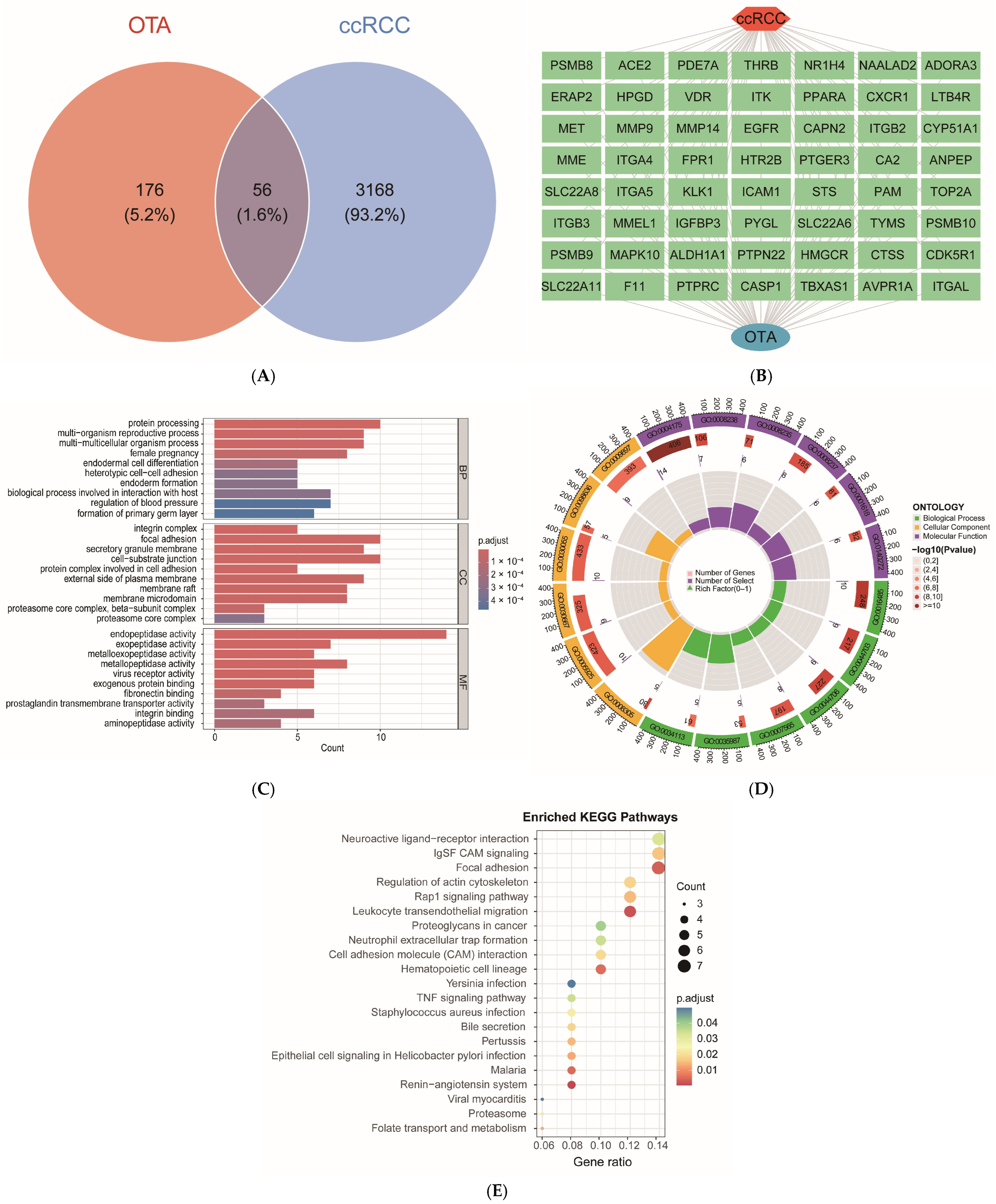
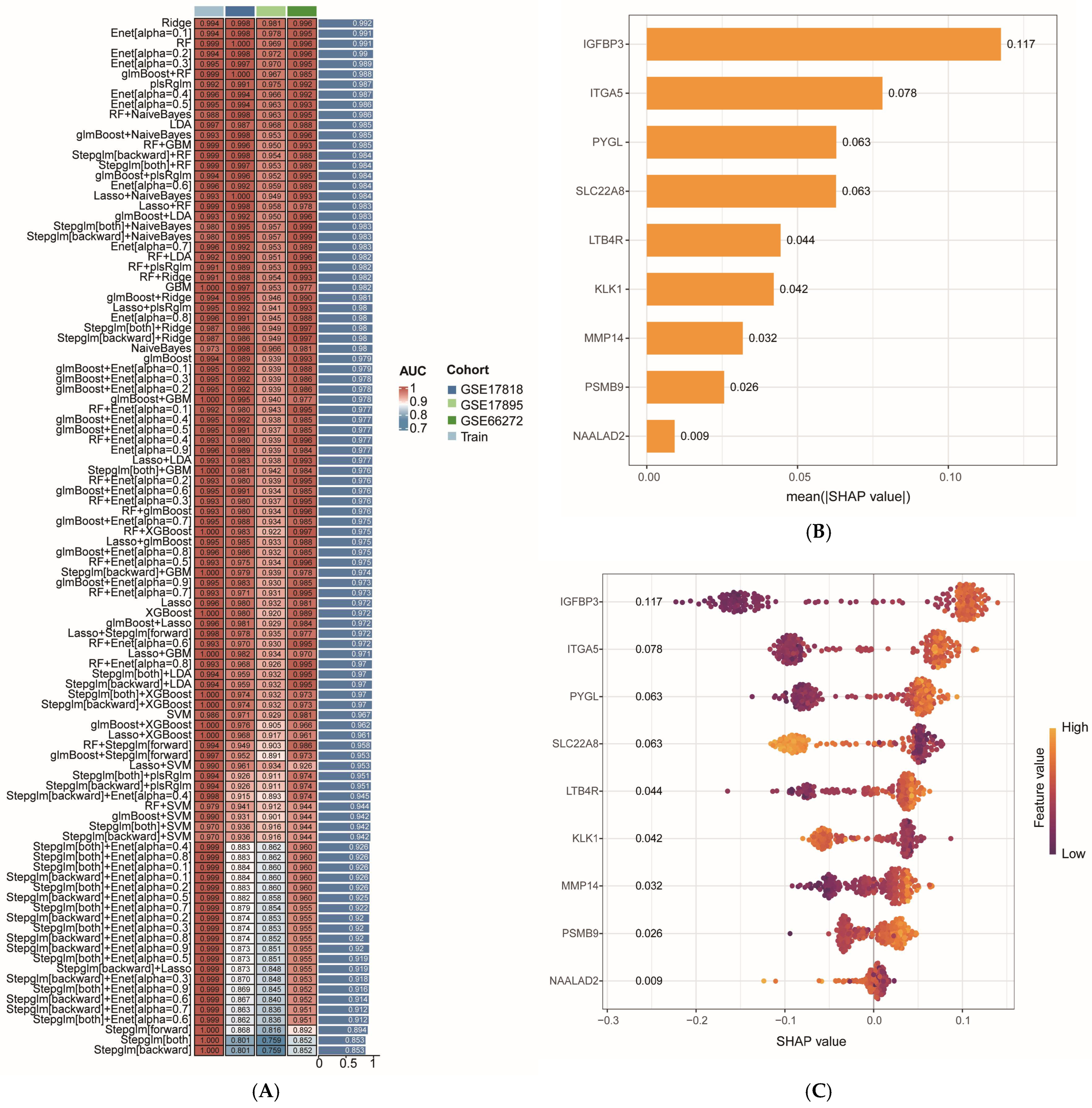
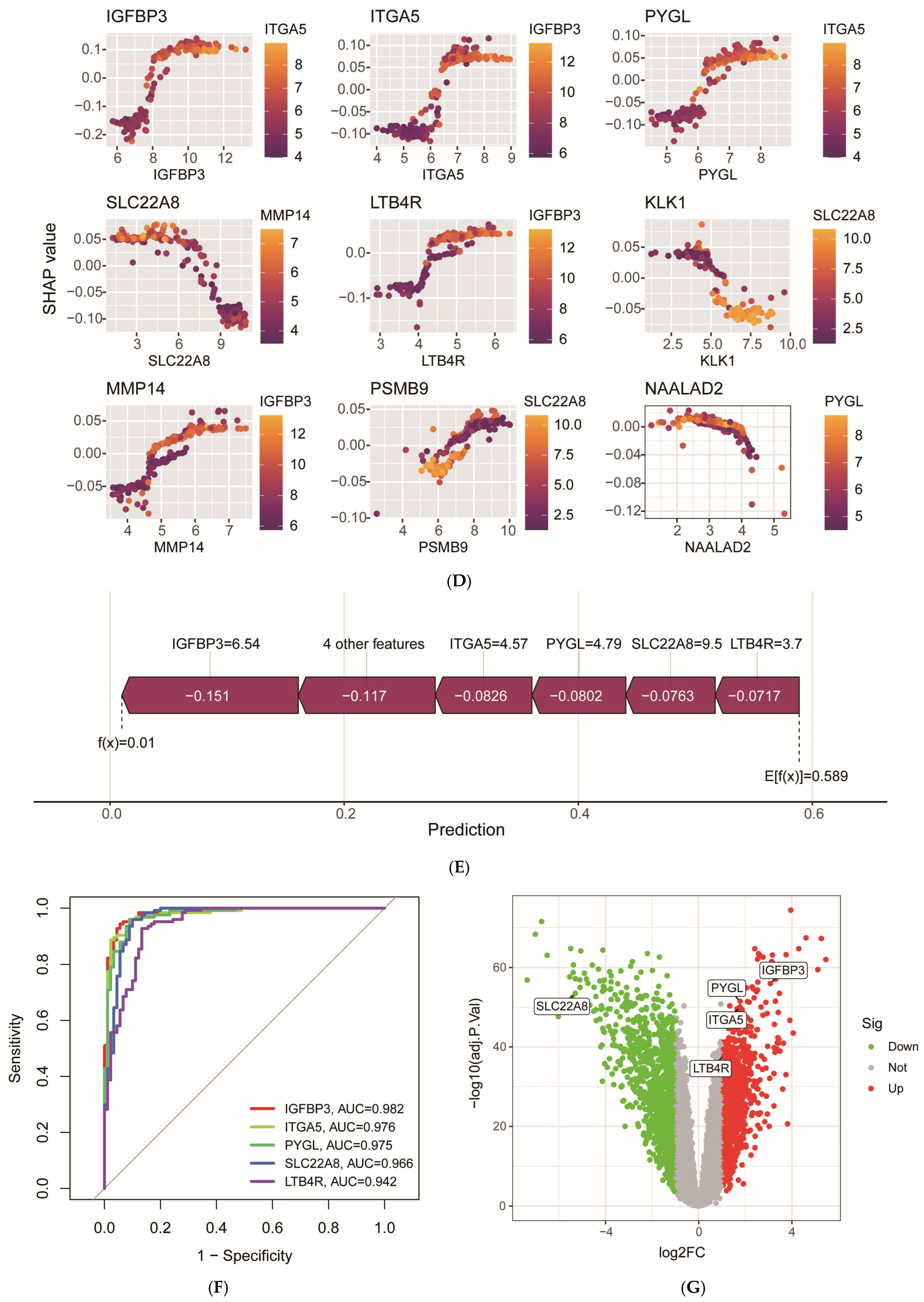
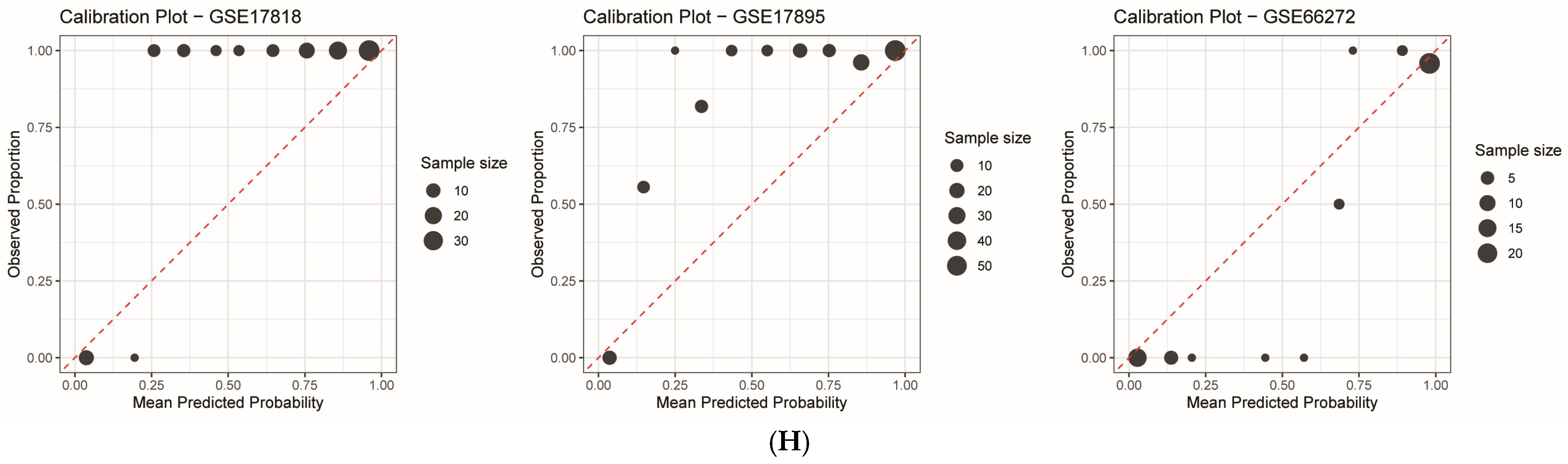
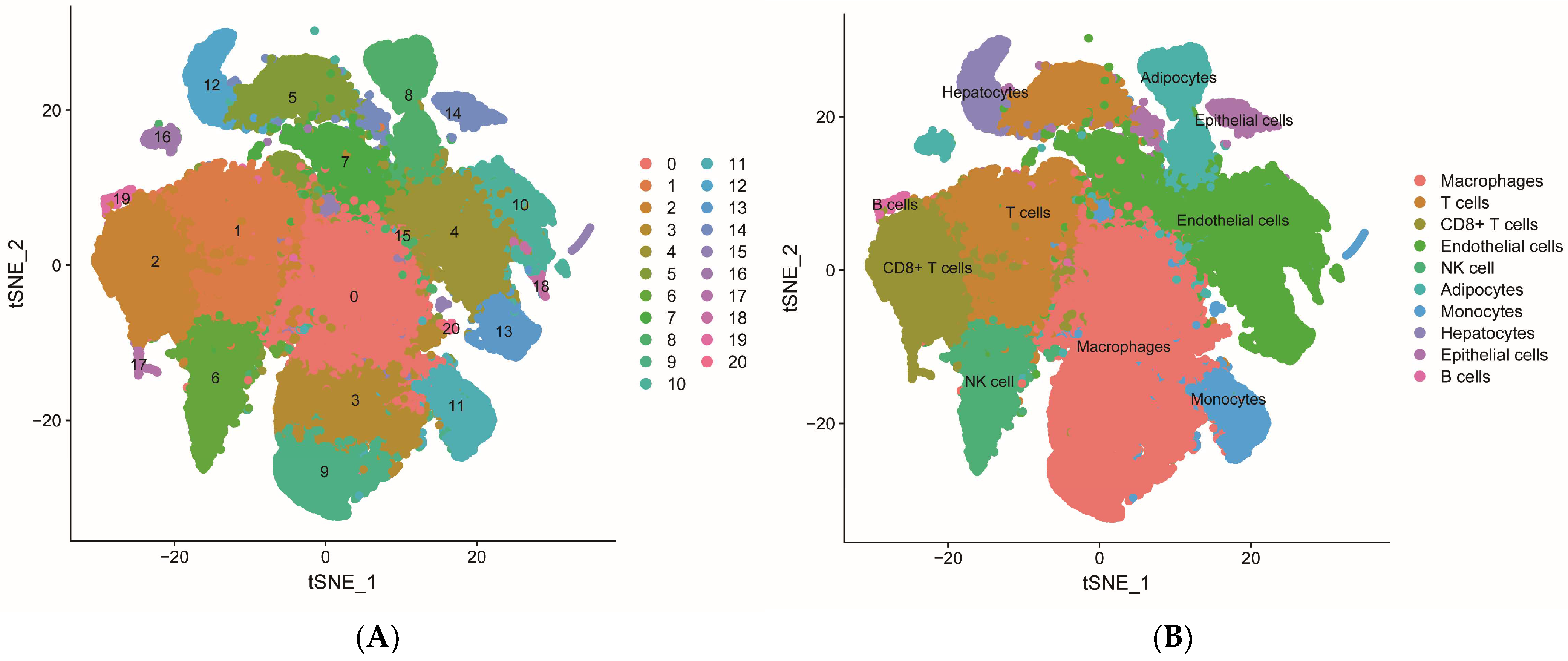
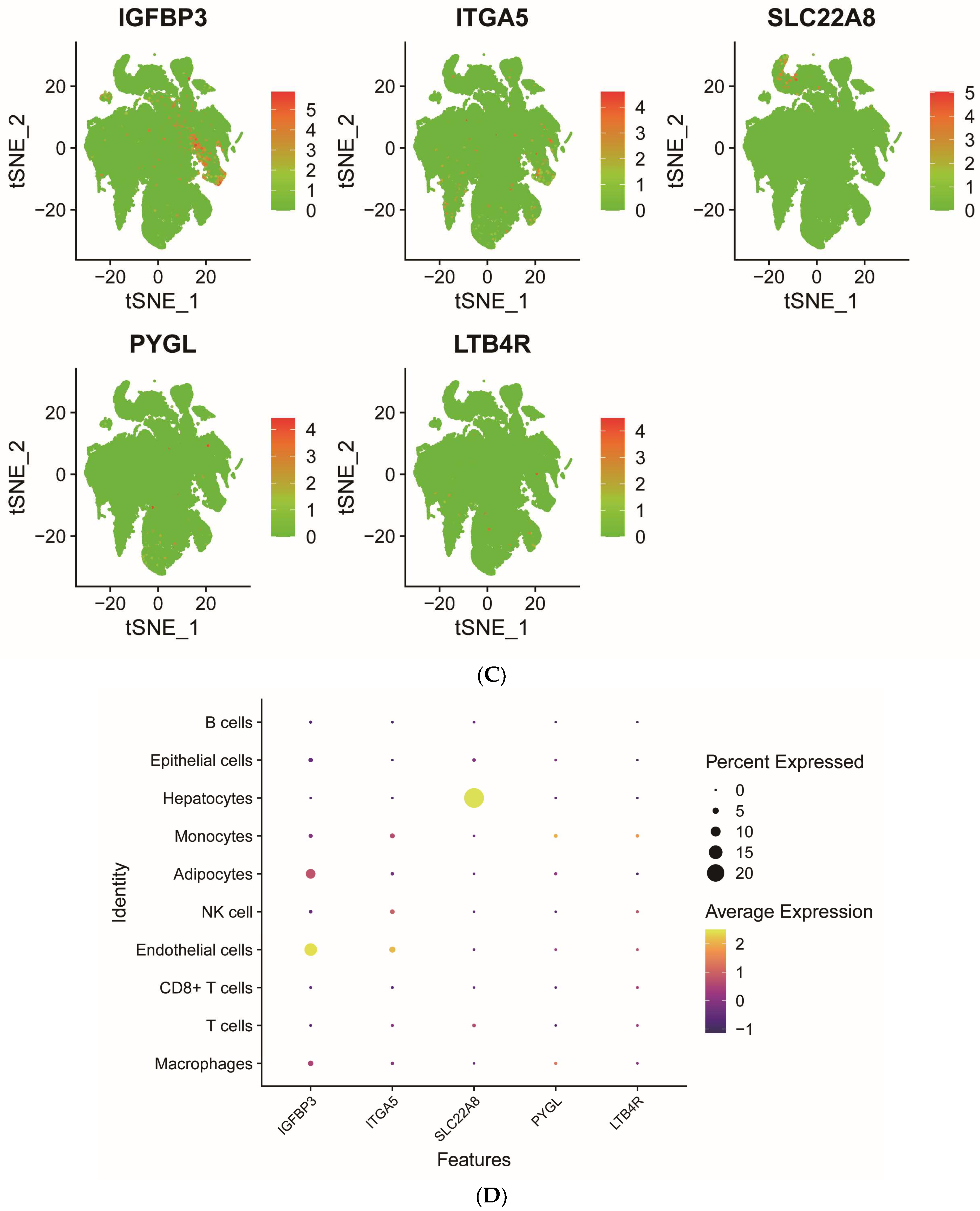
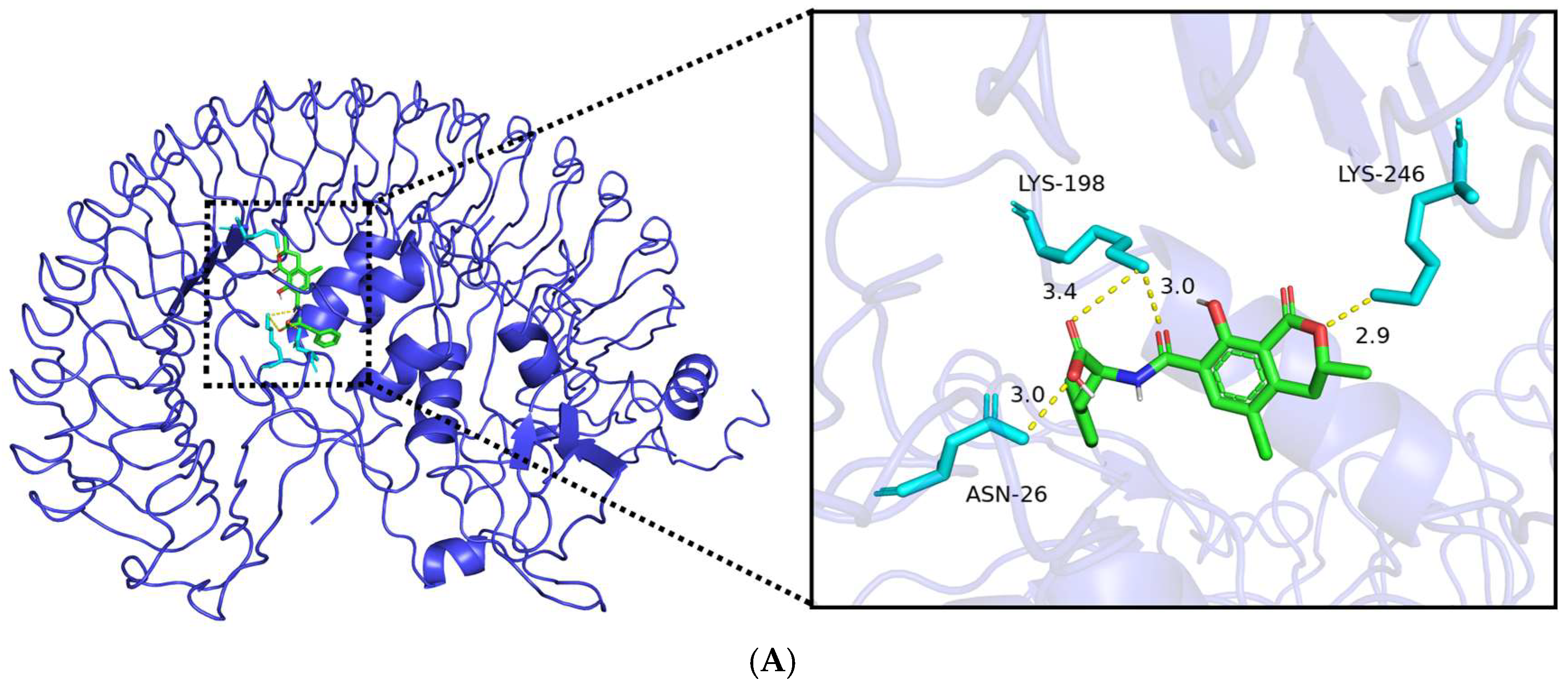
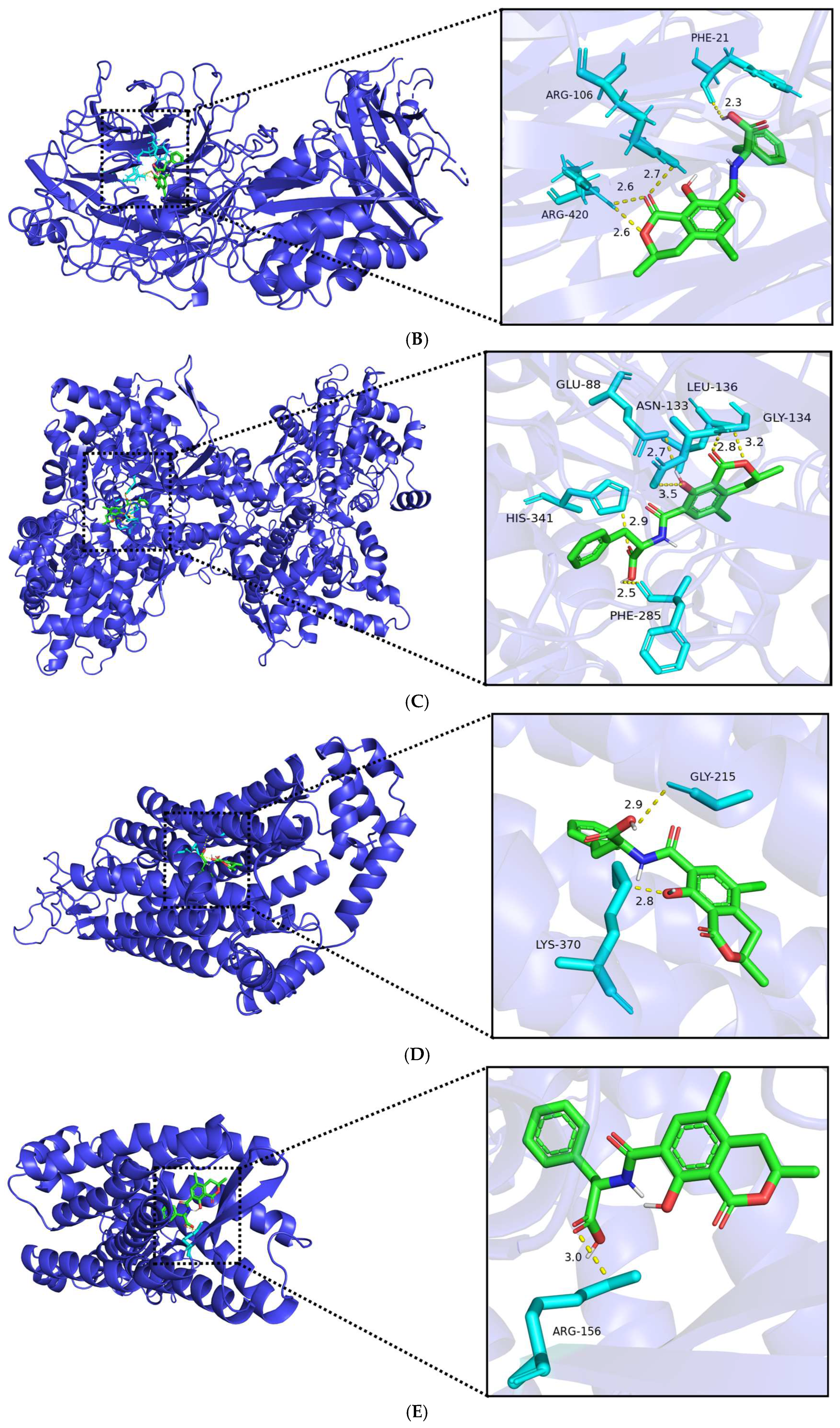
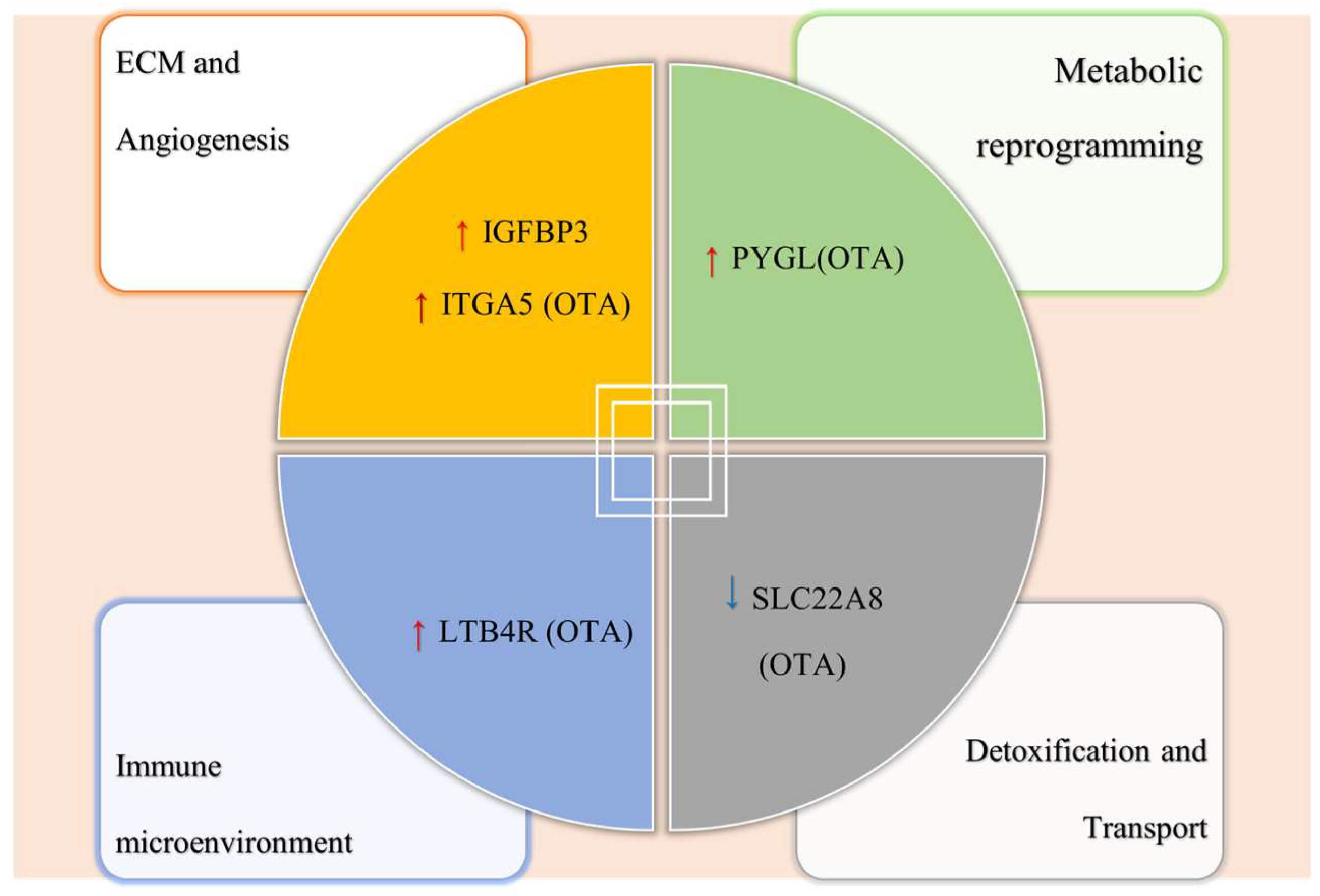
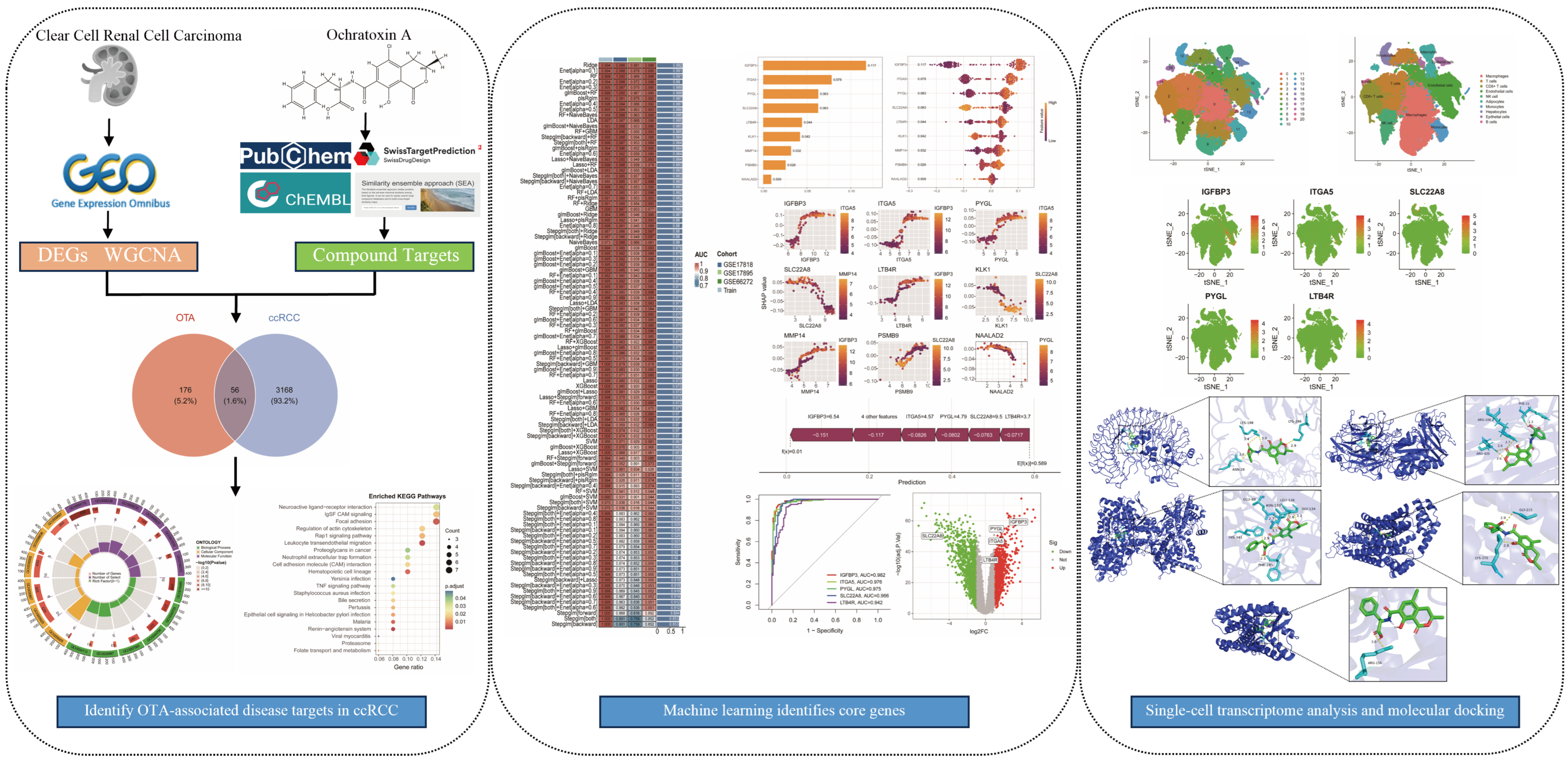
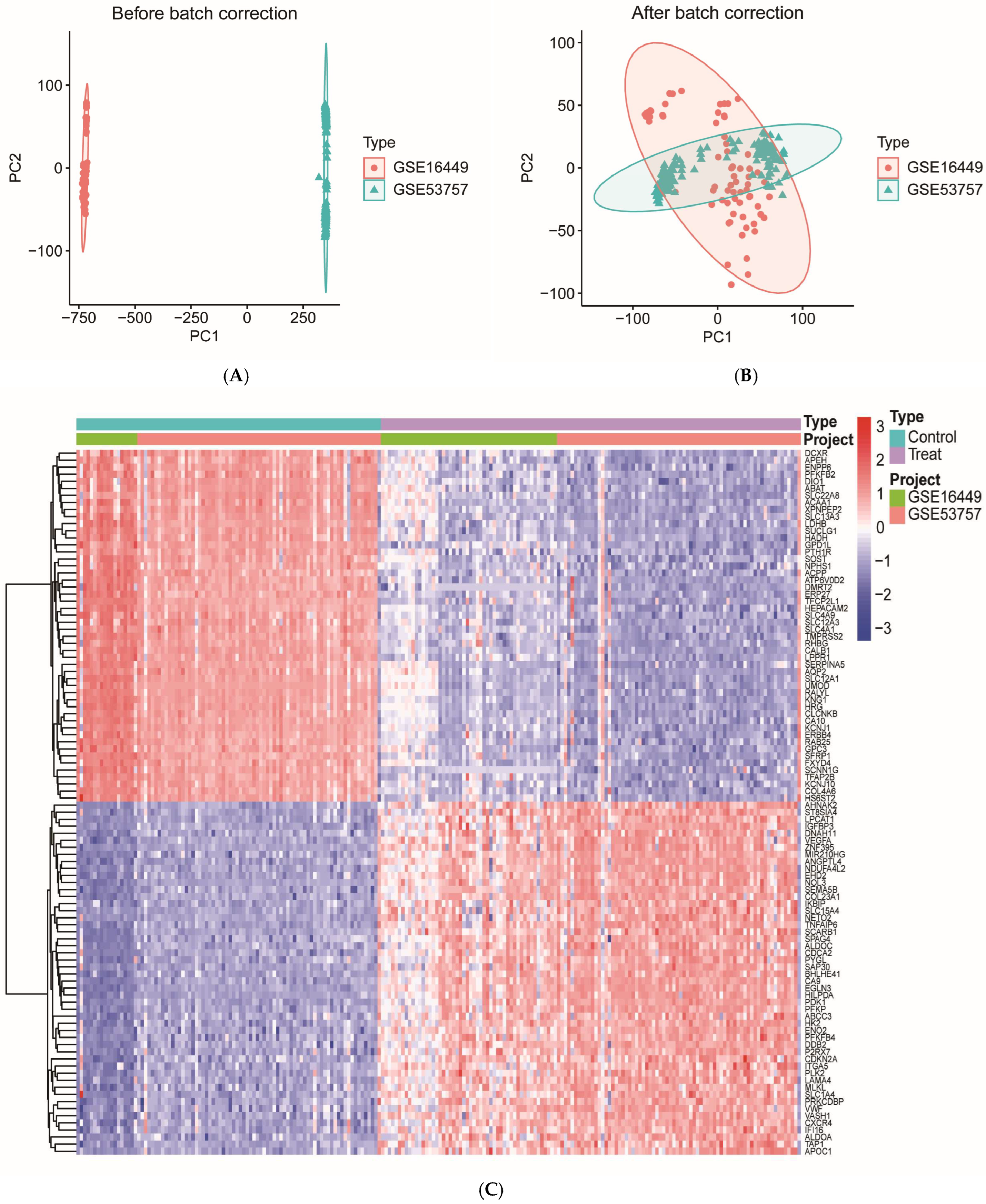
Ochratoxin A (OTA), a prevalent food contaminant, is closely linked to the development of various cancers, including clear cell renal cell carcinoma (ccRCC). However, the potential mechanisms remain to be explored. In this study, we employed network toxicology, machine learning, and molecular docking techniques to systematically investigate the potential molecular mechanisms underlying OTA-associated ccRCC. We normalized transcriptional data from two Gene Expression Omnibus (GEO) datasets and analyzed it using differential expression analysis and weighted gene co-expression network analysis (WGCNA), identifying 3224 ccRCC-associated target genes. These were intersected with 232 predicted OTA target genes, yielding a total of 56 overlapping targets. The results of Gene Ontology (GO) and Kyoto Encyclopedia of Genes and Genomes (KEGG) analyses indicated that these targets were primarily enriched in critical biological processes, including extracellular matrix remodeling, immune microenvironment regulation, signaling pathway transduction, cellular metabolism, and protein homeostasis. Machine learning analysis identified “glmBoost + RF” (a sequential combination of feature selection and classifier) as the optimal model, from which nine key genes were extracted. SHapley Additive exPlanations (SHAP) analysis revealed five core genes (IGFBP3, ITGA5, PYGL, SLC22A8, LTB4R), with IGFBP3 and ITGA5 serving as the principal driver genes of the model. Validation of the model’s diagnostic efficacy and single-cell transcriptome analysis indicated that the core genes exhibited significant differential expression patterns, cell-type-specific expression characteristics, and high independent diagnostic efficacy. Molecular docking analyses predicted stable interactions between OTA and the core target proteins. These findings suggest potential molecular links between OTA exposure and ccRCC, providing a foundation for hypothesis generation and future experimental validation.
Keywords: clear cell renal cell carcinoma; Ochratoxin A; network toxicology; machine learning; molecular docking; molecular mechanism clear cell renal cell carcinoma; Ochratoxin A; network toxicology; machine learning; molecular docking; molecular mechanism