


Abstract
Resilience to stress integrates cognitive, physiological, and behavioral adaptations to sustain performance under adversity. Genetic variation in catechol-O-methyltransferase (COMT, rs4680) and angiotensin-converting enzyme (ACE, rs1799752) modulates dopaminergic and renin–angiotensin signaling, influencing tissue oxygenation and fatigue resistance. We examined COMT- and ACE-promoter methylation and genotypes in relation to resilience traits in Swiss tactical athletes (24.6 years) with a maximal power output of 534 W and 21,656 W, respectively, during cardiopulmonary exercise and elbow strike testing. At a 5% false-discovery rate, COMT genotype/methylation explained ~12% of the variance in cognitive performance and metabolic resilience, while ACE explained ~6–7% in strength-endurance and muscle resistance. Antidromic linear associations between COMT genotype and methylation with visual reaction time under reactive stress indicate opposing regulatory influences, best captured by regression models incorporating (epi)genetic covariates. The strongest methylation effects involved COMT promoter associations with muscle hemoglobin content across cardiopulmonary exercise zones (r = 0.43–0.58) and sport-specific strain (r = −0.46). COMT- and ACE-promoter methylation, correlated with time spent in the first aerobic training zone (r = 0.55 and 0.32), indicating environmentally responsive epigenetic modulation. These findings highlight neurovascular–metabolic coupling via dopaminergic and renin–angiotensin pathways as a key mechanism in stress adaptation. System-level adaptations in these pathways align with COMT and ACE (epi)genetic blood profiles, positioning them as candidate resilience biomarkers. Larger, preregistered studies with site-specific CpG analyses and mechanistic assays are needed to establish causal relevance and translational utility for resilience-informed performance optimization in high-stakes professionals.
1. Introduction
Operational effectiveness in military and tactical contexts depends on sustaining cognitive and physical performance under extreme stress, with acute fatigue resistance playing a critical role in preserving executive function [1]. Resilience, defined as the capacity to withstand, adapt to, and recover from adversity without functional decline, is therefore a key determinant of performance in high-intensity military training [2,3,4]. Interindividual stress responses are often conceptualized along a “warrior–worrier” spectrum, reflecting variability in metabolic capacity, stress reactivity, and adaptability [5,6,7].
Catechol-O-methyltransferase (COMT) and angiotensin-converting enzyme (ACE) are central regulators of these processes. COMT degrades catecholamines, thereby modulating dopaminergic tone in the prefrontal cortex and peripheral vasoregulation [8,9,10,11,12]. Dopamine exerts dose-dependent vascular effects, supporting renal, mesenteric, cerebral and skeletal muscle perfusion at low concentrations and inducing vasoconstriction at higher levels [10,11,12,13]. Through these mechanisms, COMT activity links executive control and cognition with neurovascular regulation under stress. ACE regulates cardiovascular and cognitive stress responses by generating angiotensin II, which promotes vasoconstriction and sympathetic–hypothalamic–pituitary–adrenal (HPA) axis activation, and by degrading bradykinin, a mediator of nitric oxide–dependent vasodilation and cerebral perfusion [14,15,16].
Importantly, dopamine and angiotensin II interact at multiple regulatory levels, including vascular control, renal function, and HPA axis activation [11,16,17,18,19]. As a result of this interaction, COMT- and ACE-mediated pathways jointly influence stress tolerance and recovery capacity, as well as cognitive and (psycho)motor performance under sustained load, thereby shaping interindividual differences in functional resilience and mitigating functional decline [17,20,21,22,23,24,25].
Polymorphism rs4680 (COMT Val158Met), alters the catalytic efficiency of COMT, with the Met allele conferring approximately 3–4-fold lower enzyme activity than the Val allele [26,27,28]. Likewise, the ACE rs1799752 insertion (I) allele is associated with reduced ACE expression and enzyme activity relative to the deletion (D) allele [29,30]. These genetic variants therefore establish interindividual differences in baseline dopaminergic and renin–angiotensin signaling within the COMT–ACE stress-regulation axis.
Epigenetic regulation adds further complexity. Methylation of cytosine residues within CpG sites in the promoter region of the genes, including COMT and ACE, repress transcription and dynamically respond to environmental stressors [31,32,33]. Cytosine methylation within the ACE- (−456 to −255) and COMT- (−123 to +150) promoter regions in peripheral blood mononuclear cells has been associated with stress exposure, cardiovascular regulation, and cognitive performance [33,34,35,36]. Acute cognitive challenges can induce subtle changes in COMT-promoter methylation within one hour [35], while ACE-promoter methylation appears sensitive to stressors affecting vascular control [34,36].
Despite extensive pharmacological and genetic evidence, little is known about how combined genetic and epigenetic variation in COMT and ACE influences fatigue resistance and resilience in real-world, high-stress environments. Here, we examined COMT- and ACE-genotype and -promoter methylation as indices of gene activity regulation in Swiss tactical athletes, relating them to standardized measures of cognitive control, fatigue resistance, and muscle oxygenation during operationally relevant treadmill protocols. We further assessed associations with training exposure and perceived strain to explore environmentally responsive epigenetic modulation.
2. Results
To test whether the COMT- and ACE-genotype and -promoter methylation relate to proxies of resilience under operational stress, we first characterized the physiological and cognitive performance of Swiss tactical athletes (Figure 1), and then examined how molecular variation aligned with systemic, muscular, and behavioral indices across the integrated test battery.
Figure 1.
Overview of the test battery. Illustration of the alignment of the exercises and sampling that the tactical athletes completed. In sequence, this included anthropometry, the completion of a questionnaire on training behavior, and training intentions, a STROOP and determination test (DT) to assess resistance of cognitive performance, a shoot and move test to assess reaction times to visual stimuli, a test for leg and arm impact power, handgrip strength, pullups with a weight vest to assess upper body strength endurance, uphill running to exhaustion on a treadmill with a weight vest to assess fatigue resistance and systemic and muscle parameters of aerobic/anaerobic metabolism, and all-out deadlift-exercise. This was accompanied by measures for acute mechanical resistance of muscle by tensiomyography, and collection of mucosa and blood spots to assess the genotype and promotor methylation for the ACE and COMT genes (illustrated in the center). Created in BioRender. Dössegger, A. (2026) https://BioRender.com/phr8h0r (accessed on 25 September 2025).
2.1. Subject Characteristics
Table 1 summarizes the anthropometric, cognitive, and physical performance characteristics, as well as training behavior and perceived strain, of the 61 male Swiss tactical athletes studied.
Table 1.
Cohort characteristics.
Compared to reference values from active populations, participants demonstrated good-to-very-good levels of strength, strength–endurance, and aerobic/anaerobic capacity [37,38,39,40] under exercise tests with additional load to simulate the operational demand of tactical athletes. Specifically, body-mass-related power outputs reached values of 6.6 ± 0.5 [5.5–7.5] Watt kg−1 and 6.8 ± 0.5 [5.7–8.0] Watt kg−1, for the body-mass-related power output at maximal oxygen uptake (P_VO2max), and the maximal power output on the treadmill (maxP_end).
Cognitive performance was overall average relative to normative samples [41], with individual variability in the response time under reactive stress conditions (i.e., DT_rt and DT_pr_rt, respectively), and cognitive performance to incongruent stimuli in the color–word Stroop test(i.e., STROOP_pr_R and STROOP_pr_W), consistent with a normal distribution.
2.2. Metabolic and Mechanical Aspects of Resilience
During loaded uphill cardiopulmonary exercise testing (CPET), systemic and local indices of fatigue resilience showed pronounced perturbations at the systemic and local muscle levels (Figure 2; Table S2). Oxygen saturation (SmO2) in the m. vastus lateralis and m. gastrocnemius decreased four-fold, reaching minima of 11.7% and 13.8%, respectively. Peak oxygen uptake averaged 56.7 ± 6.0 [43.0–72.0] mL O2 min−1 kg−1, with exhaustion occurring after ~563 s at an incline of 8.8°. Serum lactate rose sharply to 13.5 ± 3.0 mmol·L−1 [range: 5.4–21.0] 5 min post-exercise, underscoring reliance on anaerobic metabolism in the final exercise phase. Cardiac output doubled relative to rest (26.9 L·min−1), while total hemoglobin concentration (tHb) in m. vastus lateralis remained stable, indicating preserved perfusion (Table S2).
Figure 2.
Characteristics of fatigue resistance to uphill running until exhaustion. Line graph of the mean ± standard error for cardio-respiratory parameters at respective time points for a ventilatory threshold during the conducted running exercise until exhaustion with a loaded vest. Abbreviations: Perf, performance; VO2, oxygen uptake; Q, cardiac output; tHb VL, hemoglobin content in vastus lateralis muscle; SmO2 VL, oxygen saturation in vastus lateralis muscle. N = 61.
Mechanical fatigue was reflected in increased stiffness and tone of m. vastus lateralis, whereas other muscles were unaffected. Recovery kinetics diverged: local muscle oxygenation fully normalized within 2 min (m. vastus lateralis 113.8%, m. gastrocnemius 106.8% of baseline values), while systemic markers recovered only partially (cardiac output 78.2%, oxygen uptake 88.0%, and glucose at 57.8% of baseline values).
Systemic oxygen uptake and muscle oxygen saturation (SmO2) in the m. vastus lateralis and gastrocnemius exhibited reductions of approximately 80%during the ramp CPET. Minimal values of 11.7% and 13.6% for oxygen saturation in the vastus lateralis and gastrocnemius muscles were measured. Maximal oxygen uptake (VO2max) was 56.7 ± 6.0 [43.0–72.0] mL O2 min−1 kg−1 when subjects terminated running at an average incline of 8.8° after an average of 563 s running time.
Metabolic strain—also being reflective of metabolic capacity—was further evidenced by a marked increase in serum lactate, peaking at 13.5 ± 3.0 mmol·L−1 [range: 5.4–21.0] within 5 min post-exercise, underscoring the heavy reliance on anaerobic metabolism in the final exercise phase. Cardiac output reached an average of 26.9 L·min−1, corresponding to an estimated two-fold increase in cardiac workload relative to resting conditions. Total hemoglobin concentration (tHb) in the vastus lateralis remained stable, suggesting that local perfusion was preserved during exercise (Table S2).
In terms of mechanical resistance, loaded uphill running to exhaustion induced changes in muscle stiffness and tone, specifically within the vastus lateralis, while no significant effects were noted for other recruited muscles. These alterations are indicative of local mechanical fatigue. During the two-minute post-exercise recovery, SmO2 in the m. vastus lateralis demonstrated complete restoration to the baseline value, where SmO2 recovered in the m. vastus lateralis to 113.8%, and in the m. gastrocnemius to 106.8% of the values at baseline. In contrast, the systemic markers, of cardiac output (Q), VO2, and blood glucose recovered to 78.2%, 88.0%, and 57.8% of baseline values, respectively.
2.3. Genetic and Epigenetic Characteristics
For the ACE gene polymorphism rs1799752, genotype frequencies showed an excess of heterozygotes relative to Hardy–Weinberg expectations (observed: 38 ID, 11 II, 11 DD; expected ID ≈ 30). The chi-square test indicated a significant deviation from equilibrium (χ2(1) = 4.27, p = 0.039), whereas the exact test yielded a borderline result (p = 0.069). Bayesian analysis favored the saturated model (BF10 = 0.44; Jeffreys priors: BF10 = 0.51), providing weak-to-moderate evidence against HWE.
Genotype frequencies for the COMT gene polymorphism rs4680 (GG = 15, GA = 29, and AA = 16) were consistent with the Hardy–Weinberg equilibrium. Both the chi-square test (χ2(1) = 0.07, p = 0.80) and the exact test (p = 0.80) supported the equilibrium. Bayesian analysis also favored the HWE model (BF10 = 3.04; Jeffreys priors: BF10 = 4.28), indicating moderate evidence for equilibrium.
Reliable methylation was detected at 6/8 CpGs in the COMT promoter and 22/25 CpGs in the ACE promoter, with distinct site-specific methylation patterns for both promoters (p < 0.001; COMT: CpGs 1, 6–8; ACE: CpGs 21, 23, 25; see Figure 3 and Figure 4).
Figure 3.
Assessment of ACE and COMT promoter methylation. (A,E) Structure of the ACE (A) and COMT (E) gene with the enlarged promoter regions, from positions −456 to −255 and −123 to 150, respectively, that were assessed for the methylation of contained 25, or 8, CpG dinucleotides (highlighted in red). The sequences in underlined, red and blue font correspond to the positions of the forward and reverse primers, without considering cytosine methylation and bisulfite induced methylation. In the COMT gene sequence, the initiation site for protein translation is underlined. (B,C,F,G) Examples of the fluorescence-based detection of the PCR-based amplification (B,F) and melting curve (C,G) of the respective ACE- (A,C) and COMT- (F,G) promoter regions after BIS-conversion in a sample compared to a non-template control (H2O). (D,H) Annotated part of the chromatogram from Sanger-based sequencing of the ACE (D) and COMT promoter (H), respectively. For the ACE promoter, the chromatogram depicts the sequence around CpG dinucleotide no 9, where red and blue arrows, respectively, point to an un-methylated and methylated cytosine (C) residue that is converted by the bisulfite reaction into a thymidine (T), or is protected due tomethylation. For the COMT promoter the chromatogram depicts the sequence around the CpG dinucleotide no. 4, whereby green and black arrows, respectively, point to the un-methylated and methylated cytosine that is converted into thymidine on the inverse sequence, or is protected due to methylation.
Figure 4.
CpG methylation patterns in ACE and COMT promoters. Line graph with the standard error of the ratio of methylation for the reliably detected CpG dinucleotides in the ACE (A) and COMT (B) promoter for the 29 cases where samples were available prior to and after the test battery.
2.4. Association of ACE- and COMT-Promoter Methylation and Genotype with Performance and Aspects of Resilience
Across 108 variables, 933 significant correlations (FDR-adjusted p < 0.05) were identified, including 54 involving the ACE/COMT genotype or promoter methylation (effect sizes: r = −0.592 to 0.580; Figure 5). Figure S1 (also see Table S1) depicts aspects of the resulting network of linear associations between the investigated genetic and epigenetic features and variables reflecting cognitive and physical resilience and metabolic resistance, highlighting interconnections among these functional domains that are mediated by (epi)genetic regulation of ACE and COMT gene activity.
Figure 5.
Correlations between (epi)genetic variations and traits of physical and cognitive resilience. Heatmap visualizing significant positive (red) and negative (blue) linear relationships between variables that contribute to six traits of resilience (i.e., perceived strain, cognitive resilience, physical strength, mechanical resistance, metabolic capacity, metabolic recovery) and promoter methylation and genotypes for the ACE and COMT genes, i.e., ACE_pmet and ACE_gt vs. COMT_pmet and COMT_gt. Calculations were based on Pearson’s moment correlations and displayed using cluster software. p-values were adjusted for false-discovery-rates at a threshold of 5%. Boxed areas indicate parameters for which antidromic relationships were identified both for the ratio of promoter methylation and genotype. Note the specific pattern of relationships, which emphasizes the association of the ACE gene with parameters characterizing mechanical and metabolic resistance of skeletal muscle, and the COMT gene with cognitive performance, cardiovascular and muscular aspects of metabolism. N = 61. For further explanation we refer to the list of abbreviations and Table S1.
Collectively, these explained ~11% of the variance in resilience-related outcomes.
COMT-promoter methylation correlated positively with hemoglobin content in m. vastus lateralis at baseline and across exercise intensities (r = 0.43–0.58) and maximal oxygen uptake (r = 0.33), and negatively with the percentage rank of incorrect responses in the determination test (DT_pr_w; r = −0.59). Additional associations included Stroop interference (STROOP_W_if, r = 0.32), reaction time (DT_rt, r = 0.33), cardiac output (r = 0.33–0.41), and glucose regulation before and after CPET testing (r = 0.35–0.41).
COMT genotype (G-allele copy number) correlated negatively with shooting reaction time (r = −0.36) and respiratory exchange ratio at the start and maxima (r = −0.28 and −0.26, respectively), but positively with oxygen uptake and cardiac output at exercise onset (r = 0.29–0.31, respectively).
ACE-promoter methylation was linked to endurance-related traits, including loaded pull-ups (r = 0.21), muscle oxygenation indices at varying intensities/ventilatory thresholds of endurance exercise (r = −0.23 to −0.27), m. plantaris stiffness (stiff_PT_D, r = −0.25), and elbow striking power (r = −0.22). It also correlated with post-exercise lactate (r = 0.23).
No significant correlation was found between ACE- and COMT-promoter methylation (p = 0.39). Both genotypes correlated negatively with the percentage of wrong answers in the determination test (DT_pr_w; r = −0.28 and r = −0.59, respectively) and mechanical stiffness of m. vastus lateralis (stiff_VL_D; r = −0.26 and r = −0.35). ACE and COMT genotype were borderline unrelated (p = 0.058), when correlations emerged for both versus the reflector of the metabolic effort during uphill running, (RER_max; r = −0.31 and r = −0.26).
Antidromic associations emerged for COMT genotype and methylation with the determination test reaction time (DT_rt), its percentile rank (DT_pr_rt), and word interference in the Stroop test (STROOP_W_if), indicating opposing regulatory effects.
2.5. Relationship Between COMT and ACE Gene Promoter Methylation with Physical Activity and Experienced Strain
In the subset with pre- and post-test methylation data (n = 29), average COMT-promoter methylation was three-fold higher than ACE methylation, with no significant pre–post differences (Figure 6).
Figure 6.
Links between promoter methylation and training behavior. (A,B) Line graph with the standard error of the average ratio of CpG methylation for the ACE (A) and COMT (B) promoter per individual CpG dinucleotide, i.e., ACE-_pmet and COMT-_pmet (A,B). (C) Network of linear relationships between ACE and COMT promoter methylation and genotype with the levels of physical activity assessed in the week before the test battery. Positive and negative linear relationships passing a false discovery-rate-adjusted threshold of 5% are indicated by connected and stippled lines, respectively. Low-and high-intensity zones of aerobic exercise are labeled as ga1 and ga2—the first- and second-zone training of basic endurance (Ger.: Grundlagen–Ausdauer). Only first-order relationships with indices of physical activity are shown. N = 61.
COMT promoter methylation correlated with time in the first aerobic zone (r = 0.55), endurance training volume (r = 0.44), and overall perceived strain/recovery (bemi_gess; r = 0.41), but inversely with sport-specific strain (bemi_beans: r = −0.46) and tactical training time (r = −0.37). ACE promoter methylation correlated weakly and negatively with time in the second aerobic zone (r = −0.22), while ACE genotype associated positively with aerobic zone 1 training (r = 0.32), tactical training time (r = 0.23), and negatively with maximal strength training (r = −0.33).
The levels of (the average) COMT (p = 0.564,) and ACE promoter (p = 0.92, η2 < 0.001) methylation did not differ between before and after the test battery of cognitive and physical exercise, and this was not essentially affected when the CpG dinucleotide number was considered (COMT: p = 0.12; ACE: p = 0.42).
2.6. Regression Analysis
Eight resilience-related variables showed significant associations with ACE/COMT (epi)genetic markers (p < 0.01). Cognitive variables—such as the determination test reaction time and its percentile rank, and Stroop writing interference—demonstrated modest but significant model fits (variance-adjusted r2 = 0.10–0.13, p < 0.005; Figure 7), with the COMT methylation and genotype explaining ~12% of the variance. No significant regression models were observed for physical or metabolic/mechanical variables of resistance (Figure S2).
Figure 7.
In-sample fit of (epi)genetic influences. Scatter plots with the regression lines and 95% confidence intervals for three variables of cognitive performance and resilience, i.e., DT_rt (A), DT_pr_rt (B), STROOP_W_if (C), for which a correlative association with ACE/COMT genotypes and promoter methylation was detected based on regression analysis (p < 0.01) and a calculated correlation based on the resulting regression model (p < 0.01). X-axes represent the effectively measured and Y-axes the calculated values as models based on a multi-correlation of the four variables ACE genotype, ACE promoter methylation, COMT genotype and COMT promoter methylation. R-values and p-values for linear relationships between measured and calculated values are shown in each scatter plot. N = 61.
3. Discussion
Resilience—the capacity to sustain psychological and physical performance under stress—, and stress resistance is increasingly recognized as a multisystem construct critical for operational effectiveness in tactical athletes [2,3,4]. It encompasses (amongst other elements) cardiovascular and metabolic buffering, cognitive control, neuroendocrine modulation, and adaptive behavior under stress, with key contributions from the HPA axis and physical activity [42,43,44,45,46]. Our study operationalized this multidimensionality through a comprehensive test battery in a real-world tactical setting (Figure 1), spanning systemic and muscular responses to exertion (Figure 2), (epi)genetic regulation of COMT and ACE (Figure 3 and Figure 4), trait associations (Figure 5), training exposure (Figure 6), and an epigenetic model of cognitive performance (Figure 7).
COMT- and ACE-genotype and -promoter methylation showed significant associations with partially distinct resilience domains. COMT-related markers were most strongly associated with cognitive performance under stress and training behavior/strain, whereas ACE-related markers were more closely associated with endurance- and mechanical-resistance traits and striking power, with minimal association with cognitive metrics. Across models, cognitive outcomes showed modest but consistent fit (adjusted r2 ≈ 0.10–0.13), whereas physical and metabolic/mechanical outcomes showed weaker predictive structure. This pattern supports complementary contributions of COMT- and ACE-related regulation to cognitive and physical robustness and resilience phenotypes in tactical athletes.
Taken together, the results identify a coherent association pattern linking COMT- and ACE-related (epi)genetic variation with (i) cognitive performance under stress, (ii) systemic and local oxygen delivery, and (iii) endurance-related mechanical and metabolic traits. The following sections interpret this pattern from complementary physiological and regulatory perspectives. Because these data are correlational and based on whole-blood methylation, the interpretations below emphasize plausible regulatory links rather than causal mechanisms.
3.1. Epigenetic Lens: Training Load and Environmentally Responsive Methylation
Although ACE and COMT promoter methylation remained stable post-exercise (Figure 4), their linear associations with weekly training volume and perceived strain suggest that they reflect habitual training load, consistent with environmentally responsive CpG methylation. Prior studies have shown that acute stressors, such as transcranial stimulation, can induce subtle changes in COMT promoter methylation (~0.5%) [35]. In our cohort, COMT and ACE methylation levels correlated positively and negatively, respectively, with time spent in aerobic intensity zones 1 and 2; this is in line with the evidence that physical activity induces tissue-wide methylation changes [47]. Therefore, the directionality of the linear relationship thereby was consistent with peripheral blood studies, reporting associations between physical activity and COMT promoter methylation [48], and reduced ACE promoter methylation following combined cardiovascular and strength training [49]. Given the weekly turnover of white blood cell–derived DNA [50], observed methylation patterns likely capture cumulative responses to repeated stressors.
Three antidromic relationships were identified between COMT-genotype and promoter methylation. Although modeled linearly, these patterns may reflect nonlinear feedback within stress-regulatory circuitry [51,52]. COMT- and ACE-promoter methylation were linked to time spent in aerobic zones 1 and 2, respectively—zones typically used for long aerobic effort, recovery, or enhancing aerobic power [53]. COMT-promoter methylation rose in zone 1, suggesting diminished gene activity, whereas ACE-promoter methylation declined in zone 2, consistent with enhanced ACE expression [54,55]. The ACE I/D genotype further correlated with aerobic zone 1 training and maximal strength training, aligning with prior findings on energy expenditure and endurance capacity [56,57]. This genotype also showed a moderate association with maximal respiration rates (r = −0.311), consistent with ACE I/D–related differences in muscle aerobic metabolism during exhaustive endurance exercise in healthy male subjects [30].
3.2. Neurocognitive Lens: COMT-Related Associations with Executive Control Under Stress
COMT-genotype and -promoter methylation were individually associated with cognitive performance metrics, but in opposing directions. Lower COMT-promoter methylation corresponded to slower reaction times in the determination test and diminished proactive control in the Stroop test, yet these variables demonstrated the best in-sample model fit when combined in regression (Figure 7A,B). These findings align with prior reports linking COMT rs4680 to cognition under stress [58,59,60], and suggest that reduced COMT methylation may confer selective advantages in cognitive flexibility under high strain.
3.3. Neurovascular–Metabolic Lens: Oxygen Delivery and Substrate Use During Loaded Running
COMT genotype and methylation also showed opposing correlations with cardiorespiratory variables during loaded uphill running (VO2max, Qmax, and tHb_VL_vo2max), consistent with a dopaminergic mechanism supporting both cognitive and physical adaptability [61,62]. Similarly, ACE-promoter methylation correlated negatively with oxygenation of vastus lateralis and gastrocnemius medialis during running, consistent with prior evidence that lower ACE activity (pharmacological inhibition or I-allele carriage) is associated with improved muscle perfusion [63,64,65]. The ACE I/D polymorphism was also shown to be associated with RER_max, echoing prior findings on ACE-related differences in aerobic metabolism [30,56,57,64,66].
3.4. Biomechanical Lens: Stiffness and Mechanical Fatigue Resistance
Exercise-induced changes in muscle stiffness correlated with ACE-promoter methylation, suggesting biomechanical modulation of fatigue resistance by ACE gene activity [67,68]. Parallel associations between COMT-promoter methylation and indices of muscle perfusion (tHb, SmO2, and RER) further support a role for COMT gene activity in cardiovascular–metabolic coupling (Figure S1; [26,69,70]). The consistency of the tHb associations across intensities supports a stable link between COMT-related regulation and perfusion indices during exertion; relating to dopamine-stimulated vasoreactivity in skeletal muscle. These findings mirror reports of increased forebrain and muscle perfusion in COMT rs4680 G-allele carriers under stress [60,71].
3.5. Metabolic Lens: Glucose Flux, Catecholamines, and Methylation
Promoter methylation of CpG sites in blood and adipose tissue has been linked to dietary glycemic load, particularly in maternal nutrition and offspring epigenetic programming [72,73]. Elevated glucose concentrations can also alter DNA methylation in human neuronal progenitor cells, affecting neurodevelopmental pathways such as SLIT1–ROBO2 and Hippo signaling [74]. In this context, the observed correlation between COMT-promoter methylation, post-exercise RER at ventilatory threshold 2, and increased blood glucose concentration following exhaustive uphill running is notable. This association is consistent with catecholamine-driven glucose flux during intense exercise, a process tightly regulated by catecholamines degraded by COMT [75,76]. Similarly, the linear relationship between vastus lateralis oxygenation at ventilatory threshold 2 and ACE-promoter methylation provides mechanistic insight, echoing reports of the ACE I/D genotype-dependent override of angiotensin II-mediated vasoconstriction [65]. Importantly, ACE-promoter methylation was unrelated to blood glucose (p = 0.887), suggesting a distinct regulatory axis. Collectively, these findings raise the possibility that COMT-promoter methylation reflects a causal response to glucose flux and catecholamine turnover rather than a downstream effect of hyperglycemia, warranting further study of repeated exercise-induced glucose fluctuations and metabolic stress in shaping DNA methylation profiles.
3.6. Translational Lens: From Clinical Genetics to High-Performing Tactical Cohorts
Together, these results suggest that COMT and ACE (epi)genetic regulation extends beyond clinical contexts (e.g., depression, schizophrenia, and trauma) [34,36,54,77,78,79] to healthy, high-performing populations. Both genes regulate the HPA axis [11,17,19] with dopamine and angiotensin II contributing to individual differences in resilience across cognitive and physical domains. Our findings support the view that genotypes typically linked to borderline cognitive traits may confer performance advantages under stress, particularly through epigenetic regulation of COMT.
3.7. Integrative Lens: Brain–Muscle Coupling as a Shared Substrate of Resilience
The observed associations between muscle perfusion, oxygenation, and cognitive performance highlight aerobic muscle metabolism as a shared substrate for neuromuscular and neurocognitive resilience. This aligns with evidence that endurance exercise induces mitochondrial adaptations that enhance fatigue resistance and cognitive function [80]. This integrative interpretation complements the training–COMT-promoter methylation associations described above (see Figure 6), suggesting a potential conditioning of brain–muscle coupling by repeated endurance exposure.
From a pathway-interaction perspective, a subset of shared associations points to potential coupling between dopaminergic and angiotensin signaling. Negative correlations between ACE- and COMT-gene promoter methylation and the percentage rank of wrong answers in the determination test (DT_pr_w) suggest interactions between angiotensin and dopaminergic pathways, consistent with angiotensin’s modulation of dopamine release [17,81]. Elevated ACE activity, expected in DD genotypes or low promoter methylation [31,82], has been linked to reduced processing speed and working memory in aging [83]. In our data, ACE and COMT associations co-occurred in RER and muscle stiffness with physical exertion, suggesting combined influence under high energy demand in the tactical athletes studied.
While tissue-level mechanisms remain speculative, linear relationships of COMT- and ACE-promoter methylation with VO2, cardiac output, hemoglobin content, and maximal RER support their role in systemic oxygen delivery during exertion [71]. These effects are likely mediated by dopamine and angiotensin signaling on vascular and muscle tissues [14,64]. The association of the COMT rs4680 GG genotype with increased forebrain oxygenation during cognitive demand [60] reinforces the plausibility of a neurovascular mechanism underlying resilience and the distinction of “warrior”/“worrier” phenotypes.
3.8. Limitations
This exploratory study is limited by a modest sample size, the absence of direct enzyme-activity measures, and reliance on whole-blood methylation, which reflects circulating leukocytes with short turnover [50]. Our analysis also focused on mean promoter methylation rather than specific CpG sites due to limited knowledge about the exact positions and transcription factor binding motifs that regulate COMT and ACE gene activity in relation to cognitive and physical resilience. Potential methylation-sensitive transcription factors interacting with GC-rich motifs in these promoters include Sp1, AP-2, KLF4, and CTCF [84,85]. Future studies should investigate exercise-induced regulation of specific CpG sites—particularly positions 123–150 in the COMT promoter and −456 to −255 in the ACE promoter—based on observed associations with training intensity zones and perceived strain. Our data cannot specify the tissue-level molecular processes underlying the observed correlations, as ACE and COMT enzymes are systemically distributed, and we did not quantify the respective enzymatic activities [86,87]. Environmental exposures such as diet, sleep, and alcohol use may have contributed to methylation variability [88,89,90] beyond the identified associations with exercise behavior and perceived strain. Further aspects of the experimental setup and test sequence may have influenced specific associations—particularly those involving assessments sensitive to warm-up effects and intensity-dependent metabolic activation, such as angiotensin II-mediated vasoconstriction [65]. In addition, although we note that the cognitive performance of the tactical athlete cohort may resemble that of the general population, their physical performance metrics and ACE I/D genotype distribution differ from data reported in non-athletic white Caucasian populations with a similar ethnic background while using the same methodology [91,92], potentially affecting physiological outcomes. Intriguingly, the observed excess of ACE I/D heterozygotes resembles the over-dominant influence of this genotype on contractile parameters of cardiac and skeletal muscle function in sedentary Swiss populations, which are opposingly affected by the ACE I and D allele (reviewed in [91,93,94]).
In the present cohort of Swiss tactical athletes, the ACE rs1799752 polymorphism showed a consistent excess of heterozygotes, reflected by a borderline exact test result and weak-to-moderate Bayesian evidence against the Hardy–Weinberg equilibrium (HWE). Several considerations are essential for interpreting this finding. First, a technical artefact is unlikely. Genotyping followed validated protocols, and all ambiguous calls were resolved through repeated reactions and confirmatory Sanger sequencing by an independent commercial laboratory. This substantially reduces the probability that the observed heterozygote excess results from assay errors. Second, deviation from the HWE does not inherently indicate poor data quality in a selected cohort. The HWE is a population-level expectation under random mating and in the absence of selection. Tactical athletes constitute a highly non-random, self-selected, and performance-screened subset of the population. In such groups, departures from the HWE—particularly at loci with known physiological relevance such as rs1799752 [64,66,82,95]—may plausibly arise from selection processes rather than methodological bias. Third, the pattern of deviation is biologically structured rather than stochastic. The excess of ID heterozygotes at the ACE locus aligns with hypotheses of a heterozygote advantage or selection for mixed endurance–strength phenotypes [95,96], which are central to tactical occupational demands. Although the present study cannot establish causality, the directionality of the deviation argues against random fluctuation alone. Fourth, the Bayesian analysis supports a cautious, graded interpretation. In line with Wakefield’s framework, the Bayes factor provides only weak-to-moderate evidence against the HWE, suggesting that the deviation should be viewed as a potentially meaningful signal rather than a definitive violation. Such nuance is particularly appropriate in modestly sized, highly specialized cohorts where strict adherence to population-genetic null models is unlikely.
In this study, we characterized participants using a test battery specifically developed to capture the phenotypic profile of tactical athletes, including cognitive attributes, aerobic and power-related capacities within a multidimensional fitness framework [97]. To assess cardiopulmonary performance under conditions relevant to the weight-bearing operational demands of this population, we employed a treadmill running protocol with a loaded vest, which reflects the fatigue-resistant load-carrying tasks typical for these athletes [98]. Consequently, the interpretation of cardiorespiratory parameters and their associations with ACE/COMT (epi)genotypes may only be comparable to a limited or uncertain extent with indices derived from different types of cardiopulmonary exercise testing including contemporary indices associated with aerobic metabolic capacity in highly trained endurance athletes [99]. This distinction is important, as our protocol was intentionally designed to leverage the strength-based phenotype we recently documented in this population. Moreover, differences in muscle recruitment patterns between different leg exercise modalities—particularly in muscles such as the gastrocnemius and vastus lateralis—may further influence the interpretation of genotype–phenotype associations. This is relevant given our previous findings of ACE I/D genotype-dependent plasticity in mitochondrial volume density in response to running and leg cycling type endurance training, which underpins local aerobic capacity [91]. The regulatory mechanisms underlying these interactions remain insufficiently understood and warrant further investigation.
Aforementioned methodological and biological factors likely contributed to variability in the strength and reliability of the observed associations. In the high-dimensional setting of our investigation, modest effect sizes are expected because physiological and cognitive traits are multifactorial, with variance distributed across many interrelated predictors rather than dominated by a single variable. Within this framework, even small correlations can be meaningful when they appear consistently across analytical approaches, as seen in our data (Figure 5).
Across two devices assessing systemic and local markers of aerobic metabolism (VO2, Q, and SmO2) during the test modality of uphill running to exhaustion, associations of COMT genotype replicated directionally, at exercise onset and at the first ventilatory threshold, which supports robustness despite modest effect sizes. COMT-promoter methylation likewise showed reproducible relationships with metabolic indices of central and peripheral cardiovascular function (Q and tHb in the vastus lateralis) across a broad range of intensities, including maximal workloads. Similar consistency characterized the associations between ACE-promoter methylation and SmO2 in both the vastus lateralis and gastrocnemius medialis. Linear relationships involving the COMT genotype and COMT-promoter methylation with cognitive-resilience indices (DT_rt and STROOP_W_if), assessed using different tests and paradigms, further support the robustness of these findings despite their modest magnitude. Small correlations may still hold theoretical relevance when aligned with established physiological mechanisms or prior evidence. In our dataset, this is reflected by directionally consistent patterns that together form a coherent interpretation, even when individual coefficients are small. This is particularly pertinent given the extensive evidence implicating dopaminergic and angiotensin pathways in physical and cognitive functioning and adaptability [8,9,10,13,14,15,19,60,64,66,69,70,83,93,100,101].
To mitigate the risk of false positives inherent in high-dimensional testing, we applied false discovery rate correction for multiple comparisons and conducted a retrospective power analysis. The most statistically significant Pearson correlations were of moderate strength and supported by power estimates ≥ 0.80. A smaller subset of associations exhibited lower power (0.63–0.80; Table S3), and these should therefore be interpreted with appropriate caution.
3.9. Perspectives
Despite these limitations, our exploratory study identified biologically plausible associations between COMT and ACE (epi)genetic variation and resilience-related traits through a comprehensive functional assessment, integrating targeted cognitive and physical testing with advanced sensor technologies (e.g., near-infrared spectroscopy and tensiomyography) to probe metabolic and mechanical resilience. The observed associations align with prior pharmacological and genetic evidence of the contribution of ACE and COMT to (psycho)motor and cognitive performance and enhancing fatigue resistance with exhaustive exercise [22,23,24,25,102,103,104]. These findings highlight neurovascular–metabolic coupling as a substrate of stress adaptation and nominate COMT and ACE as candidate biomarkers for resilience-informed performance optimization. Future work should employ larger, preregistered cohorts, site-specific CpG analyses, and mechanistic assays to establish causal relevance and translational utility.
4. Materials and Methods
4.1. Ethics
This study adhered to the Declaration of Helsinki (2013 revision) and received approval from the Human Research Ethics Committee of the Canton of Berne (approval no. 2022-00767), and the research committee of the Swiss Armed Forces (Forschungsausschuss San D Armee, Kompetenzentrum Militär und Katastrophenmedizin, 2022-00767), approval date 10 May 2022.
4.2. Subjects
Sixty-one male white Caucasians, five operators, and fifty-six candidates for special operation forces were recruited from Swiss military and police personnel, spanning professional and militia units across multiple cantons and formations (e.g., Military Police SOF, Grenadiers, and Parachute Reconnaissance). They were part of a larger cohort of subjects, as described elsewhere [97]. Recruitment was coordinated through unit commands, who distributed study information and consent documents. Participation was voluntary, with confidentiality assured and no impact on recruitment outcomes. Written informed consent was obtained, and each participant was anonymized via a unique study identifier.
Inclusion criteria required all participants to be free from injury, illness, medication affecting heart rate, chronic diseases, and Long COVID—as assessed by a pre-participation examination questionnaire (adapted from the Sports Medicine Pre-participation Examination Questionnaire (v01.02.2023) of the Society Sport and Exercise Medicine Switzerland (SEMS))—and to meet basic non-physical/cognitive standards set by recruiting authorities.
4.3. Study Design
Subjects completed a battery of exercises at an arsenal in Switzerland to assess cognitive and physical performance under different stressors, yielding an integrated profile of metabolic and mechanical function and their resistance across a selected set of measurements. Figure 1 visualizes the setup of the fixed-ordered cognitive assessments and fitness tests that were carried out, as described elsewhere [71,97], and Table S1 describes the assessed metabolic and mechanical response variables that characterize aspects of resilience.
The test sequence included cognitive performance using the Vienna Test System (Testform 7, Schuhfried GmbH, Moedling, Austria), assessed by the Stroop resistance of cognitive performance to incongruent stimuli in a color–word interference tendency test [41]. The Stroop test was utilized to assess speed performance in reading words and naming colors, as well as to assess speed performance under color–word interference conditions. Further, the determination test (DT) for the reactive stress tolerance and reaction speed [105] was performed and used to calculate percentile ranks with respect to a representative normative sample, which was stratified by age, sex, and ethnic background. The two tests were followed by a shoot and move test tailored to tactical athletes to assess reaction times to visual stimuli, using a simulation handgun (Glock 17T FX, GLOCK GmbH, Deutsch-Wagram, Austria) loaded with a 0.4 g plastic projectile (Simunition®; General Dynamics Ordnance and Tactical Systems Canada Inc., Repentigny, QC, Canada) and the Fitlight® system (FITLIGHT Sports Corp., Aurora, ON, Canada) with three Fitlight® pods to measure reaction time. The reaction time test was performed twice after a standardized warm-up (7–10 min on a Technogym synchro crosstrainer (Cesena, Italy), followed by functional gymnastics).
Thereafter, physical performance was in sequence assessed by means of the following test battery: (1) Striking power of the leg (knee and lowkick) and arm (elbow and hammer fist) impact power, using a striking power measuring device (PowerKubeTM, Strike Research Limited, Norwich, UK). (2) Handgrip strength on both hands as measured using a hydraulic hand dynamometer (SH5001®, Saehan Corporation, Changwon, Republic of Korea) with the participants in the seated position. (3) Upper body strength endurance, assessed by the number of pullups while wearing a 12.5 kg weighted vest from an overhand grip hanging position, and the one-repetition maximum (1 RM) was estimated using the 1 RM calculator as a proxy of muscle strength (https://strengthlevel.com/one-rep-max-calculator, last accessed on 17 December 2025). (4) Fatigue resistance during a loaded cardiopulmonary exercise test (CPET) consisting of uphill treadmill running until exhaustion with a 12.6 kg vest, performed at 8 km/h with the incline increasing by 0.1° every 6 s as described [59]. Pulmonary gas exchange was measured breath-by-breath (MetaMax 3B-R2), heart rate via chest-strap sensor (Polar H10), and systemic and local muscle oxygenation using two near-infrared spectroscopy (NIRS) devices (Moxy, Fortiori Design LLC., Hutchinson, MN, USA) positioned over m. vastus lateralis and m. gastrocnemius. Pre- and post-test glucose and lactate concentrations were determined enzymatically from 10 µL capillary ear-lobe samples using a photometer (Lactate Photometer Plus DP 110, Diaglobal, Berlin, Germany). Muscle stiffness was evaluated at five standardized sites using triple measurements with a Digital Palpation Device (MyotonPRO, Myoton AS, Tallinn, Estonia). (5) A 20-min break was provided during which participants reported their training habits for each day of the previous week. Self-reported training habits were assessed using questions about the type of training performed (e.g., explosive/maximal strength, strength/hypertrophy, strength-endurance, endurance, coordination, tactical, sport-specific), volume (session duration in minutes) for each day, distinguishing between morning and afternoon sessions to minimize recall bias. Perceived effort for endurance training was classified into three zones: basic zone 1 (light; 60–75% of maximal heart rate or VO2max), basic zone 2 (moderate; 75–85%), and zone 3 (high; >85%). Training minutes at each intensity level were summed to calculate total weekly hours per intensity category. Additionally, physical and mental strain and recovery were monitored using a six-item inventory [106]. The questionnaire was normed using large samples of athletes, which means that a score of 0 is the strain and recovery of an average sports athlete, with negative scores representing strain exceeding recovery. (6) Finally, participants completed an all-out deadlift test to assess leg and lower-back strength endurance and to estimate 1RM (using the same equations as for pull-ups). The test was performed with a 20 kg Olympic barbell loaded with 80 kg, following standardized instructions and a video-demonstrated technique briefing. Buccal swabs were collected in a preserving solution (DNA/RNA Shield Collection Tube w/Swab, R1109, Zymo Research, Distributor Lucerna-Chem AG, Lucerne, Switzerland), and kept at a temperature of 4–8 °C for up to two weeks, before being subjected to the typing of gene polymorphisms COMT (rs4680) and ACE (rs1799752). Samples of around 200 microliters of capillary blood were taken before and immediately after the test battery, spotted and dried on membranes (QIAcard FTA TM Classic, Qiagen, Hombrechtikon, Switzerland), and kept in sealed plastic bags between 4 and 8 °C for the subsequent analysis of the methylation of CpG dinucleotides in the COMT and ACE promoters. Data were recorded anonymously, using a pseudonymized Study-ID, provided by their employers or the recruiting authority.
4.4. Calculation of Fitness Response Variables
Ventilatory thresholds (VTs) 1 and 2, and VO2max (or, if no VO2 plateau was reached, the peak value, VO2peak) were determined by a sport scientist who was highly experienced in CPET using a structured assessment approach based on panels 5 (V-slope), 6, 1, and 9 of Wasserman’s 2012 revised 9-panel-plot [107].
Performance during the treadmill run was calculated as the energetic cost of level running plus the vertical mechanical power required to raise body mass against gravity, accounting for the additional weight carried, essentially as described [108]. Oxygen uptake and biomechanical performance at ventilatory thresholds were used as fitness response variables.
4.5. Genotyping
Typing of polymorphisms in the COMT (rs4680, G/A) and ACE genes (rs1799752, insertion(I)/deletion(D)) was conducted by a melting curve analysis versus validated references in polymerase chain reactions on genomic DNA from the buccal swabs with the exact conditions as described [71]. On the occasion of inconclusive results, reactions were repeated and sequenced to validate the detected genotype by Sanger sequencing using a commercial provider (Microsynth, Balgach, Switzerland).
4.6. DNA Methylation
Before the maximal storage duration of 2 months had elapsed, DNA was isolated from the dried capillary blood samples on the membranes. First, the circle holding the biological material was cut into ~2 mm2 large pieces with the help of clean scissors in a sterile hood. Subsequently, the DNA was extracted from the minced membranes using a total of 400 microliters of phosphate buffered saline in a 1.5-mL microcentrifuge tube (Biosphere® SafeSeal tube, Sarstedt, Nümbrecht, Germany) by repeated steps of vortexing and centrifugation, and incubations for 1 h at 37 °C followed by 8 h at room temperature (~20 °C). The available supernatant (~200 microliter) was subjected to a silica-gel-membrane-based DNA isolation using the DNeasy blood and tissue kit (Cat No. 69504, Qiagen, Hombrechtikon, Switzerland) and extracted into 150 microliters of sterile, nuclease free H2O (Ultrapure, DNase/RNase Free, Invitrogen, Carlsbad, CA, USA). The relative concentration of isolated DNA was qualitatively assessed from the detection cycle and amplification efficiency of the ACE genotype rs1799752 in subsequent PCR reactions, and in instances based on UV spectroscopy using a nanodrop device.
Twenty microliters of the DNA containing solution was subjected to a bisulfite-conversion with the EZ DNA Methylation-Lightning kit (Zymo Research, LucernaChem, Luzern, Switzerland), following the generic protocol with denaturation for 12 min at 98 °C, followed by a reaction in lightning for 60 min at 54 °C, a desulfonation step, and column based purification in a microcentrifuge at room temperature. Half of the final purified material in 10 microliters was subjected to specific PCR reactions to amplify respective promoter regions of the COMT and ACE genes, with specific oligonucleotides (see Figure 3 for a display of investigated sequences and exemplary analysis), as adapted from [35,36]. The amplification was carried out with KAPA SYBR FAST Mix (KK4603, Kapa Biosystems, ABI Prism, Merck, Buchs, Switzerland) in a magnetic induction cycler (Mic Real-Time PCR System, Bio Molecular Systems; Labgene, Châtel-St-Denis, Switzerland). Reaction products were subjected to Sanger sequencing on a SEQ-ABI02 DNA analyzer (Applied Biosystems, Foster City, CA, USA) by a commercial provider (Microsynth, Balgach, Switzerland) with specific primers, i.e., 5′-GAGTAGGTTGTGGATGGGTTGTA-3′, 5′-ACATTTCTAAACCTTACCCCTCTA-3′ for COMT and 5′-TTATGGTTTGGTGAAGAAGT-3′, 5′-AAAAAAACCTCCTCTCTTTAAA-3′ for ACE. Chromatograms were first inspected for consistency and visualized using the CutePeaks software (version 0.2.3, https://appimage.github.io/CutePeaks/, accessed on 26 November 2023).
The cytosine methylation in CpG dinucleotides was estimated from the ratios of the signals for protected (due to methylation) and unprotected (i.e., converted) cytosine nucleotides. This was based on a semi-automatic algorithm (macro) in MS-Excel (Microsoft® Excel® for Microsoft 365 MSO (Version 2501 Build 16.0.18429.20132) 64 bit) on csv-files for the sequence reads that were exported from the chromatograms. The “final” promoter methylation was calculated from the average of estimated ratios in the ratio of protected vs. the sum of unprotected + protected cytosine residues. Recurring sequence anomalies at specific nucleotide positions and results were validated in instances in separate digital and analog assessment of the respective signal intensities in the chromatograms.
4.7. Quality Control
All study procedures were performed in accordance with internal standard operating procedures. Data acquisition and processing were monitored to ensure adherence to protocol and to verify the quality of execution. Where possible, quality control checks, including internal/external references, enabled the assessment of the precision and accuracy of the deployed techniques at the levels of individual and repeated measurements. Indices of the reliability of the deployed physical and cognitive tests are given in Table S1. The coefficient variation in repeated measurements in different batches for ACE/COMT promoter methylation was 17.5% ± 6.5% and 13.2% ± 7.6%. The call rate for correct genotyping of ACE and COMT gene polymorphisms rs1799752 and rs4680 were 99.3% and 95.97%, respectively.
4.8. Data Handling
All study data, including data from questionnaires and inventories, were collected and managed in pseudonymized form using REDCap electronic data capture tools (v13.7.3) [109] hosted at the Federal Office of Sport, FOSPO, Magglingen, Switzerland. For the purpose of this publication, relevant data were extracted and curated in MS-Excel. For a list of the handled variables and their abbreviations, we refer to Table S1.
4.9. Statistics
Values are summarized as mean ± standard deviation (SD). Retrospective power analysis was carried out for a bivariate normal model using Pearson’s correlation coefficient (α = 0.05) in G*Power (version 3.1.9.7; https://www.psychologie.hhu.de/arbeitsgruppen/allgemeine-psychologie-und-arbeitspsychologie/gpower, accessed on 23 September 2015).
The Hardy–Weinberg equilibrium (HWE) was assessed for the ACE (rs1799752, I/D) and COMT (rs4680, G/A) gene polymorphism using frequentist and Bayesian approaches to address limitations of chi-square tests in a moderate sample. Exact tests were performed with the HardyWeinberg (version 1.7.9) R package [110]. For the Bayesian assessment of HWE, two competing models were compared [111]: a constrained model (M0), assuming HWE with genotype frequencies determined by a single allele-frequency parameter assigned a Beta(1,1) prior, and an unconstrained model (M1), estimating genotype frequencies freely with a Dirichlet(1,1,1) prior. Evidence was quantified using the Bayes factor (BF), defined as the ratio of marginal likelihoods (M0/M1), where BF > 1 supports HWE and BF < 1 indicates deviation. Robustness was tested using Jeffreys-type priors (Beta(0.5,0.5); Dirichlet(0.5,0.5,0.5)).
Associations between (epi)genetic markers and performance variables were examined using Pearson correlations under an additive coding scheme: each ACE I-allele and COMT rs4680 G-allele contributed one unit, with the respectively complementary D- and A-alleles coded as zero, reflecting the additive positive influence of respective alleles on aerobic metabolism and performance [71]. Promoter methylation values were entered as the corresponding cytosine-methylation ratios. Linear regression analysis was carried out to estimate the in-sample model-fit of a dependent parameter based on the 4 covariates ACE genotype, ACE-promoter methylation, COMT genotype and COMT-promoter methylation. Assumption testing followed standard procedures for linear regression, as described by Field (2018) [112]. Multicollinearity was assessed using the Variance Inflation Factor (VIF) and tolerance statistics, independence of residuals using the Durbin–Watson test, and normality of residuals using Q–Q plots and the Shapiro–Wilk test. Pre–post exercise differences were assessed with a repeated-measures analysis of variance. Analyses were carried out using JASP software (version 0.18.3.0, University of Amsterdam, https://jasp-stats.org/download/ (accessed on 9 January 2024)).
Statistical significance was defined as p < 0.05, with a false discovery rate (FDR) adjustment applied at q < 0.05 to account for multiple testing, essentially as described in [113], and calculated in MS-Excel (Microsoft® Excel®). The strength of linear relationships was classified as weak (|r| = 0.1 to 0.3), moderate (|r| = 0.3 to 0.5) or strong correlations (|r| > 0.5). Correlation coefficients were evaluated against the FDR-adjusted 5% threshold across the seven resilience-related dependent variables: perceived strain, cognitive resilience, physical strength, mechanical resistance, metabolic capacity, metabolic recovery, and behavior. Significant relationships were visualized using publicly available Cluster and Treeview software (version 2.11 and 1.60, https://diyhpl.us/~bryan/irc/protocol-online/protocol-cache/EisenSoftware.htm, accessed on 29 March 2025) and Cytoscape software (version 3.10.3, https://cytoscape.org/, accessed on 21 November 2023) following curation of the data in MS-Excel software (Microsoft Corporation (2024), 365 subscription).
5. Conclusions
In the studied cohort of Swiss tactical athletes, COMT and ACE exhibit distinct (epi)genetic associations with resilience-related cognitive and physiological traits. Promoter methylation of COMT correlates with cognitive performance under stress and oxygen utilization metrics, whereas ACE-promoter methylation is associated with strength–endurance and muscle oxygenation. Antidromic patterns between COMT genotype and methylation suggest complex regulatory dynamics. Observed methylation levels appear sensitive to recent training exposure and perceived strain, potentially reflecting adaptive, environment-responsive signaling.
While these (epi)genetic factors contribute modestly to interindividual variability in performance, these data support a biologically plausible neurovascular link involving ACE- and COMT-gene activity-regulated catecholaminergic and angiotensin pathways. The findings align with the hypothesis that ACE- and COMT-gene-related profiles may inform personalized conditioning strategies; however, causal inference remains limited due to the observational nature and cohort size of this study. To substantiate the eventual prognostic robustness of identified relationships, exploring site-specific methylation effects and elucidating the underlying (regulatory) mechanisms, larger, longitudinal studies in genetically homogeneous populations is warranted.
Supplementary Materials
The following supporting information can be downloaded at: https://www.mdpi.com/article/10.3390/ijms27031340/s1. Refs. [114,115,116,117,118,119,120,121,122,123,124,125,126,127,128,129,130,131,132,133,134] are cited in Supplementary Materials file.
Author Contributions
Conceptualization, A.D., C.P. and M.F.; methodology, A.D., E.H., M.-N.G. and M.F.; software, A.D. and E.H.; validation, A.D., M.F. and R.Z.; formal analysis, A.D., E.H. and M.F.; investigation, A.D. and M.F.; resources, A.D. and M.-N.G.; data curation, A.D., E.H. and M.F.; writing—original draft preparation, M.F.; writing—review and editing, A.D., M.F., M.-N.G. and R.Z.; visualization, M.F. and A.D.; supervision, A.D., C.P. and M.-N.G.; project administration, A.D. and M.-N.G.; funding acquisition, A.D. All authors have read and agreed to the published version of the manuscript.
Funding
This research was funded by the Innovation Board of the Swiss Army (2022_000_00101) and the SFISM to A.D. The APC was funded by the SFISM.
Institutional Review Board Statement
This study was conducted in accordance with the Declaration of Helsinki and approved by the Human Research Ethics Committee of the Canton of Berne (no. 2022-00767; date of approval 10 May 2022), as well as the research committee of the Swiss Armed Forces (Forschungsausschuss San D Armee, Kompetenzentrum Militär und Katastro-phenmedizin) for studies involving humans.
Informed Consent Statement
Written informed consent was obtained from all subjects involved in this study.
Data Availability Statement
The data presented in this study are available upon request from the corresponding author due to restrictions related to the protected nature of the subjects studied.
Acknowledgments
We would like to thank the many individuals for their support during planning, organization, and data collection.
Conflicts of Interest
Author M.F. owns stocks in Company Physiogene LLC. E.H. was employed by the company Percoms AG. The funders had no role in the design of this study, the data interpretations, writing or the decision to publish the results.
Abbreviations
The following abbreviations are used in this manuscript. For further descriptions of abbreviations, the reader is referred to Table S1.
| ACE_gt | ACE genotype |
| ACE_pmet | Mean percentage methylation of the ACE promoter |
| bemi_gess | Overall physical and mental strain and recovery score in sports (Ger.: Gesamtscore [gess]) |
| bemi_erhs | Recovery score in sports (Ger.: Erholungsscore [erhs]) |
| bemi_beans | Strain score in sports (Ger.: Beanspruchungsscore [beans]) |
| Bm | Body mass |
| BMI | Body mass index |
| COMT_gt | COMT genotype |
| COMT_pmet | Mean percentage methylation of the COMT promoter |
| DT_rt | Reaction time in the determination test |
| DTpr_r | Percentage rank of correct answers in the determination test |
| DTpr_s | Percentage rank of skipped answers in the determination test |
| DTpr_w | Percentage rank of wrong answers in the determination test |
| endurance | Endurance-specific physical training |
| handgrip_r | Maximal isometric kg-force of the right palm |
| handgrip_l | Maximal isometric kg-force of the left palm |
| height | Body height |
| maxP_end | Maximal performance during running (weight of body mass + vest) |
| P_VO2max | Performance at maximal oxygen uptake during running (weight of body mass + vest) |
| Q | Cardiac output during running exercise |
| Q_D | Changes in cardiac output during recovery |
| RER | Respiration exchange rate during running exercise |
| SmO2 | Muscle oxygen saturation |
| SmO2_GM | Oxygen saturation in gastrocnemius muscle |
| SmO2_VL | Oxygen saturation in vastus lateralis muscle |
| Strength | Strength specific training |
| STROOP_pr_rt | Percentage rank in the reaction time (STROOP) |
| STROOP_R_if | Reading interference |
| STROOP_W_if | Writing interference |
| STROOP_pr_R | Percentage rank in reading |
| STROOP_pr_W | Percentage rank in writing |
| Tactical | Tactic specific training |
| tHb | Hemoglobin concentration |
| tHb_VL | Hemoglobin concentration in vastus lateralis muscle |
| VO2 | oxygen uptake |
| VO2_D | changes in oxygen uptake during recovery |
| VO2max | Maximal oxygen uptake |
| VT | Ventilatory threshold |
References
- Lindsey, B.; Shaul, Y.; Martin, J. Salivary biomarkers of tactical athlete readiness: A systematic review. PLoS ONE 2025, 20, e0321223. [Google Scholar] [CrossRef] [Scilit]
- Nindl, B.C.; Billing, D.C.; Drain, J.R.; Beckner, M.E.; Greeves, J.; Groeller, H.; Teien, H.K.; Marcora, S.; Moffitt, A.; Reilly, T.; et al. Perspectives on resilience for military readiness and preparedness: Report of an international military physiology roundtable. J. Sci. Med. Sport 2018, 21, 1116–1124. [Google Scholar] [CrossRef] [Scilit]
- Thompson, A.G.; Ramadan, J.H.; Alexander, J.S.; Galster, S.M. Psychophysiology, Cognitive Function, and Musculoskeletal Status Holistically Explain Tactical Performance Readiness and Resilience. J. Strength Cond. Res. 2023, 37, 2443–2456. [Google Scholar] [CrossRef] [Scilit]
- Ledford, A.K.; Dixon, D.; Luning, C.R.; Martin, B.J.; Miles, P.C.; Beckner, M.; Bennett, D.; Conley, J.; Nindl, B.C. Psychological and Physiological Predictors of Resilience in Navy SEAL Training. Behav. Med. 2020, 46, 290–301. [Google Scholar] [CrossRef] [Scilit] [PubMed]
- Stein, D.J.; Newman, T.K.; Savitz, J.; Ramesar, R. Warriors versus worriers: The role of COMT gene variants. CNS Spectr. 2006, 11, 745–748. [Google Scholar] [CrossRef] [Scilit]
- Atamna, H.; Tenore, A.; Lui, F.; Dhahbi, J.M. Organ reserve, excess metabolic capacity, and aging. Biogerontology 2018, 19, 171–184. [Google Scholar] [CrossRef] [Scilit]
- Jasbi, P.; Mohr, A.E.; Murthy, M.H.S.; Klein-Seetharaman, J. Understanding metabolic resilience by unraveling temporal dynamics of cellular responses. Trends Endocrinol. Metab. 2025, 36, 1084–1098. [Google Scholar] [CrossRef] [Scilit]
- Korn, C.; Akam, T.; Jensen, K.H.R.; Vagnoni, C.; Huber, A.; Tunbridge, E.M.; Walton, M.E. Distinct roles for dopamine clearance mechanisms in regulating behavioral flexibility. Mol. Psychiatry 2021, 26, 7188–7199. [Google Scholar] [CrossRef] [Scilit]
- Ott, T.; Nieder, A. Dopamine and Cognitive Control in Prefrontal Cortex. Trends Cogn. Sci. 2019, 23, 213–234. [Google Scholar] [CrossRef] [Scilit]
- Ando, S.; Fujimoto, T.; Sudo, M.; Watanuki, S.; Hiraoka, K.; Takeda, K.; Takagi, Y.; Kitajima, D.; Mochizuki, K.; Matsuura, K.; et al. The neuromodulatory role of dopamine in improved reaction time by acute cardiovascular exercise. J. Physiol. 2024, 602, 461–484. [Google Scholar] [CrossRef] [Scilit]
- Sonne, J.G.A.; Lopez-Ojeda, W. Dopamine. In StatPearls [Internet]; StatPearls Publishing: Treasure Island, FL, USA, 2025. [Google Scholar]
- Martens, M.; McConnell, F.K.; Filippini, N.; Mackay, C.; Harrison, P.; Tunbridge, E. Dopaminergic modulation of regional cerebral blood flow: An arterial spin labelling study of genetic and pharmacological manipulation of COMT activity. Neuroimage 2021, 234, 117999. [Google Scholar] [CrossRef] [Scilit]
- Huminska-Lisowska, K. Dopamine in Sports: A Narrative Review on the Genetic and Epigenetic Factors Shaping Personality and Athletic Performance. Int. J. Mol. Sci. 2024, 25, 11602. [Google Scholar] [CrossRef] [Scilit]
- Fountain, J.H.; Kaur, J.; Lappin, S.L. Physiology, Renin Angiotensin System. In StatPearls; StatPearls Publishing: Treasure Island, FL, USA, 2025. [Google Scholar]
- Bahi, L.; Koulmann, N.; Sanchez, H.; Momken, I.; Veksler, V.; Bigard, A.X.; Ventura-Clapier, R. Does ACE inhibition enhance endurance performance and muscle energy metabolism in rats? J. Appl. Physiol. (1985) 2004, 96, 59–64. [Google Scholar]
- Baffour-Awuah, B.; Man, M.; Goessler, K.F.; Cornelissen, V.A.; Dieberg, G.; Smart, N.A.; Pearson, M.J. Effect of exercise training on the renin-angiotensin-aldosterone system: A meta-analysis. J. Hum. Hypertens. 2024, 38, 89–101. [Google Scholar] [CrossRef] [Scilit]
- Cosarderelioglu, C.; Nidadavolu, L.S.; George, C.J.; Oh, E.S.; Bennett, D.A.; Walston, J.D.; Abadir, P.M. Brain Renin-Angiotensin System at the Intersect of Physical and Cognitive Frailty. Front. Neurosci. 2020, 14, 586314. [Google Scholar] [CrossRef] [Scilit] [PubMed]
- Bregonzio, C.; de los Angeles Marinzalda, M.; Baiardi, G.C. Role of the Neuropeptide Angiotensin II in Stress and Related Disorders. In Psychiatry and Neuroscience Update: Bridging the Divide; Gargiulo, P.A., Arroyo, H.L.M., Eds.; Springer Nature Switzerland AG: Cham, Switzerland, 2015; pp. 89–99. [Google Scholar]
- Yang, G.; Wan, Y.; Zhu, Y. Angiotensin II—An important stress hormone. Biol. Signals 1996, 5, 1–8. [Google Scholar] [CrossRef] [Scilit]
- Dendorfer, A.; Raasch, W.; Tempel, K.; Dominiak, P. Interactions between the renin-angiotensin system (RAS) and the sympathetic system. Basic Res. Cardiol. 1998, 93, s024–s029. [Google Scholar] [CrossRef] [Scilit]
- Sloman, G. Angiotensin-converting enzyme inhibition, the sympathetic nervous system, and congestive heart failure. The Australian Zestril (Lisinopril) Study Group. Am. J. Cardiol. 1992, 70, 113C–118C. [Google Scholar] [CrossRef] [Scilit] [PubMed]
- Kings, E.; Ioannidis, K.; Grant, J.E.; Chamberlain, S.R. A systematic review of the cognitive effects of the COMT inhibitor, tolcapone, in adult humans. CNS Spectr. 2024, 29, 166–175. [Google Scholar] [CrossRef] [Scilit] [PubMed]
- Wu, W.; Lu, X.; Zhang, L.; Hong, D. Effectiveness and safety of different catechol-o-methyl transferase inhibitors for patients with parkinson’s disease: Systematic review and network meta-analysis. Clin. Neurol. Neurosurg. 2024, 239, 108189. [Google Scholar] [CrossRef] [Scilit]
- Gao, Y.; O’CAoimh, R.; Healy, L.; Kerins, D.M.; Eustace, J.; Guyatt, G.; Sammon, D.; Molloy, D.W. Effects of centrally acting ACE inhibitors on the rate of cognitive decline in dementia. BMJ Open 2013, 3, e002881. [Google Scholar] [CrossRef] [Scilit] [PubMed]
- Vescovo, G.; Dalla Libera, L.; Serafini, F.; Leprotti, C.; Facchin, L.; Volterrani, M.; Ceconi, C.; Ambrosio, G.B. Improved exercise tolerance after losartan and enalapril in heart failure: Correlation with changes in skeletal muscle myosin heavy chain composition. Circulation 1998, 98, 1742–1749. [Google Scholar] [CrossRef] [Scilit]
- Lachman, H.M.; Papolos, D.F.; Saito, T.; Yu, Y.-M.; Szumlanski, C.L.; Weinshilboum, R.M. Human catechol-O-methyltransferase pharmacogenetics: Description of a functional polymorphism and its potential application to neuropsychiatric disorders. Pharmacogenetics 1996, 6, 243–250. [Google Scholar] [CrossRef] [Scilit]
- Scanlon, P.D.; Raymond, F.A.; Weinshilboum, R.M. Catechol-O-methyltransferase: Thermolabile enzyme in erythrocytes of subjects homozygous for allele for low activity. Science 1979, 203, 63–65. [Google Scholar] [CrossRef] [Scilit]
- Lotta, T.; Vidgren, J.; Tilgmann, C.; Ulmanen, I.; Melen, K.; Julkunen, I.; Taskinen, J. Kinetics of human soluble and membrane-bound catechol O-methyltransferase: A revised mechanism and description of the thermolabile variant of the enzyme. Biochemistry 1995, 34, 4202–4210. [Google Scholar] [CrossRef] [Scilit] [PubMed]
- Soubrier, F.; Hubert, C.; Testut, P.; Nadaud, S.; Alhenc-Gelas, F.; Corvol, P. Molecular biology of the angiotensin I converting enzyme: I. Biochemistry and structure of the gene. J. Hypertens. 1993, 11, 471–476. [Google Scholar] [CrossRef] [Scilit]
- Valdivieso, P.; Vaughan, D.; Laczko, E.; Brogioli, M.; Waldron, S.; Rittweger, J.; Flück, M. The Metabolic Response of Skeletal Muscle to Endurance Exercise Is Modified by the ACE-I/D Gene Polymorphism and Training State. Front. Physiol. 2017, 8, 993. [Google Scholar] [CrossRef] [Scilit] [PubMed]
- Razin, A. CpG methylation, chromatin structure and gene silencing—A three-way connection. EMBO J. 1998, 17, 4905–4908. [Google Scholar] [CrossRef] [Scilit]
- de Mendoza, A.; Nguyen, T.V.; Ford, E.; Poppe, D.; Buckberry, S.; Pflueger, J.; Grimmer, M.R.; Stolzenburg, S.; Bogdanovic, O.; Oshlack, A.; et al. Large-scale manipulation of promoter DNA methylation reveals context-specific transcriptional responses and stability. Genome Biol. 2022, 23, 163. [Google Scholar] [CrossRef] [Scilit]
- Swift-Scanlan, T.; Smith, C.T.; Bardowell, S.A.; Boettiger, C.A. Comprehensive interrogation of CpG island methylation in the gene encoding COMT, a key estrogen and catecholamine regulator. BMC Med Genom. 2014, 7, 5. [Google Scholar] [CrossRef] [Scilit]
- Lam, D.; Ancelin, M.-L.; Ritchie, K.; Saffery, R.; Ryan, J. DNA methylation and genetic variation of the angiotensin converting enzyme (ACE) in depression. Psychoneuroendocrinology 2018, 88, 1–8. [Google Scholar] [CrossRef] [Scilit]
- Wiegand, A.; Blickle, A.; Brückmann, C.; Weller, S.; Nieratschker, V.; Plewnia, C. Dynamic DNA Methylation Changes in the COMT Gene Promoter Region in Response to Mental Stress and Its Modulation by Transcranial Direct Current Stimulation. Biomolecules 2021, 11, 1726. [Google Scholar] [CrossRef] [Scilit]
- Zill, P.; Baghai, T.C.; Schüle, C.; Born, C.; Früstück, C.; Büttner, A.; Eisenmenger, W.; Varallo-Bedarida, G.; Rupprecht, R.; Möller, H.-J.; et al. DNA methylation analysis of the angiotensin converting enzyme (ACE) gene in major depression. PLoS ONE 2012, 7, e40479. [Google Scholar]
- Nuzzo, J.L.; Pinto, M.D.; Nosaka, K.; Steele, J. Maximal Number of Repetitions at Percentages of the One Repetition Maximum: A Meta-Regression and Moderator Analysis of Sex, Age, Training Status, and Exercise. Sports Med. 2024, 54, 303–321. [Google Scholar] [CrossRef] [Scilit] [PubMed]
- Johnson, D.; Lynch, J.; Nash, K.; Cygan, J.; Mayhew, J.L. Relationship of lat-pull repetitions and pull-ups to maximal lat-pull and pull-up strength in men and women. J. Strength Cond. Res. 2009, 23, 1022–1028. [Google Scholar] [CrossRef] [Scilit]
- Dourado, V.Z.; Nishiaka, R.; Simões, M.; Lauria, V.; Tanni, S.; Godoy, I.; Gagliardi, A.; Romiti, M.; Arantes, R. Classification of cardiorespiratory fitness using the six-minute walk test in adults: Comparison with cardiopulmonary exercise testing. Pulmonology 2021, 27, 500–508. [Google Scholar] [CrossRef] [Scilit]
- Pescatello, L.; Arena, R.; Riebe, D.; Thompson, P.D. ACSM’s Guidelines for Exercise Testing and Prescription; Wolters Kluwer/Lippincott Williams & Wilkins: Philadelphia, PA, USA, 2014. [Google Scholar]
- Schuhfried GmbH. Vienna Test System; Schuhfried GmbH: Moedling, Austria, 2007/2008. [Google Scholar]
- Jones, A.M.; Kirby, B.S. Physiological Resilience: What Is It and How Might It Be Trained? Scand. J. Med. Sci. Sports 2025, 35, e70032. [Google Scholar] [CrossRef] [Scilit]
- Meixner, B.J.; Joyner, M.J.; Sperlich, B. Durability, fatigability, repeatability, and resilience in endurance sports: Definitions, distinctions, and implications. J. Appl. Physiol. (1985) 2025, 139, 1703–1709. [Google Scholar] [CrossRef] [Scilit] [PubMed]
- Agorastos, A.; Chrousos, G.P. The neuroendocrinology of stress: The stress-related continuum of chronic disease development. Mol. Psychiatry 2022, 27, 502–513. [Google Scholar] [CrossRef] [Scilit]
- Szczegielniak, A.R.; Krivošová, M. Exercise as a tool for building resilience: Exploring the underlying neurobiological mechanisms. Int. J. Neuropsychopharmacol. 2025, 28, i132–i133. [Google Scholar] [CrossRef] [Scilit]
- Sekel, N.M.; Beckner, M.E.; Conkright, W.R.; LaGoy, A.D.; Proessl, F.; Lovalekar, M.; Martin, B.J.; Jabloner, L.R.; Beck, A.L.; Eagle, S.R.; et al. Military tactical adaptive decision making during simulated military operational stress is influenced by personality, resilience, aerobic fitness, and neurocognitive function. Front. Psychol. 2023, 14, 1102425. [Google Scholar] [CrossRef] [Scilit]
- Swiatowy, W.J.; Drzewiecka, H.; Kliber, M.; Sąsiadek, M.; Karpiński, P.; Pławski, A.; Jagodziński, P.P. Physical Activity and DNA Methylation in Humans. Int. J. Mol. Sci. 2021, 22, 12989. [Google Scholar] [CrossRef] [Scilit] [PubMed]
- Lott, S.A.; Burghardt, P.R.; Burghardt, K.J.; Bly, M.J.; Grove, T.B.; Ellingrod, V.L. The influence of metabolic syndrome, physical activity and genotype on catechol-O-methyl transferase promoter-region methylation in schizophrenia. Pharmacogenomics J. 2013, 13, 264–271. [Google Scholar] [CrossRef] [Scilit]
- da Silva Rodrigues, G.; Noronha, N.Y.; Noma, I.H.Y.; de Lima, J.G.R.; Sobrinho, A.C.d.S.; Pinhel, M.A.d.S.; de Almeida, M.L.; Watanabe, L.M.; Nonino, C.B.; Júnior, C.R.B. 14-Week exercise training modifies the DNA methylation levels at gene sites in non-Alzheimer’s disease women aged 50 to 70 years. Exp. Gerontol. 2024, 186, 112362. [Google Scholar] [CrossRef] [Scilit] [PubMed]
- Reinius, L.E.; Acevedo, N.; Joerink, M.; Pershagen, G.; Dahlén, S.-E.; Greco, D.; Söderhäll, C.; Scheynius, A.; Kere, J. Differential DNA methylation in purified human blood cells: Implications for cell lineage and studies on disease susceptibility. PLoS ONE 2012, 7, e41361. [Google Scholar] [CrossRef] [Scilit] [PubMed]
- Chrousos, G.P. Stressors, stress, and neuroendocrine integration of the adaptive response. The 1997 Hans Selye Memorial Lecture. Ann. N. Y. Acad. Sci. 1998, 851, 311–335. [Google Scholar] [CrossRef] [Scilit]
- Hackney, A.C. Stress and the neuroendocrine system: The role of exercise as a stressor and modifier of stress. Expert Rev. Endocrinol. Metab. 2006, 1, 783–792. [Google Scholar] [CrossRef] [Scilit]
- Hanakam, F.F.A. Ausdauertraining. In Trainingswissenschaft für die Sportpraxis, Lehrbuch für Studium, Ausbildung und Unterricht im Sport; Ferrauti, A., Wiewelhove, T., Eds.; Springer Spektrum: Berlin/Heidelberg, Germany, 2020; pp. 345–404. [Google Scholar]
- Abdolmaleky, H.M.; Cheng, K.-H.; Faraone, S.V.; Wilcox, M.; Glatt, S.J.; Gao, F.; Smith, C.L.; Shafa, R.; Aeali, B.; Carnevale, J.; et al. Hypomethylation of MB-COMT promoter is a major risk factor for schizophrenia and bipolar disorder. Hum. Mol. Genet. 2006, 15, 3132–3145. [Google Scholar] [CrossRef] [Scilit]
- Riviere, G.; Lienhard, D.; Andrieu, T.; Vieau, D.; Frey, B.M.; Frey, F.J. Epigenetic regulation of somatic angiotensin-converting enzyme by DNA methylation and histone acetylation. Epigenetics 2011, 6, 478–489. [Google Scholar] [CrossRef] [Scilit]
- Aasdahl, L.; Nilsen, T.I.L.; Meisingset, I.; Nordstoga, A.L.; Evensen, K.A.I.; Paulsen, J.; Mork, P.J.; Skarpsno, E.S. Genetic variants related to physical activity or sedentary behaviour: A systematic review. Int. J. Behav. Nutr. Phys. Act. 2021, 18, 15. [Google Scholar] [CrossRef] [Scilit]
- Sommers, L.; Akam, L.; Hunter, D.J.; Bhatti, J.S.; Mastana, S. Role of the ACE I/D Polymorphism in Selected Public Health-Associated Sporting Modalities: An Updated Systematic Review and Meta-Analysis. Int. J. Environ. Res. Public Health 2024, 21, 1439. [Google Scholar] [CrossRef] [Scilit]
- Kilford, E.J.; Dumontheil, I.; Wood, N.W.; Blakemore, S.J. Influence of COMT genotype and affective distractors on the processing of self-generated thought. Soc. Cogn. Affect. Neurosci. 2015, 10, 777–782. [Google Scholar] [CrossRef] [Scilit]
- Eisenberg, J.; Mei-Tal, G.; Steinberg, A.; Tartakovsky, E.; Zohar, A.; Gritsenko, I.; Nemanov, L.; Ebstein, R.P. Haplotype relative risk study of catechol-O-methyltransferase (COMT) and attention deficit hyperactivity disorder (ADHD): Association of the high-enzyme activity Val allele with ADHD impulsive-hyperactive phenotype. Am. J. Med Genet. 1999, 88, 497–502. [Google Scholar] [CrossRef]
- Bishop, S.J.; Fossella, J.; Croucher, C.J.; Duncan, J. COMT val158met genotype affects recruitment of neural mechanisms supporting fluid intelligence. Cereb. Cortex 2008, 18, 2132–2140. [Google Scholar] [CrossRef] [Scilit] [PubMed]
- Oh, J.; Fernando, A.B.; Muffley, L.B.; Honari, S.; Gibran, N.S. Correlation Between the Warrior/Worrier Gene on Post Burn Pruritus and Scarring: A Prospective Cohort Study. Ann. Surg. 2022, 275, 1002–1005. [Google Scholar] [CrossRef] [Scilit]
- Planz, G.; Wiethold, G.; Appel, E.; Böhmer, D.; Palm, D.; Grobecker, H. Correlation between increased dopamine-beta-hydroxylase activity and catecholamine concentration in plasma: Determination of acute changes in sympathetic activity in man. Eur. J. Clin. Pharmacol. 1975, 8, 181–188. [Google Scholar] [CrossRef] [Scilit] [PubMed]
- Flück, M.; Kramer, M.; Fitze, D.P.; Kasper, S.; Franchi, M.V.; Valdivieso, P. Cellular Aspects of Muscle Specialization Demonstrate Genotype—Phenotype Interaction Effects in Athletes. Front. Physiol. 2019, 10, 526. [Google Scholar] [CrossRef] [Scilit]
- Gasser, B.; Frei, A.; Niederseer, D.; Catuogno, S.; Frey, W.O.; Flück, M. Variability in the Aerobic Fitness-Related Dependence on Respiratory Processes During Muscle Work Is Associated With the ACE-I/D Genotype. Front. Sports Act. Living 2022, 4, 814974. [Google Scholar] [CrossRef] [Scilit]
- van Ginkel, S.; de Haan, A.; Woerdeman, J.; Vanhees, L.; Serné, E.; de Koning, J.; Flück, M. Exercise intensity modulates capillary perfusion in correspondence with ACE I/D modulated serum angiotensin II levels. Appl. Transl. Genom. 2015, 4, 33–37. [Google Scholar] [CrossRef] [Scilit]
- Montgomery, H.; Clarkson, P.; Barnard, M.; Bell, J.; Brynes, A.; Hajnal, J.; Hemingway, H.; Mercer, D.; Jarman, P.; Marshall, R.; et al. Angiotensin-converting-enzyme gene insertion/deletion polymorphism and response to physical training. Lancet 1999, 353, 541–545. [Google Scholar] [CrossRef] [Scilit]
- Krustrup, P.; Mohr, M.; Bangsbo, J.; Söderlund, K.; González-Alonso, J. Recruitment of fibre types and quadriceps muscle portions during repeated, intense knee-extensor exercise in humans. Pflugers Arch. 2004, 449, 56–65. [Google Scholar] [CrossRef] [Scilit]
- Konrad, A.; Tilp, M.; Mehmeti, L.; Mahnič, N.; Seiberl, W.; Paternoster, F.K. The Relationship Between Lower Limb Passive Muscle and Tendon Compression Stiffness and Oxygen Cost During Running. J. Sports Sci. Med. 2023, 22, 28–35. [Google Scholar] [CrossRef] [Scilit]
- Julio-Costa, A.; Antunes, A.M.; Lopes-Silva, J.B.; Moreira, B.C.; Vianna, G.S.; Wood, G.; Carvalho, M.R.S.; Haase, V.G. Count on dopamine: Influences of COMT polymorphisms on numerical cognition. Front. Psychol. 2013, 4, 531. [Google Scholar] [CrossRef] [Scilit]
- Tayebati, S.K.; Lokhandwala, M.F.; Amenta, F. Dopamine and vascular dynamics control: Present status and future perspectives. Curr. Neurovascular Res. 2011, 8, 246–257. [Google Scholar] [CrossRef] [Scilit]
- Flück, M.; Protte, C.; Giraud, M.-N.; Gsponer, T.; Dössegger, A. Genotypic Influences on Actuators of Aerobic Performance in Tactical Athletes. Genes 2024, 15, 1535. [Google Scholar] [CrossRef] [Scilit] [PubMed]
- Kupers, L.K.; Fernández-Barrés, S.; Mancano, G.; Johnson, L.; Ott, R.; Vioque, J.; Colombo, M.; Landgraf, K.; Tobi, E.W.; Körner, A.; et al. Maternal Dietary Glycemic Index and Glycemic Load in Pregnancy and Offspring Cord Blood DNA Methylation. Diabetes Care 2022, 45, 1822–1832. [Google Scholar] [CrossRef] [Scilit]
- Ott, R.; Stein, R.; Hauta-Alus, H.H.; Ronkainen, J.; Fernández-Barrés, S.; Spielau, U.; Kirsten, H.; Poulain, T.; Melton, P.E.; Küpers, L.K.; et al. Epigenome-Wide Meta-analysis Reveals Associations Between Dietary Glycemic Index and Glycemic Load and DNA Methylation in Children and Adolescents of Different Body Sizes. Diabetes Care 2023, 46, 2067–2075. [Google Scholar] [CrossRef] [Scilit]
- Kandilya, D.; Shyamasundar, S.; Singh, D.K.; Banik, A.; Hande, M.P.; Stünkel, W.; Chong, Y.S.; Dheen, S.T. High glucose alters the DNA methylation pattern of neurodevelopment associated genes in human neural progenitor cells in vitro. Sci. Rep. 2020, 10, 15676. [Google Scholar] [CrossRef] [Scilit]
- Tunbridge, E.M.; Harrison, P.J.; Weinberger, D.R. Catechol-o-methyltransferase, cognition, and psychosis: Val158Met and beyond. Biol. Psychiatry 2006, 60, 141–151. [Google Scholar] [CrossRef] [Scilit] [PubMed]
- American College of Sports Medicine. ACSM’s Resource Manual for Guidelines for Exercise Testing and Prescription, 7th ed.; Wolters Kluwer Health/Lippincott Williams & Wilkins: Philadelphia, PA, USA, 2014. [Google Scholar]
- Mu, L.; Wang, D.; Xiu, M.; Zhang, X.-Y. Association between angiotensin-converting enzyme gene insertion/deletion polymorphism and cognition impairment in patients with schizophrenia. Psychopharmacology 2024, 241, 2551–2563. [Google Scholar] [CrossRef] [Scilit] [PubMed]
- Smederevac, S.; Delgado-Cruzata, L.; Mitrović, D.; Dinić, B.M.; Bravo, T.-A.T.; Delgado, M.; Ignjatović, V.B.; Sadiković, S.; Milovanović, I.; Vučinić, N.; et al. Differences in MB-COMT DNA methylation in monozygotic twins on phenotypic indicators of impulsivity. Front. Genet. 2022, 13, 1067276. [Google Scholar] [CrossRef] [Scilit]
- van Rooij, S.J.; Stevens, J.S.; Ely, T.D.; Fani, N.; Smith, A.K.; Kerley, K.A.; Lori, A.; Ressler, K.J.; Jovanovic, T. Childhood Trauma and COMT Genotype Interact to Increase Hippocampal Activation in Resilient Individuals. Front. Psychiatry 2016, 7, 156. [Google Scholar] [CrossRef] [Scilit]
- Booth, F.W.; Ruegsegger, G.N.; Toedebusch, R.G.; Yan, Z. Endurance Exercise and the Regulation of Skeletal Muscle Metabolism. Prog. Mol. Biol. Transl. Sci. 2015, 135, 129–151. [Google Scholar]
- Nagy, A.; Májer, R.; Csikai, E.; Dobos, A.; Süvegh, G.; Csiba, L. The Correlation between Two Angiotensin-Converting Enzyme Inhibitor’s Concentrations and Cognition. Int. J. Environ. Res. Public Health 2022, 19, 14375. [Google Scholar] [CrossRef] [Scilit]
- Vaughan, D.; Brogioli, M.; Maier, T.; White, A.; Waldron, S.; Rittweger, J.; Toigo, M.; Wettstein, J.; Laczko, E.; Flück, M. The Angiotensin Converting Enzyme Insertion/Deletion Polymorphism Modifies Exercise-Induced Muscle Metabolism. PLoS ONE 2016, 11, e0149046. [Google Scholar] [CrossRef] [Scilit]
- Yasar, S.; Varma, V.R.; Harris, G.C.; Carlson, M.C. Associations of Angiotensin Converting Enzyme-1 and Angiotensin II Blood Levels and Cognitive Function. J. Alzheimers Dis. 2018, 63, 655–664. [Google Scholar] [CrossRef] [Scilit] [PubMed]
- Xu, Q.; Ma, J.; Payne, T.J.; Li, M.D. Determination of Methylated CpG Sites in the Promoter Region of Catechol-O-Methyltransferase (COMT) and their Involvement in the Etiology of Tobacco Smoking. Front. Psychiatry 2010, 1, 16. [Google Scholar] [CrossRef] [Scilit] [PubMed]
- Hu, S.; Wan, J.; Su, Y.; Song, Q.; Zeng, Y.; Nguyen, H.N.; Shin, J.; Cox, E.; Rho, H.S.; Woodard, C.; et al. DNA methylation presents distinct binding sites for human transcription factors. Elife 2013, 2, e00726. [Google Scholar] [CrossRef] [Scilit] [PubMed]
- van Sande, M.E.; Scharpé, S.L.; Neels, H.M.; Van Camp, K.O. Distribution of angiotensin converting enzyme in human tissues. Clin. Chim. Acta 1985, 147, 255–260. [Google Scholar] [CrossRef] [Scilit]
- Myohanen, T.T.; Mannisto, P.T. Distribution and functions of catechol-O-methyltransferase proteins: Do recent findings change the picture? Int. Rev. Neurobiol. 2010, 95, 29–47. [Google Scholar]
- Tamir, S.; Ruben, M.D. Micronutrients and midnight: The diet-sleep link. Sleep Sleep 2025, 48, zsaf143. [Google Scholar] [CrossRef] [Scilit]
- Garcia-Garcia, I.; Grisotto, G.; Heini, A.; Gibertoni, S.; Nusslé, S.; Nusslé, S.G.; Donica, O. Examining nutrition strategies to influence DNA methylation and epigenetic clocks: A systematic review of clinical trials. Front. Aging 2024, 5, 1417625. [Google Scholar] [CrossRef] [Scilit] [PubMed]
- Liao, H.; Lu, D.; Reisinger, S.N.; Mehrabadi, M.R.; Gubert, C.; Hannan, A.J. Epigenetic effects of paternal environmental exposures and experiences on offspring phenotypes. Trends Genet. 2025, 41, 735–761. [Google Scholar] [CrossRef] [Scilit] [PubMed]
- Vaughan, D.; Huber-Abel, F.A.; Graber, F.; Hoppeler, H.; Flück, M. The angiotensin converting enzyme insertion/deletion polymorphism alters the response of muscle energy supply lines to exercise. Eur. J. Appl. Physiol. 2013, 113, 1719–1729. [Google Scholar] [CrossRef] [Scilit]
- Flück, M.; Valdivieso, P.; Giraud, M.-N.; Humphreys, B.K. Isometric Fatigue Resistance of Lumbar Extensors and Cardiovascular Strain in Lower Back Pain Patients Are Associated with Angiotensin-Converting Enzyme and Tenascin-C Gene Polymorphisms. Physiologia 2024, 4, 286–304. [Google Scholar] [CrossRef] [Scilit]
- Hernandez, D.; de la Rosa, A.; Barragán, A.; Barrios, Y.; Salido, E.; Torres, A.; Martín, B.; Laynez, I.; Duque, A.; De Vera, A.; et al. The ACE/DD genotype is associated with the extent of exercise-induced left ventricular growth in endurance athletes. J. Am. Coll. Cardiol. 2003, 42, 527–532. [Google Scholar] [CrossRef] [Scilit] [PubMed]
- Gasser, B.; Franchi, M.V.; Ruoss, S.; Frei, A.; Popp, W.L.; Niederseer, D.; Catuogno, S.; Frey, W.O.; Flück, M. Accelerated Muscle Deoxygenation in Aerobically Fit Subjects During Exhaustive Exercise Is Associated with the ACE Insertion Allele. Front. Sports Act. Living 2022, 4, 814975. [Google Scholar] [CrossRef] [Scilit]
- Williams, A.G.; Rayson, M.P.; Jubb, M.; World, M.; Woods, D.R.; Hayward, M.; Martin, J.; Humphries, S.E.; Montgomery, H.E. The ACE gene and muscle performance. Nature 2000, 403, 614. [Google Scholar] [CrossRef] [Scilit]
- Myerson, S.; Hemingway, H.; Budget, R.; Martin, J.; Humphries, S.; Montgomery, H. With the Technical Assistance of Maj Mutch and Helen McGloin. Human angiotensin I-converting enzyme gene and endurance performance. J. Appl. Physiol. (1985) 1999, 87, 1313–1316. [Google Scholar] [CrossRef] [Scilit]
- Dössegger, A.; Gsponer, T.; Flück, M.; Protte, C.; Wyss, T.; Häusler, E.; Gerber, M.; Faude, O. Fitness profile and training of Special Operation Forces: A comparison with sports athletes. Front. Sports Act. Living 2025, 7, 1594714. [Google Scholar] [CrossRef] [Scilit]
- Dössegger, A.; Zberg, L.; Gsponer, T.; Faude, O.; Gerber, M.; Flück, M.; Wyss, T.; Protte, C. A Ramp Protocol with Increasing Incline and Additional Weight for Special Operation Forces Provides a Valid Assessment of V.O2max. Mil. Med. 2025, usa488. [Google Scholar] [CrossRef] [Scilit]
- Kowalski, T.; Kasiak, P.; Chomiuk, T.; Mamcarz, A.; Śliż, D. Optimizing the Interpretation of Cardiopulmonary Exercise Testing in Endurance Athletes: Precision Approach for Health and Performance. Transl. Sports Med. 2025, 2025, 5904935. [Google Scholar] [CrossRef] [Scilit] [PubMed]
- Dickinson, D.; Elvevåg, B. Genes, cognition and brain through a COMT lens. Neuroscience 2009, 164, 72–87. [Google Scholar] [CrossRef] [Scilit]
- Blanco, M.; Hurtado, N.; Jelambi, I.; Pérez, G.; Carrillo, M.; Gómez, J.; Bravo, C.; Gomez, H.; Collet, H.; Velasco, M. Dopaminergic influence on cardiovascular responses to exercise stress in hypertensive subjects. Am. J. Ther. 1997, 4, 31–33. [Google Scholar] [CrossRef] [Scilit]
- Yamada, K.; Uchida, S.; Takahashi, S.; Takayama, M.; Nagata, Y.; Suzuki, N.; Shirakura, S.; Kanda, T. Effect of a centrally active angiotensin-converting enzyme inhibitor, perindopril, on cognitive performance in a mouse model of Alzheimer’s disease. Brain Res. 2010, 1352, 176–186. [Google Scholar] [CrossRef] [Scilit]
- Fazal, K.; Perera, G.; Khondoker, M.; Howard, R.; Stewart, R. Associations of centrally acting ACE inhibitors with cognitive decline and survival in Alzheimer’s disease. BJPsych Open 2017, 3, 158–164. [Google Scholar] [CrossRef] [Scilit]
- Cooke, G.A.; Williams, S.; Marshall, P.; Al-Timman, J.; Shelbourne, J.; Wright, D.; Tan, L.-B. A mechanistic investigation of ACE inhibitor dose effects on aerobic exercise capacity in heart failure patients. Eur. Heart J. 2002, 23, 1360–1368. [Google Scholar] [CrossRef] [Scilit]
- Ong, N. Reactive stress tolerance in elite athletes: Differences in gender, sport type, and competitive level. Cogn. Brain Behav. Interdiscip. J. 2017, 21, 189–202. [Google Scholar] [CrossRef] [Scilit]
- Horvath, S.; Birrer, D. Monitoring strain and recovery in athletes. Application of a short inventory of perceptual well-being. Sport Exerc. Med. Switz. 2021, 69, 13–17. [Google Scholar]
- Westhoff, M.; Ruhle, K.H.; Greiwing, A.; Schomaker, R.; Eschenbacher, H.; Siepmann, M.; Lehnigk, B. Positional paper of the German working group “cardiopulmonary exercise testing” to ventilatory and metabolic (lactate) thresholds. Dtsch. Med. Wochenschr. 2013, 138, 275–280. [Google Scholar]
- Hoogkamer, W.; Taboga, P.; Kram, R. Applying the cost of generating force hypothesis to uphill running. PeerJ 2014, 2, e482. [Google Scholar] [CrossRef] [Scilit] [PubMed]
- Harris, P.A.; Taylor, R.; Minor, B.L.; Elliott, V.; Fernandez, M.; O’Neal, L.; McLeod, L.; Delacqua, G.; Delacqua, F.; Kirby, J.; et al. The REDCap consortium: Building an international community of software platform partners. J. Biomed. Inform. 2019, 95, 103208. [Google Scholar] [CrossRef] [Scilit]
- Graffelman, J. Exploring Diallelic Genetic Markers: The HardyWeinberg Package. J. Stat. Softw. 2015, 64, 1–23. [Google Scholar] [CrossRef] [Scilit]
- Wakefield, J. Bayesian methods for examining Hardy-Weinberg equilibrium. Biometrics 2010, 66, 257–265. [Google Scholar] [CrossRef] [Scilit]
- Field, A.P. Discovering Statistics Using SPSS, 5th ed.; Sage Publications Ltd.: Newbury Park, CA, USA, 2018; pp. 1316–1319. [Google Scholar]
- Benjamini, Y.; Hochberg, Y. Controlling the false discovery rate-a practical and powerful approach to multiple testing. J. R. Stat. Soc. Ser. B Methodol. 1995, 57, 289–300. [Google Scholar] [CrossRef] [Scilit]
- Shields, G.S.; Sazma, M.A.; Yonelinas, A.P. The effects of acute stress on core executive functions: A meta-analysis and comparison with cortisol. Neurosci. Biobehav. Rev. 2016, 68, 651–668. [Google Scholar] [CrossRef] [Scilit]
- MacLeod, C.M. Half a century of research on the Stroop effect: An integrative review. Psychol. Bull. 1991, 109, 163–203. [Google Scholar] [CrossRef] [Scilit]
- Baur, H.; Müller, S.; Hirschmüller, A.; Huber, G.; Mayer, F. Reactivity, stability, and strength performance capacity in motor sports. Br. J. Sports Med. 2006, 40, 906–910. [Google Scholar] [CrossRef] [Scilit]
- ANON. Lactat Photometer Plus DP 110 Bedienungsanleitung. 2021. Available online: https://media.praxisdienst.com/praxident-prod-public-files/media/e7/f1/75/1740923179/131499-lactate-photometer-plus-dp-110-diaglobal-gebrauchsanweisung-pdf.pdf?ts=1752863783 (accessed on 17 December 2025).
- Franchini, E.; Schwartz, J.; Takito, M.Y. Maximal isometric handgrip strength: Comparison between weight categories and classificatory table for adult judo athletes. J. Exerc. Rehabil. 2018, 14, 968–973. [Google Scholar] [CrossRef] [Scilit] [PubMed]
- Wyss, T.; Tschopp, C.; Dössegger, A. Fitness Testbatterie Polizei Neuenburg; Bundesamt für Sport BASPO: Magglingen, Switzerland, 2014; p. 65. [Google Scholar]
- Reynolds, J.M.; Gordon, T.J.; Robergs, R.A. Prediction of one repetition maximum strength from multiple repetition maximum testing and anthropometry. J. Strength Cond. Res. 2006, 20, 584–592. [Google Scholar]
- Schoffelen, P.F.M.; den Hoed, M.; van Breda, E.; Plasqui, G. Test-retest variability of VO(2max) using total-capture indirect calorimetry reveals linear relationship of VO(2) and Power. Scand. J. Med. Sci. Sports 2019, 29, 213–222. [Google Scholar] [CrossRef] [Scilit]
- Snell, P.G.; Mitchell, J.H. The role of maximal oxygen uptake in exercise performance. Clin. Chest Med. 1984, 5, 51–62. [Google Scholar] [CrossRef] [Scilit]
- Joyner, M.J.; Coyle, E.F. Endurance exercise performance: The physiology of champions. J. Physiol. 2008, 586, 35–44. [Google Scholar] [CrossRef] [Scilit]
- Dumitrescu, D.; Greiwing, A.; Hager, A.; Hollmann, W.; Meyer, K.; Meyer, K.; Schomaker, R.; Trötschler, H.N.; Wasserman, K. Spiroergometrische Bestimmung der aerob-anaeroben Schwelle (VT1 und VT2). In Kursbuch Spiroergometrie; Kroidl, R.F., Schwarz, S., Lehnigk, B., Fritsch, J., Eds.; 3 vollständig überarbeitete und erweiterte Auflage; Georg Thieme Verlag KG: Stuttgart, Germany, 2015; pp. 141–143. [Google Scholar]
- Wasserman, K.; Whipp, B.J.; Koyl, S.N.; Beaver, W.L. Anaerobic threshold and respiratory gas exchange during exercise. J. Appl. Physiol. 1973, 3, 236–243. [Google Scholar] [CrossRef] [Scilit] [PubMed]
- Meyer, T.; Georg, T.; Becker, C.; Kindermann, W. Reliability of gas exchange measurements from two different spiroergometry systems. Int. J. Sports Med. 2001, 22, 593–597. [Google Scholar] [CrossRef] [Scilit] [PubMed]
- Ada, L.; Parreira, V.F.; Faria, G.S.; Avelino, P.; Teixeira-Salmela, L.F.; Polese, J.C. Test-retest reliability of cardiorespiratory variables measured with the Metamax 3B during the six minute walk test after stroke. Phys. Med. Rehabil. Int. 2015, 2, 1028. [Google Scholar]
- Vasquez Bonilla, A.A.; González-Custodio, A.; Timón, R.; Camacho-Cardenosa, A.; Camacho-Cardenosa, M.; Olcina, G. Training zones through muscle oxygen saturation during a graded exercise test in cyclists and triathletes. Biol. Sport 2023, 40, 439–448. [Google Scholar] [CrossRef] [Scilit]
- Corral-Perez, J.; Marín-Galindo, A.; Costilla, M.; Casals, C.; Muñoz-López, A.; Sánchez-Sixto, A.; Sañudo, B.; Ponce-González, J.G. Reliability of near-infrared spectroscopy in measuring muscle oxygenation during squat exercise. J. Sci. Med. Sport 2024, 27, 805–813. [Google Scholar] [CrossRef] [Scilit] [PubMed]
- Contreras-Briceno, F.; Espinosa-Ramirez, M.; Hevia, G.; Llambias, D.; Carrasco, M.; Cerda, F.; López-Fuenzalida, A.; García, P.; Gabrielli, G.; Viscor, G. Reliability of NIRS portable device for measuring intercostal muscles oxygenation during exercise. J. Sports Sci. 2019, 37, 2653–2659. [Google Scholar] [CrossRef] [Scilit]
- La Mantia, A.M.; Neidert, L.E.; Kluess, H.A. Reliability and Validity of Near-Infrared Spectroscopy Mitochondrial Capacity Measurement in Skeletal Muscle. J. Funct. Morphol. Kinesiol. 2018, 2, 19. [Google Scholar] [CrossRef] [Scilit]
- de Aguiar, R.A.; Turnes, T.; Borszcz, F.K.; Raimundo, J.A.G.; Caputo, F. Near-infrared spectroscopy-derived muscle VO2 kinetics after moderate running exercise in healthy males: Reliability and associations with parameters of aerobic fitness. Exp. Physiol. 2022, 107, 476–488. [Google Scholar] [CrossRef] [Scilit] [PubMed]
- Seunghyeok, Y.; Hyungwoo, L.; Kyoungkyu, J. Tensiomyography Variable Trend of Changes After Acute Muscle Fatigue Induced by Acute Exercise: A Systematic Review and Meta-analysis. Res. Sq. 2021. [Google Scholar] [CrossRef] [Scilit]
- Klich, S.; Ficek, K.; Krymski, I.; Klimek, A.; Kawczyński, A.; Madeleine, P.; Fernández-de-Las-Peñas, C. Quadriceps and Patellar Tendon Thickness and Stiffness in Elite Track Cyclists: An Ultrasonographic and Myotonometric Evaluation. Front. Physiol. 2020, 11, 607208. [Google Scholar] [CrossRef] [Scilit] [PubMed]
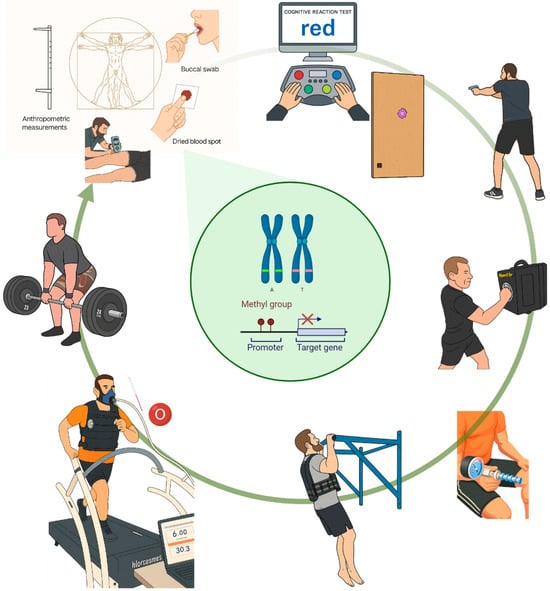
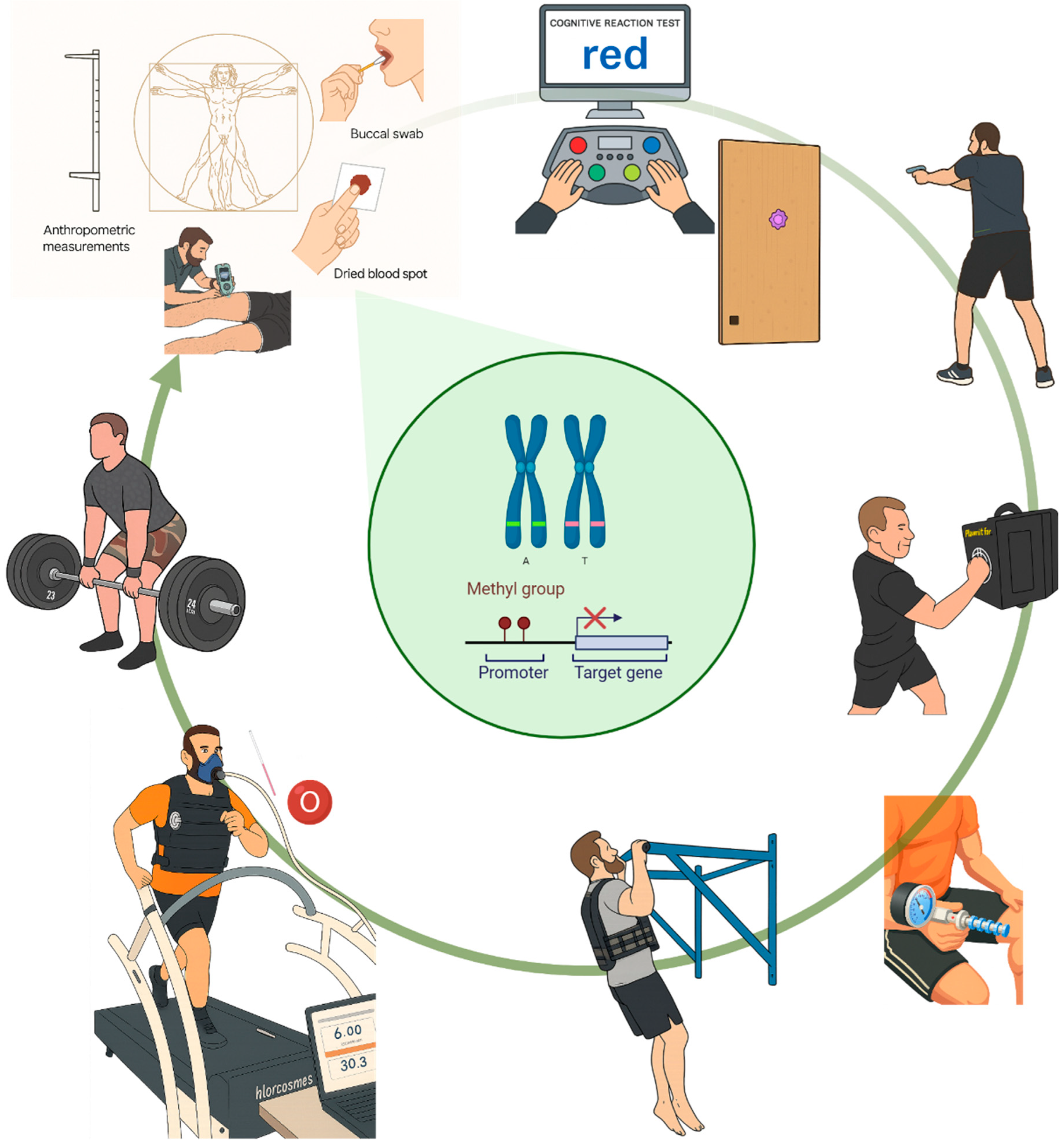
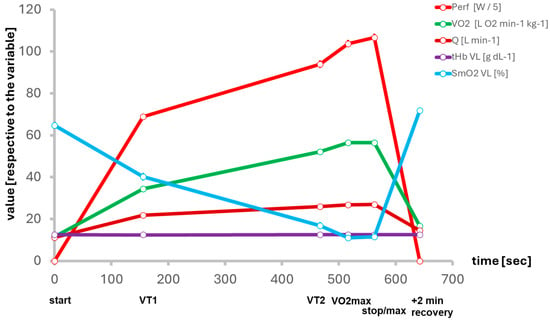
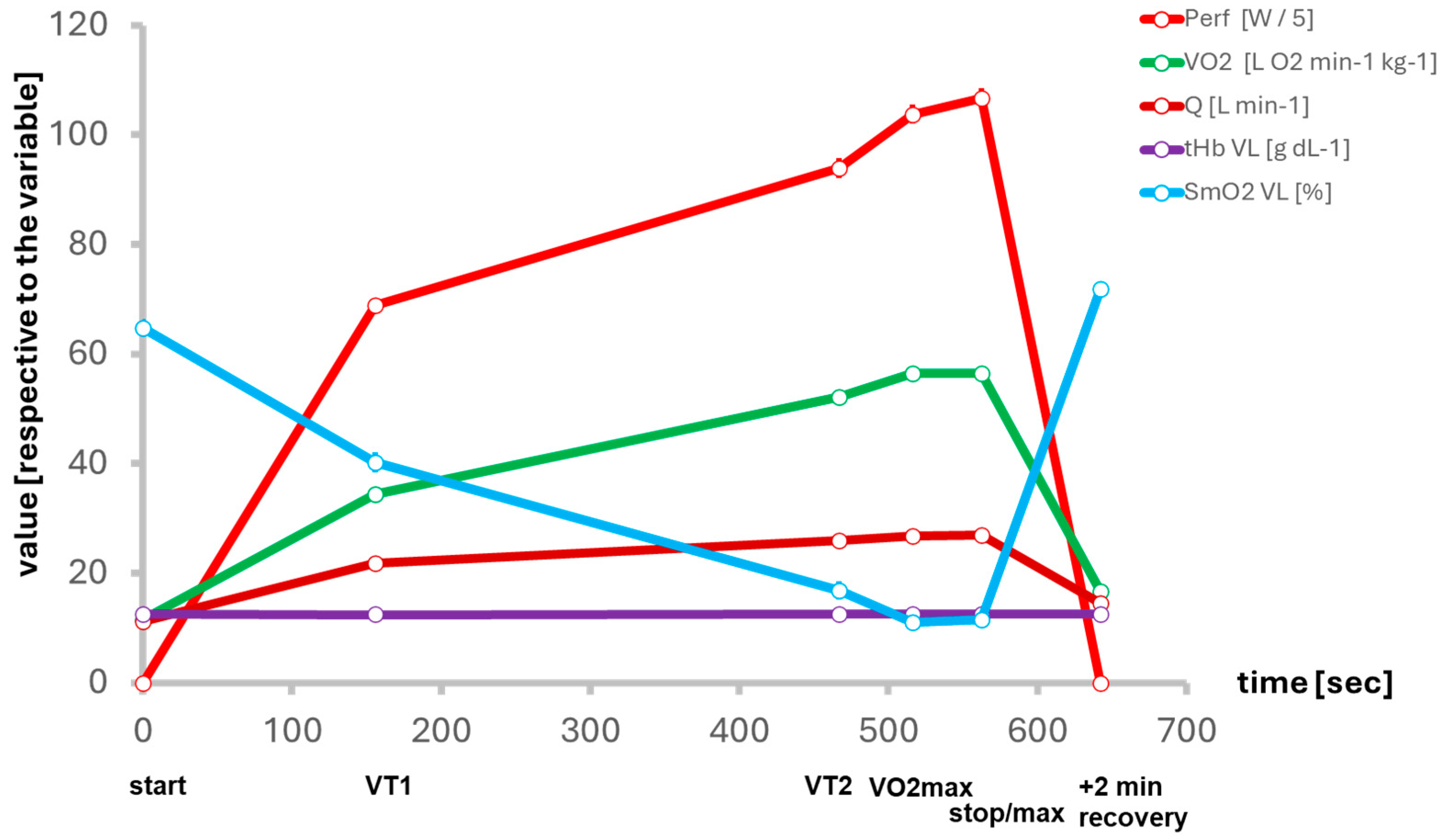
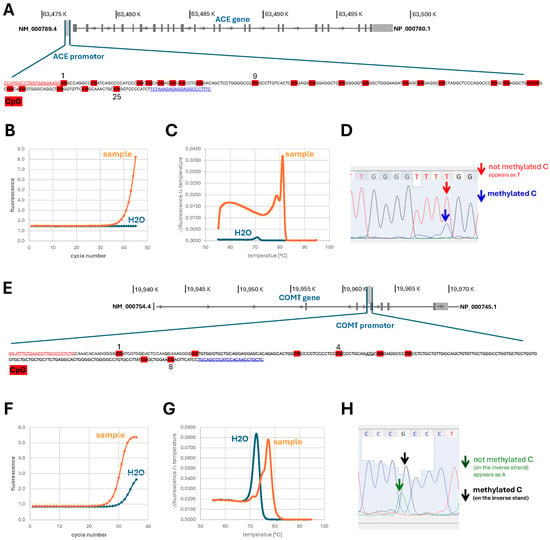
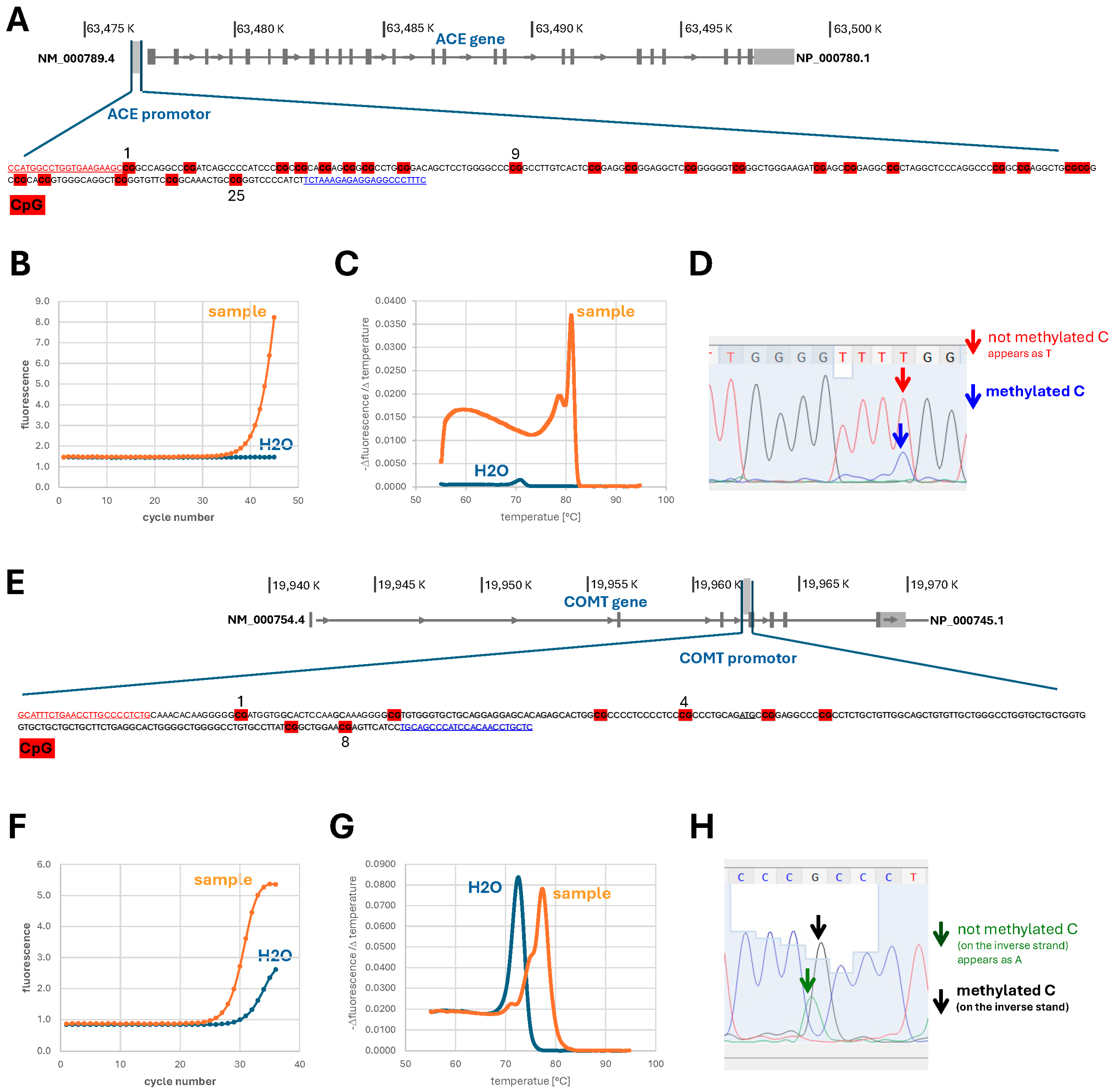
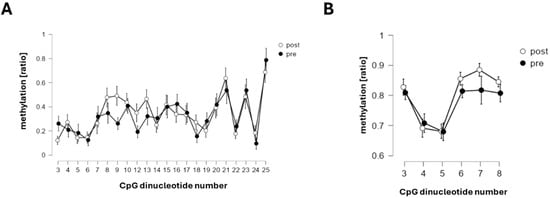
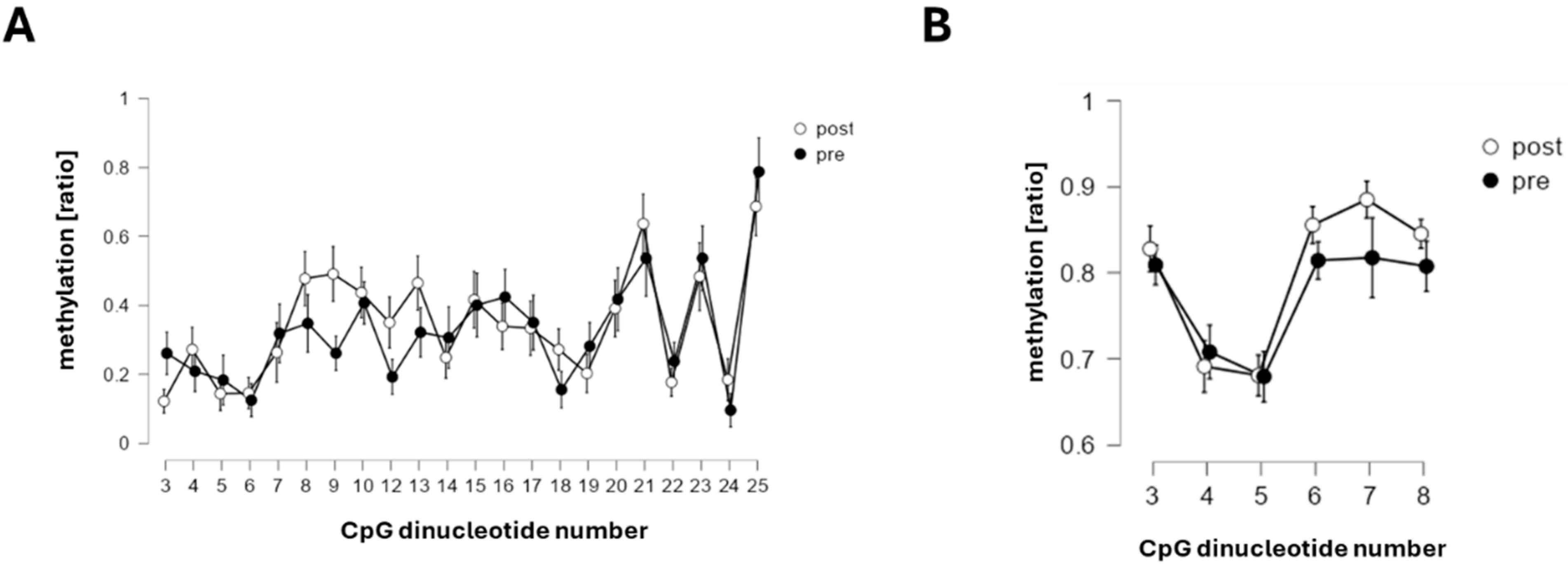
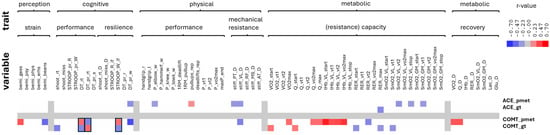
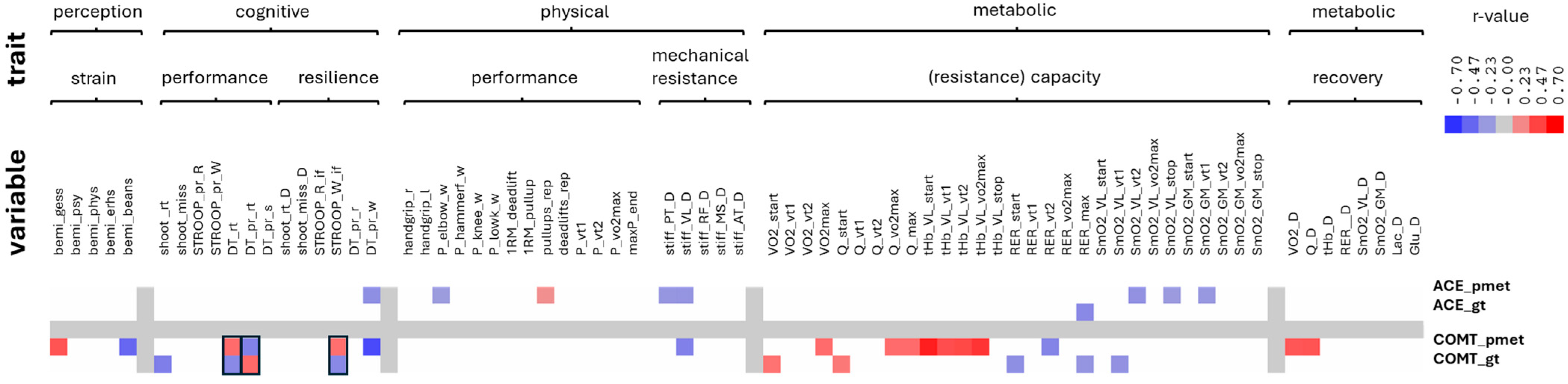
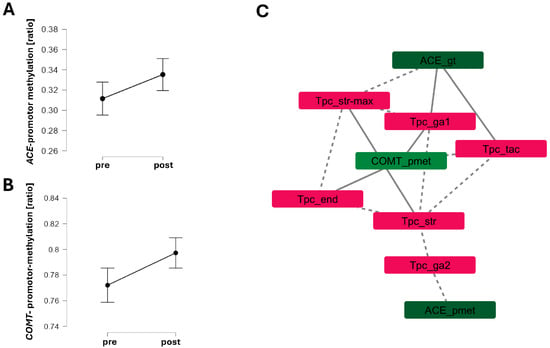
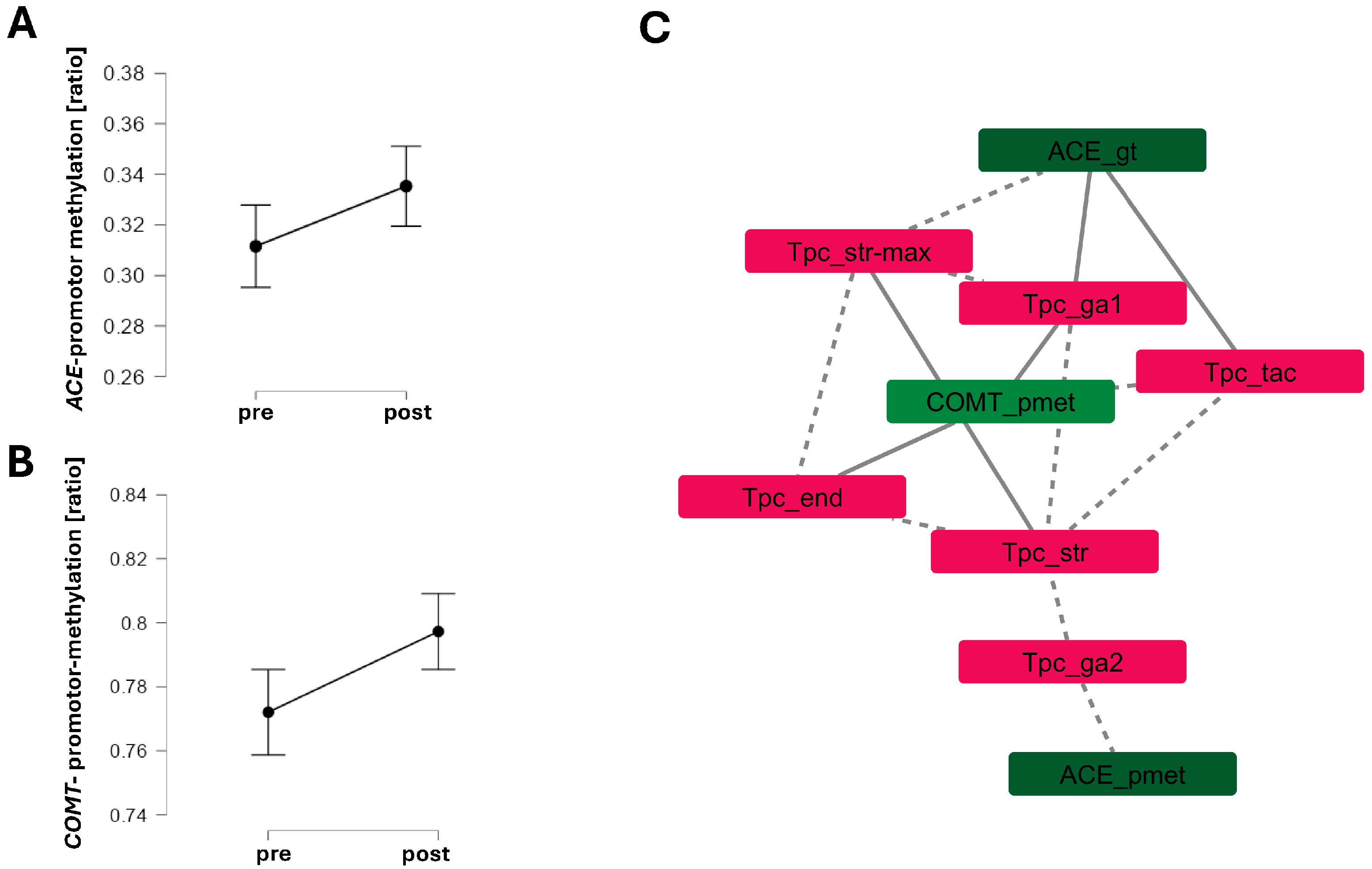
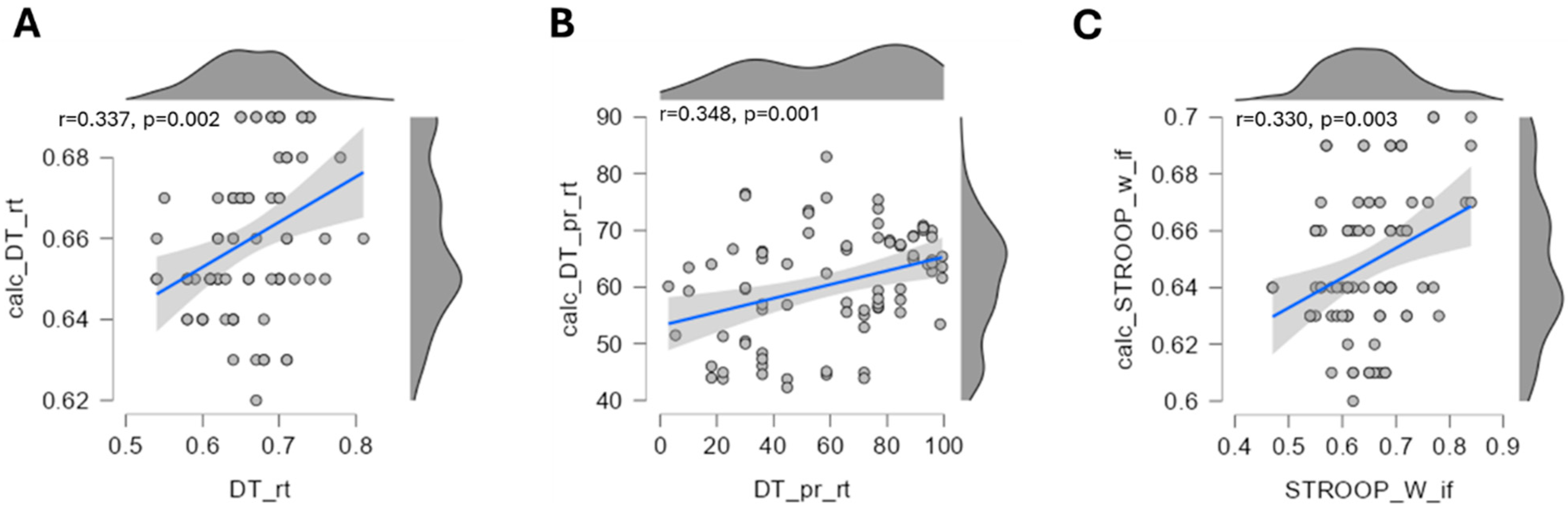

Disclaimer/Publisher’s Note: The statements, opinions and data contained in all publications are solely those of the individual author(s) and contributor(s) and not of MDPI and/or the editor(s). MDPI and/or the editor(s) disclaim responsibility for any injury to people or property resulting from any ideas, methods, instructions or products referred to in the content. |
© 2026 by the authors. Licensee MDPI, Basel, Switzerland. This article is an open access article distributed under the terms and conditions of the Creative Commons Attribution (CC BY) license.