Micro- and Nanoplastics and Functional Nutrients in Human Health: Epigenetic Mechanisms and Cellular Resilience Signaling in Brain Insulin Resistance and the Risk of Alzheimer’s Disease

 , , , , , ,
  and
and 
Abstract
1. Introduction
2. Brain Glucose Metabolism in AD or “Type 3 Diabetes”
2.1. Molecular Mechanisms Linking T2DM to AD
2.1.1. Cerebrovascular Damage in T2DM and AD
2.1.2. IGF-1 and GSK3β Pathways Linking Brain Insulin Resistance to Type 3 Diabetes
2.1.3. Brain Insulin Resistance and the Formation of Aβ and IAPP Peptides

| Molecular Target | Type of Alteration | Neurotoxic Effects | Ref. |
|---|---|---|---|
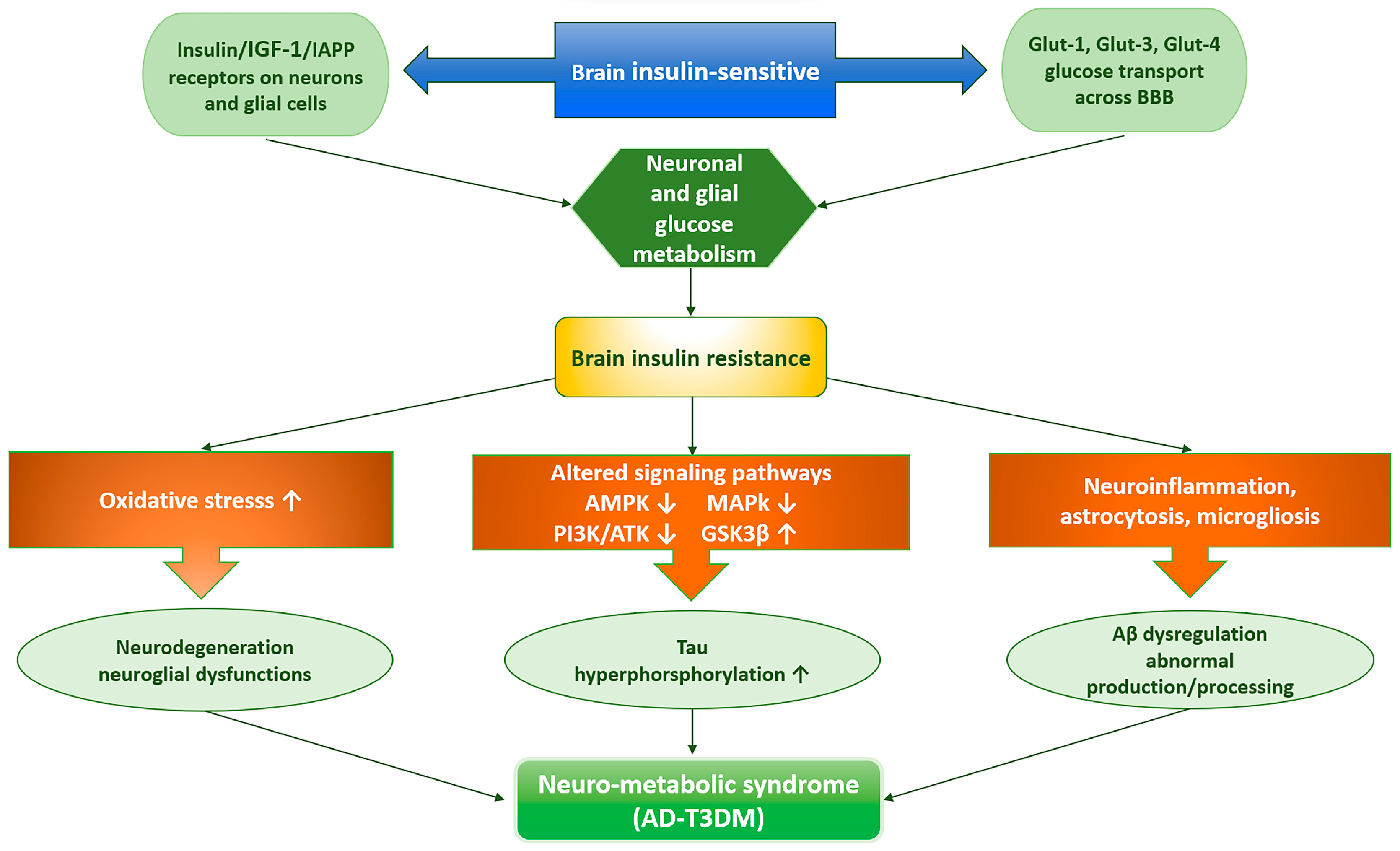
| Neuronal insulin receptor | Desensitization and brain insulin resistance | Reduced insulin signaling and increased oxidative stress, neuroglial alterations, tau deposition, and hyperphosphorylation | [27,28,29] |
| AMPK | Inhibition | Worsening of astrocytic energy deficiency and neuroinflammation | [27,29] |
| MAPK | Inhibition | Altered cellular stress response and reduced neuronal protection | [27,29] |
| GSK-3β | Activation | Increased tau protein deposition and hyperphosphorylation | [27,29] |
| Astrocytes | Reduced energy and antioxidant supply | Increased neuronal oxidative stress and neuroinflammation | [27,29] |
| Microglia | Activation (microgliosis) | Chronic neuroinflammation and progression of AD neuropathology | [27] |
| Aβ | Increased expression and altered processing | Formation of amyloid plaques typical of AD | [28] |
| GLUT1 | Impaired glucose transporter | Reduced glucose transport across the BBB and decreased energy availability for astrocytes | [30,31,35] |
| SGLT1 | Reduced transport efficiency | Lower glucose bioavailability for neurons and glial cells | [30] |
| BBB | Limited insulin and glucose transport | Altered cerebral energy metabolism and increased neuronal vulnerability | [30,31] |
| GLUT3 | Reduced expression with aging | Reduced glucose availability to neurons, neuronal energy deficit | [32,35,36] |
| GLUT4 | Reduced expression with aging and inflammation | Reduced glucose transport, impairment of memory, and cognitive functions | [33,34,35] |
| Aβ | Impaired Aβ clearance | Dysregulated cerebrovascular function, altered brain vessel integrity, with accumulation of Aβ in the brain | [37,38] |
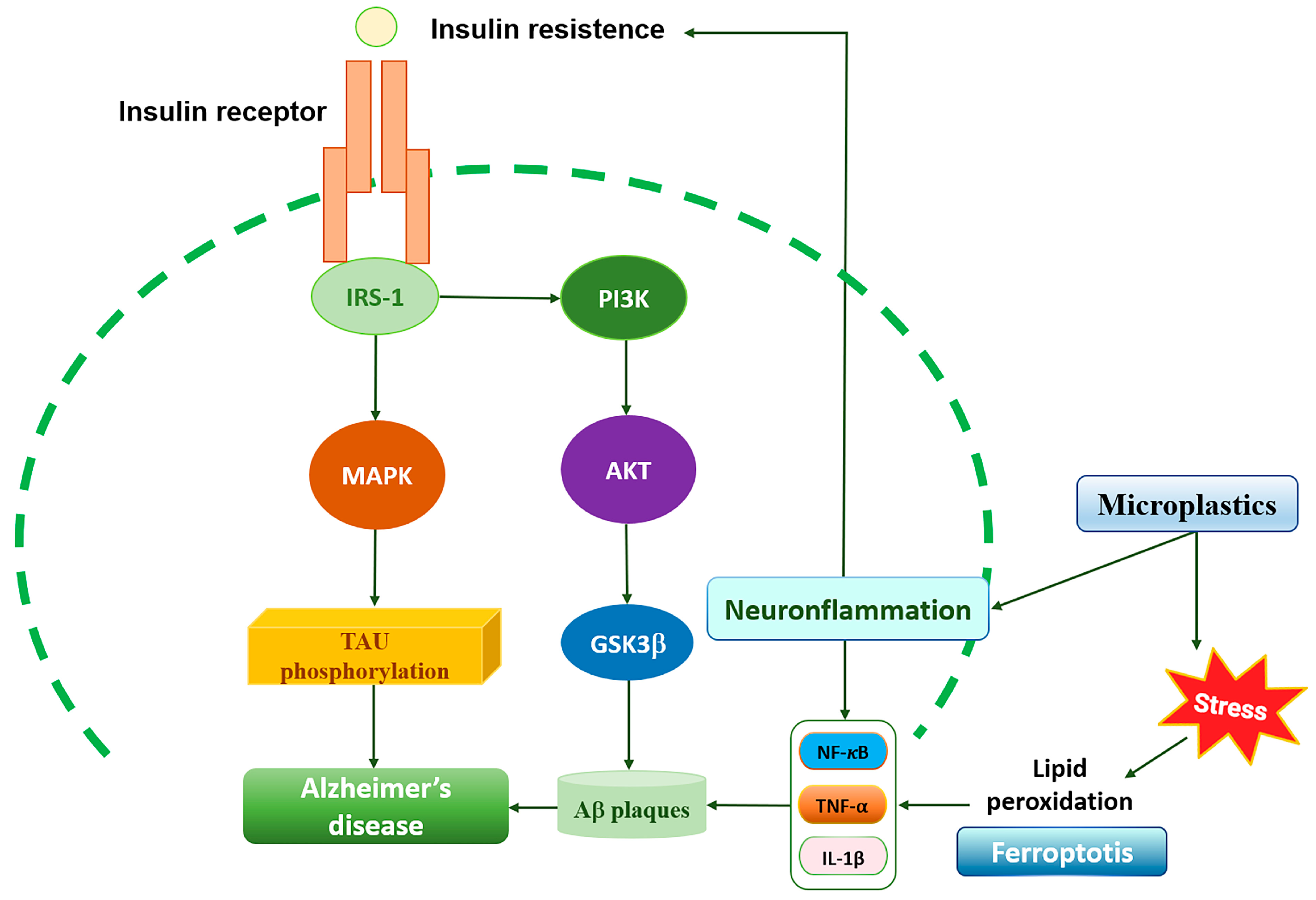
| IGF-1 | Altered receptor function | Increased AβAPP deposition and tau hyperphosphorylation, and decreased cerebral blood flow | [43] |
| PI3K/AKT | Inhibition | Reduced neuronal survival, increased neuroinflammation, and activation of GSK-3β | [44,45,46,47] |
| Wnt | Inhibition | Altered synaptic plasticity and memory function in the prefrontal cortex, contributing to cognitive decline | [50] |
| IAPP | Aggregation into toxic amyloid deposits | Altered cerebral glucose metabolism, increased pro-inflammatory cytokines and tau protein deposition accelerate AD progression | [53,54,55,56,57] |
3. Functional Nutrition Targeting Cellular Resilience Signaling Improves Brain Insulin Resistance and the Risk of Alzheimer’s Disease
3.1. Ursolic Acid
3.2. Verbascoside
3.3. Diosmin
3.4. Tanshinone
3.5. Baicalein
3.6. Cynarin
| Functional Nutrients | Pathways | Outcomes | Ref. |
|---|---|---|---|
| Ursolic Acid and rosmarinic acid | ↑ Syn I, II, III, Synaptophysin, and PSD-95 Ki67, NeuN, and DCX | Reverses the deficits in spatial and recognition memory, as well as changes in anxiety induced by the Aβ1-42 subtype in comparison to donepezil in AD mouse models | [71,72] |
| Ursolic Acid | ↑ Nrf2, CAT, GPx, and GSH | Increases endurance/resistance training and improves spatial memory changes | [73] |
| Ursolic acid and acteoside | ↑ ATG5 and Beclin-1 ↓ AKT/mTOR ↓ caspase-3 | Protects against H2O2-induced nerve damage in AD pathogenesis | [74] |
| Ursolic acid | ↓ Aβ | Prevents Aβ-induced proteotoxic stress in C. elegans | [75] |
| Ursolic acid and p-coumaric acid | ↑ IκB-α ↓ NF-κB, iNOS, and COX-2 ↓ ERK1/2, p-38, and JNK | Exerts neuroprotective effects against Aβ25-35 fragment-induced toxicity in PC12 cells | [76] |
| Ursolic acid plus carnosic acid and rosmaric acid | ↓ AChE and BACE1 | Docking analysis exhibits binding energies comparable to those of donepezil for the treatment of AD | [77] |
| Ursolic acid | ↑ Nrf2 ↓ Keap1 | Machine learning techniques predict that this compound prevents neuronal toxicity caused by Aβ | [78] |
| Ursolic acid, ursolic acid lactone, and oleanolic acid | ↓ IL6 and IL1β ↓ CXCL3 ↓ MMP8 and MMP13 ↓ JAK-STAT | Reduces inflammation and insulin resistance in macrophage cells | [79] |
| UA and resistance/endurance training | ↑ BDNF and IGF-1 | Reverses cognitive and memory deficits caused by diabetes in the hippocampus of aged rats | [80] |
| Verbascoside | ↓ IL-1β and IL-6 ↑ IL-4, IL-10, and TGF-β ↑ IκBα ↓ NF-κB-p65 | Blocks microglia and astrocyte activation in the brain of APP/PS1 mice and in N2a cells | [85,86] |
| Diosmin | ↑ PI3K/AKT ↓ IL-1β, IL-6, and TNF-α ↓ Bax ↑ Bcl-2 | Inhibits neuronal apoptosis and neuroinflammatory responses to improve cognitive dysfunction in AD rats | [87,88] |
| Diosmin | ↑ GSH, GPx, SOD, and CAT | Restores cognitive functions (working and long-term spatial memory) by enhancing the activity of endogenous antioxidants and mitochondrial complex activities in AD rat models | [89] |
| Diosmin | ↑TRPC6 ↓ IFNγ, TNFα, and IL-12 ↓ GSK-3 ↓ γ-secretase ↓ Aβ | Prevents and treats AD and mild cognitive impairment | [90] |
| Tanshinone IIA | ↑ Nrf2, SOD, CAT ↑SLC7A11/GPX4 ↓ MDA and 4-HNE | Improves cognitive deficits in aged rat models by suppressing hippocampal inflammation and ferroptosis | [91,92,93,94] |
| Nanodrug delivery system by co-loading icariin and Tanshinone IIA liposomes | ↑ LRP1 and Ang2 ↑ Bcl-2 and Bcl-XL ↓ Bax, Bad, and Bak | Inhibits AD-like pathological features, including neuroinflammation, oxidative stress, and apoptosis, and enhances cognitive function in APP/PS1 mice | [95] |
| Tanshinone IIA | ↓ NEAT1/miR-291a-3p/Rab22a/NF-κB | Improves neuronal morphology and attenuates Aβ1-42-induced oxidative stress and neuroinflammation in the brain tissue of AD mice | [96] |
| Tanshinone IIA and tetramethylpyrazine O/W composite nanoemulsions | ↓ MAPK/ERK/CREB | Alleviates cognitive impairment, oxidative stress injury, and neuronal apoptosis in AD rats | [97] |
| Tanshinone IIA and cryptotanshinone | ↓ GFAP, S100β, COX-2, iNOS, and NF-kBp65 | Attenuates memory decline in Aβ1-42-injected mice in a dose-dependent manner | [98] |
| Tanshinone IIA-loaded CS nanoparticles | ↑ DAF-16/SOD3 | Prolongs the lifespan and attenuates paralysis and the Aβ deposition by inhibiting the oxidative stress and promoting autophagy in C. elegans | [99] |
| Tanshinone IIA | ↑ CREB, BDNF, TrkB | Reduces neurofibrillary tangles, the inflammatory response, and oxidative stress reaction in the hippocampus of AD rats | [100] |
| Tanshinone IIA | ↑ PI3K/Akt/GSK-3β | Ameliorates behavioral deficits and improves spatial learning and memory function by attenuating tau hyperphosphorylation and preventing neuronal loss and apoptosis in C. elegans and in APP/PS1 transgenic mice | [101] |
| Baicalein | ↑ Nrf2 ↑ HMOX1/PDE4D ↓ NLRP3 | Inhibits the microglial apoptosis and pro-inflammatory factors and decreases the plaque deposition in the brain of rats | [102,103,104,105,106] |
| Baicalein plus memantine | ↑ BDNF | Reduces oxidative stress, Aβ plaque formation in AD rats | [107] |
| Baicalein | ↑ BDNF ↓ CX3CR1/NF-κB | Decreases neuroinflammation and improves learning and memory ability in 3 × Tg-AD mice | [108] |
| Baicalein | ↑ PI3K/AKT ↑ CaMKII/AMPK/GLUT4 | Mitigates hepatic and muscular insulin resistance and enhances glucose uptake by targeting insulin signaling in a GLP-1R-dependent manner in vitro and in vivo | [109] |
| Cynarin | ↑ Nrf2 ↓ NLRP3 | Reduces the level of neuroinflammation and microglial ferroptosis in vitro and in mice | [110] |
| Cynarin | ↑ Nrf2/AMPK/SIRT3 | Inhibits lipid peroxidation and the transcription of downstream antioxidant pathways | [111] |
| Cynarin | ↑ Klotho/PPARγ | Mitigates oxidant parameters and exerts antioxidant and antiapoptotic effects | [112] |
| Cynarin | ↓ TNF-α, Aβ, and Tau | Improves cognitive function and spatial memory recovery, as well as reduces inflammatory response in AD rats | [113,114] |
| Cynarin | ↑ Gpx4 and Nrf2 | Suppresses the increment of cellular Fe2+, lipid peroxides, and ROS in vitro and in vivo | [115] |
| Cynarin | ↓ MMP9 | Blocks the MMP-9 catalytic site at the picomolar scale | [116] |
4. Neurotoxicity of MNPs and Redox Resilience Signaling in Alzheimer’s Disease
5. Functional Nutrients Prevent or Attenuate MNP-Induced Toxicity and the Risk of Chronic Diseases
5.1. Tannic Acid and Glycyrrhizic Acid
5.2. Resveratrol
5.3. Naringin
5.4. Quercetin
5.5. Cyanidin-3-O-Glucoside
5.6. Nobiletin
5.7. Luteolin
5.8. Tamarixetin
5.9. Anthocyanins
5.10. Ginkgetin
5.11. Kaempferide
5.12. Catechins
5.13. Docosahexaenoic Acid-Enriched Phosphatidylserine
5.14. Functional Food Camellia Pollen
| Functional Nutrients | Pathways | MPs and NPs Damage | Ref. |
|---|---|---|---|
| Tannic acid and glycyrrhizic acid | ↓ gst-4 | Attenuates oxidative damage caused by the dose of 0.1 g/L and 1 g/L of polyethylene (PE)-MPs in C. elegans | [144] |
| Resveratrol | ↑ Nrf2, SOD, and GSH ↓ ROS, MDA, MAPK, and NF-κB | Mitigates the PS-NPs-induced glucose and lipid metabolic disorders associated with oxidative stress and inflammatory response in mice | [145] |
| Naringin | ↑ GSH, SOD, and CAT ↓ MAD and ROS | Inhibits the adverse effects of MPs’ exposure in the endocrine system in mice | [146] |
| Quercetin | ↑ Fam126b, Prr7, Ggn, and Atp11C | Alleviates PS-NPs-induced intestinal damage and immune disorders by reversing intestinal flora dysbiosis in rats | [147] |
| Cyanidin-3-O-glucoside | ↑ indole-3-pyruvate, indole-3-acetamide and N-acetylserotonin | Improves oxidative damage and intestinal toxicity of PS-MPs to the host by enhancing the degradation and detoxification of PS xenobiotics in colon tissue and feces of mice | [148] |
| Cyanidin-3-O-glucoside | ↑ DAF-16 ↑ clt-2, hsp-16.1, sod-3, sod-5 | Promotes stress tolerance and lifespan extension in C. elegans exposed to a dose of 100 μg/mL PS-NPs. | [149] |
| Nobiletin | ↑ TFEB and AMPK ↓ mTOR | Induces the formation of autophagosomes and lysosomes, enhancing the cellular ability to degrade and recycle damaged cells induced by the dose of 100 μg/mL of NPs | [150] |
| Luteolin | ↑ CAT and SOD ↑ G6PD/GSH ↓ Piezo1/CaN/NFAT1 ↓ MDA | Reduces PS-NPs-induced neurotoxicity by mitigating oxidative stress, pro-inflammatory cytokines, and ferroptosis in vitro and vivo | [151] |
| Tamarixetin | ↑ GST, SOD, HO-1, GSR, GPx, CAT, and GSH ↓ ROS and MDA ↓ IL-1β, NF-κB, IL-6, TNF-α, and COX-2 | Restores PS-MPs-induced hepatic damage by reducing oxidative stress and inflammatory mediators in rats | [152] |
| Anthocyanins | ↑ SOD, CAT, and GPX ↓ MDA ↑ Djpc2 and DjFoxG ↓ Djcaspase3 and Djp53 | Alleviates oxidative stress, apoptosis, and neurotoxicity of long-term low concentration of PS-MP (0.01 mg) exposure in planarians | [153] |
| Ginkgetin | ↑ SOD, GSR, GPx, CAT ↑ Bcl-2 ↓ IL-1β, IL-6, TNF-α ↓COX2 ↓ ROS and MDA | Reduces PS-MP-induced testicular toxicity, oxidative stress, inflammation, and apoptosis in albino rats | [154] |
| Kaempferide | ↑ Nrf2, SOD, GPx, CAT, GST, GSR, and HO-1 ↓ ROS and MDA, ↓ NF-κB, IL-1β, IL-6, TNF-α ↓Bax and Caspase-3 ↑ Bcl-2 | Mitigates PS-MP-induced reproductive toxicity in male rats via antioxidant, anti-inflammatory, and anti-apoptotic effects | [155] |
| Catechin, epicatechin, gallocatechin, and epigallocatechin | Not specified | Reduces oxidative stress and inhibits size-dependent (3 μm, 0.3 μm, 80 nm, and 20 nm) and dose-dependent (0.1, 0.01, 10, and 100 μg mL−1) cytotoxicity of MPs and NPs in human colon carcinoma (Caco-2) cells | [156] |
| DHA-PS | ↑ Sirt1, AMPKα, and PPARα ↑ ZO-1, occludin, and claudin-1 ↓ SREBP-1c ↓ TLR4/NF-κB | Attenuates oxidative stress, inflammation, and impairs tight junctions in a murine model exposed to PS-NPs-induced hepatotoxicity | [157] |
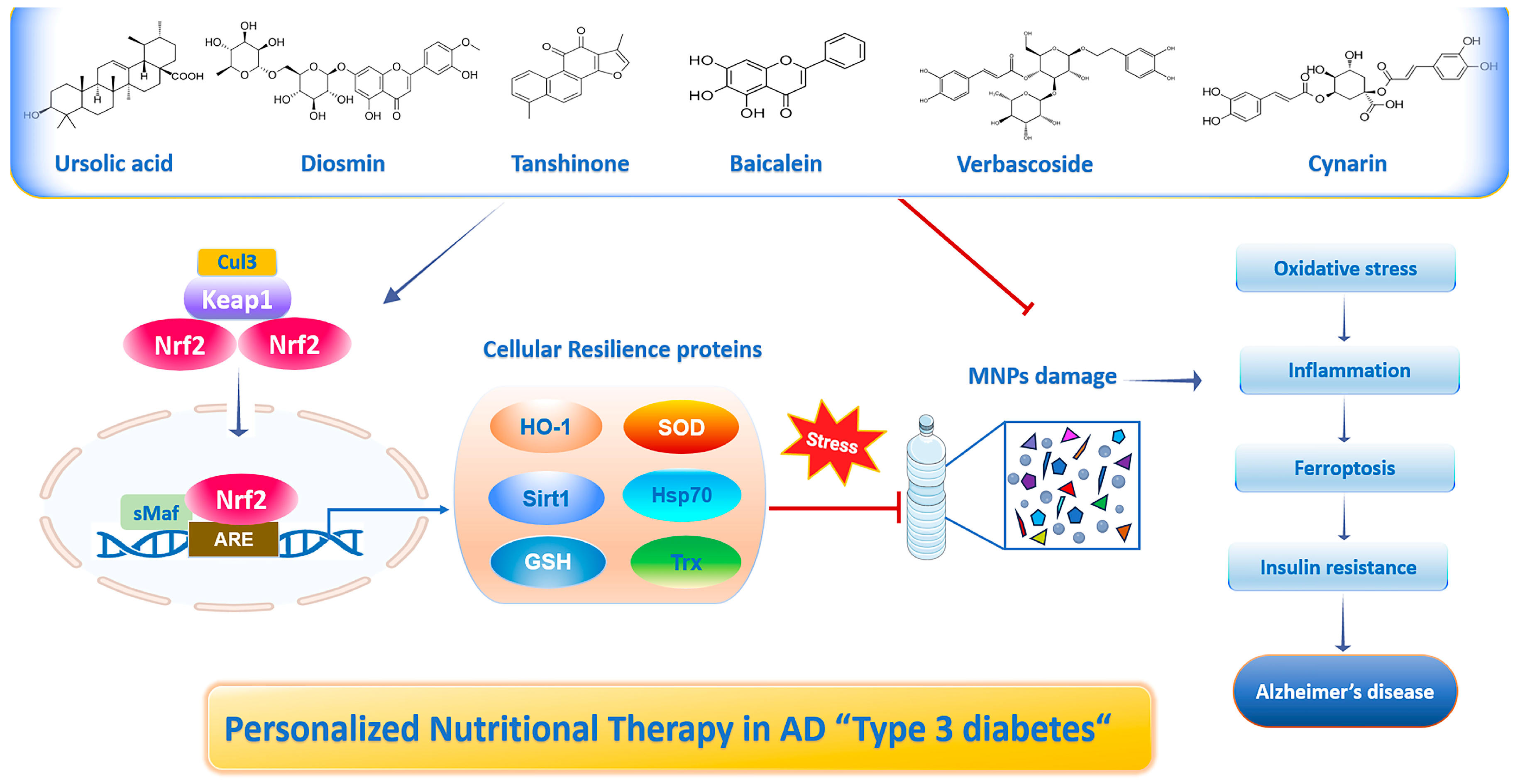
| Camellia pollen | ↓ TLR2/MMP9 ↓ GAPDH/Ac-Tau ↑ Sirt1 ↓ p53/Bax, ↑ Bcl-2 | Alleviates BBB damage, neuronal apoptosis, and AD-like neurotoxicity induced by amino-modified PS-NPs exposure in vitro and in vivo | [158] |

6. Epigenetic Modulators of the NFE2L2 Gene
| Molecular Target/Epigenetic Factors | Type of Epigenetic Alteration | Biological Effects | Ref. |
|---|---|---|---|
| Chromatin structure | Chromatin remodeling induced by MNP exposure | Altered gene transcription and dysregulation of cellular functions | [159,160] |
| miRNAs | Dysregulation and modulation after MNP exposure | Altered gene transcription and dysregulation of cellular functions | [160] |
| Wnt | Epigenetic modulation after MNP exposure | Altered cellular proliferation and differentiation | [161] |
| TGF-β | Epigenetic modulation after MNP exposure | Dysregulation of cell growth and apoptosis | [162] |
| KSR–ERK–MAPK pathway | miRNA-mediated epigenetic alteration after MNP exposure | Altered metabolism, apoptosis, and proliferation | [163] |
| FOXO–insulin cascade | miRNA-mediated epigenetic alteration | Impaired metabolic homeostasis | [163] |
| GPX3–HIF-α pathway | miRNA-mediated epigenetic alteration | Altered angiogenesis and oxidative stress response | [163] |
| miR-139-5p | Overexpression after chronic MP exposure | Cognitive impairment and synaptic dysfunction | [164] |
| miR-152-3p | Overexpression after chronic MP exposure | Cognitive decline and loss of synaptic integration | [165] |
| PI3K/AKT signaling | Regulation by miR-139-5p | Altered spatial and working memory | [166] |
| DNMT1 | Targeted by miR-152-3p | Loss of cortical interneurons, impaired synaptic integration | [167] |
| ATP and ATP-related genes | Downregulation after MNP exposure | Reduced cellular energy and neurodegeneration | [168] |
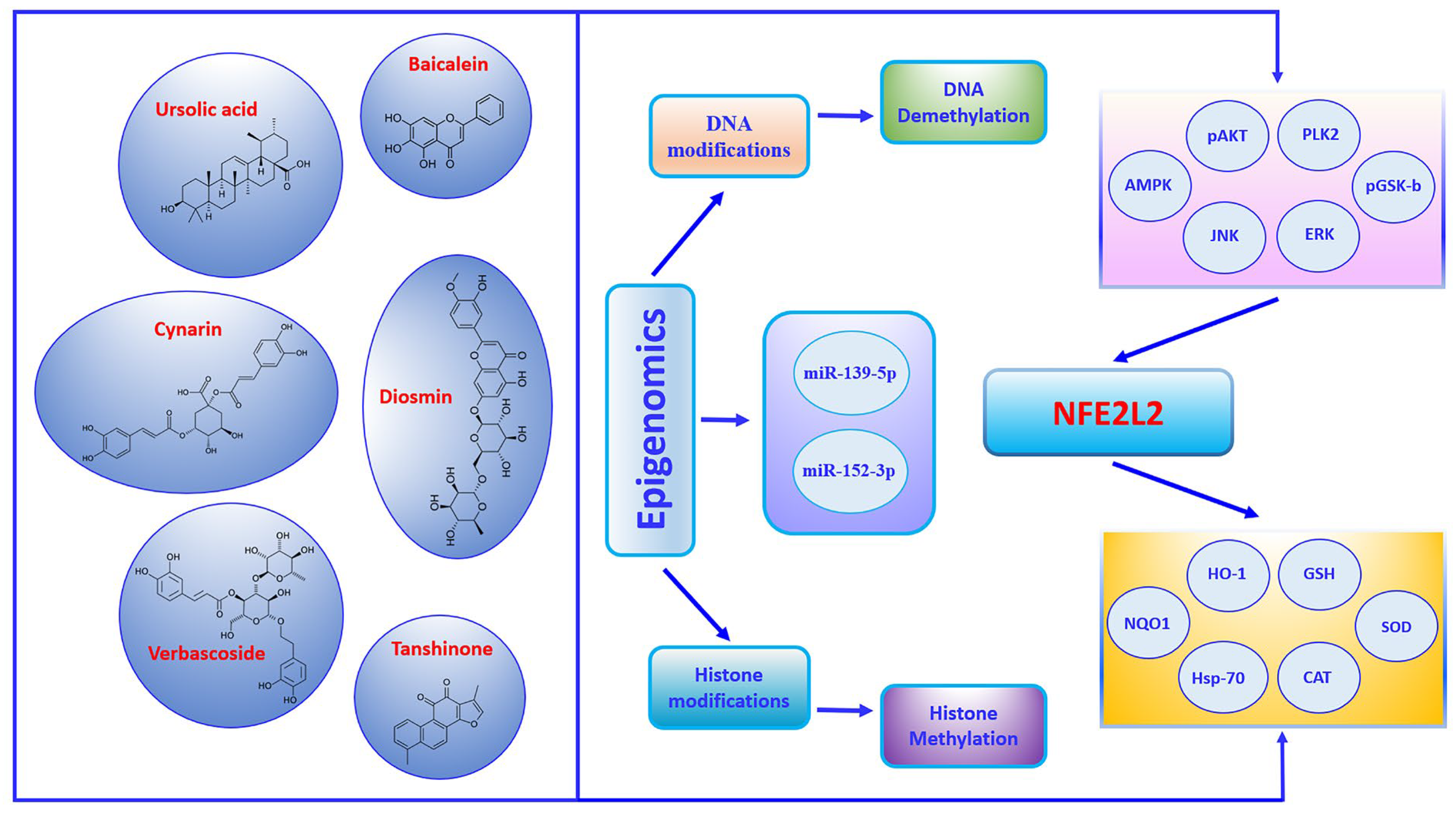
| NFE2L2 gene | Epigenetic regulation (methylation, demethylation, ncRNA control) | Altered antioxidant defense and stress resilience response | [169,170] |
| CpG islands in the Nrf2 promoter | Hypermethylation | Suppression of Nrf2 transcription and reduced antioxidant capacity | [171,172] |
| DNMTs | Inhibition by dietary compounds | Reduced Nrf2 promoter hypermethylation and increased Nrf2 protein | [169,173] |
| TET demethylases | DNA demethylation of the Nrf2 promoter | Increased Nrf2 transcription, enhanced resistance to oxidative stress | [172] |
| siRNA, lncRNA, miRNA, circRNA | Epigenetic modulation of Nrf2 activity | Regulation of redox state and pathophysiological processes | [174] |
| lncRNA | Epigenetic inhibition of Nrf2 | Inflammasome activation and neuroinflammation in PD models | [175] |
| Synaptic function | miRNA dysregulation after MP exposure | Synaptic decline leading to cognitive impairment and PD-like injury | [176] |
6.1. Micro- and Nanoplastics Induce Ferroptosis Targeting the NFE2L2 Gene
| MNPs’ Dose and Size | Pathways | Outcomes | Ref. |
|---|---|---|---|
| 1 μm and dose of 10 mg/L PS-MPs and cadmium | ↓ Nrf2 | Induce ferroptosis and barrier toxicity in vivo | [178] |
| 300 nm and dose 1 mg/kg PS-NPs and cadmium | ↑ MDA, 4-HNE, 8-OHDG ↓ Nrf2, SLC7A11, GPX4, PTGS2, HMGB1, FTH1 and FTL | Increase oxidative stress, ferroptosis, and excessive mitophagy ultimately aggravating kidney damage in mice | [179] |
| 5 μm and 10 mg/L and 100 mg/L PS-MPs | ↓Nrf2/HO1/NQO1 ↓ GPX | Promote autophagy-dependent ferroptosis and apoptosis in cerebellar tissue of chickens via the liver-brain axis | [180] |
| 50 nm and dose of 0.25, 2.5, 25, and 250 mg/kg PS-NPs | ↓ Nrf2, HO-1, GPX4, SLC7A11, FTH1 ↑ 8-OHDG, 4-HNE | Induce toxicity and ferroptosis in intestinal epithelial cells and in intestine-specific Nrf2 knockout mice in a dose-dependent manner | [181] |
| 50 and 90 nm and dose of 12.5 and 25 μg/mL PS-NPs | ↓ Nrf2 and GPX4, FPN1 and HO-1 ↑ MDA | Cross blood–testis barrier and induce ferroptosis in vitro and in vivo | [182] |
| 5 μm and dose of 25 μg/mL PS-MPs | ↓ Nrf2/HO-1 ↓ GPX4 | Increase liver cell senescence mediated by ferroptosis targeting antioxidant pathways | [183] |
6.2. Functional Nutrients as Epigenetic Modulators of the NFE2L2 Gene
| Nutrient Epigenetic Modulator | Epigenetic Regulation of NFE2L2 Gene | Signaling Pathway/Molecular Targets | Outcomes/Effects | Ref. |
|---|---|---|---|---|
| Ursolic acid | Methylation of the Nrf2 protein Demethylation of the NFE2L2 gene promoter | ↑ SETD7 ↓ DNMT, ↓ HADCs | Increased defense capacity against inflammation and oxidative stress; prevention of cellular damage; potential neuroprotection | [187,193] |
| Tanshinone | Demethylation of the NFE2L2 gene promoter | ↑ TET2 ↓ DNMT, ↓ HADCs | Cytoprotective effects; enhancement of Nrf2 transcriptional machinery | [188,194] |
6.3. The Role of Nrf2 in Neurological Disorders
7. Applications of Next Generation Sequencing in Chronic Diseases
7.1. Next-Generation Sequencing and the Molecular Dissection of the NRF2 Pathway
7.2. NGS in Neurological Diseases
7.3. Polyphenols and Their Bioactivity Explored Through Multi-Omics Approaches
| Technique | Disease/Application | Application | Ref. |
|---|---|---|---|
| scRNA-seq | Arthrofibrosis | Identification of ferroptosis-related signatures and the cytoprotective NRF2 role | [221] |
| Targeted NGS (Ion Torrent) | Multifocal HCC | Analysis of KEAP1/NRF2 mutation heterogeneity | [222] |
| Amplicon-based NGS | Glottic carcinoma | NFE2L2/KEAP1/CUL3 mutations as prognostic markers | [223] |
| Meta-analysis of RNA-seq | Parkinson’s disease | Identification of ferroptosis-related prognostic genes | [225] |
| RNA-seq + functional assays | HCC | SEH1L as ferroptotic regulator via ATF3/HMOX1/GPX4 axis | [226] |
| Methylation capture sequencing | Alzheimer’s disease | DMRs in ANKH and MARS genes; improved diagnostics with APOE genotyping | [228] |
| Long-read sequencing | Alzheimer’s disease | Mapping complex methylation patterns | [229] |
| Clinical exome + CNV analysis | Autism/NDD | 27% diagnostic yield, enhanced with CNVs | [230] |
| Targeted sequencing of 17p13.3 | Neurodevelopmental disorders | Variants in PAFAH1B1, YWHAE, and CRK genes | [231] |
| Mitochondrial DNA sequencing | Type 2 diabetes | SNPs in MT-ND5 and MT-ATP6 linked to insulin resistance | [235] |
| RNA-seq | Diabetic nephropathy | Differentially expressed genes in mitochondrial and inflammatory pathways | [236] |
| scRNA-seq | Diabetic kidney | Tubule-specific pro-inflammatory gene signatures | [237] |
| Small RNA-seq | Matcha (nutritional study) | Detection of plant-derived miRNAs influenced by cultivar and temperature | [232] |
| Transcriptomics + Metabolomics | Anthocyanin-rich coffee | Upregulated flavonoid biosynthesis and microbiome modulation | [233] |
| RNA-seq | Human fibroblasts + caffeic acid | HSP expression modulated by static magnetic field + CA | [234] |
| mRNA/miRNA-seq | Brain endothelial cells (BBB) | Creation of the BBBomics database for systems biology research | [238] |
| RNA-seq with standardized workflow | BBB and CSF barriers | BtRAIN guidelines for barrier transcriptomics | [239] |
| snRNA-seq | Schizophrenia | Gene expression alterations in pericytes and ependymal cells | [240] |
| Whole-exome sequencing | Coats disease | Rare variants in BRB-related genes (HMCN1, NPHP4) | [241] |
| NGS | Acute compartment syndrome | Identify differentially expressed genes (Nrf2, Hmox-1, and GPX4) to inhibit ferroptosis in vivo | [227] |
8. Conclusions
Author Contributions
Funding
Institutional Review Board Statement
Informed Consent Statement
Data Availability Statement
Acknowledgments
Conflicts of Interest
References
- Kadac-Czapska, K.; Knez, E.; Grembecka, M. Food and Human Safety: The Impact of Microplastics. Crit. Rev. Food Sci. Nutr. 2024, 64, 3502–3521. [Google Scholar] [CrossRef]
- Barnes, D.K.A.; Galgani, F.; Thompson, R.C.; Barlaz, M. Accumulation and Fragmentation of Plastic Debris in Global Environments. Philos. Trans. R. Soc. B Biol. Sci. 2009, 364, 1985. [Google Scholar] [CrossRef] [PubMed]
- Gigault, J.; Halle, A.t.; Baudrimont, M.; Pascal, P.-Y.; Gauffre, F.; Phi, T.-L.; El Hadri, H.; Grassl, B.; Reynaud, S. Current Opinion: What Is a Nanoplastic? Environ. Pollut. 2018, 235, 1030–1034. [Google Scholar] [CrossRef] [PubMed]
- Xu, J.-L.; Lin, X.; Wang, J.J.; Gowen, A.A. A Review of Potential Human Health Impacts of Micro- and Nanoplastics Exposure. Sci. Total Environ. 2022, 851, 158111. [Google Scholar] [CrossRef] [PubMed]
- Matthews, S.; Mai, L.; Jeong, C.B.; Lee, J.S.; Zeng, E.Y.; Xu, E.G. Key Mechanisms of Micro- and Nanoplastic (MNP) Toxicity across Taxonomic Groups. Comp. Biochem. Physiol. Toxicol. Pharmacol. CBP 2021, 247, 109056. [Google Scholar] [CrossRef]
- Deng, Y.; Zhang, Y.; Lemos, B.; Ren, H. Tissue Accumulation of Microplastics in Mice and Biomarker Responses Suggest Widespread Health Risks of Exposure. Sci. Rep. 2017, 7, 46687. [Google Scholar] [CrossRef]
- Nichols, E.; Steinmetz, J.D.; Vollset, S.E.; Fukutaki, K.; Chalek, J.; Abd-Allah, F. Estimation of the Global Prevalence of Dementia in 2019 and Forecasted Prevalence in 2050: An Analysis for the Global Burden of Disease Study 2019. Lancet Public Health 2022, 7, e105–e125. [Google Scholar] [CrossRef]
- Michailidis, M.; Moraitou, D.; Tata, D.A.; Kalinderi, K.; Papamitsou, T.; Papaliagkas, V. Alzheimer’s Disease as Type 3 Diabetes: Common Pathophysiological Mechanisms between Alzheimer’s Disease and Type 2 Diabetes. Int. J. Mol. Sci. 2022, 23, 2687. [Google Scholar] [CrossRef]
- Burillo, J.; Marqués, P.; Jiménez, B.; González-Blanco, C.; Benito, M.; Guillén, C. Insulin Resistance and Diabetes Mellitus in Alzheimer’s Disease. Cells 2021, 10, 1236. [Google Scholar] [CrossRef]
- Lee, S.; Tong, M.; Hang, S.; Deochand, C.; de la Monte, S. CSF and Brain Indices of Insulin Resistance, Oxidative Stress and Neuro-Inflammation in Early versus Late Alzheimer’s Disease. J. Alzheimer’s Dis. Park. 2013, 3, 128. [Google Scholar] [CrossRef]
- Deng, Y.; Chen, H.; Huang, Y.; Zhang, Y.; Ren, H.; Fang, M.; Wang, Q.; Chen, W.; Hale, R.C.; Galloway, T.S.; et al. Long-Term Exposure to Environmentally Relevant Doses of Large Polystyrene Microplastics Disturbs Lipid Homeostasis via Bowel Function Interference. Environ. Sci. Technol. 2022, 56, 15805–15817. [Google Scholar] [CrossRef] [PubMed]
- Shi, C.; Han, X.; Guo, W.; Wu, Q.; Yang, X.; Wang, Y.; Tang, G.; Wang, S.; Wang, Z.; Liu, Y.; et al. Disturbed Gut-Liver Axis Indicating Oral Exposure to Polystyrene Microplastic Potentially Increases the Risk of Insulin Resistance. Environ. Int. 2022, 164, 107273. [Google Scholar] [CrossRef] [PubMed]
- Wang, Y.; Wei, Z.; Xu, K.; Wang, X.; Gao, X.; Han, Q.; Wang, S.; Chen, M. The Effect and a Mechanistic Evaluation of Polystyrene Nanoplastics on a Mouse Model of Type 2 Diabetes. Food Chem. Toxicol. 2023, 173, 113642. [Google Scholar] [CrossRef] [PubMed]
- Wang, Y.; Xu, K.; Gao, X.; Wei, Z.; Han, Q.; Wang, S.; Du, W.; Chen, M. Polystyrene Nanoplastics with Different Functional Groups and Charges Have Different Impacts on Type 2 Diabetes. Part. Fibre Toxicol. 2024, 21, 21. [Google Scholar] [CrossRef]
- Feng, L.; Chen, C.; Xiong, X.; Wang, X.; Li, X.; Kuang, Q.; Wei, X.; Gao, L.; Niu, X.; Li, Q.; et al. PS-MPs Promotes the Progression of Inflammation and Fibrosis in Diabetic Nephropathy through NLRP3/Caspase-1 and TGF-Β1/Smad2/3 Signaling Pathways. Ecotoxicol. Environ. Saf. 2024, 273, 116102. [Google Scholar] [CrossRef]
- Sies, H.; Jones, D.P. Reactive Oxygen Species (ROS) as Pleiotropic Physiological Signalling Agents. Nat. Rev. Mol. Cell Biol. 2020, 21, 363–383. [Google Scholar] [CrossRef]
- Rorbach-Dolata, A.; Piwowar, A. Neurometabolic Evidence Supporting the Hypothesis of Increased Incidence of Type 3 Diabetes Mellitus in the 21st Century. Biomed. Res. Int. 2019, 2019, 1435276. [Google Scholar] [CrossRef]
- Maciejczyk, M.; Żebrowska, E.; Zalewska, A.; Chabowski, A. Redox Balance, Antioxidant Defense, and Oxidative Damage in the Hypothalamus and Cerebral Cortex of Rats with High Fat Diet-Induced Insulin Resistance. Oxidative Med. Cell. Longev. 2018, 2018, 6940515. [Google Scholar] [CrossRef]
- Scuto, M.; Rampulla, F.; Reali, G.M.; Spanò, S.M.; Salinaro, A.T.; Calabrese, V. Hormetic Nutrition and Redox Regulation in Gut–Brain Axis Disorders. Antioxidants 2024, 13, 484. [Google Scholar] [CrossRef]
- Scuto, M.; Modafferi, S.; Rampulla, F.; Zimbone, V.; Tomasello, M.; Spano’, S.; Ontario, M.L.; Palmeri, A.; Trovato Salinaro, A.; Siracusa, R.; et al. Redox Modulation of Stress Resilience by Crocus sativus L. for Potential Neuroprotective and Anti-Neuroinflammatory Applications in Brain Disorders: From Molecular Basis to Therapy. Mech. Ageing Dev. 2022, 205, 111686. [Google Scholar] [CrossRef]
- Scuto, M.; Majzúnová, M.; Torcitto, G.; Antonuzzo, S.; Rampulla, F.; Di Fatta, E.; Trovato Salinaro, A. Functional Food Nutrients, Redox Resilience Signaling and Neurosteroids for Brain Health. Int. J. Mol. Sci. 2024, 25, 12155. [Google Scholar] [CrossRef] [PubMed]
- Akamba Ambamba, B.D.; Ella, F.A.; Ngassa Ngoumen, D.J.; Dibacto Kemadjou, R.E.; Agwe, N.I.; Mbappe, F.E.; Fonkoua, M.; Enyegue, D.M.; Ngondi, J.L. Tannins-Enriched Fraction of TeMacTM Protects against Aluminum Chloride Induced Alzheimer’s Disease-like Pathology by Modulating Aberrant Insulin Resistance and Alleviating Oxidative Stress in Diabetic Rats. J. Ethnopharmacol. 2024, 335, 118653. [Google Scholar] [CrossRef] [PubMed]
- Aronson, J.K. Defining ‘Nutraceuticals’: Neither Nutritious nor Pharmaceutical. Br. J. Clin. Pharmacol. 2017, 83, 8–19. [Google Scholar] [CrossRef] [PubMed]
- Kalra, E.K. Nutraceutical-Definition and Introduction. AAPS PharmSci 2003, 5, 27–28. [Google Scholar] [CrossRef]
- Brower, V. Nutraceuticals: Poised for a Healthy Slice of the Healthcare Market? Nat. Biotechnol. 1998, 16, 728–731. [Google Scholar] [CrossRef]
- Scuto, M.C.; Anfuso, C.D.; Lombardo, C.; Di Fatta, E.; Ferri, R.; Musso, N.; Zerbo, G.; Terrana, M.; Majzúnová, M.; Lupo, G.; et al. Neuronutrition and Nrf2 Brain Resilience Signaling: Epigenomics and Metabolomics for Personalized Medicine in Nervous System Disorders from Bench to Clinic. Int. J. Mol. Sci. 2025, 26, 9391. [Google Scholar] [CrossRef]
- Toledano, A.; Rodríguez-Casado, A.; Älvarez, M.I.; Toledano-Díaz, A. Alzheimer’s Disease, Obesity, and Type 2 Diabetes: Focus on Common Neuroglial Dysfunctions (Critical Review and New Data on Human Brain and Models). Brain Sci. 2024, 14, 1101. [Google Scholar] [CrossRef]
- de la Monte, S.M. Insulin Resistance and Neurodegeneration: Progress Towards the Development of New Therapeutics for Alzheimer’s Disease. Drugs 2017, 77, 47–65. [Google Scholar] [CrossRef]
- Wang, Y.; Hu, H.; Liu, X.; Guo, X. Hypoglycemic Medicines in the Treatment of Alzheimer’s Disease: Pathophysiological Links between AD and Glucose Metabolism. Front. Pharmacol. 2023, 14, 1138499. [Google Scholar] [CrossRef]
- Koepsell, H. Glucose Transporters in Brain in Health and Disease. Pflug. Arch 2020, 472, 1299–1343. [Google Scholar] [CrossRef]
- Hernandez-Garzón, E.; Fernandez, A.M.; Perez-Alvarez, A.; Genis, L.; Bascuñana, P.; Fernandez de la Rosa, R.; Delgado, M.; Angel Pozo, M.; Moreno, E.; McCormick, P.J.; et al. The Insulin-like Growth Factor I Receptor Regulates Glucose Transport by Astrocytes. Glia 2016, 64, 1962–1971. [Google Scholar] [CrossRef] [PubMed]
- Gerhart, D.Z.; Broderius, M.A.; Borson, N.D.; Drewes, L.R. Neurons and Microvessels Express the Brain Glucose Transporter Protein GLUT3. Proc. Natl. Acad. Sci. USA 1992, 89, 733–737. [Google Scholar] [CrossRef] [PubMed]
- Ngarmukos, C.; Baur, E.L.; Kumagai, A.K. Co-Localization of GLUT1 and GLUT4 in the Blood–Brain Barrier of the Rat Ventromedial Hypothalamus. Brain Res. 2001, 900, 1–8. [Google Scholar] [CrossRef] [PubMed]
- Mosconi, L. Brain Glucose Metabolism in the Early and Specific Diagnosis of Alzheimer’s Disease. Eur. J. Nucl. Med. Mol. Imaging 2005, 32, 486–510. [Google Scholar] [CrossRef] [PubMed]
- Emmanuel, Y.; Cochlin, L.E.; Tyler, D.J.; de Jager, C.A.; David Smith, A.; Clarke, K. Human Hippocampal Energy Metabolism Is Impaired during Cognitive Activity in a Lipid Infusion Model of Insulin Resistance. Brain Behav. 2013, 3, 134–144. [Google Scholar] [CrossRef]
- von Leden, R.E.; Moritz, K.E.; Bermudez, S.; Jaiswal, S.; Wilson, C.M.; Dardzinski, B.J.; Byrnes, K.R. Aging Alters Glucose Uptake in the Naïve and Injured Rodent Spinal Cord. Neurosci. Lett. 2019, 690, 23–28. [Google Scholar] [CrossRef]
- Ren, X.; Zhang, G.; Zhou, B.; Gu, W.; Zhu, Q.; Liu, X. Cerebrovascular Mechanisms between Type 2 Diabetes and Alzheimer’s Disease: Insights from Ultrasound Localization Microscopy. Med. Phys. 2025, 52, e70131. [Google Scholar] [CrossRef]
- Selkoe, D.J.; Hardy, J. The Amyloid Hypothesis of Alzheimer’s Disease at 25 Years. EMBO Mol. Med. 2016, 8, 595–608. [Google Scholar] [CrossRef]
- Zhou, A.L.; Swaminathan, S.K.; Salian, V.S.; Wang, L.; Curran, G.L.; Min, H.-K.; Lowe, V.J.; Kandimalla, K.K. Insulin Signaling Differentially Regulates the Trafficking of Insulin and Amyloid Beta Peptides at the Blood–Brain Barrier. Mol. Pharm. 2024, 21, 2176–2186. [Google Scholar] [CrossRef]
- Watson, G.S.; Peskind, E.R.; Asthana, S.; Purganan, K.; Wait, C.; Chapman, D.; Schwartz, M.W.; Plymate, S.; Craft, S. Insulin Increases CSF Aβ42 Levels in Normal Older Adults. Neurology 2003, 60, 1899–1903. [Google Scholar] [CrossRef]
- Ashpole, N.M.; Sanders, J.E.; Hodges, E.L.; Yan, H.; Sonntag, W.E. Growth hormone, insulin-like growth factor-1 and the aging brain. Exp. Gerontol. 2015, 68, 76–81. [Google Scholar] [CrossRef]
- Gabbouj, S.; Ryhänen, S.; Marttinen, M.; Wittrahm, R.; Takalo, M.; Kemppainen, S.; Martiskainen, H.; Tanila, H.; Haapasalo, A.; Hiltunen, M.; et al. Altered Insulin Signaling in Alzheimer’s Disease Brain—Special Emphasis on PI3K-Akt Pathway. Front. Neurosci. 2019, 13, 629. [Google Scholar] [CrossRef] [PubMed]
- de la Monte, S.M. Malignant Brain Aging: The Formidable Link Between Dysregulated Signaling Through Mechanistic Target of Rapamycin Pathways and Alzheimer’s Disease (Type 3 Diabetes). J. Alzheimer’s Dis. 2023, 95, 1301–1337. [Google Scholar] [CrossRef] [PubMed]
- de la Monte, S.M. Conquering Insulin Network Dysfunctions in Alzheimer’s Disease: Where Are We Today? J. Alzheimers Dis. 2024, 101, S317–S343. [Google Scholar] [CrossRef] [PubMed]
- Willette, A.A.; Johnson, S.C.; Birdsill, A.; Sager, M.A.; Christian, B.; Baker, L.D.; Craft, S.; Oh, J.; Statz, E.; Hermann, B.P.; et al. Insulin Resistance Predicts Brain Amyloid Deposition in Late Middle-Aged Adults. Alzheimers Dement. 2015, 11, 504–510.e1. [Google Scholar] [CrossRef]
- Bruehl, H.; Sweat, V.; Hassenstab, J.; Polyakov, V.; Convit, A. Cognitive Impairment in Non-Diabetic Middle-Aged and Older Adults Is Associated with Insulin Resistance. J. Clin. Exp. Neuropsychol. 2010, 32, 487–493. [Google Scholar] [CrossRef]
- Tramutola, A.; Triplett, J.C.; Di Domenico, F.; Niedowicz, D.M.; Murphy, M.P.; Coccia, R.; Perluigi, M.; Butterfield, D.A. Alteration of mTOR Signaling Occurs Early in the Progression of Alzheimer Disease (AD): Analysis of Brain from Subjects with Pre-Clinical AD, Amnestic Mild Cognitive Impairment and Late-Stage AD. J. Neurochem. 2015, 133, 739–749. [Google Scholar] [CrossRef]
- Talbot, K.; Wang, H.-Y.; Kazi, H.; Han, L.-Y.; Bakshi, K.P.; Stucky, A.; Fuino, R.L.; Kawaguchi, K.R.; Samoyedny, A.J.; Wilson, R.S.; et al. Demonstrated Brain Insulin Resistance in Alzheimer’s Disease Patients Is Associated with IGF-1 Resistance, IRS-1 Dysregulation, and Cognitive Decline. J. Clin. Investig. 2012, 122, 1316–1338. [Google Scholar] [CrossRef]
- Baker, L.D.; Cross, D.; Minoshima, S.; Belongia, D.; Watson, G.S.; Craft, S. Insulin resistance is associated with alzheimer-like reductions in regional cerebral glucose metabolism for cognitively normal adults with pre-diabetes or early type 2 diabetes. Arch. Neurol. 2011, 68, 51–57. [Google Scholar] [CrossRef]
- Folke, J.; Pakkenberg, B.; Brudek, T. Impaired Wnt Signaling in the Prefrontal Cortex of Alzheimer’s Disease. Mol. Neurobiol. 2019, 56, 873–891. [Google Scholar] [CrossRef]
- Magdesian, M.H.; Carvalho, M.M.V.F.; Mendes, F.A.; Saraiva, L.M.; Juliano, M.A.; Juliano, L.; Garcia-Abreu, J.; Ferreira, S.T. Amyloid-β Binds to the Extracellular Cysteine-Rich Domain of Frizzled and Inhibits Wnt/β-Catenin Signaling. J. Biol. Chem. 2008, 283, 9359–9368. [Google Scholar] [CrossRef]
- Yan, F.; Dai, G.; Zheng, X. Mulberry Anthocyanin Extract Ameliorates Insulin Resistance by Regulating PI3K/AKT Pathway in HepG2 Cells and Db/Db Mice. J. Nutr. Biochem. 2016, 36, 68–80. [Google Scholar] [CrossRef] [PubMed]
- Alrouji, M.; Al-Kuraishy, H.M.; Al-Gareeb, A.I.; Alexiou, A.; Papadakis, M.; Saad, H.M.; Batiha, G.E.-S. The Potential Role of Human Islet Amyloid Polypeptide in Type 2 Diabetes Mellitus and Alzheimer’s Diseases. Diabetol. Metab. Syndr. 2023, 15, 101. [Google Scholar] [CrossRef] [PubMed]
- Schultz, N.; Janelidze, S.; Byman, E.; Minthon, L.; Nägga, K.; Hansson, O.; Wennström, M. Levels of Islet Amyloid Polypeptide in Cerebrospinal Fluid and Plasma from Patients with Alzheimer’s Disease. PLoS ONE 2019, 14, e0218561. [Google Scholar] [CrossRef] [PubMed]
- Javed, I.; He, J.; Kakinen, A.; Faridi, A.; Yang, W.; Davis, T.P.; Ke, P.C.; Chen, P. Probing the Aggregation and Immune Response of Human Islet Amyloid Polypeptides with Ligand-Stabilized Gold Nanoparticles. ACS Appl. Mater. Interfaces 2019, 11, 10462–10471. [Google Scholar] [CrossRef]
- Aftabizadeh, M.; Tatarek-Nossol, M.; Andreetto, E.; El Bounkari, O.; Kipp, M.; Beyer, C.; Latz, E.; Bernhagen, J.; Kapurniotu, A. Blocking Inflammasome Activation Caused by β-Amyloid Peptide (Aβ) and Islet Amyloid Polypeptide (IAPP) through an IAPP Mimic. ACS Chem. Neurosci. 2019, 10, 3703–3717. [Google Scholar] [CrossRef]
- Zhang, G.; Meng, L.; Wang, Z.; Peng, Q.; Chen, G.; Xiong, J.; Zhang, Z. Islet Amyloid Polypeptide Cross-Seeds Tau and Drives the Neurofibrillary Pathology in Alzheimer’s Disease. Mol. Neurodegener. 2022, 17, 12. [Google Scholar] [CrossRef]
- Yavari, M.; Kalupahana, N.S.; Harris, B.N.; Ramalingam, L.; Zu, Y.; Kahathuduwa, C.N.; Moustaid-Moussa, N. Mechanisms Linking Obesity, Insulin Resistance, and Alzheimer’s Disease: Effects of Polyphenols and Omega-3 Polyunsaturated Fatty Acids. Nutrients 2025, 17, 1203. [Google Scholar] [CrossRef]
- Ebrahimpour, S.; Zakeri, M.; Esmaeili, A. Crosstalk between Obesity, Diabetes, and Alzheimer’s Disease: Introducing Quercetin as an Effective Triple Herbal Medicine. Ageing Res. Rev. 2020, 62, 101095. [Google Scholar] [CrossRef]
- Scuto, M.; Lombardo, C.M.G.; Sasso, B.L.; Fatta, E.D.; Ferri, R.; Salinaro, A.T. Microplastics as Emerging Contaminants and Human Health: Exploring Functional Nutrition in Gastric–Colon–Brain Axis Cancer. Toxics 2025, 13, 438. [Google Scholar] [CrossRef]
- Chaiyana, W.; Punyoyai, C.; Somwongin, S.; Leelapornpisid, P.; Ingkaninan, K.; Waranuch, N.; Srivilai, J.; Thitipramote, N.; Wisuitiprot, W.; Schuster, R.; et al. Inhibition of 5α-Reductase, IL-6 Secretion, and Oxidation Process of Equisetum Debile Roxb. Ex Vaucher Extract as Functional Food and Nutraceuticals Ingredients. Nutrients 2017, 9, 1105. [Google Scholar] [CrossRef] [PubMed]
- Brus, M.; Frangež, R.; Gorenjak, M.; Kotnik, P.; Knez, Ž.; Škorjanc, D. Effect of Hydrolyzable Tannins on Glucose-Transporter Expression and Their Bioavailability in Pig Small-Intestinal 3D Cell Model. Molecules 2021, 26, 345. [Google Scholar] [CrossRef] [PubMed]
- He, C.; Wang, K.; Xia, J.; Qian, D.; Guo, J.; Zhong, L.; Tang, D.; Chen, X.; Peng, W.; Chen, Y.; et al. Natural Exosomes-like Nanoparticles in Mung Bean Sprouts Possesses Anti-Diabetic Effects via Activation of PI3K/Akt/GLUT4/GSK-3β Signaling Pathway. J. Nanobiotechnol. 2023, 21, 349. [Google Scholar] [CrossRef] [PubMed]
- Liu, H.; Yang, J.; Yang, W.; Hu, S.; Wu, Y.; Zhao, B.; Hu, H.; Du, S. Focus on Notoginsenoside R1 in Metabolism and Prevention Against Human Diseases. Drug Des. Dev. Ther. 2020, 14, 551–565. [Google Scholar] [CrossRef]
- Li, X.; Chen, J.; Feng, W.; Wang, C.; Chen, M.; Li, Y.; Chen, J.; Liu, X.; Liu, Q.; Tian, J. Berberine Ameliorates Iron Levels and Ferroptosis in the Brain of 3 × Tg-AD Mice. Phytomedicine 2023, 118, 154962. [Google Scholar] [CrossRef]
- Chen, Q.; Mo, R.; Wu, N.; Zou, X.; Shi, C.; Gong, J.; Li, J.; Fang, K.; Wang, D.; Yang, D.; et al. Berberine Ameliorates Diabetes-Associated Cognitive Decline through Modulation of Aberrant Inflammation Response and Insulin Signaling Pathway in DM Rats. Front. Pharmacol. 2017, 8, 334. [Google Scholar] [CrossRef]
- Gomaa, A.A.; Makboul, R.M.; Al-Mokhtar, M.A.; Nicola, M.A. Polyphenol-Rich Boswellia Serrata Gum Prevents Cognitive Impairment and Insulin Resistance of Diabetic Rats through Inhibition of GSK3β Activity, Oxidative Stress and pro-Inflammatory Cytokines. Biomed. Pharmacother. 2019, 109, 281–292. [Google Scholar] [CrossRef]
- Zhang, T.; Su, J.; Guo, B.; Zhu, T.; Wang, K.; Li, X. Ursolic Acid Alleviates Early Brain Injury after Experimental Subarachnoid Hemorrhage by Suppressing TLR4-Mediated Inflammatory Pathway. Int. Immunopharmacol. 2014, 23, 585–591. [Google Scholar] [CrossRef]
- Wang, Z.; Zhang, H.; Qi, C.; Guo, H.; Jiao, X.; Yan, J.; Wang, Y.; Li, Q.; Zhao, M.; Guo, X.; et al. Ursolic Acid Ameliorates DNCB-Induced Atopic Dermatitis-like Symptoms in Mice by Regulating TLR4/NF-κB and Nrf2/HO-1 Signaling Pathways. Int. Immunopharmacol. 2023, 118, 110079. [Google Scholar] [CrossRef]
- Wang, X.; Xiong, W.; Wang, X.; Qin, L.; Zhong, M.; Liu, Y.; Xiong, Y.; Yi, X.; Wang, X.; Zhang, H. Ursolic Acid Attenuates Cholestasis through NRF2-Mediated Regulation of UGT2B7 and BSEP/MRP2. Naunyn-Schmiedeberg’s Arch. Pharmacol. 2024, 397, 2257–2267. [Google Scholar] [CrossRef]
- Mirza, F.J.; Amber, S.; Sumera; Hassan, D.; Ahmed, T.; Zahid, S. Rosmarinic Acid and Ursolic Acid Alleviate Deficits in Cognition, Synaptic Regulation and Adult Hippocampal Neurogenesis in an Aβ1-42-Induced Mouse Model of Alzheimer’s Disease. Phytomedicine 2021, 83, 153490. [Google Scholar] [CrossRef]
- Mirza, F.J.; Zahid, S. Ursolic Acid and Rosmarinic Acid Ameliorate Alterations in Hippocampal Neurogenesis and Social Memory Induced by Amyloid Beta in Mouse Model of Alzheimer’s Disease. Front. Pharmacol. 2022, 13, 1058358. [Google Scholar] [CrossRef]
- Alizade, S.; Faramarzi, M.; Banitalebi, E.; Saghaei, E. Effect of Resistance and Endurance Training with Ursolic Acid on Oxidative Stress and Cognitive Impairment in Hippocampal Tissue in HFD/STZ-Induced Aged Diabetic Rats. Iran. J. Basic Med. Sci. 2023, 26, 1449. [Google Scholar] [CrossRef] [PubMed]
- Qu, Y.-J.; Ding, M.-R.; Gu, C.; Zhang, L.-M.; Zhen, R.-R.; Chen, J.-F.; Hu, B.; An, H.-M. Acteoside and Ursolic Acid Synergistically Protects H2O2-Induced Neurotrosis by Regulation of AKT/mTOR Signalling: From Network Pharmacology to Experimental Validation. Pharm. Biol. 2022, 60, 1751. [Google Scholar] [CrossRef] [PubMed]
- Wang, N.; Wang, E.; Wang, R.; Muhammad, F.; Li, T.; Yue, J.; Zhou, Y.; Zhi, D.; Li, H. Ursolic Acid Ameliorates Amyloid β-Induced Pathological Symptoms in Caenorhabditis elegans by Activating the Proteasome. NeuroToxicology 2022, 88, 231–240. [Google Scholar] [CrossRef] [PubMed]
- Yoon, J.-H.; Youn, K.; Ho, C.-T.; Karwe, M.V.; Jeong, W.-S.; Jun, M. P-Coumaric Acid and Ursolic Acid from Corni Fructus Attenuated β-Amyloid25–35-Induced Toxicity through Regulation of the NF-κB Signaling Pathway in PC12 Cells. J. Agric. Food Chem. 2014, 62, 4911–4916. [Google Scholar] [CrossRef]
- Mirza, F.J.; Zahid, S.; Amber, S.; Sumera; Jabeen, H.; Asim, N.; Ali Shah, S.A. Multitargeted Molecular Docking and Dynamic Simulation Studies of Bioactive Compounds from Rosmarinus Officinalis against Alzheimer’s Disease. Molecules 2022, 27, 7241. [Google Scholar] [CrossRef]
- Mukerjee, N.; Al-Khafaji, K.; Maitra, S.; Suhail Wadi, J.; Sachdeva, P.; Ghosh, A.; Buchade, R.S.; Chaudhari, S.Y.; Jadhav, S.B.; Das, P.; et al. Recognizing Novel Drugs against Keap1 in Alzheimer’s Disease Using Machine Learning Grounded Computational Studies. Front. Mol. Neurosci. 2022, 15, 1036552. [Google Scholar] [CrossRef]
- Mejia-Garcia, A.; Fernandez, G.J.; Echeverri, L.F.; Balcazar, N.; Acin, S. RNA-Seq Analysis Reveals Modulation of Inflammatory Pathways by an Enriched-Triterpene Natural Extract in Mouse and Human Macrophage Cell Lines. Heliyon 2024, 10, e24382. [Google Scholar] [CrossRef]
- Ghadiri, N.; Esfarjani, F.; Marandi, S.M.; Banitalebi, E.; Saghaee, E. Combined Ursolic Acid and Resistance/Endurance Training Improve Type 3 Diabetes Biomarkers-Related Memory Deficits in Hippocampus of Aged Male Wistar Rats. Int. J. Prev. Med. 2023, 14, 65. [Google Scholar] [CrossRef]
- Mao, Q.; Zhang, H.; Zhang, Z.; Lu, Y.; Pan, J.; Guo, D.; Huang, L.; Tian, H.; Ma, K. Co-Decoction of Lilii Bulbus and Radix Rehmannia Recens and Its Key Bioactive Ingredient Verbascoside Inhibit Neuroinflammation and Intestinal Permeability Associated with Chronic Stress-Induced Depression via the Gut Microbiota-Brain Axis. Phytomedicine 2024, 129, 155510. [Google Scholar] [CrossRef] [PubMed]
- Andary, C.; Wylde, R.; Laffite, C.; Privat, G.; Winternitz, F. Structures of Verbascoside and Orobanchoside, Caffeic Acid Sugar Esters from Orobanche Rapum-Genistae. Phytochemistry 1982, 21, 1123–1127. [Google Scholar] [CrossRef]
- Pongkitwitoon, B.; Putalun, W.; Triwitayakorn, K.; Kitisripanya, T.; Kanchanapoom, T.; Boonsnongcheep, P. Anti-Inflammatory Activity of Verbascoside- and Isoverbascoside-Rich Lamiales Medicinal Plants. Heliyon 2024, 10, e23644. [Google Scholar] [CrossRef] [PubMed]
- Funes, L.; Laporta, O.; Cerdán-Calero, M.; Micol, V. Effects of Verbascoside, a Phenylpropanoid Glycoside from Lemon Verbena, on Phospholipid Model Membranes. Chem. Phys. Lipids 2010, 163, 190–199. [Google Scholar] [CrossRef]
- Ran, Z.; Ju, B.; Cao, L.; Hou, Q.; Wen, L.; Geng, R.; Liao, Y.; Hu, J.; Yang, J. Microbiome–Metabolomics Analysis Reveals the Potential Effect of Verbascoside in Alleviating Cognitive Impairment in Db/Db Mice. Food Funct. 2023, 14, 3488–3508. [Google Scholar] [CrossRef]
- Chen, S.; Liu, H.; Wang, S.; Jiang, H.; Gao, L.; Wang, L.; Teng, L.; Wang, C.; Wang, D. The Neuroprotection of Verbascoside in Alzheimer’s Disease Mediated through Mitigation of Neuroinflammation via Blocking NF-κB-P65 Signaling. Nutrients 2022, 14, 1417. [Google Scholar] [CrossRef]
- Gandhi, G.R.; Vasconcelos, A.B.S.; Wu, D.-T.; Li, H.-B.; Antony, P.J.; Li, H.; Geng, F.; Gurgel, R.Q.; Narain, N.; Gan, R.-Y. Citrus Flavonoids as Promising Phytochemicals Targeting Diabetes and Related Complications: A Systematic Review of In Vitro and In Vivo Studies. Nutrients 2020, 12, 2907. [Google Scholar] [CrossRef]
- Wang, Y.; Ye, X.; Su, W.; Yan, C.; Pan, H.; Wang, X.; Shao, S. Diosmin Ameliorates Inflammation, Apoptosis and Activates PI3K/AKT Pathway in Alzheimer’s Disease Rats. Metab. Brain Dis. 2024, 39, 1405–1415. [Google Scholar] [CrossRef]
- Huang, M.; Singh, N.; Kainth, R.; Khalid, M.; Kushwah, A.S.; Kumar, M. Mechanistic Insight into Diosmin-Induced Neuroprotection and Memory Improvement in Intracerebroventricular-Quinolinic Acid Rat Model: Resurrection of Mitochondrial Functions and Antioxidants. Evid.-Based Complement. Altern. Med. 2022, 2022, 8584558. [Google Scholar] [CrossRef]
- Sawmiller, D.; Habib, A.; Li, S.; Darlington, D.; Hou, H.; Tian, J.; Shytle, R.D.; Smith, A.; Giunta, B.; Mori, T.; et al. Diosmin Reduces Cerebral Aβ Levels, Tau Hyperphosphorylation, Neuroinflammation, and Cognitive Impairment in the 3xTg-AD Mice. J. Neuroimmunol. 2016, 299, 98. [Google Scholar] [CrossRef]
- MEIm, X.-D.; Cao, Y.-F.; Che, Y.-Y.; Li, J.; Shang, Z.-P.; Zhao, W.-J.; Qiao, Y.-J.; Zhang, J.-Y. Danshen: A Phytochemical and Pharmacological Overview. Chin. J. Nat. Med. 2019, 17, 59–80. [Google Scholar] [CrossRef] [PubMed]
- Wang, X.; Morris-Natschke, S.L.; Lee, K.-H. New Developments in the Chemistry and Biology of the Bioactive Constituents of Tanshen. Med. Res. Rev. 2007, 27, 133–148. [Google Scholar] [CrossRef] [PubMed]
- Chen, J.; Bi, Y.; Chen, L.; Zhang, Q.; Xu, L. Tanshinone IIA Exerts Neuroprotective Effects on Hippocampus-Dependent Cognitive Impairments in Diabetic Rats by Attenuating ER Stress-Induced Apoptosis. Biomed. Pharmacother. 2018, 104, 530–536. [Google Scholar] [CrossRef] [PubMed]
- Yang, Y.; Wang, B.; Jiang, Y.; Fu, W. Tanshinone IIA Mitigates Postoperative Cognitive Dysfunction in Aged Rats by Inhibiting Hippocampal Inflammation and Ferroptosis: Role of Nrf2/SLC7A11/GPX4 Axis Activation. NeuroToxicology 2025, 107, 62–73. [Google Scholar] [CrossRef]
- Wang, J.; Kong, L.; Guo, R.-B.; He, S.-Y.; Liu, X.-Z.; Zhang, L.; Liu, Y.; Yu, Y.; Li, X.-T.; Cheng, L. Multifunctional Icariin and Tanshinone IIA Co-Delivery Liposomes with Potential Application for Alzheimer’s Disease. Drug Deliv. 2022, 29, 1648–1662. [Google Scholar] [CrossRef]
- Yang, L.-X.; Luo, M.; Li, S.-Y. Tanshinone IIA Improves Alzheimer’s Disease via RNA Nuclear-Enriched Abundant Transcript 1/microRNA-291a-3p/Member RAS Oncogene Family Rab22a Axis. World J. Psychiatry 2024, 14, 563–581. [Google Scholar] [CrossRef]
- Fang, L.; Cheng, H.; Chen, W.; Peng, C.; Liu, Y.; Zhang, C. Therapeutic Effects of Tanshinone IIA and Tetramethylpyrazine Nanoemulsions on Cognitive Impairment and Neuronal Damage in Alzheimer’s Disease Rat Models. J. Pharm. Pharmacol. 2024, 76, 1169–1177. [Google Scholar] [CrossRef]
- Maione, F.; Piccolo, M.; De Vita, S.; Chini, M.G.; Cristiano, C.; De Caro, C.; Lippiello, P.; Miniaci, M.C.; Santamaria, R.; Irace, C.; et al. Down Regulation of Pro-Inflammatory Pathways by Tanshinone IIA and Cryptotanshinone in a Non-Genetic Mouse Model of Alzheimer’s Disease. Pharmacol. Res. 2018, 129, 482–490. [Google Scholar] [CrossRef]
- Zhang, X.; Kang, X.; Du, L.; Zhang, L.; Huang, Y.; Wang, J.; Wang, S.; Chang, Y.; Liu, Y.; Zhao, Y. Tanshinone IIA Loaded Chitosan Nanoparticles Decrease Toxicity of β-Amyloid Peptide in a Caenorhabditis elegans Model of Alzheimer’s Disease. Free Radic. Biol. Med. 2022, 193, 81–94. [Google Scholar] [CrossRef]
- Xiang, X.; Xia, S.; Li, S.; Zeng, Y.; Wang, L.; Zhou, Y. Study on the Role and Mechanism of Tan IIA in Alzheimer’s Disease Based on CREB-BDNF-TrkB Pathway. Neurosci. Lett. 2024, 830, 137769. [Google Scholar] [CrossRef]
- Peng, X.; Chen, L.; Wang, Z.; He, Y.; Ruganzu, J.B.; Guo, H.; Zhang, X.; Ji, S.; Zheng, L.; Yang, W. Tanshinone IIA Regulates Glycogen Synthase Kinase-3β-Related Signaling Pathway and Ameliorates Memory Impairment in APP/PS1 Transgenic Mice. Eur. J. Pharmacol. 2022, 918, 174772. [Google Scholar] [CrossRef] [PubMed]
- Zhang, L.; Wong, L.R.; Wong, P.; Shen, W.; Yang, S.; Huang, L.; Lim, Y.-A.; Ho, P.C.-L. Chronic Treatment with Baicalein Alleviates Behavioural Disorders and Improves Cerebral Blood Flow via Reverting Metabolic Abnormalities in a J20 Transgenic Mouse Model of Alzheimer’s Disease. Brain Behav. Immun. Health 2023, 28, 100599. [Google Scholar] [CrossRef] [PubMed]
- Stavniichuk, R.; Drel, V.R.; Shevalye, H.; Maksimchyk, Y.; Kuchmerovska, T.M.; Nadler, J.L.; Obrosova, I.G. Baicalein alleviates diabetic peripheral neuropathy through inhibition of oxidative-nitrosative stress and p38 mapk activation. Exp. Neurol. 2011, 230, 106–113. [Google Scholar] [CrossRef] [PubMed]
- Ahad, A.; Mujeeb, M.; Ahsan, H.; Siddiqui, W.A. Prophylactic Effect of Baicalein against Renal Dysfunction in Type 2 Diabetic Rats. Biochimie 2014, 106, 101–110. [Google Scholar] [CrossRef]
- Kuwar, O.K.; Kalia, N. Anti-Inflammatory and Antioxidant Effects of Baicalein: Targeting Nrf2, and NFĸB in Neurodegenerative Disease. Inflammopharmacology 2025, 33, 1303–1310. [Google Scholar] [CrossRef]
- Gong, Q.; Wang, Y.; Wang, X.; Pan, H.; Yan, C. Baicalein Promotes the Microglia M2 Polarization and Suppresses Apoptosis by Targeting HMOX1/PDE4D to Alleviate Alzheimer’s Disease. Immunobiology 2023, 228, 152761. [Google Scholar] [CrossRef]
- Jadhav, R.; Kulkarni, Y.A. The Combination of Baicalein and Memantine Reduces Oxidative Stress and Protects against β-Amyloid-Induced Alzheimer’s Disease in Rat Model. Antioxidants 2023, 12, 707. [Google Scholar] [CrossRef]
- Xie, X.-M.; Hao, J.-J.; Shi, J.-Z.; Zhou, Y.-F.; Liu, P.-F.; Wang, F.; Zheng, X.-M.; Yu, X.-Y.; Wang, C.-C.; Yan, Y.; et al. Baicalein Ameliorates Alzheimer’s Disease via Orchestration of CX3CR1/NF-κB Pathway in a Triple Transgenic Mouse Model. Int. Immunopharmacol. 2023, 118, 109994. [Google Scholar] [CrossRef]
- Liu, N.; Cui, X.; Guo, T.; Wei, X.; Sun, Y.; Liu, J.; Zhang, Y.; Ma, W.; Yan, W.; Chen, L. Baicalein Ameliorates Insulin Resistance of HFD/STZ Mice Through Activating PI3K/AKT Signal Pathway of Liver and Skeletal Muscle in a GLP-1R-Dependent Manner. Antioxidants 2024, 13, 1246. [Google Scholar] [CrossRef]
- Zhang, B.; Yu, J.; Bao, L.; Feng, D.; Qin, Y.; Fan, D.; Hong, X.; Chen, Y. Cynarin Inhibits Microglia-Induced Pyroptosis and Neuroinflammation via Nrf2/ROS/NLRP3 Axis after Spinal Cord Injury. Inflamm. Res. 2024, 73, 1981–1994. [Google Scholar] [CrossRef]
- Zhao, L.; Zhang, X.; Chen, Z.; Lai, Y.; Xu, J.; Zhou, R.; Ma, P.; Cai, W.; Zeng, Y.; Wu, X.; et al. Cynarin Alleviates Acetaminophen-Induced Acute Liver Injury through the Activation of Keap1/Nrf2-Mediated Lipid Peroxidation Defense via the AMPK/SIRT3 Signaling Pathway. Food Funct. 2024, 15, 4954–4969. [Google Scholar] [CrossRef] [PubMed]
- Cicek, B.; Genc, S.; Yeni, Y.; Kuzucu, M.; Cetin, A.; Yildirim, S.; Bolat, I.; Kantarci, M.; Hacimuftuoglu, A.; Lazopoulos, G.; et al. Artichoke (Cynara Scolymus) Methanolic Leaf Extract Alleviates Diethylnitrosamine-Induced Toxicity in BALB/c Mouse Brain: Involvement of Oxidative Stress and Apoptotically Related Klotho/PPARγ Signaling. J. Pers. Med. 2022, 12, 2012. [Google Scholar] [CrossRef] [PubMed]
- Porro, C.; Benameur, T.; Cianciulli, A.; Vacca, M.; Chiarini, M.; De Angelis, M.; Panaro, M.A. Functional and Therapeutic Potential of Cynara Scolymus in Health Benefits. Nutrients 2024, 16, 872. [Google Scholar] [CrossRef] [PubMed]
- El-Nashar, H.A.S.; Abbas, H.; Zewail, M.; Noureldin, M.H.; Ali, M.M.; Shamaa, M.M.; Khattab, M.A.; Ibrahim, N. Neuroprotective Effect of Artichoke-Based Nanoformulation in Sporadic Alzheimer’s Disease Mouse Model: Focus on Antioxidant, Anti-Inflammatory, and Amyloidogenic Pathways. Pharmaceuticals 2022, 15, 1202. [Google Scholar] [CrossRef]
- Zhang, P.; Rong, K.; Guo, J.; Cui, L.; Kong, K.; Zhao, C.; Yang, H.; Xu, H.; Qin, A.; Ma, P.; et al. Cynarin Alleviates Intervertebral Disc Degeneration via Protecting Nucleus Pulposus Cells from Ferroptosis. Biomed. Pharmacother. 2023, 165, 115252. [Google Scholar] [CrossRef]
- Malekipour, M.H.; Shirani, F.; Moradi, S.; Taherkhani, A. Cinnamic Acid Derivatives as Potential Matrix Metalloproteinase-9 Inhibitors: Molecular Docking and Dynamics Simulations. Genom. Inform. 2023, 21, e9. [Google Scholar] [CrossRef]
- Prüst, M.; Meijer, J.; Westerink, R.H.S. The Plastic Brain: Neurotoxicity of Micro- and Nanoplastics. Part. Fibre Toxicol. 2020, 17, 24. [Google Scholar] [CrossRef]
- Rafiee, M.; Dargahi, L.; Eslami, A.; Beirami, E.; Jahangiri-rad, M.; Sabour, S.; Amereh, F. Neurobehavioral Assessment of Rats Exposed to Pristine Polystyrene Nanoplastics upon Oral Exposure. Chemosphere 2018, 193, 745–753. [Google Scholar] [CrossRef]
- Suman, A.; Mahapatra, A.; Gupta, P.; Ray, S.S.; Singh, R.K. Polystyrene Microplastics Induced Disturbances in Neuronal Arborization and Dendritic Spine Density in Mice Prefrontal Cortex. Chemosphere 2024, 351, 141165. [Google Scholar] [CrossRef]
- Estrela, F.N.; Guimarães, A.T.B.; da Costa Araújo, A.P.; Silva, F.G.; da Luz, T.M.; Silva, A.M.; Pereira, P.S.; Malafaia, G. Toxicity of Polystyrene Nanoplastics and Zinc Oxide to Mice. Chemosphere 2021, 271, 129476. [Google Scholar] [CrossRef]
- Jeong, B.; Baek, J.Y.; Koo, J.; Park, S.; Ryu, Y.-K.; Kim, K.-S.; Zhang, S.; Chung, C.; Dogan, R.; Choi, H.-S.; et al. Maternal Exposure to Polystyrene Nanoplastics Causes Brain Abnormalities in Progeny. J. Hazard. Mater. 2022, 426, 127815. [Google Scholar] [CrossRef] [PubMed]
- Sun, M.; Zhang, M.; Di, F.; Bai, W.; Sun, J.; Zhang, M.; Sun, J.; Li, M.; Liang, X. Polystyrene Nanoplastics Induced Learning and Memory Impairments in Mice by Damaging the Glymphatic System. Ecotoxicol. Environ. Saf. 2024, 284, 116874. [Google Scholar] [CrossRef] [PubMed]
- Gou, X.; Fu, Y.; Li, J.; Xiang, J.; Yang, M.; Zhang, Y. Impact of Nanoplastics on Alzheimer ‘s Disease: Enhanced Amyloid-β Peptide Aggregation and Augmented Neurotoxicity. J. Hazard. Mater. 2024, 465, 133518. [Google Scholar] [CrossRef] [PubMed]
- Shan, S.; Zhang, Y.; Zhao, H.; Zeng, T.; Zhao, X. Polystyrene Nanoplastics Penetrate across the Blood-Brain Barrier and Induce Activation of Microglia in the Brain of Mice. Chemosphere 2022, 298, 134261. [Google Scholar] [CrossRef]
- Yang, Q.; Dai, H.; Cheng, Y.; Wang, B.; Xu, J.; Zhang, Y.; Chen, Y.; Xu, F.; Ma, Q.; Lin, F.; et al. Oral Feeding of Nanoplastics Affects Brain Function of Mice by Inducing Macrophage IL-1 Signal in the Intestine. Cell Rep. 2023, 42, 112346. [Google Scholar] [CrossRef]
- Lee, S.-H.; Lin, W.-Y.; Cheng, T.-J. Microbiota-Mediated Metabolic Perturbations in the Gut and Brain of Mice after Microplastic Exposure. Chemosphere 2024, 350, 141026. [Google Scholar] [CrossRef]
- Paing, Y.M.M.; Eom, Y.; Song, G.B.; Kim, B.; Choi, M.G.; Hong, S.; Lee, S.H. Neurotoxic Effects of Polystyrene Nanoplastics on Memory and Microglial Activation: Insights from in Vivo and in Vitro Studies. Sci. Total Environ. 2024, 924, 171681. [Google Scholar] [CrossRef]
- Kopatz, V.; Wen, K.; Kovács, T.; Keimowitz, A.S.; Pichler, V.; Widder, J.; Vethaak, A.D.; Hollóczki, O.; Kenner, L. Micro- and Nanoplastics Breach the Blood–Brain Barrier (BBB): Biomolecular Corona’s Role Revealed. Nanomaterials 2023, 13, 1404. [Google Scholar] [CrossRef]
- Chen, Q. Beyond Snowflakes: Heterogeneity in Nanomaterials. Nano Lett. 2022, 22, 3–5. [Google Scholar] [CrossRef]
- Schirinzi, G.F.; Pérez-Pomeda, I.; Sanchís, J.; Rossini, C.; Farré, M.; Barceló, D. Cytotoxic Effects of Commonly Used Nanomaterials and Microplastics on Cerebral and Epithelial Human Cells. Environ. Res. 2017, 159, 579–587. [Google Scholar] [CrossRef]
- Tönnies, E.; Trushina, E. Oxidative Stress, Synaptic Dysfunction, and Alzheimer’s Disease. J. Alzheimer’s Dis. 2017, 57, 1105–1121. [Google Scholar] [CrossRef] [PubMed]
- Radi, E.; Formichi, P.; Battisti, C.; Federico, A. Apoptosis and Oxidative Stress in Neurodegenerative Diseases. J. Alzheimer’s Dis. 2014, 42, S125–S152. [Google Scholar] [CrossRef] [PubMed]
- Xie, X.; Deng, T.; Duan, J.; Xie, J.; Yuan, J.; Chen, M. Exposure to Polystyrene Microplastics Causes Reproductive Toxicity through Oxidative Stress and Activation of the P38 MAPK Signaling Pathway. Ecotoxicol. Environ. Saf. 2020, 190, 110133. [Google Scholar] [CrossRef] [PubMed]
- Lv, L.; Yan, X.; Feng, L.; Jiang, S.; Lu, Z.; Xie, H.; Sun, S.; Chen, J.; Li, C. Challenge for the Detection of Microplastics in the Environment. Water Environ. Res. 2021, 93, 5–15. [Google Scholar] [CrossRef]
- Kadac-Czapska, K.; Ośko, J.; Knez, E.; Grembecka, M. Microplastics and Oxidative Stress—Current Problems and Prospects. Antioxidants 2024, 13, 579. [Google Scholar] [CrossRef]
- Chen, Y.; Nan, Y.; Xu, L.; Dai, A.; Orteg, R.M.M.; Ma, M.; Zeng, Y.; Li, J. Polystyrene Nanoplastics Exposure Induces Cognitive Impairment in Mice via Induction of Oxidative Stress and ERK/MAPK-Mediated Neuronal Cuproptosis. Part. Fibre Toxicol. 2025, 22, 13. [Google Scholar] [CrossRef]
- Dai, A.; Liu, X.; Chen, Y.; Wang, Y.; Qi, H.; Zeng, Y.; Li, J. Co-Exposure to Ozone and Polystyrene Nanoplastic Exacerbates Cognitive Impairment and Anxiety-like Behavior by Regulating Neuronal Pyroptosis in Mice. Environ. Int. 2025, 199, 109501. [Google Scholar] [CrossRef]
- Yu, H.; Zhao, Z.; Li, H.; Han, Y.; Li, H.; Cui, C.; Hu, Y.; Zhang, B. Nanoplastics Exposure Exacerbates Aβ Plaque Deposition in Alzheimer’s Disease Mice by Inducing Microglia Pyroptosis. Ecotoxicol. Environ. Saf. 2025, 299, 118379. [Google Scholar] [CrossRef]
- Li, C.; Ma, Y.; Liu, X.; Huang, R.; Su, R.; Qi, W.; Che, J.; He, Z. Synergistic Effect of Polystyrene Nanoplastics and Contaminants on the Promotion of Insulin Fibrillation. Ecotoxicol. Environ. Saf. 2021, 214, 112115. [Google Scholar] [CrossRef]
- Dzierżyński, E.; Blicharz-Grabias, E.; Komaniecka, I.; Panek, R.; Forma, A.; Gawlik, P.J.; Puźniak, D.; Flieger, W.; Choma, A.; Suśniak, K.; et al. Post-Mortem Evidence of Microplastic Bioaccumulation in Human Organs: Insights from Advanced Imaging and Spectroscopic Analysis. Arch. Toxicol. 2025, 99, 4051–4066. [Google Scholar] [CrossRef]
- He, P.; Wang, F.; Xi, G.; Li, Y.; Wang, F.; Wang, H.; Li, L.; Ma, X.; Han, Y.; Shi, Y. Association of Microplastics in Human Cerebrospinal Fluid with Alzheimer’s Disease-Related Changes. J. Hazard. Mater. 2025, 494, 138748. [Google Scholar] [CrossRef] [PubMed]
- Yu, Z.; Zhang, L.; Huang, Q.; Dong, S.; Wang, X.; Yan, C. Combined Effects of Micro-/Nano-Plastics and Oxytetracycline on the Intestinal Histopathology and Microbiome in Zebrafish (Danio rerio). Sci. Total Environ. 2022, 843, 156917. [Google Scholar] [CrossRef] [PubMed]
- Teng, M.; Zhao, X.; Wang, C.; Wang, C.; White, J.C.; Zhao, W.; Zhou, L.; Duan, M.; Wu, F. Polystyrene Nanoplastics Toxicity to Zebrafish: Dysregulation of the Brain–Intestine–Microbiota Axis. ACS Nano 2022, 16, 8190–8204. [Google Scholar] [CrossRef] [PubMed]
- Wang, Y.; Liu, W.; Chen, Z.; Zheng, K.; Yi, X.; Wang, J.; Chen, X.; Liu, X. Distinct Responses of Caenorhabditis elegans to Polyethylene Microplastics and Plant Secondary Metabolites. Environ. Pollut. 2025, 372, 126051. [Google Scholar] [CrossRef]
- Fan, X.; Li, X.; Li, J.; Zhang, Y.; Wei, X.; Hu, H.; Zhang, B.; Du, H.; Zhao, M.; Zhu, R.; et al. Polystyrene Nanoplastics Induce Glycolipid Metabolism Disorder via NF-κB and MAPK Signaling Pathway in Mice. J. Environ. Sci. 2024, 137, 553–566. [Google Scholar] [CrossRef]
- Kehinde, S.A.; Fatokun, T.P.; Olajide, A.T.; Praveena, S.M.; Sokan-Adeaga, A.A.; Adekunle, A.P.; Fouad, D.; Papadakis, M. Impact of Polyethylene Microplastics Exposure on Kallikrein-3 Levels, Steroidal-Thyroidal Hormones, and Antioxidant Status in Murine Model: Protective Potentials of Naringin. Sci. Rep. 2024, 14, 23664. [Google Scholar] [CrossRef]
- Zhao, L.; Zheng, J.; Gu, Y.; Xu, X.; Yu, J.; Li, J.; Yang, S.; Chen, B.; Du, J.; Dong, R. Quercetin Intervention Mitigates Small Intestinal Damage and Immunologic Derangement Induced by Polystyrene Nanoplastics: Insights from Multi-Omics Analysis in Mice. Environ. Pollut. 2024, 361, 124862. [Google Scholar] [CrossRef]
- Chen, W.; Tu, P.; Ye, X.; Tang, Q.; Yu, T.; Zheng, X. Cyanidin-3-O-Glucoside Impacts Fecal Discharge of Polystyrene Microplastics in Mice: Potential Role of Microbiota-Derived Metabolites. Toxicol. Appl. Pharmacol. 2022, 453, 116212. [Google Scholar] [CrossRef]
- Chen, W.; Chen, Z.; Shan, S.; Wu, A.; Zhao, C.; Ye, X.; Zheng, X.; Zhu, R. Cyanidin-3-O-Glucoside Promotes Stress Tolerance and Lifespan Extension of Caenorhabditis elegans Exposed to Polystyrene via DAF-16 Pathway. Mech. Ageing Dev. 2022, 207, 111723. [Google Scholar] [CrossRef]
- Yu, J.; Yoon, J.; Park, M.; Lee, H. Nobiletin-mediated Autophagy Mitigates Nanoplastic-induced Toxicity in Human Intestinal Caco-2 Cells. FASEB J. 2025, 39, e70452. [Google Scholar] [CrossRef]
- Tan, C.; Kang, C.; Liu, P.; Sun, Y.; Jin, H. Polystyrene Nanoplastics Exposure Trigger Cognitive Impairment Mitigated by Luteolin Modulated Glucose-6-Phosphate Dehydrogenase/Glutathione-Dependent Pathway. J. Hazard. Mater. 2025, 493, 138404. [Google Scholar] [CrossRef] [PubMed]
- Ijaz, M.U.; Khalil, M.; Hamza, A.; Khatoon, A. Attenuative Effects of Tamarixetin against Polystyrene Microplastics-Induced Hepatotoxicity in Rats by Regulation of Nrf-2/Keap-1 Pathway. Cell Biochem. Funct. 2023, 41, 1451–1461. [Google Scholar] [CrossRef] [PubMed]
- Zhang, H.-C.; Yang, X.-Q.; Wang, C.-H.; Shang, C.-Y.; Shi, C.-Y.; Chen, G.-W.; Liu, D.-Z. Toxicity of Microplastics Polystyrene to Freshwater Planarians and the Alleviative Effects of Anthocyanins. Aquat. Toxicol. 2025, 282, 107310. [Google Scholar] [CrossRef] [PubMed]
- Akbar, A.; Ijaz, M.U. Pharmacotherapeutic Potential of Ginkgetin against Polystyrene Microplastics–Instigated Testicular Toxicity in Rats: A Biochemical, Spermatological, and Histopathological Assessment. Environ. Sci. Pollut. Res. 2024, 31, 9031–9044. [Google Scholar] [CrossRef]
- Ijaz, M.U.; Rafi, Z.; Hamza, A.; Sayed, A.A.; Albadrani, G.M.; Al-Ghadi, M.Q.; Abdel-Daim, M.M. Mitigative Potential of Kaempferide against Polyethylene Microplastics Induced Testicular Damage by Activating Nrf-2/Keap-1 Pathway. Ecotoxicol. Environ. Saf. 2024, 269, 115746. [Google Scholar] [CrossRef]
- Wang, X.; Yang, Z.; Ren, X.-M.; Zhang, Z.; He, H.; Pan, X. Assessment of the Cytotoxicity Micro- and Nano-Plastic on Human Intestinal Caco-2 Cells and the Protective Effects of Catechin. Environ. Sci. Process. Impacts 2024, 26, 2166–2176. [Google Scholar] [CrossRef]
- Zhang, Y.; Zhao, Q.; Zhao, R.; Lu, Y.; Jiang, S.; Tang, Y. Efficacy of DHA-Enriched Phosphatidylserine and Its Underlying Mechanism in Alleviating Polystyrene Nanoplastics-Induced Hepatotoxicity in Mice. Int. Immunopharmacol. 2024, 142, 113154. [Google Scholar] [CrossRef]
- Bai, H.; Wu, Y.; Li, H.; Zhu, Y.; Che, R.; Wang, F.; Zhang, C. Cerebral Neurotoxicity of Amino-Modified Polystyrene Nanoplastics in Mice and the Protective Effects of Functional Food Camellia Pollen. Sci. Total Environ. 2024, 912, 169511. [Google Scholar] [CrossRef]
- Marques, S.C.F.; Oliveira, C.R.; Pereira, C.M.F.; Outeiro, T.F. Epigenetics in Neurodegeneration: A New Layer of Complexity. Prog. Neuro-Psychopharmacol. Biol. Psychiatry 2011, 35, 348–355. [Google Scholar] [CrossRef]
- Kovalchuk, O. Epigenetic Research Sheds New Light on the Nature of Interactions between Organisms and Their Environment. Environ. Mol. Mutagen. 2008, 49, 1–3. [Google Scholar] [CrossRef]
- Im, H.; Lee, J.; Oh, J.-E.; Song, J.; Jeong, S. Epigenetic and Gene Expression Responses of Daphnia Magna to Polyethylene and Polystyrene Microplastics. Molecules 2025, 30, 1608. [Google Scholar] [CrossRef]
- Wang, S.; Liu, H.; Zhao, Y.; Rui, Q.; Wang, D. Dysregulated Mir-354 Enhanced the Protective Response to Nanopolystyrene by Affecting the Activity of TGF-β Signaling Pathway in Nematode Caenorhabditis elegans. NanoImpact 2020, 20, 100256. [Google Scholar] [CrossRef]
- Subramanian, D.; Ponnusamy Manogaran, G.; Dharmadurai, D. A Systematic Review on the Impact of Micro-Nanoplastics on Human Health: Potential Modulation of Epigenetic Mechanisms and Identification of Biomarkers. Chemosphere 2024, 363, 142986. [Google Scholar] [CrossRef] [PubMed]
- Chu, C.; Zhang, Y.; Liu, Q.; Pang, Y.; Niu, Y.; Zhang, R. Identification of ceRNA Network to Explain the Mechanism of Cognitive Dysfunctions Induced by PS NPs in Mice. Ecotoxicol. Environ. Saf. 2022, 241, 113785. [Google Scholar] [CrossRef] [PubMed]
- Lepeta, K.; Lourenco, M.V.; Schweitzer, B.C.; Adami, P.V.M.; Banerjee, P.; Catuara-Solarz, S.; de La Fuente Revenga, M.; Guillem, A.M.; Haidar, M.; Ijomone, O.M.; et al. Synaptopathies: Synaptic Dysfunction in Neurological Disorders—A Review from Students to Students. J. Neurochem. 2016, 138, 785–805. [Google Scholar] [CrossRef]
- Catanzaro, G.; Besharat, Z.M.; Miele, E.; Chiacchiarini, M.; Po, A.; Carai, A.; Marras, C.E.; Antonelli, M.; Badiali, M.; Raso, A.; et al. The miR-139-5p Regulates Proliferation of Supratentorial Paediatric Low-Grade Gliomas by Targeting the PI3K/AKT/mTORC1 Signalling. Neuropathol. Appl. Neurobiol. 2018, 44, 687–706. [Google Scholar] [CrossRef]
- Sun, J.; Tian, X.; Zhang, J.; Huang, Y.; Lin, X.; Chen, L.; Zhang, S. Regulation of Human Glioma Cell Apoptosis and Invasion by miR-152-3p through Targeting DNMT1 and Regulating NF2. J. Exp. Clin. Cancer Res. 2017, 36, 100. [Google Scholar] [CrossRef]
- Liang, B.; Huang, Y.; Zhong, Y.; Li, Z.; Ye, R.; Wang, B.; Zhang, B.; Meng, H.; Lin, X.; Du, J.; et al. Brain Single-Nucleus Transcriptomics Highlights That Polystyrene Nanoplastics Potentially Induce Parkinson’s Disease-like Neurodegeneration by Causing Energy Metabolism Disorders in Mice. J. Hazard. Mater. 2022, 430, 128459. [Google Scholar] [CrossRef]
- Divyajanani, S.; Harithpriya, K.; Ganesan, K.; Ramkumar, K.M. Dietary Polyphenols Remodel DNA Methylation Patterns of NRF2 in Chronic Disease. Nutrients 2023, 15, 3347. [Google Scholar] [CrossRef]
- Chen, Y.; Hong, T.; Wang, S.; Mo, J.; Tian, T.; Zhou, X. Epigenetic Modification of Nucleic Acids: From Basic Studies to Medical Applications. Chem. Soc. Rev. 2017, 46, 2844–2872. [Google Scholar] [CrossRef]
- Sun, L.; Zhang, H.; Gao, P. Metabolic Reprogramming and Epigenetic Modifications on the Path to Cancer. Protein Cell 2022, 13, 877–919. [Google Scholar] [CrossRef] [PubMed]
- Cheng, D.; Wu, R.; Guo, Y.; Kong, A.-N.T. Regulation of Keap1-Nrf2 Signaling: The Role of Epigenetics. Curr. Opin. Toxicol. 2016, 1, 134–138. [Google Scholar] [CrossRef] [PubMed]
- McCord, J.M.; Gao, B.; Hybertson, B.M. The Complex Genetic and Epigenetic Regulation of the Nrf2 Pathways: A Review. Antioxidants 2023, 12, 366. [Google Scholar] [CrossRef] [PubMed]
- Jayasuriya, R.; Ramkumar, K.M. Role of Long Non-Coding RNAs on the Regulation of Nrf2 in Chronic Diseases. Life Sci. 2021, 270, 119025. [Google Scholar] [CrossRef]
- Yaylım, İ.; Farooqi, A.A.; Telkoparan-Akillilar, P.; Saso, L. Interplay between Non-Coding RNAs and NRF2 in Different Cancers: Spotlight on MicroRNAs and Long Non-Coding RNAs. J. Pharmacol. Exp. Ther. 2023, 384, 28–34. [Google Scholar] [CrossRef]
- Cai, L.-J.; Tu, L.; Huang, X.-M.; Huang, J.; Qiu, N.; Xie, G.-H.; Liao, J.-X.; Du, W.; Zhang, Y.-Y.; Tian, J.-Y. LncRNA MALAT1 Facilitates Inflammasome Activation via Epigenetic Suppression of Nrf2 in Parkinson’s Disease. Mol. Brain 2020, 13, 130. [Google Scholar] [CrossRef]
- Khan, G.; Hussain, M.S.; Khan, Y.; Fatima, R.; Ahmad, S.; Sultana, A.; Alam, P. Ferroptosis and Its Contribution to Cognitive Impairment in Alzheimer’s Disease: Mechanisms and Therapeutic Potential. Brain Res. 2025, 1864, 149776. [Google Scholar] [CrossRef]
- Wang, C.; Chen, S.; Guo, H.; Jiang, H.; Liu, H.; Fu, H.; Wang, D. Forsythoside A Mitigates Alzheimer’s-like Pathology by Inhibiting Ferroptosis-Mediated Neuroinflammation via Nrf2/GPX4 Axis Activation. Int. J. Biol. Sci. 2022, 18, 2075–2090. [Google Scholar] [CrossRef]
- Lan, Y.; Hu, L.; Feng, X.; Wang, M.; Yuan, H.; Xu, H. Synergistic Effect of PS-MPs and Cd on Male Reproductive Toxicity: Ferroptosis via Keap1-Nrf2 Pathway. J. Hazard. Mater. 2024, 461, 132584. [Google Scholar] [CrossRef]
- Qiu, W.; Ye, J.; Su, Y.; Zhang, X.; Pang, X.; Liao, J.; Wang, R.; Zhao, C.; Zhang, H.; Hu, L.; et al. Co-Exposure to Environmentally Relevant Concentrations of Cadmium and Polystyrene Nanoplastics Induced Oxidative Stress, Ferroptosis and Excessive Mitophagy in Mice Kidney. Environ. Pollut. 2023, 333, 121947. [Google Scholar] [CrossRef]
- Yin, K.; Wang, D.; Zhao, H.; Wang, Y.; Zhang, Y.; Liu, Y.; Li, B.; Xing, M. Polystyrene Microplastics Up-Regulates Liver Glutamine and Glutamate Synthesis and Promotes Autophagy-Dependent Ferroptosis and Apoptosis in the Cerebellum through the Liver-Brain Axis. Environ. Pollut. 2022, 307, 119449. [Google Scholar] [CrossRef]
- Liang, B.; Huang, X.; Li, Z.; Huang, Y.; Deng, Y.; Chen, X.; Zhong, Y.; Yang, X.; Feng, Y.; Bai, R.; et al. Polystyrene Nanoplastics Trigger Ferroptosis in Nrf2-Deficient Gut via Ether Phospholipid Accumulation. Environ. Int. 2025, 197, 109367. [Google Scholar] [CrossRef] [PubMed]
- Fu, X.; Han, H.; Yang, H.; Xu, B.; Dai, W.; Liu, L.; He, T.; Du, X.; Pei, X. Nrf2-Mediated Ferroptosis of Spermatogenic Cells Involved in Male Reproductive Toxicity Induced by Polystyrene Nanoplastics in Mice. J. Zhejiang Univ. Sci. B 2024, 25, 307–323. [Google Scholar] [CrossRef] [PubMed]
- Shi, Y.; Hong, R.; Fan, Z.; Huan, R.; Gao, Y.; Ma, M.; Liu, T.; Pan, C. Chronic Environmental Exposure to Polystyrene Microplastics Increases the Risk of Nonalcoholic Fatty Liver Disease. Toxicology 2025, 511, 154067. [Google Scholar] [CrossRef] [PubMed]
- Hannan, M.A.; Dash, R.; Sohag, A.A.M.; Haque, M.N.; Moon, I.S. Neuroprotection Against Oxidative Stress: Phytochemicals Targeting TrkB Signaling and the Nrf2-ARE Antioxidant System. Front. Mol. Neurosci. 2020, 13, 116. [Google Scholar] [CrossRef]
- Zhang, C.; Wang, C.; Li, W.; Wu, R.; Guo, Y.; Cheng, D.; Yang, Y.; Androulakis, I.P.; Kong, A.-N. Pharmacokinetics and Pharmacodynamics of the Triterpenoid Ursolic Acid in Regulating the Antioxidant, Anti-Inflammatory, and Epigenetic Gene Responses in Rat Leukocytes. Mol. Pharm. 2017, 14, 3709–3717. [Google Scholar] [CrossRef]
- Yang, Y.; Liu, L.; Zhang, X.; Jiang, X.; Wang, L. Tanshinone IIA Prevents Rifampicin-Induced Liver Injury by Regulating BSEP/NTCP Expression via Epigenetic Activation of NRF2. Liver Int. 2020, 40, 141–154. [Google Scholar] [CrossRef]
- Thiruvengadam, M.; Venkidasamy, B.; Subramanian, U.; Samynathan, R.; Ali Shariati, M.; Rebezov, M.; Girish, S.; Thangavel, S.; Dhanapal, A.R.; Fedoseeva, N.; et al. Bioactive Compounds in Oxidative Stress-Mediated Diseases: Targeting the NRF2/ARE Signaling Pathway and Epigenetic Regulation. Antioxidants 2021, 10, 1859. [Google Scholar] [CrossRef]
- Pleeging, C.C.F.; Wagener, F.A.D.T.G.; de Rooster, H.; Cremers, N.A.J. Revolutionizing Non-Conventional Wound Healing Using Honey by Simultaneously Targeting Multiple Molecular Mechanisms. Drug Resist. Updates 2022, 62, 100834. [Google Scholar] [CrossRef]
- Kaushal, N.; Singh, M.; Singh Sangwan, R. Flavonoids: Food Associations, Therapeutic Mechanisms, Metabolism and Nanoformulations. Food Res. Int. 2022, 157, 111442. [Google Scholar] [CrossRef]
- Kawai, Y.; Garduño, L.; Theodore, M.; Yang, J.; Arinze, I.J. Acetylation-Deacetylation of the Transcription Factor Nrf2 (Nuclear Factor Erythroid 2-Related Factor 2) Regulates Its Transcriptional Activity and Nucleocytoplasmic Localization. J. Biol. Chem. 2011, 286, 7629–7640. [Google Scholar] [CrossRef] [PubMed]
- Wang, C.; Shu, L.; Zhang, C.; Li, W.; Wu, R.; Guo, Y.; Yang, Y.; Kong, A.-N. Histone Methyltransferase Setd7 Regulates Nrf2 Signaling Pathway by Phenethyl Isothiocyanate and Ursolic Acid in Human Prostate Cancer Cells. Mol. Nutr. Food Res. 2018, 62, e1700840. [Google Scholar] [CrossRef] [PubMed]
- Wang, L.; Zhang, C.; Guo, Y.; Su, Z.-Y.; Yang, Y.; Shu, L.; Kong, A.-N.T. Blocking of JB6 Cell Transformation by Tanshinone IIA: Epigenetic Reactivation of Nrf2 Antioxidative Stress Pathway. AAPS J. 2014, 16, 1214–1225. [Google Scholar] [CrossRef] [PubMed]
- Valko, M.; Leibfritz, D.; Moncol, J.; Cronin, M.T.D.; Mazur, M.; Telser, J. Free Radicals and Antioxidants in Normal Physiological Functions and Human Disease. Int. J. Biochem. Cell Biol. 2007, 39, 44–84. [Google Scholar] [CrossRef]
- Oxidative Stress in Alzheimer’s Disease: Molecular Hallmarks of Underlying Vulnerability. Available online: https://link.springer.com/chapter/10.1007/978-981-13-9636-6_5 (accessed on 28 July 2025).
- Branca, C.; Ferreira, E.; Nguyen, T.-V.; Doyle, K.; Caccamo, A.; Oddo, S. Genetic Reduction of Nrf2 Exacerbates Cognitive Deficits in a Mouse Model of Alzheimer’s Disease. Hum. Mol. Genet. 2017, 26, 4823–4835. [Google Scholar] [CrossRef]
- Dias, V.; Junn, E.; Mouradian, M.M. The Role of Oxidative Stress in Parkinson’s Disease. J. Park. Dis. 2013, 3, 461–491. [Google Scholar] [CrossRef]
- Skibinski, G.; Hwang, V.; Ando, D.M.; Daub, A.; Lee, A.K.; Ravisankar, A.; Modan, S.; Finucane, M.M.; Shaby, B.A.; Finkbeiner, S. Nrf2 Mitigates LRRK2- and α-Synuclein-Induced Neurodegeneration by Modulating Proteostasis. Proc. Natl. Acad. Sci. USA 2017, 114, 1165–1170. [Google Scholar] [CrossRef]
- Acute Dose of Melatonin via Nrf2 Dependently Prevents Acute Ethanol-Induced Neurotoxicity in the Developing Rodent Brain. Available online: https://pubmed.ncbi.nlm.nih.gov/29679979/ (accessed on 28 July 2025).
- Guillem, P.E.; Zurdo-Tabernero, M.; Egido Iglesias, N.; Canal-Alonso, Á.; Durón Figueroa, L.; Hernández, G.; González-Arrieta, A.; de la Prieta, F. Leveraging Transformers for Semi-Supervised Pathogenicity Prediction with Soft Labels. J. Integr. Bioinform. 2025, 22, 20240047. [Google Scholar] [CrossRef]
- Bonacci, P.G.; Bivona, D.A.; Bongiorno, D.; Stracquadanio, S.; Massimino, M.; Bonomo, C.; Stracuzzi, A.; Pennisi, P.; Musso, N.; Stefani, S. Low Represented Mutation Clustering in SARS-CoV-2 B.1.1.7 Sublineage Group with Synonymous Mutations in the E Gene. Diagnostics 2021, 11, 2286. [Google Scholar] [CrossRef]
- Russo, G.I.; Musso, N.; Lo Giudice, A.; Asmundo, M.G.; Di Mauro, M.; Bonacci, P.G.; Massimino, M.; Bivona, D.; Stefani, S.; Pricoco, E.; et al. PD-1, PD-L1 and cAMP Immunohistochemical Expressions Are Associated with Worse Oncological Outcome in Patients with Bladder Cancer. J. Cancer Res. Clin. Oncol. 2023, 149, 3681–3690. [Google Scholar] [CrossRef]
- Siddique, A.I.; Borkakoty, B.; Bali, N.K.; Sarmah, N.; Dutta, M.; Jakharia, A.; Rahman, M.; Bhowmick, I.P.; Kalimuthusamy, N. Outbreak of Leptospirosis Caused by Leptospira Wolffii with HAV Coinfections in Lower Assam, Northeast India in 2024: Clinical Impact and Public Health Implications. Indian J. Med. Microbiol. 2025, 57, 100923. [Google Scholar] [CrossRef] [PubMed]
- Woo, M.S.; Brand, J.; Bal, L.C.; Moritz, M.; Walkenhorst, M.; Vieira, V.; Ipenberg, I.; Rothammer, N.; Wang, M.; Dogan, B.; et al. The Immunoproteasome Disturbs Neuronal Metabolism and Drives Neurodegeneration in Multiple Sclerosis. Cell 2025, 17, 4567–4585.e32, Correction in Cell 2025, 188, 6097–6103. [Google Scholar] [CrossRef] [PubMed]
- Deepthi, B.; Krishnamurthy, S. Kidney Stones in Children: Causes, Consequences, and Concerns. Indian Pediatr. 2025, 62, 151–162. [Google Scholar] [CrossRef] [PubMed]
- Melo Gomes, S.; Arostegui, J.I.; Mensa-Vilaro, A.; Omoyinmi, E.; Hong, Y.; McCreary, D.; Rowczenio, D.; Hawkins, P.; Brogan, P. Somatic NLRP3 Mosaicism in Patients with “Mutation-Negative” CAPS: Insights from a Single Centre UK Cohort. Front. Pediatr. 2025, 13, 1598748. [Google Scholar] [CrossRef]
- Trivedi, M.R.; Joshi, A.M.; Shah, J.; Readhead, B.P.; Wilson, M.A.; Su, Y.; Reiman, E.M.; Wu, T.; Wang, Q. Interpretable Deep Learning Framework for Understanding Molecular Changes in Human Brains with Alzheimer’s Disease: Implications for Microglia Activation and Sex Differences. NPJ Aging 2025, 11, 66. [Google Scholar] [CrossRef]
- Bartas, K.; Nguyen, M.; Zhao, W.; Hui, M.; Nie, Q.; Beier, K.T. Analysis of Changes in Intercellular Communications in Alzheimer’s Disease Reveals Conserved Changes in Glutamatergic Transmission in Mice and Humans. Sci. Rep. 2025, 15, 26248. [Google Scholar] [CrossRef]
- Dervishi, A. A Systems Hypothesis of Lipopolysaccharide-Induced Vitamin Transport Suppression and Metabolic Reprogramming in Autism Spectrum Disorders: An Open Call for Validation and Therapeutic Translation. Metabolites 2025, 15, 399. [Google Scholar] [CrossRef]
- Gao, N.; Chen, X.; Yang, J.; Jiang, Y.; Bu, S.; Bai, X.; Kou, Z.; Li, C.; Tian, F. The Duplexity of Insulin: The Integrated Bioinformatics Analysis and Machine Learning Identified Key Genes for Type 2 Diabetes. Biochem. Biophys. Rep. 2025, 43, 102099. [Google Scholar] [CrossRef]
- Yıldırım, S.; Mhamane, A.; Lösch, S.; Wieder, A.; Ermis, E.; König, A.-C.; Yilmaz, S.; Hauck, S.M.; Kocabas, F.; Szendroedi, J.; et al. TSC22D1 Is a Newly Identified Inhibitor of Insulin Secretion in Pancreatic Beta Cells. FEBS J. 2025, 292, 6307–6329. [Google Scholar] [CrossRef]
- Li, Q.; Zhu, K.; Huang, L.; Niu, X.; Li, L.; Gao, L.; Xia, Z. Polystyrene Microplastics Induce Liver Fibrosis and Lipid Deposition in Mice through Three Hub Genes Revealed by the RNA-Seq. Sci. Rep. 2025, 15, 2583. [Google Scholar] [CrossRef]
- Dragacevic, L.; Tsibulskaya, D.; Kojic, M.; Rajic, N.; Niksic, A.; Popovic, M. Identification and Characterization of New Hafnia Strains from Common Carp (Cyprinus carpio), Potentially Possessing Probiotic Properties and Plastic Biodegradation Capabilities. Int. J. Mol. Sci. 2025, 26, 1119. [Google Scholar] [CrossRef] [PubMed]
- Idris, F.M.; Urga, K.; Admassu, H.; Fentie, E.G.; Kwon, S.-M.; Shin, J.-H. Profiling the Nutritional, Phytochemical, and Functional Properties of Mung Bean Varieties. Foods 2025, 14, 571. [Google Scholar] [CrossRef] [PubMed]
- Sohn, M.-Y.; Jeong, J.-M.; Kang, G.; Kim, K.-H.; Son, H.-J.; Roh, H.; Park, C.-I. NGS-Based Transcriptome Analysis of Starry Flounder (Platichthys stellatus) Reveals Key Immune-Related Genes and Host Defense Mechanisms Against Streptococcus parauberis Infection. Dev. Comp. Immunol. 2025, 170, 105410. [Google Scholar] [CrossRef] [PubMed]
- Tomisova, K.; Jarosova, V.; Marsik, P.; Bergo, A.M.; Cinek, O.; Hlinakova, L.; Kloucek, P.; Janousek, V.; Valentová, K.; Havlik, J. Mutual Interactions of Silymarin and Colon Microbiota in Healthy Young and Healthy Elder Subjects. Mol. Nutr. Food Res. 2024, 68, e2400500. [Google Scholar] [CrossRef]
- Qureshi, N.; Desousa, J.; Siddiqui, A.Z.; Morrison, D.C.; Qureshi, A.A. Reprograming of Gene Expression of Key Inflammatory Signaling Pathways in Human Peripheral Blood Mononuclear Cells by Soybean Lectin and Resveratrol. Int. J. Mol. Sci. 2022, 23, 12946. [Google Scholar] [CrossRef]
- Hays, H.; Gu, Z.; Mai, K.; Zhang, W. Transcriptome-Based Nutrigenomics Analysis Reveals the Roles of Dietary Taurine in the Muscle Growth of Juvenile Turbot (Scophthalmus maximus). Comp. Biochem. Physiol. Part D Genom. Proteom. 2023, 47, 101120. [Google Scholar] [CrossRef]
- Vogel, T.; Yu, Y.; Keller, T.; Miyashita, A.; Munakata, L.; Suzuki, R.; Beilhack, A.; Groll, J.; Sekimizu, K.; Albrecht, K. Immune Modulation and Improved Systemic Performance of Phosphate-Functionalized Nanogels for Antifungal Therapy. Drug Discov. Ther. 2025, 19, 174–183. [Google Scholar] [CrossRef]
- Burchardt, S.; Czernicka, M.; Kućko, A.; Pokora, W.; Kapusta, M.; Domagalski, K.; Jasieniecka-Gazarkiewicz, K.; Karwaszewski, J.; Wilmowicz, E. Exploring the Response of Yellow Lupine (Lupinus luteus L.) Root to Drought Mediated by Pathways Related to Phytohormones, Lipid, and Redox Homeostasis. BMC Plant Biol. 2024, 24, 1049. [Google Scholar] [CrossRef]
- Zhu, S.; Hou, J.; Li, Y.; Deng, W.; Wang, Z.; Qiao, M.; Dai, Z.; Huang, J.; Jiang, L.; Huang, J.; et al. Activation of the NRF2 Signaling Pathway Mitigates Arthrofibrosis by Suppressing Myofibroblast Ferroptosis through Oxidative Stress Regulation. Cell Investig. 2025, 1, 100020. [Google Scholar] [CrossRef]
- Amemiya, K.; Hirotsu, Y.; Iimuro, Y.; Tajiri, R.; Oyama, T.; Obi, S.; Mochizuki, H.; Omata, M. Decoding Genomic Diversity to Guide Tumor Lesion-Specific Treatment of Multifocal Hepatocellular Carcinoma. Cancer Med. 2025, 14, e70814. [Google Scholar] [CrossRef]
- Guan, L.; Torres-Saavedra, P.A.; Zhao, X.; Major, M.B.; Holmes, B.J.; Nguyen, N.K.; Kumaravelu, P.; Hodge, T.; Diehn, M.; Zevallos, J.; et al. Association between Locoregional Failure and NFE2L2/KEAP1/CUL3 Mutations in NRG/RTOG 9512: A Randomized Trial of Radiation Fractionation in T2N0 Glottic Cancer. Clin. Cancer Res. 2025, 31, 1615–1624. [Google Scholar] [CrossRef] [PubMed]
- Jiang, Y.; Chen, L.; Chao, Z.; Chen, T.; Zhou, Y. Ferroptosis Related Genes in Ischemic and Idiopathic Cardiomyopathy: Screening for Potential Pharmacological Targets. Front. Cell Dev. Biol. 2022, 10, 817819. [Google Scholar] [CrossRef] [PubMed]
- Liu, C.; Li, J.; Xiang, X.; Guo, L.; Tu, K.; Liu, Q.; Shah, V.H.; Kang, N. PDGF Receptor-α Promotes TGF-β Signaling in Hepatic Stellate Cells via Transcriptional and Posttranscriptional Regulation of TGF-β Receptors. Am. J. Physiol.-Gastrointest. Liver Physiol. 2014, 307, G749–G759. [Google Scholar] [CrossRef]
- Feng, Z.; Cao, K.; Sun, H.; Liu, X. SEH1L Siliencing Induces Ferroptosis and Suppresses Hepatocellular Carcinoma Progression via ATF3/HMOX1/GPX4 Axis. Apoptosis 2024, 29, 1723–1737. [Google Scholar] [CrossRef] [PubMed]
- Liao, X.; Huang, Z.; Ling, H.; Li, W.; Liu, J.; Lao, Y.; Su, W. Mechanism of Minocycline Activating Nrf2/Hmox1 Pathway to Prevent Ferroptosis and Alleviate Acute Compartment Syndrome. J. Orthop. Surg. Res. 2024, 19, 686. [Google Scholar] [CrossRef]
- Mitsumori, R.; Sawamura, K.; Yamakoshi, K.; Nakamura, A.; Arahata, Y.; Niida, S.; Shigemizu, D.; Ozaki, K.; Shimoda, N. Identification of Diagnostic DNA Methylation Markers in the Blood of Japanese Alzheimer’s Disease Patients Using Methylation Capture Sequencing. Clin. Epigenet. 2025, 17, 107. [Google Scholar] [CrossRef]
- Pagano, L.; Lagrotteria, D.; Facconi, A.; Saraceno, C.; Longobardi, A.; Bellini, S.; Ingannato, A.; Bagnoli, S.; Ducci, T.; Mingrino, A.; et al. Evaluation of Illumina and Oxford Nanopore Sequencing for the Study of DNA Methylation in Alzheimer’s Disease and Frontotemporal Dementia. Int. J. Mol. Sci. 2025, 26, 4198. [Google Scholar] [CrossRef]
- Neuens, S.; Soblet, J.; Penninckx, A.; Detry, C.; Badoer, C.; Desmyter, L.; Peyrassol, X.; Wilkin, F.; Busson, A.; Bruneau, M.; et al. Diagnostic Yield of Clinical Exome Sequencing in 868 Children with Neurodevelopmental Disorders. Eur. J. Med. Genet. 2025, 76, 105030. [Google Scholar] [CrossRef]
- Ji, X.; Xu, Q.; Lu, Y.; Liu, B.; Xiao, F.; Ni, Q.; Xu, S.; Liu, R.; Li, G.; Wu, B.; et al. Deep Clinical and Genetic Analysis of 17p13.3 Region: 38 Pediatric Patients Diagnosed Using next-Generation Sequencing and Literature Review. BMC Med. Genom. 2025, 18, 90. [Google Scholar] [CrossRef]
- Huang, Y.-L.; Morikawa-Ichinose, T.; Lee, S.-U.; Tatsumi, Y.; Ichitani, M.; Kumazoe, M.; Tachibana, H.; Fujimura, Y. Comprehensive microRNA Analysis toward Exploring a New Functional Component in Matcha Green Tea. Food Chem. 2025, 10, 100265. [Google Scholar] [CrossRef]
- Yu, H.; Fu, X.; Li, Z.; He, F.; Qin, S.; Bi, X.; Li, Y.; Li, Y.; Hu, F.; Lyu, Y. Integration of Transcriptome, Metabolome and High-Throughput Amplicon Sequencing Reveals Potential Mechanisms of Antioxidant Activity and Environmental Adaptation in the Purple-Leaf Phenotype of Coffea Cultivars. Plant Physiol. Biochem. 2025, 225, 110015. [Google Scholar] [CrossRef] [PubMed]
- Kimsa-Dudek, M.; Kruszniewska-Rajs, C.; Krawczyk, A.; Grzegorczyk, A.; Synowiec-Wojtarowicz, A.; Gola, J. Effect of Caffeic Acid and a Static Magnetic Field on Human Fibroblasts at the Molecular Level–Next-Generation Sequencing Analysis. Appl. Biochem. Biotechnol. 2025, 197, 1516–1533. [Google Scholar] [CrossRef] [PubMed]
- Yang, L.; Li, Y.; Zeng, T.; Long, M.; Li, Y.; Yue, H.; Jiang, D. Gene Mutation in Cancer Patients with Diabetes: A Real-World Retrospective Cohort Study. BMC Cancer 2025, 25, 1163. [Google Scholar] [CrossRef] [PubMed]
- Yan, B.; Qiu, J.; Yang, Y.; Luo, J.; Liu, D.; Zhang, L.; Meng, Z.; Li, H.; Guo, X.; Zeng, J.; et al. Exosomal miRNA Profiling in Liquid Biopsy of Vitreous in Proliferative Diabetic Retinopathy. Investig. Ophthalmol. Vis. Sci. 2025, 66, 24. [Google Scholar] [CrossRef]
- De Sousa, S.M.; Davis, T.M.; Harraway, J.; Greenslade, M.; Wu, K.H.; Paul, R.G.; Taylor, J.; Ali, A.S.; Ekinci, E.I.; Murphy, R.; et al. Australian and New Zealand Joint Society Consensus Statement on Genetic Testing for Monogenic Diabetes in Adults. Med. J. Aust. 2025, 223, 484–491. [Google Scholar] [CrossRef]
- Kalari, K.R.; Thompson, K.J.; Nair, A.A.; Tang, X.; Bockol, M.A.; Jhawar, N.; Swaminathan, S.K.; Lowe, V.J.; Kandimalla, K.K. BBBomics-Human Blood Brain Barrier Transcriptomics Hub. Front. Neurosci. 2016, 10, 71. [Google Scholar] [CrossRef]
- Francisco, D.M.F.; Marchetti, L.; Rodríguez-Lorenzo, S.; Frías-Anaya, E.; Figueiredo, R.M.; BtRAIN Network; Winter, P.; Romero, I.A.; de Vries, H.E.; Engelhardt, B.; et al. Advancing Brain Barriers RNA Sequencing: Guidelines from Experimental Design to Publication. Fluids Barriers CNS 2020, 17, 51. [Google Scholar] [CrossRef]
- Puvogel, S.; Alsema, A.; Kracht, L.; Webster, M.J.; Weickert, C.S.; Sommer, I.E.C.; Eggen, B.J.L. Single-Nucleus RNA Sequencing of Midbrain Blood-Brain Barrier Cells in Schizophrenia Reveals Subtle Transcriptional Changes with Overall Preservation of Cellular Proportions and Phenotypes. Mol. Psychiatry 2022, 27, 4731–4740. [Google Scholar] [CrossRef]
- Vasilyeva, T.A.; Kadyshev, V.V.; Marakhonov, A.V.; Kanivets, I.V.; Korostelev, S.A.; Koshkin, P.A.; Pyankov, D.V.; Petrova, N.V.; Kutsev, S.I.; Zinchenko, R.A. Molecular genetics in diagnosis of Coats disease: Combination of oligogenic variants associated with different forms of hereditary retinal dystrophy. Vestn. Oftalmol. 2023, 139, 69–74. [Google Scholar] [CrossRef]


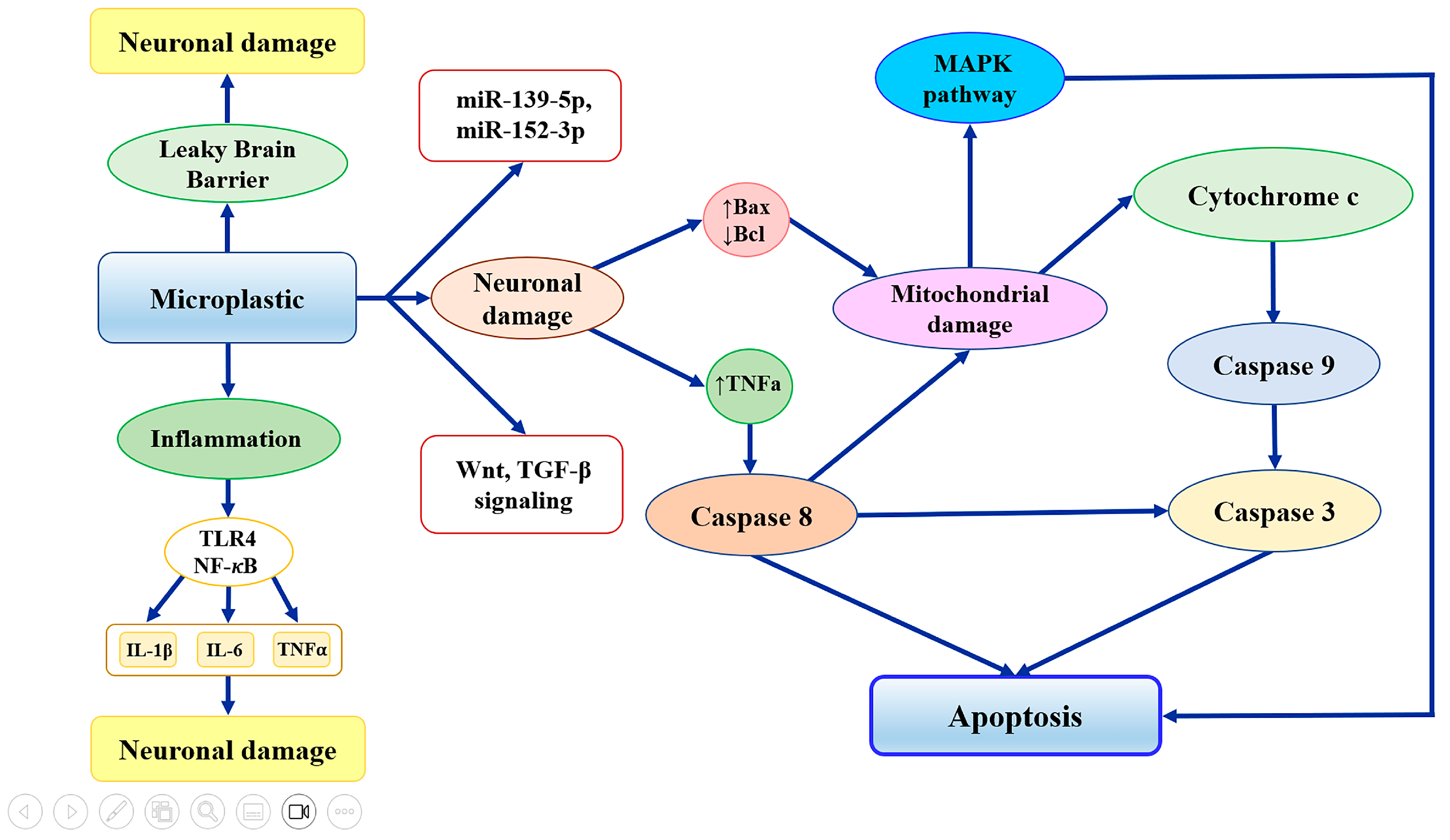

Disclaimer/Publisher’s Note: The statements, opinions and data contained in all publications are solely those of the individual author(s) and contributor(s) and not of MDPI and/or the editor(s). MDPI and/or the editor(s) disclaim responsibility for any injury to people or property resulting from any ideas, methods, instructions or products referred to in the content. |
© 2025 by the authors. Licensee MDPI, Basel, Switzerland. This article is an open access article distributed under the terms and conditions of the Creative Commons Attribution (CC BY) license.
Share and Cite
Lombardo, C.; Musso, N.; Bonacci, P.G.; Lupo, G.; Anfuso, C.D.; Di Fatta, E.; Ferri, R.; Majzúnová, M.; Scuto, M.C.; Trovato Salinaro, A. Micro- and Nanoplastics and Functional Nutrients in Human Health: Epigenetic Mechanisms and Cellular Resilience Signaling in Brain Insulin Resistance and the Risk of Alzheimer’s Disease. Int. J. Mol. Sci. 2026, 27, 169. https://doi.org/10.3390/ijms27010169
Lombardo C, Musso N, Bonacci PG, Lupo G, Anfuso CD, Di Fatta E, Ferri R, Majzúnová M, Scuto MC, Trovato Salinaro A. Micro- and Nanoplastics and Functional Nutrients in Human Health: Epigenetic Mechanisms and Cellular Resilience Signaling in Brain Insulin Resistance and the Risk of Alzheimer’s Disease. International Journal of Molecular Sciences. 2026; 27(1):169. https://doi.org/10.3390/ijms27010169
Chicago/Turabian StyleLombardo, Cinzia, Nicolò Musso, Paolo Giuseppe Bonacci, Gabriella Lupo, Carmelina Daniela Anfuso, Eleonora Di Fatta, Raffaele Ferri, Miroslava Majzúnová, Maria Concetta Scuto, and Angela Trovato Salinaro. 2026. "Micro- and Nanoplastics and Functional Nutrients in Human Health: Epigenetic Mechanisms and Cellular Resilience Signaling in Brain Insulin Resistance and the Risk of Alzheimer’s Disease" International Journal of Molecular Sciences 27, no. 1: 169. https://doi.org/10.3390/ijms27010169
APA StyleLombardo, C., Musso, N., Bonacci, P. G., Lupo, G., Anfuso, C. D., Di Fatta, E., Ferri, R., Majzúnová, M., Scuto, M. C., & Trovato Salinaro, A. (2026). Micro- and Nanoplastics and Functional Nutrients in Human Health: Epigenetic Mechanisms and Cellular Resilience Signaling in Brain Insulin Resistance and the Risk of Alzheimer’s Disease. International Journal of Molecular Sciences, 27(1), 169. https://doi.org/10.3390/ijms27010169